


First Detroit, then the world: The 100 greatest Motown songs of all time

From its 1959 foundations, in the industrial shadow of Detroit, Michigan, Motown Records has always been so much more than a record label.
Throughout music history, particularly from a pop consumer’s perspective, record labels have never boasted the kind of widespread acclaim or power as the artists that fell under their rosters, but Motown changed all of that. Its enigmatic leader, Berry Gordy, knew the world of R&B and soul inside and out, but he was, first and foremost, a businessman.
That meant, instead of signing artists already proven in the battleground of the pop charts, Gordy sought to sign mainly unknowns, moulding them into pop and soul stars within the confines of Hitsville USA’s studios and offices. A countless array of legendary stars came through Motown’s doors over the years, with the label acting as an essential, irreplaceable haven for everybody from Diana Ross, Marvin Gaye, and Stevie Wonder to Michael Jackson, Lionel Richie, and even a few curveballs, like Frankie Valli.
Along the way, Gordy achieved his aims of creating a pop empire, with Motown a near-constant fixture of the American pop charts throughout much of the 1960s and into the 1970s. Hundreds of top-ten hits came from the Hitsville studios, in the process launching a plethora of stars, but, more importantly, raising Motown’s reputation as a pop institution. Suddenly, seeing ‘Motown’, ‘Gordy’, ‘Tamla’, ‘VIP’ or any number of the label’s various imprints scrawled across a record became seen as a mark of quality.
Even many of the label’s misses and flops, of which there were numerous, were later rediscovered and reappraised by the amphetamine-fuelled vinyl obsessives of England’s northern soul boom, for which the ‘Motown sound’ was the entire basis. Such was the power of Gordy’s label that even its failures are still passionately adored, nearly 70 years on from the label’s first emergence.
Motown ran like the assembly lines of Detroit’s nearby automotive industry, churning out an unparalleled volume of material during its heyday. As such, it is difficult to properly rank every single that has ever passed through the label’s hands, but Far Out has never been a publication to shy away from a challenge.
Here, we present the 100 greatest examples of Motown’s output, from its doo-wop-heavy early days to the neon-hued 1980s pop of its later years. While Motown Records still exists in the 21st-century, if only by name, it should be noted that this list focuses exclusively on the label’s output from its foundation as Tamla in 1959 to Berry Gordy’s sale of the label in 1988 (apologies, Boyz II Men fans).
For the rest of you, though, join us as we revisit the magic of one of the most important record labels of all time.
The 100 greatest Motown songs:
The Satintones – ‘Motor City’
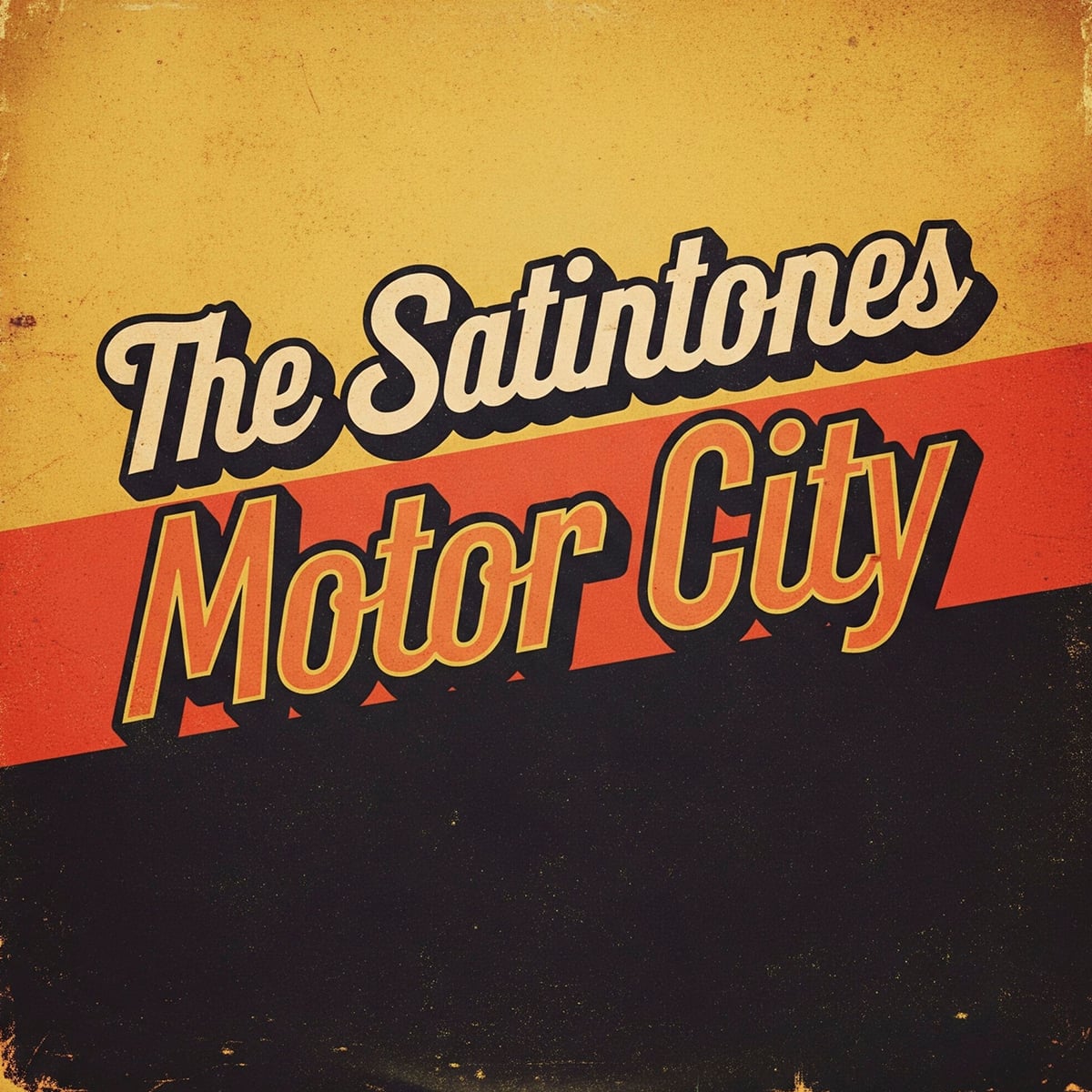
Release Date: 1959 | Songwriters: Berry Gordy Jr and Charles Leverett
Kicking things off with one of Motown’s earliest releases, from the days when the label was still operating under the name ‘Tamla’, ‘Motor City’ might as well have been the label’s theme tune. Its doo-wop styling and upbeat rhythm might not have aged quite as well as some of the songs featured later on down this list, but it still maintains some of its original charm.
What’s more, the track, which originally appeared as the B-side to the vocal group’s ‘Going To The Hop’, forms an essential part of the Motown story, having helped to establish the sonic identity of the label in the days before Gordy had struck upon his first bona fide hit record.
It is also, inevitably, tied to the label’s roots in Detroit, dubbed ‘Motor City’ for its ties to the motor industry, which is a feeling that is common throughout virtually every major Motown release, from these obscure doo-wop numbers to the chart-topping hits of The Supremes (more on that later).
Táta Vega – ‘Full Speed Ahead’
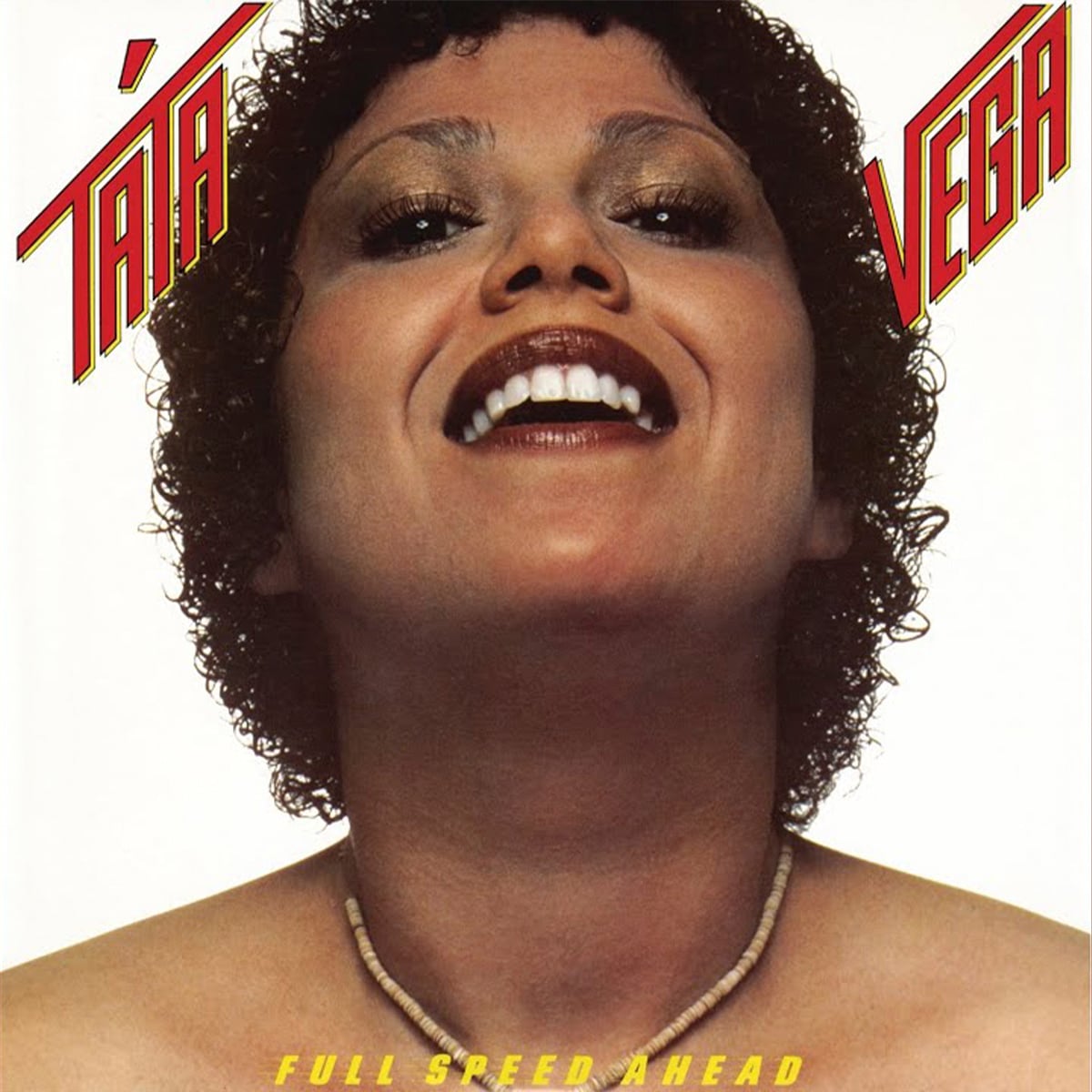
Release Date: 1976 | Songwriters: David H Jones Jr and Wade Brown Jr
A late-period offering, as far as Motown’s heyday goes, Táta Vega’s ‘Full Speed Ahead’ arrived during a time in which hit records were becoming increasingly hard for the label to come by. As a result, much of Motown’s mid-1970s material tends to be forgotten, including this infectious earworm from the New York-born Vega.
Indebted to her roots on the stage, this single, and the album of the same name, is driven almost solely by the power of her vocal output, which seems to leap from the grooves in a flash of early-disco dance euphoria. It might not boast quite the same musical mastery as the hits being pumped out by Motown a decade prior, but even the cheesy disco backing track cannot overshadow the vocal prowess and diverse influences imbued by Vega.
The Swingin’ Tigers – ‘Snake Walk’
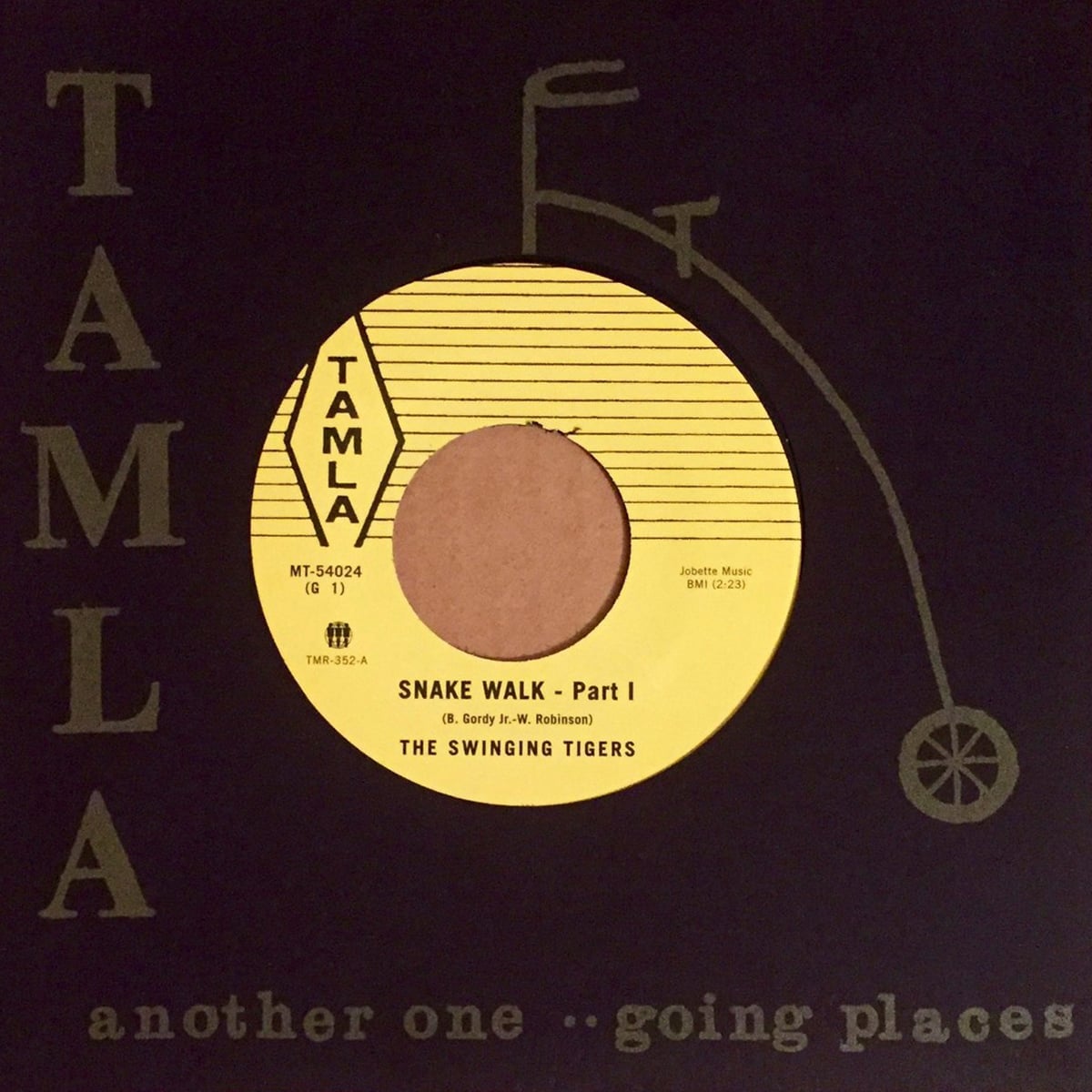
Release Date: 1959 | Songwriters: Berry Gordy Jr and Smokey Robinson
Another early effort from the Tamla days, and another uncharacteristic Motown track which unsurprisingly failed to chart, this horn-heavy instrumental track came from an early incarnation of the ever-expanding in-house band The Funk Brothers, under one of their endless range of aliases.
In hindsight, its heavy R&B grooves and rather noisy recording were never going to reach the dizzying heights of a song like Barrett Strong’s ‘Money’, but the track, split over two sides of a 45 rpm single, nevertheless features some incredible, infectious performances from the likes of Thomas ‘Beans’ Bowles and Joe Hunter, both of whom would go on to perform on various golden age Motown classics.
San Remo Golden Strings – ‘Festival Time’
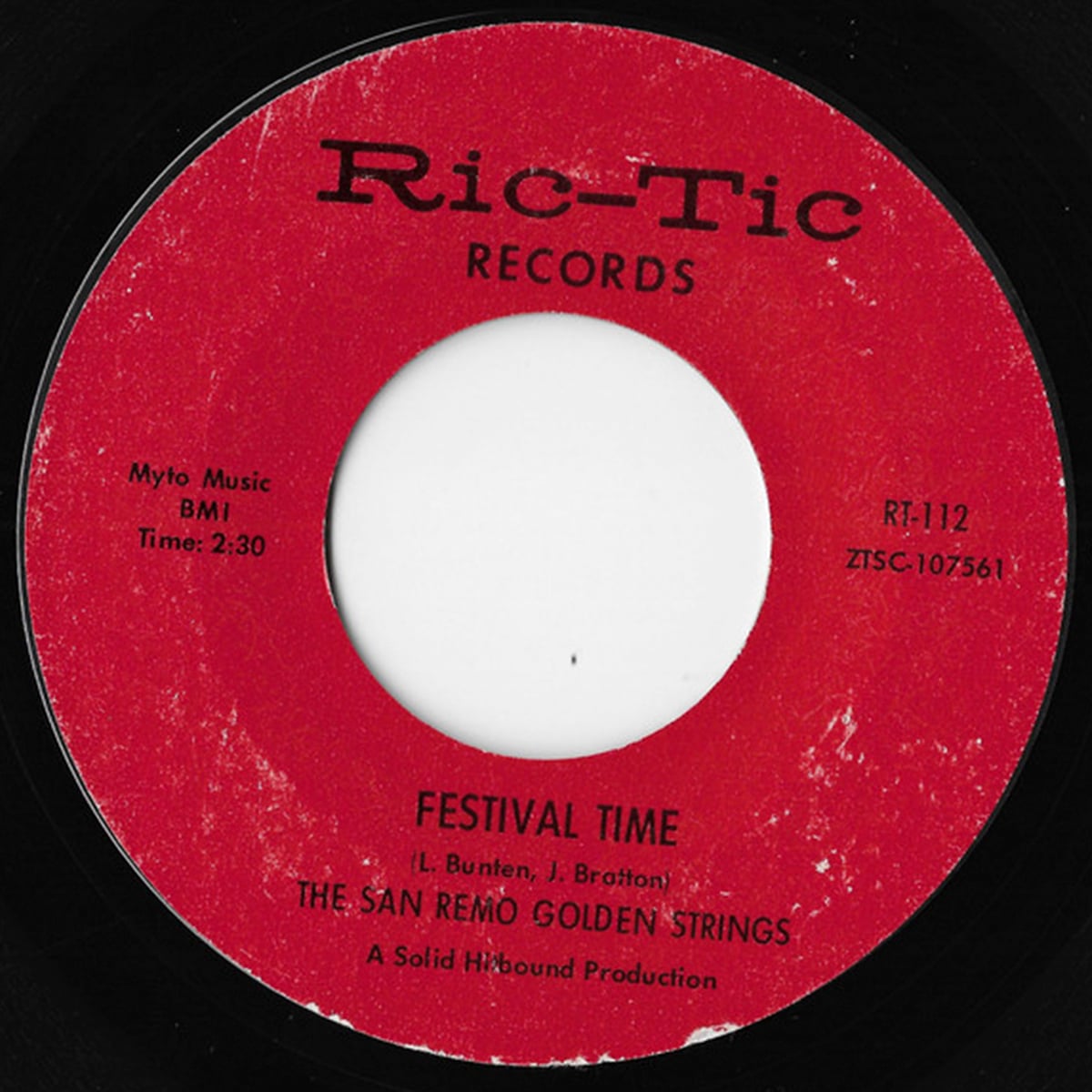
Release Date: 1966/1971 | Songwriters: Joanne Bratton and Linda Bunten
Less than five spots in, and we reach our first debatable inclusion in this list. It is true, before the dedicated soulies among you pipe up, that ‘Festival Time’ by the San Remo Golden Strings was first released via Motown’s competitors, Ric-Tic Records, in 1966. It is also true, however, that the San Remo Golden Strings featured a multitude of performers who were signed to Motown under the Funk Brothers moniker.
What’s more, the celebratory instrumental and northern soul stormer was reissued by Tamla Motown back in 1971, after Berry Gordy had decimated his Ric-Tic competitors by buying them out and consuming their entire roster. Hence, it can certainly be considered a Motown track in more ways than one.
Aside from anything else, ‘Festival Time’ boasts the kind of infectious, foot-stomping soul which can never be denied, regardless of what label it was first issued on, and it is an excellent example of just how much talent Motown had at its disposal back in the 1960s, even if the Funk Brothers, or San Remo, were rarely placed in the spotlight.
Chico Leverett – ‘Solid Sender’
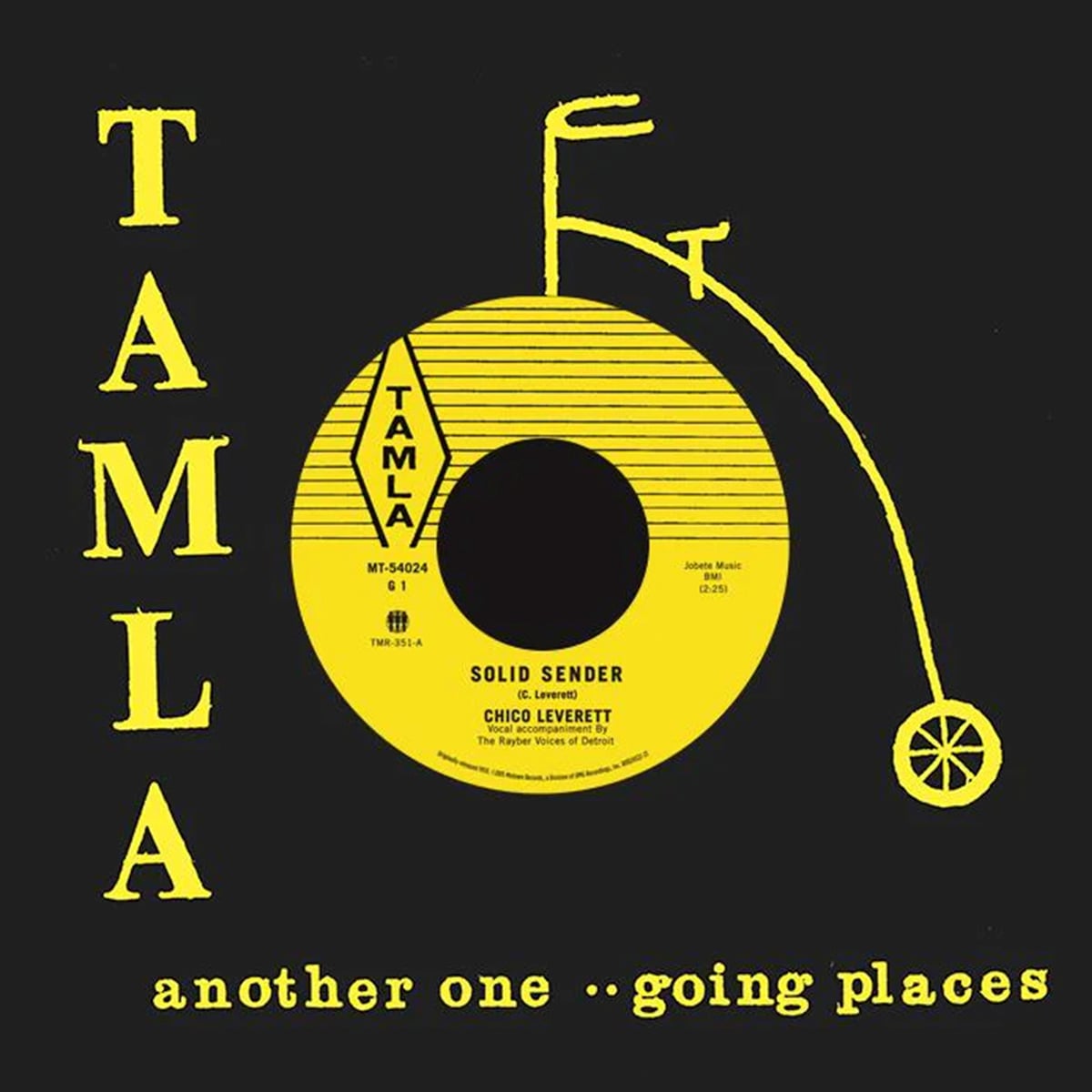
Release Date: 1959 | Songwriter: Chico Leverett
Another early effort from the Motown archives, this almost impressively inoffensive R&B track was the project of The Satintones’ Chico Leverett, and while it is far from being the most exciting or successful of the label’s early output, there is certainly a charm to Leverett’s original track, perhaps solely as a result of Beans Bowles’ typically fantastic saxophone solo.
Like virtually every doo-wop-fuelled single Motown tried their hand at back in 1959, the song failed to make virtually any impact on the nationwide charts, and the label swiftly (and correctly) decided that doo-wop was the sound of the past. In the light of modernity, though, many of these failed doo-wop records, ‘Solid Sender’ included, have a certain retro appeal to them. It’s no Barrett Strong, sure, but it’s still deserving of a spot in this list, albeit a low-ranking one.
High Inergy – ‘You Can’t Turn Me Off (in the Middle of Turning Me On)’
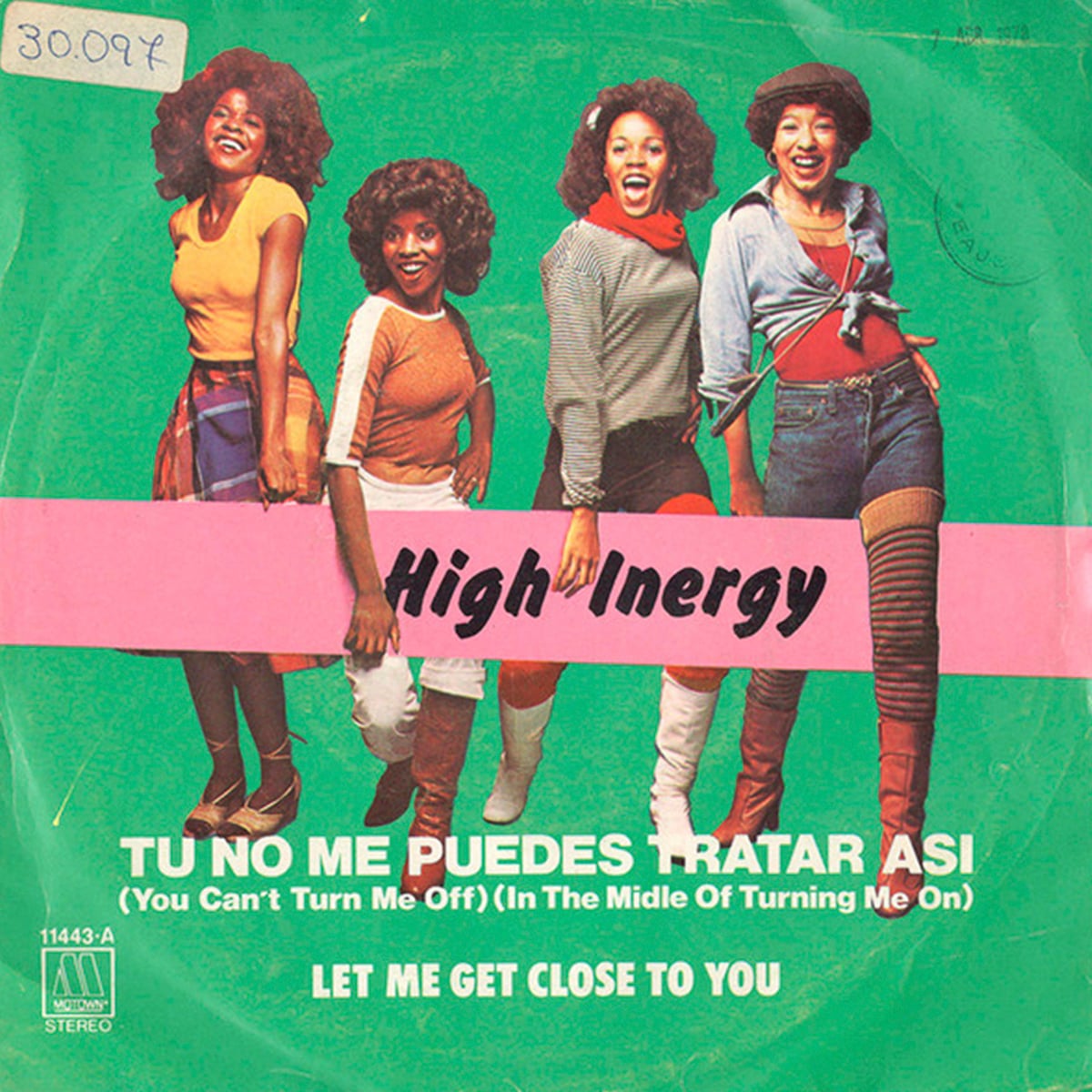
Release Date: 1977 | Songwriters: Pam Sawyer and Marilyn McLeod
Arriving a decade before Gordy sold off his shares in the label, and reflecting just how much hit-power the label still maintained, the deceptively named High Inergy unleashed this mid-tempo R&B ode to foreplay back in 1977, and it quickly reached number 12 in the US singles chart.
It could certainly, and accurately, be described as being ‘of its time’, but its distinctly 1970s blend of funk-driven disco and the R&B bedrock of Motown is undeniably infectious, owing in part to the songwriting stylings of Pam Sawyer, whose other credits for the label include The Supremes ‘Love Child’ (more on that later down this list). The California group never really managed to recapture the unique magic of this particular track, but it remains a definite highlight of Motown’s late-1970s offerings.
The Velvelettes – ‘He Was Really Saying Something’
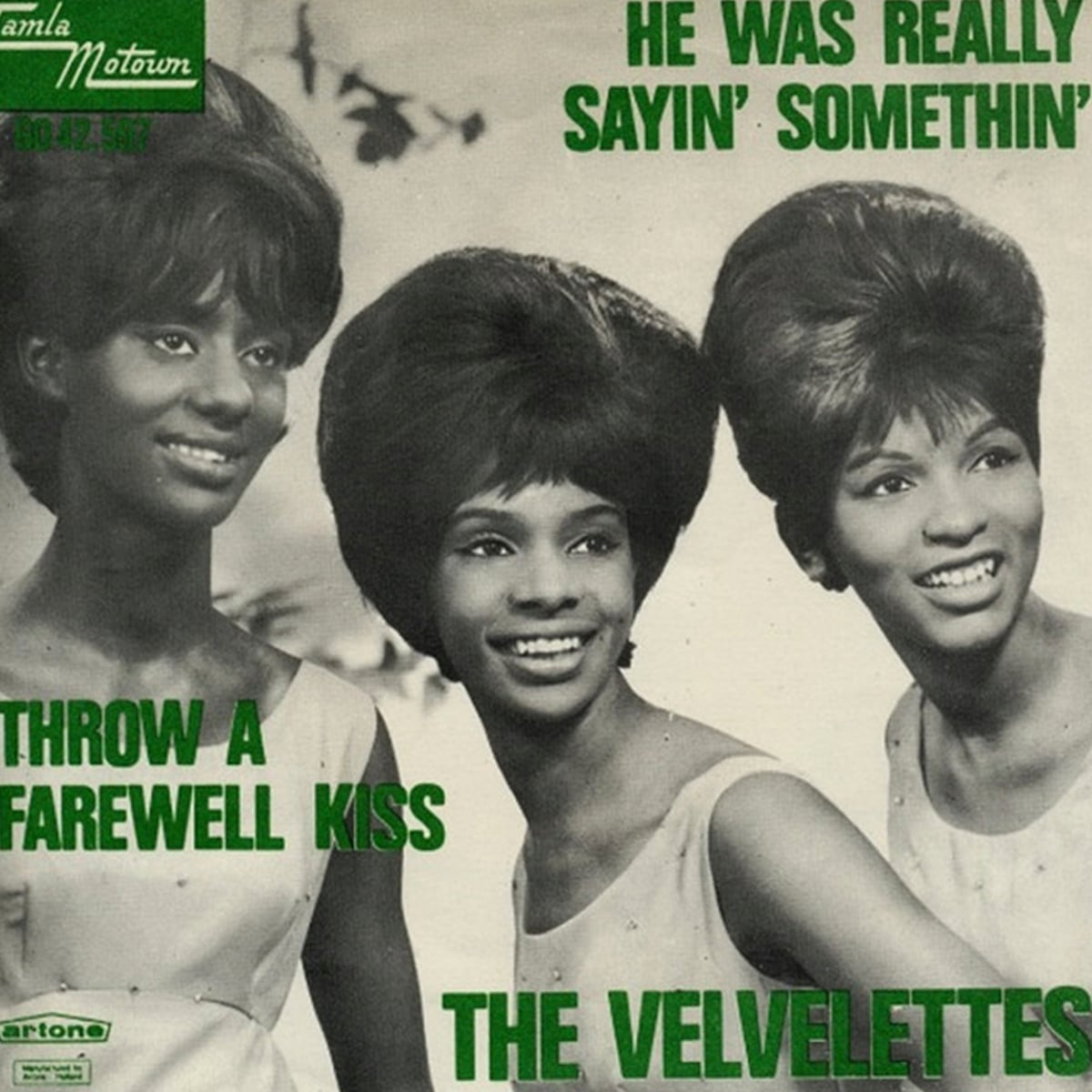
Release Date: 1964 | Songwriters: Norman Whitfield, William Stevenson, and Edward Holland Jr
Girl groups tended to do very well within the Motown realm, whether it was the prolonged success of Diana Ross and The Supremes or The Marvelettes, who scored Gordy his very first number-one. The Velvelettes, however, never seemed to take off in quite the same way, despite earworm tracks like ‘He Was Really Saying Something’, which peaked at a rather disappointing 64 on the pop charts upon release.
With a commanding groove that would eventually see the song infiltrate the northern soul scene the following decade, the single is classic Motown, and typical of their exhaustive mid-1960s output. Why it didn’t seem to resonate with audiences at the time is anybody’s guess, though it is worth noting that it was released on the label’s VIP imprint, which never had quite the same pull as the main label.
In support of its hit potential, though, a cover of the song performed by 1980s powerhouse girl group Bananarama ended up becoming a hit decades later. Perhaps, then, the audiences of 1964 simply weren’t ready for the song yet. Either that or The Velvelettes didn’t boast quite the same charisma as Bananarama.
Nick And The Jaguars – ‘Ich-I-Bon #1’
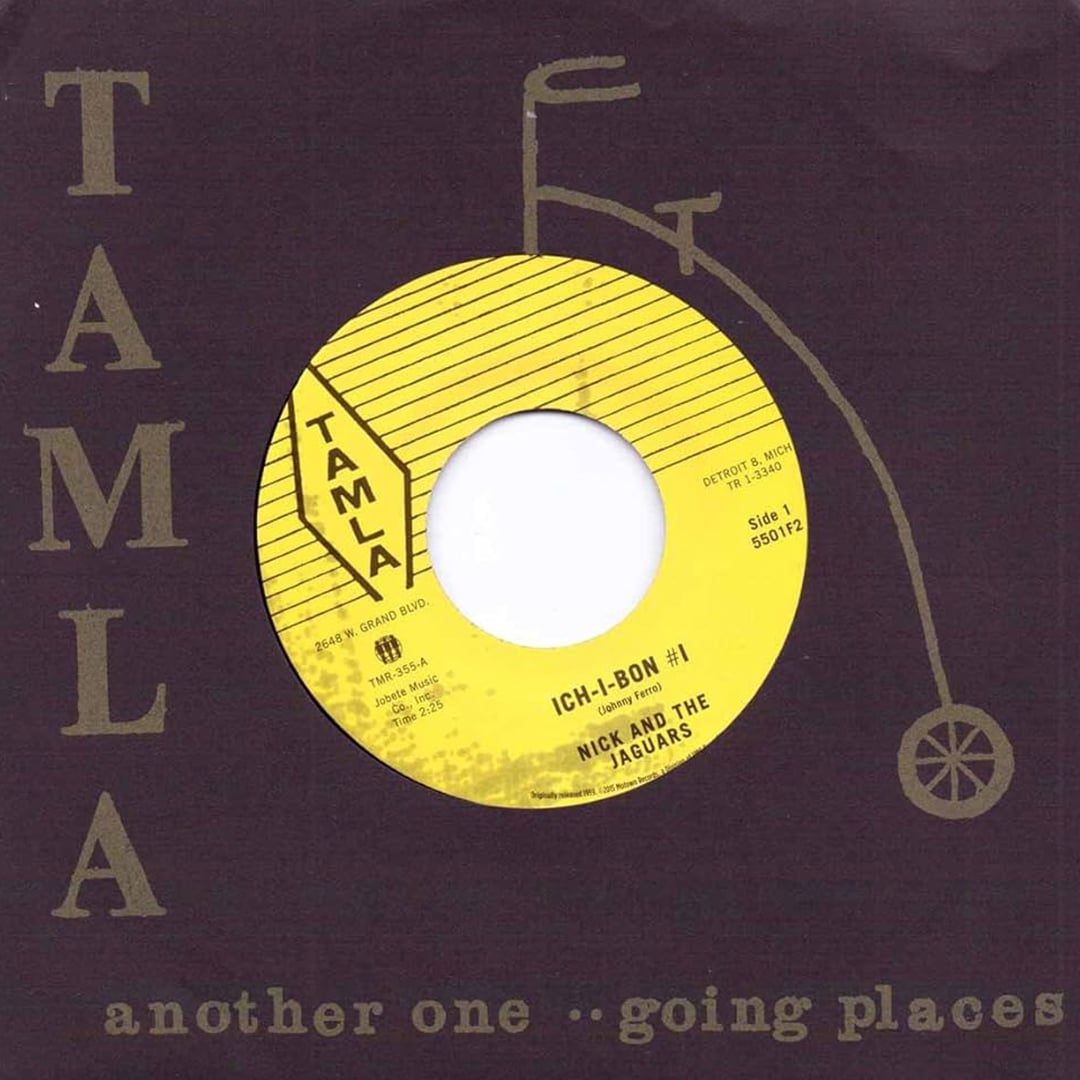
Release Date: 1959 | Songwriter: Johnny Ferro
Another effort which can be filed under ‘early Motown oddities’, ‘Ich-I-Bon #1’ was worlds away from the ‘Motown sound’, finding much more in common with the realms of surf and garage rock. Hailing from nearby Pontiac, Michigan, and earning the accolade of being the first white act to release a single on the Motown label, Nick and the Jaguars weren’t exactly a natural fit for the label, but, if anything, that only makes this instrumental surf track all the more charming.
Built around a mod-esque guitar riff and with an admittedly quite repetitive structure, the single was never going to be a huge hit for the label, and it didn’t do enough to secure the band any kind of deal with Berry Gordy, being the second of just two records released by the band in their relatively short tenure, but its existence speaks to the somewhat experimental nature of Motown during those early few months during the late 1950s.
The Supremes – ‘Buttered Popcorn’
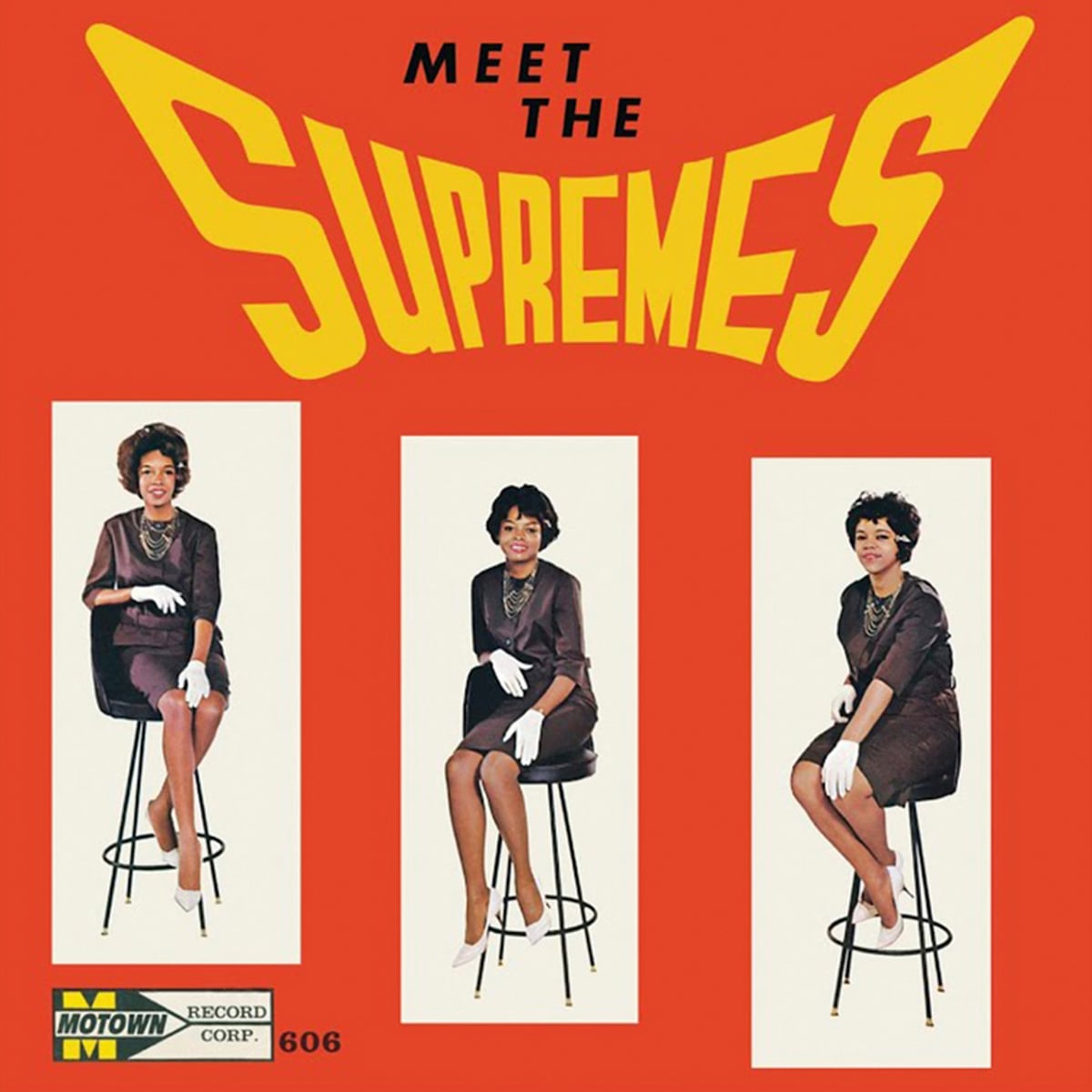
Release Date: 1961 | Songwriters: Berry Gordy Jr and Barney Ales
The Supremes’ story doesn’t start and end with tracks like ‘Baby Love’. During their early days at Motown, the vocal trio struggled to find much in the way of commercial success, but that didn’t stop them from recording cult classics like 1961’s ‘Buttered Popcorn’. In later years, of course, it was Diana Ross who was thrust to the forefront of the group, but this single remains an excellent example of the talents of Florence Ballard.
One of the few Supremes tracks which featured Ballard on lead vocals, and she gives the track the kind of command that few others could. Its lyricism isn’t the most revolutionary, with little depth behind the song’s title, other than an apparently outrageous potential double meaning, which meant the single’s promotion was quickly panned by Motown, but that doesn’t make it any less infectious an R&B classic.
It wasn’t a hit, and it was eventually forgotten in favour of the group’s Holland-Dozier-Holland-era chart-toppers, but it is nonetheless deserving of its place in this particular list.
Jr Walker and the All Stars – ‘Come See About Me’
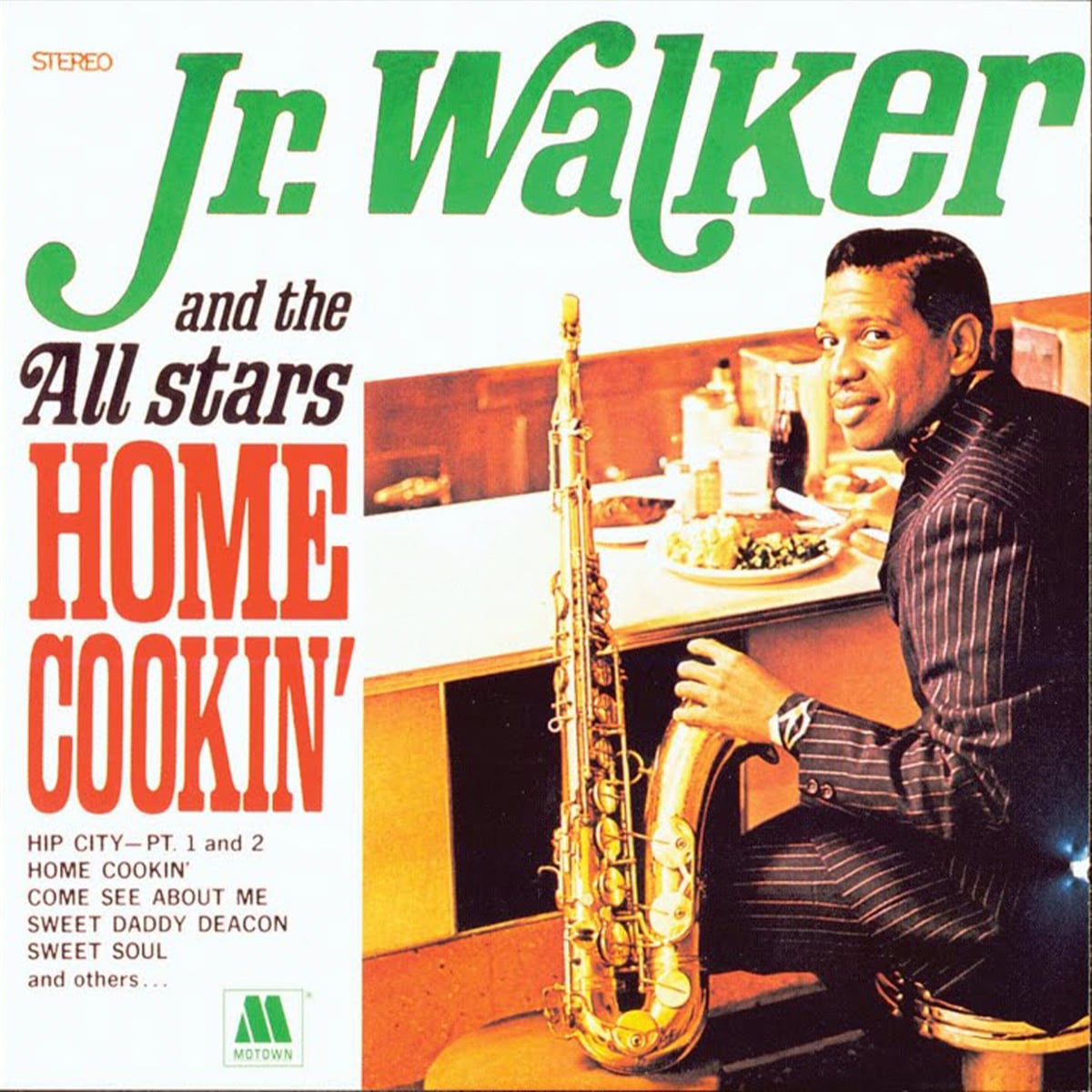
Release Date: 1967 | Songwriters: Holland-Dozier-Holland
Junior Walker and his band of soul masters might have begun their career at a rival label, Harvey, but that didn’t stop them from becoming one of the most prominent Motown outfits of the 1960s. While unsurprisingly, this is not their only entrant into this century of songs, ‘Come See About Me’ is an incredible introduction to the distinctive sound of the group, awash with the kind of upbeat soul euphoria that you cannot help but fall in love with.
Like the vast majority of Walker’s Motown-era output, this single was resigned to the Soul imprint, but that didn’t stop it from reaching number 24 on the US singles chart back in 1967, thanks in no small part to the endless songwriting heroism of Holland-Dozier-Holland, only a few months before the legendary trio left Motown in a haze of royalty disputes.
Shorty Long – ‘Baby Come Home To Me’
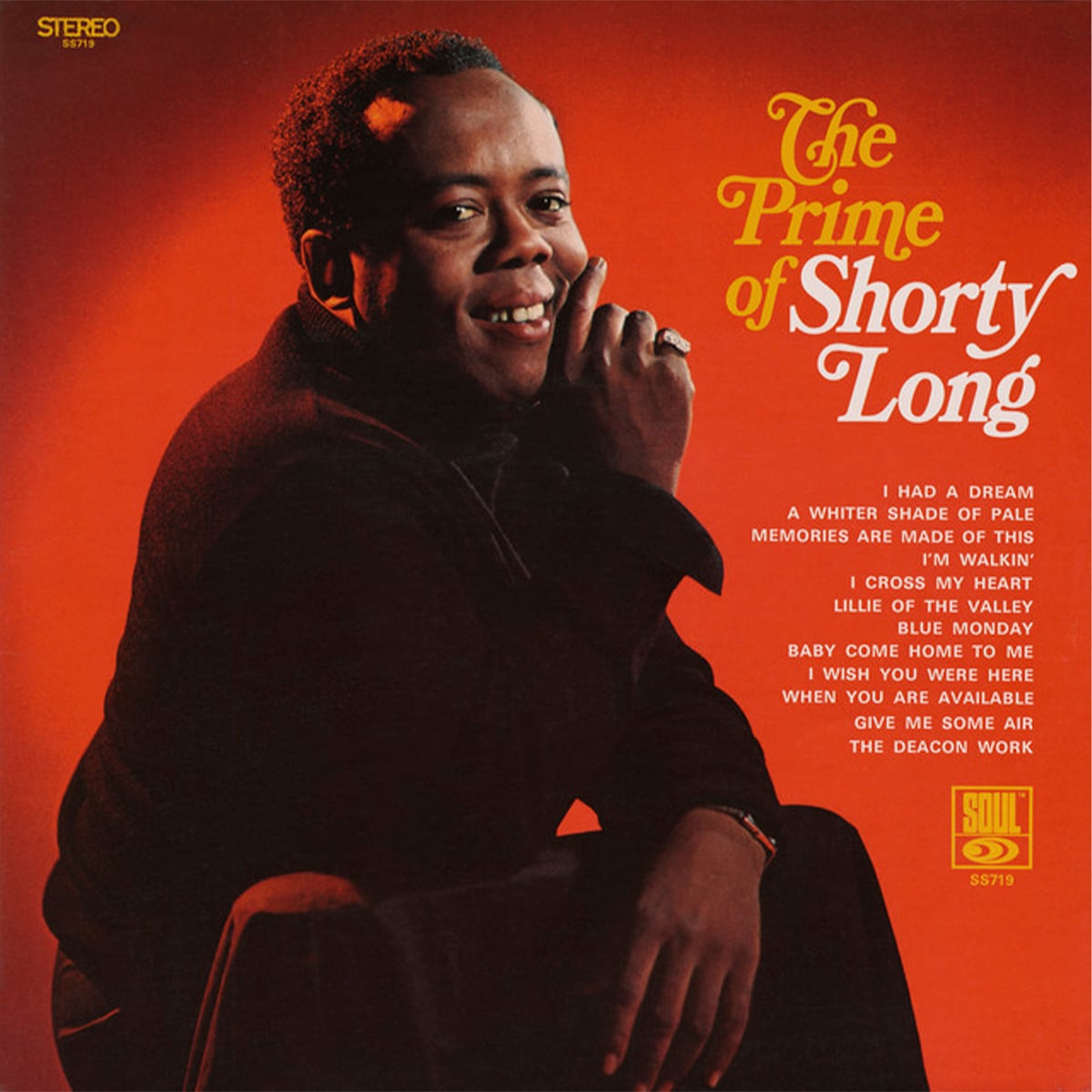
Release Date: 1969 | Songwriters: Clarence Paul, Luvel Broadnax, and Roosevelt Smith
A weapon in the Motown arsenal who was as innovative as he was underrated, Shorty Long arrived at the label already boasting a litany of writing, performing, and production credits, including but not limited to various recordings by Elvis Presley. At Hitsville, he formed the backbone of the Soul imprint, unleashing a plethora of footstomping, floor-filling soul classics, of which ‘Baby Come Home To Me’ is certainly one of his best.
Tragically, the song never got the chance to become a hit record, as Long passed away in a boating accident in June 1969, months before the album that this track was included on, The Prime of Shorty Long, ever hit the airwaves.
As a result, the soulful, brass-heavy euphoria of the song is often shrouded in the tragic context behind its release. Either way, it is difficult to deny the genius of Long’s output, particularly when confronted with a track as strong as ‘Baby Come Home To Me’.
Earl Van Dyke And The Soul Brothers – ‘All For You’
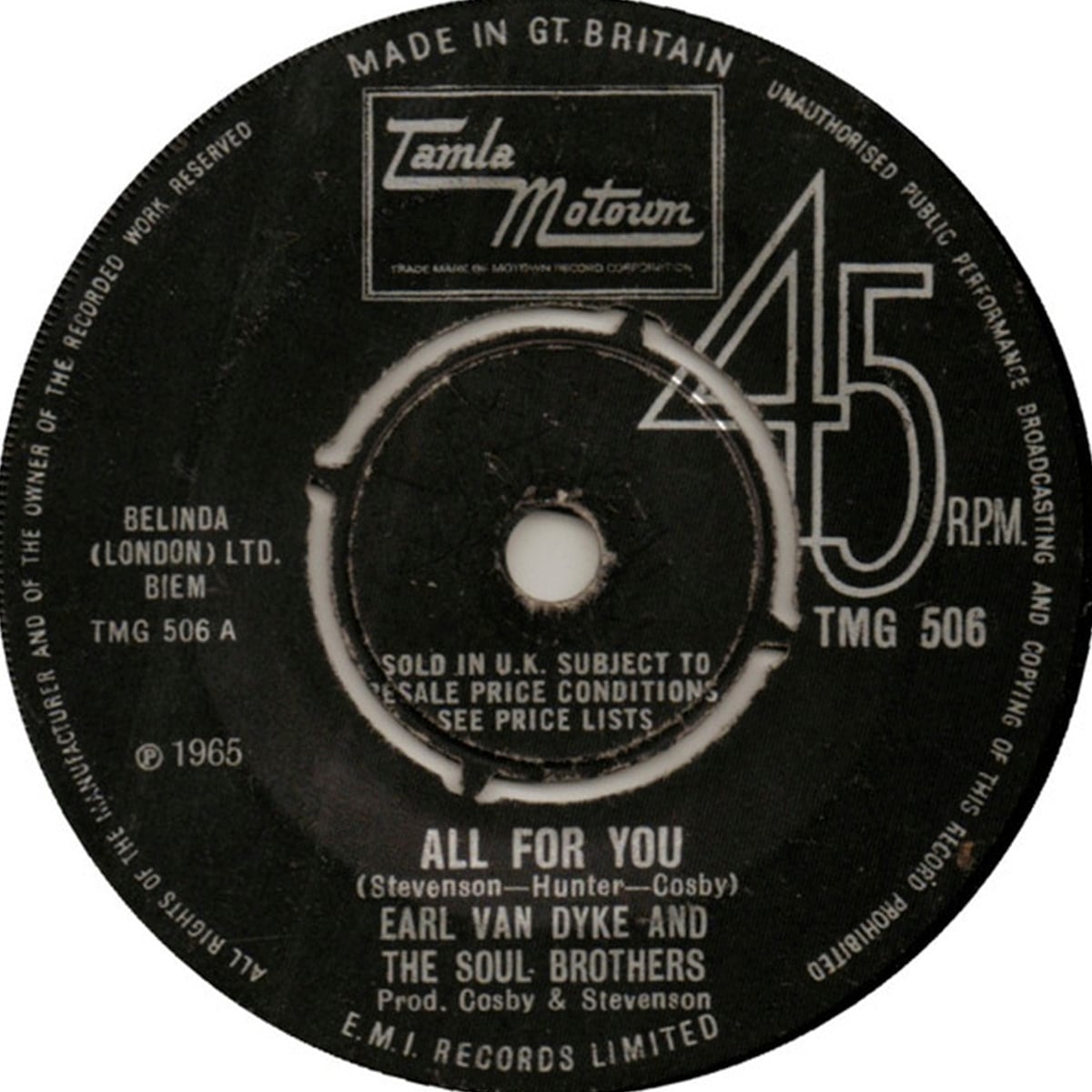
Release Date: 1965 | Songwriters: William Stevenson, George Hunter, Henry Cosby
An essential member of the Funk Brothers who never really made it into the big-time as an artist in his own right, Earl Van Dyke was Motown’s resident organ master, and ‘All For You’ is one of the premier examples of that fact.
Beloved by all-night mod and northern soul dances, and ignored by virtually everyone else, this attempt to evoke the same magic as Booker T and the MG’s over at Stax Records boasts an enchanting uptempo rhythm and Van Dyke’s distinctive organ stylings which, while they might not have earned him many hit records, established him among the greatest keyboardists to ever pass through the doors of Hitsville USA.
Bizarrely, this particular track was never officially released for the US market, even on the Soul imprint where Van Dyke spent the majority of his career. Instead, the organ-led instrumental triumph was one of the few Tamla Motown releases that only those in the United Kingdom and, even stranger, France, were privy to. Perhaps even Berry Gordy could recognise when a song was tailor-made for the Lambretta-riding mods of Brighton Beach.
Chuck Jackson – ‘Girls, Girls, Girls’
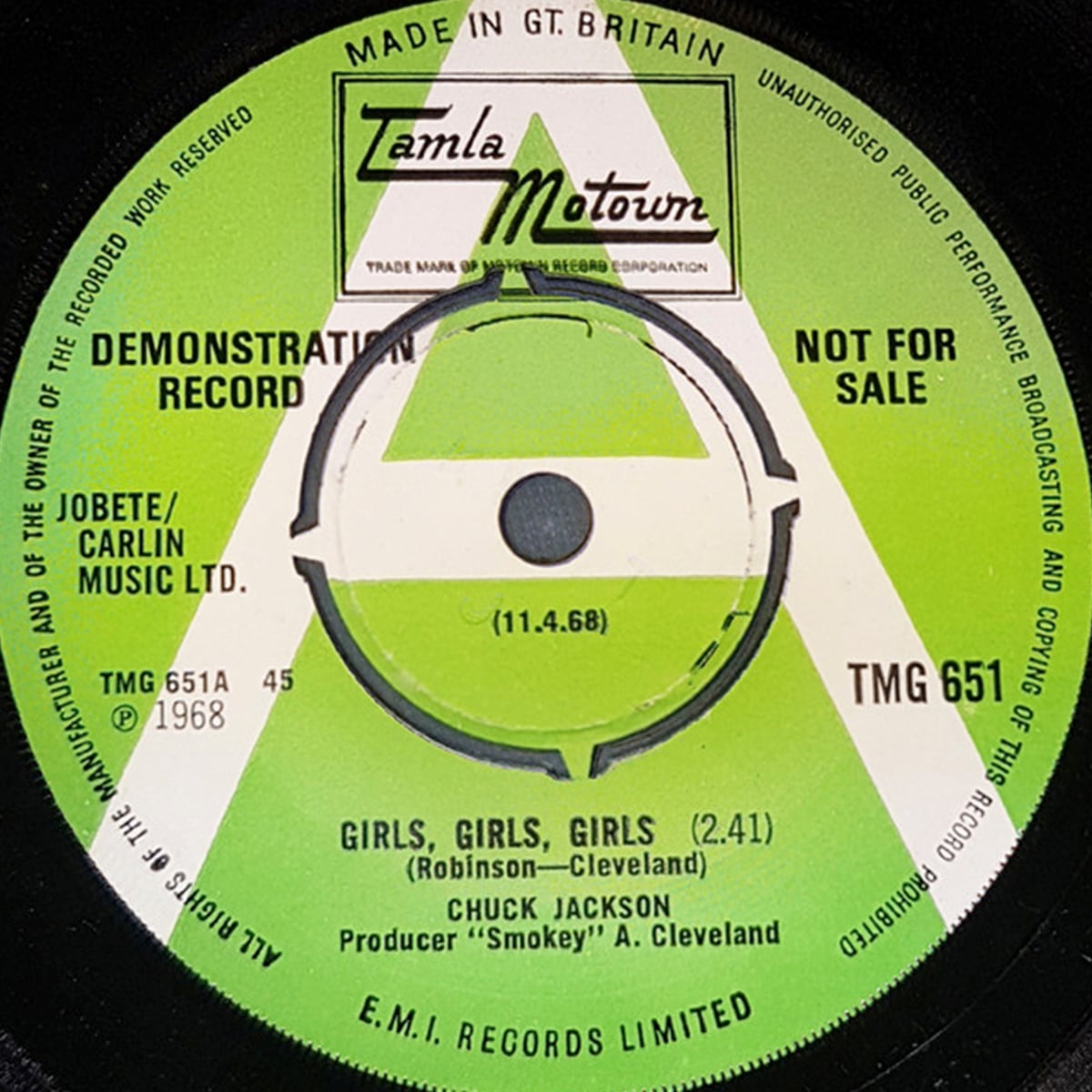
Release Date: 1968 | Songwriters: Al Cleveland and Smokey Robinson
While perhaps not the most heartfelt nor romantic song that ever came from Smokey Robinson’s fingertips, this underrated 1968 effort from North Carolina vocalist Chuck Jackson does boast an endearing cinematic quality to it, evocative of a particularly grandiose period in Motown history.
Jackson himself never had a huge impact on the Motown landscape, having joined the roster in 1968 after spending the majority of the decade at Wand Records in New York City. Most of his Hitsville period was confined to the VIP label, with ‘Girls, Girls, Girls’ the ultimate highlight of the soul hero’s fleeting Motown career, exemplifying the distinctive power of his regrettably underutilised vocal tones.
The Dalton Boys – ‘I’ve Been Cheated’
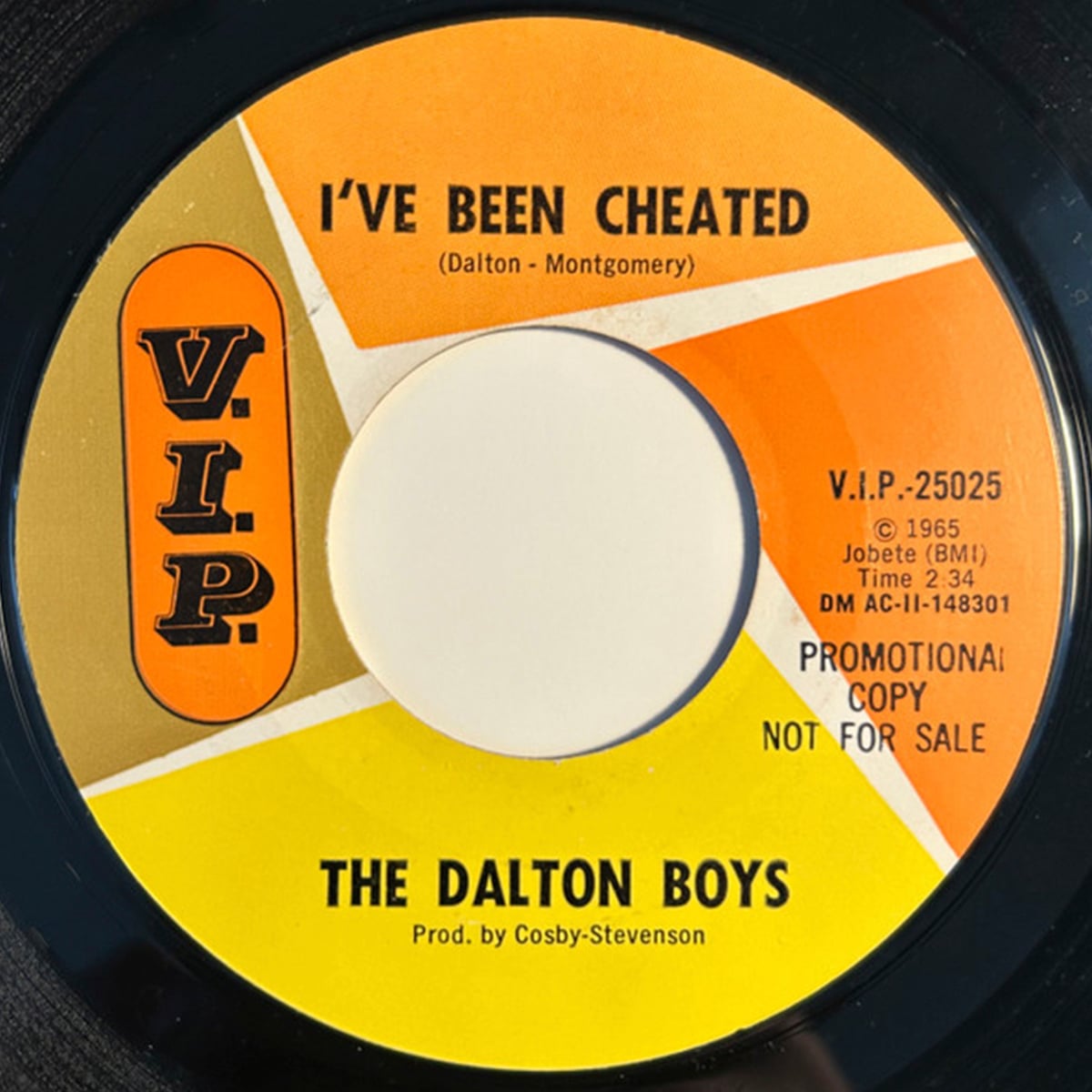
Release Date: 1965 | Songwriter: Gary Montgomery
Scarcely demanding a footnote in the timeline of Motown’s biggest year, 1965, The Dalton Boys were a definite outlier within Gordy’s roster. Not only did their name make them sound like a two-bit country and western outfit, but they were also among the few white groups on the label at that time.
Nevertheless, their stand-out single ‘I’ve Been Cheated’, which, admittedly, was one of only two releases the group had on the VIP imprint, has the kind of infectious, brass-heavy soul bravado that can still get foot moving over half a century since its first release. Listening to the rather commanding R&B single, you would never guess that the band of brothers started out as a folk band.
The Spinners – ‘It’s A Shame’
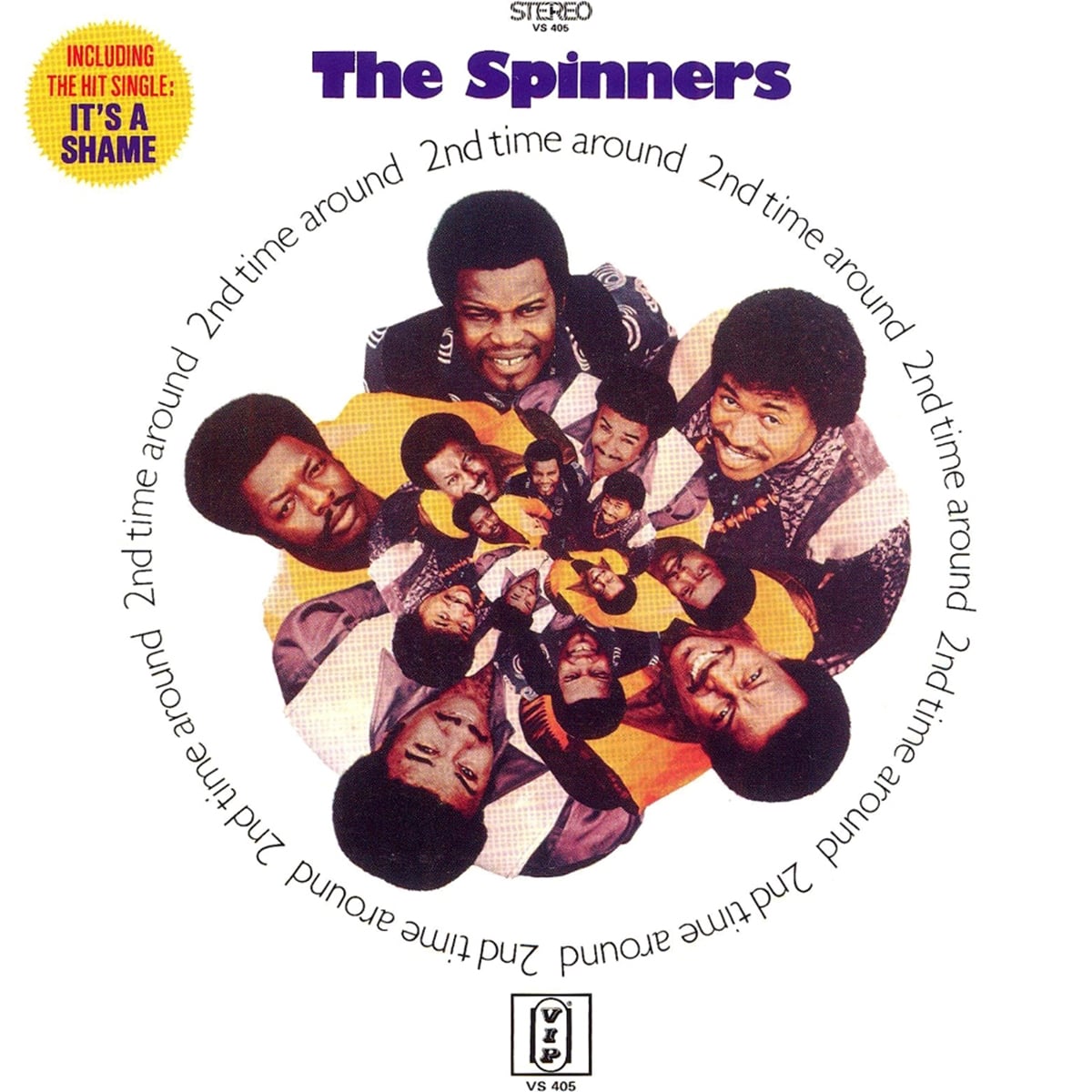
Release Date: 1970 | Songwriters: Stevie Wonder, Lee Garrett, and Syreeta Wright
The Spinners had been knocking around the Detroit R&B scene for upwards of a decade before they signed to Motown in 1964, and it took them a further six years to land upon their biggest hit, and defining sound, in 1970’s ‘It’s A Shame’. Fuelled by the unmistakable influence of Stevie Wonder at the writing desk, the single became one of the biggest hits of the VIP imprint, reaching 14 in the US singles charts shortly after its release.
With that classic Motown sound updated for the shifting sands of a new decade, the single features a beautiful meeting of the band’s old-school vocal R&B and the funk-fuelled euphoria that would go on to dominate Wonder’s own output shortly thereafter. Even today, one spin of the single is enough to have it ruminating around your head for days on end, and that still isn’t long enough to get sick of it.
Debbie Dean – ‘Why Am I Lovin’ You’
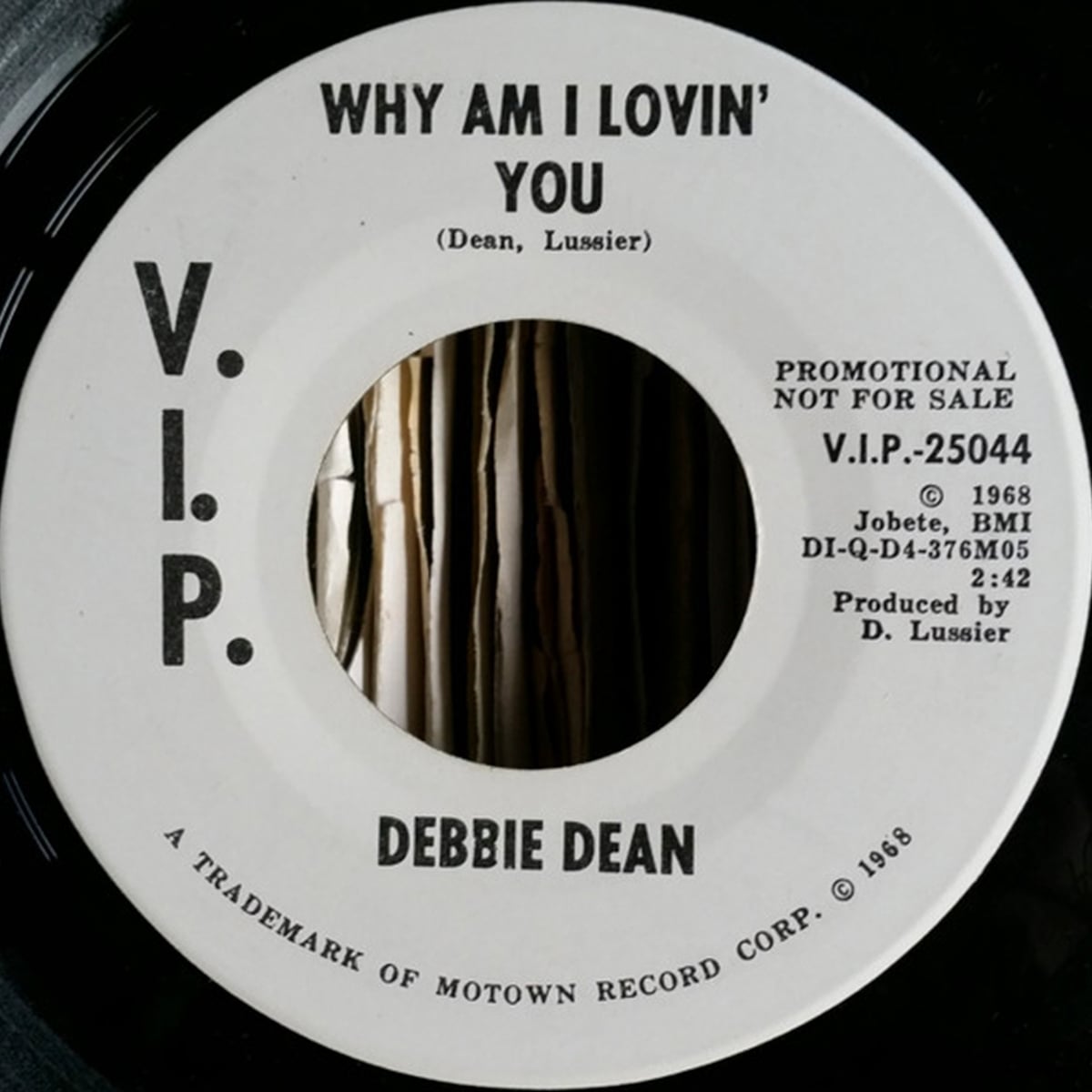
Release Date: 1968 | Songwriters: Debbie Dean and Dennis Lussier
Back in 1961, when Motown was still desperately scrambling for hit records, Debbie Dean became the first-ever white artist to sign a contract with the label, releasing decent but ultimately pretty forgettable singles like ‘Don’t Let Him Shop Around’. It was with her short-lived return to Hitsville in 1968, for the VIP released single ‘Why Am I Lovin’ You’ that the Kentucky-born vocalist truly proved her soulful potential.
Heartbreak lyrics are contrasted with an upbeat, floor-filling soul sound that would eventually make the single a favourite for appreciators of rare Motown and northern soul singles. The single itself, like the rest of Dean’s short-lived output, did little to endear itself towards the pop charts, which is perhaps why her time at Motown never truly took off, but the subsequent obscurity of the single has made it one of this list’s more expensive records to get your hands on.
Bobby Taylor And The Vancouvers – I Am Your Man
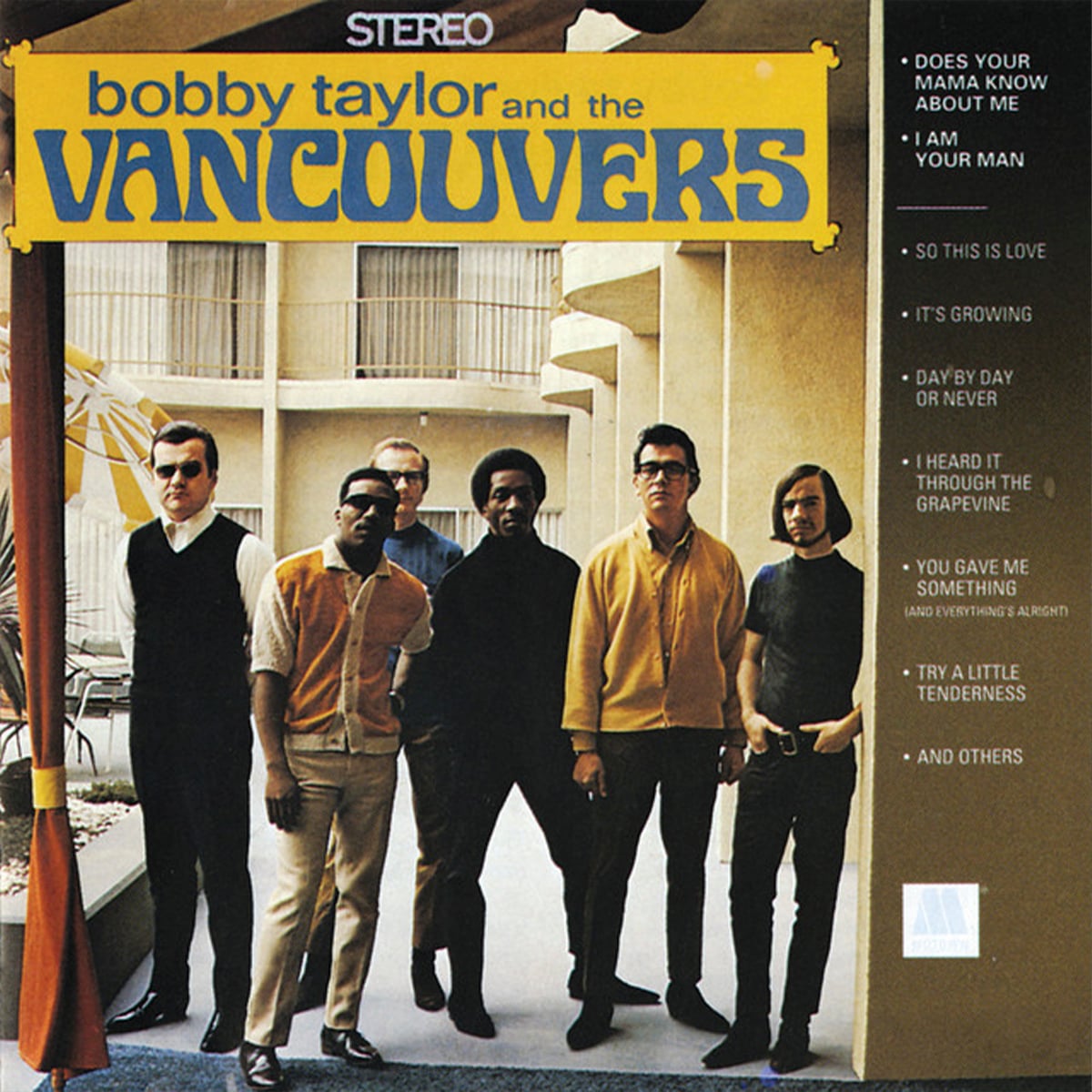
Release Date: 1968 | Songwriters: Nickolas Ashford and Valerie Simpson
A rare jaunt across the northern border of the US brought Bobby Taylor and the Vancouvers to the attention of Motown towards the tail-end of the 1960s, and although their time at the label was fleeting, comprising three singles and an album, none of which charted and all of which were released in 1968, they nevertheless managed to produce a few soul stormers.
‘I Am Your Man’ is inarguably the band’s finest moment, and although it paled in comparison to the hits Motown were churning out in that particular year, the mid-tempo single managed to break into the fringes of the northern soul scene in the years that followed, even if it wasn’t quite the uptempo stormer that typically filled the floor at Wigan Casino.
Patrice Holloway – ‘The Touch of Venus’
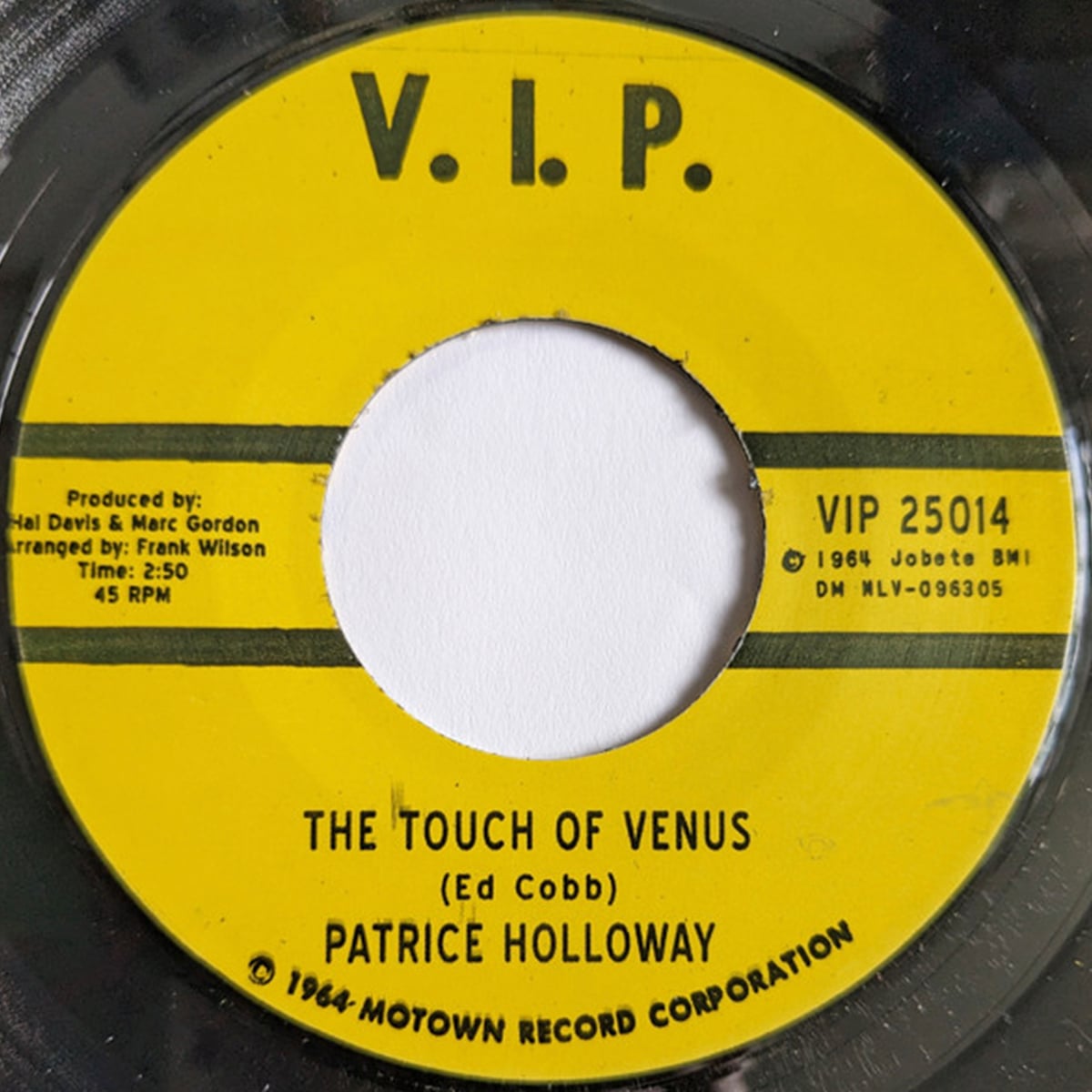
Release Date: 1963/2016 | Songwriter: Ed Cobb
One of many Motown obscurities featured in this list, ‘The Touch of Venus’ was probably Patrice Holloway’s defining moment with the label’s VIP imprint when it was first recorded, sometime around 1963. In the end, though, the recording wasn’t issued in any official capacity until 2016, when it featured in the coveted Motown 7s Box of rare and unreleased material.
Often billed as ‘Brenda’s sister’ owing to her relation to the similarly underutilised Brenda Holloway (see entries 80 and 28), it doesn’t take a genius to figure out why Patrice never quite struck gold at Motown, but recordings like ‘The Touch of Venus’ exemplify the undeniable soulful power of her performance. Seemingly, those recordings did enough to earn her a contract with Capitol Records towards the end of the 1960s, too; Motown’s loss was certainly their gain.
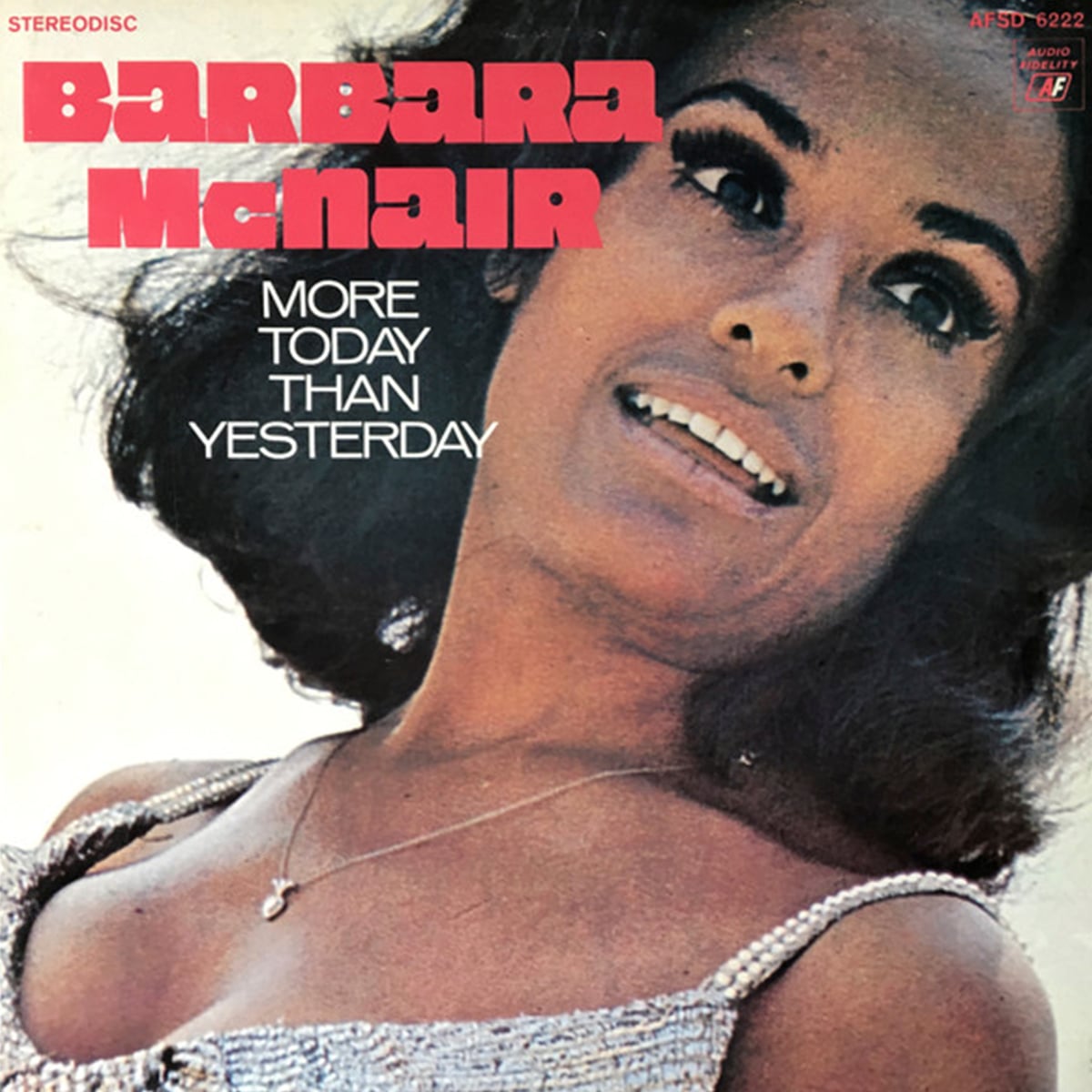
Barbara McNair – ‘I Know Better’
Release Date: 1966/2004 | Songwriters: Norman Whitfield and R Dean Taylor
Another initially unreleased Motown oddity, ‘I Know Better’ was originally recorded by Gladys Knight and the Pips as well as The Marvelettes, neither of whom scored much of a hit with the Whitfield-Taylor composition, but the greatest version was recorded by the legendary Barbara McNair sometime around the mid-1960s.
McNair released just two albums and a handful of singles with Motown, making her time with the label something of a footnote in her incredibly multifaceted career as an actress and performer. In 2004, though, an exhaustive anthology of everything she recorded at Hitsville was finally released, and it contains this beautiful, orchestral rendition of ‘I Know Better’, which feels as though it was written specifically for McNair’s cinematic voice.
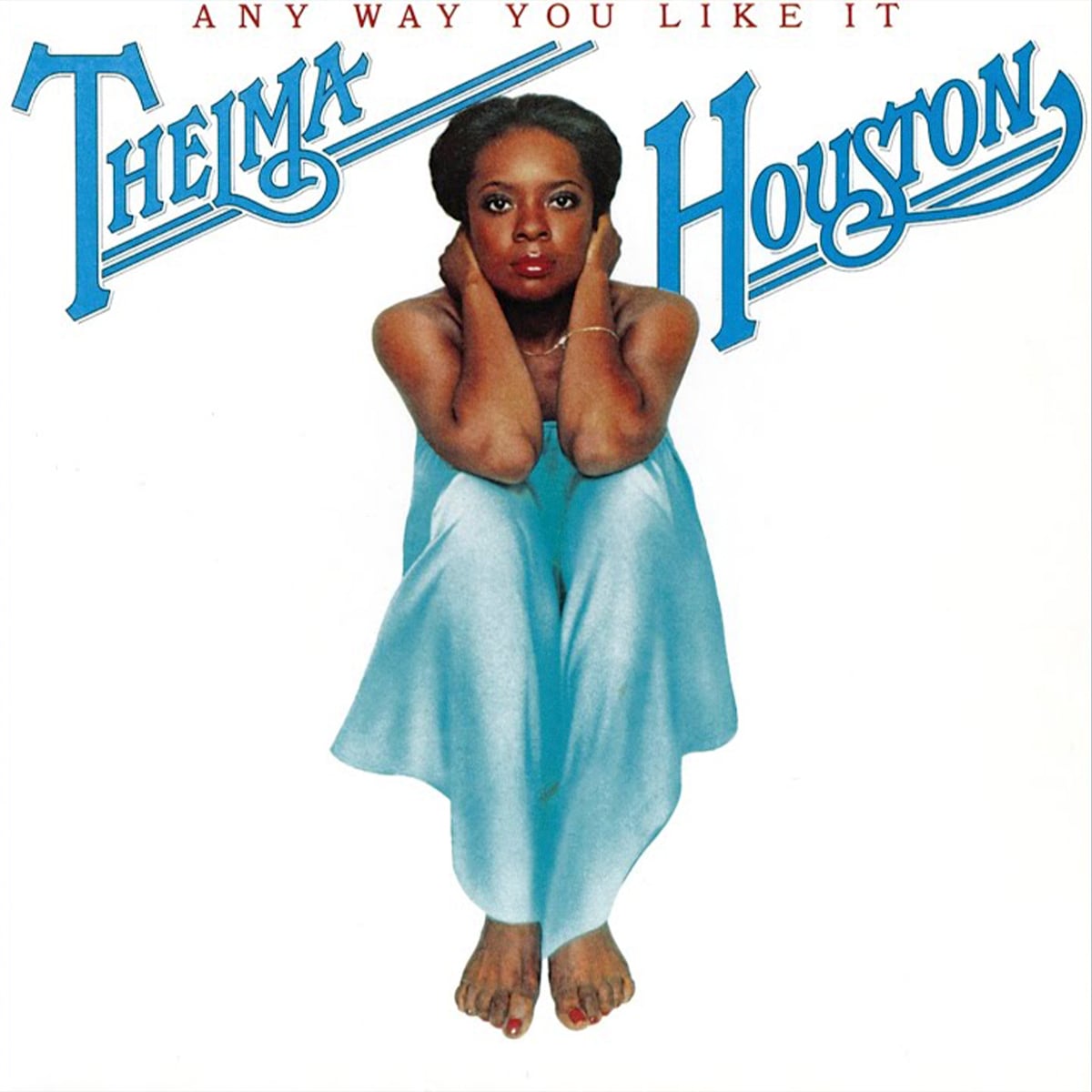
Thelma Houston – ‘Don’t Leave Me This Way’
Release Date: 1976 | Songwriters: Kenneth Gamble, Leon Huff, and Cary Gilbert
In addition to being one of the most iconic Motown releases of the mid-1970s, Thelma Houston’s ‘Don’t Leave Me This Way’ was also something of a rarity as far as the label was concerned. It was, after all, a cover of the Harold Melvin track, originally released the year prior on Philadelphia International, meaning Berry Gordy would have to fork out some royalties to songwriters outside the Motown bubble.
It is fair to say, though, that a few royalty cheques were worth it for this disco masterpiece, especially since it topped the US singles charts, earned Houston a Grammy Award, and spawned countless cover versions and remixes in its own right. Motown’s mid-1970s output often gets ignored in favour of its earlier glory days, but it is worth remembering just how effective Gordy’s label was in throwing themselves headfirst into the blossoming age of disco.
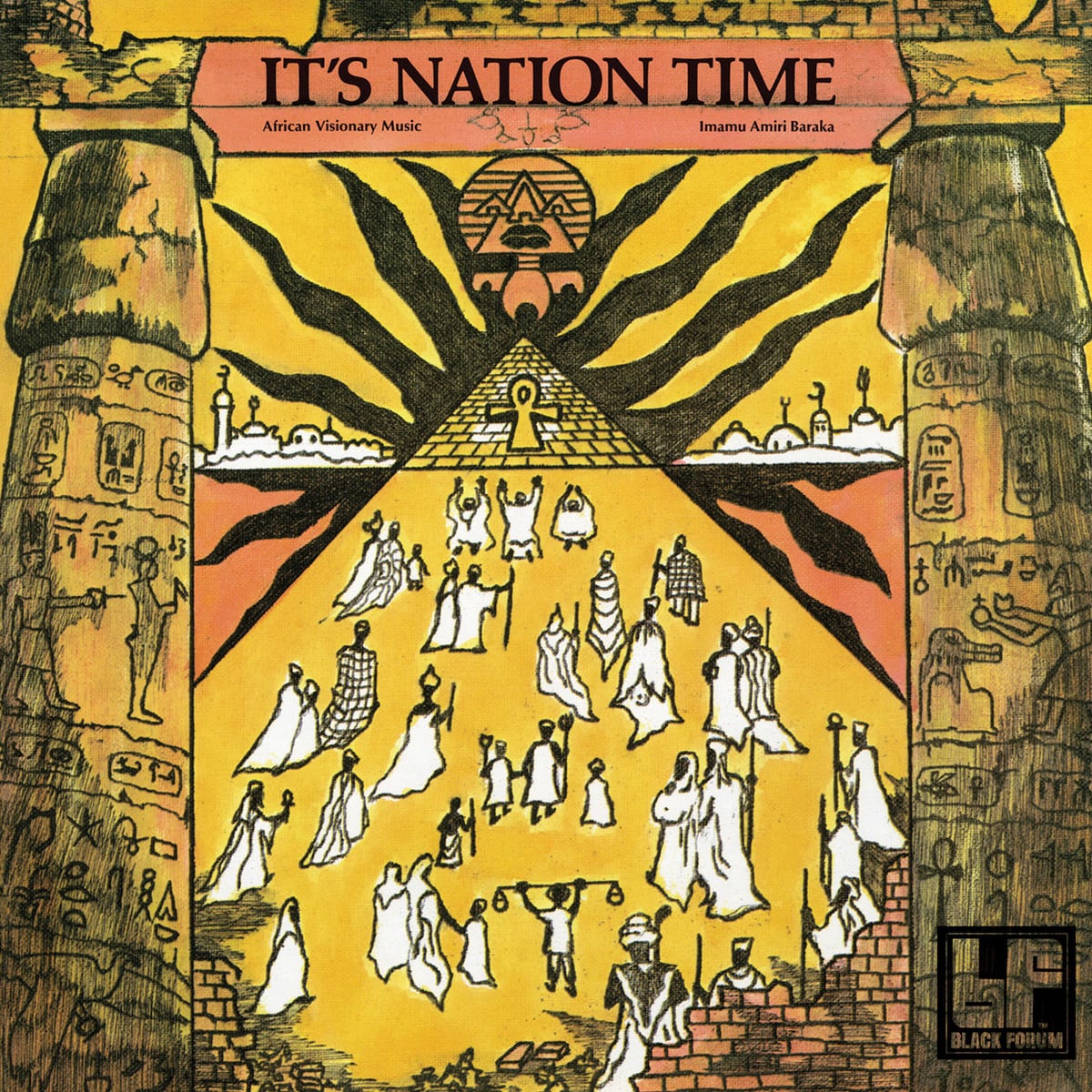
Amiri Baraka – ‘It’s Nation Time’
Release Date: 1972 | Songwriter: Amiri Baraka
A stand-out from Motown’s short-lived and often overlooked political imprint Black Forum, ‘It’s Nation Time’ blends free jazz improvisation, spoken word poetry, and Black Power politics together into a rousing sonic assault in which Baraka calls for Black liberation. Does it fit neatly into the rest of this list, or the generally accepted ‘Motown sound’? Absolutely not, but that unique energy certainly forms part of the record’s appeal.
What’s more, the single reflects an interesting period both for Motown and the political establishment of the United States, as more and more artists were beginning to write and release radical material. Motown had certainly come a long way from delaying the release of What’s Going On for fear that it would be too political to unleashing this incredible piece of protest poetry in the space of only one year.
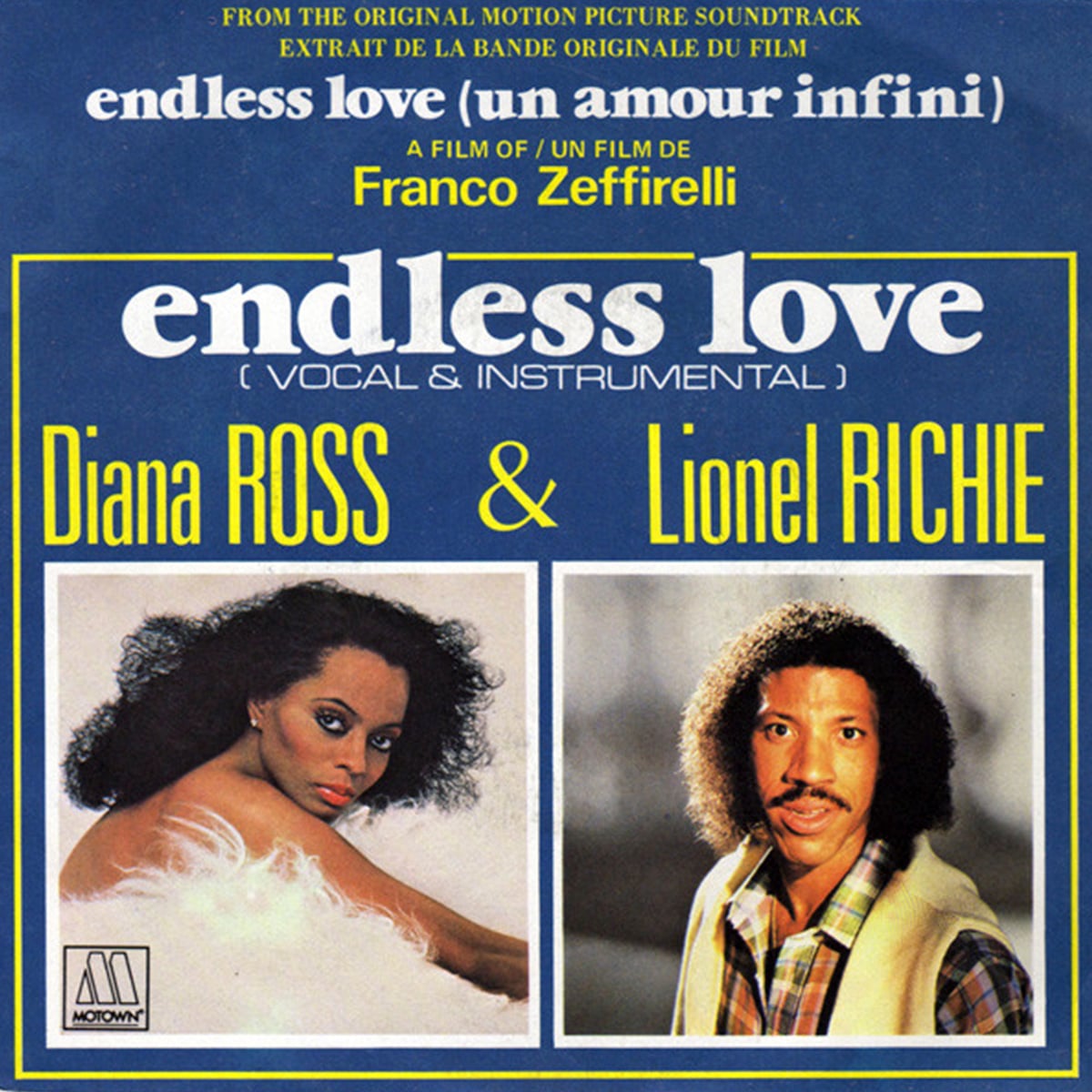
Diana Ross and Lionel Richie – ‘Endless Love’
Release Date: 1981 | Songwriter: Lionel Richie
Released during a period in which most of Motown’s star-filled roster had long since jumped ship, ‘Endless Love’ was a late-period triumph for the label, topping the US singles charts upon its release. Created for the film of the same name, it is fair to say that this cheesy 1980s pop-R&B ballad has enjoyed a far greater half-life than the film itself.
Motown had always seemed to strike gold with duets, Marvin Gaye’s various collaborations with Tammi Terrell being perhaps the best example, but ‘Endless Love’ evoked an entirely new side of the Motown story. It was no longer the plucky new R&B label on the street, and the grandiose performances by two of its most prosperous offspring, Richie and Ross, certainly evoked that fact.
It might not be quite as catchy or upbeat as some of the soulful standards included on this list, but there is little to poke holes in with this commercial powerhouse duet.
The Marvelettes – ‘I’ll Keep Holding On’
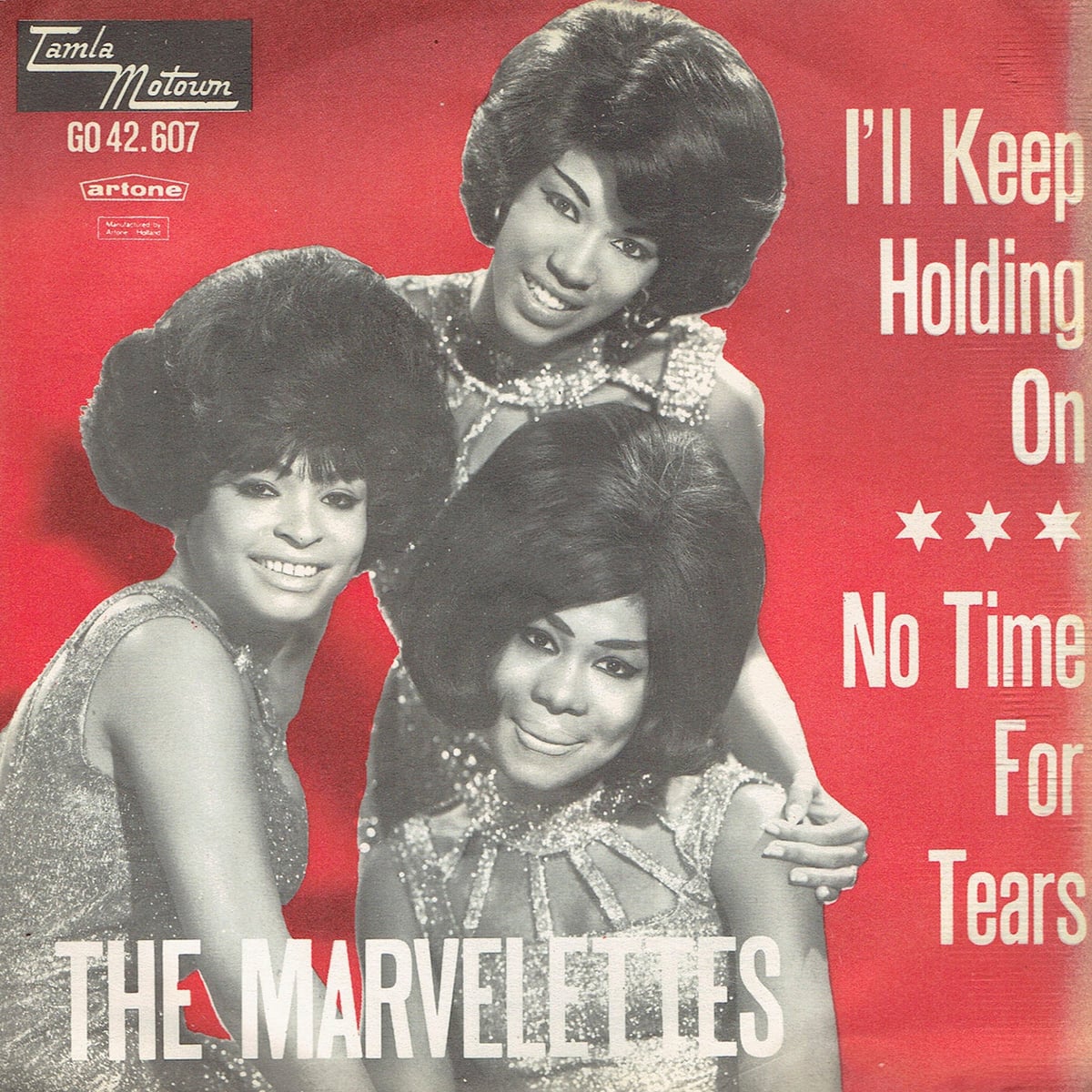
Release Date: 1965 | Songwriters: Ivy Hunter and William Stevenson
It was The Marvelettes who earned Motown its very first number-one single (which, fear not, we will come to later on down this list) and although this 1965 effort didn’t have quite the same colossal impact on the label, it was still something of a triumph as far as the vocal group were concerned. A big-scale production typical of the label’s mid-1960s period, the single is imbued with that ‘Wall of Sound’ esque soul that is virtually impossible not to tap your feet to.
Given that it had the songwriting power of Ivy Hunter, whose other credits include ‘Dancing In The Street’, and Norman Whitfield, whose credits are far too extensive to dive into here, perhaps that infectious sound should come as no surprise. Regardless, the song reached a commendable 34 in the US singles charts, in doing so inspiring a British mod rock reimagining courtesy of The Action.
Brenda Holloway – ‘Every Little Bit Hurts’
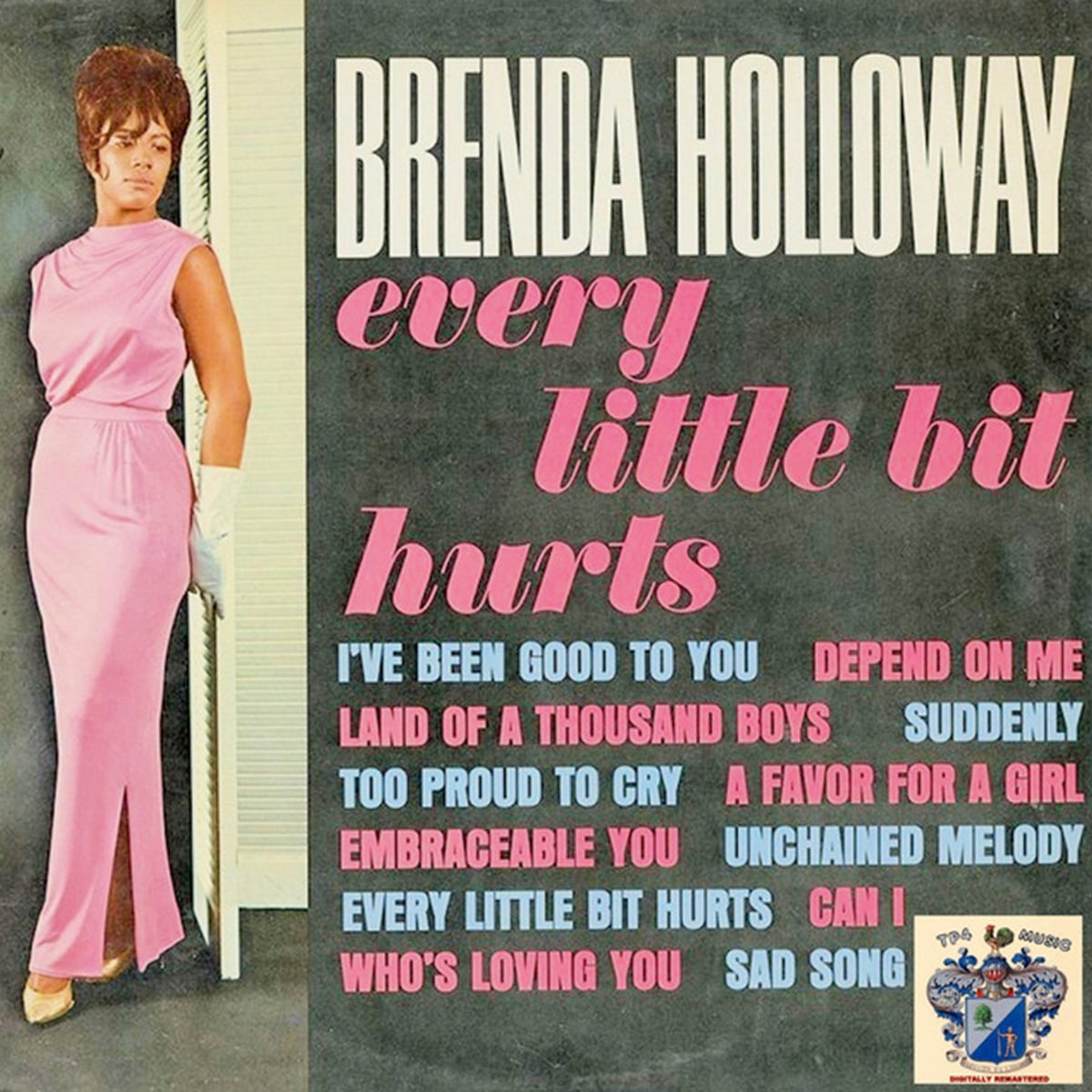
Release Date: 1964 | Songwriter: Ed Cobb
Motown did heartbreak better than anybody else, and few artists on its roster captured that heartbreak better than Brenda Holloway. Her incredible voice, far too often underutilised by the label, resulting largely from her location in Los Angeles, rather than the Motown epicentre of Detroit, ‘Every Little Bit Hurts’ is an excellent encapsulation of what could have been when it came to Holloway.
With minimal instrumental backing, Holloway’s voice is allowed to reign supreme over the three-minute runtime, begging a lost lover to return to her arms. The vocalist herself might never have become the rival to Diana Ross that she had the potential to be, but it is tracks like this which show why she is hailed among the most underrated voices ever to appear on the Motown roster.
The Monitors – ‘Share A Little Love With Me (Somebody)’
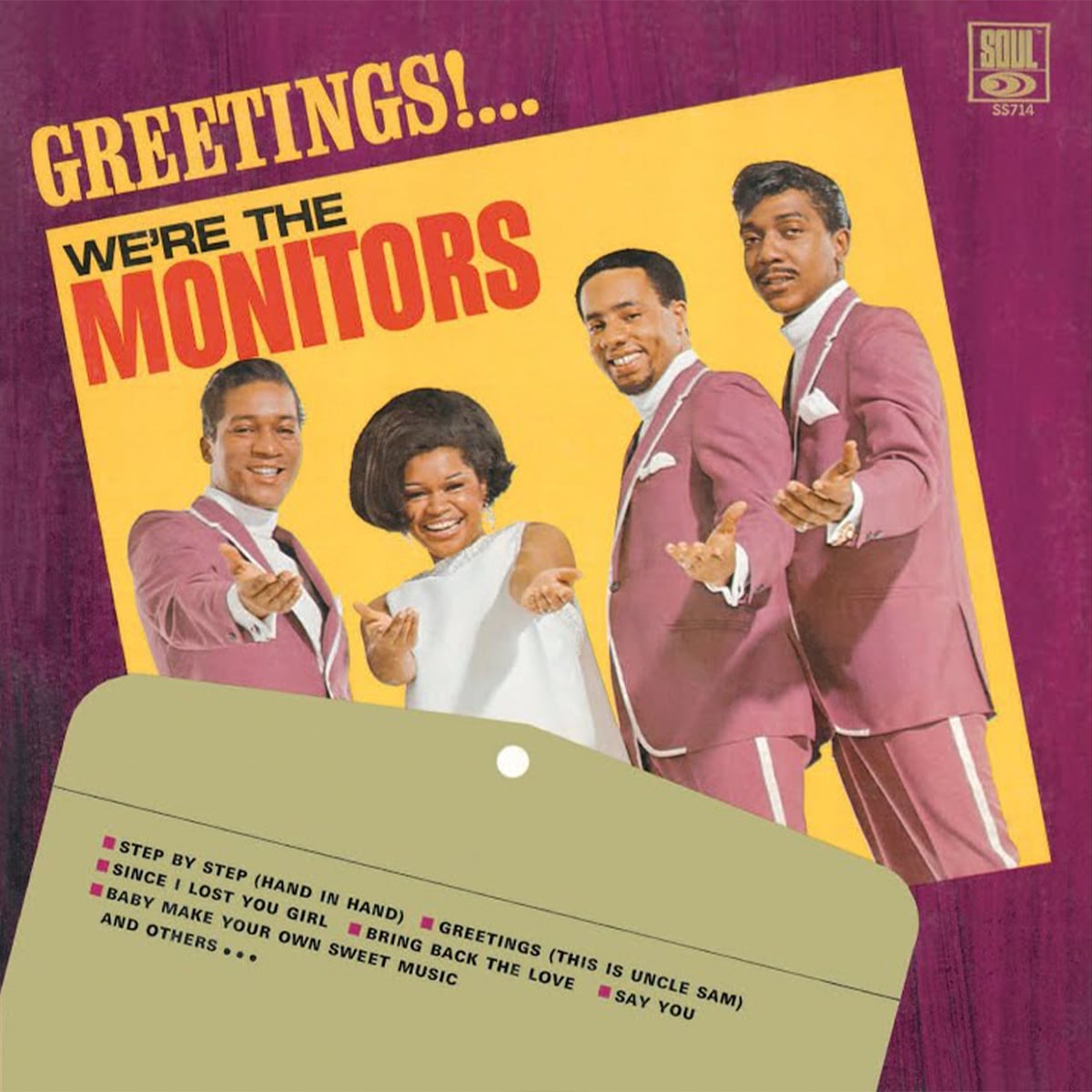
Release Date: 1968 | Songwriters: Curtis Colbert and Ivy Jo Hunter
In the kind of tale that is already becoming rather repetitive on this list, The Monitors never really took off at Motown, and their output was limited largely to the VIP imprint, although the LP that this particular entry is taken from, Greetings!… We’re The Monitors, found its home on the Soul imprint instead. What they lacked in commercial prowess, though, the group certainly made up for in soulful appeal, of which this floor-filling cult favourite is a perfect example.
Although you might assume that its uptempo energy and earworm nature made the song a natural fit for a single release, it remained buried on that obscure LP until 2016, when a bootleg reissue finally gave the song the seven-inch treatment it so richly deserved. Unsurprisingly, then, the song has since taken the realm of northern soul by storm, and quite rightly too.
Rick James – ‘Super Freak’
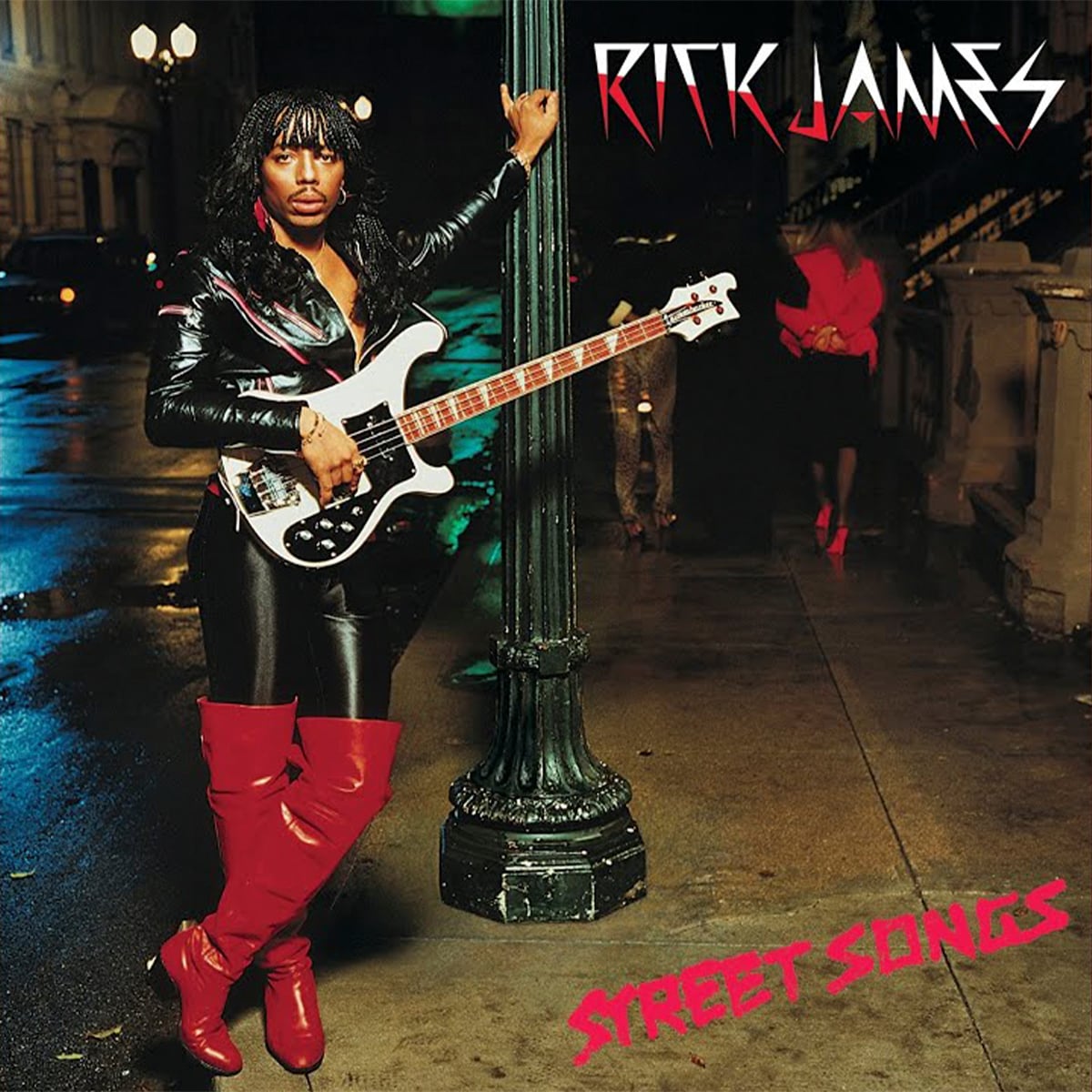
Release Date: 1981 | Songwriters: Rick James and Alonzo Miller
About as far away from the inoffensive pop-soul of Motown’s mid-1960s output, Rick James typified the funk-slanted output of Motown in the early 1980s. As well as reaching number 16 in the US singles charts and supplying MC Hammer with the sample that gave him a career, ‘Super Freak’ also formed the finest hour of Rick James.
Regrettably, it is a little more difficult to enjoy the earworm song in the modern age, given the multitude of accusations raised against James, going as far back as the early 1990s, including multiple accusations and charges of kidnapping, rape, and sexual assault, which rightfully derailed the songwriter’s music career and cast a rather dark shadow on this one-time Motown favourite.
Barbara McNair – ‘It Happens Every Time’
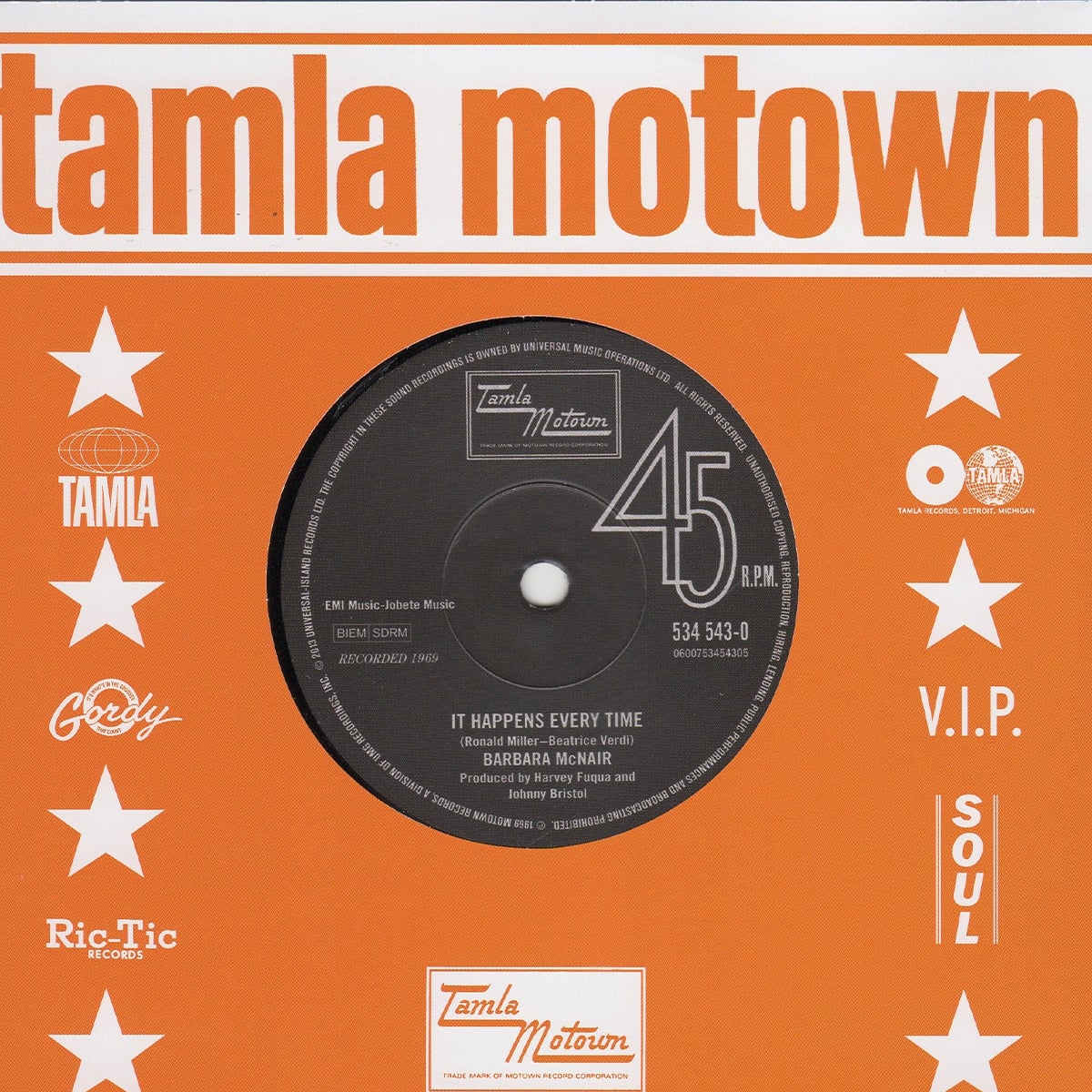
Release Date: 1969 | Songwriters: Beatrice Verdi and Ronald Miller
Speaking of Motown tracks that deserved a single release, we arrive back at the unappreciated efforts of Barbara McNair, and this moody mid-tempo masterpiece originally released on her 1969 LP The Real Barbara McNair. Once again, this was a track that was saved from the depths of Hitsville obscurity by the crate diggers of the northern soul realm, spurring on an Outta Sight reissue on seven-inch wax back in 2023.
Why exactly McNair was not a bigger smash at Motown is up for debate, but this 1969 effort does seem slightly after-its-time, evoking the soulful sounds of mid-1960s Motown towards the tail-end of the decade, when most of the label’s roster had moved on to more expansive, occasionally experimental climbs. Then again, it is difficult to imagine audiences not resonating with McNair’s tones, regardless of the time period.
The Undisputed Truth – ‘Smiling Faces Sometimes’
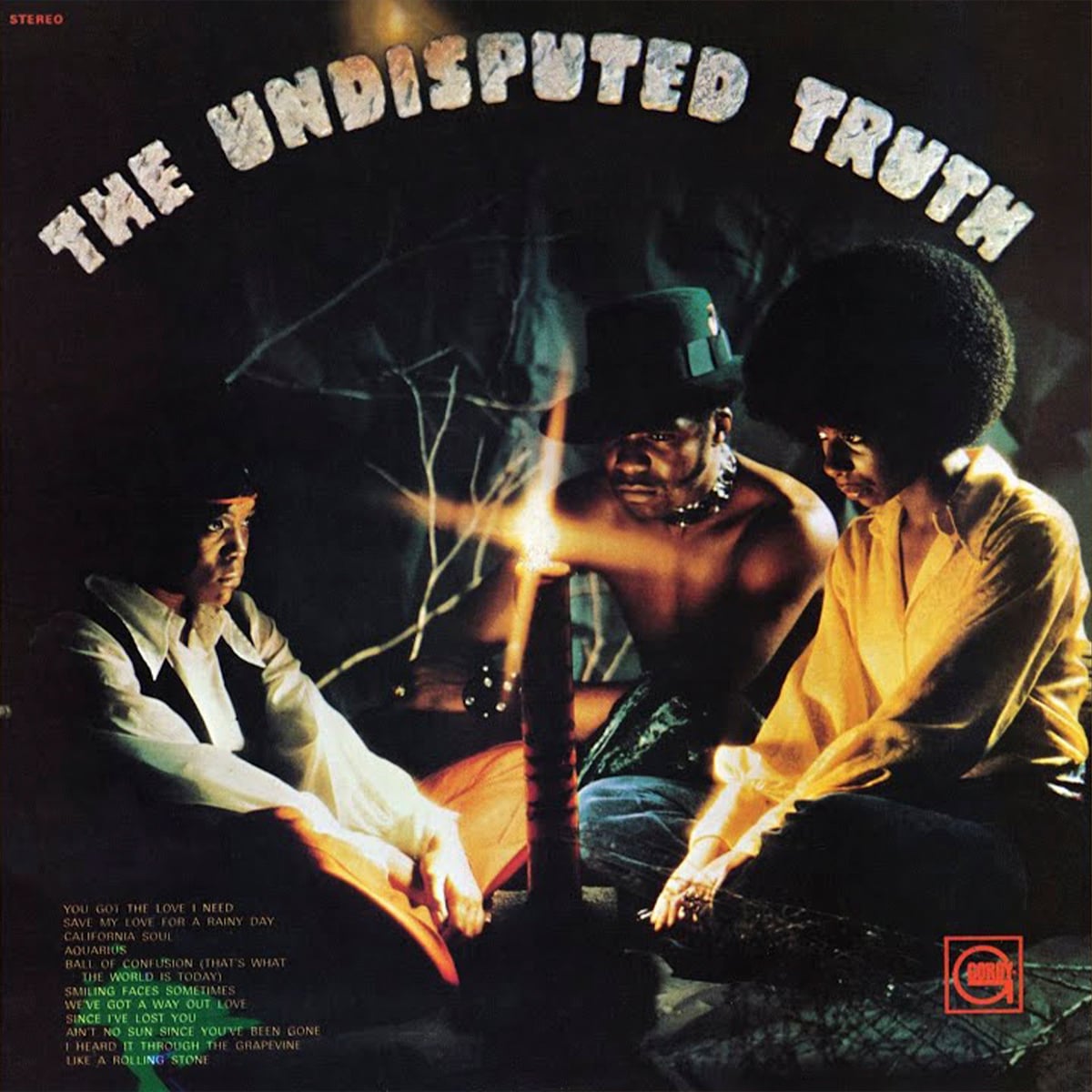
Release Date: 1971 | Songwriters: Norman Whitfield and Barrett Strong
A classic example of Motown’s move into psychedelic soul, spurred on by the success of Woodstock-era success of The Temptations, ‘Smiling Faces Sometimes’ was actually recorded by Otis Williams’ outfit in 1971, but that very same year it became the one and only hit for The Undisputed Truth.
A rather moody, cautionary effort which hardly seems in-keeping with the kaleidoscopic psych-soul of the era, the song might have made for a few ‘bad trips’ over the years, but it is difficult to dispute the musical quality at its core. After all, Norman Whitfield seemed to write transformative, groundbreaking hits as regularly as clockwork during that particular period, and no doubt we will be exploring many more as this list continues to count down.
Gladys Knight and the Pips – ‘If You Ever Get Your Hands On Love’
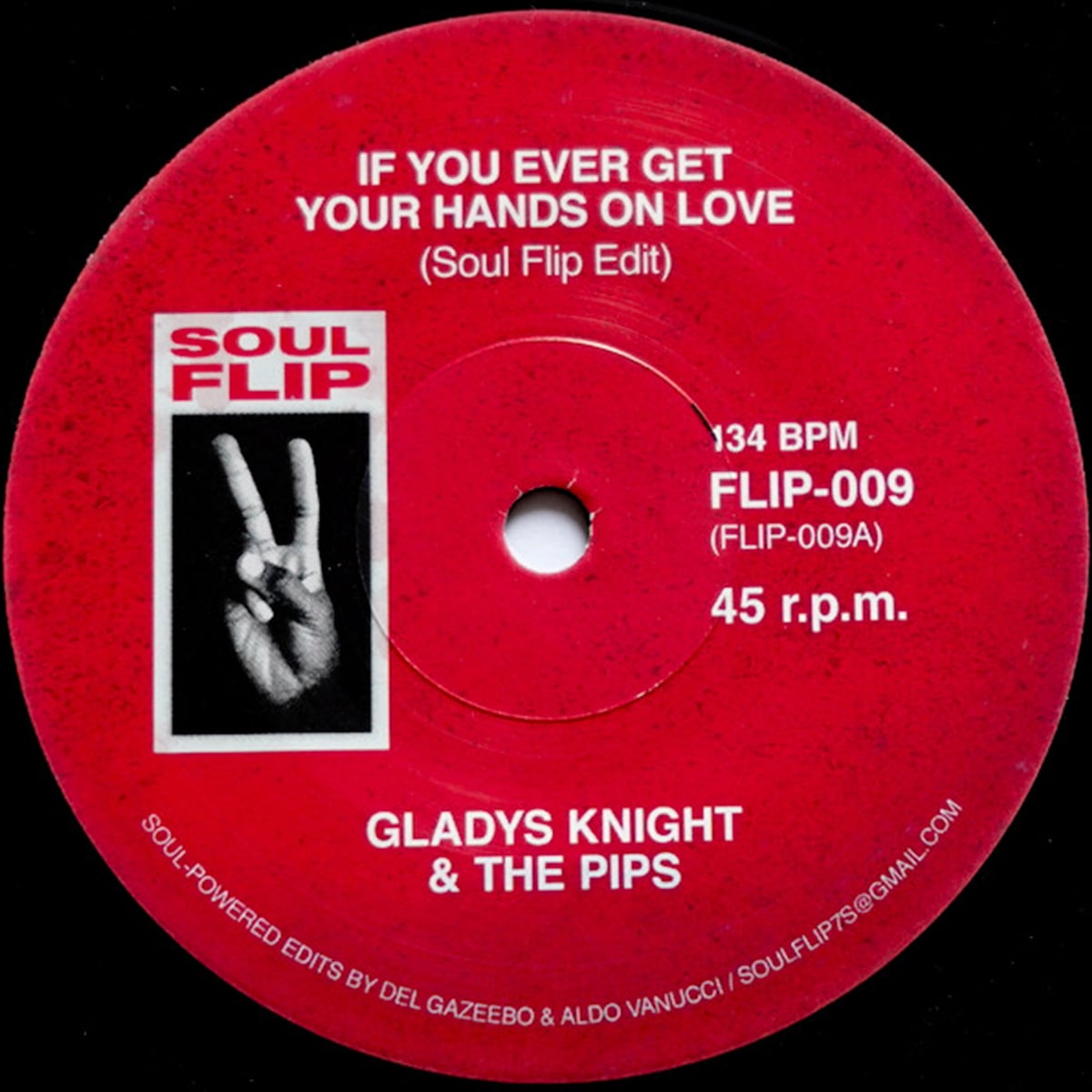
Release Date: 2002 | Songwriters: Gladys Knight, Harvey Fuqua, John Bristol, Stephen Bowden, and Vernon Bullock
Despite Gladys Knight and the Pips being among perhaps the most recognisable names when it comes to Motown, the group amassed an almost impressive wealth of unreleased material, which is where ‘If You Ever Get Your Hands On Love’ comes from. Most likely recorded around 1966, when The Pips were rapidly becoming the flagship of Motown’s Soul imprint, this triumphant, beating anthem remained unreleased until the A Cellarful of Motown compilation emerged back in 2002.
With its infectious energy, it was something of an inevitability that the song, upon its eventual release, would find its way into the hearts of northern soul obsessives, which is perhaps why the single has since been extensively bootlegged. Either way, it sounds just as fresh and impactful today as it was when Berry Gordy shelved it all those years ago.
Lionel Richie – ‘All Night Long (All Night)’
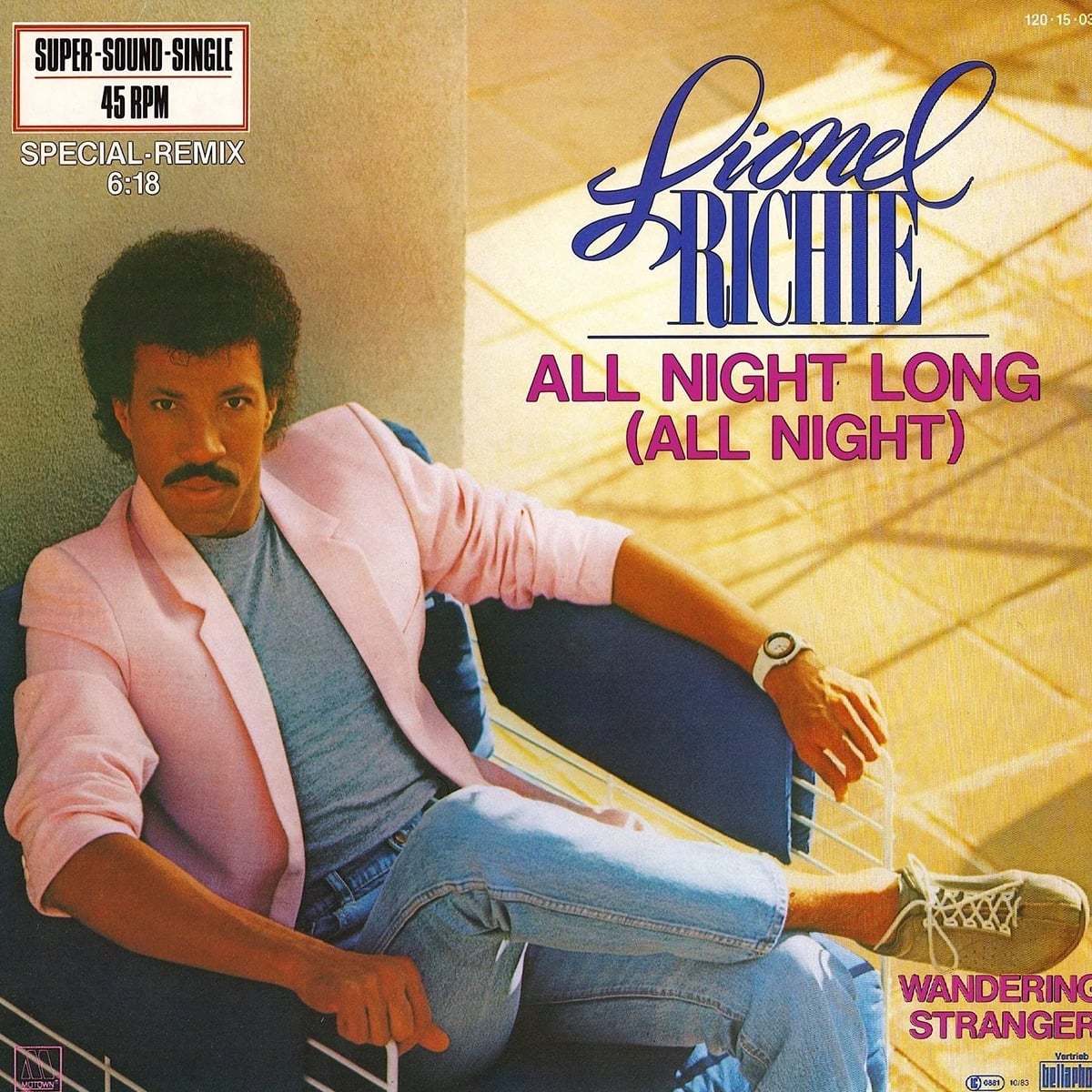
Release Date: 1983 | Songwriters: Lionel Richie and James Anthony Carmichael
Lionel Richie was one of the few hitmakers keeping Motown afloat during the 1980s, in the years before Berry Gordy decided to offload the label entirely, and while this track’s relatively low position in this list could be considered harsh by some, the sunshine-soaked, reggae-influenced pop song is simply too cheesy to compete with Motown’s golden age releases.
Admittedly, it is not wholly accurate to claim the rest of Motown’s output, even during the mid-1960s, was free of the kind of toe-curling pop clichés that populate ‘All Night Long’ but, with apologies to Richie, this track is so firmly rooted in the chart sounds of the 1980s that it hasn’t aged quite as well as some of the songwriter’s other efforts, which we will discuss further down this ranking.
Even still, ‘All Night Long (All Night)’ formed an important chapter in the ‘late Motown’ period, earning Richie a US number-one, and continuing to give wedding DJs and retirement parties a guaranteed dancefloor filler, which surely has to count for something.
Marv Johnson – ‘Come To Me’
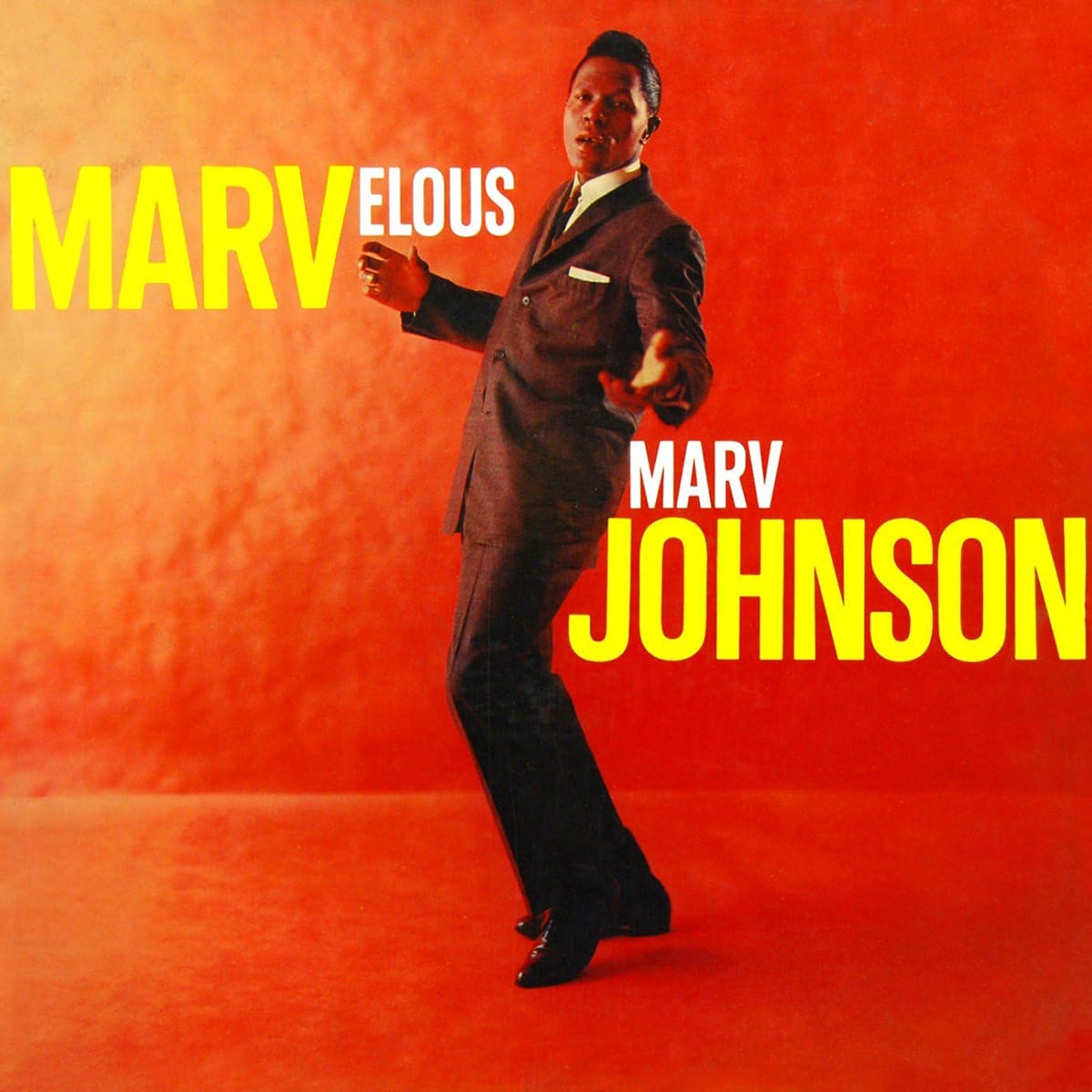
Release Date: 1959 | Songwriters: Marv Johnson and Berry Gordy
The single that started it all. Marv Johnson might not be one of the most notable names on this list, and he never scored any major hits with the label, in fact, but his old-school R&B stylings are nonetheless etched in the pages of Motown history forever. It was ‘Come To Me’, after all, which ended up being the first single ever released by Gordy’s Tamla label, thus starting the domino chain that would eventually see the label command the pop charts like no other.
‘Come To Me’ is, objectively, a rather run-of-the-mill late 1950s R&B effort, but Johnson’s distinctive voice does add a layer of intrigue and endearment that the vast swathes of similar songs being released at the time certainly lacked. It wasn’t reinventing the wheel, but, in time, it became known as the single that sparked a cultural revolution, and, if only for that alone, it deserves a spot on this list.
JJ Barnes – ‘Show Me The Way’
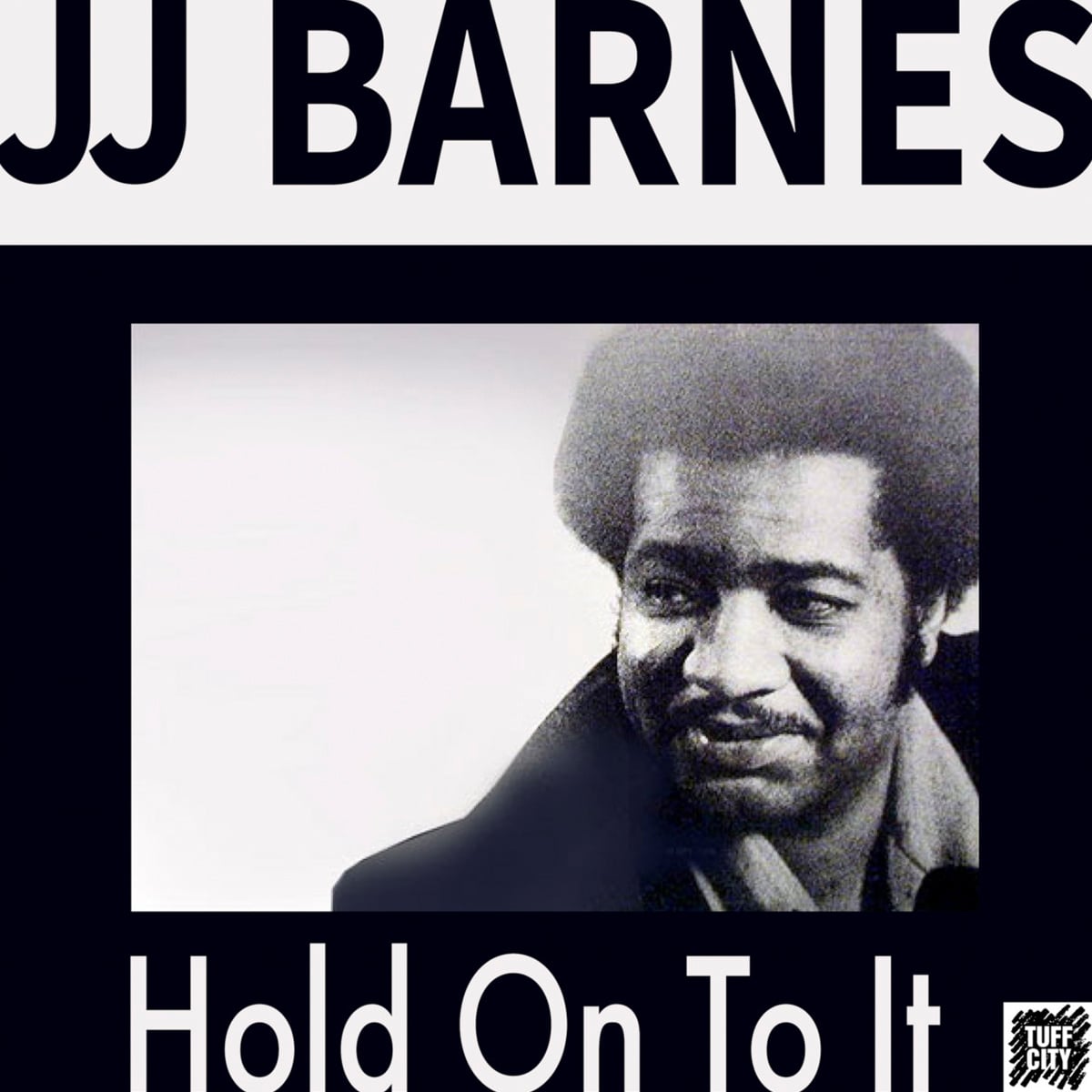
Release Date: 2016 | Songwriters: JJ Barnes, Richard Morris, and Sylvia Rose Moy
Motown’s history is awash with talented performers who found themselves ushered into the production room upon signing with the label, and JJ Barnes is one of the most prominent examples. After recording multiple sides for Ric-Tic during the mid-1960s, including a particularly good version of The Beatles’ ‘Day Tripper’, Barnes found himself under the Motown banner, but none of the songs he recorded for Gordy ended up being released.
Instead, Barnes became a key part of the label’s back-room staff, leaving incredible recordings like ‘Show Me The Way’, eventually released in 2016 on volume three of The Motown 7s Box, to gather dust in the archives of Hitsville USA. Now, finally, in the light of day, though, the storming, soulful performance of the Detroit native still stands tall.
The Isley Brothers – ‘Tell Me It’s Just A Rumour Baby’
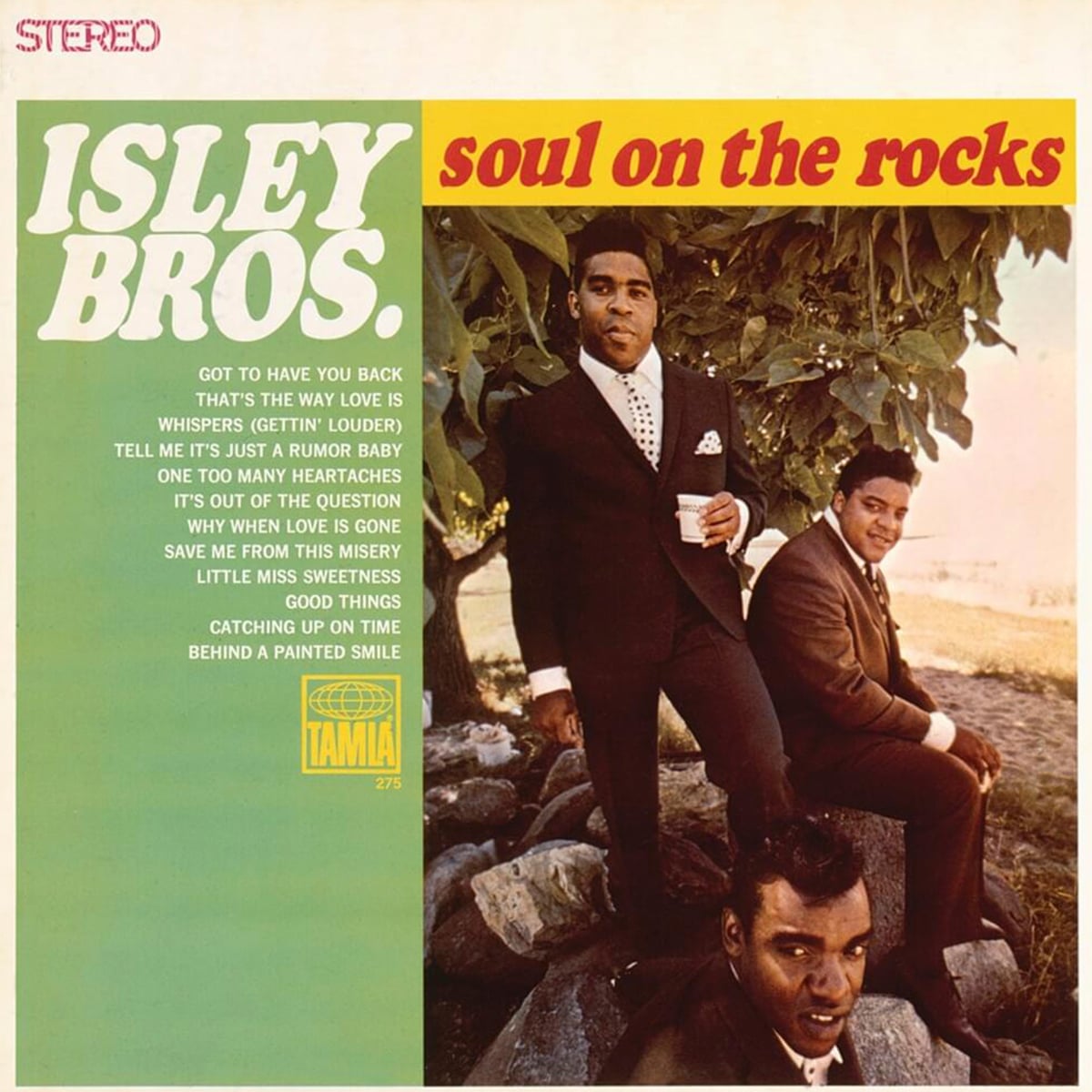
Release Date: 1967 | Songwriters: Harvey Fuqua, Johnny Bristol, and Vernon Bullock
Having released some of the most iconic soul and R&B tracks in history, most notably ‘Shout’ from back in 1959, The Isley Brothers were in the unique position of already being stars by the time that they signed to Motown in 1965, having recently parted ways with a young guitarist named Jimi Hendrix. Their Motown-era recordings were of varying quality, but the beating ‘Tell Me It’s Just A Rumour Baby’ was a notable stand-out.
Originally released on the band’s 1967 LP Soul on the Rocks, the song didn’t gain a whole lot of attention during its early days, largely because Motown was still struggling to break into the album market. Strangely enough, though, the label chose to issue it as a single in the UK in 1973, despite never having been released on seven-inch vinyl in its native USA, perhaps in an albeit unsuccessful attempt to capitalise on the UK’s blossoming northern soul scene.
Shorty Long – ‘Here Comes The Judge’
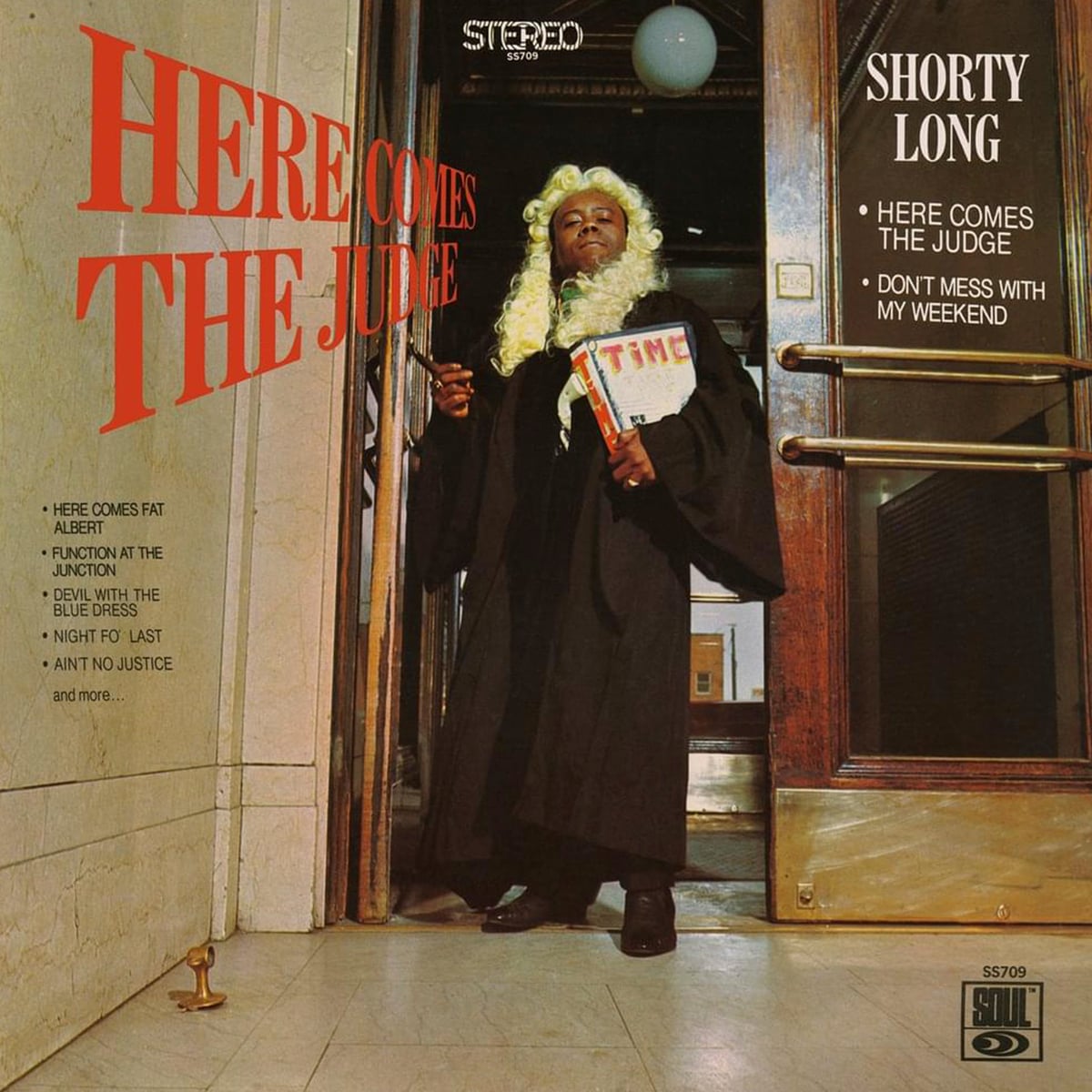
Release Date: 1968 | Songwriters: Billie Jean Brown, Suzanne de Passe, and Shorty Long
An anticipated secondary appearance in this list from one of the all-time greats of underappreciated Motown, ‘Here Comes The Judge’ was arguably Shorty Long’s defining moment with the label. An infectious, funk-rooted satirical tale of a particularly energetic court judge, reportedly based on a TV sketch show, the songwriter’s performance is virtually impossible not to get swept up in.
You might, rather cynically, suggest that this was clearly an attempt by the label to capitalise on the emerging realm of funk, and the fact that James Brown was just about reaching his peak, but it must also be noted that Long certainly makes this track his own. What’s more, he was rewarded with an impressive chart placing, with the single reaching number eight in the US and a commendable number 30 in the UK.
Barrett Strong – ‘Misery’
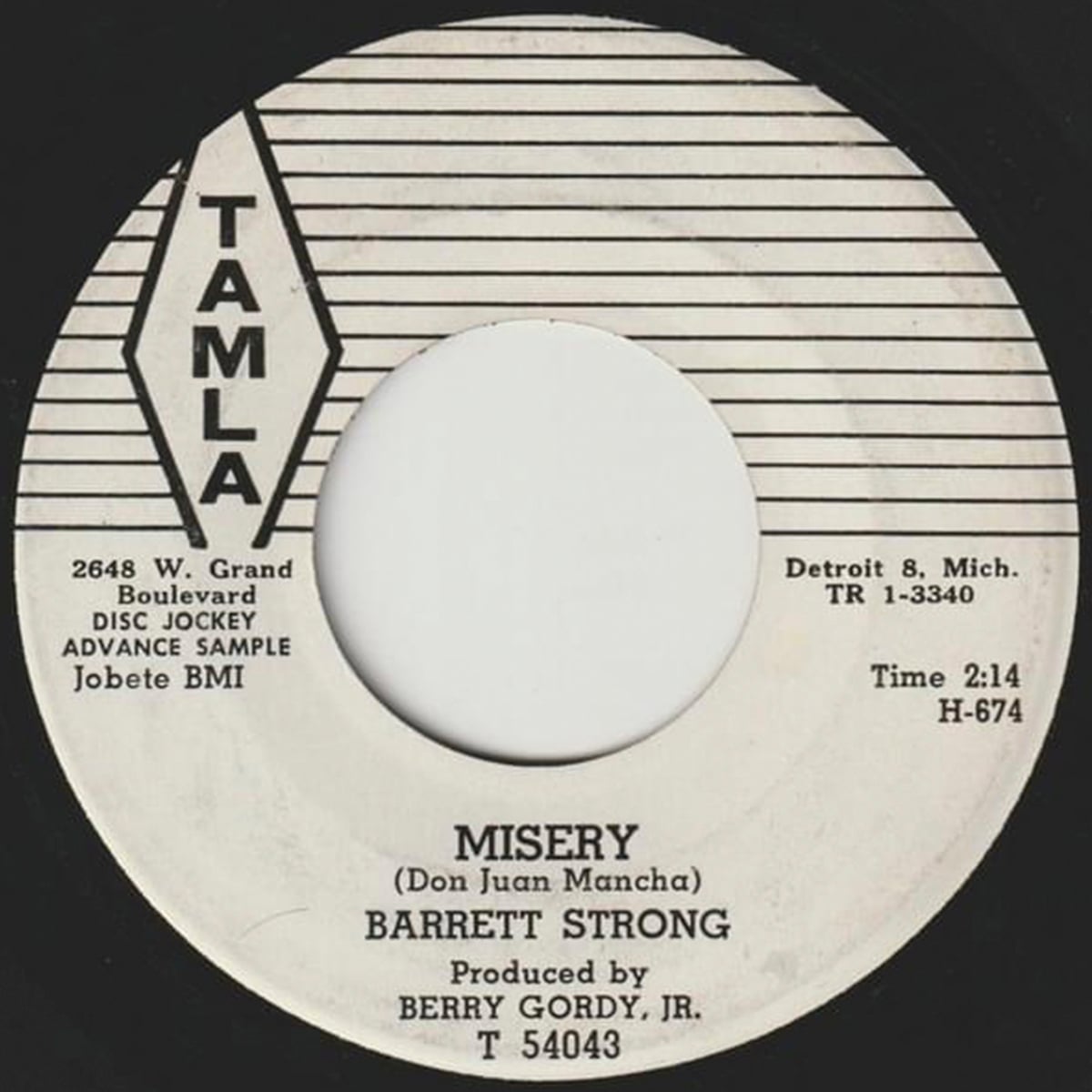
Release Date: 1961 | Songwriter: Don Juan Mancha
It was Barrett Strong who ushered in Motown’s unparalleled run of hits, earning Tamla its very first in the form of ‘Money (That’s What I Want)’ (more on that track later, of course), but the performer found follow-up success pretty hard to come by. Nothing came close to replicating the magic of that inaugural hit, but that didn’t stop the label from trying, which is where this woefully underappreciated 1961 slice of moodiness comes from.
Featuring arguably Strong’s greatest vocal performance from across his career, the single might not have been the triumphant comeback he had been envisioning, but its sullen rhythm and heartbreak charm certainly have their merits. If that isn’t enough to convince you, then the song also features a particularly good saxophone solo courtesy of an uncredited member of the Funk Brothers.
Earl Van Dyke & The Motown Brass – ‘6 By 6’
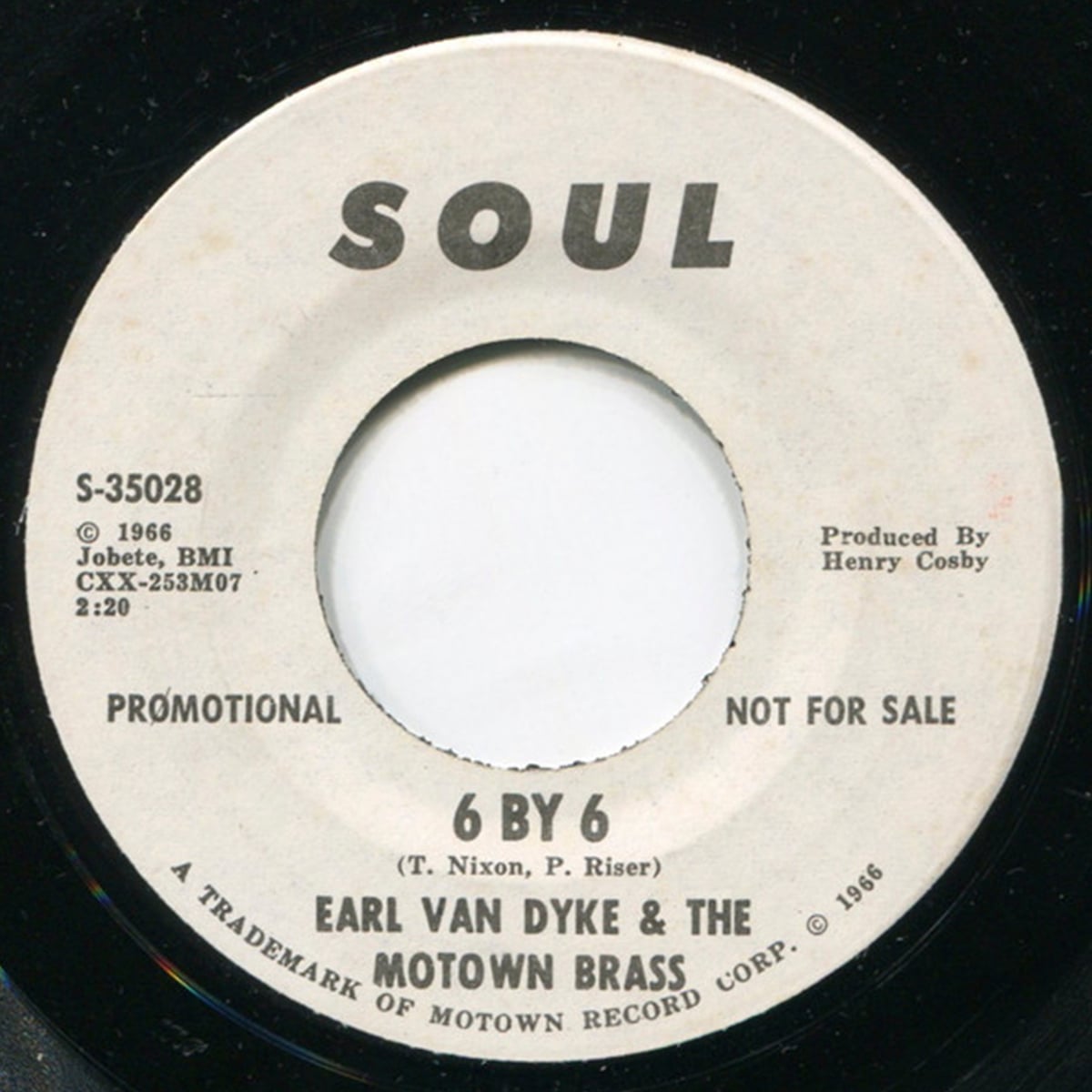
Release Date: 1966 | Songwriters: Paul Riser and Tom Nixon
A favourite of Wigan Casino’s legendary ‘oldies’ corner, Mr M’s, our favourite Motown organist returns to this centennial list with a storming, if rather short, instrumental smash backed by his Funk Brothers bandmates, albeit operating under yet another alias, as The Motown Brass. Penned by trombonist Paul Riser and engineer Tom Nixon, who, in later years, would cross no man’s land from Motown to work for Stax, the single was first released in 1966, to no great fanfare, on the Soul imprint.
If you have read the preceding entries in this list, you might have an idea of what is about to come next: despite being something of a flop by Motown standards at the time of its original release, ‘6 By 6’ was reintroduced to the airwaves years later as a coveted spin by northern soul DJs, for whom the short runtime, heavy brass, and upbeat energy came as a soulful gift from the cosmos.
Kim Weston – ‘You Hit Me (Where It Hurt)’
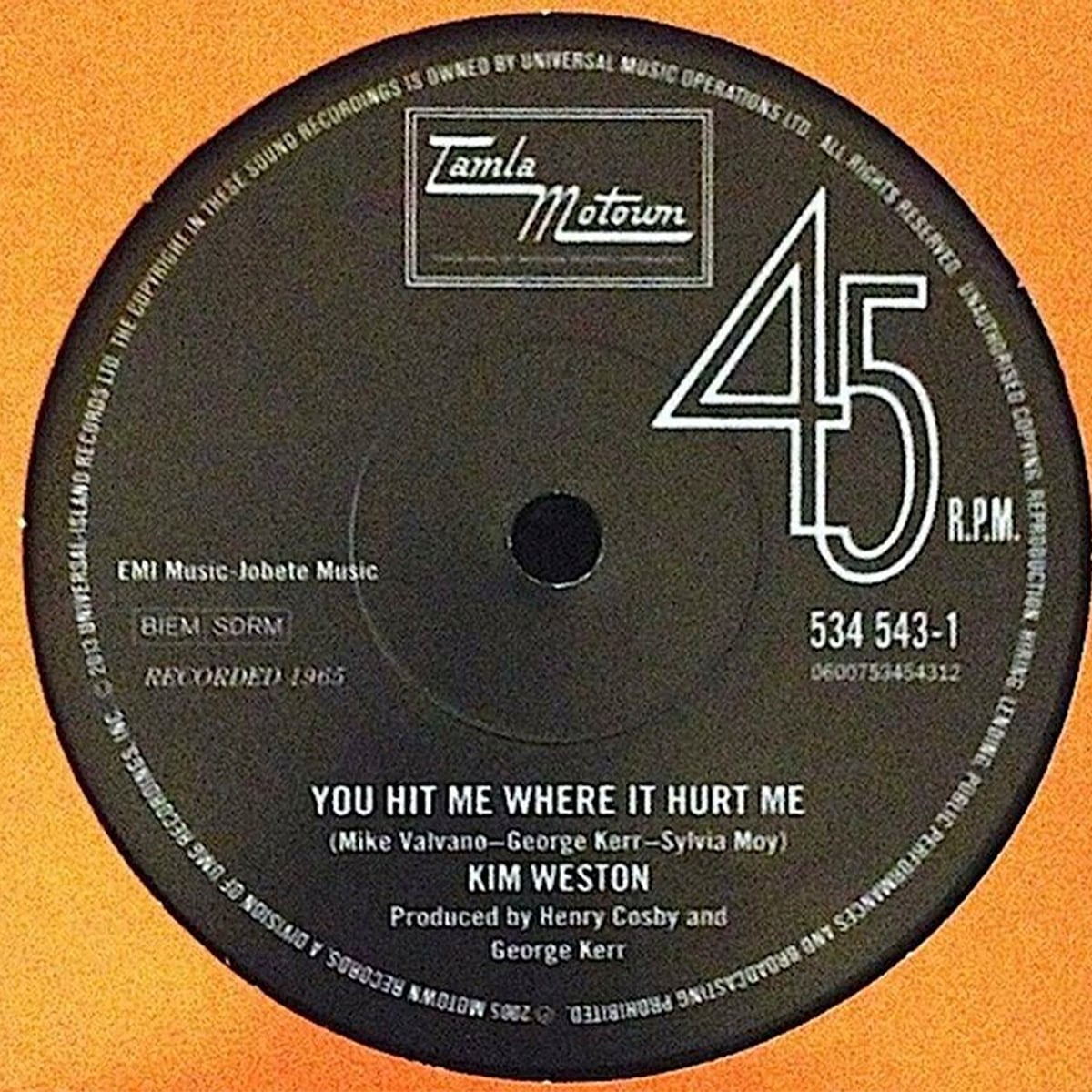
Release Date: 1995 | Songwriters: George Kerr, Michael Valvano, and Sylvia Moy
With its exceptional bassline, beating rhythm, and the typically magnificent vocals of Kim Weston, it is a wonder that ‘You Hit Me (Where It Hurt)’ was never officially released by Motown Records. In fact, there is a not insignificant degree of mystery surrounding its recording, but its old-school soul sound and the songwriting team behind it mean you can hazard a guess that it was recorded sometime between 1964 and 1966.
Either way, it wasn’t until 1995 that it was released into the light of day, via the obscure compilation record The Story Of…Hits And Rarities, released exclusively in Belgium. From there, though, it was picked up by Motown obsessives and those who covet rare soul, and later found its way onto the Motown 7s boxset, which has already featured remarkably heavily in this list.
Rare Earth – ‘(I Know) I’m Losing You’
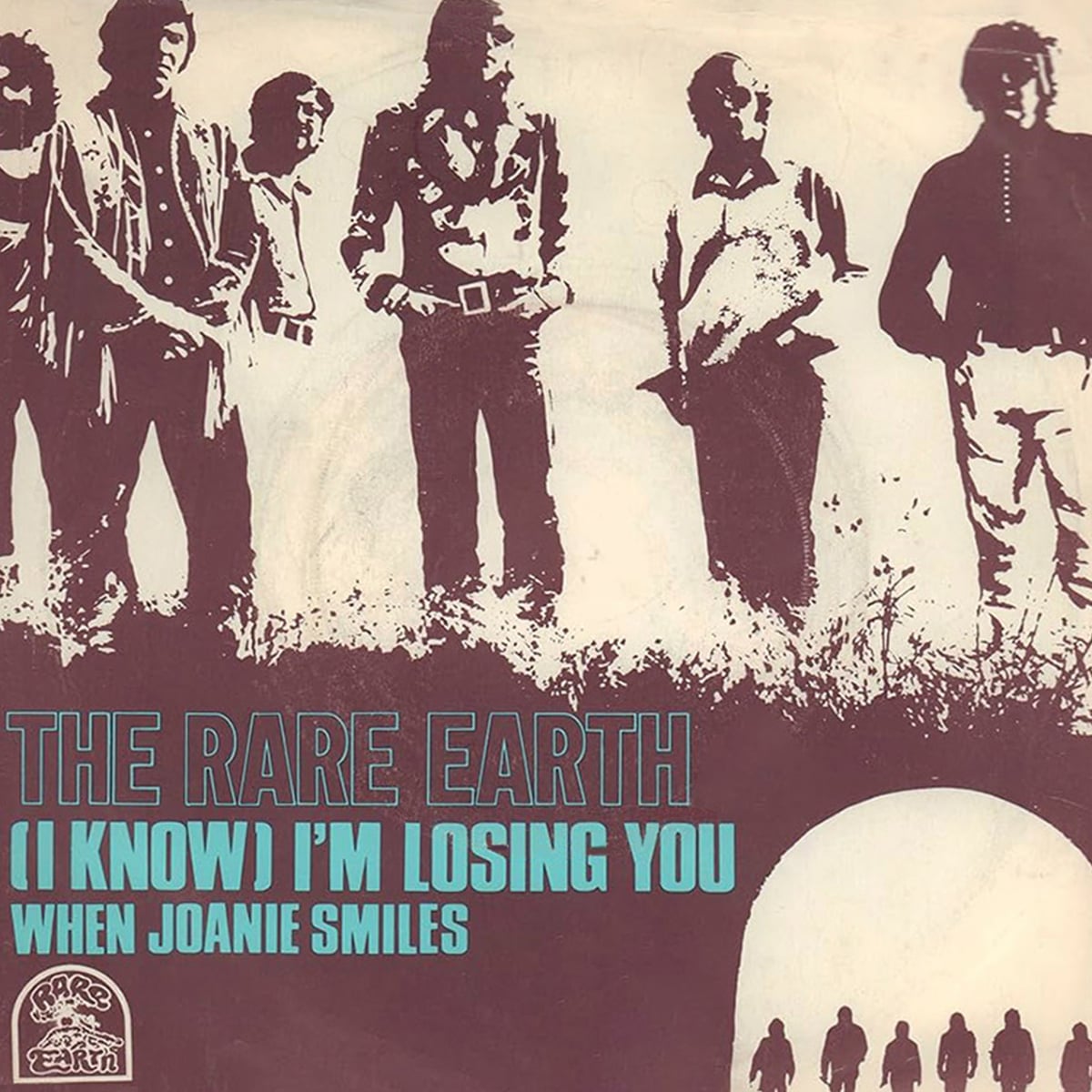
Release Date: 1970 | Songwriters: Norman Whitfield, Edward Holland Jr and Cornelius Grant
A somewhat divisive group within Motown circles, Rare Earth were the label’s attempt at breaking into the blossoming market of counterculture rock and roll, going as far as to give the Detroit rockers their very own Motown imprint. Although that plan didn’t exactly work out for the group or for the label, they did manage to produce some stellar hippie-era jams, the best of which was their version of ‘(I Know) I’m Losing You’.
Originally recorded and released by The Temptations back in 1966, Rare Earth managed to extend its original two-and-a-half-minute runtime to nearly 11 minutes, transforming the Motown soul classic into an expansive, psychedelic funk-rock odyssey. While it was hardly the kind of thing that Motown’s audience had come to expect, that was arguably part of its appeal. Motown had started wearing flares and smoking grass; it was a new era.
Diana Ross – ‘I’m Coming Out’
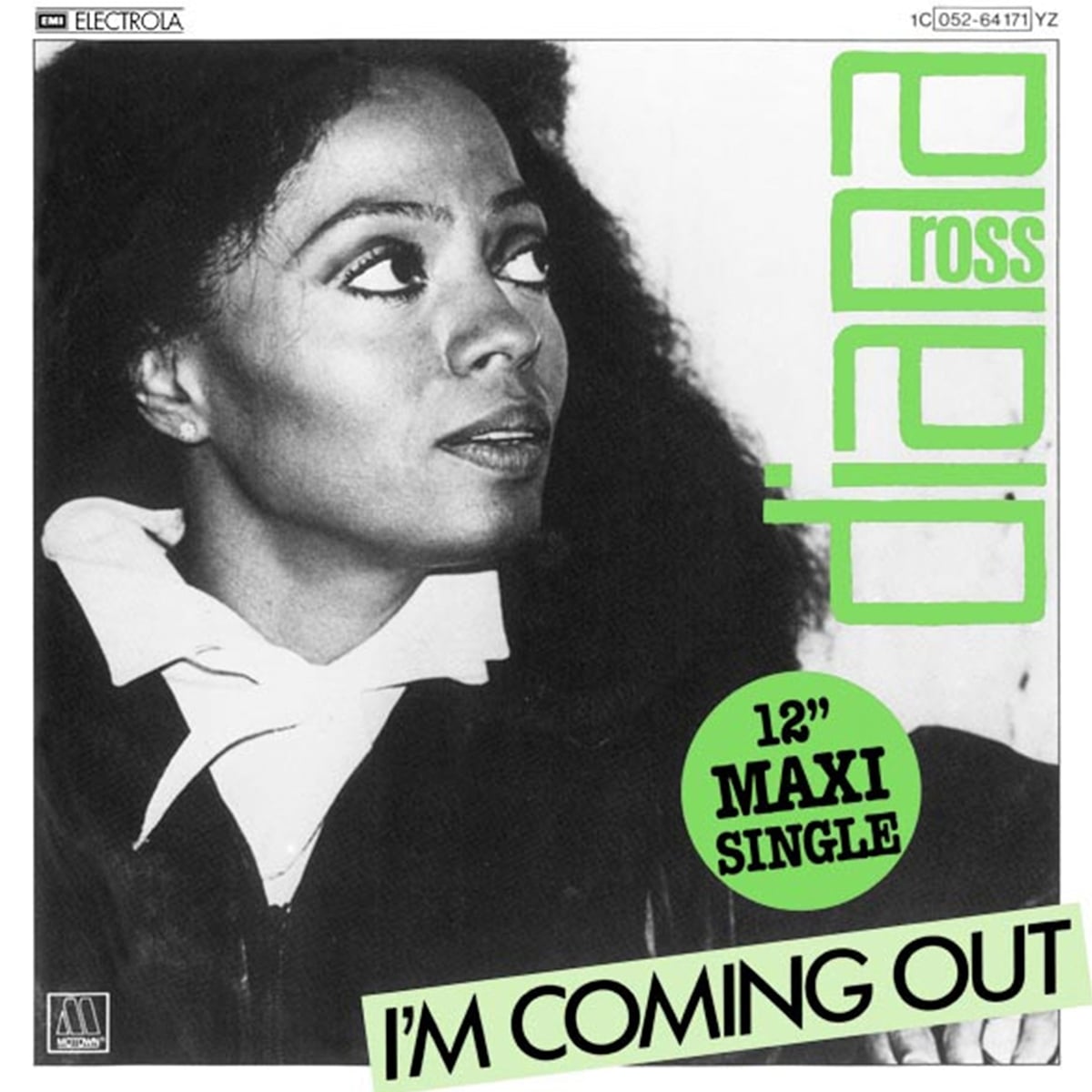
Release Date: 1980 | Songwriters: Bernard Edwards and Nile Rodgers
Diana Ross might have had her Motown heyday at the forefront of The Supremes back in the 1960s, but her appeal on the label far outlasted her breakaway from that group. Throughout her solo career, the vocalist recorded countless beloved hits, moving swiftly on from the soul sounds that first established her into bold new directions, like disco.
Although the disco scene had already been around for a few years when ‘I’m Coming Out’ hit the airwaves in 1980, it served as an excellent encapsulation of the sound, energy, and attitude of that era in music. Indeed, with the songwriting power of Nile Rodgers behind it, it was always bound to be an enduring masterpiece. Even today, the single remains a firm favourite on club dancefloors across the land, with that iconic hook still acting as a kind of call to action.
Mary Wells – ‘What Love Has Joined Together’
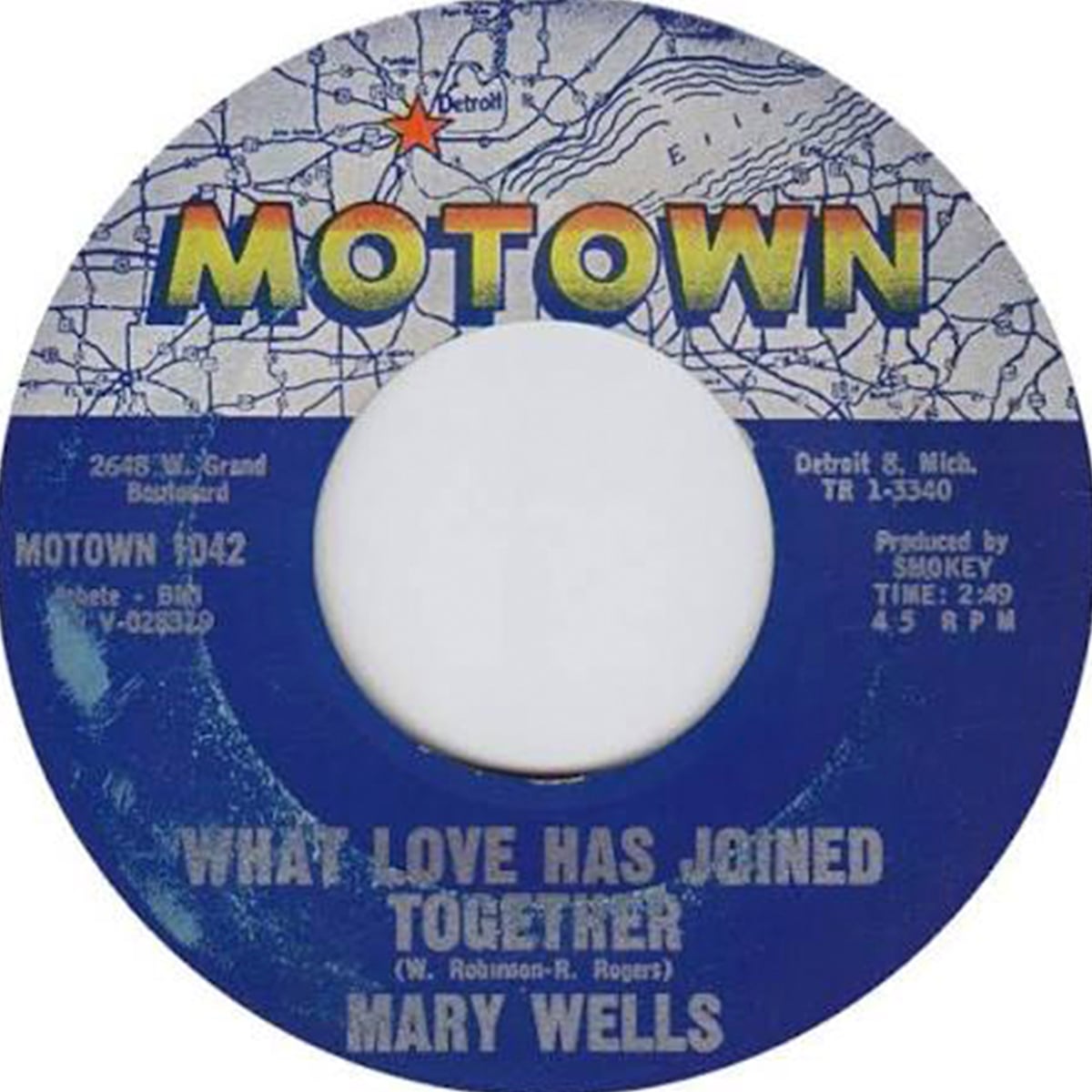
Release Date: 1963 | Songwriters: Bobby Rogers and Smokey Robinson
We will get to ‘My Guy’ eventually, but Mary Wells’ time at Motown produced so many more masterpieces than that chart-topping hit gives her credit for. One such track was her beautifully romantic ‘What Love Has Joined Together’ which, despite being a largely overlooked B-side, is arguably among Wells’ greatest performances. The song itself isn’t quite as obscure as this 1963 recording, having been recorded by a litany of Motown stars over the years.
Originally penned by The Miracles’ Smokey Robinson and Bobby Rogers, Mary Wells was the first to lend her name to the song, before The Temptations, The Miracles, Barbara McNair, and Syreeta had their own stab at it; even Queen Latifah recorded a version, albeit after she had departed from the Motown realm. Each of those versions certainly has its own merits, but it is difficult to rival the endlessly emotive quality of Wells’ performance on this track, making it one of the most impassioned B-sides in Motown history.
Eddie Holland – ‘Jamie’
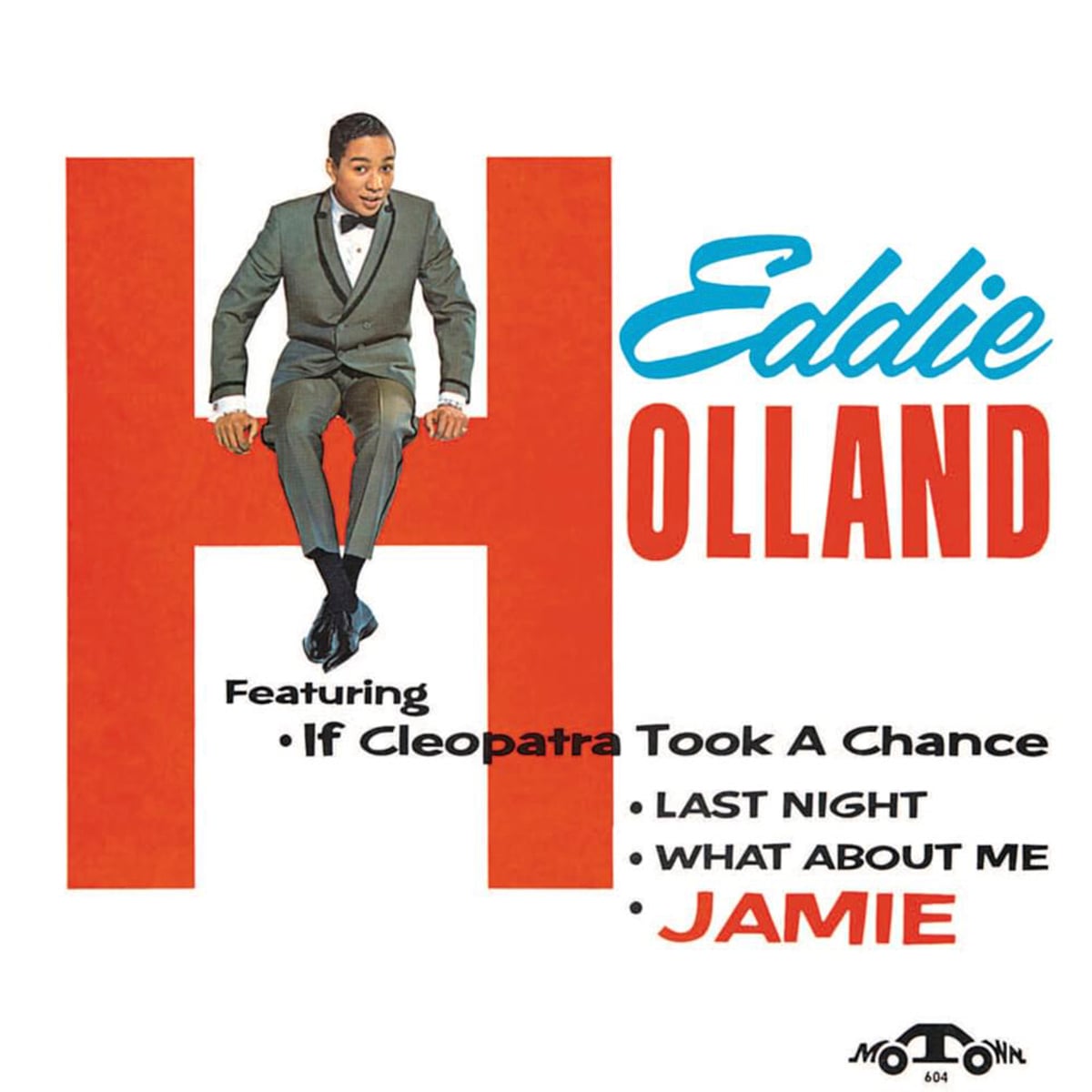
Release Date: 1961 | Songwriters: Barrett Strong and William Stevenson
Long before the infallible songwriting trio of Holland-Dozier-Holland established the definitive ‘Motown sound’ through their unimaginable wealth of hit records, Eddie Holland was a Motown performer in his own right. ‘Jamie’, from all the way back in 1961, was his only major contribution to the label as a recording artist, and it still stands as an iconic sound of Motown’s earlier years.
Without wishing to cast scorn upon either Barrett Strong or William Stevenson, both of whom have lent themselves to a multitude of songs on this list, it seems bizarre, in retrospect, that the label would have somebody with such obvious prowess as a songwriter and get him to record somebody else’s song. Nevertheless, this single might not have done much in the way of chart success, but it did exemplify the talents of a man who would soon become synonymous with the ‘Motown sound’.
The Miracles – ‘Mickey’s Monkey’
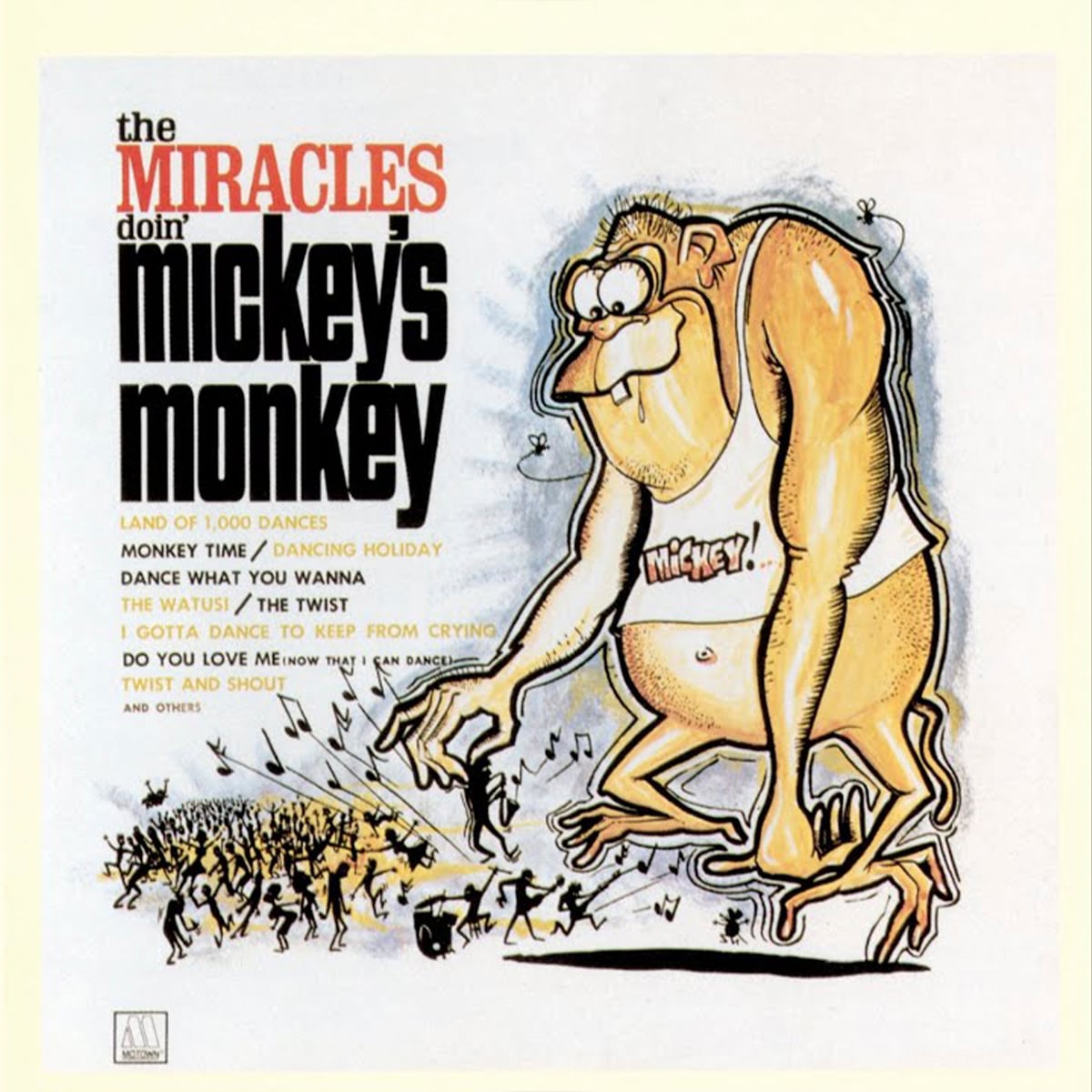
Release Date: 1963 | Songwriters: Holland-Dozier-Holland
Unlike the vast majority of Motown’s roster, The Miracles tended to write their own material, headed up by the undeniable talents of their leader, Smokey Robinson, but even he could not argue with the unparalleled hit power of Holland-Dozier-Holland, who struck upon this soul dancefloor classic back in 1963, while in the relative early days of their songwriting partnership.
It might not have the kind of emotive power that Smokey Robinson was used to, but its blaring brass, compelling rhythm, and those sing-along lyrics cannot help but get lodged in a particular part of your brain. Hiring out the talents of H-D-H certainly paid off for the group, too, given that this single reached number eight in the US singles charts, selling well over a million copies and prompting Robinson himself to admit that it was “one of our biggest records ever”.
The Supremes – ‘Love Child’
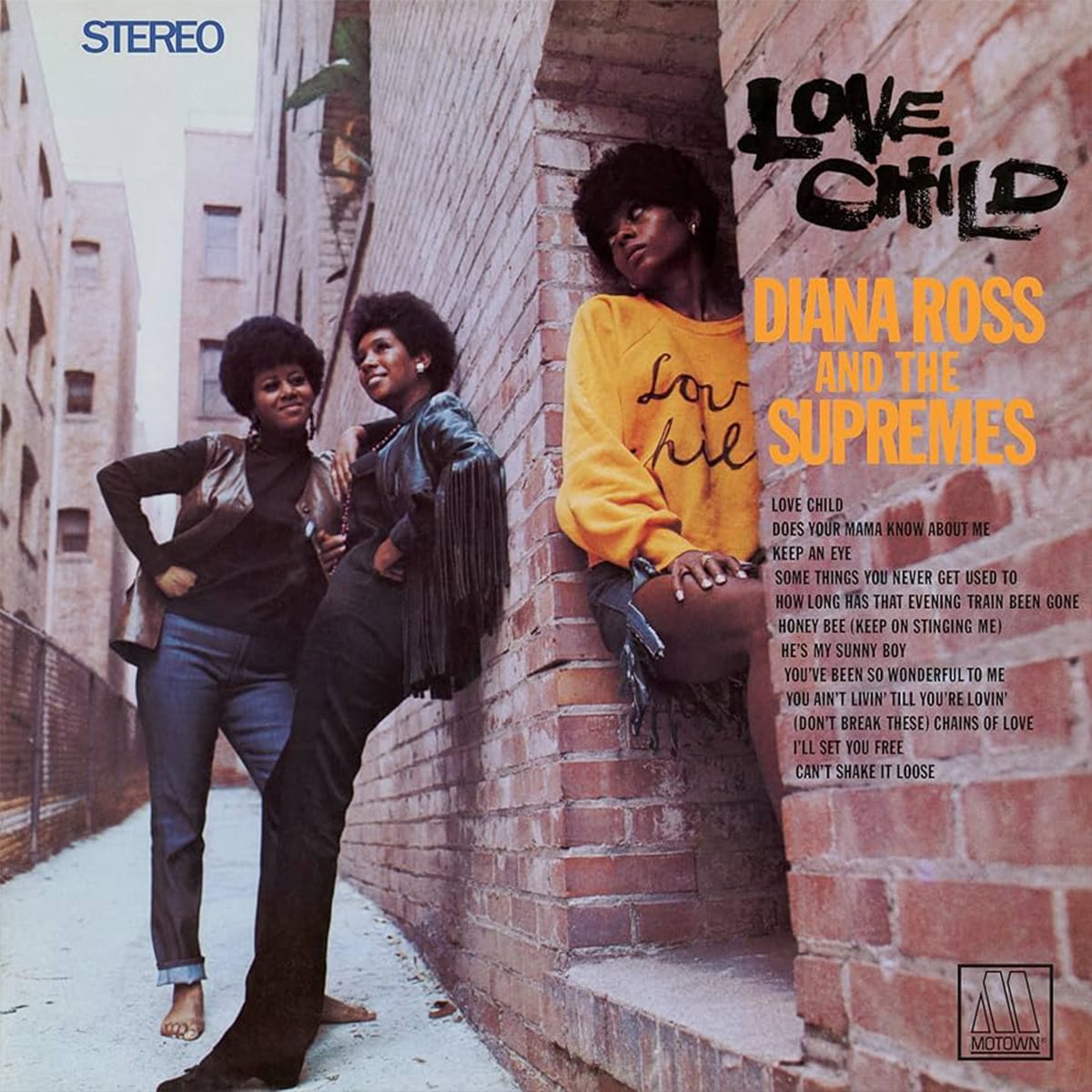
Release Date: 1968 | Songwriters: R Dean Taylor, Frank Wilson, Pam Sawyer and Deke Richards
From being resigned to providing backing vocals and hand-clapping for other artists during their early days, The Supremes became the definitive voice of Motown during the label’s mid-1960s heyday, but their success was owed in no small part to the songwriting mastery of Holland-Dozier-Holland, who wrote all of their major hits.
Once that trio left the label in a cloud of royalty disputes, then Diana Ross and the gang were somewhat rudderless. With ‘Love Child’, though, the trio proved that they could exist without those songwriters propping up their material.
By the standards of 1968, especially the standards of Motown circa 1968, ‘Love Child’ was a rather racy single to release, seeing the group sing about an illegitimate child born into poverty, and the existential worries of its mother. Still, that theme didn’t hold the single back from becoming a number-one hit, The Supremes’ first without the aid of Holland-Dozier-Holland, and even managing to knock The Beatles’ ‘Hey Jude’ from the top spot.
Jr Walker and the All Stars – ‘Shotgun’
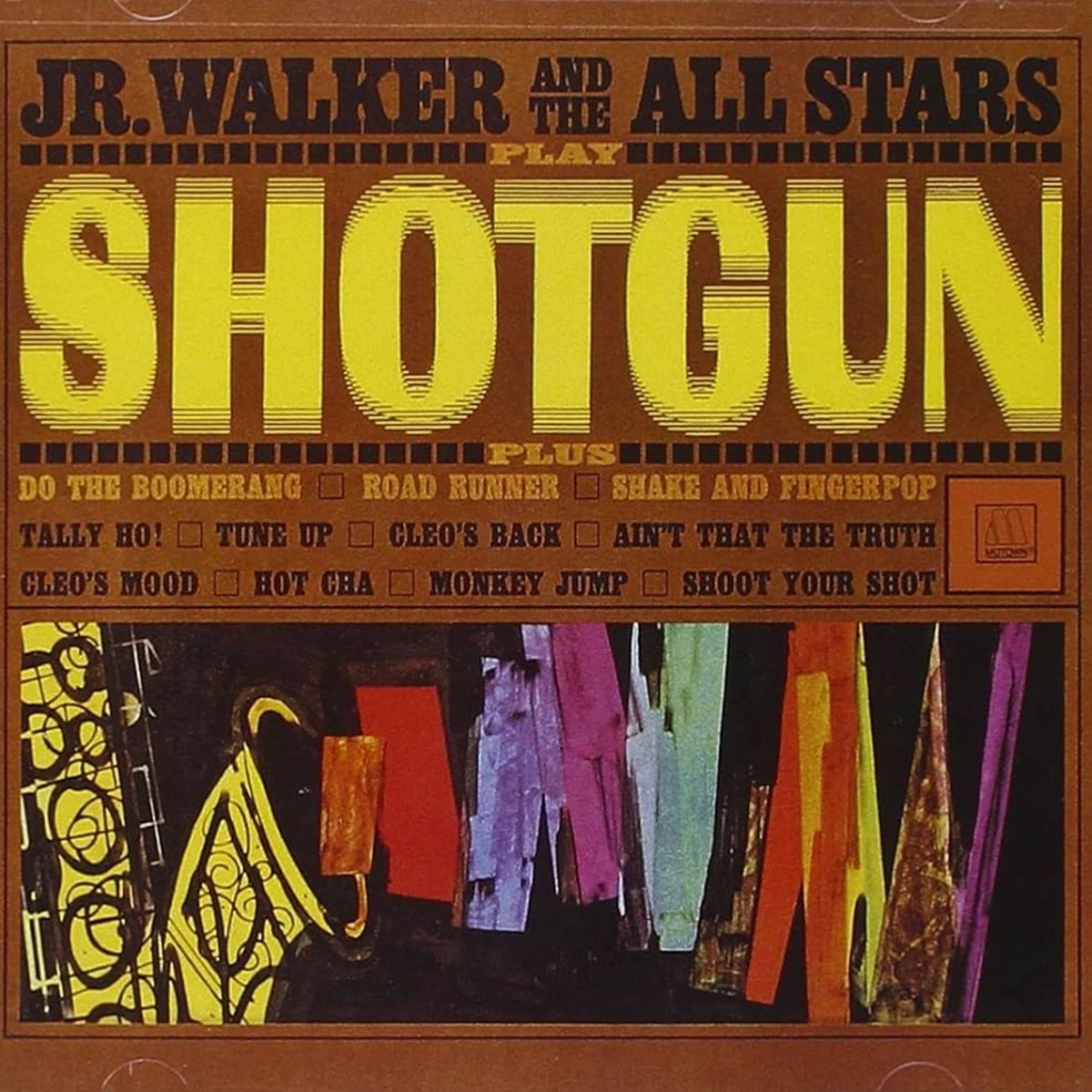
Release Date: 1965 | Songwriters: Junior Walker
Junior Walker’s defining Hitsville moment arrived in 1965, ushered in by a shotgun blast and some of the greatest funk-tinged R&B of the mid-1960s. Not only does ‘Shotgun’, released on the Soul subsidiary, exemplify his unparalleled skills as Motown’s premier saxophonist, but it also marked an important moment in his musical development, being his debut appearance as a vocalist, after the planned voice for the song failed to show up for the recording session.
Admittedly, Walker’s tones were never at risk of giving Diana Ross a run for her money, but his notably untrained vocals give the song a kind of authentic spontaneity that serves well within its funk-fuelled atmosphere. Audiences at the time clearly agreed, too, as the single topped the R&B charts and even broke into the top five of the pop charts, showcasing the power of Walker’s sax-styled soul.
The Originals – ‘Suspicion’
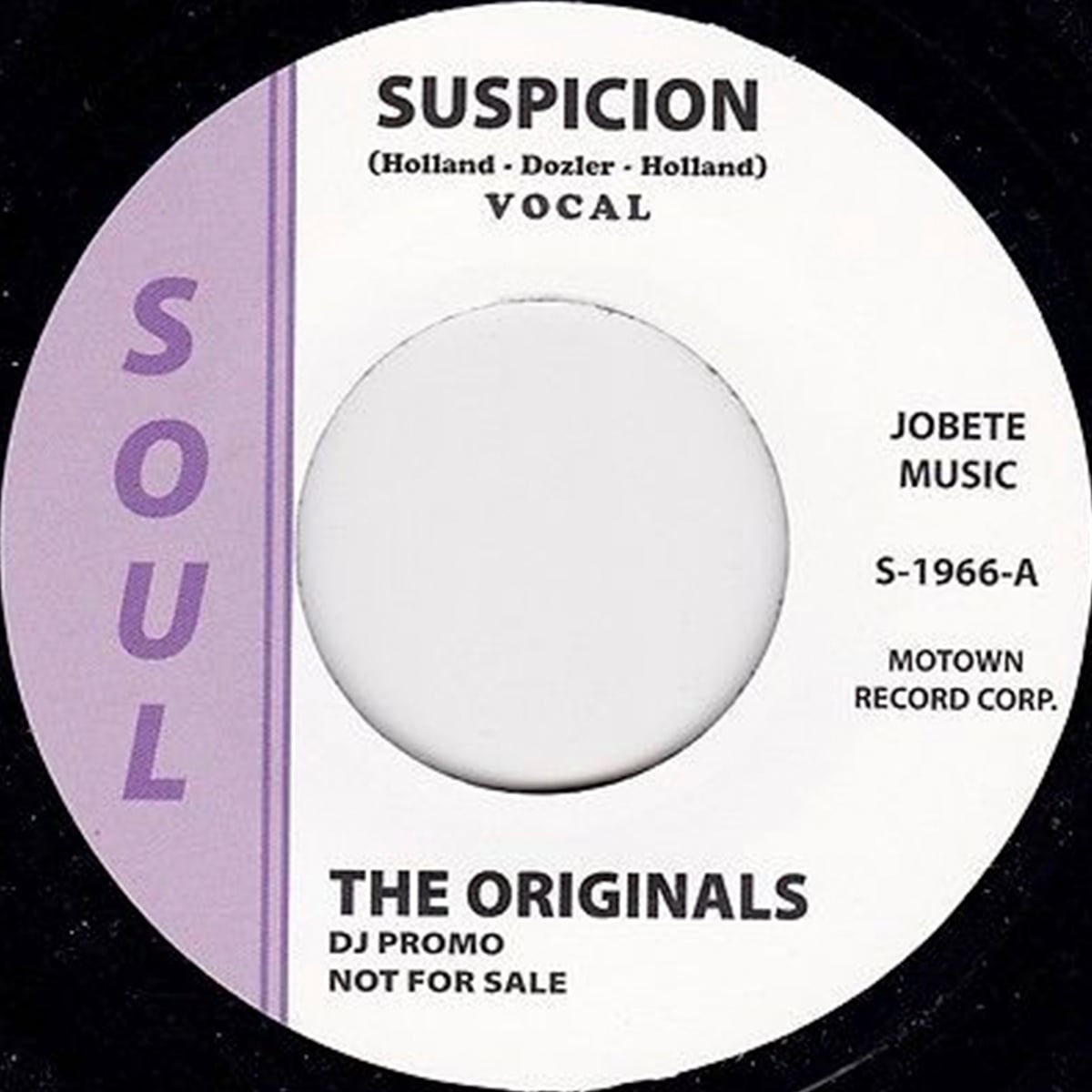
Release Date: 1965/1999 | Songwriters: Holland-Dozier-Holland
Yet another of Motown’s worst-kept secrets, The Originals were stalwarts of the Soul subsidiary throughout the mid-to-late 1960s, although hit records were few and far between. Nowadays, though, they are best remembered for ‘Suspicion’, a Holland-Dozier-Holland triumph which was among the first things the Detroit outfit recorded for the label (most likely in around 1965), but it was never released for mainstream consumption.
Instead, ‘Suspicion’ found its way onto the airwaves thanks to an acetate copy that, by the grace of crate diggers, found its way onto the northern soul scene, initially under the title ‘Baby Have Mercy On Me’. It wasn’t until 1999 that the song saw anything like an official release, included on the CD compilation The Very Best of the Originals (which included virtually everything they recorded for Motown during their vastly underappreciated tenure), by which time it was already a well-known floor-filler in the north of England.
Once more, the musical mastery of golden age Hitsville was affirmed, and their decision-making called into question.
Jimmy Ruffin – ‘He Who Picks A Rose’
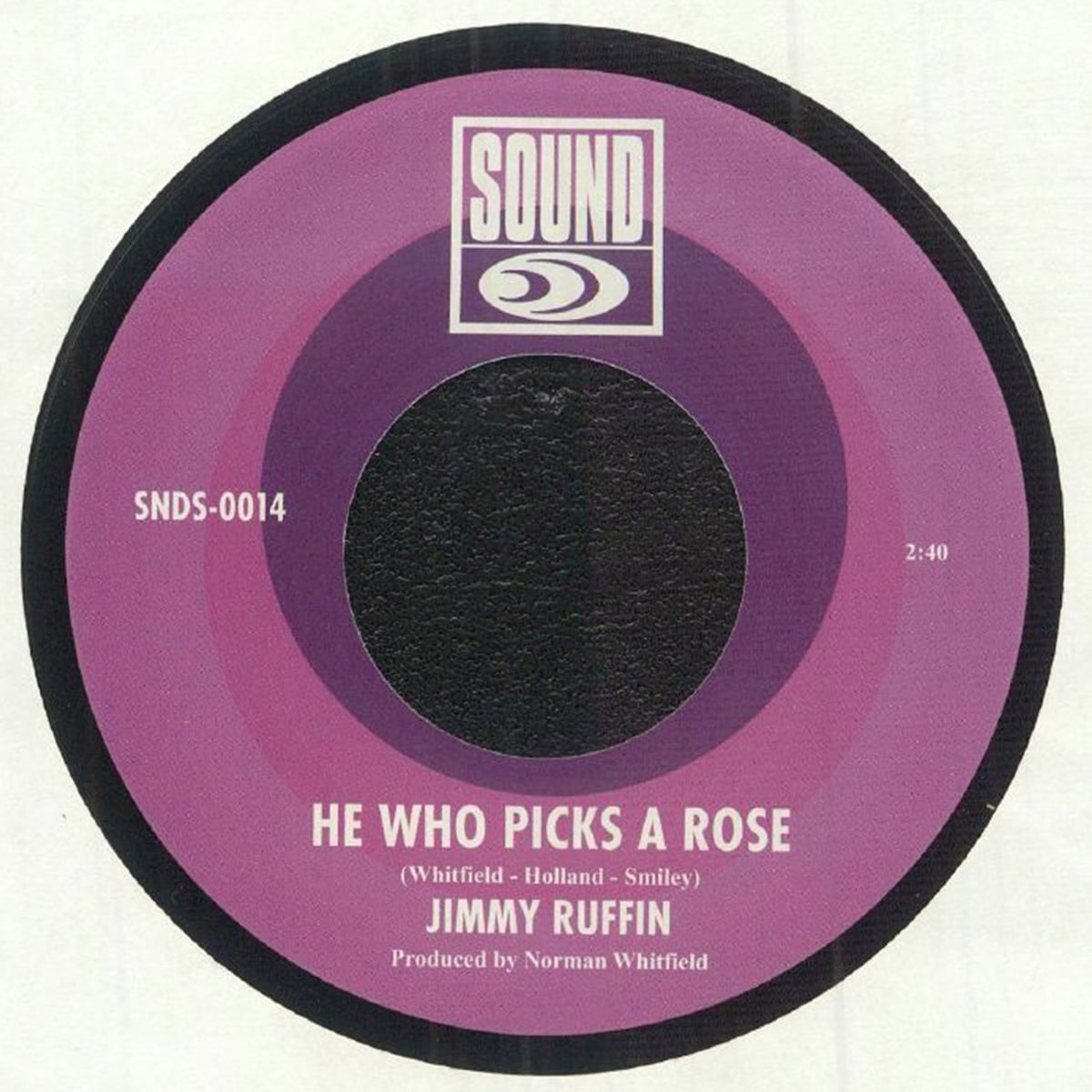
Release Date: 1965/2004 | Songwriters: Earl Smiley, Eddie Holland and Norman Whitfield
Following in much the same spirit as ‘Suspicion’, this underrated gem from the Mississippi-born Jimmy Ruffin also sat dormant in the Motown vaults for multiple decades. Recorded in 1965, the single was deemed unfit for release and promptly shelved in favour of the multitude of other tracks Ruffin was recording for the Soul subsidiary during that time. Instead, the song was thrust upon his younger brother, David Ruffin, and his group, The Temptations, who included it on their 1968 LP Wish It Would Rain.
The following year, a version by northern soul favourites Carstairs found its way onto the Okeh label, and in 1970 Edwin Starr tried his hand at the track, which ended up as the B-side to his number-one single ‘War’. None of these versions had much of an impact on the mainstream, though the Okeh single ended up a coveted disc for northern soul DJs. It wasn’t until 2004 that the greatest version saw the light of day, when Ruffin’s original take was released on his The Ultimate Motown Collection CD compilation, and thankfully, it was worth the wait.
Marvin Gaye and Tammi Terrell – ‘Give In, You Just Can’t Win’
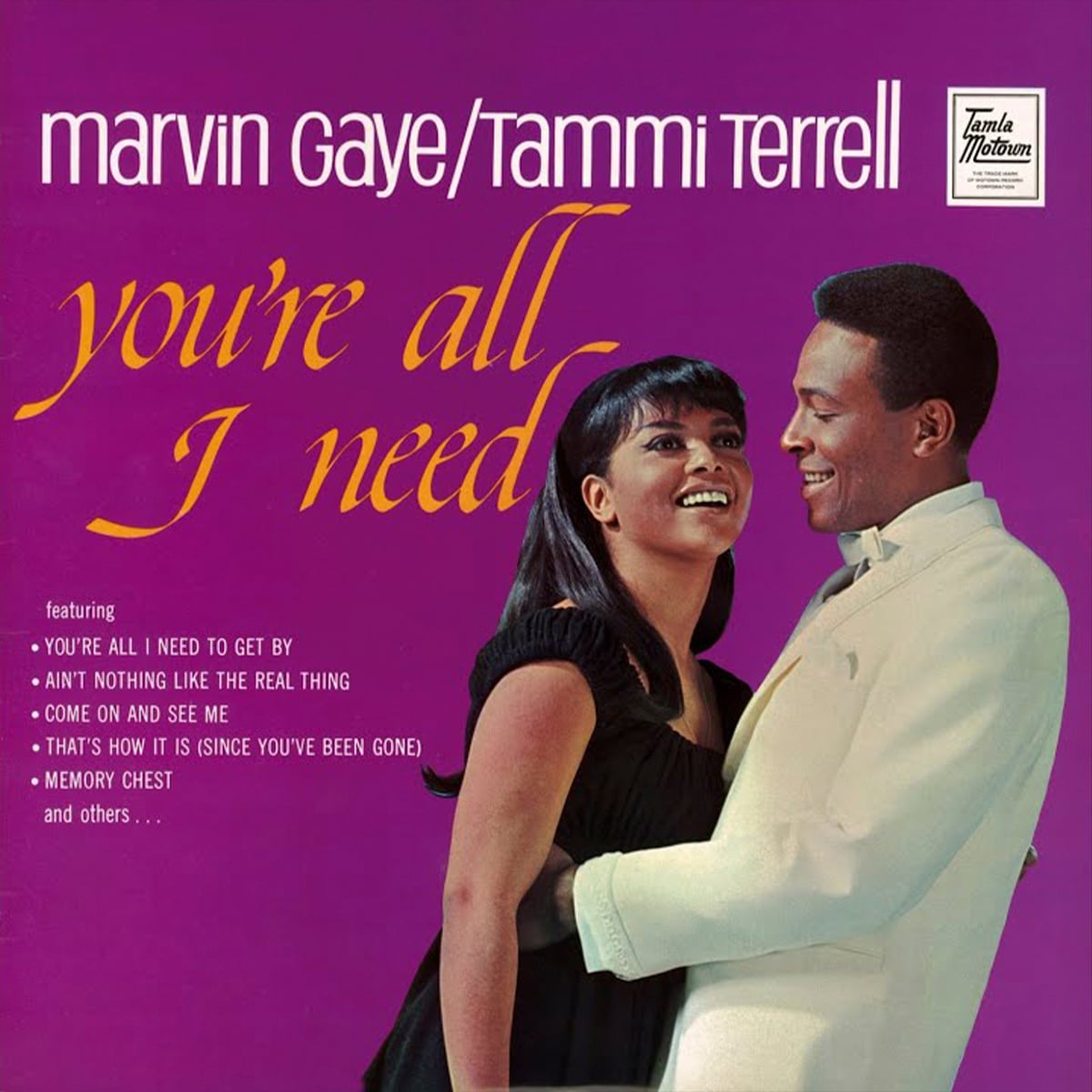
Release Date: 1968 | Songwriters: Harvey Fuqua and Johnny Bristol
Marvin Gaye dueted with a wealth of different vocalists during his time at Motown, but he was at his best when in the booth with Tammi Terrell. Prior to Terrell’s untimely death in 1970, the pair recorded some of the greatest duets in soul history, and while there certainly isn’t a prize for guessing which of their other efforts appears later in this list, ‘Give In, You Just Can’t Win’ is a particular highlight from their joint discography.
Unlike some of their other triumphs, this footstomping soul masterpiece was never released as a single, though it did make an underrated appearance on their joint 1968 LP You’re All I Need. It might not be quite as emotional or as timelessly romantic as other Gaye-Terrell duets, but the song does act as a perfect snapshot of the chemistry between the two vocalists, as well as the breadth of their respective skills.
The Miracles – ‘You Really Got A Hold On Me’
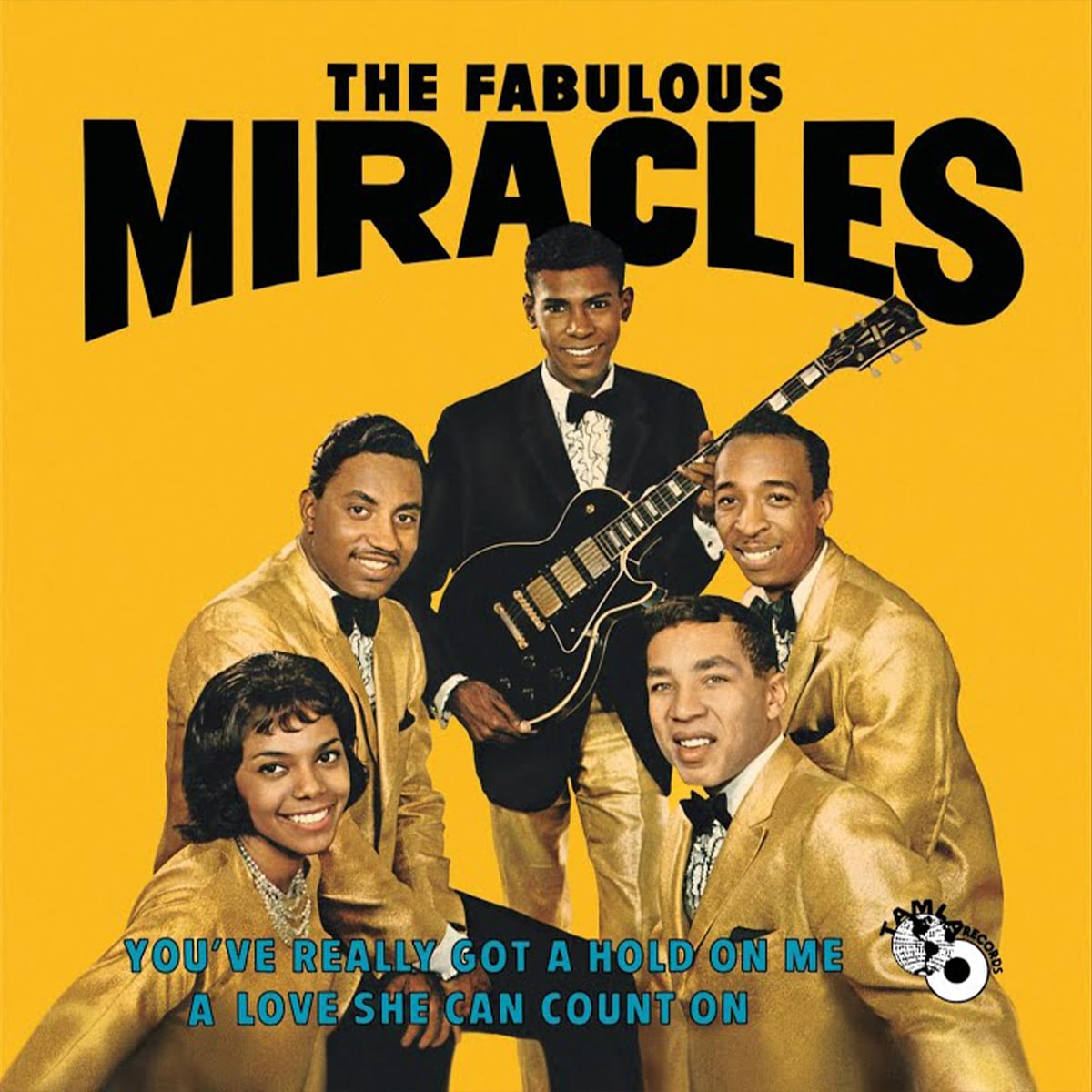
Release Date: 1962 | Songwriter: Smokey Robinson
An endlessly covered, much-coveted top-ten single from 1962, Smokey Robinson was truly firing on all cylinders when he wrote ‘You Really Got A Hold On Me’, a timeless soul masterpiece that captures the soulful sounds of Motown’s earlier years. When the song was initially released, Gordy’s label was still on its long march to mainstream domination, and this track was essential in making Motown the chart-busting powerhouse it eventually became.
Inspired by the unmistakable sounds of Sam Cooke, Robinson’s composition clearly struck a chord with audiences, but perhaps more impressively, it struck a chord with his fellow artists. Namely, this was one of three Motown tracks, interestingly, the lowest charting of the three as far as this list is concerned, that The Beatles chose to cover for their 1963 LP With The Beatles, which not only gave the song a second wind, but also helped bring Motown’s soulful excellence to British shores for the first time.
Elaine Brown – ‘Until We’re Free’
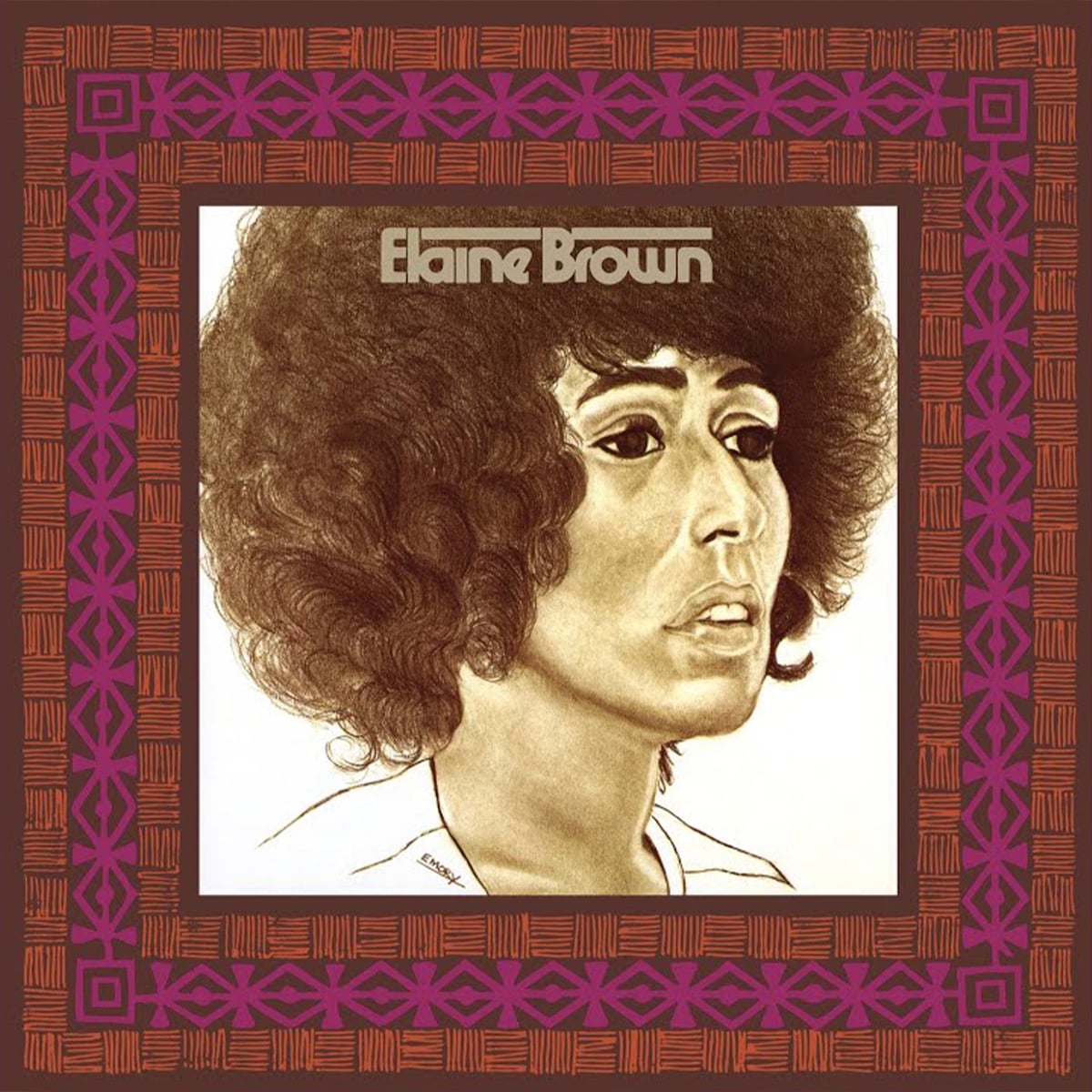
Release Date: 1973 | Songwriter: Elaine Brown
A defiant slice of politically-charged Black Power jazz, this Civil Rights-era masterpiece was released by Motown’s Black Forum subsidiary back in 1973, only a few months before its architect, Elaine Brown, became the only woman to ever lead the Black Panther Party. While the single, given its content, is hardly the kind of foot-tapping, soul-swinging Motown favourite that populates the majority of this list, it perfectly evokes that period of political activism in America and the role of Berry Gordy’s label in contributing to the Black identity.
Motown during its 1960s heyday tended to get some stick for shying away from politically-charged recordings, but Black Forum, while short-lived, aimed to change that legacy. ‘Until We’re Free’ was the only single released through that subsidiary label and was one of its few musical releases. For the most part, though, its musical content takes a backseat to the sheer power and passion of Brown’s vocals, which are akin to a rousing call to action rather than a simple pop single.
Chris Clark – ‘Love’s Gone Bad’
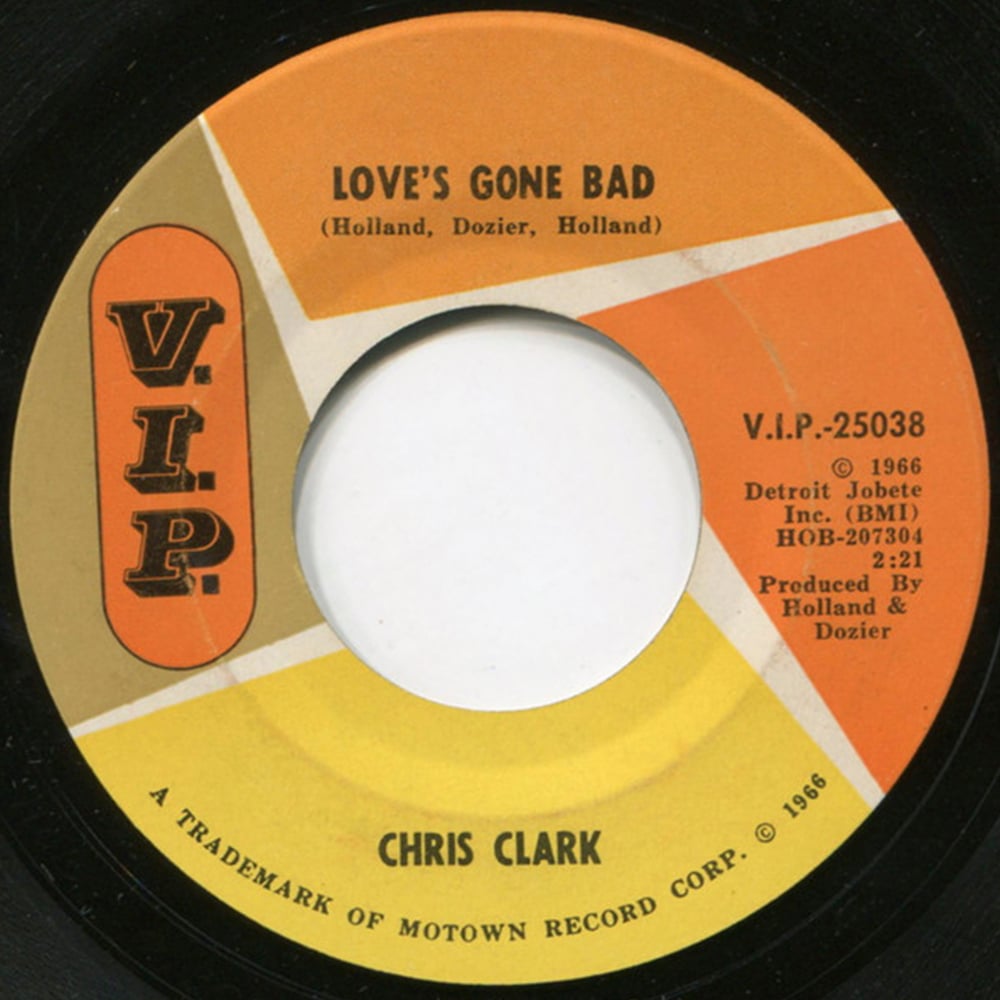
Release Date: 1966 | Songwriters: Holland-Dozier-Holland
A failed attempt by Motown to match the otherworldly output of one Dusty Springfield, Chris Clark’s time at the label remains undeservedly underrated. Had the Californian been given more of a platform during her time on the label, she might have been one of its flagship acts; she certainly had the vocal prowess for it. As it stands, though, she left behind a string of incredible non-hits during her time on the VIP subsidiary, and ‘Love’s Gone Bad’ is her greatest.
Powerful vocals, a compelling rhythm, and the kind of soulful power befitting of a fast-moving dancefloor, ‘Love’s Gone Bad’ is classic Motown in all the best ways, down to its Holland-Dozier-Holland songwriting treatment. It might not have been the trio’s most successful songwriting effort, and it was arguably eclipsed by Clark’s later accolades, which included an Academy Award nomination for writing the screenplay of Lady Sings the Blues, but for fans of rare Motown and northern soul, ‘Love’s Gone Bad’ is still hailed as the classic it was destined to be.
Tammi Terrell – ‘All I Do Is Think About You’
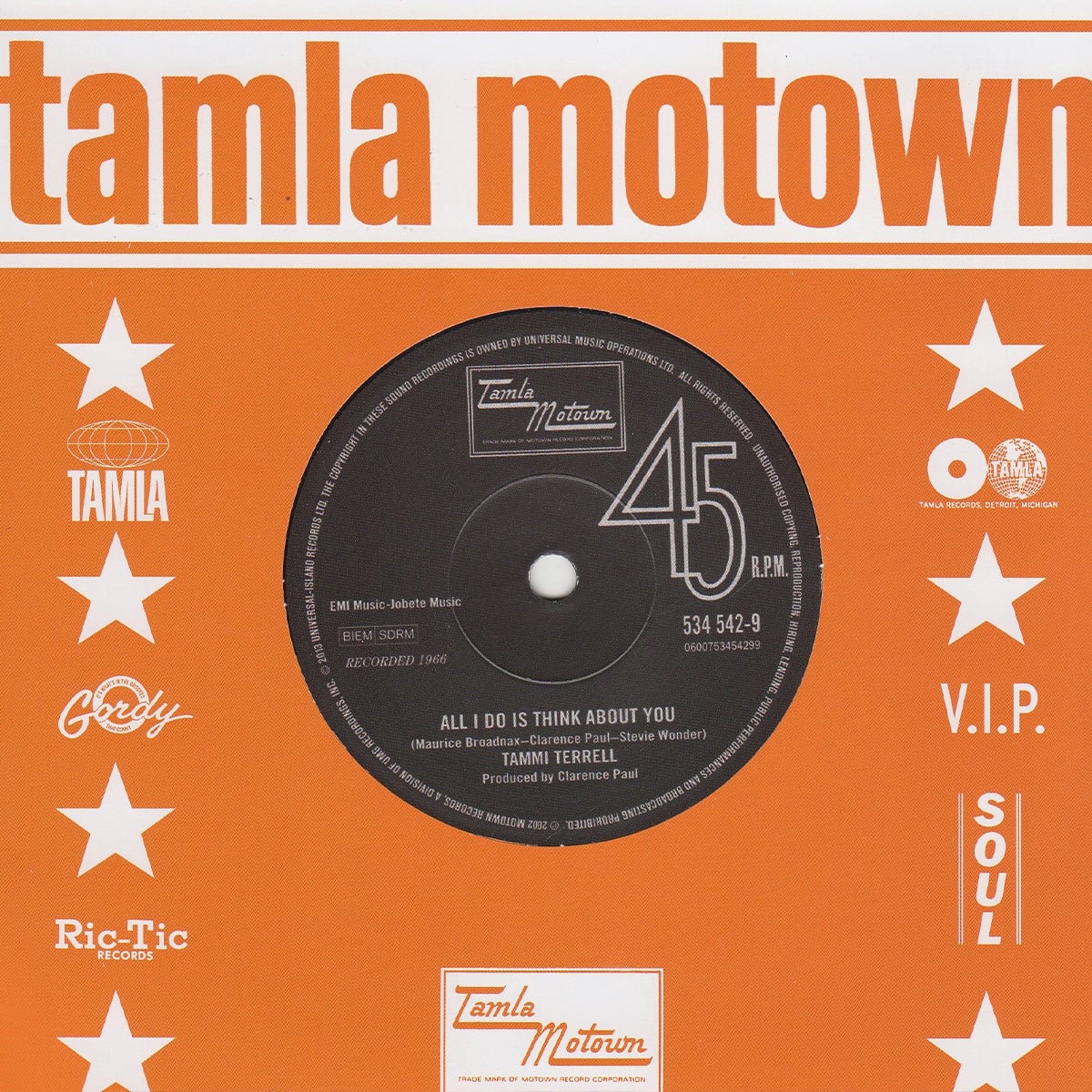
Release Date: 1966/2010 | Songwriters: Stevie Wonder, Clarence Paul and Morris Broadnax
If you are pushed for time and only have three minutes to introduce somebody to the soulful mastery of Tammi Terrell, ‘All I Do Is Think About You’ is probably your best option. One of her finest moments on the label, particularly as a solo performer, this rendition of the Stevie Wonder co-written track, who went on to record his own, dare I say, inferior version for 1980’s Hotter than July, was never released during the vocalist’s lifetime.
If you have gotten this far in the list, you will already be all too aware of Motown’s bizarre tendency to shelve some of its greatest recordings, and this is one of the most unjustly affected victims. While it managed to appear on a few sporadic bootlegs over the years, it wasn’t until the release of the exhaustive box set, Come On And See Me: The Complete Solo Collection, in 2010 that the late vocalist’s magnum opus was officially released. Inevitably, it has been treated as sacred by rare Motown and soul obsessives ever since.
Diana Ross – ‘Upside Down’
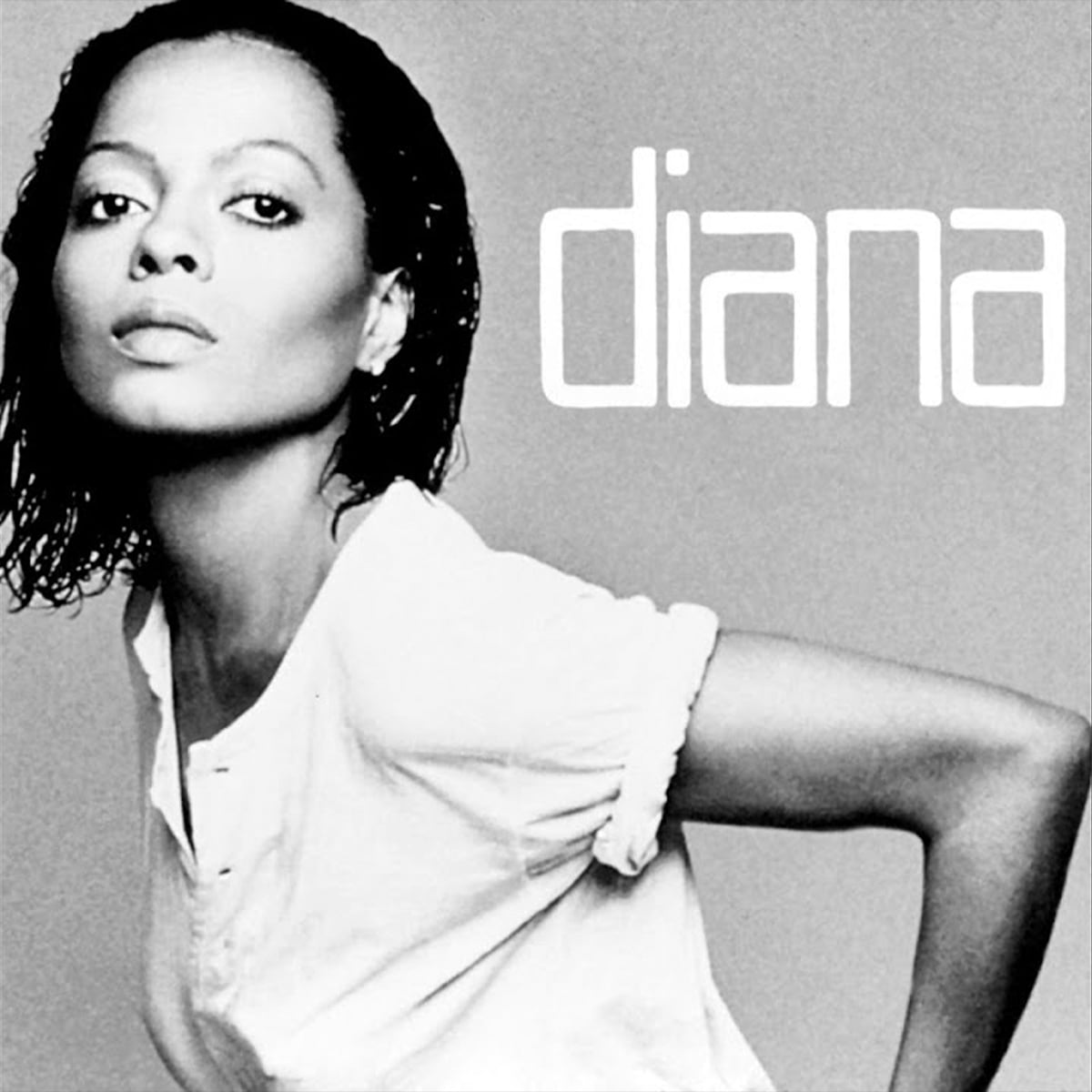
Release Date: 1980 | Songwriters: Nile Rodgers and Bernard Edwards
Another beloved track from Diana Ross’ early disco phase, ‘Upside Down’ is about as instantly recognisable as they come, thanks both to her flawless performance and the incredible production stylings of Nile Rodgers and Bernard Edwards of Chic fame. In the years since this single took dancefloors by storm for the first time, Rodgers has declared, “This was the first time in [Ross’] life somebody cared about who she was, what she was. […] We took a more personal approach”.
After years of being under intense pressure, exploited as though her star power was a resource to be mined, this more personal approach taken by the disco masters clearly paid off, as both ‘Upside Down’ and the aforementioned ‘I’m Coming Out’ still stand out as ultimate highlights within her solo career. Reportedly, this track is also a particular favourite of King Charles III, but we’ll try not to hold that fact against it.
Gladys Knight and the Pips – ‘No One Could Love You More’
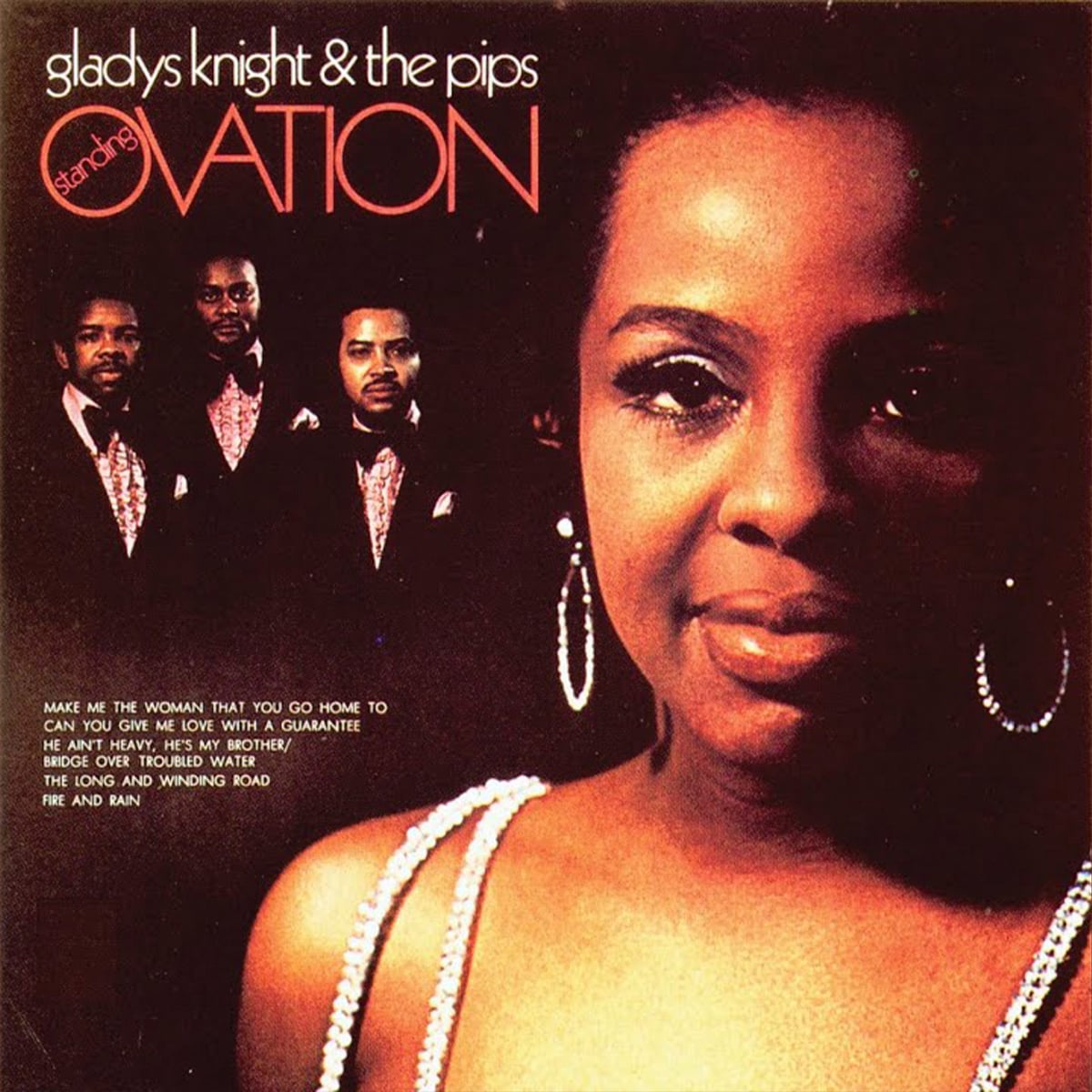
Release Date: 1973 | Songwriters: Gloria Jones and Pam Sawyer
Motown might have been the label that soul artists flocked to when they wanted a hit, but it was only after they left the label in the rear-view mirror that Gladys Knight and the Pips truly hit their stride, becoming a commercial powerhouse from 1973 onwards. Still, their newfound success at Buddah Records had the effect of inspiring Motown to release the various Knight tracks they had previously shelved, including the soul stormer ‘No One Could Love You More’.
Recorded sometime around 1966, it wasn’t until 1973 that it was eventually released as a single, included as the B-side on UK reissues of ‘Take Me In Your Arms And Love Me’. Presumably, Motown were hoping that the shelved track would find its way into northern soul circles and, to the credit of the label, they were absolutely spot on in that regard. Having Gloria Jones (of ‘Tainted Love’ fame) in the songwriting credits likely helped it along. Then again, how could anybody deny the floor-shaking excellence of this song?
Martha Reeves and the Vandellas – ‘Dancing In The Street’
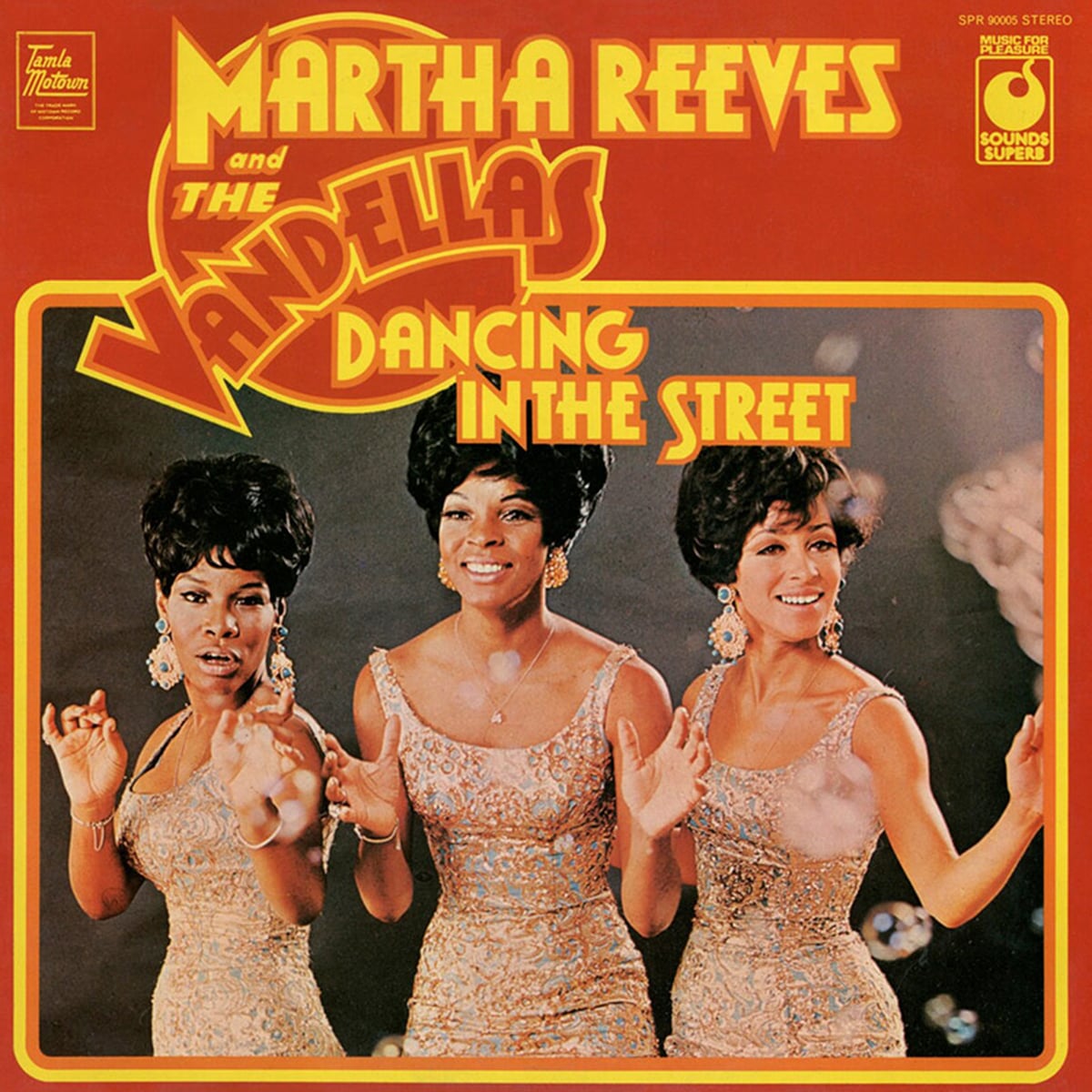
Release Date: 1964 | Songwriters: Marvin Gaye, William Stevenson and Ivy Jo Hunter
We’re getting into the bona fide classics now; ‘Dancing In The Street’ is among those records that immediately spring to mind when thinking about the ‘Motown sound’. With the songwriting power of Gaye, Stevenson, and Hunter behind it, and the euphoria created by Reeves’ vocals and the Wall of Sound-esque percussion, it is no great shock that the single remains a dancefloor favourite across the globe.
It (and I’m prepared to take some flak for suggesting this) isn’t The Vandellas greatest work, in terms of performance, but it did enough to see them shoot to the number two spot in the US singles charts and remain in the collective consciousness forevermore. Perhaps this is unfair, but had Mick Jagger and David Bowie not got involved with this track in 1985, bastardising the Motown classic as a neon-hued hangover of 1980s pop, then this track would have likely placed a lot higher on this list.
Marvin Gaye – ‘Let’s Get It On’
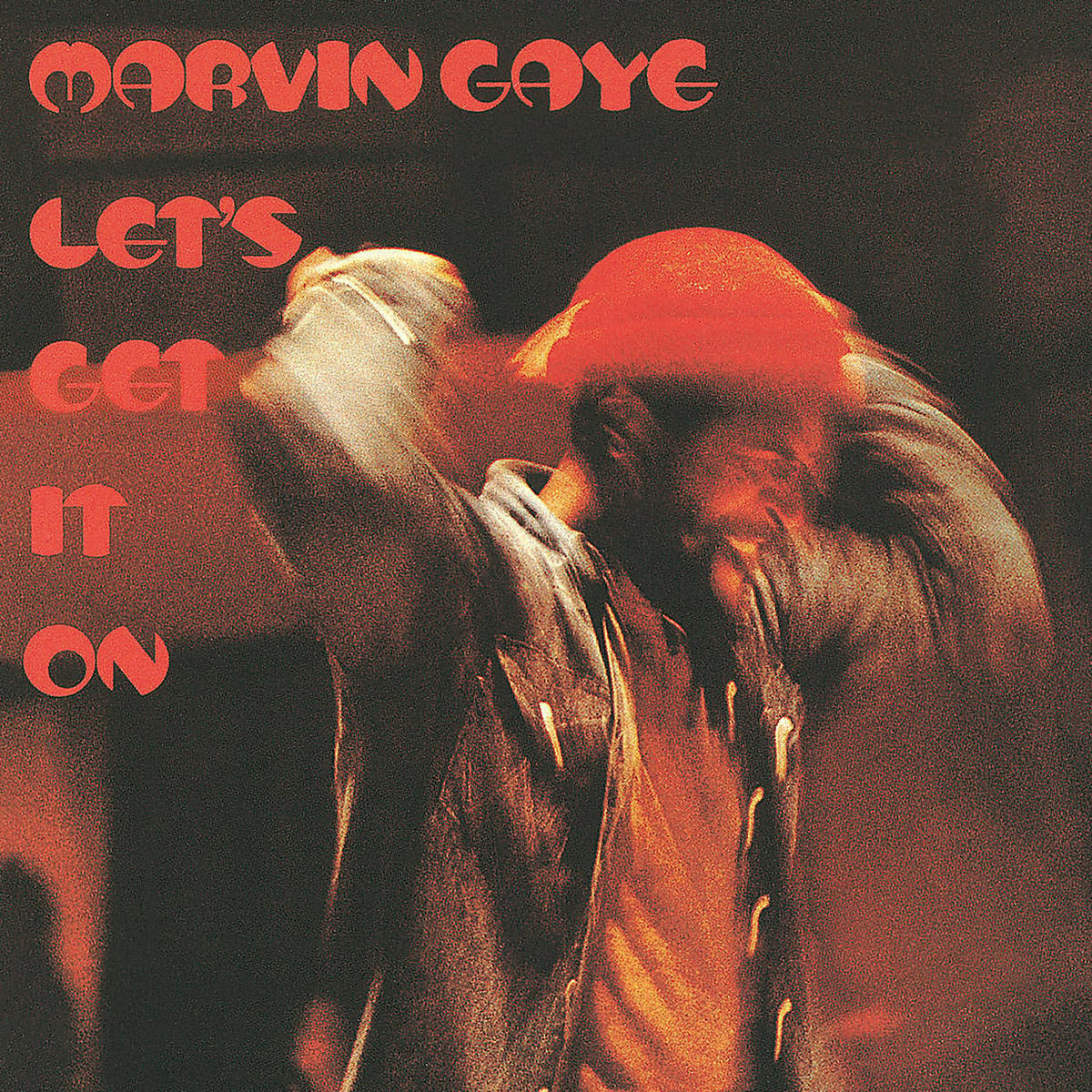
Release Date: 1973 | Songwriters: Marvin Gaye and Ed Townsend
He had been the fresh-faced soul star, the bearded political activist, and by 1973, Marvin Gaye was ready to reinvent himself. Where, though, are you meant to go when you have already achieved as much as Gaye had? In his case, the answer was simple: become a sex god. With this classic slice of deep funk arriving within months of ‘Touch Me in the Morning’ by Diana Ross, 1973 was the year that Motown left the singles charts and entered the bedroom.
Sex sells, and that fact is supported by the fact that ‘Let’s Get It On’ became Gaye’s most successful Motown effort, thanks in part to its endless use in television and film during moments of romance and sexual tension. Behind its gyrating groove, though, ‘Let’s Get It On’ is an undeniable funk masterpiece, featuring an impassioned performance from Gaye and a selection of career-defining performances from the ever-changing line-up of the Funk Brothers.
Kim Weston – ‘I’m Still Loving You’
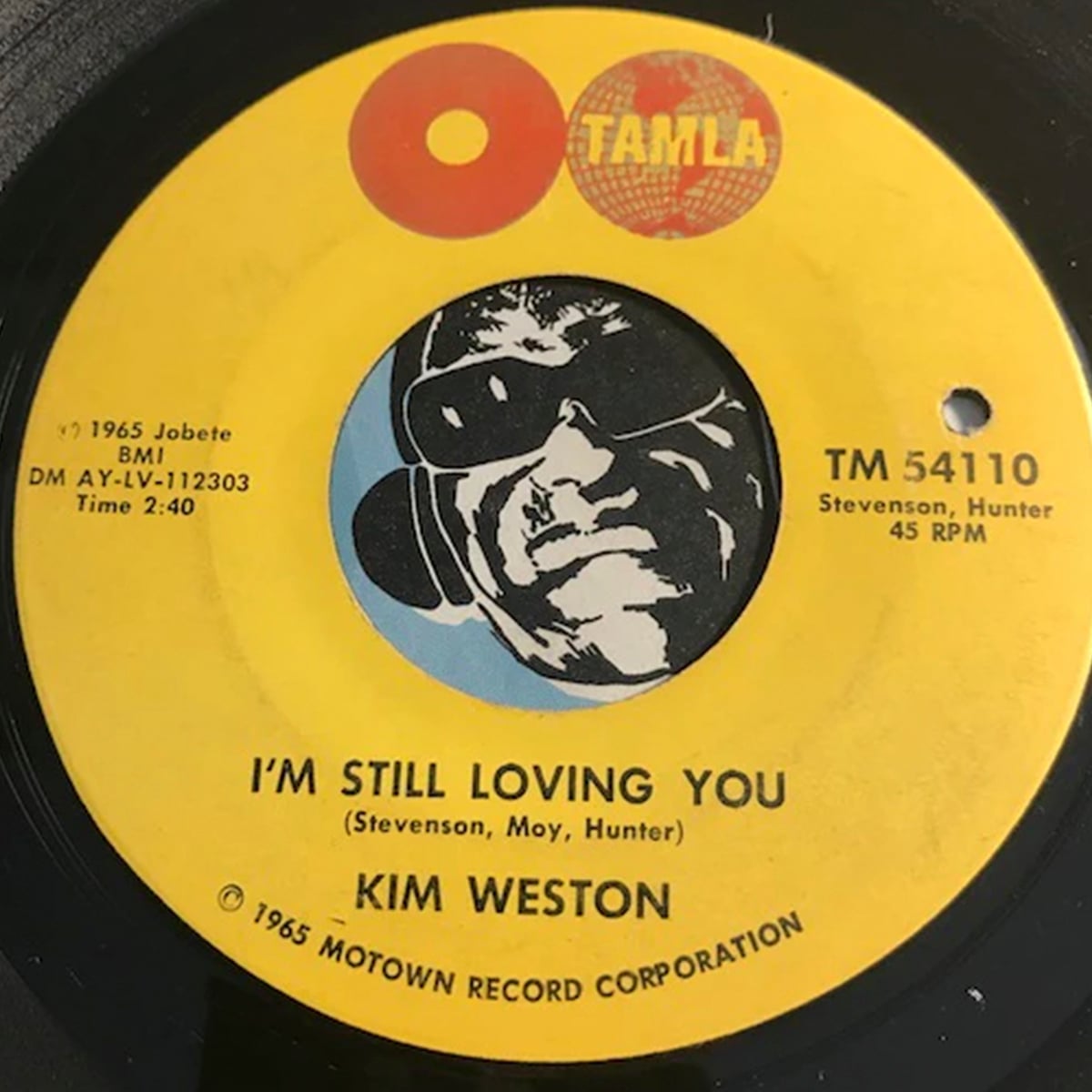
Release Date: 1965 | Songwriters: Ivy Jo Hunter, William Stevenson and Sylvia Moy
While not the greatest lyrical effort ever conjured up by Motown’s songwriting department, Kim Weston’s impassioned performance gives ‘I’m Still Loving You’ the kind of triumphant, booming soul sound that lends itself naturally to sprung dancefloors. Released in 1965, when Motown’s power and output were arguably at their very peak, the single wasn’t a colossal hit, and it perhaps became overshadowed by the seemingly endless string of hits the label released that particular year.
Nevertheless, its upbeat energy and endless replayability have committed Weston’s defining effort to the hearts and record boxes of Motown aficionados in the many years since its release. In particular, the single still remains a noted favourite of the northern soul scene, for which its euphoric soul spirit almost sounds tailor-made.
Diana Ross – ‘Touch Me in the Morning’
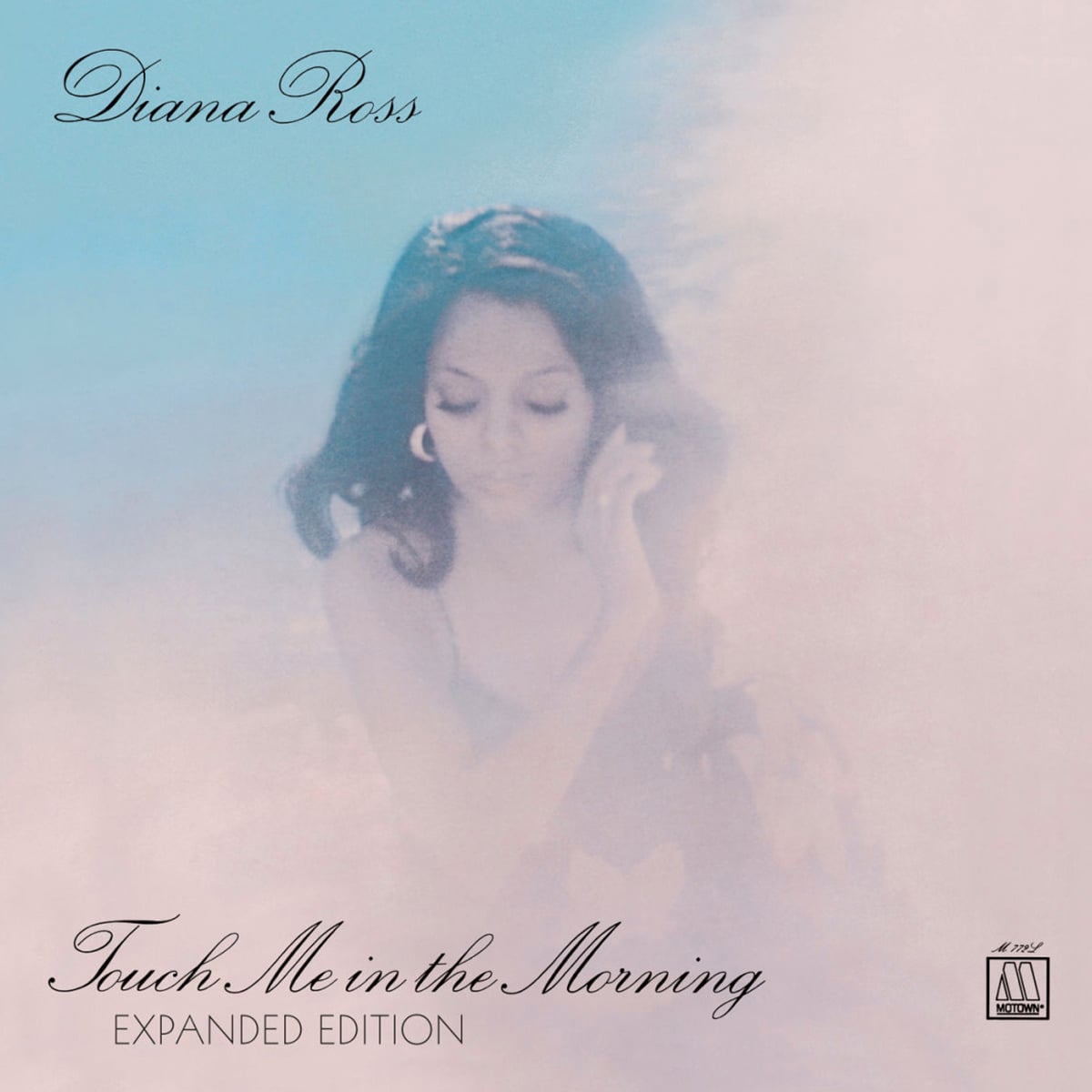
Release Date: 1973 | Songwriters: Ron Miller and Michael Masser
Diana Ross truly cemented her post-Supremes solo career with this velvety, soft-focused ballad from 1973, which topped the US charts and remained in the rankings for 21 weeks, a fact that contradicts America’s falling birthrates throughout the early 1970s.
Given that the single arrived shortly after Ross earned herself an Academy Award nomination, ‘Touch Me in the Morning’ was a landmark in the vocalist’s career, signifying the first time she had truly broken free from the expectations of both The Supremes and her Motown discography up to that point. Without the success of this steamy single, all the beloved classics that followed within Ross’ solo work, including the ones included on this list, simply would not have existed.
Martha Reeves and the Vandellas – ‘Jimmy Mack’
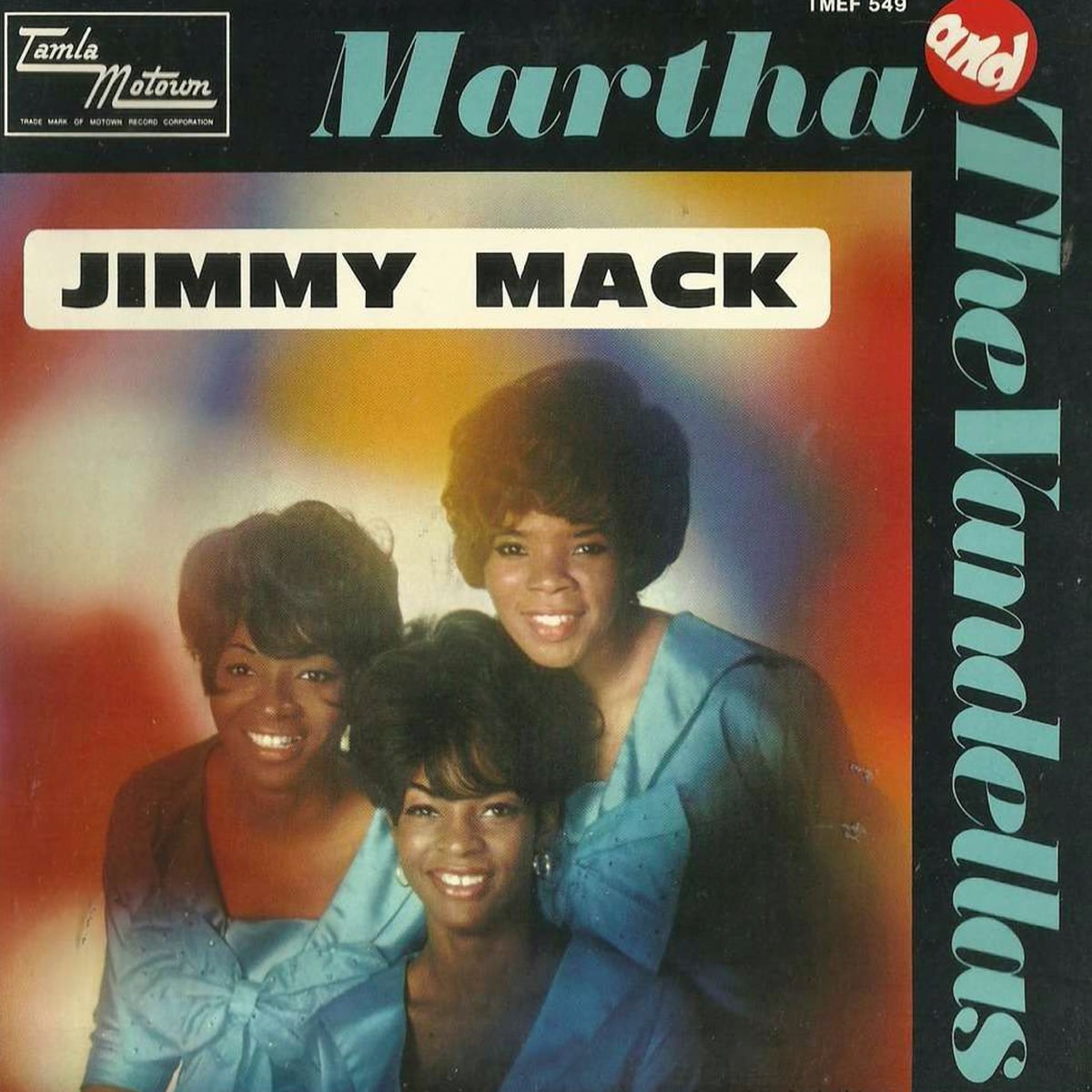
Release Date: 1967 | Songwriters: Holland-Dozier-Holland
Yet another example of Holland-Dozier-Holland defining the Motown sound of the mid-1960s, ‘Jimmy Mack’ is an indisputable classic, and a stellar example of Martha Reeves’ star power. Given the song’s extensive legacy and that it reached the top ten in the US singles charts, the fact that it took three years to be released (having been recorded in February 1964) seems rather bizarre.
Reportedly, though, Berry Gordy and Motown’s Quality Control thought the recording sounded too similar to The Supremes. Seemingly, with The Supremes on their way out by 1967, that decision was overruled, and the song took on new meaning in light of the then-intensifying Vietnam War.
Reeves’ longing for her ‘Jimmy Mack’ to return to her arms was a lot more relatable for listeners whose partners were being conscripted to fight overseas, and the vocalist herself compounded that political impact by saluting the camera during televised performances. Not only is the single a bona fide Motown classic, but it’s also an important historical artefact of that period in American history.
Stevie Wonder – ‘Boogie On Reggae Woman’
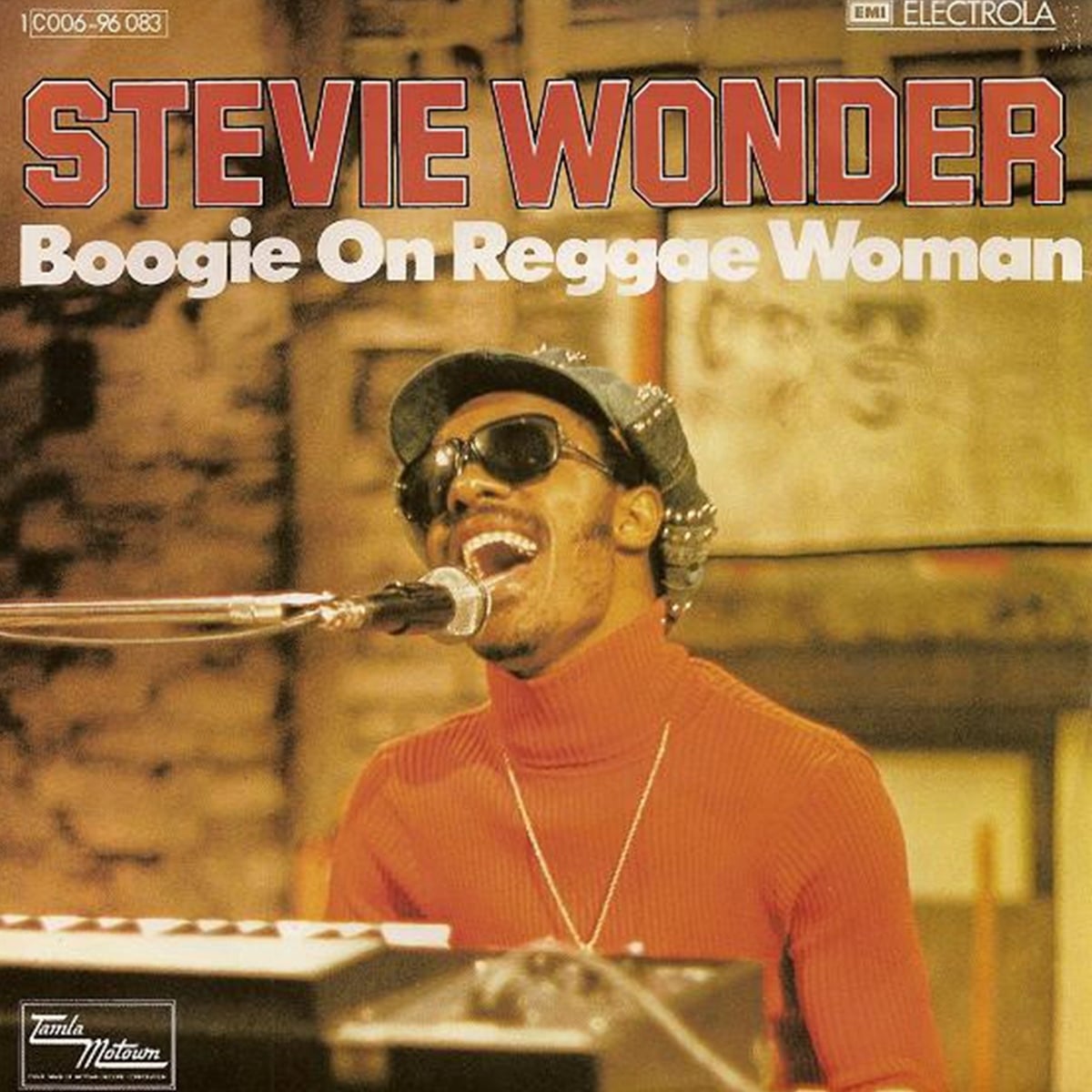
Release Date: 1974 | Songwriter: Stevie Wonder
It might not be reggae or boogie, but this 1974 effort from Stevie Wonder captures so much of the magic of his mid-1970s period. Following on from the songwriter’s contract negotiations with Motown at the beginning of the decade, he rather bravely chose to use the increased artistic freedom that his new deal afforded him to explore the emerging realm of synthesisers. This top-five charting single, for instance, is built around the mastery of the Moog synthesiser, creating a bassline befitting of the funk floor-filler.
If you are wondering how we have gotten so far in this list without an entry from Stevie Wonder, this track should give you some indication of how densely Wonder-packed the remainder of this article will be. He is, after all, the greatest songwriter Motown ever produced, and his discography has enough incredible material to fill the entirety of this list twice over.
The Commodores – ‘Three Times A Lady’
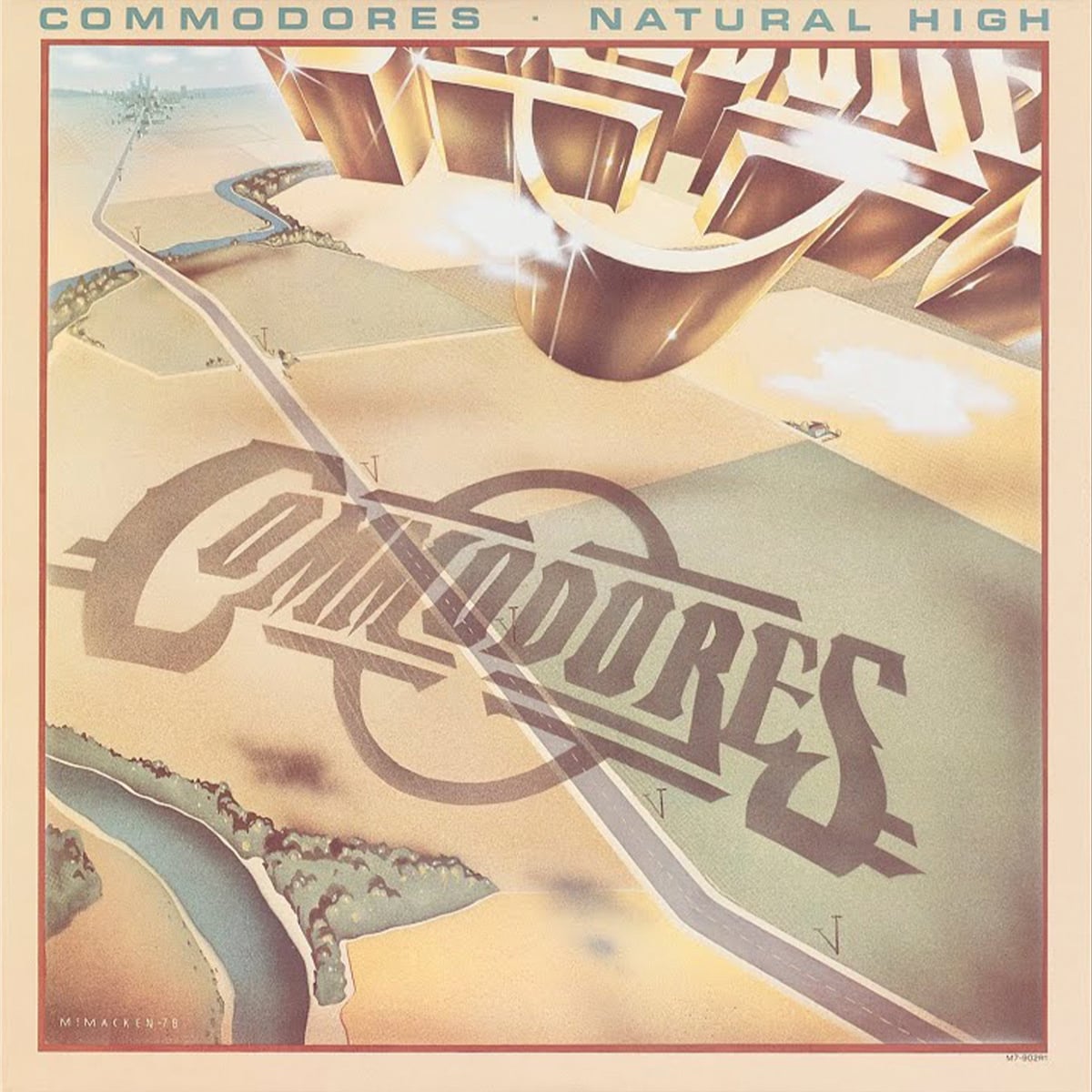
Release Date: 1978 | Songwriter: Lionel Richie
If the Motown sound of the 1960s was fresh, exciting, and upbeat, then its counterpart during the late 1970s was far more laid-back and, in many cases, yearning. Lionel Richie was responsible for many of those yearning ballads, of which his 1978 track ‘Three Times A Lady’ is among the finest. Inspired by a toast Richie’s father gave to his mother on their anniversary, the single has soundtracked many a wedding proposal, first dance and, indeed, consummation.
Reaching the top spot of the US singles charts in 1978, the single marked Richie’s most successful outing with The Commodores by some margin, as well as the only top-ten hit for Motown that particular year, and it has remained a staple of his solo career ever since. In fact, it was the success of this record that helped Richie make the switch and go solo, which he eventually did in 1982.
Marvin Gaye – ‘Can I Get A Witness’
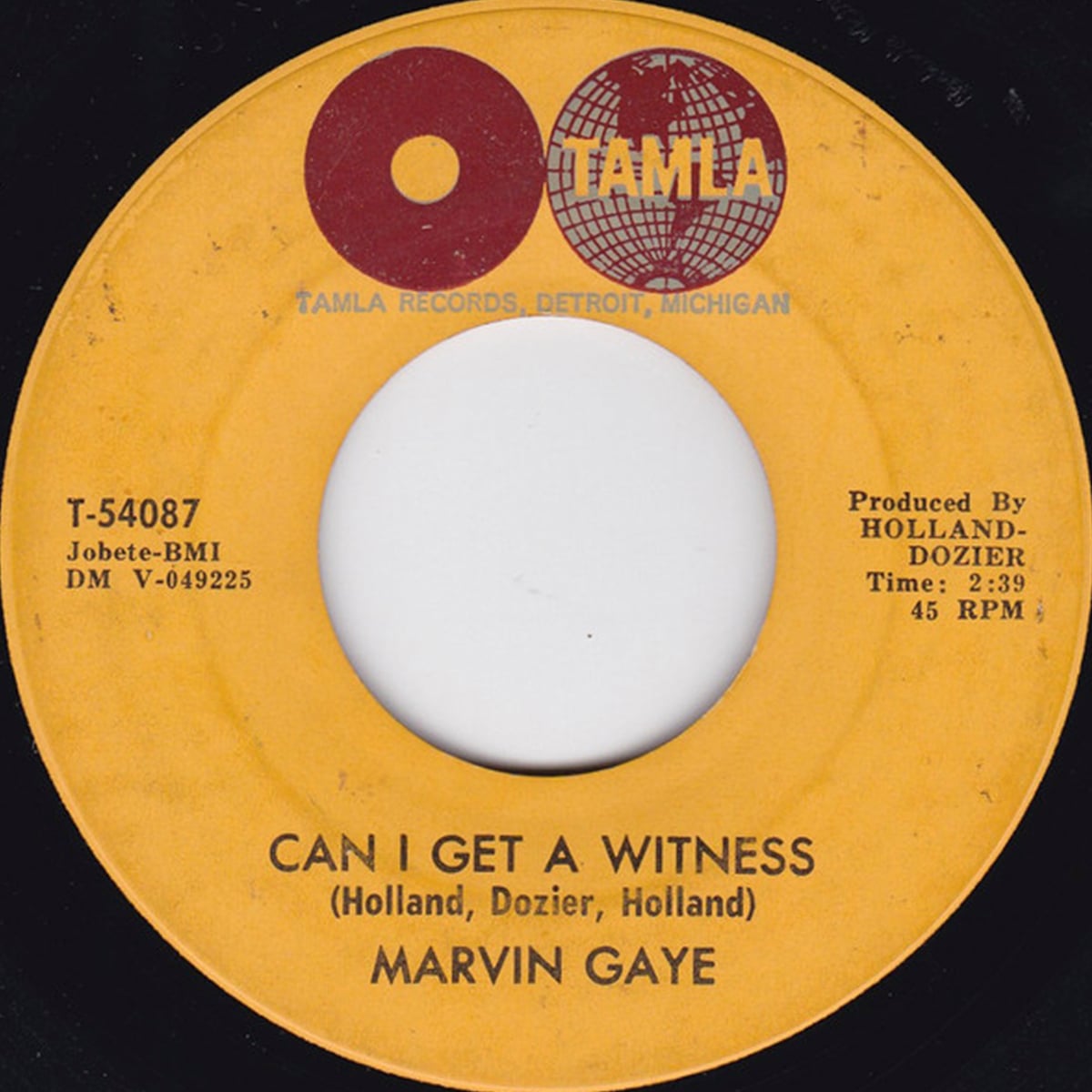
Release Date: 1963 | Songwriters: Holland-Dozier-Holland
Long before Marvin Gaye was the political activist of ‘What’s Going On’, or the gyrating sex god of ‘Let’s Get It On’, he was one of the brightest rising stars of the American soul realm, and few songs capture the spirit of that early energy better than ‘Can I Get A Witness’, an early triumph for the Holland-Dozier-Holland songwriting trio that would soon go on to dominate Motown’s output (and, incidentally, this list, too).
Demonstrating the impressive vocal range that would denote later masterpieces, Gaye’s performance on this number 22-charting single marked him out among the most talented artists on Motown’s roster during those early years. With the then-unknown Supremes on backing vocals, and Earl Van Dyke laying down a career highlight in his piano riff, ‘Can I Get A Witness’ is a perfect encapsulation of the soulful mastery of early Motown, and it remains one of Gaye’s most woefully underrated tracks.
The Elgins – ‘Heaven Must Have Sent You’
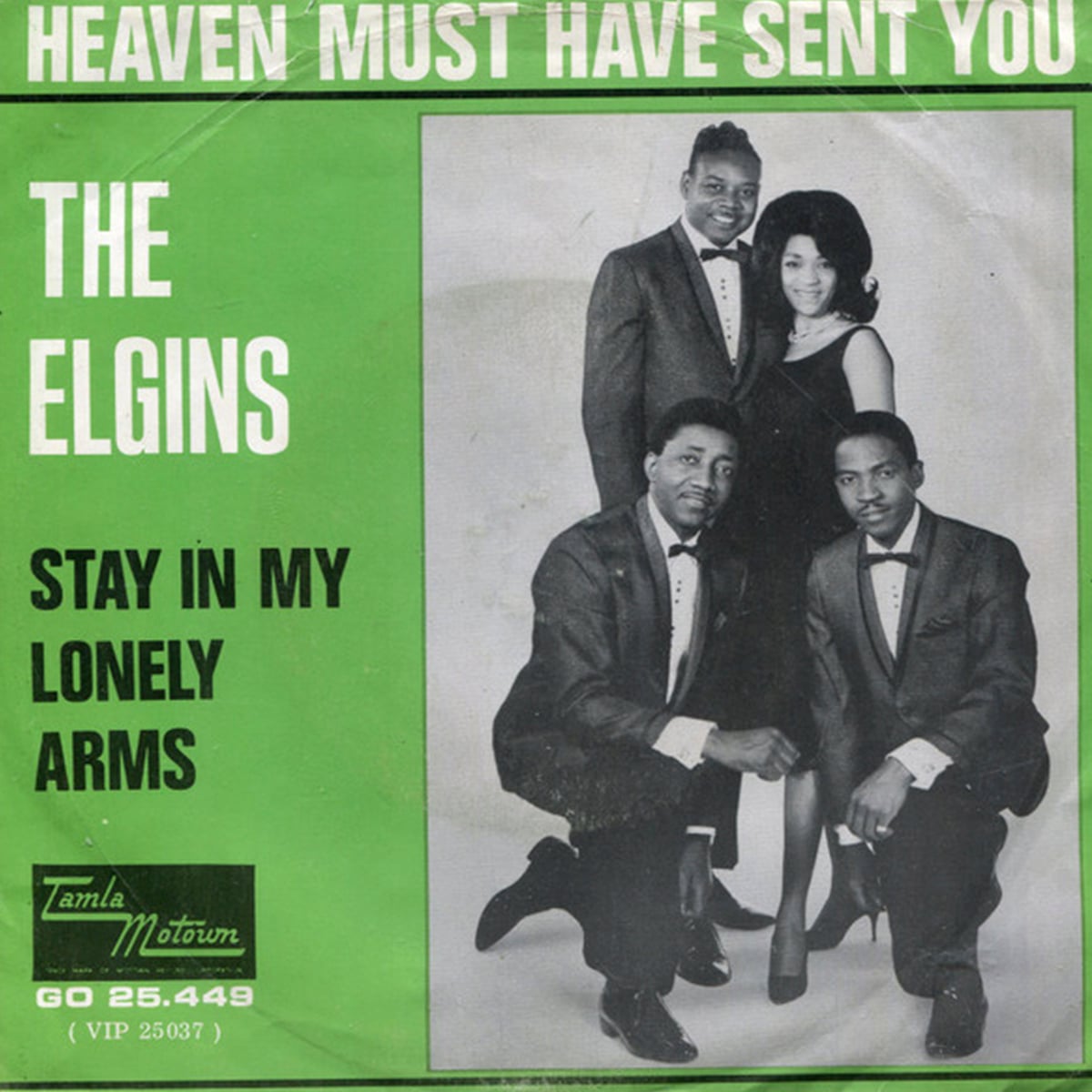
Release Date: 1966 | Songwriters: Holland-Dozier-Holland
Yet another Holland-Dozier-Holland stormer, ‘Heaven Must Have Sent You’ became one of the core sounds of the disco scene during the late 1970s, thanks to a cover version by Bonnie Pointer. Over a decade prior to that mirrorball rendering, though, the single had been a soulful smash by The Elgins, one of Motown’s multitude of woefully underrated vocal groups from the mid-1960s, who confusingly took their name from an earlier incarnation of The Temptations. Despite that shared name, though, The Elgins didn’t have quite the same commercial success.
Released via the VIP imprint, the 1966 single became the group’s biggest commercial hit, reaching the top ten of R&B charts and peaking at a rather disappointing 50 on the pop charts. Nevertheless, it did enough to make The Elgins a cult favourite among Motown fans, and you only need to hear the enduring appeal of ‘Heaven Must Have Sent You’ to get a good idea of why that is.
The Temptations – ‘Get Ready’
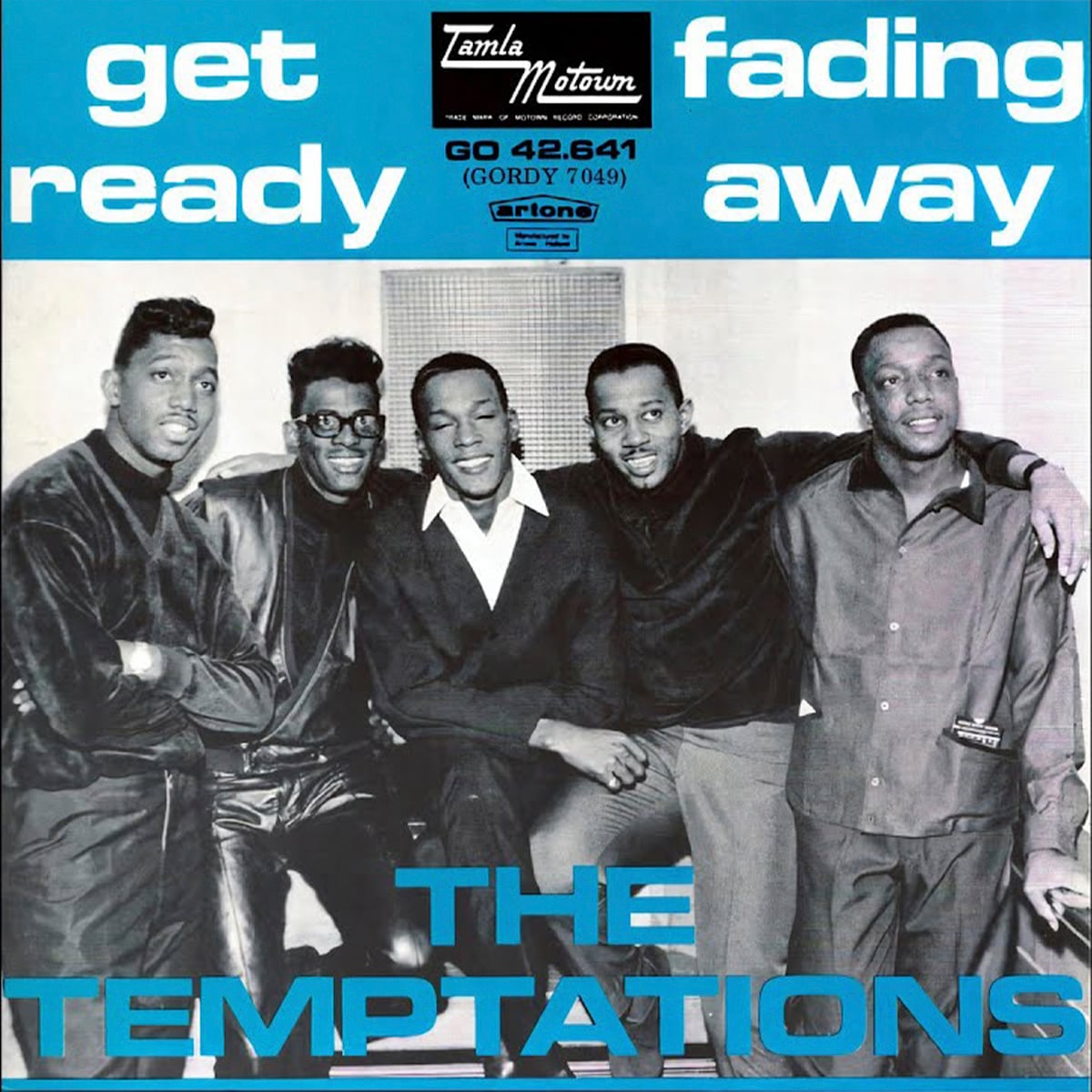
Release Date: 1966 | Songwriter: Smokey Robinson
If you were in any doubt that we are now into the big leagues of this list, let the sweet sounds of The Temptations quell those thoughts, with this undeniable classic, not just of Motown but of the wider soul landscape. The last of the group’s tracks to be written and produced by Smokey Robinson, the original version only reached a disappointing number 29 in the US charts, but its half-life certainly did not cease with that particular recording.
Rare Earth, for instance, fared better with their 1970 rendition of the song, reaching number four. For our money, and with no disrespect to Motown’s flurry into the rock world, The Temptations’ original still eclipses that Rare Earth recording in terms of its enduring quality, and this song might have peaked much higher in this list, were it not for the fact that the greatest version of ‘Get Ready’ was recorded by Ella Fitzgerald for Reprise Records three years later, in 1969.
The Supremes – ‘You Keep Me Hangin’ On’
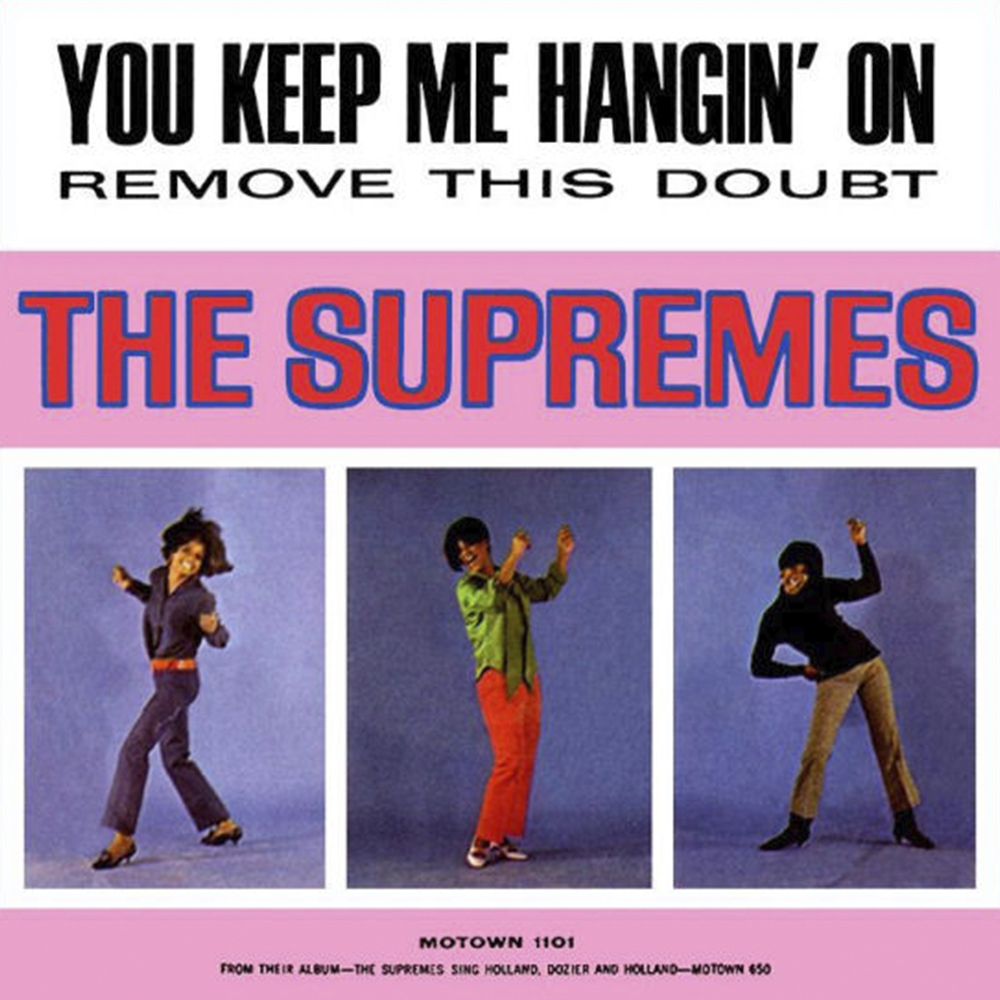
Release Date: 1966 | Songwriters: Holland-Dozier-Holland
A golden age recording for The Supremes, marking the golden age of Motown by default, ‘You Keep Me Hangin’ On’ helped to cement the trio’s position as the label’s flagship act when it topped the US singles chart in 1966. As the rest of this list will hopefully reveal, the single does not contain the group’s greatest performances, with Diana Ross’ vocals distinctly less polished than on various subsequent records.
Nevertheless, the songwriting prowess of Holland-Dozier-Holland, along with the pop perfection of The Supremes’ bubblegum energy, is enough to make the single an irrefutable classic. You only need to hear those ubiquitous opening notes to identify the song, and its cultural significance has been repeatedly reaffirmed over the decades thanks to countless cover versions, spanning the spectrum of quality from Vanilla Fudge to Kim Wilde.
The Contours – ‘Do You Love Me’
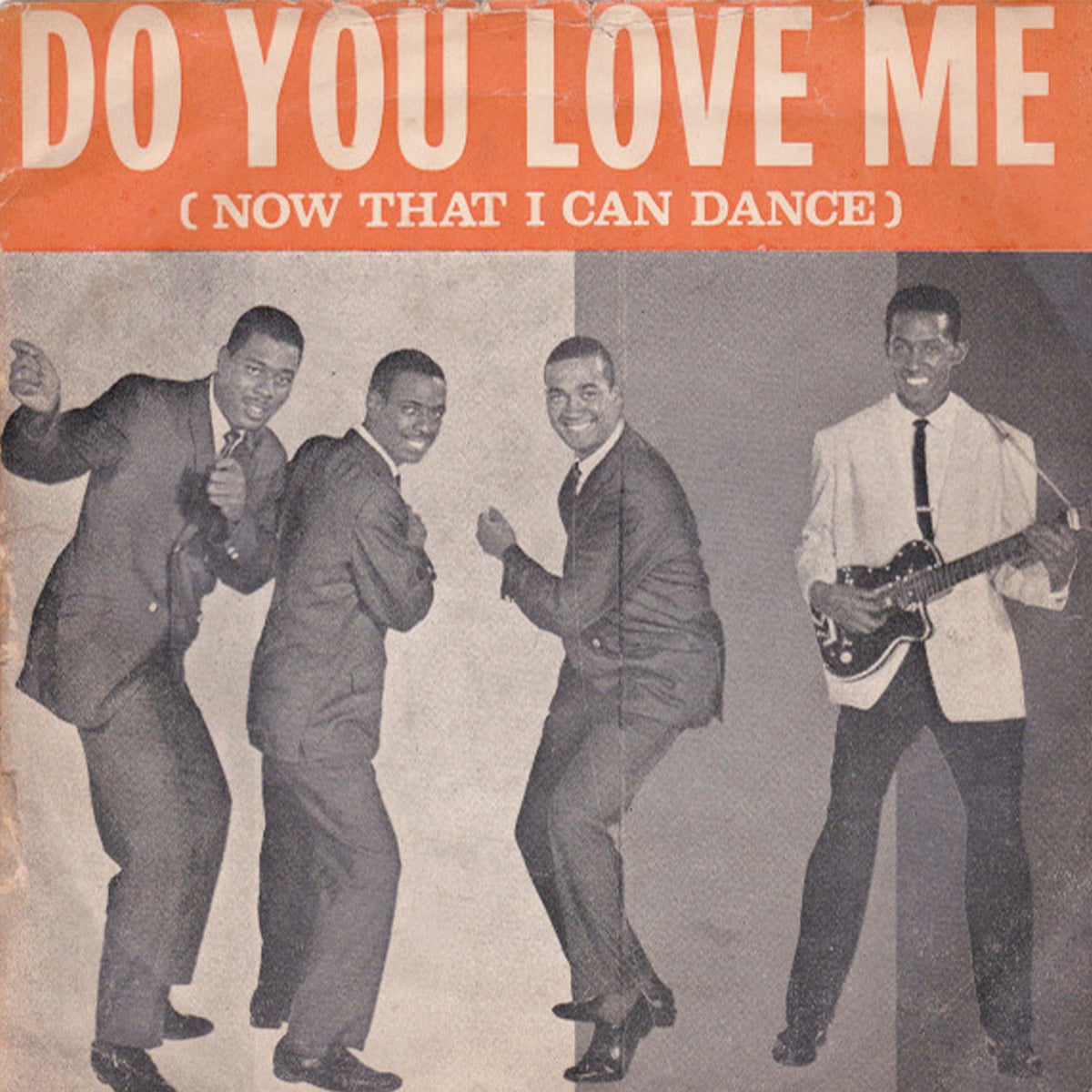
Release Date: 1962 | Songwriter: Berry Gordy Jr.
The pinnacle of Motown’s R&B years, ‘Do You Love Me’ marked the finest hour of The Contours, who, in fairness, also found themselves performing on some of the most dismal efforts ever to bear the Motown name. Originally written for The Temptations, the distinctive R&B performance style of The Contours was naturally suited to the song’s spirit, and although it certainly sounds more dated than some of Motown’s 1962 releases, it is still hard to deny the enduring appeal of the single.
Reaching the top three in the wake of its release, ‘Do You Love Me’ was another essential step in Motown’s long march to chart dominance, and it also gave the label some reassurance that they hadn’t made a mistake in signing The Contours on to a seven-year contract on the advice of soul legend Jackie Wilson, who just so happened to be the cousin of band member Hubert Johnson.
The Commodores – ‘Easy’
Release Date: 1977 | Songwriter: Lionel Richie
If you thought you would be free of Lionel Richie’s endless aptitude for romantic ballads at this point in the list, you are sorely mistaken. It might not have the driving four-on-the-floor rhythm of Motown’s golden age, but it is difficult to deny Richie’s declaration that he is ‘Easy like Sunday Morning’. The songwriter knew what he was doing when he wrote this enduring classic, and he never pretended to be anything that he wasn’t.
An earworm track and slow-dance classic that perfectly captures the appeal of Richie’s songwriting, along with his obvious vocal prowess, ‘Easy’ was also an essential saving grace for Motown during a period in which many of its big-hitters were jumping ship, and chart success stories were becoming increasingly few and far between.
The Jackson Five – ‘I Want You Back’
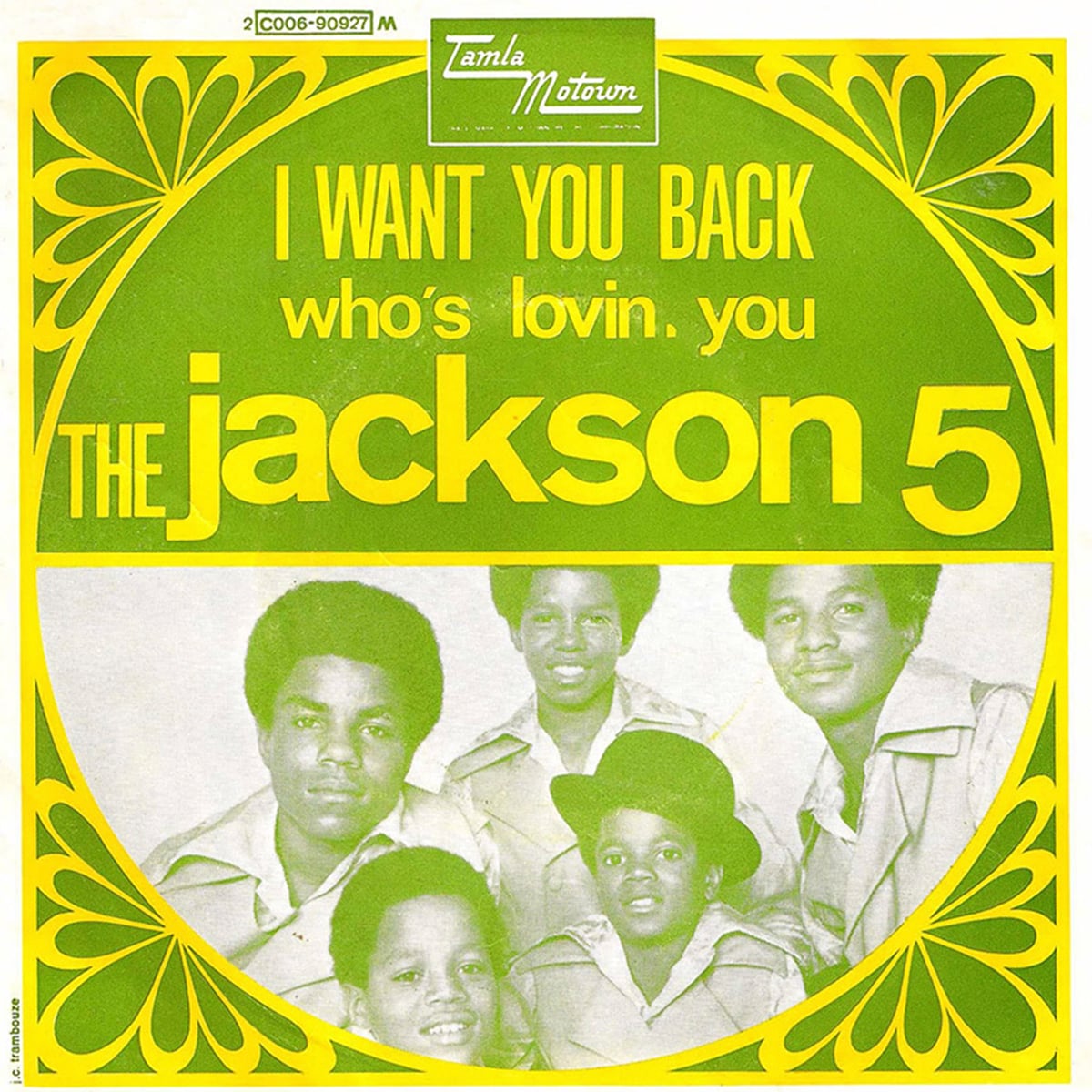
Release Date: 1969 | Songwriters: The Corporation
It had to appear eventually. Although The Jackson Five are invariably remembered as the childhood group that spawned Michael Jackson, they served a far more important purpose in Motown’s late 1960s output. While other artists on the label sprawled off into politically-charged soul, psychedelic funk, and grandiose pop orchestrations, The Jackson Five maintained Motown’s ever-important wing of soulful, high-energy pop.
On their stormer of a debut single, the brotherly group not only topped the US singles charts, but it also immediately established Michael Jackson as a star beyond his years. Listening to the incredible, soulful vocals of the song, it is easy to forget that Jackson was only 11 years old at the time, the same age that Stevie Wonder had been when he signed to the label.
Of course, it would soon be eclipsed by later records both of The Five and Michael Jackson as a solo artist, but ‘I Want You Back’ is about as good a career-starter as the group could have hoped to have achieved.
The Temptations – ‘Ain’t Too Proud To Beg’
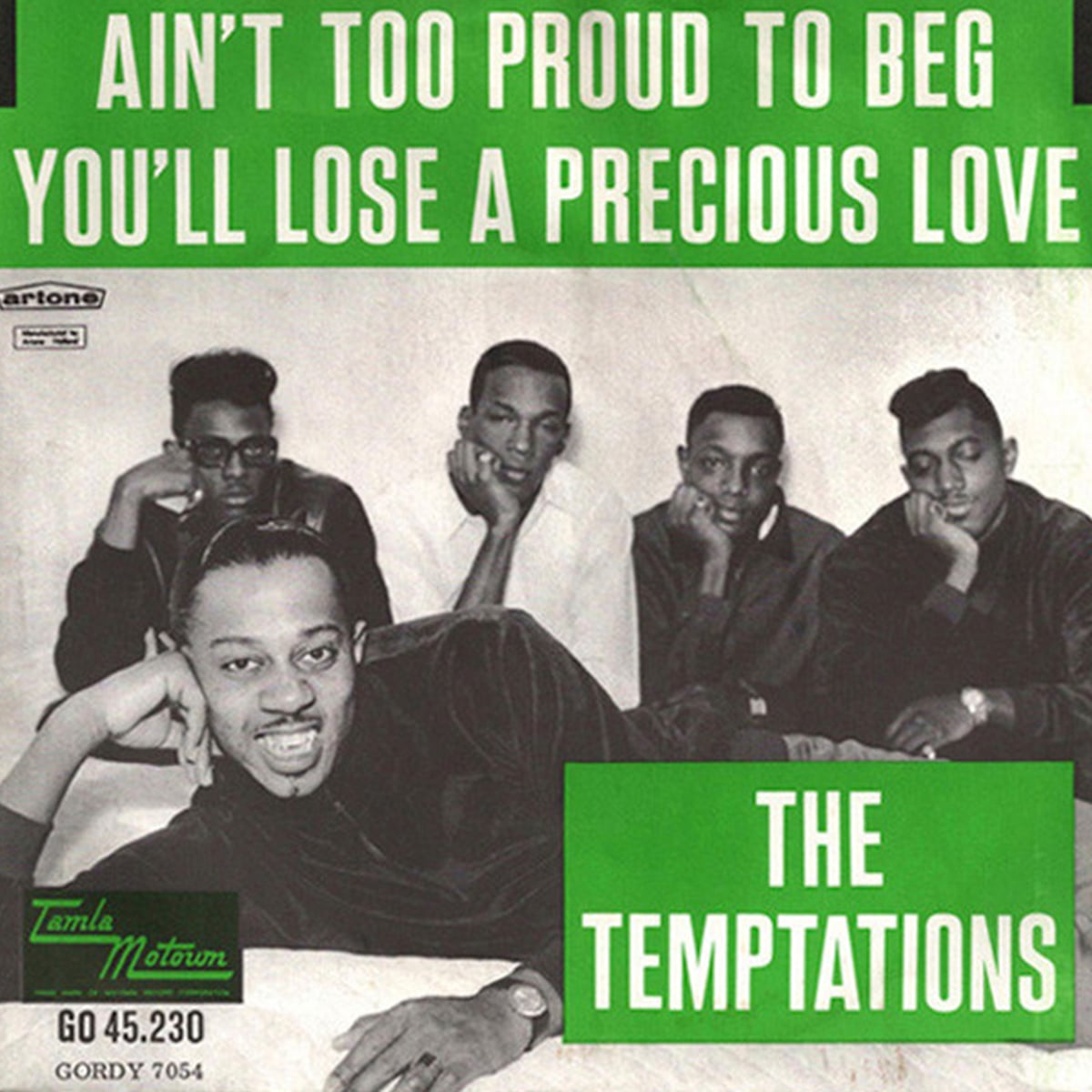
Release Date: 1966 | Songwriters: Norman Whitfield and Eddie Holland
Chart success isn’t always a mark of musical quality, but in the case of ‘Ain’t Too Proud To Beg’, the eight weeks it spent at the top of the R&B charts feel like a fitting endorsement. The first Temptations track to be written by anybody other than Smokey Robinson, the upbeat, horn-heavy soul floor-filler ushered in an entirely new era for the vocal group, even if they were still a few trips away from the psychedelic soul mastery of their counterculture-era output.
During its production history, the song was shot down by Motown’s quality control department on multiple occasions, and despite multiple rewrites and different mixes, Berry Gordy reportedly affirmed to a rather irate Norman Whitfield that the single would only be released if ‘Get Ready’ failed to reach the top 20. If it wasn’t for the relative failure of that Robinson-penned track, the world might never have known the infectious sounds of this Motown classic.
The Velvelettes – ‘Needle In A Haystack’
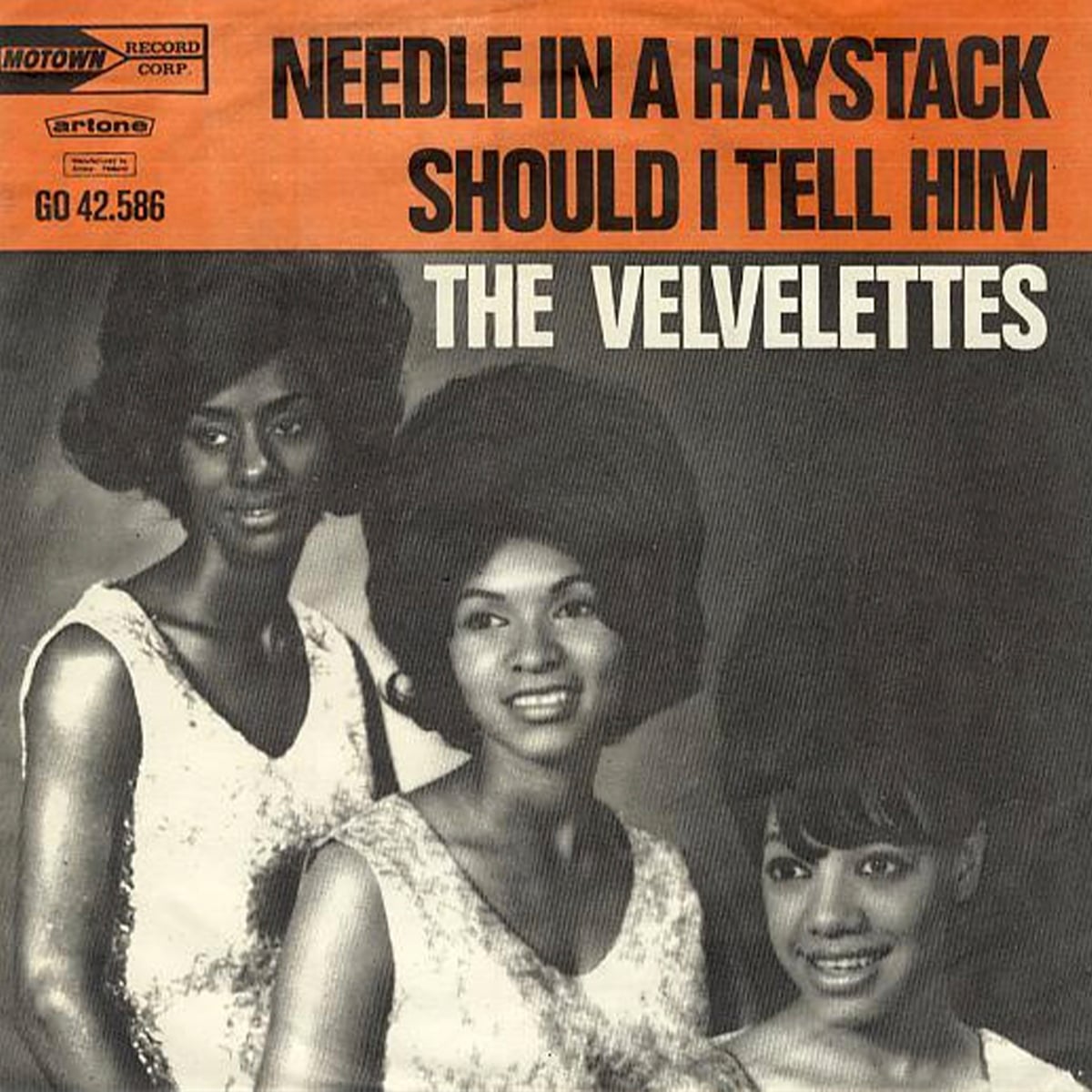
Release Date: 1964 | Songwriters: Norman Whitfield and William Stevenson
An indisputable classic of the ‘girl group’ era, ‘Needle In A Haystack’ marked the finest hour of the woefully underappreciated Velvelettes, peaking at number 45 on the US singles charts and capturing the group at their very best. That chart success was relatively minor by Motown standards, and that is perhaps why the group weren’t afforded many more chances for success at the label before shrinking away into obscurity. Nevertheless, it was enough to cement the song as a beloved sound of 1964.
Its pounding rhythm and cautionary harmonies detailing the plight of trying to find a decent bloke, the single is equally befitting of a ‘Motown Greatest Hits’ compilation as it is the record boxes of northern soul DJs. The group might have viewed themselves as rivals to The Supremes or perhaps The Vandellas, but this single shows their strengths were far more closely aligned with the Chi-Lites or even The Ronettes.
Either way, they might never have achieved Motown stardom, but this track is a fine example of the magic created at Hitsville during that productive mid-1960s period.
The Marvelettes – ‘Please Mr Postman’
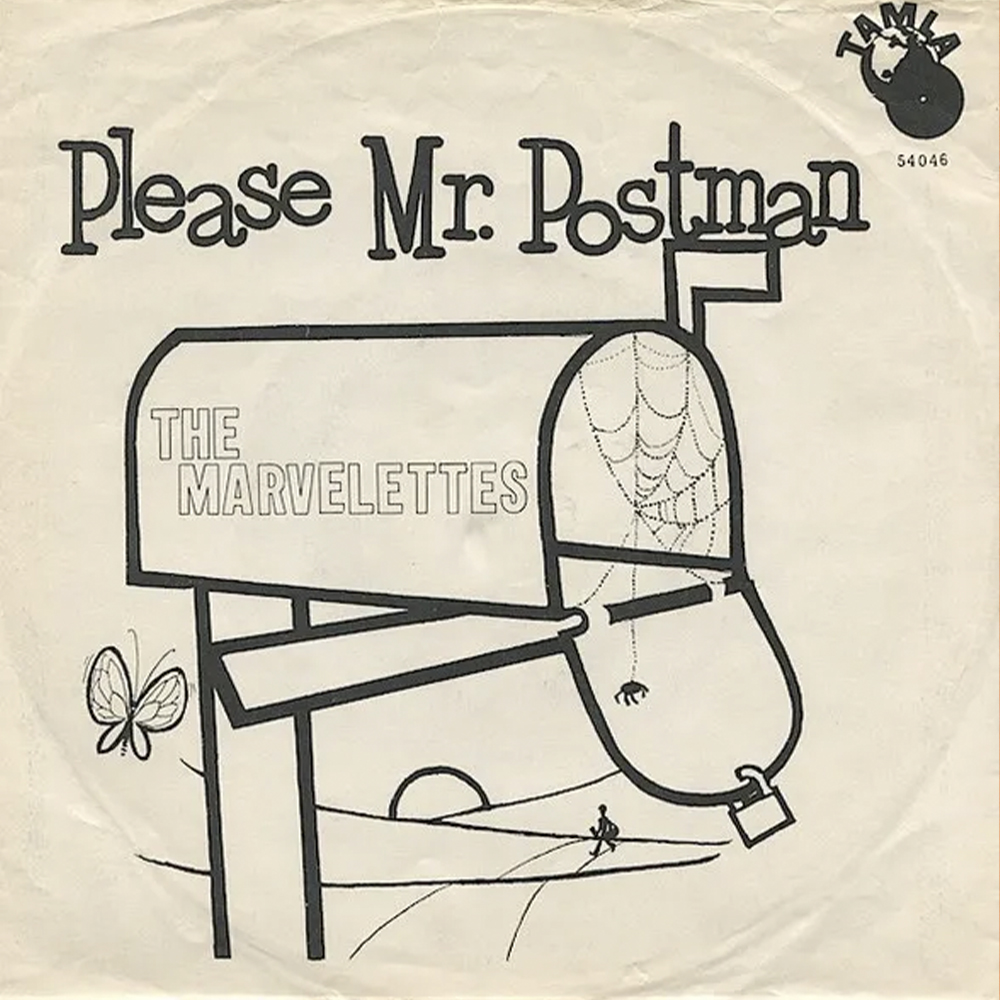
Release Date: 1961 | Songwriter: Georgia Dobbins, Freddie Gorman, William Garrett, Brian Holland and Robert Bateman
Marv Johnson might have been the first artist to release a single on Motown, but The Marvelettes’ ‘Please Mr Postman’ is where the label’s golden age truly began. Giving Berry Gordy the thing he had been desperately searching for, a nationwide number-one hit on the pop charts, the group’s magnum opus was essential in defining the early ‘Motown sound’.
While it contains a hangover from the 1950s doo-wop that dominated the label’s early releases, which was quickly going out of fashion, the single also had enough pop-soul power to command the hearts of the masses. Among its appreciators were a then-unknown group called The Beatles, who incorporated a blistering cover of the track in their live shows, and recorded a version for 1963’s With The Beatles, along with two other Motown classics, one of which appeared earlier in this list and one which we have yet to arrive at.
While the postal service romanticism of ‘Please Mr Postman’ wasn’t quite as ambitious as the records Motown would go on to release in later years, nor did it have the same grand appeal as the brass-heavy soul of the mid-1960s, its earworm nature and sheer importance in the history of the label mean a lower ranking on this list would be ridiculous.
The Miracles – ‘Tears of a Clown’
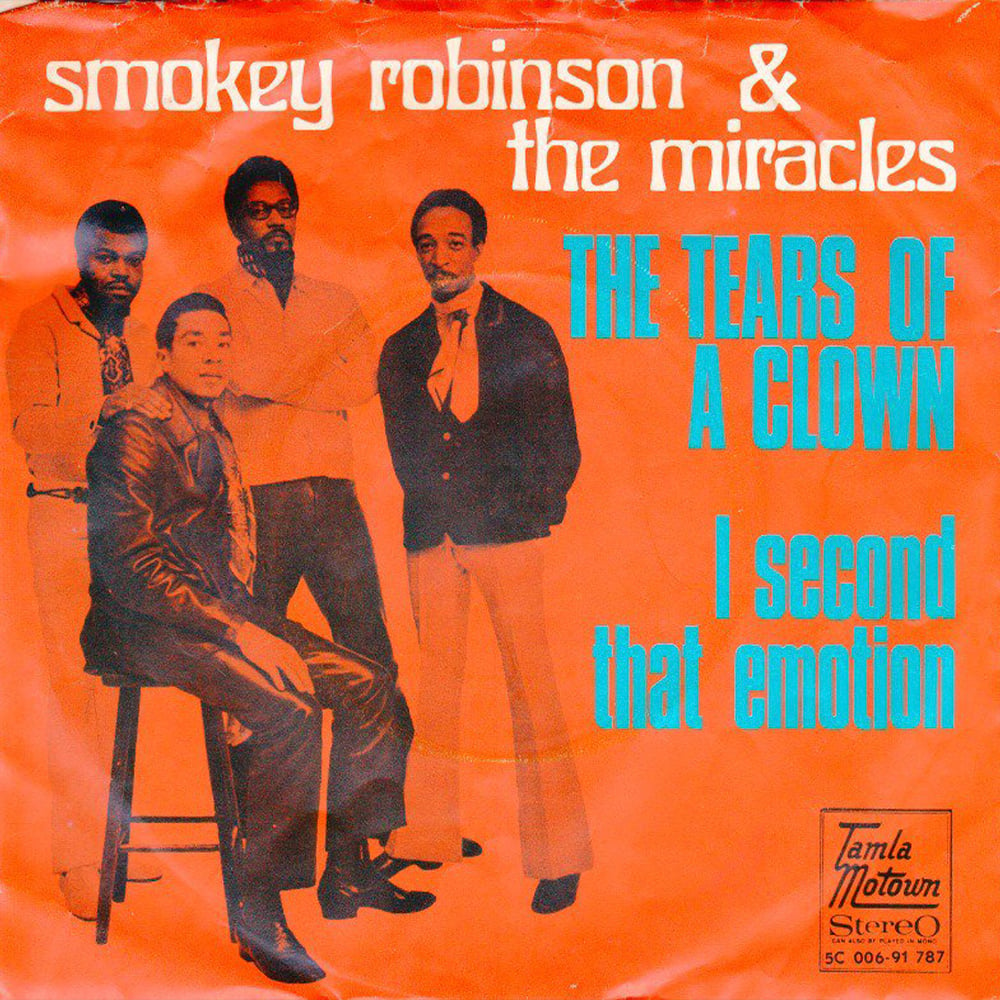
Release Date: 1967 | Songwriters: Hank Cosby, Smokey Robinson, and Stevie Wonder
Smokey Robinson had a seemingly endless number of stand-outs during Motown’s heyday, but this 1967 effort, written alongside Hank Cosby and a teenage Stevie Wonder, is a stand-out from those stand-outs. Strangely, the song was first released as a single in the UK, when Motown Britain decided to pour through The Miracles’ back catalogue in 1970 in search of a potential single release, the song having first appeared on the album Make It Happen.
Inevitably, the circus-styled jubilation of the track, and the golden collaboration between Robinson, who wrote the lyrics, and Wonder, who wrote the bulk of the music, sent that UK-only single to the top of the charts in the summer of 1970, spurring on a single release in the song’s native USA, too. That success in the UK seemed to cement the track in public consciousness, too, spurring on a ska cover some years later, courtesy of 2 Tone heroes The Beat.
Brenda Holloway – ‘Just Look What You’ve Done’
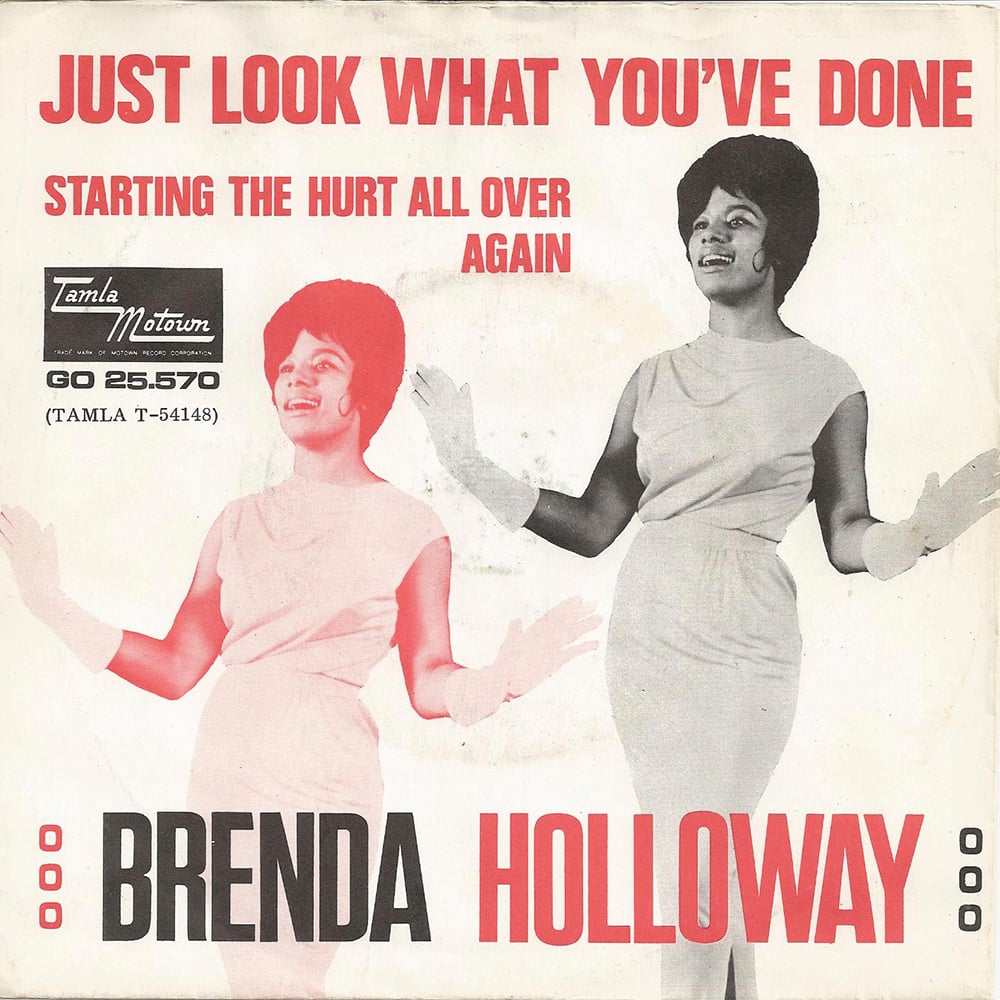
Release Date: 1967 | Songwriters: Frank Wilson and R Dean Taylor
Motown’s loss was northern soul’s gain, and that was the case of Brenda Holloway. Ostracised from the label due to her home base in Los Angeles, far away from the Hitsville hub of Detroit, Holloway never achieved the mainstream greatness that her powerful, soulful voice earmarked her for. Instead, her incredible discography found its way onto the northern soul scene, and this triumphant effort from 1967 is a floor-filling gem that has lit up northern dancefloors for many years.
Written by Frank Wilson and R Dean Taylor, both of whom were responsible for northern soul favourites in their own right during their Motown careers, the song reached number 69 on the pop charts upon its original release. While that was the best placing Holloway had to her name at that point, it didn’t do much to compete with the chart-topping tracks emerging from Hitsville USA on a regular basis at that time. As such, it remains one of Motown’s most underrated efforts, despite the unforgettable performance delivered by the vocalist.
Edwin Starr – ‘War’
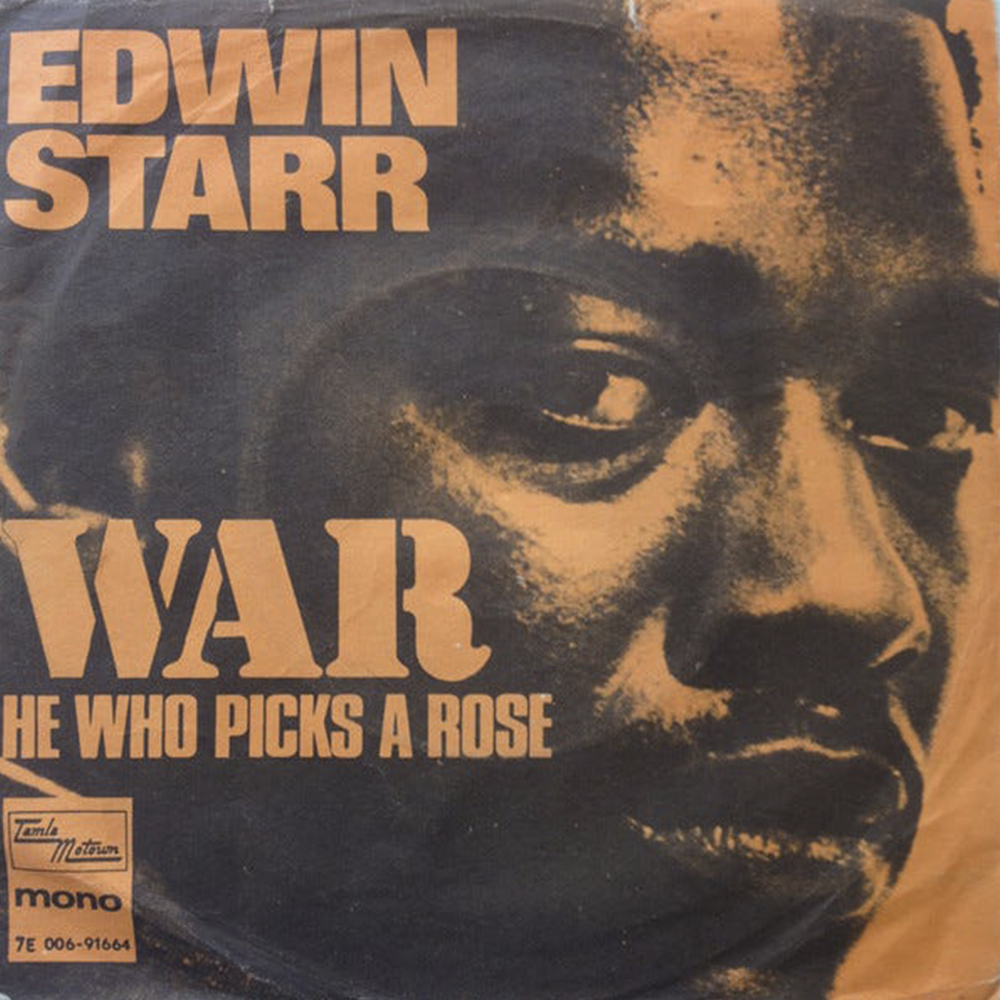
Release Date: 1970 | Songwriters: Norman Whitfield and Barrett Strong
What is it good for? Well, Edwin Starr’s anti-war anthem did enough to earn the soul star his first and only number-one hit. Originally written for and recorded by The Temptations, Starr’s version only came about once the blossoming anti-war movement brayed for Motown to release The Temptations’ track as a single, rather than it being an album-only track.
Gordy didn’t see any reason to risk making The Temptations a controversial outfit in a politically tumultuous time, so instead called upon Edwin Starr to record a version for release as a single.
Starr had entered into the Motown fold two years prior, when Gordy bought out the fellow Detroit label Ric-Tic Records, along with its roster of artists, which included Starr. His booming voice and funk power suited the track perfectly, and ‘War’ transformed Starr from a rather obscure Ric-Tic soul singer, beloved by northern soul obsessives but ignored by the masses, into a Motown sensation and key figure within the cultural side of the anti-war movement.
Stevie Wonder – ‘Uptight (Everything’s Alright)’
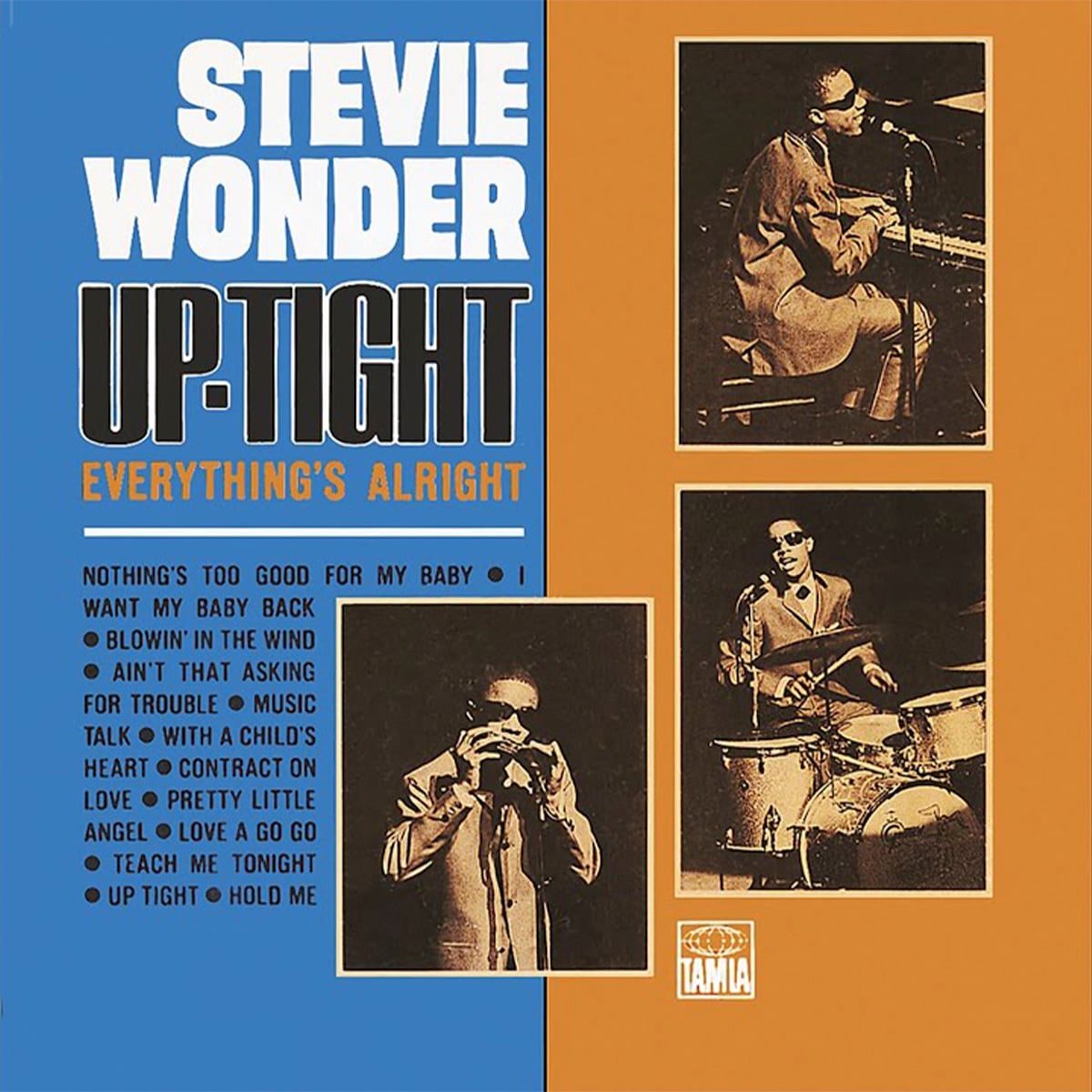
Release Date: 1965 | Songwriters: Stevie Wonder, Sylvia Moy, and Henry Cosby
It is generally accepted that Stevie Wonder created his best work post-1971, when his negotiated contract with Motown afforded him a far greater degree of artistic freedom, and fair enough. However, it is impossible to ignore the sheer magnitude of soul masterpieces Wonder created during his earlier years, of which ‘Uptight’ is an irrefutable stand-out. With its triumphant, blaring horns and unwaveringly optimistic spirit, the 1965 smash is enough to get even the most miserable of people onto the dancefloor.
A pivotal track for Wonder, ‘Uptight’ arose shortly after the 15-year-old’s voice dropped, putting to bed any worry that Berry Gordy had about the performer’s ‘new’ voice not being as commercially appealing. Reaching number three in the US pop charts, and apparently taking its energetic inspiration from The Rolling Stones’ ‘(I Can’t Get No) Satisfaction’, Wonder’s masterful comeback firmly established itself among the greatest hits of that landmark year in Motown history.
Jimmy Ruffin – ‘What Becomes of the Brokenhearted’
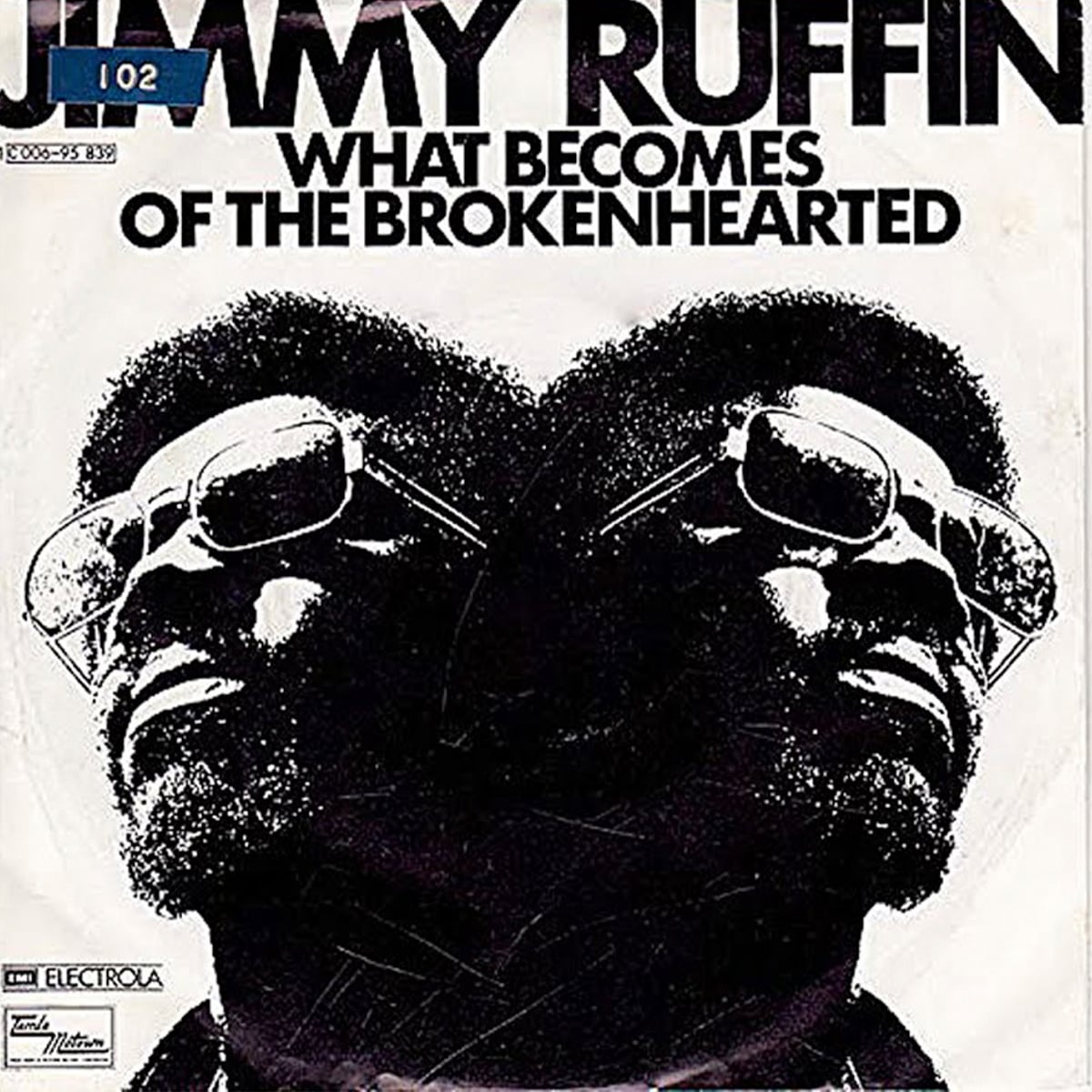
Release Date: 1966 | Songwriters: William Weatherspoon, Paul Riser, and James Dean
Lionel Richie wasn’t the only Motown star who could belt out a ballad. Although it didn’t fall in line with the upbeat energy of Motown’s 1966 pop output, Jimmy Ruffin’s ‘What Becomes of the Brokenhearted’ is among the greatest heartbreak anthems ever pressed onto vinyl. Originally written for The Spinners, Ruffin certainly earned his spot on the track, delivering what is arguably the greatest vocal performance of his career.
Along with Ruffin, the Funk Brothers’ musical mastery is on full display on ‘What Becomes of the Brokenhearted’, not to mention the harmonising backing vocals of The Originals. Given that the personnel of the track had never achieved much commercial success in their own right, the fact that the song managed to climb to number six on the pop charts serves as a decent indication of just how miraculous a masterpiece the single was.
The Jackson Five – ‘ABC’
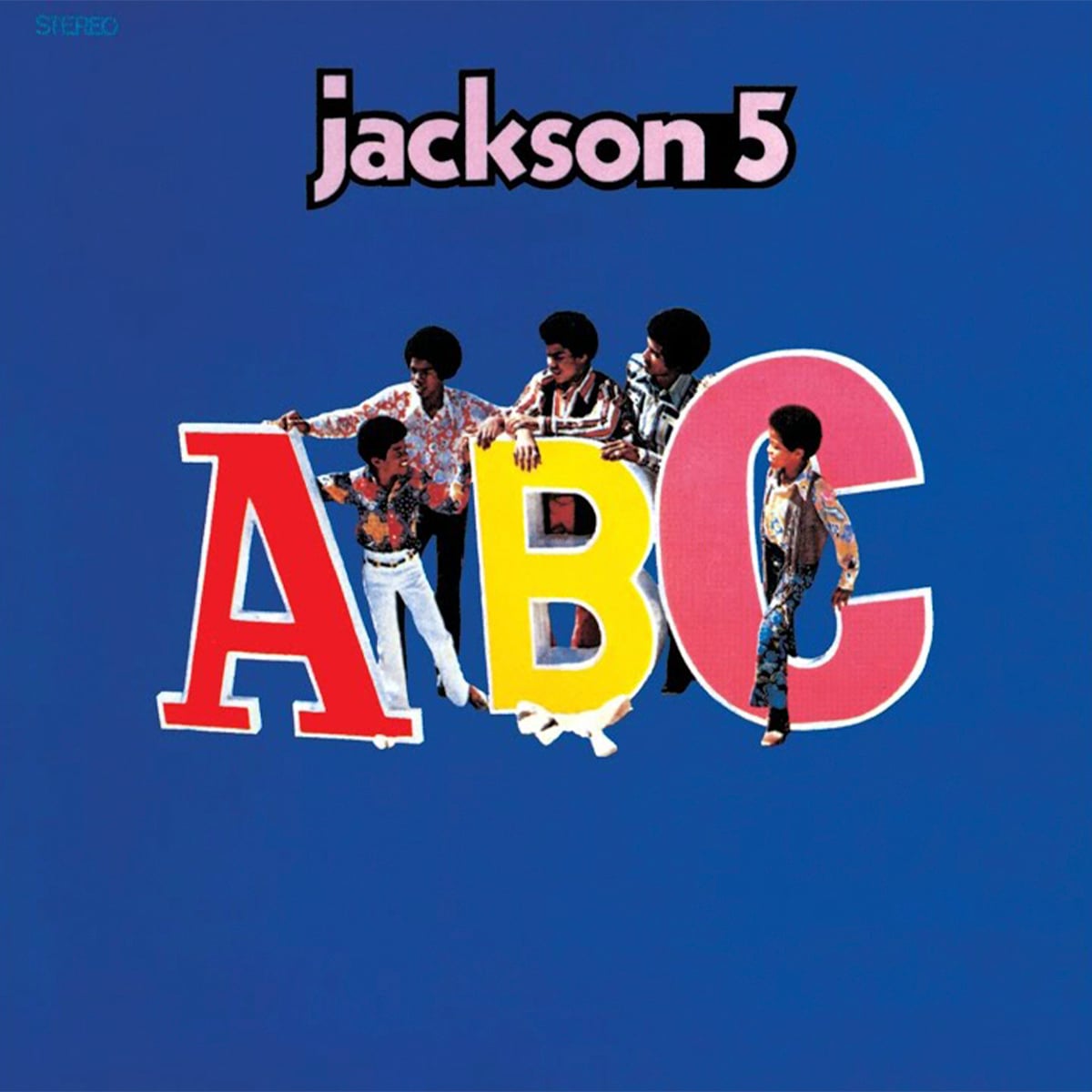
Release Date: 1970 | Songwriters: The Corporation
Hot off the success of the aforementioned ‘I Want You Back’, The Jackson Five provide Motown with a renewed sense of commercial optimism with their follow-up, ‘ABC’. The debate over which of those two singles is superior is one that has waged on for over half a century, but, for our money, ‘ABC’ is the definitive Jackson Five sound, encapsulating their youthful bubblegum soul sound as well as demonstrating their immediate power within the pop charts.
Returning the brothers to the top of the pop charts and keeping them there for two weeks, the single also reaffirmed Motown’s position as dictators of the pop charts, despite the ‘golden era’ of their roster starting to grow a little stale as far as audiences were concerned. The group itself had two further US number-ones in the wake of ‘ABC’, but neither of them quite captured the same magic.
Edwin Starr – ‘Twenty-Five Miles’
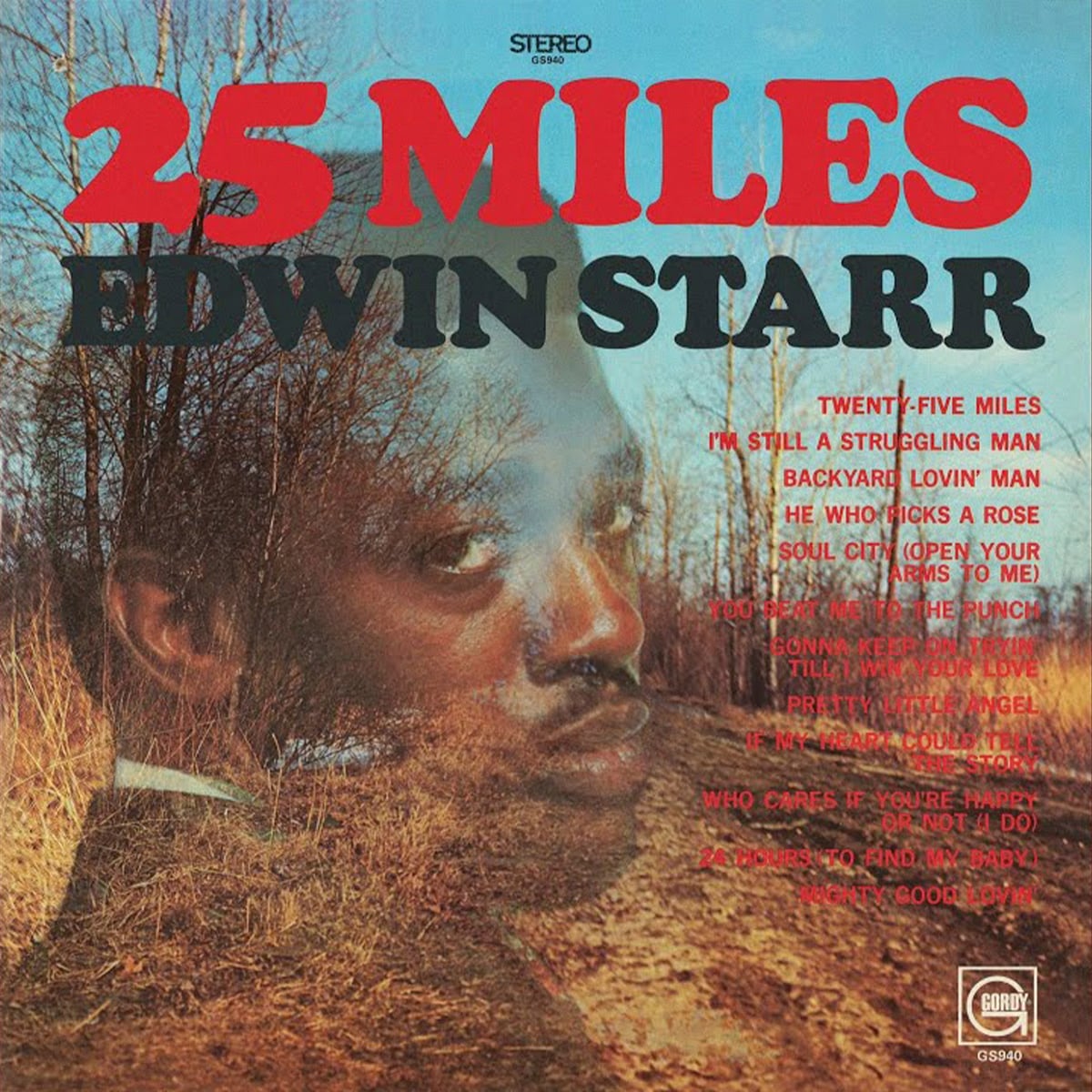
Release Date: 1969 | Songwriters: Edwin Starr, Johnny Bristol and Harvey Fuqua
The Proclaimers, if they were awash with infectious funk and soul energy, Edwin Starr’s ode to how many miles he would walk for his beloved announced his arrival on the Motown roster. His first success for the label after Gordy bought out Ric-Tic Records, the single broke into the top ten of the US singles charts, and managed a commendable 36 in the UK, where it subsequently became a favourite on the northern soul circuit, courtesy of its driving rhythm and unparalleled floor-filling power.
While the aforementioned ‘War’ might have triumphed over this track in the commercial standings, Starr’s performance on this 1969 single serves as a perfect encapsulation of his soulful power and inherent rhythm. Like many tracks on this list, it is simply impossible to listen to without finding yourselves moving to the groove out of sheer necessity.
Martha Reeves and the Vandellas – ‘Heat Wave’
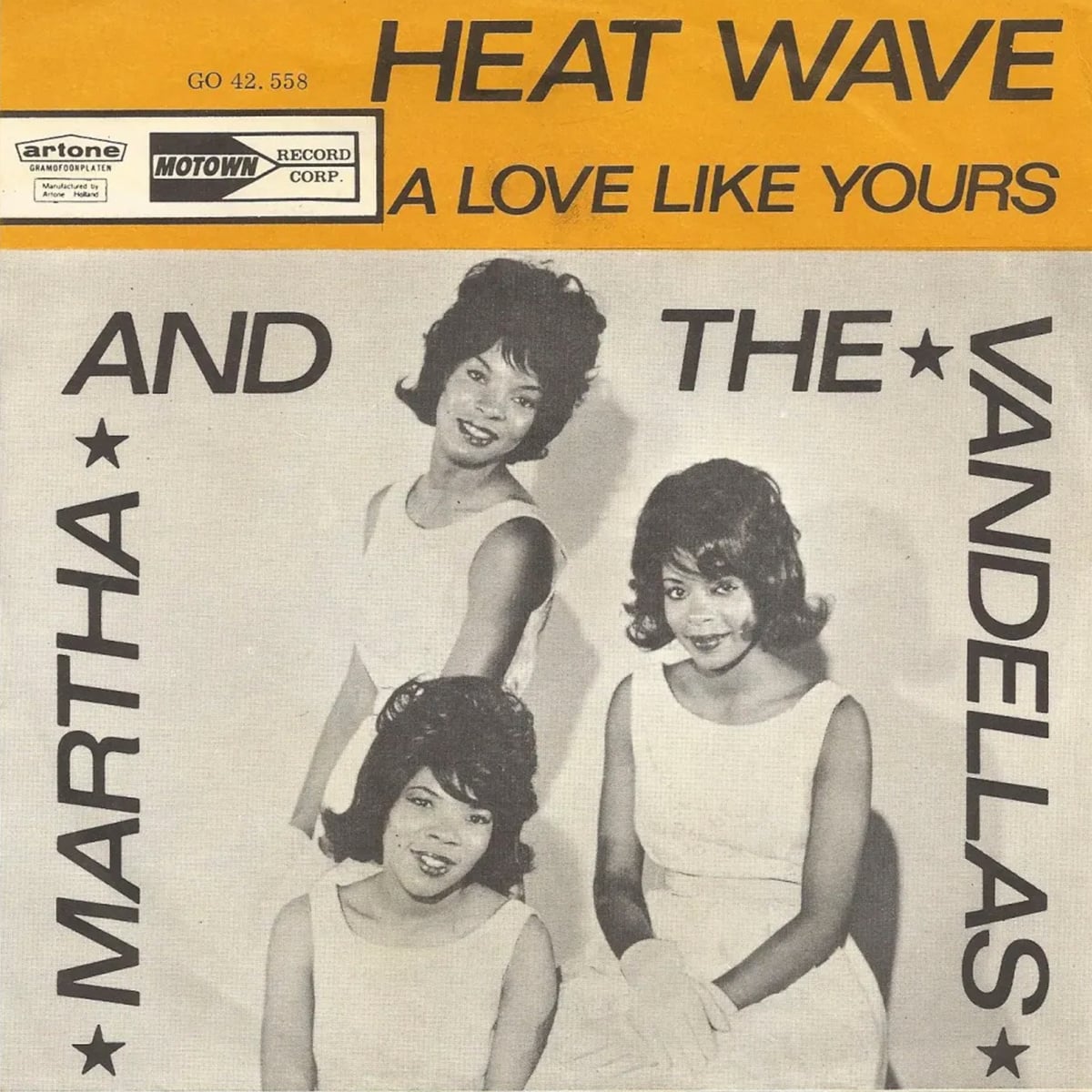
Release Date: 1963 | Songwriters: Holland–Dozier–Holland
As we have already seen time and time again over the course of this list, putting a songwriting team as gifted as Holland-Dozier-Holland with a performer as flawless as Martha Reeves is bound to produce some magnificent results. ‘Heat Wave’ was the second collaboration between the trio and The Vandellas, and it set a standard that would produce a wealth of other enduring classics, the aforementioned ‘Jimmy Mack’ being just one example.
With its distinctive backing, drawing from Motown’s doo-wop past, Reeves’ gospel-tinged vocals, and the not-so-distant spirit of Ray Charles-inspired R&B, ‘Heat Wave’ is another perfect example of the ‘Motown sound’, arriving a few years ahead of the other anthems that would typify the label’s output. Aside from anything else, it was the song in which Martha Reeves established herself as a crowning jewel within Motown’s roster, and for that alone, it deserves an infinite volume of praise.
The Temptations – ‘My Girl’
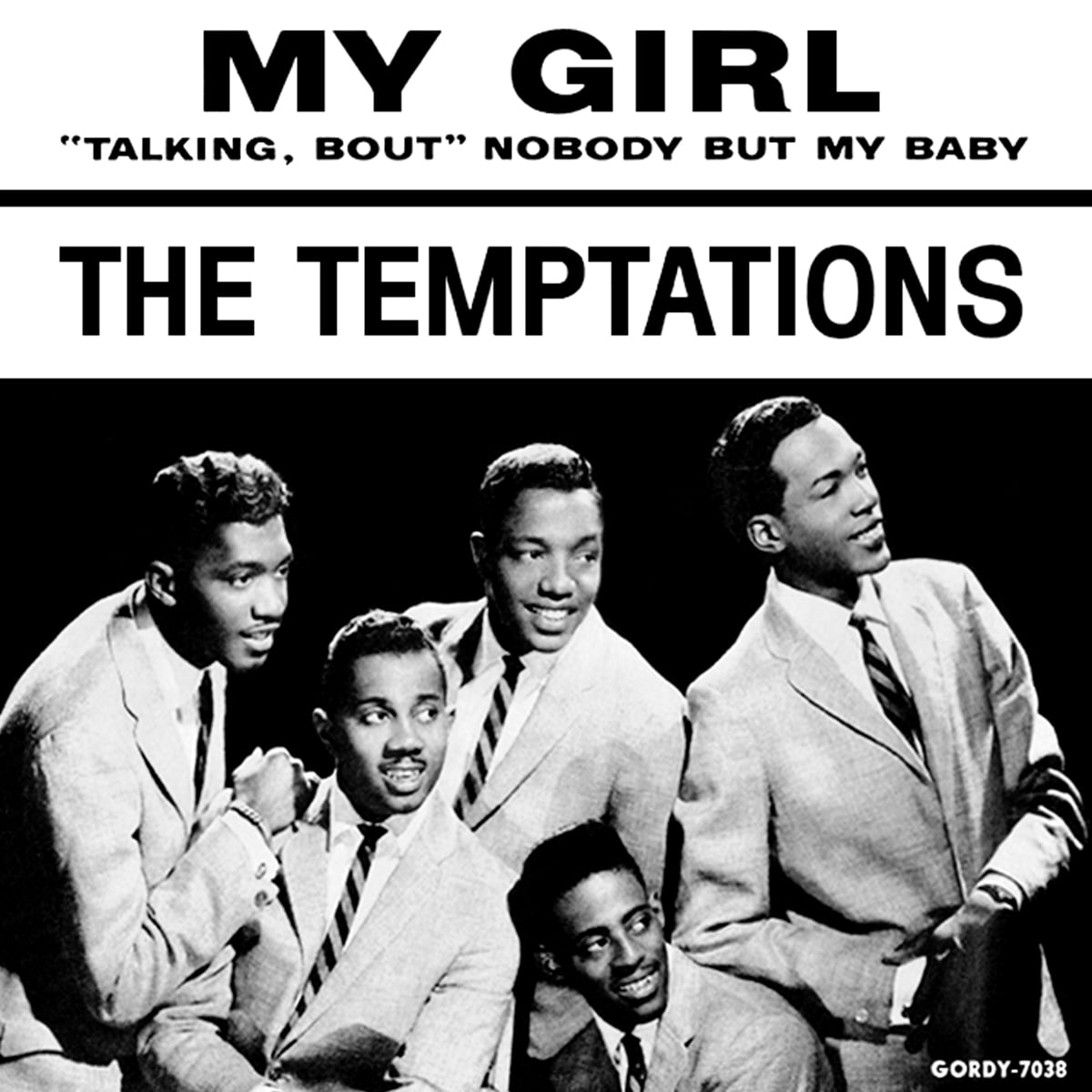
Release Date: 1964 | Songwriters: Smokey Robinson and Ronald White
Some years before they reinvented themselves as the harbingers of psychedelic-soul in the midst of the countercultural revolution, The Temptations were at the core of the Motown sound, and ‘My Girl’ was their greatest pre-LSD hit. Released on the Gordy imprint and written by The Miracles’ Smokey Robinson and Ronald White, the song was originally an ode to Robinson’s wife, Claudette Robinson, but it was transformed into a universal love song courtesy of David Ruffin.
This single was, in fact, the very first Temptations track to feature Ruffin on lead vocals, thus laying the foundations for the future of the group’s extensive and illustrious discography. Annoyingly for Robinson, who had originally intended the song to be recorded by The Miracles, Ruffin and The Temptations’ effort simply could not be bested, reflected both in the undeniable pop-soul prowess of the track and its colossal commercial success, topping the US pop and R&B charts in the wake of its release.
Stevie Wonder – ‘Signed, Sealed, Delivered (I’m Yours)’
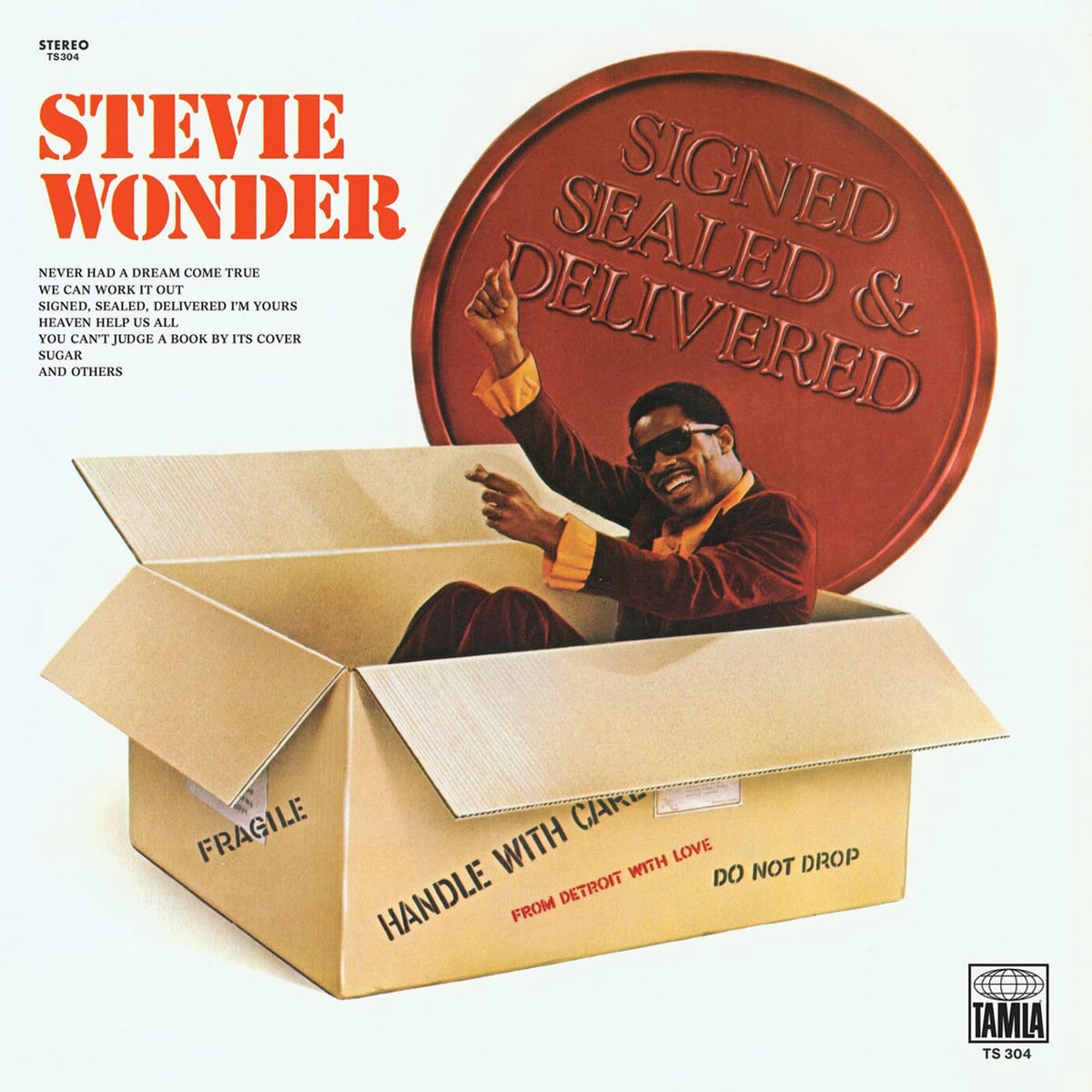
Release Date: 1970 | Songwriters: Stevie Wonder, Lee Garrett, Syreeta Wright and Lula Mae Hardaway
One of many masterpieces created by Stevie Wonder at the age of just 20, capable of causing a bout of existentialism for anybody thinking about what they had achieved by the time they reached that age, ‘Signed, Sealed, Delivered’ remains one of the pianist’s defining efforts. Arriving at a key point in the career of the Motown master, in between his childhood days bending to the demands of Berry Gordy, and his later work for which he had ultimate creative control, this track was the very first that Wonder self-produced.
Perhaps as a result of that independent spirit, it doesn’t take much of a stretch to hear the distant sounds of Wonder’s later masterpieces in this 1970 single, which peaked at number three in the US pop charts and a bizarrely low 15 in the UK. Even if you remove all of that essential context, though, ‘Signed, Sealed, Delivered’ is still one of the most instantly recognisable, universally beloved Motown tracks ever released.
R Dean Taylor – ‘There’s A Ghost In My House’
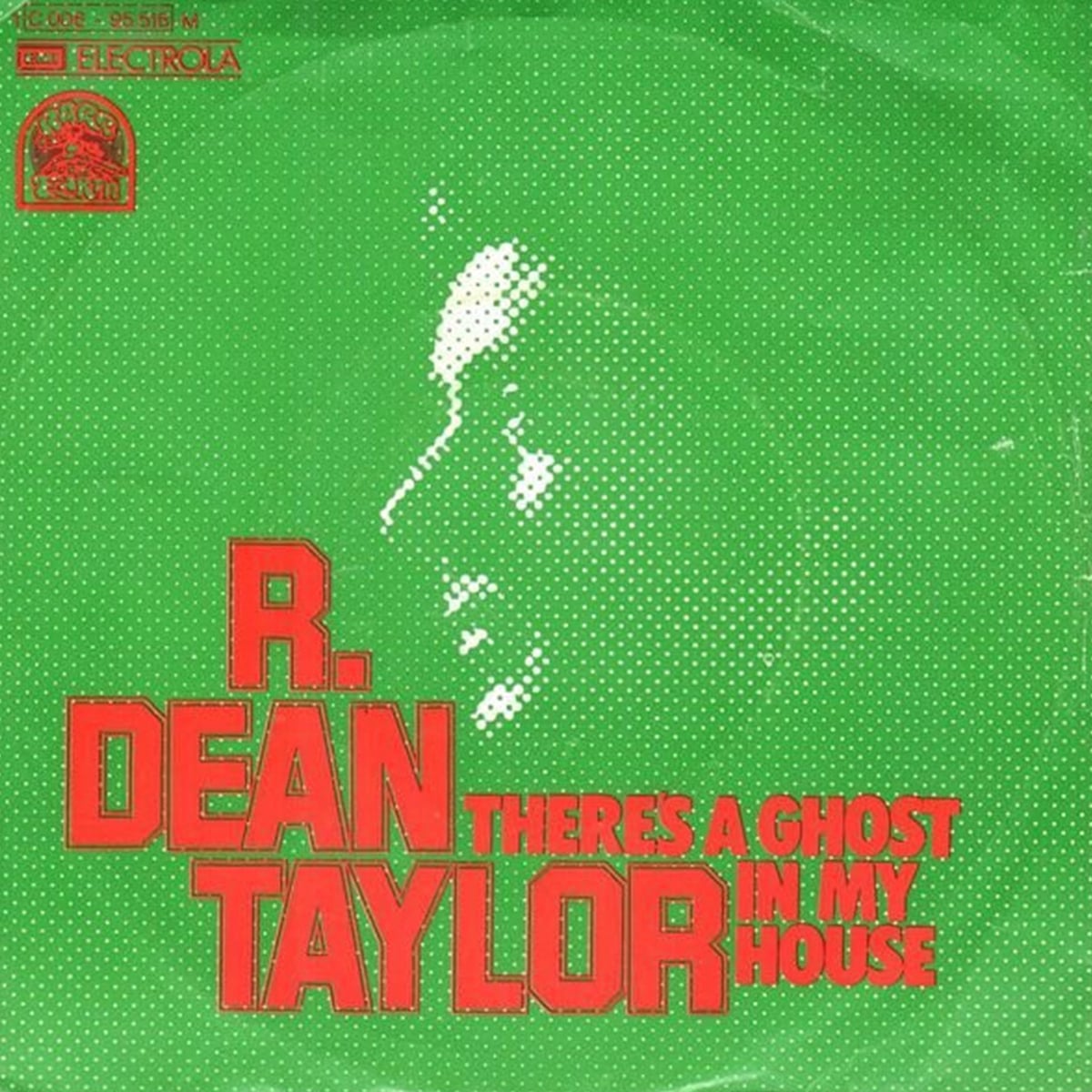
Release Date: 1967 | Songwriters: Holland-Dozier-Holland and R Dean Taylor
Perhaps the only song in the world that is just as easily at home in a Halloween playlist as on the dancefloor of a northern soul all-nighter, ‘There’s A Ghost In My House’ is a true enigma of a track, and one of the most bizarre Motown success stories in the label’s history. Originally released to no avail whatsoever on the VIP imprint in 1967, the song was chalked off as a miss-hit by the Canadian performer before being rediscovered by the harbingers of northern soul.
Despite not being a hit initially, Motown reissued the single in the UK in 1974, whereupon it peaked at number three on the singles charts, seven years after it was first released in its native US. That colossal, if delayed, success came as a shock both to Motown and Taylor, who reportedly couldn’t even remember the song when he was set upon with requests for it during one UK concert in the wake of the northern soul boom.
The Four Tops – ‘I Can’t Help Myself (Sugar Pie, Honey Bunch)’
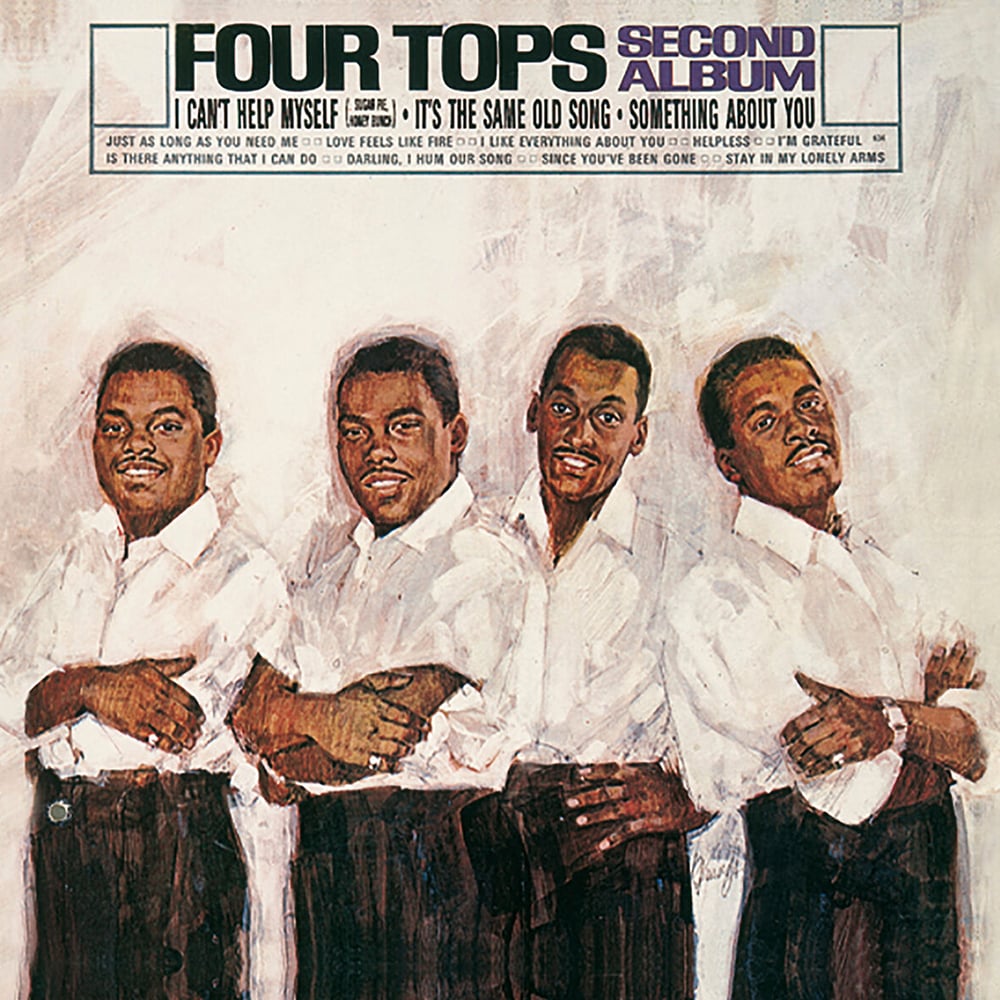
Release Date: 1965 | Songwriters: Holland-Dozier-Holland
Yet another single with colossal importance within the world of northern soul, The Four Tops’ second-highest entry in this list is often cited as being the blueprint for the sound of the scene. In other words, the four-on-the-floor rhythm that this Holland-Dozier-Holland masterpiece struck upon was endlessly replicated and adapted, not only by Motown but by the entirety of the wider soul and R&B landscape.
Reportedly inspired by Lamont Dozier’s grandfather and his tendency to flirt and hit on the women passing him on his front porch, the song is a prime example of the trio’s songwriting power, turning that seemingly unimportant anecdote into a universal love song with enough rhythm to keep a dancefloor moving for the rest of time. Unsurprisingly, it also earned The Four Tops one of their greatest number-one hits of all time.
The Supremes – ‘Stop! In The Name of Love’
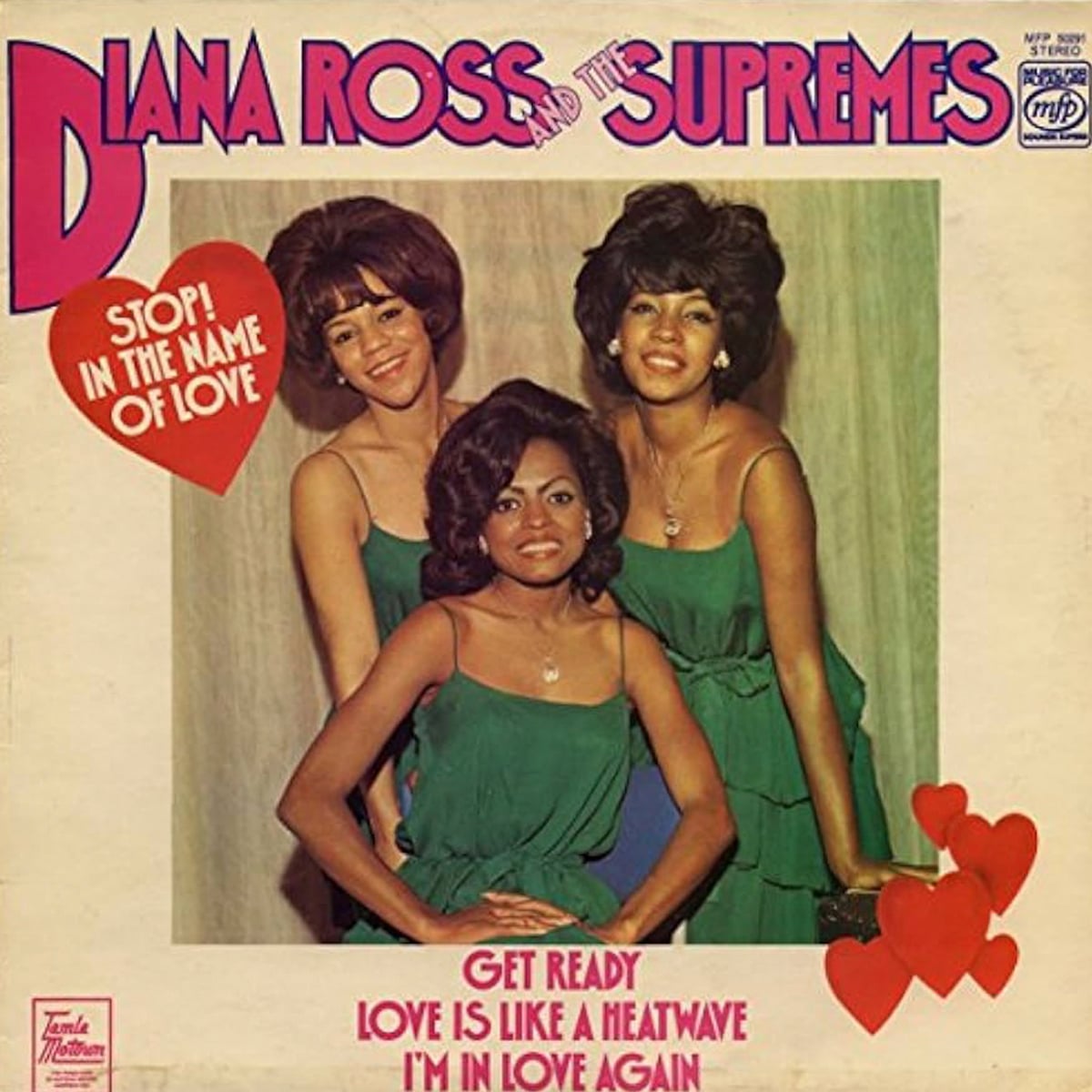
Release Date: 1965 | Songwriters: Holland-Dozier-Holland
They have had a continuous presence throughout the 100 tracks listed here, but it should be noted that, as we march ever closer towards the top spot, both The Supremes and the Holland-Dozier-Holland songwriting trio will become increasingly prevalent. This 1965 classic came at a time when both of those parties were arguably reaching the peak of their success at Motown, producing as many legendary love songs as there were days of the week.
Perhaps the least surprising number-one single of the year, ‘Stop! In The Name of Love’ encapsulates the pop perfection of Motown, spurred on by the already-colossal performing prowess of Diana Ross, although Florence and Mary’s backing vocals certainly aren’t to be sniffed at, either. In the grand scheme of The Supremes’ story, this track is simply one in a series of smash successes for the trio, but over 60 years on from its release, it is still a beloved example of the power of the ‘Motown sound’.
Frankie Valli and the Four Seasons – ‘The Night’
Release Date: 1972 | Songwriters: Al Ruzicka and Bob Gaudio
It is easy to forget that Frankie Valli was once brought under the remit of Motown, The Four Seasons having spent their most successful years on labels like Vee-Jay and Philips during the early 1960s. Amid declining relevancy and record sales, though, the legendary outfit signed to Motown circa 1971 and released a series of painfully unsuccessful records, including ‘The Night’.
Despite boasting one of the greatest basslines of all time and a euphoric spirit that would surely appeal to the pop masses, the single sank without a trace until, as is becoming a far too familiar tale within this list, it found its way onto the northern soul scene, already in full swing by 1972. A reissued version of the original single, released on the MoWest imprint, breached the top ten of the UK singles charts, and the track remains one of northern soul’s definitive anthems, as well as an often-overlooked classic of Motown’s output.
The Temptations – ‘Cloud Nine’
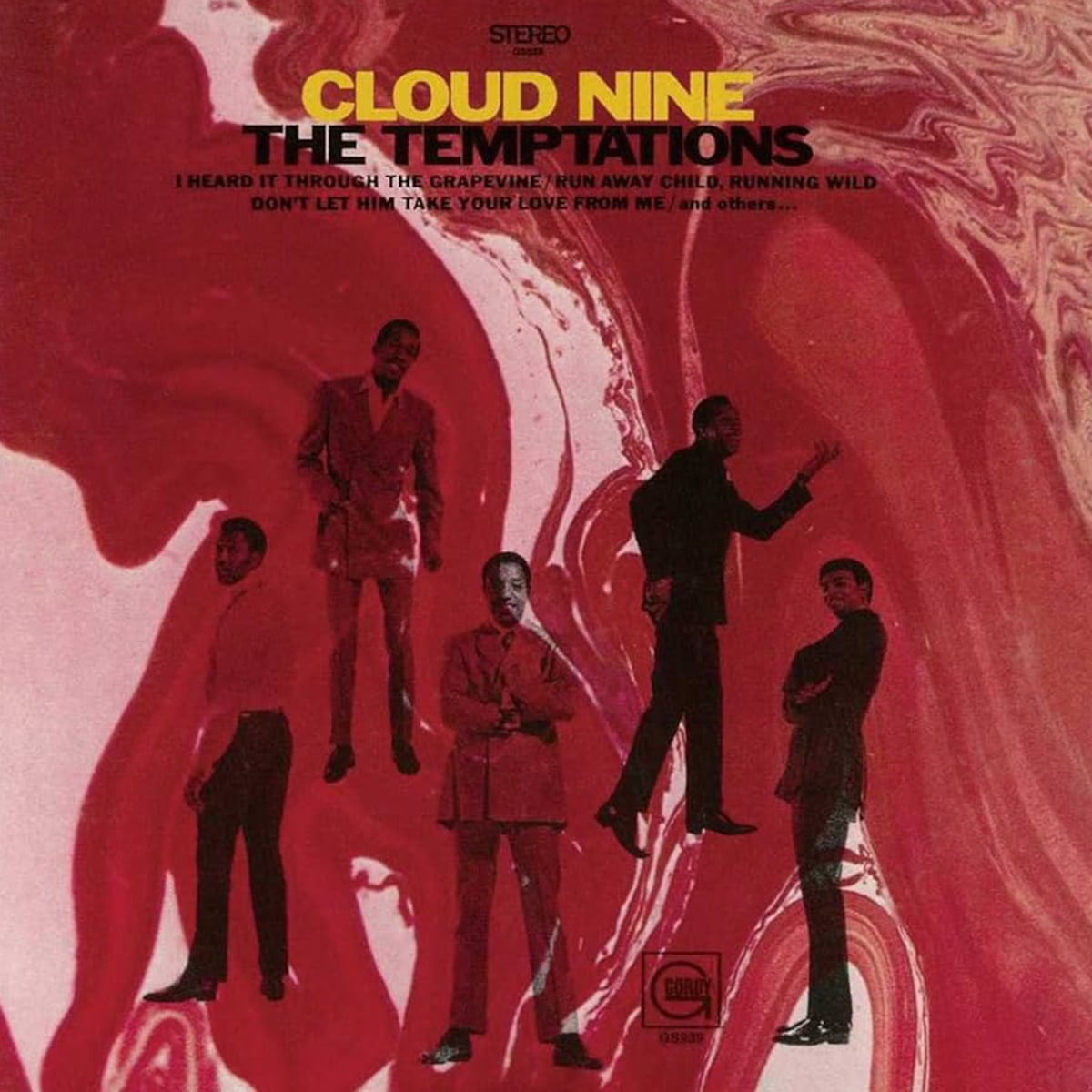
Release Date: 1968 | Songwriters: Norman Whitfield and Barrett Strong
During the late 1960s, in particular, Motown often had to field accusations that the label was refusing to move with the times, as the counterculture age spread from its underground origins to become a widespread, overground youth movement. Invariably, The Temptations were the label’s main argument against those claims, with the veteran vocal group reaching spaced-out new heights during the counterculture age, with psychedelic-tinged masterpieces like ‘Cloud Nine’.
Ushering Motown into the kaleidoscopic age of LSD experiments, The Temptations spearheaded the label’s entry into the psychedelic soul world, competing with the likes of Sly and the Family Stone. ‘Cloud Nine’ not only demonstrated the adaptable power of both Motown and The Temptations, but it captured that period in time perfectly, by balancing the disparate worlds of psych revolution and pop commercialism with the kind of expertise that only Motown could maintain.
The Isley Brothers – ‘This Old Heart of Mine (Is Weak for You)’
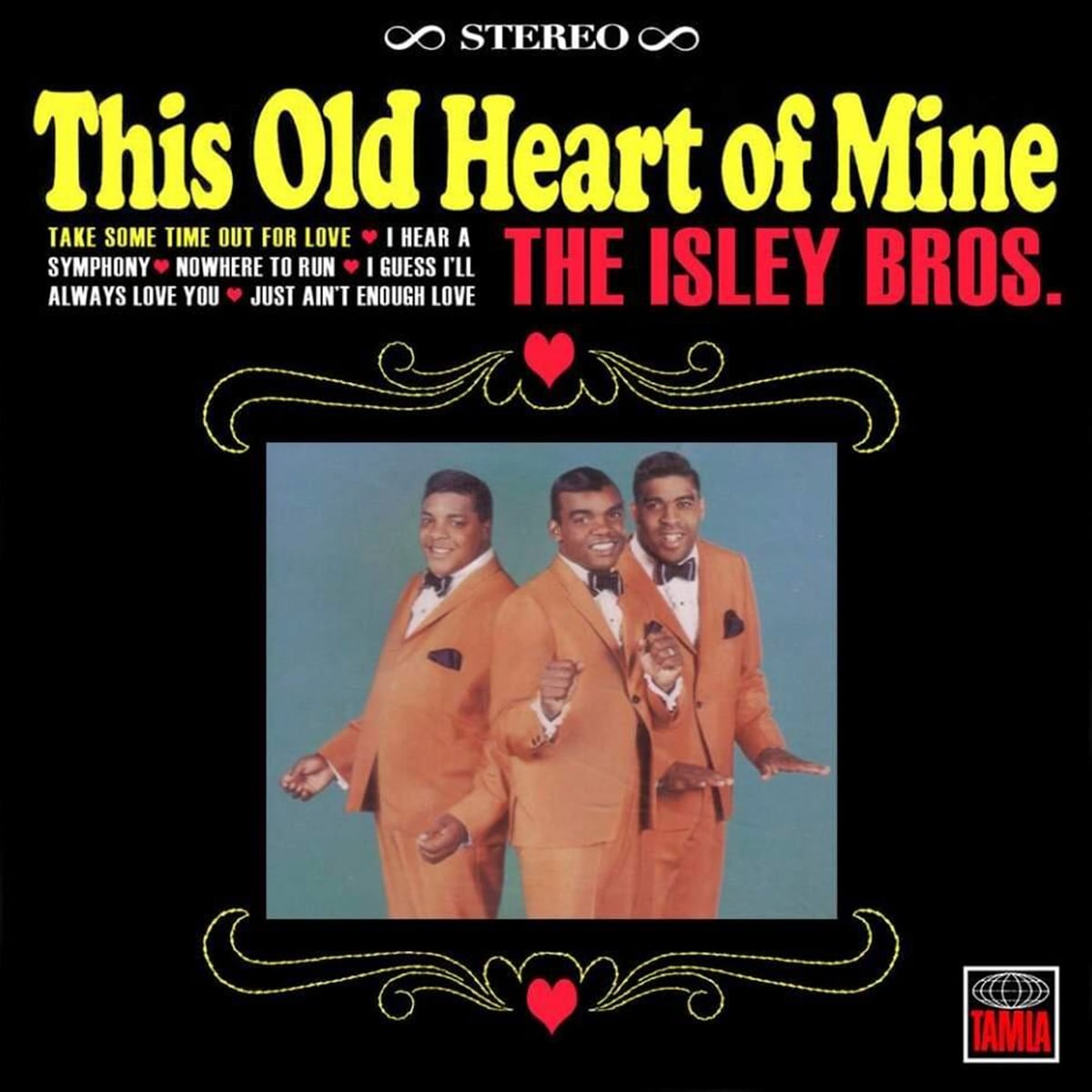
Release Date: 1966 | Songwriters: Holland-Dozier-Holland and Sylvia Moy
Nobody did love songs quite like Motown, with romantic sentiments making up the vast majority of its output. One of its all-time finest odes to love and romance, however, arrived in 1966 with the newly signed Isley Brothers. Admittedly, the single was the Brothers’ only major hit during their brief spell on Berry Gordy’s label, but it packs such a punch that it alone is worth far more than many Motown artists whose discographies spanned decades.
Originally written for The Supremes, first recorded by Tammi Terrell, and later bastardised by Rod Stewart, there have been numerous different versions of the upbeat, dancefloor-focused song of devotion over the decades, but the combination of The Isley Brothers and the Funk Brothers’ backing simply cannot be bested.
Stevie Wonder – ‘Superstition’
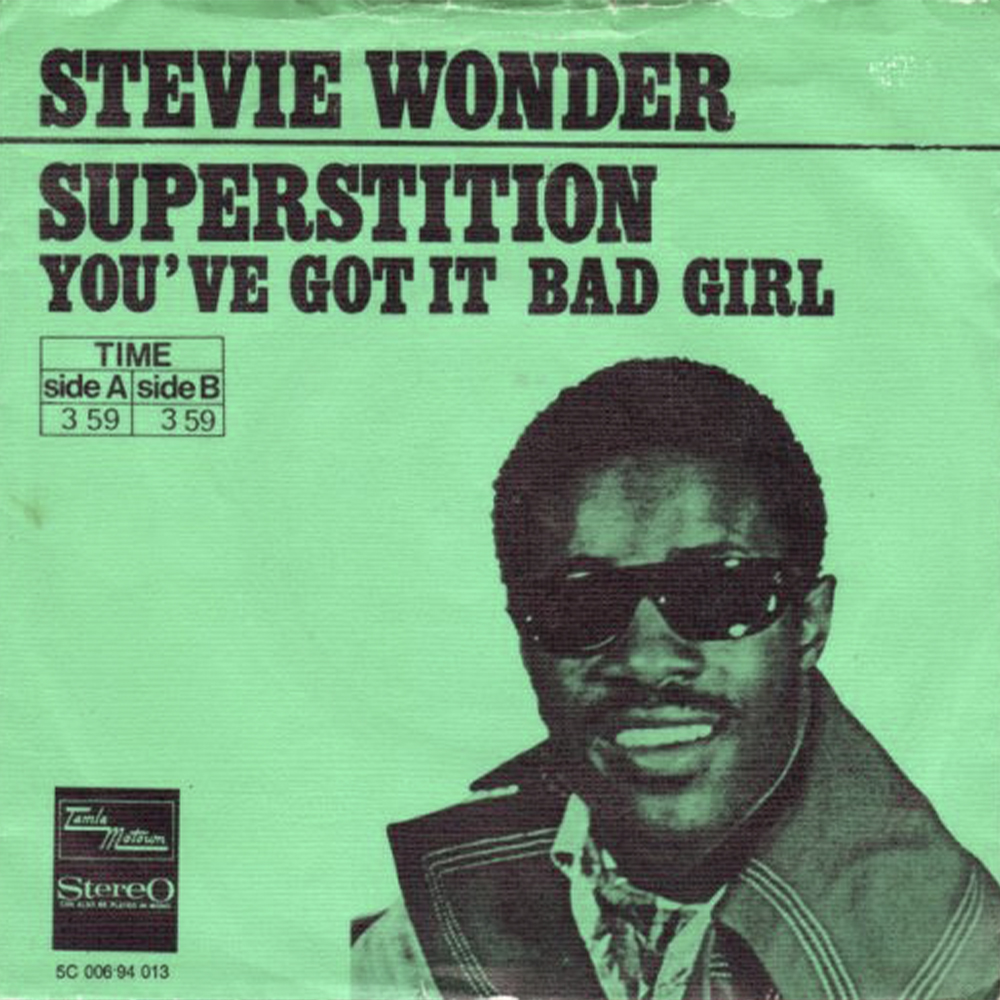
Release Date: 1972 | Songwriter: Stevie Wonder
If Stevie Wonder was a star during his Motown adolescence back in the 1960s, then his early-to-mid 1970s output made him a verifiable musical genius. Talking Book is, of course, a masterpiece, and the funk-fuelled lead single, ‘Superstition’, is its crowning jewel. Carved out from a collaboration with none other than Jeff Beck, the song was aided by the inclusion of a Hohner Clavinet, producing the kind of electronic sounds that mainstream audiences had yet to be properly exposed to.
The single was an irrefutable example of the genius that Wonder was capable of when left to his own devices, away from the watchful eye of Berry Gordy. Then again, even Gordy seemed convinced that ‘Supertition’ would be a smash and, to be fair to him, it did top the US singles charts in late 1972, peaking at a comparatively dismal number 11 in the UK.
Frank Wilson – ‘Do I Love You (Indeed I Do)’
Release Date: 1965 | Songwriter: Frank Wilson
Motown’s greatest underdog tale, Frank Wilson’s duties at Hitsville were largely limited to production work, with the odd songwriting credit under his belt, too. So, when he stepped into the studio in 1965 to record ‘Do I Love You (Indeed I Do)’, Berry Gordy wasn’t best pleased and ordered all demo copies of the single to be destroyed, shelving the release indefinitely. Then, during the late 1970s, during a northern soul-inspired hunt through the Motown archives, it was dusted off and pressed onto a few acetate copies, which soon found their way to Wigan Casino.
An immediate floorfiller, with its incredible beating rhythm and commanding power, it was forever cemented in the pages of northern soul history when it became the final song ever to be played at the Casino, before the venue’s closure in 1981. Motown quickly rectified their mistake, reissuing Wilson’s masterpiece en masse, and allowing it to attract its well-deserved praise as a Motown classic, while the few surviving copies that escaped Gordy’s cull are now impossible holy grails for soul collectors, with the last sale of one reaching an eye-watering £100,000.
The Supremes – ’Where Did Our Love Go?’
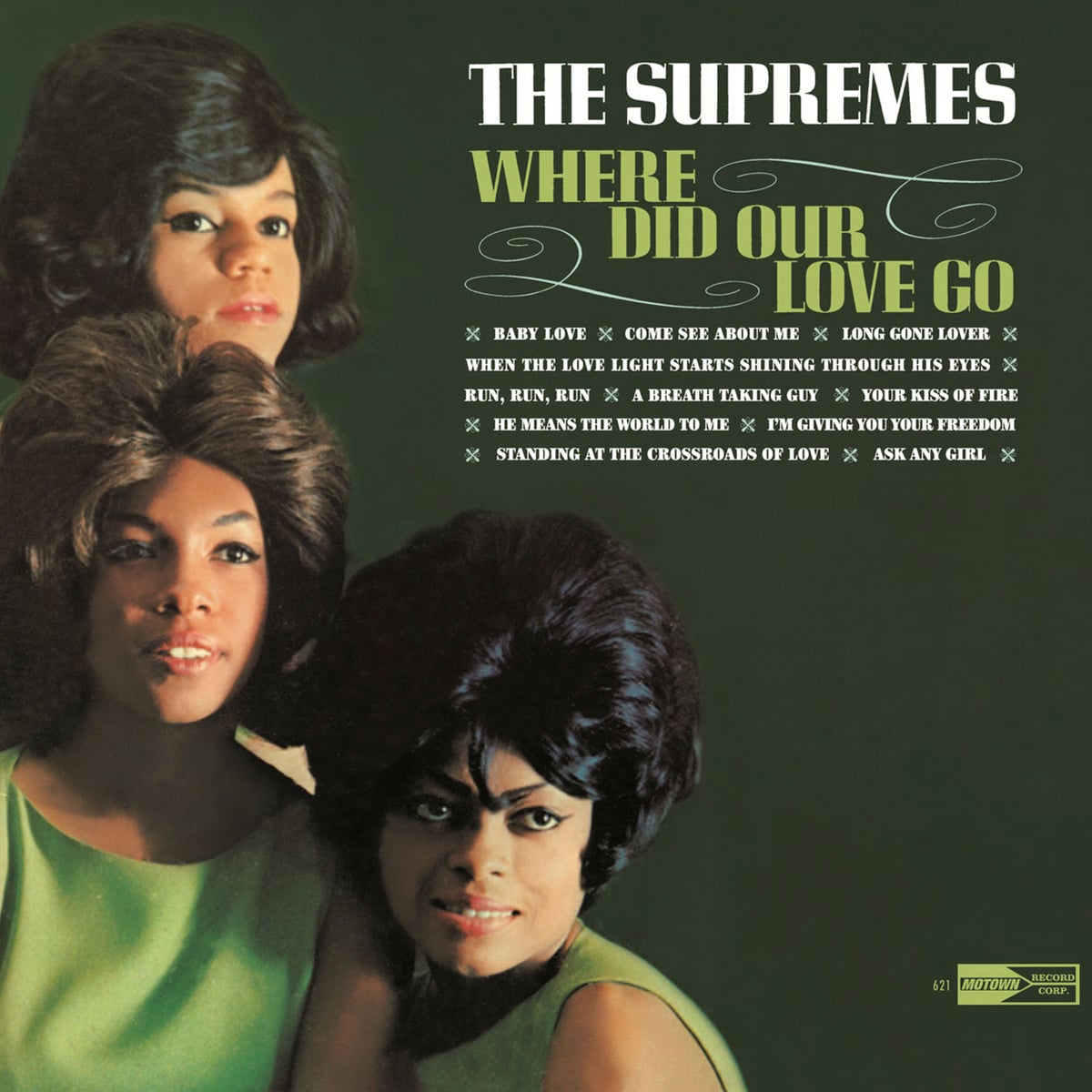
Release Date: 1964 | Songwriters: Holland-Dozier-Holland
That foot-tapping intro and the understated vocal introduction of Diana Ross must make ‘Where Did Our Love Go?’ one of the most instantly recognisable, utterly iconic Motown tracks ever to be released. What’s more, it helped cement The Supremes’ transformation from a failed vocal group, resigned to providing backing vocals and hand-claps for Marvin Gaye, to the flagship hit-makers of Berry Gordy’s label.
With, as ever, the aid of Holland-Dozier-Holland’s unparalleled aptitude for crafting hit records, this 1964 single became the trio’s first chart-topped, ushering in an age of commercial domination for Ross’ group, without which they might easily have slipped away from Motown’s radar. It isn’t the most profound lyricism the label ever produced, nor is it the greatest vocal performance of Ross’ career, but Motown’s primary focus was churning out hit records and, in that sense, ‘Where Did Our Love Go?’ is among its greatest triumphs.
Mary Wells – ‘My Guy’
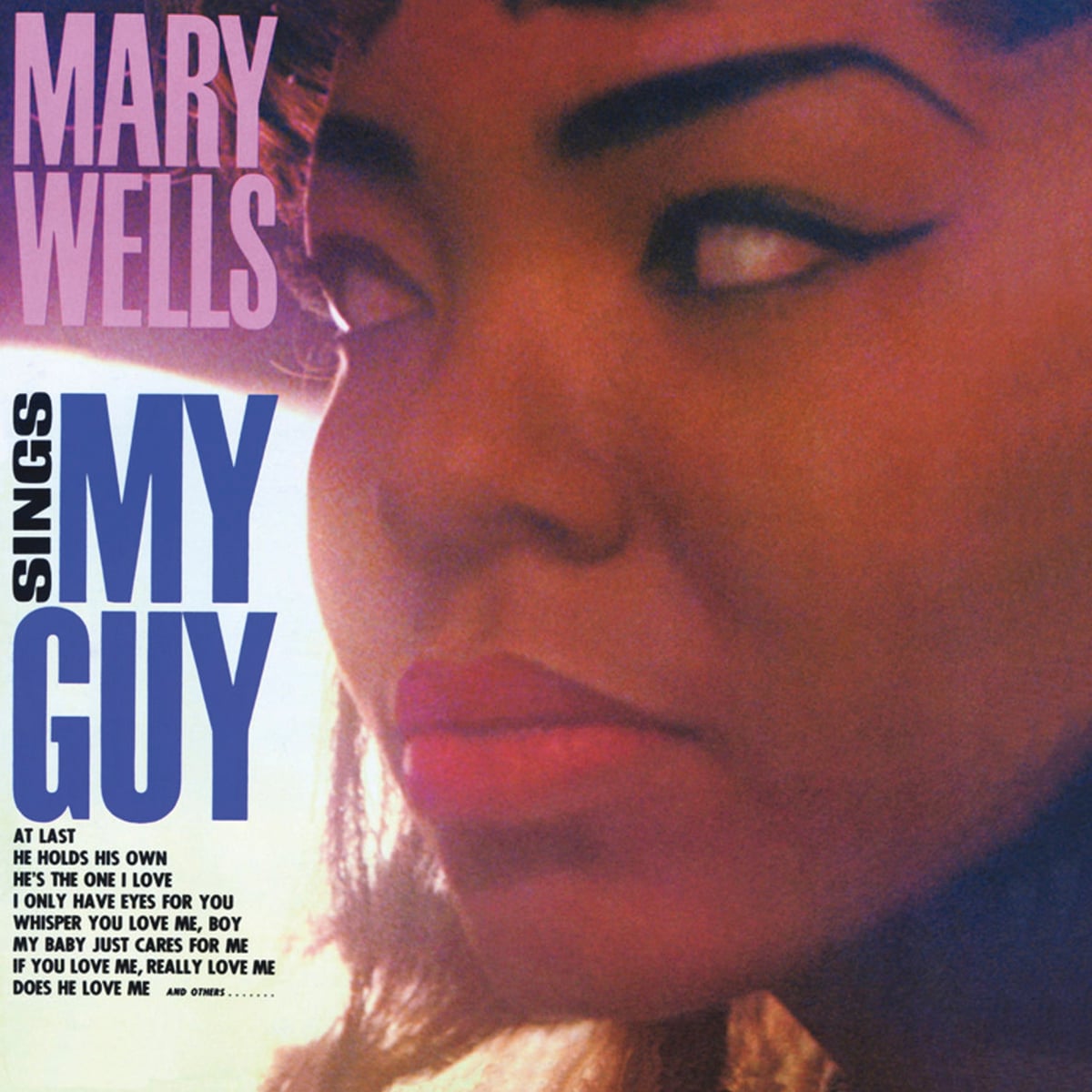
Release Date: 1964 | Songwriters: Smokey Robinson
Before Diana Ross entered the fold, Mary Wells was Motown’s leading lady, and although her time at the label was cut painfully short when she left in 1964 amid a cloud of legal action, royalty disputes, and a general lack of satisfaction with the famously exploitative practices of Motown, ‘My Guy’ was big enough to give Wells a career in her post-Motown years. A number-one hit and one of the first Motown tracks to make an impact in the UK, Wells’ brilliant vocal performance, coupled with Smokey Robinson’s songwriting talents, was an obvious combination for pop greatness.
In the end, though, it was the success of the single that spelt the end of Well’s Motown career, extremely dissatisfied with how the profits from its success were being used to pump promotion into The Supremes instead. Luckily, every record exec in the world heard ‘My Guy’, and they were all desperate to sign her up.
Barrett Strong – ‘Money (That’s What I Want)’
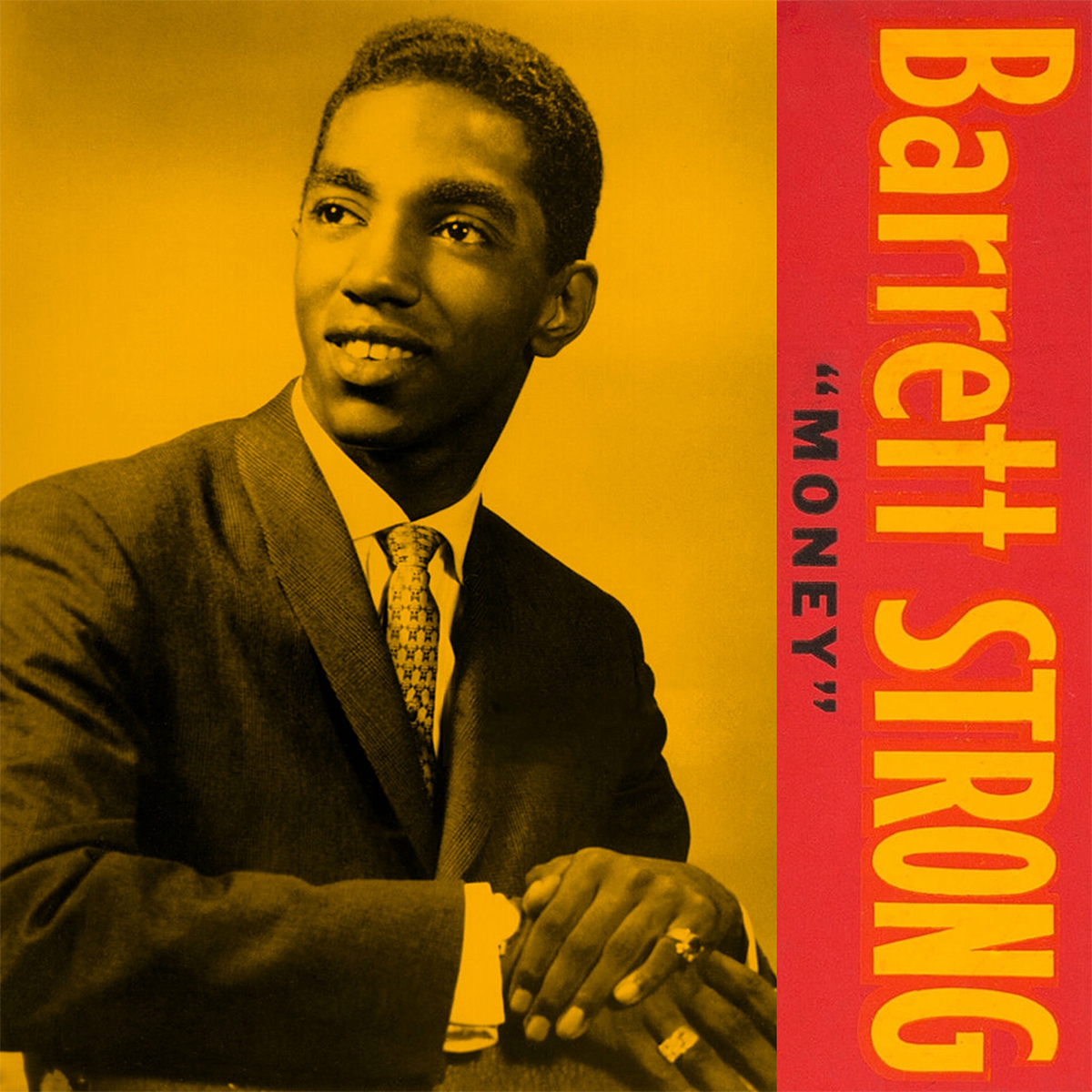
Release Date: 1959 | Songwriters: Janie Bradford and Berry Gordy
Very few of the beloved songs discussed in this list would have even existed were it not for this still-beloved R&B triumph by Barrett Strong; the very first Motown release to break into the nationwide pop charts, thus setting the core foundations of the ‘Motown sound’ and making Strong one of the most vital figures in Hitsville’s history. As opposed to the lovey-dovey pop tracks that followed in Motown’s output, ‘Money’ was a defiant ode to heartless materialism, getting by by any means necessary, and, most of all, cold, hard cash.
Although Strong’s attempted follow-up tracks, like the aforementioned ‘Misery’, failed to recapture the magic of this hit, its legacy has remained constant over the decades. A staple of The Beatles’ setlists and a feature on 1963’s With The Beatles, the song did far more to raise Motown’s profile than its relatively modest chart standings ever signified, and the sheer number of cover versions, stretching from The Kingsmen to Charli XCX, suggests its power still knows no bounds.
The Supremes – ‘Baby Love’
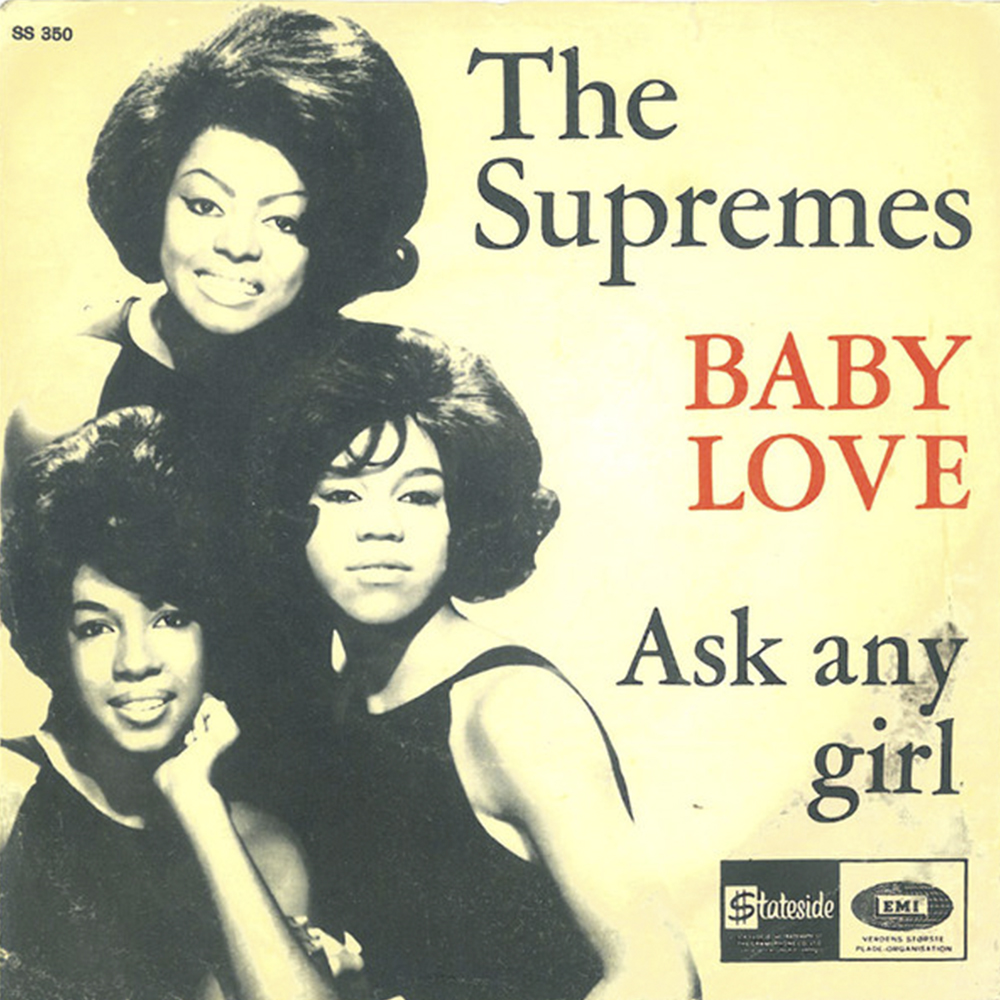
Release Date: 1964 | Songwriters: Holland-Dozier-Holland
Yet another example of the pop perfection conjured up by The Supremes’ work with Holland-Dozier-Holland, ‘Baby Love’ marked the pinnacle of the trio’s golden age of hits, topping the singles chart in both the US and the UK, along with New Zealand and Singapore, too. Typifying The Supremes’ outfit for the remainder of the 1960s, and establishing the group as the first Motown act to have achieved two number-one singles, it is no surprise that the sound of ‘Baby Love’ quickly spread to the rest of America’s pop landscape.
With countless similarly hopeful young girl groups trying in vain to evoke the same musical mastery, ‘Baby Love’ was a perfect snapshot of how Motown was on the cutting edge of pop performance, and that its unique inner-workings made it impossible for anybody else to truly recapture the sound of a song as distinctive and groundbreaking as ‘Baby Love’; the blueprint for a perfect pop song.
The Four Tops – ‘Reach Out (I’ll Be There)’
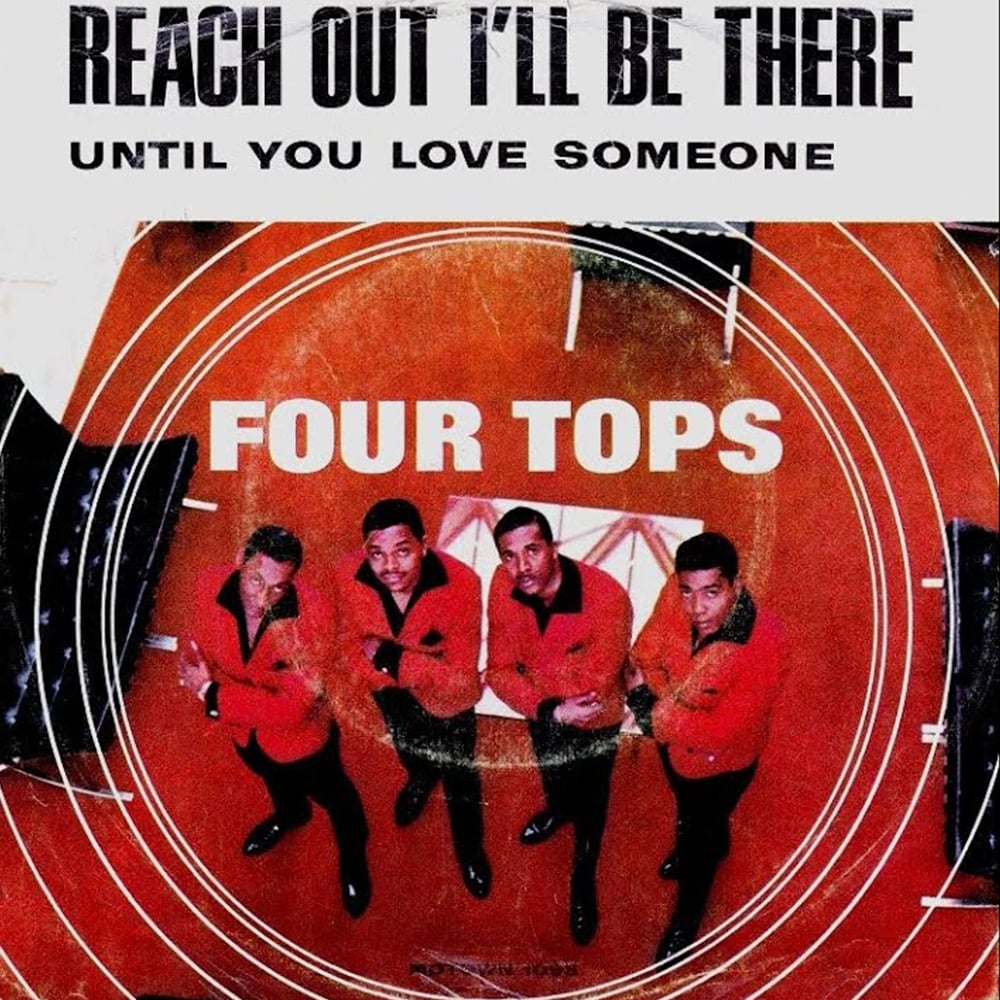
Release Date: 1966 | Songwriters: Holland-Dozier-Holland
Yes, it is the epitome of Motown’s cheesy, bubblegum leanings, and yes, its orchestral backing sounds rather bizarre when contrasted to the blaring Funk Brothers horns that typically backed The Four Tops, but show me any person who can resist the distinctive tones of Levi Stubbs, and I will show you somebody with a heart of stone.
Its uncharacteristic sound results, in part, from the vast amalgamation of influences the songwriting trio drew upon for this, another one of their chart-topping credits. From traditional Russian music to gospel and even the great Bob Dylan, the single is far more expansive than any initial listen might let on. At its heart, though, is a career-defining vocal performance from Stubbs and the rest of the group, making this stormer of a single their definitive anthem.
Marvin Gaye and Tammi Terrell – ‘Ain’t No Mountain High Enough’
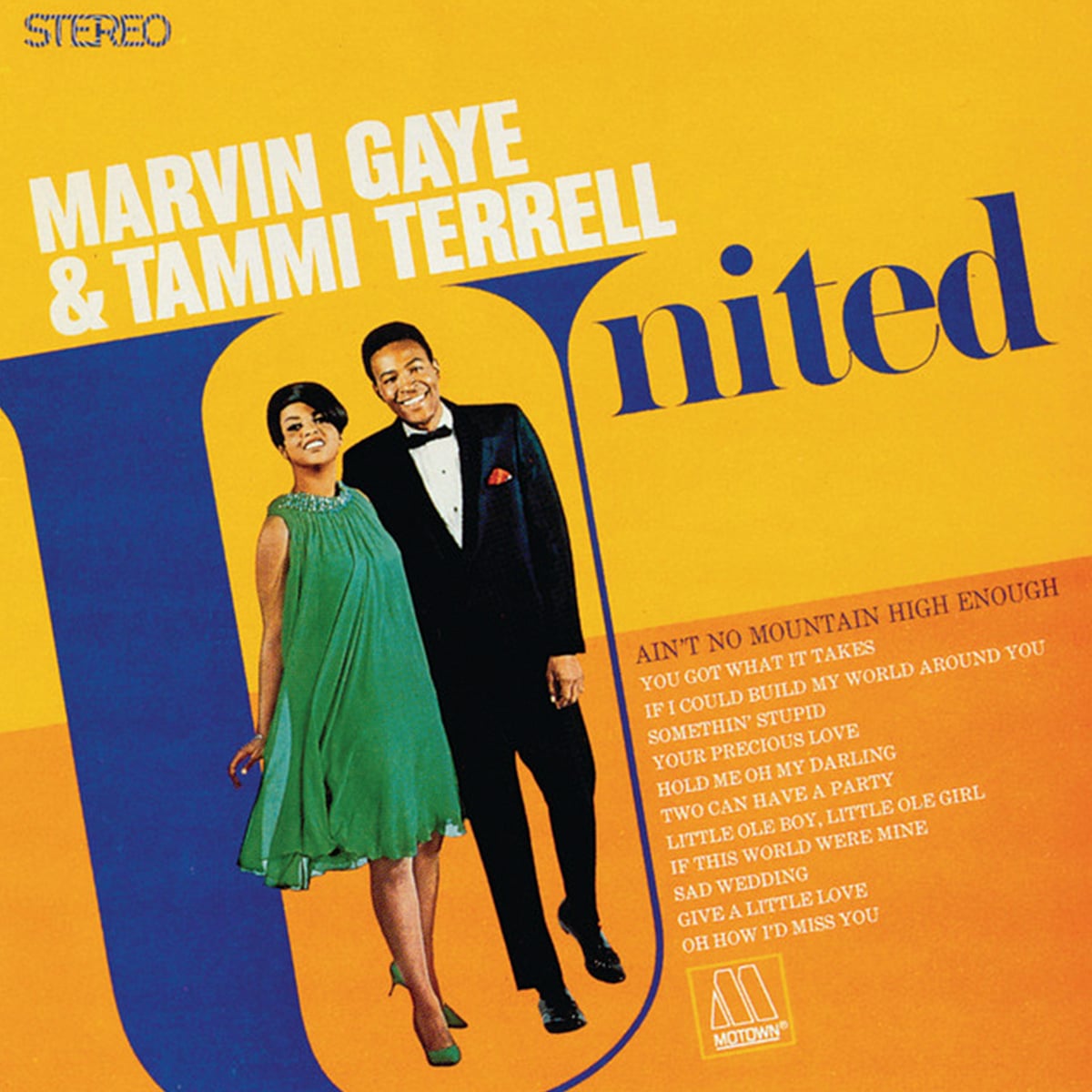
Release Date: 1967 | Songwriters: Nickolas Ashford and Valerie Simpson
Not only is ‘Ain’t No Mountain High Enough’ one of the greatest love songs ever recorded, but it is also the greatest duet of the 20th century, a topic which, in this list at least, is not up for debate. Gaye and Terrell recorded together on multiple occasions during their days at Motown, prior to Terrell’s untimely death in 1970, but the two incredible voices intertwine and bounce off each other more beautifully in this track than any other.
Unlike many love duets, there is a genuine, palpable chemistry between the two performers, which undoubtedly works its way into the energy of the song, and is also perhaps why Diana Ross’ later cover of the track is so vastly inferior. The single reached an unjust number 19 in the US charts upon its release, but the power of its performance, still resonating well over half a century later, is a testament to the fact that its level of chart success is utterly irrelevant to its beauty.
Marvin Gaye – ‘What’s Going On’
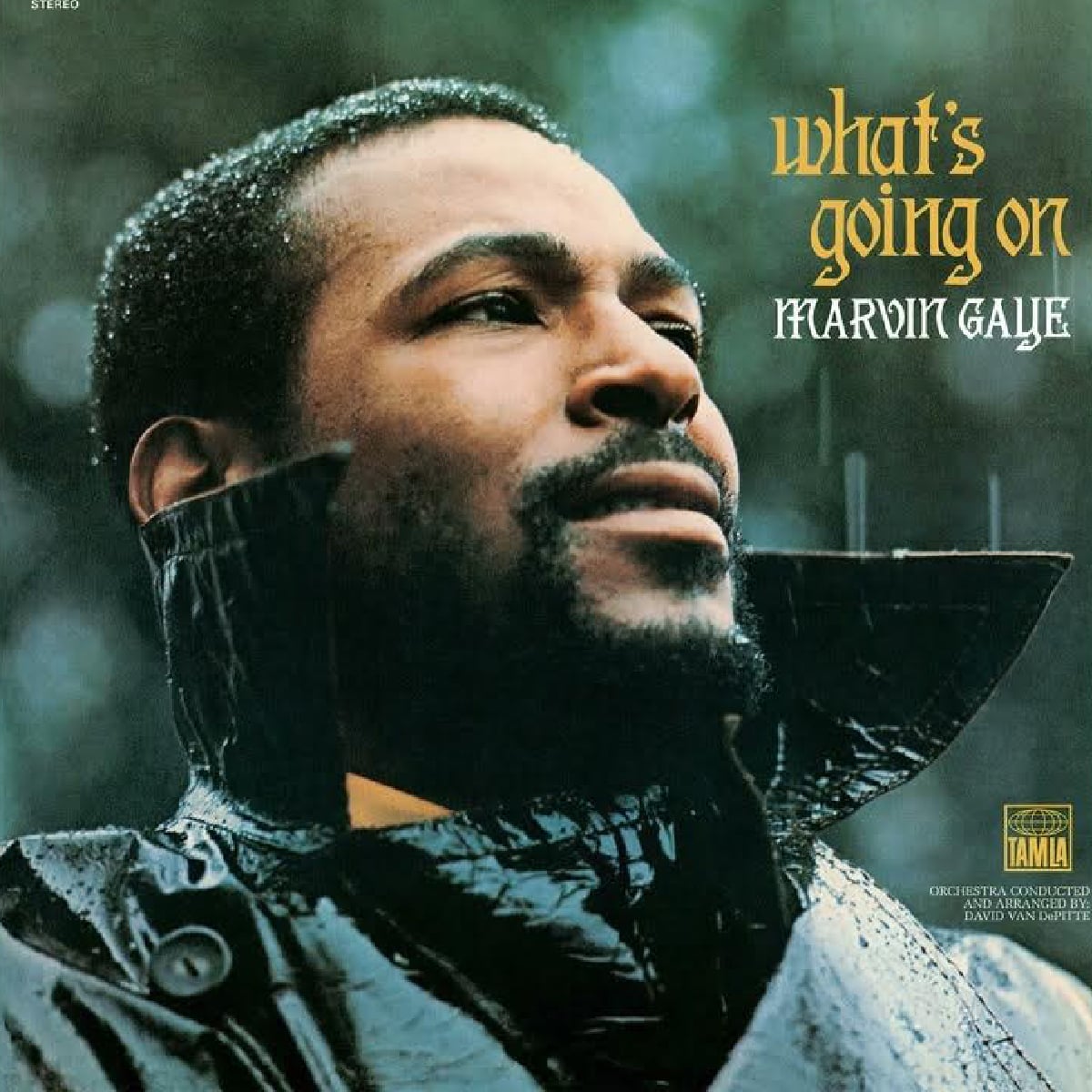
Release Date: 1971 | Songwriters: Al Cleveland, Renaldo Benson, and Marvin Gaye
Perhaps the only song on this list wherein its historical context is equally as important as its musical quality, ‘What’s Going On’ was Motown’s first and most important contribution to the landscape of protest songs. With the ever-intensifying struggle for civil rights, the anti-war movement waging on, and Richard Nixon driving the United States into increasingly restrictive, conservative times, Marvin Gaye was determined to do something to protest, and ‘What’s Going On’ was the result.
With his tender, impassioned vocals and the understated backing placing ultimate focus on the socially conscious lyrics, ‘What’s Going On’ is one of the most important protest songs of all time, and Gaye had to fight tooth and nail against Berry Gordy for it to be released, with the Motown boss worried that politicised music might impact Motown’s chart power. The single reached number two on the US pop charts, and it is still as powerful today as it has ever been.
Martha Reeves and the Vandellas – ‘Nowhere To Run’
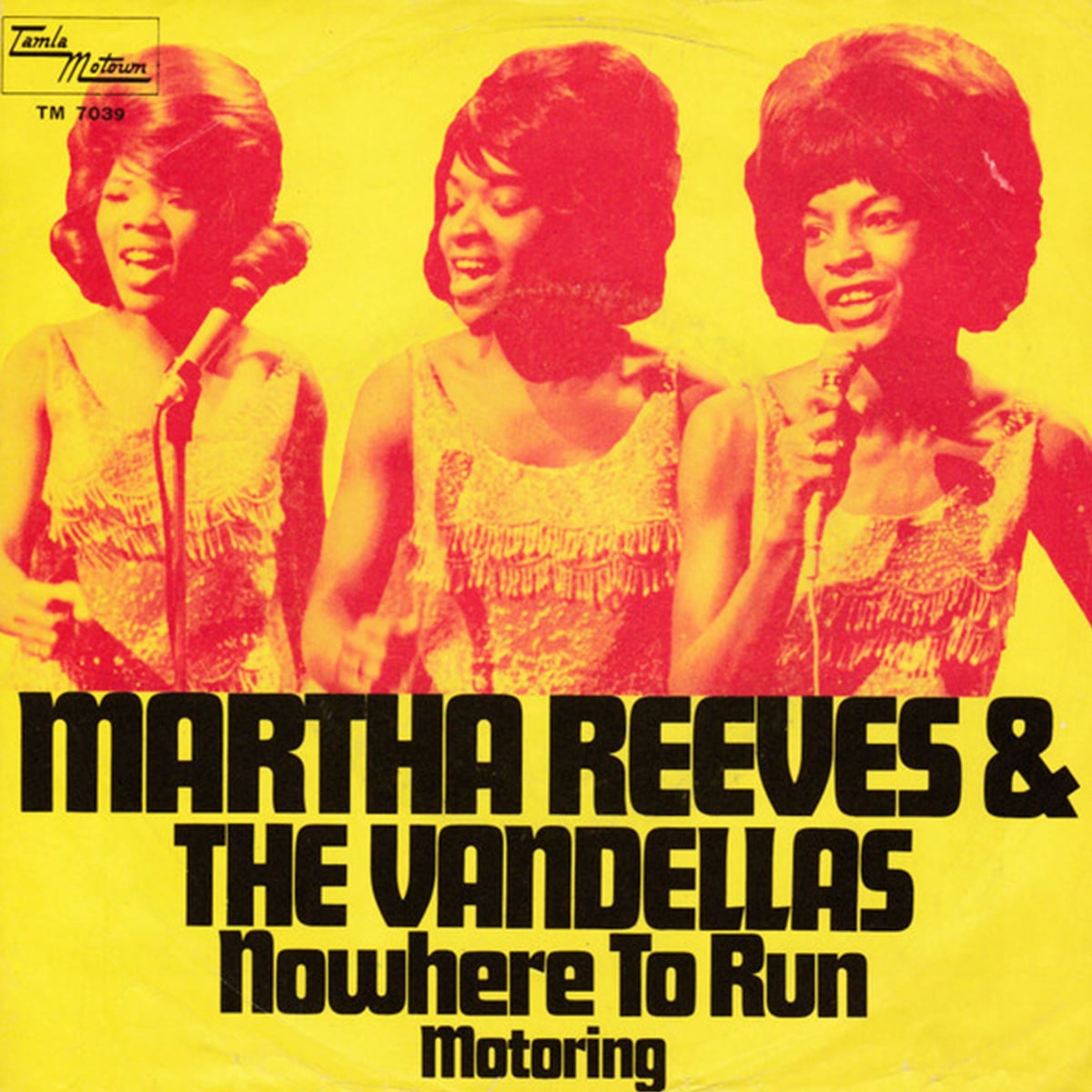
Release Date: 1965 | Songwriters: Holland-Dozier-Holland
If you are ever tasked with explaining the ‘Motown sound’, ‘Nowhere To Run’ is the defining example. As far as Martha Reeves was concerned, the recording of this 1965 masterpiece was no different to any other recording session, but the number-eight single went on to define much of the vocalist’s incredible career. With its triumphant, grand Funk Brothers horns, pounding rhythm, and a vocal performance that immediately captures your attention, the song is not only a pop stormer but also a track that defined soul and R&B for many years.
Without ‘Nowhere To Run’, it isn’t overly egregious to claim there would be no Atlantic-era Aretha Franklin, for instance. It might not have been the most commercially successful single, either by the standards of Motown or Martha and the Vandellas, but ‘Nowhere To Run’ is still the sound that is immediately conjured up for many people when the word ‘Motown’ is first mentioned.
The Miracles – ‘The Tracks of My Tears’
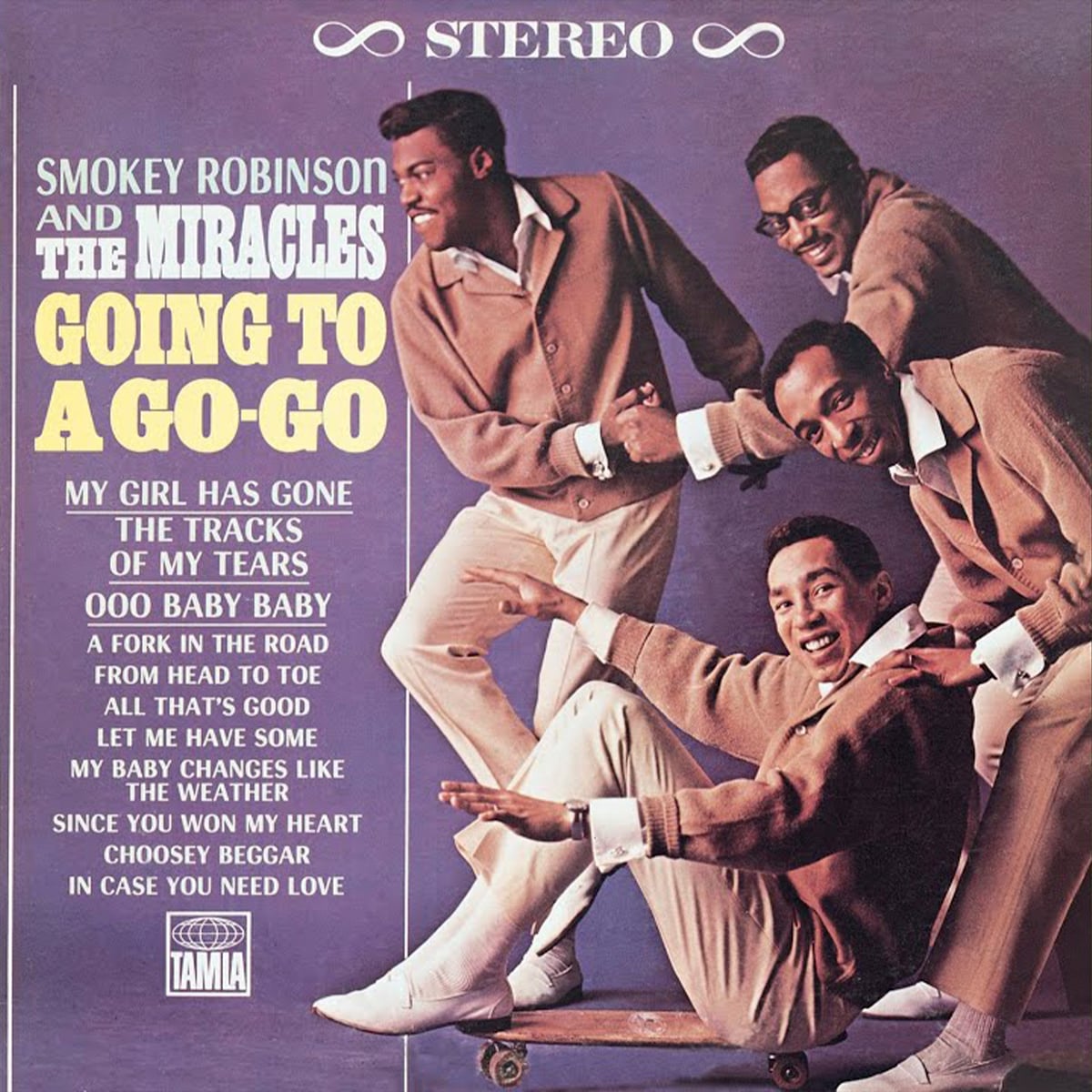
Release Date: 1965 | Songwriters: Smokey Robinson, Warren Moore, and Marvin Tarplin
A favourite of Keith Richards, John Lennon, Linda Ronstadt, and a countless list of figures who, similarly, can recognise a songwriting magnum opus when they hear one, ‘The Tracks of My Tears’ is undoubtedly Smokey Robinson’s greatest contribution to Motown, from across his many, many years at the heart of the label.
Exemplifying the endlessly emotive quality of his vocal performance, along with the often underrated performing prowess of his fellow Miracles, there is scarcely a heartbroken soul out there who cannot relate in some capacity to this ultimate anthem, which is and always will be one of the greatest love songs ever put to tape.
The Temptations – ‘Papa Was A Rolling Stone’
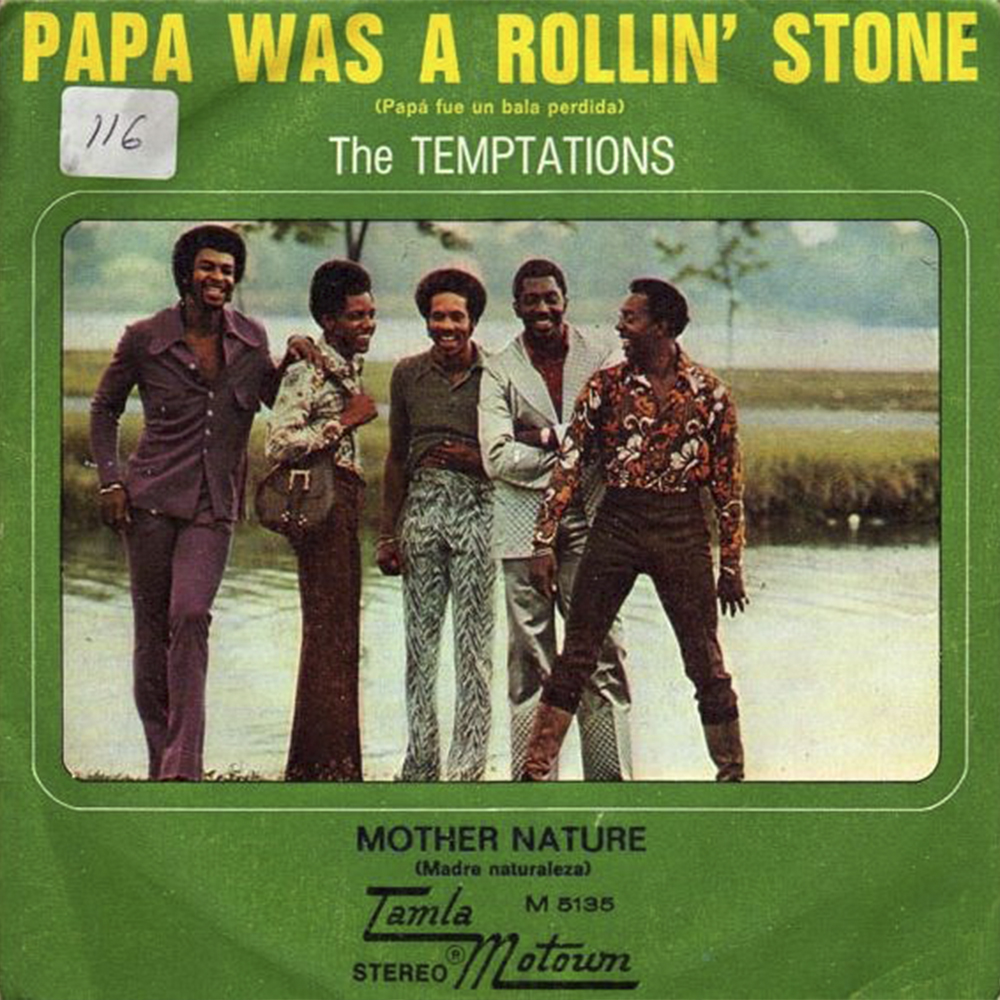
Release Date: 1972 | Songwriters: Norman Whitfield and Barrett Strong
After striking upon Motown’s innovative psychedelic soul sound during the counterculture years, The Temptations perfected that art in 1972, with this 12-minute epic, which stakes a pretty solid claim as the greatest soul song of the 1970s. Originally recorded by The Undisputed Truth earlier in the year, it was the unmistakable stylings of The Temptations, along with the production of Norman Whitfield, that transformed the track into the epic masterpiece it soon became, earning the group their final number-one single in the process.
While the group itself might have been rather disappointed about the end of their hit streak in the months that followed ‘Papa Was A Rolling Stone’, there is surely no better way to bow out of the Motown tale than with one of the greatest songs ever recorded, so The Temptations can’t have been too upset.
Stevie Wonder – ‘Sir Duke’
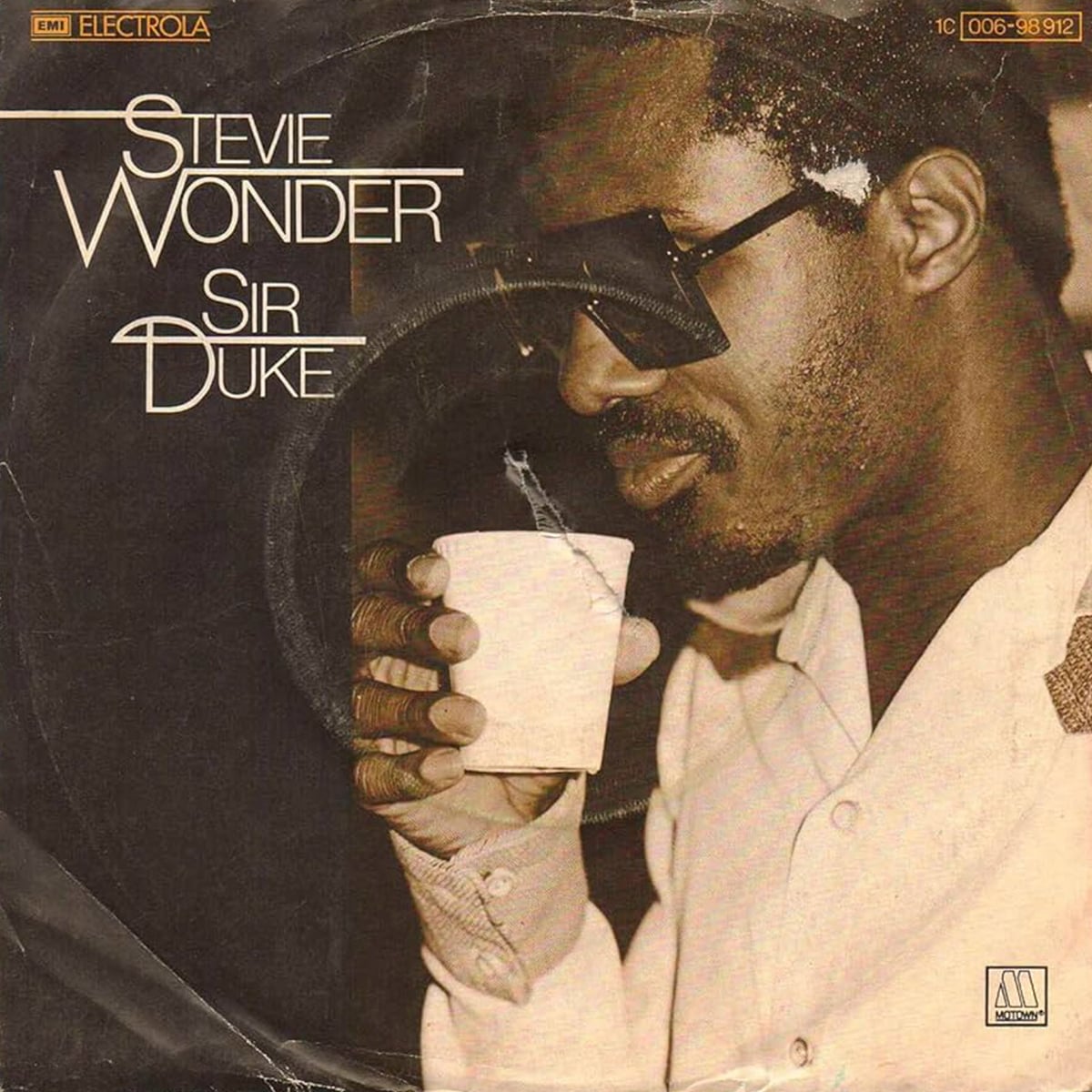
Release Date: 1977 | Songwriter: Stevie Wonder
As mentioned far earlier in this list, more than half of this Motown centum could easily have been filled exclusively with Stevie Wonder tracks, and ultimately, the five included over the course of the rankings barely scratch the surface of the songwriter’s unparalleled, prolific discography. That said, if there was ever a track that so perfectly encircled everything about Wonder that makes him such a special, timeless artist, it is his 1977 single, ‘Sir Duke’.
Included on his ultimate masterpiece, Songs in the Key of Life, the year prior, the song was written by Wonder as a tribute to the jazz legend Duke Ellington, who had passed away in 1974, and it provides a fittingly upbeat, euphoric soundtrack to Ellington’s essential contributions to musical history.
More than that, though, Wonder’s infectious, experimental offering acts as a celebration of the entire jazz realm, with Louis Armstrong, Ella Fitzgerald, and various others muscling into the lyrics, along with Wonder’s ever-present debt to the R&B and soul landscape. As far as Stevie Wonder’s various masterpieces go, ‘Sir Duke’ is perhaps the most inarguable.
Marvin Gaye – ‘I Heard It Through The Grapevine’
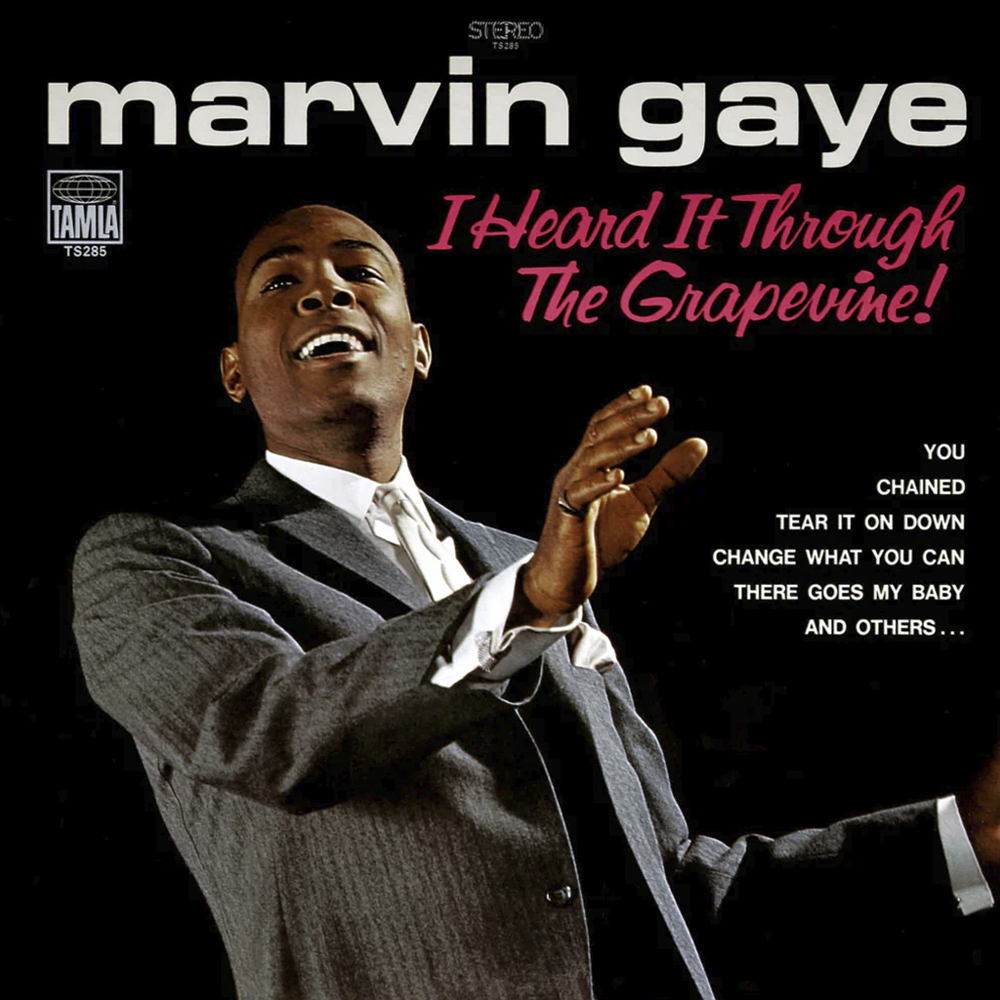
Release Date: 1968 | Songwriters: Norman Whitfield and Barrett Strong
A track which certainly earned its place at the top of this list, Marvin Gaye had to fight for his seminal recording of Whitfield and Strong’s ‘I Heard It Through The Grapevine’ to ever see the light of day. Originally recorded by The Miracles, and first released by Gladys Knight and the Pips, Berry Gordy blocked Gaye’s version from release for 18 long months, unconvinced by the vocalist’s performance, and not wanting to jinx his chances at a repeat hit (Knight’s version having reached number two in the pop charts).
Luckily, the efforts of Whitfield, along with Motown’s QC department, meant Gaye’s version, the definitive version, was released as a single in 1968, whereupon it quickly became a number-one hit, and the biggest-selling Motown track up to that point. In light of that success, it is almost impossible to think of Motown without that iconic bassline flooding into mind, flanked by the greatest vocal performance of Gaye’s entire career.
A Motown ranking of any kind is bound to be contentious, given just how emotionally driven soul music is, and the varying connections that different listeners have to each song. It would be quite the task, however, to find any music fan who can truthfully deny the brilliance of this recording. It is fitting, too, that this Motown ranking be topped by the greatest vocalist the label ever conjured up.
