


10 B-sides that are as good as the single

Every great music artist has great B-sides.
It’s perhaps a feature that’s lost meaning in the streaming age, when albums are released to the digital ether packed with bonus tracks, and many seasoned bands’ discography is uploaded onto the likes of Spotify, with every studio nook and session cranny laid out for all to peruse. No bad thing, who has money for rare US imports or long-lost 7”s anyhow?
Still, the B-side is a beautiful relic of music’s yesteryear, a chance for a fan to glean further dimensions from the albums they love. Often cut during a particular record’s studio sessions, the handful of extras dotted around a cluster of singles or various compilations offer other pieces of the elusive album jigsaw, different takes and angles that often yield results as good as a final album track or even a promoted A-side. An artist worth their salt knows that their dedicated fans will seek out such hidden gems and reward them for their efforts.
Tagged with a relegation status, the B-side was more often not shifted aside for motives beyond the presumed quality. Does the number intrude on the album’s tracklisting balance or conceptual uniformity? Can we physically fit it in our vinyl LP? Do we have a greatest hits collection to flog in six months? A myriad of reasons exist as to why a session gem remains shelved, a source of pain and anguish for the artist suffering the ruthless curation of a producer or label bigwig.
But when a B-side stands tall against its promo single, you know a band is firing on all creative cylinders. With the rock and pop canon filled with artists that boasted excellent flips, we take a look at the supporting numbers that gave the A-side a serious run for its money.
10 B-sides that are as good as the single:
David Bowie – ‘Crystal Japan’
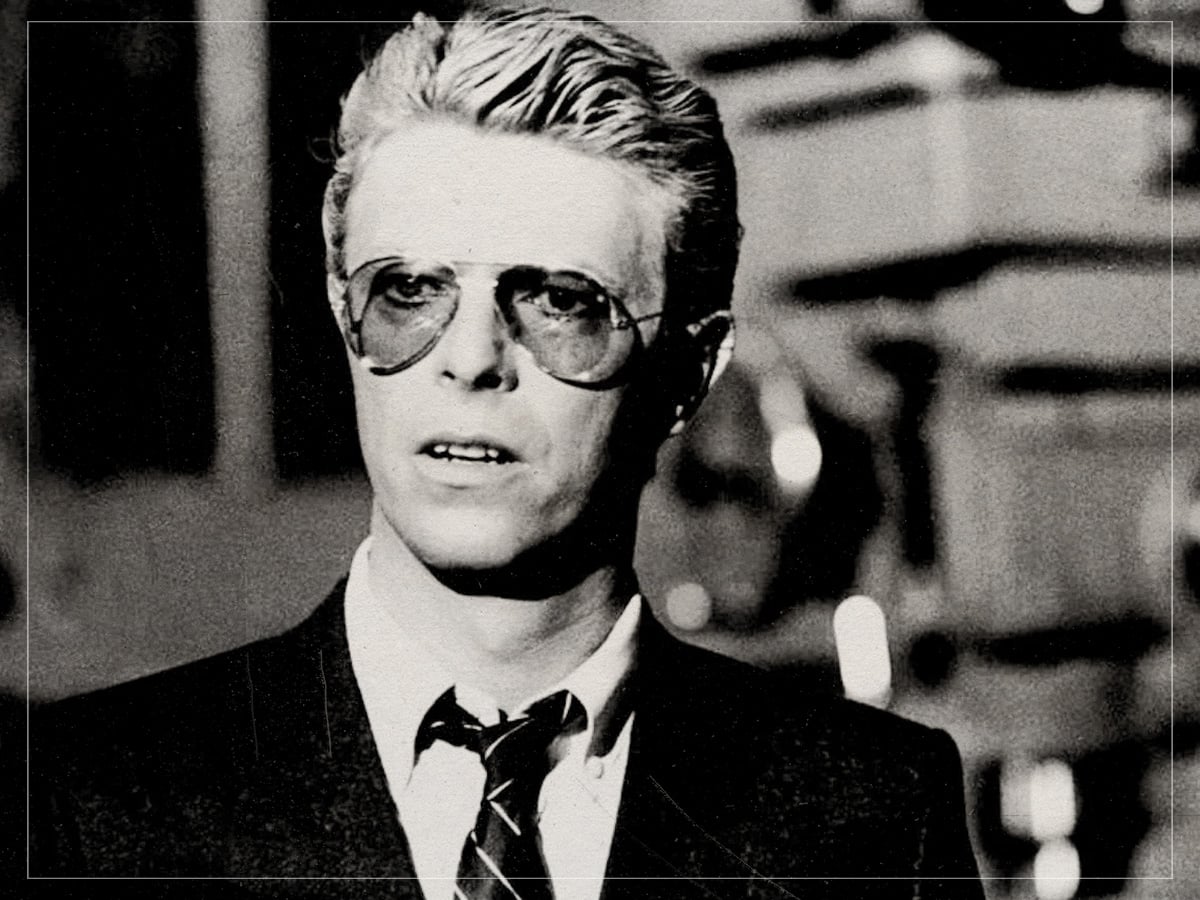
The dire creative ebbs David Bowie found himself in by the 1980s’ close were worlds away from the artistic peaks he was climbing at its arrival.
Having spiritually detoxed and exorcised his demons on the spooky Berlin Trilogy with Brian Eno, Bowie took a step back toward the mainstream pop plane with a new record still possessed with Germany’s electronic hues and avant-pop leanings, yet managed to eke a UK album number one with 1980’s Scary Monsters (and Super Creeps), the last of his classic record run all future LPs would be compared to.
Initially featured on a Japanese commercial for the Crystal Jun Rock shōchū drink, the contemplative synth instrumental ‘Crystal Japan’ was mooted as a closer to his latest record in the same vein as his Low and “Heroes”, but decided upon ‘It’s No Game (No. 2)’ as the album finale.
Finding release elsewhere as the B-side to ‘Up the Hill Backwards’, the frost soundscapes of ‘Crystal Japan’ stood tall against anything that came out of Hansa Studio, and influenced a young Trent Reznor so deeply that Nine Inch Nails offered the more abrasive ‘A Warm Place’ reimagining on 1994’s The Downward Spiral.
The Cure – ‘The Upstairs Room’

Despite the moment of serious flux for the band around 1983, The Cure was still able to rustle up an absolute pop gem.
Gone was the gothic shroud of earlier records, but so went the group cohesion with it. Reduced to a semi-functioning studio project with founding members Robert Smith and Lol Tolhurst, The Cure, on top of The Glove and Siouxsie and the Banshees duties, performed a divebomb into the world of Smash Hits, reeling off the likes of ‘Let’s Go to Bed’ and ‘The Lovecats’.
Dropped in the middle was the chunky synthpop banger ‘The Walk’. Amid a flurry of creative whirl, Smith fired off as many as three excellent B-sides, the slinky ‘The Upstairs Room’ just nudging it as the supreme flip. A twirling glisten of punchy drum machines, radiant guitar licks, and haunted synths, The Cure’s glowing pop number is begging to be dusted off for their upcoming live shows.
Oasis – ‘Half the World Away’

With the possible exception of a certain New Jersey heartland rocker, but no one rivalled Noel Gallagher’s authoritative and unabashed lyrical gift for the wistful ambitions of working-class escape.
Be it the hedonistic deep dive of ‘Cigarettes & Alcohol’ or fame and fortune’s chase that powers ‘Live Forever’, Oasis gifted the 1990s UK with an instant songbook rejecting grunge’s pessimistic wallow for a full-throated grab at pop greatness.
While Oasis’ stature in the British musical tapestry may have become overblown in the nostalgic memory, it can’t be overstated how essential a soundtrack they scored for the decade’s cultural boost in confidence. With 1994’s Definitely Maybe behind them, the festive ‘Whatever’ single that year came backed with the fan favourite ‘Half the World Away’, a plaintive look to the stars from one’s bedsit imagining the better world that lies ahead, elegantly realised with Gallagher’s acoustic strum and Paul Arthurs’ electric piano.
Making its way to The Masterplan compilation and scoring BBC’s The Royal Family, many Oasis fans would tell you that ‘Half the World Away’ is the band’s finest moment.
Kate Bush – ‘Walk Straight Down The Middle’

Each subsequent album released across the 1980s would see Kate Bush immerse herself deeper into the aural sculptures afforded to her by the revolutionary Fairlight CMI synthesiser, a digital sampler and workstation with sonic limits only defined by the imagination.
Naturally, such a resource was the perfect instrument for Bush’s visionary pop innovations, layering rich pools of textured expanse and otherworldly atmosphere that would glow with captivating mystique on The Dreaming and Hounds of Love.
Such soundscapes would reach their zenith on 1989’s The Sensual World. Weaving a stirring tundra of layered explorations and dreamy wanders, its title track would lead Bush’s sixth album with the equally transportive B-side ‘Walk Straight Down The Middle’, a rousing affirmation of overcoming fear and life’s obstacles, spiralling upwards to a glittering affirmation of encouragement that only Bush can pluck from the ether.
Unfortunately, tacked on the end of some CD issues of The Sensual World, ‘Walk Straight Down The Middle’ exists better as a shimmering curio to reward the most intrepid Bush fan.
Depeche Mode – ‘Dangerous’
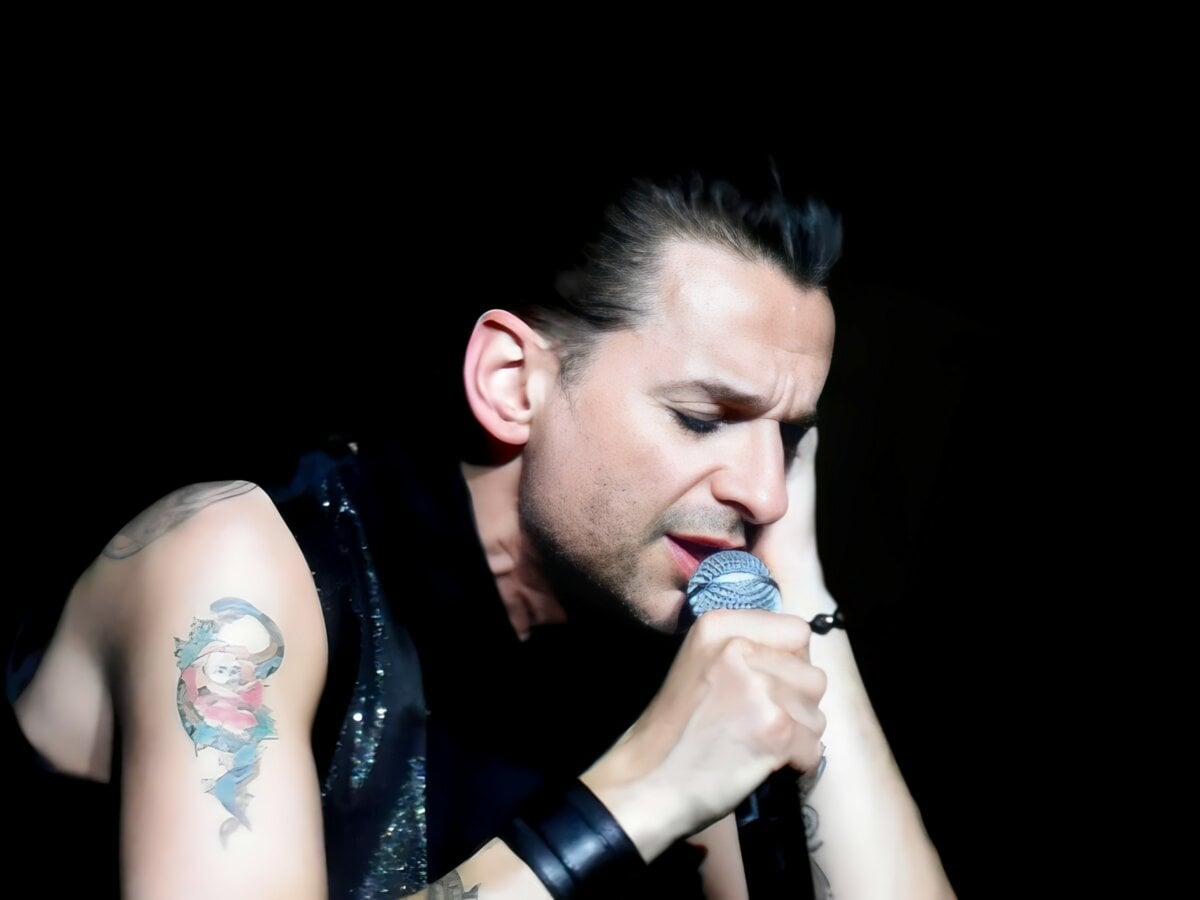
Much of the synthpop class of 1981 had either dissolved, lapsed into creative and commercial deadends, or remained stuck in the retro live circuit indefinitely by the decade’s close.
Depeche Mode, however, did whatever the hell they wanted. Rising and rising long past many of their peers’ heyday, an evolving production, a sorely needed aesthetic revamp, and Martin Gore’s emerging songwriting sophistication would see Basildon’s finest crack America and the world from 1987’s Music for the Masses and its global tour.
Yet, 1990s Violator would thrust Depeche Mode to the biggest pop group on the planet, a masterful harmony of electronic edge and organic alternative kick that effortlessly pulled in even the committed naysayers. Preceded in 1989 by the immortal ‘Personal Jesus’, B-side ‘Dangerous’ cast just as enchanting a spell, Alan Wilder’s sharp arrangements bristling alluringly with Gore’s lyrical dwell in fraught seduction, giving a clue to the greatness that was to come with their seventh LP effort.
Nirvana – ‘Dive’

1990 was an essential transition for Nirvana. Already eyeing up the pop charts beyond his native Seattle, frontman Kurt Cobain tightened his popcraft and began working with the future Nevermind producer Butch Vig for a smattering of studio sessions.
Enlisting the help of Bleach’s Jack Endino one last time, Nirvana dropped the standalone ‘Sliver’, a buoyant garage ripper injected with accelerated jangle recounting a lyrical snapshot of a child, possibly Cobain, headed to their grandparents’ house, before falling asleep in waking up in his “mother’s arms”.
While the tongue-in-cheek single marked a major step forward in Nirvana’s sound, it’s the B-side ‘Dive’ that’s best remembered. A gargantuan sludge riff grinds along the heavy yet listless attack, striking the perfect marriage of dramatic lethargy that Cobain always had a gift for, lyrically and sonically. Later featured on the Incesticide compilation, ‘Dive’ illustrates best exactly what the grunge sound was over anything before or after it.
Radiohead – ‘Talk Show Host’
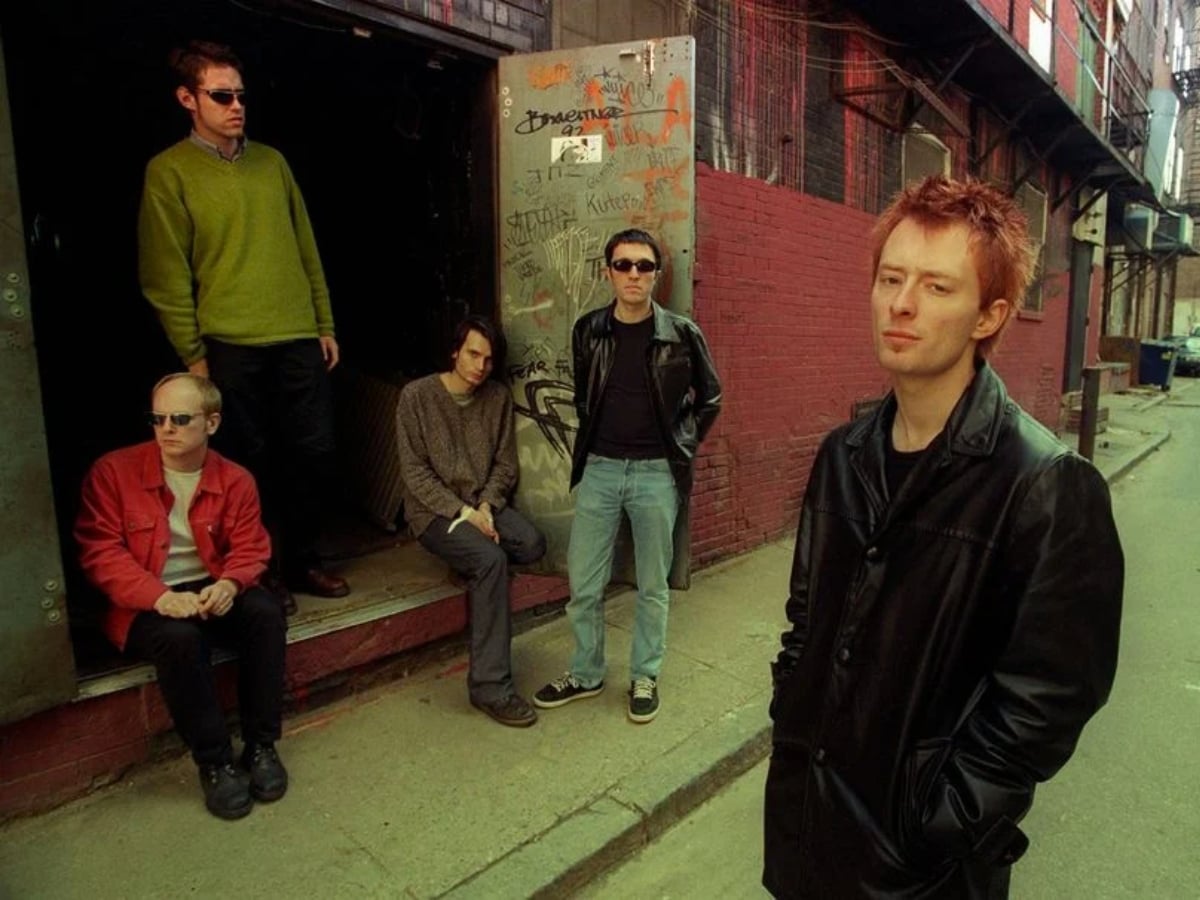
The one-hit-wonder jukeboxes had finally proved the naysayers wrong. Four years after their ‘Creep’ smash, Radiohead ditched the grunge attack, smattered their alternative rock with haunted electronic scree, and offered an antidote to the glam rehashes and campy music hall dominating the day’s Top of the Pops. Unencumbered with the ‘difficult second album’, no one was expecting how good The Bends would be, filtering their gift for massive guitar attack but saturated in the dread and anxiety that would come to the fore on OK Computer three years later.
Cementing their renewal was the apparitional ‘Street Spirit (Fade Out)’, backed by the standout ‘Talk Show Host’. Just one of a whole host of excellent gems cut from The Bends’ sessions, its eerie and bleached-out psychedelia perfectly soaks up the downbeat electronica pumped out of Bristol at the time, scoring Yorke’s cryptic lyrical views on masks and exterior facades, and laying the template for future experimental masterstrokes that awaited in the 21st century.
The Smiths – ‘Please Please Please Let Me Get What I Want’
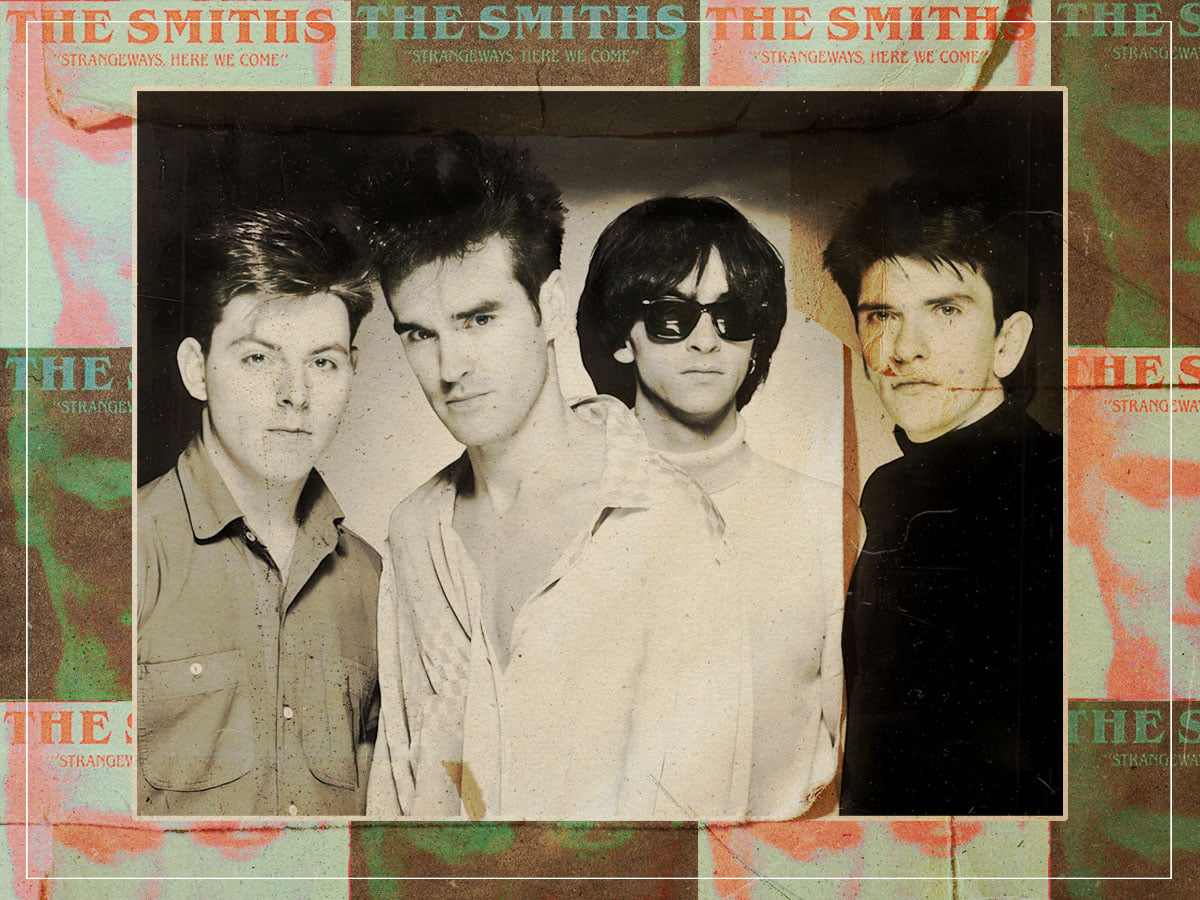
The dizzying plethora of standout material spun by The Smiths beggars belief, landing on the indie charts like a whirlwind and throwing four fantastic albums and an ocean of standalone singles across barely four years.
Following their eponymous debut in 1984, The Smiths dropped the canonical ‘William, It Was Really Nothing’, another alchemic flurry of Johnny Marr’s inimitable guitar jangle and frontman Morrissey’s playful lyrical jab at the institution of marriage.
While dwarfed by the enduring ‘How Soon Is Now?’, which would go on to be a single in its own right, ‘Please Please Please Let Me Get What I Want’ still stands at the peaks of The Smiths’ wieldy songbook, a masterclass in terse, emotional affect afforded moving life with Morrissey’s typical mordant existentialism, and Marr raising the stakes with its waltz-like mandolin crescendo.
‘Please Please Please Let Me Get What I Want’ would find life on the Hatful of Hollow compilation and various Hollywood soundtracks, but the simple little number’s arresting magic was so beloved by The Smiths frontman that he felt it “sinful” to have initially been relegated to B-side status.
U2 – ‘Luminous Times (Hold On To Love)’

No band from the British Isles’ new wave explosion found such titanic success as Ireland’s U2. Surpassing even The Police in arena-filling stature by the late 1980s, the quartet moved away from their post-punk foundations but hung tight to their wide-eyed optimism, crafting a widescreen anthemic attack with the help of Brian Eno and Daniel Lanois’ rippling sonic textures.
For 1987’s The Joshua Tree, U2’s mine of Americana’s country and blues thrust to one of the biggest bands on the planet.
The flip to the album’s lead single, ‘With or Without You’, the stirring ‘Luminous Times (Hold on to Love)’ was one of two excellent B-sides that demonstrated how adept U2 were at conjuring spiritual charge, frontman Bono translating a love song toward his wife Ali as a dual mystical communiqué to a higher power. So pleased with their rousing cut, Bono allegedly pushed their desert wander LP into a double-album to accommodate the quaking love song.
The Beatles – ‘Don’t Let Me Down’

Even by the end, The Beatles were still able to effortlessly knock out timeless gems. Amid the depths of their fractured Let It Be sessions, ‘Get Back’ stands as one of the record’s sparkling moments, a breezy and rootsy rock jam brimming with an infectious hook that managed to avoid Phil Spector’s syrupy string dollop and heavy-handed overdub.
As blinding as the A-side was, strong enough to stand as its mooted project and album title, John Lennon’s passionate flip to Paul McCartney’s garage blues strut stole the show, and pointed further to the greatness the Fab Four were still capable of.
Left off Let It Be’s final tracklist, ‘Don’t Let Me Down’ plumbs the aching depths of Lennon’s intense romance with Yoko Ono, making a plea to his wife-to-be to recognise the vulnerable plane he’s thrown himself into.
Backed with Billy Preston’s percolating keys, ‘Don’t Let Me Down’ pursues a raw, soulful confession at its most basic yet stirring, immortalised on their impromptu rooftop gig in January 1969. For three and a half majestic minutes, The Beatles’ gripes and cracked foundations all dissipate in the presence of ‘Don’t Let Me Down’ pained and yearning howl.

Never Miss A Beat
The Far Out Beatles Newsletter
All the latest stories about The Beatles from the independent voice of culture.
Straight to your inbox.