


The 15 essential deep cuts from every Depeche Mode album

When dropping their debut album in 1981, there was nothing about Depeche Mode that hinted at their future greatness.
Sure, Speak & Spell is a perfectly pleasing slice of buoyant electro. ‘Just Can’t Get Enough’ still dazzles with its infectiously polyphonic spright, but Basildon’s finest were in stiff competition, the likes of Soft Cell, The Human League, Orchestral Manoeuvres in the Dark, and Heaven 17 all trouncing Depeche Mode with their album efforts in the year of the UK’s peak synthpop explosion.
But soldier on, they did. Not letting the departure of their principal songwriter, Vince Clarke—of later Yazoo and Erasure fame—stand in the way of success, dark horse Martin Gore stepped up to songcraft duties and steered the material to infinitely morose, introspective, and dramatic terrain, losing the teenyboppers but winning the affections of a growing alternative post-punk crowd who plastered Depeche Mode on their bedroom walls along with The Sisters of Mercy or The Cure.
Synthpop’s golden era had died, and many of their contemporaries would face utter cultural irrelevance by the decade’s close, and were destined to play the retro festival circuit, despite how fantastic their records were. Yet, Depeche Mode continued to take over the world, finally cracking America for good off the back of Music for the Masses and DA Pennebaker’s accompanying 101 concert film. After 1990’s Violator, they were one of the world’s biggest stars, waltzing into the new era of alternative rock with effortless aplomb.
It’s hard to pinpoint just what Depeche Mode’s X factor was. Gore’s sophisticated songwriting, and frontman Dave Gahan’s baritone croon and animated stage presence pushed the band away from synthpop’s often staid automatons, to the growing creative hunger that saw the team subsume German industrial with as much gusto as country blues. Whatever it was, the growing alchemy so confidently wielded by the Depeche Mode powerhouse saw them reach the echelons of our nation’s premier musical exports, albeit taking a long time for the UK music press to concede as such.
Like all great bands, Depeche Mode boasts a string of fantastic LPs that stand unrivalled by any other band burnished in Britain’s electronic fervour over 40 years ago. From their debut up to 2023’s Memento Mori, we rifle through each one of Depeche Mode’s record run and pick an essential album-only track from each.
The essential album-only cuts from Depeche Mode:
‘Any Second Now (Voices)’
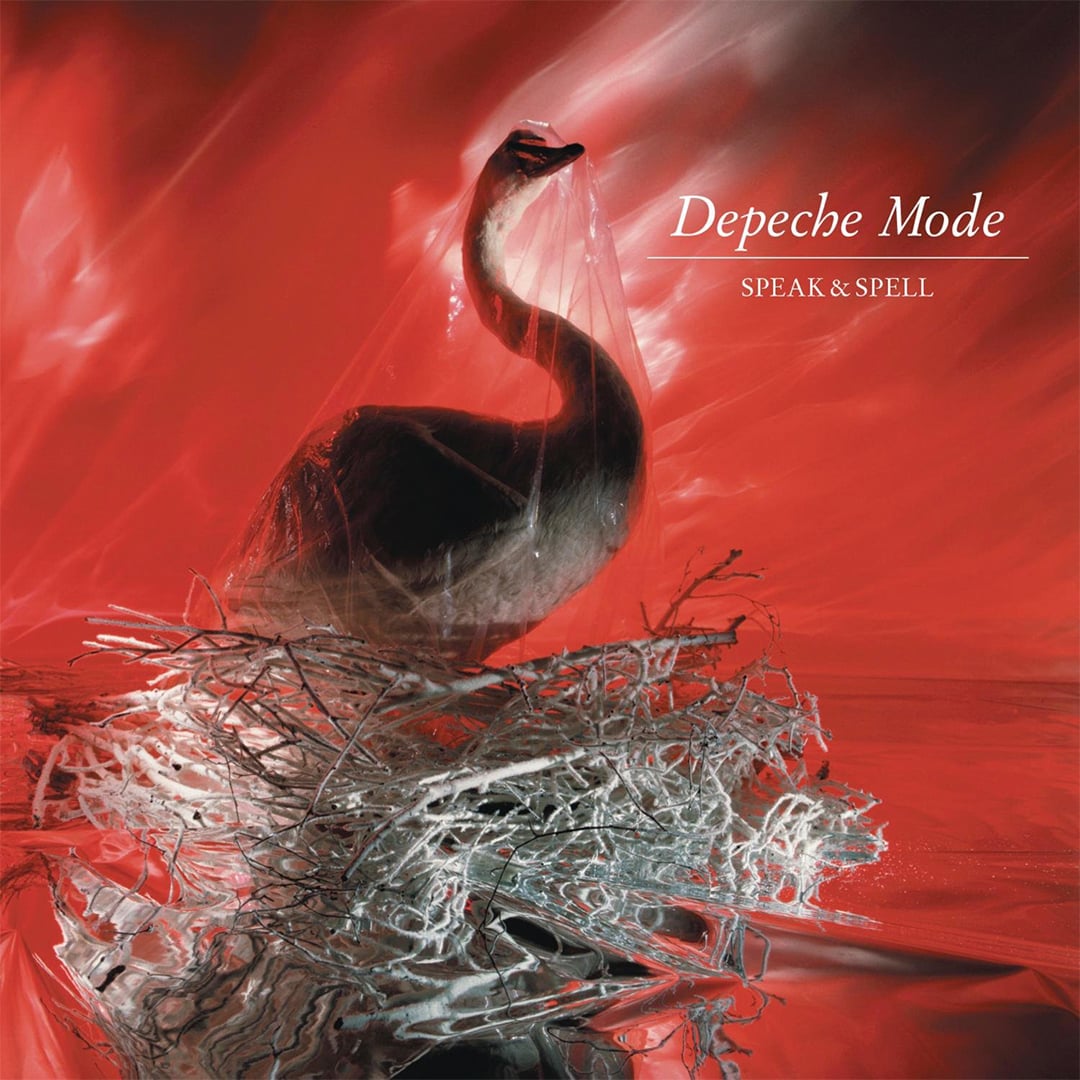
Aside from two compositions penned by a teenage Gore, Clarke handled all songwriting duties, and for a moment, seemed to stand as de facto band captain. While a decent debut not without its merits, 1981’s Speak & Spell unsurprisingly wanders an uneven terrain of effervescent synthpop brilliance and inexperienced misfires for a patchy first LP. For every ‘Just Can’t Get Enough’ or ‘New Life’ is the sugary mulch of ‘Boys Say Go!’ or the even worse ‘What’s Your Name?’.
Yet, some fine numbers hide in their early effort. Also heard as a remixed instrumental B-side to ‘Just Can’t Get Enough’, ‘Any Second Now (Voices)’ flexes Clarke’s often unrecognised gift for conjuring icy, contemplative auras from his sharp pop craft. A ruminative, twinkling swirl of glistening synths and stirring basslines wrapped around Gore’s plaintive yet innocent vocals, a shimmering number strong enough to have been dropped as Speak & Spell’s third single.
‘The Sun and the Rainfall’
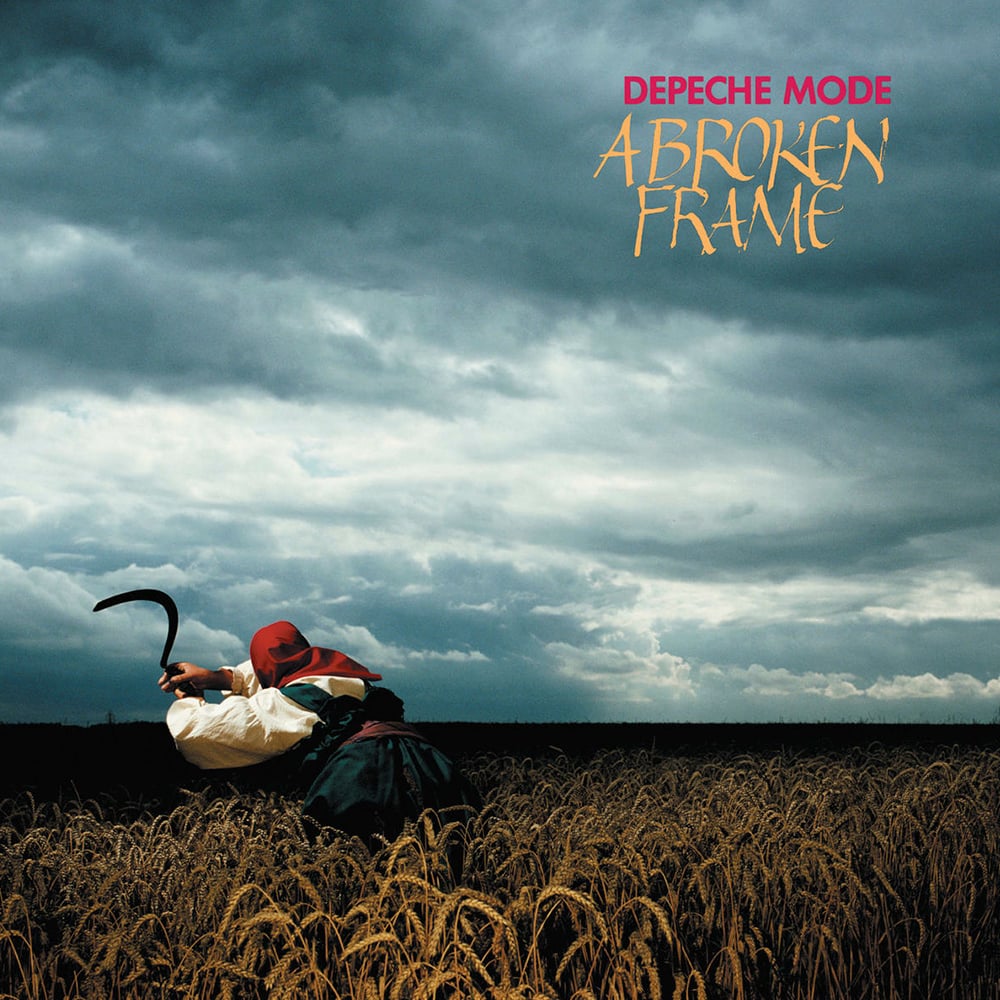
1982’s A Broken Frame was an apt title for Depeche Mode’s sophomore LP. With Clarke gone, it was down to Gore, Gahan, and Andy Fletcher to soldier on without their former songsmith. With Mute’s Daniel Miller sharing production duties and offering much-needed moral support, the reduced trio leaned on Gore’s quietly confident songcraft to enter an unknown creative hinterland.
Just like their first album, A Broken Frame is imbued with the sound of a young band still cutting its teeth and plagued with growing pains. Heavenly beauty is captured on its enchanting closer, however. Standing as the perfect finale, ‘The Sun and the Rainfall’ crushes all that came before it, including the singles, charged with a celestial glow of gorgeous melody lines and mournful lyrical wanderings, all fronted by Gahan’s resonant vocals that sound a whole step forward in full-throated dynamism since their debut mere months before.
‘Pipeline’
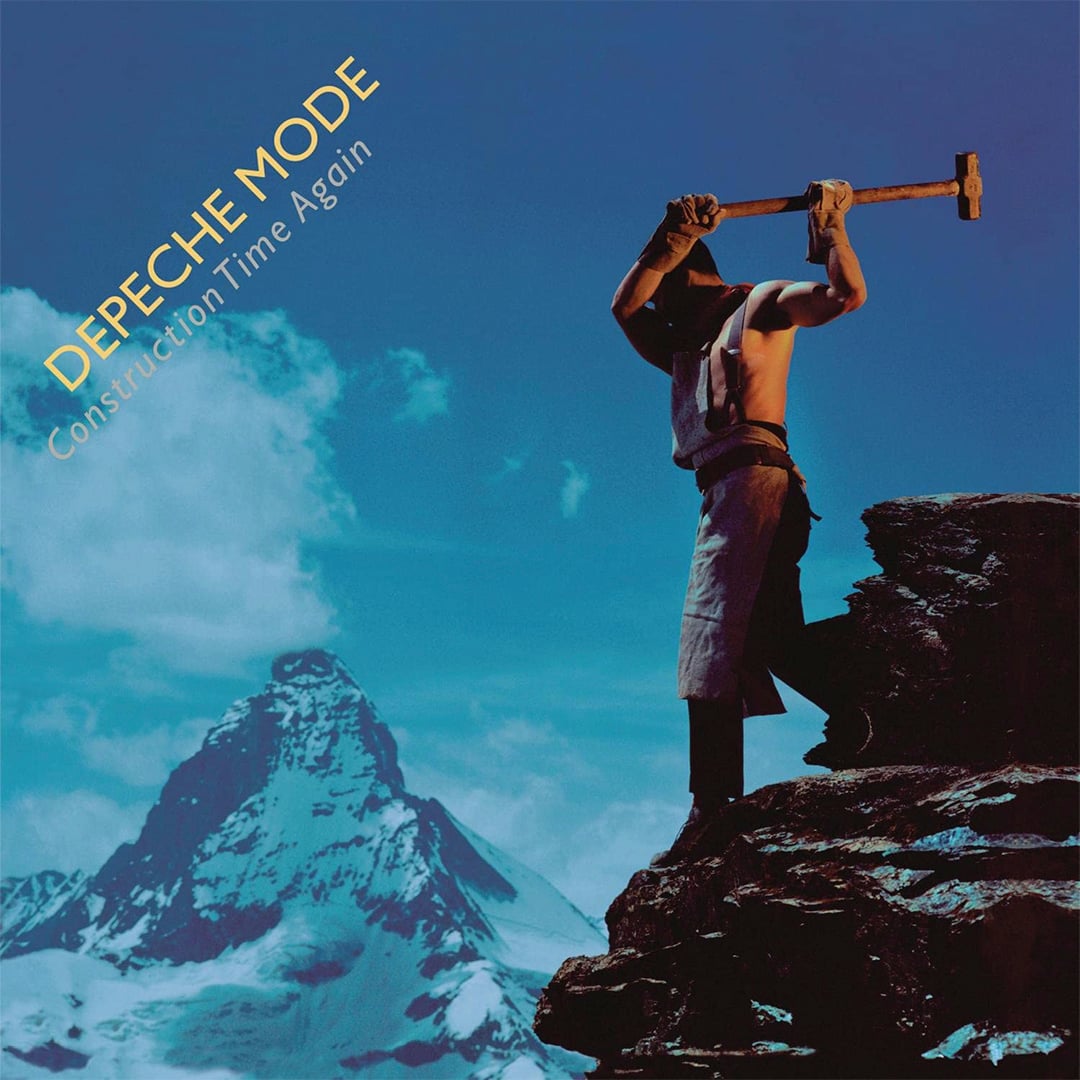
There’s a decisive sonic shift that marks a new era for Depeche Mode on 1983’s Construction Time Again. With the introduction of Alan Wilder’s classical background and the emerging sampler technology from the Synclavier and Emulator synthesizers, a tougher and more sophisticated arrangement was employed for their third LP. Partially recording in Berlin’s famed Hansa studio and soaking up the industrial racket hammered by labelmates Einstürzende Neubauten, Gore began casting his lyrical eye on the decade’s political failure and scored a befitting terrain of aggressive clangour.
Among fantastic cuts, including two from Wilder, ‘Pipeline’s terse and evocative minimalism serves as Construction Time Again’s thematic anchor. Gifting the album with its calloused title—“Get out the crane, construction time again”—’Pipeline’ weaves an arresting web of corrugated percussion and tread-plated rhythms, welded and affixed toward an industrial vignette that perfectly echoes Construction Time Again’s proletarian muscle artwork.
‘Lie to Me’
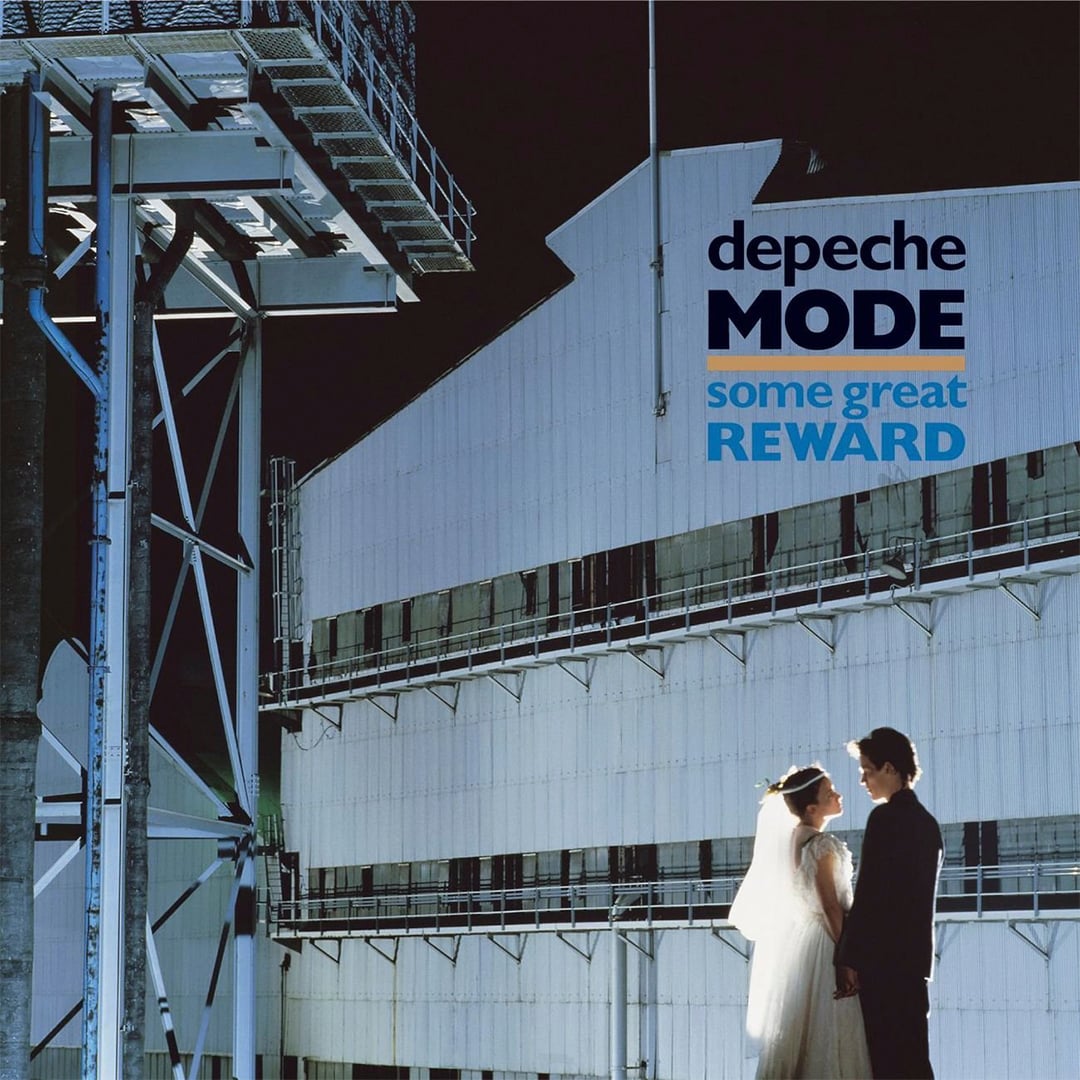
Gore’s lyrical gloom became ever more potent by 1984. Delving further into his knotty psyche, Gore plucked all manner of acerbic material for Some Great Reward, across teen suicidal ideation, S&M, and ever more excoriations of social malaise. Indeed, so personal were Gore’s pieces that he allegedly sang the tender piano ballad ‘Somebody’ completely naked, once again returning to Hansa.
The second track, after the crunchy and sordid ‘Something to Do’, ‘Lie to Me’ flexed Depeche Mode’s most slinkiest groove yet, a skulking bass strutting with weird yet infectious energy hovering over the paranoia that can creep into even the most loving relationship. The band was striking gold here, pointing toward their golden album run that awaited, and held such affection for ‘Lie to Me’s feverish digital funk they nearly resurrected the number for their Touring the Angel shows over 20 years later.
‘Fly on the Windscreen (Final)’
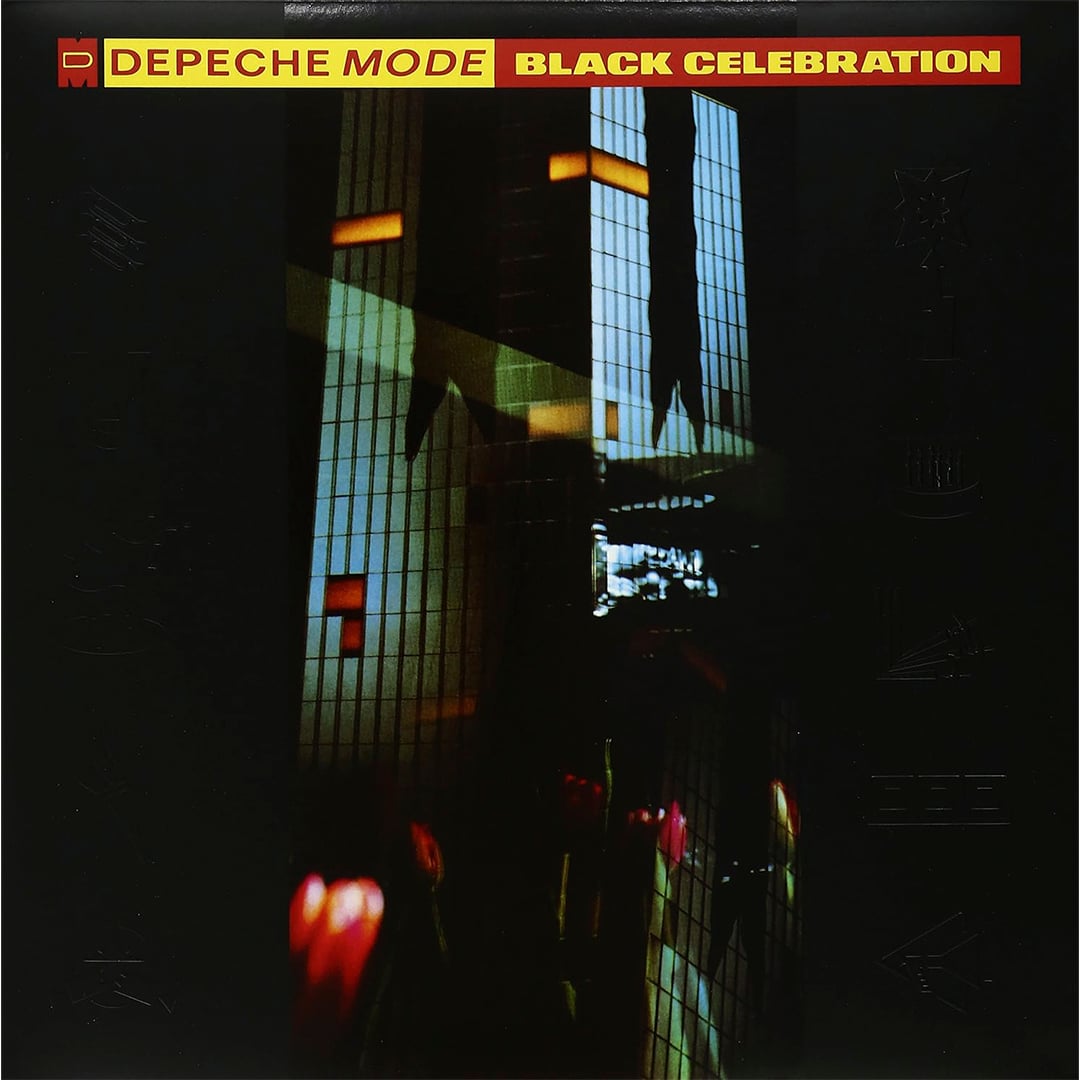
It was 1986’s Black Celebration that cemented Depeche Mode’s look and style. In came the leather Schott’s, acidic dark pop musings in earnest, and the beginning of their fruitful collaboration with art and music video director Anton Corbijn. For the next decade, the band could barely go wrong, dropping cracker after cracker of dramatic electronic pop that would outpace any of the former class of synthpop ‘81.
Having already been teased as the B-side for ‘It’s Called a Heart’ the previous year, ‘Fly on the Windscreen (Final)’ would prove too juicy to relegate as merely a Mode curio. Powered by slithering synths and foreboding vocal scree, Gore’s existential musing on love and death thrillingly illustrates the mortal shadow that hovers over our earthly romances. ‘Fly on the Windscreen (Final)’ is packed with crackling electric drama, spinning death’s amorphous presence into a captivating slice of sooty, smoggy tomb-pop.
‘Nothing’
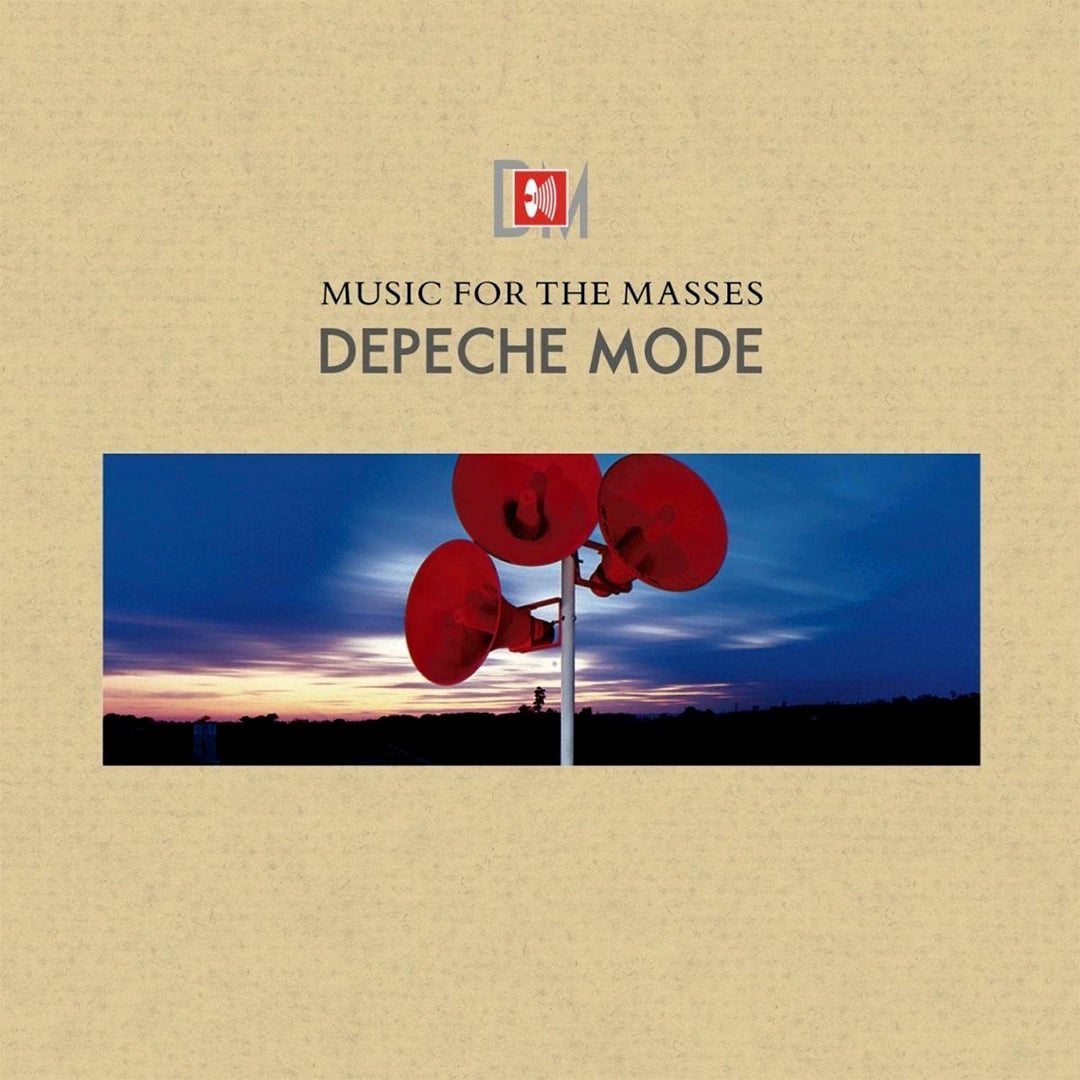
Whatever it was that kept America from embracing Depeche Mode, the states were now utterly impervious to 1987’s Music for the Masses. Having avoided their awkward infancy that had triggered critical lambast in the UK, Stateside Depeche Mode arrived fully realised, packaged with a bold, alternative sound and boasting those essential, cool promos begging to dominate MTV.
While a tough task to rifle through so many fantastic cuts, Music for the Masses’ penultimate ‘Nothing’ just about steals the show. A song about, well, nothing still manages to deliver a hefty and mammoth sequencer line that hammers with euphoric attack, a perfect whirlwind of a number that bristles with scarcely contained, swaggering cheer. Featuring singles as canonical as ‘Never Let Me Down Again’ and ‘Strangelove’, ‘Nothing’ confidently matches them without breaking a sweat.
‘Blue Dress’
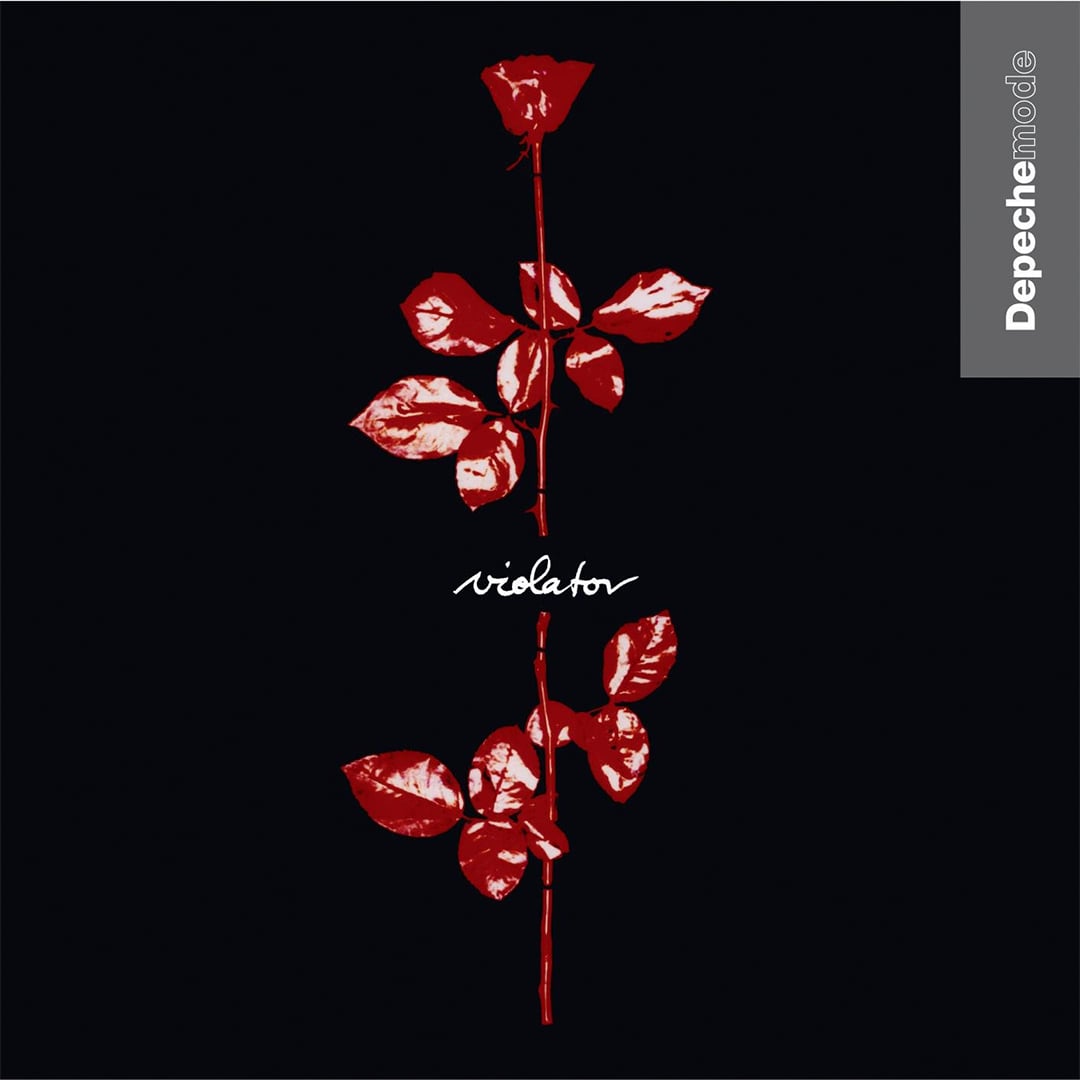
1990’s Violator is where everything just came together in effortless, perfect alchemy. Pushing the guitar to the fore alongside the synths, Depeche Mode added a love of country twang and bluesy stroll to a seventh LP that struck such an exquisite harmony between the organic and electronic that even the most committed naysayers became lost in its swirling, nocturnal shroud of alternative pop. With singles like ‘Personal Jesus’ and ‘Enjoy the Silence’, Depeche Mode briefly stood as the biggest band on the planet.
Amid an immaculate collation of numbers, ‘Blue Dress’ winks with dazzling allure. Hypnotic sequencers entrance with sensual magic, Gore’s guitar washes add an air of Lynchian surreality, and Gahan’s crooning appreciation of a partner’s sexual glow in a simple garment strikes a stunningly carnal affair; ‘Blue Dress’ charged with such eroticism that one blushes when experiencing its intimate universe.
‘Mercy In You’
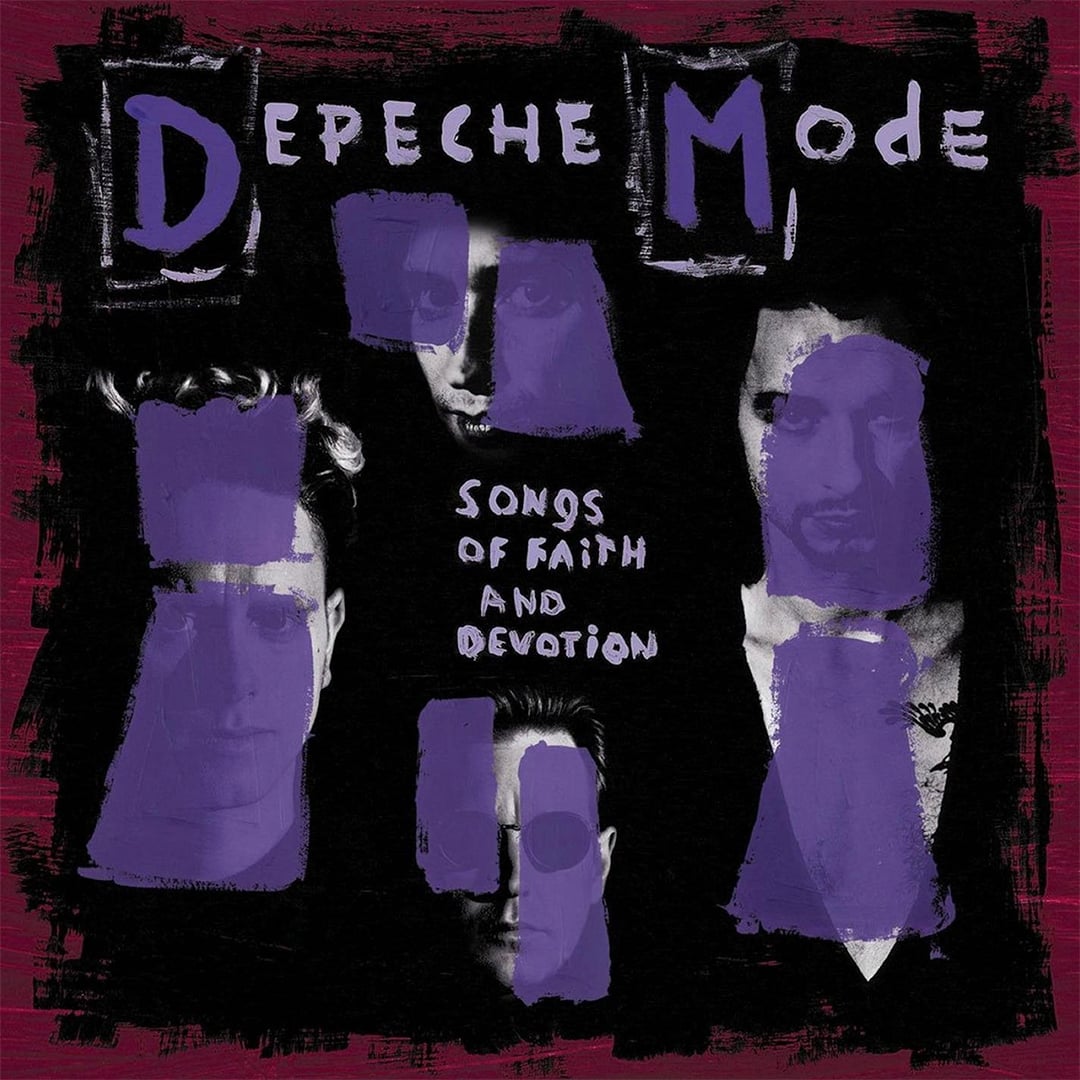
Not since Construction Time Again had Depeche Mode taken such a creative U-turn.
Soaking up the grunge and alternative rock that had exploded in America, 1993’s Songs of Faith and Devotion boldly shook off the synthpop perceptions and embraced cavernous blues, messianic gospel, and even a string section, opening the album with ‘I Feel You’s introductory guitar feedback. What’s more, they even actually jammed in the same room for the album sessions, a novelty for a band more used to programming than playing live together.
Grandiose is a hard trick to pull without lapsing into bloated pretensions, but every one of Songs of Faith and Devotion’s heroin-ravaged, Boschian bombast hits a bullseye of ecclesiastical brilliance. ‘Mercy In You’ captures the album’s tortured soul gloriously, an eerie brew of angelic choirs and cathedral rock illustrating Gore’s vampiric confessions of unholy romantic addictions, topped with one of the coolest wah distortion guitar licks in popular music.
‘Insight’
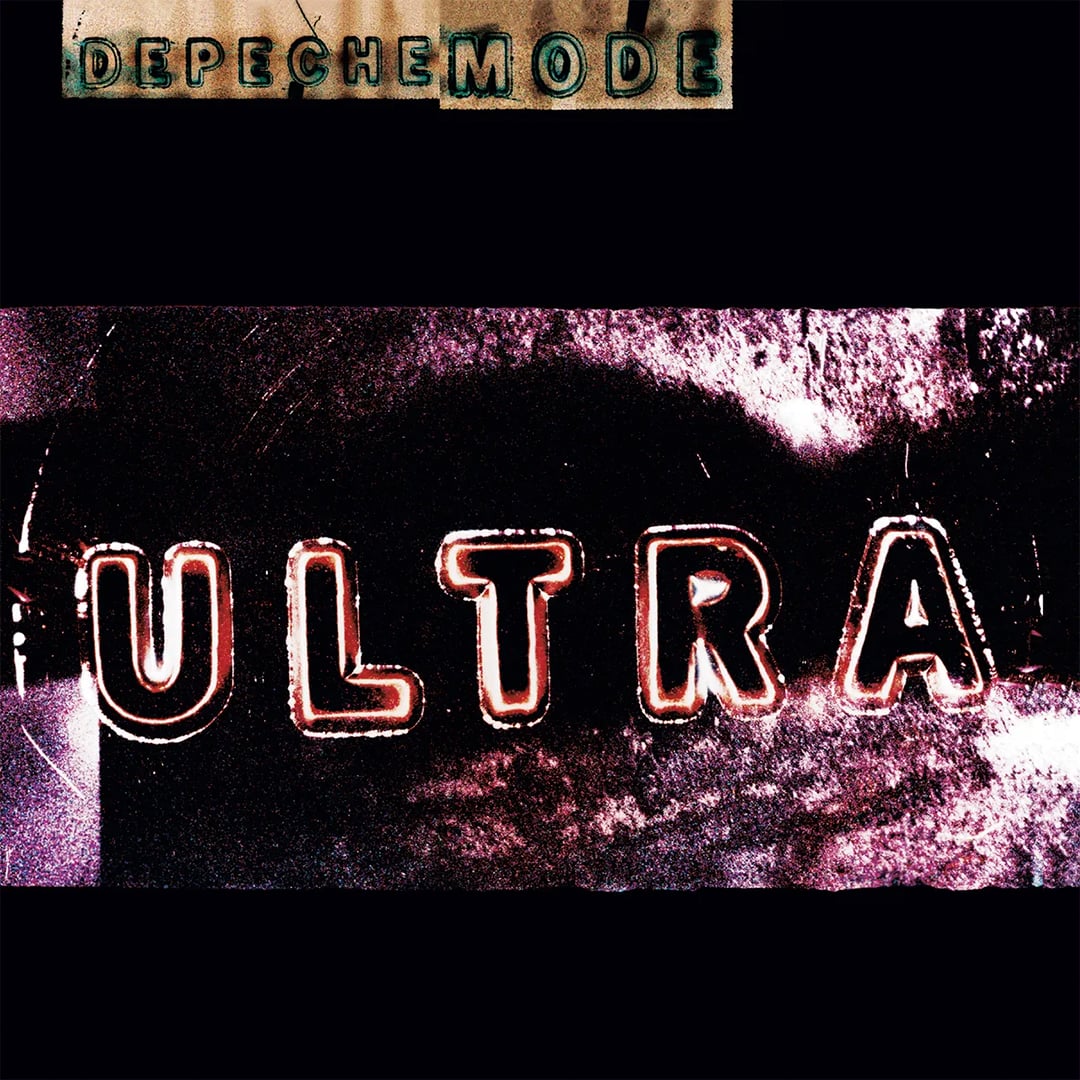
It was a miracle that Depeche Mode had even made it to album number nine. After the tumultuous Devotional Tour, Wilder had left, Fletcher suffered a breakdown, Gore was lost in the throes of alcoholism, and Gahan had succumbed to a gnawing heroin habit. Tentative efforts to record new material were blighted by Gahan’s overdoses, pushing the band to breaking point and pulling Gore toward cutting a solo record.
Yet, after a court-ordered rehab programme, Gahan returned to lend his vocals to 1997’s Ultra. The last of the classic album run, and their first record since A Broken Frame as an official trio, Ultra is packed with brittle and splintered energy, the hangover after Songs of Faith and Devotion’s decadent party. Ending on a heartfelt but sour note, ‘Insight’s ruminative sting ties the whole record together, a diary entry grappling with the recent dramas set to subterranean and exotic pools of trip-hop expanse.
‘The Sweetest Condition’
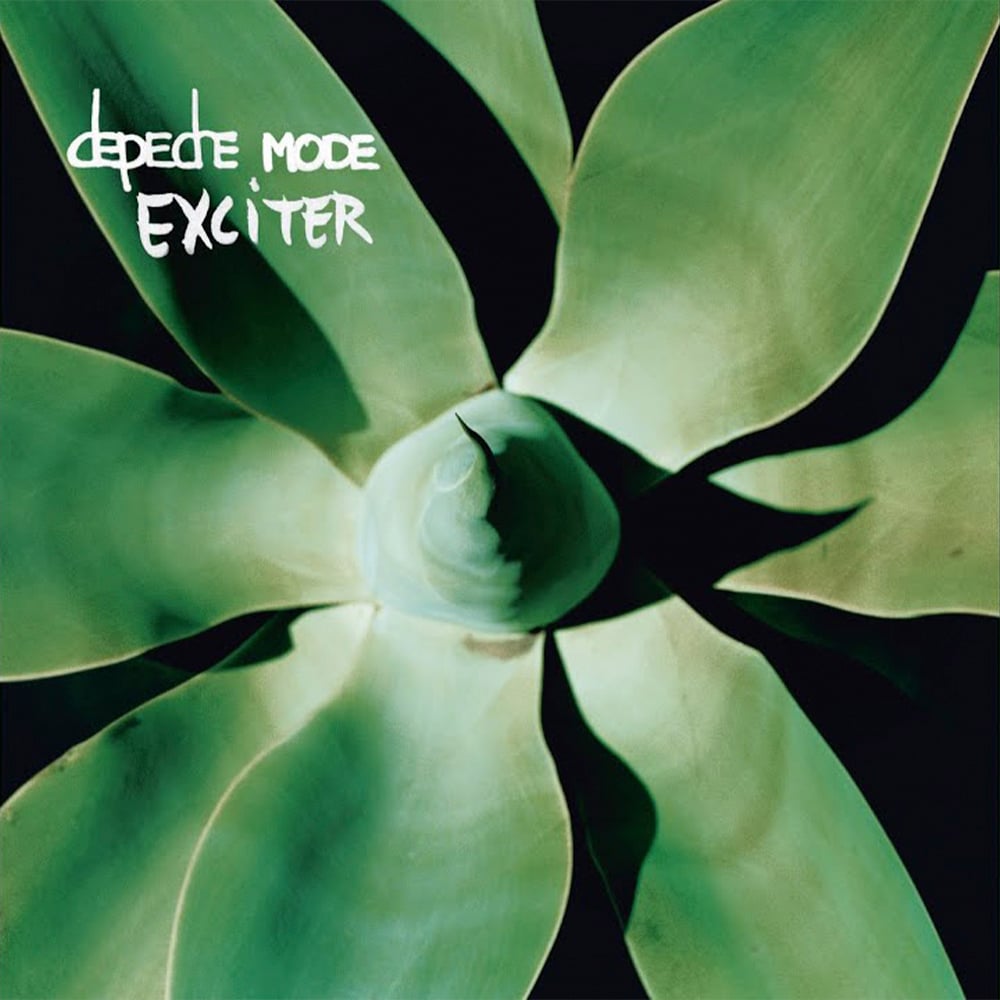
Trying a change of pace, Depeche Mode enlisted the production touch of LFO’s Mark Bell to conjure a different sonic beast than anything they’d put out before. Exploring a more digital and fragile character, 2001’s Exciter flexed at times like electronic folk, Gore’s nimble acoustic guitar rippling amid subtle, breathing atmospheres. While met with some critical indifference, many fans took to Exciter’s detailed and immersive soundscapes.
Flexing his distinct slide guitar once again, Gore cooks up the rustic ‘The Sweetest Condition’, another electric synthesis of authentic blues and popping electronics that bests any of Exciter‘s singles. While a patchy record, ‘The Sweetest Condition’ is one of its saving gems, lilting into your senses with all its disparate components gelling and bouncing off each other with captivating, chemical fizz.
‘Nothing’s Impossible’
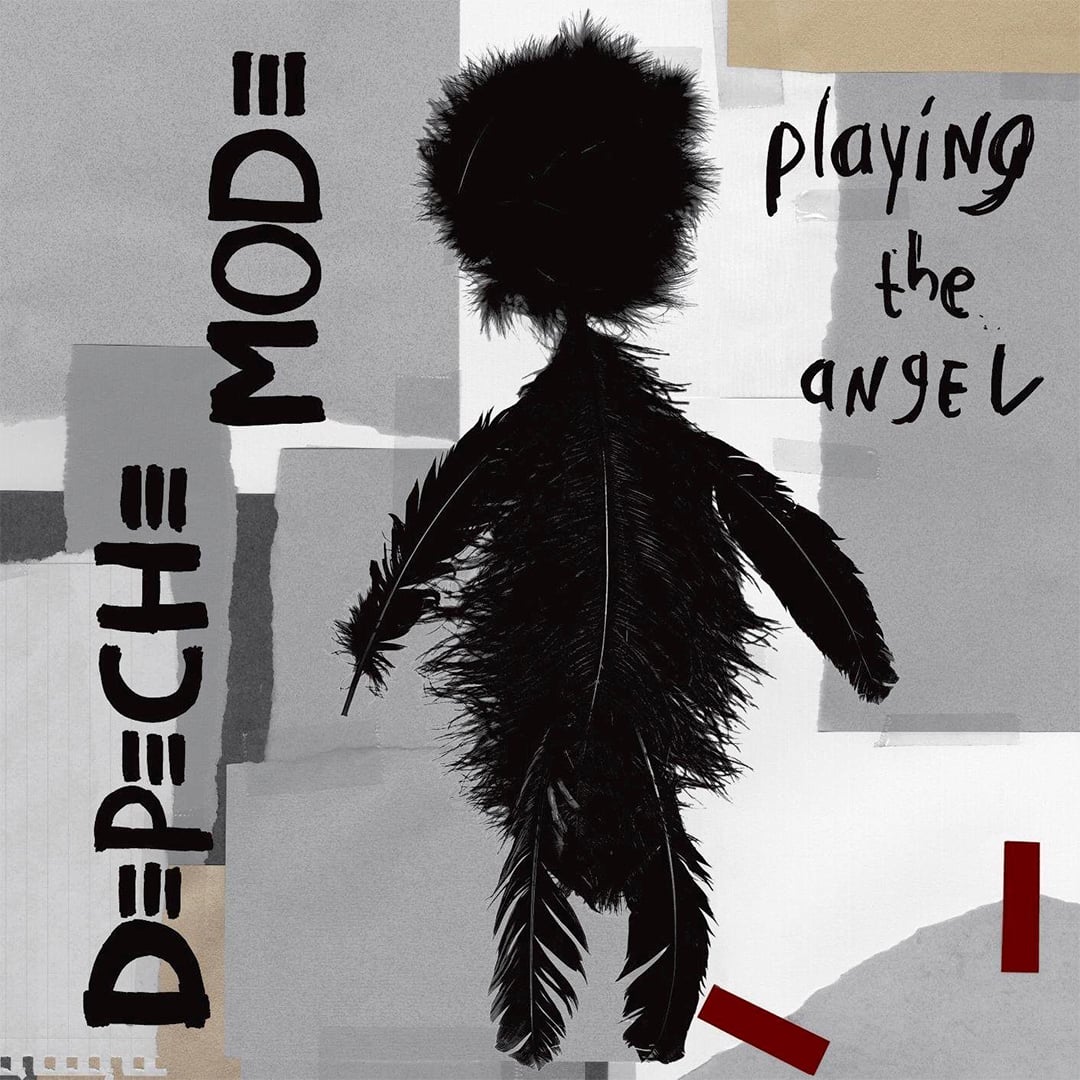
After their detour into subtle electronica, Depeche Mode jumped back into their trusty tradition of sonic punch, crunchy guitar, and utterly Goresque song titles such as ‘A Pain That I’m Used To’ and ‘The Darkest Star’. They were back. Not only were the band firing on all cylinders for 2005’s Playing the Angel, but Gahan had stepped up to contribute his own compositions, gifting their 11th LP three numbers, including the single ‘Suffer Well’.
Soaked in a nasty slick of pseudo-sludge metal, the noxious ‘Nothing’s Impossible’ seriously signalled a new songwriting element to the Depeche Mode circle. Grippingly downbeat, Gahan wrestles faint hope from the deepest depths of the gutter on Playing the Angel’s blackest cut, a pained and troubled stagger towards life’s occasional lifeboat, wrapped in prickly analogue noise and eerie, piecing keys.
‘In Chains’
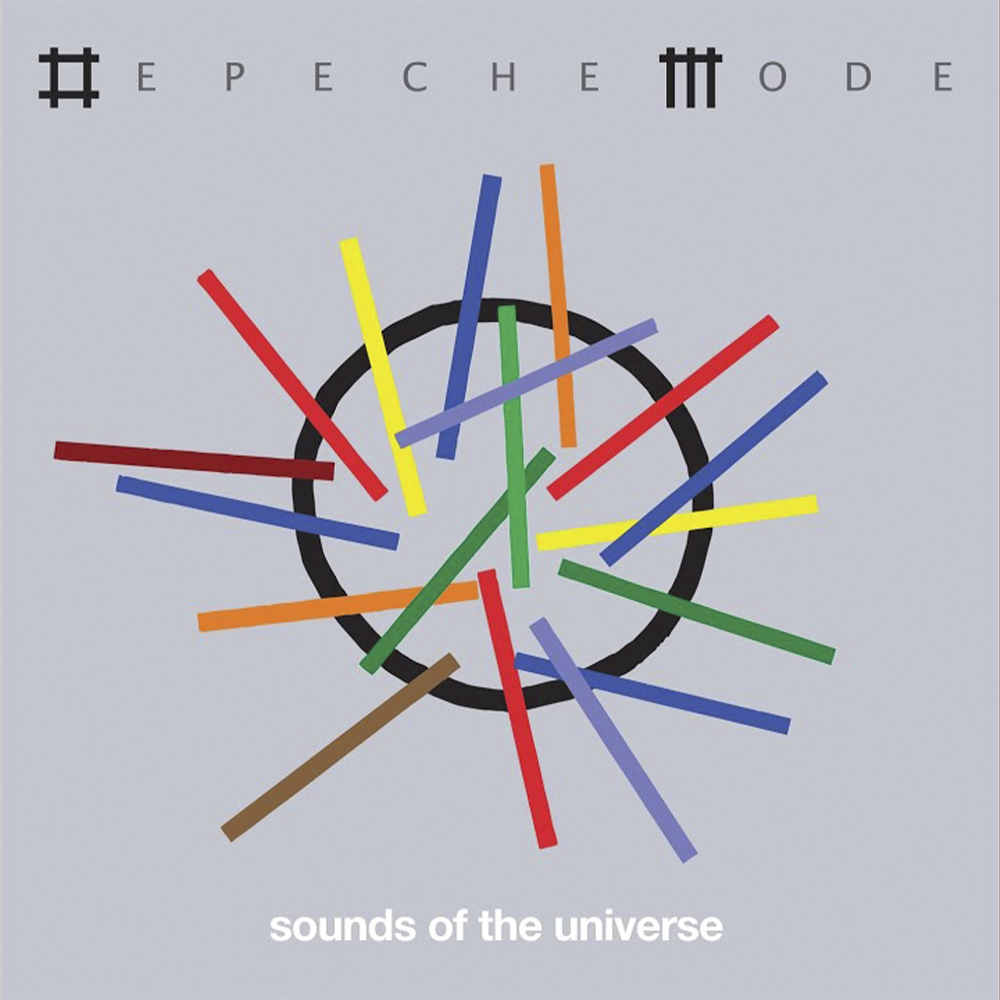
Having struck such a fertile creative spell on Playing the Angel, Depeche Mode recruited Ben Hillier once again for the producer’s chair to capture a band in the midst of an emerging purple patch. eBay proved essential to 2009’s Sounds of the Universe, Gore hooked on old analogue hardware and vintage synths, and eagerly putting his new toys to use to harness flavoursome and resonant electronic sounds that hadn’t been grappled with for years.
Such joyous sculptures of noise open Sounds of the Universe with the first track ‘In Chains’ tangled din of switched-on gear and tuning modular boxes. Introducing the record’s belligerent fight, ‘In Chains’ hacks and tears through the veil of aural squall to uncover another fine Gore and Gahan harmony, charged with their dependable bluesy and soulful sensibilities, and scoring Depeche Mode’s perennial thematic obsessions of love’s shackled, masochism.
‘Alone’
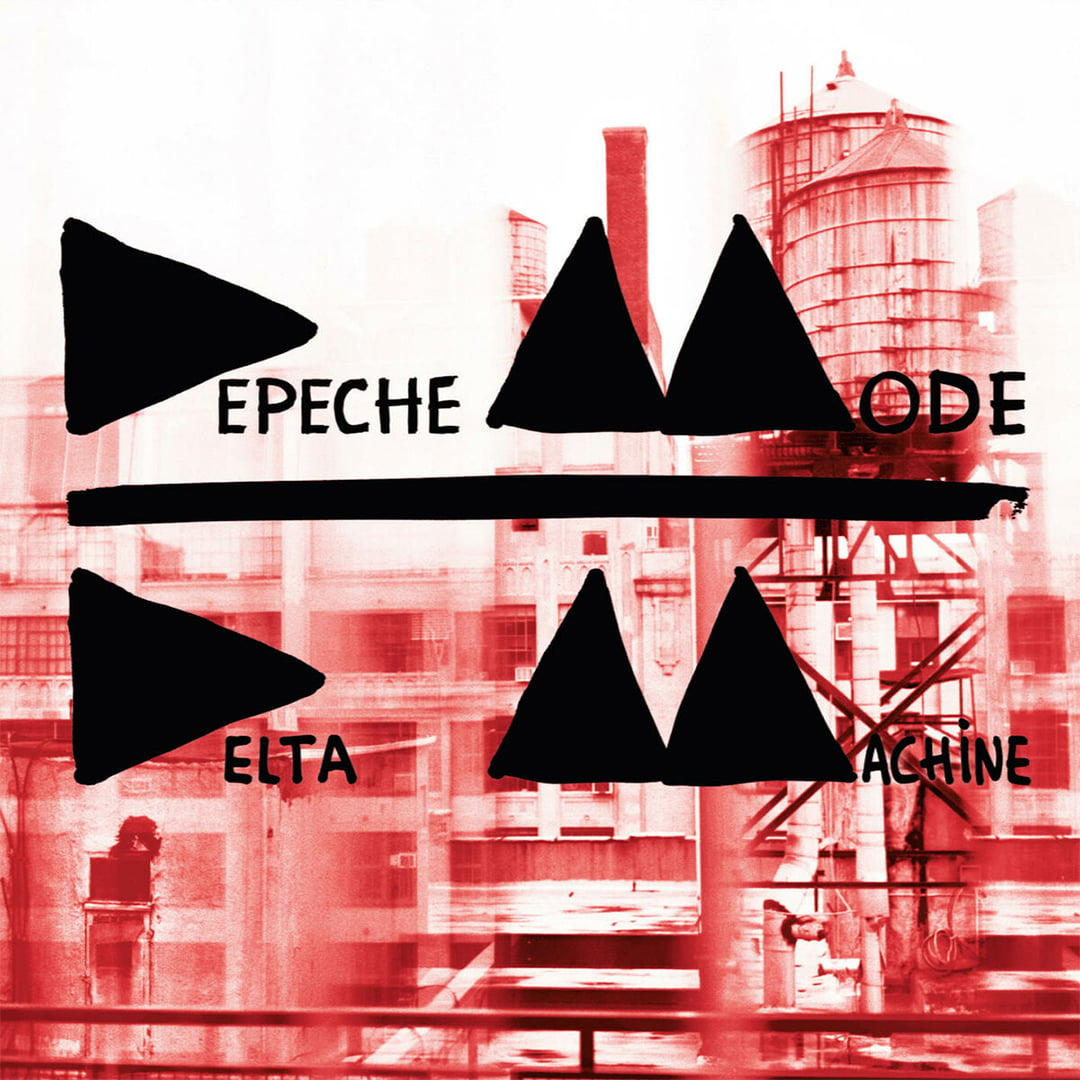
Dwelling on a theme, 2013’s Delta Machine sought to further glean the sonic intersection between the blues and the electronic with such steadfast fervour unseen since Songs of Faith and Devotion.
Again, corralling Hillier to the sessions, Depeche Mode rounded off an unofficial trilogy of sorts, showcasing Gore’s growing stature within the band as a songwriter, as well as harnessing his love of gospel in its intriguing air of mechanised Americana, indulged with such authenticity that ZZ Top’s Billy Gibbons even lent a remix to ‘Soothe My Soul’.
Somewhere, somehow, from the ether was plucked ‘Alone’. One of their best album numbers in years, ‘Alone’ twirls with alien electricity, a phantasmagorical dance of ticking sequencers and haunted synth washes that splash and mottle together with spectral majesty. Even after over thirty years, Depeche Mode could still spin a gem that makes your jaw drop.
‘No More (This is the Last Time)’
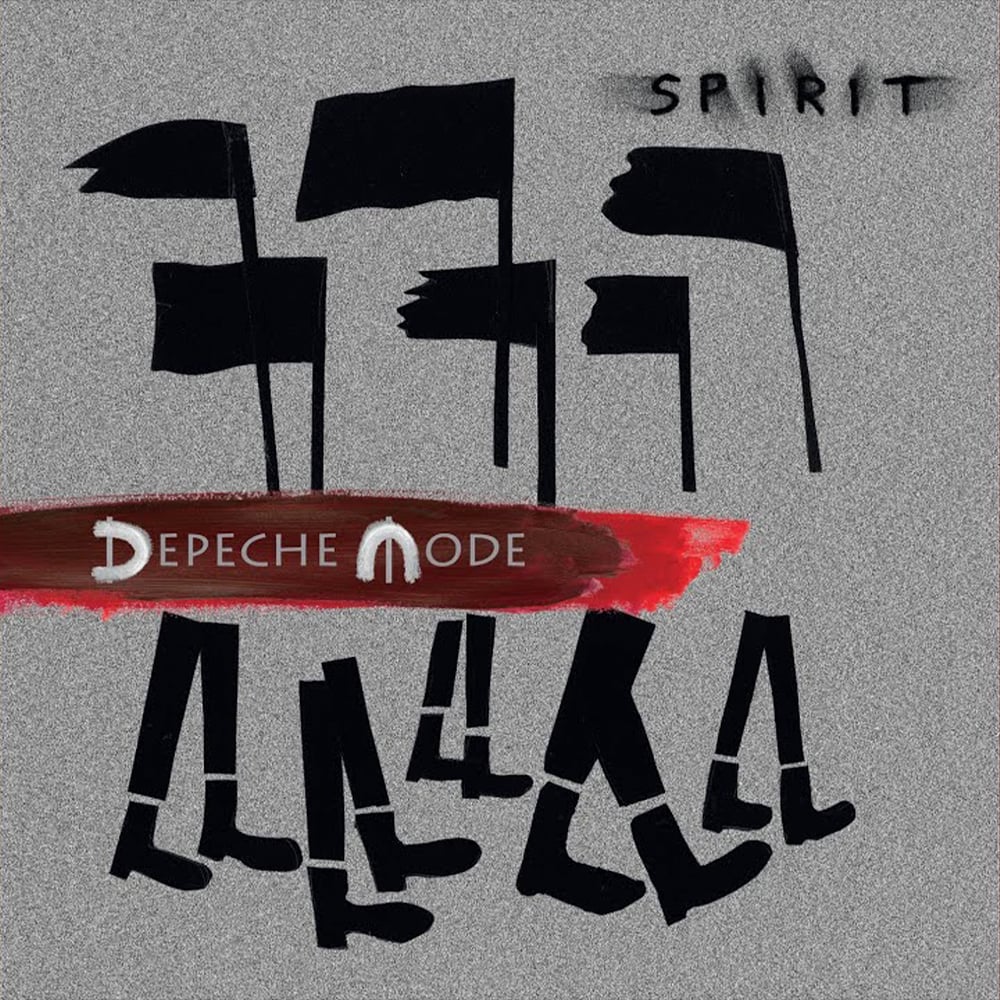
Political rot had pulled Depeche Mode to the studio. After having been namechecked by alt-right slime Richard Spencer as one of his favourite bands, coupled with the emboldened conservatism that had exploited the economic failure stinging the Western world, Depeche Mode sharpened the same lyrical barbs first heard on ‘Everything Counts’, making their feelings more than clear by donning Karl Marx beards in the lead single ‘Where’s the Revolution’s video. Tension was felt in the studio, too. Unresolved grievances between the three nearly spelt a second demise for the band.
Luckily, they worked through their differences and delivered 2017’s excellent Spirit. Without any of the flabby filler cuts that dogged later albums, Gahan’s bristling ‘No More (This is the Last Time)’ seizes with its hooky intrigue, a mordant, late-night cruise detailing the abandon of old demons, past haunts, and stale temptations.
‘Never Let Me Go’
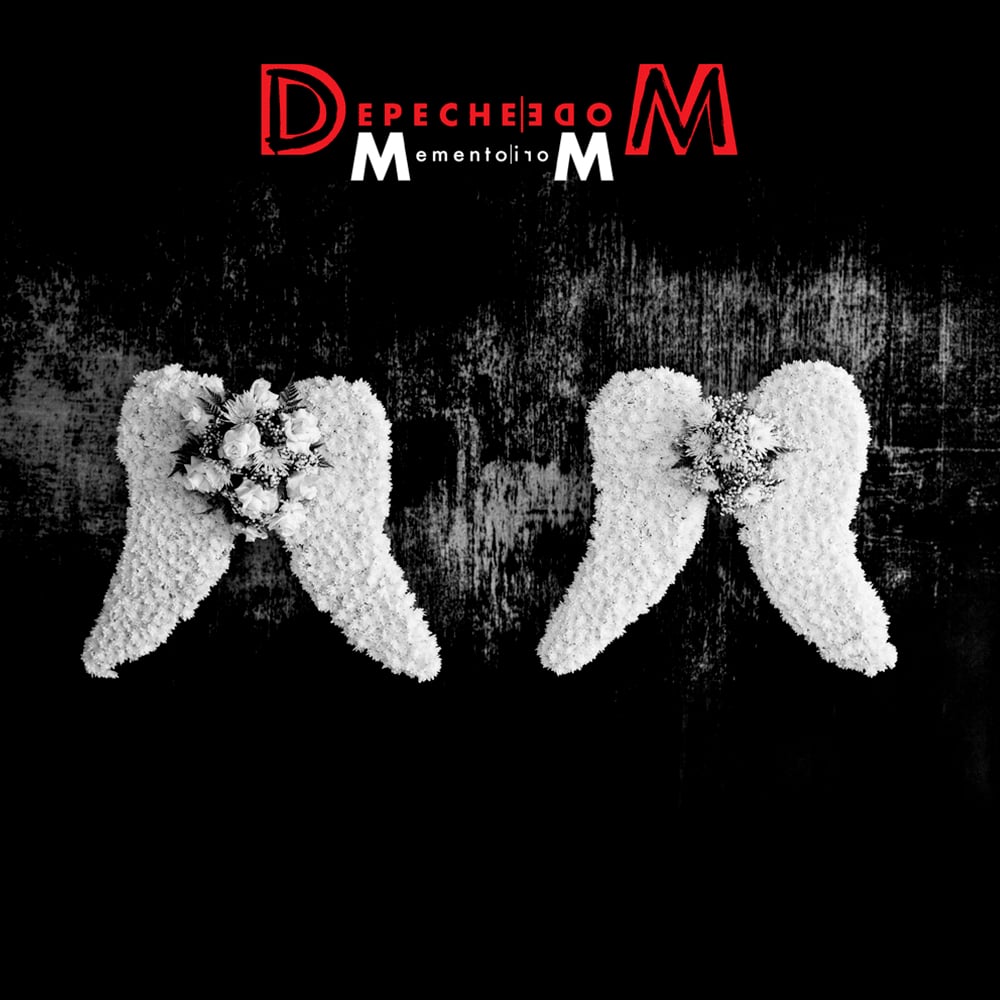
For the first time since Depeche Mode’s founding back in 1980, Fletch was no longer with the band, sadly dying of an aortic dissection in 2022. In a major brush with mortality, the duo poured their grief and cosmic musings into the following year’s Memento Mori, another record that radiated strange ghostly vapours from its rueful traverse across the fraught human condition.
In the digital streaming age, where tracks could be dropped without fanfare, Memento Mori technically boasts a whopping seven singles. From the numbers that’re left, the spiky ‘Never Let Me Go’ muscles to the fore with classic Depeche fervour, Trent Reznor guitars stab fluttering electronics in a febrile sonic expanse, bottling that rousing drama Gore and Gahan have been cultivating for nearly 45 years with the same old ease.
