


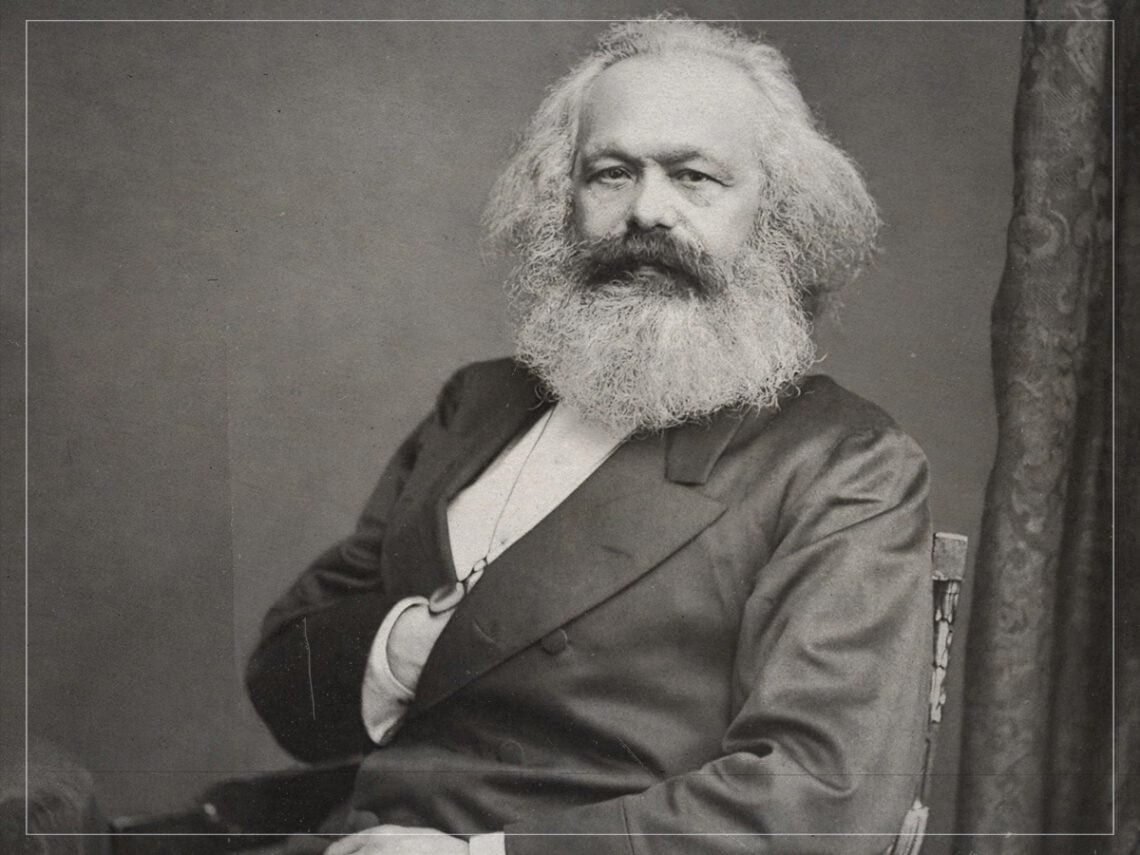
The sinister plot to kill Karl Marx

Amid the storied life and career of German philosopher and economic theorist Karl Marx, his close call with a murder plot is often little-known even by fervent followers of communism.
By the end of the 1840s, Marx was zigzagging around a Europe engulfed in democratic and liberal revolutions, enflamed by the antiquated monarchical systems stubbornly entrenched in power for centuries. Making a modest living as a journalist and essayist, it was his works on class relations and socialist emancipation that would trigger the ire of the state censors across the countries he’d take refuge and organise in, persecuted by his home nation’s Prussian authorities, and regularly upping sticks from Paris, Brussels, and Cologne to avoid legal hassle and even prosecution.
It was in London that he found a home for the rest of his life. Moving to the UK capital in June 1849, Marx and his collaborator and close friend Friedrich Engels already had their revolutionary programme, The Communist Manifesto, behind them, a call to arms for the international proletariat working class to break free from their capitalist shackles and overthrow the bourgeoisie who hoard the means of production as their own extractive private property. Such class and political economic analysis would be immortalised in 1867’s Das Kapital or Capital, but as Marx first settled in London, the leading voice of his theories on historical materialism and class struggles was the Communist League international party.
Founded in 1847 as a merger of labour leader Karl Schapper’s League of the Just and Marx and Engels’ Communist Correspondence Committee, the Communist League stood as, by and large, the first Marxist party and comprised many members who found even Marx too conservative in his revolutionary strategy and approach. One such hothead was August Willich.
Born into Prussian nobility, Willich would resign from his Field Artillery Regiment officer duties and reject his titles, convinced that republicanism and socialism were the ways forward. Directly assisting in the 1848 revolutions, he led a Free Corps uprising in the Grand Duchy of Baden with Engels as his aide-de-camp, escaping to England after the uprising’s quashing by the Prussian Army and learning the trade of a carpenter while active in the Communist League’s Left faction along with Schapper.
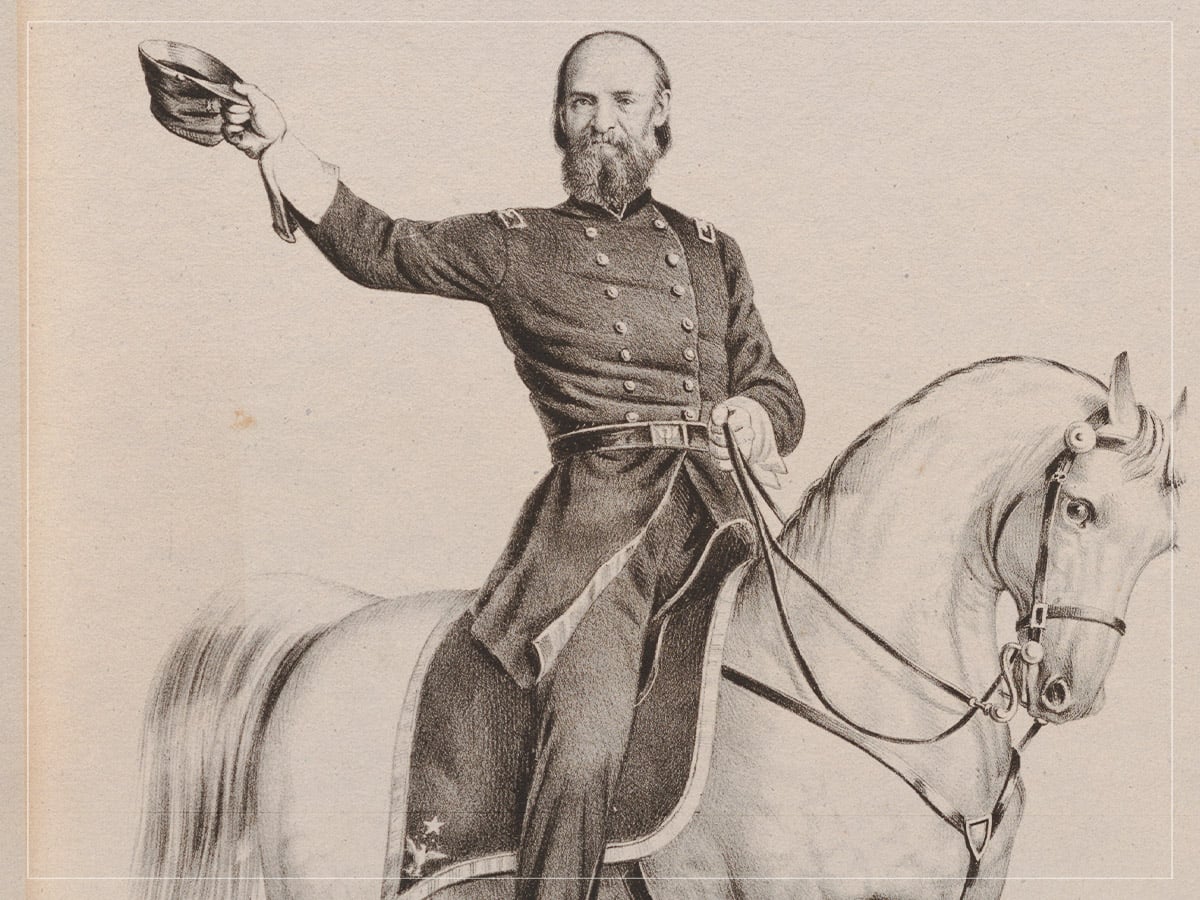
Reassembling upon Willich and Engels’ return to London, the Communist League’s future was already in doubt. A fracture had emerged, Willich and Schapper favouring further revolutionary activity while Marx and Engels cautioned against ‘adventurism’, instead pushing for a steadier build of an international workers’ movement.
According to socialist activist and politician Wilhelm Liebknecht, father of the future Spartacus League and Communist Party of Germany co-founder Karl Liebknecht, Willich and French revolutionary Emmanuel Barthélemy deemed Marx’s tempered approach to the communist cause so outrageously conservative that the pair plotted to murder him.
So incensed, Willich publicly insulted Marx and challenged him to a duel. Refusing, the hothead found himself contested by the Neue Rheinische Zeitung journal manager Konrad Schramm in Marx’s stead. Heading to Belgium due to the UK’s outlawing of duelling, Willich’s army background prevailed, winning the pistol fight, and Schramm ultimately surviving with a wound to the head. After the membership of the Communist League was uncovered, allegedly by the Prussian Feldgendarmerie master spy Wilhelm Stieber, the details were sent to France and several German states, leading to the Cologne Communist Trial in 1852, whereby seven of the eleven defendants were handed six years in prison.
Marx would remain in London as a stateless academic, seeing Capital’s first volume released in his lifetime as well as overseeing numerous essays across dialectics and war reports. Dying in 1883, he was laid to rest at a modest gathering in Highgate Cemetery, and later moved several yards along with his family in 1954 to be honoured with Laurence Bradshaw’s arresting bust, funded by the Communist Party of Great Britain. Willich headed to the USA in early 1861 to join the Union’s efforts in the Civil War, enlisting in the 9th Ohio Infantry and being promoted to major that August, seeing action at the Battle of Rich Mountain, then commissioned a colonel of the all-German 32nd Indiana Infantry regiment.
Returning to Germany in 1870, Willich’s communist history meant his refusal by the Prussian Army to assist in the Franco-Prussian War. Returning to the USA, he died in 1878 in Ohio’s St Marys, and was buried in Elmgrove Cemetery.
Despite the turmoil and fantastic clashes between the two radicals, a duelling threat didn’t deter Marx from bestowing praise on the military officer turned socialist revolutionary, noting in the later addenda to Revelations Concerning the Communist Trial in Cologne: “In the Civil War in North America, Willich showed that he is more than a visionary”.
