


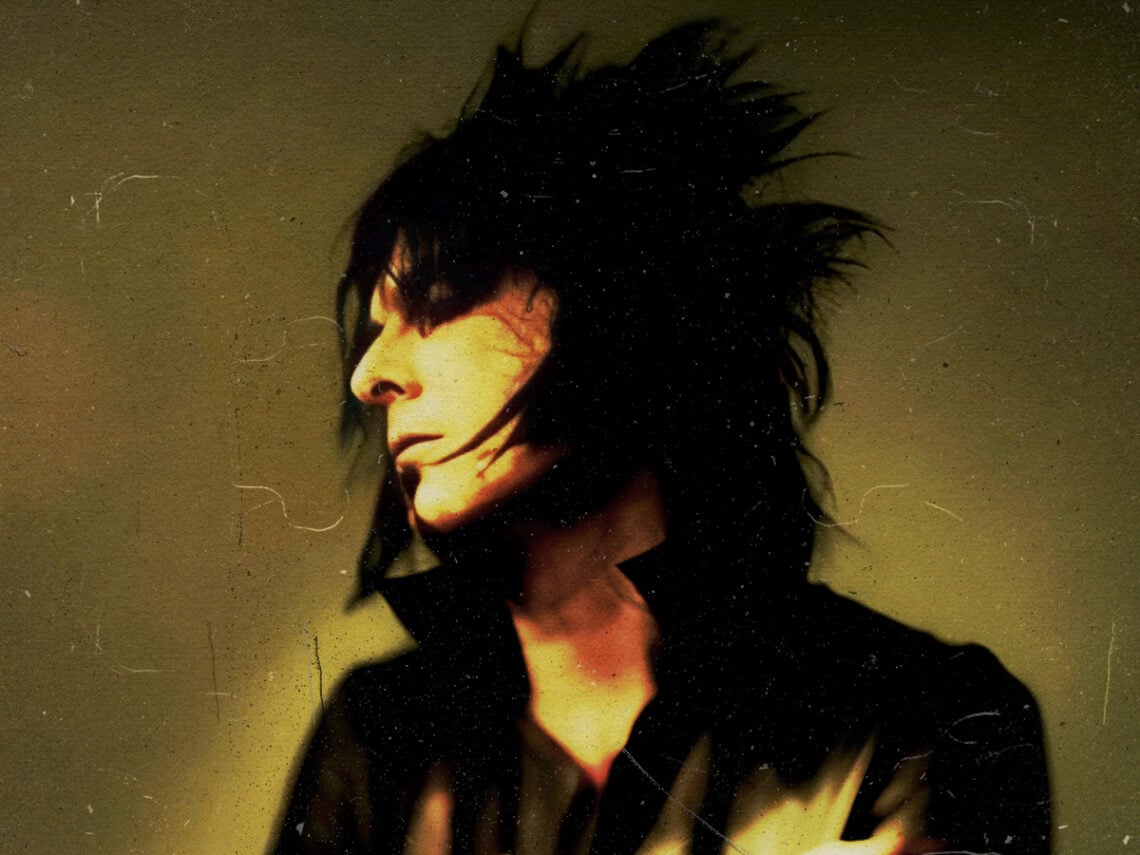
“The full Pulp Fiction”: The story of Mötley Crüe’s gruesome song creation

Hollywood hard rock hair metallers Mötley Crüe‘s story across their 1980s heyday is one of the depths of hedonism and debauchery unseen since even the cocaine-blitzed free-for-all of the 1970s.
With alcohol and heroin par for the course across their initial four LPs, no one would have believed that their most critically acclaimed and commercially successful album would be dropped during a period of rehabilitative sobriety, least of all the ‘Terror Twins’ party-really-fucking-hard duo bassist and primary songwriter Nikki Sixx and drummer Tommy Lee.
And yet, 1989’s Dr Feelgood showed no signs of lacking in a good time, proffering another cock rock monster lyrically concerned with sexual excess and ‘we like to rock’ lighters in the air stomp with gleeful dollops of obnoxious arrogance. It proved a winner, shooting to the top of the Billboard 200 and ruling the MTV airwaves, oblivious to Seattle’s grunge-dam swelling to bursting point with spandex fatigue.
It was during the recording of Shout at the Devil in 1983 that smack sank its teeth into Sixx. What began as a dependency on opioids for a dislocated shoulder soon spiralled into something darker—first smoking brown tar heroin, then moving on to the hard stuff when a member of Ratt introduced him to the needle. Once he started shooting up, heroin became a way of life. By the time Mötley Crüe were on the road with their like-minded drug friend Ozzy Osbourne, Sixx was speedballing smack and coke just to keep from slipping into the cursed morphine nod.
Sixx suffered his first overdose in 1986 while on tour with Cheap Trick. Playing a show in London, a dealer helped him inject before blacking out and coming around while being dragged to a nearby rubbish tip, intending to leave it to fate after having fatigued of trying to resuscitate him—his ingenious idea of tenderising him with a baseball bat to hurt him into consciousness not cutting it. Waking up with welts and bruises amid the trash wasn’t enough of a wake-up call, later jumping from a second-story window of the rehab unit demanded by the band following a management intervention.
By late 1987, his habit had become all too consuming. In December, following a coke-fuelled evening with members of Guns N’ Roses, Megadeth, and the ever-reliable Ratt, Sixx returned to Los Angeles’ Franklin Plaza Hotel having scored and had the dealer shoot up for him, too plastered to achieve it himself. He overdosed again, clinically dead for two minutes and allegedly required “the full Pulp Fiction”, an urgent stab of adrenalin to force him back to the mortal realm.
“It felt as if something very gentle was grabbing my head and pulling me upward,” Sixx revealed in the band’s autobiography The Dirt. “Above me, everything was bright white. I looked down and realised that I had left my body. Nikki Sixx—or the filthy, tattooed container that had once held him—was lying covered face-to-toe with a sheet on a gurney being pushed by medics into an ambulance”.
Entering rehab for good in 1988, the clean life inspired one of Mötley Crüe’s biggest hits. Released as the second single to Dr Feelgood, ‘Kickstart My Heart’ confronts his dice with death head-on, turning the grim saga of a heroin overdose into a strutting glam stomper that proved to be another much-loved hit.
“That was a song I had written very quickly and had brought into rehearsal,” Sixx told Rolling Stone. “I thought it was a throwaway, something that would belong on Too Fast For Love. It just really took on a life of its own and fit on the album a lot better than it should”.
