


Rare Earth: The story of Motown’s “too white” funk-rock band

Carved out by a litany of iconic characters, from Diana Ross to Stevie Wonder, the Motown sound is the sound of Detroit city soul, but if you delve into the musical archives of Hitsville USA, you will soon find that Motown’s distinctive sound was far more diverse than originally thought.
“Motown was about music for all people,” label boss Berry Gordy once declared, and that was the sonic manifesto that drove Motown from its humble Tamla origins in the 1950s to its colossal funk and soul empire the following decade. In the midst of the cultural, political, and racial divisions rife throughout American society back in the 1960s, Gordy was keen not to alienate any potential markets with politically-charged material or sticking rigidly to one avenue of musical expression.
When the label was exerting its control over the pop charts of the time, its main competition came in the emerging landscape of counterculture rock and roll. So, although soul and R&B was always the bread and butter of the Detroit label, the business-minded Gordy was keen to experiment with the abrasive world of rock, too. In fact, some of Motown’s earliest (and most bizarre) releases were in the rock and roll realm, with Nick and the Jaguars’ surf-rock instrumental ‘Ich-I-Bon #1’ becoming an unsurprising flop for Tamla in 1959.
As the hippie age emerged, though, Gordy’s label was in need of a much more sustained effort into the rock world, and that came in the form of Rare Earth. Hailing from the capital of Motown’s empire, Detroit, Rare Earth were born at the beginning of the 1960s, under the cruise ship-esque original name The Sunliners, before rechristening themselves in 1968, a year prior to signing a deal with Berry Gordy.
Originally, the plan was for Rare Earth to head up an entirely new wing of Motown’s roster, focused predominantly on white rock acts – in a presumable effort to capitalise on the largely caucasian counterculture age – on a brand new imprint. Ultimately, though, the Detroit band became the only substantial outfit to be involved in that plan, and the label’s newly-founded rock imprint ended up being named after them. All of a sudden, Rare Earth had gone from being virtual unknowns to essentially having their own label with the weight of Motown behind it.
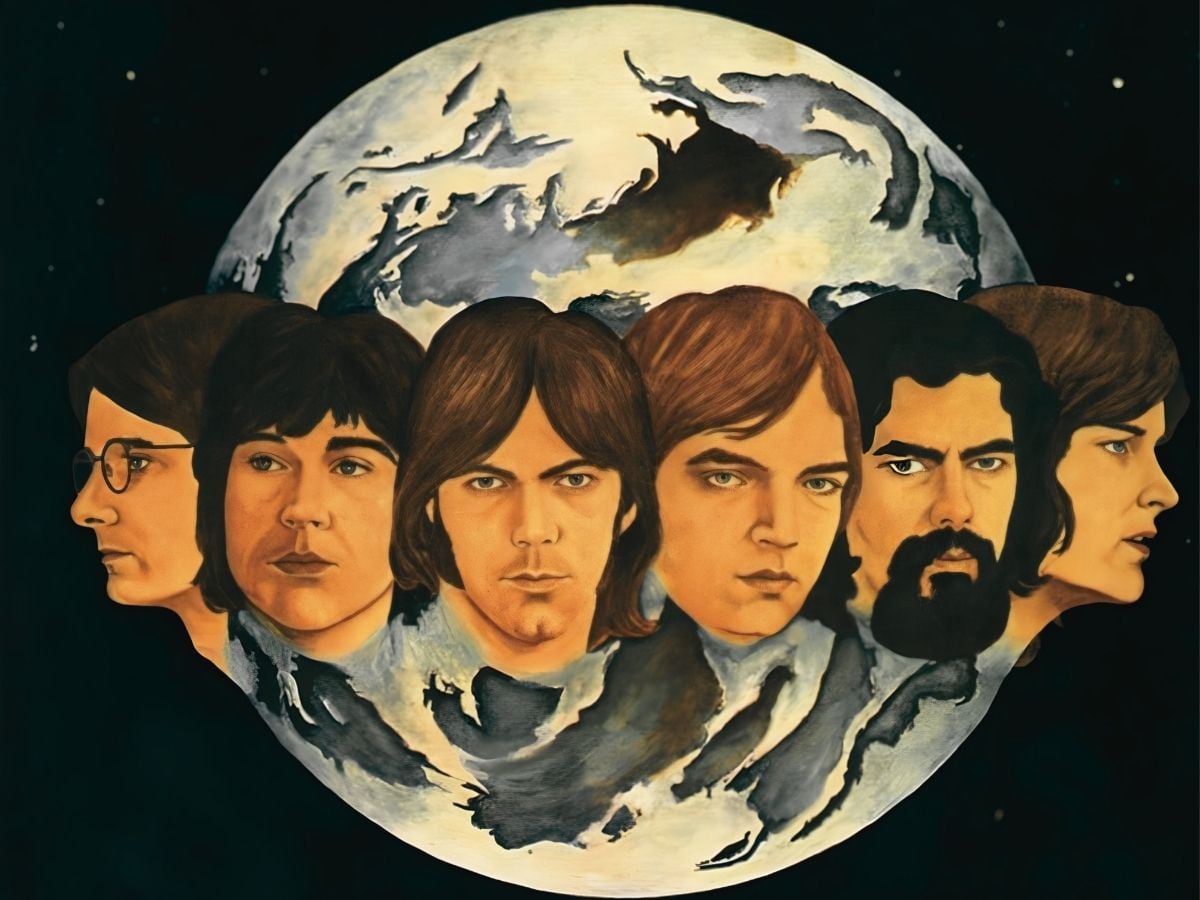
Rare Earth weren’t the first white artists to sign with Motown, that accolade is owed to Debbie Dean who signed up in 1960, without much in the way of success, but the label was still overwhelming Black when they joined the roster. “People were astounded that a white group could play black music, but that’s where we learned,” Gil Bridges, the only constant member of Rare Earth, once told Classic Rock.
“That’s what we loved, listened to and played. Later on we had to deal with that kind of stuff – ‘You guys sound too white on this record’ – but we never even thought of that back then,” Bridges added. “We just loved the music.”
In turn, Rare Earth witnessed a string of commendable hits during the late 1960s and early 1970s, with their distinctive blend of countercultural psychedelic rock and the funk and soul roots of the Motown sound. Perhaps the greatest example of that genre-defying power was the band’s 1970 version of The Temptations’ ‘Get Ready’, peaking at number four in the singles chart and arguably eclipsing the original version.
Nevertheless, those early successes were not a sign of things to come for the band. Within a few years, the hits began to dry up, and the effects of tireless touring, recording, and attempting to appease Berry Gordy began to weaken the foundations of the group. Rod Richards and Kenny James left the band in 197,1 and bassist John Parrish soon followed when Motown upped sticks and relocated to Los Angeles, thus dismantling the soul of the band and putting an end to their string of hits.
It is fair to say that Motown’s determination to enter the rock and roll world hadn’t exactly gone to plan; despite a few hits, Rare Earth never achieved the same notoriety as the likes of Marvin Gaye, Diana Ross, Smokey Robinson, or any one of Motown’s key talents. However, the experiment was not entirely in vain; Rare Earth’s distinctive funk-rock sound amassed a cult following in its own right, and even today some of their recordings still stand out as gems within Motown’s early 1970s output, despite being written off as “too white” when they first signed.
