


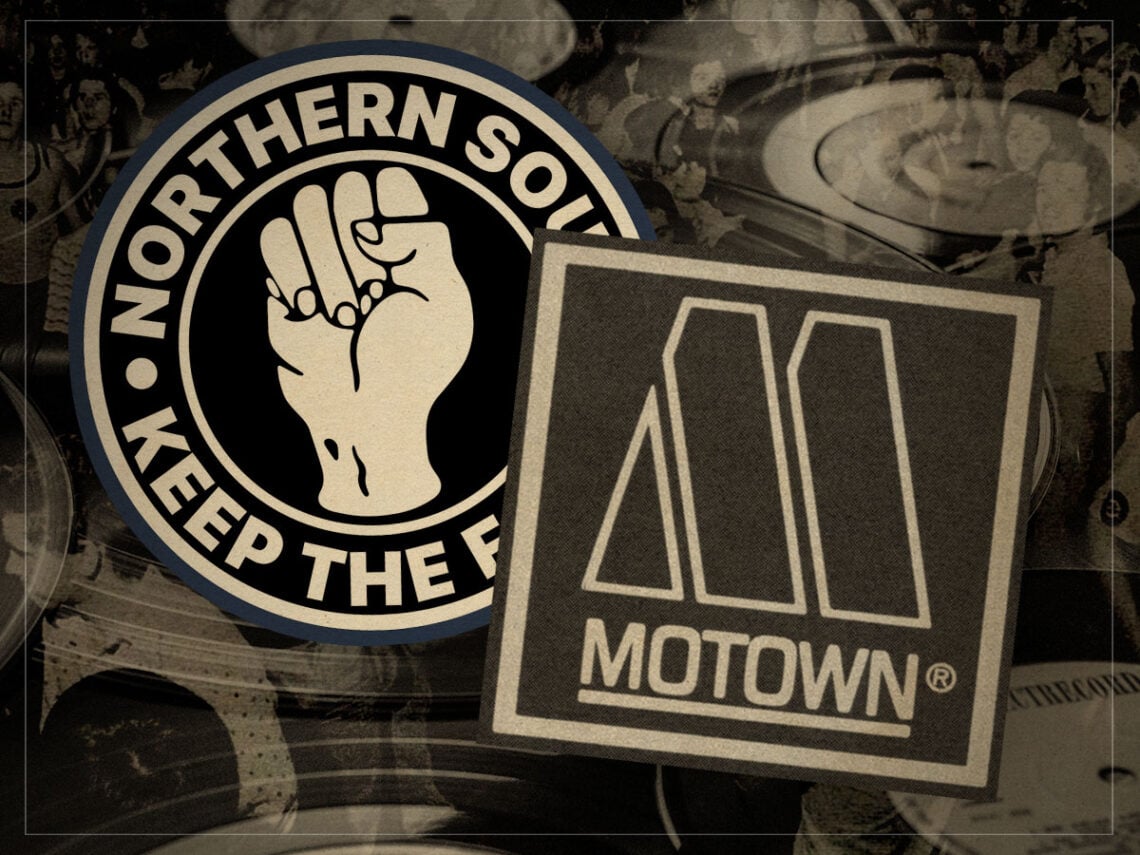
‘Suspicion’: The unissued Motown song that became a northern soul classic

A music mogul with an intimate knowledge of the singles charts, Berry Gordy always aimed to embody Motown Records’ ‘Hitsville’ moniker, even if that meant leaving countless potential hits gathering dust in the corner, never to see the light of day.
In the years that followed, though, it was these non-hits and obscurities that made Motown a cornerstone of the northern soul scene.
Looking back at the countless singles that were knocked back by Motown’s Quality Control department during those glory years, it is a wonder that Gordy’s label managed to release as many records as they did. Seemingly, it didn’t matter whether you were a new signing or an established Motown hero, like Marvin Gaye – whose defining single ‘I Heard It Through The Grapevine’ took two years to be released – you were still subject to the same, often rather harsh, quality control.
While those knock-backs ended the careers of various budding young soul stars, they came as a gift to the DJs of the northern soul scene. After all, the sound of northern soul took a lot of its cues from Motown’s heyday, but its focus on obscurity and overlooked records prevented any self-respecting DJ on the northern circuit from spinning The Four Tops or The Supremes. So, when those vaults of unreleased Motown started to be pillaged, they produced a wealth of records that soon became northern soul classics.
Most famously, of course, Frank Wilson’s ‘Do I Love You (Indeed I Do)’ was rescued from those unreleased stacks during the mid-1970s, whereupon it became a defining spin of Wigan Casino. However, Wilson wasn’t the only underrated talent within Hitsville USA that unknowingly got audiences in the north of England to their feet.
Officially formed in 1966, The Originals were never intended to be Motown’s ‘next big thing’. During their early years, in fact, they were mostly resigned to providing backing vocals for records like the Stevie Wonder smash ‘For Once In My Life’ as well as ‘War’, the number-one single by fellow northern soul favourite, Edwin Starr. Before the band was formed, in fact, the group’s baritone, Freddie Gorman, had worked as the titular postman that inspired The Marvelettes’ ‘Please Mr. Postman’ – Motown’s first chart-topping single.
Despite their tireless backing work at Motown, The Originals only had one official release on the label during the 1960s, the non-charting ‘Good Night Irene’ on the Soul subsidiary label in 1967. A year prior to the release of that single, though, the group recorded a track called ‘Suspicion’, penned by Motown’s premier songwriting trio, Holland-Dozier-Holland.
Exemplifying the soulful mastery of the bizarrely overlooked outfit, the single had all the hit power of Motown’s mainline releases, thanks to being given the Holland-Dozier-Holland treatment. What’s more, The Originals themselves delivered an excellent performance, capturing the distinctive sound of mid-1960s Detroit soul in a foot-stomping three-minute track. Yet, it wasn’t good enough for Motown’s Quality Control team.
Exactly why ‘Suspicion’ was shelved remains a mystery, but the likelihood appears to be either that the label simply didn’t believe in the track’s potential, or Gordy wanted to keep The Originals predominantly as a backing group. Either way, when the 1966 recording was eventually uncovered by dedicated Motown archaeologists, it became an inevitable smash on the northern soul scene.
First emerging through a tape recording, before the original acetate copies were plucked out from the Motown vaults and spun by DJs across the northern scene, the single remains an iconic northern soul track to this day, its mid-tempo rhythm keeping dancefloors moving over half a century on from when it was deemed not good enough for the mainstream airwaves.
