


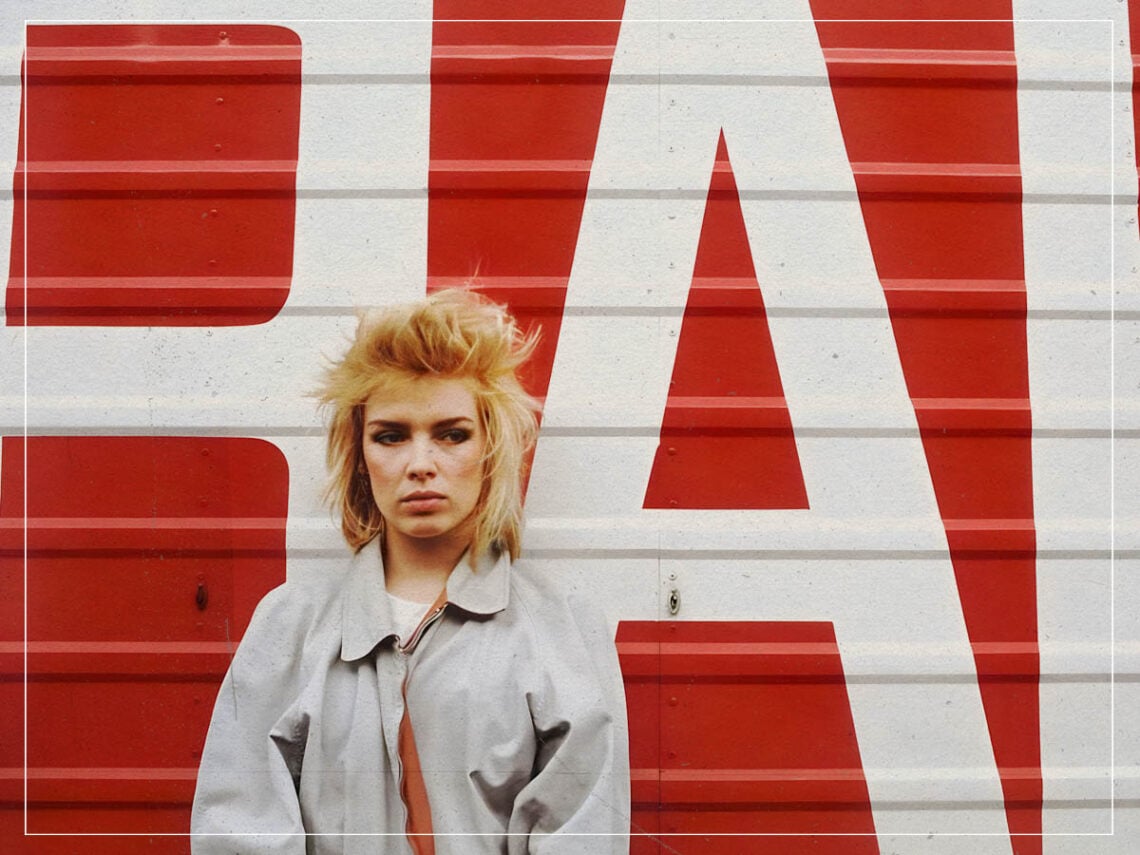
One of “the greatest bands of all time”, according to Kim Wilde

Being the most-charted British female act of the 1980s is no small feat. While Kim Wilde made a splash in her early 20s with ‘Kids in America’, her career was far from a one-hit wonder. She continued to dominate the airwaves throughout the decade with a string of rock hits, including ‘You Keep Me Hangin’ On’ and ‘You Came’, solidifying her place at the forefront of a movement that demanded versatility and adaptability.
In an arena overflowing with discussions about the most innovative and creative trailblazers, it’s almost astounding how often Wilde’s name is left out. Beyond her impressive credentials, Wilde is also a significant cultural touchpoint whose story is far from over. Her meteoric rise to fame was marked not only by her catchy music but by the way she captured the spirit of the era, her punk aesthetics influencing fashion with her unique fusion of masculine and feminine styles—a bold choice that was far from commonplace for someone so prominently in the spotlight at the time.
Even the cover for her self-titled debut presented her rebellious nature as she appeared in stark contrast to the rest of the band, its black-and-white palette demonstrating simplicity and directness while her pose communicated a more defiant position. Right from the very beginning, therefore, Wilde exuded a cool detachment and self-assuredness in a confrontational yet inviting way.
However, what’s even more intriguing is the fact that Wilde is more confident now than she has ever been. Following her recent release ‘Trail of Destruction’ and the excitement building around her forthcoming album, Closer, Wilde’s flame is bigger and more scorching than ever. “This is a great time to be me,” Wilde recently revealed during an interview for Lorraine, proving that, no matter how much she becomes eclipsed by the noise of others, her world is brimming with as much talent as ever.
To suggest Wilde has been ostracised by many of her male contemporaries would be somewhat deterministic, however, as she also drew influence from the many that dominated the scene back then and continues to do so now. For instance, growing up in the 1970s and achieving global fame in the 1980s meant paralleling monumental forces like Queen, who, in Wilde’s book, is “one of the greatest bands of all time.”
Discussing their third album, 1974’s Sheer Heart Attack, with Goldmine, Wilde praised its melodies and the richness with which it delivers various vocal techniques. She said: “One of the greatest bands of all time, playing an insane collection of the cleverest melodies and vocal arrangements I’ve ever heard.” Sheer Heart Attack was one of the band’s most diverse works until that point, with songs like ‘Killer Queen’, ‘Stone Cold Crazy’, and ‘Brighton Rock’ showing that they could pull off any genre in any capacity with vocals from Freddie Mercury that were just as unforgiving.
The record also likely tapped into something Wilde epitomised, with melodic executions that appealed to a broad audience with anthemic roaring choruses and arrangements that bridged the gap between radio-friendly compositions and clever hooks. Even Wilde’s ‘Kids in America’—a song that has since been shaped to represent the energy of the 1980s—utilises intelligent lyrics and melodies that capture a sense of youthful rebellion and optimism while still being instantly relatable and infectious.
Similarly, Sheer Heart Attack coincided with Queen’s rise as a powerful live act, which you can hear in the album’s dynamic and theatrical atmosphere as they continued establishing their unique voice. Although released in the early 1970s, the album held something that would be extremely vital to the 1980s music scene and something Wilde would later continue in her music: hard rock energy, pop sensibility, and operatic grandeur.
