


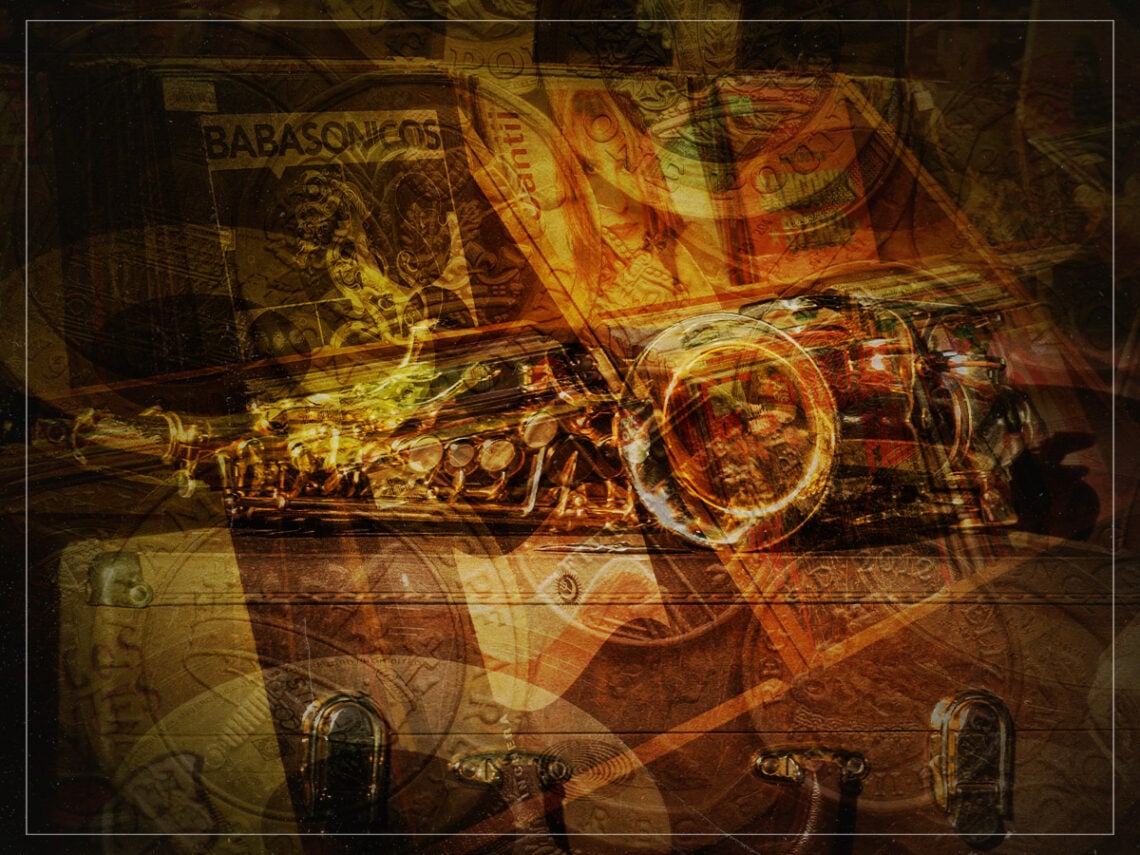
The comical story of pop music’s greatest sax solo: “I got £9 for that”

If you were responsible for creating one of the most iconic saxophone solos in the entire history of pop music, what would you expect to be paid? Hundreds, thousands, even hundreds of thousands? Well, Lou Reed only offered up a measly nine quid.
It’s hardly a suitable thanks for playing a pivotal role in what would ultimately go on to become one of the most iconic songs of all time, but that was exactly the amount that poor Ronnie Ross got compensated for in his efforts on ‘Walk On the Wild Side’.
Never mind the fact that he had played on The Beatles’ ‘Savoy Truffle’ from The White Album, gave David Bowie music lessons as a child, and created a riff that every rock fan knows from their earliest waking memory – £9 was all he got.
To make matters worse, there were multiple kicks in the teeth still to be received for Ross along the way, not least because the song’s session bassist, Herbie Flowers, got paid almost double what he did with a fee of £17.
While both amounts would work out to a much greater amount if they were given today, it was still hardly the recognition that he deserved for creating one of the most earwormy outros that ever existed.
The mark of Ross, however, was that he was able to have a laugh about the whole situation, even if it was at his own expense. He consoled himself in a 1985 interview by saying: “When I did ‘Walk On The Wild Side’ I didn’t even know who Lou Reed was… I got £9 for that solo,” almost as a metaphorical flip-off to the singer for all the masses of royalties he really should have been owed but ultimately never saw rolling into his bank balance.
But as if that wasn’t bad enough, the real salt in the wound came courtesy of not Reed, but rather randomly, from Wayne Sleep. “Years after that, I did a TV show with Wayne Sleep, and he did it, and I played the solo. The producer stopped me and said, ‘Can you make it a bit more like the guy on the record?'” Ross explained, which would be enough to send a perhaps egotistical musician into an existential nightmare. A better man, as in his case, was able to at least see the humour in it.
As it turns out, walking on the wild side was hardly a path which gained Ross massive amounts of financial benefit, but it was something that he was, thankfully, always remembered for.
Sure, it might have been nice if either Reed or one of his team dug into their pockets a little deeper and produced a bit more hard cash – but it was the 1970s, and anything was possible, and Reed was far more interested in exploring the oddballs of life to concentrate on the boring stuff. £9 was the best Ross was ever going to get.
