


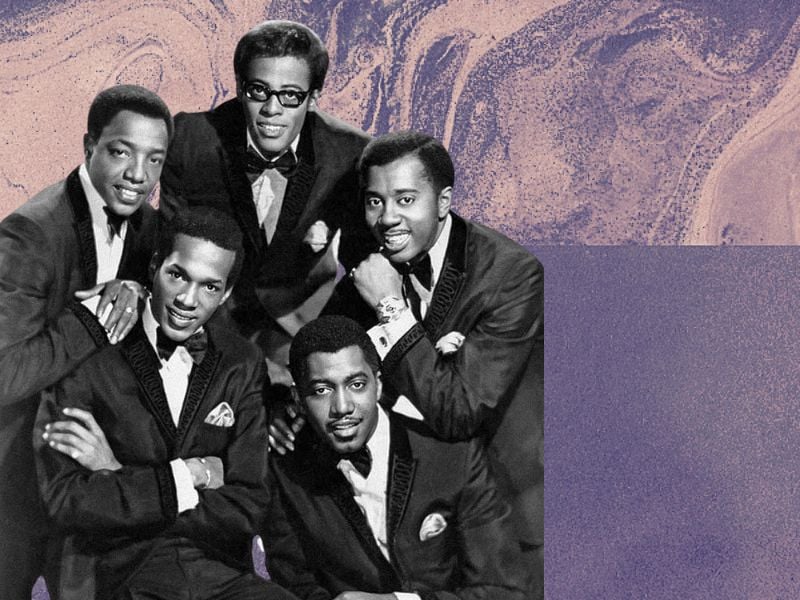
The shimmering jam ‘Papa Was a Rollin’ Stone’ by The Temptations turns 50

‘Papa Was a Rollin’ Stone’ by The Temptations is one of the definitive Motown tracks. Released 50 years ago on September 28th, 1972, by the Gordy division of the iconic Detroit label, not only is it one of the most memorable cuts associated with the company, but it is also one of the most psychedelic releases ever on the label.
The song is an extended, cinematic piece that has been used across popular culture since its release, as it is capable of whisking us away from the mundanity of everyday life and transporting the listener into a carefree, technicolour headspace where anything seems possible — an ironic point, given the bleak angle of the lyrics. This was soul and funk taken to the next level, and it has been rightly hailed as one of the ultimate jams for five decades.
It is largely thought that the track by The Temptations was the first version. However, the original arrangement was performed by Motown act The Undisputed Truth earlier in 1972, before it was re-recorded in its iconic form by The Temptations. Almost instantly after its release by The Temptations, the song became a number one hit and even earned a Grammy, etching it into the history books.
The song was written by Norman Whitfield and Barrett Strong in 1971, with the former producing the version by The Undisputed Truth. However, the take he made with The Temptations, for whom he had been writing and producing songs for a long time, eclipsed his brief original. A shimmering stroke of genius, it came complete with swooning swings, textures and a choppy wah-wah-driven guitar that took the raw materials and ran off into the sunset.
The song is noted for its lengthy instrumental introduction and its repetitive and layered structure, where Whitfield introduces textures and fades them out, creating one of the most complex pieces of the era. The bassline is also one of the most essential associated with Motown, acting as the glue that holds everything else together, giving the handclaps, guitar and strings the basis with which to shine.
In classic Temptations style, the group shared vocal duties, with Dennis Edwards, Melvin Franklin, Richard Street and Damon Harris all dazzling us with their almost otherworldly harmonies. Notably, per the lyrics, each assumed the role of children asking their mother about their deceased father, with their prodding repeatedly met with the chorus: “Papa was a rolling stone / Wherever he laid his hat was his home / And when he died, all he left us was alone”.
It’s a bleak image, and as a testament to Whitfield and The Temptations, it is juxtaposed by the narcotic essence of the music that captured the countercultural spirit of Motown. The expansive soul and funk is courtesy of previous albums, such as Curtis Mayfield’s 1970 masterpiece Curtis and Marvin Gaye’s album from the following year, What’s Going On.
Both of these records and ‘Papa Was a Rollin’ Stone’ blended the new form of soul with challenging themes, forgoing the sugary essence of the genre that made it so popular in the 1950s and 1960s, and creating something altogether more challenging, as was fitting for all that the 1970s was to entail.
Interestingly, the recording of ‘Papa Was a Rollin’ Stone’ was not simple. The Temptations were annoyed that more emphasis was placed on Whitfield’s instrumentation than their vocals on their other songs at the time despite actively pressing him to produce ballads for them. Adding to this, Whitfield made Edwards re-record his part over 20 times until he coaxed the powerful but restrained performance he wanted out of him. Although Whitfield was pushing the band to their creative limits, it would eventually harm their interpersonal relationships, and he was ultimately fired as their producer moving forward.
Despite the friction, the two camps produced an utter masterpiece, and it is certain that in another 50 years, the track will still be as cherished as it was when released and as it is today.
