


“On your tail”: The only American band Motown feared

Brian Holland, Lamont Dozier and Edward Holland formed a fierce songwriting trio that pushed Motown from humble beginnings to the pinnacle of pop.
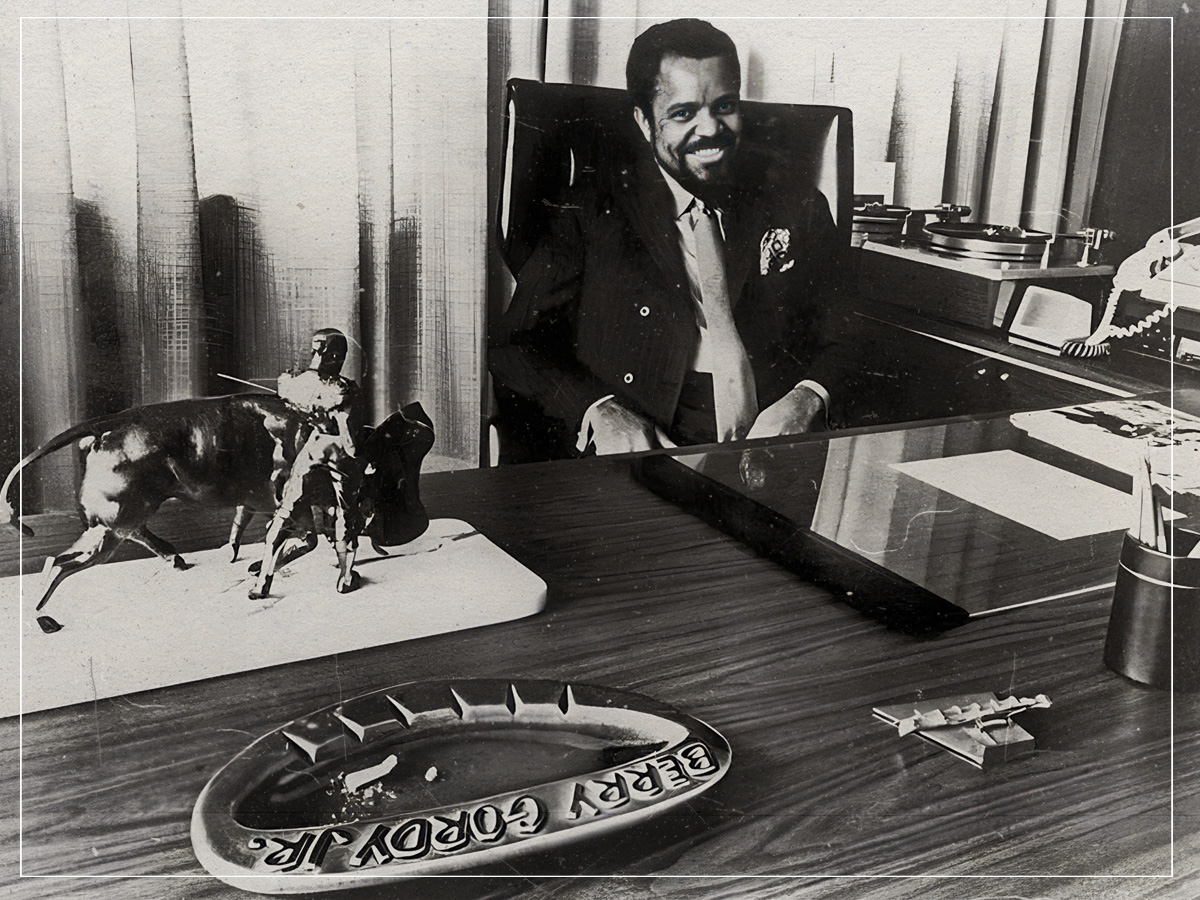
The label started in 1959, when Berry Gordy took out an $800 loan. In today’s money, that’s around $8,700, so a return of 53 number one singles and an estimated net worth of over half a billion is pretty good going.
But beyond those measurable feats, the apex of the label’s importance is perhaps best summed up by Gordy himself, who said, “Motown was about music for all people – white and black, blue and green, cops and the robbers. I was reluctant to have our music alienate anyone.” It seemed to achieve that connectivity with aplomb.
One of the key reasons for this rise was the Holland-Dozier-Holland partnership. The trio composed over 400 songs. They had the Midas touch, too. Working as either writers or producers, the musical buddies scored an impressive 25 number ones. But it wasn’t just commercial success that they craved during their 1960s heyday. While much has been said about Gordy’s instruction that his label’s output ought to remain apolitical, society at large was still woven into the sound.
Based in Motor City, Detroit, the fun, soulful pop was a reflection of what the factory workers wanted when they clocked off from a gruelling shift. It rang with the magic of the clocking-off puncher. But on a more progressive arc, the propulsive sound of Motown’s distinct rhythm was a transfiguration of the same piston pump that kept the pace of the American automotive industry.
It’s a motif that brings an undercurrent of complexity to Motown’s sound. When you listen back to Holland-Dozier-Holland classics like ‘You Can’t Hurry Love’ by The Supremes, you’re taken back to the era with more immediacy than even Dr Who could muster, and part of the magic of that is because the gritty realities of the era itself are codified into the sugar-coated sound.
However, the trio were not alone in trying to use the studio to add a metaphysical edge to their pop songs. There was one other act in the States tying postmodern innovation and pop.


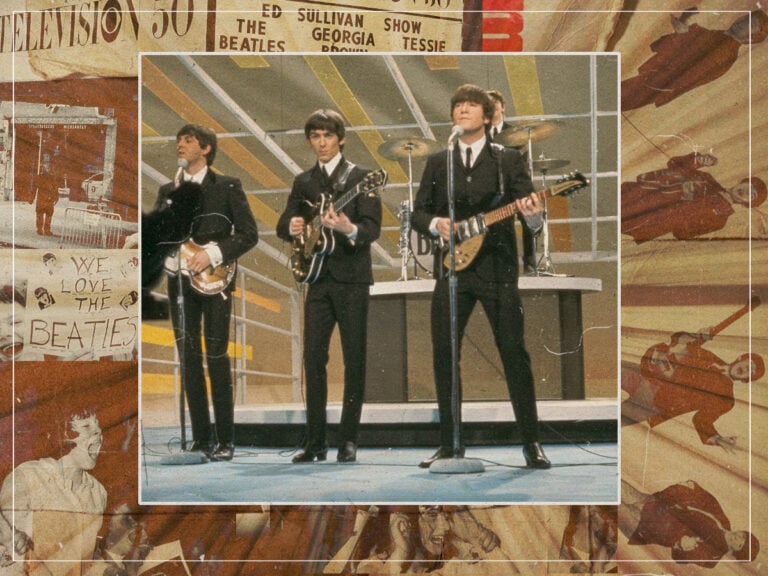
In Dozier’s book, competition was vital, and they found plenty of it on the far side of America. “We definitely listened to Brian Wilson,” he reflected, “but it was so great and I loved it because it gets you riled up – it got the three of us (Holland-Dozier-Holland) so keyed up and so happy about it, when you see someone else creating, that you’re not the only one doing it – somebody else really on your tail.”
Much like the trio, the Beach Boys were looking to embellish simple pop with something fresh, deep, and prettified. The studio became their main instrument on this front. With ‘God Only Knows’, Wilson and his band seemed to push pop production to new baroque heights. It captured the rich, near-orchestral approach echoed in Detroit.
As Wilson explained himself: “It’s not really in any one key. It’s a strange song. That’s just the way it was written. … It’s the only song I’ve ever written that’s not in a definite key, and I’ve written hundreds of songs.” This was melded even further as elements were layered by the technology. This was a moment of great inspiration for the Motown gang.
The folks in Detroit already had amazing talent at their disposal. Their main goal was to somehow transmute that as purely as possible on record, so they saw both competition and inspiration in songs like ‘God Only Knows’ and relished the chance to match it. The bid to match their efforts was based purely on art on both sides of the battle, too.
As Dozier once put it, “I don’t think about commercial concerns when I first come up with something. When I sit down at the piano, I try to come up with something that moves me.” At the very same time, Wilson was surrounding his piano with sand in a bid to achieve that same sentiment of creative flow.
Ironically, it seems that this is the main reason for their unrivalled successes: both the Beach Boys and Motown moved the public more than any other American acts in an age of great musical advancement. The times were uncertain, but their art was full of hope and joy that still rings true today.
