


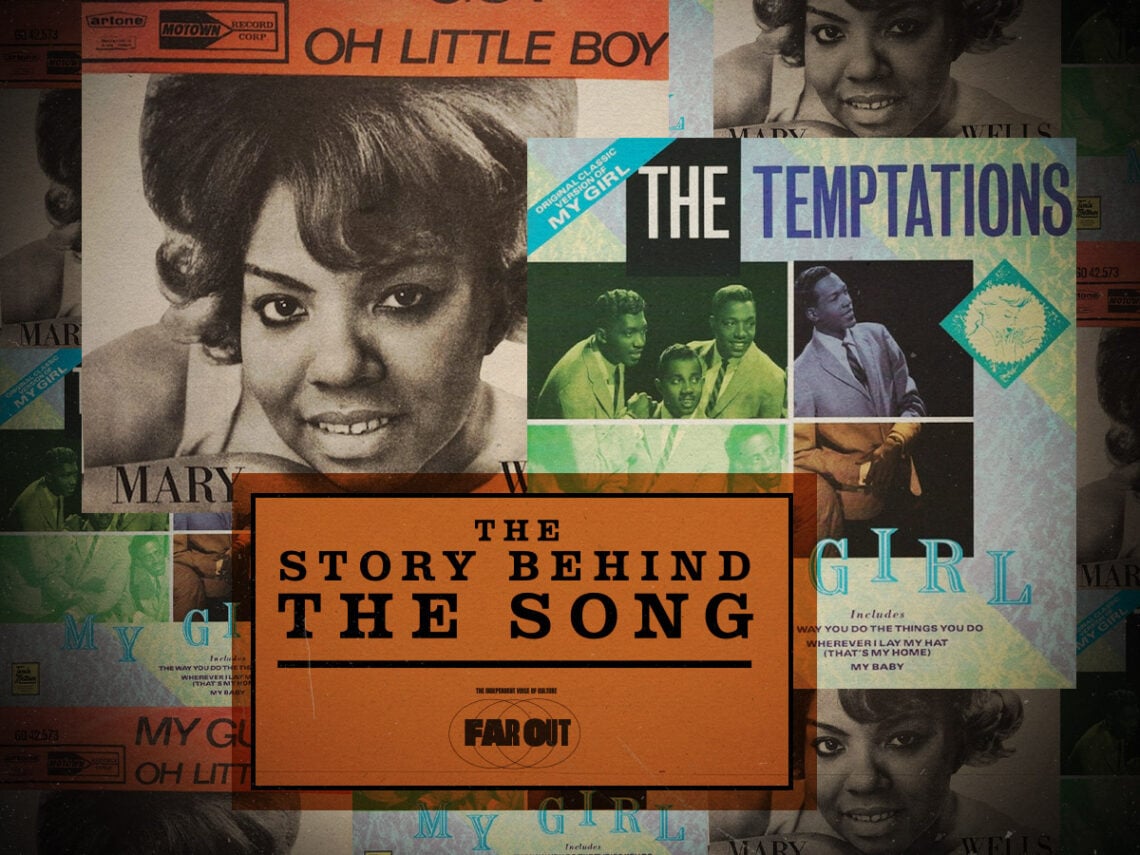
The Story Behind The Song: Motown’s 1964 double-whammy of ‘My Guy’ and ‘My Girl’

In 2024, on the 60th anniversary of The Temptations‘ releasing their first number one hit, ‘My Girl’, the Motown Museum put together a brand new, remastered vinyl single for the occasion, crafted from the original studio tapes and pressed at Jack White’s Third Man record plant in Detroit.
As one of the most ubiquitous ‘oldies’ from the past century of popular music, it’s rare that anyone has the need to seek out ‘My Girl’ or to really sit and absorb it as a piece of art. It’s become the window dressing at weddings and baby showers, floating on the breeze; always pleasant, rarely attention-grabbing. The long-overdue vinyl remaster, however, caught even a lot of grizzled crate-diggers and audiophiles off guard with its power and depth.
James Jamerson’s opening bassline booms directly into your left atrium, the strings of the Detroit Symphony Orchestra swirl around like the gut butterflies of a first crush, and the four voices backing Jimmy Ruffin’s lead vocal suddenly stand out individually, like beams of light reversing their way through a prism back into a singularity.
Maybe it’s because we’ve heard it so many times on shitty transistor radios at the beach, or competing with the roar of traffic on the car stereo, but experiencing a Motown classic like this in super high fidelity really reminds you of the level of genius going on inside Hitsville USA in the 1960s, particularly in 1964. It’s a year rock historians unavoidably associate, first and foremost, with The Beatles and the British invasion, but it was arguably also the moment that the Motown machine reached its absolute apex.
In one calendar year, you had the Four Tops’ ‘Baby I Need Your Loving’, Martha and the Vandellas’ ‘Dancing in the Street’, Stevie Wonder’s ‘Castles in the Sand’, Marvin Gaye’s ‘How Sweet It Is (To Be Loved By You)’, The Miracles’ ‘I Like It Like That’’, and an historic run of number one hits from the label’s biggest breakout stars, The Supremes, with ‘Where Did Our Love Go’, ‘Baby Love’, and ‘Come See About Me’.
The year really kicked off for Motown, however, with a pair of hit singles written and produced by the Miracles’ frontman, Smokey Robinson and recorded by other artists. First came January’s ‘The Way You Do the Things You Do’ by The Temptations, the group’s first recording to land on the Billboard Hot 100, peaking at number 11. A few weeks later, Mary Wells’ ‘My Guy’ went all the way to number one on the pop charts, briefly making Wells the biggest female star on the label, right before Diana Ross exploded on the scene.
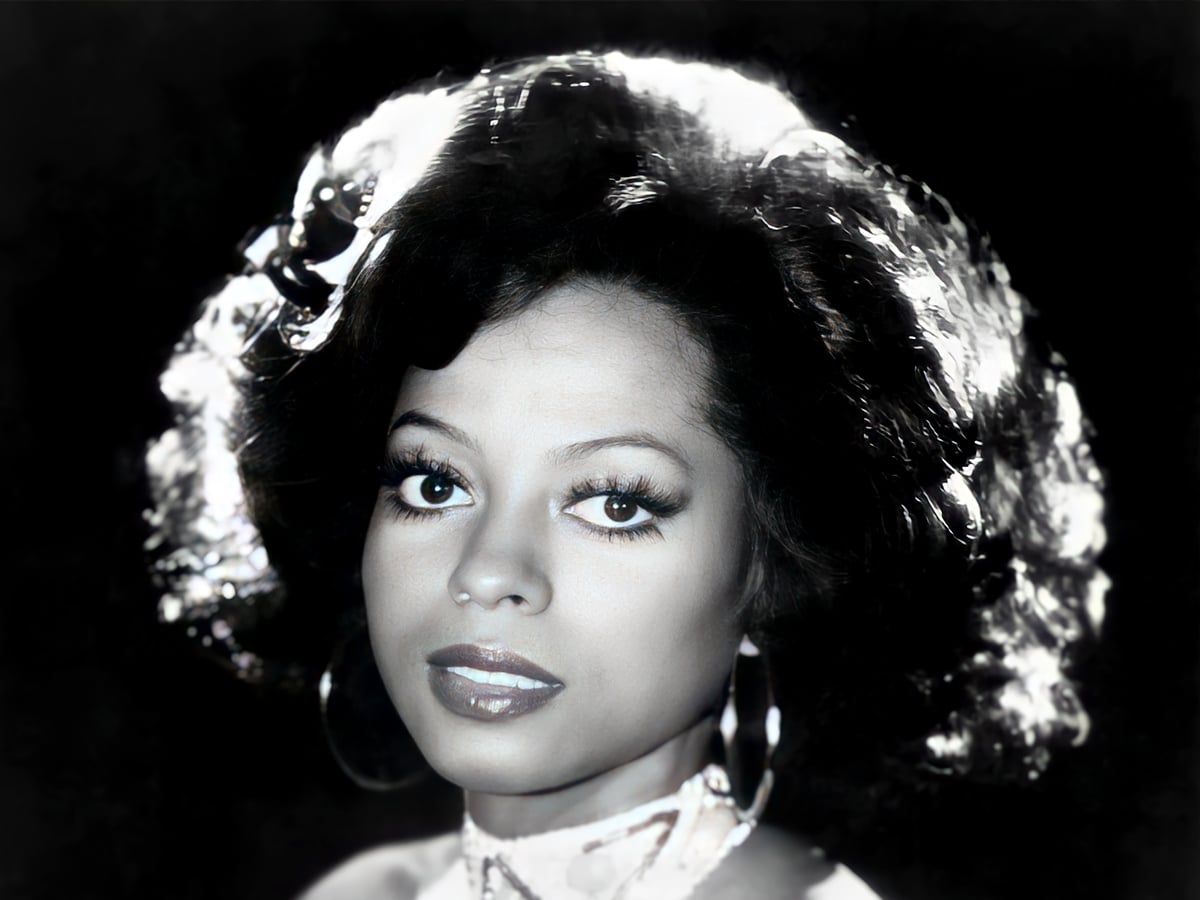
Above anyone else, though, it was the 24-year-old Smokey Robinson who had clearly established himself as Motown’s most valuable weapon; a phenomenal singer and performer himself, but one somehow equally if not even more adept at helping other artists find their voices.
“There was a lot of inspiration that was flowing through me,” Robinson told the Tampa Tribune in 2013, “I had songs coming out of me left and right back then. The ability to write a song is something I’m proud of. I was never one of those guys content to just sing.”
Smokey Robinson has been in the news for all the wrong reasons in recent years, but during the prime period of the Motown hit parade, he was considered by many to be something of a mass-appeal pop savant. Speaking to the San Francisco Chronicle in 1966, he explained that his baseline approach was “to make the song say something, to stick to the point, rather than just to rhyme a lot of verses”.
In the same conversation, Robinson explained the origin of the number one hit ‘My Guy’ in the way most people would describe making a tuna sandwich. “I was working in the studio and had a session date for Mary Wells. I did the arrangements, and there was quite a bit of time, and it just wrote itself”.
According to Motown lore, though, Robinson might have been thoroughly ignorant of the fact that his session players, the legendary Funk Brothers, had helped give ‘My Guy’ an important part of its hook all on their own. Tired from a long day of recording, the horn players and keyboardist/bandleader Earl Van Dyke were struggling to come up with something for the song’s intro, and decided amongst themselves to just blatantly copy a portion of the 1956 jazz number ‘Canadian Sunset’, which fit into the structure quite nicely.
Nobody thought the record was going to be a hit, so the theft felt pretty low stakes. Instead, ‘My Guy’ became an instant classic, eclipsing just about everybody’s memory of ‘Canadian Sunset’; somehow, a lawsuit was avoided. Aside from the catchy jazz line, ‘My Guy’ really worked as a vehicle for the 20-year-old Mary Wells, who would leave Motown before the year was over, never to reclaim the same level of fame again.
When Smokey wrote the lyrics, he was imagining a dream girlfriend who would never be even slightly tempted by the advances of anyone besides himself: “No muscle-bound man could take my hand from my guy / No handsome face could ever take the place of my guy”. Mary managed to make the sentiment more appealing, cutely expressing her devotion to her presumably spindly, uncool, and awkward-looking boyfriend. It was a tune and a sentiment that probably felt a bit more ’50s doo-wop than cutting edge, but it still fit nicely alongside the single that finally bumped it from the top of the pops: The Beatles’ ‘Love Me Do’.
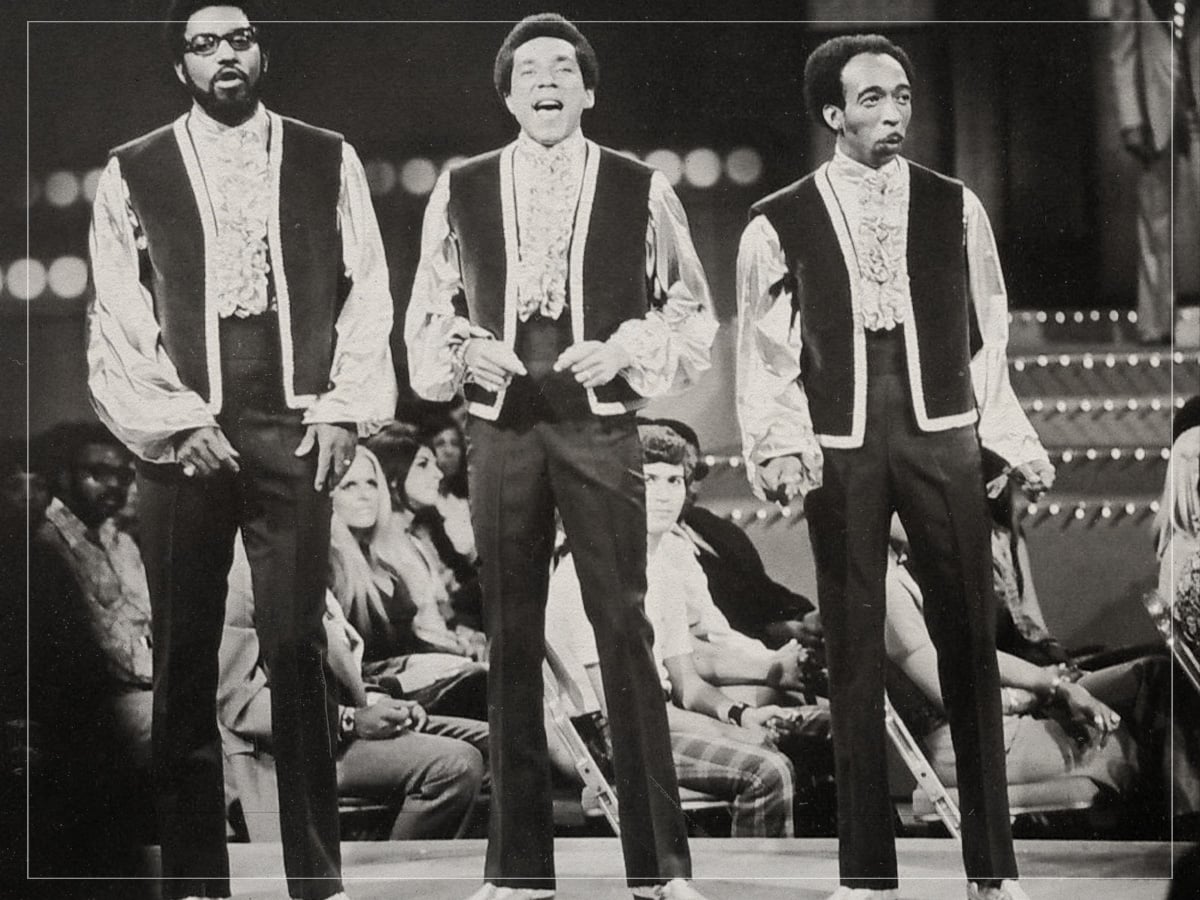
With a fresh fleet of British rock bands now serving as Motown’s stiffest competition in the summer of ‘64, label chief Berry Gordy sent his top lieutenant, Smokey Robinson, to work once again, this time with the goal of creating a new hit single for The Temptations, one that could serve as a fitting follow-up to ‘The Way You Do the Things You Do’.
Smokey, in his infinite wisdom, had already come up with a sequel to ‘My Guy’, as well, penning a new track with his Miracles bandmate Ronald White that would serve as an answer to Mary Wells’ hit, told from the boy’s perspective. This, of course, was ‘My Girl’, which Robinson would later claim he had written with The Temptations in mind, even though others have suggested that he wanted it for The Miracles, and was pressured into giving it up.
Either way, Robinson still made a key decision that helped ensure ‘My Girl’ of its place in the American pop canon, as he insisted that the Temps’ newest member, David Ruffin, should be the song’s lead vocalist; a role Ruffin had never played on any of the group’s previous efforts. “David Ruffin had this kind of gruff tenor-baritone voice that was demanding in the group,” Robinson told the Detroit Free Press in 2016, “I knew if I could get [him] to sing something sweet, it would be a hit.”
Temptations founder Otis Williams, who is now the only surviving original member of the group, recalled listening back to the completed recording of ‘My Girl’ before its release just before Christmas in ‘64. “Smokey, I don’t know how big this record is going to be,” he remembered saying to his producer, “But I think we’ve got something here”. Williams had a very different reaction when he heard the remastered ‘My Girl’ seven-inch single for the first time in 2024: he wept.
“I can hear every single person’s voice,” Williams said, noting that the song was focused thoroughly on Ruffin in the original mix, so that his own vocals, and those of his bandmates Paul Williams, Melvin Franklin, and Eddie Kendricks, had always felt secondary, cast to the background. Now, suddenly, they were all there, and vibrant; a simple observation that can be overwhelming when you know you can’t share it with the other singers you made history with.
Smokey Robinson, who has played the song in his own concerts for decades, has called ‘My Girl’ his “international anthem”, telling the AARP in 2022, “We go to countries where the primary language is not English, and we don’t even have to start singing. As soon as they hear ‘buh bom bom, buh bom bom’, they know what’s getting ready to happen. They just stand up and start cheering and start singing.”
