


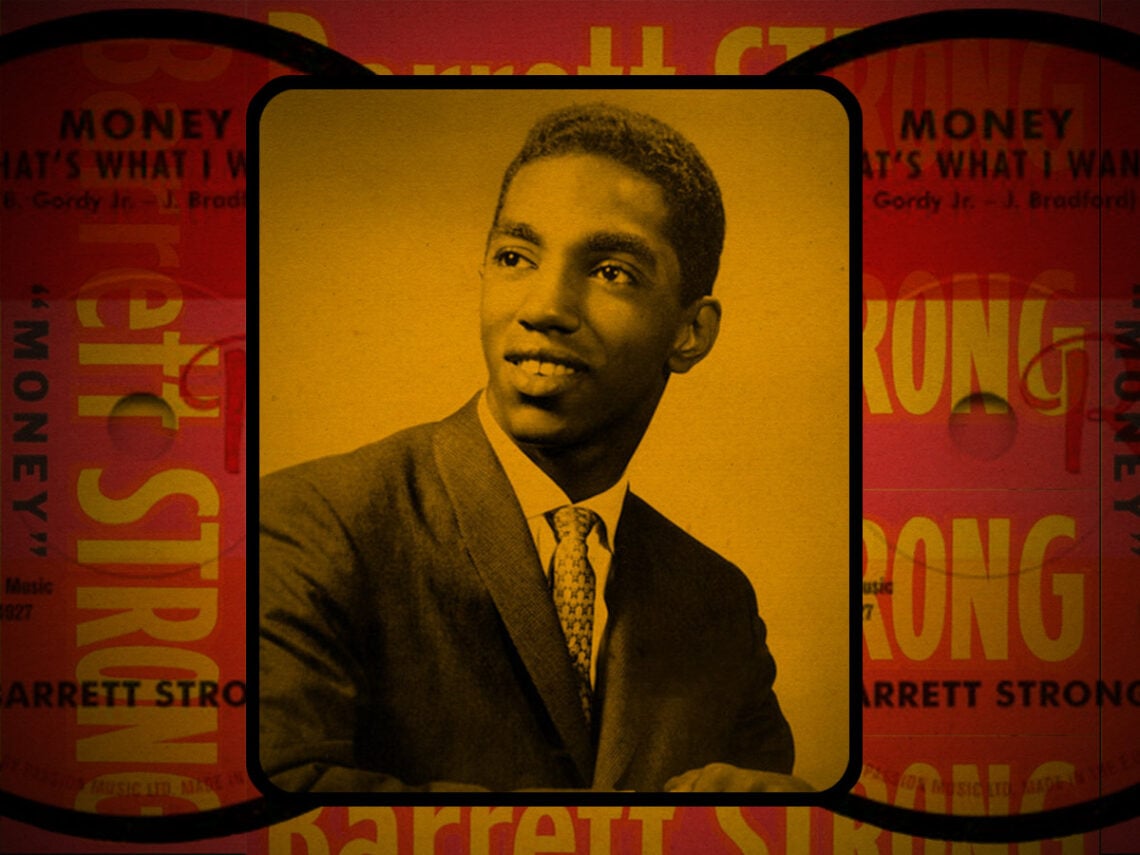
Money, Motown, and the most honest pop song of all time: The story of Barrett Strong’s ultimate masterpiece’

A plethora of now-iconic names passed through the offices of Hitsville USA back in the 1960s, with Motown exerting the kind of grasp on the pop charts which has never really been replicated since. Throughout it all, Barrett Strong could be content in the fact that it was he who set the ball rolling in the first place.
From the moment that the idea of Motown first materialised in the mind of Berry Gordy Jr, creating hit records was always its prevailing motivation. For the former boxer and budding music mogul, the pop charts represented the upper echelon of the music industry, and gazing at the Hot 100 listings instilled cartoonish dollar signs in his eyes on a weekly basis. During those early months, though, hit records were rather difficult to come by.
Motown was, after all, a relatively small, independent operation hoping to compete with labels that dwarfed them in terms of budgets, rosters, and, most crucially, experience. Gordy was, however, undeterred. If you look back at the label’s first few releases, the fact that the label boss was trying everything possible becomes rather evident. Darting sporadically from R&B to doo-wop, and even a few flirtations with rock and roll, the infamous ‘Motown sound’ had yet to be firmly established.
It wasn’t until a young vocalist from Mississippi walked through the doors of Motown that the label found its legendary sound. Barrett Strong was a complete unknown back in 1959, when he became one of the very first artists to sign to Gordy’s label, but with his debut single, he managed to change the course of music history forevermore.
Emerging towards the tail-end of summer, 1959, ‘Money (That’s What I Want)’ came out of nowhere, born from an impromptu studio jam and aimed as a response to ‘The Best Things In Life Are Free’, a song released multiple decades earlier, with both Berry Gordy and Janie Bradford claiming songwriting credits on the track.
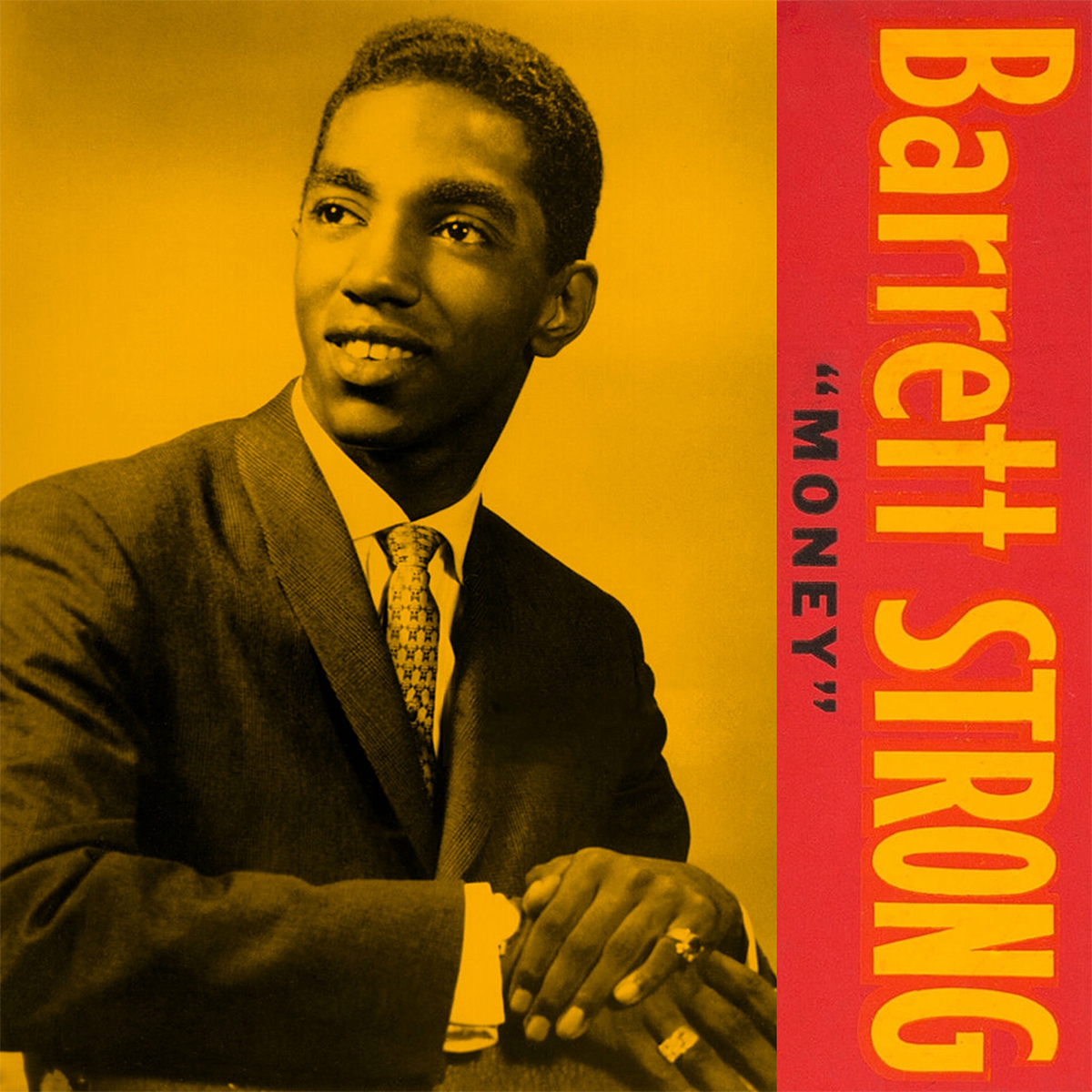
More importantly, though, it ended up becoming Motown’s very first nationwide hit, peaking at number 23 on the US pop charts. Thus, the ‘Motown sound’ had emerged, and the label had a blueprint from which virtually every subsequent hit was constructed.
In time, that blues-tinged piano riff and Strong’s incredibly cool performance style committed the song to popular culture forevermore, inspiring cover versions by The Beatles, The Flying Lizards, and Charli XCX – spanning multiple different styles and sonic generations in the process. It was not the label’s biggest hit, but it nevertheless formed an essential moment in the history of Motown, as well as earning the accolade of being perhaps the most honest hit record of all time.
That monetary lyricism might as well have been lifted directly from Berry Gordy’s diary. In a pop world which favoured pithy lyrics of love and heartbreak, Motown immediately set itself apart from the rest of the landscape; you can keep your California surfing safaris and Memphis rock and roll, in Detroit, Motown wanted money.
Despite essentially launching Motown into the epicentre of the American music scene and setting the ball rolling on a string of colossal hits that would see the label define the pop charts of the 1960s, amassing hundreds of chart entries from their ever-expanding roster of iconic performers, ‘Money’ was a difficult debut single to match for Barrett Strong.
Multiple follow-up singles arrived in the wake of its success, including woefully underrated singles like ‘Misery’, but Strong never truly recaptured the magic of that first single, and soon moved into the realm of writing songs for other people, including two of the greatest Motown songs of all time in ‘I Heard It Through The Grapevine’ and ‘Papa Was A Rollin’ Stone’.
A cultural revolution clocking in at just over two and a half minutes, ‘Money (That’s What I Want)’ remains an indisputable R&B classic, and its lineage can be heard in virtually every Motown masterpiece which followed. Hence, over 60 years later, it still exudes the same level of infectious stylish defiance, and with the multiple decades worth of royalty cheques rolling in, it is fair to say that it achieved its aims.
