


Keep the Faith: The 100 greatest northern soul songs of all time

All-nighters, foot stomping floorfillers, and baggy trousers; northern soul has turned multiple generations of music fans into devotees of obscure, overlooked, and unknown American soul records that, by all logic, should have faded into obscurity forever.
During the birth of subculture, back in the 1960s, Britain saw the rise of the mods; young people with a penchant for dressing sharp, living fast, and dancing all night. During the early days of the mod scene, dancehalls were filled with the sounds of jazz, Blue Beat, and, crucially, American soul music. As the years went by, however, some of the more musically-inclined mods began to search for soul records that nobody else had heard before, away from the empires of Motown, Stax, or Atlantic. Therein lies the origins of northern soul.
Taking root in the social clubs, dancehalls, and youth centres of the late 1960s and early 1970s, the northern soul boom was pretty miraculous. All of a sudden, there was an entire generation of young people who spent their weekends travelling to places like Wigan, Blackpool, Manchester, and Stoke in search of soul music that had been recorded years prior, often in tiny studios in the middle of nowhere in America.
Arguably, the northern soul scene reached its peak relevancy during the mid-1970s, with the infamous Wigan Casino commanding such a power that various reissues of tracks played at Wigan began to break into the singles charts. However, northern soul has remained a way of life for so many people in the many years that have passed since the demise of Wigan Casino and that golden age.
Today, many of those original clubs from back in the day, like Leeds Central Soul Club or 6T’s in London are still going strong, and numerous new clubs have formed in recent years too, introducing northern soul to a new generation of young people who weren’t born the first time around. Seemingly, the appeal of that infectious beating soul rhythm has never really waned since the 1960s – the faith has, by and large, been kept.
In celebration of those enduring soul sounds, we have compiled 100 of the greatest tracks to ever fill northern soul dancefloors. From iconic, era-defying tunes that blasted from the speakers at The Twisted Wheel, Wigan Casino, or any number of the OG soul clubs, to some more leftfield choices, Motown rejects, and underappreciated classics, all have been considered here.
It is worth noting, before we delve into the depths of soul excellence, that part of northern soul’s power is its innate subjectivity. Countless tracks have come and gone from the scene over the many decades since its heyday, and each one means something different to those who heard them while out on the floor. The power of the scene lies not just in the quality of the music but in the memories that have been made and continue to be forged, experiencing this great music together.
So, if you’re a veteran soulie, a budding newcomer, or simply somebody who is curious to learn more about one of Britain’s most vibrant and enduring subcultures, join us as we count down our picks for the top 100 northern soul songs to ever grace the airwaves.
Far Out’s list of the 100 greatest northern soul songs:
Carolyn Crawford – ‘Ready Or Not Here Comes Love’
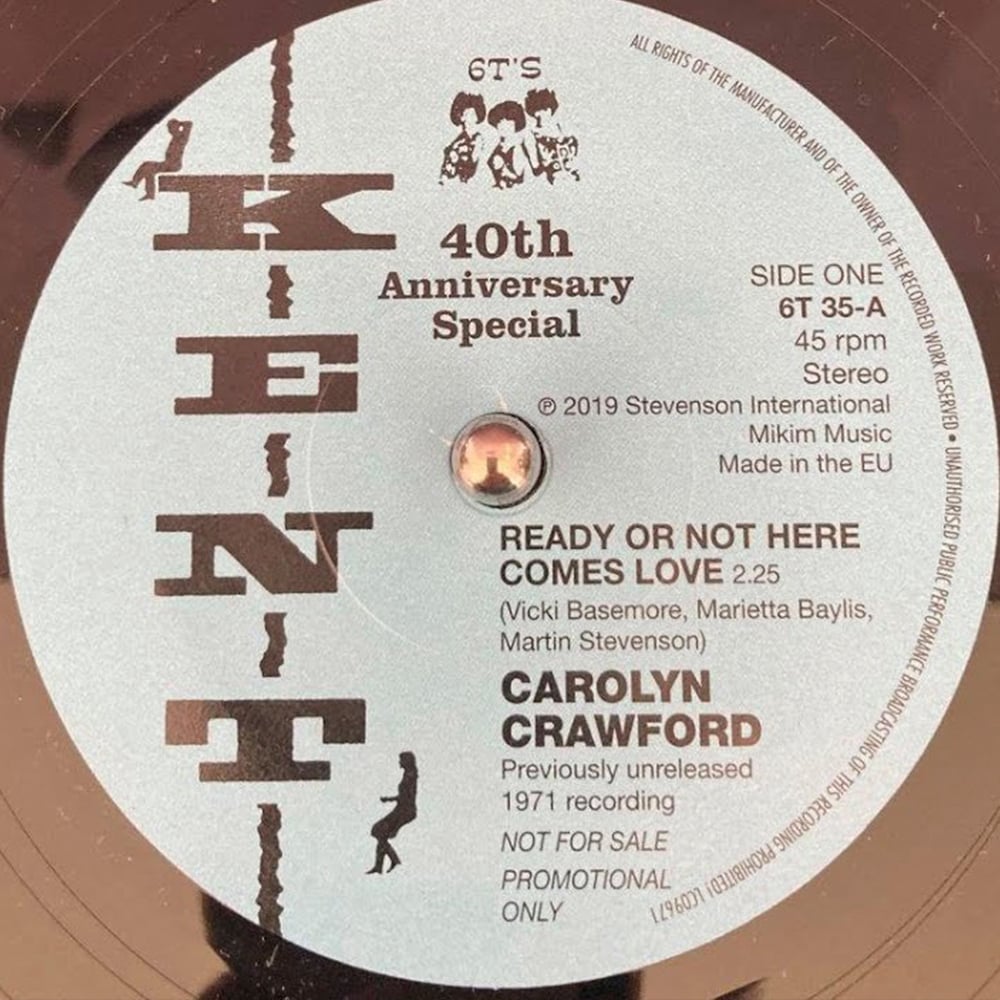
Release Date: 2019 | Producer: William Stevenson | Label: Kent
Signed to Motown Records at the age of only 14, Caroline Crawford was always destined for funk and soul greatness, although she was never overly successful during her time under Gordy’s leadership. Nevertheless, her records fell into that sought-after category of ‘failed Motown’ that seemed to attract northern soul DJs like flies. Inevitably, her most interesting work came long after she had departed the Detroit label, and ‘Ready Or Not Here Comes Love’ is a particularly notable example.
Originally recorded back in 1971 alongside former Motown producer William Stevenson, ‘Ready Or Not Here Comes Love’ went unissued until it was dug out of the vaults by Kent Records – an essential label when it comes to unearthing and reissuing northern soul anthems. Released as a part of their Anniversary series, the song became an instant hit within the modern northern soul scene, proving that some of the greatest northern soul discoveries might still be out there waiting to be uncovered for new generations.
Chris Clark – ‘Love’s Gone Bad’
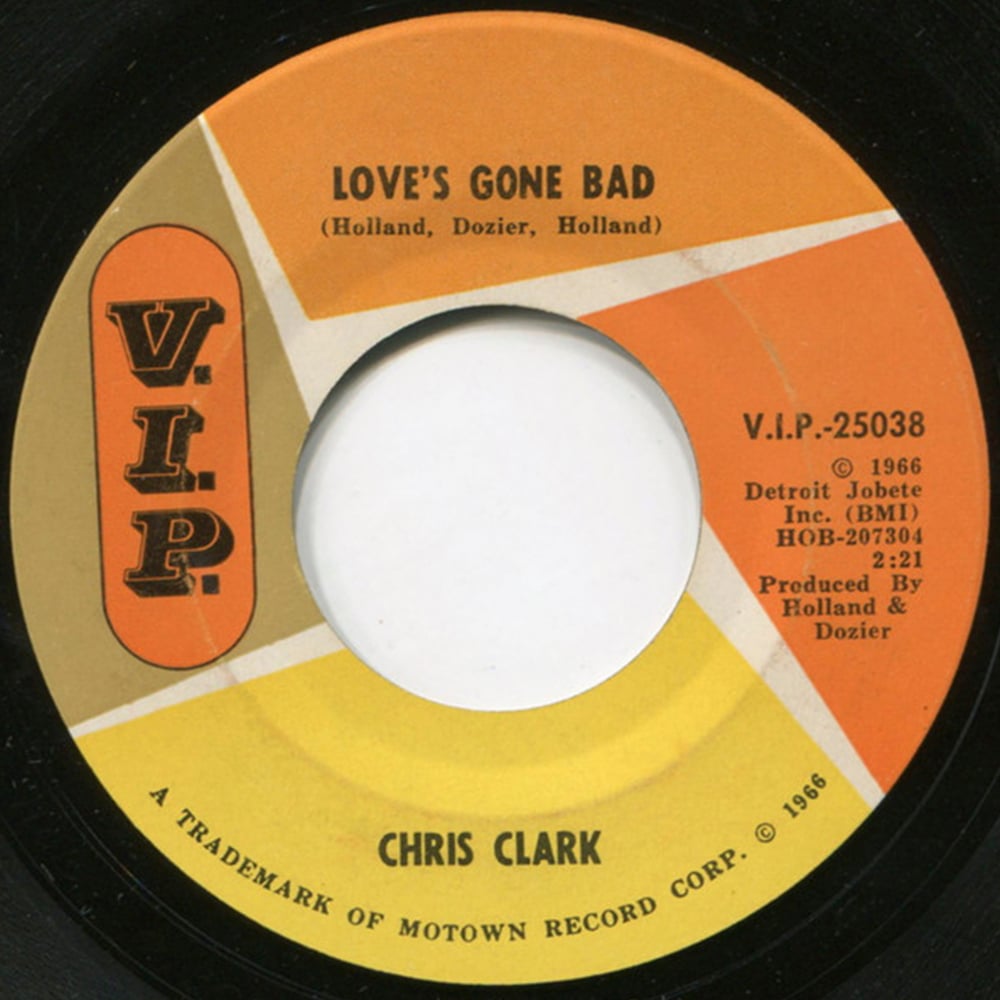
Release Date: 1966 | Producer: Brian Holland and Lamont Dozier | Label: V.I.P.
Continuing on with the theme of failed Motown stars, Chris Clark was truly wasted during her tenure with Gordy’s label. One of the most criminally underrated vocalists of the blue-eyed soul scene, her voice carries an awe-inspiring level of power which can command a dancefloor with ease. Never was that power more overt than on her 1966 track ‘Love’s Gone Bad’.
With the unparalleled songwriting prowess of Holland-Dozier-Holland behind the song, its quality has never been in any doubt. Although not a hit single upon its release, perhaps due to being sectioned off into Motown’s V.I.P. imprint, Clark found new legions of appreciators in the northern soul scene. Her 1965 track ‘Do Right Baby Do Right’ is equally worthy of a position in this list, but ‘Love’s Gone Bad’ just pips it to the post, owing to its commanding groove and the groundbreaking power of Clark’s woefully underrated vocals.
Samuel Moore – ‘I’m So Jealous’
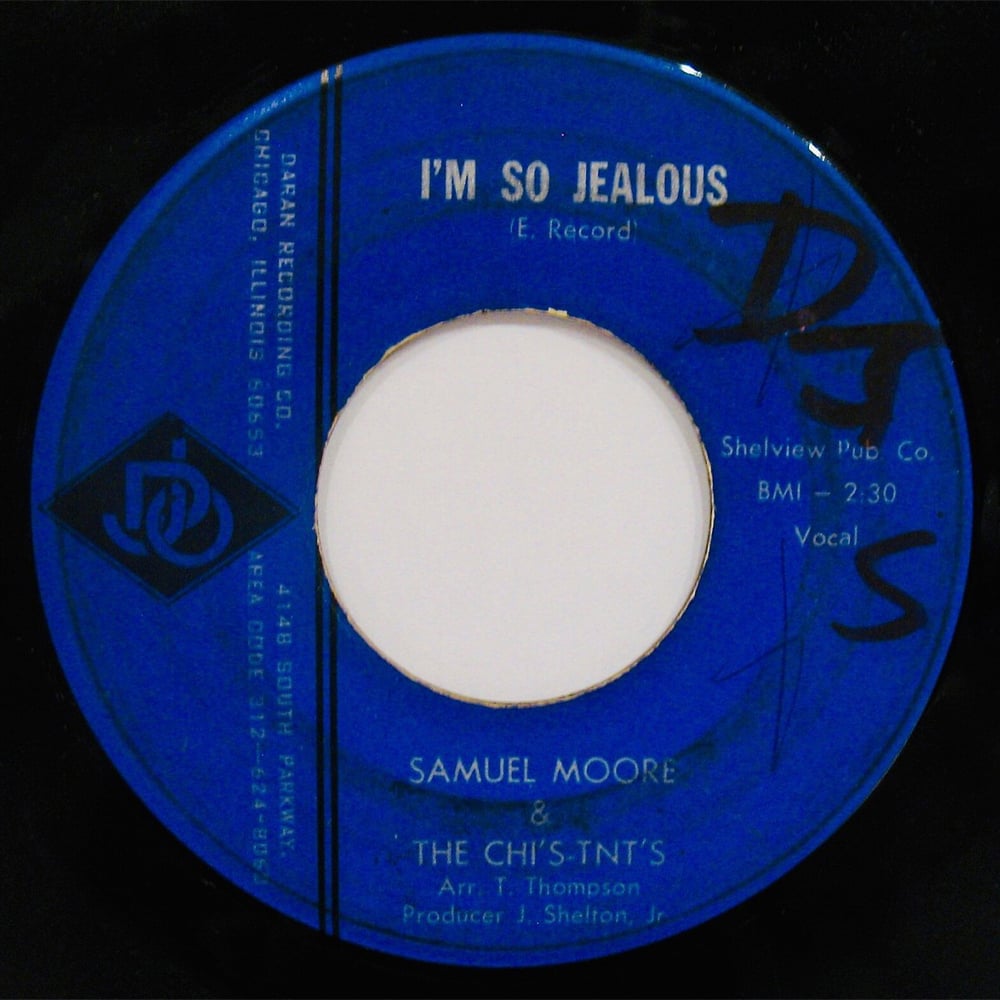
Release Date: 1968 | Producer: James Shelton | Label: DJO
Featuring production work from Chicago’s finest, James Shelton Jr, this slice of northern soul excellence is one of only two singles ever recorded by Samuel Moore, not to be confused with Sam Moore of the iconic soul duo Sam and Dave.
Both of those tracks were released via the Chicago label DJO, and both are equally as capable of getting people up on the dancefloor. A stomping dance track telling the typical soul tale of a heartbroken lover, the rhythm section of the backing band, credited to the Tnt’s, forms a particularly captivating aspect of this single.
That rhythm section, coupled with the wonderfully emotive voice of Moore, made the song a natural fit for the northern soul scene. As opposed to many of the other singles included on this list – particularly those closer to the top – this is one northern single that won’t break the bank either. Original DJO copies of the track can still be picked up for anything between £20 and £50, depending on condition, so ‘I’m So Jealous’ definitely still gives you a lot of bang for your buck.
Brenda Holloway – ‘Just Look What You’ve Done’
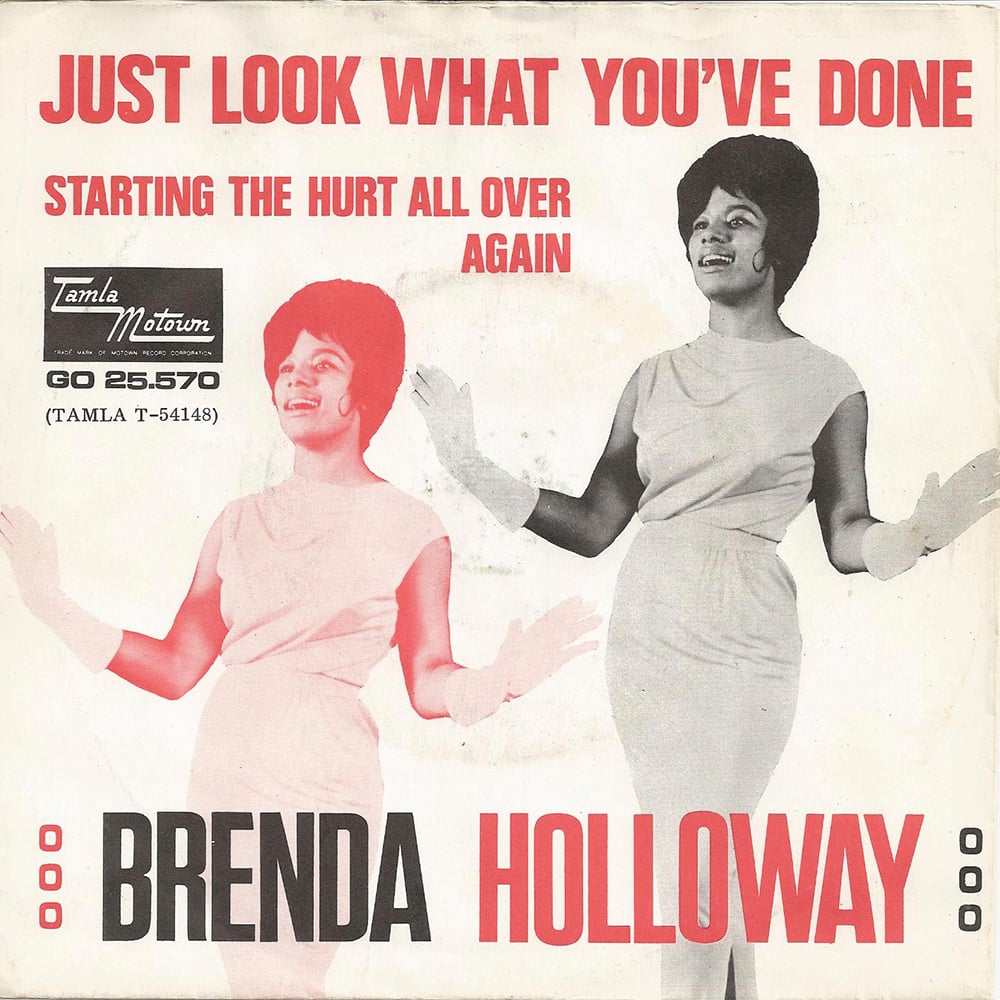
Release Date: 1967 | Producer: Frank Wilson | Label: Tamla
Another underrated Motown effort, this time from one of the label’s biggest missed opportunities. Holloway was based on the West Coast, in Los Angeles, which often caused her to feel pretty alienated from the Detroit label, all the more so when she said she wanted to write and record her own original material, which was not the done thing at Motown during that time. Although Holloway never had a major hit for the label, her effort ‘You’ve Made Me So Very Happy’ became a number two hit for Blood, Sweat, and Tears soon after she left Motown behind.
In terms of northern soul, though, it is her 1967 single ‘Just Look What You’ve Done’ that gets feet moving and blood pumping. Produced by Frank Wilson – who, rest assured, we will revisit much later on in this list – the single features an incredibly infectious rhythm, infallible brass section, and, of course, the rich vocal delivery of Holloway herself. She might not have been a successful Motown star, but she is an indisputable hero of northern soul.
Carla Thomas – ‘Separation’
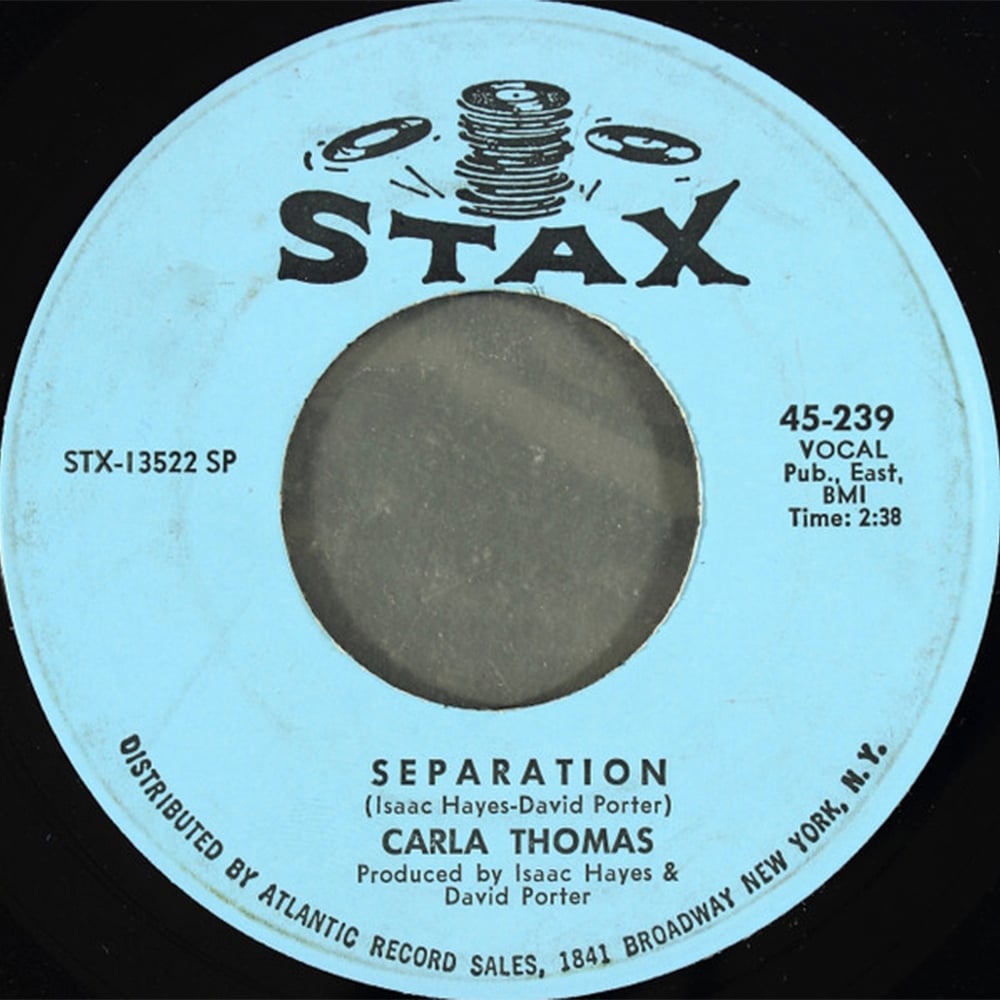
Release Date: 1967 | Producer: David Porter and Isaac Hayes | Label: Stax
From one iconic American soul label to another, Stax were hot on the heels of Motown throughout the 1960s and beyond. Otis Redding was the label’s flagship act for many of those early years, but the singer’s tragic death forced the Memphis label to look elsewhere in its roster. Two of the greatest stars to rise from those ashes were Isaac Hayes and Carla Thomas, who came together on this 1967 track, originally released as the B-side to ‘Pick Up The Pieces’.
Hayes’ production work, carried out alongside David Porter, helps to give the song an effortlessly cool atmosphere, which makes it an excellent mid-tempo dancer. Thomas quickly became one of Stax’s defining stars, thanks to legendary tracks like ‘B-A-B-Y’, but she also has a wealth of overlooked masterpieces, too. Perhaps due to being relegated to the B-side, ‘Separation’ rarely gets a mention when discussing her best work, but those lush horns and understated vocals make the song a powerful soul earworm.
The Supremes – ‘Life Beats’
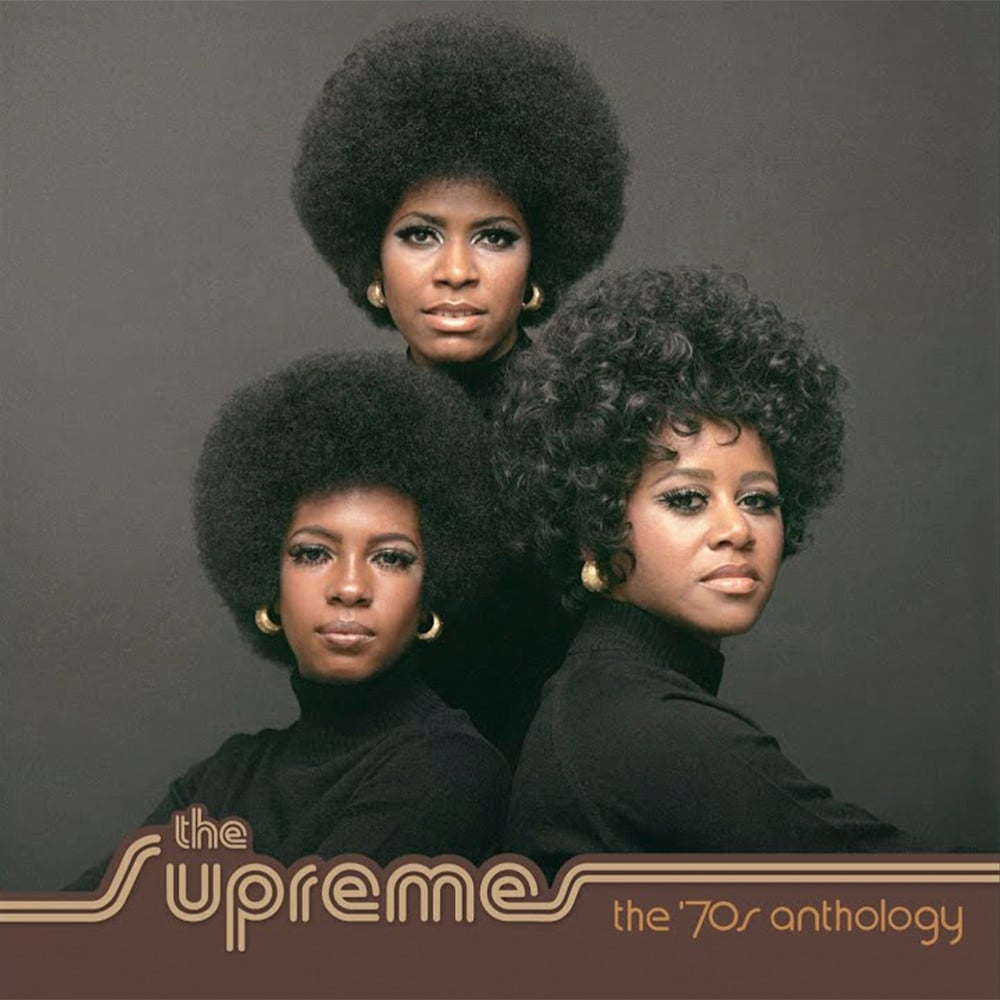
Release Date: 1970 | Producer: Johnny Bristol | Label: Motown
Hang on, if northern soul covets obscure and forgotten, what is Motown’s all-time most successful act doing on this list?
Let me explain: The Supremes were, indeed, the label’s most commercially successful group during the mid-1960s, spurred on by the songwriting mastery of Holland-Dozier-Holland, but the glory days didn’t last forever.
In early 1970, Diana Ross left the group to embark upon a solo career, leaving the rest of The Supremes in the unenviable position of carrying on without her, or throwing the towel in forever. Ultimately, the group decided to remain together, recruiting a replacement for Ross in the form of Jean Terrell. ‘Life Beats’ was one of the first songs the band recorded with that line-up.
Led by the distinctive vocals of Terrell, the song bears little to no resemblance to colossal Supremes hits like ‘Baby Love’ or ‘Where Did Our Love Go?’, which is perhaps why it never really took off. In fact, the very existence of the song as a single is disputed, given that the release was cancelled before it ever hit the shelves, making it one of the few obscurities within the repertoire of the Motown flagship act. However, its orchestral groove, bass harmonies, and distinct sense of optimism make it a natural fit for those sweaty soul all-nighters.
Bobbi Lynn – ‘Earthquake’
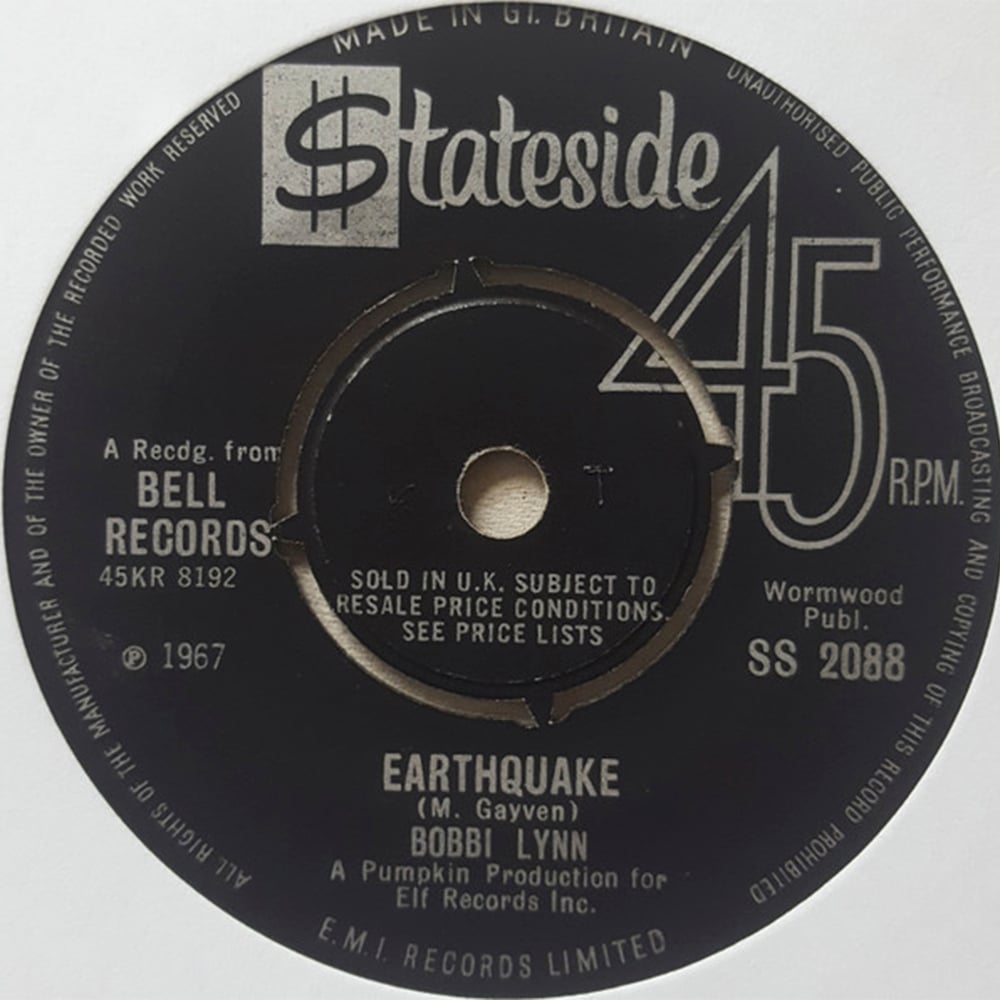
Release Date: 1968 | Producer: Pumpkin Productions | Label: Elf
One of the many mysteries of northern soul, very little is actually known about Bobbi Lynn. Seemingly, she began her recording career during the early 1960s, adopting a doo-wop style which can be heard on the 1961 single ‘Charleston’. Then, after a seven-year gap in her known discography, the vocalist moved to Elf Records in Nashville, where he unveiled the fantastic single ‘Earthquake’, written by the country-rock guitarist Mac Gayden and released in 1968.
At two-and-a-half minutes in length, ‘Earthquake’ is a short, sharp soul anthem, driven by orchestral strings and a strong bassline, but with the powerful vocals of Lynn always at the core of its appeal. Its adoption by northern soul circles was likely helped along by the fact that the 1968 single was issued in the UK on the Stateside label, before being reissued again in 1971 under Bell.
Whoever Bobbi Lynn was, and what her fate was after her fledgling soul career remains a mystery, but ‘Earthquake’ still lives on as an incredible northern soul anthem.
Damon Fox – ‘Packing Up’

Release Date: 1966 | Producer: Thom Bell | Label: Fairmount Records
As the 1960s marched on, virtually every major city across the United States developed its own distinctive style of soul. Among them, the great city of Philadelphia landed upon an utterly compelling soul sound, usually noted by heavy funk influences and occasional orchestral instrumentation. To facilitate this blossoming sound, numerous different record labels sprang up around the city, and Fairmount Records was one of the most prolific.
It was Fairmount who released ‘Packin’ Up’, a masterful floorfiller from the mysterious artist known as Damon Fox. Like many of the characters on this list, little is known about Fox other than that he was from Philly and recorded a couple of singles during the late 1960s. The Thom Bell-produced ‘Packin’ Up’ was originally released as the B-side to ‘Boney Maronie’, but quickly became the singer’s definitive anthem thanks to its regular rotation by northern soul DJs in the years that followed its release.
The Jades – ‘I’m Where It’s At’
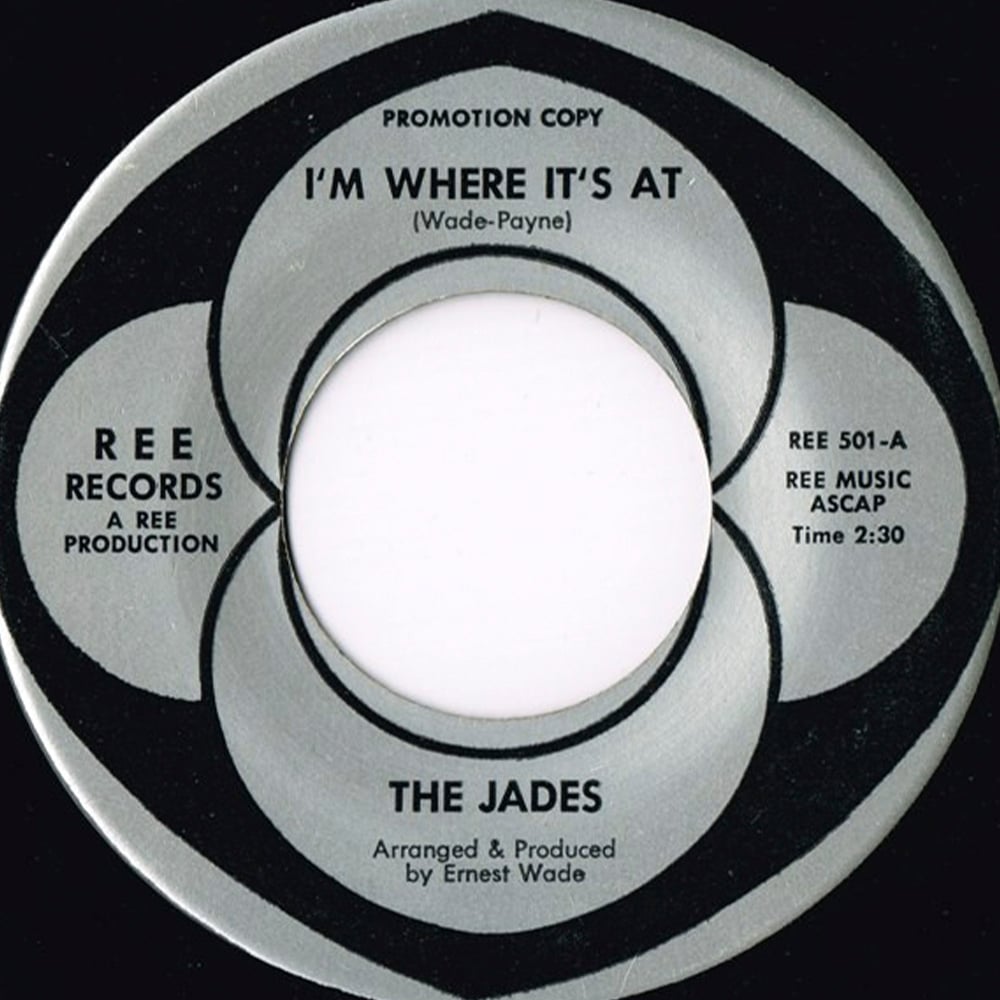
Release Date: 1966 | Producer: Wilbur Wade | Label: Nite Life Records
The sun-soaked streets of America’s West Coast weren’t quite as famed for funk and soul as its Eastern counterpart, but there is still a wealth of incredible West Coast soul out there, if you know where to look. In this case, we are looking at the tragically short-lived Chicano outfit The Jades and their debut release on Nite Life Records from back in 1966.
At a time during which Motown was dominating the pop charts, The Jades opted for something with a bit more edge. The moody bassline and joyous, self-affirming lyricism culminate in a thumping dance track which almost seems tailor-made for northern soul all-nighters.
Although there have been a handful of low-quality represses and bootlegs over the years, an original promo copy of this West Coast gem can still set you back a couple of grand, but listen to that rhythm and tell me it’s not worth it.
The Vont Claires – ‘Don’t Cha Tell Nobody’
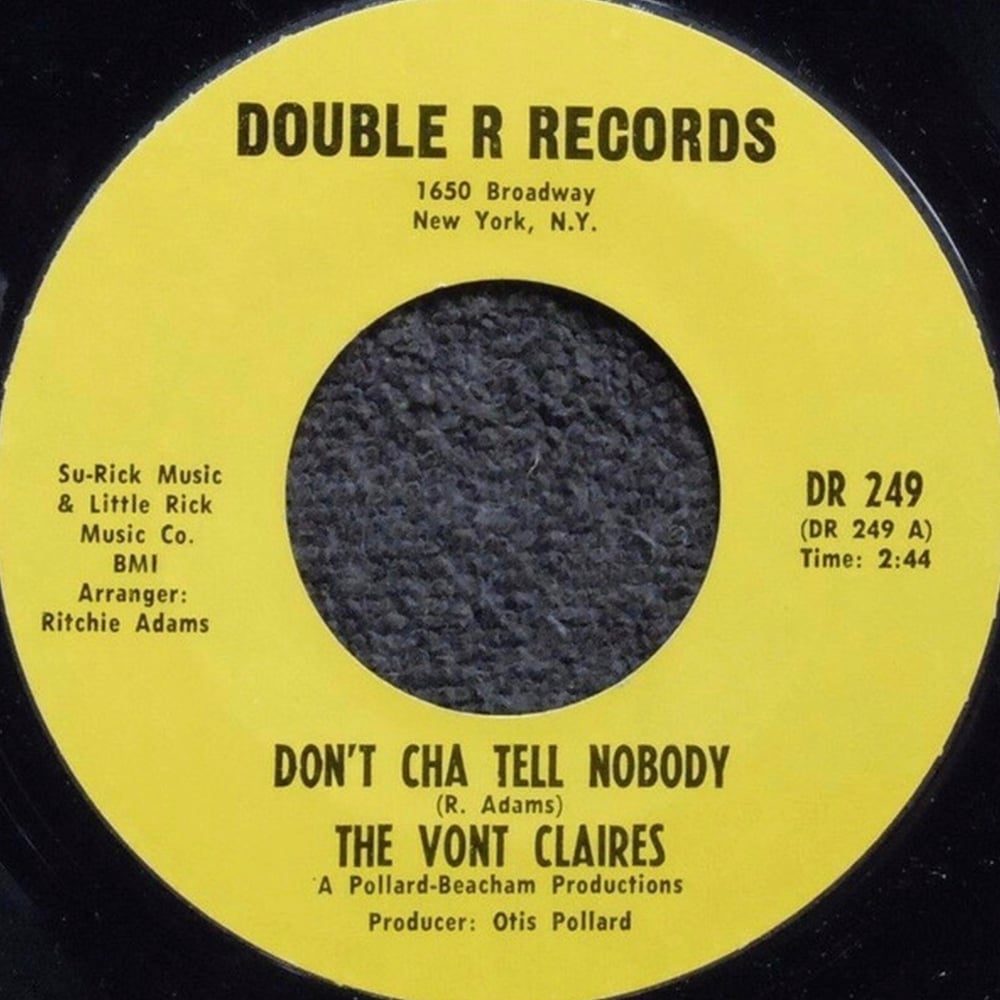
Release Date: 1968 | Producer: Otis Pollard | Label: Double R Records
New York City has produced a multitude of revolutionary artists and musical movements over the decades, from jazz and disco to hip-hop and indie sleaze, but the soul scene of the Big Apple has always been particularly good.
This record, the only known release by the mysterious and long-forgotten outfit The Vont Claires, is a stellar encapsulation of part of that NYC soul sound. Released on the tiny label Double R Records in 1968, the beloved mid-tempo track opts for the kind of romantic narrative that is no stranger to the world of soul, but there is a level of intrigue to the track which can’t help but stick in your mind.
Although the impact of the track isn’t quite as punchy as some other inclusions further on in this list, these excellent mid-tempo efforts certainly have their place within the northern soul landscape. Particularly, in this case, if they are as innovative, timeless, and affecting as ‘Don’t Cha Tell Nobody’. The fact that there are no other Vont Claires out there, as far as we know at present, is a great soul tragedy.
The Drifters – ‘You Got To Pay Your Dues’
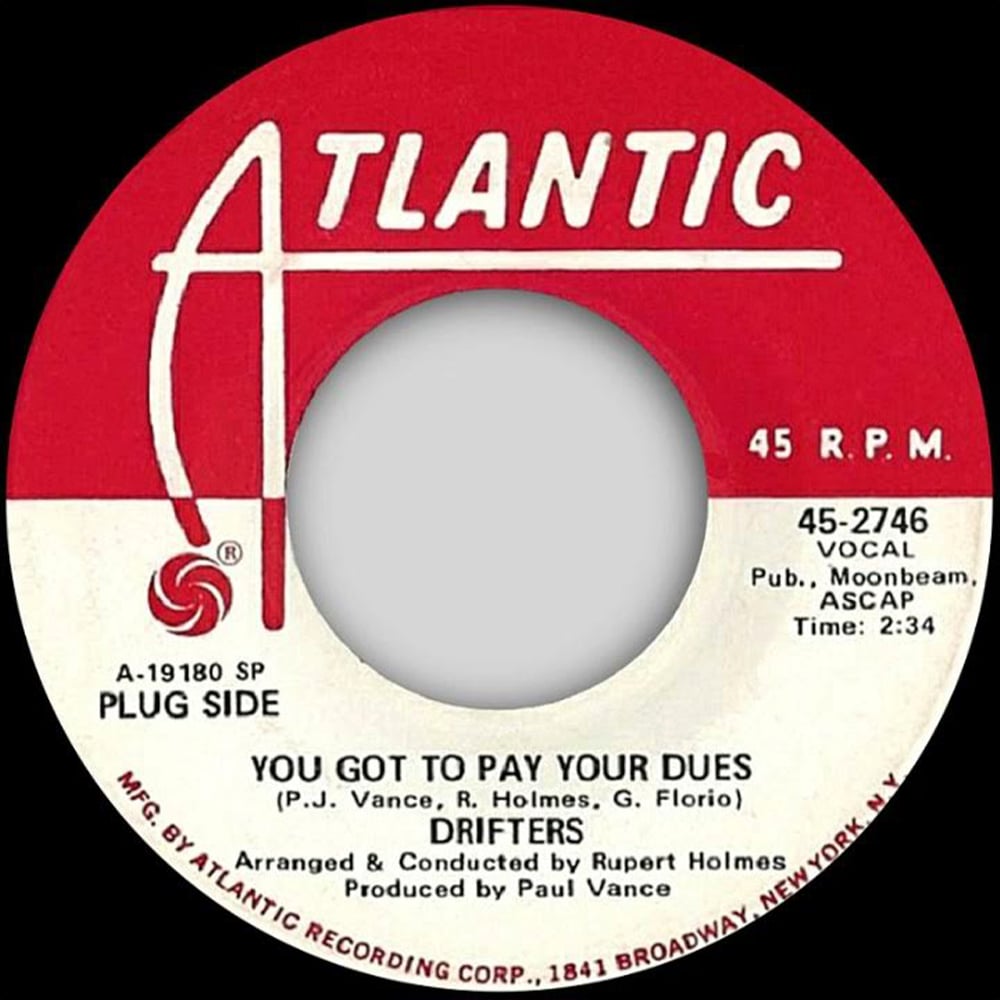
Release Date: 1970 | Producer: Paul Vance | Label: Atlantic
The Drifters are a name you have probably heard of, even if you are not a northern soul aficionado. A key R&B and doo-wop vocal outfit throughout the 1950s and 1960s, the New York City outfit was a regular on the R&B charts in the US and recorded a colossal number of records throughout their time together. Atlantic Records was the label The Drifters called home for much of their ‘golden age’, but not every single they cut for the label made it into the charts.
‘You Got To Pay Your Dues’ was one of the final singles The Drifters recorded for Atlantic before leaving the label in 1972, and it was something of a flop. As with many of their previous singles, the song was viewed as a disappointment and only accelerated their departure from Atlantic. However, a select few of the band’s failed attempts found favour with the northern soul scene, and the sheer presence of ‘You Got To Pay Your Dues’ quickly made it an indisputable northern soul classic.
The Whispers – ‘Can We Love Forever’
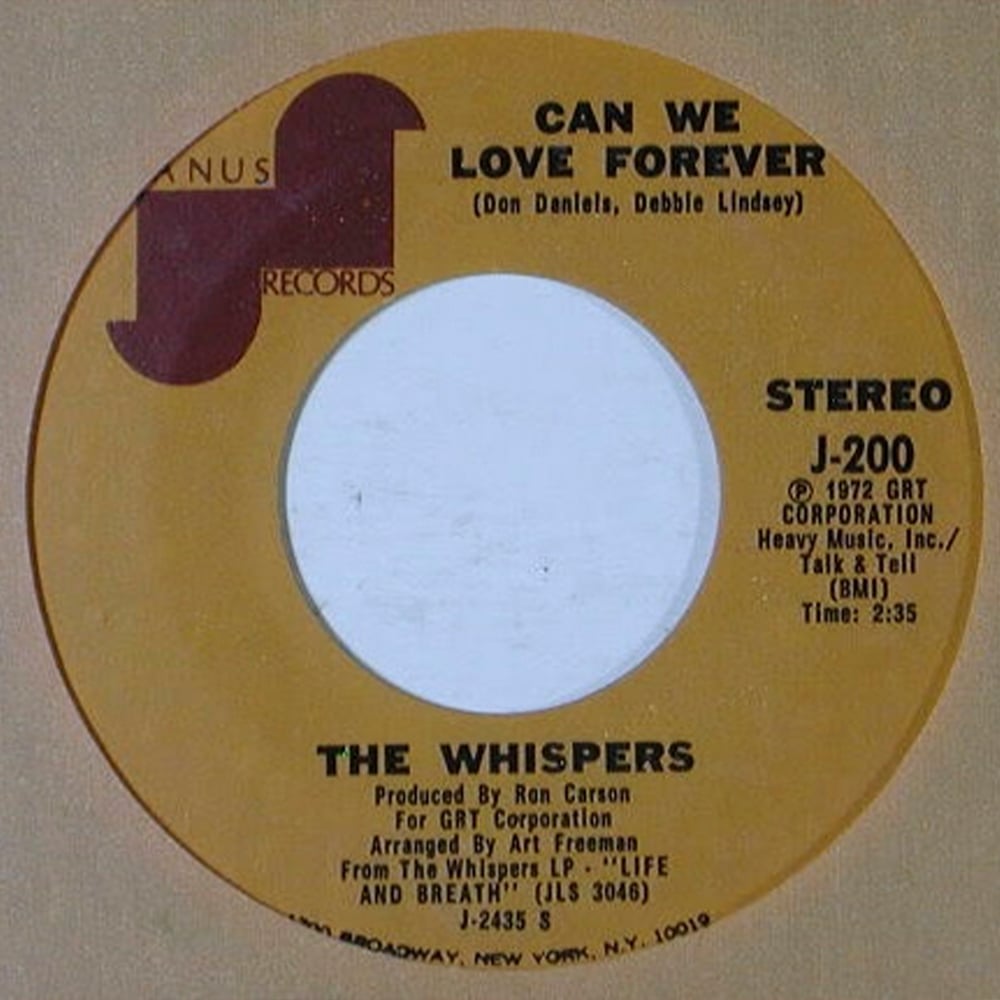
Release Date: 1972 | Producer: Ron Carson | Label: Janus Records
Hailing from Los Angeles, The Whispers have been pumping out soul and R&B triumphs since back in 1963, and they’re still together to this day. However, it is fair to say that their 1960s and 1970s material was what first put them on the soul map, and their time at Janus Records during the early 1970s formed a firm ‘golden age’ within their output. In 1972, the group released the Ron Carson-produced ‘Can We Love Forever’ as the B-side to ‘Somebody Loves You’.
Although northern soul is often reduced to the amphetamine-fuelled uptempo floorfillers, some of the more mellow deep soul efforts are just as enjoyable. From the moment those enchanting keys kick in, the song transfixes the listener, creating a lush, romantic atmosphere on the dancefloor. From experience, it’s an excellent track to end the night on.
James Barnett – ‘Keep On Talking’
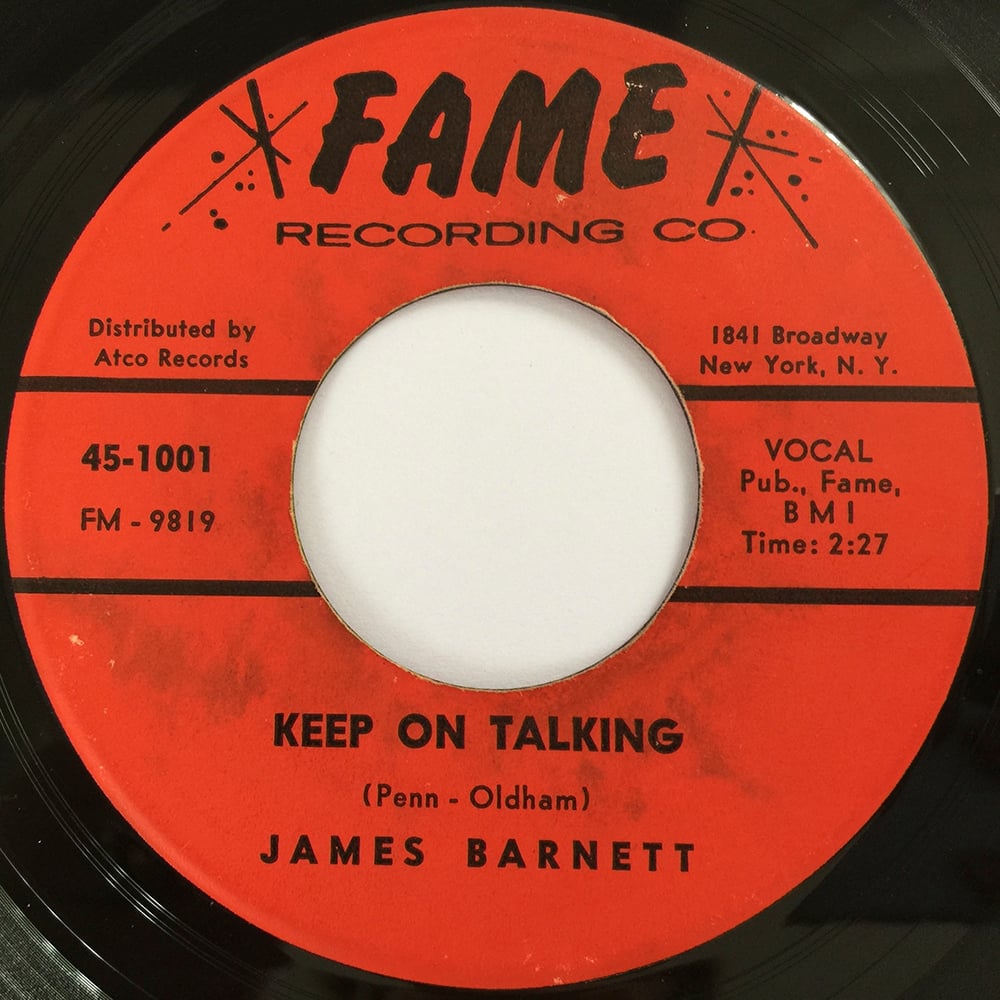
Release Date: 1965 | Producer: Rick Hall | Label: FAME
FAME Studios in Alabama has an unavoidable reputation within the world of soul music; it is the studio that played host to Otis Redding, Aretha Franklin, and Solomon Burke, among countless other truly iconic names. A part of the studio’s history which is often overlooked, though, is the attached record label, FAME Records, which consistently released funk and soul gems for many years. James Barnett’s ‘Keep On Talking’ is one such example, released in 1965 when the label was in its relative infancy.
This record is one of two singles that the elusive Barnett ever released, and it is clear within the recording that he was attempting to emulate the sound and style of more popular soul artists of that time. The hallmarks of Otis Redding’s influence are rife throughout the song, but Barnett, along with an incredible arsenal of brass, manages to imbue the song with his own distinctive style, too.
Dena Barnes – ‘If You Ever Walk Out Of My Life’
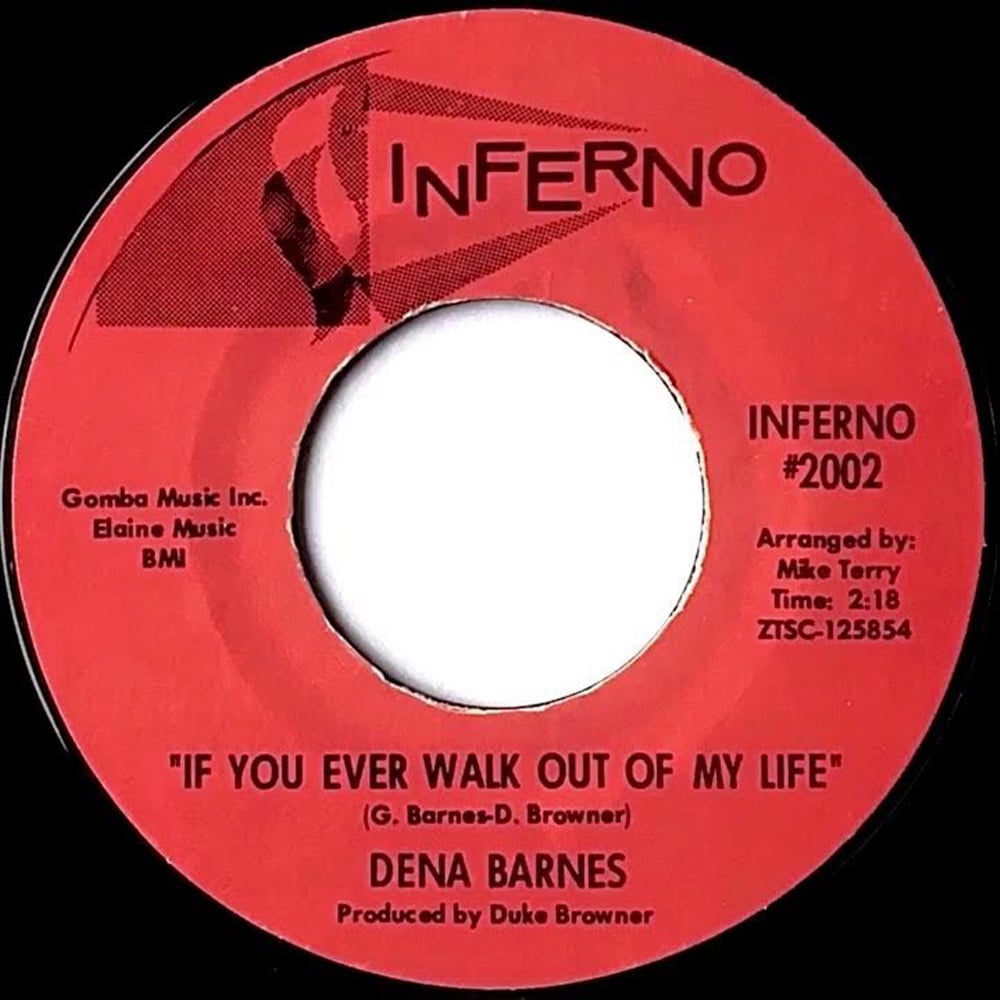
Release Date: 1967 | Producer: Duke Browner | Label: Inferno
There must have been something in the water in 1960s Michigan that instilled soul greatness in people, because the state seemed to produce an endless array of incredible vocalists and musicians throughout that period. So much so that it was easy for some to get lost between the cracks, as in the case of Dena Barnes. A Michigan native, Barnes released her one and only single, ‘Who Am I (You Ought To Know)’ via the short-lived Detroit label Inferno in 1967.
‘If You Ever Walk Out On Me’, was the B-side to that single, but it hugely overshadowed the A-side. Barnes’ unique vocal style suited the soulful sound of the song perfectly, featuring a beautiful, almost ethereal quality to it. It was a promising first single, there’s no doubt about that, but Inferno was bought out by Motown Records shortly after its release, and Berry Gordy chose not to pursue Barnes’ potential career. Luckily, northern soul obsessives have preserved the song for our listening pleasure.
Leon Haywood – ‘Baby Reconsider’
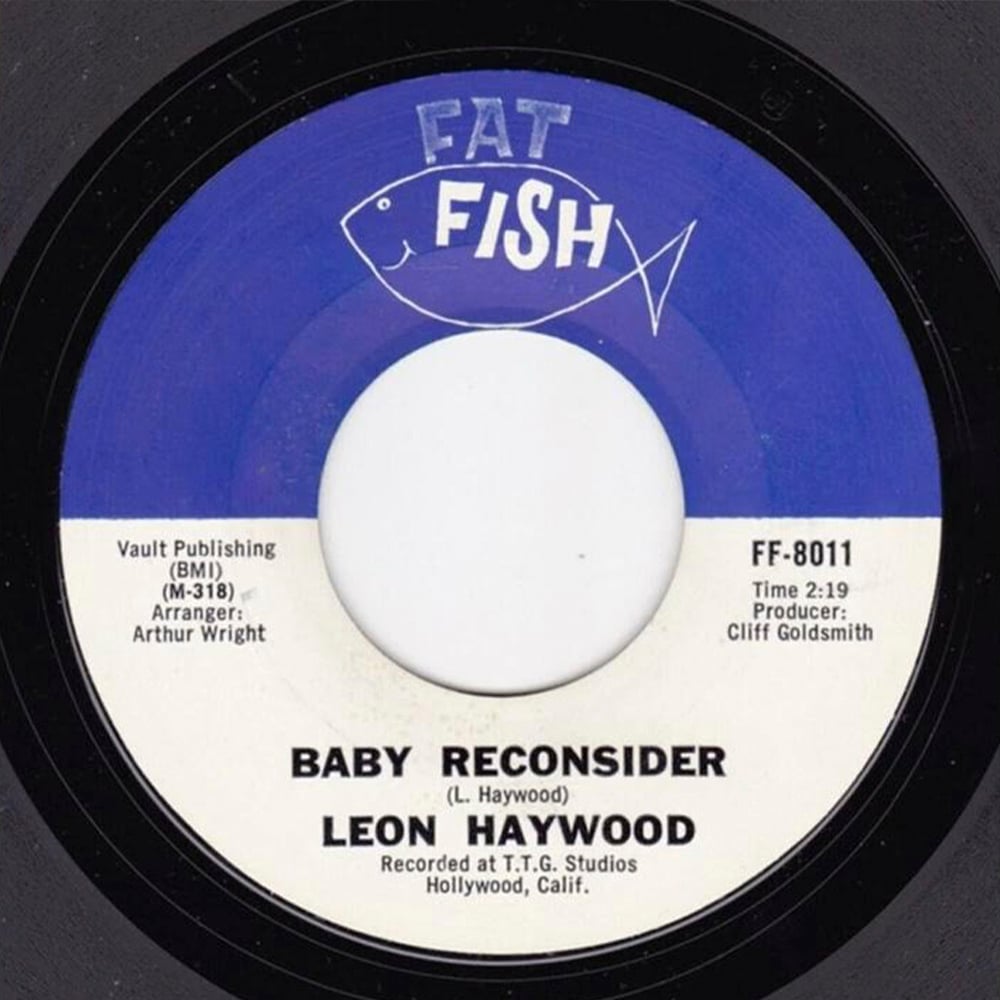
Release Date: 1967 | Producer: Cliff Goldsmith | Label: Fat Fish Records
Hip-hop fans might recognise Leon Haywood from his 1975 track ‘I Want’a Do Something Freaky to You’, which was famously sampled by Dr Dre back in the 1990s. What you might not know, however, is that Haywood boasts one of the greatest funk and soul discographies of all time. The Houston-born vocalist began to get some recognition for his work during the late 1960s, signing for Decca and releasing a run of minor hits, but some of his best moments came before that, when he was working with the cult Californian label Fat Fish.
‘Baby Reconsider’ was written by Haywood himself, and it was one of his final releases for Fat Fish before moving on to bigger climbs. As such, the bass-heavy track reflects the blistering artist at his most impassioned and motivated points. It didn’t become a hit as we know the term today, of course, but Haywood’s incredibly powerful vocal track, coupled with the groovy bassline, has been getting dancefloors moving ever since.
Lou Johnson – ‘Unsatisfied’
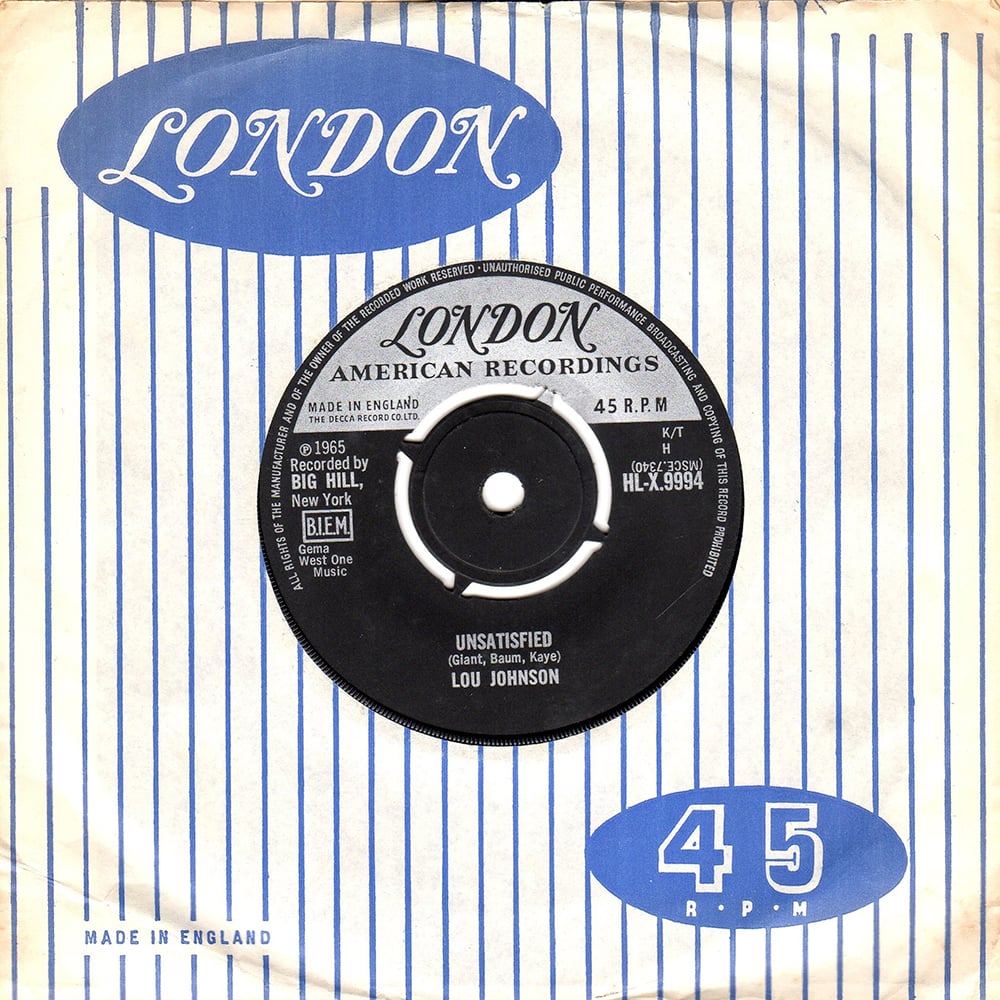
Release Date: 1965 | Producer: Giant Baum Productions | Label: Bigtop
One of the best-kept secrets in soul, to everybody apart from those in northern soul circles, Lou Johnson created countless marvellous funk, soul, and R&B smashes throughout his extensive and enduring career in music. The vast majority of his best efforts were released during his time with the New York label Bigtop, and ‘Unsatisfied’ is undoubtedly his best work.
Reportedly a favourite of Edwin Starr’s (more on him later in this list), the upbeat, brass-driven floorfiller exemplifies the effortlessly endearing quality of Johnson’s vocal performances. What’s more, its building intensity and compelling rhythm are virtually impossible not to dance to, making it a secret weapon for DJs trying to get those stubborn few out of their seats and onto the dancefloor.
Tami Lynn – ‘I’m Gonna Run Away from You’
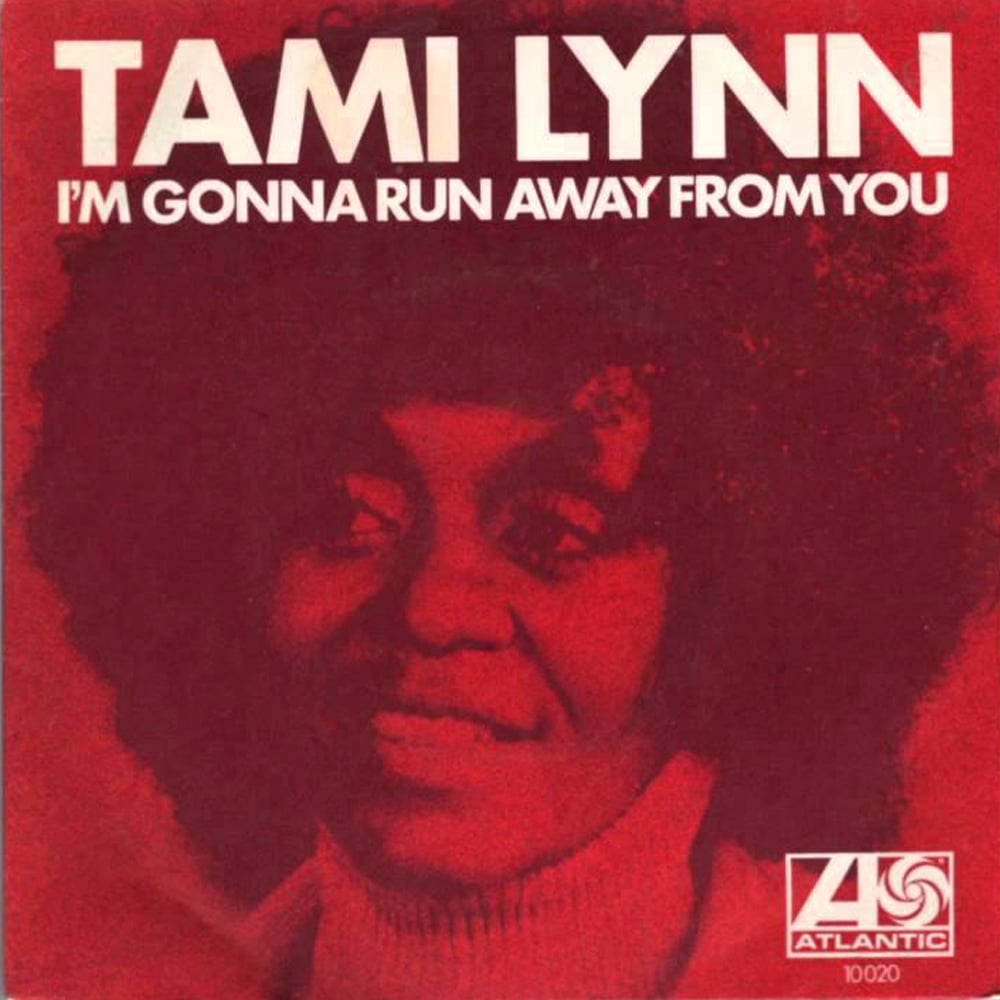
Release Date: 1965 | Producer: Bert Berns | Label: Atco
Cutting her teeth in gospel choirs before working as an opener for such iconic artists as Ella Fitzgerald, John Coltrane, and Miles Davis, Tami Lynn was among the most woefully underrated voices of the 1960s. Despite her clear vocal proficiency and undeniable star power, along with the added support of people like Jerry Wexler, Lynn couldn’t seem to break into the American mainstream during her heyday, but that didn’t stop the 1965 recording ‘I’m Gonna Run Away From You’ from becoming a northern soul anthem in the following years.
Penned by Bert Berns, who you might recognise from ‘Twist and Shout’, ‘Piece of My Heart’, ‘Everybody Needs Somebody to Love,’ and any number of the 1960s’ most iconic pop hits, the release was unsuccessful upon initial release. However, by the early 1970s, it had found its way into the boxes of northern soul DJs, and its success in that scene earned a newfound respect for Lynn’s single, which reached number four in the UK singles chart in 1971. Better late than never, I suppose.
Carstairs – ‘It Really Hurts Me Girl’
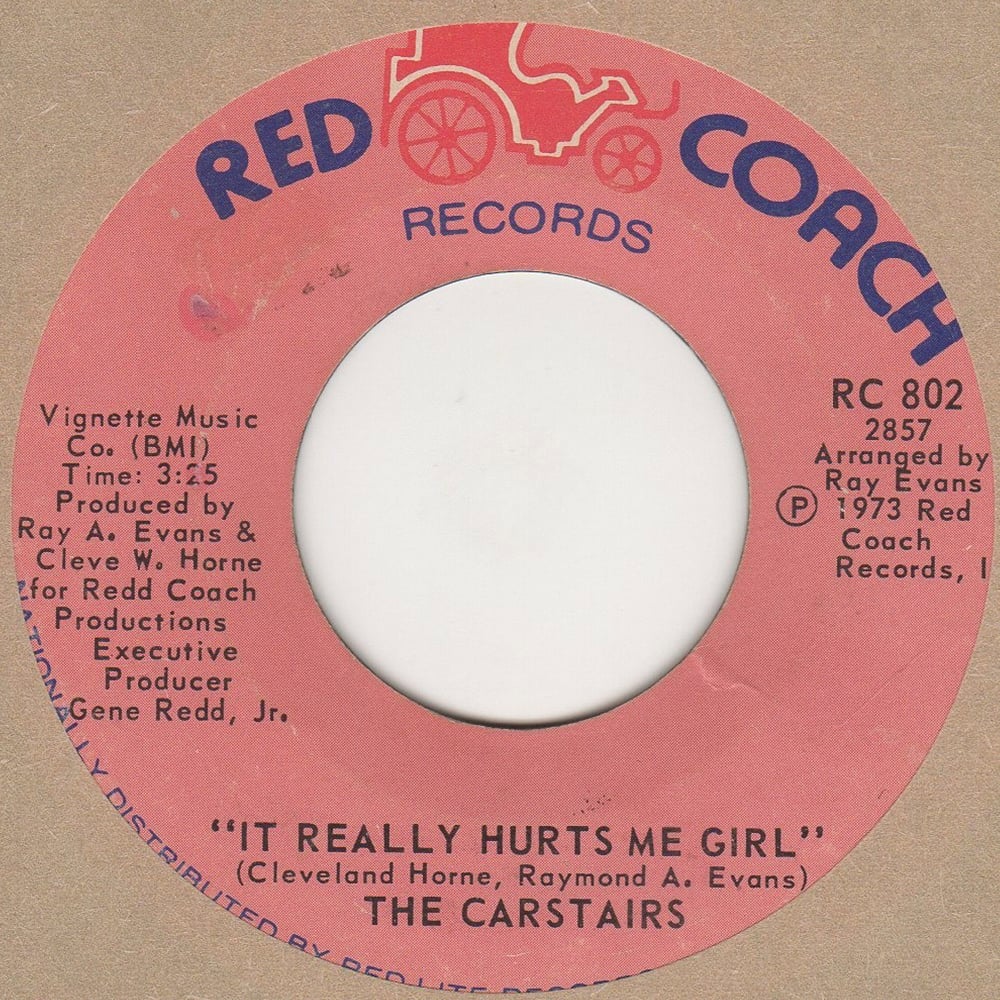
Release Date: 1973 | Producer: Gene Redd Jr., Cleveland Horne, Ray Evans | Label: Red Coach Records
A controversial classic which marked a turning point within northern soul, ‘It Really Hurts Me Girl’ has a rich history within the scene. Reportedly, DJ Ian Levine heard the song on the radio during a 1973 trip to the US, and played a copy at Blackpool Mecca that very same year. Admittedly, the song marks a stark departure from the traditional sound of northern soul music, but the hallmarks of a great floor-filler are all there — catchy bassline, unrelenting rhythm, and a strong vocal performance courtesy of Cleveland Horne.
Whatever your take on the position of ‘It Really Hurts Me Girl’, the song is an inarguable part of northern soul history. In fact, it gained such a following that, by 1975, demand for a reissue was so great that producer Gene Redd Jr. took it upon himself to release the song after it had initially been pulled from widespread release back in 1973.
Judy Street – ‘What’
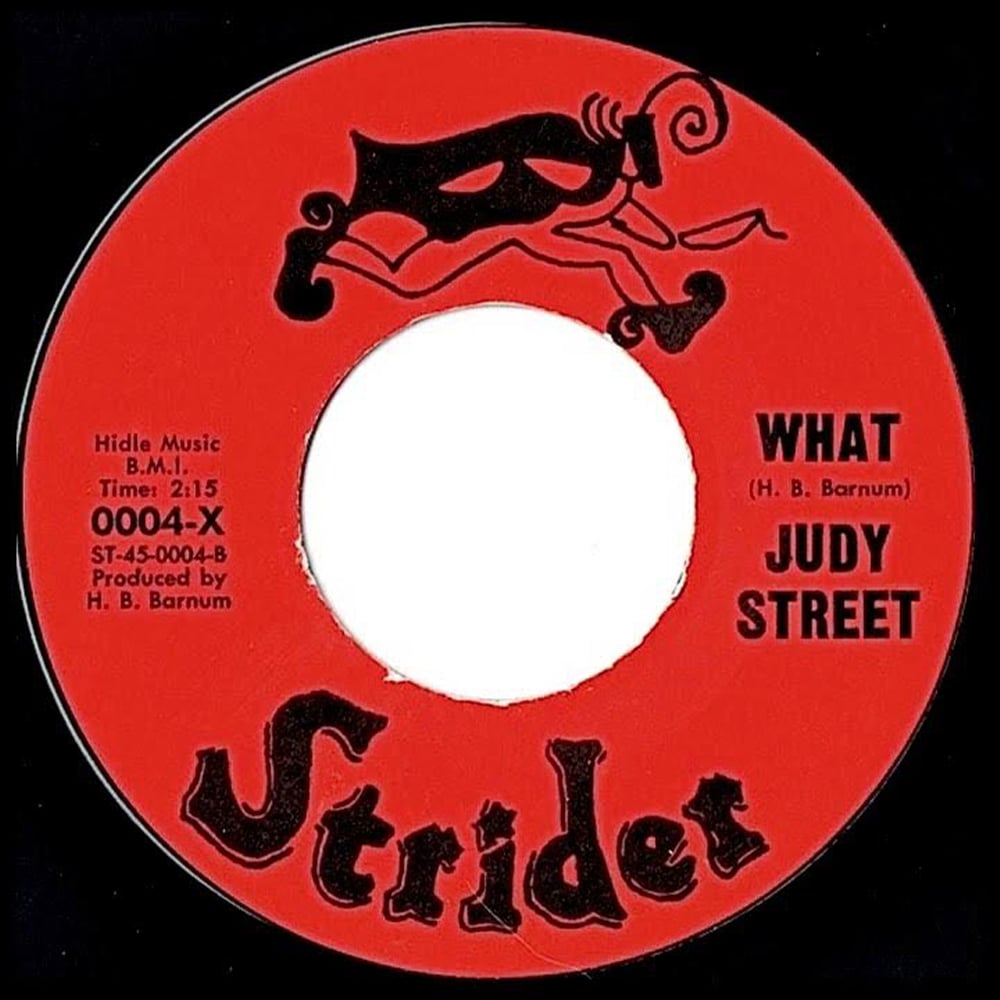
Release Date: 1968 | Producer: Hidle Brown Barnum | Label: Strider
Calling something an outlier within the northern soul scene seems pretty redundant – virtually all of the songs included on this list are outliers, in one way or another. Even still, ‘What’ is a particularly unexpected track which took hold of the folks at Wigan Casino during the 1970s. Originally recorded by Melinda Marx, daughter of Groucho Marx, in 1965, ‘What’ is instilled with a kind of musical theatre atmosphere; it could easily have featured on the soundtrack to some big-budget golden-age Hollywood musical. Instead, Judy Street’s version was adopted by northern soul fans for its upbeat tempo and pounding drums.
Street’s recording was originally released as the B-side to her Strider single ‘You Turn Me On’, but, like many records on this list, the flip side soon eclipsed the main release. Reportedly, though, the Indiana-born vocalist was unaware of the single’s popularity among amphetamine-riddled young people in England and stepped away from the music industry until the mid-1980s. By which time, new wave duo Soft Cell had achieved a number-three single with their cover of the soul classic.
Just Brothers – ‘Sliced Tomatoes’
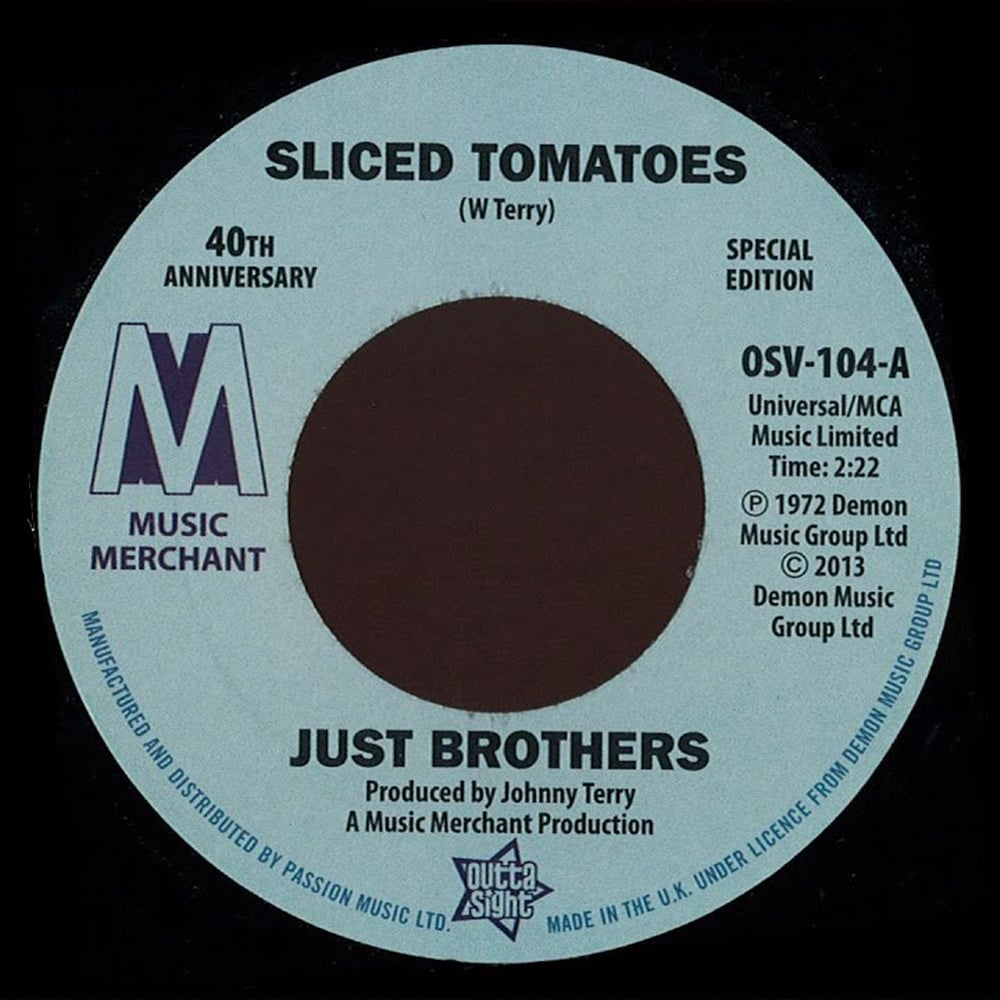
Release Date: 1972 | Producer: Johnny Terry | Label: Music Merchant
Holland-Dozier-Holland were a key component of Motown Records’ success during the mid-1960s golden age of the label. However, when they left the label in 1968, that success did not follow them to their future ventures, such as the Music Merchant label which sprang up in 1972. Housing all sorts of funk and soul goodness, from the psychedelia of Warlock to the former Motown hopeful Brenda Holloway, a crowning jewel in the label’s discography was the instrumental masterstroke ‘Sliced Tomatoes’ by Just Brothers.
Nowadays, the track is probably best known for providing the core sample of Fatboy Slim’s 1998 hit ‘The Rockafellar Skank’, but its popularity within northern soul long predates the emergence of the Brighton-based DJ. A relatively simple composition, built around a simple guitar riff and percussive backing, the song has such a commanding presence on the dancefloor, and its success in the scene has endured a lot longer than most.
Bar-Kays – ‘Soul Finger’
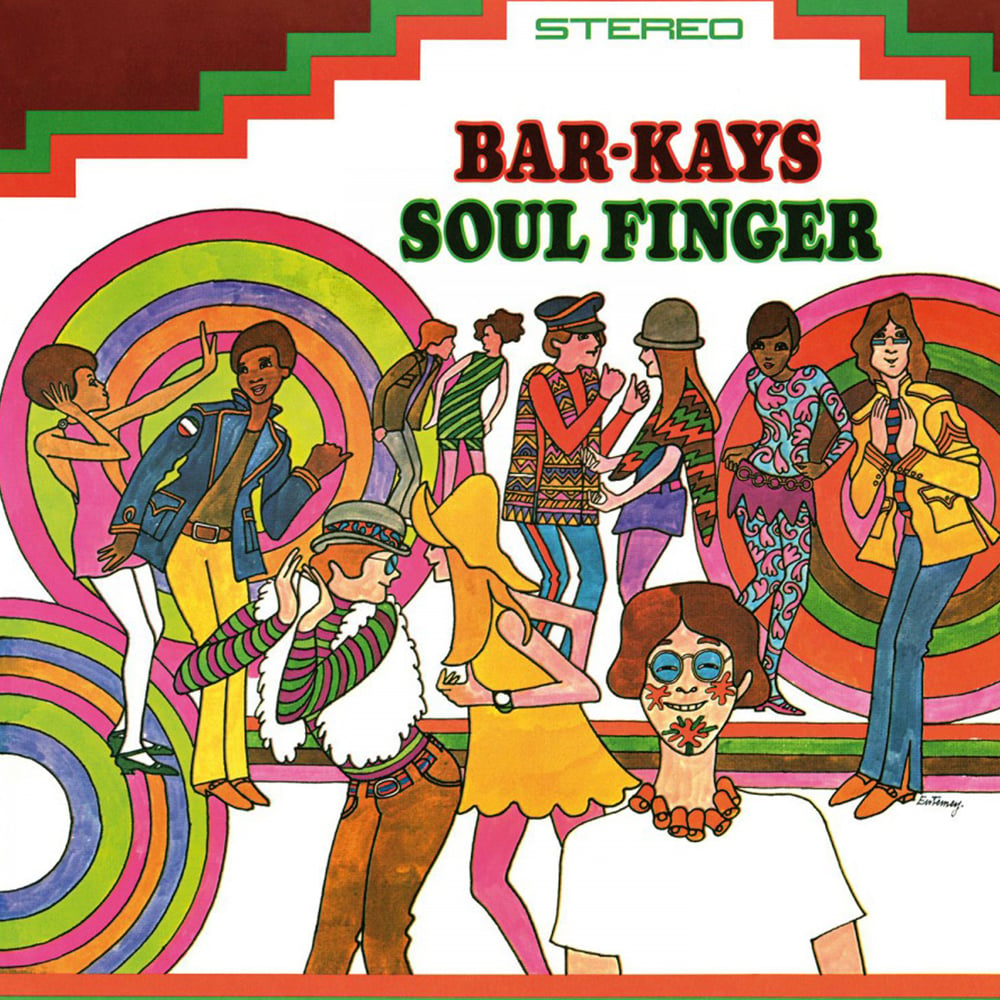
Release Date: 1967 | Producer: Jim Stewart | Label: Volt
Another potentially controversial inclusion in this list, whose northern soul credentials have been disputed routinely, ‘Soul Finger’ became a number three hit for the Bar-Kays in the US back in 1967, but it took a few more years for audiences in the UK to become exposed to its bombastic, horn-heavy instrumental sound. While not quite as groundbreaking as some other inclusions on this list, it is an utterly euphoric tune which has kept dancefloors going for decades thanks to its seemingly endless resource of energy.
The tragic story of the Bar-Kays has also done a lot to preserve the appreciation of the song. Originally formed as a backing group for Stax artists, the majority of the band were killed mere months after the release of this single in a plane crash, which also claimed the life of the soul legend Otis Redding. Although the group lived on with an adapted line-up in later years, ‘Soul Finger’ remains a beloved example of their raw talent and quality during those early years.
The Shakers – ‘One Wonderful Moment’
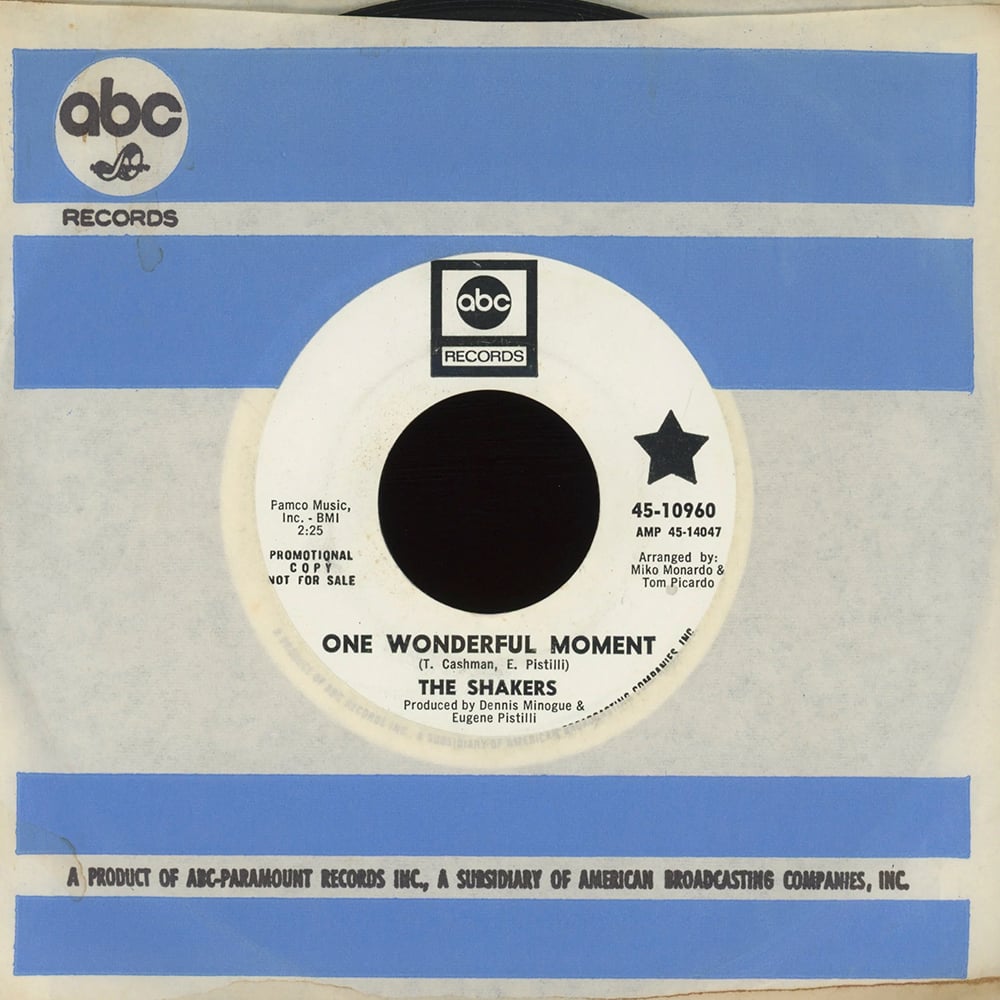
Release Date: 1967 | Producer: Dennis Minogue and Eugene Pistilli | Label: ABC Records
Every DJ worth their salt knows the power of a record which captures an audience’s attention instantly. Even at northern soul nights, there are those unwilling few who are happy enough standing around the edges of the dancefloor necking bitter and chatting away. The Shakers’ ‘One Wonderful Moment’ is the kind of record that is capable of pulling them away from that lukewarm ale, with its triumphant, almost regal opening bars and captivating rhythm.
Understated vocals and a particularly enjoyable drumming performance round off the appeal of the song, but the sheer power of the opening and closing moments is enough to cement its place on this list. So far as we know, this is one of only two singles credited to The Shakers, although the same musicians did record extensively under the names Buchanan Brothers and Cashman, Pistilli & West during roughly the same period.
Summits – ‘Sophisticated Lady (Break Down and Love Me)’
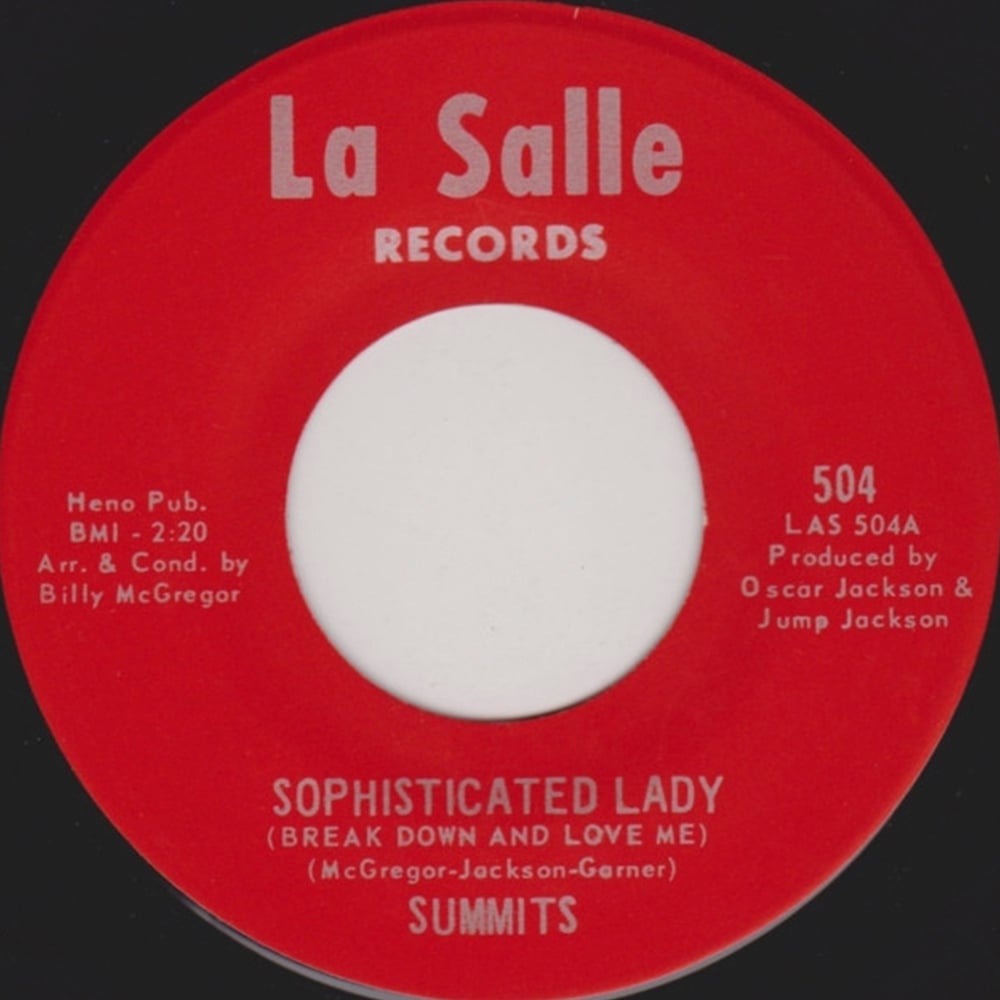
Release Date: 1968 | Producer: Jump Jackson and Oscar Jackson | Label: La Salle Records
Heartbreak anthems make numerous appearances on this list, given just how recurring that theme has been within the landscape of funk, soul, and R&B music since the very early days. However, this particular stomper takes a more self-affirming, rousing approach than many others. With incredible horns and a seminal vocal performance from the mysterious Chicago outfit, ‘Sophisticated Lady’ is an indisputable northern soul classic, and for very good reason.
Within the song, The Summits capture the kind of aspirational feeling that really resonated with audiences at The Torch and Wigan Casino, and continues to resonate with modern audiences too. In terms of the Summits themselves, little is known about the group other than that they were from Chicago and released three singles between 1964 and 1968, with this one being their only release for the short-lived La Salle label.
Mary Saenz – ‘Would She Do That For You’
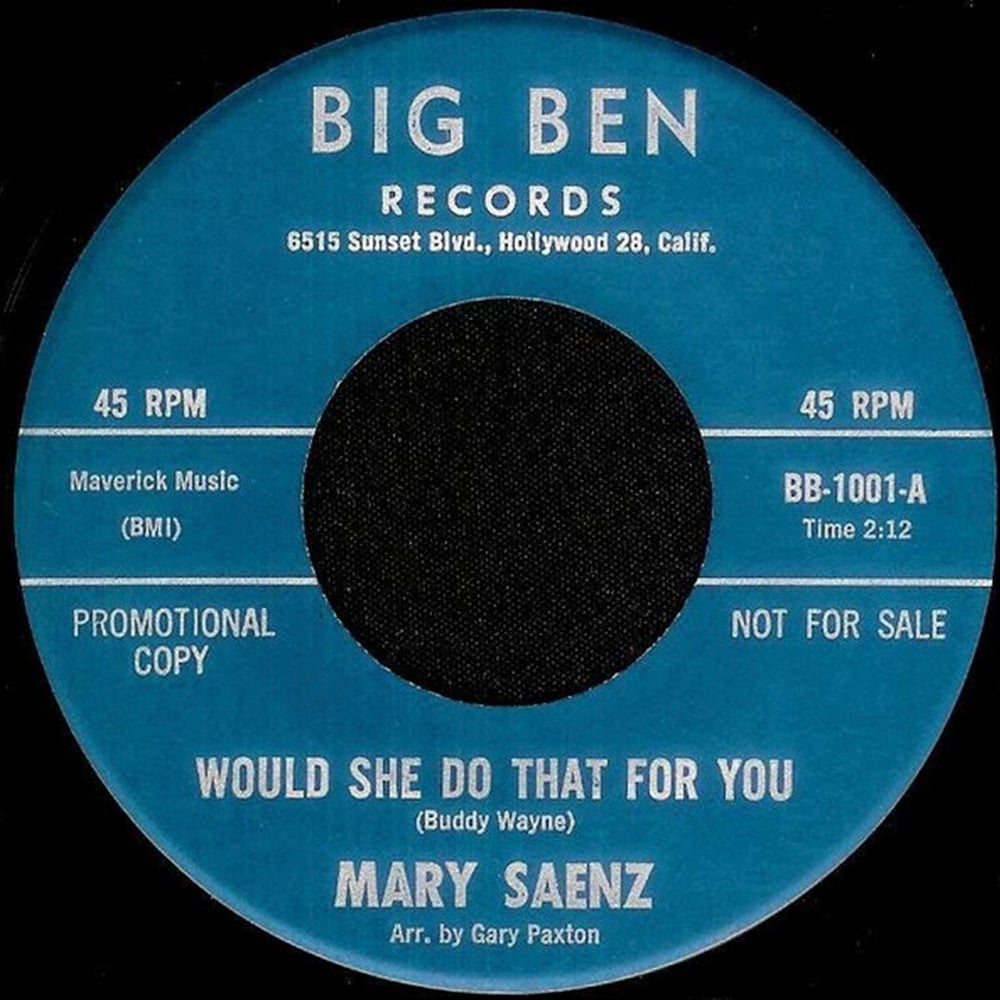
Release Date: 1965 | Producer: Gary Paxton | Label: Big Ben Records
The final known record released by the mystical Mary Saenz during her short-lived career in soul-infused pop, ‘Would She Do That For You’, is typified by its hand-clapping rhythm and pop-centric vocals. It might not pack the same punch, or have the same commanding grooves as some of the other tracks on this list, but there is something about Saenz’s lovey-dovey performance which you cannot help but appreciate.
It took quite a while before the single found appreciation in the northern soul scene, being introduced into the setlists of all-nighters towards the end of the 1970s, when tastes leaned further towards pop, rather than the heavy, overtly soulful offerings of the early scene. Still, those constant hand-claps certainly provide an infectious, danceable rhythm, and you’ll be humming the lyrics for days after hearing it.
Rose Battiste – ‘Hit and Run’
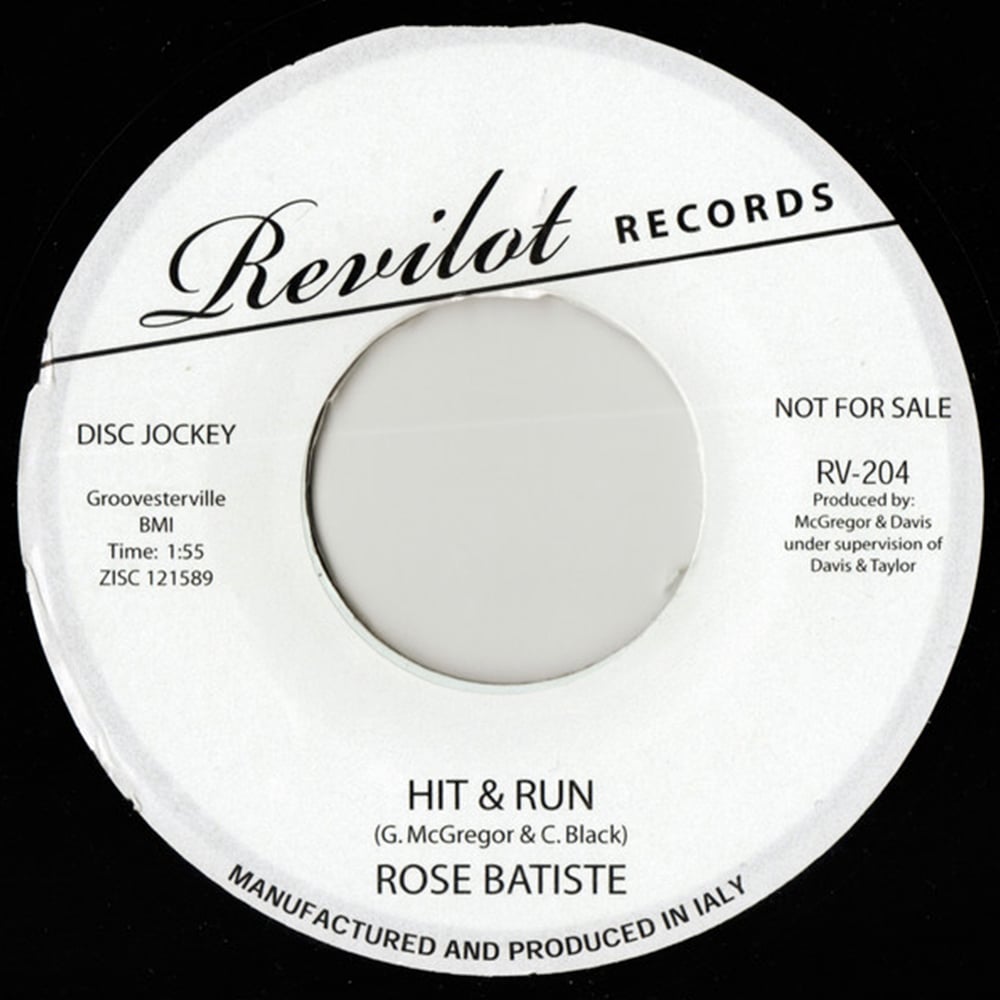
Release Date: 1966 | Producer: Donald Davis and George McGregor | Label: Revilot Records
A victim of Detroit’s soul success, Rose Battiste could have been one of the city’s defining figures in soul and R&B music, were it not for just how saturated the Michigan market had become by the mid-1960s.
Initially, the brilliant young vocalist was signed to Thelma Records, a label owned by the sister of Motown boss Berry Gordy, before moving to Golden World and Ric-Tic Records, labels which were eventually bought out by Gordy. However, it was the Revilot-released ‘Hit and Run’ which arguably became her defining track, thanks to its upbeat R&B rhythm and Battiste’s excellent vocal performance.
Eventually, Battiste found herself at Motown, too, but her recordings during that era have still never been released, and her work at the label largely revolved around being a typist. There is a happy ending, however, as Ian Levine made ‘Hit and Run’ a northern soul anthem, and even brought the vocalist over to the UK to perform at venues like Blackpool Mecca, giving her a taste of the stardom that she was destined for.
Jimmy Holiday – ‘Love Me One More Time’
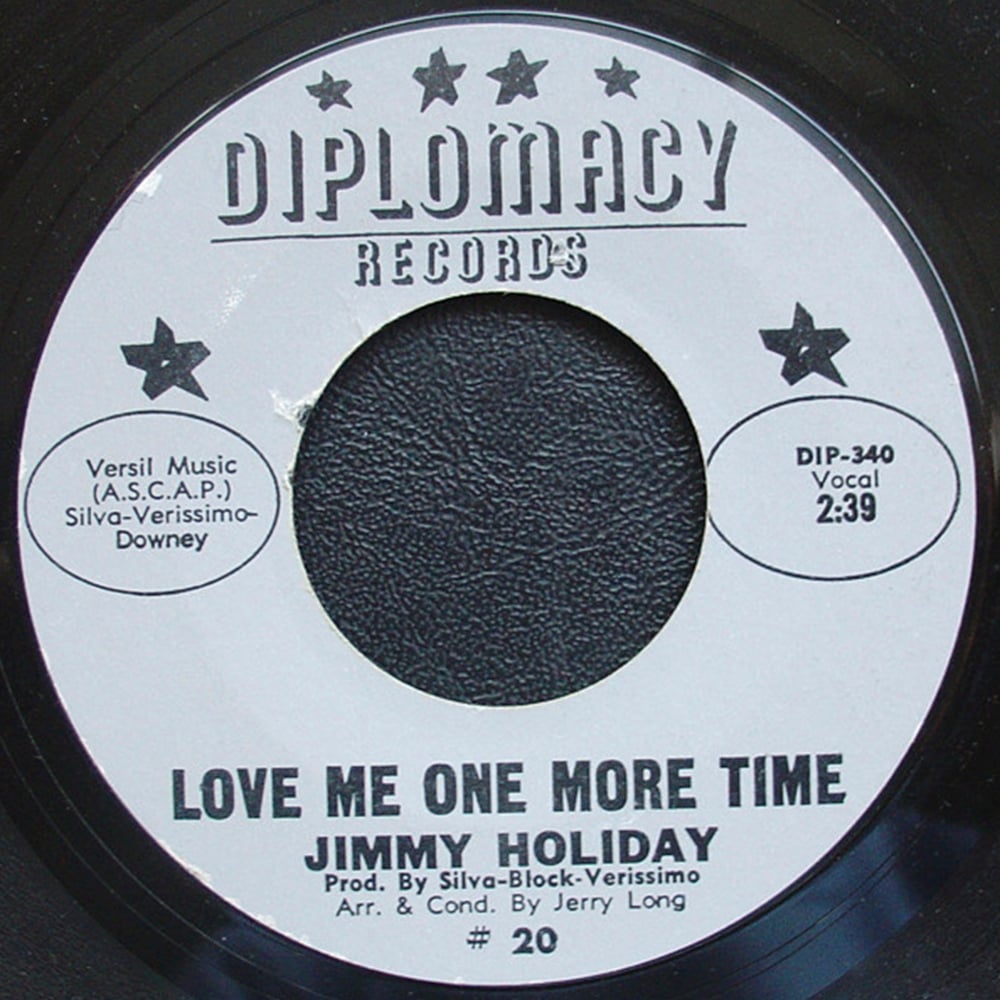
Release Date: 1965 | Producer: Alvaro Verissimo and William Silva | Label: Diplomacy Records
Without wishing to criticise anybody at the now long-defunct California label Diplomacy, whoever decided that this unavoidable, upbeat, and utterly compelling floor-filler should be signed to the B-side of Jimmy Holiday’s 1965 single ‘The New Breed’ should have their ears checked. The Mississippi-born vocalist has such a commanding presence on the track, and the blaring horns demand that the song be played loud.
There is nothing low-key about this Verissimo and Silva production effort; it sounds huge, and as a result, the song is capable of filling any room presented to it. From colossal halls with sprung dancefloors to tiny working men’s clubs with talc all over the floor, Jimmy Holiday’s voice has something of a universal appeal which is sure to get people on that floor all night long.
Chubby Checker – ‘You Just Don’t Know (What You Do To Me)’
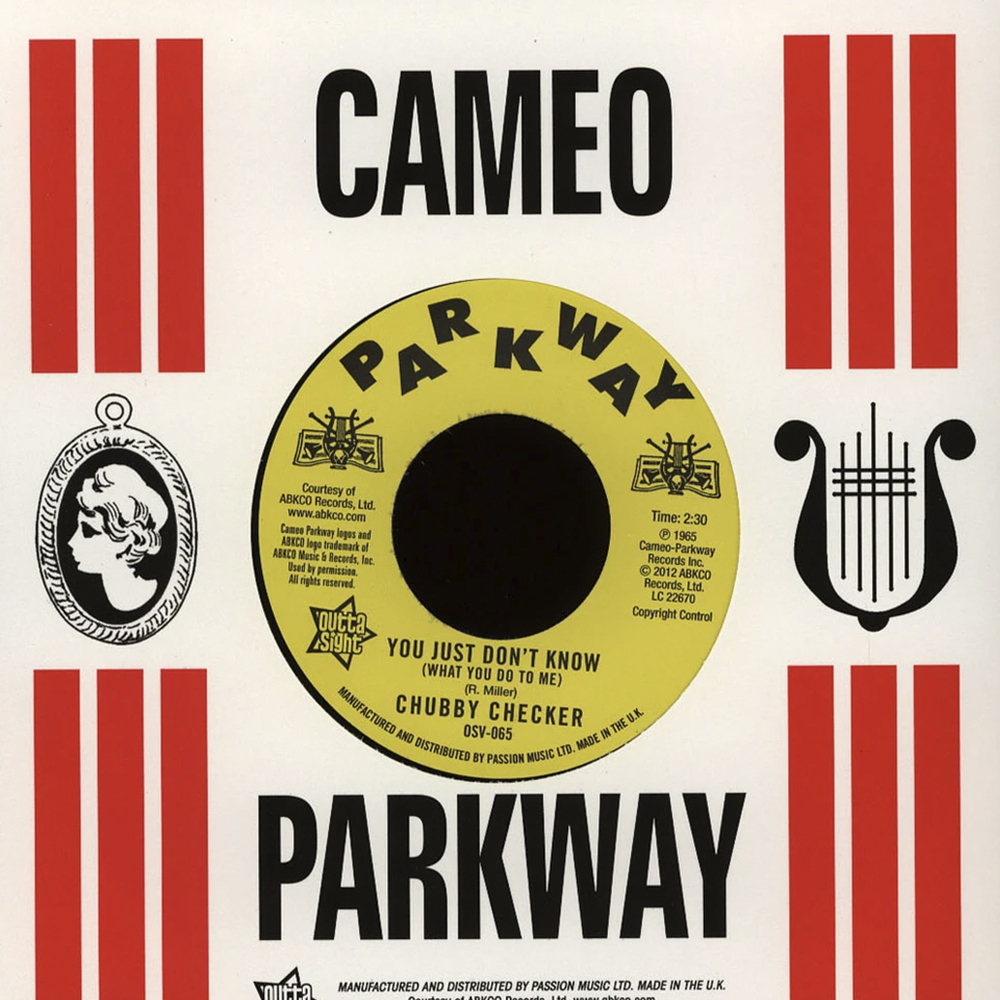
Release Date: 1965 | Producer: Conlo | Label: Parkway
The first time somebody asked me if I would play any Chubby Checker during a DJ set I was bewildered. ‘What, the bloke who’s always going on about doing the twist? Surely not,’ I thought, in my ignorance. As it turns out, though, Chubby Checker produced some of his greatest work once that early 1960s dance craze had largely died out. ‘You Just Don’t Know’ is undoubtedly among his greatest efforts, with his typically rock and roll voice transformed into a soulful beacon for this R&B love song.
Unfortunately, the music-buying public of the United States failed to resonate with Checker’s R&B offerings in quite the same way as they had with ‘The Twist’, or its various cash-grab spin-off singles, which tended to be of diminishing returns. This single, for instance, never made it past the promo stage in the US, and its Cameo-Parkway counterpart in the UK only found an audience through the blossoming network of soul and R&B obsessives who went on to establish the basis of the northern soul scene.
Wess and the Airedales – ‘I’ll Never Turn My Back On You’
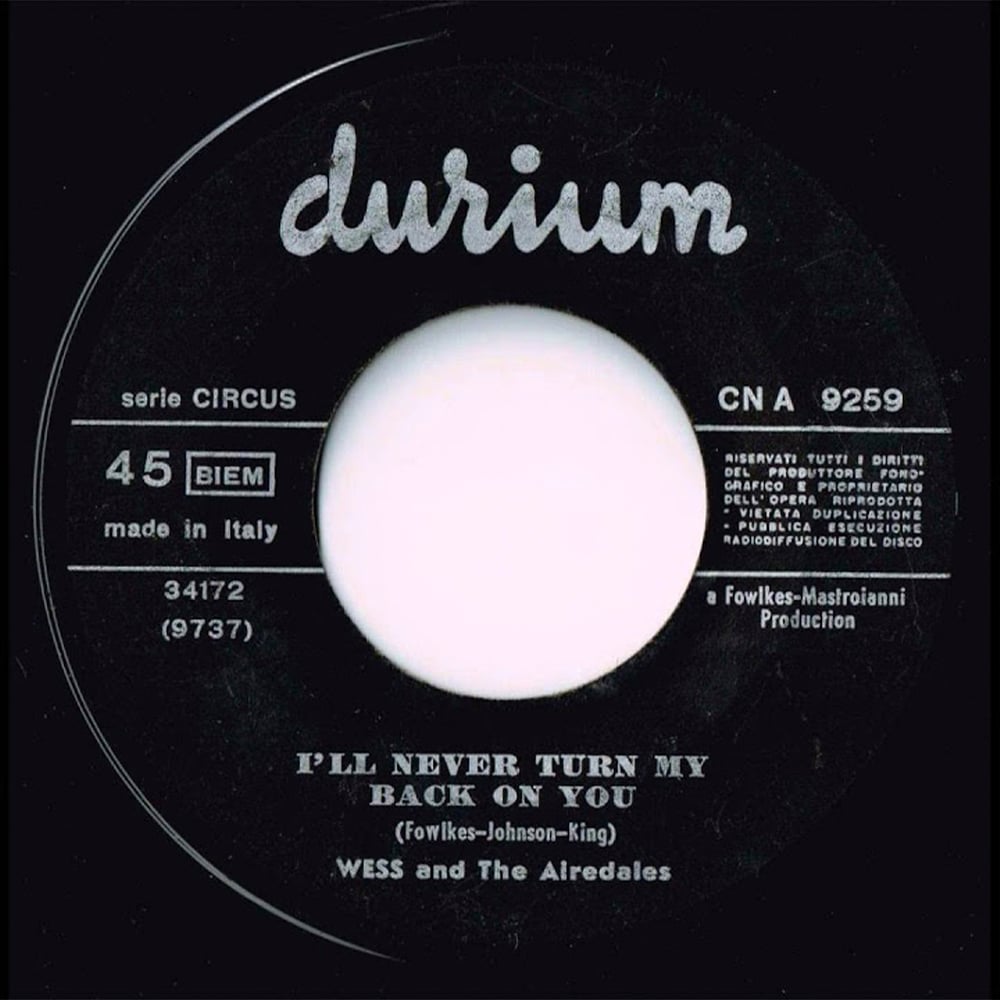
Release Date: 1967 | Producer: Doug Fowlkes and Giuseppe Mastroianni | Label: Durium
The Airedales form one of the most unexpected and intriguing tales in all of soul music. Originally formed by a group of US Navy seamen towards the tail-end of the 1950s, the group eventually made a new life for itself in mainland Europe, with Rocky Roberts becoming the bandleader in 1963 and relocating to Rome. When Roberts stepped back in 1967 to focus on acting and a solo career, it was down to the North Carolina-born musician Wess Johnson to take the reins, and he catapulted the group onto the cutting edge of funk and soul expression.
‘I’ll Never Turn My Back On You’ is a commanding tune using Johnson’s distinctive voice and the seemingly unrelenting brass of the Airedales to create an irrefutable floor-filler. Originally released as the B-side to ‘I Miei Giorni Felici’, the group’s Italian-language cover of ‘Chapel of Dreams’, popularised a decade earlier by doo-wop outfit The Dubs, the song showcases the unique sound of The Airedales at their best. Although the Rocky Roberts era of the group often gets the most attention, Wess Johnson was a hell of a frontman, and it is tracks like this which reflect that fact.
Linda Jones – ‘A Last Minute Miracle’
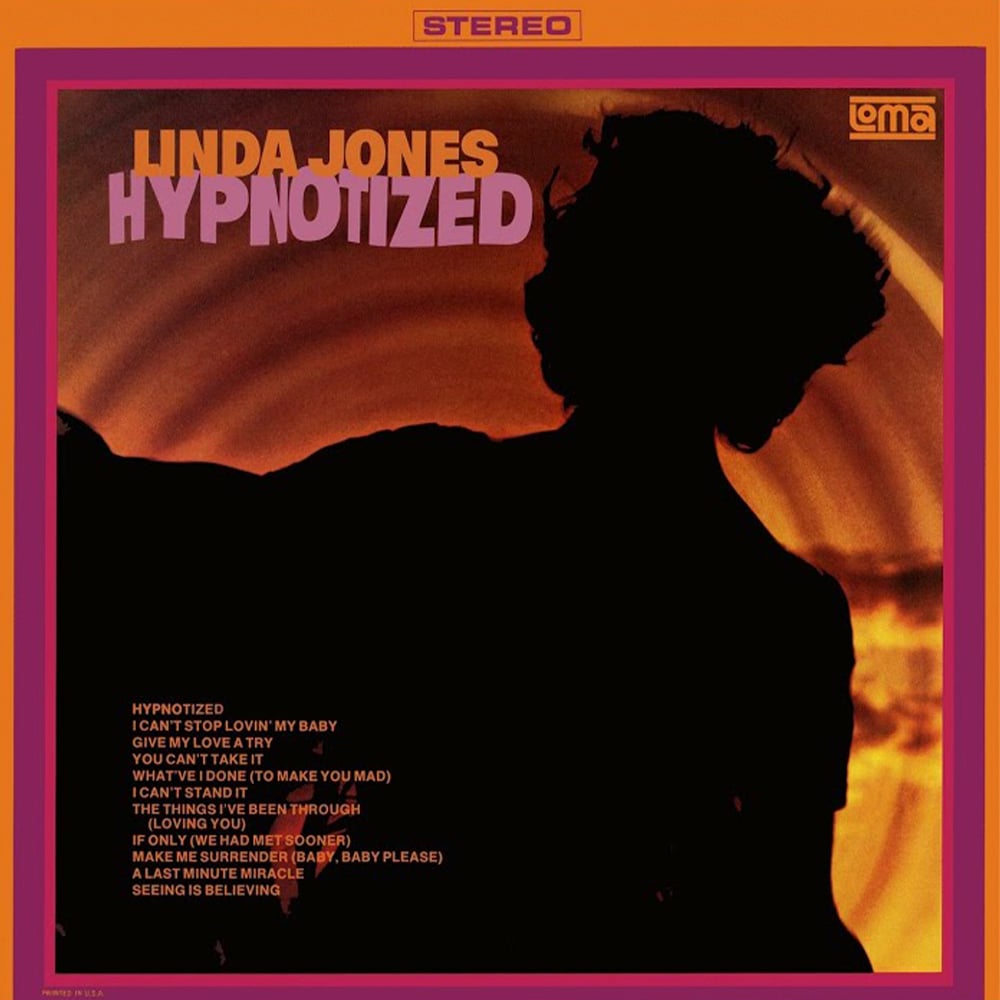
Release Date: 1967 | Producer: George Kerr | Label: Loma
Seven-inch singles have always been the bread and butter of northern soul; the ammo with which DJs have been infecting audiences since the very early days of the movement. Still, the importance of album deep-cuts should certainly not be overlooked. There is an unimaginable quantity of soul LPs out there, and some – like Linda Jones’ 1967 record Hypnotized – are chock-full of captivating anthems which somehow didn’t make it to the single format on their first attempt.
Opening with some angelic organ tones, the rich brass sound of ‘A Last Minute Miracle’ perfectly complements the awe-inspiring vocals of the New Jersey vocalist. It is a song which seems tailor-made as a single, yet Loma (the R&B imprint of Warner Bros) never issued it as such. In fact, it wasn’t until 2005 that Warner Bros. released the song on seven-inch vinyl, answering the prayers of northern soul DJs everywhere. Since then, the single has been issued once again by the folks at Vienna’s Record Shack, who have been a consistent and vitally important resource of northern soul gems for years.
Paula Parfitt – ‘Love Is Wonderful’
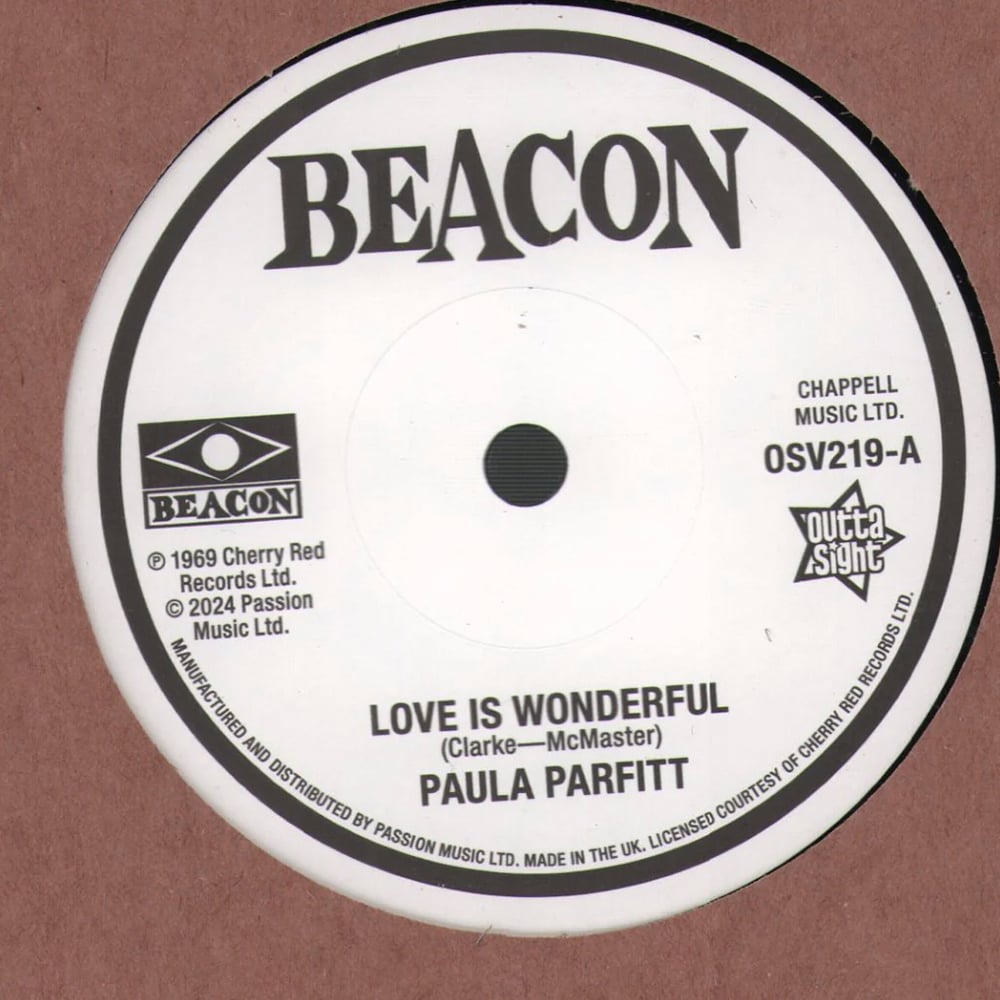
Release Date: 1969 | Producer: Trafalgar | Label: Beacon
A rare English effort which was adopted by the DJs of the northern soul scene, Paul Parfitt was born and raised in London, but her voice fit right in with the landscape of American soul excellence. ‘I’m Gonna Give You Back Your Ring’ was the 20-year-old’s debut single for Beacon Records, and ended up being one of only two singles she recorded for the label. Despite its quality, the song was not a hit, and Parfitt’s follow-up didn’t fare too much better, leading her to abandon the music industry altogether during the early 1970s.
Had Beacon chosen instead to promote the single’s B-side, ‘Love Is Wonderful’, the release might have fared better. Ignored upon initial release, the song quickly became a hit among the mod and soul nightclubs of England, and northern soul all-nighters quickly followed suit. Its optimistic outlook and harmonising vocals, coupled with a driving dance beat, make the song an almost guaranteed floorfiller for DJs, and it has been in service at soul nights for upwards of half a century at this point.
Little Ann – ‘Who Are You Trying To Fool’
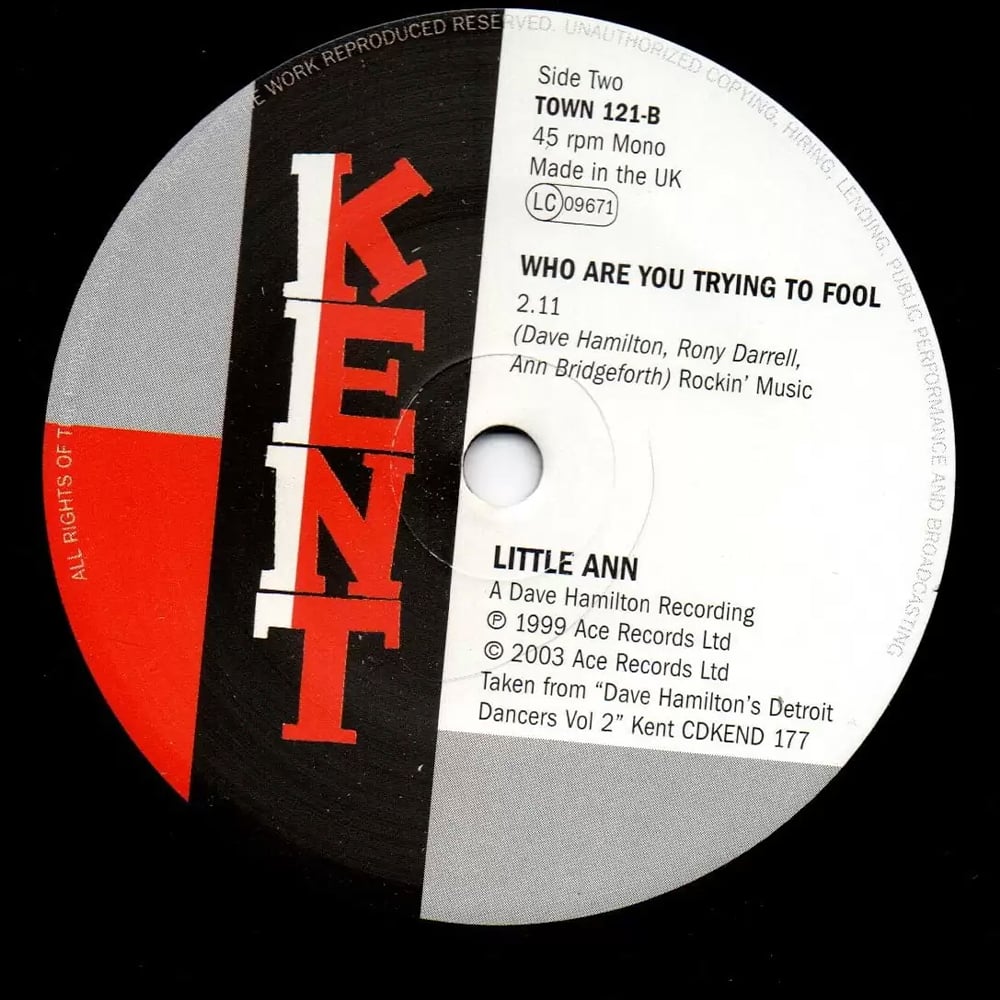
Release Date: 1999 | Producer: Dave Hamilton | Label: Kent
This list is full of redemption arcs and stories of woefully underappreciated artists, but Little Ann’s story takes some beating. The Chicago-born vocalist released her first single, ‘Going Down A One-Way Street (The Wrong Way)’ in 1968 on Ric-Tic Records, and recorded an entire album worth of incredible soul anthems in the wake of that release with producer Dave Hamilton. However, her career went largely ignored and undervalued both by audiences and the label executives, particularly after Ric-Tic was bought out by Motown.
As such, this brilliant track didn’t see the light of day until 1999, when Ace Records/Kent uncovered the recording on a collection of Hamilton’s old studio tapes. Despite being introduced into the world of northern soul relatively late, ‘Who Are You Trying To Fool’ has been adopted by a range of prominent DJs during the 21st century. In fact, Little Ann herself was flown over to the UK during the early 2000s to perform for this newfound group of fans, decades after her musical dreams had disappeared into the ether.
The Bandwagon – ‘Breakin’ Down The Walls of Heartache’
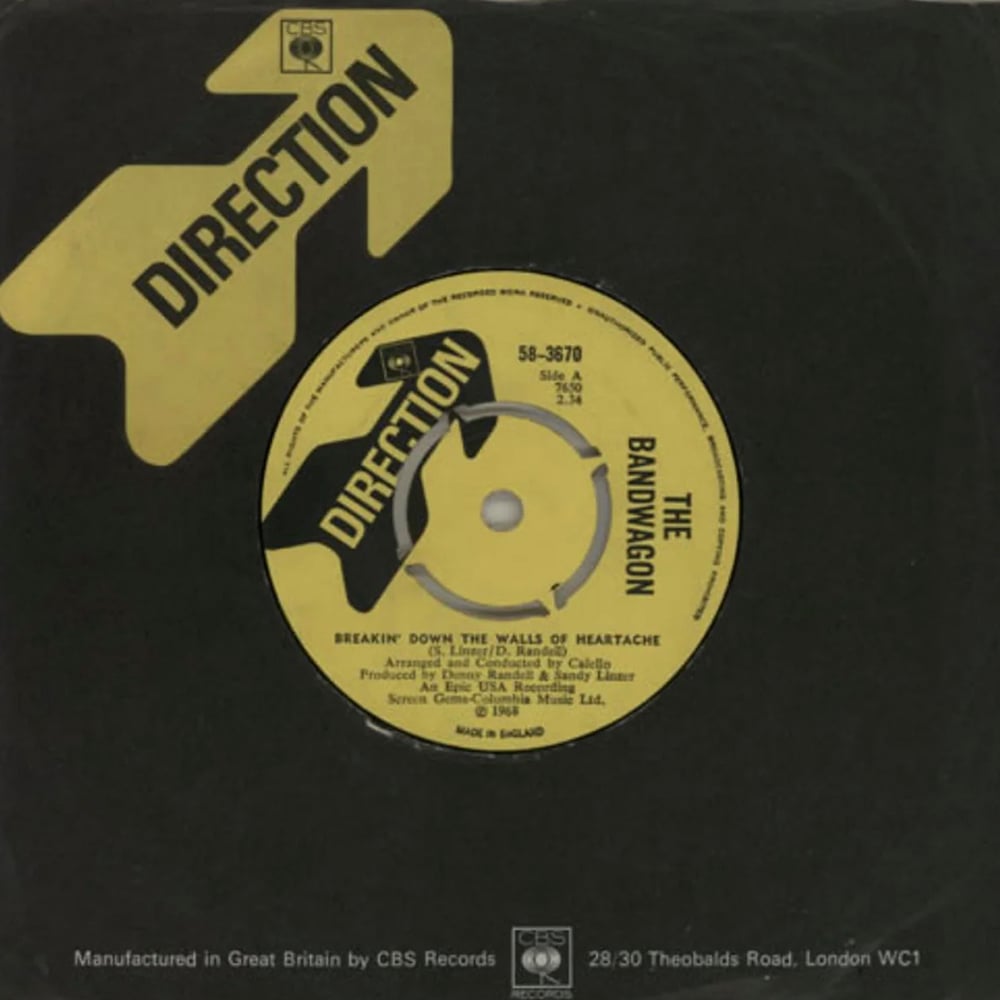
Release Date: 1968 | Producer: Denny Randell and Sandy Linzer | Label: Epic
This storming anthem by Johnny Johnson and The Bandwagon has it all: heavy brass, an infectiously energetic vocal performance, an unexpected reprise at the end, and even strangely comedic lyrics like “I’m a carpenter of love and affection.” However, the 1968 song is pretty unique within the northern soul scene. Despite the vocal group hailing from Rochester, New York, and the single being issued in the USA at the same time as the UK, ‘Breakin’ Down The Walls of Heartache’ failed to chart in the States, but it reached number four in the UK singles chart upon its release.
For some, this early mainstream success would preclude the track from ever being classified as being within the northern soul world. Still, the song did see something of a resurgence during the mid-1970s when the northern soul scene was at its arguable peak in terms of cultural relevance. Ultimately, you can debate between yourselves whether this song is worthy of being included in the scene or not, but I would defy anybody to try and listen to the rhythm of this tune and not leap up onto the dancefloor.
Jesse Fisher – ‘Your Not Loving A Beginner’
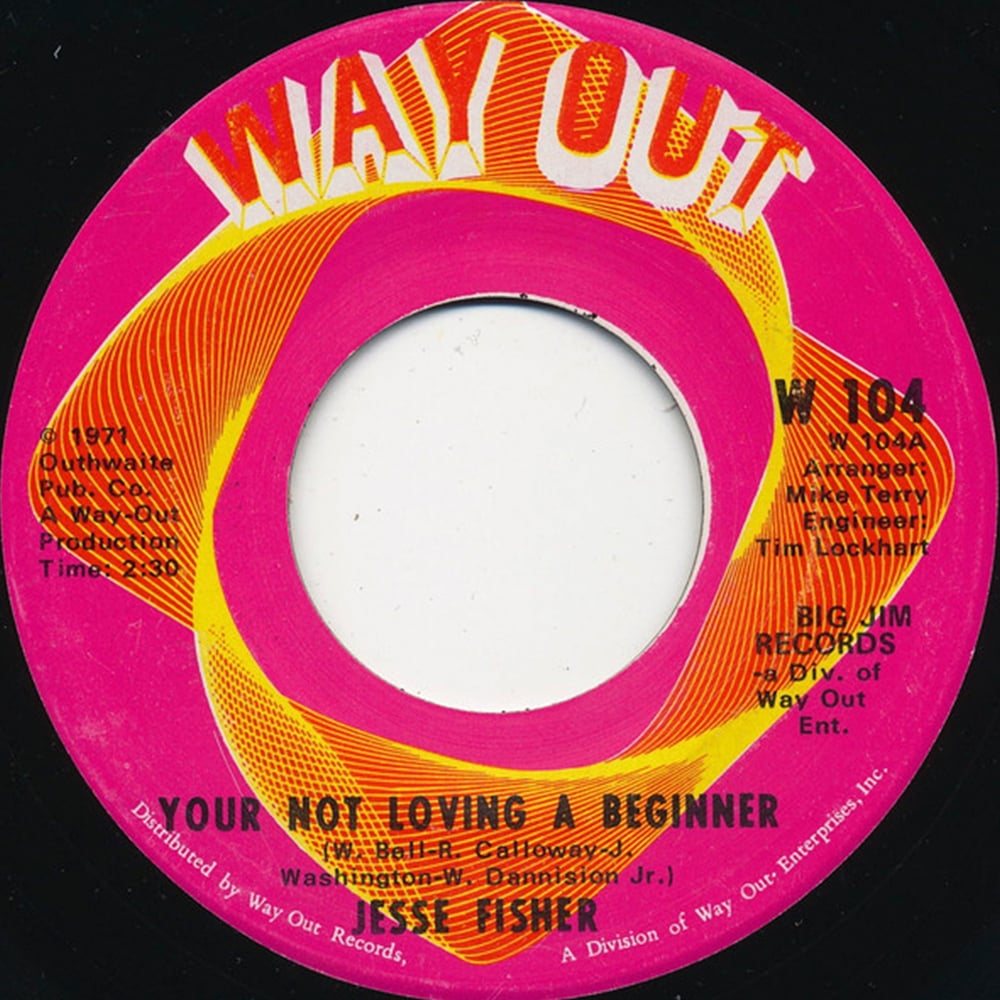
Release Date: 1971 | Producer: Rich Calloway | Label: Way Out
I know, I know, the grammatical error in the title of this one annoys me, too, but, in its defence, Jesse Fisher’s ‘Your Not Loving A Beginner’ was released in 1971, long before spell-check was invented. What’s more, the groundbreaking voice of Fisher himself, backed with particularly funky horns, means that the ‘Your/You’re’ error is much easier to ignore once the record starts spinning.
Not a great deal is known about Fisher himself, but he released a string of fantastic soul and funk singles during the early 1970s through the Cleveland label, Way Out, and this 1971 effort certainly found a following within the northern soul scene, even if American audiences weren’t really interested in it. In many ways, Fisher’s many recordings predicted soul’s shift towards disco influences later on in the 1970s, and even the fairly lo-fi recording of ‘Your Not Loving A Beginner’ reflects the innovative, expansive nature of his output, as well as the quality of his voice.
Little Carl Carlton – ‘Competition Ain’t Nothin’’
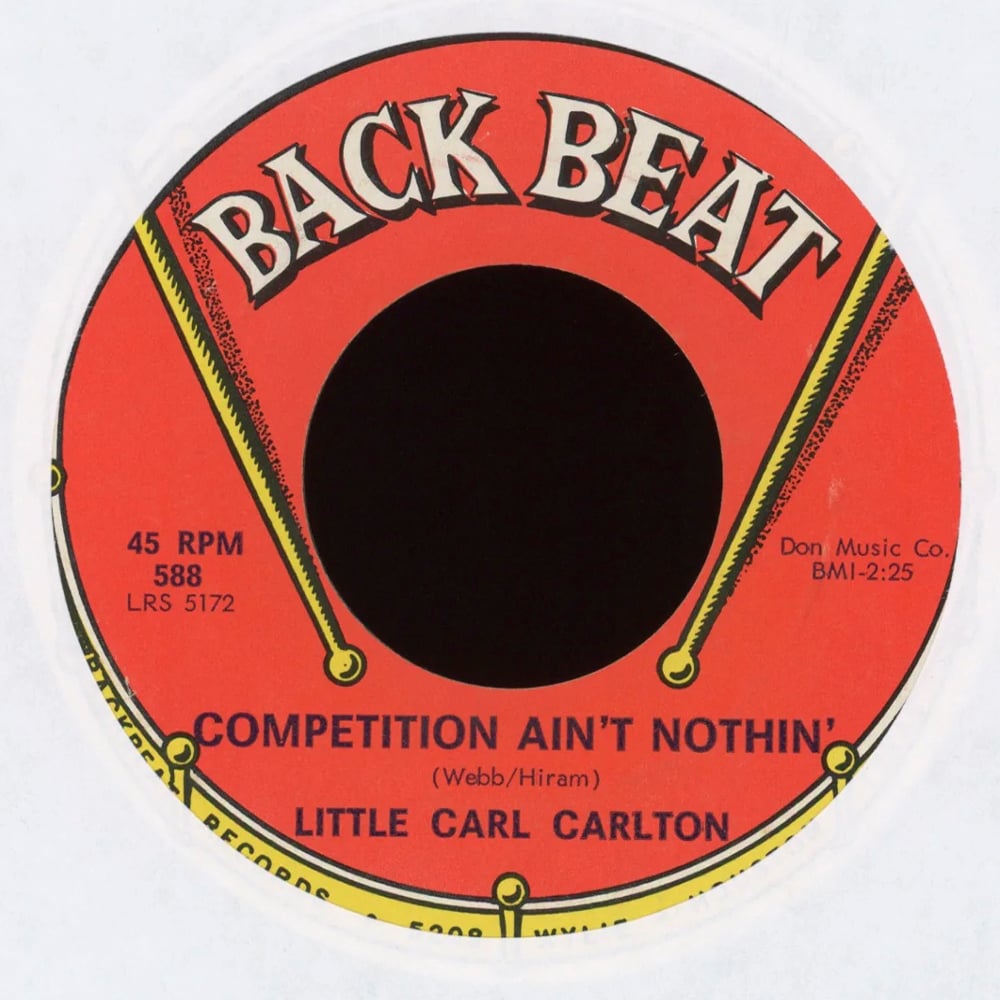
Release Date: 1966 | Producer: Louise Hiram and William Webb | Label: Back Beat
Long before he was known as ‘The Bad C.C.’, Carl Carlton released a number of singles under the name ‘Little Carl Carlton’, perhaps as a rival to Motown’s Little Stevie Wonder. In a similar vein to Wonder, Carlton released his first major recording at the age of 11, and he seemed to have an ingrained knack for soul excellence. ‘Competition Ain’t Nothin’’ is the song that made Carlton a star of the northern soul scene, and it was released when the vocalist was only 16 years old, by the cult Texan label Back Beat.
Unfortunately, the young vocalist’s career became overshadowed by legal difficulties and royalty battles once Back Beat was bought out by ABC Records, and that largely derailed the momentum of his recording career. Still, this earworm of a single is still adored by northern soul obsessives on this side of the pond, and it is easy to see why.
Laura Lee – ‘To Win Your Heart’
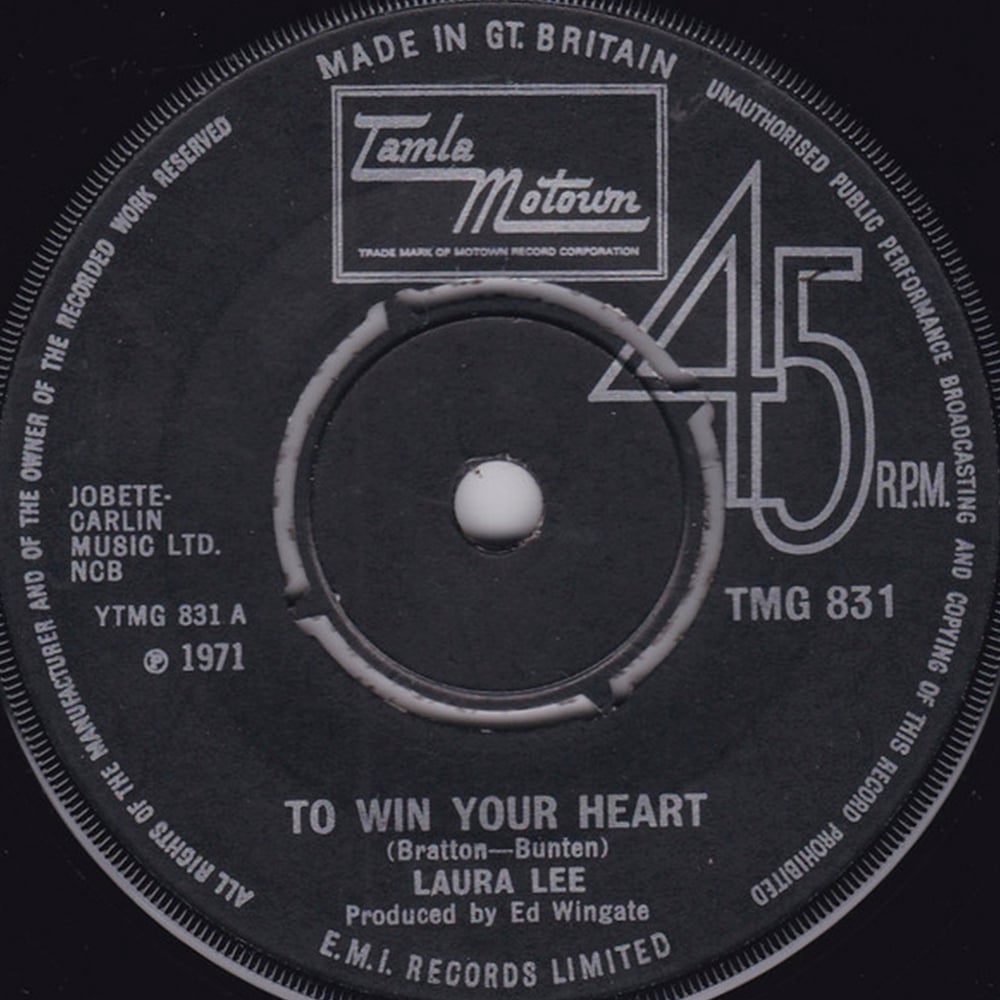
Release Date: 1966 | Producer: Louise Hiram and William Webb | Label: Ric-Tic
It is easy to see why Ric-Tic is such an important label to the northern soul scene, given the unparalleled quality of their output during the mid-1960s. This 1966 recording from Chicago-born vocalist Laura Lee is a prime cut of that quality. Like many others of that era, Lee honed her craft performing gospel vocals, and the influence of that style clearly bled over into her secular career, too. ‘To Win Your Heart’ is another fairly standard soul love story on the surface, but Lee’s vocal prowess is such that the lyrical content takes a backseat to the awe-inspiring power of her singing.
The single was Lee’s debut on Ric-Tic, and it ended up being her only published recording for the label before relocating to Chess Records in 1967. Although the single was not issued in the UK originally, none of the Ric-Tic releases were, the single was reissued by Tamla Motown in the UK in 1971, thanks to its success within the early northern soul scene, as well as the fact that Motown spent a pretty penny buying Ric-Tic and were keen to reissue whatever hits they could from the label.
Cold Blood – ‘I’m A Good Woman’
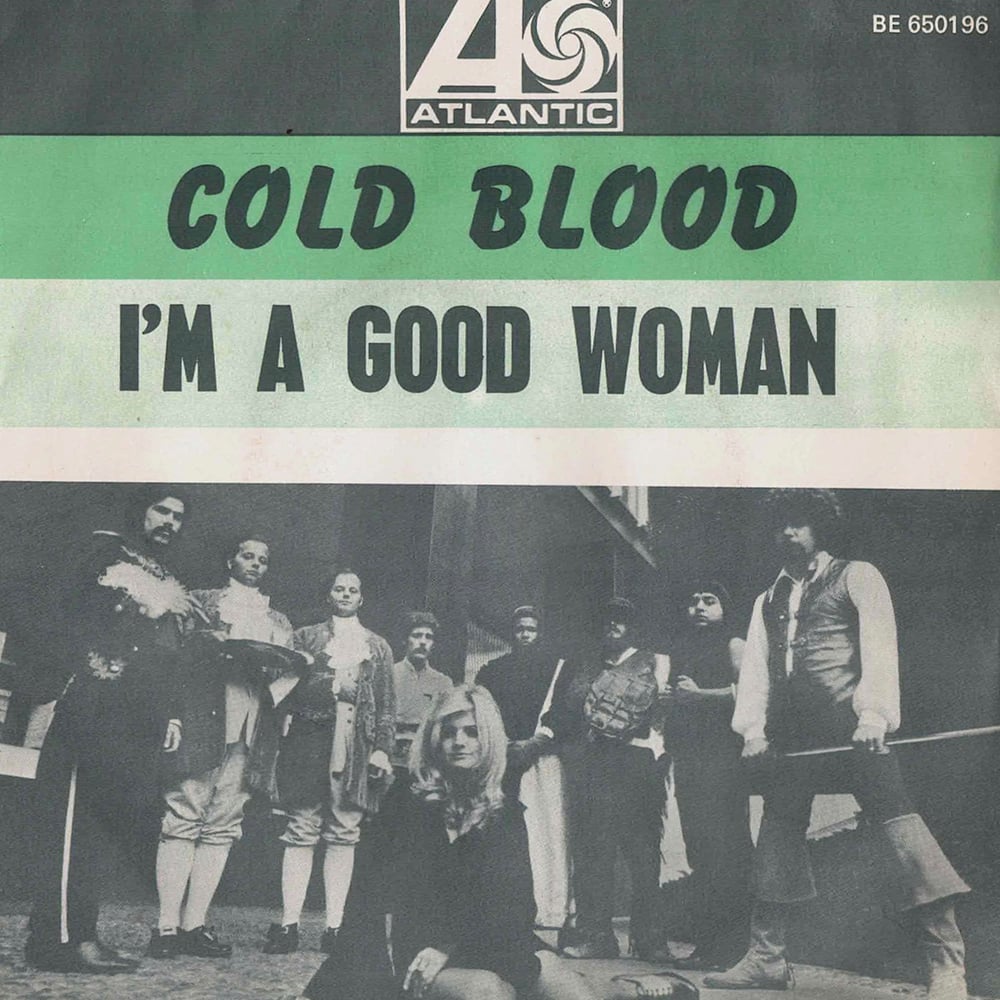
Release Date: 1970 | Producer: David Rubinson | Label: San Francisco Records
San Francisco was a region dominated by the emergence of spaced-out hippie rock during the late 1960s, with the blossoming psychedelic movement and acts like Jefferson Airplane, Janis Joplin, and The Grateful Dead making up the local scene. However, the West Coast city also boasted an incredibly inventive, genre-defying funk and soul scene, which gave rise to Cold Blood in 1968, and their unbelievable cover of the Barbara Lynn track ‘I’m A Good Woman’ two years later.
Although there are many northern soul fans who would rather see the Barbara Lynn original version take this spot, and many more who would argue against Cold Blood being considered northern at all, it is impossible to argue with the earth-shattering voice of Lydia Pense. Those booming opening vocals cut through a dancefloor like nothing else, and the irresistible groove of the soulful anthem will keep that audience transfixed throughout. If it isn’t in your box yet, you’re missing out.
Holly St James – ‘That’s Not Love’
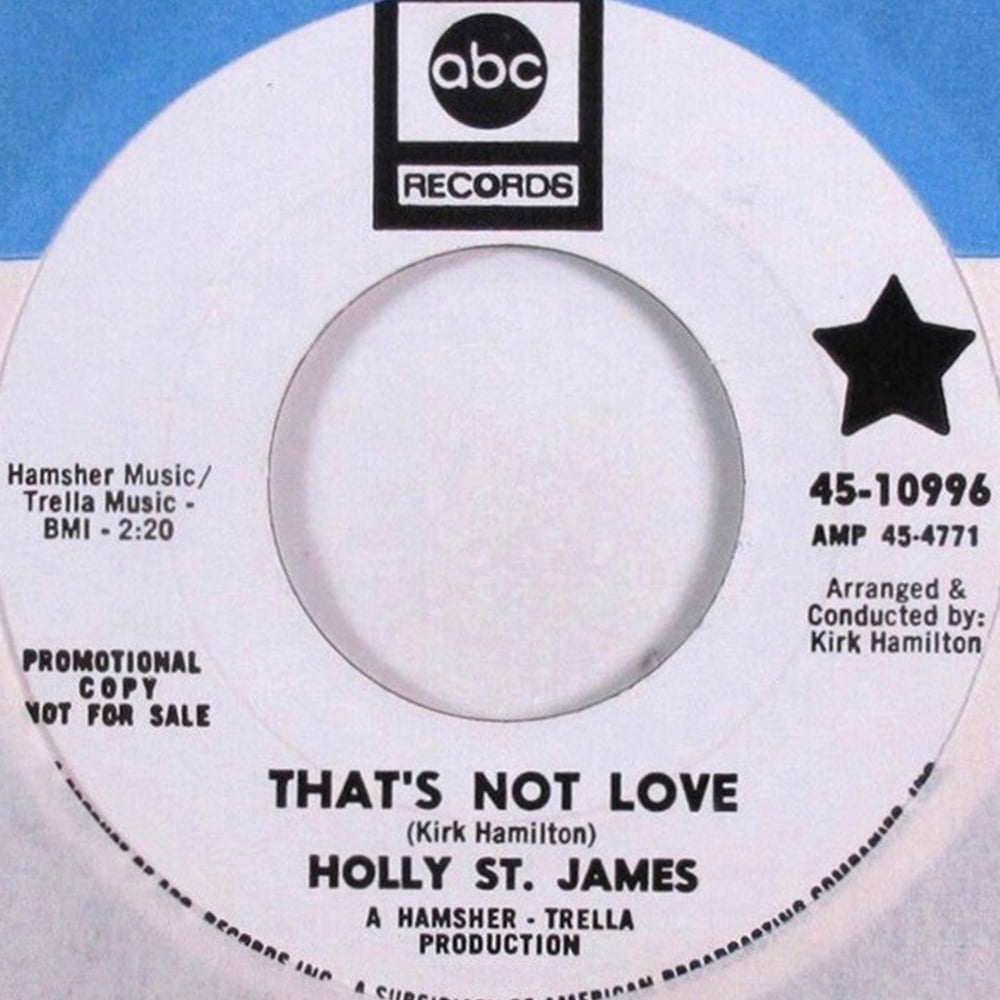
Release Date: 1968 | Producer: Hamsher-Trella Productions | Label: ABC Records
A prime example of how a song’s changing tempo and rousing atmosphere can affect movement on the dancefloor, Holly St James, the stage name of young Philadelphia vocalist Lorraine Di Bonaventura, begins this track with a hushed, tentative vocal style, complemented by an unwaveringly moody bassline. As it progresses, however, the tension within the two-and-a-half-minute song builds to a fantastic climax, demonstrating both the breadth of Bonaventura’s vocal talents and the ever-changing moods of soul music itself.
Although there isn’t a whole lot of information out there about Holly St. James, a 1968 edition of the Philadelphia News tells us that she was a high school student when her vocal prowess was first discovered at a local talent show during the mid-1960s, and balanced her regrettably short recording career by working as a secretary at the same time. ‘That’s Not Love’ was one of two singles she recorded for ABC in 1968, and the elusive single has been reissued by Deptford Northern Soul Club in recent years, so there’s no excuse not to have this track in regular rotation.
Joe Bataan – ‘Subway Joe’
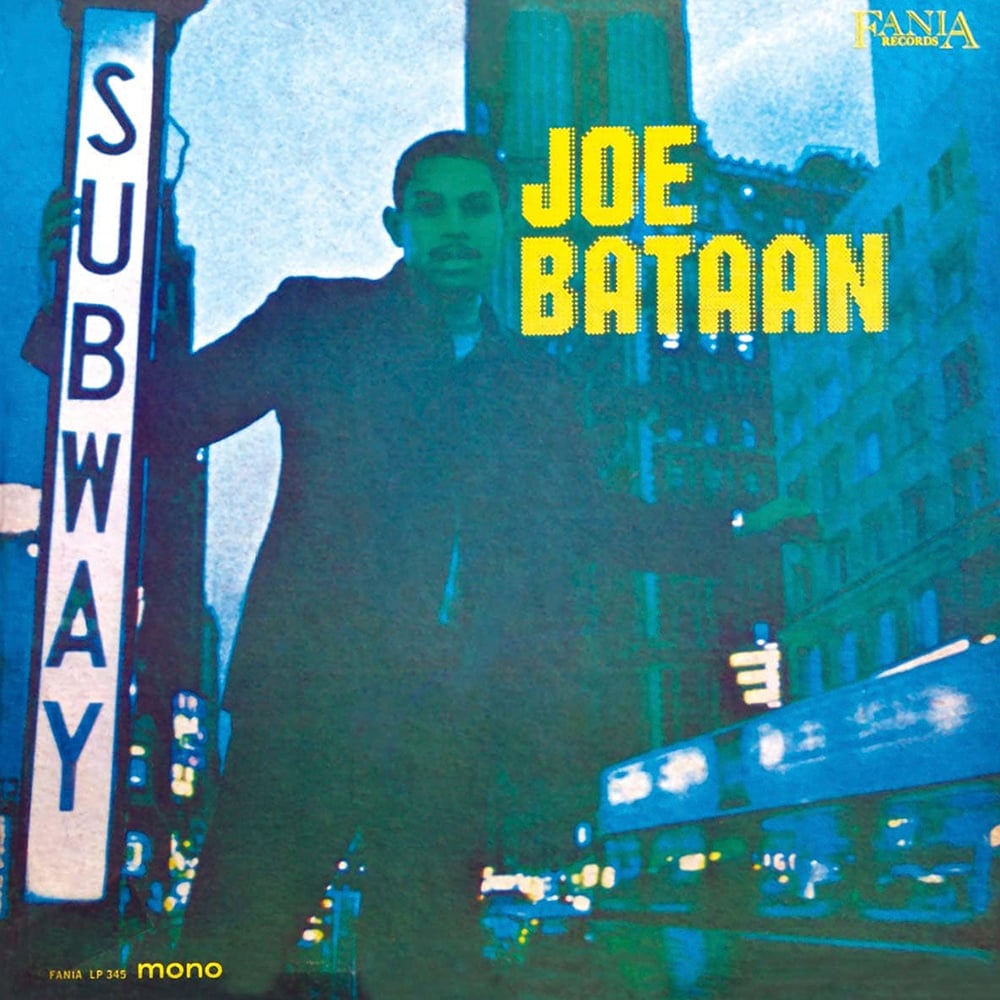
Release Date: 1967 | Producer: Jerry Masucci | Label: Fania Records
Alongside the sounds of Chicago, Detroit, and Philadelphia, the distinctive rhythms of Latin soul have always had a certain presence on the northern soul scene, so the undisputed ‘King of Latin Soul’, Joe Bataan, is an inevitable inclusion in this list. From his roots in Harlem, Bataan captured a beautiful blend of timeless Afro-Cuban rhythms with the funk and soul sounds that surrounded him during the 1950s and 1960s, and 1967’s ‘Subway Joe’ perfectly captures that trailblazing mix.
Released through Fania Records, whose legendary reputation within the vibrant world of Latin soul owes a lot to Bataan’s discography, the single was among the performer’s first releases, and it immediately set him apart from the rest of America’s soul scene at that time. On the northern soul circuit, Latin soul isn’t always given the spotlight it so richly deserves, but the incredible grooves of ‘Subway Joe’ have made the song an in-demand dancer nonetheless.
Lorraine Chandler – ‘I Can’t Hold On’
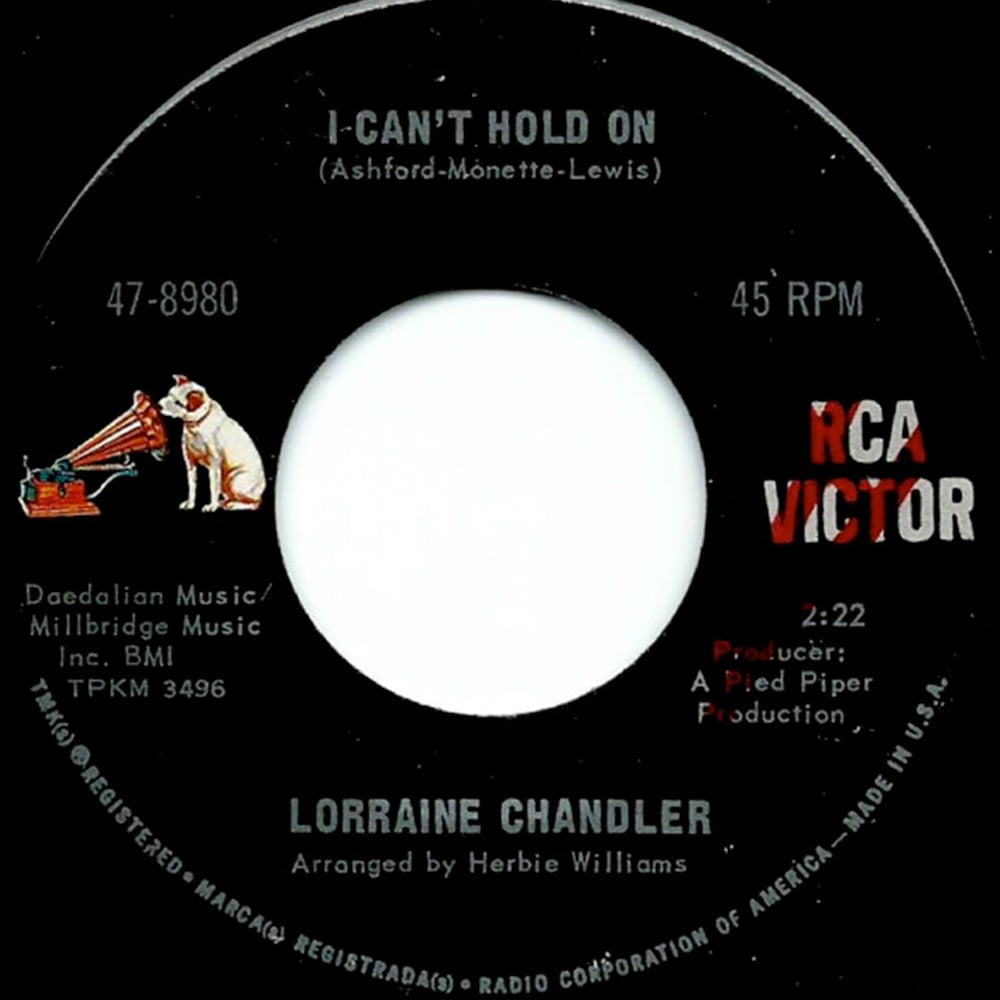
Release Date: 1966 | Producer: Herbie Williams | Label: RCA Victor
Yet another Detroit soul star whose recording career was frustratingly short, ‘I Can’t Hold On’ was only the second single released by Lorraine Chandler, yet it is marked by the captivating quality and incredible performance of an artist who has been in the industry for decades. With a deep, moody bassline and upbeat bursts of brass, Chandler’s clear vocal quality is placed into the spotlight on the track, perhaps more so than any of her other recordings.
Despite having the power of a company like RCA behind it, Chandler’s career never really took off back in the 1960s. She recorded a handful of unsuccessful singles for the company during the late 1960s, but the rest of her discography is largely made up of bootlegs and reissues serving the northern soul market, who fell in love with the vocalist through ‘I Can’t Hold On’, which was a big hitter at Wigan Casino back in the 1970s.
The Intrigues – ‘In a Moment’
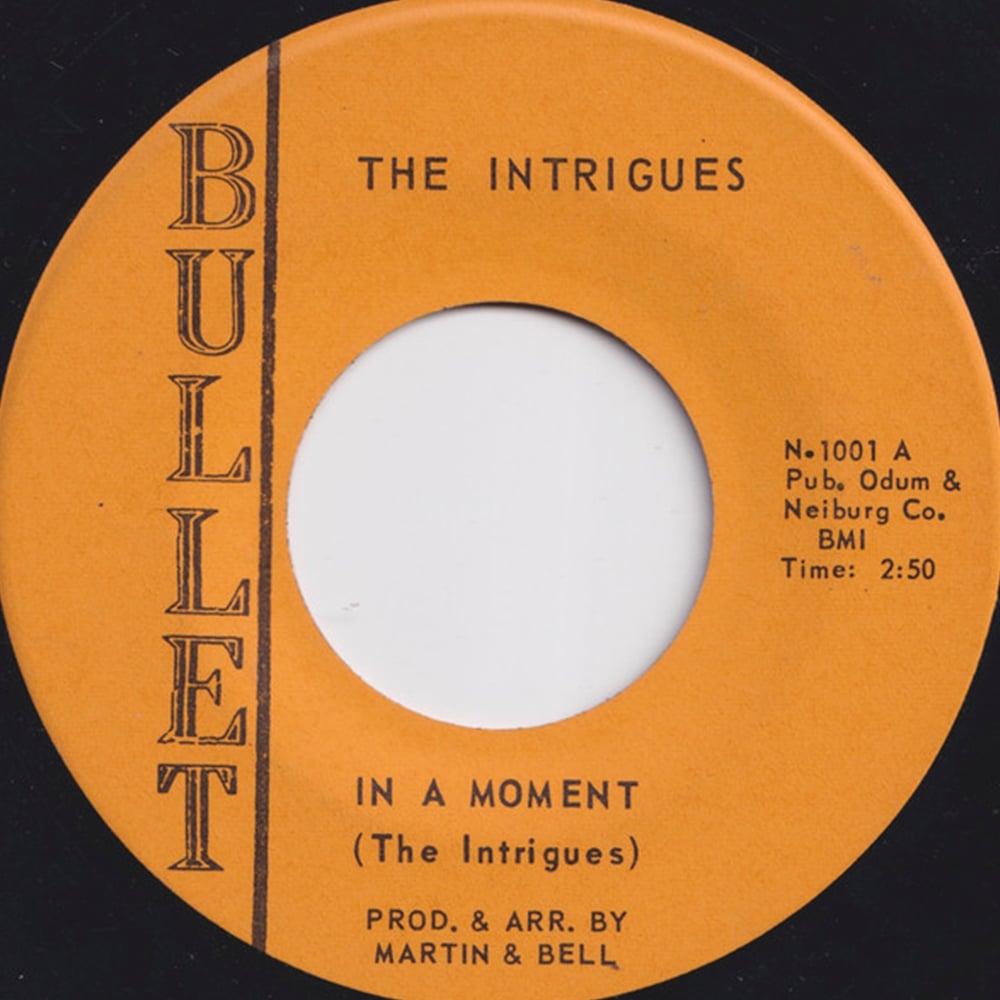
Release Date: 1969 | Producer: Martin And Bell | Label: Yew Records
Throughout northern soul’s heyday, a select few hit singles infiltrated the scene, and ‘In A Moment’ was certainly one of them. Released by the Philadelphia group in 1969, the song reached number 31 on the US pop charts, but, in fairness to the DJs who made this a bona fide northern soul classic, it is unlikely that anybody in the UK had ever heard the song before it was introduced into the setlists of all-nighters.
A stunning example of Philadelphia soul, the single features incredible vocal performances from the group, but it is the beating, horn-driven rhythm of the song which makes it such an infallible anthem for northern soul. While its energy level is not as high as some of the floor-filling heavy-hitters on this list, the song still maintains a strong command over soul dancefloors. It is a wonder the song never made it past 31 in the charts; it certainly eclipses a lot of America’s musical output during that time.
Eloise Laws – ‘Love Factory’
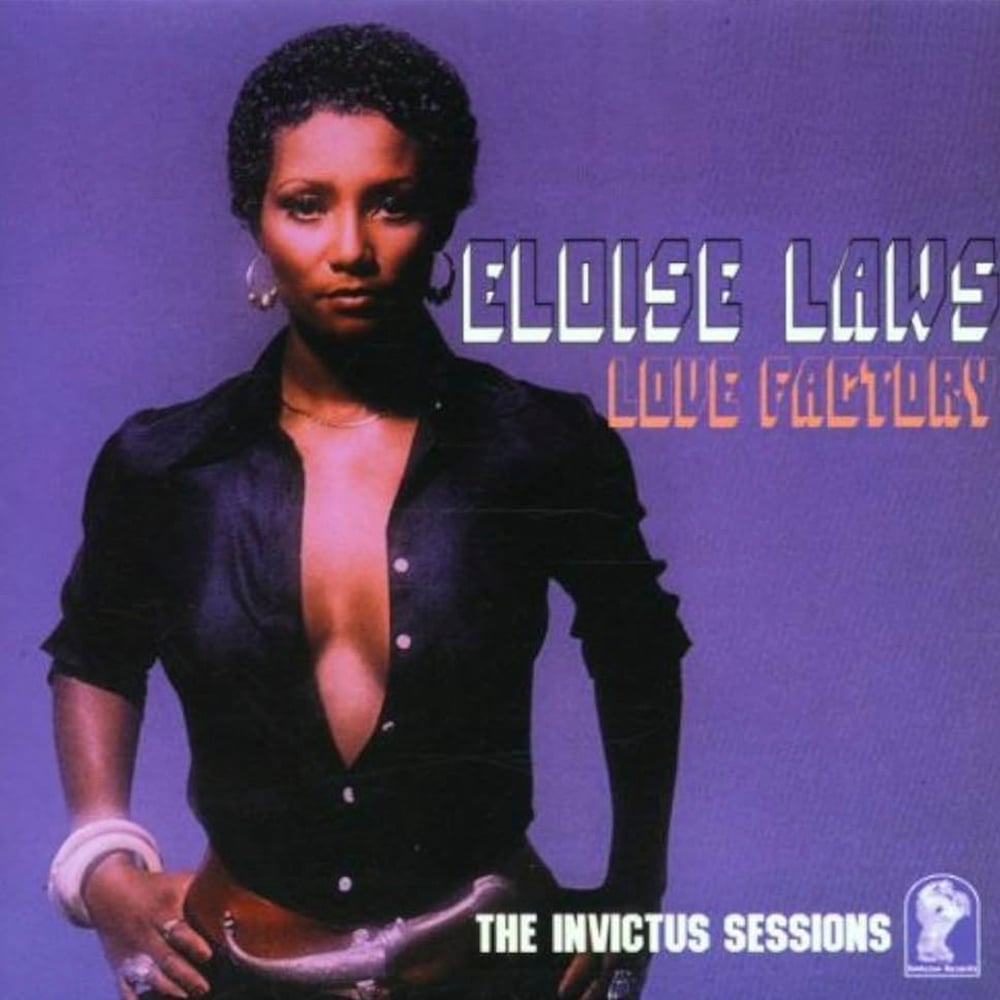
Release Date: 1973 | Producer: Brian Holland, Lamont Dozier, and Richard Wylie | Label: Music Merchant
Another soul masterpiece from Music Merchant, the post-Motown home of Holland-Dozier-Holland – although, by the time this single arrived on the scene, the trio had lost one of their Hollands. Hailing from Houston, Texas, Laws was still in the relatively early stages of her career when she signed up to Music Merchant, but that didn’t stop her from creating some of her greatest recordings. ‘Love Factory’ is arguably the vocalist’s magnum opus and, although it didn’t do much to alert the mainstream to her talents, it made her a staple of northern soul nights.
Even for a mid-tempo effort, ‘Love Factory’ has an undeniable power on the floor, largely thanks to Laws’ impassioned vocal performance. Unlike a lot of the songs on this list, this song doesn’t feature a particularly prominent bassline, in fact, the instrumentation as a whole is dropped back in the mix in favour of spotlighting Laws’ voice. Yet, the track still boasts a pretty compelling groove.
The Newcomers – ‘Keep An Eye On Your Close Friends’
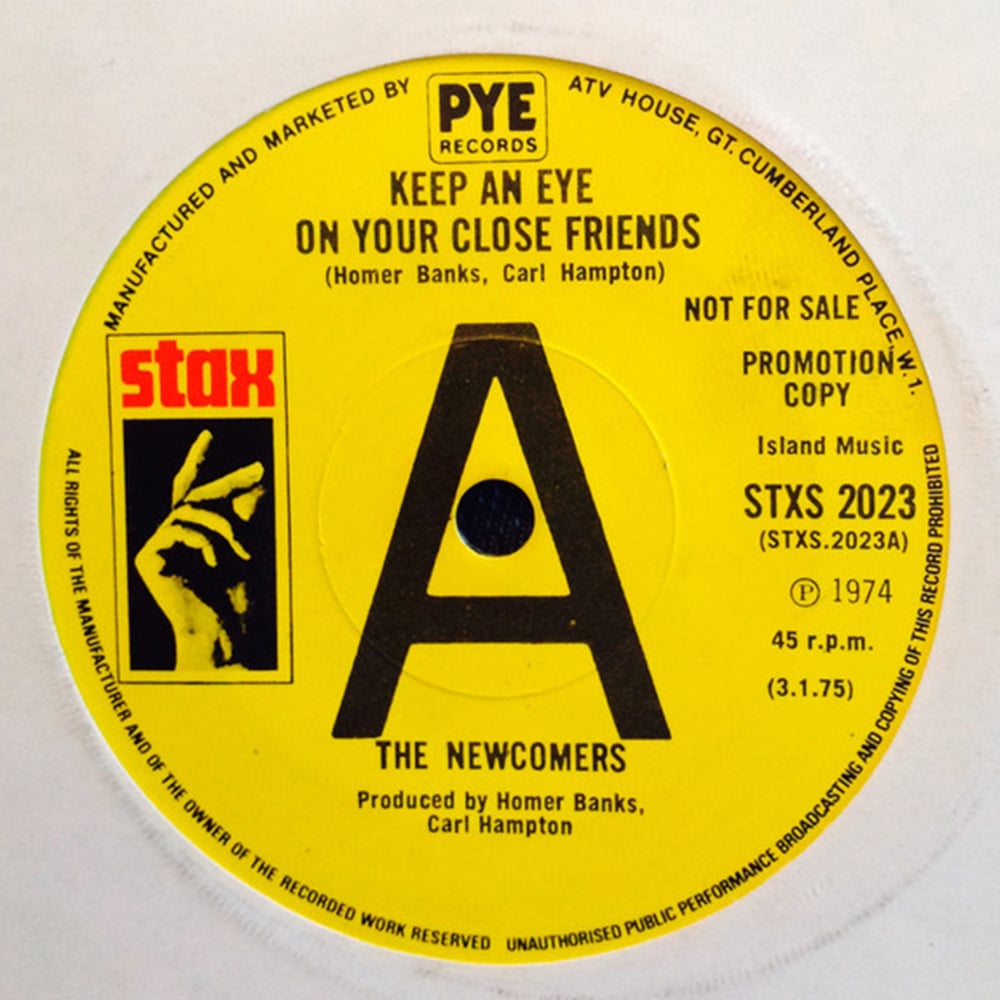
Release Date: 1974 | Producer: Carl Hampton and Homer Banks | Label: Truth Records
As far as vocal groups go, The Newcomers are not the most notable outfit to ever pass through the Stax Records empire. Their only real hit record was the 1971 track ‘Pin The Tail On The Donkey’, which was a little too light and airy to be adopted by the northern soul scene. However, some of their subsequent recordings offered an entirely different take on the sound of the group. ‘Keep An Eye On Your Close Friends’, for instance, was far more mature than their previous efforts, and it came complete with one of the catchiest grooves of the 1970s.
Released in 1974 on the Stax subsidiary Truth, the single arrived while the northern soul scene was already in full swing over on the other side of the Atlantic. In fact, the song was issued the following year on Stax in the UK, so it could certainly be argued that the single doesn’t fit the typical northern soul brief of being obscure and hard to get hold of. On a purely musical basis, though, it is hard to deny the brilliance of The Newcomers’ performance on this track.
Garnet Mimms – ‘Looking For You’
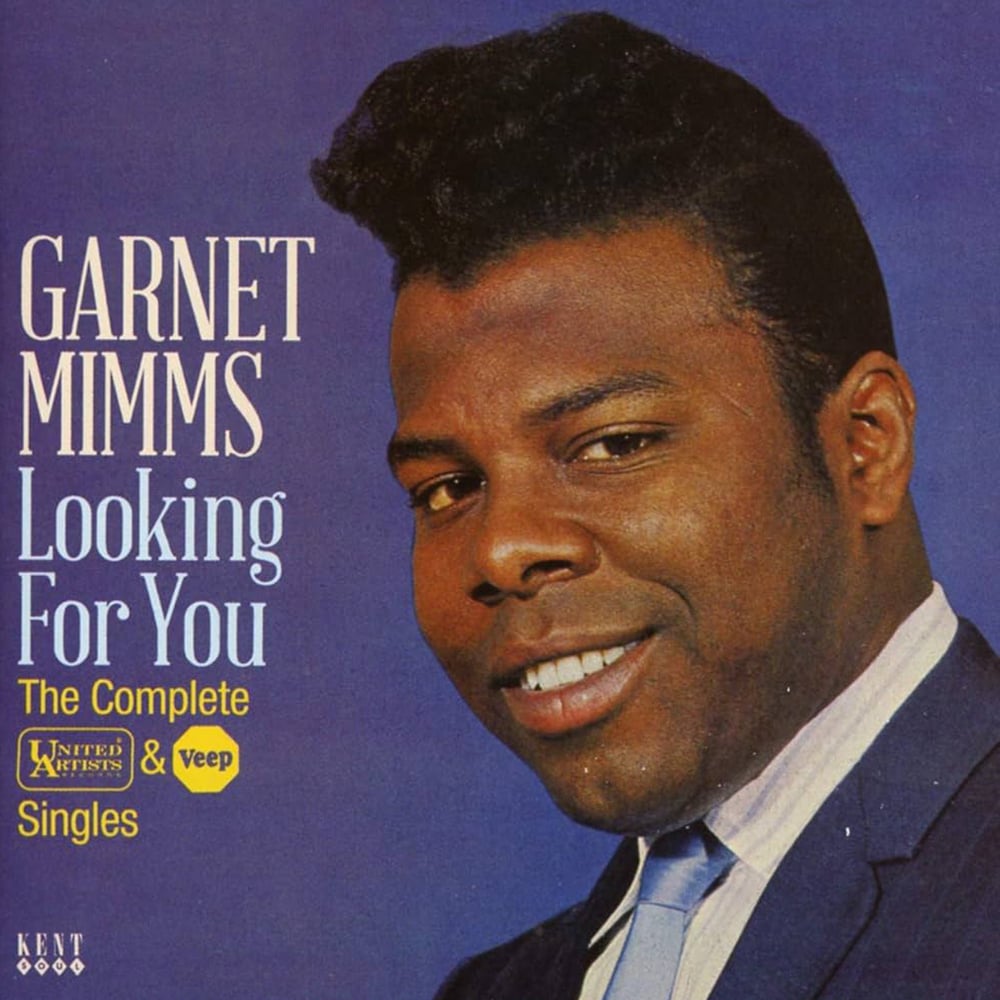
Release Date: 1966 | Producer: Jerry Ragovoy | Label: United Artists Records
Garnett Mimms is one of many names within the world of soul and R&B who found success early on in their careers, and then spent years trying unsuccessfully to recapture that success. Mimm’s single ‘Cry Baby’ topped the R&B charts back in 1963, but his subsequent recordings didn’t fare so well. ‘Looking For You’, was released three years after that hit, included as the B-side to the inferior ‘I’ll Take Good Care Of You’. Strangely, the single was only issued in the UK, financed by Immediate Music.
The forgotten B-side is awash with that early soul sound which Mimms was instrumental in establishing, and what it lacks in energy it certainly makes up for in the quality of the performances. Although the track was adopted by the northern soul scene early on, and has been endlessly bootlegged since, Mimms himself abandoned the music industry during the 1970s to live his life as a born-again Christian, so he was never really able to reap the benefits of his newfound popularity within the scene.
James Fountain – ‘Seven Day Lover’
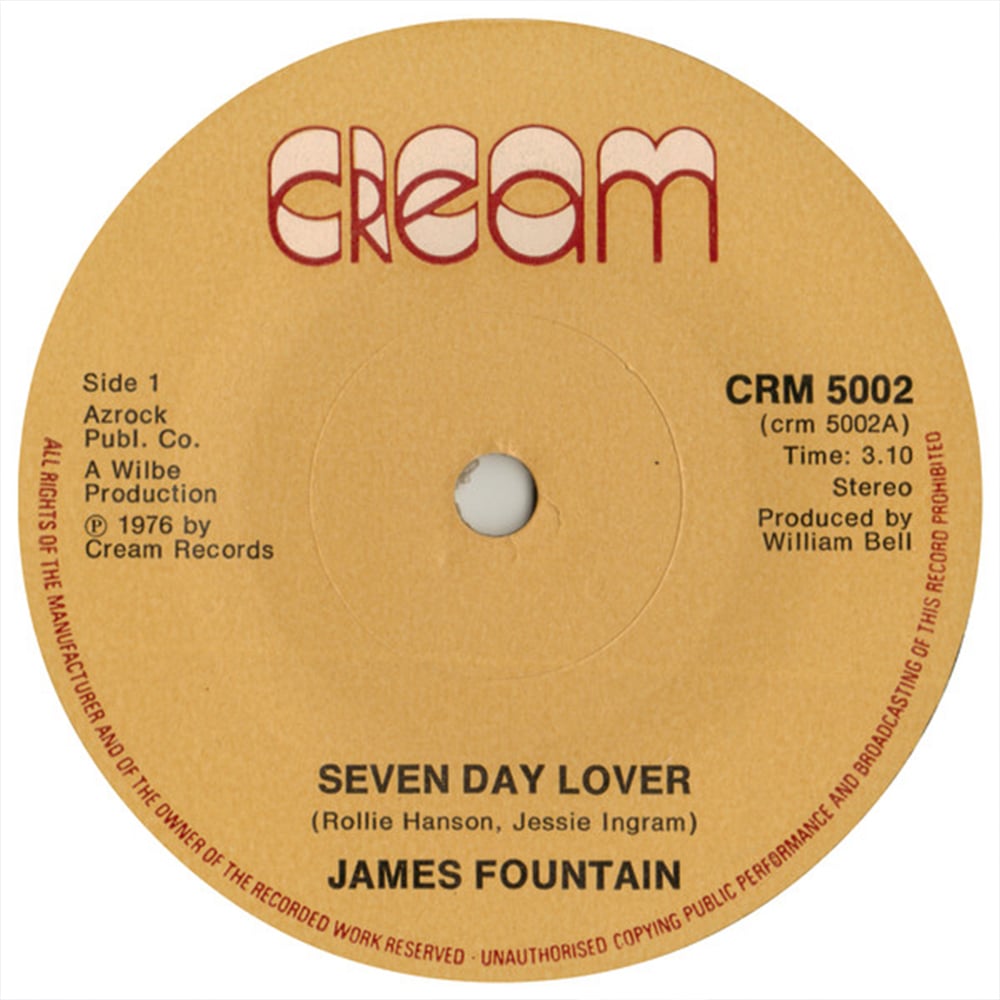
Release Date: 1970 | Producer: William Bell | Label: Peachtree Record Company
Driven by the James Brown-esque funk delivery of Jacksonville vocalist James Fountain, ‘Seven Day Lover’ is another of those songs which should never have been resigned to the shade of a B-side. A relatively simplistic composition, mainly composed of Fountain’s voice accompanied by a repetitive guitar riff, the song even boasted production work by Stax Records stalwart William Bell, but it wasn’t enough to gain any nationwide attention for Fountain.
Back in 1970, the single was released on Bell’s very own Peachtree Record Company, but even if you can find one of the impossibly rare first pressings, you can expect to fork over a couple of grand for the privilege of ownership. Still, the song became such a smash within the northern soul scene that it was eventually repressed in the UK, with ‘Seven Day Lover’ taking its rightful place on the A-side of the record, produced by Mancunian label Cream Records in 1976.
Johnny McCall – ‘I Need You’
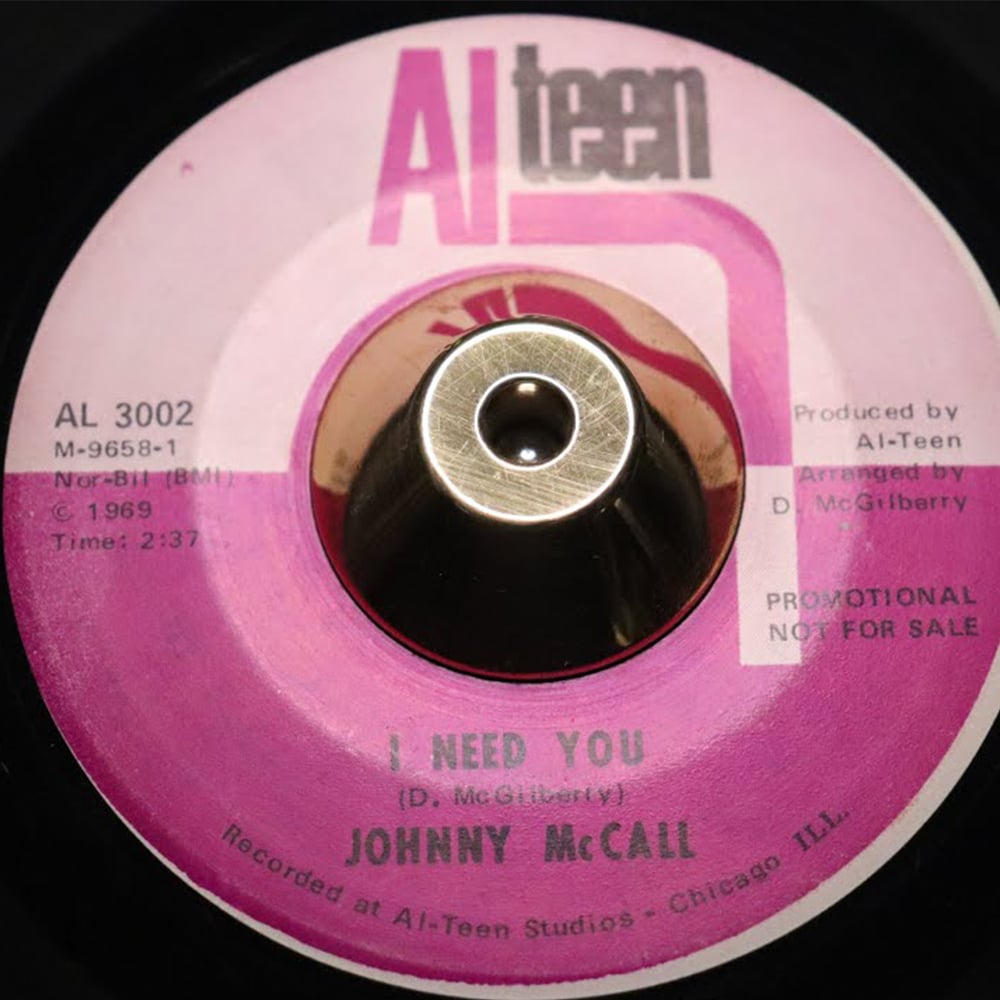
Release Date: 1969 | Producer: Al-Teen | Label: Alteen
From one hard-to-get-hold-of record to another, Johnny McCall’s romantic slice of Chicago soul has been out of press for far too long. Although the doo-wop singer opts for a laid-back, almost mellow performance on this song, his voice is still capable of capturing the gut-wrenching emotions of romantic turmoil. Its fat, soulful groove makes the song equally adept as both a mid-tempo dancer and a heartbreak anthem, which is a balancing act very few acts could pull off.
Although, as is becoming a recurring theme on this list as it counts down further and further, not a great deal of information is out there on Johnny McCall, we do know that he got his start in the music industry back in the 1950s as a member of various short-lived doo-wop vocal groups. His switch to soul and R&B during the mid-1960s produced only a handful of records, and ‘I Need You’ is clearly the magnum opus; it is also well overdue for a repress, if you ask me.
The Vibrations – ‘’Cause You’re Mine’
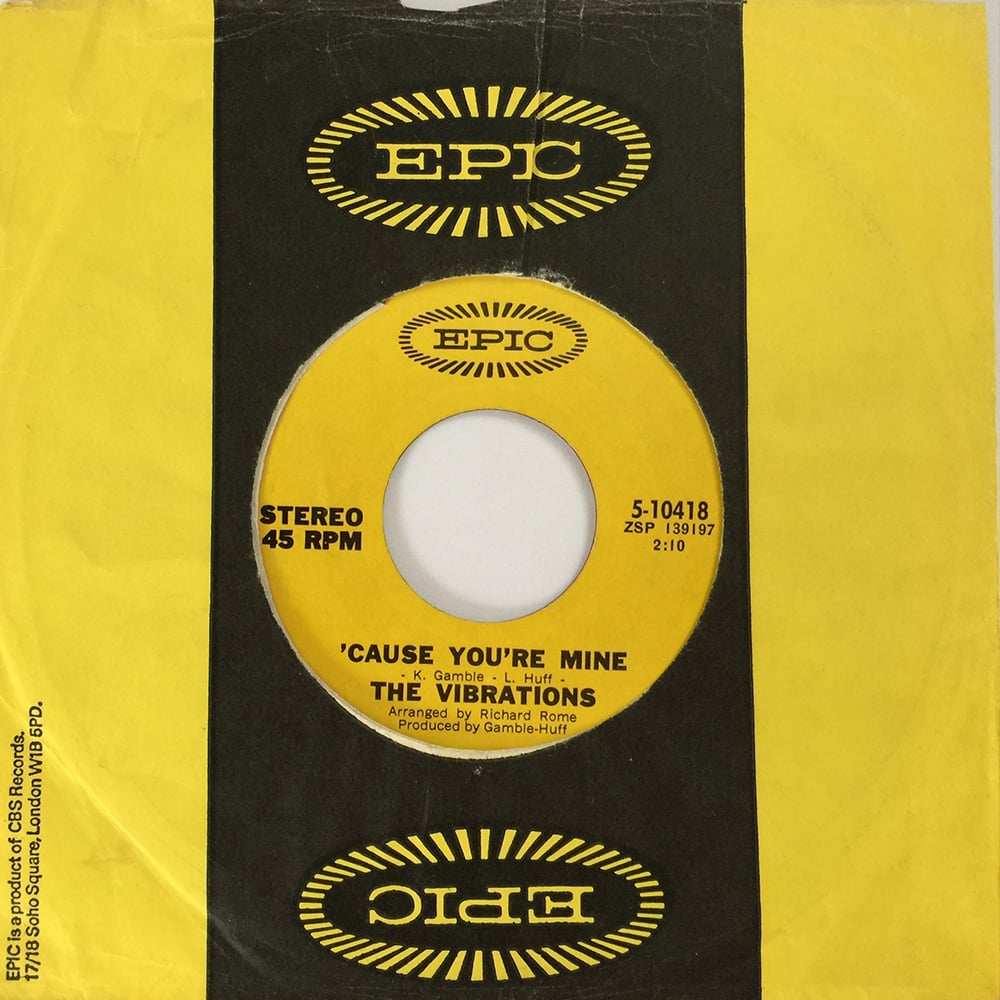
Release Date: 1968 | Producer: Kenneth Gamble and Leon Huff | Label: Epic
Let’s pick up the pace a little, shall we? From the moment that the needle clicks into the groove on this underrated soul anthem, moving your feet to the rhythm is the only logical course of action. It’s driving keys, drumbeat, and impassioned vocal performance have been getting northern soul dancefloors going since the early days of the scene. Only pressed for the US market, the song found a great deal more appreciation in the north of England than it ever did in its native California.
Outside of the northern soul sphere, The Vibrations made waves with their 1964 boogaloo triumph ‘My Girl Sloopy’, but their subsequent years at Okeh Records – a label beloved by the northern soul world – proved to be fruitless as far as pop hits were concerned. However, their shift in sonic focus to the bombastic sounds of ‘’Cause You’re Mine’ more than made up for that lack of commercial success when it came to northern notoriety.
Bobby Womack – ‘What Is This?’
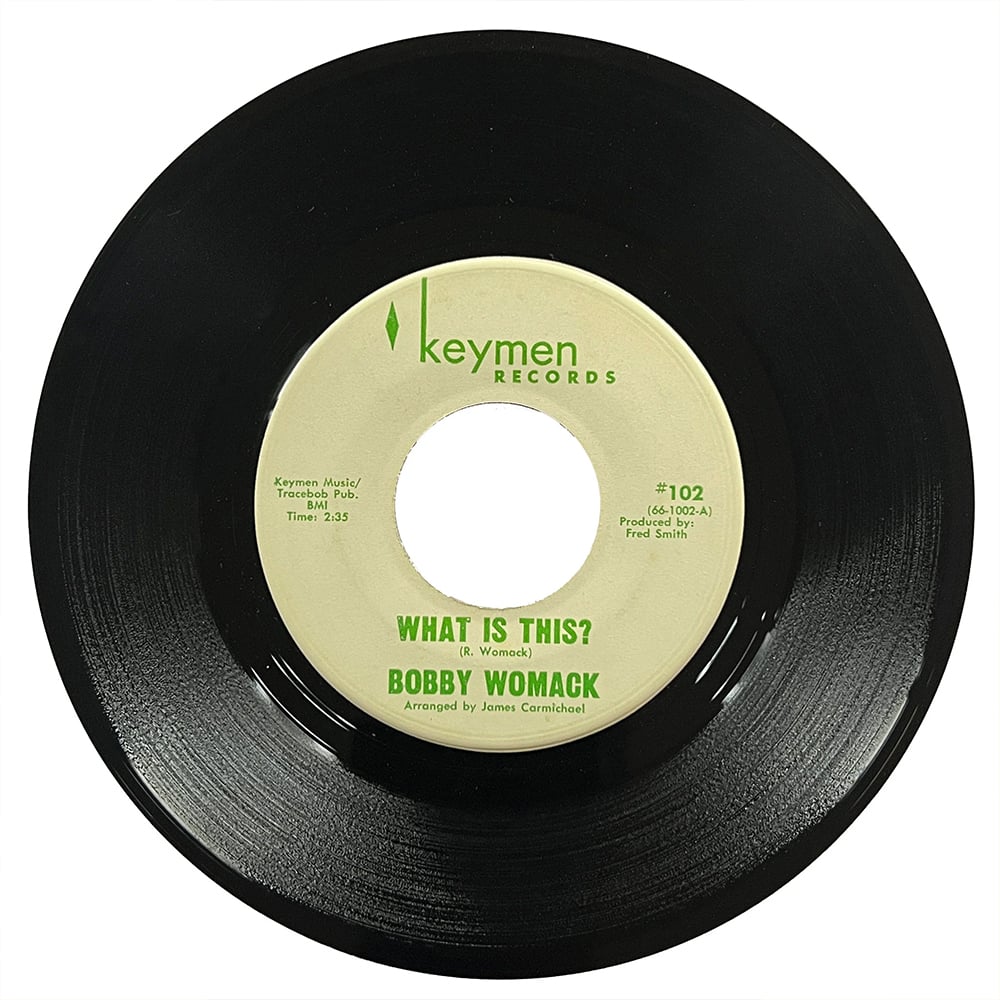
Release Date: 1966 | Producer: Fred Smith | Label: Keyman Records
Two Bobby Womack singles, both alike in dignity. ‘What Is This’ has been the cause of some confusion for those trying to break into the northern soul scene, owing to the fact that two very different versions of the song exist. If, for example, you search for the song on most modern-day streaming platforms, you will be granted a slower reworking of the original track, which was released via Minit Records in 1968. However, it is the 1966 Keyman Records version of ‘What Is This’ which contains the beating northern soul goodness you truly desire.
Much faster than the later reworking of the song, the 1966 record is much more danceable and infectious, with Womack expertly espousing the extent of his vocal quality, which mainstream audiences would be introduced to a few years later, on his 1968 debut album Fly Me To The Moon. ‘What Is This’ remains a northern staple, but if you are looking to introduce it into your own sets, make sure you get the right copy.
Sugar Pie Desanto – ‘Soulful Dress’
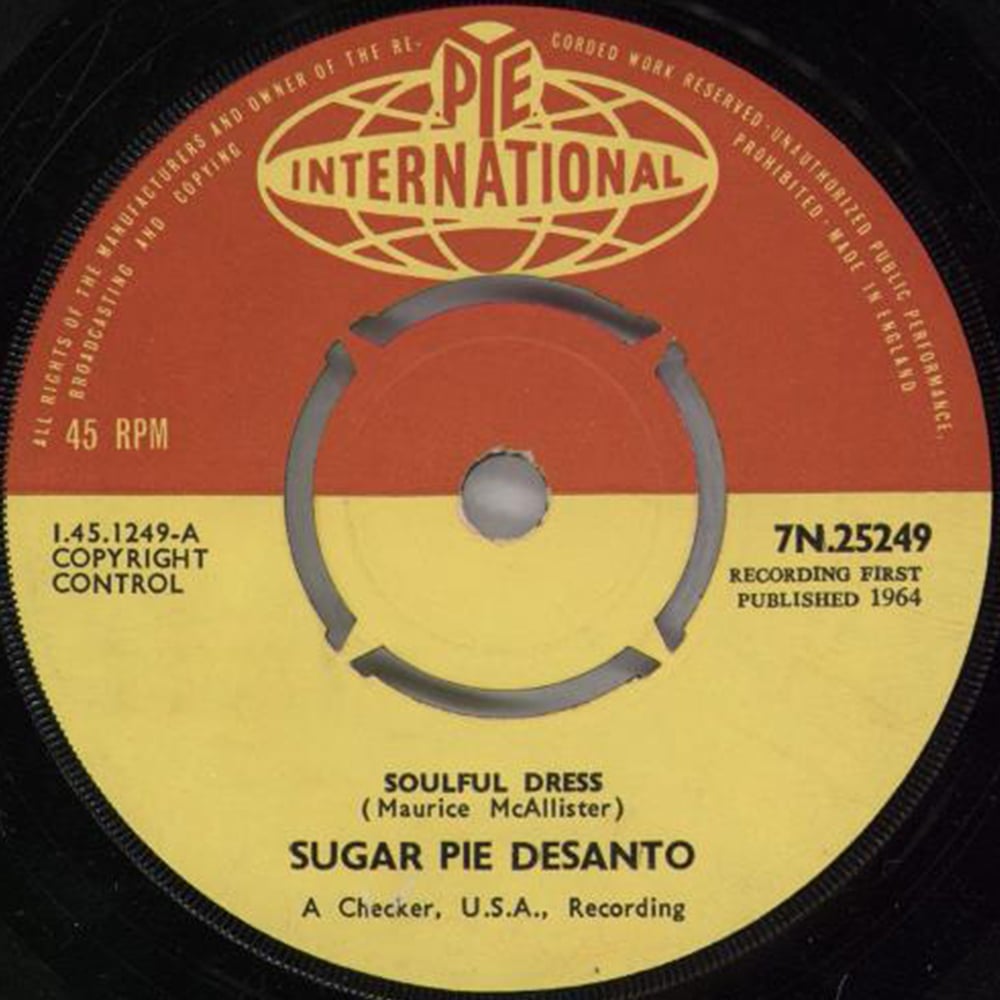
Release Date: 1964 | Producer: Billy Davis | Label: Checker
You only need to listen to the first few seconds of this storming 1964 single to see that Sugar Pie Desanto earned her reputation as one of America’s most criminally underrated voices in R&B. Her vocals take centre stage in the mix, and rightly so, too. Her performance has such a unique, awe-inspiring power to it, and despite countless pretenders to the throne, very few performers have ever managed to replicate that same degree of vocal prowess.
‘Soulful Dress’ was Destanto’s biggest hit, reaching 19 on the R&B charts upon its release, but that didn’t stop it from infiltrating the northern soul scene shortly thereafter. Released on the Chess subsidiary, Checker (see what they did there?), the song quickly found its way into the mod and R&B nightclubs of mid-1960s England, and was one of the tunes that those clubs carried forth into the early days of northern soul, owing to that shuffling tempo and those earth-shattering vocals.
Tony Clarke – ‘Landslide’
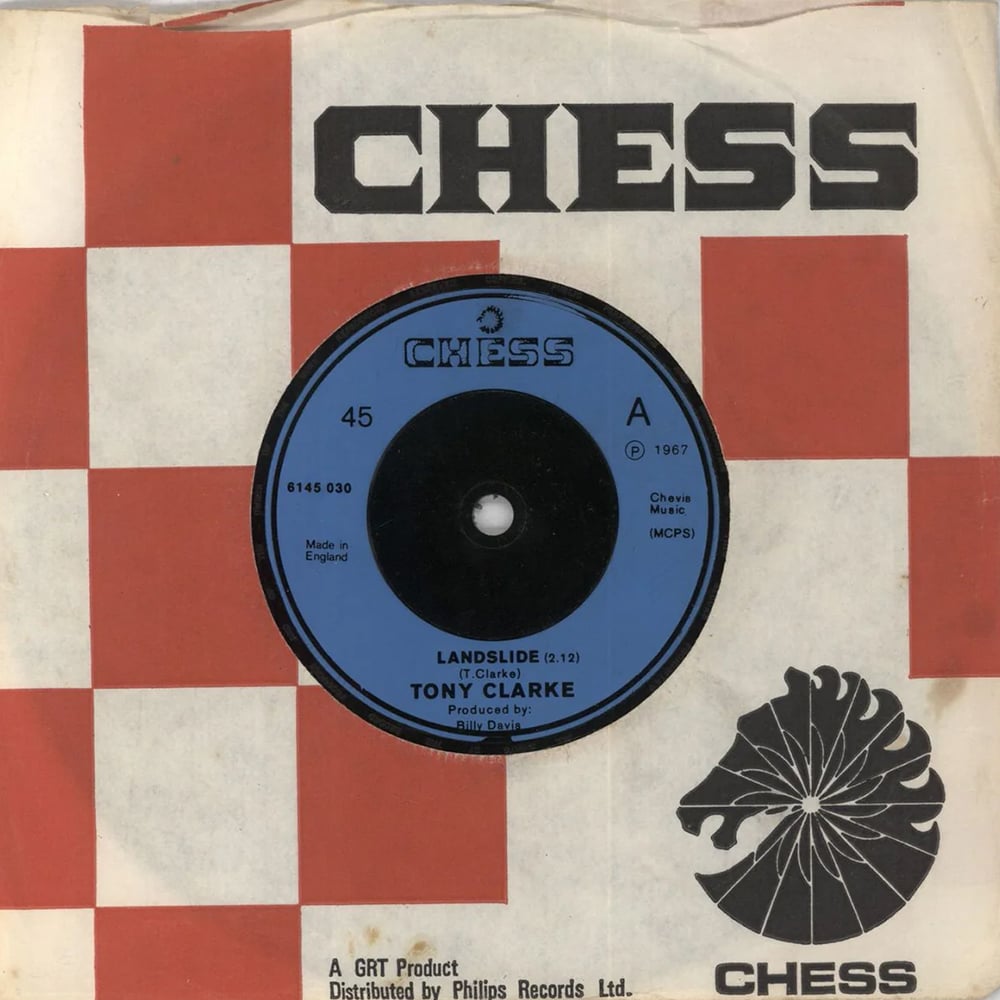
Release Date: 1966 | Producer: Billy Davis and Leonard Caston | Label: Chess
The once home of rock and roll icon Chuck Berry, Chess Records played an irrefutable role in the development of R&B back in the 1950s, but it was their shift to soul the following decade which led to the creation of some of the label’s greatest cuts. ‘Landslide’ is certainly among those highlights, with the distinctive sounds of Tony Clarke’s vocals spearheading what has long since been a northern soul classic.
Unfortunately, by the time that the blaring horns and infectious grooves of ‘Landslide’ hit the dancefloors of Northern England, Clarke had tragically passed away. Fatally shot in 1971, at the age of 31, he never lived to see himself become a hero of northern soul, but records like ‘Landslide’ have still kept his presence alive on the scene for decades.
Candi Staton – ‘Now You’ve Got The Upper Hand’
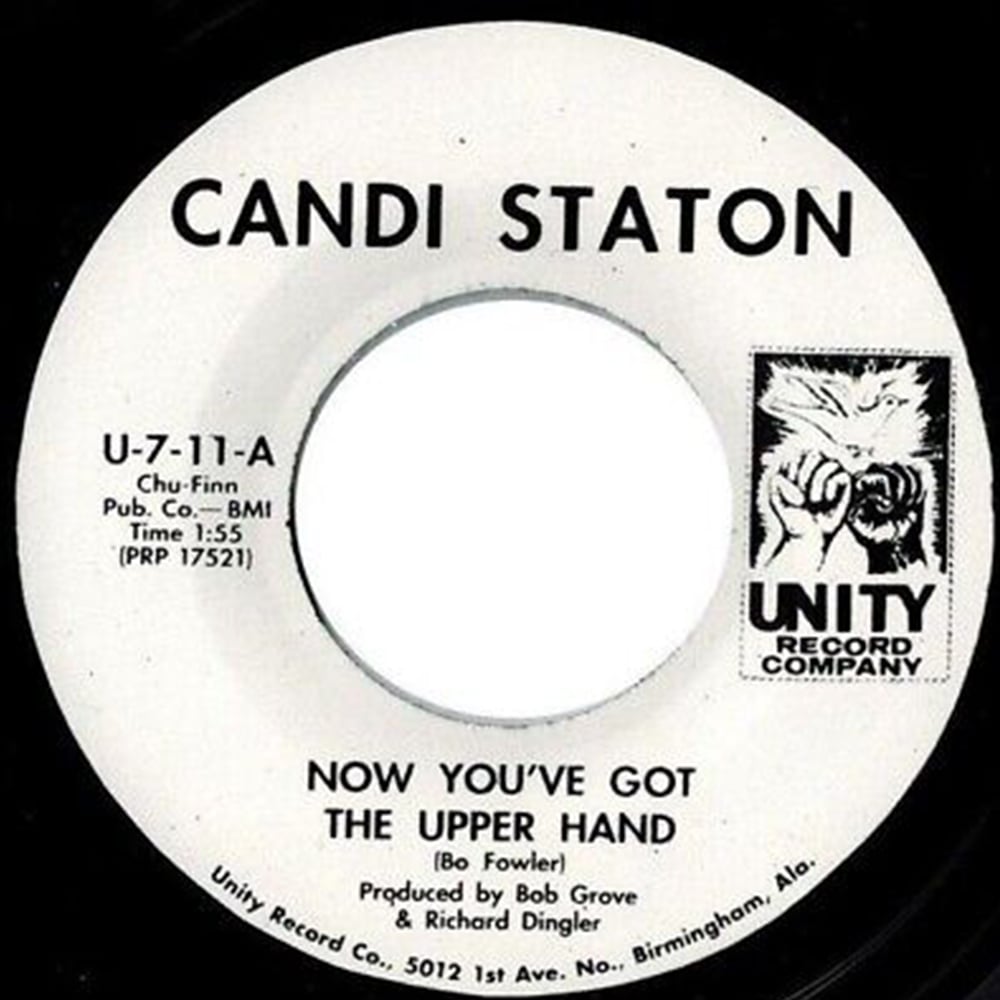
Release Date: 1970 | Producer: Bob Grove and Richard Dingler | Label: Unity Record Company
Some of the tracks on this list failed in their aim to become hit records, but this one never really got a chance to begin with. Candi Staton, who later found fame in the disco age of 1976 with ‘Young Hearts Run Free’, originally recorded this soulful stormer in 1967 while at Unity Record Company in Alabama, but it wasn’t until the vocalist had signed for Fame and started to achieve some mainstream attention that Unity finally issued the single in 1970. Even then, though, Fame quickly objected, and the single was quickly withdrawn.
Although the single was buried soon after its release, it didn’t take long for it to be dug up again by northern soul DJs. Long before Studio 54 was filled with the sounds of ‘Young Hearts Run Free’, the northern soul scene had already discovered the power of Station’s incredible performances, with this track being an ultimate highlight of her early discography. That first pressing remains elusive for most ordinary folks, but its popularity within the scene has been so great that there have been a number of reissues and bootlegs over the years, too.
Epitome Of Sound – ‘You Don’t Love Me’
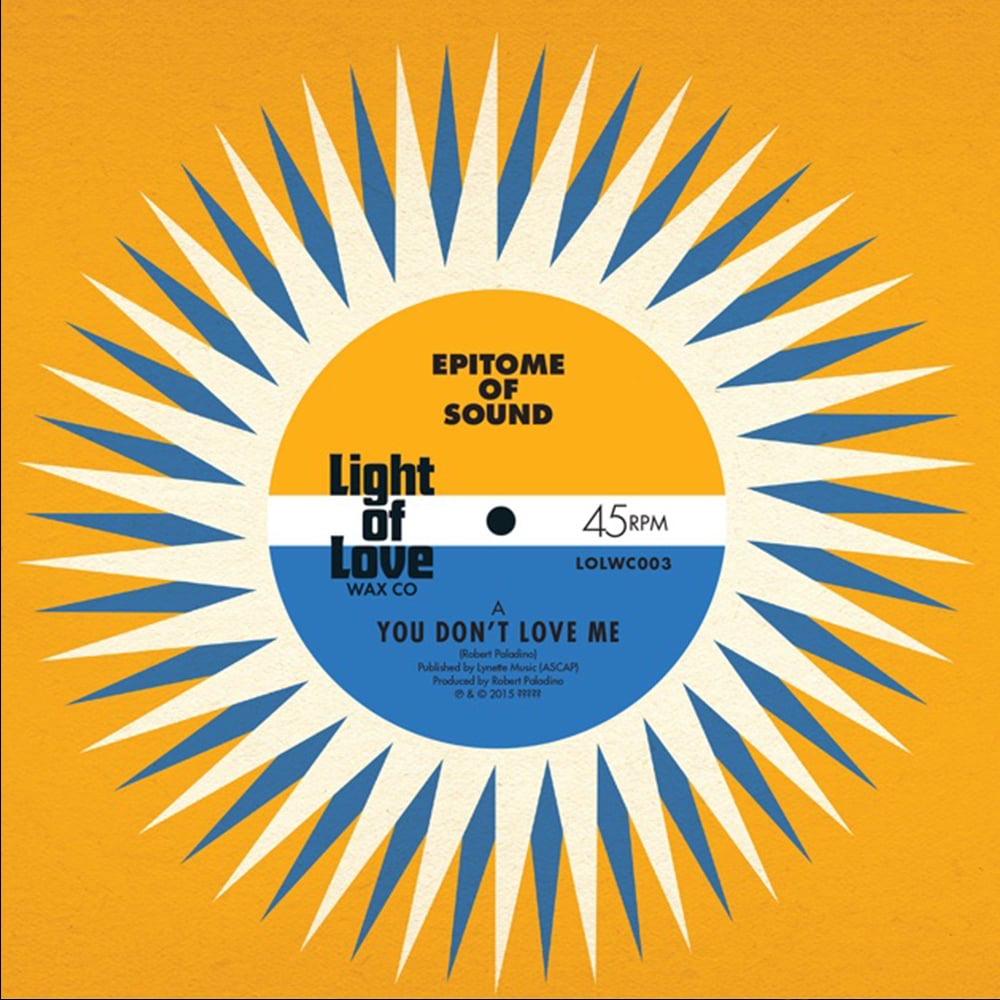
Release Date: 1967 | Producer: Robert Paladino | Label: Sandbag Records
With an ethereal, orchestral opening, soul-heartbreak effort ‘You Don’t Love Move’ seems like an unnatural northern soul heavy-hitter upon initial listening. However, the impressive vocal performance of frontman Eugene Thomas, along with its chugging rhythm, helped to make this 1967 track a staple of the early scene. Although it was released on New York’s Sandbag Records, Epitome of Sound actually hailed from New Jersey, and were originally called The Megatons (it is easy to see why they decided to change that one).
Musically, it is clear that the group were attempting to replicate the universal sound of golden age Motown, what with the gentle instrumentation and generically romantic lyricism, but the single didn’t come anywhere near to challenging Motown in the charts during the late 1960s. It was only in the bosom of northern soul that those harmonising vocals and that driving drumbeat found its audience, but it still took over 40 years for the single to be given a proper reissue, thanks to Go Ahead Records in 2010.
Lou Edwards – ‘Talkin’ ‘bout Poor Folks Thinkin’ ‘bout My Folks’
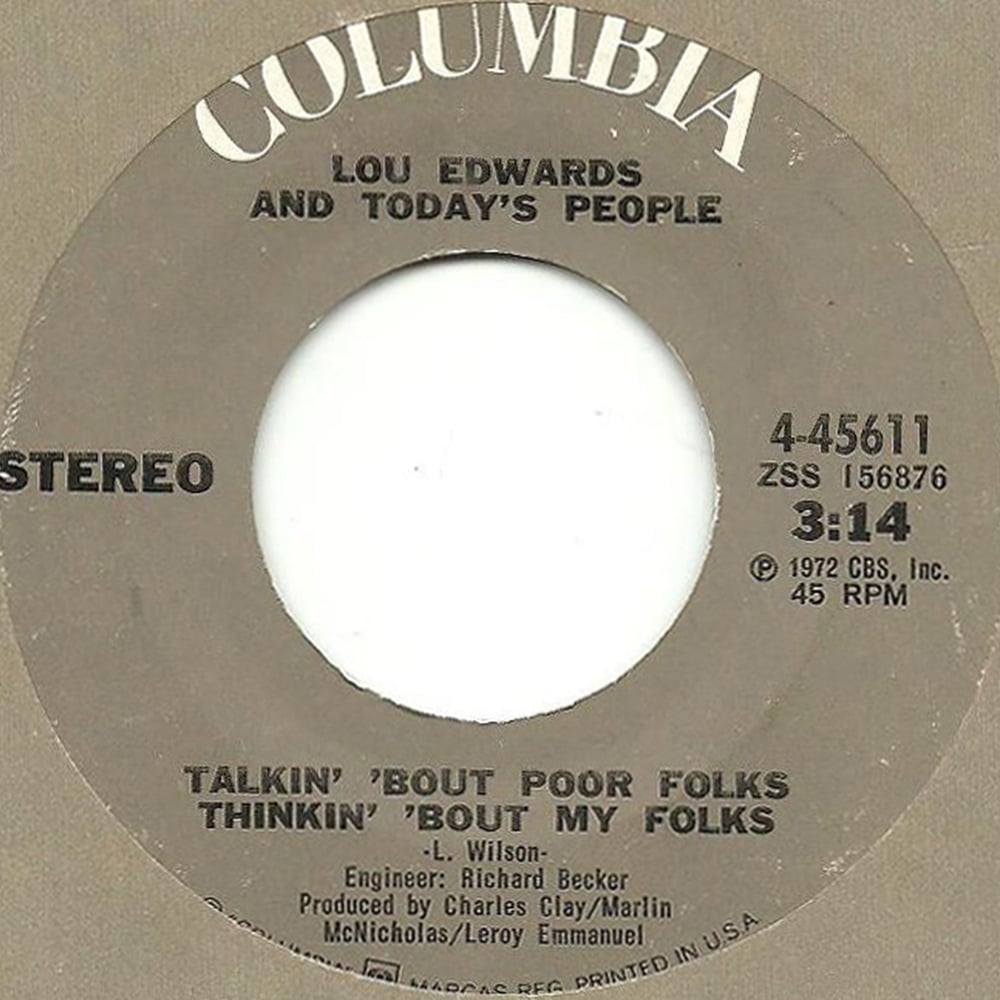
Release Date: 1972 | Producer: Charles Clay, Marlin McNicholas, and Leroy Emmanuel | Label: Columbia
One of the oldest names in the music industry, Columbia Records is about as far away as you can get from the tiny independent record labels which were chased by northern soul DJs. Even still, the label has a rich history of releasing gospel, R&B, and soul releases, going back as far as the 1920s. Lou Edwards was never in any danger of becoming Columbia’s flagship soul act, but the strength of this 1972 stormer certainly put him on the map for countless northern soul obsessives following in its wake.
The only single that the mysterious Edwards ever recorded for Columbia, the horn-laden anthem establishes an unshakable groove early on in the runtime, and doesn’t let up for the entirety of the tune. With a decent amount of breaks and some brilliant vocals from Edwards alongside a seemingly unknown backing vocalist, this track gives audiences more than enough opportunity to espouse their extent of their moves on the floor – just be careful you don’t dislocate anything.
Barbara Lynn – ‘Take Your Love and Run’
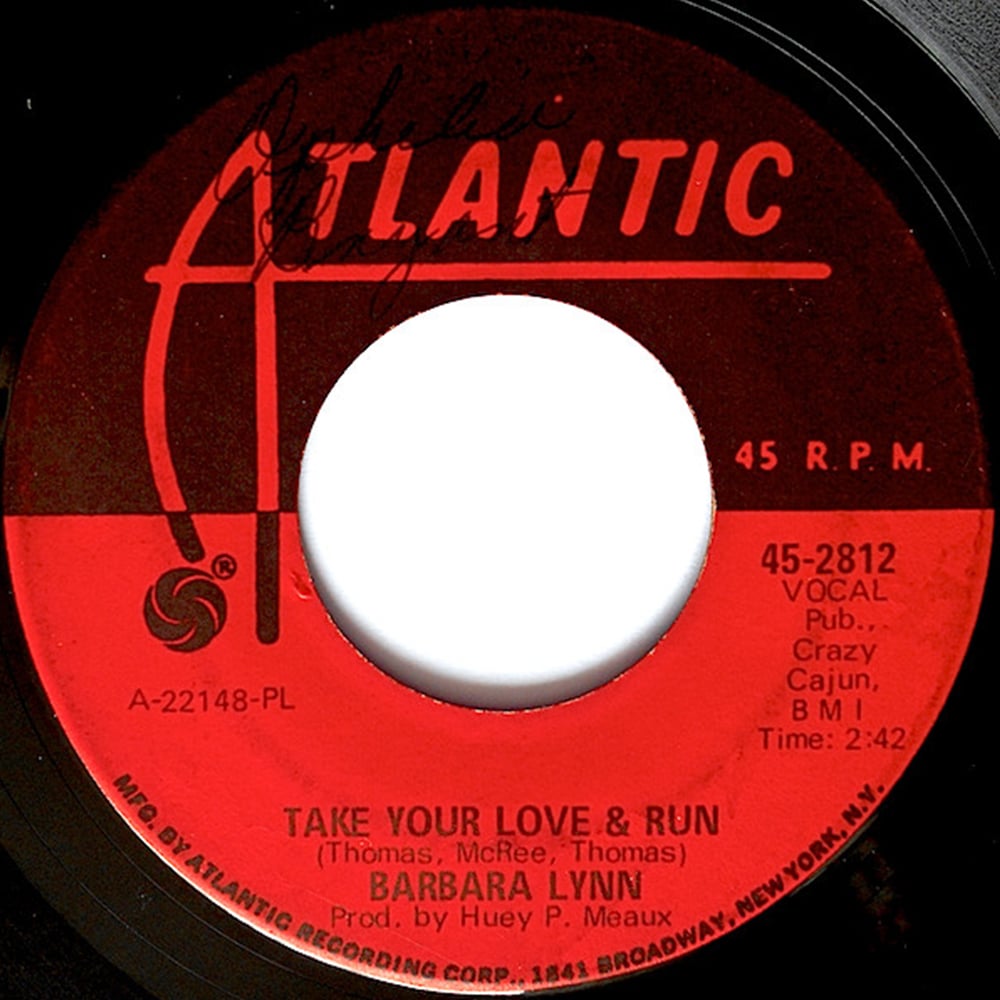
Release Date: 1971 | Producer: Huey P. Meaux | Label: Jetstream Records
It was only a matter of time before Beaumont’s finest, Barbara Lynn made a full appearance on this list. An utterly essential figure in the history of R&B, any one of the performer’s many groundbreaking grooves could have taken this spot, but we have chosen her 1971 floorfiller ‘Take Your Love and Run’ as the archetypal Barbara Lynn northern banger. First released on Texas’ Jetstream Records before quickly being re-released by Atlantic Records, the track is one of the most affordable northern singles capable of completely transforming a dancefloor.
Bursting with power and individuality, Lynn’s impassioned performance on the song commands the utmost attention from any audience, so it is no shock that the single was quickly adopted by northern soul DJs as a secret weapon to get people moving their feet. Sure, it’s hardly the most obscure or overlooked single on this list, but there’s no denying the commanding power of Lynn’s performance on this track.
Otis Blackwell – ‘It’s All Over Me’
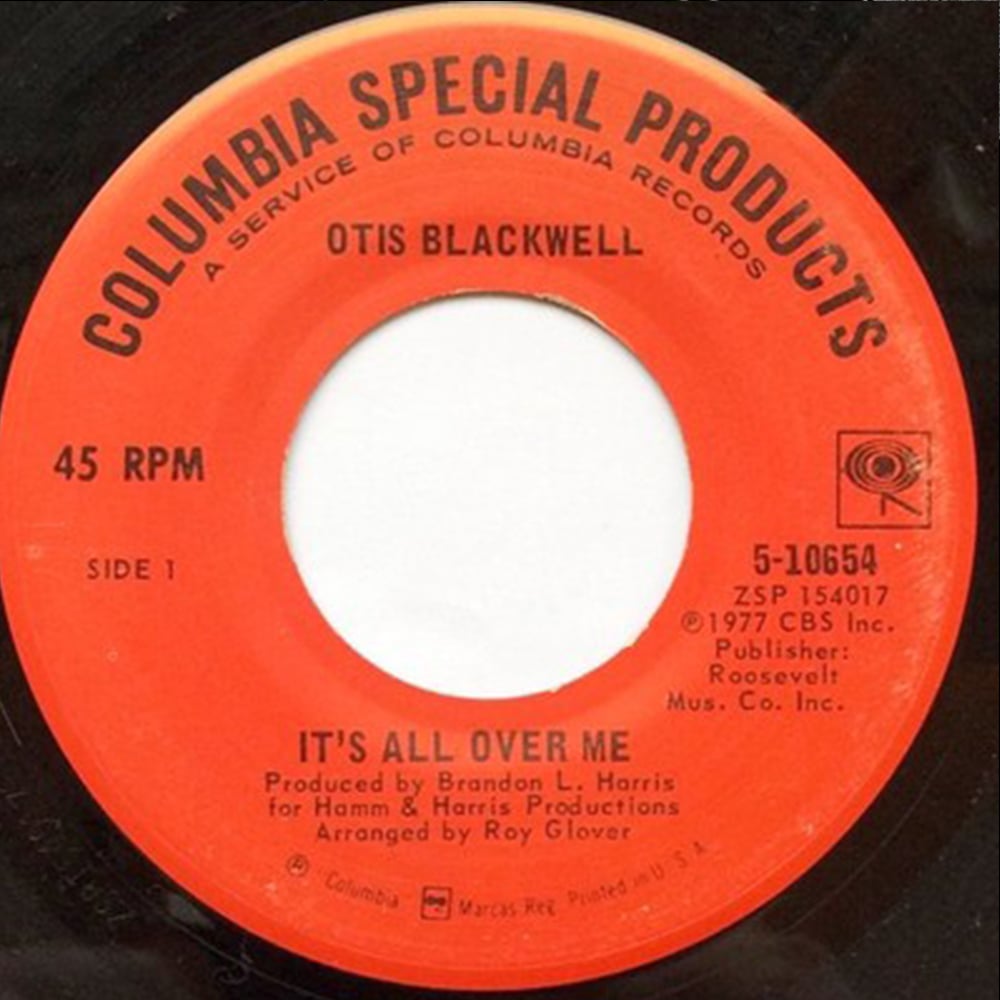
Release Date: 1970 | Producer: Brandon L. Harris | Label: Epic
Of all the artists included on this list, few can rival the incredible, extensive career of Otis Blackwell. Entering the music industry back in the early 1950s, the Brooklyn songwriter played a larger role than most in the early days of rock and roll. ‘All Shook Up’, ‘Great Balls Of Fire’, and ‘Return To Sender’ are just a handful of the iconic tracks that Blackwell came up with during those early years, but his own heart was set on the world of R&B and soul, and this 1970 Epic release is one of his best.
Upbeat brass, the wonderfully rich baritone voice, and an energetic funk rhythm, the song might not have been Blackwell’s biggest hit, in fact, it was something of a flop, but its rousing energy made the song a natural fit for the northern soul scene back in the 1970s. In the decades since it was first introduced to dancefloors, Blackwell’s distinctive voice continues to fill dancefloors to this day.
R Dean Taylor – ‘There’s A Ghost In My House’
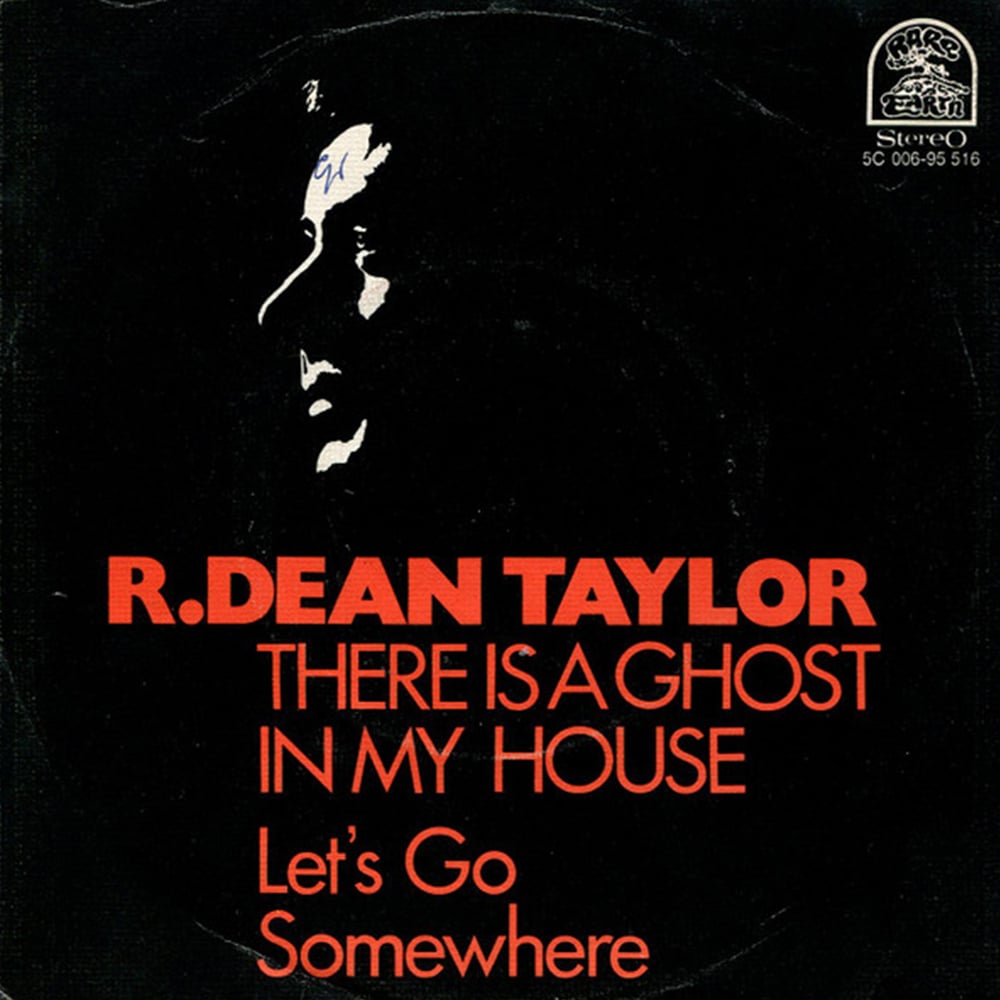
Release Date: 1967 | Producer: Brian Holland and Lamont Dozier | Label: V.I.P.
A strangely spooky effort from Motown’s VIP imprint, Canadian vocalist R Dean Taylor made his first real mark on the label’s output with this 1967 single, even if it didn’t quite fit in with the rest of Berry Gordy’s roster at that time. Introduced and punctuated by a gothic guitar riff, the song owes its northern soul success to the rhythm section, which is awash with the distinctive, contagious grooves of every great Holland-Dozier-Holland product.
Taylor owes a lot of his success and notoriety to the northern soul scene. Initially a flop for Motown in 1967, the song became a staple of Blackpool Mecca and the early days of Wigan Casino. In fact, the song became such a cornerstone of the northern scene that, when reissued in the UK in 1974, it became a number-three hit, and even inspired a post-punk reimagining courtesy of The Fall.
Willie Tee – ‘Walkin’ Up A One Way Street’
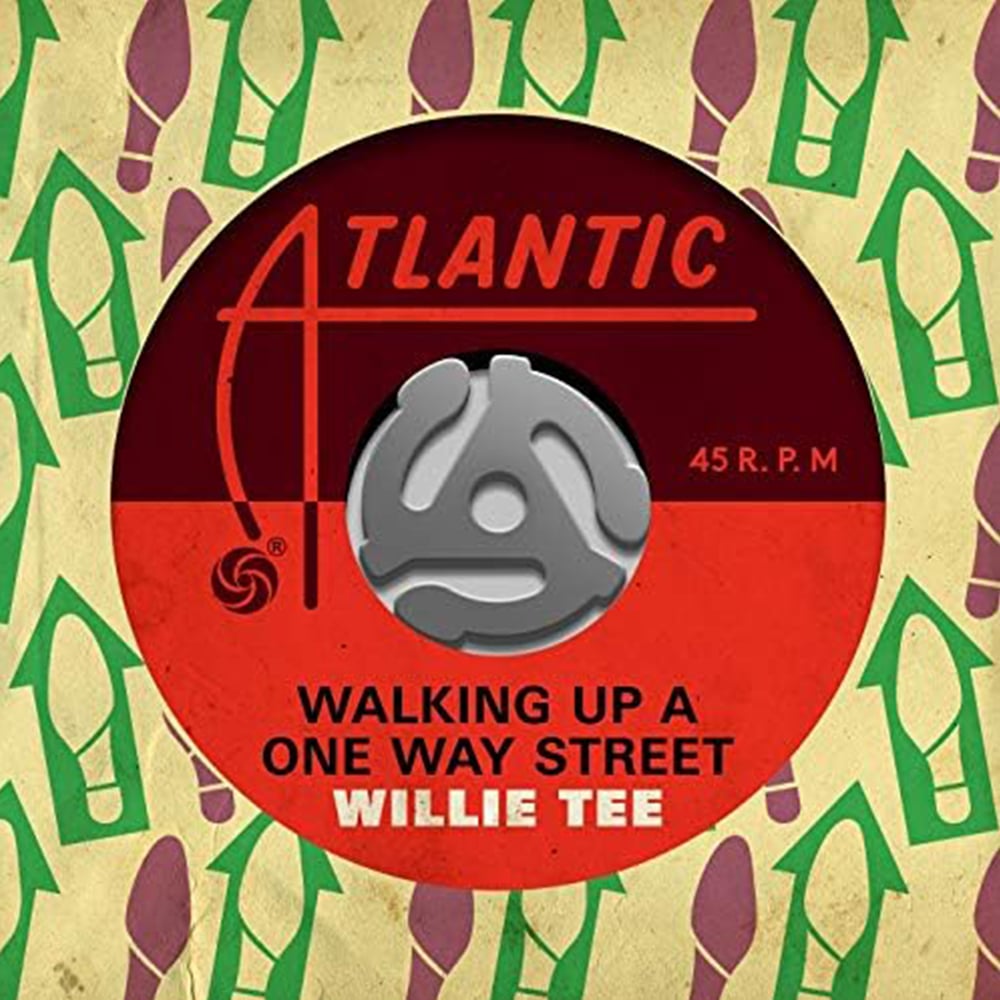
Release Date: 1965 | Producer: Wardell Quezergue | Label: Nola Records
A key architect of New Orleans soul, Willie Tee was always deserving of far more mainstream attention than he was ever granted. Sure, he defined the sound of his native New Orleans throughout the 1960s and beyond, but wider audiences weren’t quite as receptive to his pioneering rhythms – save for a cult following in the north of England. Like Barbara Lynn, multiple Tee tracks could sit comfortably in this list, but 1965’s ‘Walkin’ Up A One Way Street’ is a particularly enduring classic.
Originally released on the Louisiana soul label Nola Records, Tee’s enchanting mid-tempo tune was quickly picked up by Atlantic Records for nationwide distribution, achieving a modest degree of success. Nevertheless, not even the marketing gurus at Atlantic could have predicted Tee’s clutch on the northern soul scene, the early days of which saw him become a cult hero on the dancefloors of Manchester, Stoke, and Blackpool, among other northern strongholds.
Major Lance – ‘Ain’t No Soul (Left In These Old Shoes)’
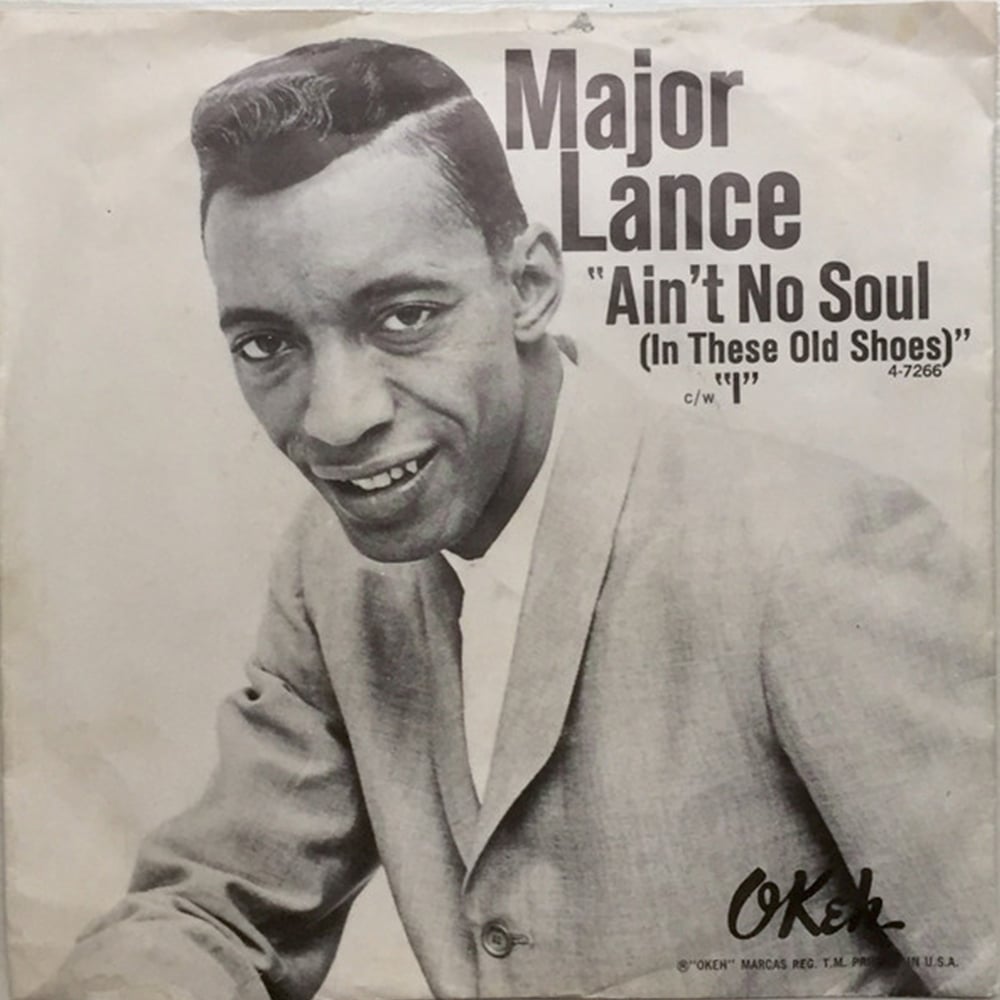
Release Date: 1966 | Producer: Ted Cooper | Label: Okeh
It seems ludicrous that we have surpassed the halfway point of this list without taking a trip to Okeh Records; a truly fascinating record label, and one which played a pivotal role on the northern soul scene. Mississippi vocalist Major Lance was among the label’s flagship acts during the 1960s – the decade that the label pivoted to focusing almost entirely on soul and R&B excellence – and ‘Ain’t No Soul (Left In These Old Shoes)’ is arguably his defining single.
A proto ‘Careless Whisper’, with lyrics about a narrator’s inability to dance now that his beloved has left him, the infectious, beating rhythm of the track doesn’t seem to fit the lyrical content. In spite of Lance’s persistent claims, this short, sharp single is bursting at the seams with soul. Its rousing rhythm and birdsong keys are enough to put this track in the floorfiller category, alongside countless other Okeh singles which found a home in the northern soul scene.
Barbara Randolph – ‘I Got A Feeling’
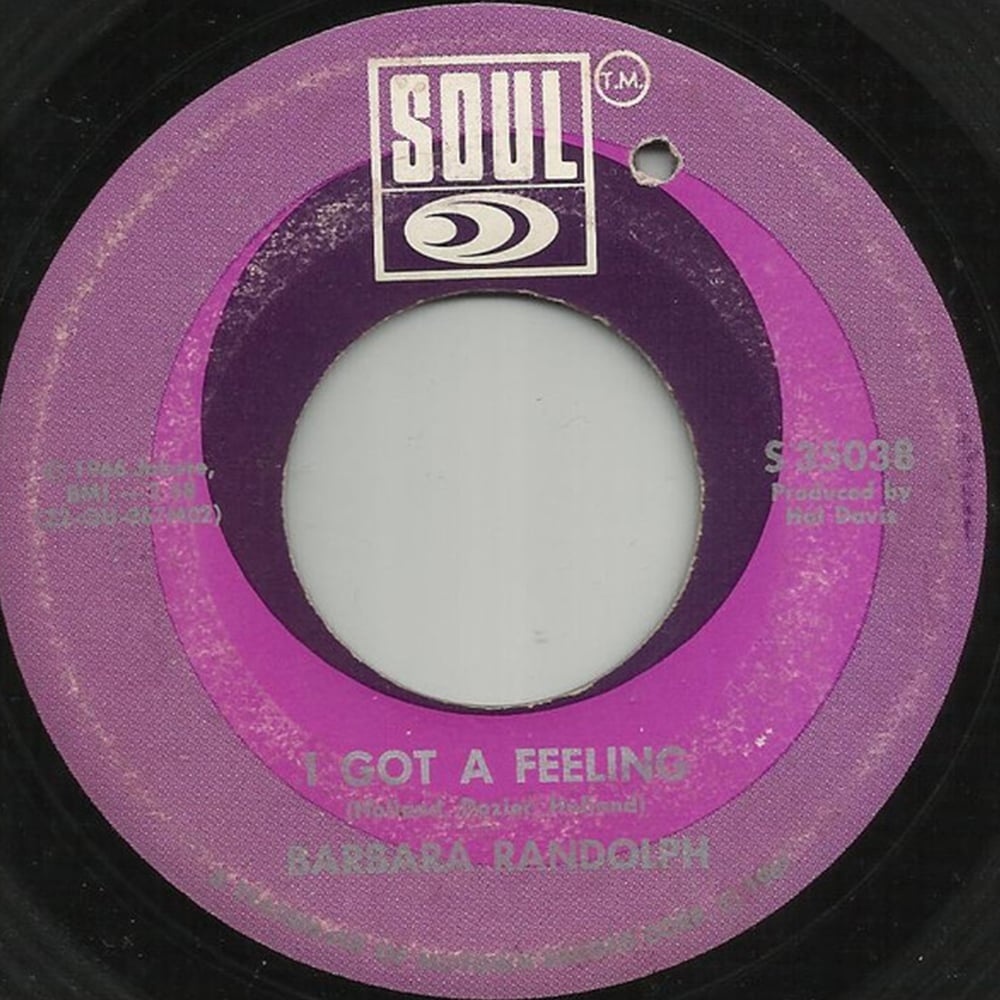
Release Date: 1967 | Producer: Hal Davis | Label: Soul
Euphoric horns, catchy hooks, and a generational vocal talent to boot, Barabara Randolph’s ‘I Got A Feeling’ is an archetypal Motown masterpiece, and its grip on the northern soul scene of the early 1970s certainly reflected that fact. Another product of Holland-Dozier-Holland and their Midas touch songwriting, the song was first recorded by The Four Tops, before becoming Randolph’s debut recording for Gordy’s label.
Resigned to Motown’s Soul imprint, neither ‘I Got A Feeling’ or her follow-up single, ‘Can I Get A Witness’ led to much in the way of commercial success for the Detroit vocalist, cutting her time at Hitsville USA depressingly short. However, the soulful brilliance of her performance on the track cemented the record as a northern soul staple during the early years.
The Amazers – ‘Without A Warning’
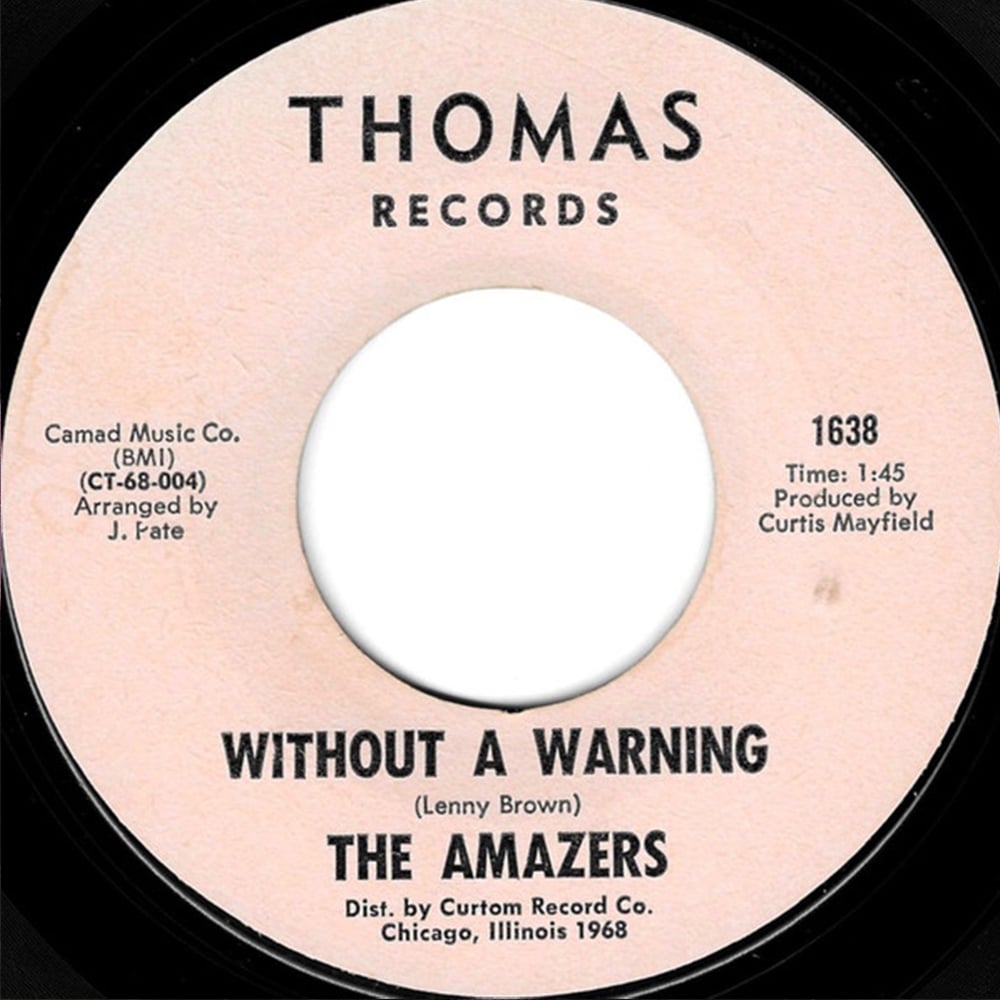
Release Date: 1967 | Producer: Curtis Mayfield | Label: Thomas Records
Before Curtis Mayfield became a groundbreaking soul star in his own right, the ‘Move On Up’ songwriter was a prolific songwriter and producer at the heart of Chicago’s rich soul scene. The high-tempo, energising stomper ‘Without A Warning’, by Minnesota group The Amazers was just one of the tracks that Mr Mayfield worked on during his time with Thomas Records during the late 1960s, and he seems to have successfully injected the song with his own knack for creating timeless, dynamic soul masterpieces.
The Amazers themselves don’t have a very extensive biography out there, and ‘Without A Warning’ was their only single for Thomas Records, released shortly before the band faded into obscurity for good. Nevertheless, the 1967 effort certainly captured the attention of soul circles in England, with its unrelenting energy fitting in well with those iconic all-nighter sets.
The Sheppards – ‘How Do You Like It’
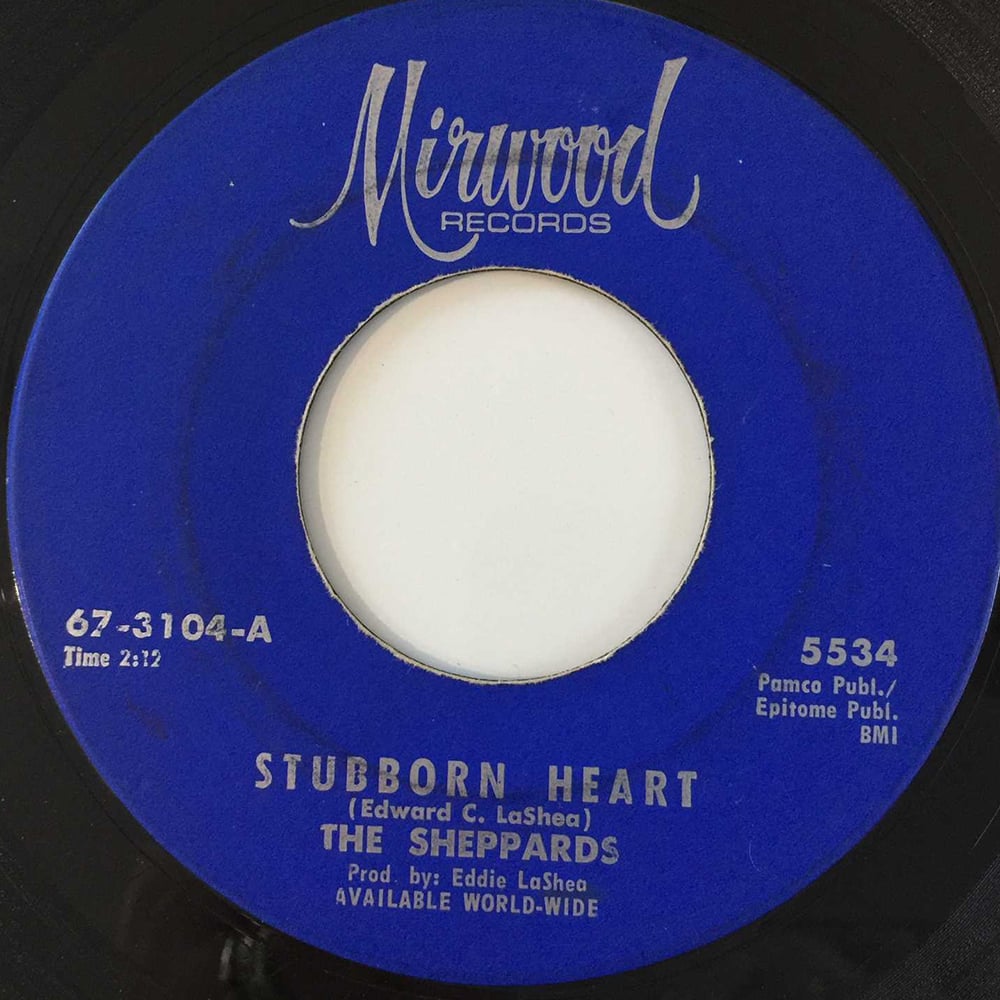
Release Date: 1967 | Producer: Eddie LaShea | Label: Mirwood
An unshakable earworm of a track, Chicago outfit The Sheppards created something really special with this 1967 effort. Balancing that classic Chicago soul rhythm with that broad, pop-R&B approach favoured by a lot of soul artists towards the tail-end of the 1960s. Aside from the vocal prowess of lead singer Murrie Eskridge, it is the group’s incredible horn section which does the bulk of the heavy lifting on the single, creating the catchy groove which has kept northern dancefloors going for decades.
This was the band’s only release on Mirwood, although they did have a few prior efforts with Randall Wood’s Vee Jay Records earlier on in the decade. Although Mirwood didn’t last nearly as long as some of its competitors in the soul game, the label managed to cultivate a distinctive and beloved sound over the course of its discography, and The Sheppards played a key role in developing that inherent sound, even if their time at the label was only brief.
Ella Fitzgerald – ‘Get Ready’
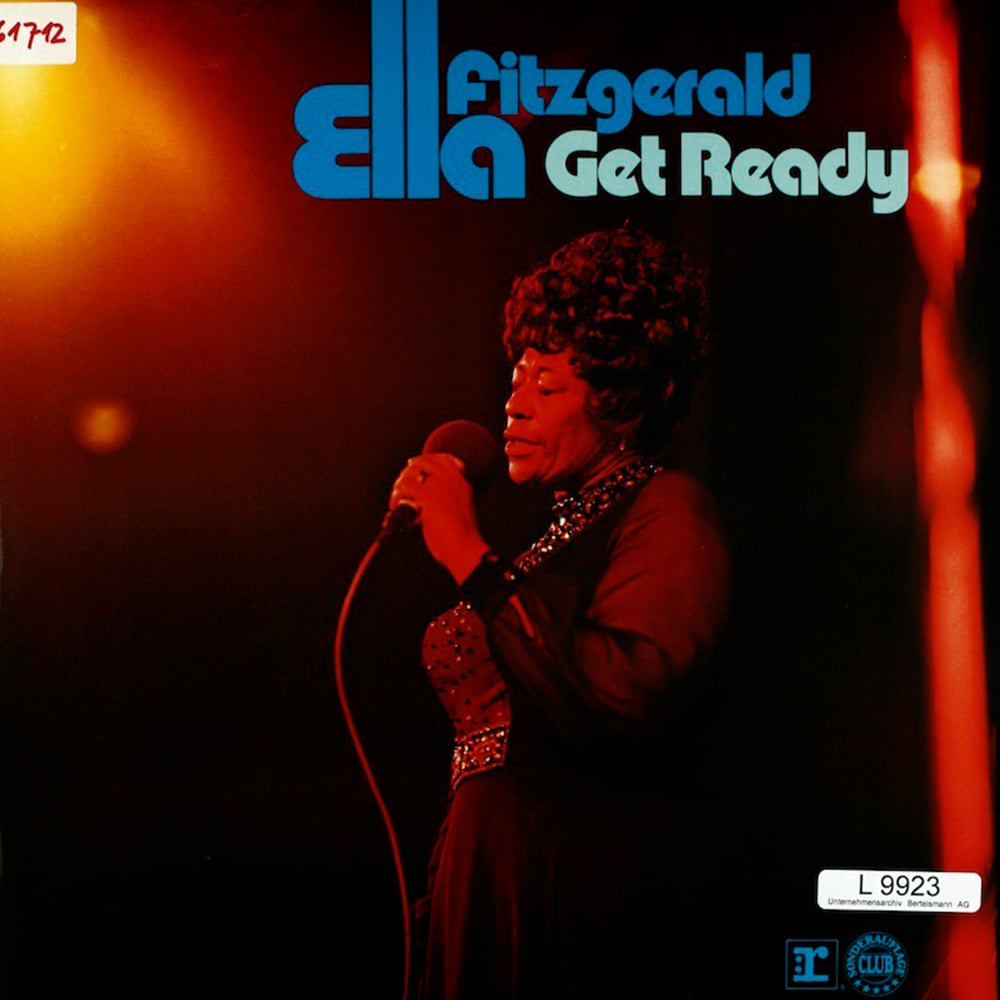
Release Date: 1969 | Producer: Richard Perry | Label: Reprise
Soul and jazz had a fair amount of crossover during the 1960s, and no track reflects the genius of that combination better than Ella Fitzgerald’s 1969 recording of ‘Get Ready’. Originally written by Motown master Smokey Robinson for The Temptations back in 1966, something about the track appealed to the ‘Queen of Jazz’ herself, who chose to record her own, incredible version for the Reprise record Ella.
Although the recording was one of Fitzgerald’s finest entries into the world of soul-jazz, it only achieved a modest level of success upon its release, until it was incorporated into the world of northern soul. Granted, a name as hugely beloved as Fitzgerald’s doesn’t tend to fit in with the ever-obscure world of northern soul, but even the most ardent of northern purists cannot help but move their feet when this storming single comes over the speakers. It is a timeless masterpiece.
The Professionals – ‘That’s Why I Love You’
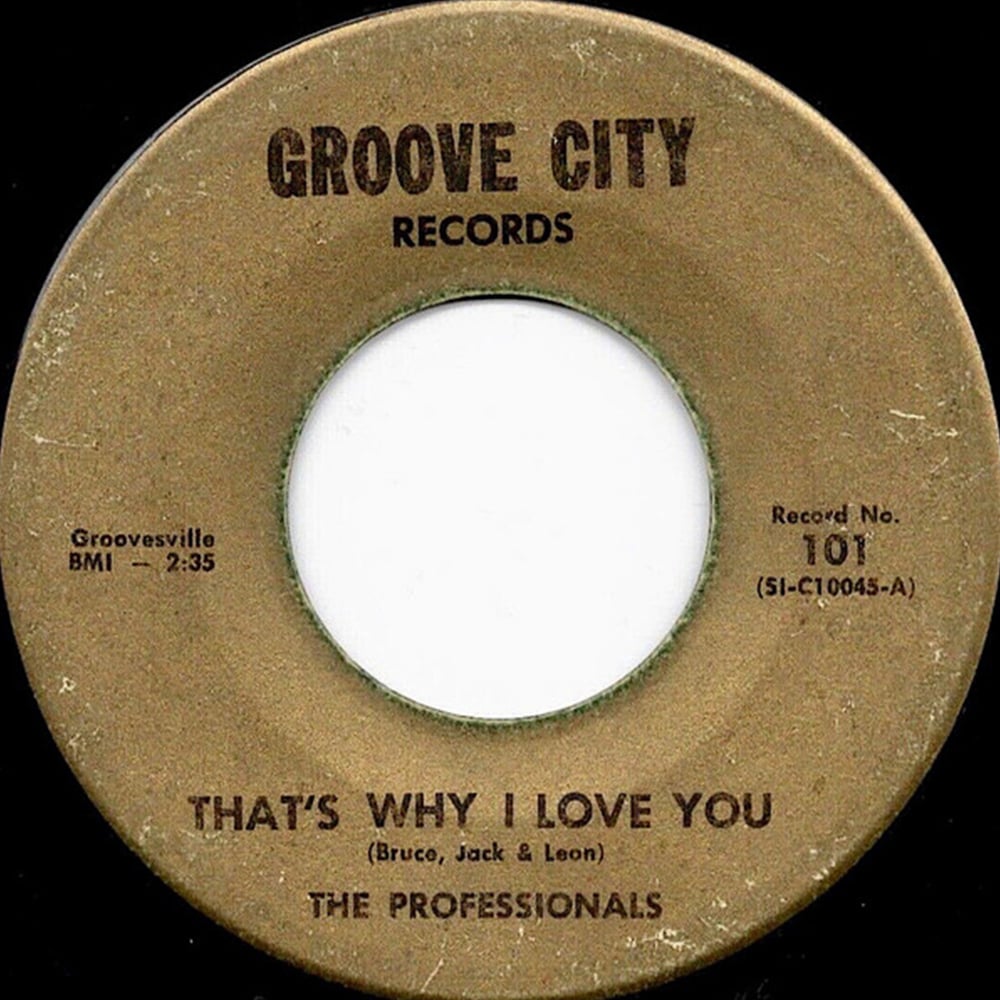
Release Date: 1967 | Producer: Don Davis | Label: Groove City Records
You only need to hear the first few seconds of The Professionals’ 1967 triumph, ‘That’s Why I Love You’, to see why it became such a smash on the northern soul scene. Those bell tones might as well be an alarm tone, alerting folks to get themselves on the floor and give it all they’ve got. Heavy brass, a rising intensity, and some great vocals courtesy of the short-lived Detroit group, the sound of the track instantly conjures up images of sweaty, amphetamine-riddled young people doing their best Bruce Lee impressions.
Released on Don Juan Mancha’s Groove City Records, the song failed to travel outside of its native Detroit in 1967, but those ever-elusive first pressings have since become coveted by northern soul collectors, fetching four-figure sums on the rare occasion that they come to sale. Fear not, though, as the single has been repressed on a few occasions, perhaps most notably by Vienna’s Record Shack back in 2017, keeping it in regular rotation at soul nights across the nation to this day.
Bobby Newton – ‘Do The Whip’
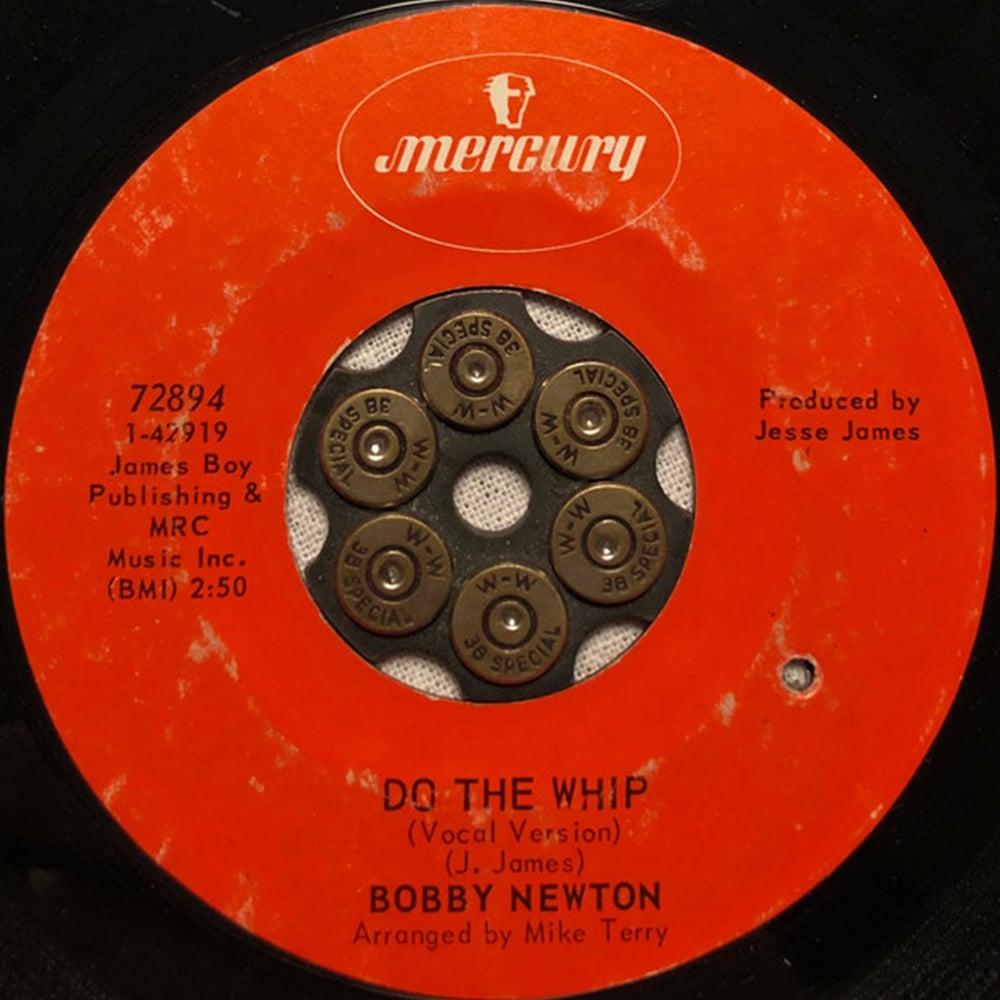
Release Date: 1969 | Producer: Mike Terry | Label: Mercury
Dance crazes are a goldmine for record labels. You only need to look at how many follow-ups Chubby Checker’s ‘The Twist’ inspired to see that. So, if an unknown artist could create the next big dance craze to sweep the nation, they were more or less guaranteed success. Unfortunately, that plan didn’t quite pan out for Pennsylvania performer Bobby Newton, whose 1969 attempt to introduce ‘The Whip’ to dancefloors failed to gain much traction.
Even if ‘The Whip’ didn’t catch on, the unrelenting uptempo energy of Newton was enough to make the track a storming floorfiller on the northern soul scene. Evoking the amphetamine influence which fuelled many an all-nighter during the heyday of the scene, the single’s infectious, hard-driving hyper-soul is more than enough to keep you going until the early hours of the morning – even if you won’t necessarily be following the steps described by Newton.
The Precisions – ‘Why Girl’
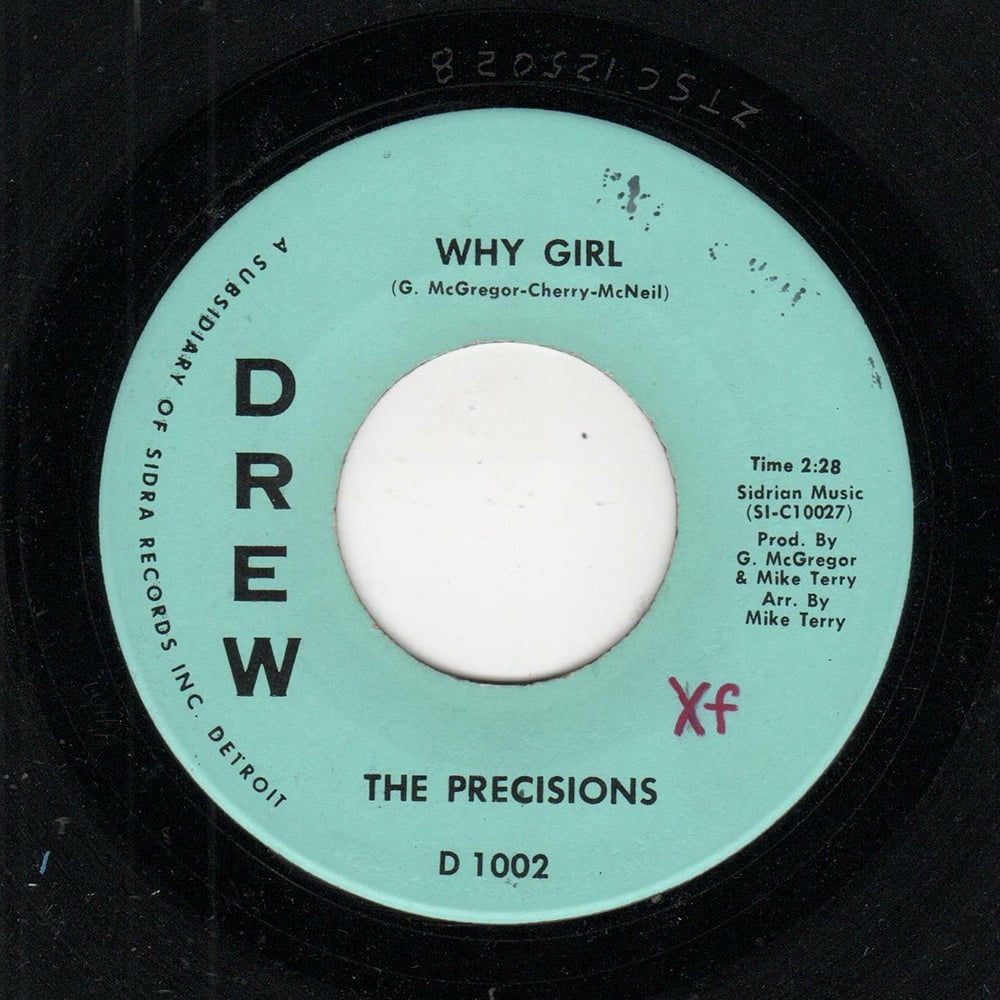
Release Date: 1967 | Producer: Mike Terry and George McGregor | Label: Drew
Another Mike Terry production rising high in the ranks of northern soul excellence, ‘Why Girl’ represented the high-point of The Precisions’ strange recording career. Throughout the 1960s, the Detroit group moved from one label to another on a bizarrely regular basis, trying and failing to score a hit at each company. Their luck wasn’t helped by the fact that the line-up of the group was ever-changing, either. Nevertheless, their Drew-era recordings were some of the group’s strongest, although it took the advent of northern soul for audiences to hear them.
Lyrically, the song is a fairly run-of-the-mill mid-’60s love song, but that unique opening guitar riff and the regal horns which punctuate the vocals are more than enough to make up for any lyrical shortcomings. The group’s subsequent Drew single, ‘If This Is Love (I’d Rather Be Lonely)’ found similar fame in the northern soul scene but, for our money, ‘Why Girl’ is the way to go when it comes to The Precisions.
The TSU Tornadoes – ‘Gettin’ The Corners’
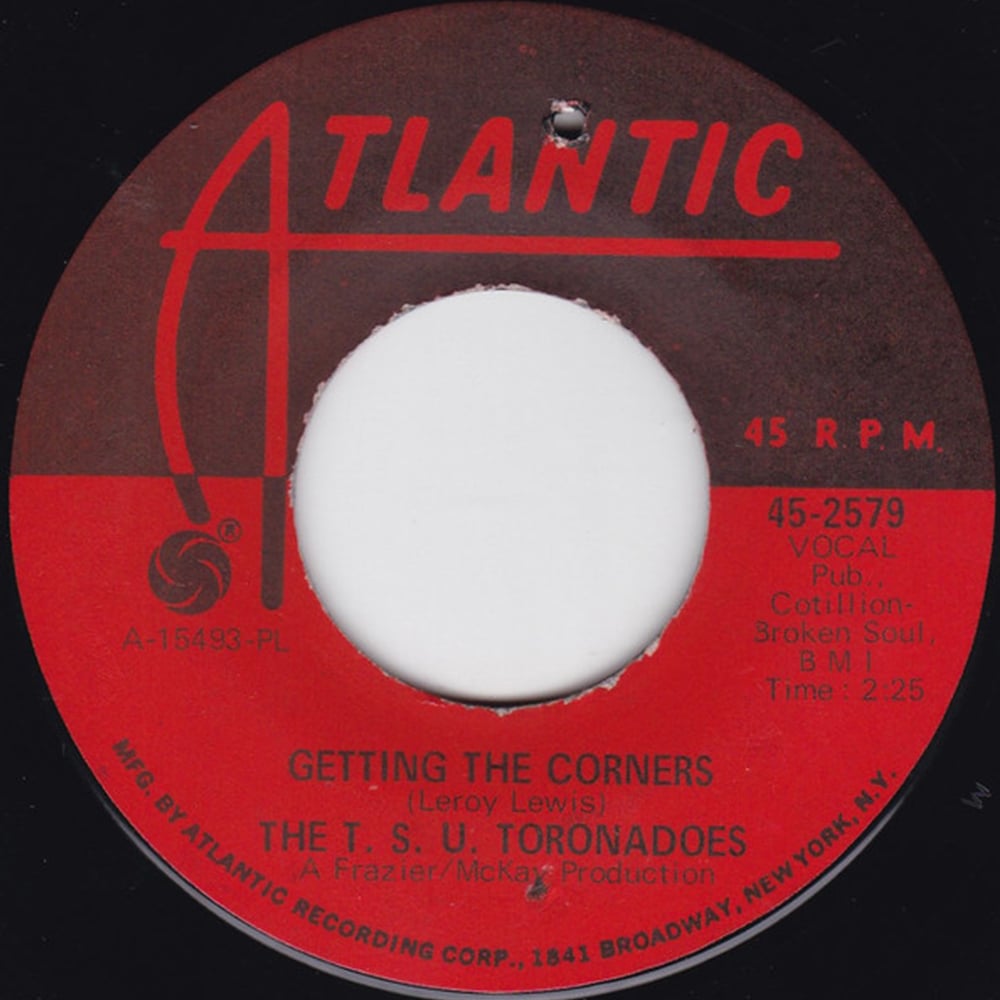
Release Date: 1968 | Producer: Bill McKay and Skipper Frazier | Label: Ovide
A bombastic, largely instrumental single with sudden bursts of James Brown-esque funk delivery, ‘Gettin’ The Corners’ is well-titled, in that it will get the entire dancefloor moving – no more hiding in the corners away from the lights. With a core melody reminiscent of The Four Tops’ ‘Reach Out (I’ll Be There)’, the grooves of this record are tried and tested, and it has been a cornerstone of soul nights for decades.
The house band of Houston’s Ovide label, the TSU Tornadoes recorded a multitude of brilliant instrumental anthems like this, with Cal Thomas at the helm as the songwriter, but they ended up finding much more fame as a backing group, performing with the likes of Jackie Wilson and Archie Bell as the 1960s progressed. Nevertheless, this single, with the band solely in the spotlight, remains a masterpiece.
Frank Beverly and the Butlers – ‘If That’s What You Wanted’
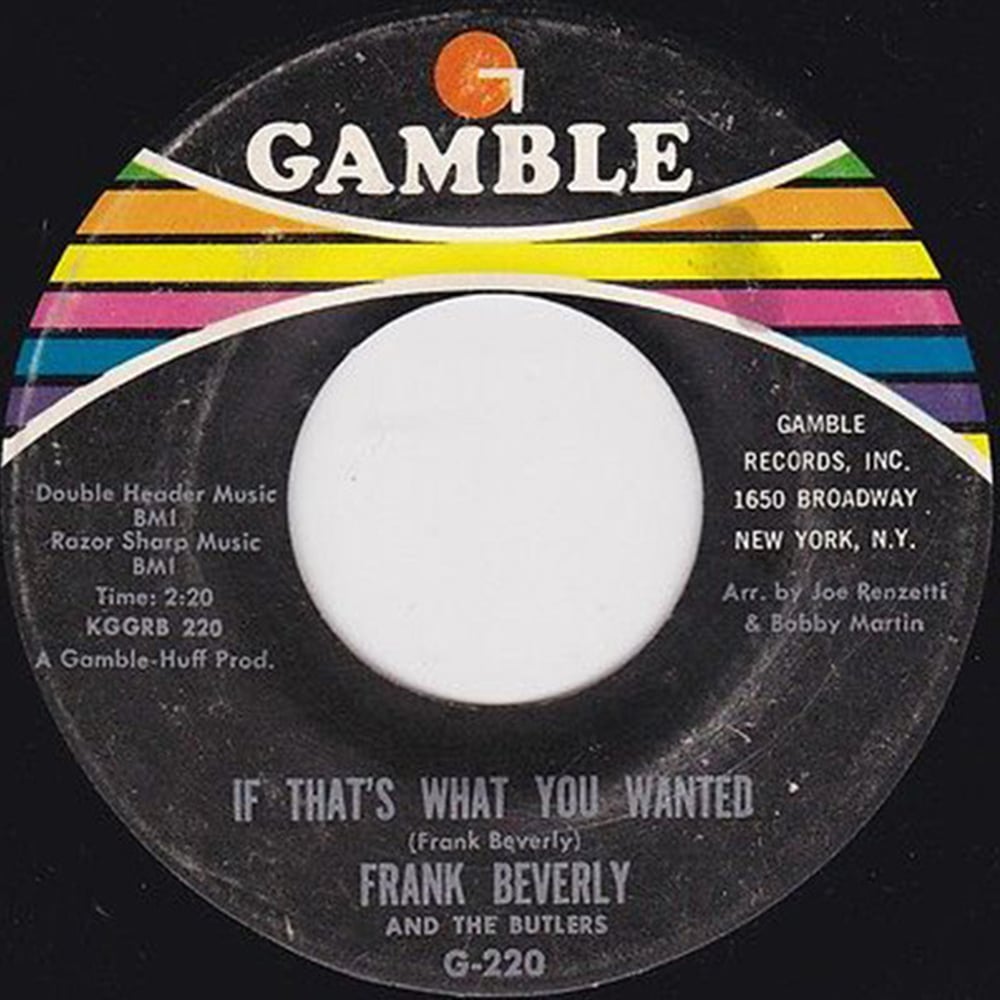
Release Date: 1967 | Producer: Billy Jackson | Label: Sassy
The only ounce of mainstream success Frank Beverly and the Butlers ever witnessed during their recording career was a support slot for Marvin Gaye during the mid-1970s. That fact alone is the biggest indicator that society is, in fact, not a meritocracy. For, if you look back across The Butlers’ discography, there is a multitude of dynamic and domineering soul anthems, and the 1967 B-side ‘If That’s What You Wanted’ is, arguably, their most significant effort.
Luckily for all, the northern soul scene has kept this gem of a single in regular rotation since the early 1970s, although an original pressing – either on Sassy or Gamble Records – is enough to set you back as much as £800 these days. Admittedly, though, that price tag becomes much more reasonable upon listening to the earworm track.
Larry Williams and Johnny Watson – ‘Too Late’
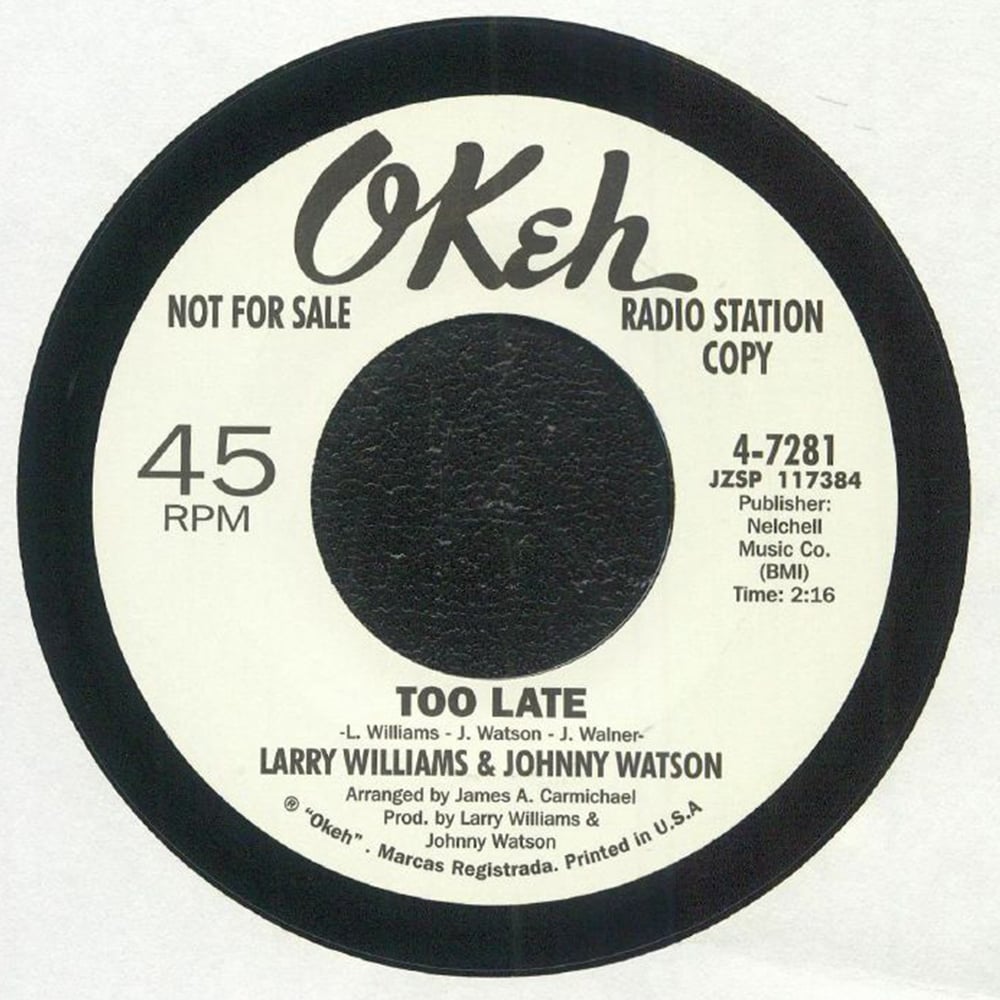
Release Date: 1967 | Producer: Larry Williams and Johnny Watson | Label: Okeh
Batman and Robin, Dennis and Gnasher, Reeves and Mortimer; all iconic duos, but in the world of northern soul, duos don’t come much more iconic than Larry Williams and Johnny ‘Guitar’ Watson. Together, the pair recorded a plethora of stomping singles, many of which found fortune in the early days of northern soul, but the Okeh-released floorfiller ‘Too Late’ is the crowning jewel of their joint discography.
An unrelenting, uptempo jaunt through the collective soul sensationalism of the respective artists, the energy of the 1967 single is unparalleled, and capable of getting even the most geriatric of northern soul fans spinning around like a runaway dreidel. Fortunately, it has remained on the relatively affordable end of the northern spectrum, too, so it’s deserving of a spot in any uptempo soul set.
Deon Jackson – ‘Ooh Baby’
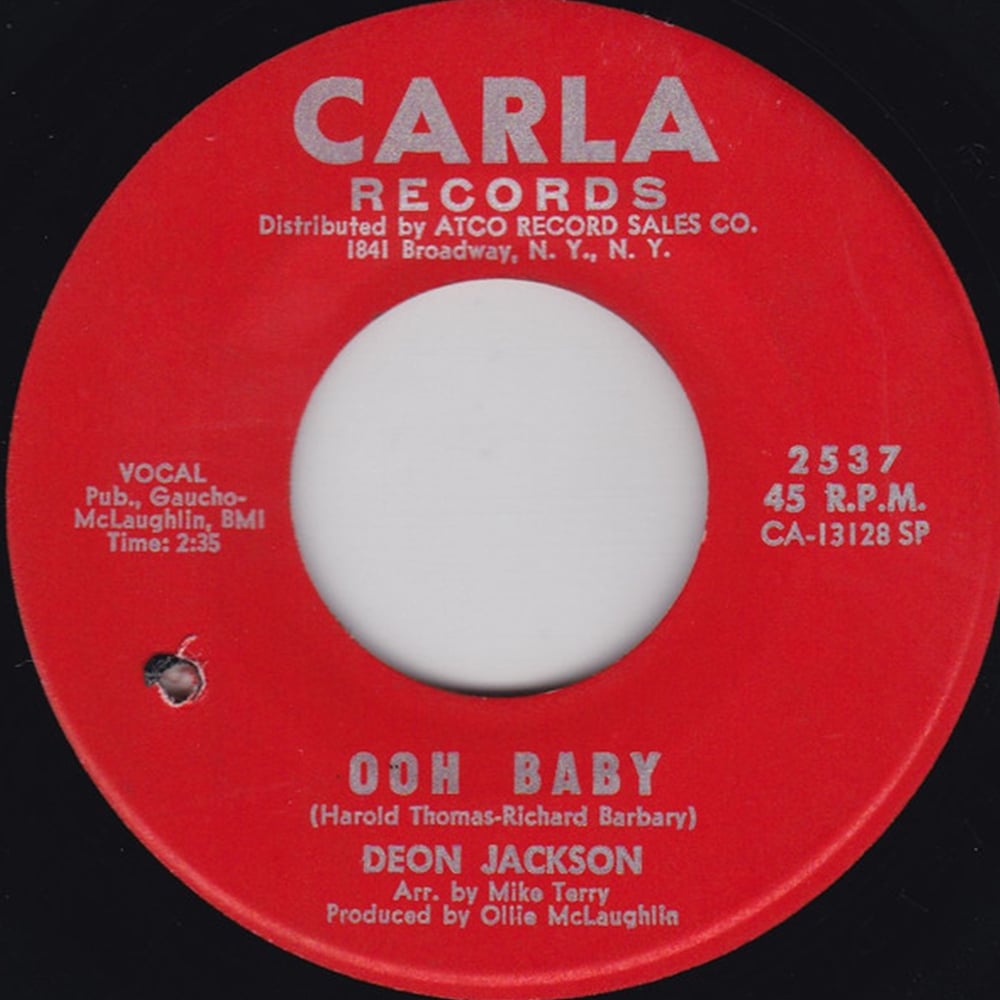
Release Date: 1967 | Producer: Ollie McLaughlin | Label: Carla Records
One of the most powerful aspects of northern soul dancing is that it doesn’t require a partner, in contrast to the prevailing dances of the time. But, as Wilson Pickett once declared, everybody needs somebody to love, so our next pick on this list goes right to the heart of northern soul romanticism, under the guiding light of Michigan vocalist Deon Jackson. The emotive quality of the soul love song makes it a natural fit for an end-of-night love-in, but it has enough rhythm to make the single a commendable dancer, too.
Jackson never really hit the big time, despite his prolific range of recordings throughout the 1960s and into the 1970s. Realistically, his only nationwide entry into the pop charts came with 1965’s ‘Love Makes the World Go ‘Round’, also released on Carla Records, yet he is among the most beloved figures in the realm of northern soul, thanks largely to timeless efforts like ‘Ooh Baby’.
The Fascinations – ‘Girls Are Out to Get You’
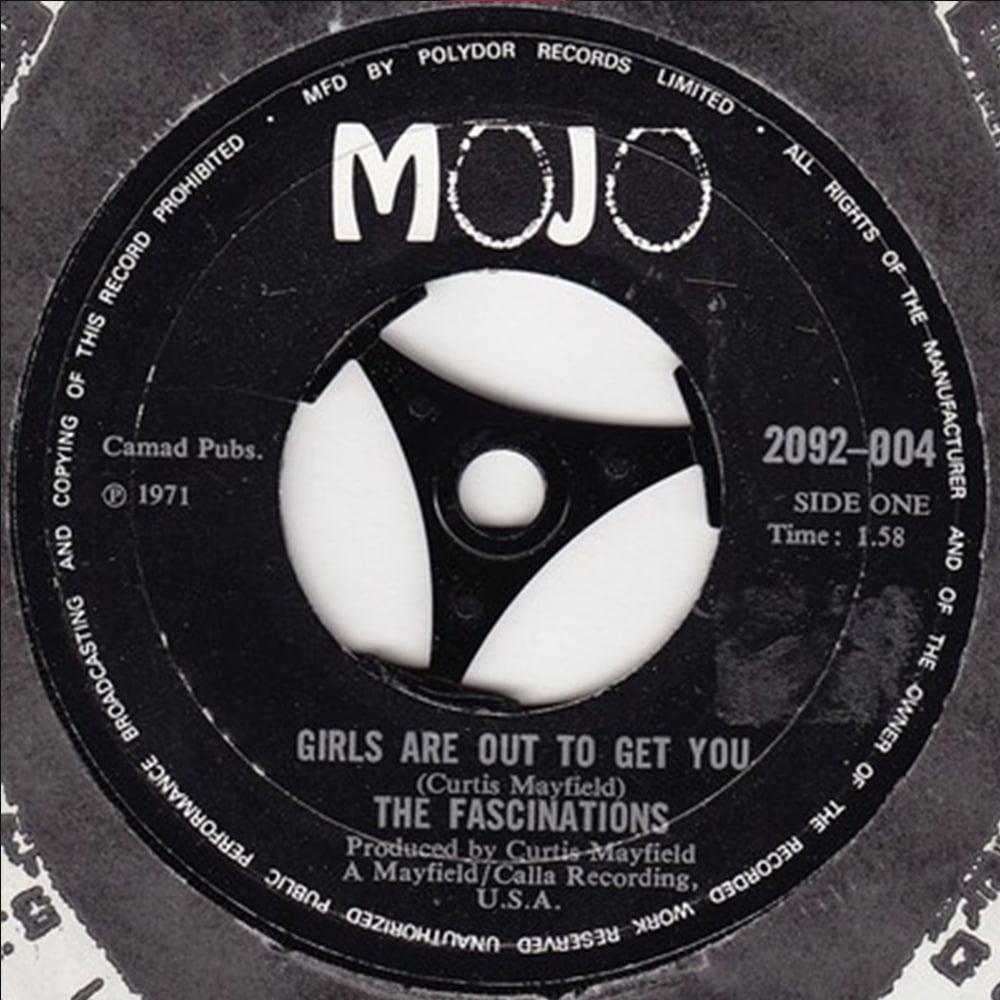
Release Date: 1967 | Producer: Curtis Mayfield | Label: Mayfield
From a gushing love song to a word of warning, The Fascinations delivered this cautionary tale back in 1967, with predictably stellar production work from Curtis Mayfield. Those high-pitched harmonies and machine-gun horns have soundtracked many an all-nighter, going right back to the early days of the scene at venues like The Twisted Wheel in Manchester. In fact, the song became so synonymous with the blossoming northern scene that a re-release broke into the top 40 singles chart in 1971, causing the then-disbanded Fascinations to regroup.
Upon its original release in 1967, the song climbed to a disappointing 92 in the Hot 100 in the US, but the sub-two-minute track is positively packed with talent. Even without Mayfield’s production work, the single features the aforementioned Mike Terry on saxophone and Chicago soul titan Donny Hathaway on piano – in addition to, of course, the unavoidable vocal quality of Shirley Lawson and the gang.
Mike Post Coalition – ‘Afternoon of the Rhino’
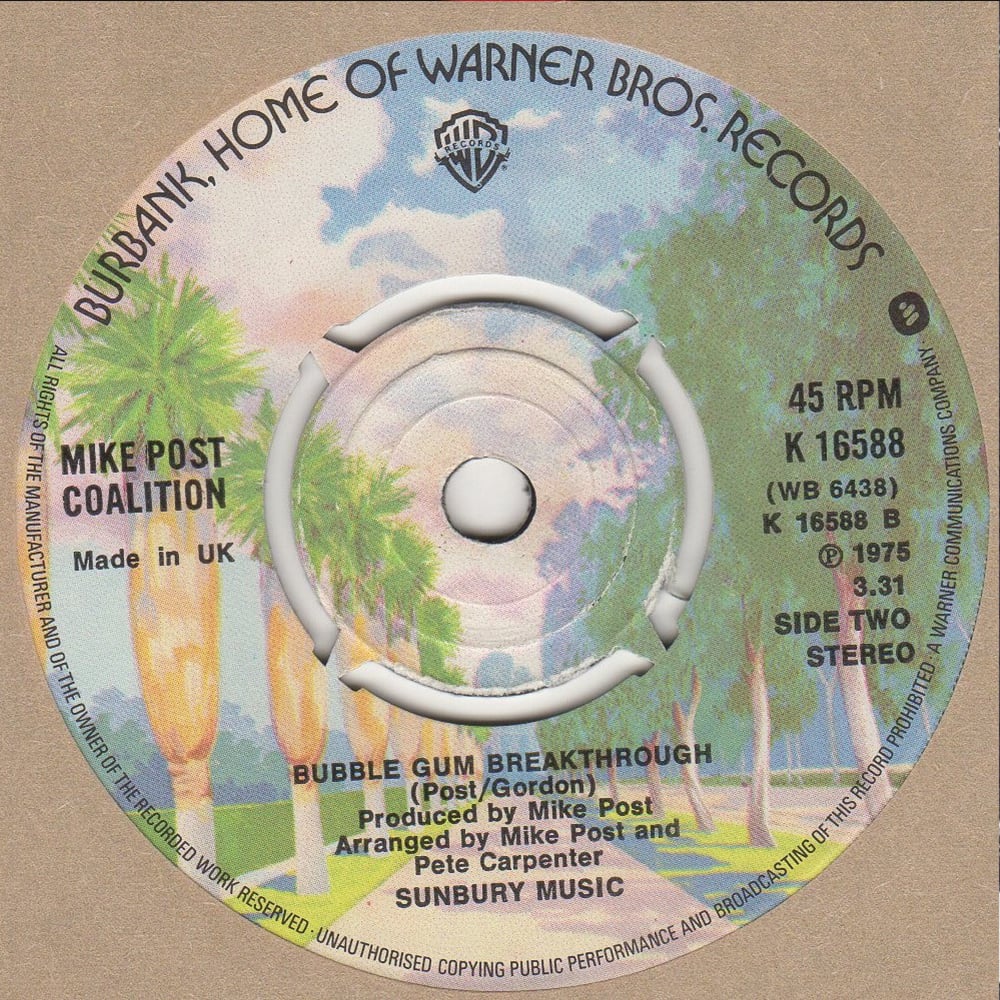
Release Date: 1969 | Producer: Mike Post | Label: Warner Bros.
Northern soul DJs were all about discovery, and some of the greatest discoveries of the movement came from the most unexpected of places. In a scene dominated by seven-inch singles, who would think to look into an album created by a speccy white bloke from Berkeley? Well, luckily, somebody did, and that’s how Mike Post’s instrumental anthem ‘Afternoon of the Rhino’ found its way onto northern soul dancefloors.
First released on Post’s 1969 record Fused, the song’s orchestral instrumentation and soulful beat took a few years to endear itself to the northern scene but, by 1975, the track had been reissued on seven-inch vinyl and became a fixture of countless DJs’ boxes. A rather unlikely northern soul track, sounding more like the Ski Sunday theme than anything coming out of Detroit or Chicago back in the 1960s, ‘Afternoon of the Rhino’ just goes to show that huge tunes can be found where nobody else is looking.
Jackie Wilson – ‘I Get The Sweetest Feeling’
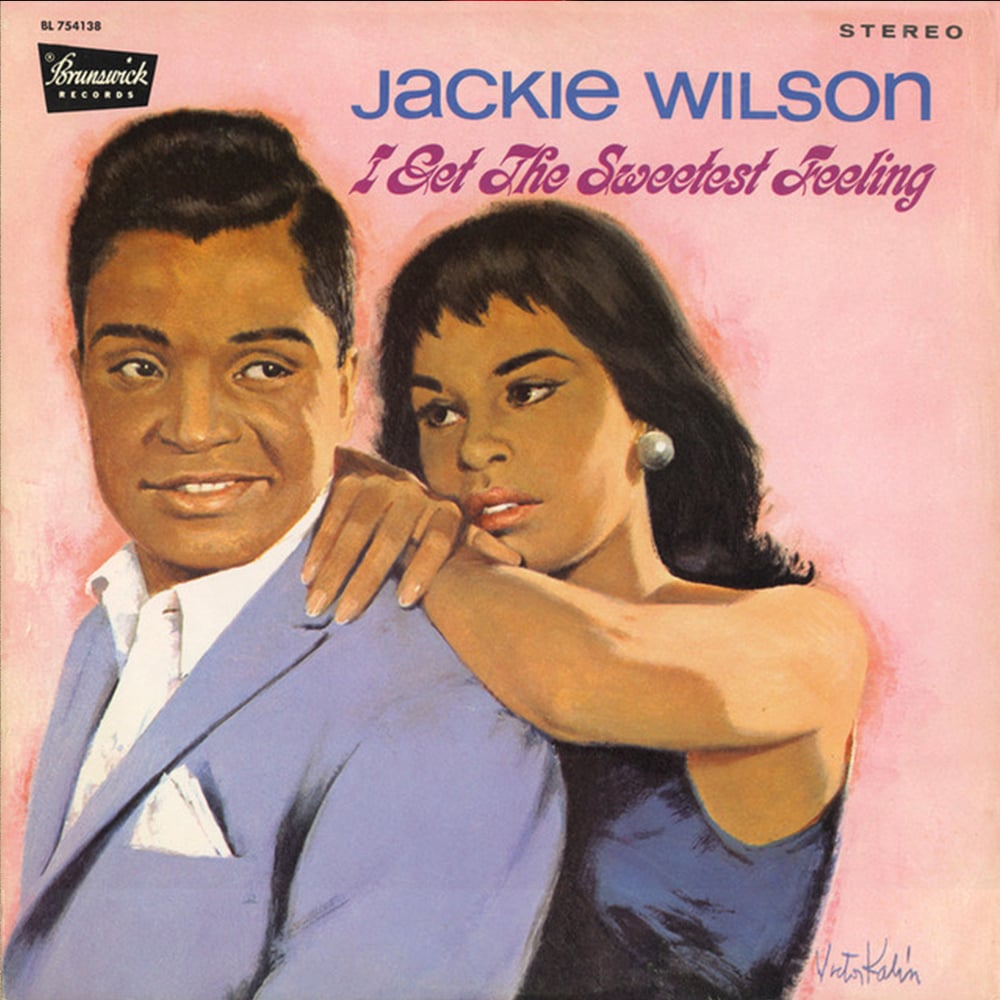
Release Date: 1968 | Producer: Carl Davis | Label: Brunswick
From one legendary name to another, soul music simply wouldn’t exist without the pioneering work of Jackie Wilson. One of the most prolific, exciting, and enduring figures from the entirety of the soul and R&B world, the importance of Wilson’s early work in inspiring the next generation of soul artists is impossible to overstate. However, some of his greatest work came long after his 1950s heyday, and 1968’s Motown-esque effort ‘I Get The Sweetest Feeling’ is a prime example.
Despite being a Brunswick release, Wilson employed Motown’s in-house band, The Funk Brothers, to provide the dazzling instrumentation on the single, effectively imbuing the track with that familiar groove of Detroit soul. With Wilson’s legendary reputation, the Motown influence of the track, and its commanding presence on a dancefloor, it was always going to be fodder for the northern soul scene.
Shirley Ellis – ‘Soul Time’
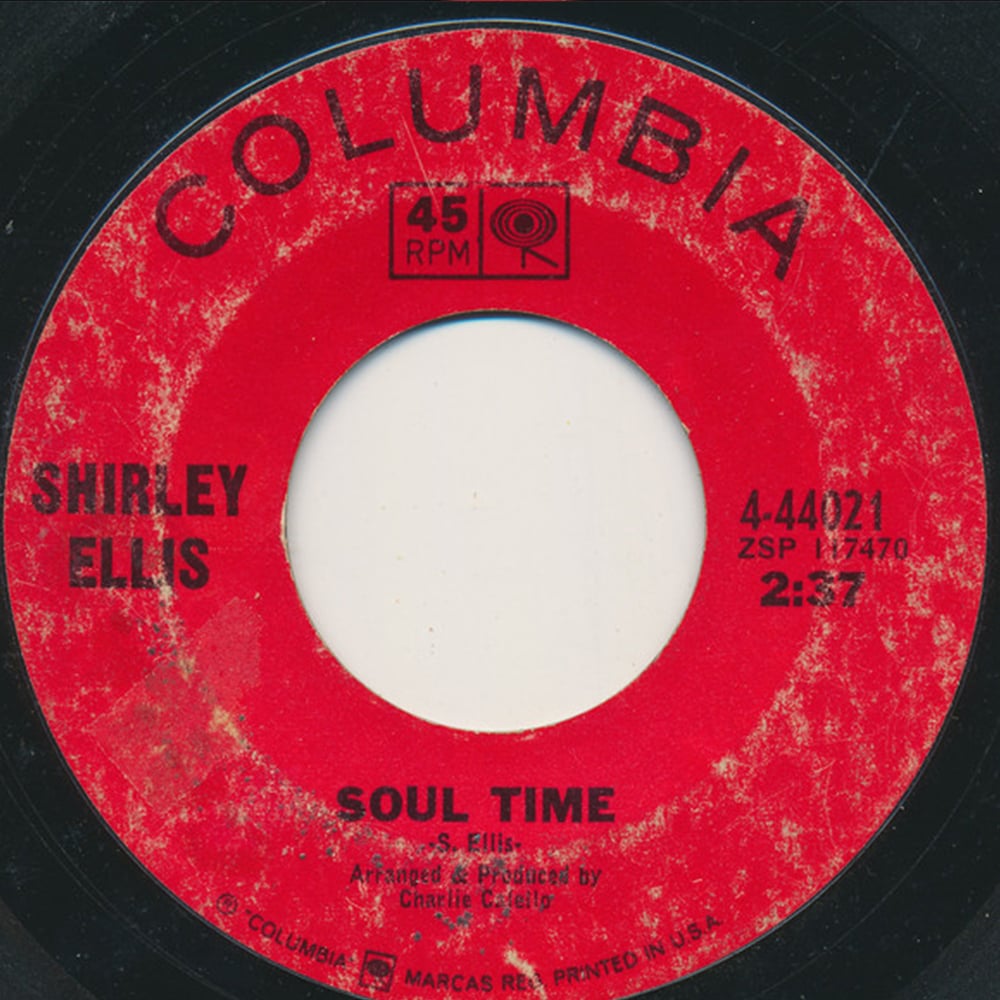
Release Date: 1966 | Producer: Charlie Calello | Label: Columbia
An anthemic tune that acts both as a lesson in times tables and as a rallying cry for the northern soul scene, Bronx vocalist Shirley Ellis is flanked by blaring horns on this enduring single. If you want to open your set with a record which will set the tone, energy, and standard of dancing for the rest of the night, there aren’t many choices which trump ‘Soul Time’; uncomplicated, infectiously danceable, and endlessly replayable.
Before recording this triumphant northern soul classic in 1966, Ellis’ major hits were largely novelty records, with 1965’s ‘The Clapping Song’ being the most successful. The switch-up from those successful – if largely soulless – novelties to the power and rhythm of ‘Soul Time’ is certainly unexpected when you look through the vocalist’s discography, but I suppose variety is the spice of life.
The Originals – ‘Suspicion’
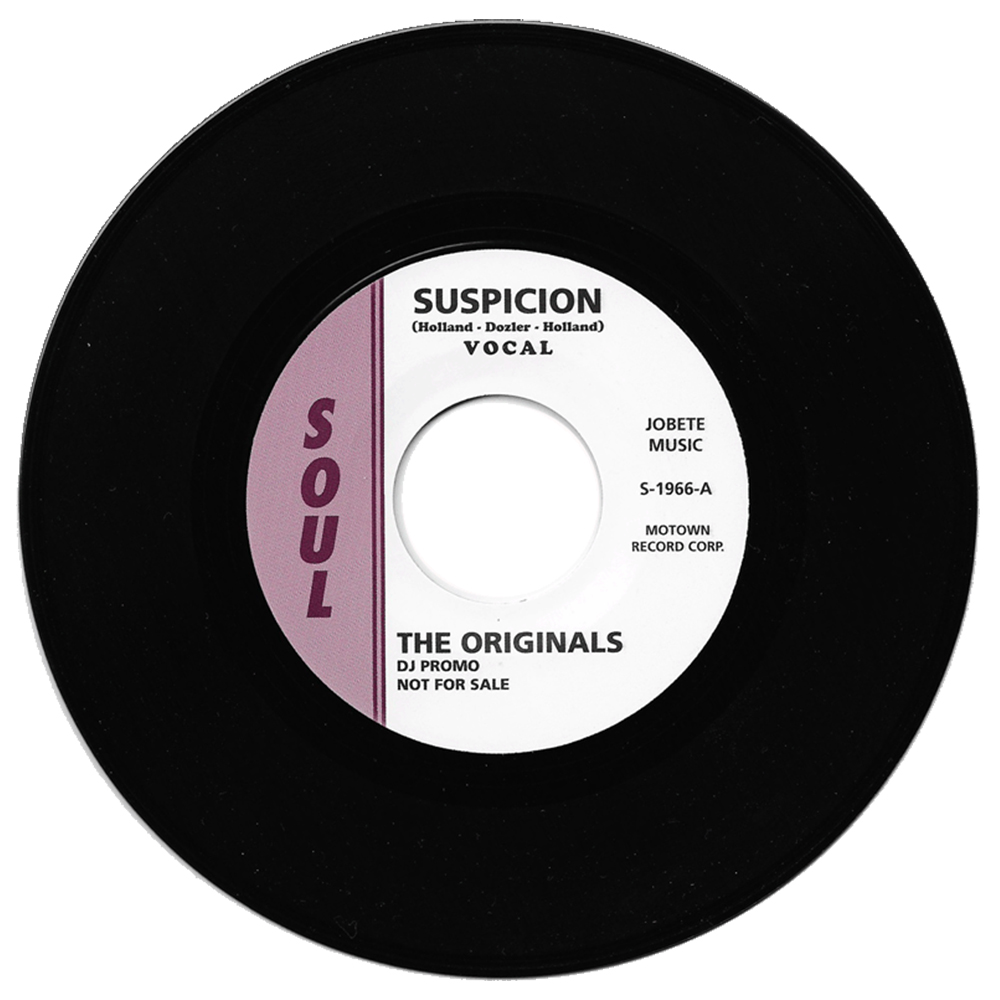
Release Date: 1966 | Producer: Brian Holland and Lamont Dozier | Label: Soul
By the mid-1960s, Motown’s roster of artists was colossal, but only a handful of artists were plucked for the spotlight. Detroit outfit The Originals signed to the label in 1966, and went on to put out a plethora of singles on the Soul imprint, but the vast majority of their major contributions to the label consisted of providing backing vocals for other artists – what a waste. Even more egregious, ‘Suspicion’ was never issued by Motown.
Instead, the iconic track found its way onto northern soul dancefloors via an acetate copy, although the exact story of how it made it from the Motown vaults of Detroit to the small towns of northern England remains something of a mystery. Since then, the single has been extensively bootlegged, and it is easy to see why; who could deny that distinctly Holland-Dozier-Holland songwriting style and that compelling rhythm?
The Casualeers – ‘Dance Dance Dance’
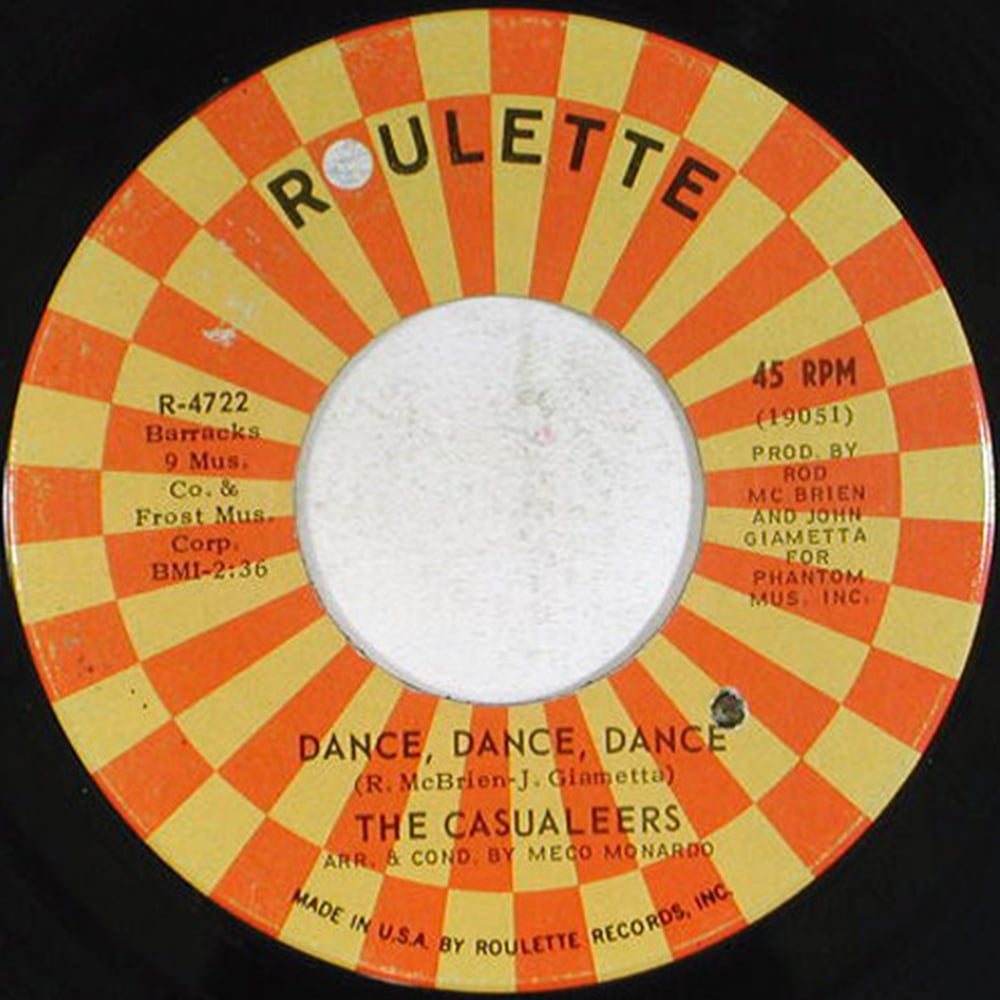
Release Date: 1967 | Producer: John Giametta and Rod McBrien | Label: Roulette
A real case of ‘it does what it says on the tin’, The Casualeers’ ‘Dance Dance Dance’ has been filling floors since the early days of the northern soul explosion. The lyricism of the song isn’t exactly Shakespeare, but what more can you ask for from a song specifically designed to get young people moving? In fact, the song becomes even more impressive when you consider that it was the New York outfit’s debut release back in 1967.
In the grand scheme of things, The Casualeers didn’t last very long, releasing only a handful of singles between 1967 and 1968, with this one being their only release on the beloved Roulette label. Nevertheless, the instant success of ‘Dance Dance Dance’ on the northern soul scene was more than enough to cement the group’s role in the history of soul and R&B excellence.
The Vel-Vets – ‘I Got To Find Me Somebody’
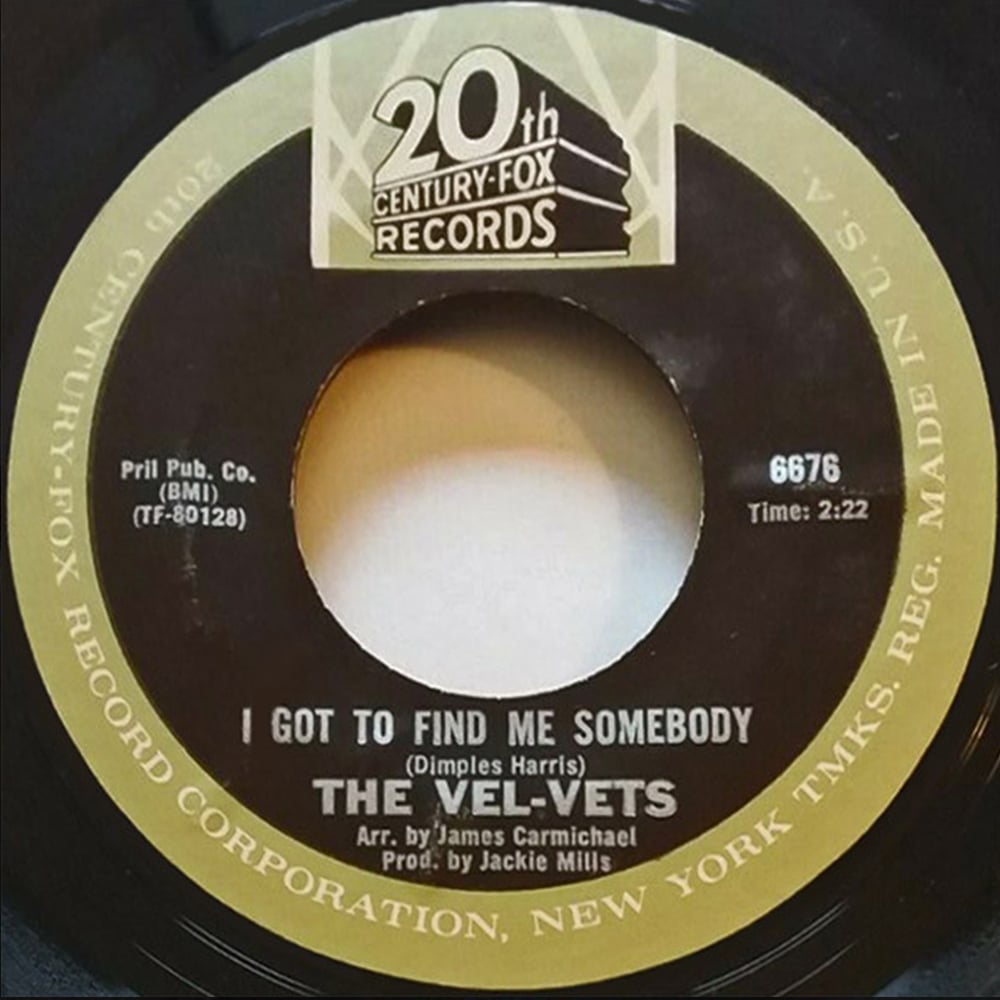
Release Date: 1967 | Producer: Jackie Mills | Label: 20th Century Fox Records
The strange history of 20th Century Fox Records is worthy of an entire article in its own right. Mainly dealing in movie soundtracks and pop novelty singles, the label started experimenting with the emergence sounds of rock, soul, and psychedelia during the mid-1960s. Although that window of expression was incredibly brief, it did manage to produce some absolute classics, and ‘I Got To Find Me Somebody’ is the cream of the crop.
One of only two records to be officially released by the Los Angeles girl group during their fleeting tenure, ‘I Got To Find Me Somebody’ is an indisputable classic of the northern soul scene. With dramatic orchestral instrumentation befitting of a 20th Century Fox film score and fantastic vocal performances which could have rivalled any of the Motown girl groups at that time, the track also succeeded in toeing the line between being on a major record label and still being suitably obscure. Everybody’s happy.
Terry Callier – ‘Ordinary Joe’
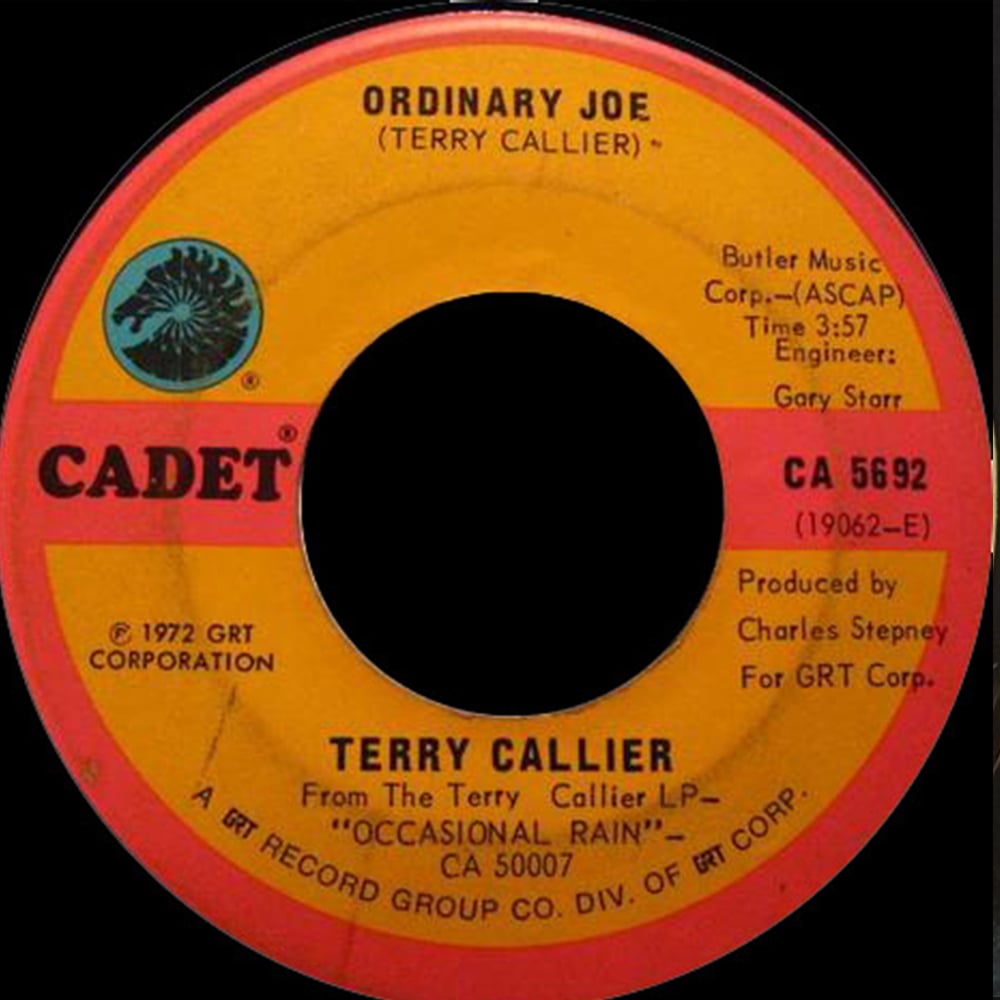
Release Date: 1972 | Producer: Charles Stepney | Label: Cadet
Nobody is immune to the velvety tones of Terry Callier. The Chicago-born songwriter was among the finest voices of his generation, yet he went criminally overlooked during his heyday, even while his countless contemporaries reached the heights of funk and soul stardom. Despite his bizarre lack of commercial success, or perhaps because of it, Callier’s distinctive baritone voice was quickly adopted by the northern soul scene during the mid-1970s, and ‘Ordinary Joe’ is his defining track, without question.
Although the 1972 single isn’t exactly a foot-stomping floorfiller of a track, what ‘Ordinary Joe’ lacks in tempo it more than makes up for in compelling lyricism and the effortless cool of Callier’s performance. Mid-tempo tracks certainly have their place within the northern soul realm, and they don’t come much more catchy or beloved as ‘Ordinary Joe’.
Eddie Seay – ‘Do What’s Right’
Release Date: 1966 | Producer: Buddy Wayne | Label: Imperial
Very little is known about the mysterious Eddie Seay, who lent his voice to the 1966 Imperial single ‘Do What’s Right’, but what is for certain is that this record is impossible not to dance to. With an unrelenting, energising rhythm and one of the greatest basslines in the history of soul music, the single is a far-too-often overlooked gem which is more than deserving of its high ranking in this list.
‘Do What’s Right’ is one of three known singles recorded by Seay back in the 1960s, and although there’s a huge absence of information available about the vocalist, it is fair to assume that he was Los Angeles-based, when looking at the various labels he recorded for back in his day. This 1966 record was clearly the stand-out moment of his career, and its mod-soul leanings make it a natural fit for northern soul, even if it doesn’t get spun as much as some of the other singles on this list.
Willie Tee – ‘Reach Out For Me’
Release Date: 1970 | Producer: Heavy-Axe, Inc. | Label: Capitol
Willie Tee was far too instrumental in the history of funk and soul to have only one appearance on this list. While ‘Walkin’ Down A One Way Street’ reflected the brilliance of the New Orleans icon’s early sound, ‘Reach Out For Me’ sees Tee adopt a much larger, more grandiose sound. An innovative, soulful take on the Burt Bacharach-penned track, the vocalist’s distinctive tones provide the perfect focus for the lush romanticism of the single.
Not only do the lyrics lend themselves naturally to the attitudes of the northern soul sound, but the classic track boasts an unsuspectingly expansive sound. Drawing upon the emerging style of funk, the jazz leanings of the song’s original writer, and even some hints at Latin soul with the effortlessly cool panpipe intro, ‘Reach Out For Me’ is Willie Tee at his best.
Edwin Starr – ‘Back Street’
Release Date: 1966 | Producer: Solid Hitbound Productions | Label: Ric-Tic
As promised, we finally arrive at Nashville’s finest, Edwin Starr. In truth, there are multiple legendary recordings from Starr’s discography that could easily hold a spot in our list – this might not even be the last one to make an appearance – but 1966’s ‘Back Street’ is utterly unavoidable. With lyrics devoted to underground dance scenes and a rejection of the mainstream, the song might as well be northern soul’s theme tune.
With that instantly identifiable, horn-filled opening, and the chugging rhythm of the tune, ‘Back Street’ is indicative of some of the greatest releases ever put out by Ric-Tic, before the label was absorbed into Motown a few years later, taking Edwin Starr with it. The vocalist might have found a greater degree of mainstream success under Gordy’s leadership, but the underground sounds of early triumphs like ‘Back Street’ remain highlights within his expansive discography.
Gloria Jones – ‘Tainted Love’
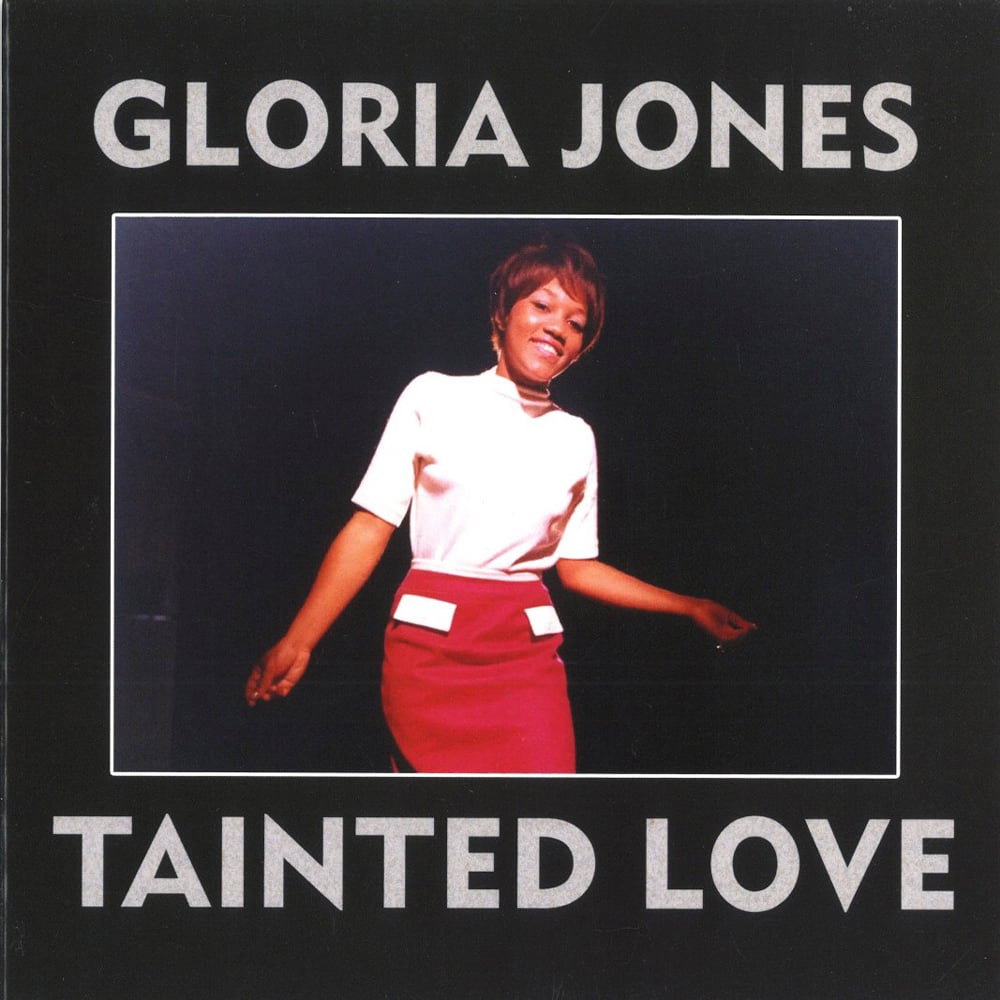
Release Date: 1965 | Producer: Ed Cobb | Label: Champion Records
A gateway into northern soul for so many people, ‘Tainted Love’ is a true classic of the scene. First released in 1965 on Los Angeles’ Champion Records, its driving beat coupled with the impassioned performance given by the Ohio vocalist made the song a colossal floorfiller during the early days of the northern scene. Although mainstream audiences are much more familiar with Soft Cell’s new wave reimagining of the tune, which topped the singles chart in 1981, Jones’ original mix reigns supreme as far as northern soul is concerned.
In another case of grave misjudgement, the song was originally put out as a B-side for ‘My Bad Boy’s Comin’ Home’, but there was never any doubt in which side of the single garnered more of a reaction on dancefloors. Thanks to the song’s reputation as a northern staple, it has been reissued and repressed countless times, too, so it is no surprise that you still regularly hear it at northern nights across the land.
The Flirtations – ‘Nothing But A Heartache’
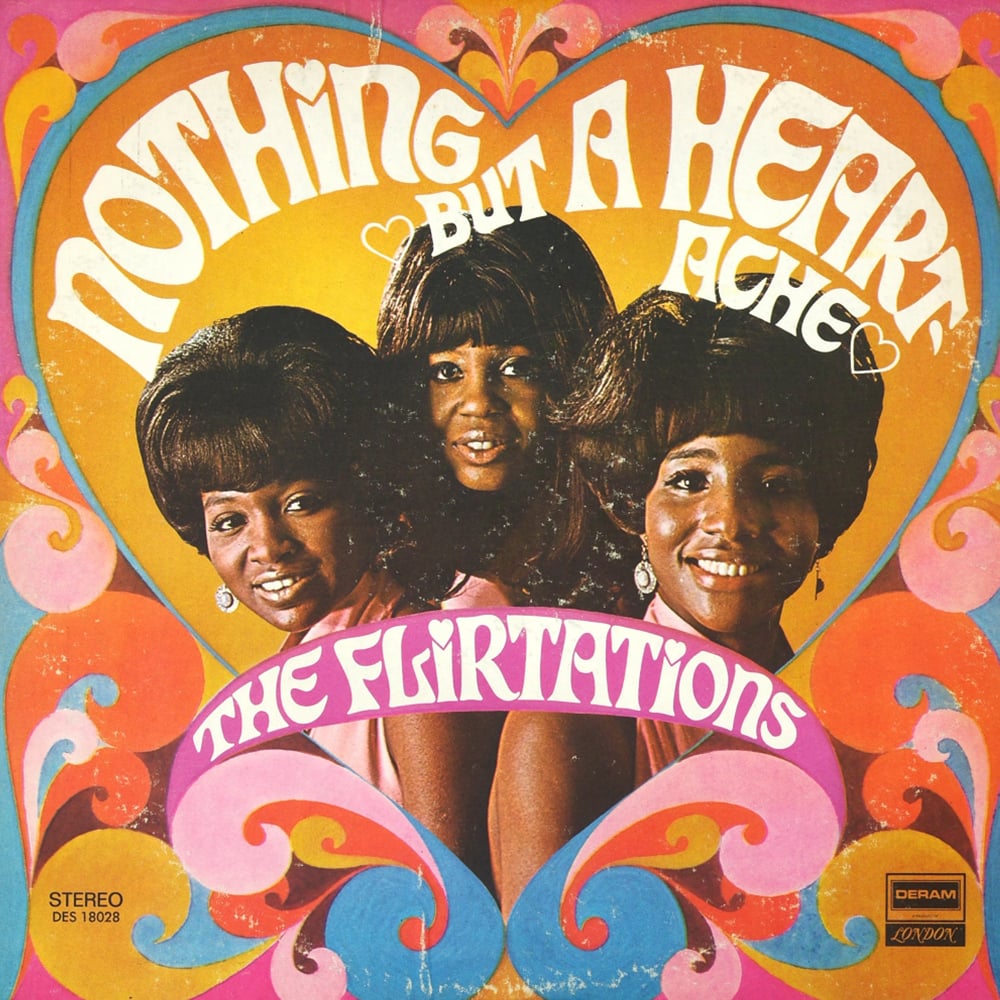
Release Date: 1969 | Producer: Wayne Bickerton | Label: Deram
What better way to usher in the top 20 than with the booming brass and iconic melodies of The Flirtations’ ‘Nothing But A Heartache’. A beloved northern soul classic, the 1969 single has certainly earned its stripes on those sprung dancefloors over the years. Contrary to popular belief, though, the single only rose to prominence in the post-Wigan years, during the early 1980s at events like the legendary Stafford all-nighters.
It might have been introduced to northern soul later than some of the other tracks on our list, but the scene certainly seemed to take to the mid-tempo masterpiece quickly. Evoking the atmosphere of golden age girl groups like The Supremes, blended with the far-out influence of late 1960s counterculture, the single was a masterstroke by the South Carolina outfit, and it boasts some of the best harmonies the northern soul scene has ever witnessed.
Bobby Paris – ‘Night Owl’
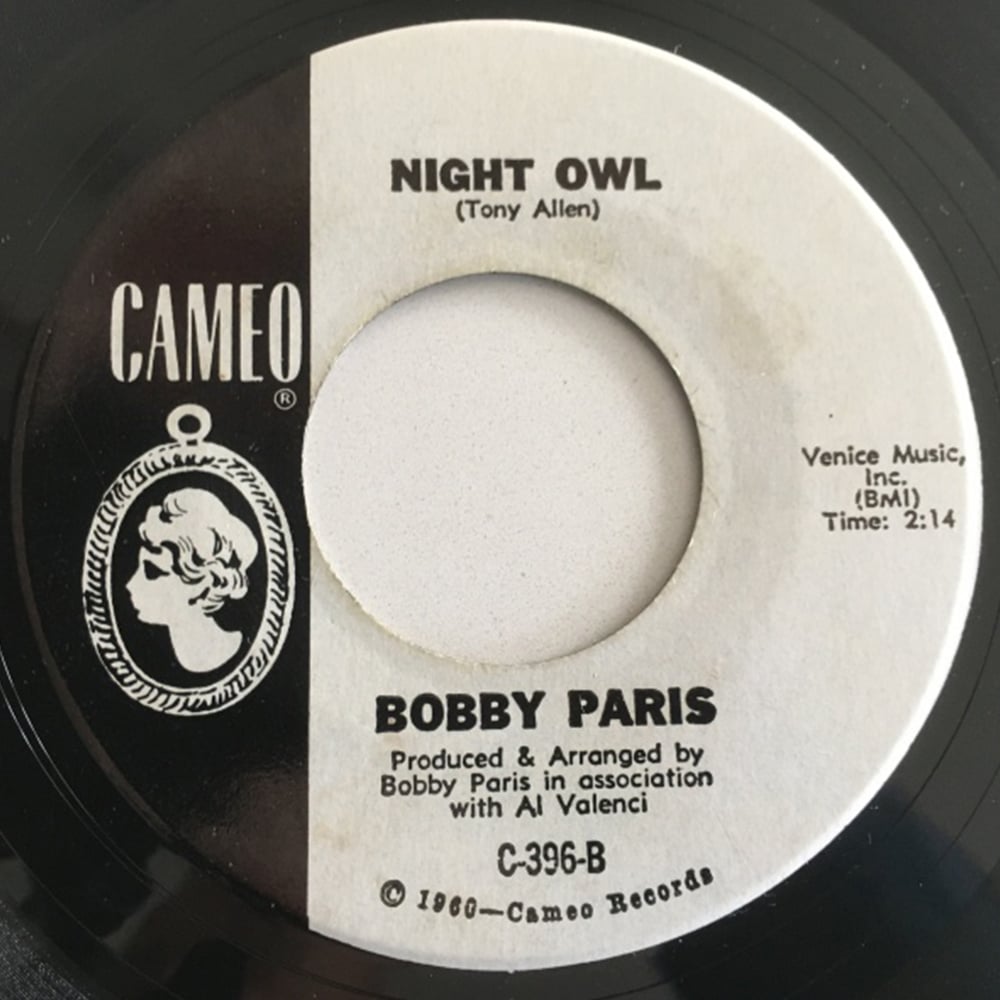
Release Date: 1966 | Producer: Al Valenci and Bobby Paris | Label: Cameo
A scene that was built on staying out all night deserves a suitably nocturnal anthem, and the Nuyorican vocalist Bobby Paris provides just that on his 1966 Cameo release ‘Night Owl’. A tale of heartbreak and lost love, with a nevertheless upbeat, horn-driven backing, Paris’ vocals are at their most impactful and endearing on this song. The New York native cut his teeth as a doo-wop singer back in the 1950s, but found much more success as a solo artist the following decade.
In fact, ‘Night Owl’ was such a successful single that it helped to keep the Cameo-Parkway label afloat during its period of intense financial instability. Despite being a hit record in the States, Bobby Paris and ‘Night Owl’ remained virtually unknown to mainstream audiences in the UK, until its danceable rhythm and old-school style made its way into the boxes of northern soul DJs a few years later.
Jackie Wilson – ‘The Who Who Song (Nobody But My Sweet Baby)’
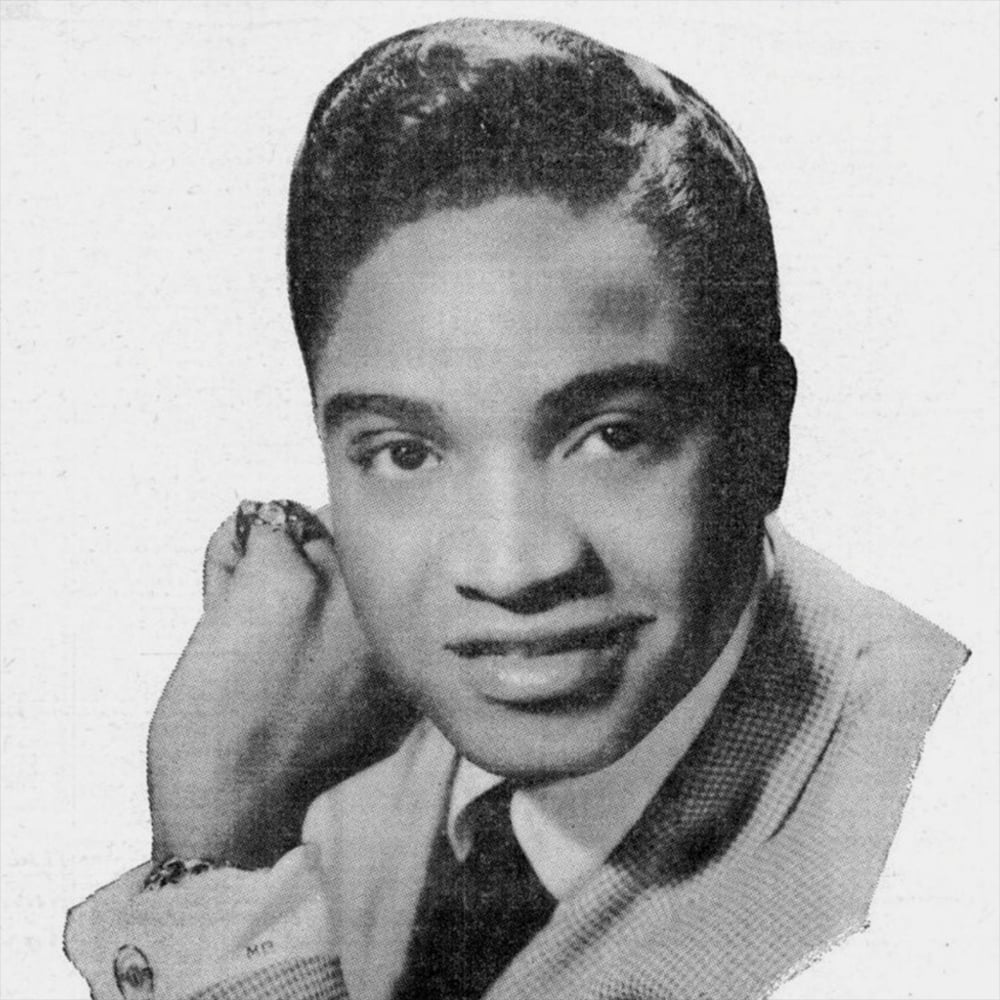
Release Date: 1967 | Producer: Carl Davis | Label: Brunswick
Jackie Wilson’s power as a soul pioneer knows no bounds, and this list would certainly be a lot shorter without his stunning contributions to the scene during its early years. That said, the appeal of the Detroit legend certainly didn’t subside as the years went on, with the late 1960s being a particularly prolific period for Wilson. The year prior to releasing the aforementioned ‘I Get The Sweetest Feeling’, the vocalist unveiled what might just be his magnum opus track, ‘The Who Who Song (Nobody But My Sweet Baby)’.
It might be a little too ‘mainstream’ for some soulies, but with Wilson’s timeless vocals and that unrelenting rhythm, the song can command a dancefloor with ease. What’s more, it was originally put out by Brunswick as the B-side to the similarly floor-filling ‘Since You Showed Me How To Be Happy’, making that single perhaps one of the greatest double-siders in the entirety of the northern soul scene.
Chuck Wood – ‘Seven Days Too Long’
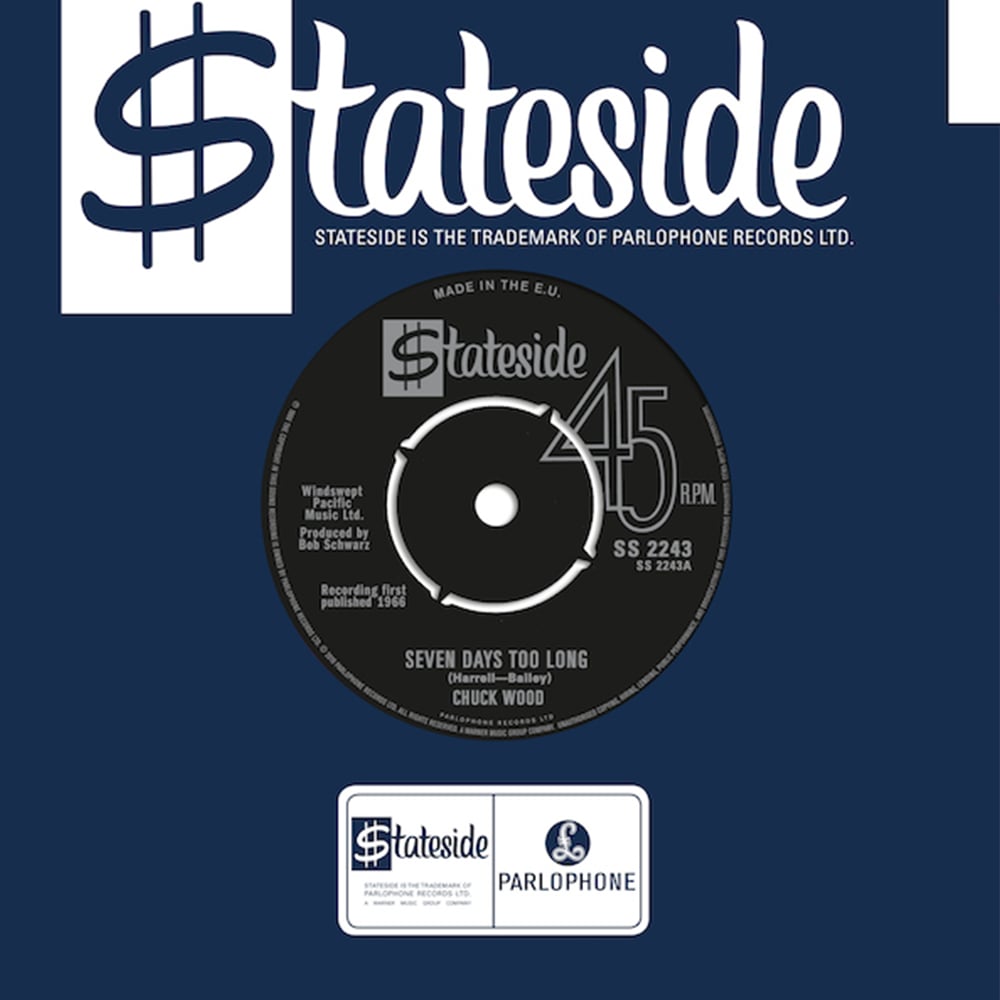
Release Date: 1967 | Producer: Bob Schwartz and Randy Irwin | Label: Roulette
A much-loved “oldie” stormer that, for many, typifies the core sound of northern soul, Chuck Wood’s impassioned tale of love and longing has been converting ordinary folk into devoted soulies since the very early days of northern soul. Although the exact origins of the track and who first introduced it into the scene are rather misty, it did find its way onto the turntables of The Torch back in the early 1970s, in the pre-Wigan Casino days, where it took the scene by storm.
As we have discussed at length in this list, northern soul is full of artists who seemed to disappear into the ether after one or two recordings, but Chuck Wood is a particularly strange example, particularly given just how massive ‘Seven Day Too Long’ was/is on the scene. There are some rumours that he was once a radio DJ, or even an actor, and that he hailed from Texas, but other than that and the handful of other singles he recorded back in the 1960s, Wood has remained one of northern soul’s most mysterious figures.
Dobie Gray – ‘Out on the Floor’
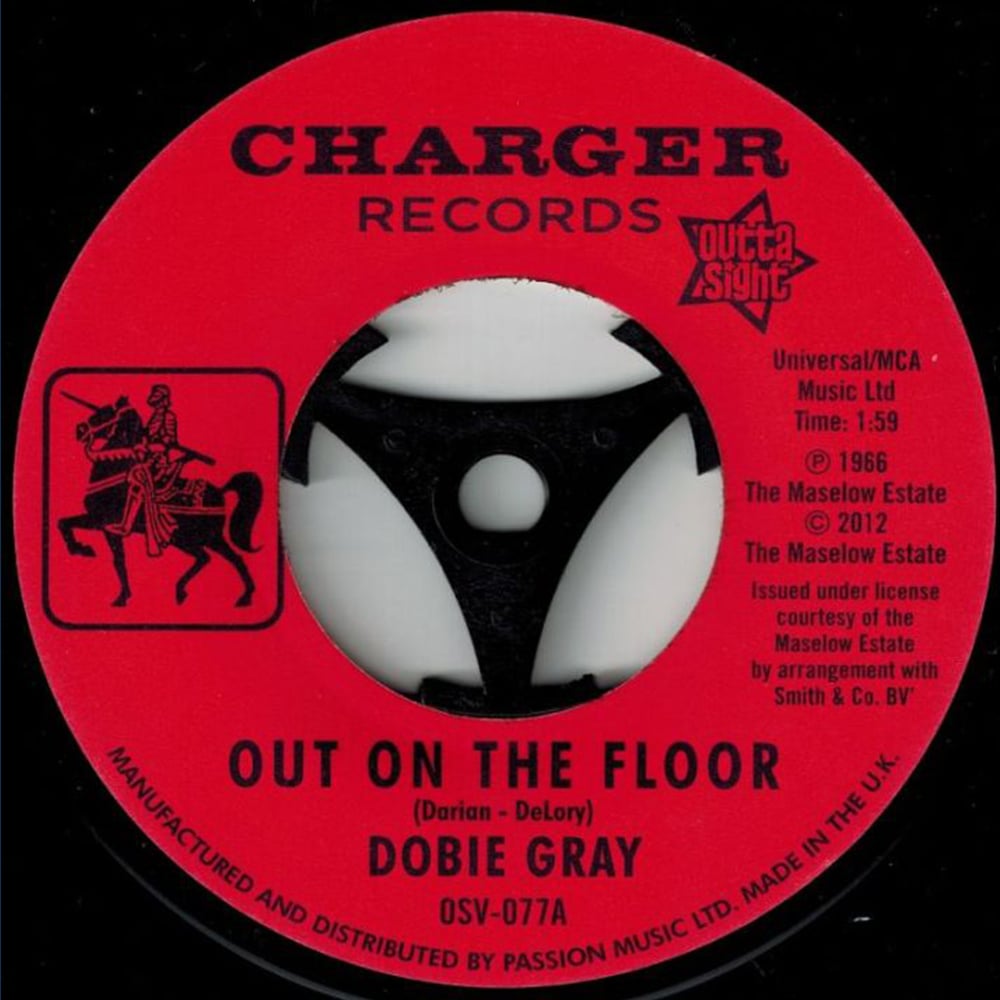
Release Date: 1966 | Producer: Alfred De Lory and Fred Darian | Label: Charger Records
Texan vocalist Dobie Grey explored a wealth of different genres during his time, from his country phase to his role in the rock musical Hair, but it is fair to say that he was at his best when immersed in the world of soul. ‘Drift Away’ and ‘The In Crowd’ were his biggest commercial successes, but it was the comparatively obscure 1966 recording ‘Out On The Floor’ that endeared him to the northern soul scene.
It isn’t difficult to see the appeal of the classic track; its hypnotic rhythm is made to be danced to, and the lyrics evoking dancehalls and high-kick dance moves sound as if they could have been written about the northern scene itself. After entering the scene via the DJs of Manchester’s Twisted Wheel, the song quickly became a defining anthem for soulies, so much so that a Black Magic reissue in 1975 reached number 42 in the UK singles chart.
Lou Courtney – ‘Tryin’ to Find My Woman’
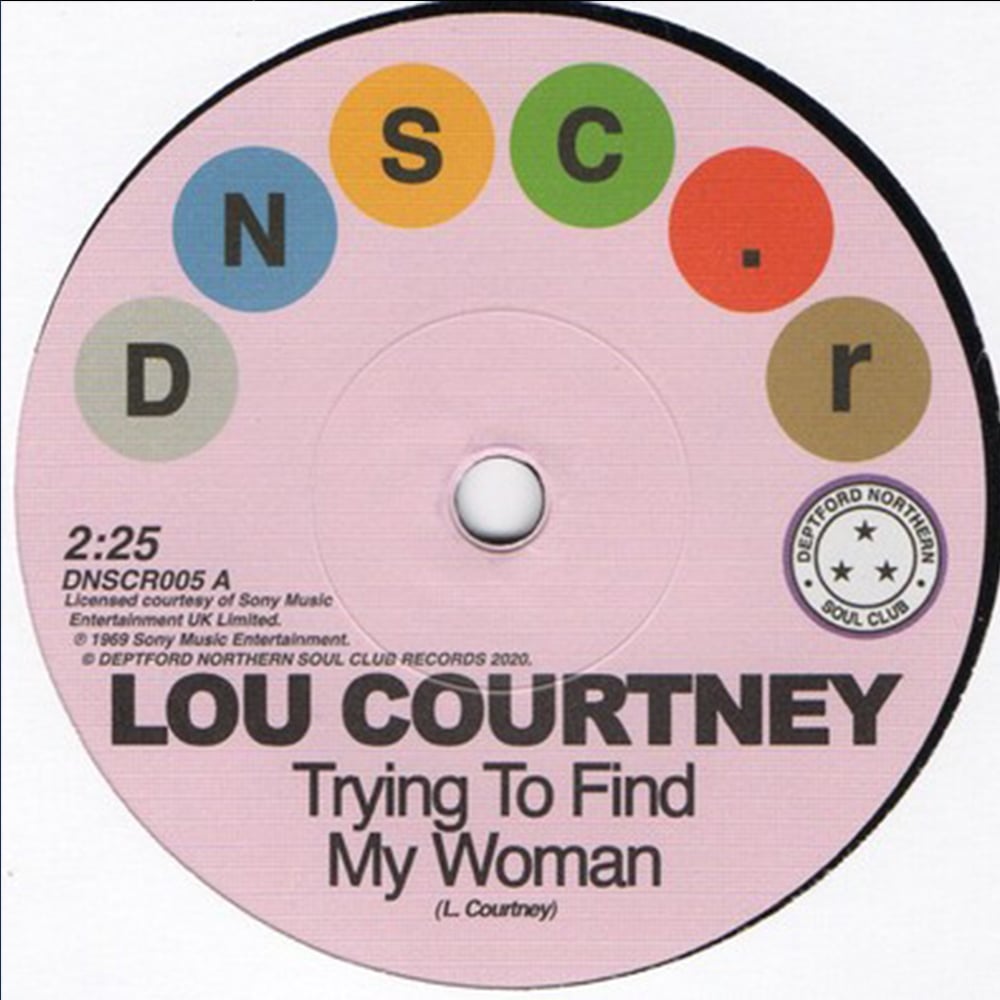
Release Date: 1969 | Producer: Lou Courtney | Label: Buddah Records
One of the finest soul songwriters to emerge from the Big Apple, Lou Courtney was prolific back in the 1960s and 1970s, and his discography boasts a number of different singles that might have earned a place on this list. In terms of infectious, footstomping rhythm, though, they don’t come much better than Courtney’s 1969 single ‘Tryin’ To Find My Woman’, originally planned as the B-side to the similarly energising ‘Let Me Turn You On’, which found some success in the “oldies” scene at Mr M’s in Wigan.
Issued on Buddah Records, which had a pretty good hit-rate as far as northern soul singles were concerned, the single certainly isn’t the most rare or sought-after record on this list and, in fact, it has become a lot more accessible in recent years thanks to a reissue by Deptford Northern Soul Club. Regardless of its rarity, though, the vigorous energy of Courtney’s performance and the deep baritone of the brass make ‘Tryin’ To Find My Woman’ a footstomping classic.
The MVP’s – ‘Turnin’ My Heartbeat Up’
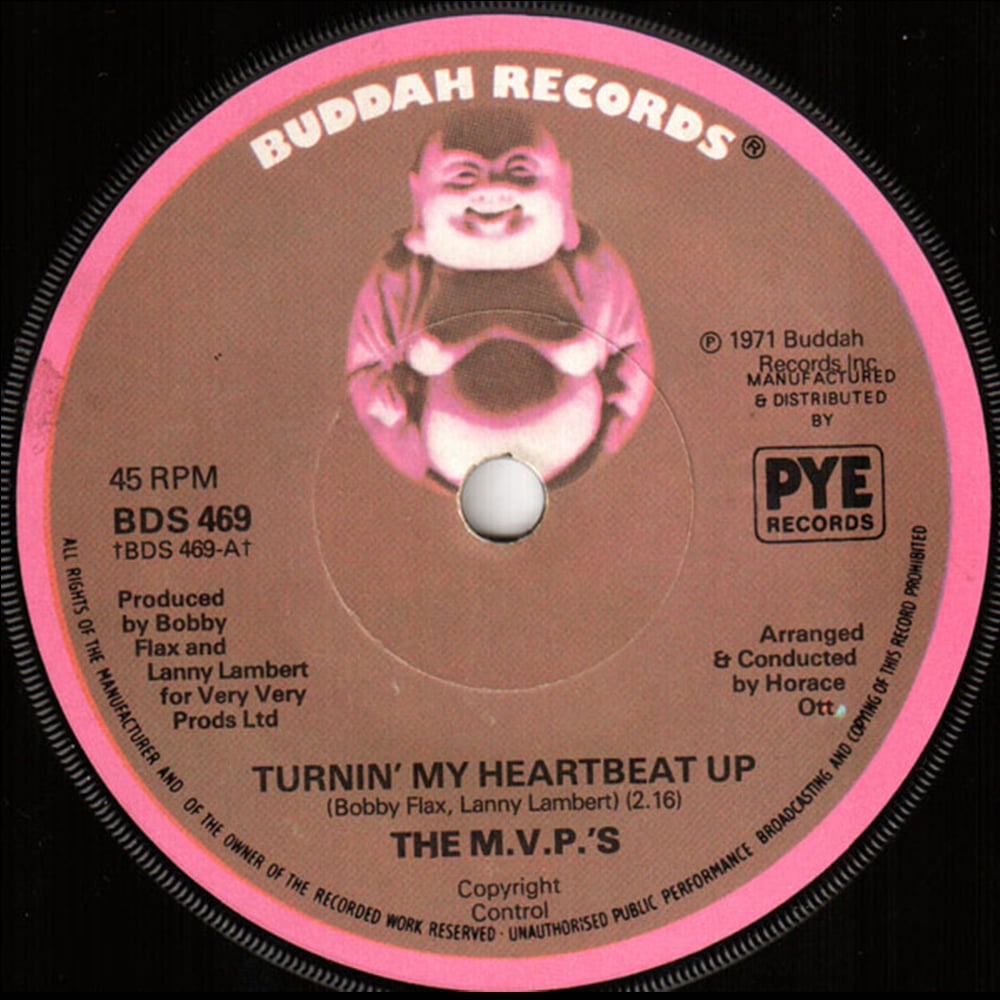
Release Date: 1971 | Producer: Lanny Lambert | Label: Buddah Records
An energising northern soul classic capable of getting anybody and everybody up on the floor, ‘Turnin’ My Heartbeat Up’ is impossible to ignore within the world of northern soul. At a little over two minutes in length, the song is a flash-in-the-pan, but that doesn’t mean you can’t stand aghast at the brightness of said flash. From its hushed, muted opening, the single develops into a compelling stormer of a single, reflecting the energising power of any half-decent soul all-nighter.
Another product of New York’s Buddah label, The MVP’s are a fairly mysterious outfit, with this the only single that they are ever confirmed to have recorded. After a wealth of research from soulies, though, it was discovered years after this single hit dancefloors that the group hailed from the southern states, and originally operated under the name The Classics, before being persuaded to change their name by former Miracle Mets first baseman Donn Clendenon, who owned the Atlanta club that they often performed at. Baseball and northern soul coming together; who would have thought?
Tobi Legend – ‘Time Will Pass You By’
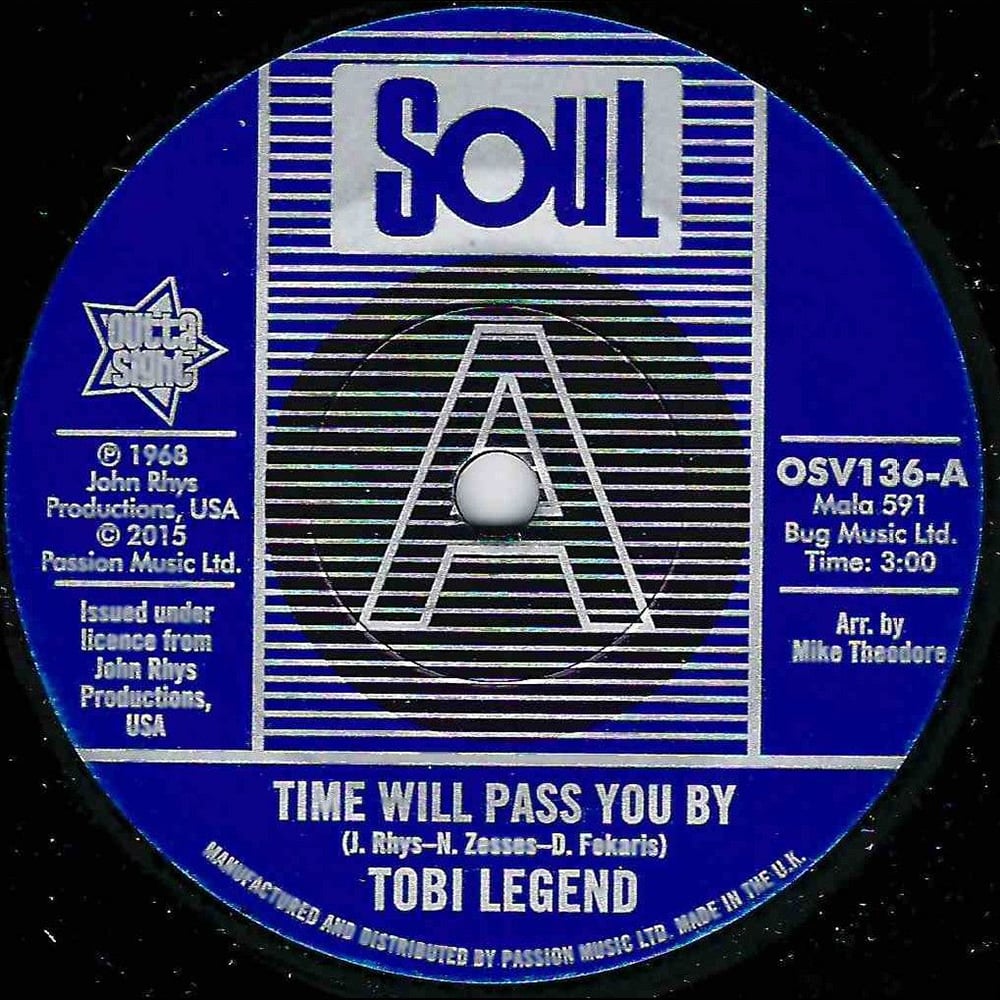
Release Date: 1968 | Producer: John Rhys Eddins | Label: Mala
“Could have picked a less slushy record, couldn’t you?” is how Josh Whitehouse reviews this iconic single in Elaine Constantine’s 2014 film Northern Soul, and while the lyrics do tend to be a little “slushier” than northern soul is used to, you cannot argue with its earworm melodies and life-affirming qualities. Despite its position among the greatest northern soul songs to ever make it onto a turntable, the song was never intended to be released in the first place, least of all by the Alabama vocalist herself.
Tobi Legend was actually Tobi Lark, and she recorded ‘Time Will Pass You By’ back in 1968, apparently believing that it would only ever be pressed as a demo. Instead, Mala Records issued the single without Lark’s knowledge, and it is fair to say that the vocalist wasn’t very pleased with that – particularly upon finding out that the label had changed her name to Tobi Legend without her knowledge. Still, this behind-the-scenes conflict didn’t detract from the single becoming a defining anthem for northern soul back in the day.
Dean Parrish – ‘I’m On My Way’
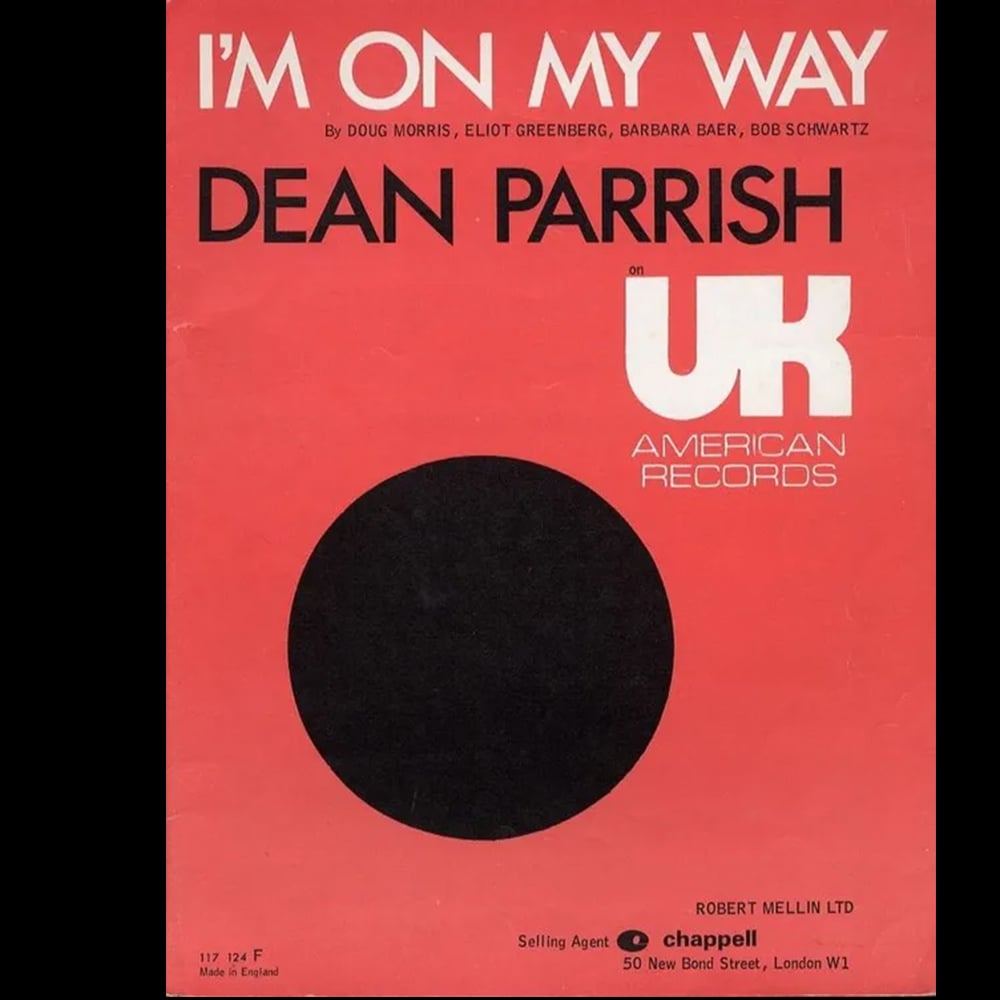
Release Date: 1967 | Producer: Laurie Productions Inc. | Label: Laurie Records
In case it wasn’t already abundantly clear, we’re into the heavy-hitters now, and New York City’s Dean Parrish is firmly within that realm. Introduced into the northern soul scene in the mid-1970s, reportedly by Wigan Casino’s Russ Winstanley, who made it one of the venue’s staple tracks, the single helped to define the sounds of the scene, and a 1975 reissue even broke into the top 40 in the UK, reflecting the intense cult popularity of the scene during that ‘golden age’.
With an ever-changing tempo, moving from an understated opening to a building of euphoric soul energy, the 1967 single has a spectacular effect on dancefloors, which must be witnessed in the flesh to truly appreciate. Speaking to its incredible reputation within the scene, ‘I’m On My Way’ was one of the infamous ‘three before eight’ closing tracks at Wigan’s all-nighters, and it became a particular highlight of the final-ever all-nighter at that legendary venue.
Luther Ingram Orchestra – ‘Exus Trek’
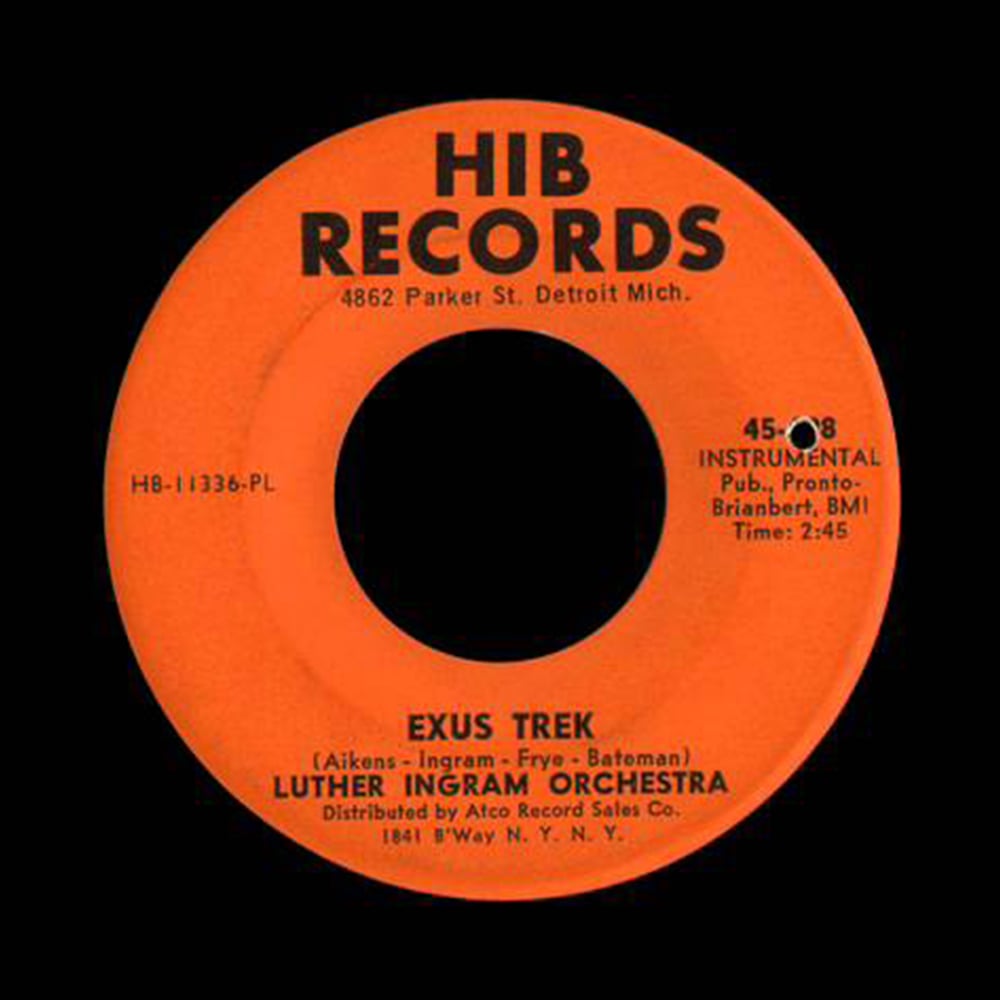
Release Date: 1966 | Producer: Richard Wylie | Label: Hib Records
Our highest-charting instrumental track for this list, ‘Exus Trek’ is one of those tracks that never seems to lose its appeal, no matter how many times you hear it. Originally a staple of venues like The Torch circa 1972, the orchestral stormer soon spread to the furthest reaches of the northern soul scene, carried by its infectious foot-stomping rhythm and endless replayability.
‘Exus Trek’ initially appeared back in 1966 as the instrumental version and B-side of Luther Ingram’s ‘If It’s All The Same To You Babe’, but it was the instrumental version of the Tennessee songwriter’s track that first captured the attention of northern soul devotees – and it is easy to see why. The vocal version certainly has its merits, but ultimately it cannot compare to the power of that iconic instrumental.
Edwin Starr – ‘Time’
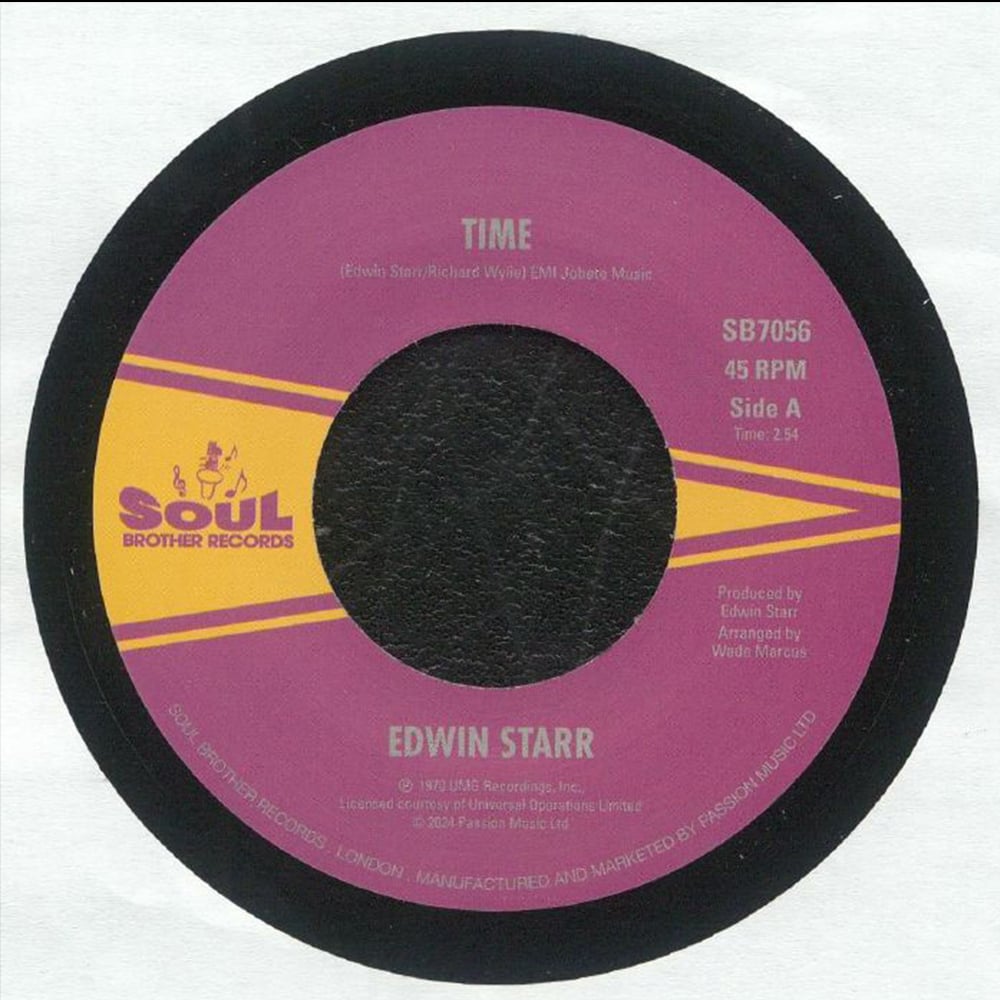
Release Date: 1970 | Producer: Edwin Starr | Label: Gordy
You knew he’d be back. Edwin Starr’s time at Ric-Tic might have produced some storming northern soul classics, like the aforementioned ‘Back Street’, but it was his move to Motown in 1968 that allowed Starr to exercise his artistic muscles a little further. The self-produced, co-written northern soul classic ‘Time’ is a prime example of that artistic freedom, presenting Starr exactly as he wished to be heard.
With great lyrics, a commanding groove, and a dramatic, captivating atmosphere, the track is riddled with the funk-heavy sounds that would go on to dominate the 1970s. Yes, it is technically a Motown track – albeit released under the Gordy imprint – but Starr is one of the few artists capable of defying those restrictive ‘rules’ of what can be deemed northern soul. Stick it on at the next soul event you go to, and see how many people object.
Richard Temple – ‘That Beatin’ Rhythm’
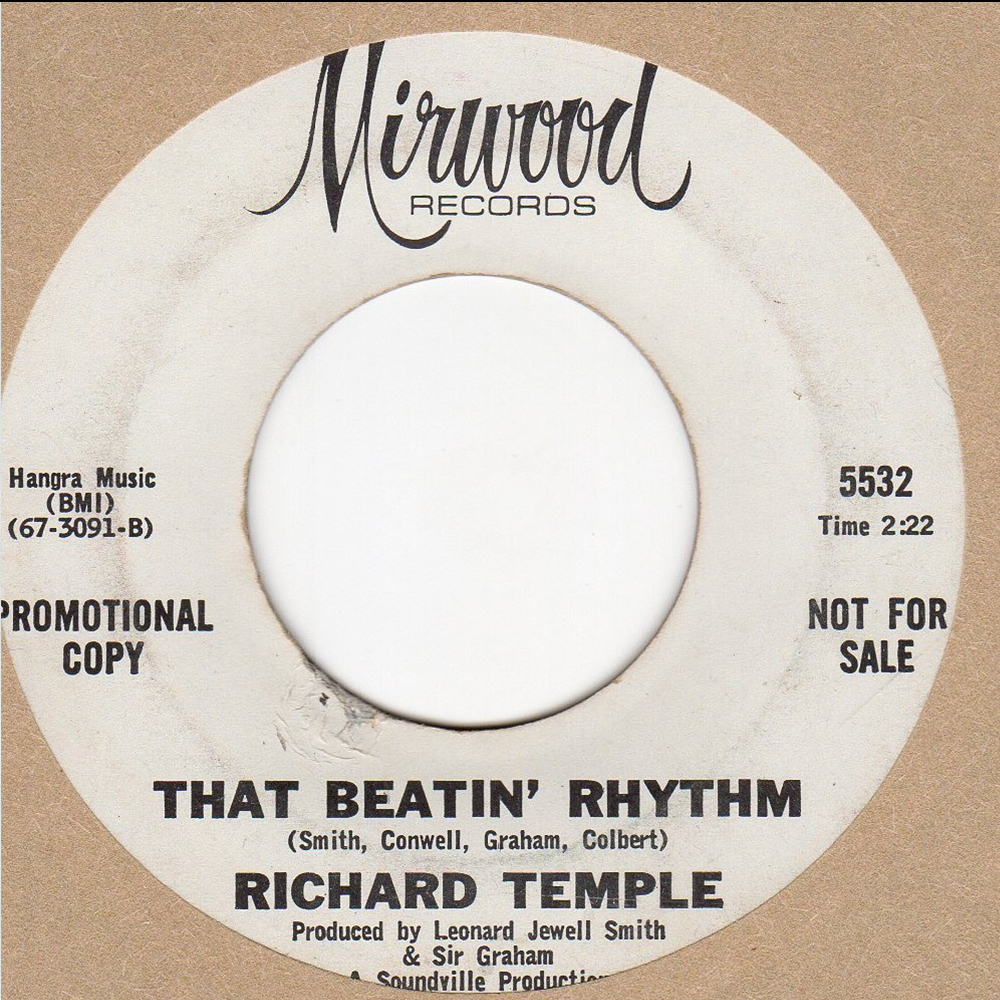
Release Date: 1967 | Producer: Hank Graham and Leonard Jewell Smith | Label: Mirwood
We’ve mentioned ‘beating rhythm’ quite a lot in this list; it is, after all, key to the inherent sound of northern soul, so Jimmy Conwell’s classic ‘That Beatin’ Rhythm’ was an inevitable inclusion in the dizzying heights of the top ten. Taking a stage name from a long-forgotten television detective show Conwell recorded the track in 1967, and it pays tribute to the various dance crazes that American pop has introduced to the world over the years, namedropping the twist, the monkey, and the skate within the lyrics.
Admittedly, the lyrics aren’t the most inspired on this list, and the instrumentation provides much of the single’s appeal as far as northern soul is concerned. Luckily, Conwell did also release an instrumental version of the track, under his own name with the altered song title ‘Cigarette Ashes’. However, the cheesy dance-centric lyrics of the original version are simply too endearing to ignore.
Jimmy Radcliffe – ‘Long After Tonight Is All Over’
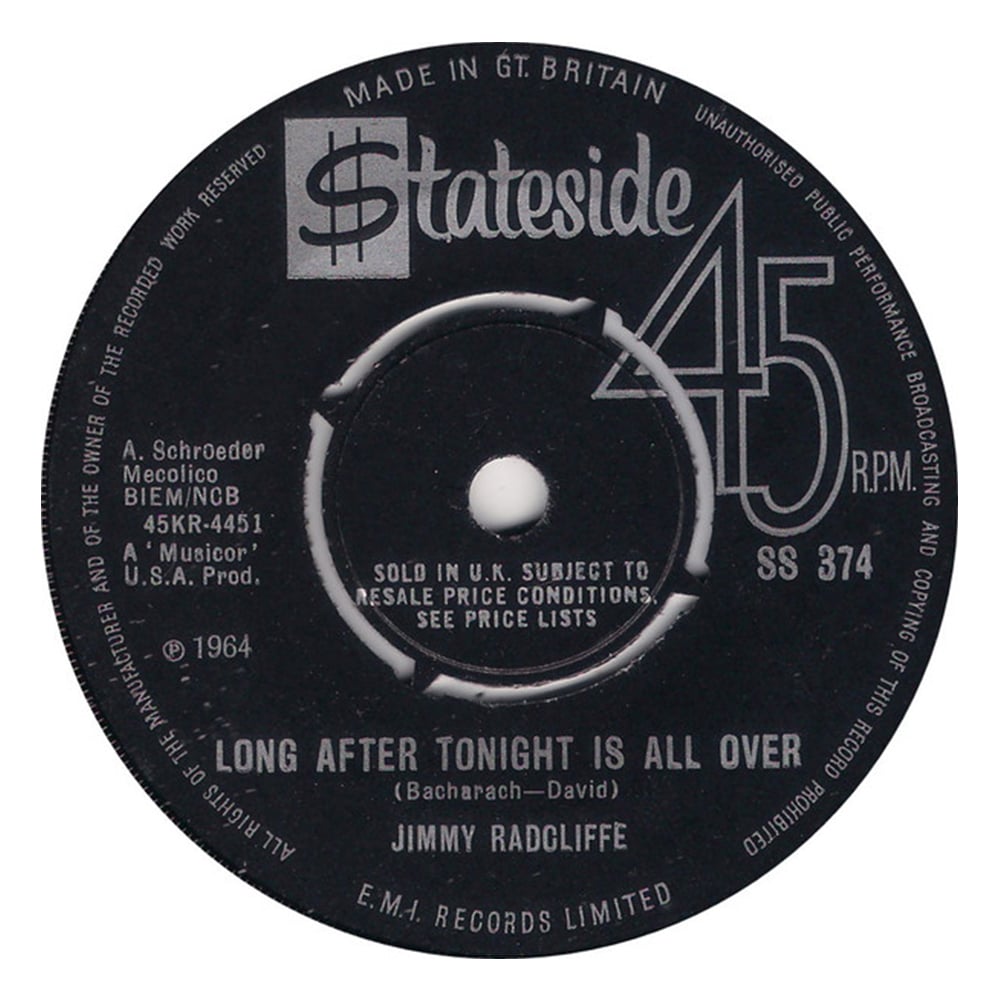
Release Date: 1965 | Producer: Bert Berns | Label: Musicor Records
Another life-affirming anthem, and the last of Wigan’s ‘three before eight’ closing records to feature on this list, alongside ‘I’m On My Way’ and ‘Time Will Pass You By’, Jimmy Radcliffe’s ‘Long After Tonight Is All Over’ captures the special power of nights-out and fleeting romances across the dancefloor. It is often said that the friends you make within the northern soul scene stick with you for life and, when listening to this song, it is hard to imagine anything else.
Every friendship, short-term romance, and enduring relationship that was forged on northern soul dancefloors seems to be captured in Radcliffe’s beautifully soulful performance on the track. That is perhaps why, long after the demise of Wigan Casino and the heyday of northern soul, people keep on coming back to this timeless classic.
Frankie Valli and the Four Seasons – ‘The Night’
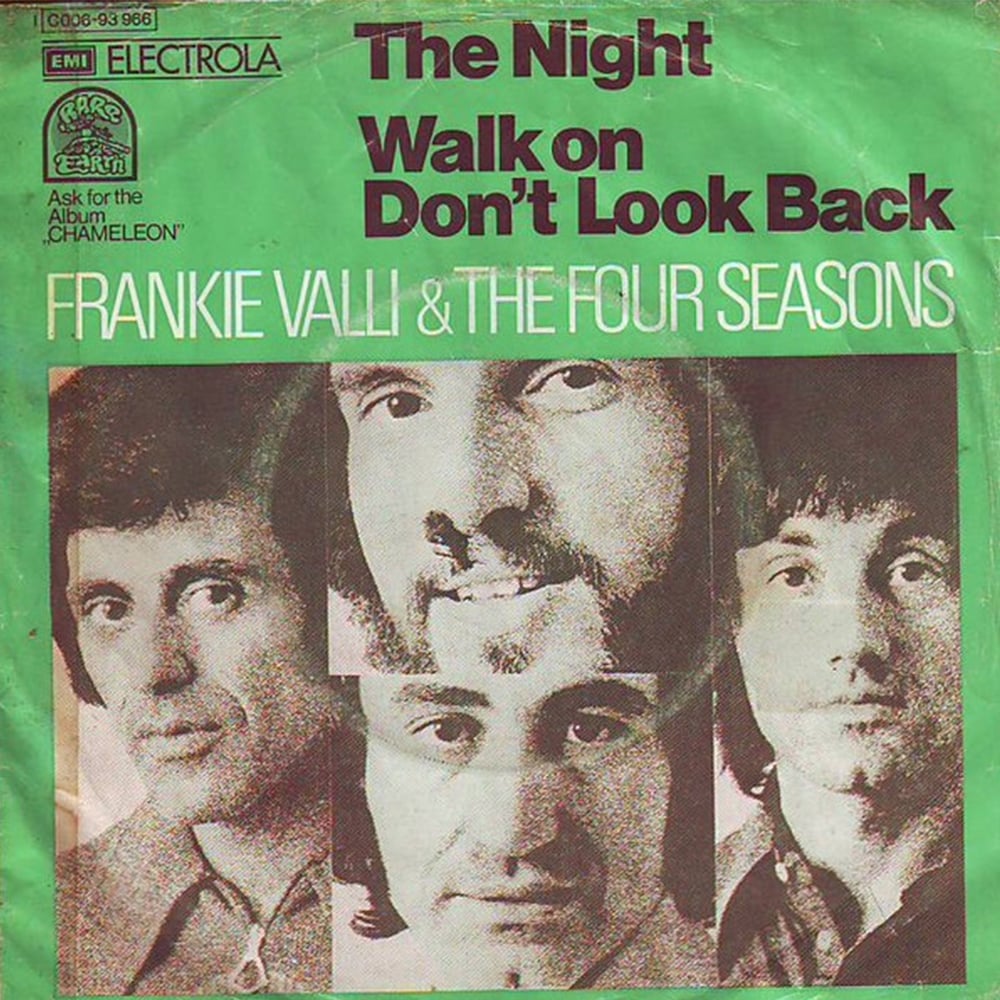
Release Date: 1972 | Producer: Bob Gaudio | Label: MoWest
As soon as that incredible bassline creeps over the speakers, you know exactly what song is about to fill the floor. ‘The Night’, despite being a Motown production and coming from a star as renowned as Frankie Valli, sounds as though it was made for northern soul dancehalls and social clubs.
Although Frankie Valli was a colossal star back in the 1960s, his career was on the ropes during the early 1970s, and when ‘The Night’ was first released on Motown’s West Coast imprint MoWest in 1972, it was a flop. In fact, the single might have spelt the end of Valli’s career altogether, were it not for the resurgence it garnered in the northern soul scene of the mid-1970s, inspiring a reissue which reached number seven in the UK singles chart in 1975, owing entirely to it being on regular rotation at soul clubs across the land.
Yvonne Baker – ‘You Didn’t Say A Word’
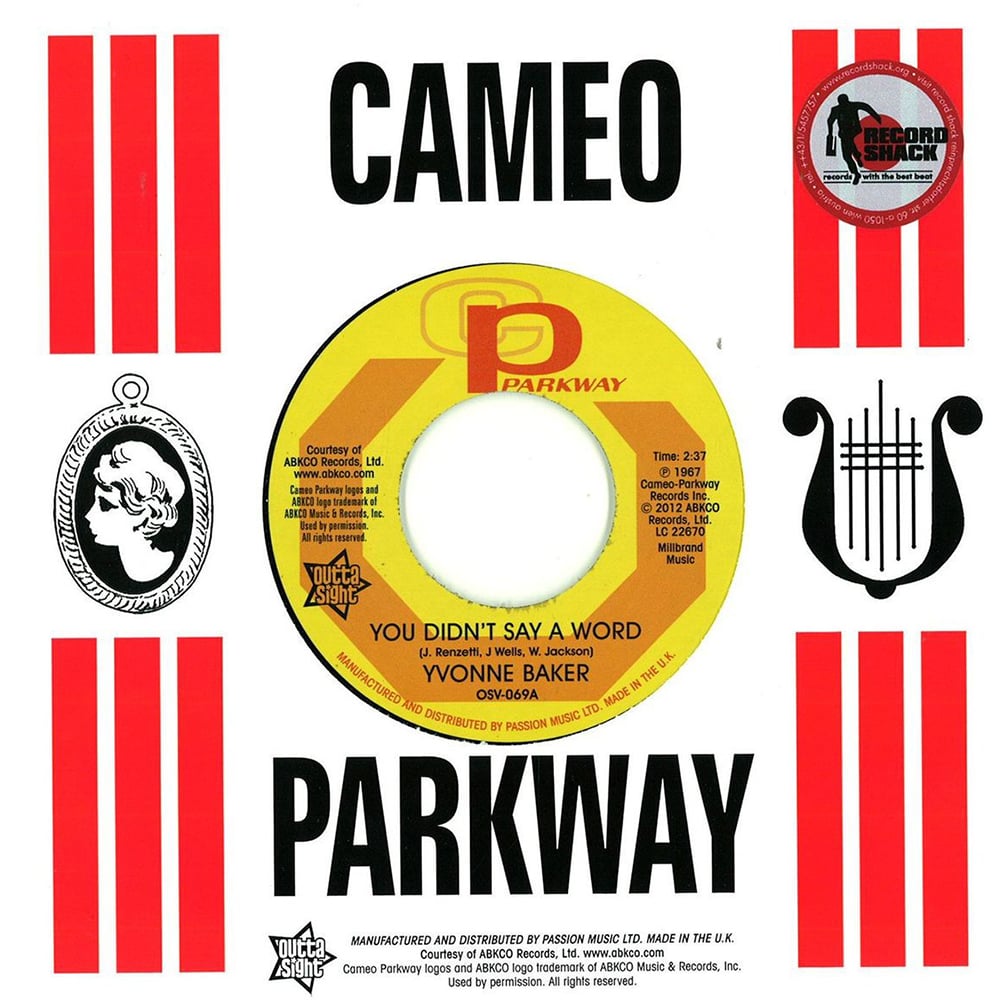
Release Date: 1967 | Producer: Kae Williams | Label: Parkway
With an effortlessly cool brass section befitting of a 1960s spy thriller, and the ever-incredible vocal tones of Yvonne Baker, it is impossible to find any aspect of 1967’s ‘You Didn’t Say A Word’ to criticise. A handful of Baker’s 1960s-era recordings broke into the northern soul scene during the early-to-mid 1970s, but very few can rival the all-encompassing appeal of this Parkway single, originally issued as the B-side to ‘To Prove My Love Is True’.
Baker, in contrast to many of the figures mentioned in this article, boasts an extensive recording history going back to her work with The Sensations throughout the 1950s. However, it was only at the insistence of producer Kae Williams and fellow vocalist Alphonso Howell that the singer returned to the music industry, after initially abandoning the scene to focus on raising her family during the late 1950s. It is fair to say, then, that the northern soul scene owes a lot to the persuasive quality of those two figures.
Lou Pride – ‘I’m Com’un Home in the Morn’un’

Release Date: 1970 | Producer: Kenneth Smith | Label: Suemi Records
Ushering in the top five is George Louis Pride, the Chicago-born songwriter who, upon launching his solo career in 1970, came out with this absolute stormer. Seeing the singer take on a relatively understated approach, Pride’s declaration of ‘I’m Com’un Home in the Morn’un’ took on a new meaning with the emergence of all-nighters in the northern soul scene, but it was those blaring horns which kept the dancers up all night, rather than his vocal performance.
Issued on the Texas label Suemi Records – so called for its tagline “If you don’t like it, sue me” – the record was only ever pressed in small numbers, without the widespread distribution of major labels. How exactly it made its way over to Lancashire, therefore, is something of a mystery, but original copies of the single will set you back multiple thousands of pounds in the modern age. Then again, listen to those horns and tell me they’re not priceless.
The Salvadors – ‘Stick By Me Baby’

Release Date: 1967 | Producer: Joshie Armstead | Label: Wise World
Another impossibly rare, eye-wateringly expensive single brings us to our number four spot in this list. Immediately identifiable from those opening brass bursts, ‘Sticky By Me Baby’ helped to define the sounds of Wigan Casino back in the 1970s, and the original Wise World issue remains one of the most elusive and heavily sought-after records of all time, owing to the relative obscurity of the Chicago label during that time.
The Salvadors themselves started out as a high-school vocal group in 1950s St. Louis, and ‘Stick By Me Baby’ is one of only two singles they are ever known to have released, the other being the much inferior 1961 track ‘Daddy Said’ (although, admittedly, it doesn’t seem fair to pit anything else against the soul excellence of the 1967 track). If you can find a copy, which is already a tall order, it’ll set you back at least a couple of thousand – thank god for reissues, eh?
Billy Butler – ‘Right Track’
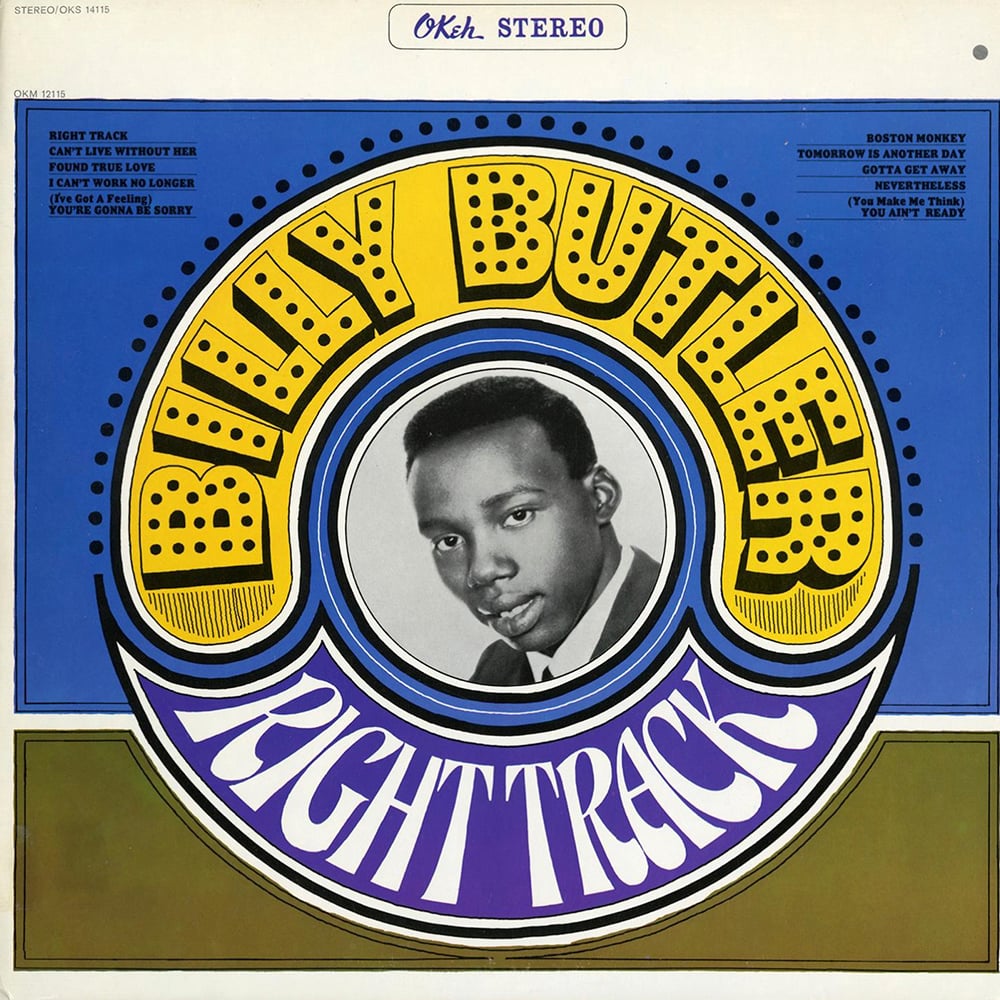
Release Date: 1966 | Producer: Carl Davis | Label: Okeh
There is no telling how many ordinary people have been converted into devoted soulies by the rich voice of Chicago’s very own Billy Butler. Making its first marks on the northern soul scene during the late 1960s, on regular rotation at Manchester’s Twisted Wheel, ‘The Right Track’ has been a northern soul staple since the very beginning, and its infectious rhythm has certainly never lost its sheen.
Butler himself first emerged onto the American soul scene in the early 1960s, having formed the Enchanters while at school, but it was his experiences at Okeh Records, recording under the likes of Curtis Mayfield and Carl Davies which helped to carve him into the northern soul heavyweight that has been filling dancefloors for decades. Without this storming 1966 track, the landscape of northern soul simply wouldn’t be the same; it has truly earned its high-charting position on this list.
Sandi Sheldon – ‘You’re Gonna Make Me Love You’
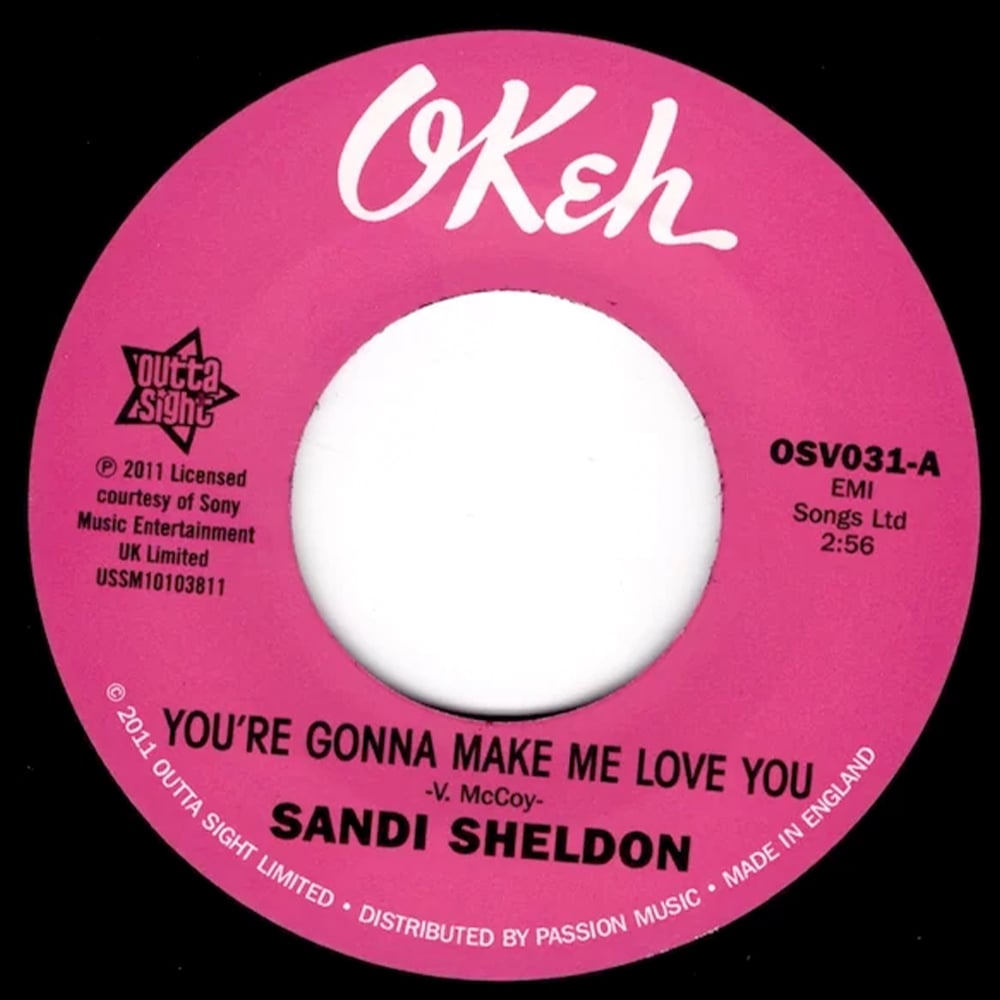
Release Date: 1967 | Producer: Van McCoy | Label: Okeh
Another classic example of the incredible sounds of Okeh Records, Sandi Sheldon’s ‘You’re Gonna Make Me Love You’ is overflowing with spellbinding energy and, for many, it perfectly defines the sound of northern soul. In fact, not only is the record adept in capturing the sound of the scene, but the mystery which surrounded the track for decades only adds to its enduring appeal, too. For years, soul DJs attempted to track down the elusive Sandi Sheldon, only to discover that she never really existed at all.
In reality, Sandi Sheldon was a stage name briefly used by Kendra Spotswood, for reasons that are ultimately unknown. Spotswood had abandoned the music industry entirely by the time the 1970s rolled around, and spent years blissfully unaware of her cult status in the nightclubs of northern England. It was only after the new millennium that Ian Levine was able to track her down, and she returned to the stage for the first time in decades, to the adoration for thousands of northern soul fans.
With a sound that immense, and a story like that to back it up, ‘You’re Gonna Make Me Love You’ stands out as one of the most iconic and infectious northern soul anthems of them all.
Frank Wilson – ‘Do I Love You (Indeed I Do)’
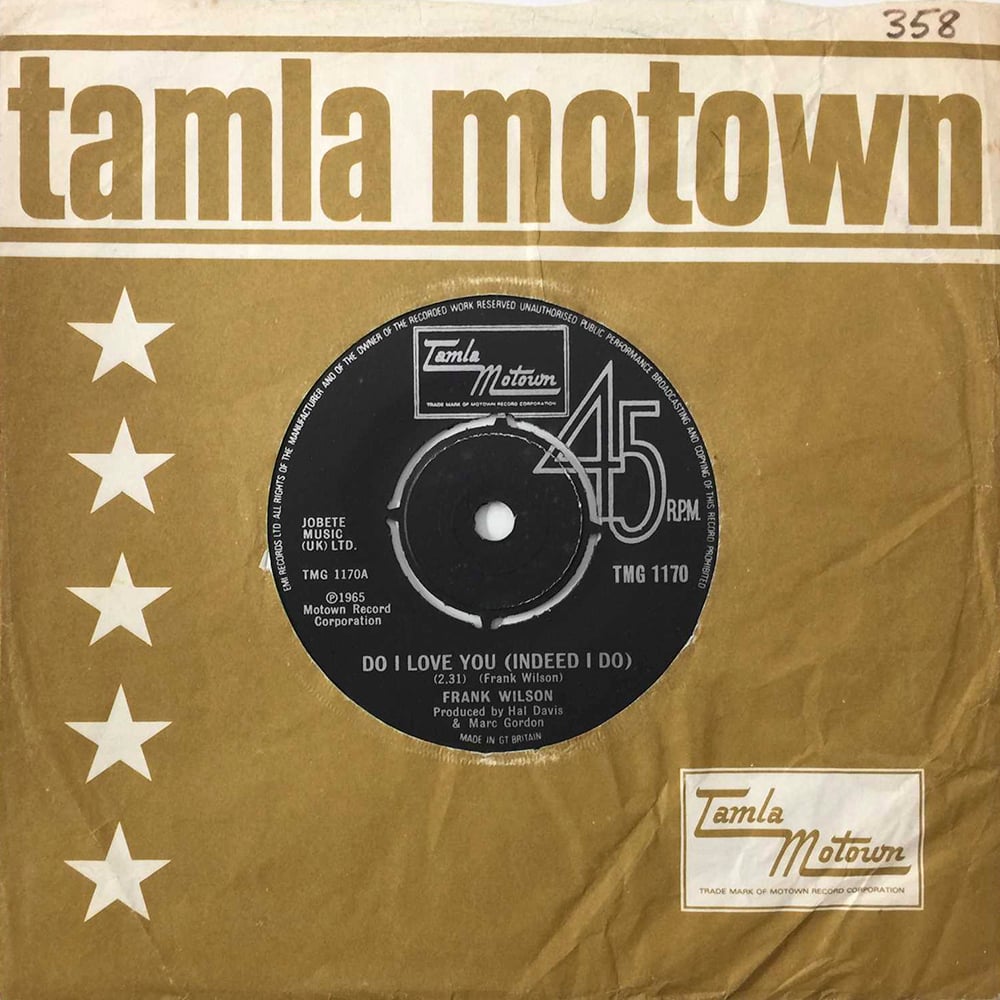
Release Date: 1965 | Producer: Hal Davis and Marc Gordon | Label: Soul
What else? From the moment those first few notes creep over the speakers, the hairs on the back of your neck stand to attention, and the dancefloor is filled. Even if you are part of the camp that thinks it’s too ‘overplayed’ or pedestrian, you cannot deny the all-encompassing power of ‘Do I Love You (Indeed I Do)’ as a northern soul anthem – arguably, the northern soul anthem.
Recorded by Motown producer Frank Wilson back in 1965, initial copies of the single were destroyed by label boss Berry Gordy, and the planned release was shelved for many years. It was only when Leeds-based Simon Soussan rescued one of the few surviving copies of the album from the Motown vaults that it found its way onto the radar of the northern soul scene, with the help of a bootlegged copy spun at Wigan Casino by DJ Russ Winstanley. In fact, when Wigan held its final all-nighter in 1981, it was ‘Do I Love You’ that was chosen as the final song – cementing it as a northern soul classic forevermore.
In addition to being the final Wigan all-nighter track, and the song that tops our list of the greatest northern soul songs, Wilson’s track also maintains the accolade of being the most expensive northern soul record ever sold. Back in 2020, an impossibly rare original copy of the single was sold by John Manship for an eye-watering £100,000, speaking both to its rarity and its unparalleled adoration within the world of northern soul.
Every self-respecting soulie has their own take on the greatest northern anthem, but for many, the sound of northern soul is the sound of Frank Wilson’s ‘Do I Love You (Indeed I Do)’.
