


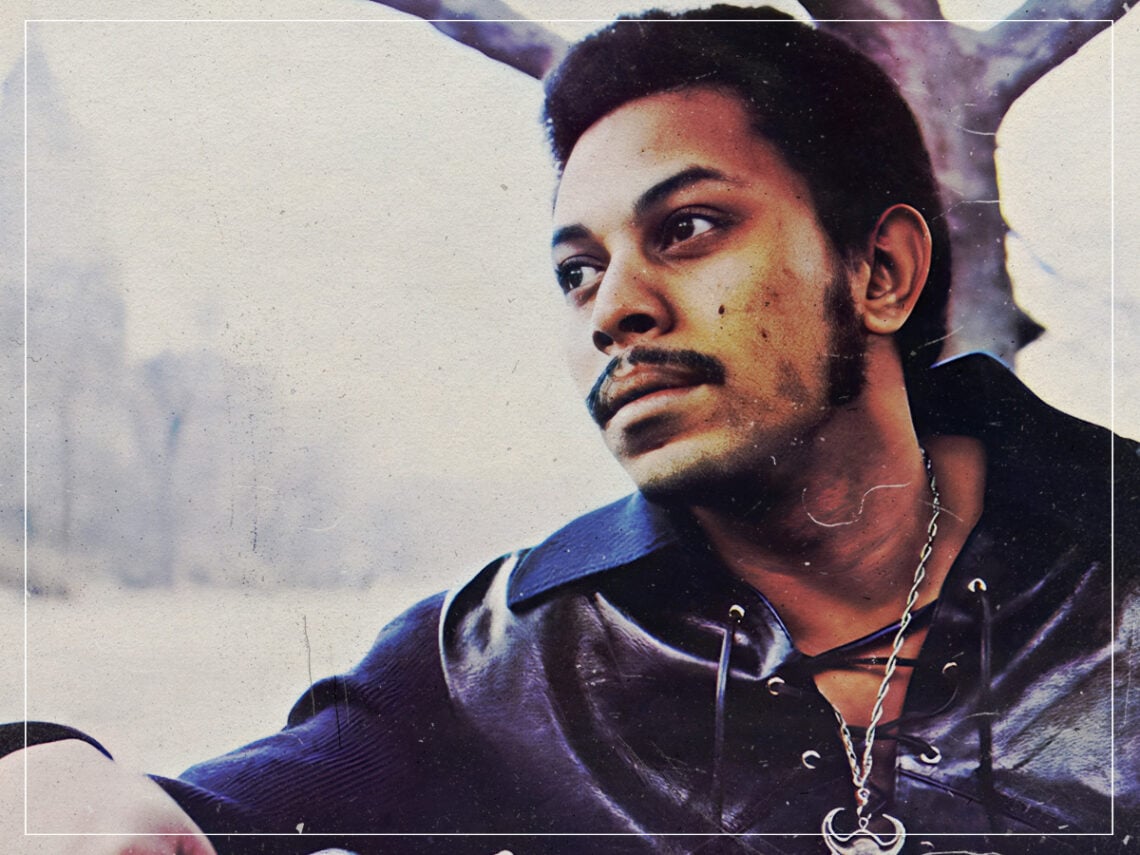
Joe Bataan: the life and times of a Latin soul sensation

The pages of musical history are awash with artists who overcome adversity, using their pain and struggle to illustrate their artistic works. Arguably, few could be considered to have had the same impact as Joe Bataan, who overcame his youth spent inside a correctional facility to become one of the leading figures of Latin soul music.
Born and bred in the East Harlem area of New York City, Bataan was dealt a pretty harsh hand in life. As opposed to the gentrified, millionaire-saturated landscape of modern-day Manhattan, during Bataan’s youth in the 1940s and 1950s, the New York borough was not a particularly inviting place. Poverty was rife throughout the city, particularly in the area of Harlem Bataan lived in. Spending much of his youth in a correctional facility, as the result of stealing cars and briefly being the head of the Puerto Rican street gang the Dragons, the odds were severely stacked against the young Bataan.
Upon his release from prison in 1965, at the age of only 23, Bataan was dedicated to turning his life around. Setting his sights on the world of music, the young man formed his first group, Joe Bataan and the Latin Swingers. His troubled upbringing would go on to influence much of his artistic output. Musically, Bataan’s unique style was informed by his own mixed heritage. His father was Filipino, while his mother was African American, and the family resided in a predominantly Spanish area of New York City, so the songwriter was able to effectively employ all of those disparate influences to create something truly original.
Blending American doo-wop with Latin boogaloo, Joe established himself as a truly gifted and original artist. Rising in prominence among the Latin soul scene of New York, the musician soon caught the interest of legendary New York salsa label Fania Records, with whom he recorded some of his best-known tracks, including a Latin dance cover of The Impressions’ ‘Gypsy Woman’. With albums usually composed of both Latin dance tracks sung in Spanish and slower soul-inspired tracks performed in English, Bataan managed to endear himself to both the Latin music and soul scenes of New York.
Eventually, financial disagreements with Fania led Bataan to formulate his own independent record label, Ghetto Records, with the financial aid of a local gangster (what could possibly go wrong?). Turning his attention to production work, he produced various artists for Ghetto, including Papo Felix and Eddie Lebron. However, the musician never released an album of his own on Ghetto, giving his first glimpses of post-Fania work to the newly formed Salsoul Records – the noted disco label which was among the first labels to release commercial 12” vinyl singles.
Although Bataan’s music took on many different styles and atmospheres throughout this period of his career, it never wavered in quality. While his move towards a sound akin to disco during the Salsoul years was divisive, in hindsight, that period formed some of the finest moments of his career. In fact, the Salsoul releases would perhaps not be rivalled until decades later, when Bataan emerged from retirement to release Call My Name on the Spanish soul label Vampisoul.
The enduring success of Bataan’s career, particularly since his noughties career revival, is a testament to the unwavering artistic talent which soaks the soul star to the bone. From his troubled beginnings running with street gangs and stealing cars, Bataan has managed to carve out one of the most storied and impressive careers in all of soul music.
