


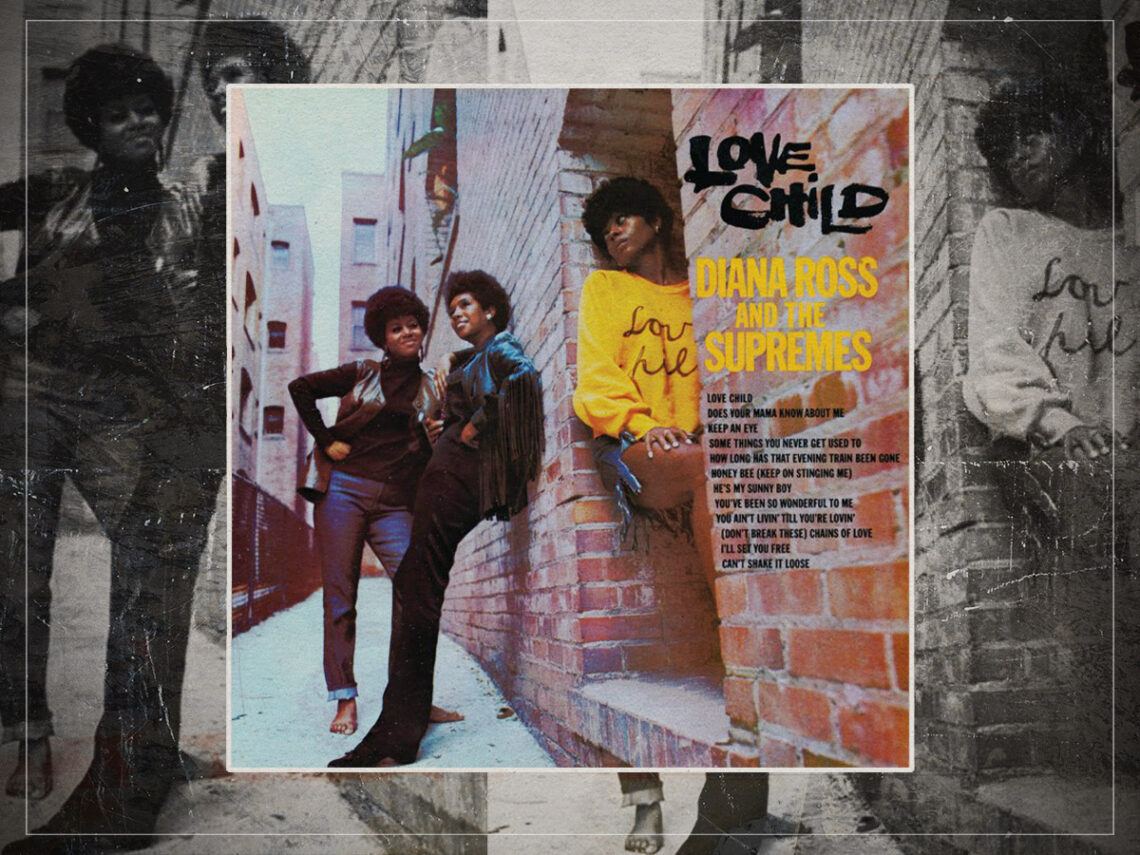
‘Love Child’: the uncomfortable truth of Motown’s most controversial hit

Controversy is a powerful tool within the music world, but not one which Motown Records was desperate to employ, particularly when it came to the pop-centric optimism of its flagship group, The Supremes.
Hit records are the bread and butter of any half-decent record label, and that was a fact which Berry Gordy always had in the forefront of his mind from the moment that Motown burst onto the scene back in 1959. Although they spent their first few years desperately failing to gain any ounce of mainstream success for Motown, The Supremes soon became the label’s most rewarding outfit. Colossal hits like ‘Baby Love’ or ‘Stop! In The Name of Love’ didn’t just rake in royalty cheques for Gordy, they were also essential in carving out that iconic ‘Motown sound’ during the 1960s.
As the years marched on, The Supremes continued to dominate the American pop charts, leaving virtually every other Motown outfit in their dust. However, that unparalleled level of success wasn’t going to last forever. In 1968, amid various royalty disputes, Motown’s infallible songwriting trio Holland-Dozier-Holland left the label, taking with them the songwriting power which had kept Ross and The Supremes on the upper echelon of pop for multiple years.
All of a sudden, The Supremes were forced to adapt to the changing landscape of the pop charts; gone were the adolescent tales of fleeting romances and puppy love, which Holland-Dozier-Holland mastered during their time at Motown. In the wake of this bold new era, The Supremes recorded some pretty bizarre tracks, from the astrology-centred ‘No Matter What Sign You Are’, to the controversial classic ‘Love Child’.
An attempt by Motown’s latest songwriting team, operating under the questionable name The Clan, to tackle the prevailing social issue of teen pregnancy, ‘Love Child’ is about as far removed from the bubblegum romanticism of ‘Baby Love’. After all, Berry Gordy was always very resistant to the idea of songs which tackled social and political issues, with the thought process that any divisive or alienating topics would hurt a record’s chance at mainstream success.
Reportedly, Pam Sawyer was the one who spearheaded the song, originally intending it as a blues-centric offering in which a pregnant teenager details her various woes. Unsurprisingly, Gordy was not going to let that fly, particularly for his flagship group, so the song was reworked. “We arrived at a really touching story about a girl who herself was born out of wedlock and is telling her boyfriend she doesn’t want to go the wrong way with him and bring another love child into the world,” Gordy later recalled.
While this revised version of the song is hardly sunshine and roses, it was enough to quell Gordy’s worries about alienating certain audience members. In fact, the song earned The Supremes a number-one hit upon its release in 1968, quashing any claims that their success was entirely down to the songwriting prowess of Holland-Dozier-Holland.
There are two ways you can look at ‘Love Child’, in hindsight. Sure, some of the lyrics haven’t aged particularly well, and the idea of Diana Ross singing to you about the plight of teen pregnancy still feels incredibly odd, but, on the other hand, the fact that Motown were willing to record such a controversial, socially conscious record back in the 1960s is hard to denounce.
Even when ska heroes The Specials recorded ‘Too Much Too Young’ in the late 1970s, the topic was still fairly taboo, and rarely discussed at all, let alone within the pop charts. So, it might not have been as catchy or timeless as ‘Where Did Our Love Go?’ or any one of The Supremes’ Holland-Dozier-Holland anthems, but the daring, trailblazing nature of ‘Love Child’ makes the 1968 single a crowning jewel within The Supremes’ extensive repertoire of hits.
