


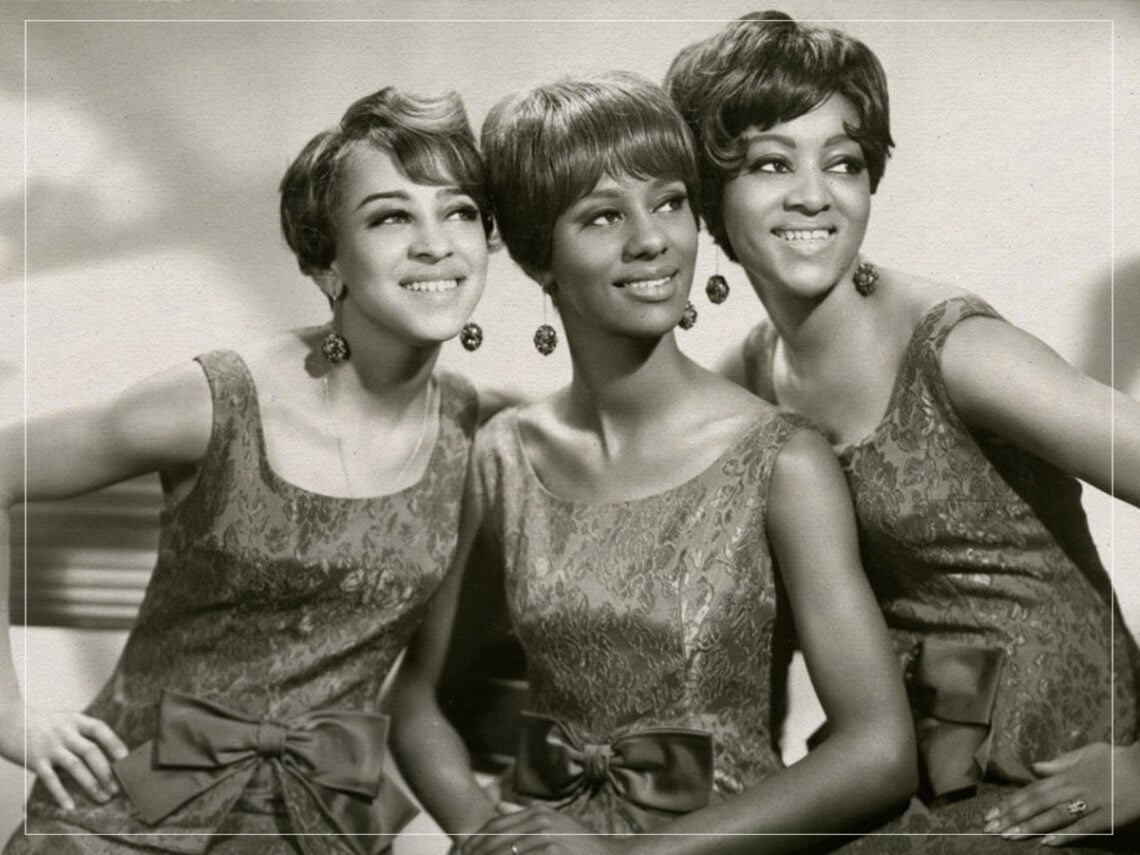
The mystery of The Velvelettes: Motown’s forgotten next big thing

There was never any shortage of talent in the Motown Records roster. The Detroit label was where countless hopeful young artists auditioned to be stars but, while a select few became titans of the pop charts, there were many more who quickly faded away into obscurity, like The Velvelettes.
It was back in 1959 that Berry Gordy first established Tamla Records, the label which would eventually morph into the cultural phenomenon of Motown. Pretty quickly, the budding young music mogul found success with vocal groups, and acts like The Supremes, The Four Tops, and Martha and the Vandellas soon became the bread and butter of Hitsville USA. After all, it was these acts that dominated the pop charts throughout much of the 1960s, putting Motown on the map and forever altering the course of soul and R&B music.
One of the up-and-coming groups looking to capitalise on the success of these vocal groups was The Velvelettes. They first formed at Western Michigan University, centred around Mildred Gill Arbor and Bertha Barbee-McNeal. An opportunity fell into the group’s lap pretty quickly because one of their fellow students at university was a nephew of Berry Gordy—head honcho of Motown, deliverer of dreams.
A natural fit for the label, The Velvelettes signed a contract with Gordy in late 1962 and released their inaugural material the following year, but they weren’t granted the honour of being on Motown’s main label. ‘There He Goes’, the group’s debut, came out in 1963 via the IPG imprint, while the vast majority of their subsequent material was on the VIP imprint. Even on those subsidiary labels, the talent of the vocal group shone through, culminating in the defining single ‘Needle in a Haystack’ in 1964.
Penned by one of Motown’s chief hit-writers, Norman Whittfield, ‘Needle in a Haystack’ fits in very well with the more successful Motown girl group anthems of the time, like Martha and the Vandellas’ ‘Heatwave’ or The Supremes ‘Stop! In The Name of Love’, for instance. Why is it, then, that The Velvelettes never achieved the same dizzying heights as those other outfits? Motown never really took advantage of the golden opportunity that the Michigan outfit presented the label with.
During the mid-1960s, as Gordy and the label began to focus much more on The Supremes as their flagship act, which risked neglecting the rest of the talent on the roster. Prioritisation of the Diana Ross-fronted outfit lost Motown a lot of their key talent, Mary Wells being a predominant example. It was also a contributing factor in the sad dissolution of The Velvelettes.
The first blow for the group came when Betty Kelly left the lineup to join Martha and the Vandellas. Although the group continued for a few years, amid various lineups and personnel changes, the writing was on the wall during their time at Motown. After recording one of the most bizarre Motown songs of all time, ‘Ain’t No Place Like Motown’, the band released their final single, ‘These Things Will Keep Me Loving You’, through the Soul imprint in 1966.
By 1970, the group had dissolved entirely, as the core members turned their attention to raising families and living ordinary lives. However, their sad dissolution made The Velvelettes one of Motown’s biggest missed opportunities. After all, they had a similar level of talent, poise, and performing skill as various other, more successful Motown girl groups, but even their most iconic song never broke into the top 40 of the charts.
Had they been given the same level of attention and support as, for instance, The Supremes, The Velvelettes could have been one of the biggest pop sensations of the 1960s, but, alas, they are just another case of a Motown artist fading into obscurity.
