


Hitsville USA: The 10 greatest Motown number ones of all time

Hitsville USA certainly earned its title back in the 1960s, with Berry Gordy’s Motown Records producing an unparalleled volume of soul and R&B smash hits throughout its golden age and launching a plethora of now-iconic stars, from Diana Ross to Marvin Gaye.
It was back in 1959 that the budding young music mogul Berry Gordy Jr first established Motown Records, under the name Tamla, with a small loan taken from his parents. Although a deep-rooted love for the soulful sounds of his native Detroit was always the driving force behind his business, Gordy was always aware that hit records were the only way to pay the bills. After landing Motown’s first-ever nationwide hit single with Barrett Strong’s ‘Money (That’s What I Want)’ in 1959, the label seemed utterly unstoppable.
Throughout the 1960s and into the early 1970s, Motown Records was a seemingly constant fixture of the American pop charts. Armed with an extensive arsenal of promising young performers, hailing from all over the United States, along with a tight-knit group of gifted producers and songwriters, Hitsville USA ran like a well-oiled machine, pumping out hit record after hit record. During that time, the label gave rise to the likes of Stevie Wonder, Marvin Gaye, Diana Ross, Martha Reeves, Mary Wells, and Smokey Robinson, to name only a few notable names from the label’s roster.
Even more impressive was the universal power of Motown. It might have been rooted in the sounds of Detroit, but by the mid-1960s the soul label had spread far and wide, finding particular favour in the youth clubs of the United Kingdom. There, the incredible sounds of Holland-Dozier-Holland took root with young audiences, inspiring the next generation of pop sensations in the form of artists like Dusty Springfield, The Rolling Stones, and even The Beatles, who covered three different Motown tracks for With The Beatles in 1963.
Berry Gordy sold off Motown Records in 1988, after years of declining relevancy, and, although the label still technically exists today, it is a far cry from being the hit factory it once was. Still, the incredible tones of that golden age period back in the 1960s and 1970s continue to resonate with audiences and inspire artists to this day. So, allow us to transport you back to that time as we rank ten of the greatest chart-topping Motown hits.
The 10 greatest Motown number ones:
The Marvelettes – ‘Please Mr. Postman’ (1961)
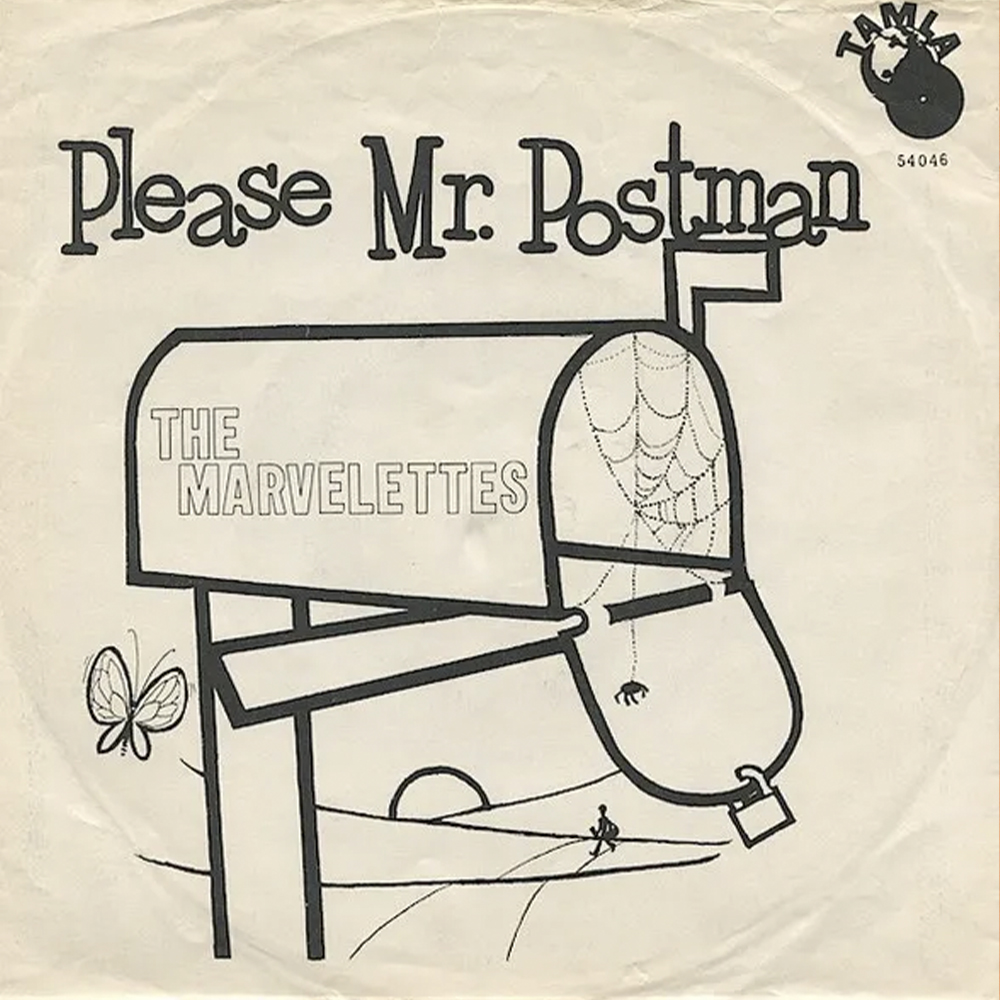
Where better to start our list than with the very first Motown number one?
The Marvelettes were never a flagship act for the label, but their debut single marked an incredibly important moment in Motown history. The story goes that the Inkster vocal outfit auditioned for the label in April 1961, and original group leader Georgia Dobbins presented ‘Please Mr. Postman’ as an original composition – something which Motown usually stayed away from. The track was quickly reworked by a multitude of different songwriters, and in August of 1961, ‘Please Mr. Postman’ was finally released, and it quickly reached the top of the Billboard Hot 100.
With an unwavering earworm quality which still resonates decades later, ‘Please Mr. Postman’ was a natural candidate for the top of the charts, and it certainly helped to carve out the conventions of ‘the Motown sound’ in later years. Although The Marvelettes never had another number one with Motown, despite their best efforts, ‘Please Mr. Postman’ was enough to cement their pop legacy indefinitely.
Smokey Robinson and the Miracles – ‘The Tears of a Clown’ (1970)
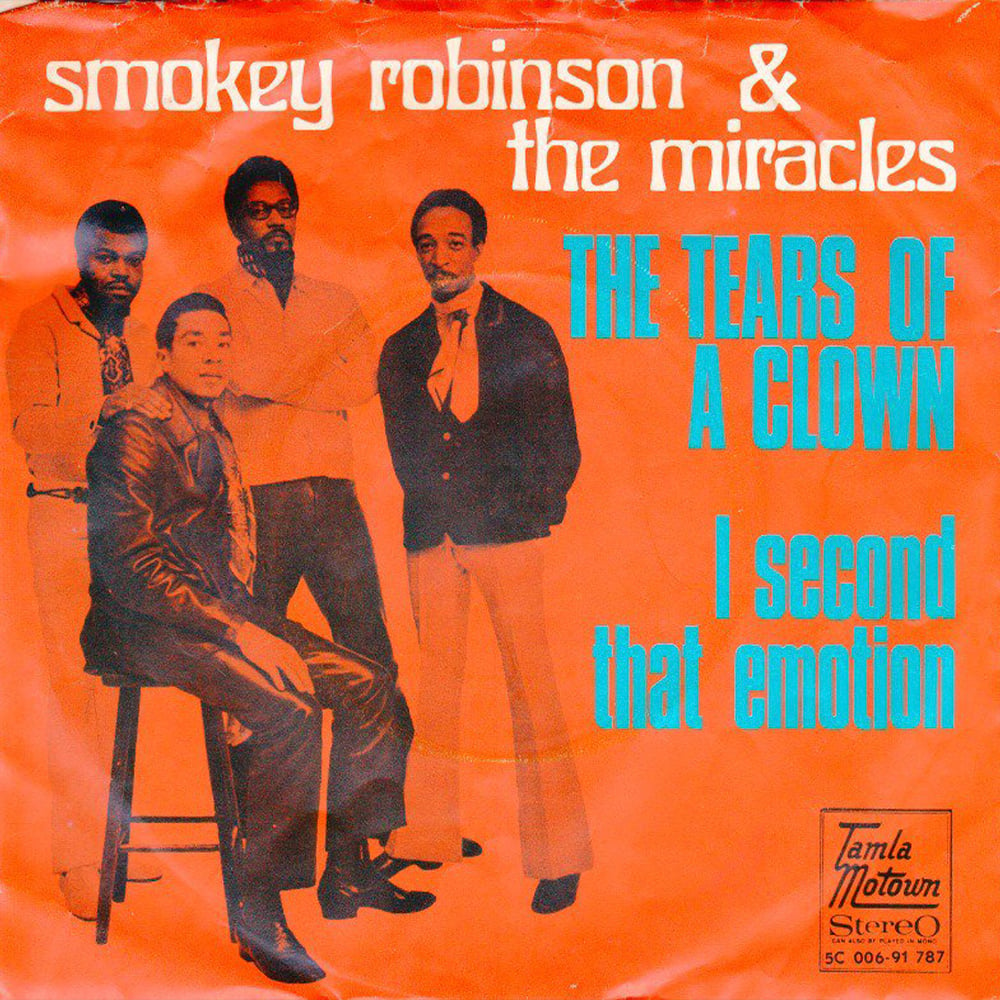
Smokey Robinson was an essential figure in the Motown story, right from the very beginning of Gordy’s venture. Not only did his group, The Miracles, produce a wealth of iconic hit singles for the label, but Robinson also worked as a songwriter for various other artists within the Motown roster, repeatedly reaffirming his credentials as a man with an innate ability to create hits.
Bizarrely, though, The Miracles only had two number-one singles with Motown – if you can believe it, ‘The Tracks of My Tears’ peaked at 16. There truly is no justice in this world.
Nevertheless, the group’s first number-one for Motown, ‘The Tears of a Clown’ is certainly an effort worthy of that accolade. It was Stevie Wonder who first came up with the music for the track, before presenting it to Robinson to provide lyrics. The result was an infectious, rousing melody with some of the greatest heartbreak lyrics ever put out on the Detroit label. It should go without saying, too, that Robinson’s vocal prowess is at its ultimate peak on the song, and it is deserving of a spot on this list for that reason alone.
Edwin Starr – ‘War’ (1970)
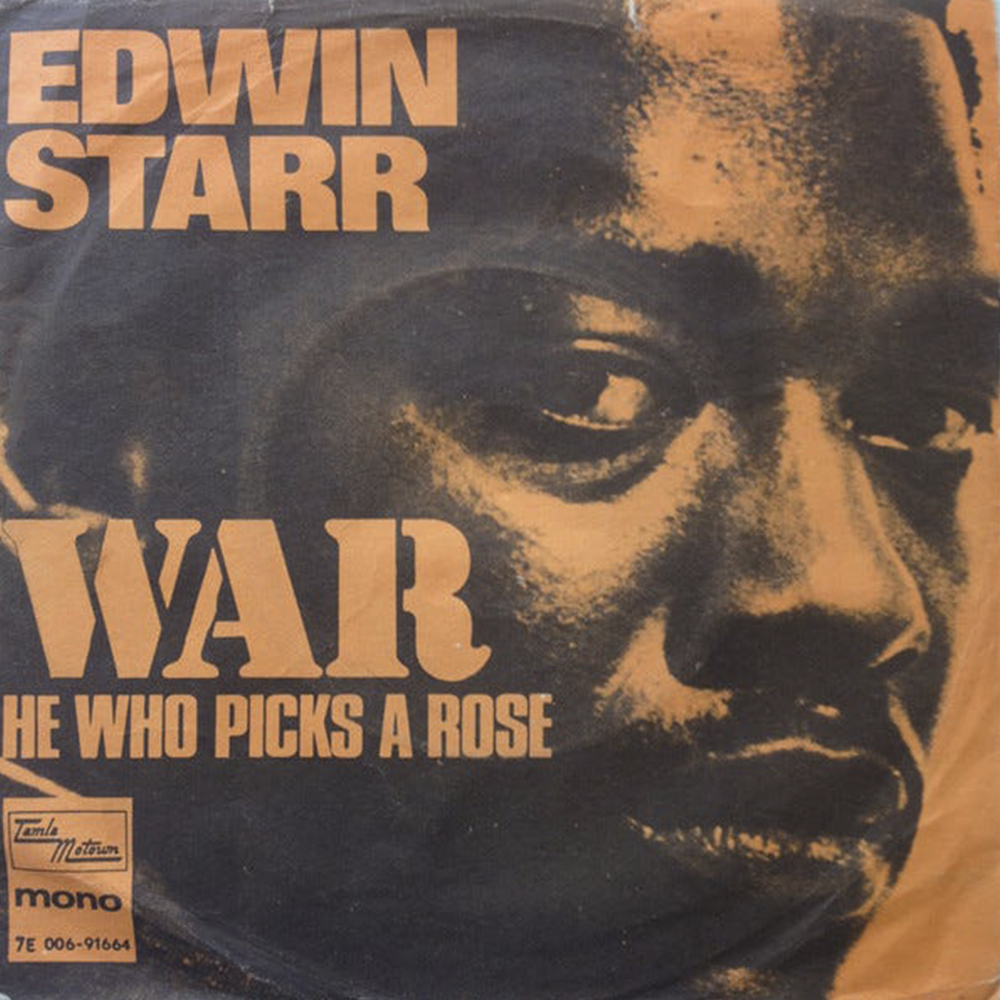
Although Motown was famed for discovering new talent, some of its stars landed right in the label’s lap. Edwin Starr first burst onto the American soul scene during the mid-1960s, with masterful tracks like ‘Back Street’ and ‘Agent Double-O-Soul’ on Ric-Tic Records, another Detroit independent that was eventually acquired by Motown in 1968. With that acquisition, Gordy inherited the label’s roster, including Starr, and he quickly became one of the most powerful voices in Motown’s repertoire. Never was that power put to better use than on the 1970 anti-war anthem ‘War’.
Capturing the defiant spirit of the anti-war and counterculture movement of that time, the track was as much a political statement as a pop song, even though Gordy typically stayed away from the world of political songwriting. Originally, the song was written by Norman Whitfield and Barrett Strong for The Temptations, but the protest anthem demanded a performer as blistering and powerful as Starr to elevate it to the next level.
In turn, the song shot to the top of the US charts in 1970, and became a top five single in the UK, too.
The Temptations – ‘Papa Was a Rollin’ Stone’ (1972)
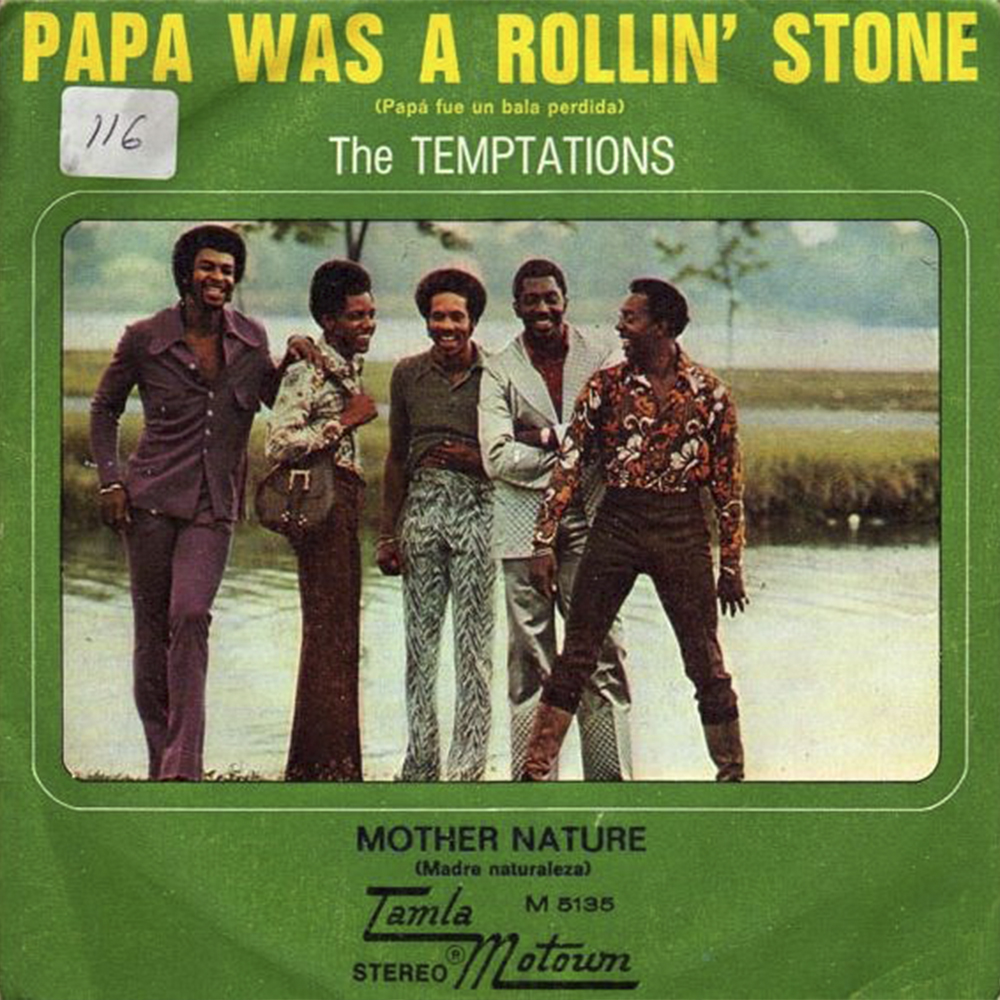
From one Whitfield-Barrett masterpiece to another, the infallible songwriting duo drummed up ‘Papa Was a Rollin’ Stone’ back in 1972 as an exercise in psychedelic soul.
Psychedelia had emerged as one of the prevailing sounds of the counterculture era of the late 1960s, and although it took Motown a little while to fully embrace its mind-expanding sound, the far-out style proved equally as applicable to soul as rock and roll. Originally, the song was given to the Whitfield-assembled group The Undisputed Truth, but it was Motown favourites The Temptations who made the song into one of the label’s greatest hits.
A truly ambitious release for Motown, the single mix of the song came in at a whopping seven minutes in length, far longer than the two or three-minute hits which were the label’s bread and butter by the mid-1960s. With that extended runtime, though, comes some masterful instrumentation courtesy of the Funk Brothers, and, arguably, The Temptations’ all-time greatest singular performance. Not only is the song one of the greatest Motown number-ones, but it is a defining track for early 1970s funk, psychedelia, and cinematic soul.
The Supremes – ‘Baby Love’ (1964)
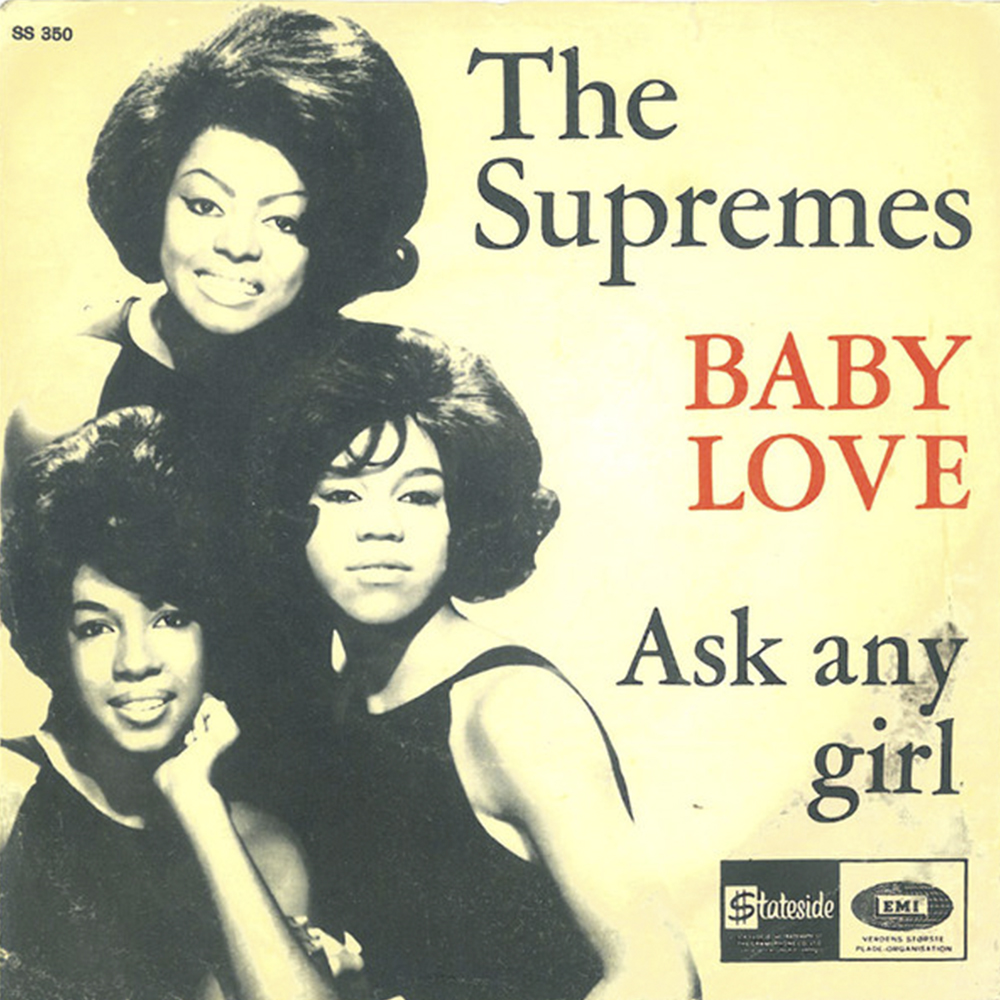
It was only a matter of time before Diana Ross and the gang made an appearance on this list.
Initially, when they signed with Motown in 1961, the vocal group struggled to hit their stride. For years, hit singles avoided the trio like the plague, and they were resigned to performing backing vocals and hand-claps on various other Motown recordings. That all changed when the group became partnered with the legendary songwriting trio of Holland-Dozier-Holland, though. With that songwriting prowess behind them, The Supremes quickly became Motown’s most successful act, and 1964’s ‘Baby Love’ was their second number-one for the label, and the first-ever Motown number one in the UK.
On a surface level, ‘Baby Love’ is a fairly run-of-the-mill Motown song detailing broken hearts and doomed romances, but there is something so special encased in the trio’s vocal performance. Diana Ross’ voice is at its most ethereal and enchanting, and there is a commanding groove to the track, which makes it both romantic and impossible not to move to.
It is a perfect summary of the Motown sound, from a period in which the label was at its creative and commercial peak.
Stevie Wonder – ‘Superstition’ (1973)
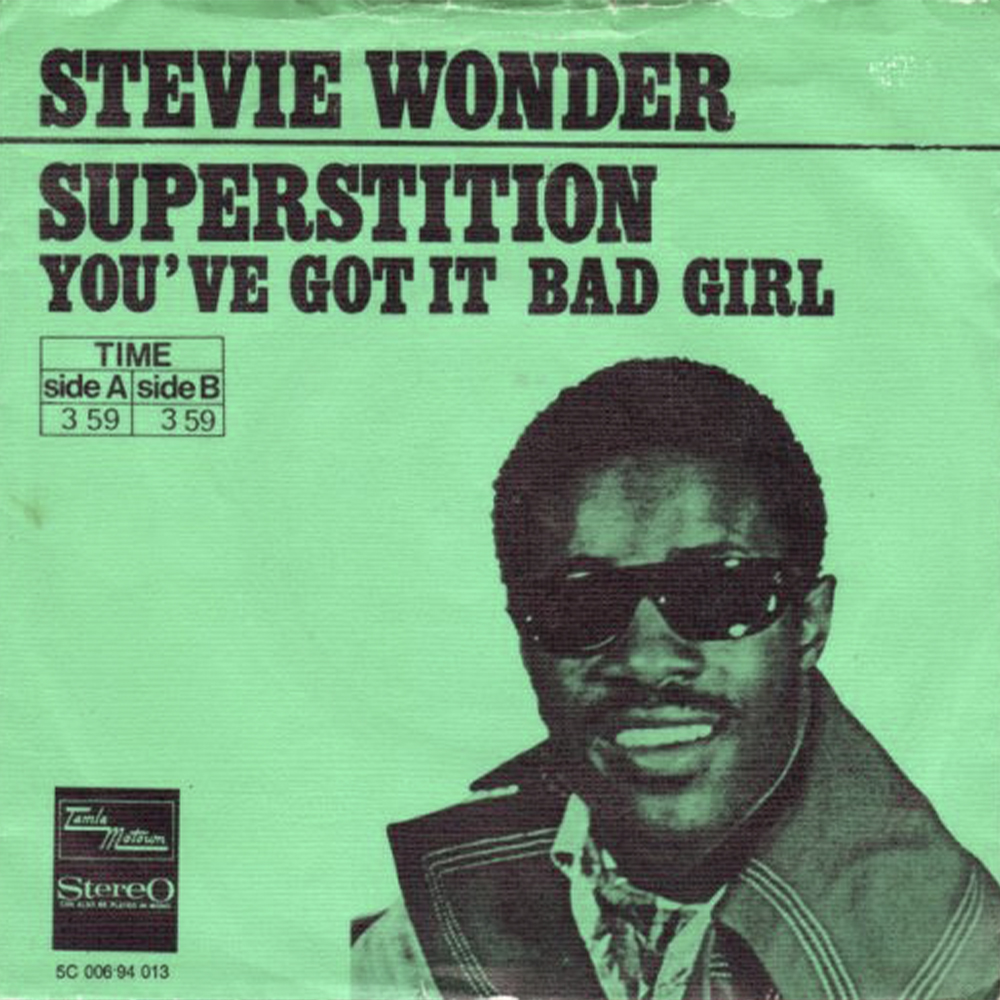
Few artists encapsulate the sound and spirit of Motown quite as all-encompassingly as Stevie Wonder. After all, the iconic songwriter was only 11 years old when he signed his first contract with Berry Gordy, and the label saw Wonder progress from child prodigy to one of the greatest songwriters and performers America has ever seen. He earned his first Motown number-one in 1963, with ‘Fingertips’, but the early 1970s saw Wonder come into his own as a mature songwriter.
Talking Book was a particular triumph for Wonder, and ‘Superstition’ quickly became a defining single for the performer. With an infectious funk groove, provided by Wonder’s Moog bass and Clavinet, the song has an unavoidable presence from start to finish.
It is no surprise, therefore, that it remains one of Wonder’s most beloved and successful tracks, topping both the Hot 100 and the R&B chart for multiple weeks, and helping to establish Wonder as a colossal star, rather than a childhood novelty act.
Four Tops – ‘Reach Out (I’ll Be There)’ (1966)
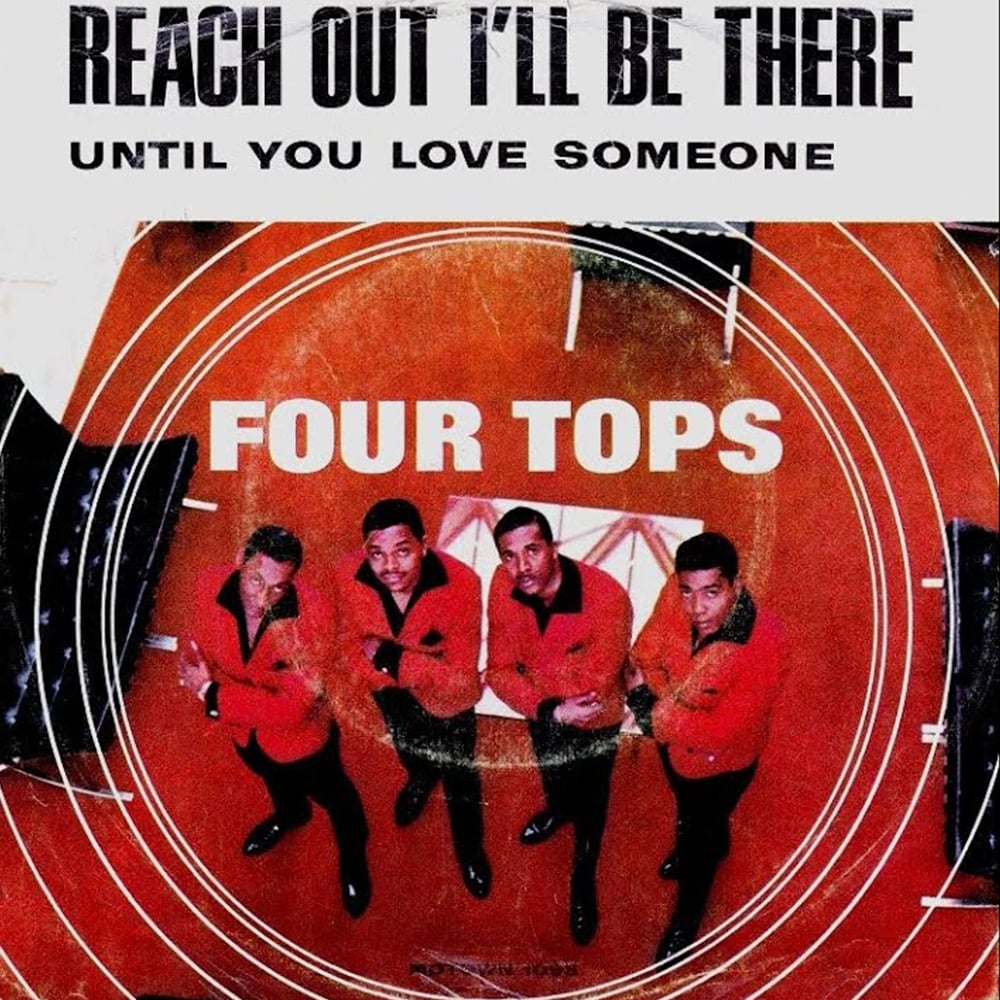
Holland-Dozier-Holland were the songwriting team that put The Supremes on the map, but their incredible talents were not reserved exclusively for Miss Ross and the gang.
They wrote more Motown hits than anybody else, and one of their all-time finest efforts was the 1966 masterpiece ‘Reach Out (I’ll Be There)’, which was brought to life by the Four Tops. The vocal quartet had already proved their worth a year prior with the fantastic ‘I Can’t Help Myself (Sugar Pie Honey Bunch)’, but ‘Reach Out’ was the song that best captured the breadth of their talent and power.
Group leader Levi Stubbs was put through the ringer during the recording process, with the songwriting team putting him at the very upper level of his vocal range. Although this practice likely did no favours for his voice, it did conjure up an incredibly powerful performance from the vocalist, who captures a deep emotional weight throughout the song. Not only did the song reach the top of the charts, both in the US and the UK, but it went on to influence virtually all future funk and soul music for decades.
The Supremes – ‘You Keep Me Hangin’ On’ (1966)
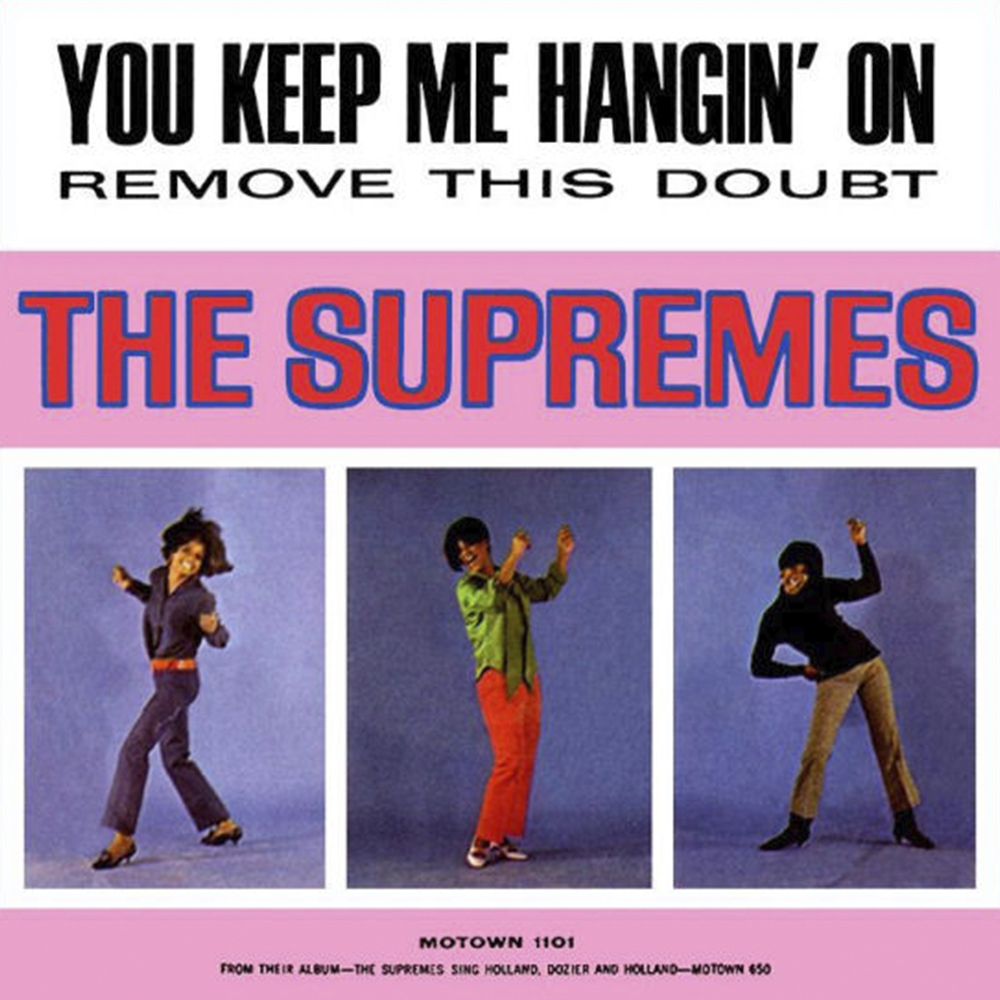
Given that The Supremes had more number-one hits for Motown than any other act, it would be rude of us not to include another classic track from the beloved vocal trio.
If ‘Baby Love’ was the sound of The Supremes finally coming into their own and earning hit records, then ‘You Keep Me Hangin’ On’ showed just how far the group had progressed in less than two years. As opposed to the hushed, vulnerable vocals of the previous track, Diana Ross’ multi-tracked performance has a rousing power to it on ‘Hangin’ On’; a power which would go on to define the vocalist’s career.
Inevitably, this is another product of the Holland-Dozier-Holland partnership, but nobody else could have done justice to the writing like The Supremes, it was a song tailor-made for them and that fact has been proven time and time again by a plethora of lacklustre cover versions. Still, decades later, ‘You Keep Me Hangin’ On’ remains one of the most universally loved records of the 1960s, and an indisputable Motown masterpiece.
Mary Wells – ‘My Guy’ (1964)
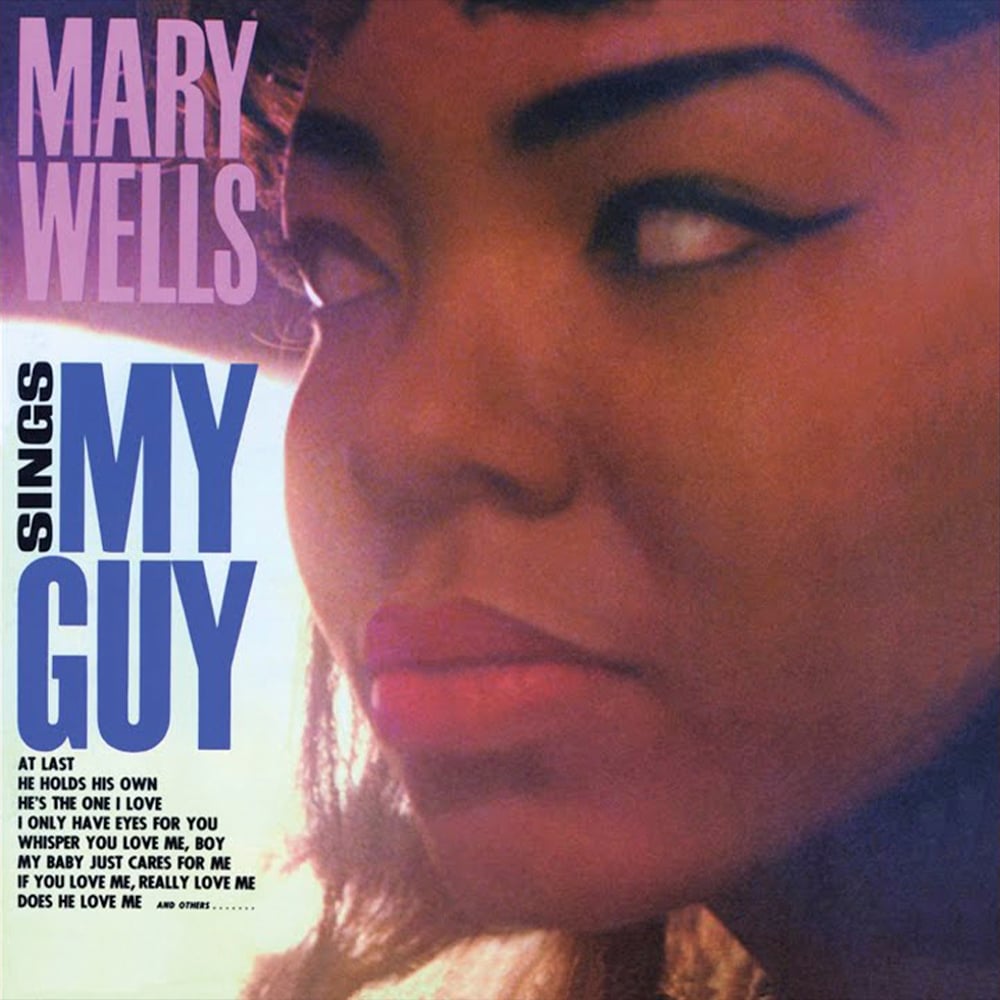
Smokey Robinson might not have fostered many Motown number-ones for The Miracles, but his songwriting contributions for other artists reached the top of the charts on a number of occasions. The first of the label’s number-one singles to be written by Robinson was ‘My Guy’, a tale of a woman remaining loyal to her partner, in the face of somebody else’s advances.
While the songwriting efforts of the Miracles’ vocalist certainly helped to make this track a hit, the real appeal of the song lies entirely in the performance of the legendary Mary Wells. Signing a pretty exploitative contract with Motown at the age of only 17, Wells was one of the greatest talents to ever enter the Hitsville studio, and ‘My Guy’ was her magnum opus.
It was one of the first major hits to establish ideas of the Motown sound, and it also helped to expose Motown to UK audiences, reaching number five in the UK singles chart in 1964. Most of all, though, it captured the distinctive, timelessly beautiful vocal talents of Wells herself. Tragically, Gordy and the label quickly soured on Wells, and the harsh treatment she received from the label drove her away from the label at the age of 21.
Still, nothing could sour the endless excellence of ‘My Guy’.
Marvin Gaye – ‘I Heard It Through The Grapevine’ (1968)
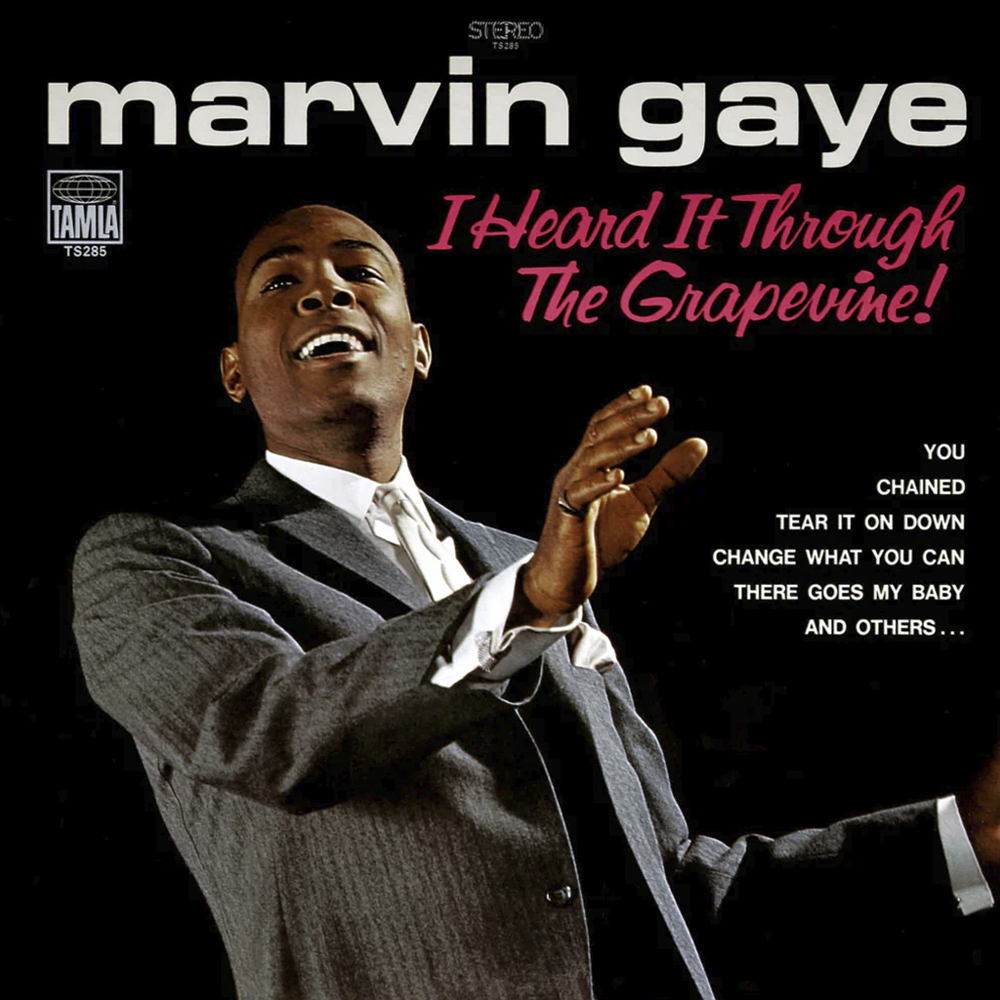
Every song included on this list has its merits, and its own reasons for being a special record, but nothing can stand up to the all-encompassing genius of Marvin Gaye’s ‘I Heard It Through The Grapevine’. This song is Motown. For a while, it was also the label’s most successful record, too – not bad for a song that Berry Gordy never wanted to release in the first place.
Initially, ‘I Heard It Through The Grapevine’ was recorded by The Miracles, but it was the funk-fueled recording by Gladys Knight and the Pips which first hit the airwaves. That version became a number two hit for the label, which helped in convincing Gordy to release Marvin Gaye’s version, which had been recorded prior to Knight’s. Gaye’s impassioned performance completely transformed the song, and the emotion with which he sang instantly related to audiences across the world.
There is no situation that could not be improved by this recording, it is as close to perfect as Motown ever got, and it remains one of the greatest funk and soul songs ever released.
