


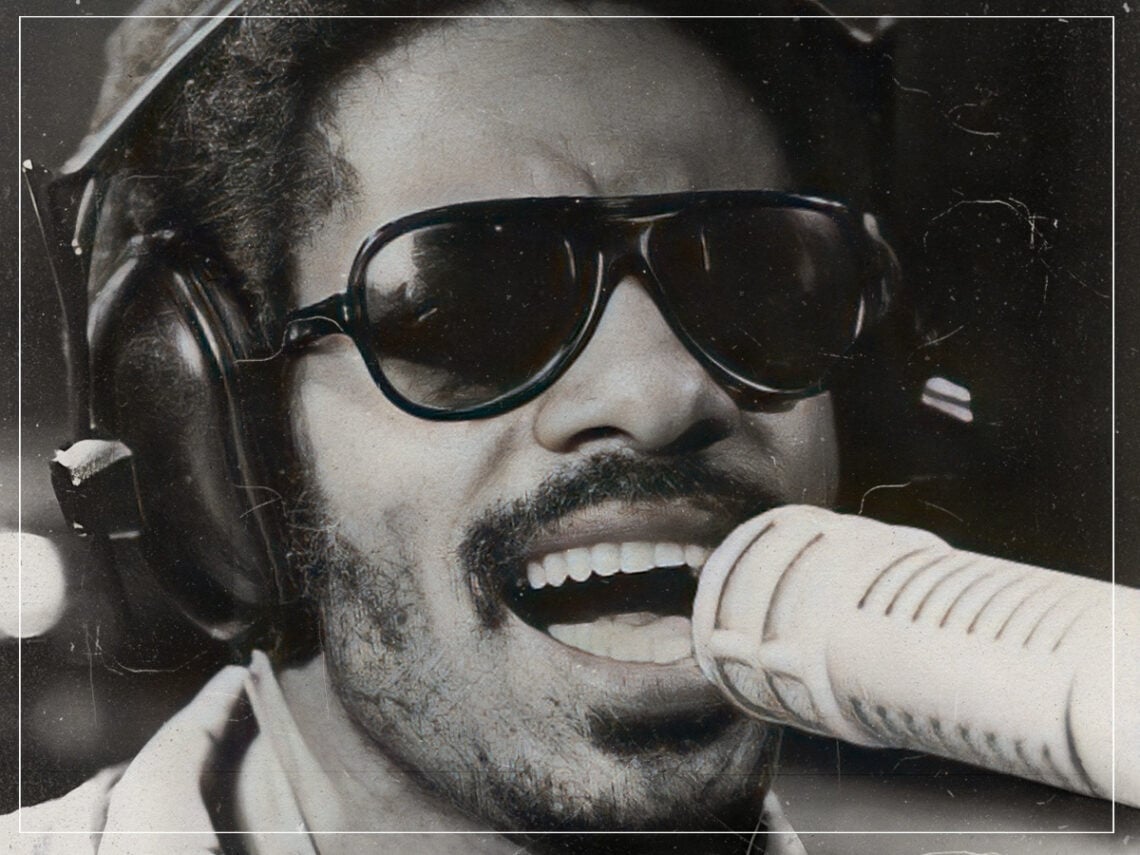
Why Stevie Wonder initially rejected Motown: “I don’t give a damn”

To the uninitiated, the word Motown brings with it so much joy. It’s a simple one-word utterance that conjures up pictures of music’s truest greats: Marvin Gaye, Diana Ross and, of course, Stevie Wonder.
History has decided the name should extend beyond being just a label, it’s become a genre of sorts, denoting a golden age of soul that was in its pomp during the 1960s. You want great voices? Motown. Delicately woven melodies with grand instrumentation? Motown. Straight up soul? Motown.
It’s not until you delve deeper into music fandom and take a peak behind the curtain that you realised the name brought with it so much trouble. Retrospect has proved that the label’s hard-nosed leader Berry Gordy was a renowned exploiter, taking every possible opportunity he could to squeeze as much financial gain out of the label as possble.
Ever since Gordy got a whiff of commercial success through the label’s first hit, ‘Money (That’s What I Want)’ by Barrett Strong, a clear, lucrative goal was projected. Naturally, a byproduct of that was tightly hemmed contracts, drafted for the label’s up-and-coming talent, who were all so hell-bent on achieving their own sense of individual acclaim that they would rarely pick up on the truly detrimental impacts of these seemingly minor stipulations.
For example, one of Gordy’s policies meant that all artists signed to Motown were liable for any and all expenses incurred during their time on the label. So yes, that meant travel, studio time and any amenities picked up in between that, which as we all know, soon add up to a crippling amount. Combined with the fact that Gordy also made several of his artists record the same song, only for him to pick his favourite, or should I say, most commercially viable, for release, it meant that several artists paid for studio time that was essentially rendered pointless.
So when Stevie Wonder’s music rolled into Motown offices, Gordy and co unsurprisingly rubbed their hands together. Here was a generational talent with a wealth of songs up his sleeve, tailor-made for a label whose financial model was based purely on margin. But the songwriter proved he wasn’t just a creative genius, but an astute businessperson, enlisting the help of professionals who helped him avoid the pitfalls of music bureaucracy.
Wonder explained, “The people there were excited about me being with them, but the lawyer my mother used was not that impressed with Motown. There was some negotiating, and some guy there said to my mom, ‘Let me tell you like this: Stevie can either sign this contract, or he can spend the rest of his life selling pencils.’ My mother said, ‘I don’t give a damn what you say. My son will never sell pencils ever in his life. And the deal was off. I think Berry Gordy finally talked with my mom about the ‘misunderstanding’ and they worked it out”.
Wonder was 11 at the time of signing for the label, and so a contractual pushback was probably unprecedented for the ruthless businessman. But as we all know, he went on to become not only Motown’s most successful artist, but one of music’s all-time greats and went a long way to lining Gordy’s pockets, even without the minor stipulations.
