


Mutant mécanique: The 50 greatest synthpunk songs of all time

“In some ways, it’s quite strange that synthesisers were so hated in the punk era. They’re the ideal punk instrument if you believe in the ethic of ‘anybody can do it’.” – Andy McCluskey
For a long time, the synth was seen as the very embodiment of 1970s rock excess, gargantuan units only available to the big stars that could afford them, or lugged on stage by the day’s prog wizards. By the end of the decade, a revolutionary convergence of cheaper, portable keyboards amid punk’s anarchic upend lit a spark for a generation of budding synthesists who saw Trans-Europe Express just as essential as Never Mind the Bollocks, Here’s the Sex Pistols to Year Zero’s insurgent soundtrack.
Wielding the abrasive tonalities of the Korg MS-20, the ARP Odyssey’s biting filters, or the meaty basslines from the Sequential Circuits Pro-One, a cohort of art-school misfits and avant-garde dissidents pushed punk to its purest essence, tearing apart the very conventions of the rock band and often proving so provocative in their unorthodoxy that even the punks were known to hurl bottles early on. Such purist hostility swiftly gave way to fascination, however. After all, what better way to express the youth’s alienation than the strange, discordant aural pulses, slithers, and ruptures from those weird electronic machines?
The emerging synthpunk realised the underground’s DIY ethos succinctly. As you’ll discover across our curation, there’s often an infectious naivety at the centre of the lo-fi collages and electronic garage splatter, an outsider energy keenly swerving past expectations to unleash their raw, unfiltered creativity onto tape. Such confounding birr routinely reared its head on stage, a perennial motif among our chosen 50 being artists, collectives, and subversives just as engaged in performance art or audience testing provocations as they were switched-on, analogue angst.
What exactly are the criteria? There are plenty of sub-genres and offshoots that all orbit synthpunk, EBM, industrial, electroclash, digital hardcore, minimal synth, coldwave, and eggpunk, all form synthpunk’s snapping and firing constellation, and you’ll find elements of all among our selections, but we’re keeping to that undefinable, mysterious electrogustational spirit of synthpunk at its most potent. It’s a vibe that’ll become apparent as you immerse yourself in the songs contained herein.
“I was very interested in punk as it was non-elitist,” Mute Records founder Daniel Miller told Trouser Press in 1982. “It started me doing my own things. I heard a link between the Ramones and Kraftwerk. If you analyse the music, they’re quite similar.” Whether a curious newcomer or seasoned veteran, join us as we deep dive into synthpunk’s weird, frightening, and snarlingly absurd songbook, and celebrate a solid half-century of synths brandished as the “ideal punk instrument.”
The 50 greatest synthpunk songs of all time:
Primitive Calculators – ‘I Can’t Stop It’
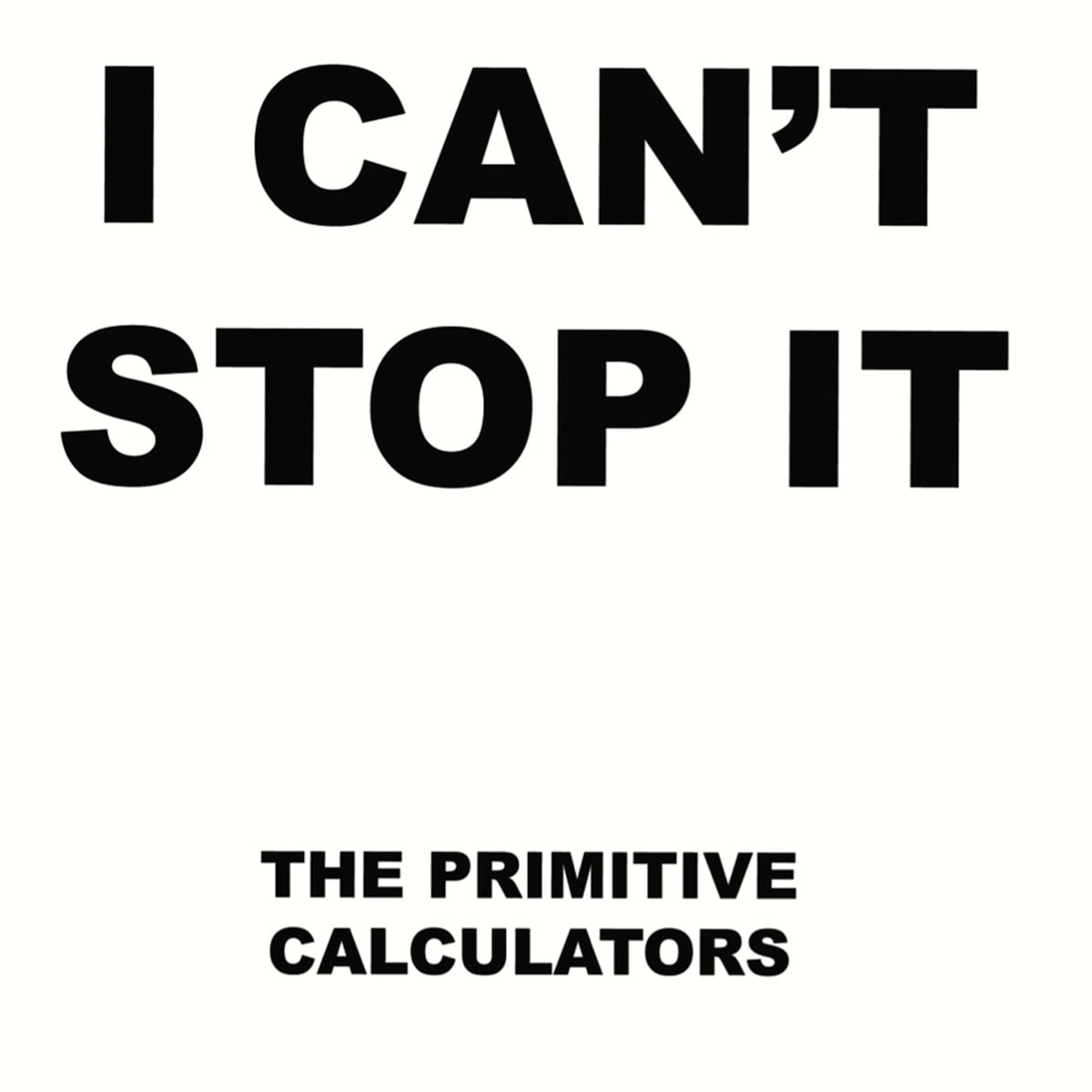
Release Date: 1982
A key band of Melbourne’s ‘Little Band Scene’ of the late 1970s, old Springvale mates Stuart Grant, David Light, Frank Lovece, and Denise Rosenberg decided to decamp to St Kilda and form the famed nebulous punk community that readily swapped band members as ephemerally as they dissolved groups after a night’s show.
Only managing one quasi-album before their later 2010s reunion, a live recording of their Hearts show supporting early Nick Cave band Boys Next Door would unleash the frenzied ‘I Can’t Help It’, a grating clangour of discordant synths and insectoid drums spiked with the unmistakable Aussie mania only Down Under can wield.
Xex – ‘Fashion Hurts’
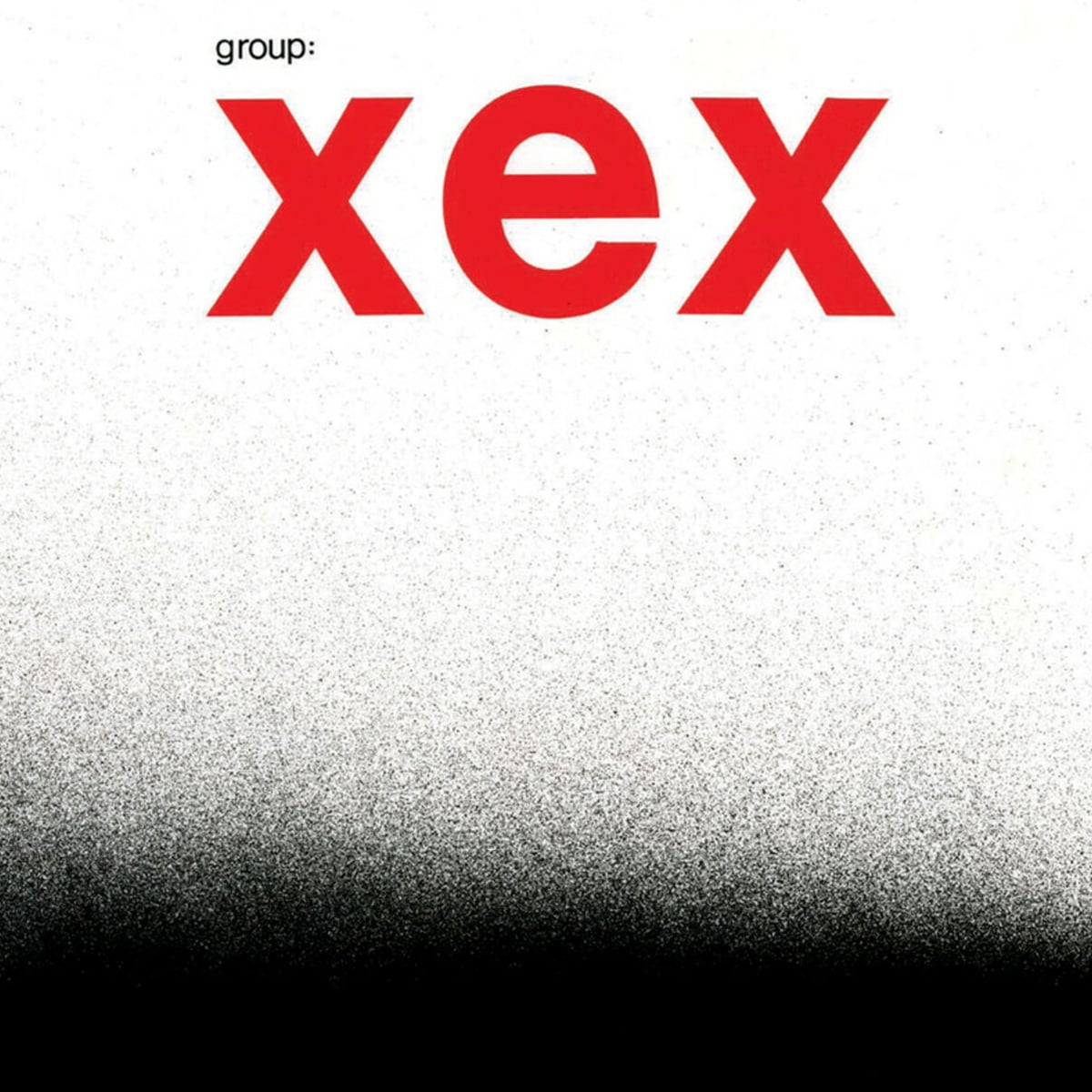
Release Date: 1980 | Label: What’s That Music Records
Another synthpunk gem from a bunch of college kids deciding to get their hands on the latest synths and figuring it all out afterwards. Adopting the odd monikers Waw Pierogi, Thumbalina Gugielmo, and Alex Zander, Xex toyed around with ARP gear and electronic drums to create a naïve yet accomplished sound imbued with the New Jersey gang’s impish satirical barb at 1980s American society.
Only ever managing one album in their heyday, group:xex, Xex’s paranoid synth wanders are always within touching distance with a wry smirk, ‘Fashion Hurts’ swinging their atonal electronic fizz to score the sacrifices made to keep up with the latest fashion trends, an affliction the Xex oddballs clearly were never struck with with their effortless originality.
Voice Farm – ‘Sleep’
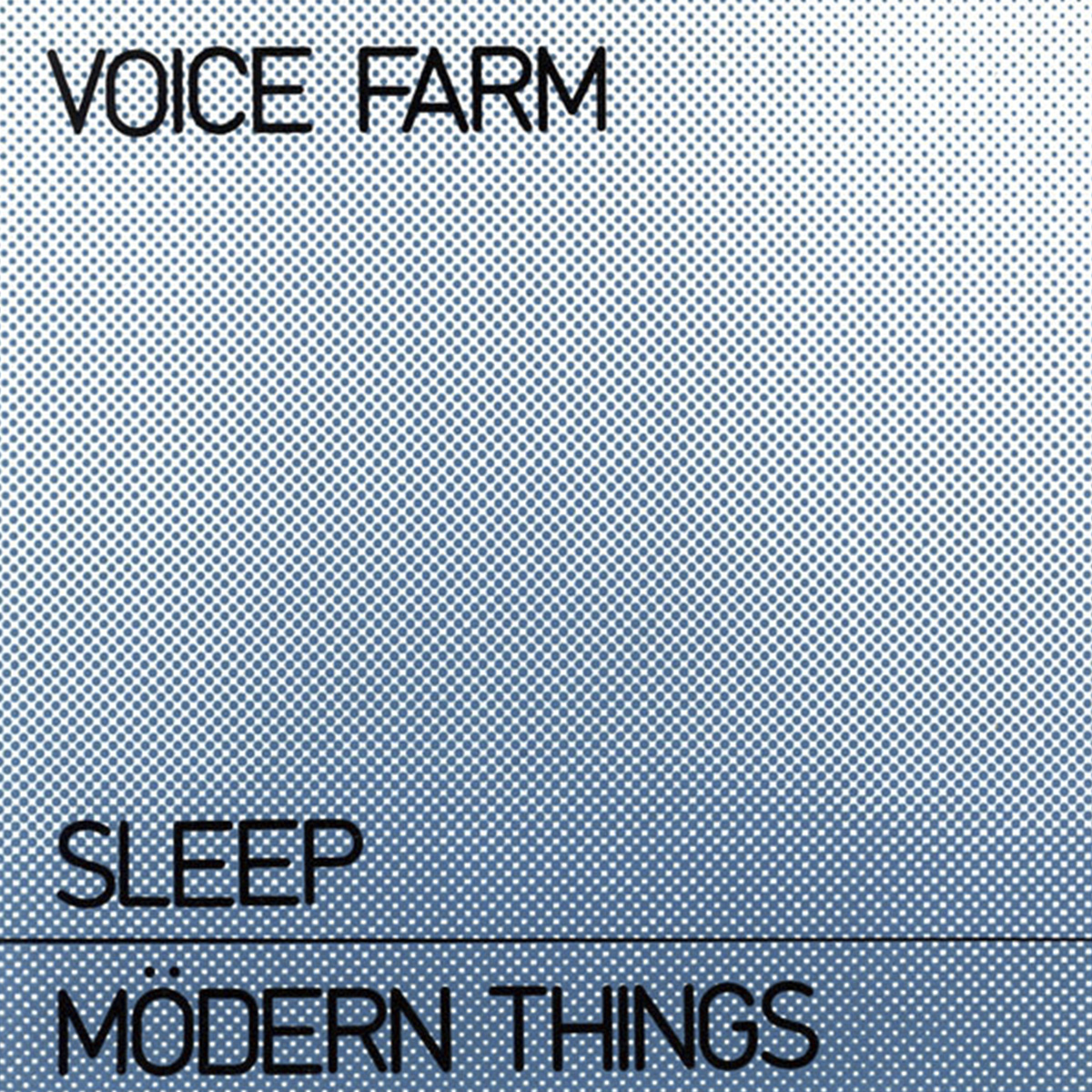
Release Date: February 1981 | Label: Optional Records
Forming just one of the many strands of San Francisco’s art-punk community, Voice Farm were toying with primitive synths before the core duo Charly Brown and Myke Reilly evolved into a creative video collective in later years. Right at the beginning, however, the two were cutting expert slices of synthpunk full of strange pop hooks and off-beat lyrical detours.
One of their first efforts was the skewed ‘Sleep’. Backed by the equally fantastic ‘Mödern Things’, the A-side sees Voice Farm fumble half-awake across a terrain of Residents-style synth honks and shrieking electronics that touch on just the right amount of psych. Dropped to a strict underground, most would have heard the number as the final track from Alternative Tentacles’ famed Let Them Eat Jellybeans! compilation.
Rhizome and The Flavonoids – ‘Robojerk’
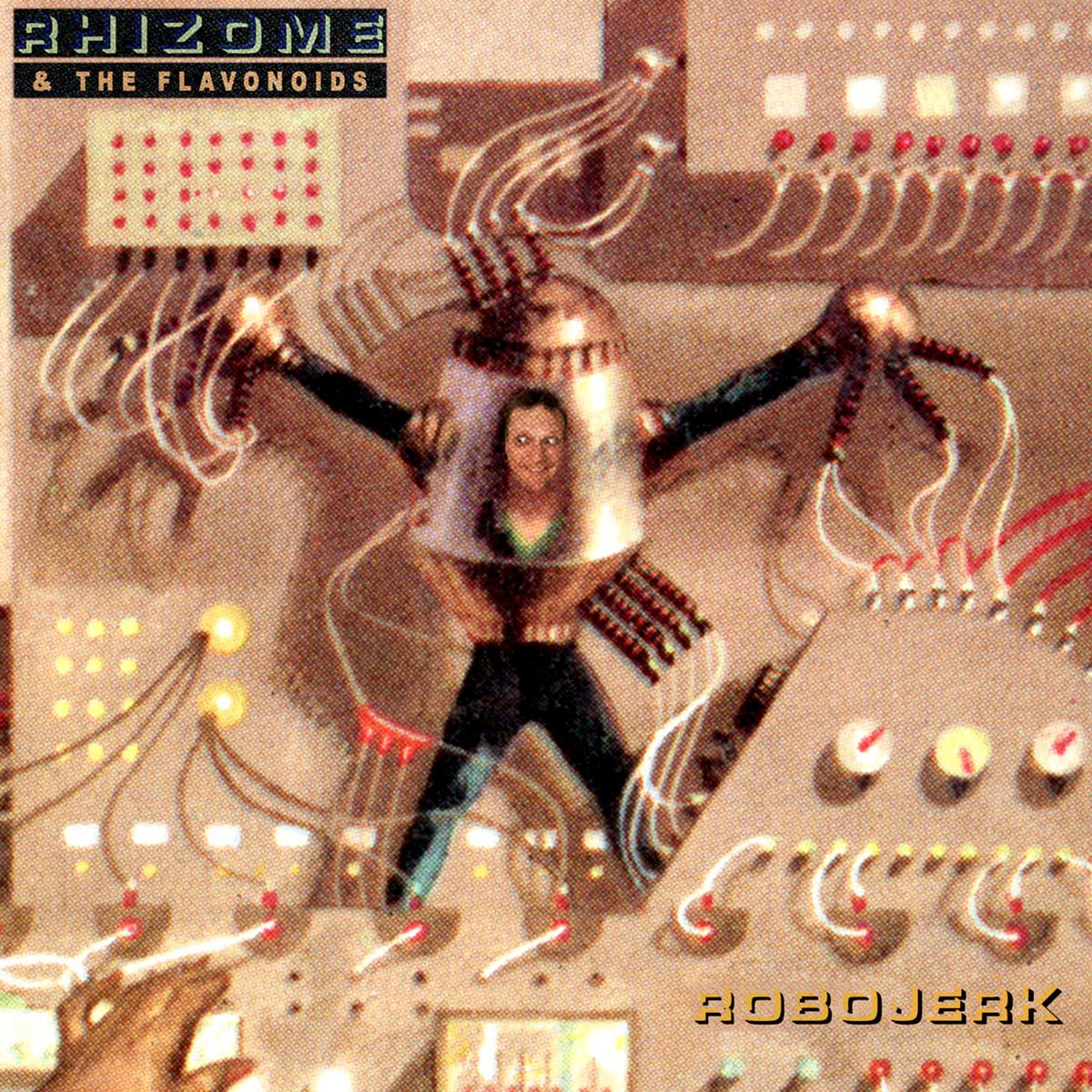
Release Date: July 2025 | Producer: Western Smith | Label: Idiotape Records
It’s hard to discern exactly the genre that amorphously hovers amid Rhizome and The Flavonoids’ gelatinous goo. There’s synthpunk without doubt, but a scrutiny of the Australian outfit’s plasticated new wave jelly reveals all kinds of molten and misshapen flavours across stilted disco, cruise pop, and dollops of cartoon funk.
The Flavonoids flex a joyous sound, all artfully beamed on Superimposer’s opener ‘Robojerk’. Aided with their Star Trek clobber, Rhizome takes the best of Devo and The B-52’s for a loud and garish synthpunk collage teeming with surrealistic palm tree weirdness, like spotting static in your piña colada.
Dendö Marionette – ‘Frozen・Edge’
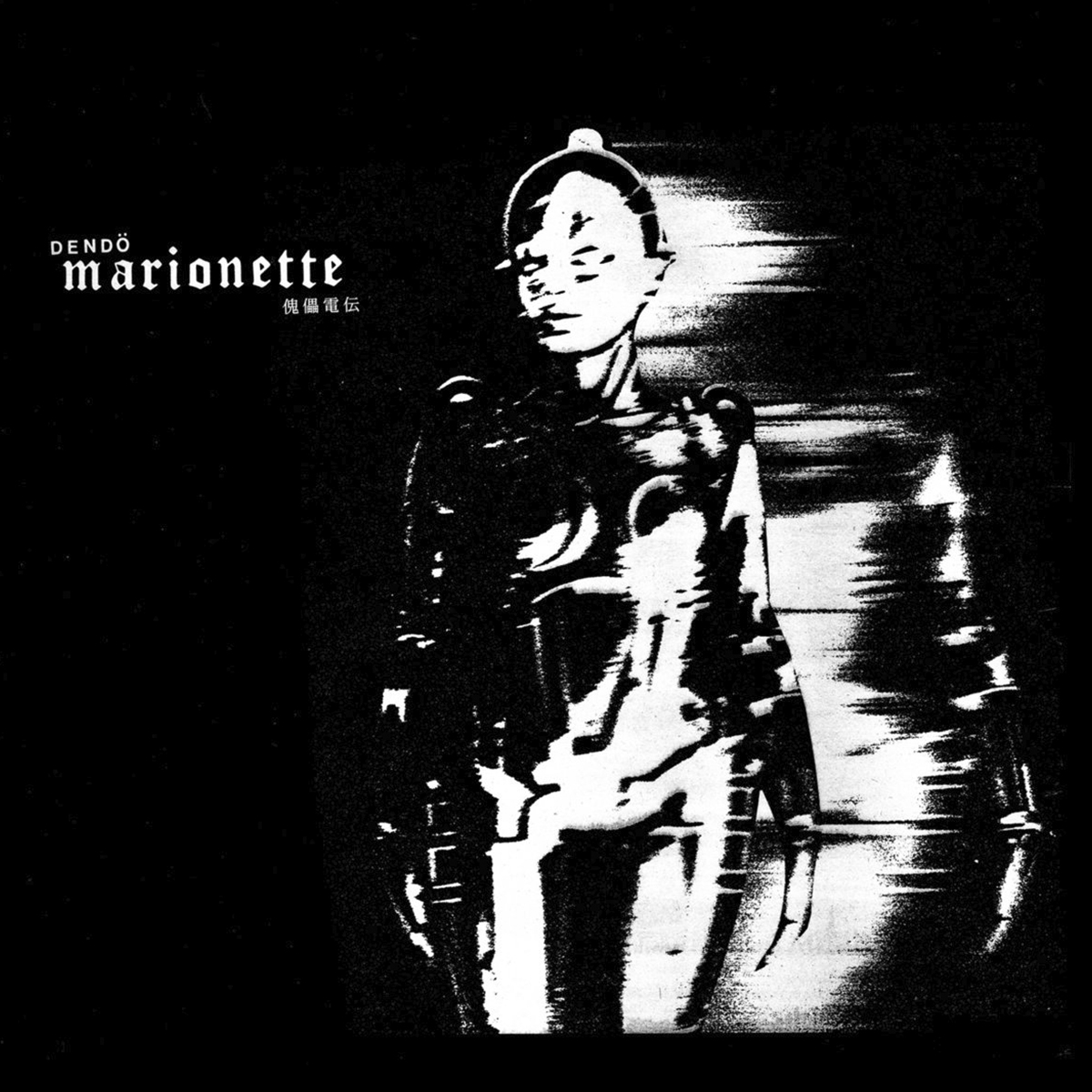
Release Date: 1981 | Label: QP Records
Deep within Osaka’s underground clubs, Japanese quartet Dendö Marionette summoned a cyberpunk vision of gelid synths and brittle drum machines and scored one of the most highly sought-after Japanese EPs of the original new wave.
Packed with four cuts of frosty and serrated electronic conjurings, EP opener ‘Frozen・Edge’ wields a synthpunk whirlwind of frigid tumult, Osamu fronting Jin and Kouji’s scraping synth fight atop Tono’s fevered drum machine with captivating DIY attitude. Spending years lost as a slice of Japanese punk lore, Bitter Lake Recordings eventually dusted off Dendö Marionette for a sorely-needed reissue in 2017.
Cosey Mueller – ‘Trotzstadt’
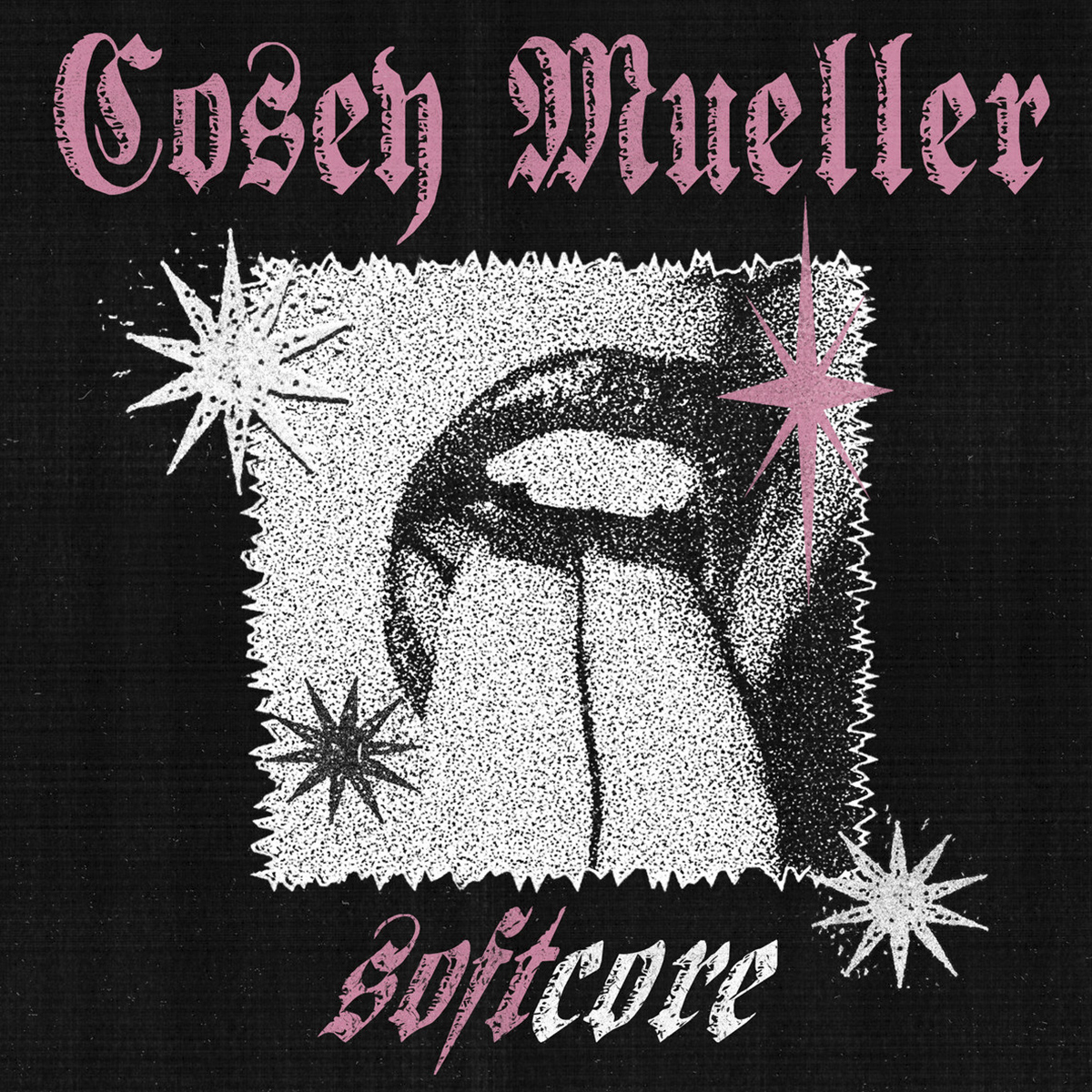
Release Date: October 2024 | Producer: Cosey Mueller | Label: Static Age
Hailing from respectable post-punk stock as co-founder of both Das Das and Glaas, Berlin’s Cosey Mueller decided to go it solo and drop a string of icy synthpunk stompers that stood as tall as the best of her other projects. Racing with drum machine punch and kinetic basslines, it’s nearly impossible to glean one single number to best represent Mueller’s key selection.
If forced, ‘Trotzstadt’ beckons with chilly allure. Awash with radiant guitar struts and meaty keys, Softcore’s essential track shines with propulsive charge and club-thumbing whirl, which never gets old even after a hundred spins.
Nervous Gender – ‘Monsters’
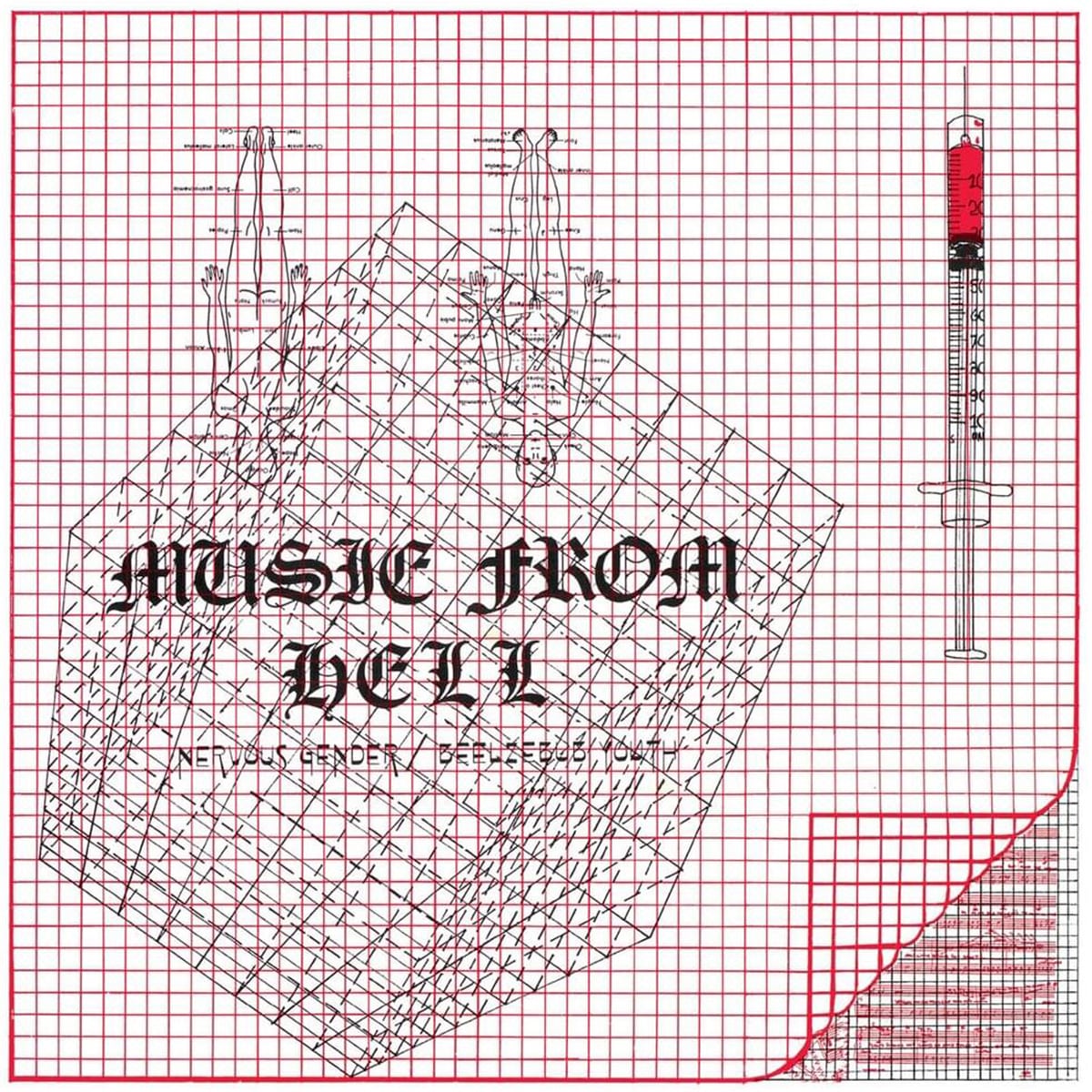
Release Date: 1981 | Producer: Gerardo Velázquez and Michael Fox | Label: Subterranean
They didn’t call their debut Music from Hell for nothing. Dwelling in LA punk’s seamy underground, Nervous Gender spat a highly provocative blast of queer industrial and electronically ravaged garage attack that swiftly garnered a reputation for transgressive belligerence among their street peers like Alice Bag and Germs.
Full of weird and alien visions, ‘Monsters’ wrestles with everything abrasively hooky about Nervous Gender, penning a sinister B-movie snapshot of 20-armed extraterrestrials with ill intent toward a teenage protagonist. Discoloured with eerie disquiet amid the sci-fi imagery, ‘Monsters’ serves well the festering realms Nervous Gender squatted during the synthpunk golden age.
Freak Genes – ‘Power Station’
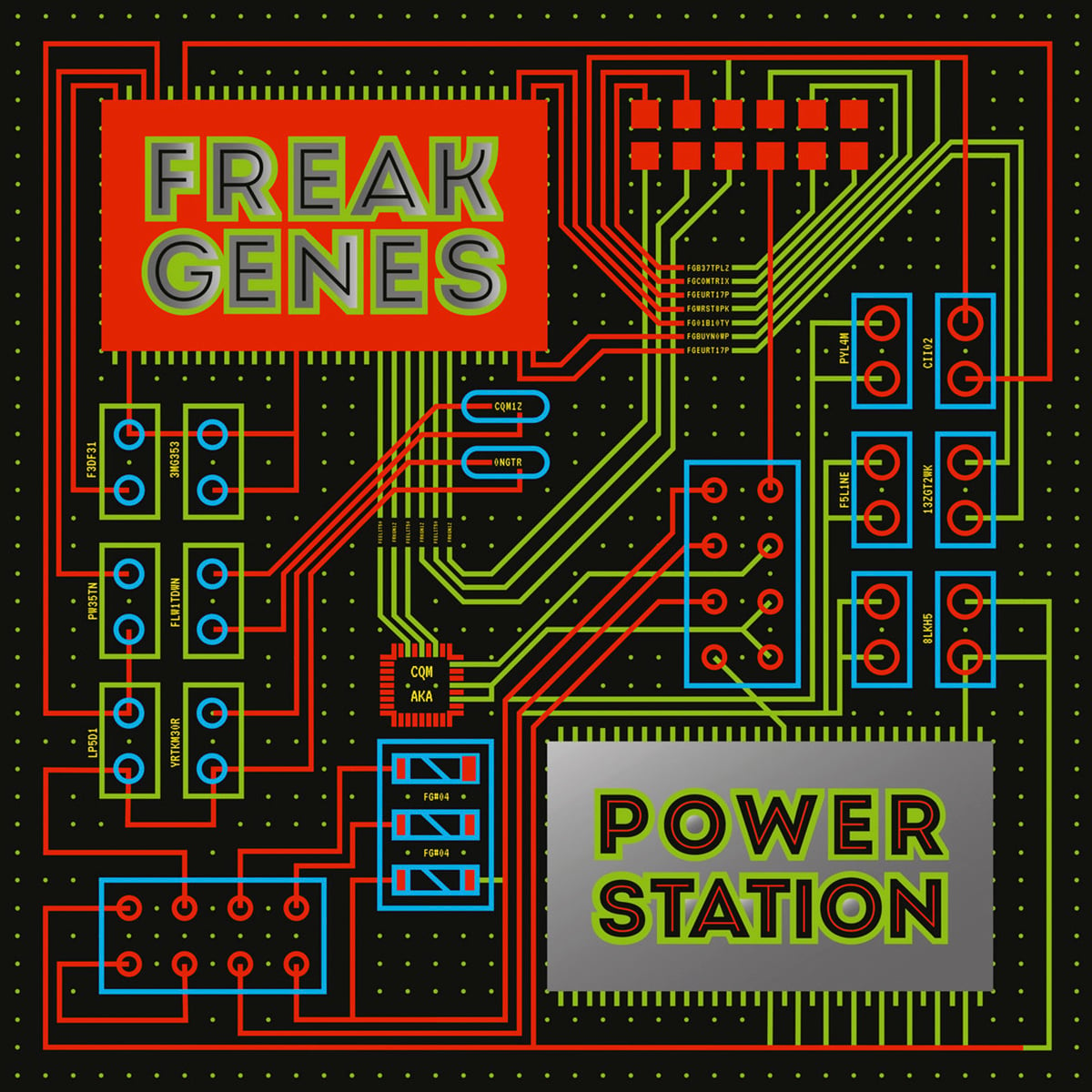
Release Date: February 2021 | Producer: Mikey Young | Label: Feel It Records
There’s a gripping, Hazmat-suited drama to Freak Genes’ synthpunk creations. A joint effort between Charlie Murphy and Andrew Anderson, the pair’s smoggy industrial pop bristles with all the right electrical charge, gleaming keyboards cut like shards against gnashing drum machines as the Freak Genes don their PPE out in the poisoned warzone.
Boasting several cracking albums, Freak Genes’ third LP, Power Station, is as good a start as any. Wielding the almighty title track, Freak Genes plunge their synthpunk evocations with a red-alert urgency, scoring some pulpy comics vignette you’ve dreamed up in your head as the cut’s electronically-fizzed alarm takes its arresting effect.
We’re Jimmy Hoffa – ‘Rock ‘n Roll’
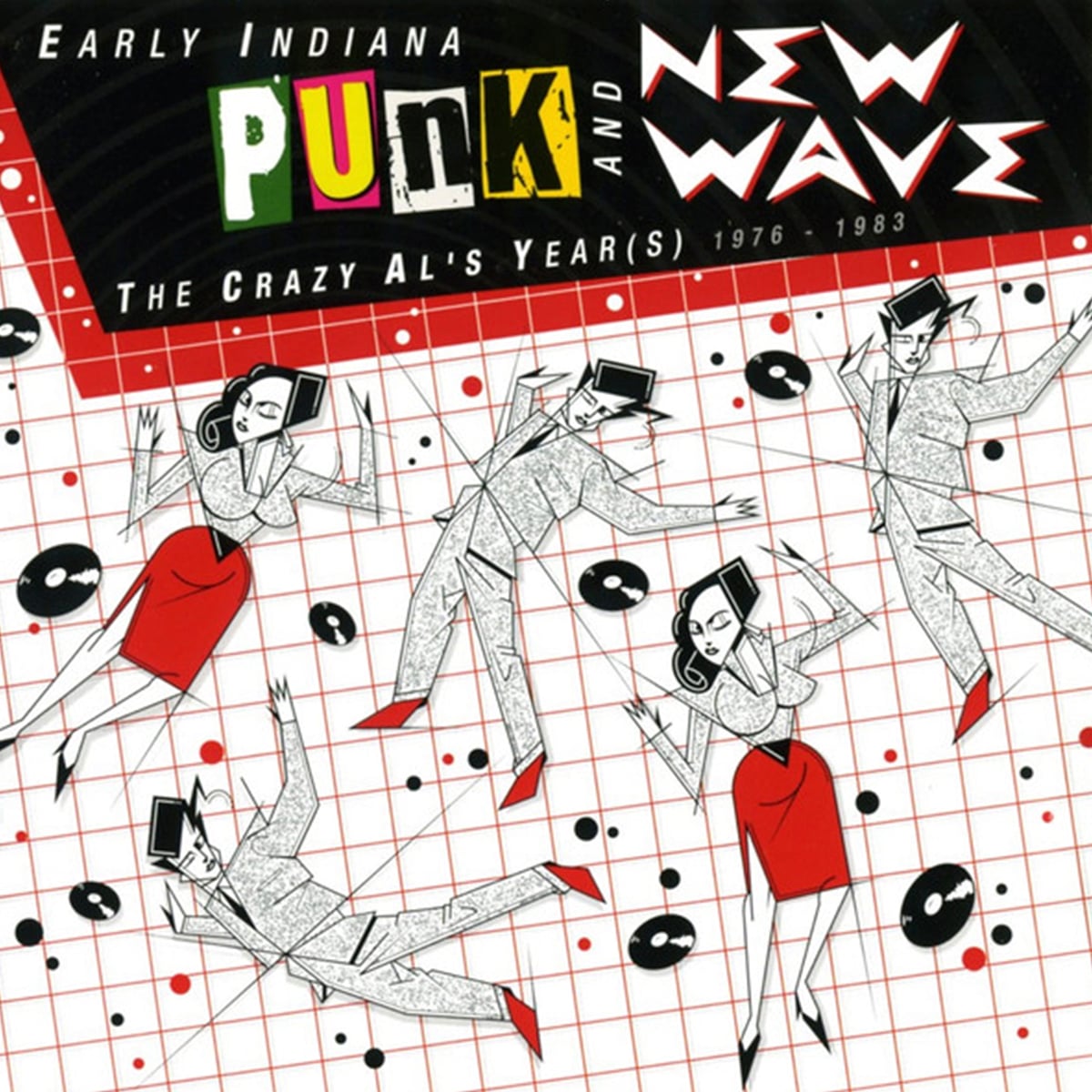
Recording Date: 1982/1983?
They were actually a successor to the much more popular Last Four (5) Digits, who had played high-profile shows of “abstract commercialism”, including packed-out sets at CBGBs. But upon grinding to a halt in 1982, the Indiana quartet reunified under the We’re Jimmy Hoffa moniker to cut several numbers that would never see an official light of day.
Among these scrappy sessions was the excellent ‘Rock ‘n Roll’, a bottle-rocket garage thwacker jittered and bugged-out with Brad Garton’s cheap keyboards. Existing little more than an Indiana punk rumour, We’re Jimmy Hoffa’s buried gem finally saw release on 2014’s excellent Crazy Al’s Indiana Punk & New Wave ’76–’83 compilation, a document of the new wave bands that orbited the city’s beloved pizza restaurant and music club.
XYZ – ‘Nowhere to Go’
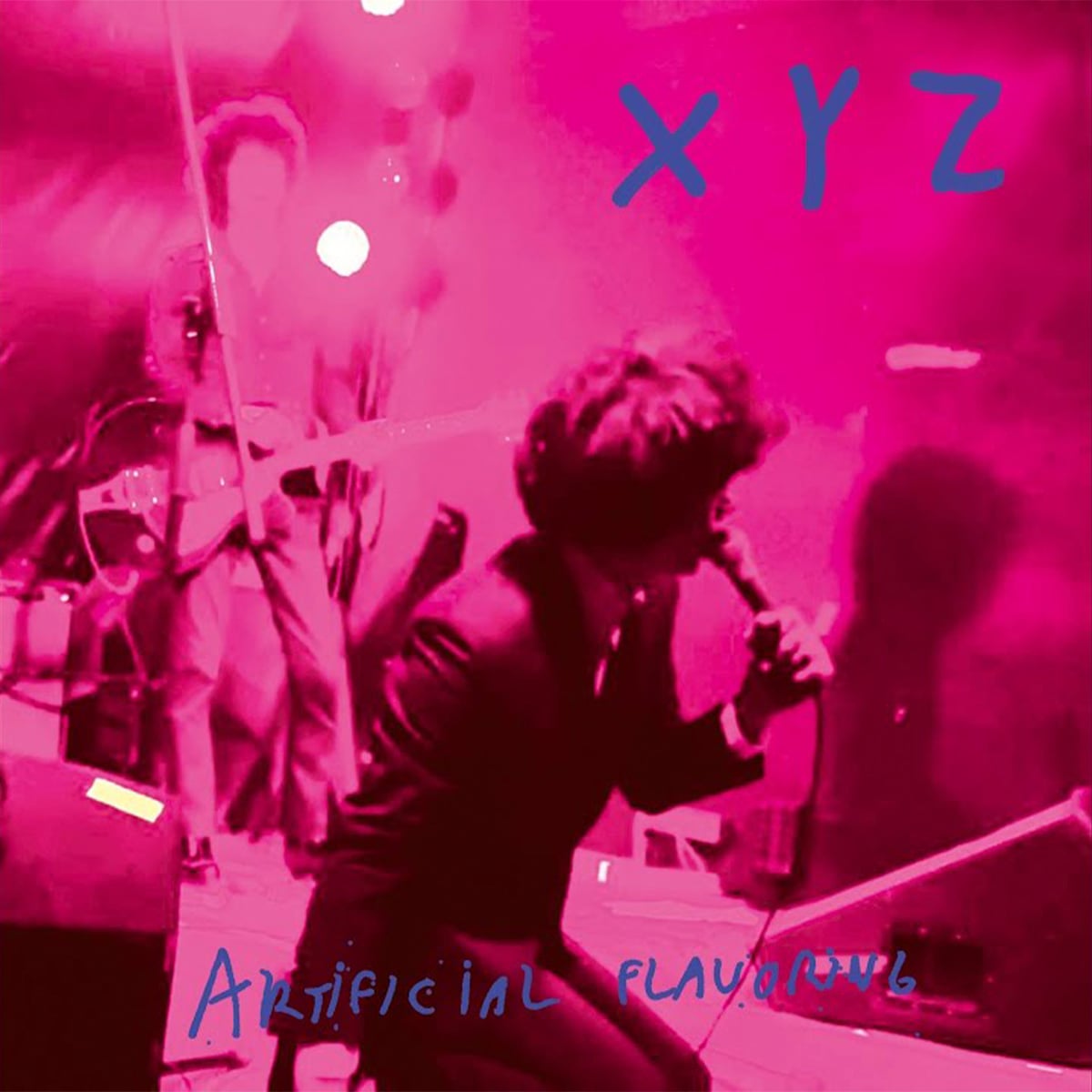
Release Date: March 2018 | Producer: XYZ | Label: Mono-Tone Records
Among the over 20 albums and myriad bands Ian Svenonius has fronted, the XYZ project still stands as the DC punk polemicist’s most engaging effort. A transatlantic collaboration with electronics man Didier Balducci, the pair’s only studio album together, Artificial Flavouring, captures the buzzing, nervous soul of synthpunk’s original 1970s infestation.
Such tightly-wound febrility pulses on the tersely psychedelic ‘Nowhere to Go’, all slithering, biting keyboards winding their way around Svenonius’ shrieking yelps about existential terror. Without ever sounding like a retro imitation act of the old pioneers, XYZ marks a synthpunk presence entirely their own.
The Witch Trials – ‘Humanoids From the Deep’
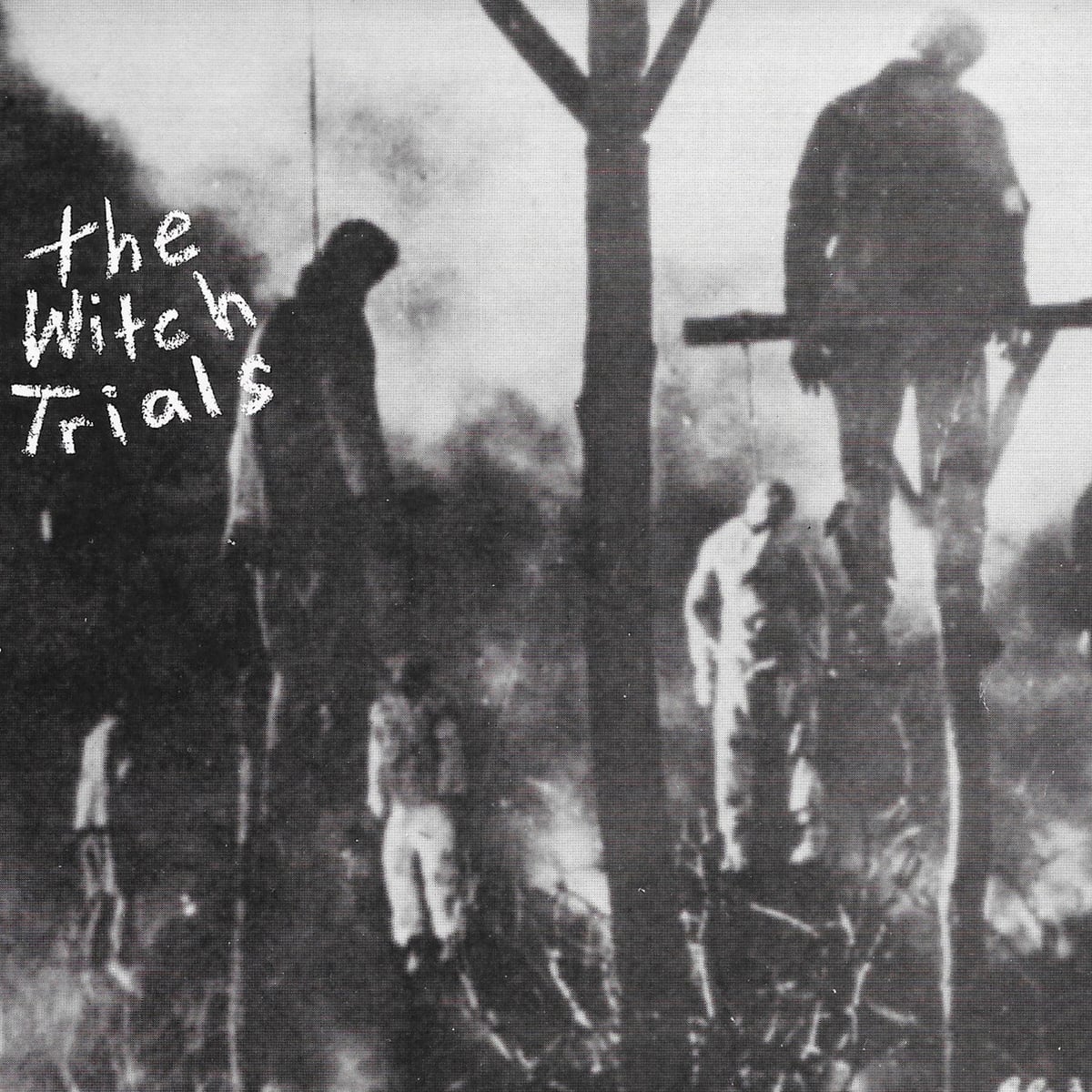
Release Date: 1981 | Producer: The Witch Trials | Label: Alternative Tentacles
Initially, the mysterious Witch Trials dropped their sole eponymous EP with no credits and scant marketing, just offering four eerie visions of synthpunk fed through an EC Comics horror lens. Punk fans would have recognised the unmistakable vocals of Dead Kennedys frontman Jello Biafra, however, adopting his most menacing air yet atop the green, electronic fog clawing out the strange 12”.
It turns out Biafra was in London and hung out at Morgan Fisher’s flat along with members of Christian Lunch and The Sound to spend an evening capturing an impromptu synthpunk jam. Among the four cuts, ‘Humanoids From the Deep’ is the most tentacled, casting an unnerving lyrical tale of radioactive creatures descending to suburban America hungry for middle-class flesh in its electronic bog.
Dow Jones and the Industrials – ‘Ladies With Appliances’
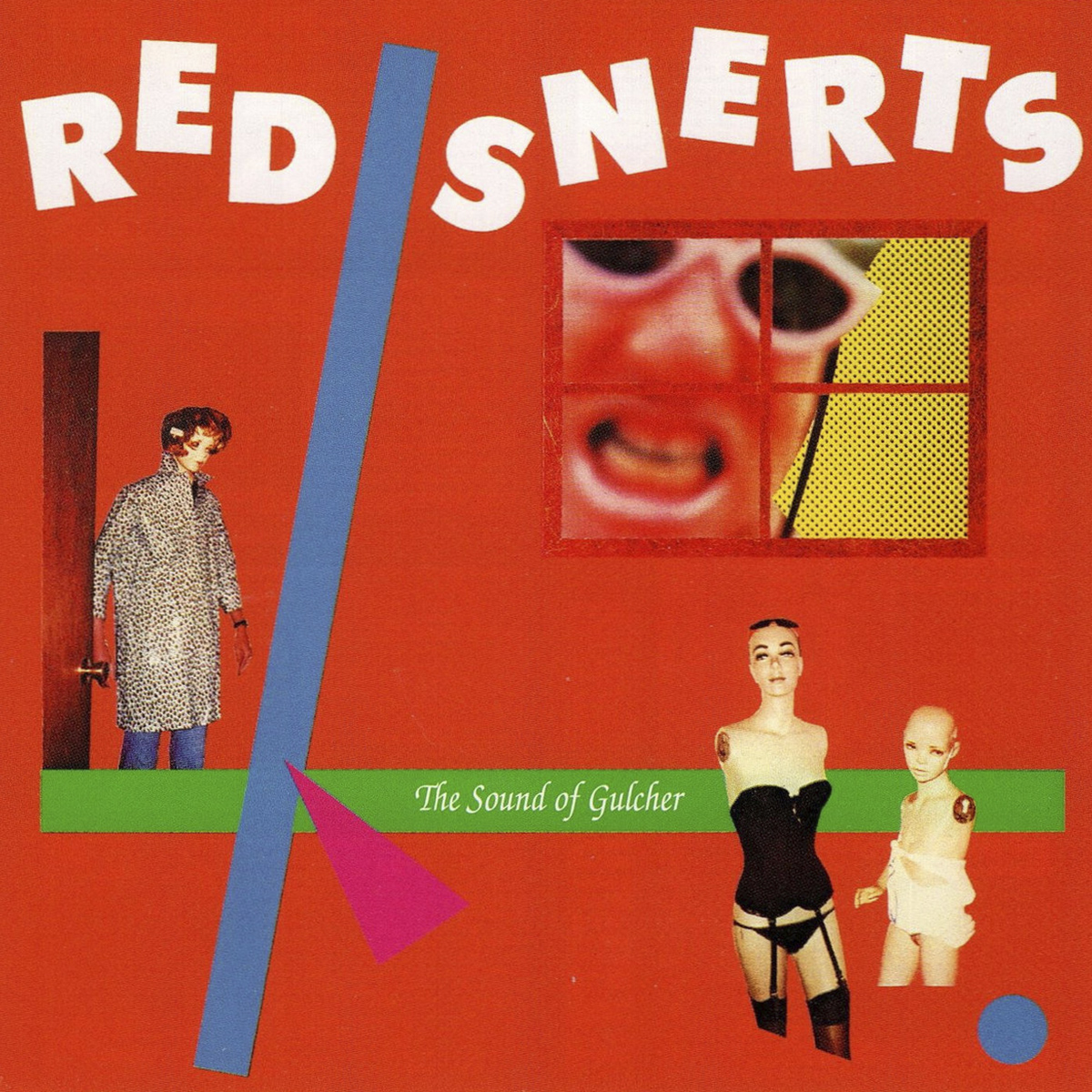
Release Date: 1981 | Label: Gulcher Records
Inhaling some of that Akron rust despite being situated in West Lafayette, Indiana, Dow Jones and the Industrials similarly dealt in synthjunk tales of weird Americana, manic garage hack slathered with Mr Science’s laboratory electronic experiments, the alias of Columbia University computer musician professor Brad Garton, who boasts his own solo material worth looking at.
Managing one split with The Gizmos and an EP, it’s their inclusion on the Red Snerts compilation with the discombobulating ‘Ladies With Appliances’ that stands as their most frenetically brilliant, a compilation from Gulcher Records that collates a bunch of synthpunk gems from the era that deserve your attention.
Sistema de Entretenimiento – ‘Miedo’
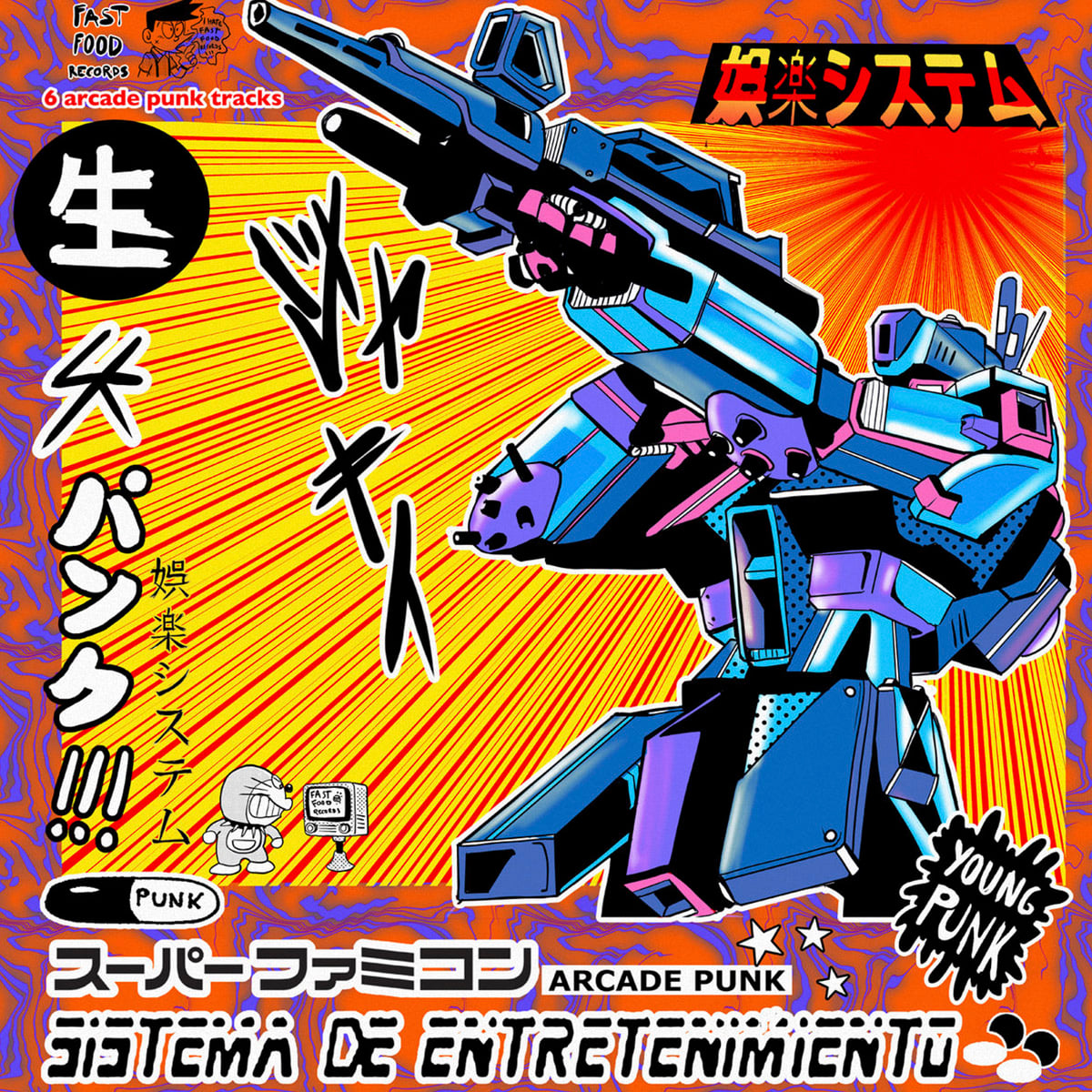
Release Date: December 2020 | Producer: Skiper O’Neil | Label: Fast Food Records
A successor to the best of the Spanish Movida Madrileña new wave heritage, Barcelona’s Sistema de Entretenimiento have been engineering what they call “arcade punk”, terse electronic jabs of drum machine pop pulsing amid big, phat synth lines so aggressively hooky you can sink your teeth into their rubbery melodies.
‘Miedo’s no exception. In the best Sistema de Entretenimiento tradition, there’s a videogame sheen to the fleeting synthpunk slap, a “game over” countdown urgency that renders the trio’s Kraftwerk on speed race all the more gripping. It’s hard not to imagine some final boss waiting around the corner whenever ‘Miedo’s given a spin.
Kitchen and the Plastic Spoons – ‘Fantastic’
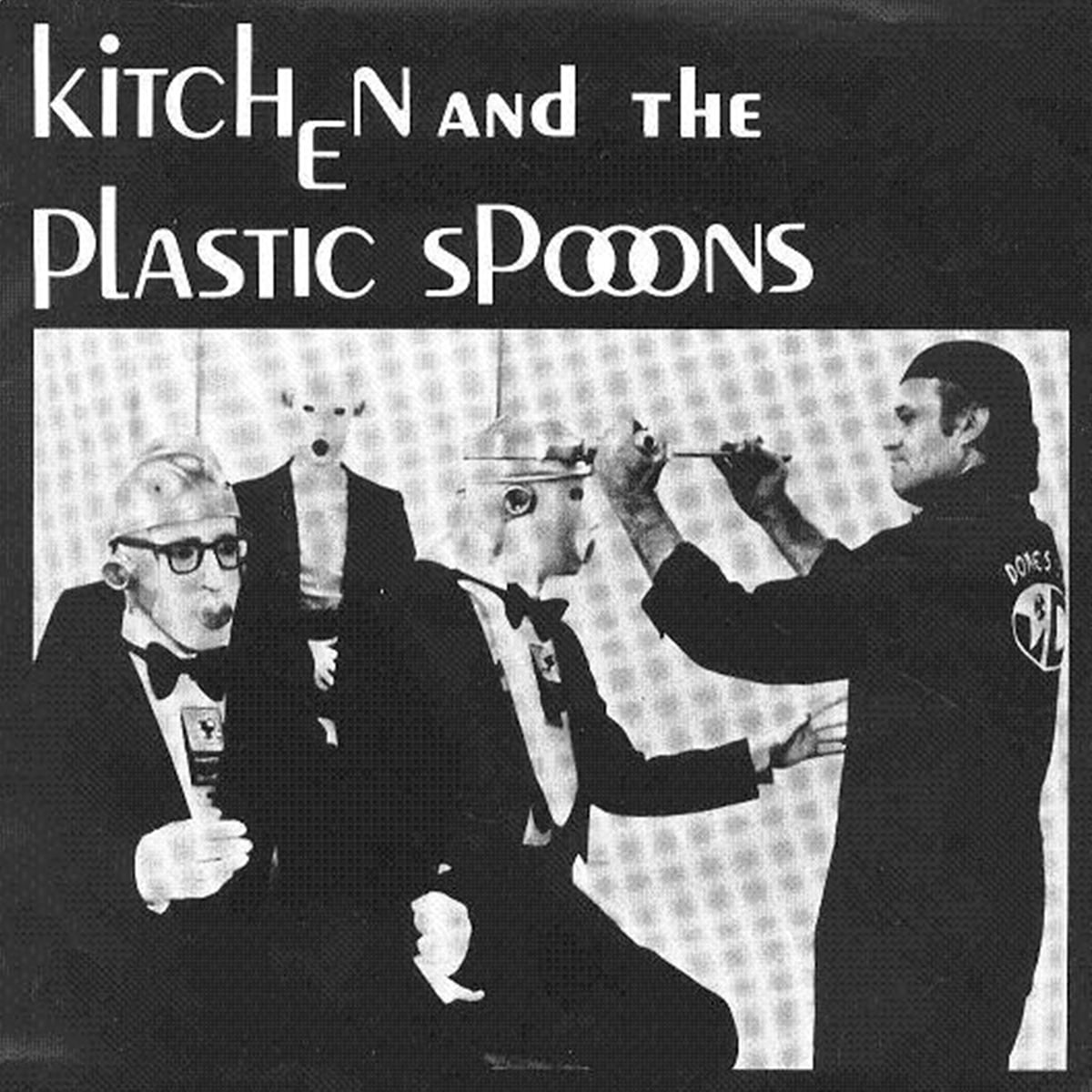
Release Date: 1980 | Producer: Anis and Johan Vävare | Label: Kitchooons Plastics
Formed in Sweden, Stockholm’s Kitchen and the Plastic Spoons seem to lift some of Devo’s acidic surreality but bend and twist their songs into even more tonal and misshapen forms than the original Ohio subversives. Their brief existence yielded a smattering of studio material that all zaps with live urgency, ensuring the punk in the synthpunk without mistake.
Dropping their Serve You! debut EP in 1980, all of Kitchen and the Plastic Spoons’ molten weirdness is on oozing display for ‘Fantastic’s oozing avant-pop offering, bubbling and foaming with elastic keyboards against Anne Taivan’s spiky vocal commands.
Cuir – ‘Ton Cuir Noir De Merde’
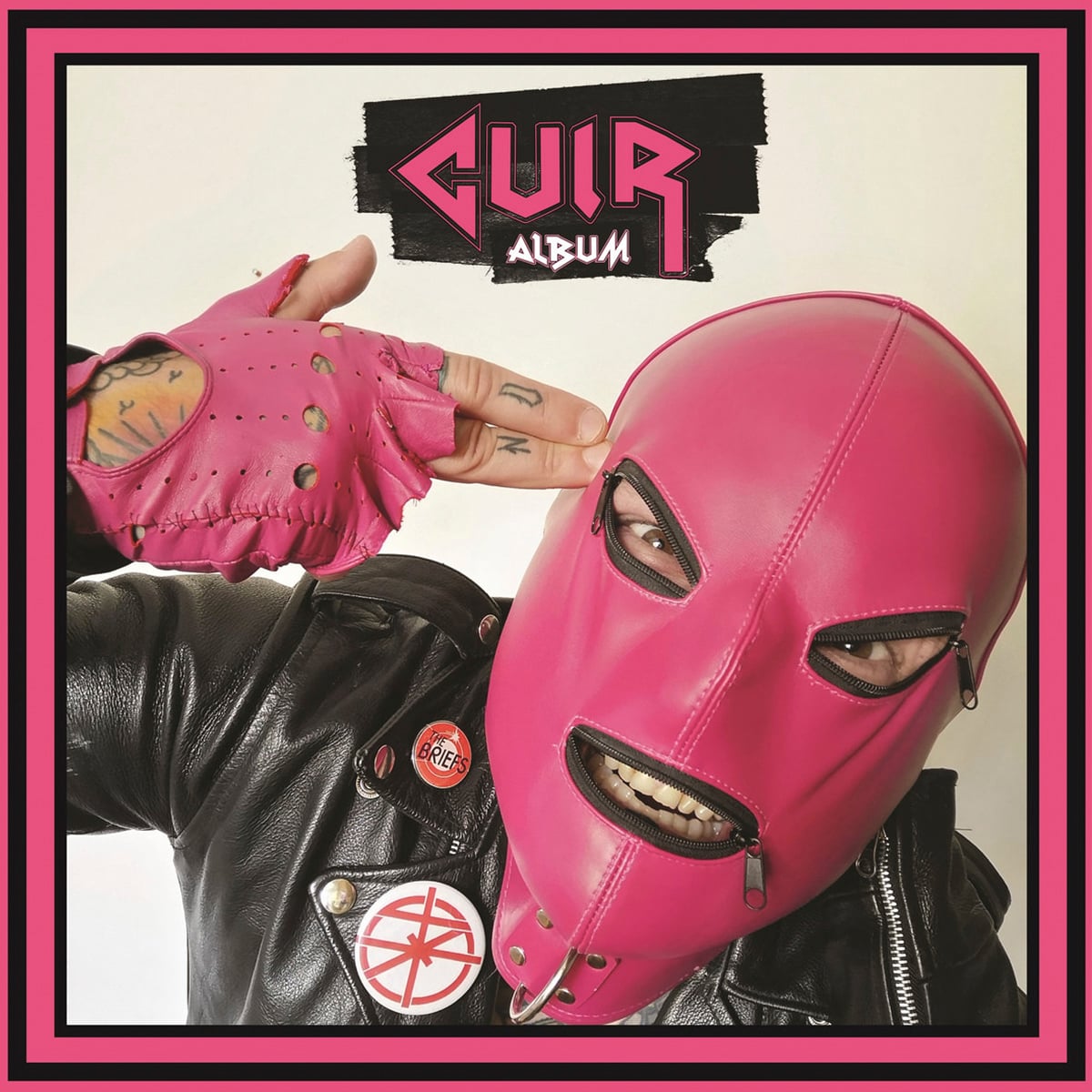
Release Date: January 2021 | Producer: Jacky | Label: Rockstar Records
Showing that synthpunk can be bright, shiny, and still packing a beefy rock attack, the French Cuir brews an irresistible mix of Oi! street swagger and euphoric keyboard melodies, fronting the deliriously fun rock attack in a biker jacket and a hot pink gimp mask.
It works. The alias of Breton punk veteran Doug Zilla, Cuir’s synth explosion finally saw an LP with 2021’s Album, packed with cracking tracks, but it’s the cover of old Marseille band La Flingue’s ‘Ton Cuir Noir De Merde’ which flashes Cuir’s arresting synthpunk blast, hooky as hell and impossible not to be swept up in.
Chrisma – ‘Black Silk Stocking’
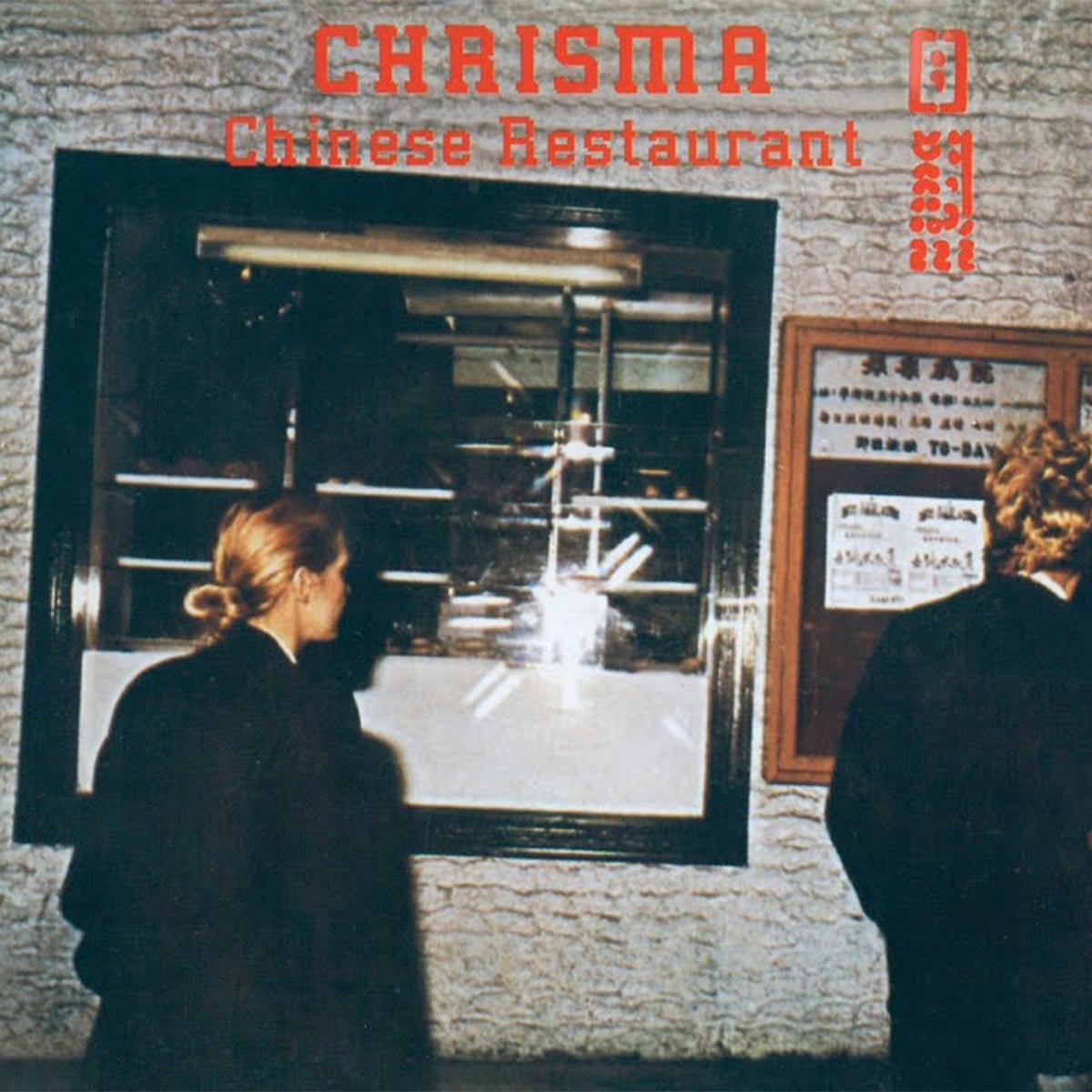
Release Date: 1977 | Producer: Niko Papathanassiou | Label: Polydor
Comprised of husband and wife duo Maurizio Arciere and Christina Moser in Milan before decamping to London, the pair cut their debut album Chinese Restaurant at Vangelis’ Nemo studios with his brother in the producer’s chair. The result was a seductive brew of NRG disco and post-punk that sounded years ahead of its time.
Among an album of expertly dramatic synthpunk, ‘Black Silk Stocking’ will always stand as Chrisma’s defining cut. A driving electro kicker wrapped in amorous charge, Moser plays the part of an alluring temptress while Arciere works the gristly electronics for a buried jewel of 1970s pop edge.
Crash Course in Science – ‘Cakes in the Home’
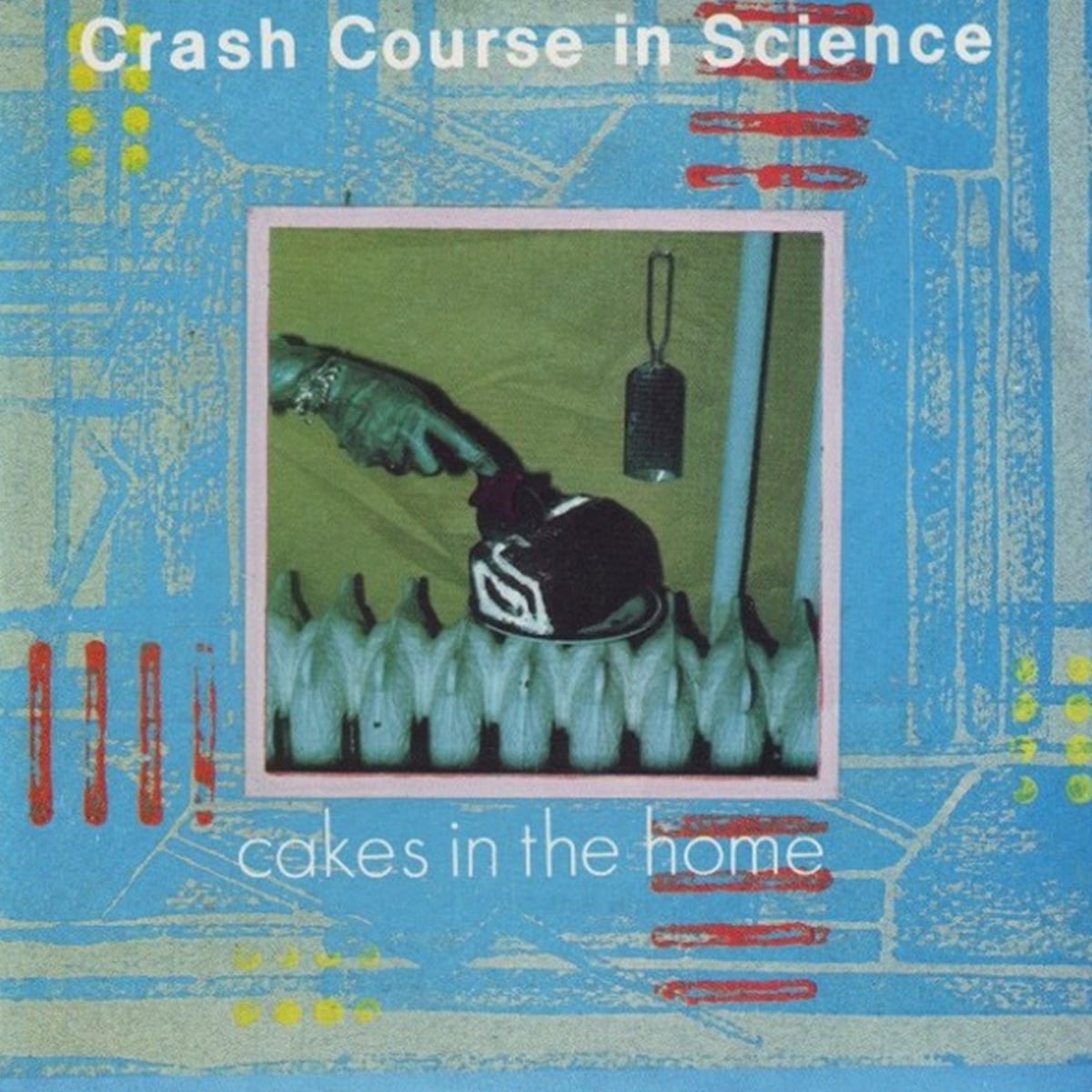
Release Date: 1979 | Producer: Crash Course in Science | Label: GO GO Records
Before their later, more spikier offerings, Philadelphia’s Crash Course in Science embraced a novel sound font for their lo-fi eccentricity. Toy instruments and kitchen appliances all forge just as crucial a sonic presence as their primitive synths and fuzzy drum machines, twisting their idiosyncratic synthpunk into a surrealistic view of domestic weirdness.
It’s all fizzing and popping over ‘Cakes in the Home’. Dropped on their namesake EP, Crash Course in Science’s offbeat examination of cake packages and instructions wears their art-school burnishing on their sleeves, throwing together their slanted lyrics and crude tape experiments in one gloriously chaotic collage.
Terror Visions – ‘Master Wait’
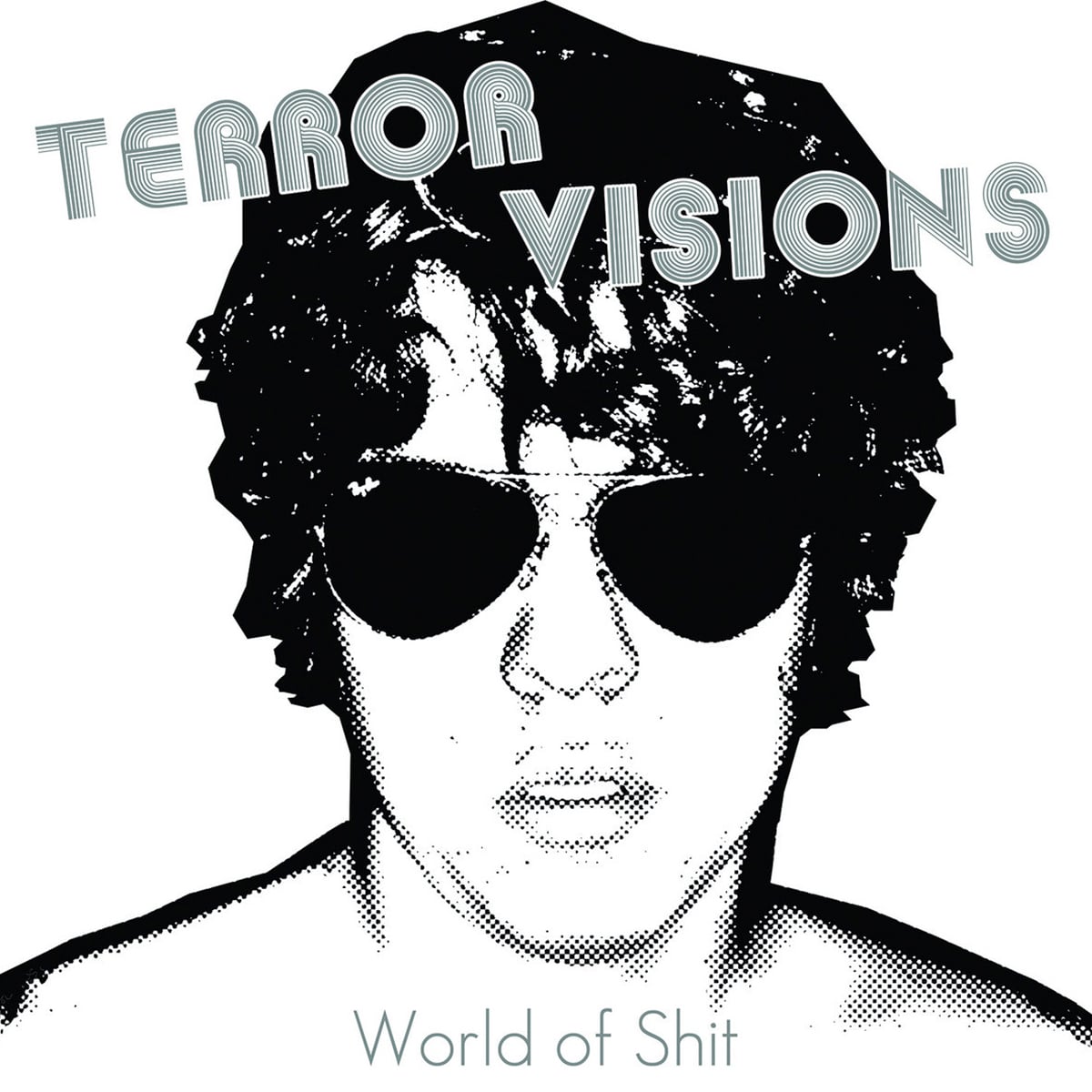
Release Date: June 2007 | Producer: Jay Reatard | Label: FDH Records
There was really no one else doing it like Jay Reatard across the 2000s. Jumping from The Reatards’ scuzzy garage assault in favour of Screamers style synth attack, the late Memphis punk raced through several lauded bands from Lost Sounds, Nervous Patterns, Angry Angles, and his two solo records before dying in 2010.
It’s his Terror Visions moniker which unleashed his most raw, purest synthpunk pummel, however. Scoring the only album, World of Shit, each blast is caked in gurgling electronics and analogue thrash, the sizzling ‘Master Wait’ just inching past the rest of the cuts as the record’s most illustrative example of Terror Visions’ half-tuned effrontery.
Special Interest – ‘Young, Gifted, Black, in Leather’
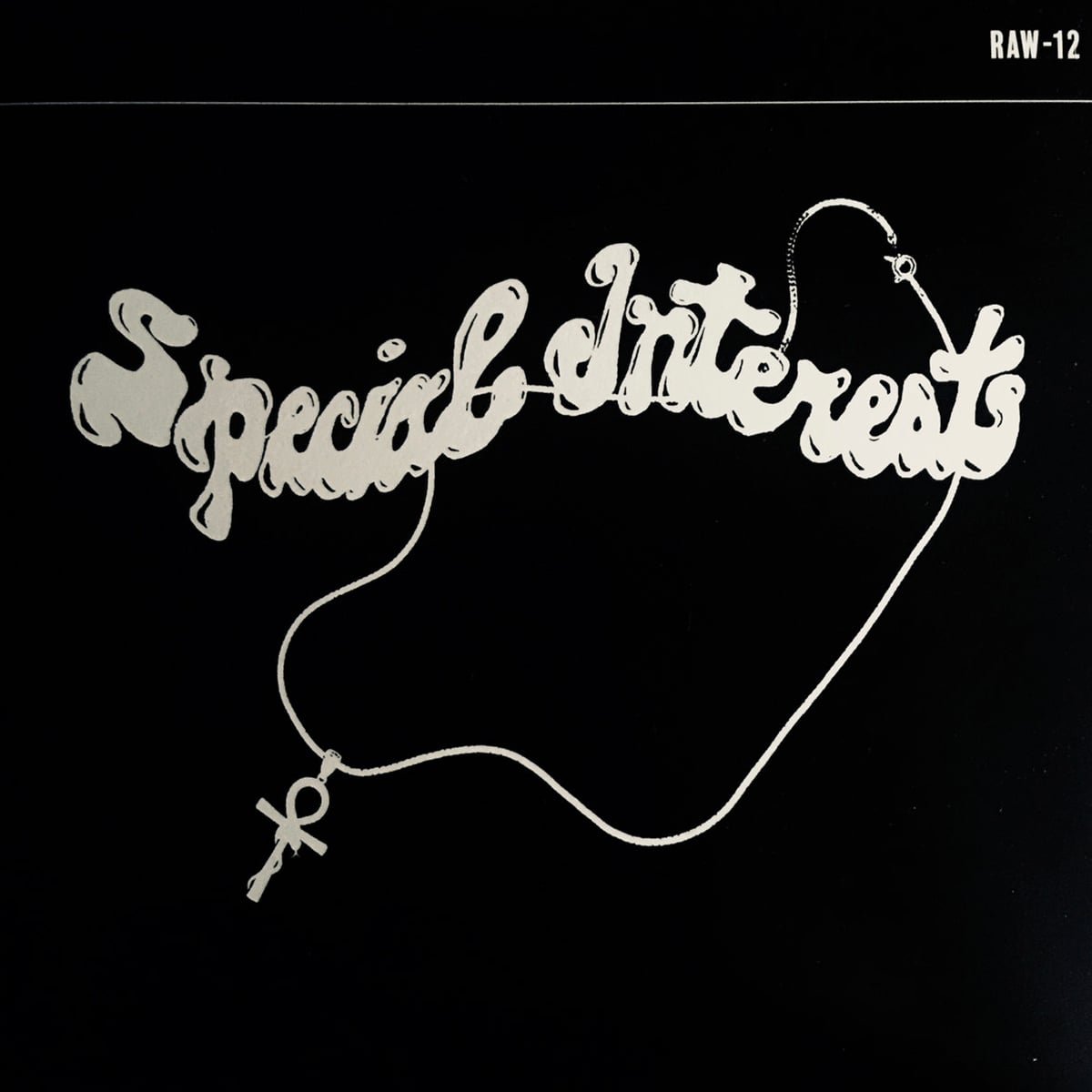
Release Date: February 2018 | Producer: Quintron
An eagerness to slap you out of your complacency is felt starkly the moment ‘Young, Gifted, Black, in Leather’ throws its first punch. Opening with Nina Simone’s “shaking people up” musing from the zenith of her Civil Rights radicalism, Special Interest too sought to wield their gutter-punk no wave as an explosion against the forces of oppression.
Fuelled with Ruth Mascelli’s sizzling electronics and whip drum machine, Alli Logout spits a defiant synthpunk attack that wrestles Blackness, queerness, and underground kink as feverish bursts of both liberatory affirmation as well as a hatchet against prurient conservatism. Special Interest would go on to drop fantastic albums, but it’s Sprialing’s ‘Young, Gifted, Black, in Leather’ where they sound their most raw.
Control Test – ‘No Me Digas Nada’
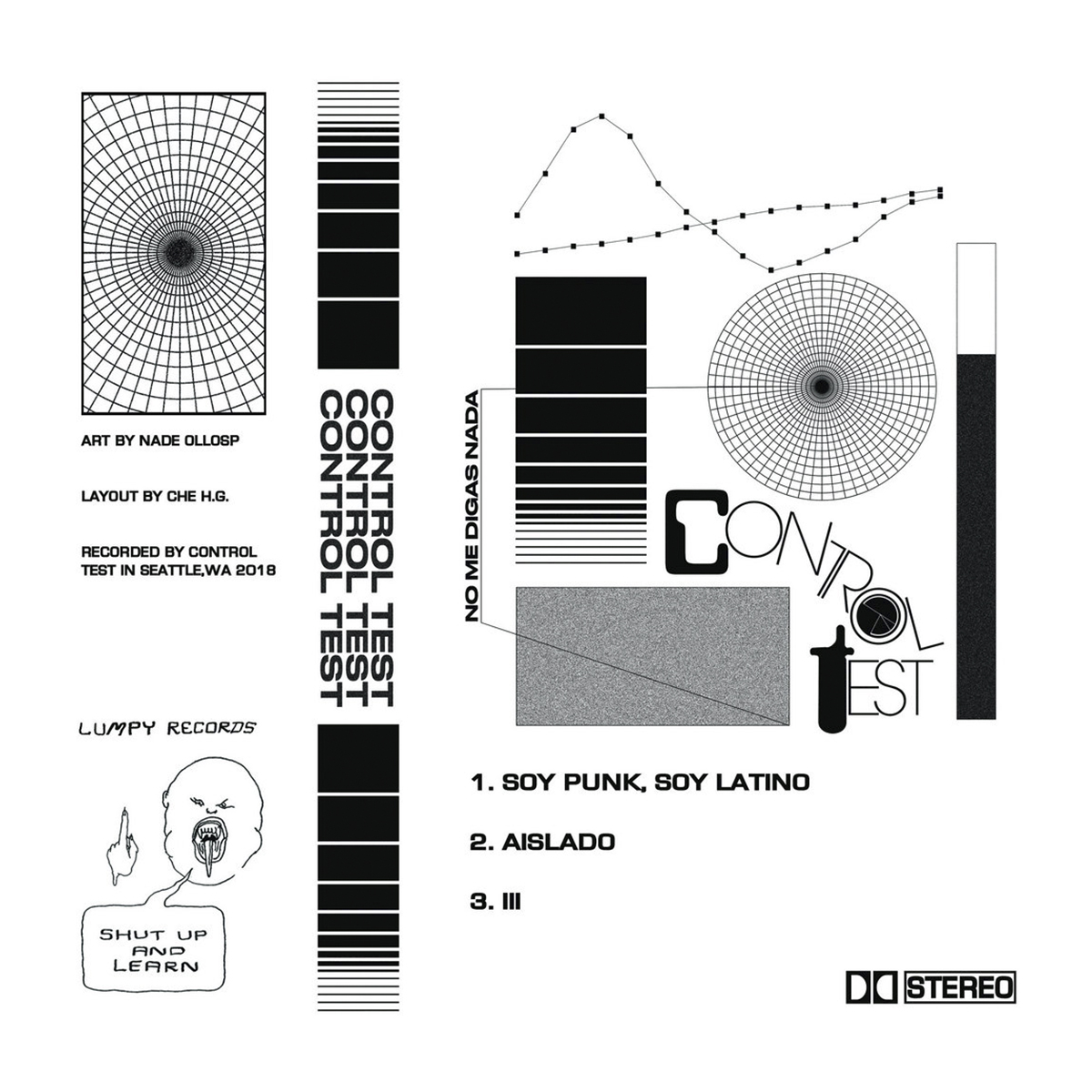
Release Date: September 2017 | Producer: Captain Tripps Ballsington | Label: Tape Appeal
While short-lived, Seattle’s Control Test packed an almighty punch across their brief blip on the synthpunk fringes. Fuelled with live drum pummelling, meaty keyboards, and the tightly wound eruption of Anthony Gaviria from Freak Vibe and Lysol, Control Test charged through their live wire numbers with ferocious speed.
Clocking in at less than a minute, the burning ‘No Me Digas Nada’ – Spanish for “Don’t tell me anything” – aptly captures Control Test’s dizzying detonation, borrowing from The Screamers’ electronic fever but injecting a deeper dose of hardcore rage. Tuned with razor-sharp atonality and clammy throttle, the keyboards that charge Control Test’s jugular attack sound just as vicious as any guitar among punk’s unwieldy underground.
Neon – ‘Informations of Death’
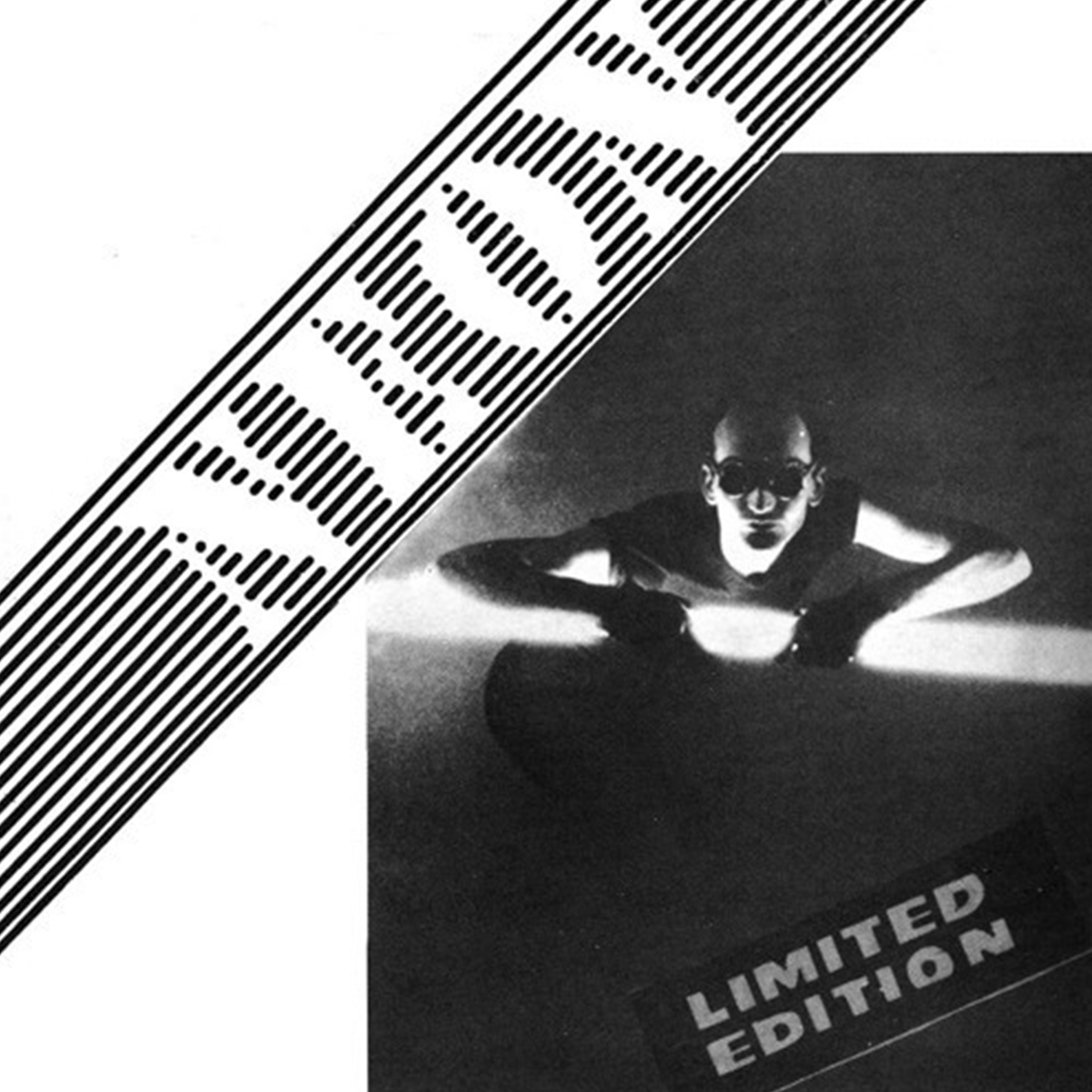
Release Date: 1980 | Label: Urgent Label
Hailing from Italy’s darkwave scene concentrated in Florence by the end of the 1970s, Marcello Michelotti and Stefano Gasparinetti Fuochi looked to the emerging minimal synth dotted around the continent to cut their own, wiry, pulsing variant of interrupted synthpunk.
While later fleshed out to a full band for their sole LP Rituals, it’s 1980’s debut single ‘Informations of Death’ that captured Neon at their most fuzzy and austere, cheap, battered basslines and static drum machines all fizzing and popping together with biting menace. Encrusted with remote conversations, radio interference and Michelotti’s subterranean vocals, ‘Informations of Death’ entry to the synthpunk world stands as an essential of Italy’s entire post-punk output.
Leeches – ‘Nuclear Neurosis’
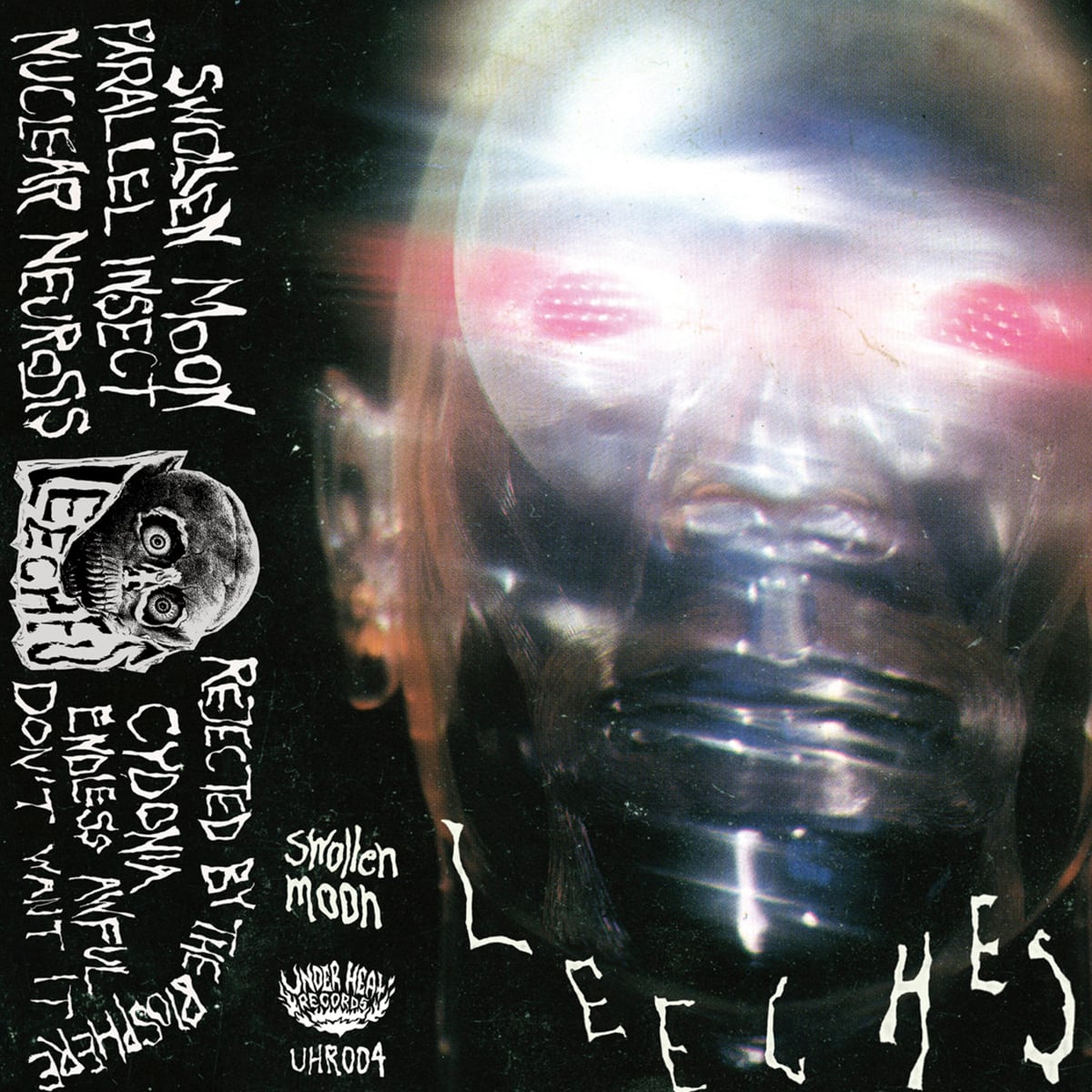
Release Date: March 2020 | Producer: Jake Robertson and Billy Gardner | Label: Under Heat Records
For the best part of ten years, Sweden’s Leeches have been wrestling some of the most extraterrestrial takes on synthpunk’s outer reaches. Wriggling with Lovecraftian horror, Leeches’ world is teeming with ghoulish entities, creeping threats, and alien beings wandering the brains behind the operation of Henrik Berg’s feverish imagination.
Amid a run of excellent albums and EPs under the Leeches moniker, 2020’s Swollen Moon arguably possesses their archetypal cut, ‘Nuclear Neurosis’, landing with juddering, spasming surge coated in a din of space junk guitar thrash and Hawkwind-style sonic chasm. Elevating the piece to extra spook is the apparitional vocals that haunt throughout, giving voice to the litany of cosmic monsters across Leeches’ eerie terrain.
Ausmuteants – ‘Daylight Robbery’
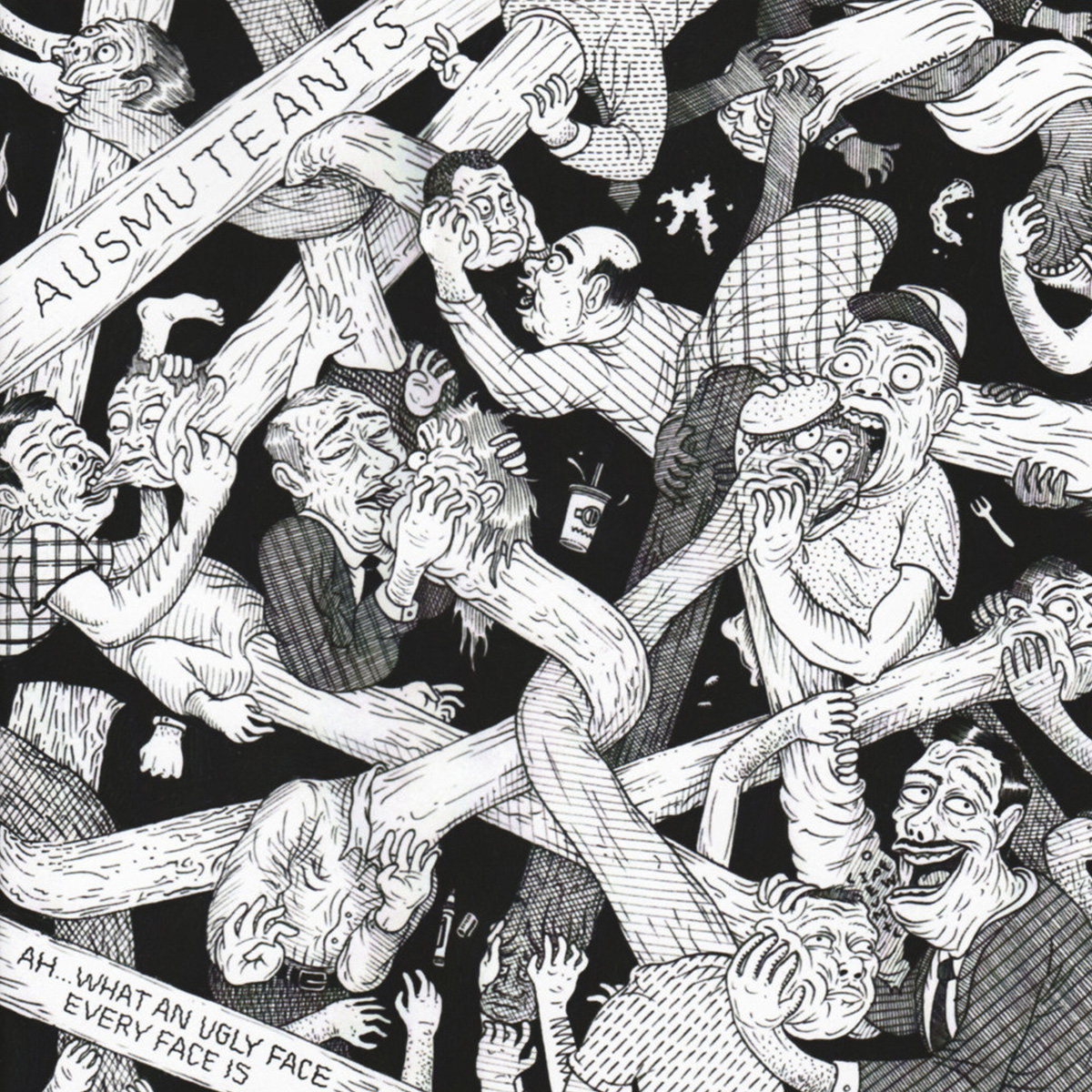
Release Date: November 2013 | Producer: Jake Robertson and Billy Gardner | Label: Aarght Records
Whatever’s in Melbourne’s weird air, it’s hard to think of any other city that could’ve birthed keyboard-gunked garage rockers Ausmuteants. Formed at the tail-end of the 2000s by Geelongers Jake Robertson and Billy Gardner, the pair took the synthpunk pointers from Chrome and Tuxedomoon and imbued them with their unabashed lyrical juvenility.
‘Daylight Robbery’ from 2013’s eponymous debut is as good an introduction to their buzzing punk hooks as any. Fittingly scoring the adrenaline-filled scenario of a broken glass shop theft in broad daylight, Ausmuteants race through the cut’s choppy two-odd minutes with breakneck speed and heightened drama, all panicked red alert as our protagonists speed off with the stolen cash/jewels/music gear/whatever’s been pilfered. Coated with an irresistible synth melody, ‘Daylight Robbery’s frenzied charge still hits with impossible levels of stampeding fun.
POW! – ‘Disobey’
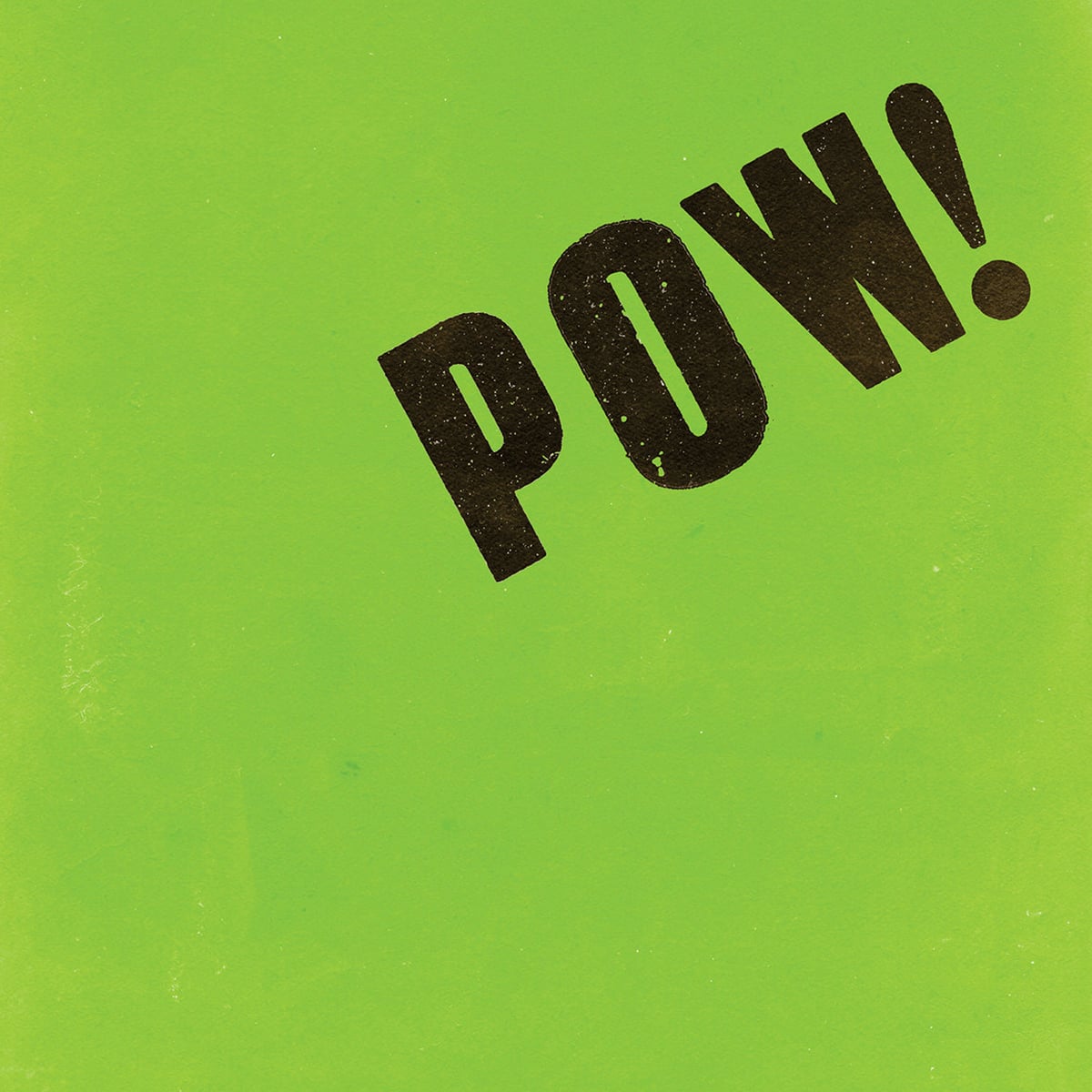
Release Date: May 2019 | Producer: Byron Blum and Tommy Dolas | Label: Castle Face
Shaped by San Francisco’s art-punk heritage but decamping to Los Angeles to wallow in the city’s grubby glitz, POW!’s core duo of Byron Blum and Melissa Blue nabbed the best of both worlds for a fizzy mulch of gutter glam swagger and synthpunk teeming with lysergic snarl.
Slapping their fourth LP Shift with their simple but effective graphic stamp, POW! delivered another arresting charge of mutoid Roxy Music, but ‘Disobey’ leapt out of the speakers with the most psychotropic threat. All wriggling garage and atonal synth lines, ‘Disobey’ flashes a masterfully alien tension throughout its oil-slicked fever, saturated with weird electronic scree for extra zap. With POW! dropping the odd live dates in the last couple of years, here’s hoping a new studio LP is on the glowing, green horizon.
Nervous Guy – ‘Cybergang’
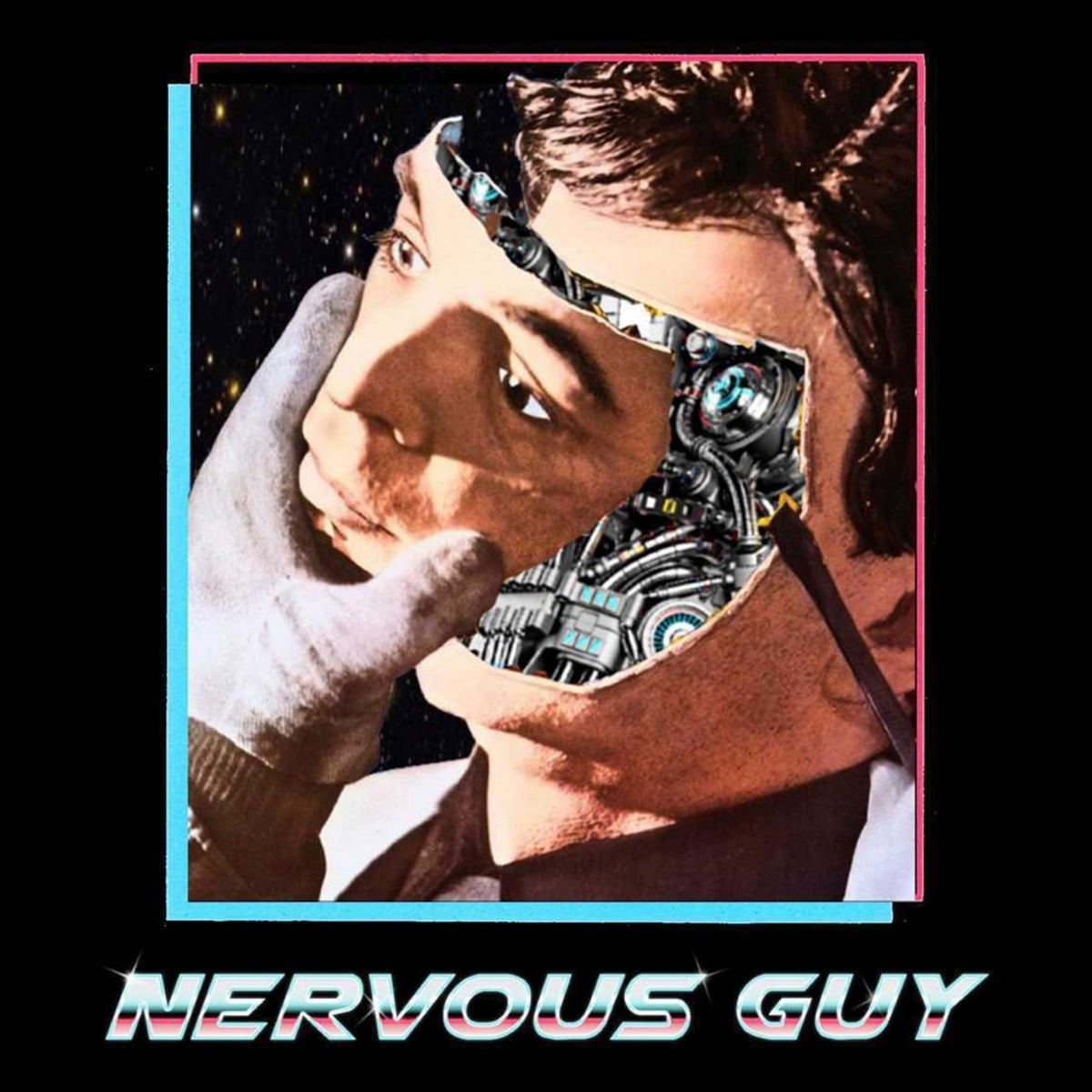
Release Date: October 2021 | Producer: Nervous Guy
Born in the Pandemic, disparate members of hardcore groups Content, Leakage, and Mystiker joined forces for the dystopian side-project Nervous Guy, a dramatic slice of steaming New York punk laced with a nasty buzz of electronics and janky synths. Complete with its own comic narrative involving VR devices to harness the masses’ collective labour, 2021’s Nerva Sky dropped a fun window of 2000 AD-style escapism while also still conjuring a pertinent commentary on late-stage capitalism.
Amid ten blistering charged synthpunk cuts, ‘Cyber Gang’ is Nervous Guy’s finest moment. Charged by an impossibly electric surge of celestial chimes and inverted garage rock, the gang unleash a dizzyingly gripping reimagination of their hardcore stripes, spiking their tech-punk attack with a sincerely apocalyptic clarion call.
Dramachine – ‘Διακοπές στη Δράμα’
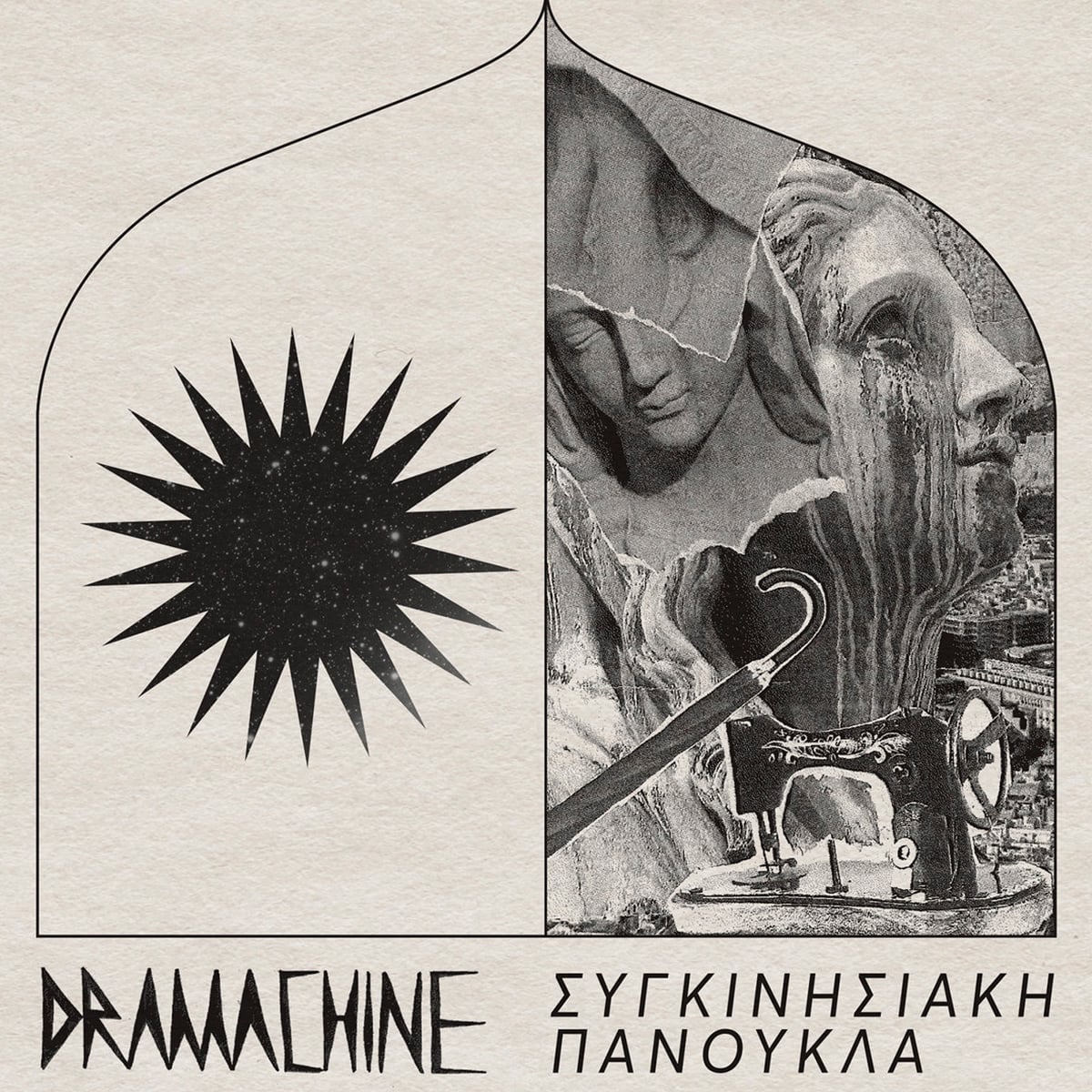
Release Date: October 2021 | Producer: George Christoforides | Label: Erste Theke Tonträger
The band name’s apt. Throughout the Athenian trio’s last six years of odd releases, a heightened state of emergency hovers in Dramachine’s air, flexing frenzied drum beats and scorching guitar with shrieking synths all running around in panicked, flapping circles. Straddling a weird middle ground of acidic barb and shiny good cheer, Dramachine manage to poke rays of light into their electro pummel.
Dropping their debut LP Συγκινησιακή Πανούκλα in 2021, Dramachine grabbed a fever pitch of synthpunk surge on the deliriously careening ‘Διακοπές στη Δράμα’. Greek for ‘Holiday in Drama’, Dramachine inject a shot of adrenaline into the synthpop vehicle, Lisa Klez’s drum machine unrelenting in its percussive punch, while Eleni Mandy and Babis Sugar both deploy an expert slice of growling harmony.
Métal Urbain – ‘Panik’

Release Date: May 1977 | Producer: Métal Urbain | Label: Cobra
Just as punk rock was reaching France in earnest, singer Clode Panik and electronics programmer Éric Débris conceived the idea of combining their love of The Clash with Lou Reed’s punishing Metal Machine Music’s modular screech. Such a creative partnership birthed Métal Urbain. Along with initial guitarist Rikky Darling’s heavily distorted and tinny guitar, the French punk pioneers helped pave the road to synthpunk almost by accident.
Landing in the Parisian underground, Métal Urbain’s debut single ‘Panik’ can confidently count itself as in the top five or so of French punk. Filled with frontman Panik’s angsty vocals, ‘Panik’ scrapes and bristles with static belligerence, like a detuned radio about to bite your arm off. Proving so enduring, Dead Kennedys frontman Jello Biafra eagerly stepped up to production duties for long awaited second album J’irai chier dans ton vomi in 2006.
Sixteens – ‘Aphrodite’
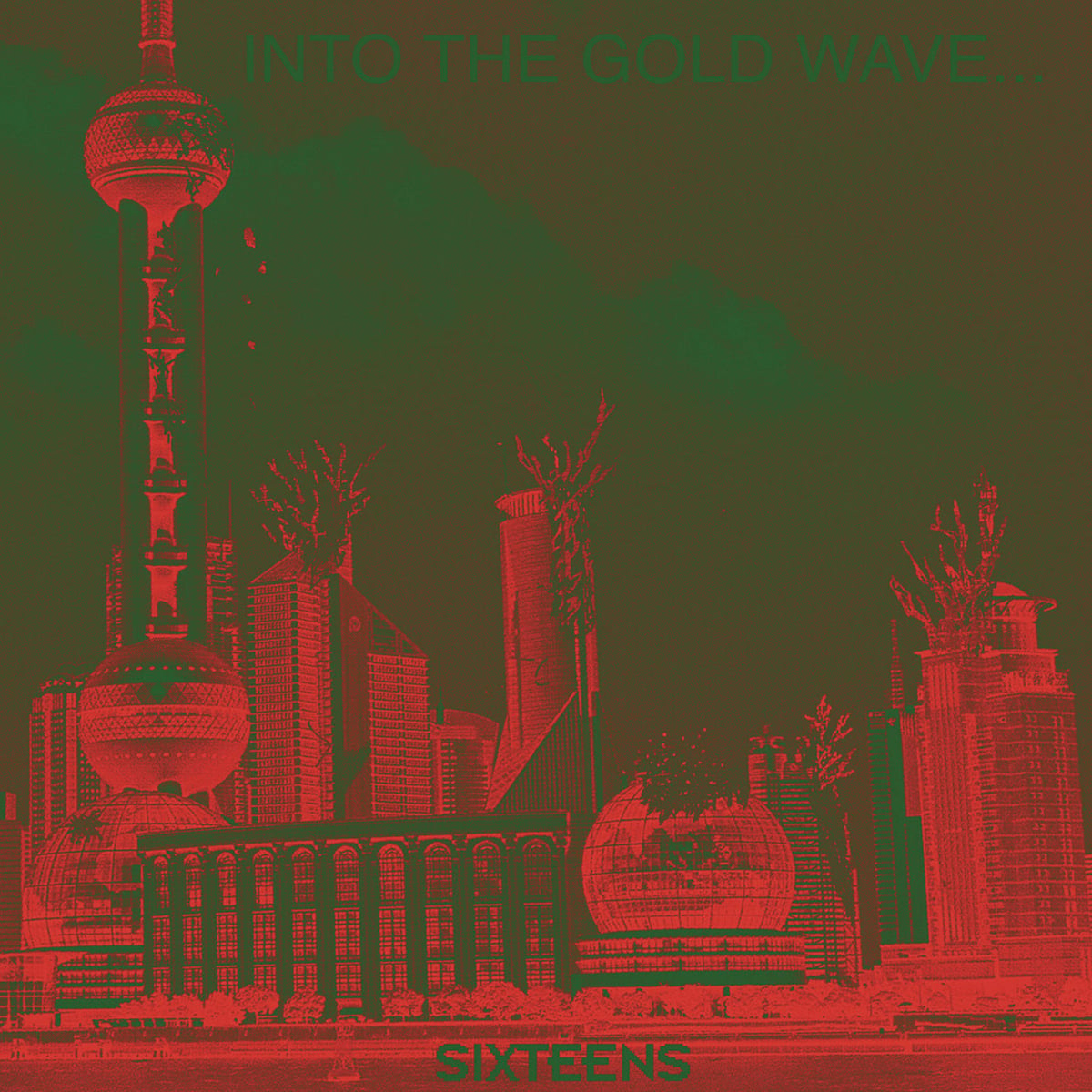
Release Date: September 2007 | Label: Hungry Eye Records
Wrapped in electroclash shimmer and somewhat in touching distance with the synthier end of garage rock à la Jay Reatard, Sixteens’ core-duo Kristen Louise and Veuve Pauli seemed to soak up the potent musical undergrounds that served Sixteens’ locales, chiefly San Francisco’s colourful art-punk heritage and Berlin’s echoes of spooky post-punk edge.
Amid the static scramble of their Into the Gold Wave of Future Non Rip-off! sophomore, ‘Aphrodite’ splits the most weird discoball energy. Synthpunk’s white knuckle fist tenses with balled-up seethe in the centre, but wrapped around its chintzy keyboards is the meanest bass line you’ve ever heard, with enough meat on its bones to almost march with percussive heft. Imbued with a John Waters, inverted fashionista flair, the time that’s passed since Sixteens’ heyday reveals just how different they really were during the arse end of indie.
Whirlywirld – ‘Moto’

Release Date: June 1979 | Label: Missing Link
A central figure of the Melbourne punk scene and sharing degrees of separation with everybody from The Birthday Party to The Saints, Ollie Olsen jumped from The Young Charlatans’ guitar-focused outfit toward the new world of synthesisers, roping a local cohort of ‘electronics’ players as they’d be credited for an arresting mess of fizzing sequencers and laser, technoir attack.
Releasing their eponymous EP in 1979 and naming themselves Whirlywirld, Olsen beamed an electrically evocative cut with ‘Moto’, a blast of discoloured, battery-acid mania that still makes the jaw drop when exposed to its propulsive weirdness all these years later. The synth would prove fortuitous for Olsen, going on to immerse himself in the electronic underground with the industrial No and Max Q’s club punk with Michael Hutchence across the 1980s.
Laughing Gear – ‘Flake’
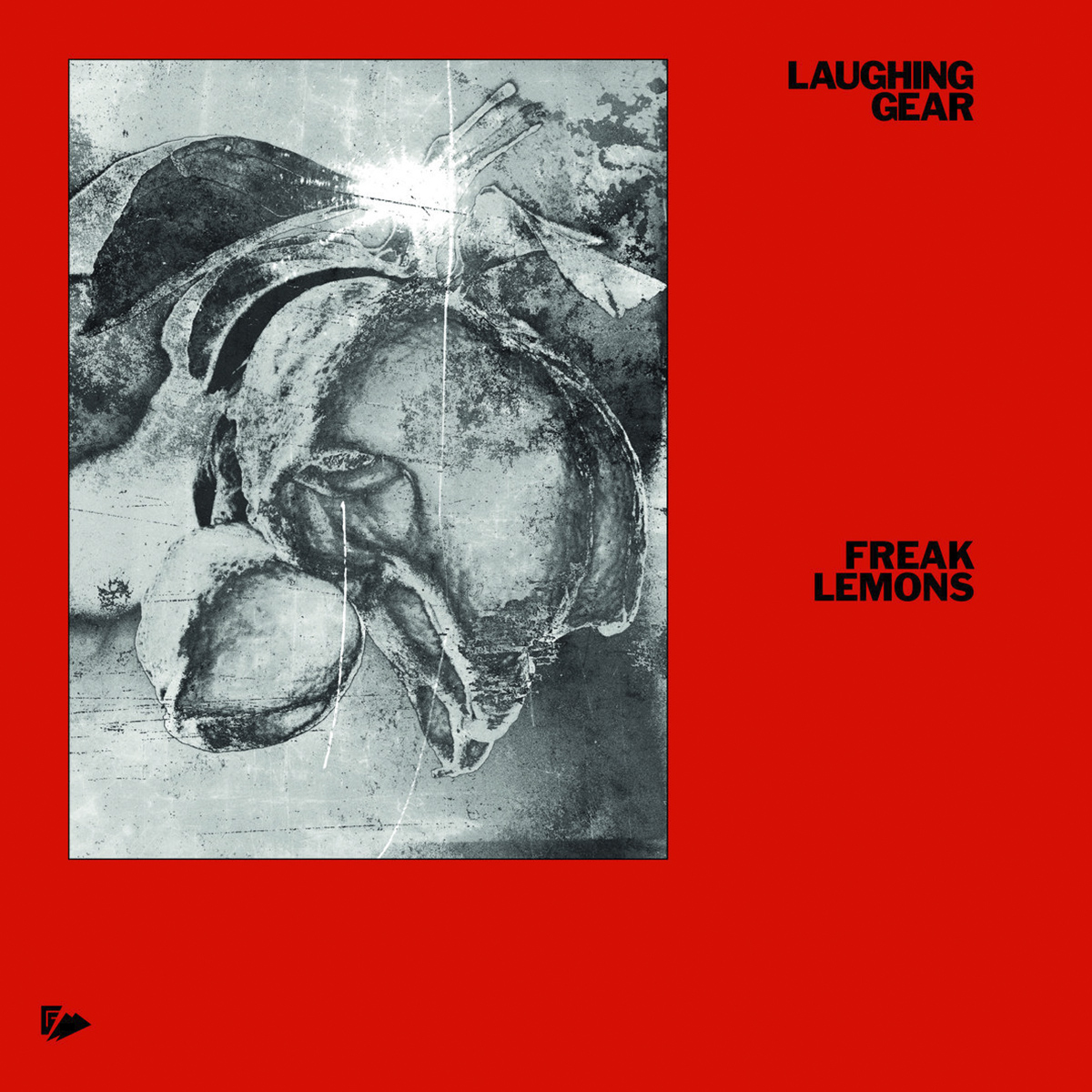
Release Date: October 2021 | Producer: Dom Willmot
There’s working-class muscle at the heart of Laughing Gear’s abrasive electro-writhe. Fronted by the imposing Bryce Sweatman and backed up by Melbourne punk veteran Fergus Sinclair’s effects-encrusted guitar slabs, Laughing Gear pull their synthpunk shrapnel straight from the squalor of the streets, driving a stake into gentrification and top-down class warfare’s clammy grip.
Full of gloriously serrated cuts, Freak Lemons’ standout number stands as ‘Flake’s acidic pestilence. Lurching with alien energy from its atonal sequencer and CompuRhythm drum machine, Sweatman lets loose a primal howl aimed at the perils of substance abuse behind his demonic vocal delays, ‘Flake’s analogue mandibles wrestling with Sinclair’s corroded guitar spike, thrilling penultimate gem on Laughing Gear’s only album together, a haunting jab that leaves a synthpunk residue long after its stopped spinning.
Nun – ‘Uri Geller’
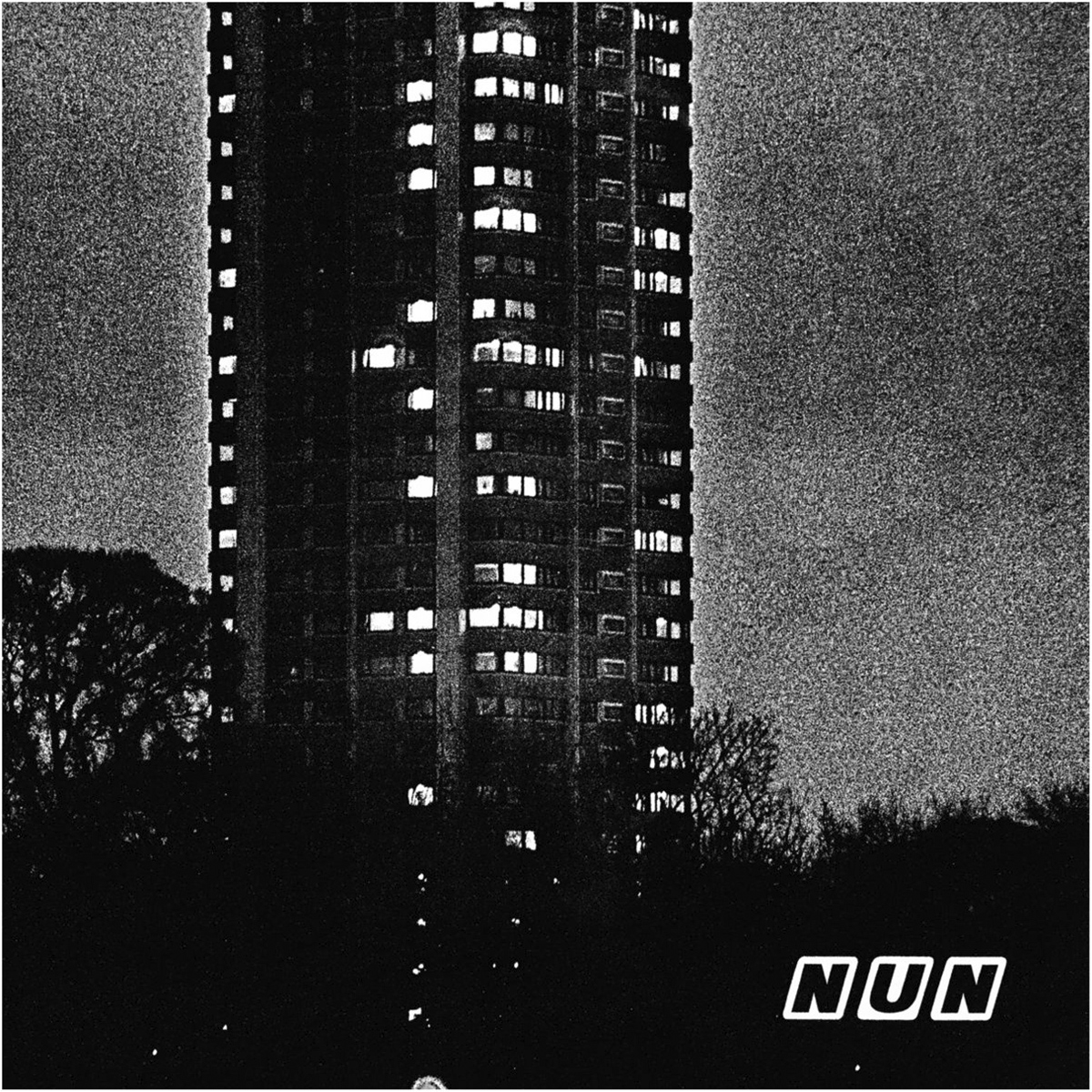
Release Date: April 2014 | Producer: Nun | Label: Aarght
Back in the early 2010s, a constellation of EBM industrialists, minimal synthers, and dark wave crooners all seemed to authentically coax synthpunk’s electrogustational air. Nun joined this ‘new’ new wave, a fantastic group from Melbourne who spun CRT synthpop and laser electro-skulk that practically vibrated with enigmatic prickle.
Only ever releasing two albums, Nun’s ‘Uri Geller’ could be singled out as their defining number. Squirming synthlines and meaty bass buzzes all shimmer with grubby radiance around Jenny Branagan’s cryptic lyrical snaps of disembodied truth. While some would say Nun’s psychokinetic menace veers too much in the realms of icy coldwave for inclusion on the list, something about ‘Uri Geller’s bared electronic fangs and hissing urgency glows with synthpunk threat behind its beguiling façade.
Esplendor Geométrico – ‘Moscú Está Helado’

Release Date: October 1981 | Producer: Esplendor Geométrico | Label: Ata Tak
Initially, members of the Movida Madrileña techno pop group Aviador Dro, Arturo Lanz, Gabriel Riaza, and Juan Carlos Sastre became so lost in the industrial din of Throbbing Gristle and Whitehouse that the trio parted ways to launch a new and infinitely spiker off-shot. Taking inspiration from the Italian futurists just as their former group had, Esplendor Geométrico would go on to forge a reputation in caustic EBM and hectic martial percussion.
Yet, way back when, the trio were just armed with basic Korg MS-20s and a 4-track recorder, Esplendor Geométrico’s first gift to the world was the hissing ‘Moscú Está Helado’ for 1981’s Fix Planet! compilation with Der Plan’s Ata Tak label. Buzzing lo-fi electronics whip and pulse with alien grind, scoring a lyrical icicle of a frozen Red Square in the biting depths of the Cold War with chilly mirth. While unrepresentative of their later material, ‘Moscú Está Helado’ stands as their accidental synthpunk classic and their finest hour.
Cccandy – ‘Lonesome Berlin’

Release Date: March 2010 | Producer: Cccandy | Label: Avant! Records
The elusive Cccandy’s identity could be revealed, but it’s far more fun to approach their sole album, Lonesome Berlin, in all its perfect, weathered mystery. A morbid pop record boasting the remains of old garage rock songs left to fester to their bones, Cccandy presents a worm’s eye view of the old Prussian capital, wriggling through a monochrome terrain of violence, paranoia, blood and alienation fed through their sexless, distorted vocals.
Full of fantastic, soiled gems, Lonesome Berlin’s title track captures the subterranean dank beautifully, spooky pitch bends haunt the monotonous arpeggios slithering across fuzzy whip snares. It’s lo-fi, makes Suicide seem kaleidoscopic, and drenched in mordant acid, but never draining. At their heart, Cccandy loves a good tune, lacing their synthpunk writhe with the nuclear shadow of yesteryear’s bubblegum pop. Deeply strange cut, but fascinatingly recluse, a snarling slice of electronic hypnosis lurking in the hidden corners of Bandcamp or YouTube, waiting to bite.
Gym Tonic – ‘Purple People Eaters’
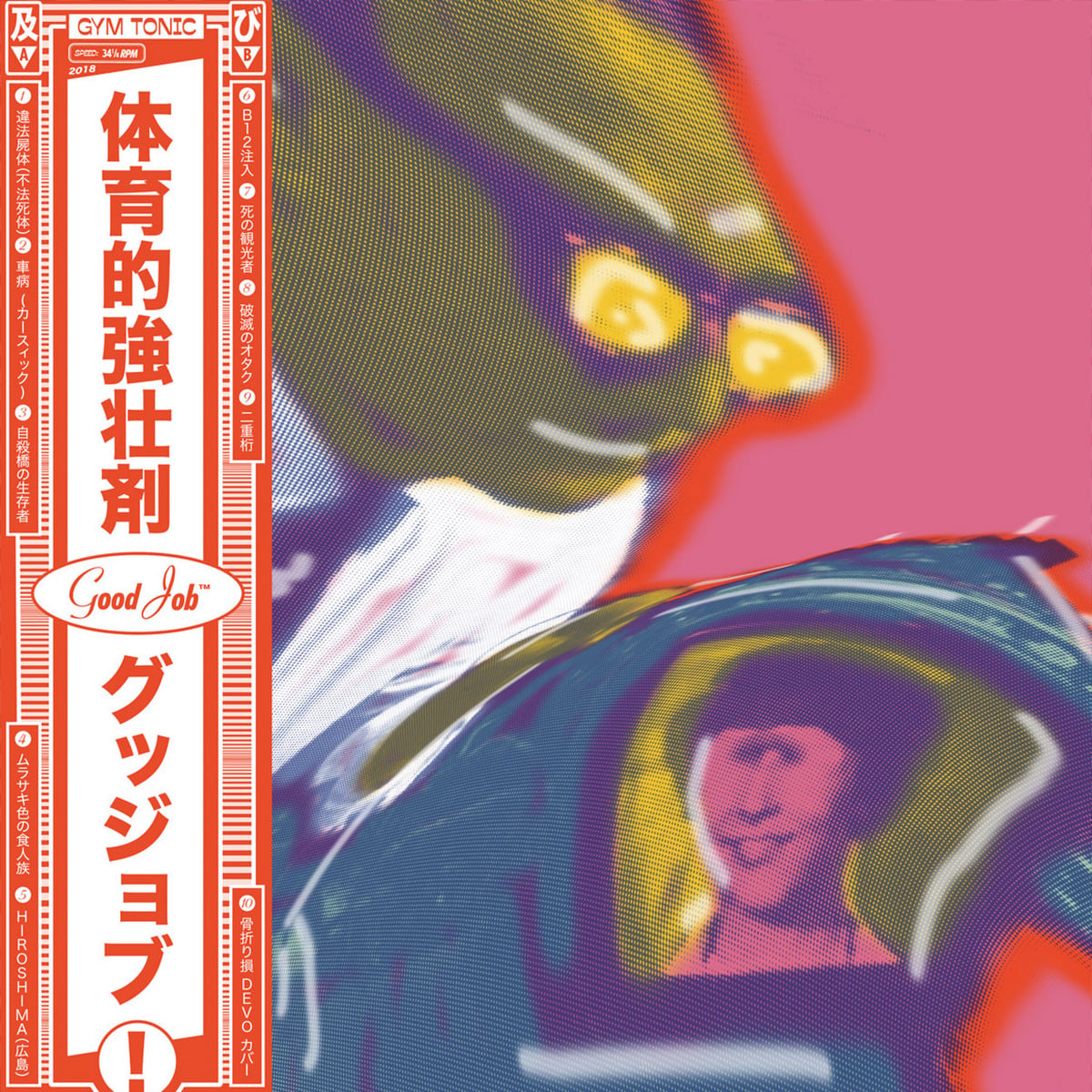
Release Date: April 2019 | Producer: Tobias Lill | Label: Et Mon Cul C’est Du Tofu?
A US-French quartet based in Berlin, Gym Tonic took the bendy fizz of Devo with just a dash of The B-52s’ kitsch plasticity and spun a gleamingly colourful and hectic splatter of dizzyingly fun Moog punk bounce. Dropping their debut album Good Job amid a Berlin more known for the spikier, gloomier end of synthpunk, Gym Tonic seemed to flash an arresting new wave sound as comically transportive as the rotating on-stage uniform, from weird air hostess staff to retro futurist moon walker dome suits.
Among a cohort of fantastic songs, ‘Purple People Eaters’ speeds ahead any of Good Job’s competition, leaving molten rubber in its tracks. A possible sequel to Sheb Wooley’s novelty hit from 1958, Gym Tonic score a fittingly animated synthpunk threat to the gargantuan gelatinous blob taking over the city and causing havoc with perfectly B-movie fervour.
Static Static – ‘Rewire’
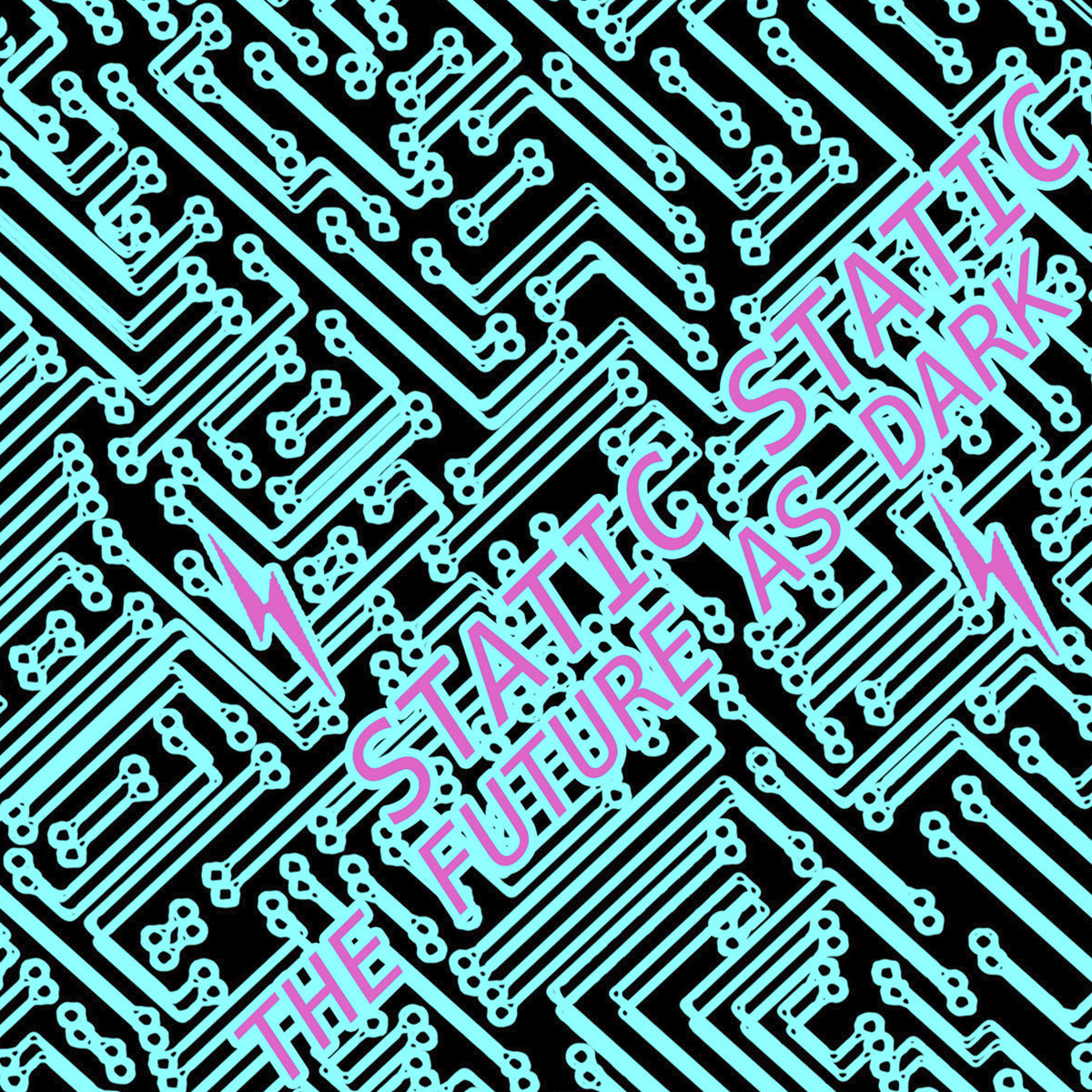
Release Date: January 2020 | Producer: Static Static | Label: Space Taker Sounds
From the electronic fringes of New Orleans, the Static Static duo wield their massive, fuzzing synths with the same hardcore heft as their joint chops in the punk underground. Formed by John Henry Kelly and Heather Vinz, the keyboards and organs hammered on are so dissonant and bubbling you’d mistake the rubbery melody lines for guitars, such is their colossal attack.
Radiating with atonal snarl and switch-on threat, Static Static’s pièce de résistance from their The Future As Dark LP is without question their surging ‘Rewire’. Caked in swallowing synths that tower in snapping and charging blue vapours, Static Static positively summon a gargantuan synthpunk force of nature that grows ever more titanic across its weather-changing, reality-twisting swell. A fantastic creation from the pair, ‘Rewire’ zaps with dramatic fizz just like the clashing motherboard graphics on The Future As Dark’s eye-popping album cover.
Isotope Soap – ‘Magnetic Abortion of a Black Hole’
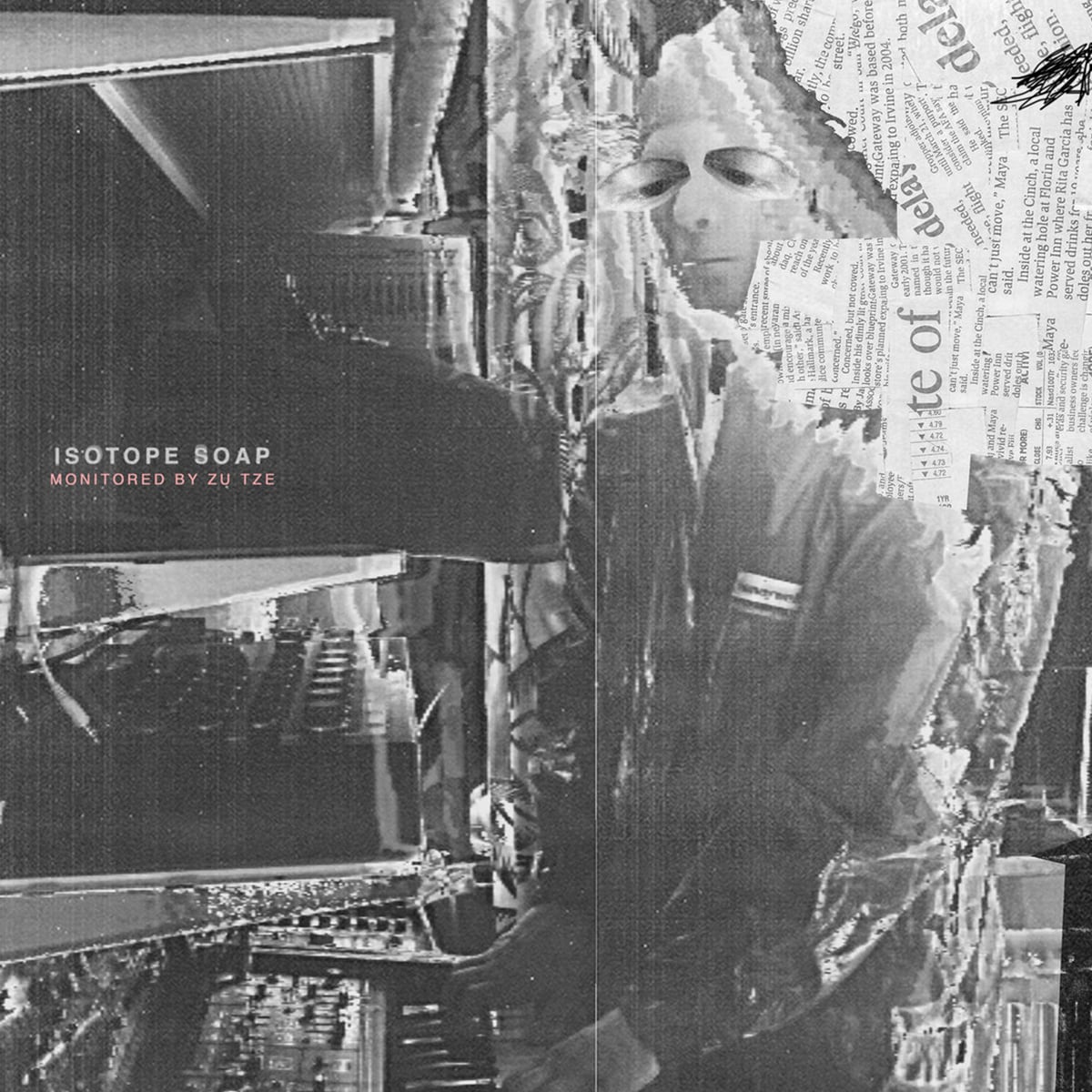
Release Date: December 2017 | Producer: Topz | Label: Levande Begravd Records
A stalwart of Sweden’s hardcore scene, Peter Swedenhammer jumped into the world of warped sci-fi and signal interruptions with the garbled Isotope Soap, donning radiation-protecting boiler suits during their arrestive and adrenaline-shot live shows. The extraterrestrial outfit spat a flurry of gloriously septic singles and EPs leading up to their An Artifact of Insects album, an LP that barely clocked 14 minutes due to its hectic, static-ridden whirlwind.
The feverish peaks of Isotope Soap’s synthpunk churn were grabbed on The WOW! Signal! EP for ‘Magnetic Abortion of a Black Hole’, a squeamish, wriggling gob of electrical laceration that hurtles toward the senses with rabid ferocity. With Swedenhammer lurking his vocals behind pitch-altered effects and buzzing Dalek angst, Isotope Soap hammered a marvellously comic slice of end times urgency, the kinda music Nero would have fiddled while Rome burned were he an LSD soaked robot from the future.
Total Control – ‘The Hammer’
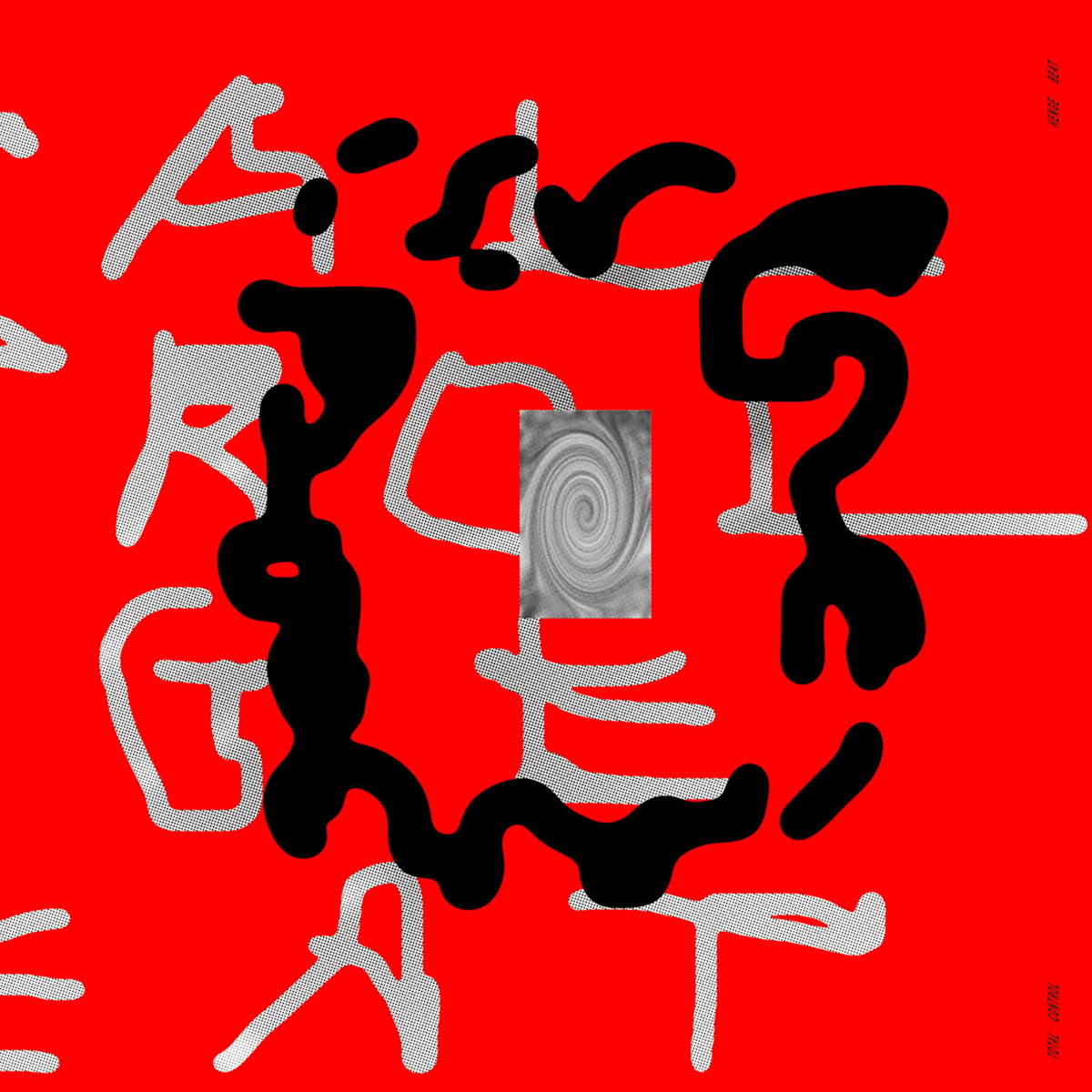
Release Date: August 2011 | Producer: Mikey Young | Label: Iron Lung
Aussie post-punks Total Control delivered a crosswired, feverish little debut back in the early 2010s. One of the best albums of that year, Henge Beat wandered in an acrid fog, interrupted by caustic blasts of garage rock and choppy and inside-out punk flaunt bent into shape by their love of Devo and The Screamers. It was a cracking album which helped pull the day’s fascination with synths away from the dancier end of indie toward infinitely more buzzing paranoias befitting synthpunk’s reawakenings early in the decade.
It was ‘The Hammer’ that fizzed at Henge Beat’s centre with captivating sting. A twisting and creeping ivy leaf of a number, Total Control draw eerie synth lines and gurgling bass, slowly constricting frontman and keyboardist Mikey Young repeated lyrical refrains as the number crawls to a hissing finale. Total Control would never top ‘The Hammer’, a smudgy drip of synthpunk anxiety awaiting the slam of the titular weighty force, spun with a weird grab of discoloured psychedelia.
Tuxedomoon – ‘No Tears’
Release Date: 1978 | Producer: Tom Tadlock and Tuxedomoon | Label: Self-released
Hailing from San Francisco’s febrile subterranean, Tuxedomoon, along with the likes of Devo or Pere Ubu, is the kind of band that almost pulled punk toward their own, weird making. Already seasoned figures in the city’s art collectives, Steven Brown and Blaine L Reininger brewed their own style of “cabaret no wave” with the help of electric violins, fuzzed-out guitars, and oodles of Polymoog synths for a bubbling, leftfield artpunk sound. Eventually signing to The Residents’ Ralph Records label, Tuxedomoon formed an intersection between the arts world and punk’s flickering urgency.
While great records would follow, ‘No Tears’ still glares as their most thrilling hour. Backed by a steady motorik pulse and distorted guitars, Brown’s erratic lyrical refrains against “the creatures of the night” swirl amid coarse and foggy synths that tumble in an MC Escher, never-ending crescendo to the point of feverish disorientation. At ‘No Tears’ heart is its deceptively hooky garage pop blast amid the murk, Tuxedomoon wrestling a gnawing, snapping, vicious little slice of sizzling synthpunk that burrows itself firmly into your earworms like a parasitic invasion.
Erik Nervous – ‘Third Layer’
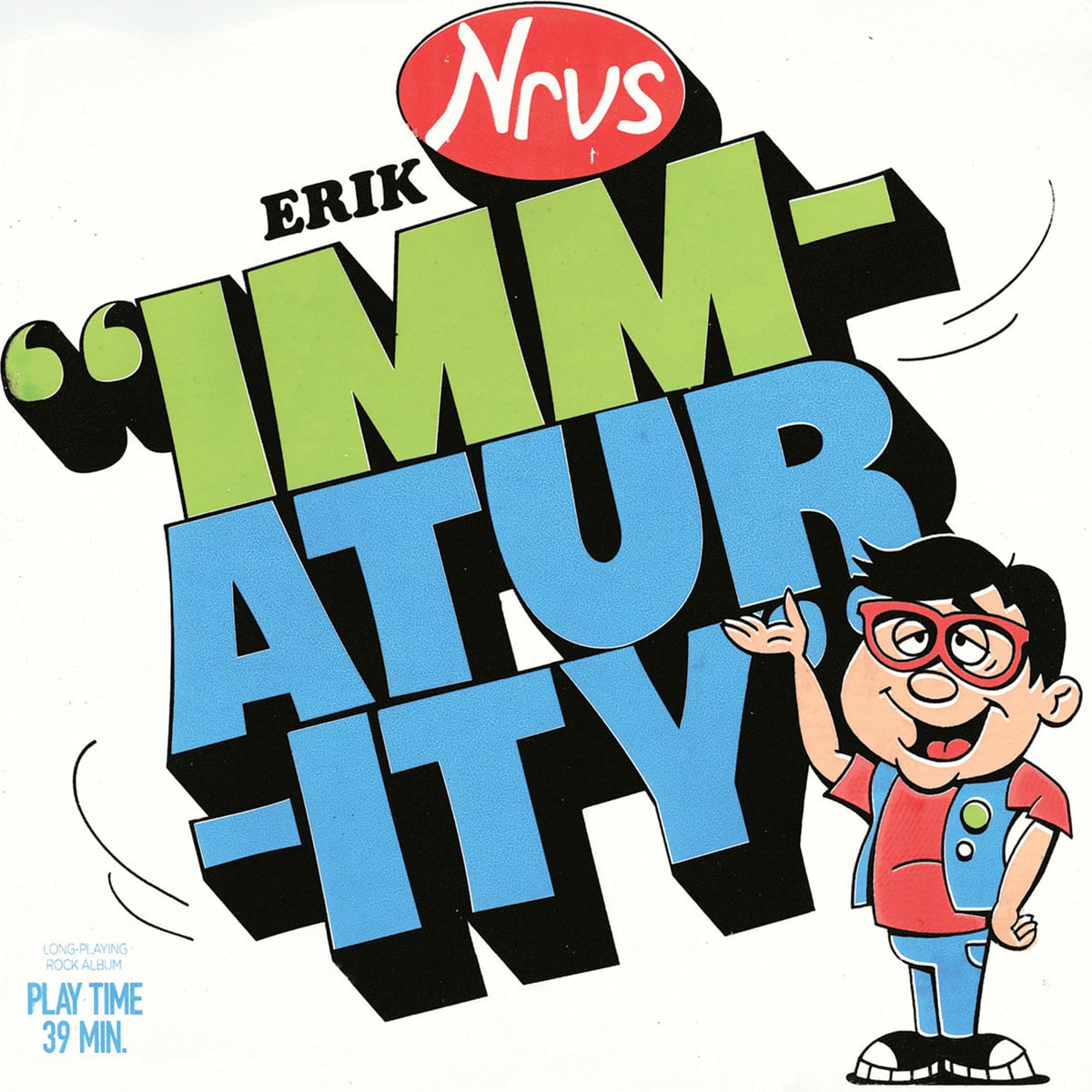
Release Date: November 2023 | Producer: Erik Nervous | Label: FatCat Records
Anyone paying attention to the fuzzy, skronkier end of contemporary punk knows just what a busy boy Indiana’s Erik Nervous has been. Dropping a steady string of EPs under a myriad of side-projects for over a decade, as well as an in-demand recording engineer and robot-headed live keyboardist for The Spits, Nervous showed no signs of slowing down on 2023’s Immaturity. The cover said it all. A cartoon jolt of sugar rushed gunk pop and sticky synths scoring its gloriously Hanna-Barbera Saturday morning fuzz attack.
Immaturity’s finest moment was the zingingly livewire ‘Third Layer’. A green surge of jabby electronics and plastic brass, Nervous orchestrates an adrenaline shot of fizzy, pure syrup Squishee that sounds like your Sega Mega Drive has grown tentacles and started blinking. An astonishingly gripping number, which flashes a reminder that synthpunk need not dwell in dark visions or combative sonic threat.
Futurisk – ‘Meteoright’
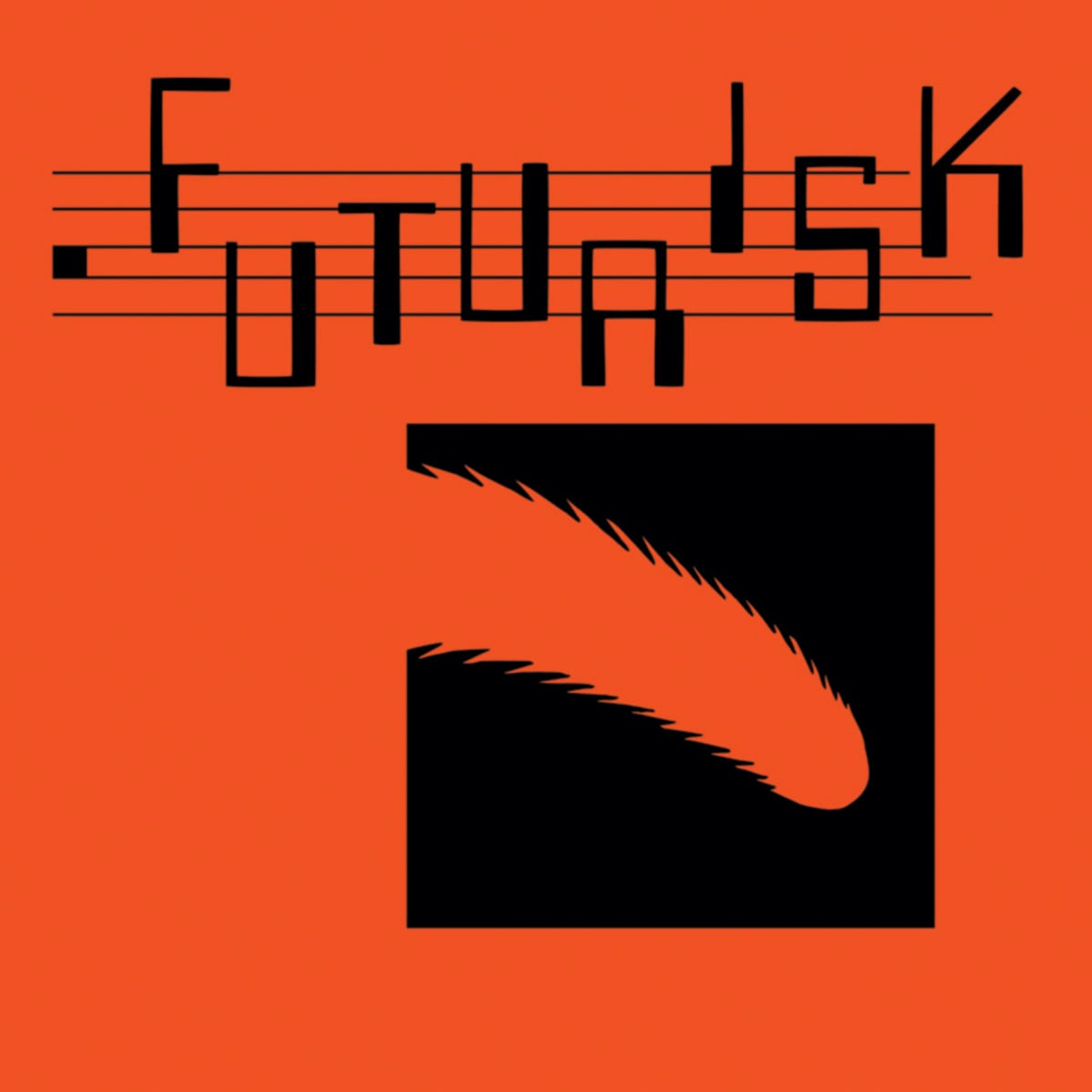
Release Date: 1982 | Producer: Futurisk | Label: Clark Humphrey Records
America’s sunshine state barely counted any punk and new wave bands of serious note, let alone a synthpunk band. Yet, down south in Lighthouse Point’s suburb, Jeremy Kolosine and his Futurisk project were penning some of the genre’s most exemplary slices of dystopian groove.
Formed in 1979, Futurisk would cut a grippingly alien presence in the Florida music fringes, Kolosine fronting the tech-noir group with sharp-elbowed swagger and a commanding post-punk coated in thick Moog and Oberheim electronic tonalities. After a limited single in 1980, Futurisk would drop the Player Piano EP two years later, a synthpunk gem given the reissue treatment by Minimal Wave in 2010.
While boasting a cluster of fantastic cuts, the EP’s rerecord of ‘Meteoright’ explodes into the senses as Futurisk’s defining cut. Slithering sequencers and exquisite keytar solos skulk and bristle with electrical tang, Jack Howard’s percussive pummel keeps the eerie vision live, and Kolosine spits gloriously sci-fi surrealist lyrics concerning some kind of female force of tempting allure and psychoactive threat.
The Screamers – ‘122 Hours of Fear’

Release Date: 1978
They’re probably the greatest band without an officially released record. Despite never landing a studio album or even a single, Los Angeles’ The Screamers proved so influential on punk that even Dead Kennedys frontman Jello Biafra claimed them as a formative influence.
Formed in 1975 and armed with just a drum kit, an electric piano, and a typical ARP Odyssey, the primitive electricity summoned by The Screamers owed much to their magnetic singer Tomata du Plenty, an Eraserhead-haired manic loon that forged legends across the West Coast punk underground of their live wire shows.
With the countless bootlegs and demos that have passed hands and later found some kind of authorised release on later compilations, no definitive recording or ‘version’ can be gleaned from The Screamers’ elusive canon. Yet, their signature song in its myriad forms is indisputably ‘122 Hours of Fear’. Inspired by the Popular Front’s hijacking of Lufthansa Flight 181, The Screamers bottle all the terror and anxiety flooding the Boeing airliner with a fierce grasp of cinematic energy amid its fuzzing seizure.
Black Bug – ‘Reflecting the Night’
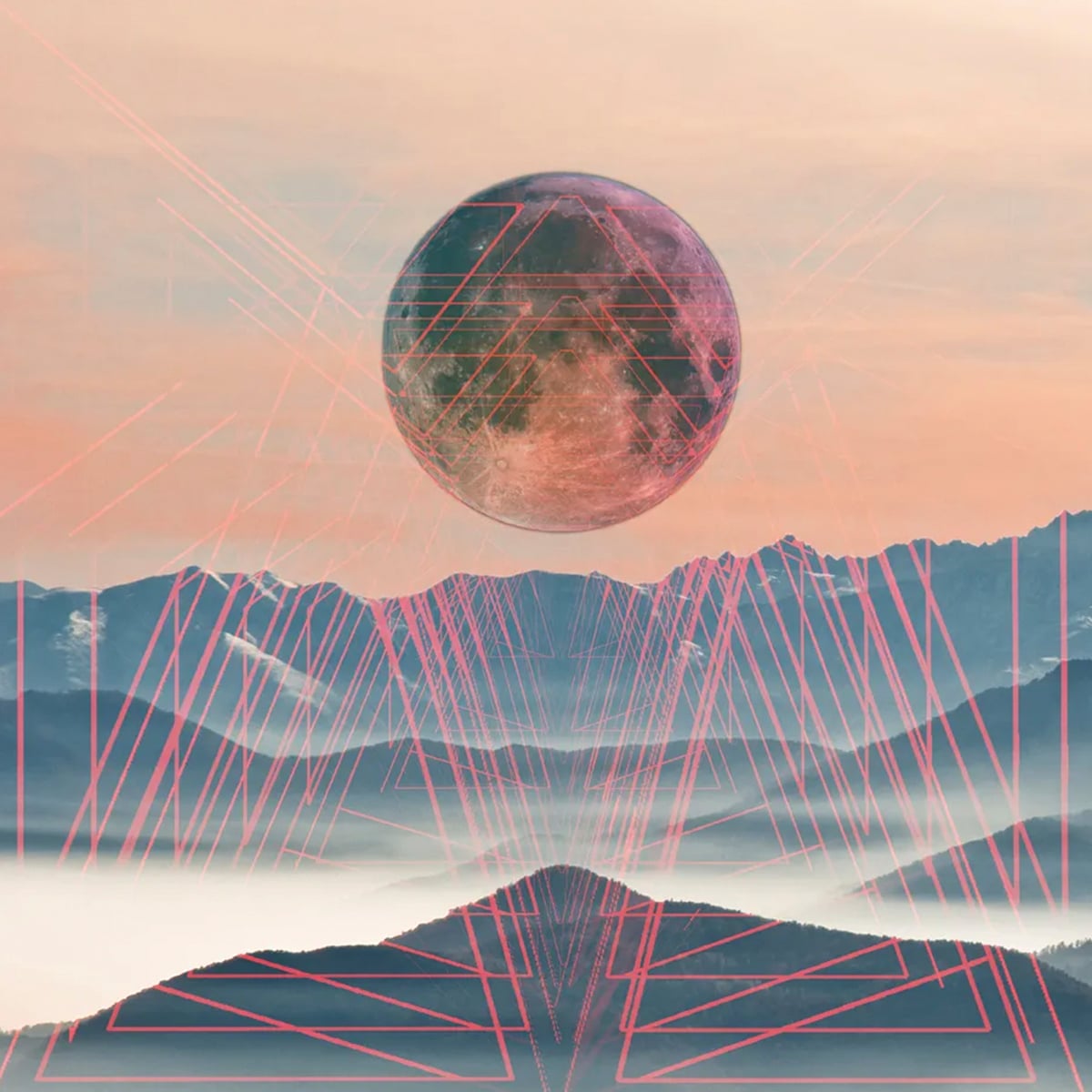
Release Date: October 2012 | Label: Eighteen Records
Around the late 2000s, synthpunk reared its head once again, pockets of Europe and the States harkening back to the example set by Cabaret Voltaire or Suicide, as well as the first real resurrection of EBM muscle from the likes of Youth Code. Straddling the simmering middle ground was Swedish electronic abusers Black Bug. Dwelling in a shivering ebb of icy synth splinters and chewing drum machines, the trio, led by Johan Gustafsson, laced a pulsing hardcore behind their digital charge, as well as a tentacled subsume of gelid minimal and shoegaze dialled up to its most swallowing.
It’s 2012’s sophomore Reflecting the Light, where Black Bug struck oily gold. Razor synths hack and slice with panicked urgency on its explosive title track, an extraordinarily gripping velocity powering some doom harbingering of cosmic, interstellar force. While the coven end of Crystal Castles’ electroclash springs to mind, Black Bug push the affair toward an infinitely grubbier and visceral clangour unlike anyone at the time.
Things went quiet for Black Bug for many years, but with new material suddenly popping up online, the synthpunk world hopefully looks set to witness further Black Bug dark magic yet.
The Normal – ‘Warm Leatherette’
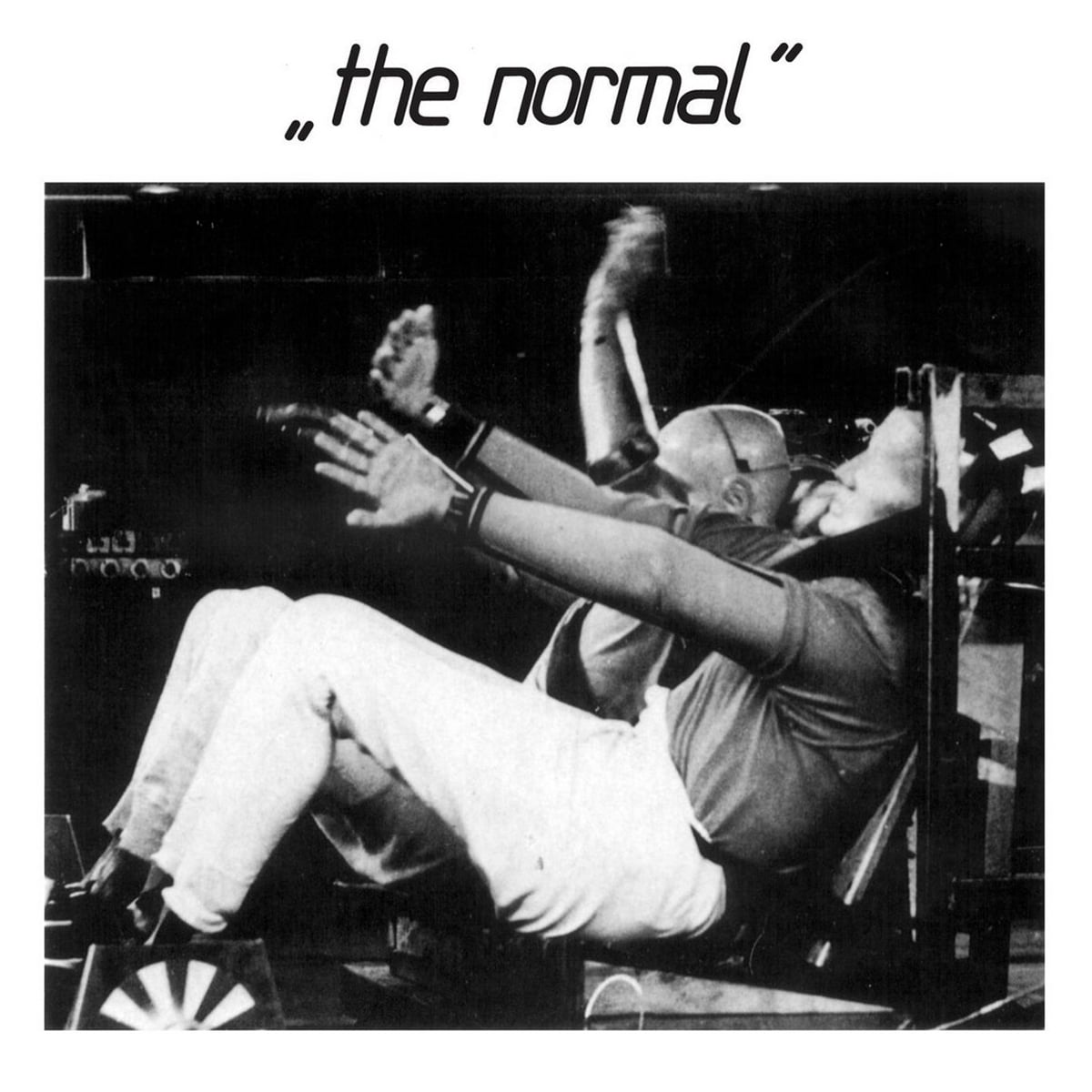
Release Date: November 1978 | Producer: Daniel Miller | Label: Mute
Across the UK in 1978, a cluster of disparate electronic enthusiasts rode punk’s wave to finally unleash their primitive, analogue experiments to a new climate that would receive such mechanised synth efforts with relatively little prejudice. Such an eager hopeful was London’s Daniel Miller. Long fascinated with the krautrock scoring the German underground, a second-hand miniKORG 700S would form the basic guts of his first-ever single.
Soaking up the dystopian dread of JG Ballard’s Crash and shaped by the limited home recording set-up, Miller adopted the moniker The Normal and cut two blasts of terse, minimal synthpunk for the ‘TVOD / Warm Leatherette’ release. It was the second side that proved to stand as The Normal’s most enduring creation, a fizzing skulk of whip snares and hissing sequencers teeming with robotic, alien aura.
‘Warm Leatherette’ would demand a record label, and so Miller launched the now-famous Mute. Going on to serve as a crucial arm of the later synthpop explosion, Miller would produce and/or oversee essential cuts from Fad Gadget, Yazoo, and Depeche Mode, the latter conquering the pop world by the end of the 1980s.
Pere Ubu – ‘Non-Alignment Pact’
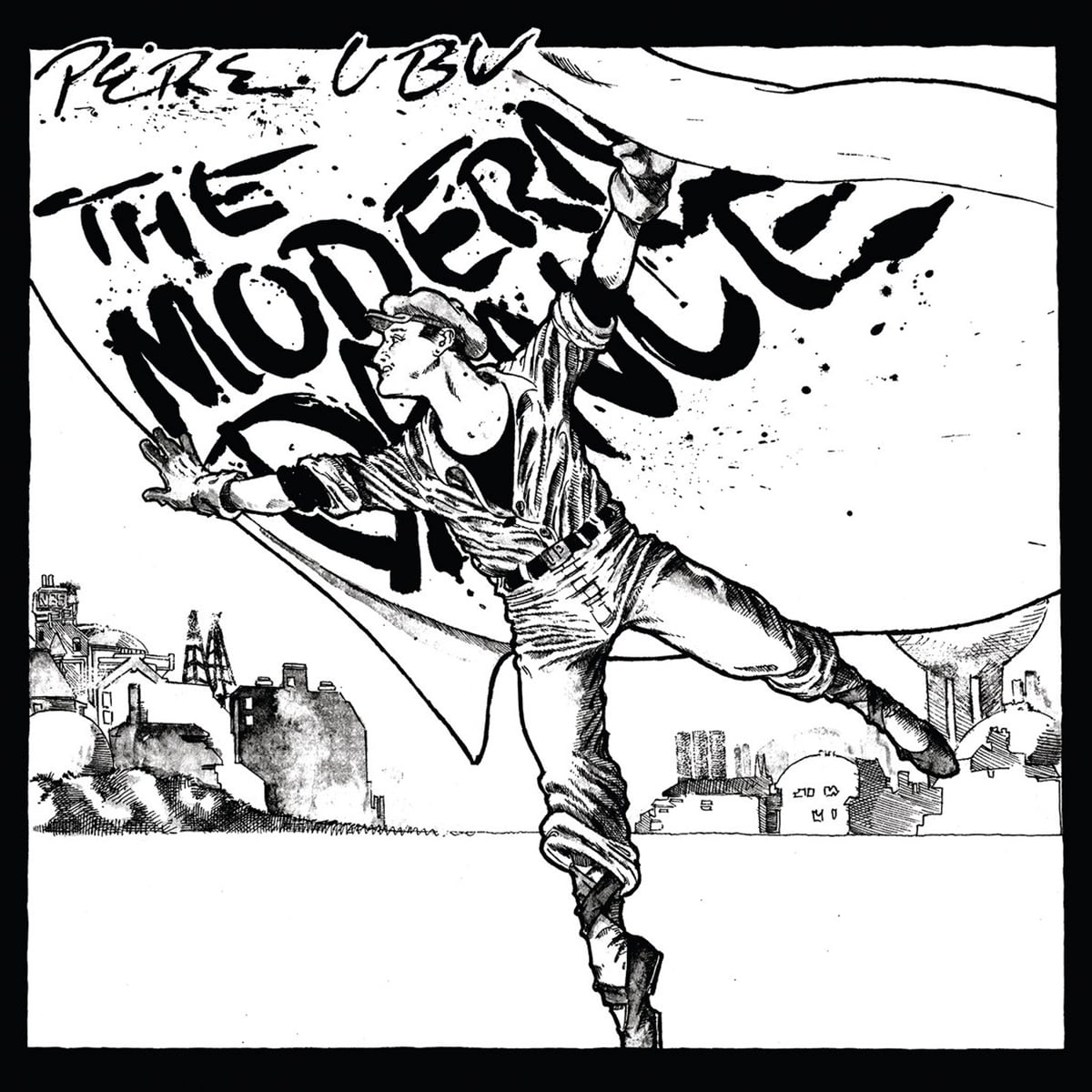
Release Date: February 1978 | Producer: Pere Ubu and Ken Hamann | Label: Blank
Formed in the ashes of Cleveland’s Rocket from the Tombs, frontman David Thomas and guitarist Peter Laughner would immerse themselves further in their artful penchant for garage rock, avant-garde tonalities, and a lyrical dwelling in esoteric literature and philosophy for Pere Ubu’s unpretentious yet cerebral conjuring of offbeat escapism. Named after a character from Alfred Jarry’s surrealist play and coated in the same Ohio rustbelt dust that coated contemporaries Devo, Pere Ubu’s equally pioneering post-punk template was met with scoffing rejection by the late Thomas, simply referring to his new venture as a good ol’ fashioned rock band.
Most rock bands weren’t cutting records like 1978’s The Modern Dance, however. So discordantly scraping and squall-like were Allen Ravenstine’s EML synthesiser noises, label bigwigs thought the recording sessions were corrupted and damaged, prompting Pere Ubu to assure Blank that the aurally fucked din behind each number was disturbing the senses exactly as intended.
Such marrying of electronic disorientation and traditional garage stomp radiates with horrible beauty on the album opener ‘Non-Alignment Pact’. A queasy parable of sexual want fed through the skewed lyrical filter of dry political diplomacy, Thomas’ adenoid, nasal whine competes with Ravenstine’s squawking electronics for a synthpunk gem that takes the tried and tested pop fodder of romantic longing and dunks the number in a vat of battery-acid surrealism.
Devo – ‘Jocko Homo’
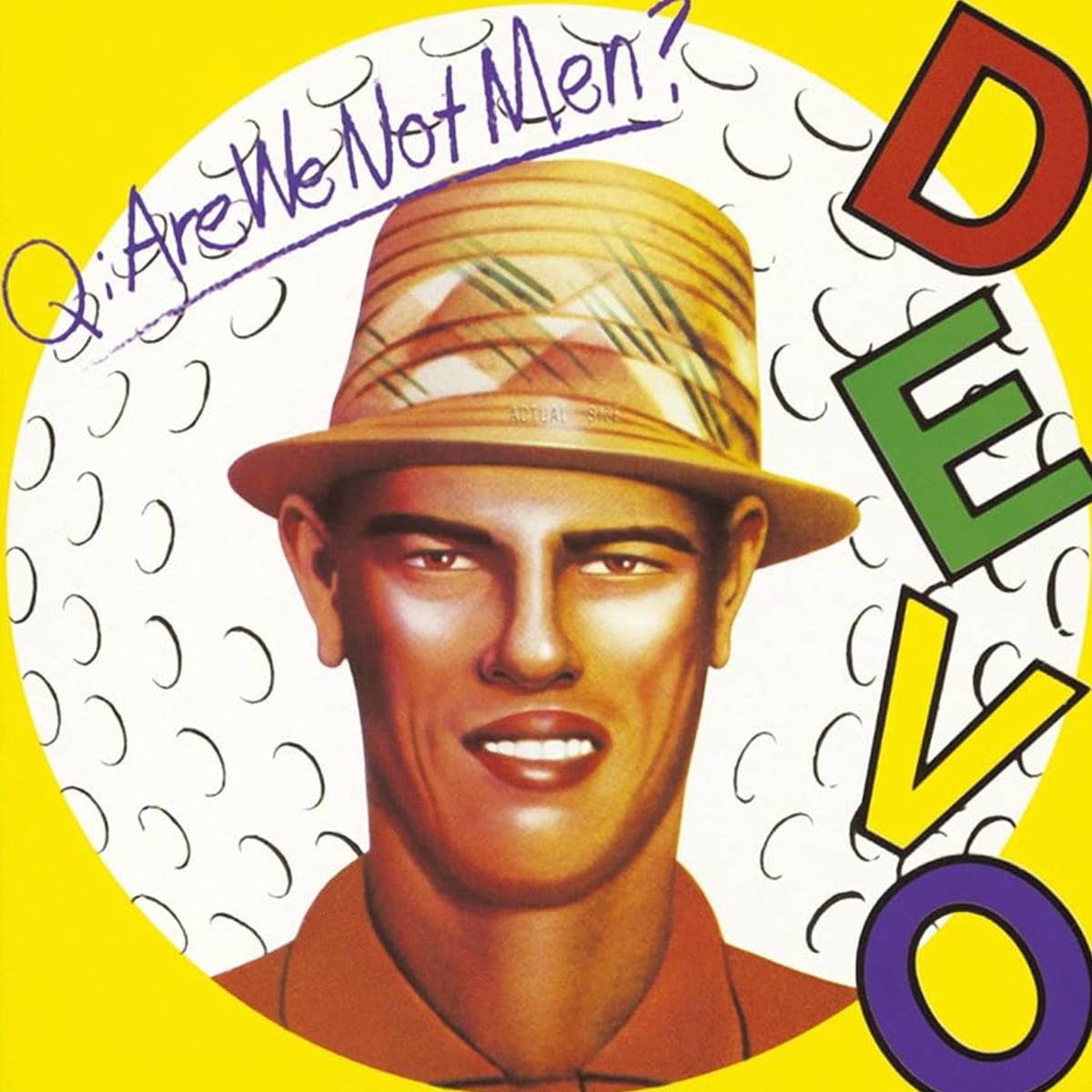
Release Date: February 1978 | Producer: Brian Eno | Label: Warner Bros
The seeds of Devo‘s arch-subversive pranksterism reached back long before punk, when the bands of the day were still firmly wedded to the double denim legacy of Woodstock’s rockist self-importance. Formed in 1973 by Ohio art students Mark Mothersbaugh and Gerald Casale, a subversive critique of Man’s backwards devolution and an eager embrace of primitive synths would cut a wholly iconoclastic and challenging, hazmat-suited weirdness when the Eagles were still ruling the airwaves.
Slogging their ironic art project for several years to bewildered and downright hostile audiences, Devo finally found the perfect foil ready for their deconstructivist snark. Propelled by David Bowie’s introduction of the band at Max’s Kansas City, Brian Eno was recruited for production duties, sifting through the copious amounts of material long sat in Devo’s song bag for 1978’s Q. Are We Not Men? A: We Are Devo! debut.
First seeing life in an earlier form as the B-side to 1977’s ‘Mongoloid’ single, Devo whipped up a near conceptual anthem on the discombobulated ‘Jocko Homo’, a fizzing, stilted chug of inside-out post-punk and lyrical obsessions with primate regression sounding unlike anything else in the charts or even much of the musical underground during the new wave era’s initial explosion.
DAF – ‘Der Mussolini’

Release Date: 1981 | Producer: Conny Plank | Label: Virgin
Originally founded as a larger industrial outfit, Deutsch Amerikanische Freundschaft would reduce its membership to the core duo of Gabi Delgado-López and Robert Görl, shaking off the loose experimentalism of their early records in favour of a taut, mean, and livewire electropunk that would establish the pair as one of the leading forces of Germany’s Neue Deutsche Welle.
Politically irrelevant and laced with subversive humour, DAF kicked off a lauded trilogy of albums with the famed Conny Plank in the producer’s chair that reeked of subterranean sexuality, an oiled and primal rush of vascular sequencers and illicit synth pummels paving the way for the later EBM burst.
Kicking off their heyday with Alles Ist Gut, ‘Der Mussolini’ leaps out of the speakers like a lascivious animal. Live wire Korg MS-20s and ARP Odysseys pulse and edge together with slimy dancefloor gag, kept in check by Görl’s off-kilter yet warlike percussion attack. Spitting lyrical gobs on Adolf Hitler and the titular Italian fascist, López’s comedic desecration of dictatorial theatre glows with wry belligerence at its centre, a provocative lambast of his country’s past bloodshed and twisting such horror into a strange, knotty, dancefloor satire.
Cabaret Voltaire – ‘Nag Nag Nag’
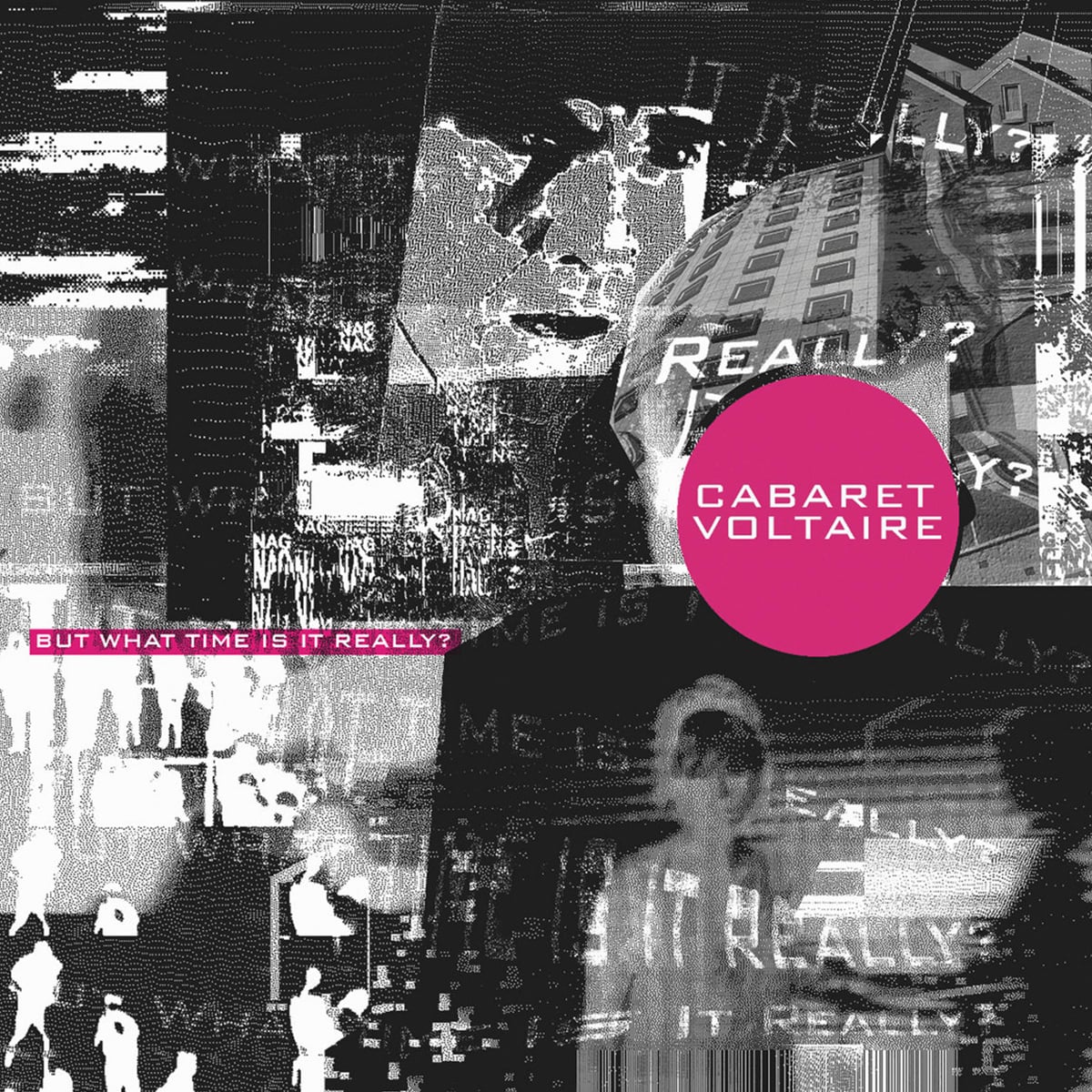
Release Date: June 1979 | Producer: Cabaret Voltaire, Geoff Travis, and Mayo Thompson | Label: Rough Trade
Burnished in Sheffield’s essential electronic petri-dish long before punk had lit a fire underneath rock’s tired parody act in the mid-1970s, Cabaret Voltaire were indulging in Dadaist stunts around their midlands city, scoring their provocative art with custom-built electronic gear and primitive tape machines.
Scoring the era’s malaise and listless deindustrialisation blighting England’s North, Richard H Kirk, Stephen Mallinder, and Chris Watson wielded their primitive hardware to illustrate the confusion and anxiety in the air, pilfering ideas from William Burroughs and Karlheinz Stockhausen for their sci-fi soaked reportage on society’s wayward drift.
Already with an EP under their belt, Cabaret Voltaire reached into their love of 1960s Nuggets garage rock and took the likes of The Electric Prunes or The 13th Floor Elevators to their most raw conclusion on the fuzzy ‘Nag Nag Nag’. Backed by a brittle drum machine flexing a bossa nova polka fill, Mallinder’s lyrical potshots at the “short bursts of fame and infamy” are drenched in a guitar so processed and degraded it sounds like a broken synth, and keys hammering away with hooky yet atonal propulsion. It’s a marvellous grubby synthpunk gem that manages to burn with dystopian unease while sporting a playful smirk on its face.
Chrome – ‘Electric Chair’
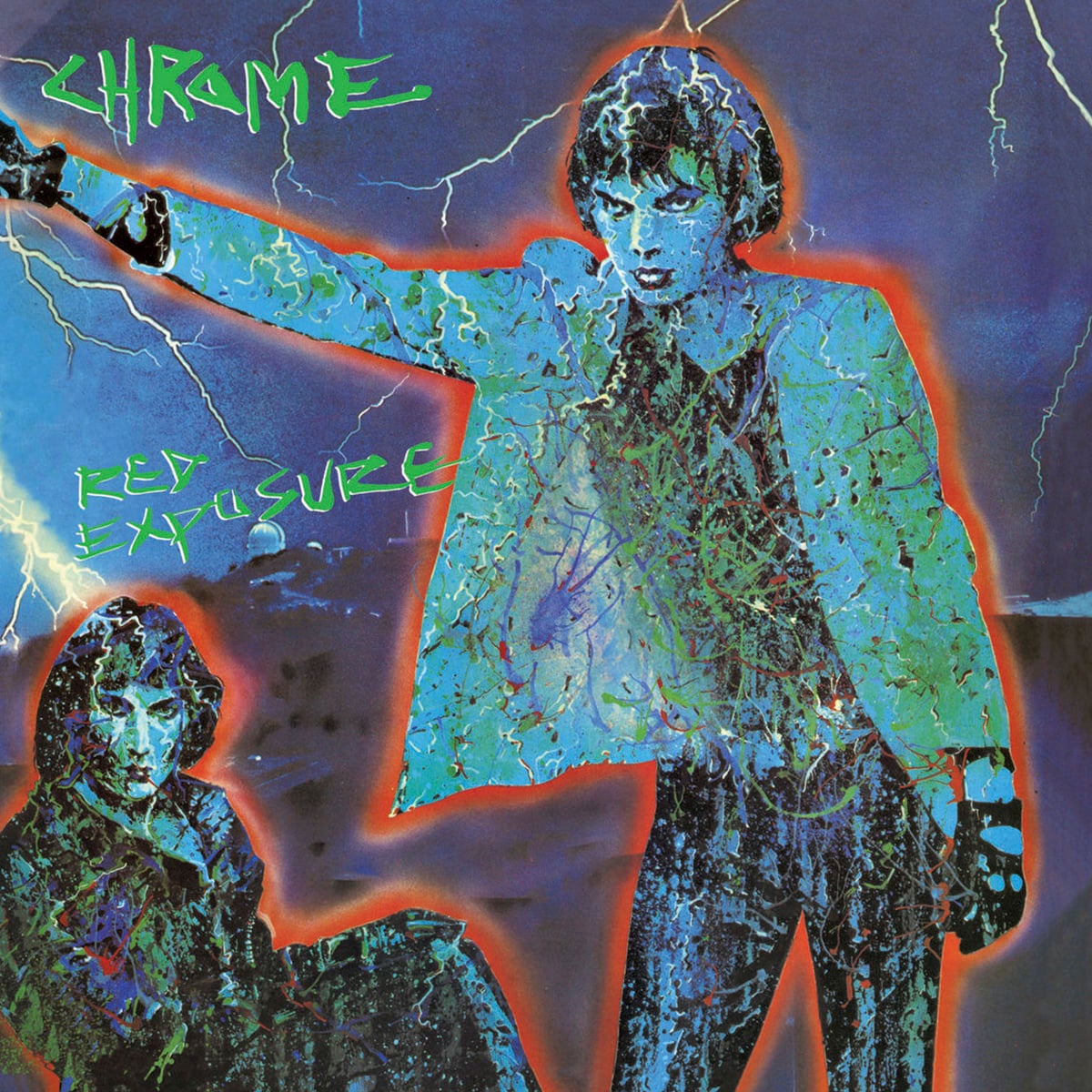
Release Date: April 1980 | Producer: Damon Edge | Label: Beggars Banquet
While rooted in San Francisco’s rich psychedelic heritage, Damon Edge was eager to embrace all the LSD and mind-expanding sonic reaches of the counterculture, without all the tedious hippy blues jams ruining the trip. Fortunately, pairing up with guitarist Helios Creed would cement the classic core Chrome duo from 1977’s Alien Soundtracks, a gritty and disorienting brew of psychoactive punk dunked in acid-friend tape collages and chewed-up synth debris.
Such psychonaut experimentalism would reach its most palpably virulent on Red Exposure. Tightening their sound and leaning just the right degree of accessible, Chrome’s proto-industrial skulk snarls with more serious alien threat, yet beckons you into their world with magnetic pull, conjuring a record that would stand in their bizarre oeuvre as the ideal gateway drug to Chrome’s weird cosmos.
Lacing a deceptive pop spike amid the aural churn, Chrome would gleefully reach into the pool of rock clichés and pull out ‘Electric Chair’, a wriggling mulch of cartoon lust and strutting rock preen, strapped into Ol’ Sparky and receiving 2000 volts. There’s a discoloured electricity that you can almost taste on Chrome’s queasy pop offering, the senses prickled and confused by its warped vocal ooze, buzzing keys, and effects-crusted vocals.
Great records would follow, including Creed’s voluminous solo work, but no other number between the pair hit such a gloriously warped and acrid dose of feverish synthpunk as ‘Electric Chair’, a number that effortlessly strikes a Billboard Hot 100 number one in a parallel universe.
The Units – ‘High Pressure Days’
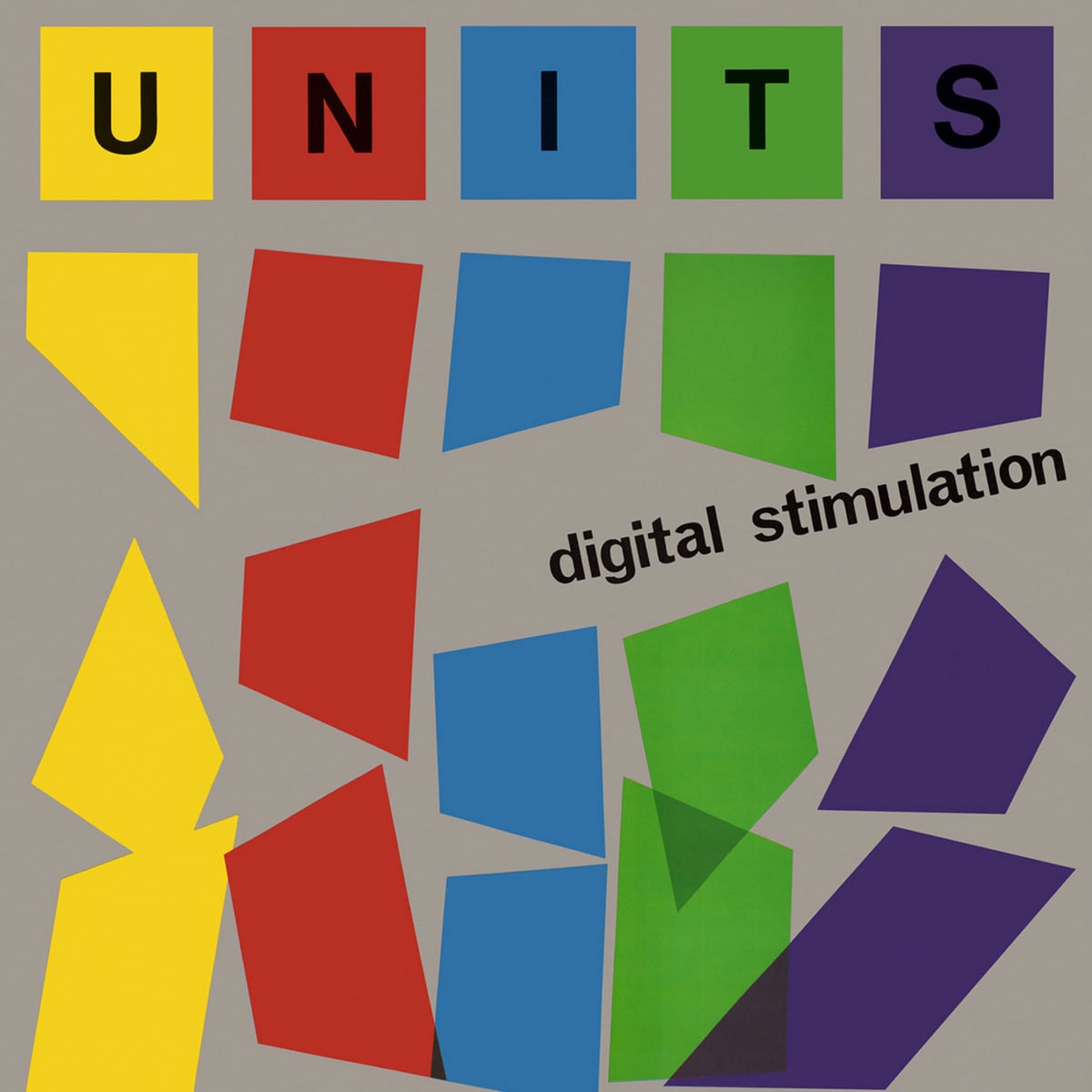
Release Date: 1980 | Producer: The Units | Label: 415
San Francisco found itself amid a white-hot flashpoint of political radicalism and artistic belligerence across the tail-end of the 1970s, the city’s creative beat and hippy heritage fostering a fiercely inventive cohort within the punk and hardcore scene, the likes of Dead Kennedys, Flipper, and Tuxedomoon all offering a colourful and unorthodox take on the underground DIY explosion.
Right at its centre was The Units. Tired of the conventional band format, core founding members Scott Ryser and Rachel Webber ditched the day’s guitars for the newly portable synths and let loose a buoyant and chunky blast of bristling Minimoogs and ARP 2600s, all held together by Brad Saunders’ live drumming heft. Taking satirical lyrical cues from Ohio pranksters Devo, The Units’ debut LP Digital Stumulation landed on the new wave world like a whirlwind, a fizzing and sparking synergy of punk urgency and analogue attack.
It’s the song that will forever define them. While boasting an impressive body of work, much of it only issued years later due to label wranglings, Digital Stimulation’s bottle rocker opener, ‘High Pressure Days’ seizes the senses within the first few seconds of its infectious arpeggios, glowing and radiating with machine charge. Backed by Saunders’ essential percussive heft, The Units capture a sound insanely hooky yet saturated with all of the dissident energy that West Coast punk had on offer.
Even after 45 years, ‘High Pressure Days’ still pings and vibrates with a synthpunk energy that always beats the plethora of remixes and reimaginings that have followed since.
Suicide – ‘Ghost Rider’

Release Date: December 1977 | Producer: Craig Leon and Marty Thau | Label: Red Star
It’s extraordinary how much sonic and thematic terrain is ridden across the two-odd minutes of Suicide’s defining cut.
Burnished in the fringes of early 1970s New York’s art scenes between peace and love’s death knell and the nascent punk fury simmering to explosion, the duo’s electronic belligerence scored the world stricken with political turmoil as was revealed to them in all its torrid horror. Wielding Martin Rev’s hissing keyboards and brittle rhythm boxes behind frontman Alan Vega’s hypnotic, volatile croon, Suicide’s debut LP in late 1977 conjured a dilapidated nightmare of a record that weaved between phantasmic romance and shriekingly violent terror, a ghost of an album that bottled America’s malaise with subterranean fever.
Among seven impeccable songs, the opener to Suicide’s eponymous album stands as their defining moment and the quintessential synthpunk song. Inspired by Marvel Comics’ flaming-skulled motorcyclist, ‘Ghost Rider’ slithers and crawls the torn-up US landscape with eerily evocative dirge, Rev’s fuzzy organs growl and snarl with sinewy palpitation against the rusty pulse of the drum machine, pushing punk’s stripped-down rawness to its crudest conclusion.
Commanding the gristly minimalism is Vega’s immortally haunted vocals. Lyrically flexing allusions to hippy failure and the US political machine’s maw devouring the nation’s youth, Vegas sits you in the biker’s isolated traverse across the country’s scarred landscape, with terse, biting poetry encapsulating the troubled spirit of a state in crisis.
Suicide would continue to unearth grubby gems of haunted beauty and combative unease throughout the following years, but none quite captured the spectral drama of ‘Ghost Rider’, the ultimate permutation of electronics and punk that still transports with weathered, corroded allure nearly 50 years later.

Never Miss A Beat
The Far Out Punk Newsletter
All the latest Punk content from the independent voice of culture.
Straight to your inbox.