


Five essential songs that will get you hooked on Neue Deutsche Welle

Just as the West German counterculture had spun its own skewed and innovative take on psychedelia ten years earlier, a new generation of underground dancers, experimenters, and all-round provocateurs sought to hammer and twist the new wave into their own wry, Teutonic making.
Simmering among the West Berlin, Hamburg, and Düsseldorf underground clubs concurrent to post-punk and New York’s no wave, the Neue Deutsche Welle eagerly and creatively severed any remote orbit to the day’s schlager pap clogging the country’s charts, as well as the English pleasing rock bands eschewing their German sensibilities in pursuit of the mainstream.
In the shadow of the Iron Curtain, political tensions and social anxieties were welded with a new sonic character that complemented the German tongue’s sturdy and terse linguistic rhythms that always bristled with edge, no matter the pop fun being flaunted.
The NDW’s creative net was cast just as wide as post-punk’s vast terrain of musical hues and flavours. Among the DIY cassettes and low-key venues, the new punk cohort found their home, could be discovered avant-garde Dada theatrics, volatile industrial rackets, taut and slithering EBM, and terse dance groovers, all anchored with the community’s unmistakably piquant and electrical affrontery.
As the 1980s passed, the NDW’s initial febrile energy began to ebb, the scene spawning the likes of ‘99 Luftballoons’ brief pop sensation Nena, Trio’s hooky ‘Da Da Da’, before Falco, albeit from Vienna, found himself scoring a US number one with ‘Rock Me Amadeus’ synthpop ode to Austria’s most famous composer. While not bad songs, the international successes came at a diluted cost, the movement’s original pioneers wistfully dubbing the wave’s first chapter ONDW, Original Neue Deutsche Welle.
With such a fertile and rich well of artists and releases, dozens of lists and compilations can be dreamed up that still wouldn’t serve the inventive and arresting NDW justice. Yet, for the intrepid and uninitiated, we present you with five select cuts from the NDW, in no order, as the perfect gateway to its gloriously livewire, new wave detonation.
Five songs that will get you hooked on Neue Deutsche Welle:
Der Plan – ‘Adrenalin Lässt Das Blut Kochen’
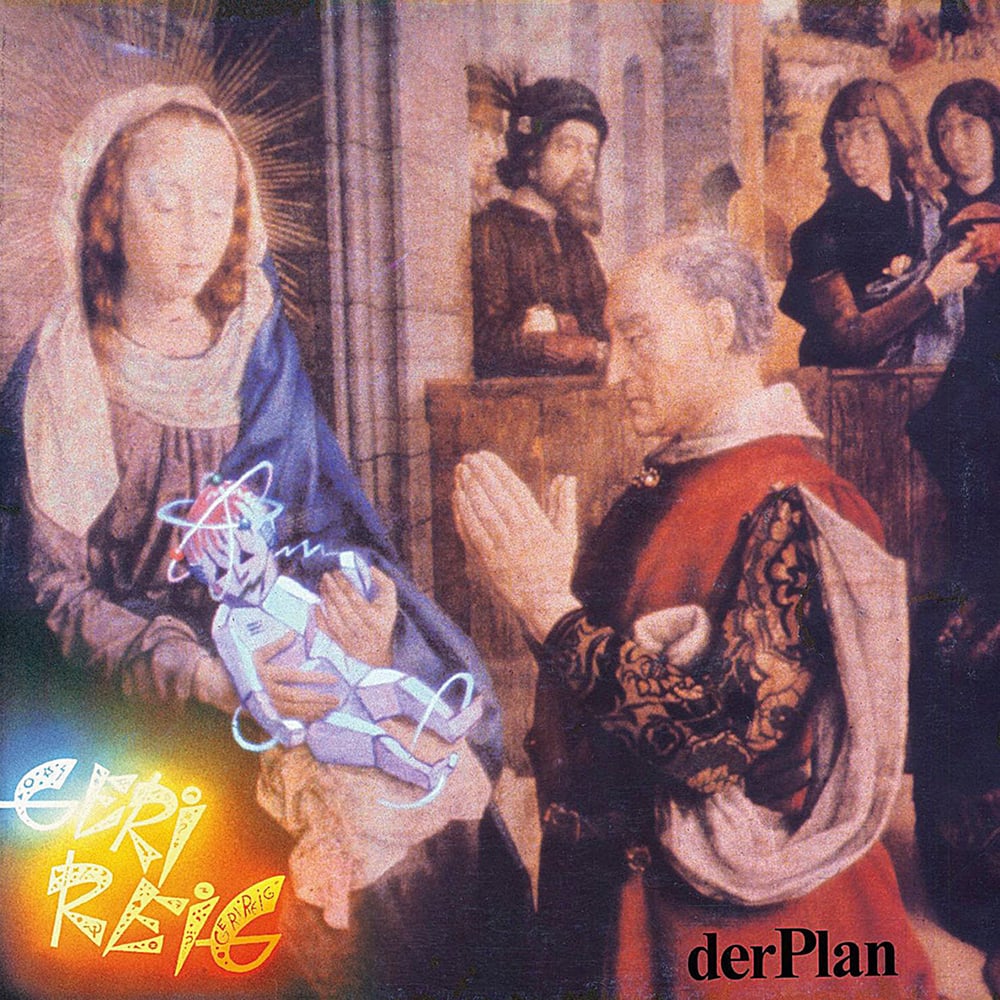
While hailing from Kraftwerk’s home city, Düsseldorf, Der Plan owed nothing to the electronic pioneers. Enamoured with the likes of Throbbing Gristle and The Residents over anything from The Man Machine, Moritz Reichelt, Frank Fenstermacher, and Kurt Dahlke of Pyrolator fame, would craft wriggling synths and warped tape collages against their kitschy absurdism that took Devo’s subversion to an even weirder plane of playful sting. Forming the seminal Ata Tak label, Der Plan wound up issuing some of the NDW’s strangest and essential releases.
While lacking in obvious tracks during their early heyday, each cut congealing into each other as a warped LP whole, ‘Adrenalin Lässt Das Blut Kochen’ is as good a place to start as any. Opening their 1980 debut, Geri Reig, Der Plan conjure a thrillingly odd elasticity of sinewy sequencers and blushing synths that swirl together with psychoactive fever, illustrating the title’s ‘blood boiling adrenaline’ with visceral surreality.
DAF – ‘Der Mussolini’
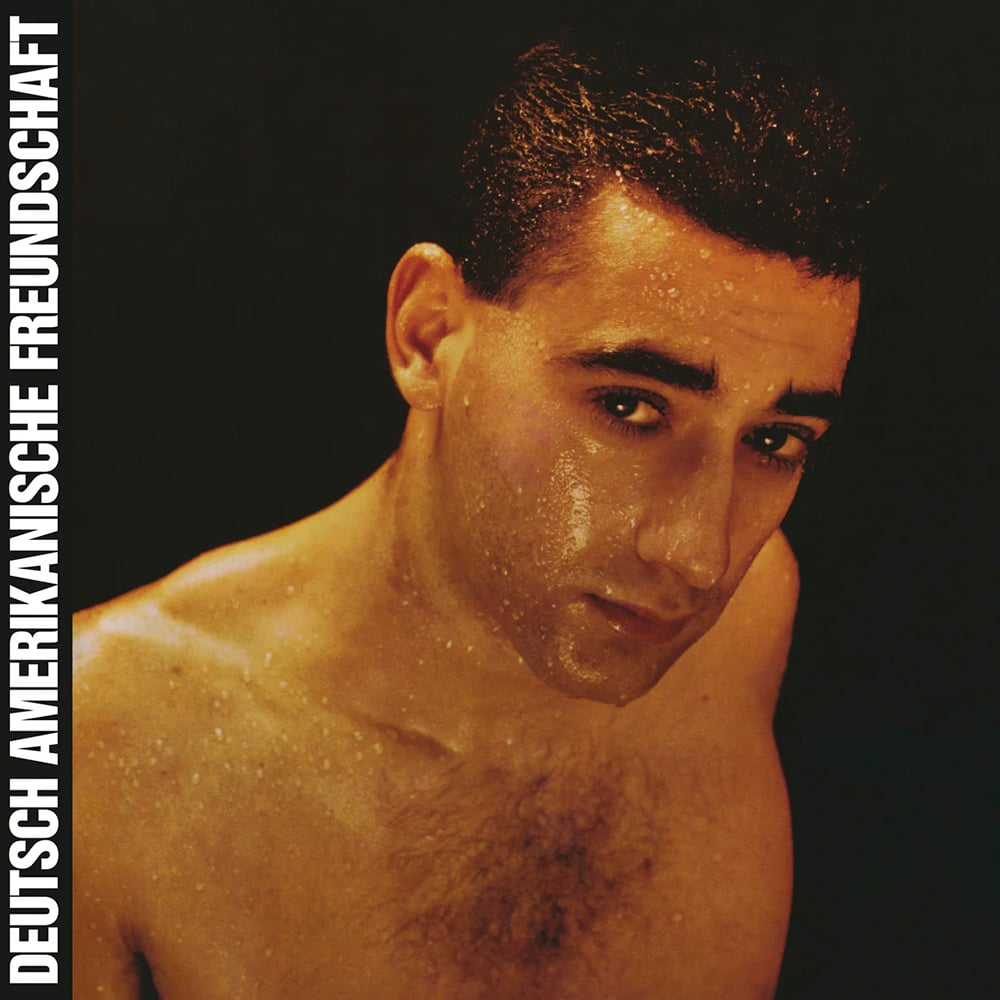
An acronym for Deutsch Amerikanische Freundschaft, DAF always coated their lyrics and thematic foibles with a droll irrelevance for the political backdrops they found themselves caught up in. Founded as a loose, industrial five-piece in 1978—again featuring Pyrolator’s Dahlke—the reduced duo of Gabi Delgado-López and Robert Görl would spell their defining era, a vascular and pulsing electronic sex of oiled muscle, stale sweat, and alien, illicit radiations.
Teaming up with the legendary producer Conny Plank for 1981’s Alles ist gut, DAF edge urgent Korg MS-20 and ARP Odyssey synth spasms to bursting point on the primal ‘Der Mussolini’, Görl’s off-kilter drumming and Delgado’s vocal sputters of “tanz der Mussolini” and “tanz der Adolf Hitler” twisting their nation’s historic revulsions into a smirking, convulsing, knotty dancefloor banger. Two more albums would arrive in their so-called ‘Virgin Trilogy’, both matching the lustrous and decadent crackle that glistens all over ‘Der Mussolini’s used-rubber disco menace.
Einstürzende Neubauten – ‘Tanz Debil’
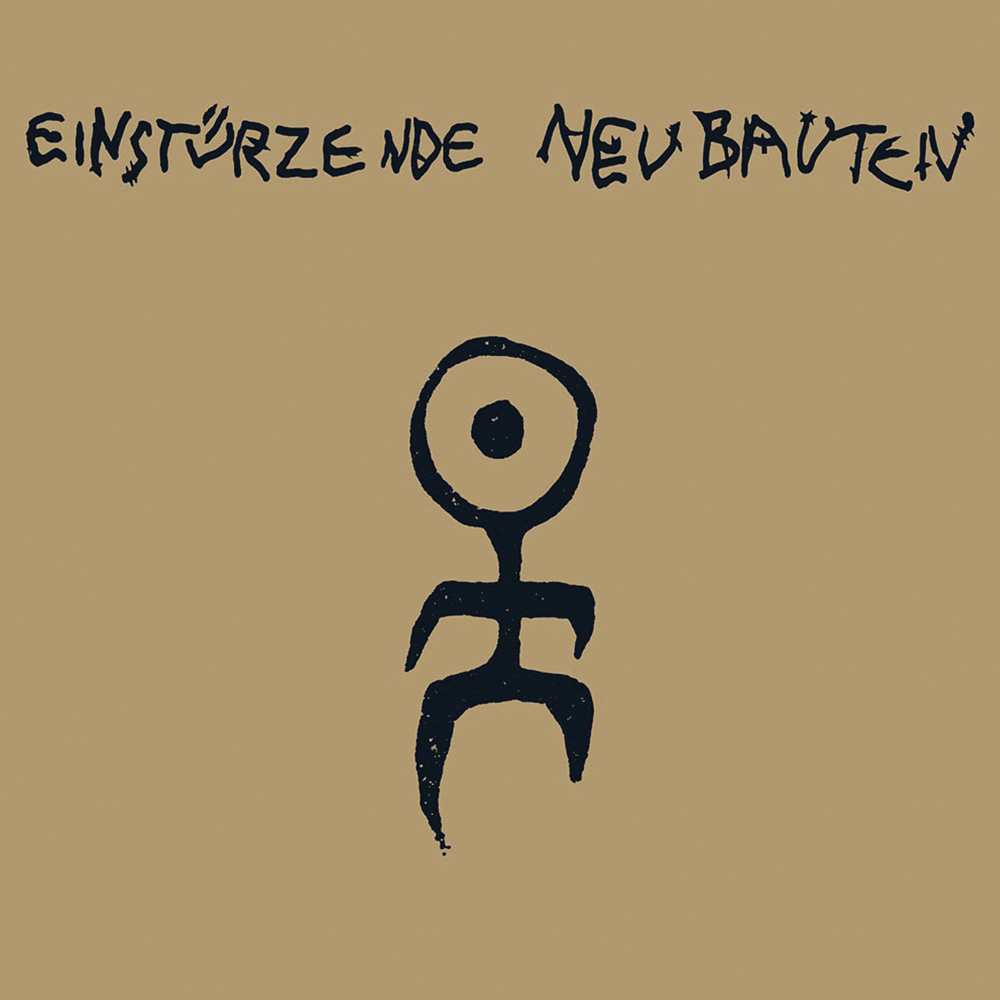
While frontman Blixa Bargeld has always dismissed the NDW tag, any list would be remiss not to include Einstürzende Neubauten’s industrial noise explorations. One of the scene’s solid survivors—and Bargeld finding further fame as one of Nick Cave’s founding Bad Seeds—Einstürzende Neubauten would drop a voluminous level of inventive and cerebral records right up til the present day, moving past their fierce reputation for ungodly scrapes of metallic cacophony toward rich and pensive soundscapes that can often touch on ambient alchemy.
But gargantuan slabs of volatility they indeed meted out in their infancy. Formed in West Berlin and lifting much of their instrumentation from scrapyards and discarded industry, 1980’s Kollaps documented Einstürzende Neubauten’s immersion in scraping, punishing clangour, album opener ‘Tanz Debil’ a stark snapshot of the bruising and caustic lay of the land as the ‘collapsing new people’ saw it.
Die Doraus & Die Marinas – ‘Fred vom Jupiter’
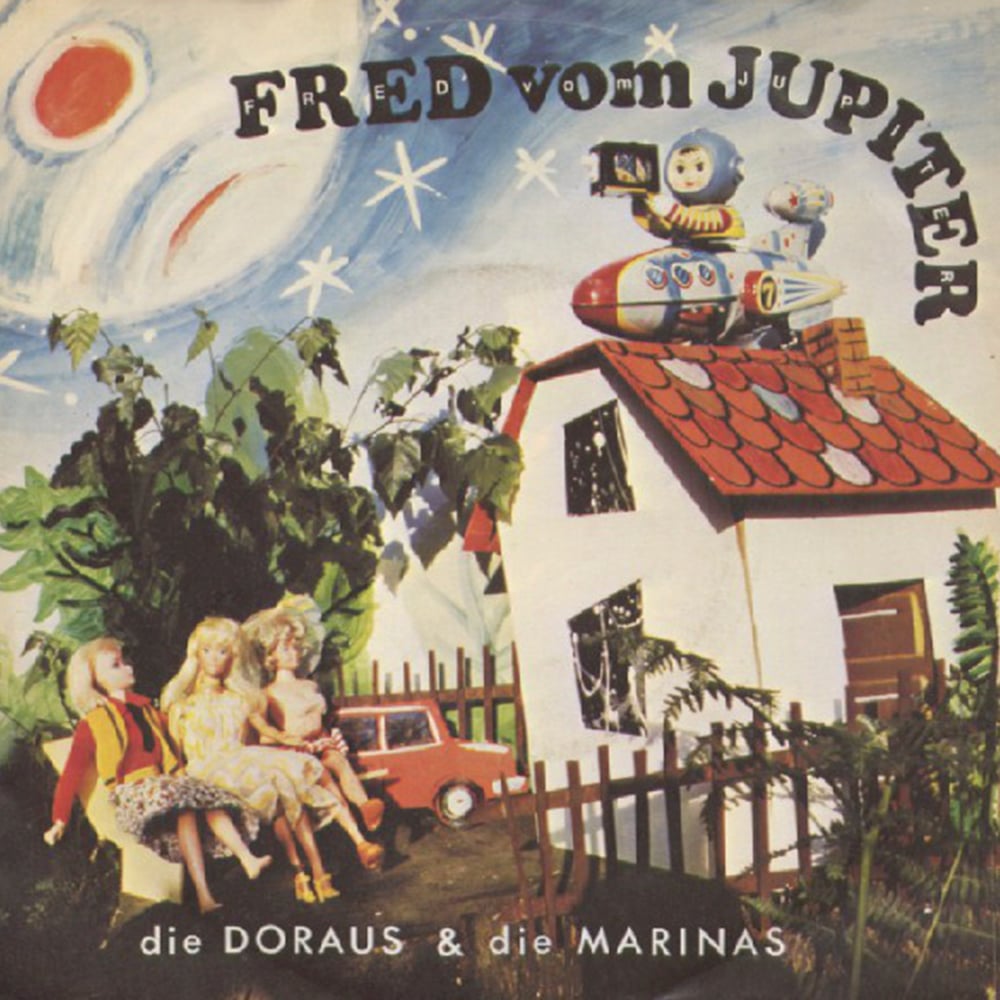
What started as a hobby for the 16-year-old Andreas Dorau while still at school quickly grew into a minor, leftfield pop sensation. Taken on by Der Plan’s Ata Tak label and enjoying production from Dahlke and Fenstermacher, the precocious Dorau would adopt the Die Doraus moniker while his backing singers from school took on the Die Marinas title. Between the two camps, a spinning top of frothy synthpop and drum machine eccentricity would straddle a bizarre intersection of Mute label darlings and sincere, schlager pop cheer.
Full of pisse and essig, 1981’s Blumen Und Narzissen darts and bops with impish, mutant disco bounce, but for sheer, sprightly electro pop, ‘Fred vom Jupiter’ steals the show with its sci-fi blast, a comedic vignette of alien encounters which sounds like it was privately recorded in the school’s music room during break. Such a chart splash, Dorau’s tutor allegedly claimed that the school was entitled to royalties!
Liaisons Dangereuses – ‘Los Niños Del Parque’
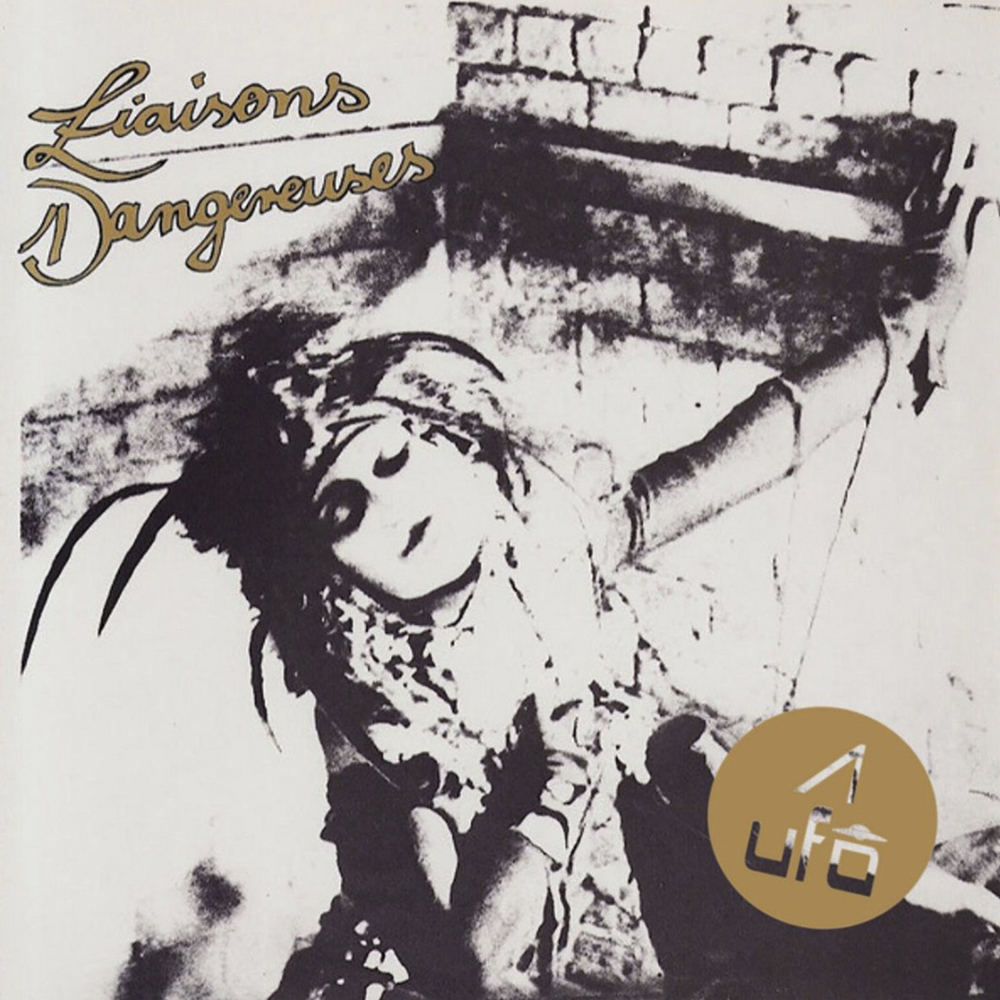
It’s hard to tell if Liaisons Dangereuses knew just how seismic their beefy, electro stut would reverberate across the plains of synth-soaked post-punk. Formerly in the CHBB duo, Beate Bartel and Chrislo Haas grew adept at moulding their hardware to stringy, yet potent slaps of thumping, monophonic seizure. With Haas an early member of DAF and Der Plan, the pair had plenty of experience in their urgent, electronic conjurings.
With Plank once again in the producer’s chair, Liaisons Dangereuses cut 1981’s debut album featuring the serrated proto-club banger ‘Los Niños Del Parque’, a dizzying gristle funk wrapped with eerie vocal incantations and robotic drum heft which still saunters with effortless cool nearly 45 years later.
