


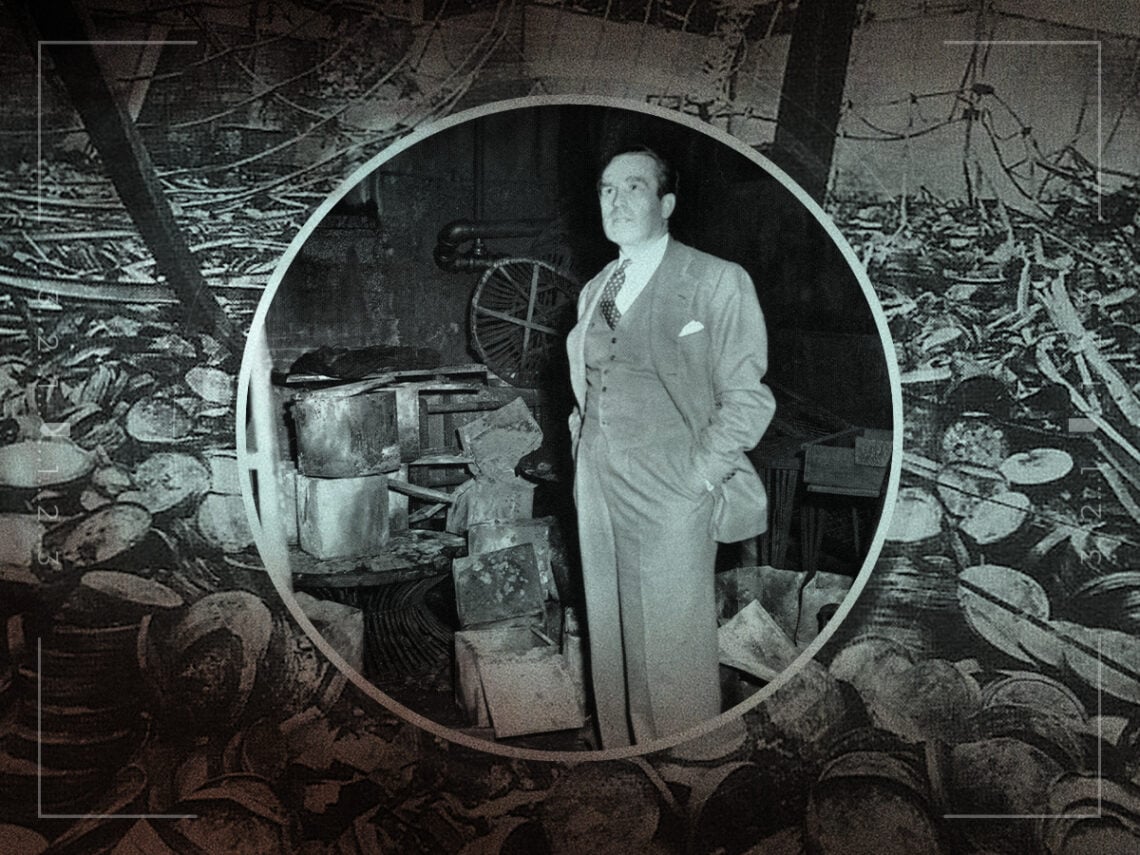
The Fox Vault Fire: A New Jersey disaster that wiped out decades of cinema history in an instant

New Jersey may not seem like it would be a cinematic epicentre, but it’s where a significant portion of classic Hollywood was wiped out.
The most dangerous impediment to the preservation of classic cinema is its storage and protection, as films were not always ensured to stand the test of time. Prior to the era in which digital copies or duplicate reels could be used to pass on films to different generations, there was a danger that significant portions of cinematic history could be erased.
One of the most infamous disasters within the early film industry was the 1937 Fox Vault fire, in which the primary archive for 20th Century Fox went up in flames due to the use of nitrate film. As strange as it may seem to contemporary cinephiles, who tend to associate cinematic hotspots with New York and Los Angeles, New Jersey was where many early technologies had been developed.
While the state is best known for being where Thomas Edison developed some of his earliest projects relating to film, New Jersey has used film stock made of nitrocellulose to hold copies of nearly every Fox film that had been made before 1932. A heat wave in 1937 caused the stocks to begin decaying, and the presence of nitrogen oxides resulted in spontaneous combustion. The inadequate ventilation in the film’s faults was unable to hold off the summer heat, leading to a destructive fire that destroyed decades of cinematic history, and a skewed recollection of Hollywood based on what survived.
Theda Bara had been one of the most popular stars of the time, as her persona of ‘The Vamp’ was essential in inspiring many of the femme fatales that would emerge in the coming decades. Nearly her entire filmography, including over 40 films, went up in flames in New Jersey, meaning that her legacy has only been maintained by archivists who had secondhand accounts of what the reaction to her screen persona was.
Contextualising Bara’s career became even more difficult because all 11 films starring her chief rival, Valeska Suratt, were destroyed. Fox had set up two femme fatale stars in contention with one another, and Suratt still had an impressive draw over audiences, despite not ever reaching the fame of Bara.
While there are a few of Bara’s films that have been partially reconstructed, there is nothing that exists of Suratt’s projects outside of production stills and newspaper clippings.
The film industry moves at such a fast rate that it’s easy for it to forget its history, which is exactly what happened to the western star Tom Mix, who appeared in dozens of westerns and was well-known for doing his own stunts, riding, and singing. Due to the fact that a vast majority of Mix’s filmography was destroyed, he is not always given the credit that he deserves for being influential within the genre. Had the New Jersey fire not occurred, he may have been listed alongside all-time western icons like John Wayne and Clint Eastwood.
The only silver lining about the devastating fire is that it led to greater precautions taken in the industry to protect archived material, as nitrate film had essentially been eliminated by the 1950s, thanks to the improving quality of cellulose acetate film.
