


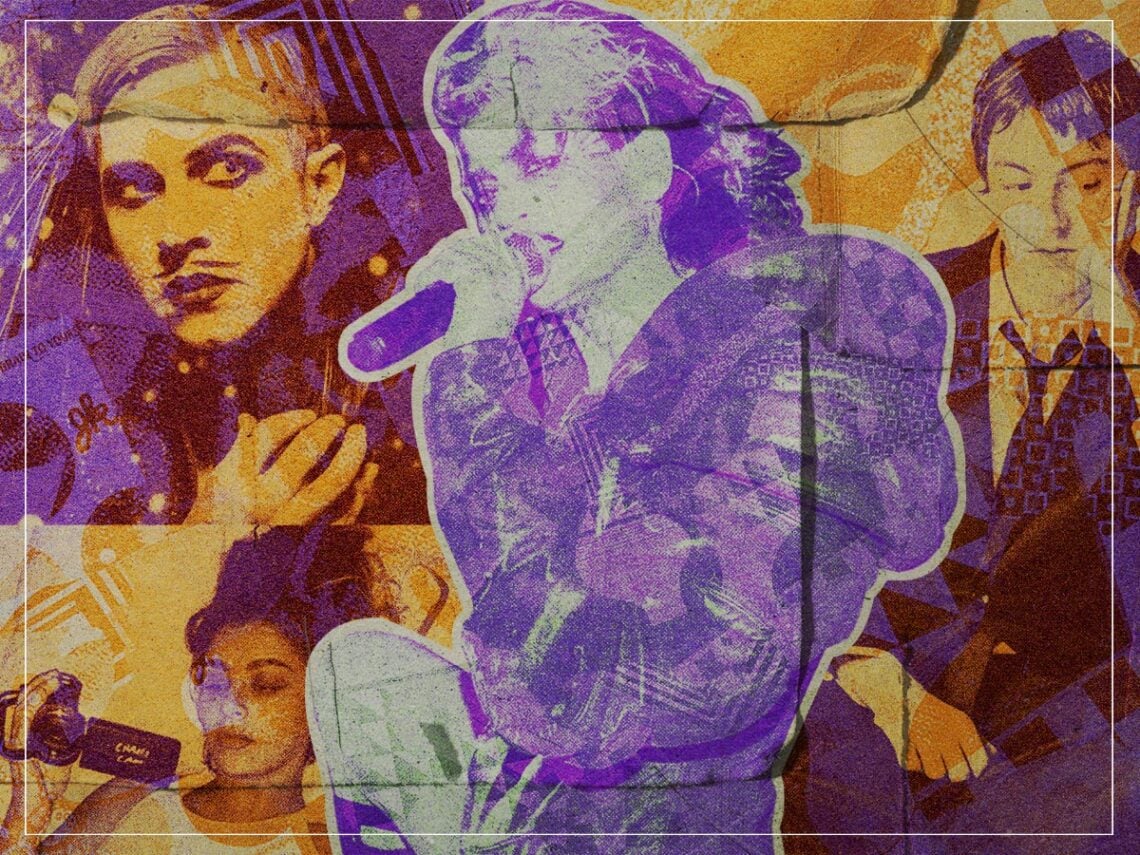
The Teaches of Peaches: is electroclash in line for a full-blown revival?

It’s 2024, and we’ve revived every genre you can think of. Twice. We’ve exhausted post-punk, with a side helping of kraut. We’ve given shoegaze the celebration it deserved. Now, we’re turning to the 2000s for sonic and stylistic inspiration, pining for the days of shutter shades and sleazy guitars before two decades have even passed, and electroclash seems next in line for a cultural renaissance.
Unlike those strangely-named sub-genres that require some intense Googling to wrap your head around, electroclash does exactly what it says on the tin. A clash of electronica borrowing from new wave and techno in equal measure, the term encapsulated a generation of artists driven by synths and sleaze. The music was unapologetically metallic and scuzzy, and their lyrics were no exception.
Electroclash artists may have been borrowing from their synth-pop predecessors, from the likes of New Order and Kraftwerk, but they were far less lyrically well-behaved. Borrowing heavily from Slava Tsukerman’s Liquid Sky, they overlaid their sonic squelches and scrapes with explicit tales of sex and gender, of drugs and partying. It was full-blown musical excess.
At the centre of it all was Peaches, also known as Merril Nisker. With her commitment to pink fishnets, pink hotpants, and pink eye makeup, she became one of the most important figures in the scene. Just as she embodied the genre in her appearance, her sonic output was the epitome of electroclash, filled to the brim with unflinching sexuality and pulsing electronic soundscapes.
As she implored her audiences to check out her “Chrissie behind” and “fuck the pain away,” the teaches of Peaches became the teaches of electroclash. Pure, playful hedonism. The likes of Uffie, Fischerspooner, and Adult were more than willing to follow in her footsteps, filling clubs with seedy, sometimes substance-less music.
As landfill indie grew, electroclash seemed to find a softer home in the stylings of LCD Soundsystem and Hot Chip, losing its edge to less salacious songwriters but retaining its place in the hearts of the sleaziest club-goers. Now, two decades on, audiences, however unknowingly, are calling out for its return, for music that prioritises pleasure, for indulgence and excess and glitter.

After years of prude and serious guitar music, of endless attempts to complicate and intellectualise, of social distancing and club avoidance, the return of escapism and excess is a welcome one. Glimpses of reinterest in the genre have made their way into pop culture in the sudden boom of love for Princess Superstar that followed her inclusion in Saltburn and in Charli XCX’s ongoing quest to bring back the club classics and it-girl culture of the 2000s.
New artists are looking to emulate electroclash, too. Perhaps most notably, New York’s The Dare, also known as Harrison Patrick Smith, seems to have subscribed to the teaches of Peaches, donning a suit that’s far more put together and classy than the music he makes. Born out of the city’s DJ scene, he’s not too dissimilar to James Murphy, but his music is far less self-pitying, revelling in self-indulgence.
His debut EP, The Sex, is just as horny and hedonistic as its title suggests. In ‘Sex’, he adheres to Peaches’ advice to fuck the pain away, detailing his conflicting thoughts on the subject over pulsing synths, declaring, “It doesn’t hurt to try, sometimes the hurting’s why.” ‘Girls’ is as self-indulgent as it gets, two minutes of The Dare listing off types of women he likes, spurred on by a chorus of girls shouting, “That’s what’s up!”
A more selective listener might accuse The Dare of making music without meaning or feeling, but that’s entirely the point. It’s consciously dirty and unrefined, daring you to lean into the sordidness of it all. “I’m in the club while you’re online,” Smith declares on ‘Good Time’. It’s a call to electroclash arms, shaming you into sleaziness. Join him in the club or waste away your days online, the time will pass either way.
It’s an updated version of electroclash fit with references to the ‘gram, but it’s electroclash all the same. As prices rise and wages fall, as the world continually seems to crumble around us, there’s a longing for music to counteract that feeling, to lean into the nihilistic and the misanthropic. “I got no money, you got no money,” Smith shrugs, “We got a good time.”
Music sub-cultures have been calling out for something a little more playful, something a little more silly and sexy, and electroclash just might be it. A far cry from recent obsessions like jazzy post-punk and dense shoegaze, it’s light and luxurious. Beyond The Dare and The Hellp, we’re crying out for a full-blown electroclash revival for the teaches of Peaches to be reinstated.
