


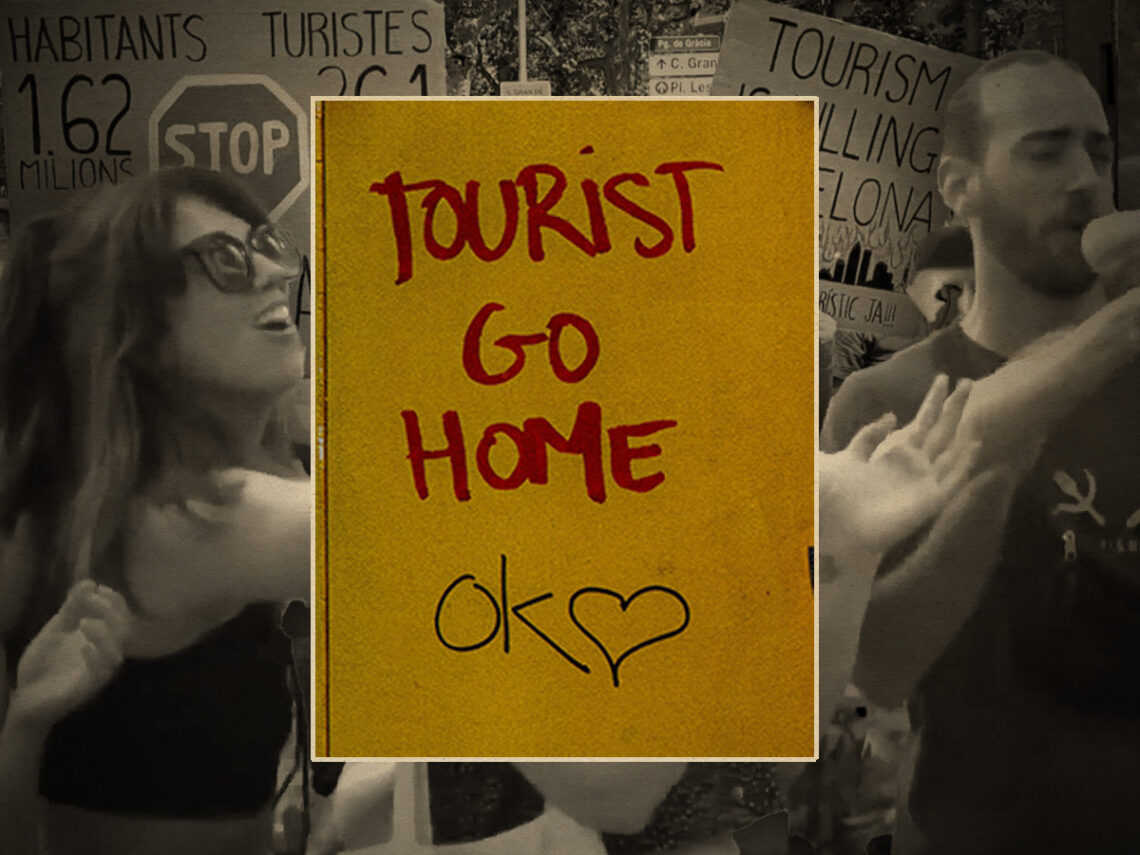
Are Barcelona’s “anti-tourism” protests being over-sensationalised?

Sun, sea, siestas, sangria and serenading tourists with chants of “you’re all guiris”. That is Barcelona in 2025, or at least that’s what it looks like when you turn on the news. The truth, as it always does, lies somewhere in between.
You can barely talk about the Spanish city without people mentioning the dislike that Barcelona’s residents have of tourists, and their protests against them, which have increased this year.
The grievances that local residents have are entirely understandable and fair. There are serious issues with a lack of housing, which is largely attributed to tourists. Barcelona has become one of the world’s most visited cities. In 2023, it ranked fifth in Europe, with a staggering 28 million holidaymakers spending at least one night in the Catalan city, while also ranking 17th globally in a 2024 survey.
In 11 years, between 2013 and 2024, the average rental price in the city rose a staggering 65-70%, far higher than the rate of inflation that locals saw in their pay packets. This was in part due to short-term rentals, with Airbnb and others like it transforming the makeup of the city, with landlords realising the financial benefits of renting to short-term visitors rather than long-term leases to local residents.
Certain districts within the city, such as Ciutat Vella, Barceloneta and Eixample, have become overrun with short-term rentals, forcing a mass exodus of locals, which has damaged the very fibre of the area.
The city has fought back, banning illegal Airbnb rentals, as well as announcing that they’ll be totally banned by November 2028, when licenses will not be renewed. However, it’s too late, with some areas already decimated, communities ripped up and people who have grown up in those streets being forced to move against their will.
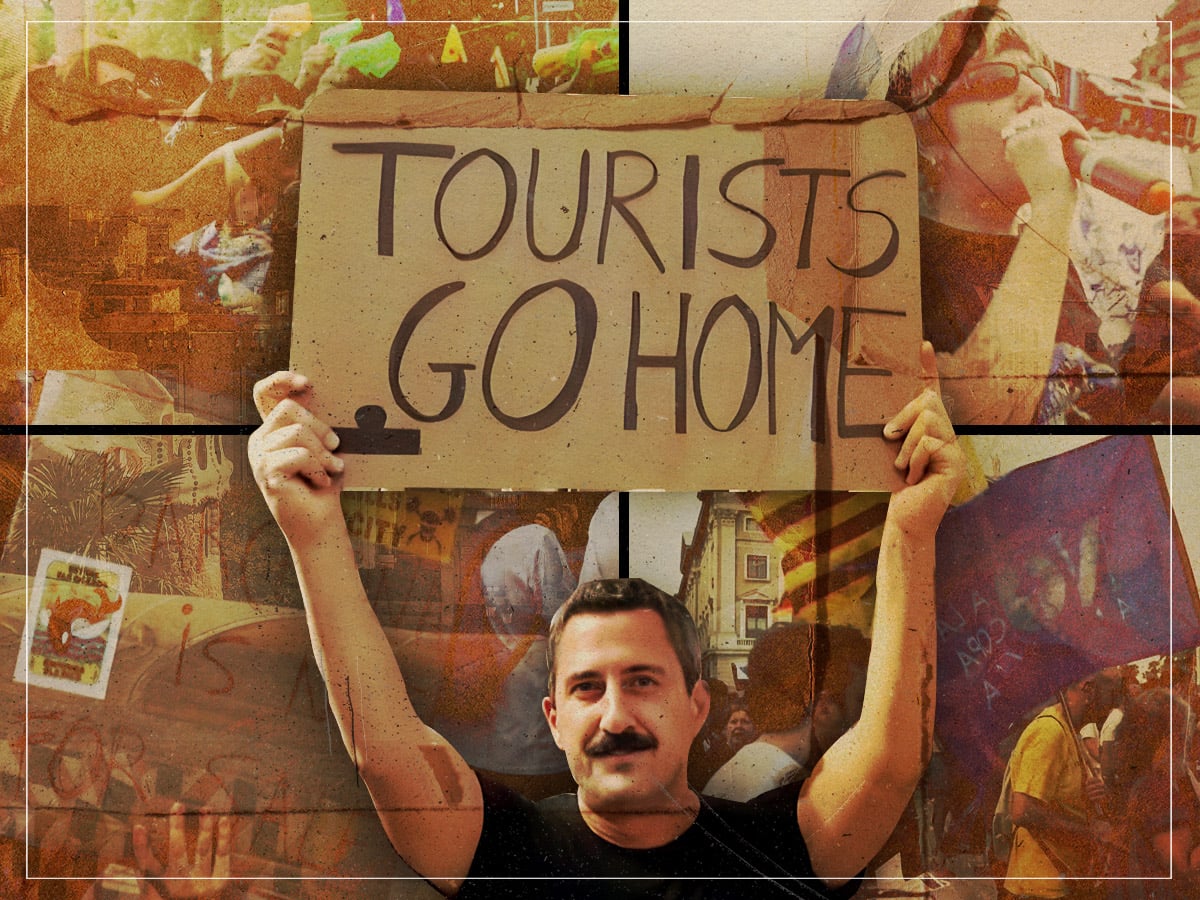
Thousands of locals have marched through the city, with placards telling tourists to “go home”, as well as firing water-guns at visitors. This has, however, been overblown. That’s the opinion shared by a local on Reddit, who wrote: “You won’t notice anything off when visiting…I’ve walked near the tourist areas for years and have yet to see a single instance of this behaviour.”
Adding, “It’s blown out of proportion…Apart from graffiti…I don’t think tourists encounter much of the protests.”
Certainly, as somebody who visited the city this summer, I felt it was overblown too. Besides some scrawled words on a wall, I saw nothing. There were no sneers, no judging looks from locals and certainly no sprays from water-guns.
That said, the city did feel less magical than in years previous. It no longer felt real, authentic and lived-in, but more like a theme park, selling FC Barcelona merchandise and a billion different fridge magnets, or other pieces of tat, with images of Antoni Gaudí’s buildings on them.
Las Ramblas, in particular, felt like a hellhole. A long, straight street, serving up microwaved paella, and ice-cold cervezas. The menus are in English with big, bright pictures, and the pavement is strewn with flyers for strip shows.
As somebody who grew up in Cornwall, and has seen first-hand the impact of tourism and second-home ownership on local housing, I can empathise with how the Catalans feel. Being priced out of your home, and then having to endure stag-dos pissing in your streets, on their way between different Irish Bars, must be galling.
What we have to remember as visitors is that the residents of Barcelona don’t hate tourists; they hate what tourism has done to their city. They don’t hate you or I, but rather the sky-high rents that have forced their friends and family to move out, and that have seen the area lose it’s identity. Barcelona, I’m with you, but please don’t squirt me with a water pistol.
