


The 8 essential deep cuts from every Roxy Music album

Essential deep cuts from every Roxy Music album:
‘Re-Make/Re-Model’
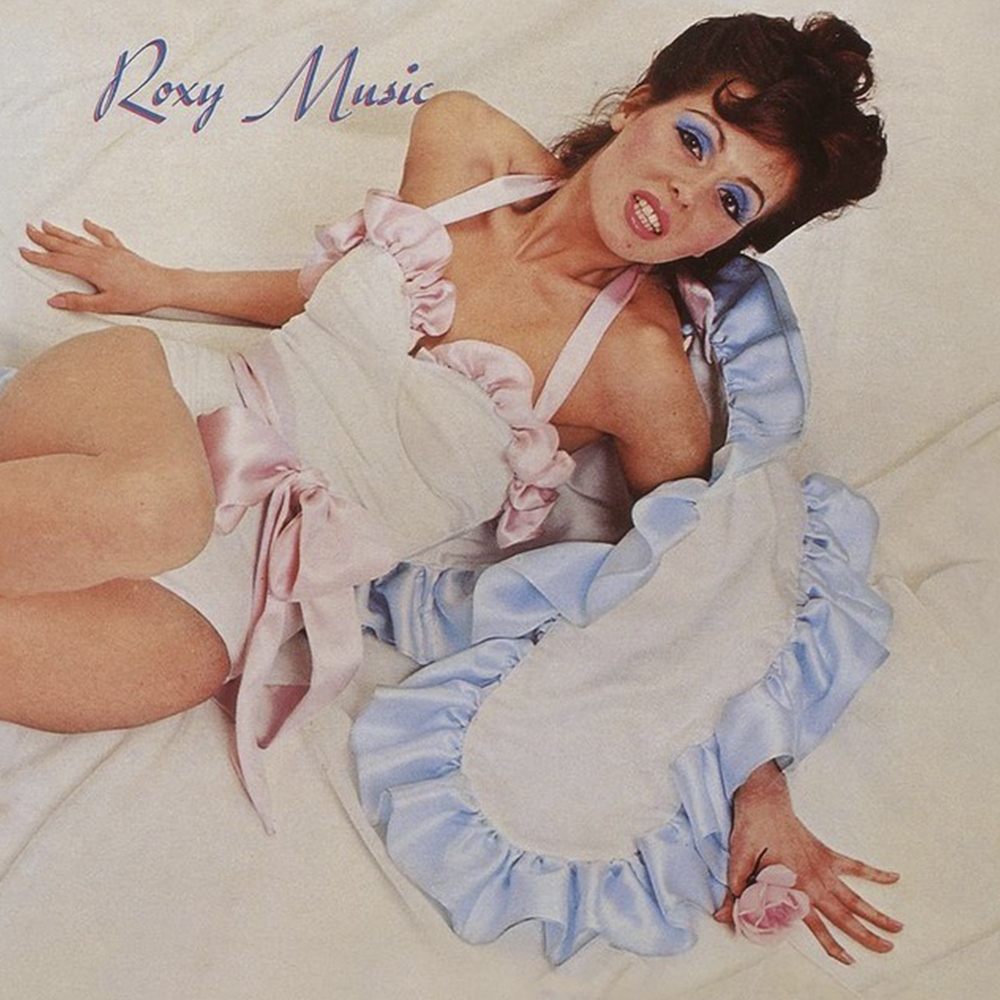
Originally released in June 1972, Roxy Music was in fact without any promotional single; the ‘Virginia Plain’ smash dropped a month later and included on subsequent issues of their debut LP.
All of the band’s inventive pop dynamism was on full show across their art collage glam gem, however, weaving through ambient transmissions, love letters to old cinema, and analogue-synth smatterings, twirling with electrical glitter on an astonishing debut that meets Ziggy Stardust for sheer technicolour tour de force.
Opening Roxy Music is the postmodern chaos of ‘Re-Make/Re-Model’. A perfect pastiche and sincere ode to music’s myriad heritage, the band all mash together motifs and licks from The Beatles to Wagner in an art-glam explosion, a door to their enchanting world is burst wide open, and invites a whole artistic and musical language. Teeming with bluster and strutting confidence, ‘Re-Make/Re-Model’ serves as their debut’s magnetic centrepiece.
‘In Every Dream Home a Heartache’
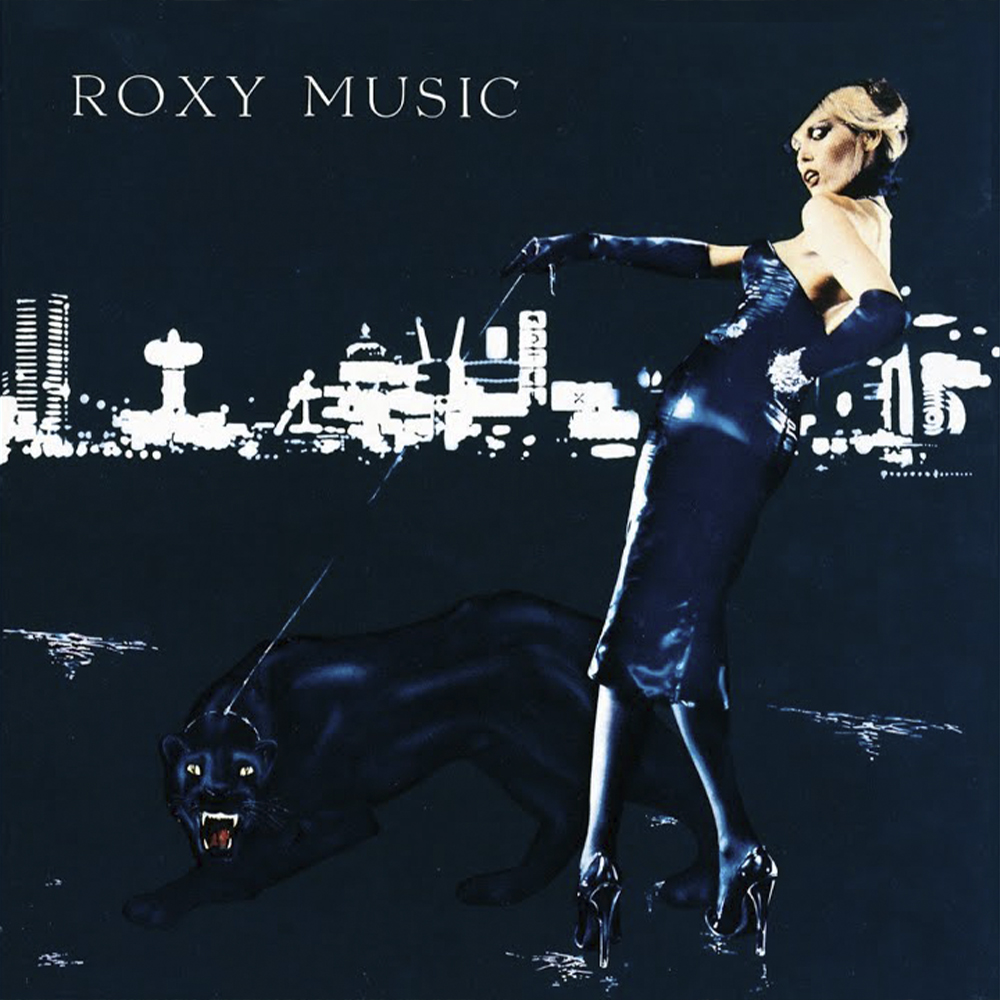
There were scant signs of the difficult second album.
Pursuing a tighter and more refined sophomore, the creative scope explored on Roxy Music was filtered in a sharper coherency on 1973’s For Your Pleasure, balancing the avant-garde with keen pop accessibility, a happy marriage they wouldn’t strike so succinctly again. Experimental without the former’s looser compositions, Roxy Music’s second LP offering penetrated deeper into the heart of their evocative pop splendour.
While having garnered critical plaudits retrospectively and a guarantee of any live show they play, ‘In Every Dream Home a Heartache’s eerie seizure never saw life as a single. It’s a phenomenal cut. Inspired by Richard Hamilton’s pop-art critique of material living, Ferry’s crooning ode to a blow-up doll stands as one of the 1970s’ most scorching numbers, the drama raised by Manzanera’s electrifying solo and the weird crescendo of sonic faders and flanging effects that spike the whole affair like a nightmarishly bad fever dream.
‘Amazona’
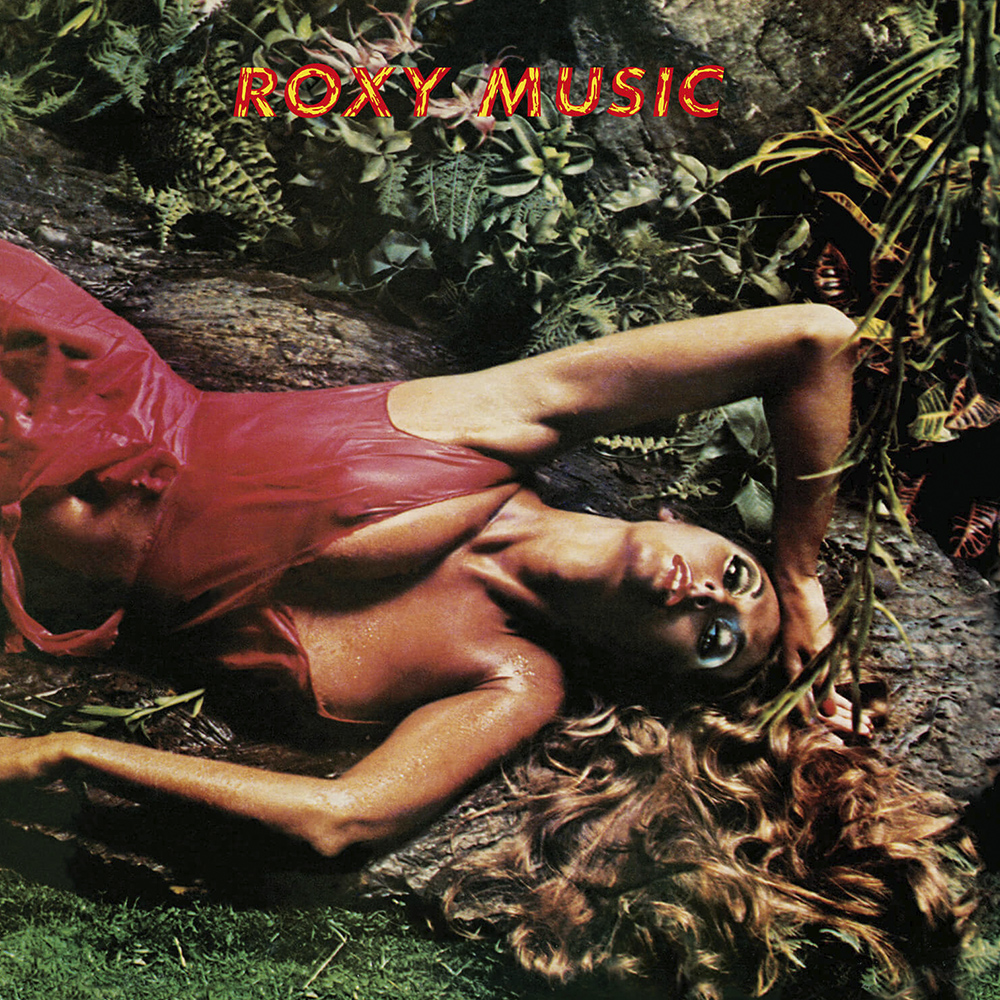
By Stranded, released only eight months after For Your Pleasure, Eno had called it quits, and Ferry found himself sharing songwriting duties with Manzanera and brass man Andy Mackay.
Retaining their creative edge but leaning into their frontman’s favoured popcraft direction, Stranded would usher in a new mini era of LPs that started to shake off glam’s excesses just as the scene was turning stale, penning numbers that still crackled with slight psychedelic flourish but anchored in stirring, convivial rock and mournful balladry.
Bristling with otherworldly groove is ‘Amazona’, an alien swagger of exotic harkening to the mythic female warriors ensconced in Ferry’s imagination. Stranded’s third cut skulks along with prowling funk before another one of Manzanera’s extraterrestrial guitar chops courtesy of his axe plugged into a VCS 3 synth, all adding a lysergic glow to the arresting slice of animated reverie.
‘Out of the Blue’
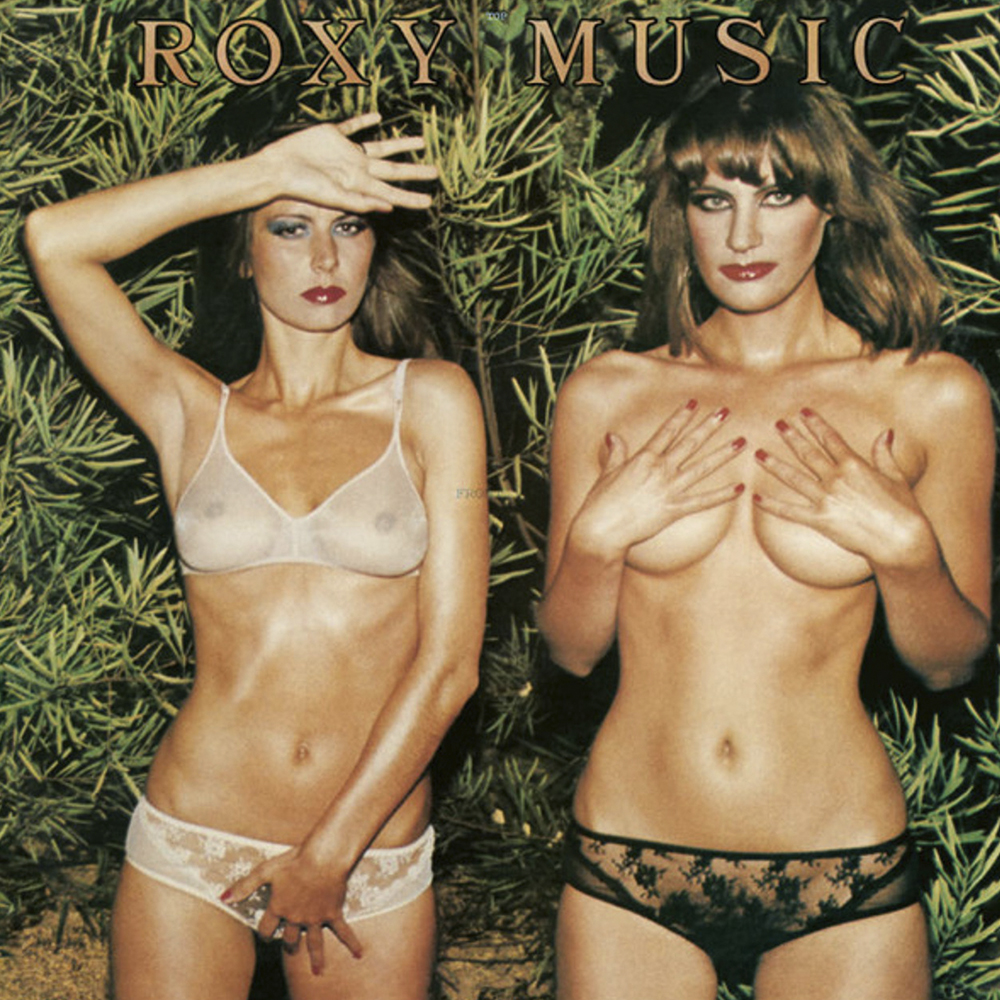
Roxy Music sauntered effortlessly from one art rock gem to another, this time dropping 1974’s Country Life amid their golden album run.
Packing greater dramatic stakes and bottle-rocket romantic energy, the band’s fourth studio effort cemented themselves as one of the UK’s most premier pop outfits, charting a course of hyperreal and intensely transportive musical lure. Even Bowie wasn’t reaching such heights during 1974.
Arriving like a hurricane, ‘Out of the Blue’ besotted thunder is as stark a capture of infatuation as any. A thrilling storm of rock-solid basslines, sci-fi tape effects, Manzanera’s screaming guitar attack, and Eddie Jobson’s arresting electric viola all collide with centrifugal awe, effortlessly shepherded by Ferry’s enigmatic love letter to the enchanting lady whose “love came rushing in”. Among a record of stellar Roxy cuts, ‘Out of the Blue’ captures Country Life’s volatile heart.
‘Whirlwind’
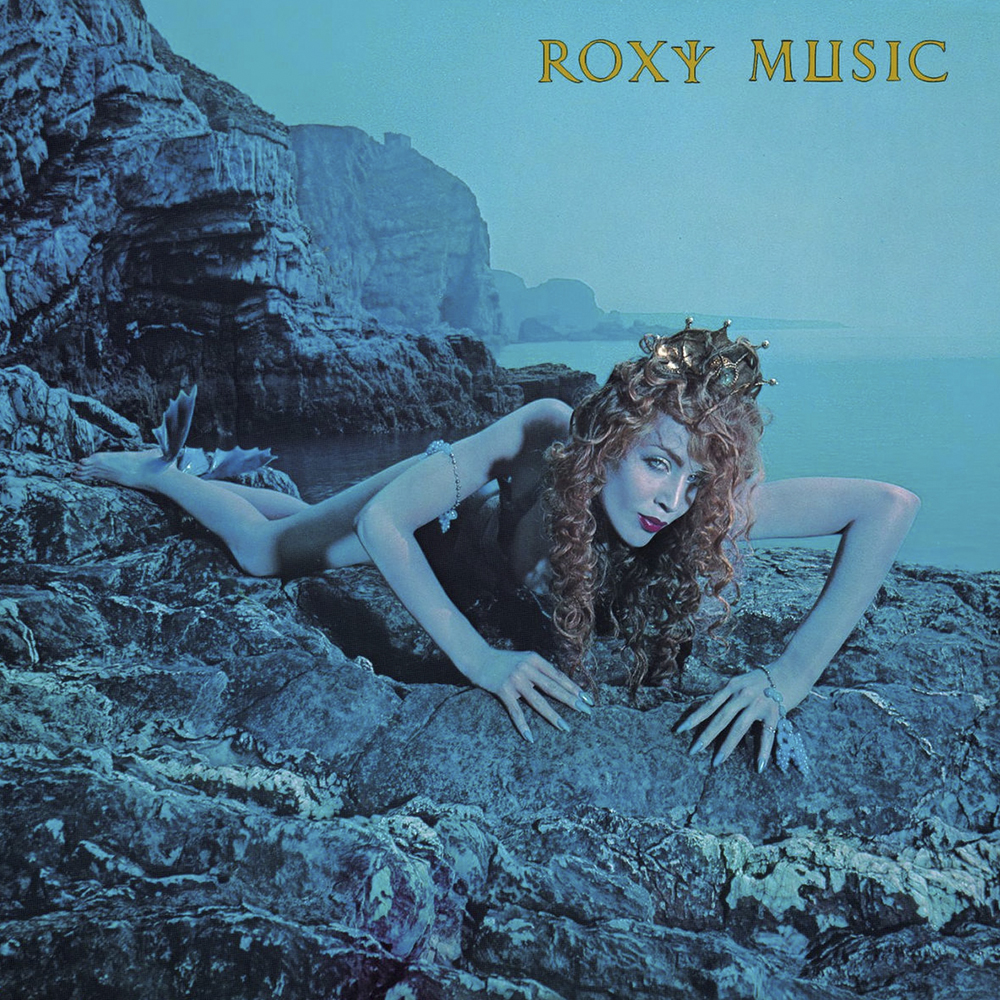
While some creative steam was running dry, 1975’s Siren still could pluck the likes of ‘Love Is the Drug’ from the sparkling ether.
Straying into more conventional arrangements and pop affairs with their fifth LP effort, Roxy Music began shaking off the electronic scree and avant-garde inclinations in earnest. Cut before their first hiatus, Siren chased the pop sphere with a yet unseen abandonment while still staking such goals entirely on their own artistic terms.
Like a companion piece of sorts to ‘Out of the Blue’, ‘Whirlwind’ conjures a more frightening and elemental paean to the tumultuous throes of passion. Aside from its organ break, ‘Whirlwind’ leaps out of the speakers with its hailing rock attack, a stripped-down number in Siren’s less cluttered character but brimming as one of the record’s best examples of Roxy Music reaching for a more direct and full-throated impact.
‘Stronger Through the Years’
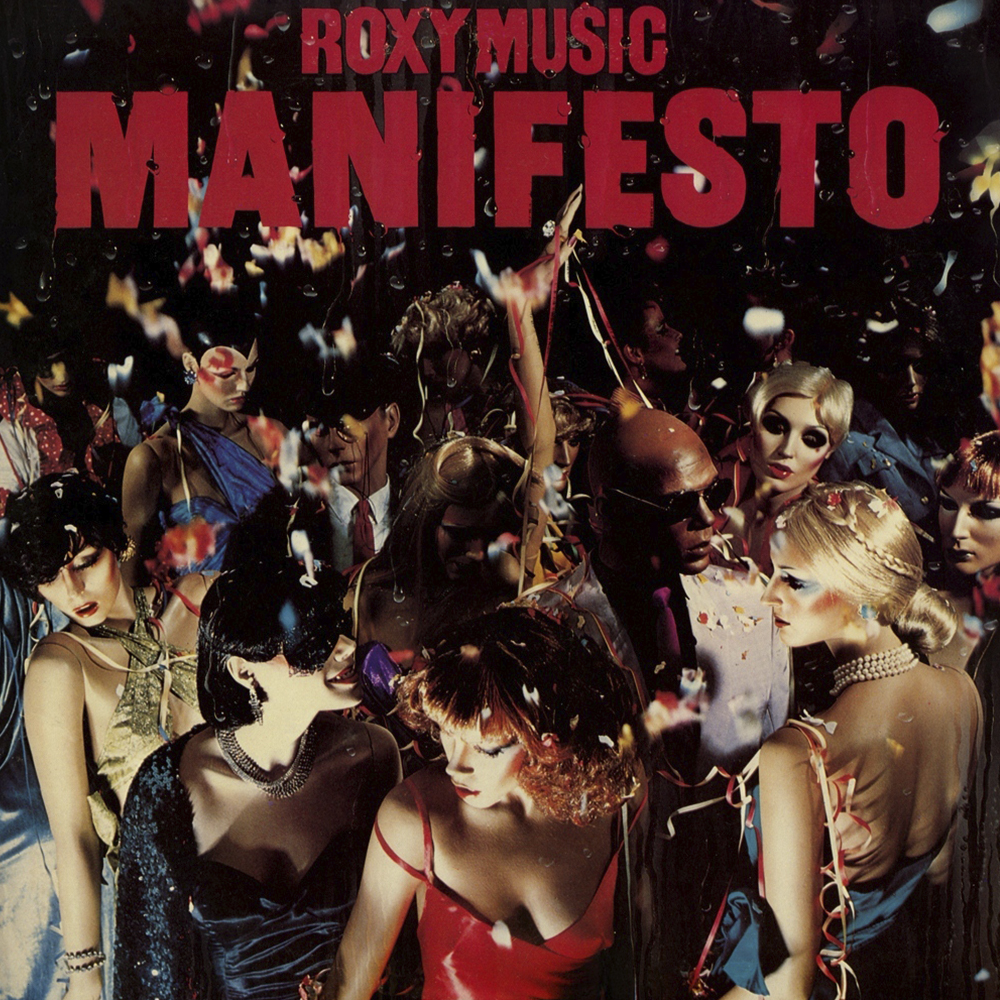
After a few years apart, Roxy Music reconvened during a punk and new wave climate they’d helped bring about. Forging a successful solo career, Ferry was well into his transformation away from leery lounge lizard to introspective romantic, a sonic and frontman style that would only calcify further from here on. Dropped in 1979, Manifesto stayed within a realm of guarded songcraft but not without bona fide classics, responsible for the wry ‘Angel Eyes’ and the ‘Dance Away’ chart topper.
Among the modern and textured pop songs that glitter across Manifesto, ‘Stronger Through the Years’ lands with a celestial glow. Synths dance in the tundra, Manzanera’s guitar laps and flutters in the distance, and Ferry touches on the cryptic lines “Silver lips, kisses borrowed” in a number that flashes a widescreen sense of cinematic ambition. While some found Manifesto to lack the adventure of their early material, ‘Stronger Through the Years’ showed Roxy Music could still drop jaws when they felt like it.
‘No Strange Delight’
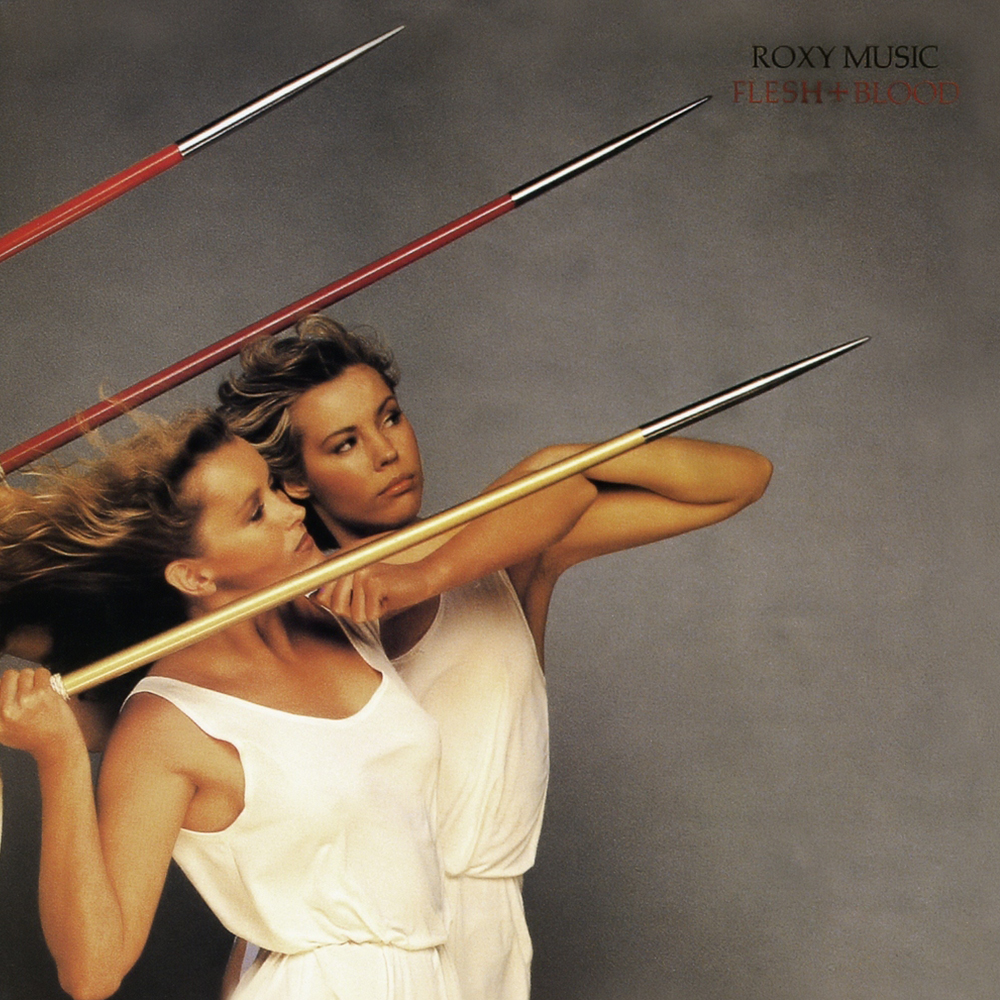
With the departure of longtime drummer Paul Thompson, Roxy Music were now reduced to a trio for the first time in their history. Leaning less and less on conventional band set-ups, Ferry, Mananzera, and Mackay were tethered deeper to the studio, crafting the rich and layered aural pop that would be dubbed, perhaps derisively, as ‘sophistipop’.
Yet, while pale imitators would follow, 1980’s Flesh and Blood still wrestled greatness from their ambient fancies, ‘Oh Yeah’ and ‘Same Old Scene’ helping push their seventh LP briefly to a UK number one.
Capturing the sonic alchemy they were unearthing in the studio, ‘No Strange Delight’ hovers with apparitional delight. A ghostly hue of raining piano and bass groove that descends like a shroud, Roxy Music dream up a wistful number that sparks some of the old magic underneath its polished glaze and grey, forlorn washes.
‘The Space Between’
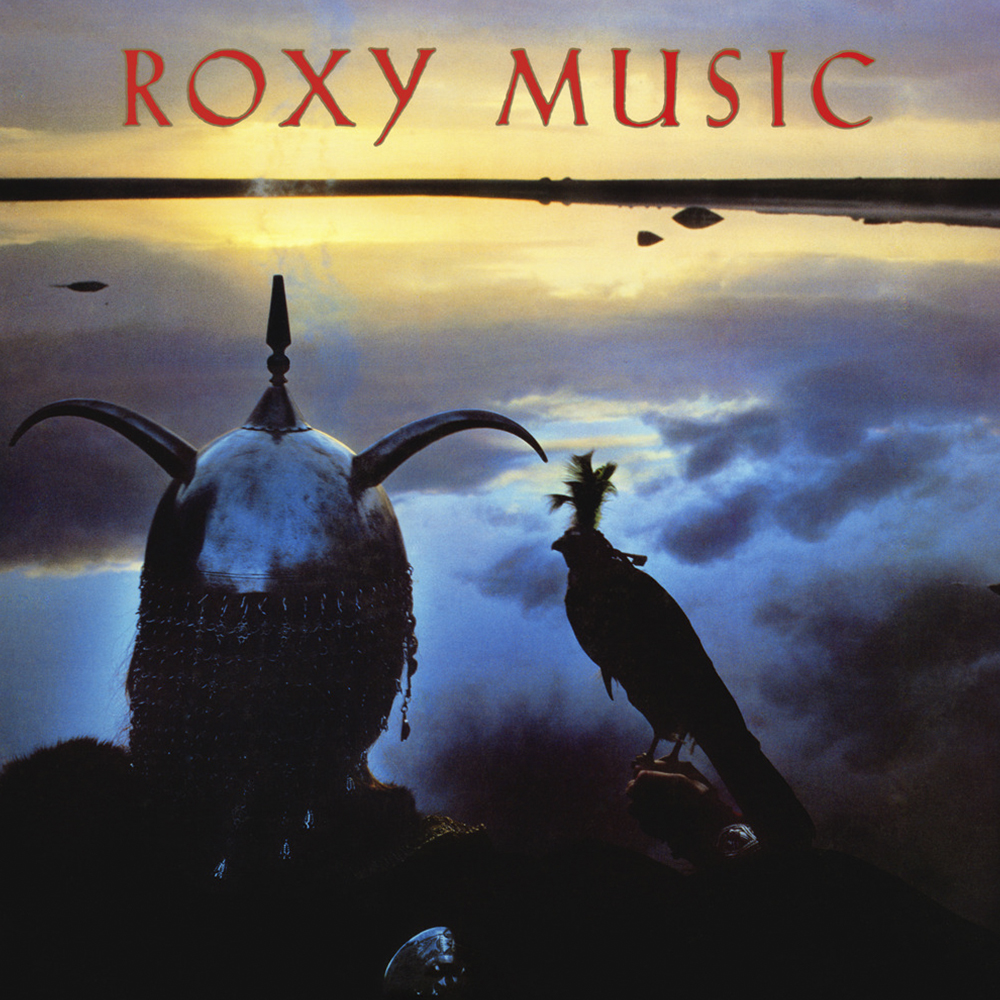
The ultimate confluence of their creative trajectory and studio deployment, Roxy Music’s recording story would end with 1982’s Avalon.
Sonically blueprinting where Ferry would take his solo career, ‘More Than This’ and the dreamy title track would herald the band’s last hurrah, scoring much-loved singles and landing another UK album number one. For many kids at the time hooked on Duran Duran and Spandau Ballet, Roxy Music for a moment blended right in, eager nabbers of Avalon unaware just quite how far back their legacy stretched.
Among Avalon’s foggy pop mist, ‘The Space Between’ stands confident as a single contender. Perking up with a fleshed-out character at odds with the record’s otherwise synth-bathed austerity, ‘The Space Between’ tumbles together with effortless gel, sax bleats and skittering piano all flirt together in sculpted tandem, Roxy Music hiding their final album bow with another pop offering that stood among their contemporaries with aplomb and re-established their mantle of pop’s old masters.
