


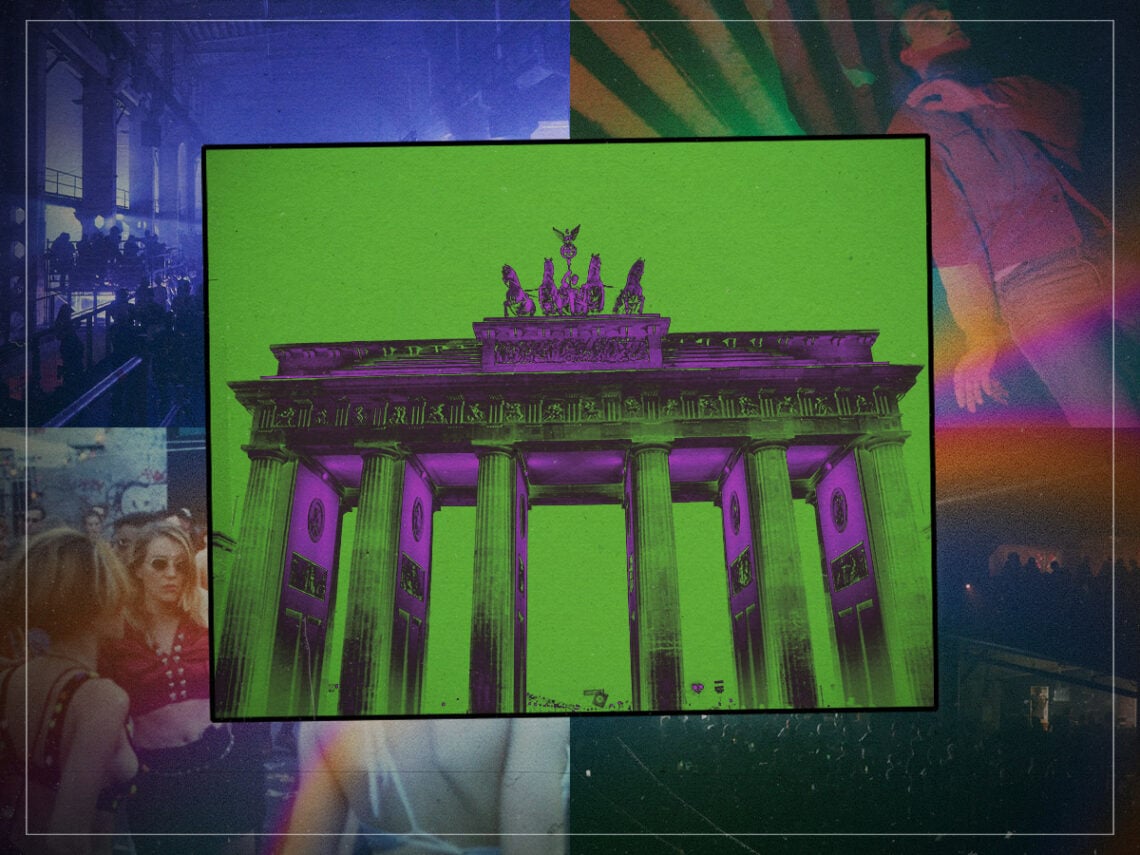
Clubsterben: Why is Berlin’s clubbing scene dying out?

The end of Covid was meant to bring so much joy.
We all spent lockdown dreaming of the moment that we’d all literally be able to breathe the same air again. When families could meet up and actually hug each other. When theatre, cinema and gig venue doors would be thrown open for safely vaccinated revellers to leave their cares behind. Losing themselves to the joy of art being exhibited the way it was meant to be seen, rather than half-watched from the couch while you scroll through TikTok. Perhaps no industry was more desperate for things to return to normal than the clubbing scene.
After all, what could fly in the face of a global pandemic more than the idea of enclosed, dark, hot rooms of sweaty people in extremely close proximity? Thus, not only did clubbing become one of the hobbies most kneecapped by the pandemic, but it also became the hobby that the people most passionate about it had to wait the longest for its return. Cinemas, restaurants, and even gig venues opened up relatively early. Sure, in a bastardised, barely functioning way, but my God, we’d take it. There was no real way of doing that with clubbing. There was no acceptable alternative. You either clubbed or you didn’t.
For this reason, clubbing itself became this end goal of a sort. The moment the clubs came back became the moment that all this would be over, and would then be celebrated as such. People made plans for the ultimate night out. Music analysts predicted dance music to surge up the charts as people wanted to celebrate their freedom, the return of normality. Two years after the World Health Organisation declared the pandemic over, though, clubbing is in dire straits. If you need proof of this, just look over to the nightlife capital of Europe and arguably, the world, Berlin.
Fun fact: Berlin newsagents and corner shops tend to sell toothpaste and toothbrush combos. This is because of the clubbing culture and the fact that clubs will open on Friday at midnight and continue without pausing until Monday morning. Berlin’s club culture is like ravens at the Tower of London, a health check for the entire national health. Which is terrible news at the moment, because clubs in Berlin are dropping like dehydrated, pilled-up Sunday night ravers who’ve been going since Saturday lunchtime, desperate for one more drop.
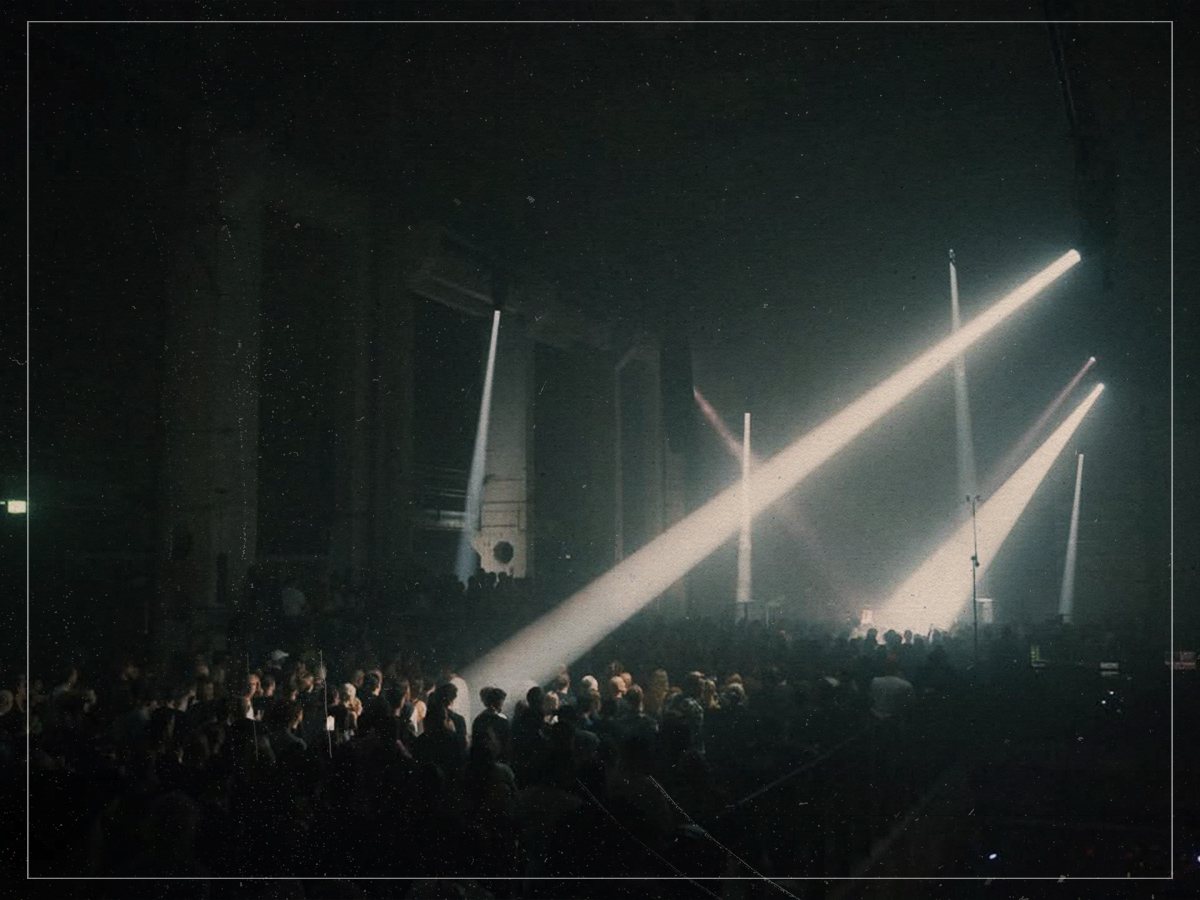
Why is the clubbing culture of Berlin under threat?
To understand that, we must first look into how the culture rose in the first place, and how the city itself has changed. Berlin’s rave scene didn’t spring out of nothing. Instead, it came from the dour economic times the city faced after reunification in the early 1990s. Many citizens and businesses upped sticks from the city, especially in its formerly communist East side, leaving vast swathes of real estate abandoned. What will broke, bored kids do with abandoned buildings though? Make art with them.
Suddenly, setting up a venue or a club became as simple as finding an abandoned factory and putting a lock on the door. One of the city’s most notorious clubs, Tresor, was set up not only in an abandoned department store, but specifically in its bank vault. Much like punk rock, this dangerous, anarchic edge captured the imagination of millions, who spent the next 30 years turning the Berlin club scene from a collection of squats into one of the economic backbones of the entire city’s culture scene.
So, why is the word most associated with Berlin’s clubbing scene at the moment ‘Clubsterben’, a word which, translated in English, means ‘death of clubs’? The answer to why the club scene is dying partially lies in its birth. Berlin rose from those dour economic times to one of immense prosperity, partially due to that same culture scene. With money and clout, however, comes gentrification. Rich folks and businesses looking to capitalise on them came sweeping into what was once a grassroots scene. The working-class people who populated, and in some cases created the scene, were suddenly priced out of it.
Since neo-liberal economics seem to prioritise decreasing the number of people who can afford anything, and increasing the number of people who can’t, the number of people going to clubs in Berlin has been decreasing year on year since the pandemic, surprise, surprise. It’s not only dwindling punters, though. Gentrification also has a more directly ruinous effect on the clubs themselves, you’ll be delighted to hear.
Now that the areas all these clubs were set up in 40 years ago are happening areas of cultural importance, property companies have descended on them. Converting spaces nearby these clubs into hotels and apartments. Y’know, places where people live and sleep. Take a look back at the kind of hours these clubs open for. Turns out a young yuppie family visiting the city from America doesn’t take too kindly to the noise from About Blank waking them up at 7am on a Monday morning.
One would assume the lesson learned here would be “don’t build flats and hotels near techno clubs”. It’s not. Unfortunately, the people who build flats and hotels near local venues and are shocked and appalled by all the loud music are as stupid and short-sighted as they are rich. Three guesses who wins in the legal battles between these two entities. Thus, the culture that, at one point, was the representation of everything great we’d return to after the pandemic has instead become a representation of the world we’ve actually returned to after the pandemic.
One where rich people bleed the world of everything great about it, and show no sign of stopping without radical, direct action.
