


What is behind the rise of lo-fi music?

Like post-punk or pop, lo-fi is a musical sensibility often referred to as a genre without much consideration for the diversity of styles it encompasses.
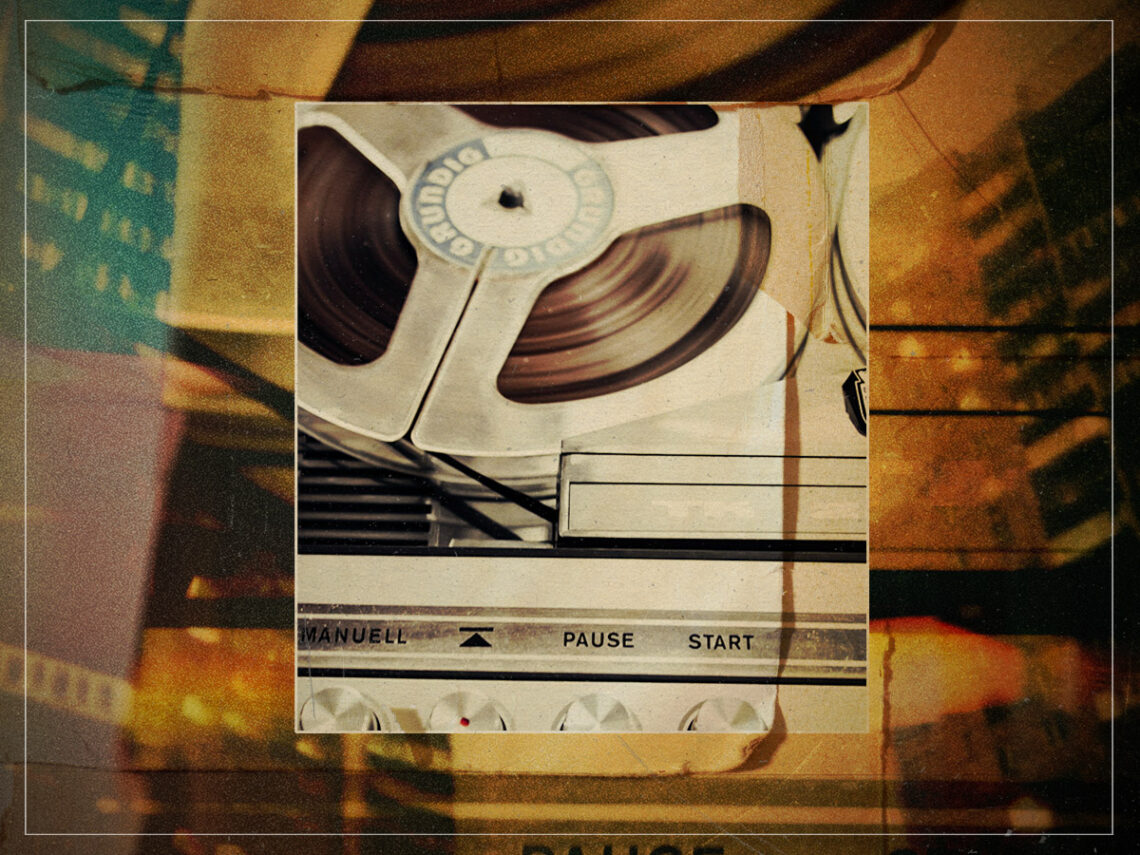
At its core, lo-fi is an aesthetic dedicated to authentically capturing the flaws and characterful imperfections of music—and, by extension, humanity. It embraces artful amateurishness, transforming tape hiss, vinyl crackle, and other so-called imperfections into soothing soundscapes. These elements evoke a nostalgic atmosphere, transporting listeners to a time before the digital revolution smoothed out every edge.
Present in the musical lexicon for decades merely as a counter to ‘High-Fidelity’ audio systems, the stylistic foundations of lo-fi as we understand it today can arguably be traced back to The Beach Boys’ Smiley Smile in 1967.
In the much-anticipated follow-up to Pet Sounds, Brian Wilson abandoned the auteur orchestral pop arrangements promised to a press keenly dubbing Wilson a “genius” and delivered a laid-back and minimalist shaping of the aborted Smile sessions. Met with critical confusion, its disjointed editing and homespun party atmosphere won the group a new legion of fans needing a fun wind-down to a potent acid trip.
Into the 1980s, following R Stevie Moore’s basement reel-to-reel releases, which carved out a cult fanbase as the ‘original bedroom’ pioneer, the accessibility of home recording hardware such as Tascam’s Portastudio ushered an era of cassette culture. ‘Outsider artists’ such as Daniel Johnston and Jandek unwittingly forged links between the underground esoterica and slacker rock that would orbit grunge in the early 1990s.
But where did lo-fi come from?
Lo-fi entered the mainstream when heartland stadium filler Bruce Springsteen recorded the haunting Nebraska record. Initially intended for the full E Street Band, the demos recorded at his New Jersey ranch with just his Gibson J-200 guitar and minimal overdubs proved so effective in the skeletal arrangements that The Boss saw fit to release them untainted by big studio production and winning universal critical acclaim.
As technology dominates our lives and looks set to shape society in its own corporate, uniform making, a natural harkening to a time before smartphone ubiquity and the analogue world we navigated has breathed life into a new wave of lo-fi prodding our collective wistful buttons of sentimentality spiked with a dose of hauntology. Dominating YouTube of late with a listless variant of chillwave electronica, scores of lo-fi beatmakers inspired by Lofi Girl unleashed hours of lethargic loops borrowing jazzy samples set to liminal shots of shopping malls or anime characters in pensively introspective moments.
Chillwave and hypnagogic pop pioneers such as Washed Out’s Ernest Greene and Ariel Pink were key in relighting lo-fi in the alternative music world. “I was interested in bringing out this really nostalgic sensation,” Green told The Guardian in 2020. “Illegal rips of Ableton software were easy to get,” acknowledging the rise of Digital Audio Workstations and their many plug-ins available for that lo-fi effect.
The rise and rise of lo-fi reflects a weariness of the artifice of modern life. Along with vintage fashion and film grain chic, a yearning for a time before Silicon Valley’s tycoon monopolisation of tech and a more socio-economically navigable world perhaps has thrust lo-fi’s renaissance, moving away from simply prizing musical imperfections but also desiring to be whisked away from a disappointing contemporary.
