


World Cup 2026: The greatest musicians from each nation

A World Cup is a special event not just for the sport of football, but for the cultural fabric of the entire globe.
For five weeks, once every four years, the attention of the world is focused on every kick of that ball, the drama, the romance, and the inevitable heartbreak, all evoking the very essence of human nature. It should go without saying, then, that every World Cup should have a fitting soundtrack.
Music has a lengthy relationship with football’s ultimate international tournament. It was over 35 years ago, for the still-iconic Italia 1990 tournament, that FIFA adopted an official World Cup anthem for the very first time, in Giorgio Moroder’s ‘Un’estate Italiana’, but that was hardly the first crossover between music and international football. Some readers, for instance, will recall the England squad’s not-so-impassioned performance of ‘Back Home’ in 1970, a song which was atoned for in the nation’s quarter-final exit against Germany.
For this year’s tournament, taking place across North America, there are multiple official offerings for World Cup anthems, including ‘Dai Dai’ by Shakira, whose ‘Waka Waka’ anthem is perhaps the best-known official World Cup song from South Africa in 2010. There have also been some solid contenders for unofficial songs of the tournament, including JJ Bull’s LCD Soundsystem-inspired Scottish anthem ‘Very Unofficial Scotland World Cup Song’.
Ultimately, though, no one song can truly bring together the vast landscape of musical excellence that exists in all 48 nations competing in this year’s tournament. After all, each country and therefore each international club has its own sonic identity, just as they each have their own distinctive style of play. So, in an effort to capture the broad spectrum of sounds battling it out in this year’s FIFA World Cup, we have assigned a band or artist to every competing nation across the 12 groups.
Following in the spirit of Tuchel’s selection for the England squad, there are bound to be some upsets within this list, and we haven’t always chosen the most obvious answer for each competing nation. Like in international football, too, the bigger nations aren’t necessarily always the favourites.
The greatest musicians from each 2026 World Cup nation:
Algeria: Imarhan
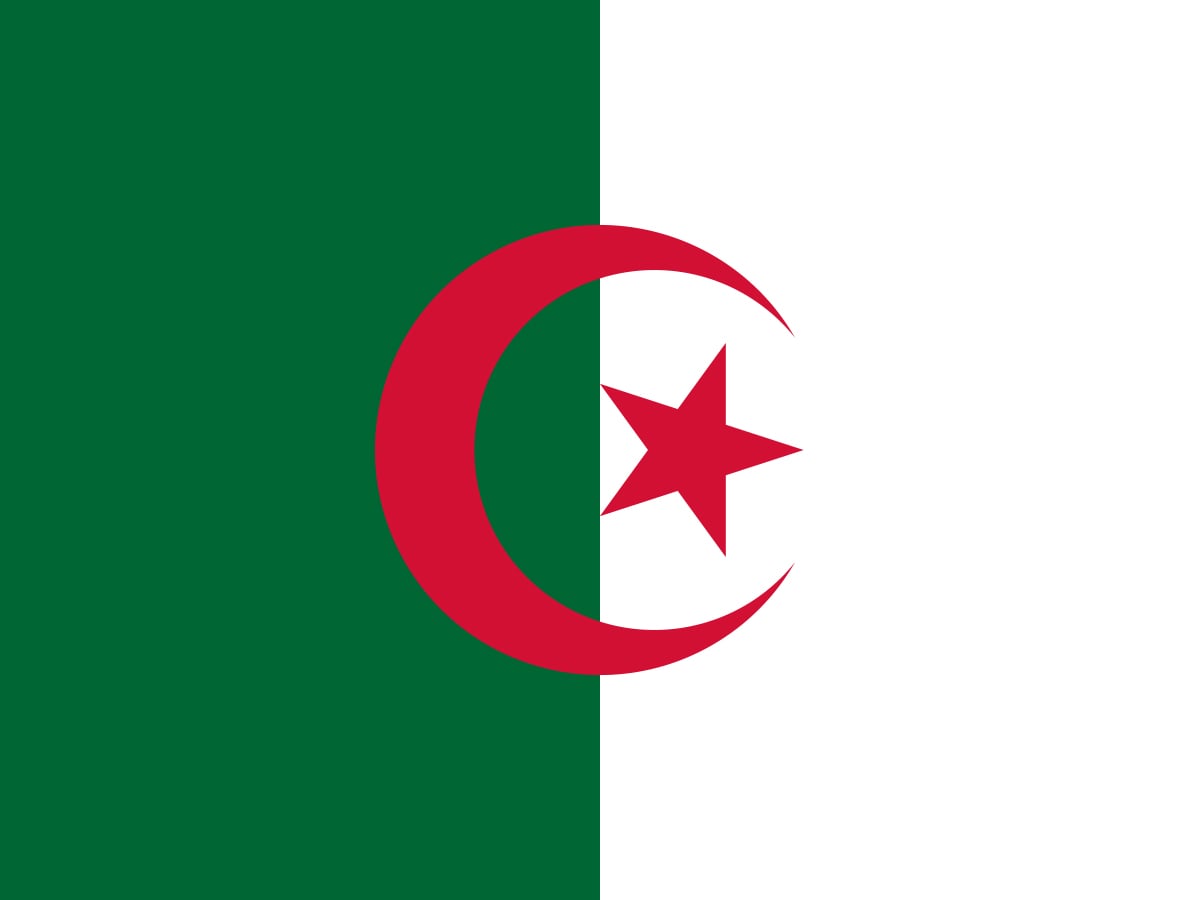
Titans of 21st-century Tuareg rock, Imarhan have been an undying presence on the ever-expanding desert blues landscape since first emerging from Tamanrasset 20 years ago. Indebted to the traditions of Tuareg song, the group beautifully capture the sound of Saharan Algeria, making them the natural choice as musical representatives of their homeland.
While desert blues and the footprint of the Tuareg people more generally aren’t localised entirely to Algeria, Imarhan continue to prove their worth as one of the premier outfits on the scene, a fact reinforced by their latest album, Essam, released earlier this year. What’s more, neither Mali nor Niger, nor any other desert blues stomping ground, has qualified for this tournament, so Imarhan will have to carry the torch not just for their nation but for the entirety of the Tuareg landscape. Luckily, it is a task they are more than qualified for.
Argentina: Los Palmeras
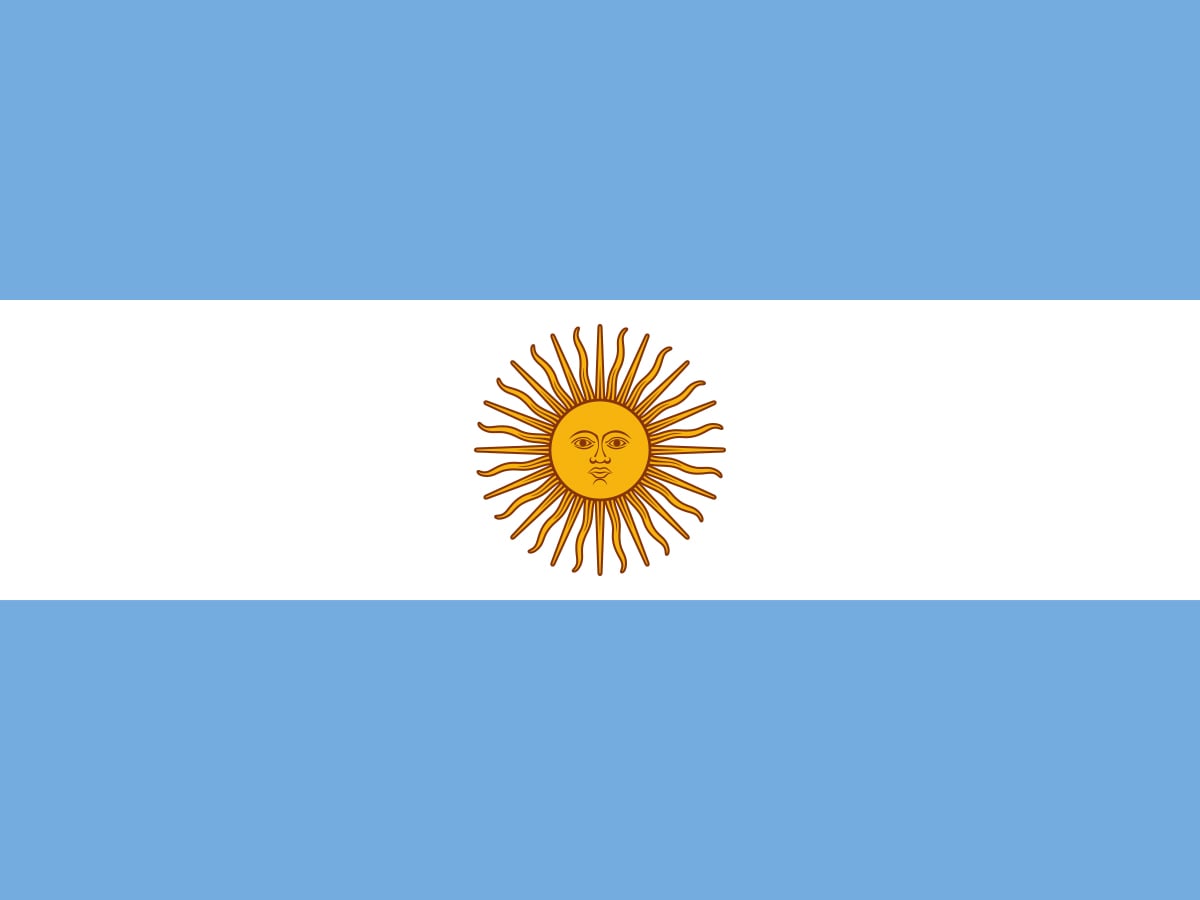
More or less every Latin American country has its own unique take on the cumbia sound that has dominated South America’s dance music for upwards of half a century. In the great footballing nation of Argentina, that regional cumbia sound was largely carved out by Los Palmeras, who emerged from Santa Fe in 1972 and have remained a staple of the Argentine cumbia scene well into the 21st-century.
Given that Los Palmeras have been such a key part of the Argentinian music scene since their first flirtations with the recording industry during the 1970s, and that the band are performing across the globe to this very day, their influence over the modern musical output of the South American nation is rather inevitable. So, too, is the fact that they are an inarguable candidate to represent their nation in this musical World Cup.
Australia: Amyl and the Sniffers
Kylie Minogue, Nick Cave, Midnight Oil: none of these admittedly iconic Australian artists are as aggressively or unapologetically Aussie as contemporary punk titans Amyl and the Sniffers. Raw, impassioned, and not afraid of clogging a rival if need be, Amy Taylor and the gang are the only natural choice to represent the Australian football team at the tournament, having almost single-handedly alerted the world to the raw power of Melbourne’s DIY punk scene over the past seven years.
Inevitably, for a nation far more infatuated with cricket and the AFL, Australia are far from being the favourites to win this World Cup, but underdog energy is certainly matched within the endearingly abrasive output of Amyl and the Sniffers, who have arguably eclipsed their underdog beginnings to become one of the most celebrated names in 21st-century punk rock.
Austria: Opus
A one-hit wonder, maybe, but to be fair to Graz-based pop rockers Opus, their hit ‘Live Is Life’ is an absolute classic, and one hit is still a lot more than many of the other artists on this list ever achieved. Released back in 1985, ‘Live Is Life’ was such an infectious earworm that it managed to dominate the singles charts in its native Austria, along with vast swathes of mainland Europe, the UK, and North America. Even more impressively, it kept Opus going for nearly 40 years before they eventually disbanded in 2021.
Austria’s contemporary music scene might be a sprawling landscape of dance music, hard rock, and death metal, but ‘Live Is Life’ is invariably among the most recognised anthems ever to hail from the landlocked European nation. Given the fact that it has soundtrack everything from Cold War-era politics to the Covid-19 pandemic during its illustrious half-life, it only seems right that it be brought out of the woodwork for another showing at the 2026 World Cup.
Belgium: Telex

Distinctly more upbeat than their fellow European electro-pioneers Kraftwerk, Telex first emerged from Brussels back in 1978, and their electronic oddities have never quite been matched since. Whether we’re talking about their offbeat novelty efforts or driving 1980s dance anthems, the group’s expansive repertoire was always ahead of its time, unparalleled by virtually anything else across Europe. While that might not be exactly the case when it comes to the Belgian national team, the group favourites certainly share some similarities with the trio.
What’s more, given the fact that Telex penned a song for the Eurovision Song Contest back in 1980, they are already qualified to provide an anthem to a global event. Despite the plethora of differences between Eurovision and the World Cup, it is easy to imagine the innovative outfit taking to the task with a similar degree of determination and quirkiness. If not, it wouldn’t take much to alter ‘Moskow Diskow’ to ‘San Franciscow Diskow’, either.
Bosnia and Herzegovina: Dubioza Kolektiv
We aren’t blessed with much Bosnian music on the UK airwaves, but luckily, this high-energy collective from Sarajevo and Zenica has provided this list with quite the tap-in. Not only have the group been pumping out a bizarrely enjoyable blend of ska, punk, dub, hip hop, rock, and traditional Balkan music since their emergence back in 2003, but they have also released their own World Cup song for the upcoming tournament, fittingly titled ‘Take Me To America’.
Balkan ska is not a genre that has really crossed over into the mainstream airwaves of Western Europe, or presumably, anywhere outside of Dubioza’s immediate surroundings, but this infectious, rousing anthem is impossible to ignore and incredibly difficult not to get swept up in. As all great World Cup anthems should be, it is a chantable earworm that doesn’t take itself too seriously and will undoubtedly be blasted from the changing rooms of the national team at every given opportunity.
Brazil: Edu Lobo
Music is intrinsically woven into the very fabric of Brazilian society, and therefore, picking just one artist to carry the might of the nation on their shoulders is a rather daunting task. Seu Jorge, for instance, would be a decent pick, as would Sérgio Mendes, Quarteto Em Cy, Cassiano, Rosinha de Valença, Juca Chaves, or any number of the legendary names that have lent themselves to Brazil’s rich musical heritage over the decades.
However, one particular sound that is inescapable is bossa nova, and bossa artists don’t come much better than Edu Lobo, a key figure in the emergence of that iconic style back in the 1960s. A tireless composer who created some of the greatest bossa music of the early period, in the midst of Brazil’s military dictatorship, Lobo has worked alongside countless fellow Brazilian artists over the decades, including a few of those mentioned above, and, contrary to many of his contemporaries, he managed to extend his prowess beyond the bossa nova era, becoming a key figure of MPB.
If anybody is qualified to provide musical accompaniment to one of the favourites of this tournament, along with virtually every other World Cup throughout history, it is Edu Lobo.
Canada: Rush
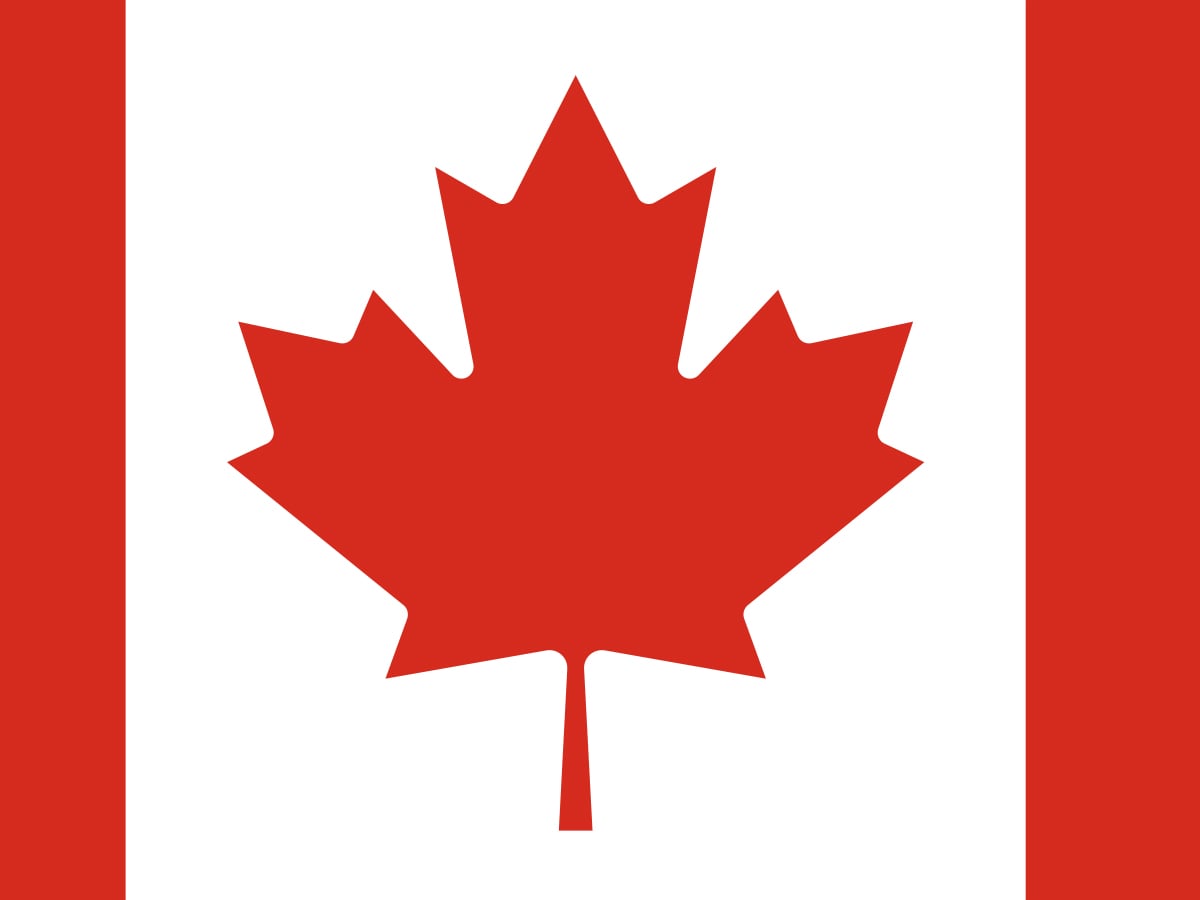
Another home nation, and one with a particularly expansive musical landscape. A more contemporary offering for this spot might have seen us go with Toronto garage punks Wine Lips, or Montreal’s Pottery; a more experimental offering could be found in the Nihilist Spasm Band, and both Joni Mitchell and Neil Young were also options. In terms of getting a crowd roaring and amping up the energy of the World Cup, though, it couldn’t be anybody other than classic rock titans, Rush.
Arguably Canada’s greatest rock export of all time, the giants of the progressive era have been a mainstay of the music world for over half a century, and although they have slowed down a little in recent years, with the deaths of key members like Neil Peart, Rush’s golden-age material remains as beloved today as it ever has been, both in their native Canada and across the globe. Nobody is expecting the Canadian team to come out victorious, going into this tournament, but with the driving rhythm of Rush behind them, who knows?
Cape Verde: Os Tubarões

Forged in the build-up to Cape Verdean independence in 1975, Os Tubarões (The Sharks) are without a doubt the most prominent outfit to hail from the African nation, and with good reason too. With a sound ushering in a new age of democracy, free from the colonial powers of Portugal, Os Tubarões drew upon a plethora of traditional sounds and Creole poetry within their extensive output, which lasted from their origin in 1969 right through to their final showing in 1994.
With the late Ildo Lobo at the helm, the group not only carved out the definitive sound of modern Cape Verde, but they also paid faithful homage to the illustrious history of the archipelagic nation. As such, they are the natural choice to represent the nation at this year’s World Cup, and perhaps even inspire a giant-killing when the squad go up against the likes of Spain and Uruguay in Group H.
Colombia: Los Golden Boys
Cumbia being the national sound of Colombia makes the musical selection for this South American nation easy in some ways, and rather difficult in others. There are, after all, a countless array of cumbia outfits who have risen from Colombia’s vividly colourful music scene over the decades. For our money, though, there are few that boast the same quality or impact as Los Golden Boys, the cult outfit forged by brothers Pedro Jairo and Guillermo León Garcés way back in 1961.
As if mastering the infectious art of cumbia rhythm wasn’t enough, Los Golden Boys managed to wrangle in the influence of rock and roll, música tropical, gaita, and a litany of hyper-localised sounds from across Colombia’s music scene. As a result, the group stood out as one of the most essential and inventive on the legendary Discos Fuentes label, a haven for cumbia music that is still worshipped by record collectors and Latin music aficionados to this day.
If you’re looking for some euphoric rhythms to spur on the Colombian team in this tournament, Los Golden Boys are probably your best bet.
Congo DR: Kokoko!
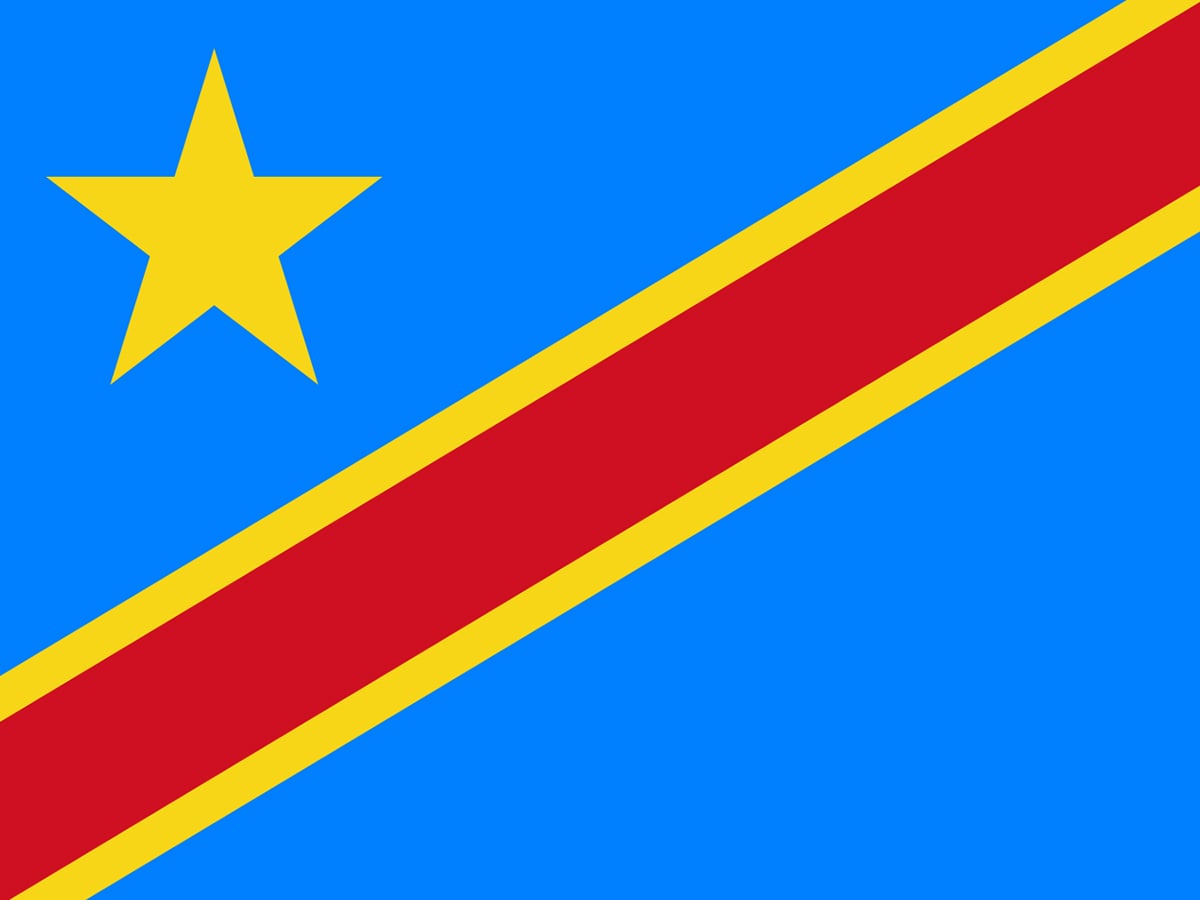
Music has always been a core pillar of Congo’s cultural identity, and Kinshasa’s Kokoko! are perhaps the greatest modern-day outfit to call the DRC their home. Taking cues from the traditional percussion of local African folk, the genre-defying group offer up a plethora of captivating experimental electronic grooves, delivered in a variety of languages including Kikongo, Lingala, and Swahili, demonstrating the cultural diversity of a land as vast as Congo.
A perfect meeting of Congo’s past, present, and future, Kokoko! are also responsible for sharing the sounds of their surroundings far and wide across the globe, earning a far greater degree of worldwide attention than many of their fellow Congolese artists. It only seems right, then, that they continue that diplomatic mission of musical excellence into this year’s World Cup.
Croatia: Haustor
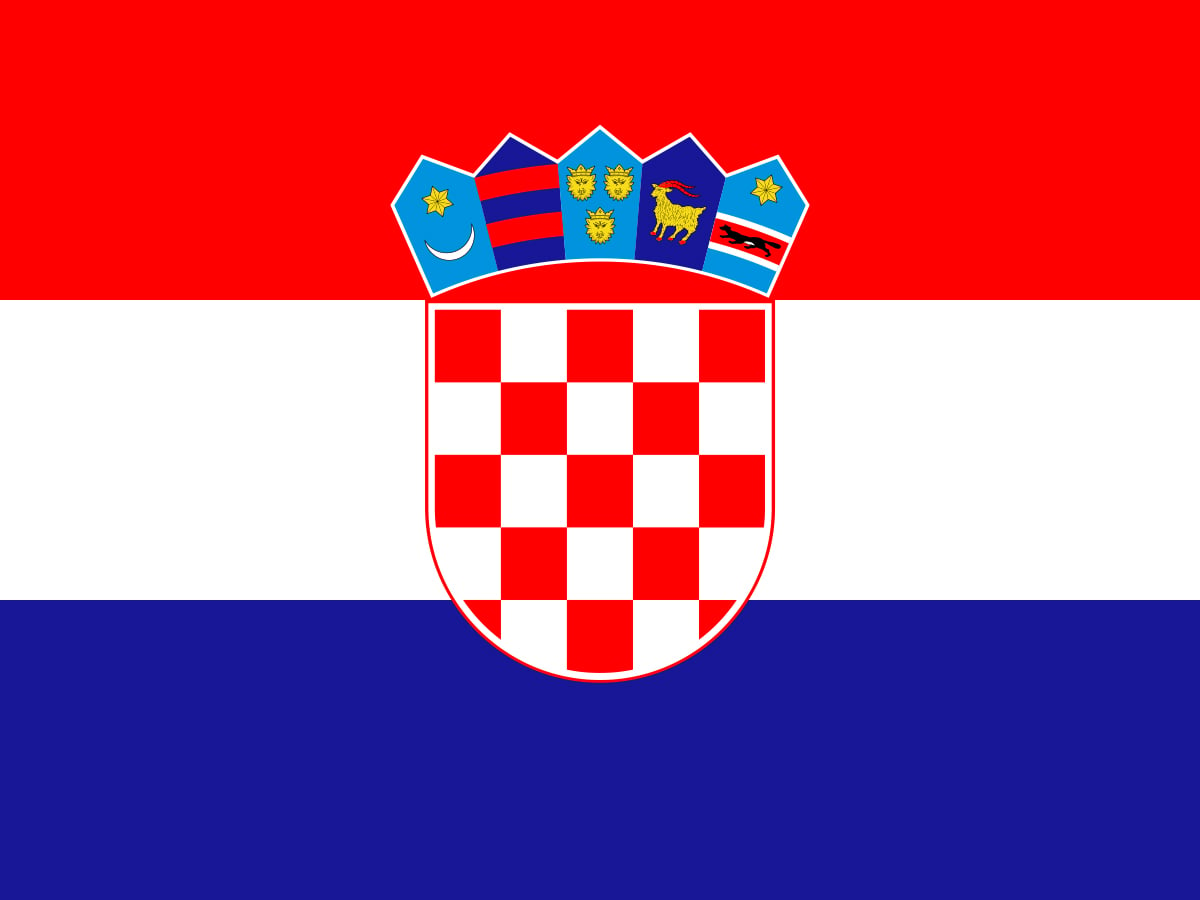
In defiance of the restrictions placed on artistic expression behind the Iron Curtain, both Yugoslavia and the USSR managed to produce some brilliant punk rock and new wave outfits during the late 1970s. In Yugoslav-era Croatia, one of the nation’s finest musical exports were Haustor, whose blending of new wave, post-punk, art rock, and reggae evoked an inventiveness and creative freedom that audiences in the West might not have associated with a Cold War communist state.
Perhaps as a result of that innovation and the extensive pool of influences that frontman Darko Rundek drew upon in his songwriting, Haustor spent much of the 1980s at the very top of Croatia’s music scene. Although there wasn’t much opportunity for international success at that time, the Croatian appetite for the group’s new wave stylings has never faltered, as shown by the success of the group’s one-off reunion back in 2022.
Curaçao: Boy Dap
Curaçao isn’t often given its dues, when it comes to the global landscape of musical expression, but for dedicated crate diggers and appreciators of global grooves, the sounds of Curaçaoan tumba are unmistakable. With roots going back to the Congo, and the enslaved population brought from the African continent to the Caribbean islands, tumba’s position as the sonic identity of the island is largely unmatched. Similarly, Boy Dap’s position as the kind of tumba is undisputed.
Beginning his recording career back in the 1970s, Boy Dap, Anselmus Theodoor Dap, to give him his full title, was an essential force in the tumba music of the era, taking its age-old African rhythms and injected them with the euphoric inspiration of Latin jazz, Afro-Cuban funk, and a deluge of other contemporary influences which helped to bring Curaçao’s national sound into the age of modernity, where it has remained ever since, continuing to spur on dancefloors and, hopefully, the island’s football squad to a sense of celebration.
Czech Republic – The Plastic People of the Universe
Rounding out Group A is Czechia, whose musical identity is as enduring as its football team. Though it would be interesting to trek down the path of Czechia’s traditional Chodsko music, one of the only styles outside of Scotland to adopt the bagpipes, we have instead opted for The Plastic People of the Universe, a band with similar longevity. First emerging from Prague’s underground scene at the peak of Soviet-era censorship, the experimental rock outfit has been arrested, persecuted, sanctioned, and attacked for their output, and yet they are performing to this day.
From their first emergence, The Plastic People of the Universe have stood up for the ordinary people of their nation, rejecting the authoritarian regime of the USSR and spurring on a cultural battle to determine their own lives through incredible Czech rock and roll. If that kind of perseverance, resistance and dedication to a cause isn’t enough to instil some degree of patriotic drive in the Czech squad when they make the journey to North America, then perhaps nothing will.
Côte d’Ivoire – Ernesto Djédjé
The ‘King of Ziglibithy’, Ernesto Djédjé’s contributions to the Ivorian music scene are simply too colossal and country-changing for him not to represent one of Africa’s premier footballing nations. A devoted teenage dopé guitarist during the 1960s, Djédjé went on to single-handedly establish the sounds of Ziglibithy, the Ivorian contribution to the landscape of Afrobeat dance music.
An incredibly skilful, driven artist operating years ahead of his time, the composer’s solo work from the late 1970s remains the ultimate holy grail of Ivorian music, and its impact on the nation’s cultural fabric is still felt in the contemporary dance music emanating from the African nation’s airwaves. Although the musician passed away in suspicious circumstances back in 1983, before Côte d’Ivoire made it to a World Cup, his music is still capable of instilling some national pride in the squad.
Ecuador: Petita Palma
A staple of Ecuador’s cultural fabric for nearly 100 years, Petita Palma is probably the greatest artist ever produced by the South American nation. Paying faithful homage to her roots in local poetry, indigenous music, and the traditions of the Chachi people, in particular, the 99-year-old musician represents the gold standard of socially-conscious marimba music, and she has helped to keep that legacy alive through teaching her fellow artists the history and importance of that style.
In a tough group, for which they certainly aren’t the favourites, the Ecuadorian squad might find solace in Palma’s extensive output, along with her entire existence as a tireless servant to the nation’s cultural realm, causing a sense of national pride and determination to swell in their chests. After all, few artists on this list have been quite as devoted to preserving the music and traditions of their nation as Petita Palma.
Egypt: Salah Ragab and the Cairo Jazz Band
Salah Ragab’s percussive jazz mastery might not have the same electronic drive as Belgium and Telex, their main competitors within Group G, but the pioneering composer does boast a similar degree of innovation and infectious danceability. Tracks like ‘Neveen’, for instance, seem almost tailor-made to the excitement, anguish, and eventual celebration that Egypt will be hoping to achieve at this year’s tournament.
Originally a major in the Egyptian Army, Ragab traded his military career for a life devoted to creating North Africa’s jazz identity, in the form of the Cairo Jazz Band. Fittingly, for this year’s World Cup, that group has a number of connections with the US, since their first-ever performance was at the American University in Cairo, and consisted of tracks paying homage to the likes of Dizzy Gillespie and Count Basie. No doubt that the nation’s football team will be hoping that Egypt’s 21st-century visit to the US will end in a similarly harmonious fashion.
England: The Beatles

An obvious choice and potentially a cop-out? Yes. The Beatles, despite hailing from the football-obsessed city of Liverpool, never seemed to have much of an appetite for the ‘Beautiful Game’. Even still, there has never been a greater representative of England’s musical output than the Fab Four, whose power outweighed many nations during the peak of their empire, a period which coincided with the 1966 World Cup, although the band seemingly saw no reason to mark the occasion with a novelty World Cup anthem.
Aside from the fact that The Beatles remain the greatest band of all time, they also reflect more of English football than you might suspect. After all, English fans have been harping on about the 1960s glory days for multiple decades at this point, hanging onto the successes of former generations as if they are old enough to remember.
While the likes of Oasis, The Jam, or even The Stone Roses are far more ingrained in modern-day English football culture, thanks both to their outspoken allegiances to specific teams and the favour they find within ‘football casual’ culture, if we’re talking about the greatest musical representatives of England, nobody beats The Beatles.
France: Air
A soundtrack befitting one of the more stylish teams in international football, Air’s effortlessly cool brand of electronic space pop is virtually impossible not to find some adoration for. Fellow French duo Daft Punk might grab the headlines with more regularity, but the experimental, often understated, progressive sounds of Air feel far more representative of the style and attitude of the nation of France, and its football team by extension.
Looking back at France’s time hosting the World Cup in 1998, the year they were awarded the first of their two World Cups, it seems as though Air, fresh from the indisputable masterpiece of Moon Safari, would have been a natural choice to create a World Cup song. Despite that incredible missed opportunity, though, the duo’s expansive discography still feels intrinsically representative of French music and culture in a way which will surely serve the squad well going into the tournament.
Germany: Kraftwerk
Chasing their fifth World Cup triumph with the kind of robotic skill and efficiency that the footballing world has come to expect from the German national team, neither the country’s huge metal scene nor its obsession with underground techno seems to properly capture the spirit of the squad. Instead, we turn to Düsseldorf electro-pioneers Kraftwerk, whose highly individualistic output changed the course of musical history forever, in a comparable sense to how Germany has altered footballing history over the years.
Bizarrely, given that the golden age of Kraftwerk’s output was over 50 years ago, a lot of their material still sounds as though it hails from a far-off electronic future, sometimes bordering on dystopia. With that impressive, almost inhuman level of forward-thinking, Kraftwerk have never really gone out of style, drawing rather obvious comparisons to the German squad, who have been a major power in international football for quite some time, much to the annoyance of their English counterparts.
Ghana – Osibisa
Before any Ghanaian music scholars get their seperewas in a twist, legendary Afro-rock outfit Osibisa were actually formed in London, England, towards the tail-end of the 1960s. However, given the fact that the majority of the band’s line-up was made up of Ghanaian expats, including bandleader Teddy Osei, and the sound they struck upon was inarguably indebted to the highlife sounds ingrained into Ghana’s musical landscape, the band are still qualified to be the West African nation’s musical ambassadors.
An essential outfit in altering Europe to the universal appeal of West African highlife, Osibisa were unlike any other group in late 1960s London, opting for African time signatures and percussion styles that blew the minds of audiences in stuffy old London. As such, the group are already well-versed in celebrating their Ghanaian roots on an international stage, so providing musical representation for the nation’s football team is well within their remit.
Haiti: Ensemble Aux Callebasses
Alongside Curaçao, Haiti is entrusted with carrying the baton of the entire Caribbean into this World Cup, so it is fitting that, much like its neighbouring islands, it has maintained a vibrant and engrossing music scene. Taking much more from the Afro-Cuban rhythms of South America than the rocksteady beats of nearby Jamaica, méringue is Haiti’s national sound. With roots going back hundreds of years, konpa is the modernised rendition of that Creole sound, and its foundations were laid by Nemours Jean-Baptiste back in the 1950s.
Having formed the Ensemble Aux Callebasses in 1955, Jean-Baptiste almost single-handedly established the konpa sound, and its influence wasted no time in spreading across the entirety of the Caribbean. A euphoric, inherently dance-focused style that has remained at the heart of Haitian music for over half a century, konpa is still a major influence on the island’s musical landscape to this day, so it seems the only logical option when it comes to representing Haiti’s national squad.
Iran: Googoosh
Although it was soon overshadowed by the Islamic Revolution and the decades of instability that followed, Iran was the home of a particularly vibrant pop scene during the 1960s and 1970s, and Googoosh was firmly at the forefront. A performer from a very young age, her illustrious and beloved recording career typified the freedom of Iran’s pre-revolution days, and her music has remained a source of national pride for the Iranian diaspora ever since.
This list wasn’t intended as a politically-charged article of protest, but it would be remiss not to mention the fact that the Iranian team are being subjected to far harsher conditions than any other team in this tournament. The United States’ recent invasion of the Asian nation, coupled with the travel ban that means no Iranian fans are permitted to enter the US to support their team, and that the team itself will have to commute to games from their accommodation in Mexico, is set to cast a dark cloud over the entire World Cup.
Exactly how that plays out remains to be seen, and there isn’t a musical accompaniment in the world that can truly put things right. In terms of resistance, pride, and power to the people, though, Googoosh is the natural choice.
Iraq: Nabeel (نبيل)
Shoegaze probably isn’t the first sound that springs to your mind when thinking about the musical identity of Iraq, but Yasir Razak is single-handedly aiming to alter that perception. Having moved from Iraq to the polar-opposite surroundings of Richmond, Virginia, back in the 1990s, Nabeel, as a project, is the culmination of Razak’s Iraqi heritage and identity colliding with the American grunge, shoegaze, and alternative rock he encountered during his childhood back in the 1990s.
Performed in Arabic and taking more cues than you might expect from the musical traditions of the Middle East, Nabeel is the archetypal example of cultural fusion within rock music. Given the state and attitude of the United States currently, which we’re sure will be exemplified on multiple occasions over the course of the World Cup, Nabeel’s output aims to lead by example. Even putting aside any cultural or political context, though, who can deny a bit of shoegaze on a summer afternoon?
Japan: Friction
There was, of course, a temptation to pluck a name from the genre-defying realm of Japanese experimental music, which has always led the rest of the world when it comes to innovations. Similarly, the East Asian nation boasts a rather impressive jazz scene, and in terms of sheer adrenaline and oomph, it is worth travelling back to the incredible punk scene that enraptured the archipelago during the 1970s, of which Friction were the kings.
With origins in Tokyo’s avant-garde scene earlier on in that decade, Friction’s diversion into the emerging realm of punk, hardcore, and alternative music produced some of the most unique, enduring, and amphetamine-fueled punk rock mastery of the era; certainly, they could have given the CBGB scene of New York City something to worry about. Potentially more aggressive than the Japanese national team is used to, the sheer energy of the group lends itself naturally to the fight through the group stages.
Jordan: Akher Zapheer
Grunge has come a long way from its origins in the hardcore scene of Seattle, Washington; seemingly, rock and roll angst is a universal language. However, neither Nirvana nor the head honchos at Sub Pop, for instance, could have predicted that Amman, in Jordan, would become a haven for the abrasive style, thanks almost entirely to the efforts of Akher Zapheer.
Taking heavy inspiration from the likes of Kurt Cobain, along with their own roots in the heart of Jordan, the group are typically less aggressive than the harbingers of ‘Territorial Pissings’, but there is no mistaking their debt to the grunge and alt-rock stylings of the 1990s. Performed in Arabic and exploring themes far more fitting to frontman Basem Sayej’s life in Amman than the America-centric stylings of grunge’s golden age, the group’s rapid rise to the top of the Jordanian rock scene is easy to understand; angst is a powerful weapon, even in football.
Morocco: Bab L’ Bluz
Torn between countless different styles, from its own distinctive traditional folk sounds to the desert blues of its Saharan surroundings, the West African highlife of its southern neighbours, and the Eastern sounds of the nearby Arabic peninsula, Morocco’s musical landscape is a swirling cacophony of different, enchanting sounds. Luckily for us all, the French-Moroccan outfit Bab L’ Bluz, formed in the heart of Marrakesh, does an excellent job of capturing the spirit of many of those disparate sounds.
Rendering traditional Gnawa religious music with an expansive palette of desert blues, psychedelia, Afrobeat, Chaâbi folk, and a litany of other styles from across the band’s French and North African heritage, Bab L’ Bluz offer a sound that is faithful to the cultural history of the nation of Morocco, with enough contemporary appeal to bring those age-old styles into the 21st-century, where perhaps they will capture the excitement of the Moroccan national team, fresh from their controversial victory at the Africa Cup of Nations last year.
México: Atrás del Cosmos
A richly diverse musical landscape greets you in Mexico, marked by a unique blend of its own traditional folk roots, the Latin and Afro-Cuban rhythms emigrating up from South America, and the contemporary sounds wafting over from the United States in the North. For this World Cup of music, though, Atrás del Cosmos are the prevailing choice.
Like the Mexican national team, the 1970s free jazz obsessives who redefined the airwaves of the nation’s capital city often aren’t given the credit they deserve. Nevertheless, their experimental, genre-bending jazz produced some of the greatest, most innovative recordings in Mexican musical history, so they have certainly earned the right to represent their nation.
Netherlands: Shocking Blue
Harbingers of the ‘Nederbeat’ hippie age during the 1960s, Shocking Blue are among the great unsung heroes of counterculture rock, owing perhaps to their location, thousands of miles away from the acid epicentre of San Francisco’s Bay Area. Even still, the group, hailing from The Hague, produced some generational material during their relatively short tenure, including the likes of ‘Love Buzz’, later covered by Nirvana, and the US number-one single ‘Venus’, later covered by Bananarama.
Much like the band, the Netherlands’ footballing history has been one of extreme highs and lows, but they are always an exciting team to watch during a World Cup. Shocking Blue, meanwhile, had their own ups and downs during their fleeting music career, but the psychedelic masters always put on a captivating showing, and their golden age material has stood the test of time incredibly well.
New Zealand: The Clean
For a country that is so infatuated with the aggression and brute force of rugby, New Zealand has produced its fair share of incredible soft, slacker indie heroes, thanks largely to the might of the Flying Nun label that has housed everybody from Aldous Harding to The Axemen, going back to the early 1980s. One of its greatest acts, though, was Dunedin’s The Clean.
With a sound that set the blueprint for garage indie rock going forward, the band never achieved a great deal of mainstream notoriety or commercial success, but their cult following continues to this day, with the band hailed among the most influential outfits in indie history. So, like the Kiwi national team, they might not be the biggest-hitters in the world, but they do maintain a certain cult appeal around the world.
Norway: Pom Poko
Yes, we are well aware of the output of Morten Harket and his impressive vocal range, but with ABBA already, spoiler alert, a part of this list, selecting A-ha would simply be setting Norway up for failure against their Scandinavian rivals. What’s more, Oslo’s Pom Poko have enough post-punk drive and art rock weirdness to spur the nation onto victory, regardless of any protests from Harket.
With the band members classically trained in the art of jazz performance, the Bella Union signees are fittingly experimental and routinely chaotic, which at first glance might not fit seamlessly with the clean-cut efficiency of the Nordic existence. Not only do tracks like ‘Leg Day’ lend themselves naturally to quick-cut goal highlight compilations, though, but the unpredictability of the group throughout their discography would serve their national football team well to replicate.
“We usually don’t play too many calm songs,” drummer Ola Djupvik told Far Out back in 2024, “Our ideal sort of concert experience is just 55 minutes, 60 minutes, just going for it”. If Norway’s team can stretch that intensity to 90 minutes, there’ll be no holding them back.
Panamá: Conjunto Raza
Almost definitely the most obscure group to appear on this list, the extent of Conjunto Raza’s discography is one scratchy single released at some point during the early 1970s, on the Onda Nueva label. Even still, that single represents a particularly enticing snapshot of Panama City’s bustling music scene at that time, with Agustín Leiro leading the group into an infectiously danceable rhythm, taking inspiration from Latin and Afro-Cuban jazz, as well as the rock and roll making its way down through Central America.
‘African Dream’, the B-side of that lone single, sounds as though The Spencer Davis Group had spent years moonlighting as a Latin funk outfit, with its beating rhythm second only to the psychedelic guitar solo that emerges partway through its three-minute runtime. Conjunto Raza might not have the notoriety of some groups on this list, but they do have the quality, and in both football and music, that’s what really counts.
Paraguay: Ripe Banana Skins
Guarania music has been classified as the national sound of Paraguay for upwards of a century, but 21st-century modernity has produced something much more befitting of the landlocked South American nation and its uncompromising landscape of dense forests, wilderness, and swampland. Since their emergence in 2001, Asunción’s Ripe Banana Skins have been establishing the sound of Paraguayan ska-punk.
One of the nation’s most beloved rock outfits, their energetic rhythm is fitting for Paraguay’s national squad going into this World Cup, and even if their beloved output isn’t overly indebted to the traditional music stylings of the country, they serve as fitting rock representatives for the South American nation on a global stage.
Portugal: Carminho
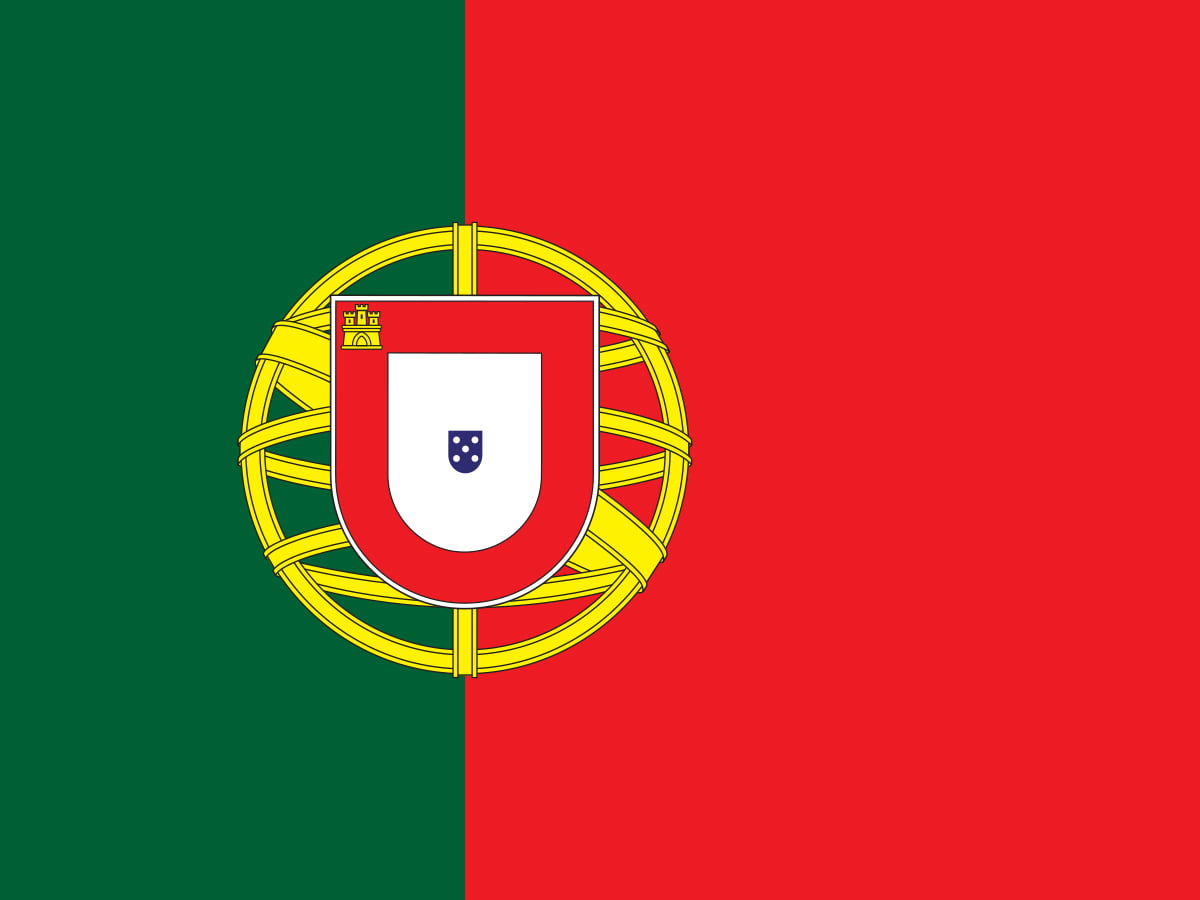
In spite of its productive pop scene and musical relationship with Brazil’s ever-evolving scene, Portugal’s cultural contributions to the world cannot be discussed without a focus on fado. With roots going back over 200 years, the often melancholic, emotive tales of working-class anguish have remained a core part of Portuguese music ever since. At least in the modern age, the nation’s greatest fado devotee is the Lisbon-born Carminho.
From the beginning of her recording career in the late 2000s, the incredible vocalist has been on an undying mission to bring fado to the masses; a mission she seems to be succeeding in. Although her records tend to do best in her native Portugal and neighbouring Spain, the performer’s adoption of modern MBP and jazz influences gives her output an unsuspectingly global appeal, and the dramatic nature of her fado performance certainly draws a few parallels to the style of the Portuguese national team.
Qatar: Naser Mestarihi
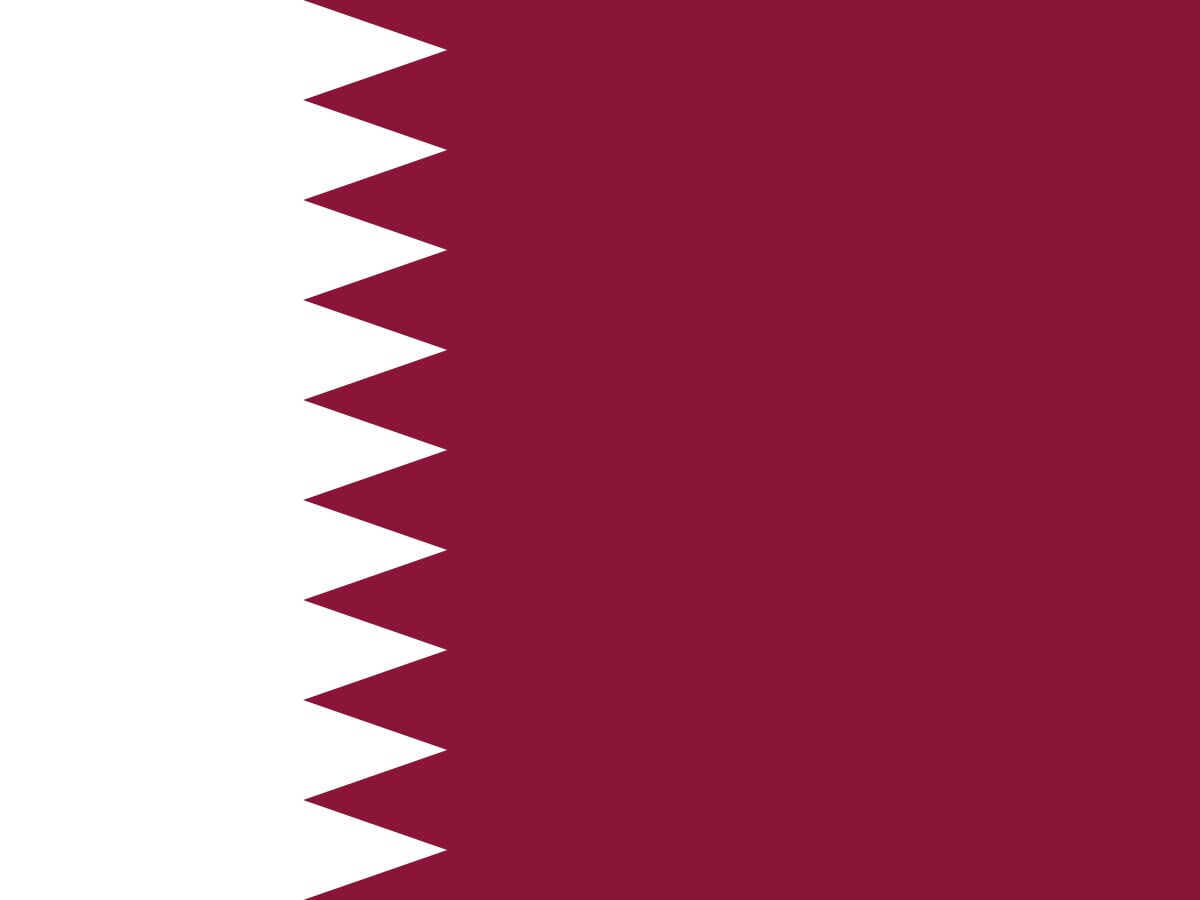
Previous World Cup hosts Qatar are not famed for their musical output. Aside from its rich history of Arabic folk, the Middle Eastern nation’s limited pop-music landscape is largely dominated by imported Western acts. For those reasons, along with his inescapable impact on modern Qatari music, we come to a rare solo performer on this list: Naser Mestarihi, the Doha-born multi-instrumentalist currently based in Dubai.
Indebted to the ostentatious sounds of 1980s hair metal and American mainstream rock, Mestarihi’s Slash-style guitar stylings are particularly befitting of this year’s World Cup in the United States, even if his output is something of an outlier in his native homeland. If there is nothing heavy rock and roll riffs can’t do, then surely they can spur Qatar through the group stages.
Saudi Arabia: Seera
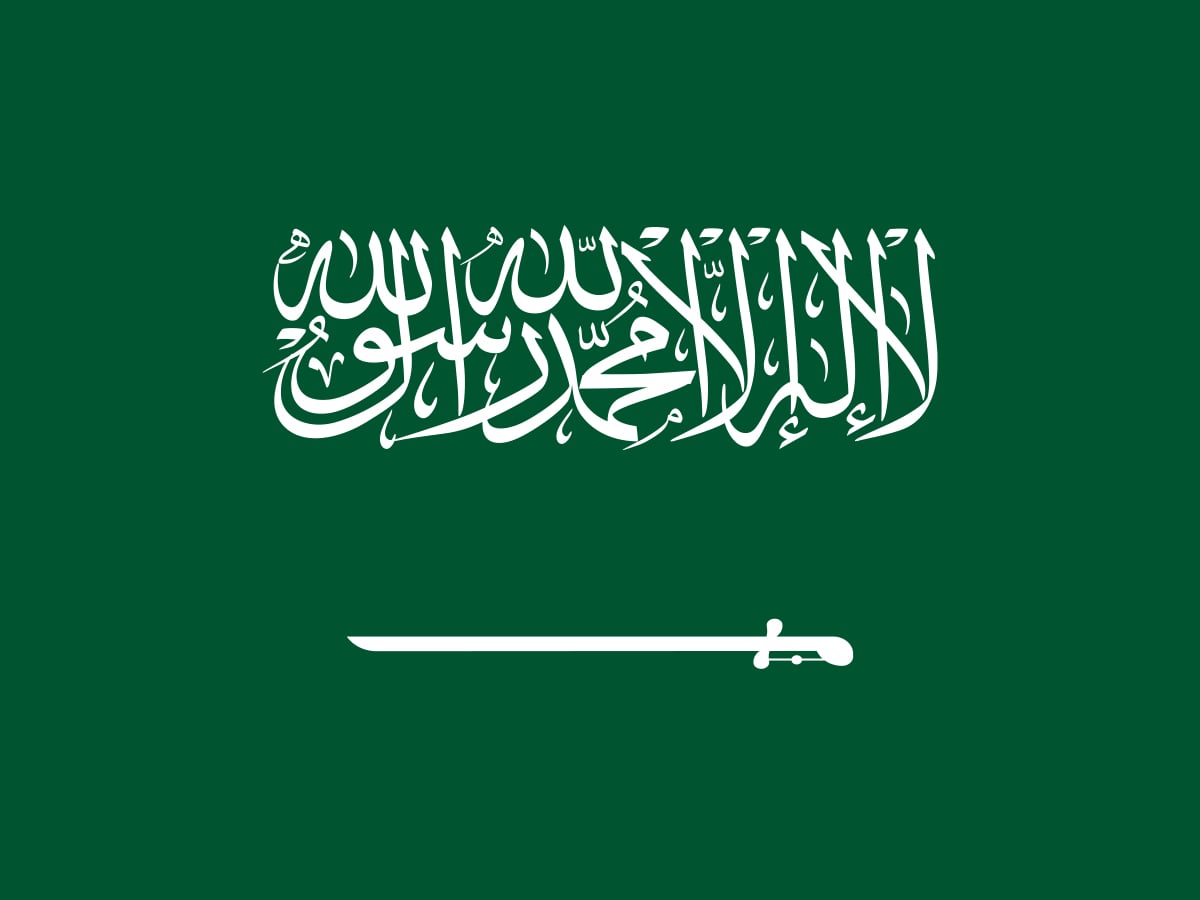
Saudi Arabia’s musical landscape remains something of a well-kept secret outside its Middle Eastern geography, with groups as domestically unavoidable as Sound of Ruby still something of an obscurity elsewhere in the world. Seera, on the other hand, have been making global waves from their Riyadh beginnings.
Fusing traditional Middle Eastern folk sounds with Western garage rock, blues, and psychedelia, the group are almost single-handedly flying the flag for Saudi’s cultural landscape on the global stage. Why shouldn’t they, therefore, fly the flag for the nation’s football team going into a World Cup in which they are far from being the favourites?
Scotland: Primal Scream
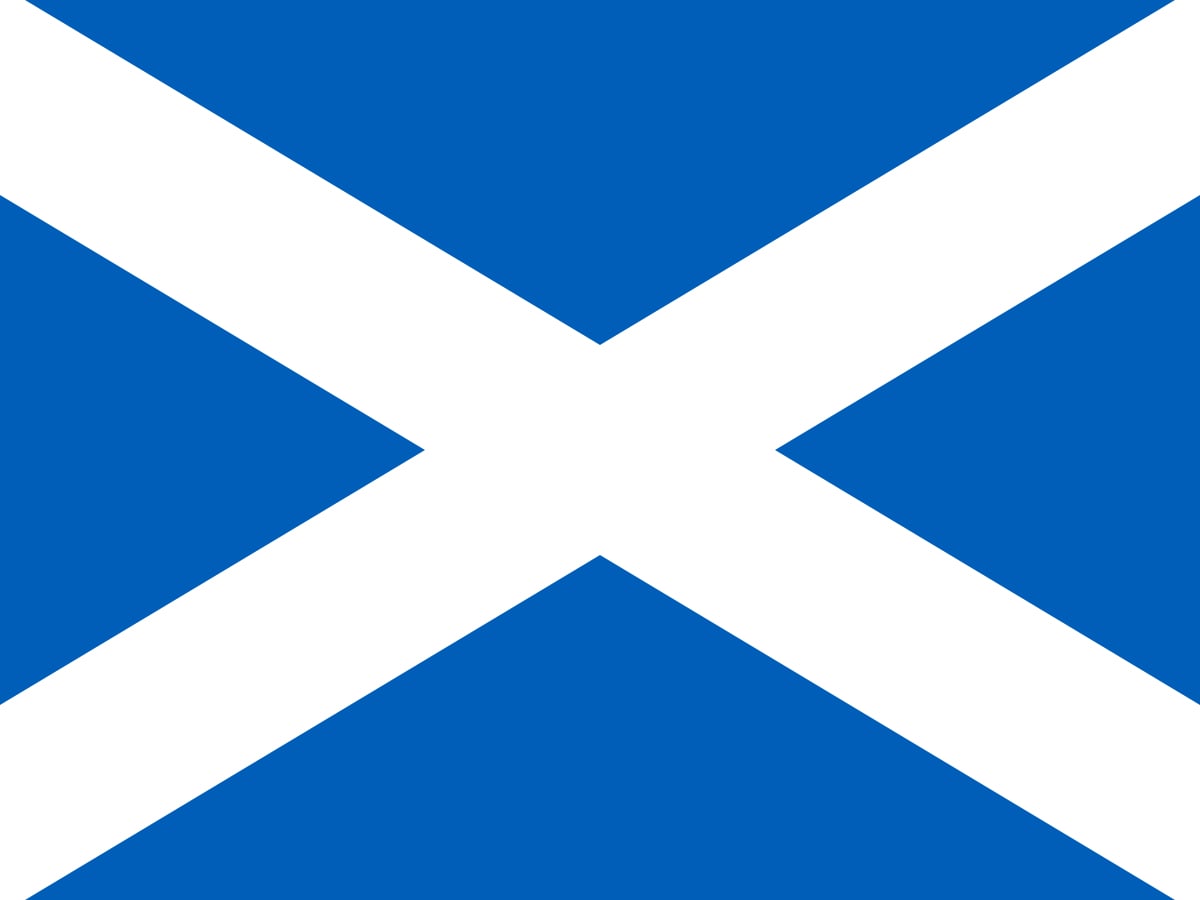
Given the sheer breadth of Scotland’s music scene, both historically and in the present day, narrowing down the selection for this entry was as fraught with difficulty as the Tartan Army’s route into this tournament. The Proclaimers inevitably crossed the boundaries of possibility, not least because they already have roots in the footballing world due to ‘Sunshine on Leith’ being adopted by Hibs.
Similarly, Simple Minds came close to the knock-out stages, as did more Orange Juice, Belle and Sebastian, and recent entrants into the Scottish music hall of fame, Brògeal, all of whom could, and should, make a belter of a World Cup anthem. In fact, Belle and Sebastian have done just that, with the rather pointed 2026 anthem ‘It Only Takes One Lion’.
In the end, though, Primal Scream are simply too great to ignore. Hailing from Scotland’s cultural capital of Glasgow, Bobby Gillespie’s enduring outfit is equally as capable of soundtracking the Screamadelica ecstasy of a Scott McTominay bicycle kick as they are the Give Out but Don’t Give Up perseverance of a nation that hasn’t seen a World Cup finals for nearly 30 years. Whether you’re a veteran of the Tartan Army or this is the first time you have witnessed Scotland in a major tournament, Primal Scream’s extensive discography contains the perfect soundtrack.
Senegal: Assiko Golden Band de Grand Yoff
With enough percussive mastery to go round every nation participating in the World Cup, Senegal’s Assiko Golden Band de Grand Yoff is a sprawling celebration of the nation’s musical heritage and modern-day dance culture. Fronted by poet Djiby Ly and accompanied by upwards of 14 different percussive instruments, many of them with their roots in the traditional folk music of the West African nation, the group’s output is equally fitting for a team on the warpath as one celebrating their victories.
One of Africa’s greatest footballing nations, Senegal also boasts an expectedly diverse, enchanting music scene, within which dance music and Mbalax rank high on the list of exports. Assiko Golden Band de Grand Yoff, in recent years, have been flying the flag for that music scene on a global scale, inspiring audiences across the globe with their distinctive sound. If Senegal’s squad are half as inventive or mesmerising, they stand in good stead to go far in the tournament.
South Africa: National Wake
Rock and roll perhaps isn’t the first sound that springs to mind when thinking of South Africa; on the contrary, memories of the 2010 World Cup are invariably soundtracked by the constant blaring of the vuvuzela. Nevertheless, National Wake is an incredibly important outfit in the cultural history of the African nation, and their sound was firmly rooted in politically-charged punk and ska, albeit with some Afro-funk influences here and there.
Formed in the heart of Johannesburg back in 1978, National Wake’s reign was relatively short, seeing them go their separate ways just four years later. During that time, though, the group earned the ire of the Apartheid regime, performing politically-charged music of resistance against the oppressive and discriminatory regime, as well as subverting the status quo simply as a result of their mixed-race line-up. For a group that typified the cultural resistance against that regime, it only seems right that they represent the liberated, post-apartheid nation here.
South Korea: BTS
Truth be told, South Korea is spoiled for options when it comes to selecting just one outfit to carry their national torch. Shin Jung-hyeon, for instance, has a claim to stake, having harnessed the influence of American counterculture rock during the height of the Korean War, birthing a South Korean rock scene that still prevails to this day. Ultimately, though, any selection other than the K-pop titans BTS would have been needlessly contrarian.
Ever since their emergence in 2010, the archetypal K-pop outfit has amassed legions of scarily dedicated fans, although we are, of course, not bowing down to them in any way by including BTS on this list (promise); aside from anything else, the group have managed to put Korean pop music firmly into the global mainstream. Their national football team might not have the greatest record when it comes to World Cups, but they are a dominant force when it comes to the AFC Asian Cup, and, much like BTS and their accompanying worldwide fanbase, they are not to be underestimated.
Spain: Hinds
Classically-trained acoustic guitars, flamboyant flamenco, or even the unexpectedly productive rockabilly revival revolving around Madeira’s Sleazy Records, Spain’s music scene, like its football team, is as multi-faceted as it is technically proficient. For our pick, though, we have opted for Madrid’s greatest indie outfit, Hinds. For over 15 years, Carlotta Cosials and Ana Perrote have been churning out sun-soaked garage rock and upbeat indie anthems, with their most recent period seeing them lean further into the celebratory kind of mood befitting the World Cup favourites.
Consistency and quality are two very important things, both in football and music, but there is also a lot to be said for excitement and flair; something which the Spanish team manage to pull off with effortless grace. It doesn’t take a genius, therefore, to work out why Hinds were the natural selection for this slot; their quality and consistency only second to the energetic excitement with which they have delivered each of their four studio LPs.
Sweden: ABBA
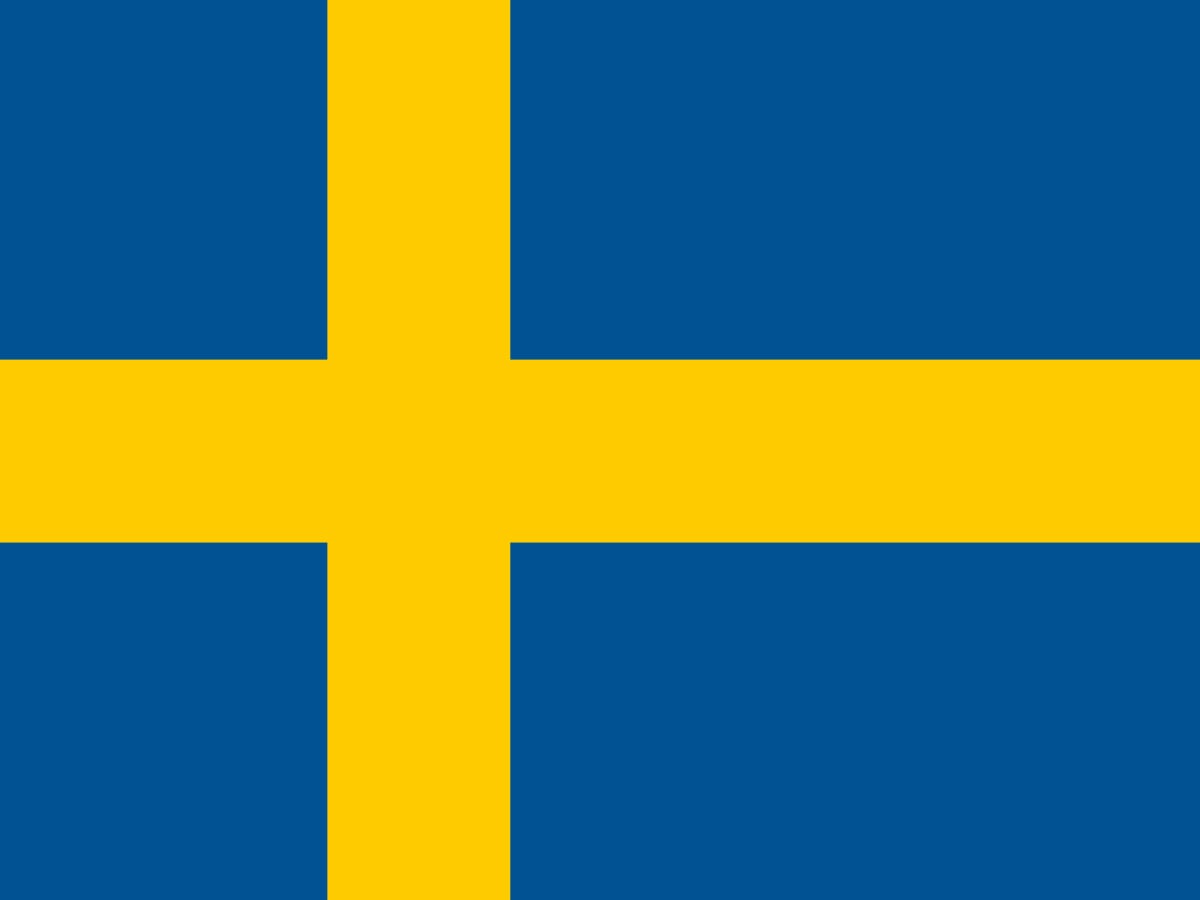
Yes, Sweden is a haven for death metal, and the home of garage rock revivalists The Hives, but when a band is as inseparable from their nation’s cultural identity as ABBA is for Sweden, it is difficult to select anybody else. One of the greatest pop outfits to ever grace the airwaves, with more global hits and sparkly jumpsuits than some people have had hot dinners, ABBA’s famously divided line-up did little to prevent the band from reaching the dizzying heights of musical stardom.
Why, then, should their musical inspiration not spur on the Swedish team to the dizzying heights of World Cup victory? The beauty of ABBA’s discography, too, is that they have such an eye-watering volume of material that, whatever the fate of the Swedish team in this year’s tournament, there is bound to be a track to perfectly capture that same feeling, whether it’s the joy of victory or the crushing heartbreak of defeat.
Switzerland: Grauzone

Picturesque alpine landscapes, The Sound of Music, and those little pocket knives, Switzerland has given the world so much over the years, not least in the musical realm. For our list, though, we will be forgoing the yodelling of the rolling green hills in favour of mood early 1980s electronica, courtesy of Neue Deutsche Welle heroes Grauzone, hailing from the nation’s capital city of Bern.
Although the cult group only produced one studio album during their two-year tenure, they left a mark on the musical landscape that is still worshipped by post-punk obsessives and appreciators of concrete synth music, of which ‘Eisbär’ is a particular highlight.
Will a song about yearning to live a simple life as an isolated polar bear inspire greatness in the Swiss football team? Maybe not, but it will at least give the nation a fittingly melancholic soundtrack if they crash out in the group stages, and a coolly subversive celebration song if they go any further.
Tunisia: AMMAR 808
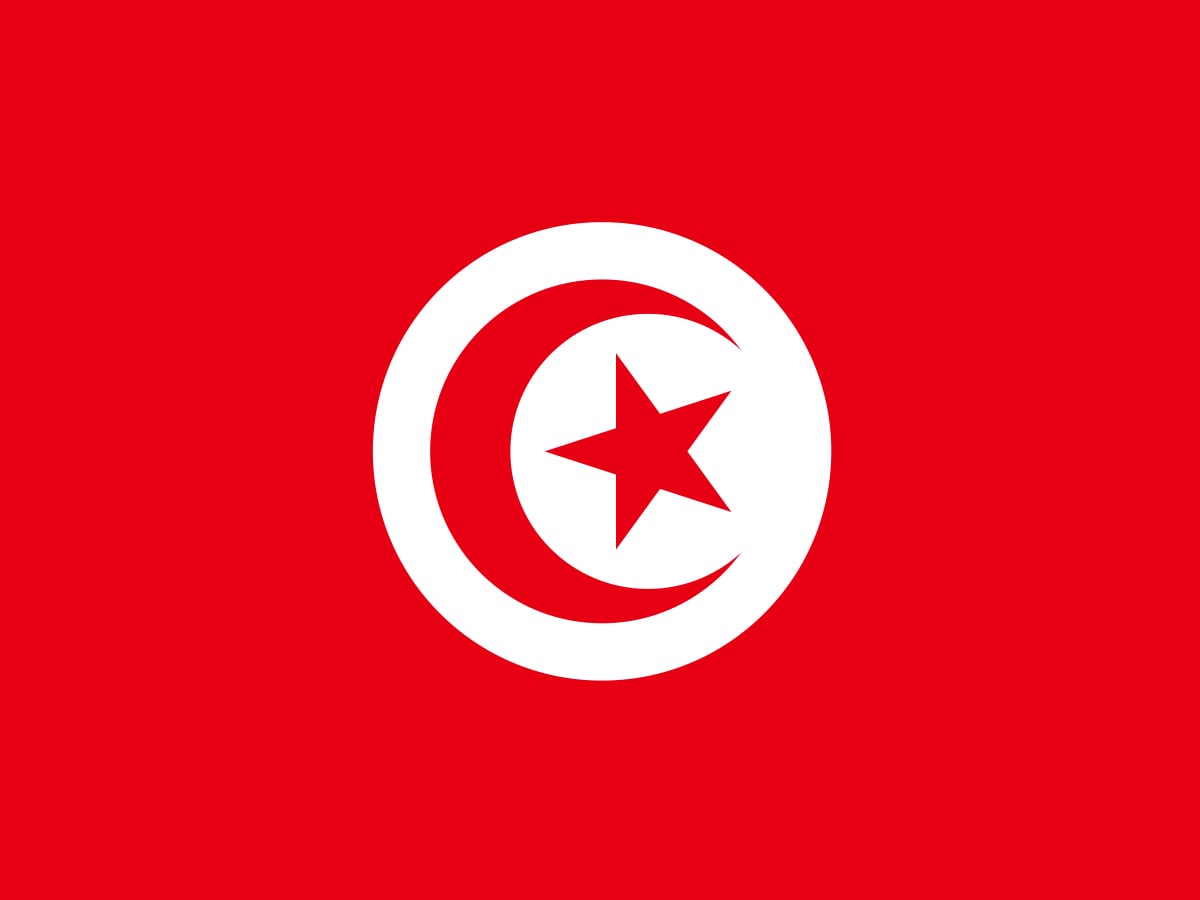
Look, it can’t all be traditional folk and classic rock; a World Cup would not be complete without some infectious dance music, so it is lucky that Tunisia is the home of producer Sofyann Ben Youssef, better known under the stage name AMMAR 808. Although he is now, admittedly, based in Denmark, Youssef’s distinctive dance sound is endlessly indebted to the sounds of his native Tunisia, which are blended with a club-centric dance sound on records like Club Tounsi, released just last year.
While it wouldn’t be too difficult to pluck out a servant of the age-old sounds of Malouf to represent the nation of Tunisia in a musical World Cup, the pounding bass-heavy beats and incorporation of Mezoued rhythms into the infectious North African dance music stylings of AMMAR 808 seem far more reflective of modern-day Tunisia, not to mention the excitement and adrenaline of playing in a World Cup.
Turkey: Barış Manço
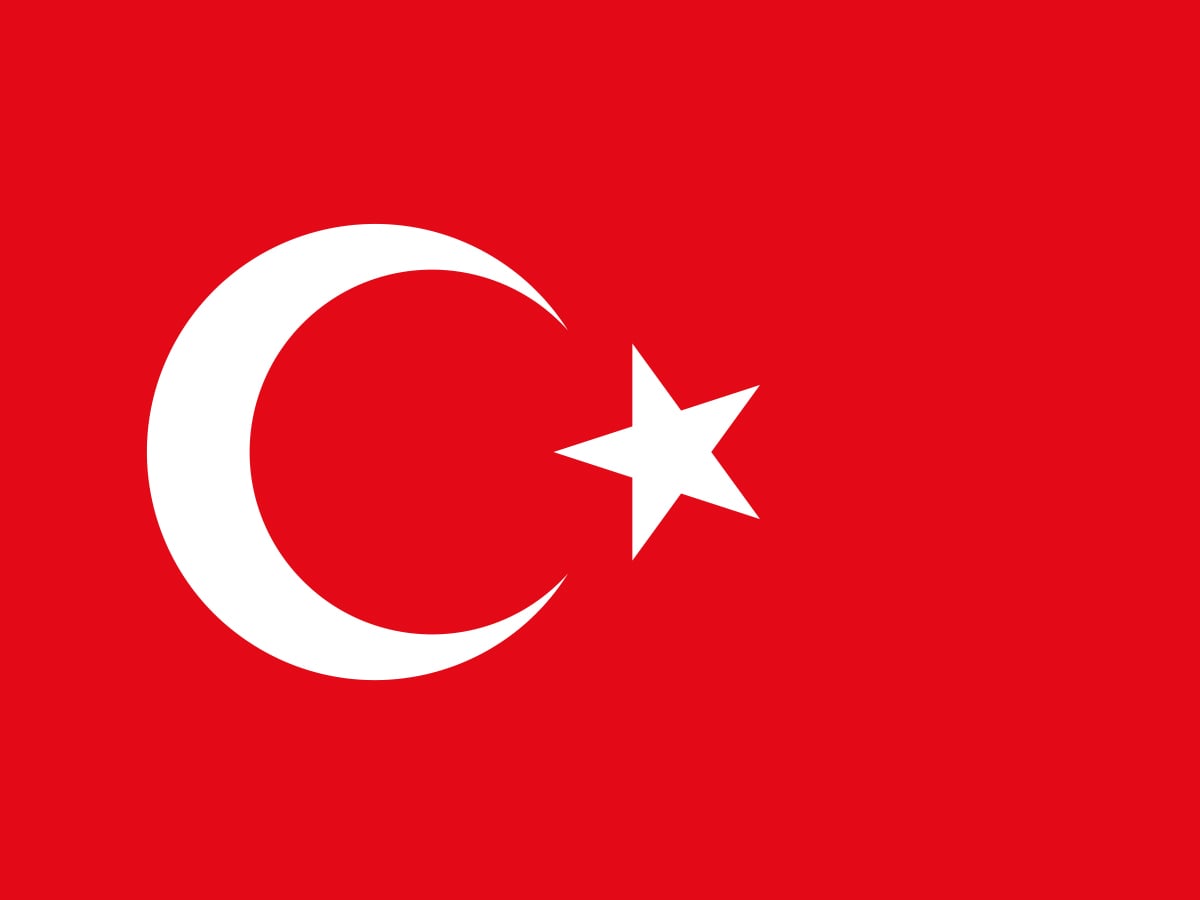
A hero, not just of Turkish rock and roll, but the entirety of the Anatolian psych scene that blew the minds of hippie-age audiences across the globe back in the 1960s, Barış Manço left behind a totally unparalleled legacy when he passed away back in 1999. To this day, Manço’s 1960s influence is still felt across contemporary Anatolian rock, as well as the wider psych scene across the globe.
Wailing riffs, space-age songwriting, and a Zappa-esque moustache, is there any question over why he is the perfect artist to represent the nation of Turkey? Admittedly, tripping on acid-rock probably isn’t the best thing for a football team, even in a nation as football-crazed as Turkey; nevertheless, Manço’s trailblazing output reflects the kind of visionary outlook and creativity that might spur on some on-field moments of mastery from the Turkish squad.
United States: Bruce Springsteen
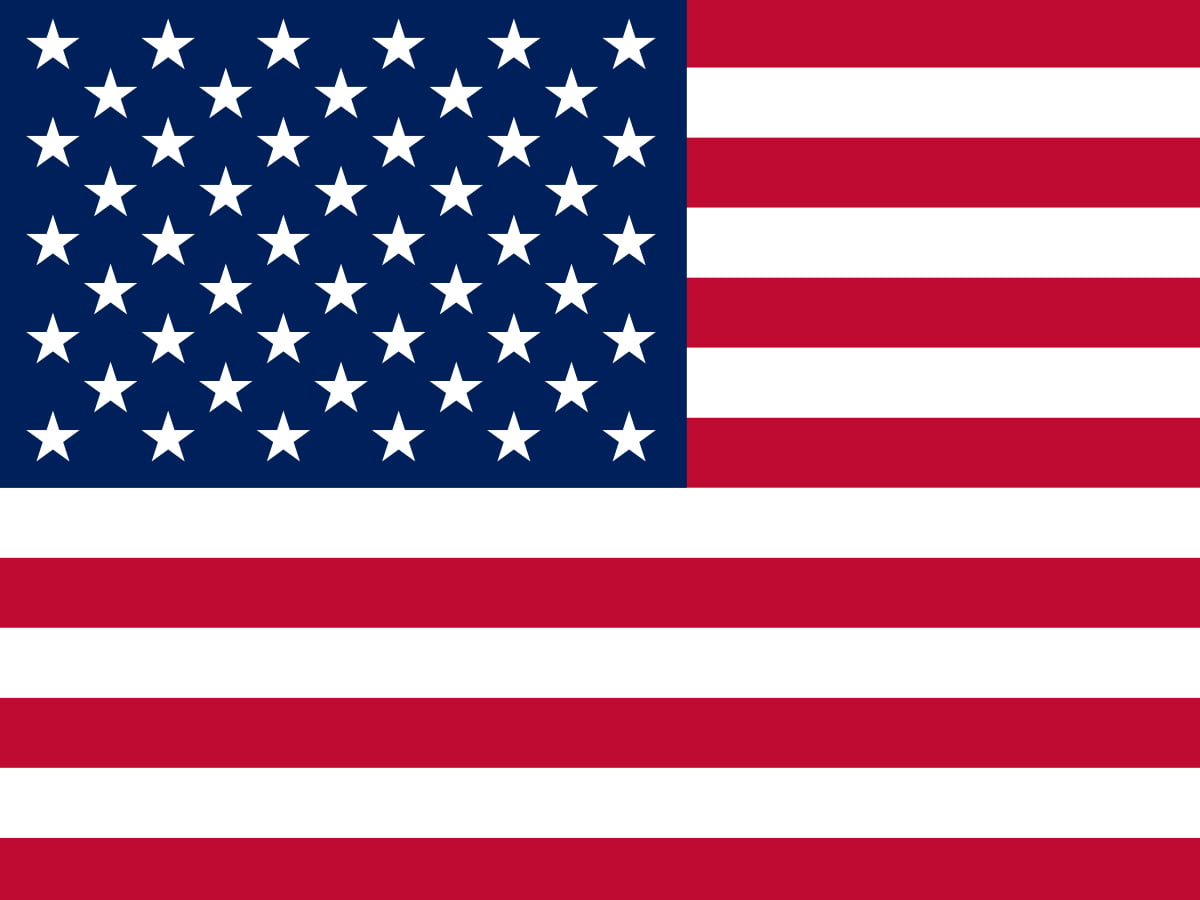
Having produced a wealth of music’s greatest artists over the decades, birthing jazz, blues, R&B, rock and roll, and an array of other genres, selecting just one musical representative for the loudest of the three host nations for this World Cup is quite the challenge. Despite his butting heads with FIFA Peace Prize winner Donald J Trump, who will inevitably crop up at varying points during the tournament, few artists capture the essence of America quite like Bruce Springsteen.
Although not as blindly nationalistic as certain sitting presidents would like, Springsteen’s odes to the working men and women of the States have been a constant, undying soundtrack to the true American spirit since his first emergence back in the 1970s. The United States’ team might not be the favourites for this tournament, but with the infectious power of ‘Born to Run’ behind them, there is no telling what dizzying heights they will be inspired to reach.
Uruguay: Eduardo Mateo
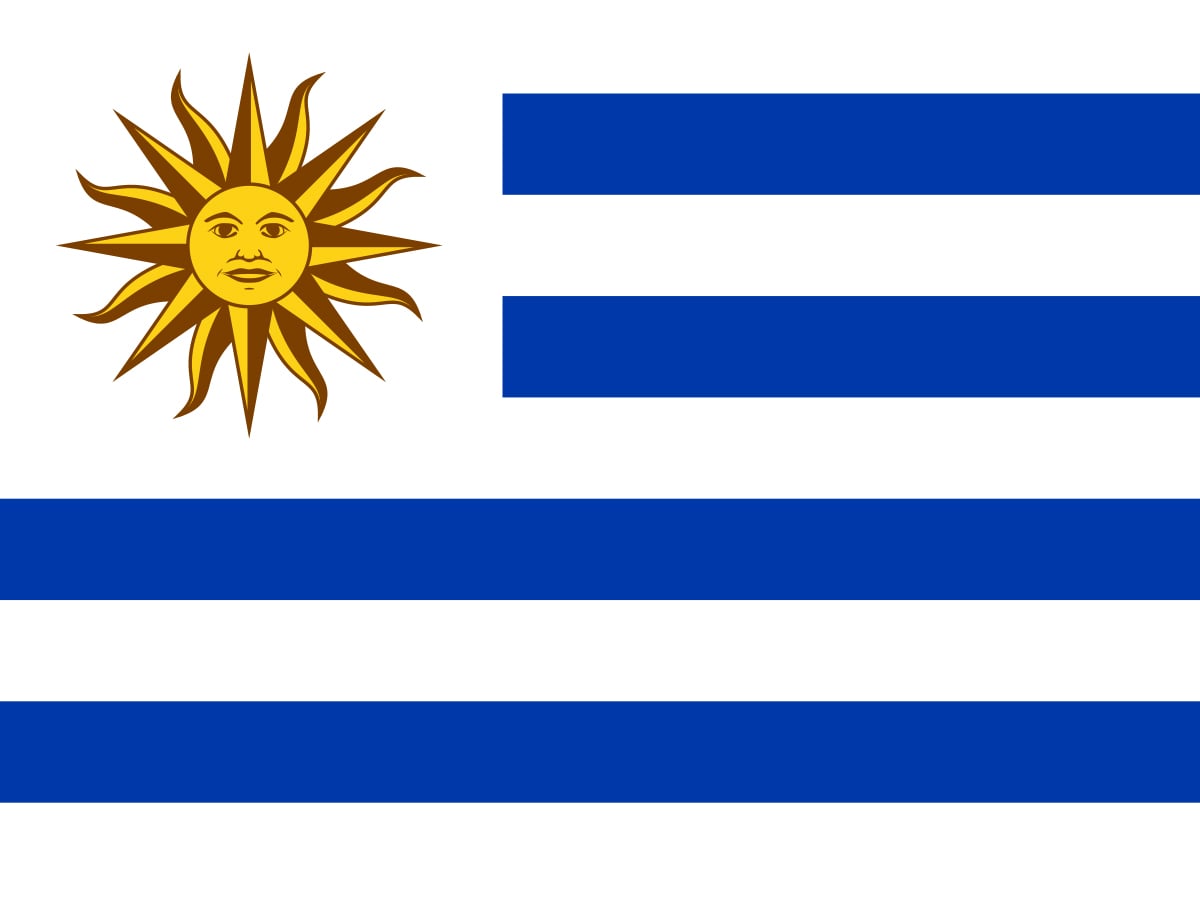
Uruguay was the place where it all began, with the nation hosting the inaugural World Cup nearly a century ago in 1930. Since then, the two-time World Cup champions have been going through a bit of a dry patch, trophy-wise, but their footballing remains as attractive as ever. Similarly, the nation’s greatest musical export, Eduardo Mateo, was essential in the early days of Latin rock and Uruguay’s modern musical identity.
Uniting disparate sounds from across the South American continent, from the psychedelic hard rock sounds that dominated Peru’s counterculture movement in the 1970s to the Brazilian bossa nova that determined the sound of the nation for many more decades, Mateo’s visionary output was, like the 1930 World Cup, ahead of its time, and often misunderstood outside of his home nation.
Nevertheless, time has been rather vindicating for the guitarist’s beloved discography, correctly hailing him as a key architect not just of Uruguayan music, but of the rock landscape of Latin America in a much broader sense.
Uzbekistan: Yalla
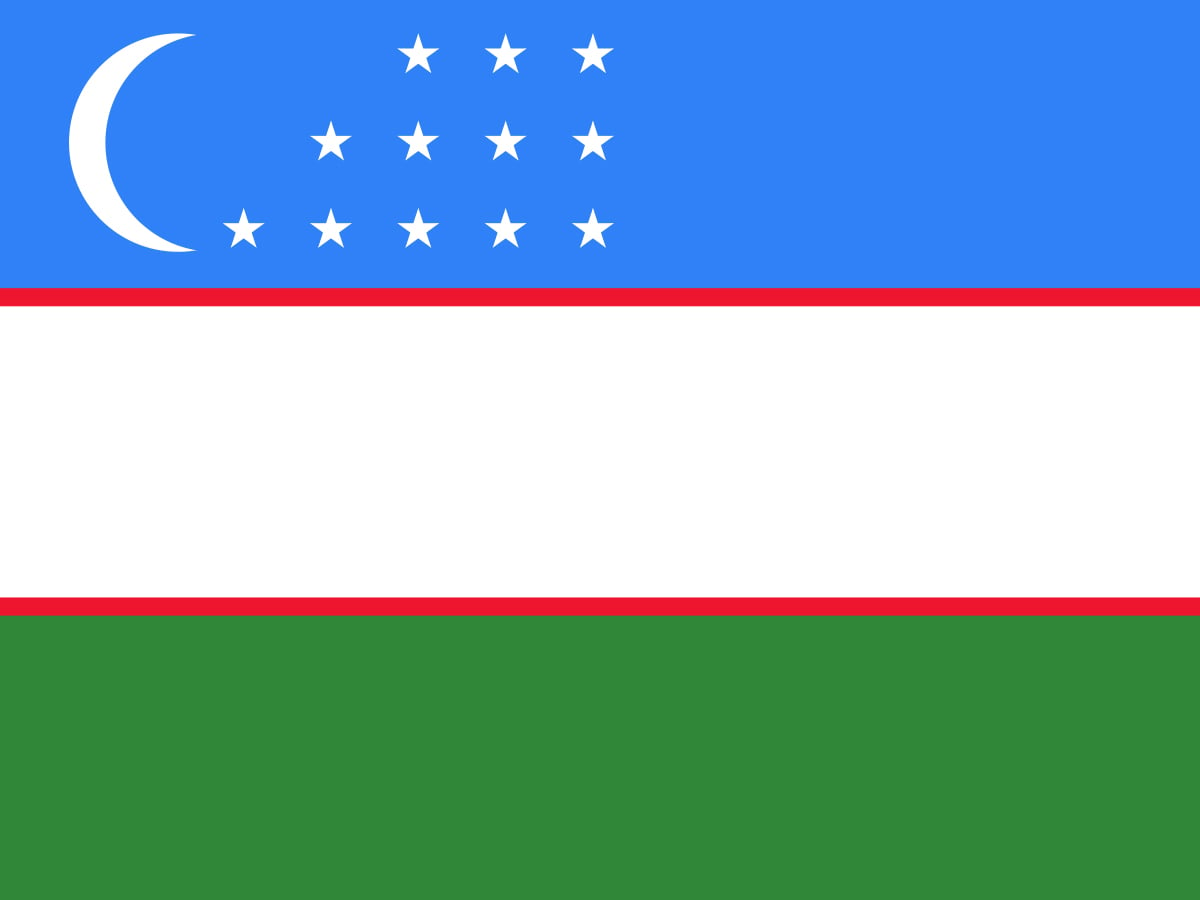
For their first-ever World Cup, Uzbekistan enter into this tournament as underdogs, and their musical identity is similarly underrated, or unknown outside of the country’s immediate surroundings. If international football can teach us anything, though, it is to never underestimate the underdogs and, in a similar fashion, Uzbekistan’s music scene is capable of throwing up a few moments of unexpected intrigue, too.
Namely, the Soviet-era folk-rock outfit Yalla, who flew the flag for the Central Asian nation during the height of the Warsaw Pact back in the 1970s and has never truly disappeared since. Rivalling The Fall for the number of musicians who have passed through the outfit over the years, the group have nevertheless produced their fair share of Uzbek classics during their tenure, and their folk-rock leanings were unparalleled in the midst of the Soviet Union’s relatively limited rock scene. Half a century on, with the Soviet Union consigned to the history books, Yalla are still capable of flying the flag for their country.
