


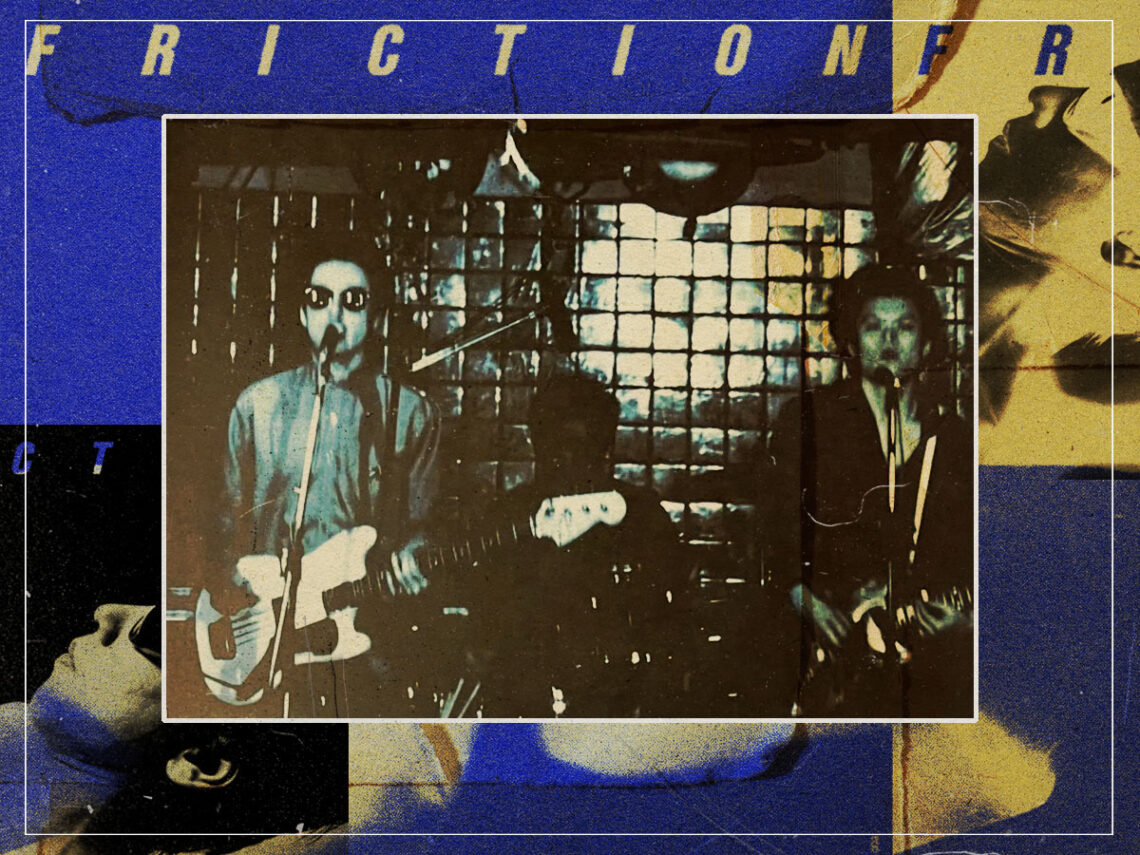
Friction: the innovative band who brought punk rock to Japan

When you think of punk rock in a geographical sense, you are likely to think of the sticky floors of the CBGB club in New York or the heroin-riddled squats of London Town, but the bright lights and busy streets of Tokyo, Japan have just as much claim to the abrasive stylings of punk. Since the early days of popular music, artists in Japan have had the ability to take the influences of the west and build upon them to create some groundbreakingly innovative sounds. When it came to the musical revolution of punk, the island nation largely eclipsed the efforts of many western groups.
Of course, the subversive and daring nature of punk rock did not come naturally to the music scene of Japan, and it would take a trailblazing young group to kick-start the revolution. Thankfully, that band came in the form of Friction. Originally formed in the early 1970s, Friction (originally entitled Maru Sankaku Shikaku) had their roots in the world of avant-garde experimentation. After rebranding themselves as 3/3 and, finally, Friction, the group pivoted from experimental music to out-and-out punk rock.
Meanwhile, in the punk scene of the UK and USA, the interest in punk was waning. The lack of musical talent within most punk groups was becoming apparent; it seemed you could only exist on attitude and three guitar chords for a limited period of time. In Japan, however, things were just getting started, as artists like Phew and Friction began to find an audience for their fiercely inventive and abrasive tracks. Their background in the world of avant-garde meant that their unique brand of punk rock had a certain experimental edge to it, setting them apart from their contemporaries in the West.
Releasing their incredible debut album Atsureki (Friction, in English) in 1980, Friction affirmed their ruthlessly uncompromising, adrenaline-fuelled punk rock. Featuring production work by none other than Ryuichi Sakamoto, the project firmly established the punk and alternative rock scene within the ‘Land of the Rising Sun’. Even within the modern scene in Japan, the influence of Friction’s buzzsaw stylings can be heard within the garage rock of groups like Sakuran-Zensen.
Over 40 years since the original release of the debut album and its stand-out single ‘Crazy Dream’, they remain among the finest punk records of all time, though the masses do not often credit them. The band would stay together, in some form, until 1996, usually centring around the frontman, Reck. They became known largely for their intense live performances, as noted by their body of live releases that they largely relied upon during their later years.
Friction remains a criminally forgotten act within the Anglo-centric musical world, but their impact on the landscape of DIY music is virtually unavoidable. After all, Friction’s original bassist, Reck, and saxophonist, Chico Hige, temporarily left Japan during the mid-1970s, moving to New York where they would go on to form legendary no wave groups Teenage Jesus and the Jerks and, later, James Chance and the Contortions.
Both of these groups formed integral parts of New York’s vibrant underground scene, and the early influences of no wave can certainly be heard within the music of Friction. Although The Contortions and Teenage Jesus tend to afford a higher status within the history of alternative music, the trailblazing work of Friction should certainly be revisited.

Never Miss A Beat
The Far Out Punk Newsletter
All the latest Punk content from the independent voice of culture.
Straight to your inbox.