


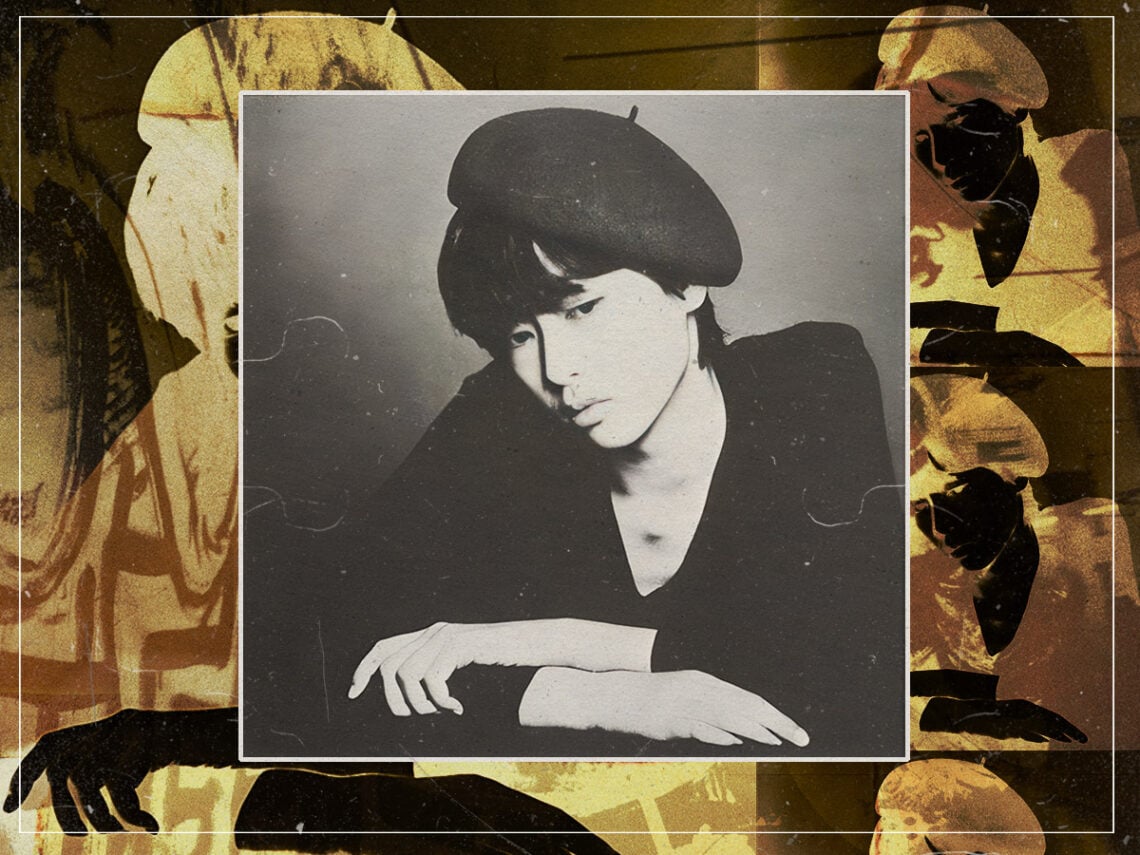
Phew: the life and times of Japan’s ultimate punk

Oceans away from the sweaty urine-stench of Covent Garden’s Roxy Club, some of the greatest music to come from the revolutionary spirit of punk came from Japan. From the proto-no-wave of Friction to the more modern garage rock of Sakursen Zensen, the island nation has always had a penchant for producing incredible artists. One such pioneering punk spirit is Phew, the Osaka-born musician who rose to prominence in the avant-garde experimental scene.
When looking back on the history of punk and experimental music, much of the discourse is limited to the English-speaking world, resulting in many incredible acts being lost or ignored. In that sense, Phew is something of an outsider. Throughout her nearly 50-year career, the improvisational musician has received widespread acclaim for her innovative brand of avant-garde electropunk.
Beginning her musical career as a member of the psychedelic punk group Aunt Sally, Phew immediately asserted her punk attitude. The group was born out of Phew’s 1977 pilgrimage to London to see the Sex Pistols, once telling The Wire, “I realised this was not something you were supposed to watch. It was something you were supposed to do.” Although their reign was fairly short, disbanding in 1980, Phew’s group quickly established themselves as a stunningly original voice during the initial post-punk years.
The vocalist gained further notoriety after the break-up of Aunt Sally, releasing the Ryuichi Sakamoto-produced ‘Finale’. Even today, the track still sounds remarkably original, having more in common with the no-wave scene of New York than any of her Japanese contemporaries. Building on the success of her first solo single, Phew made the trip from Osaka to Europe, recording her largely improvised debut record in Germany under the supervision of Conny Plank.
On her eponymous debut, the Japanese master of experimentation worked alongside Holger Czukay and Jaki Liebezeit of noted krautrock aficionados Can. This meeting of incredible minds within experimental music produced an album that feels simultaneously off-the-cuff and expertly crafted. It is a testament to Phew’s intense musical vision and her ability to execute to insanely high standards.
Over the course of her career, Phew has witnessed further successes with her solo work, collaborating with acts such as German electro punks D.A.F. The songwriter was constantly innovating and moving forward through her music, continuing her experimental beginnings, though she asserts that, in fact, “It’s been over 40 years, and I’m still making music the same way. I have not grown at all. I think this is a terrible thing.”
Releasing her most recent album, New Decade, on Mute in 2021, Phew contradicts her previous quote. The record shows not only that she has changed but that even into her sixth decade, Phew remains one of the most fiercely individualistic artists on the globe. Unlike many of her early punk peers, including Sex Pistols, who provided her first inspiration, Phew has managed to maintain her punk principles and independence. She has continuously carved out her own path within experimental and DIY music, and the brilliance of New Decade suggests that she’s not going away anytime soon.
