


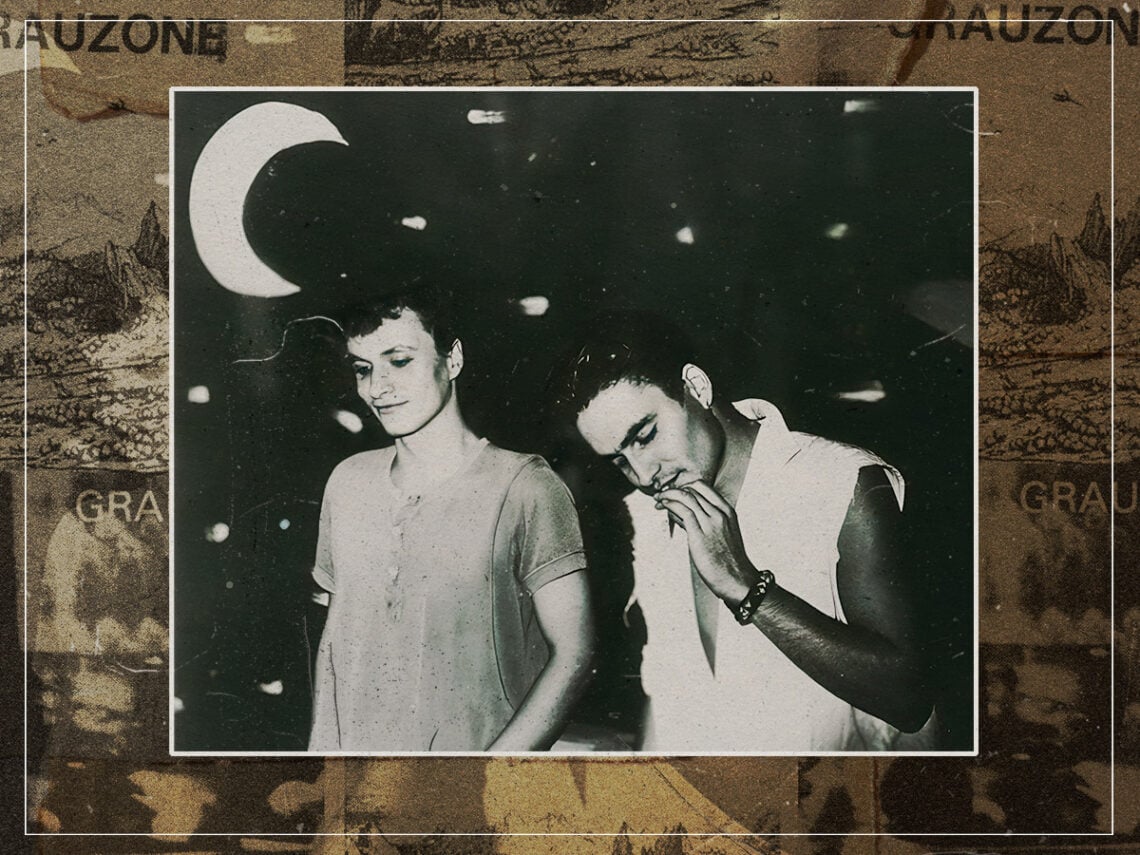
The Best Band You’ve Never Heard: Grauzone, the short-lived Swiss artists of a grey area

Taken literally, the term ‘post-punk’ is entirely meaningless. Usually, it refers to any punk-inspired music which came after 1977 and incorporated influences outside the world of punk. This could encompass everything from the 2-tone ska of The Specials to the innovative experimental stylings of Throbbing Gristle. Regardless of its meaning or apparently enduring relevance, much of the discourse surrounding post-punk is limited to English-language acts rising from the UK and US, ignorant of the fact that mainland Europe produced the most exciting acts of the scene.
The German language seems to lend itself to the moodiness of post-punk naturally. Neue Deutsche Welle is a subgenre of post-punk – an already diffuse term. Characterised by its German lyricism and heavy incorporation of electronic dance music, groups like DAF and Spliff were responsible for some of the most innovative sounds of the post-punk era. An often overlooked NDW group hailed not from Germany but from the picturesque surroundings of Bern, Switzerland.
Formed in 1979 from the remnants of punk band Glueams, Grauzone (Grey Area, in English) spearheaded synth-led NDW dance music. Setting themselves apart from their contemporaries, Grauzone also pioneered the influence of saxophone in post-punk dance music. Although the group managed to record only one studio album during their short time together, their influence over European post-punk and Swiss alternative music is incredibly enduring. Switzerland is not particularly noted for its musical output, which is perhaps a contributing factor to Grauzone’s unique ability to fly under the radar.
On the other hand, the band were obscure by design, going to great lengths to avoid commercial success. In fact, when the group received their only hit single, with 1981’s ‘Eisbär’ charting in Germany and Austria, they were reportedly dismayed with its success. Nevertheless, ‘Eisbär’ is arguably their greatest effort. Witnessing success after becoming a nightclub classic in Germany, the track has enjoyed continuing relevance thanks in part to its inclusion on the soundtrack of the 2016 film Ma Vie De Courgette.
Grauzone were so short-lived that their entire discography could fit onto a double LP, released as the 40th Anniversary Box Set by Swiss independent label WRWTFWW Records back in 2021. The set also included a live album, providing an interesting insight into how the heavily electronic music translated into live performance, something that many early synth groups struggled with.
Grauzone officially disbanded in 1982 after only ten gigs, one album and a handful of singles. However, the group always remained in the hearts and minds of its cult following. Their rejection of commercial pressures and expectations was a testament to their fierce non-conformity, establishing themselves as authentic originals within the blossoming Neue Deutsche Welle scene.
Following the band’s break-up in 1982, drummer Marco Repetto and bassist GT were reunited with members of Glueams, renaming themselves as Missing Link and then as Eignernordwand – neither of which were particularly notable. The members then broke off, some enjoying moderately successful solo careers, with others pivoting to underground performance art. Regardless, the members never quite recreated the magical innovation of Grauzone, one of the greatest groups to ever fly under the radar.

Never Miss A Beat
The Far Out Post-Punk Newsletter
All the latest Post-Punk content from the independent voice of culture.
Straight to your inbox.