


All 97 ‘Best Picture’ Oscar winners ranked from worst to best

The films that have taken home ‘Best Picture’ at the Academy Awards are historically significant, albeit not equivalent in quality.
While they are frequently criticised for their failings, the Academy Awards do serve an important purpose in cinematic culture. A competition drives studios and artists to produce their best work, and the hype that surrounds “award season” does end up boosting the visibility of titles that wouldn’t have received the attention otherwise. There’s also nothing that says a film that doesn’t win ‘Best Picture’ won’t still go down in history as a classic; Citizen Kane and The Shawshank Redemption famously didn’t win, and other masterpieces like Vertigo and 2001: A Space Odyssey weren’t even nominated.
When it comes to the ‘Best Picture’ category, the Oscars have gone through different phases. There was a time when musicals and epics were favoured for the top prize, but the rise of campaigning in the late ‘90s led more arthouse and period dramas to be in contention. Now that the Oscars have expanded their membership, what ends up winning ‘Best Picture’ has been more unpredictable than ever. In fact, the last decade has seen several instances in which the Oscars have gone in a completely different direction than the Baftas, Golden Globes, and other precursors.
If nothing else, the collection of films that have won ‘Best Picture’ provides a snapshot of what the industry was like during their windows of release; for better or worse, the members of the voting body tend to favour films that feel relevant in the moment, rather than what might end up ageing well in the future. There are many films that the Oscars awarded that have stood the test of time, and some that just feel strange to honour in years where there were clearly better titles in competition. While there are usually redeeming qualities to be found in anything that was handed the prestigious title of ‘Best Picture’, there are a few winners that are nearly unwatchable because of how poorly they have aged.
The good thing is that the distinction of being a ‘Best Picture’ winner ensures that each film will at least be preserved for future generations to watch and consider. While some of these winners have been celebrated as classics, watching all of them is something that might only appeal to those willing to sit through some tedious viewing experiences. Here’s how every single ‘Best Picture’ winner stacks up when ranked from worst to best.
All 97 ‘Best Picture’ Oscar winners ranked from worst to best
‘Cimarron’ (1931)
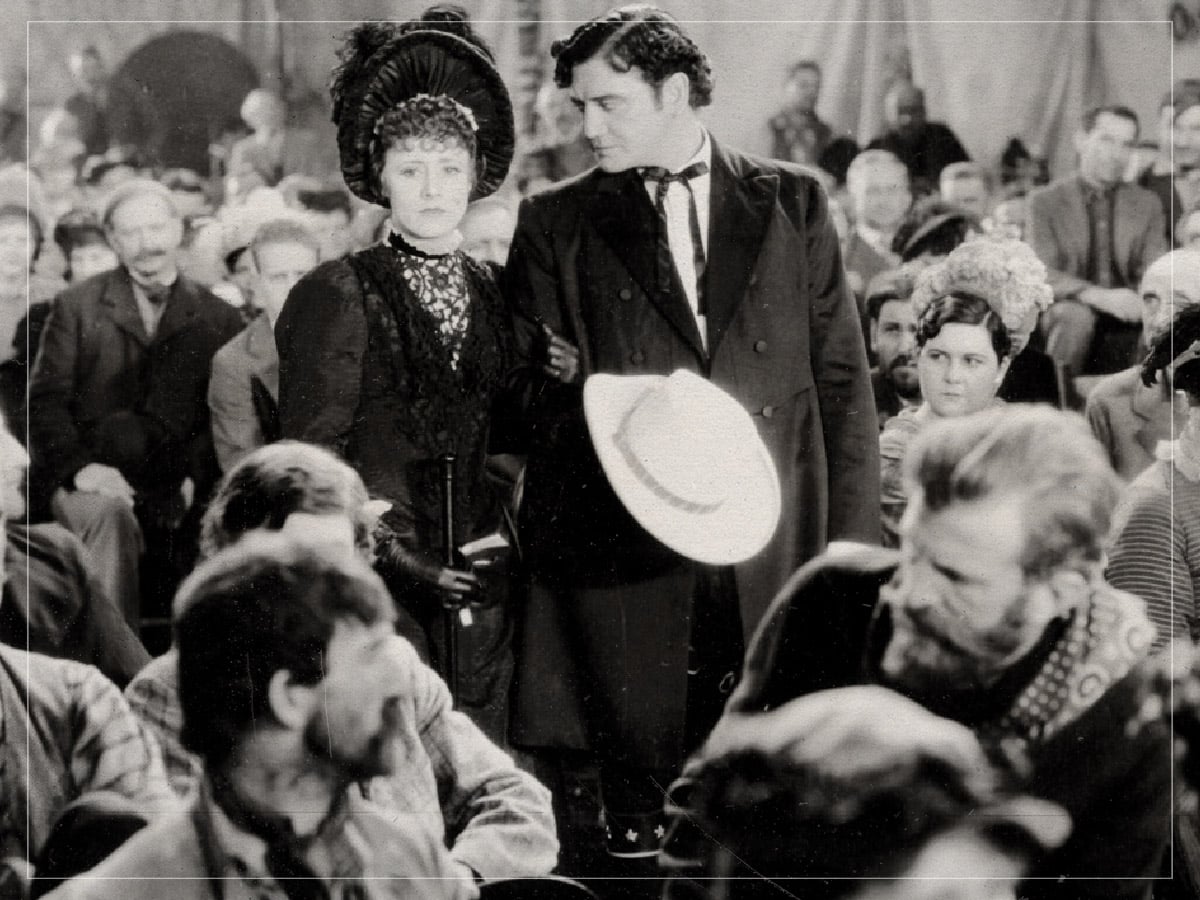
The 1930s were a great decade for westerns that saw the emergence of classics like Stagecoach and Destry Rides Again, which would go on to inspire further entries. However, Cimarron is a film that no one would cite as a great entry in the genre because it seems opposed to doing anything exciting. Set during the Gold Rush of the late 19th century, Cimarron is about a family that settles in the Osage County of Oklahoma.
It’s a blatantly racist film that features offensive Black American stereotypes and completely dismisses the genocide of the indigenous people, but it’s also a dull historical drama that doesn’t capture any of the excitement that feels inherent to western adventures. Although Cimarron continues to age poorly because of how lousy its production values are, the film wasn’t a success at the time of its release either, as it’s one of the few ‘Best Picture’ winners that actually failed to make a profit.
‘Crash’ (2005)

Awarding Crash the ‘Best Picture’ Oscar is one of the most cowardly moments in the history of the ceremony. Most other award shows had given their top prize to Ang Lee’s groundbreaking LGBTQ+ romance Brokeback Mountain, but the Oscars went a different way and gave the victory to a laughably insincere ensemble drama that simplified complex issues regarding race relations. Every character in Crash is little more than a caricature, and even strong performances from actors like Matt Dillon and Don Cheadle weren’t enough to save it.
While the reputation that director Paul Haggis has earned hasn’t helped the film’s legacy, Crash was criticised at the time for its lazy messaging and lack of curiosity about underrepresented communities. Although the Oscars have had a frequent history of awarding “white saviour” films, Crash might be the most glaring example of missing the mark entirely.
‘Driving Miss Daisy’ (1989)
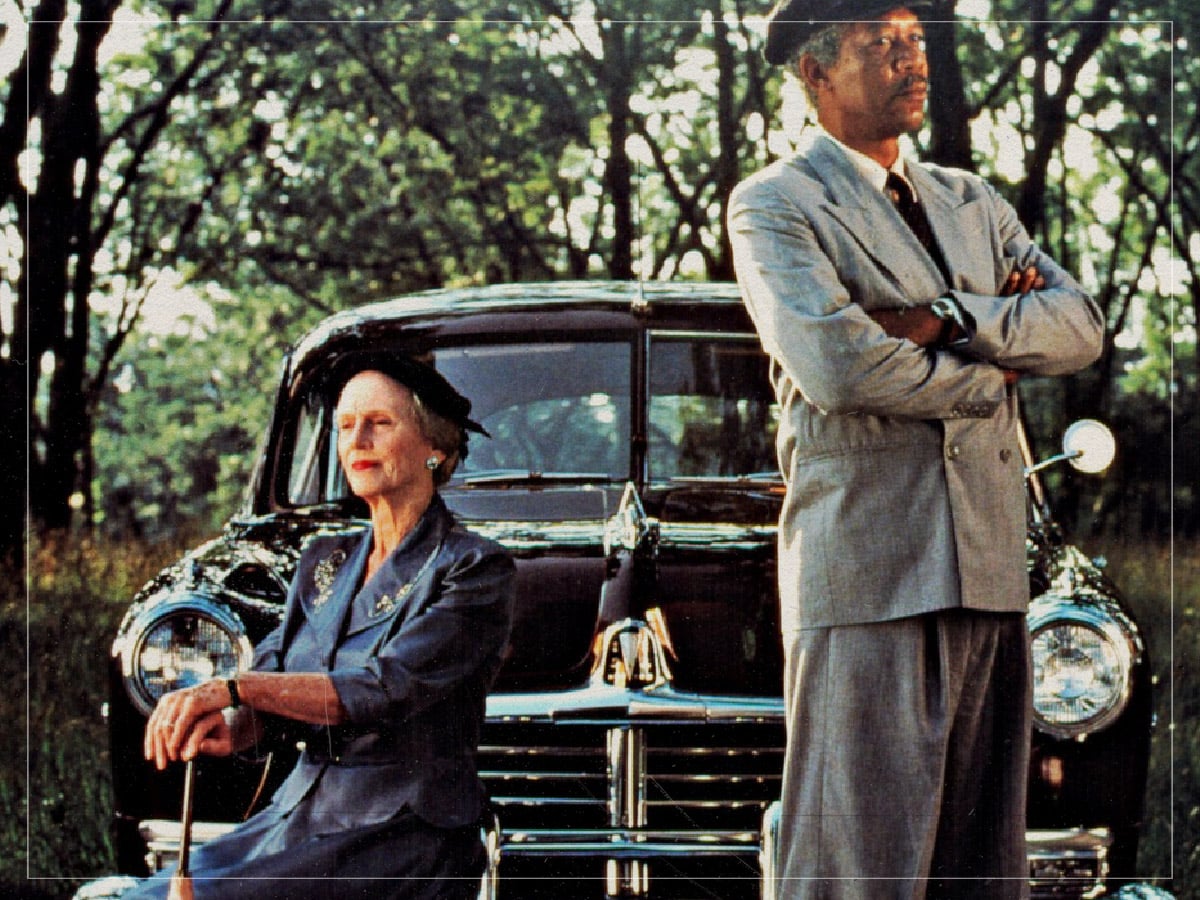
Driving Miss Daisy created another racial controversy for the Oscars, given that it presented an idealistic, condescending depiction of race relations in the same year that Spike Lee’s masterpiece Do the Right Thing was snubbed in the major categories. Even ignoring the fact that Driving Miss Daisy was clearly meant to appease older, white Oscar voters, it’s a dull character drama with a style that would be more befitting of a television film.
That director Bruce Beresford wasn’t even nominated for Best Director should indicate what a dull, mundane production Driving Miss Daisy is visually, even if there was little he could do to elevate a bare-boned script. What elevates Driving Miss Daisy from the bottom spot is that Morgan Freeman does give a genuinely great performance, and is able to give dignity to a character who isn’t awarded any by the screenplay.
‘The Broadway Melody’ (1929)
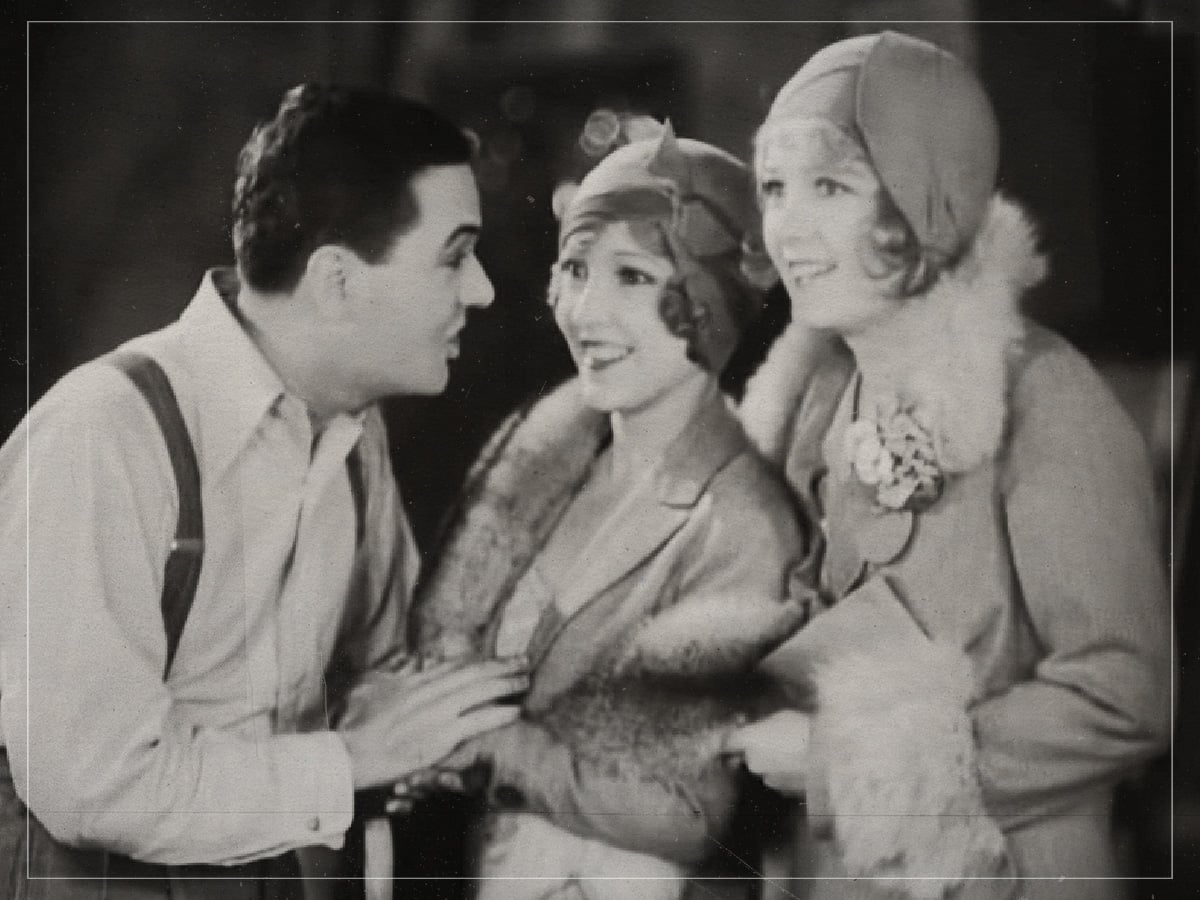
The Oscars tend to award significant leaps forward in technical craftsmanship, as the industry does like to pat itself on the back when a new trend is set. In the case of The Broadway Melody, it was one of the first releases to break the tradition of the silent film era by incorporating audio and music, as The Jazz Singer had been the first major sound film only two years prior.
Although there were still some filmmakers who continued to make silent films, The Broadway Melody marked the beginning of an era in which the Oscars would fawn over themselves to honour the artistry of Broadway. Unfortunately, The Broadway Melody is a glacially paced, generic show-business drama that was limited in what it could do visually because of the limitations allowed by technology at the time. The audio quality has also failed to hold up, as most modern copies of the film are barely comprehensible.
‘Cavalcade’ (1933)
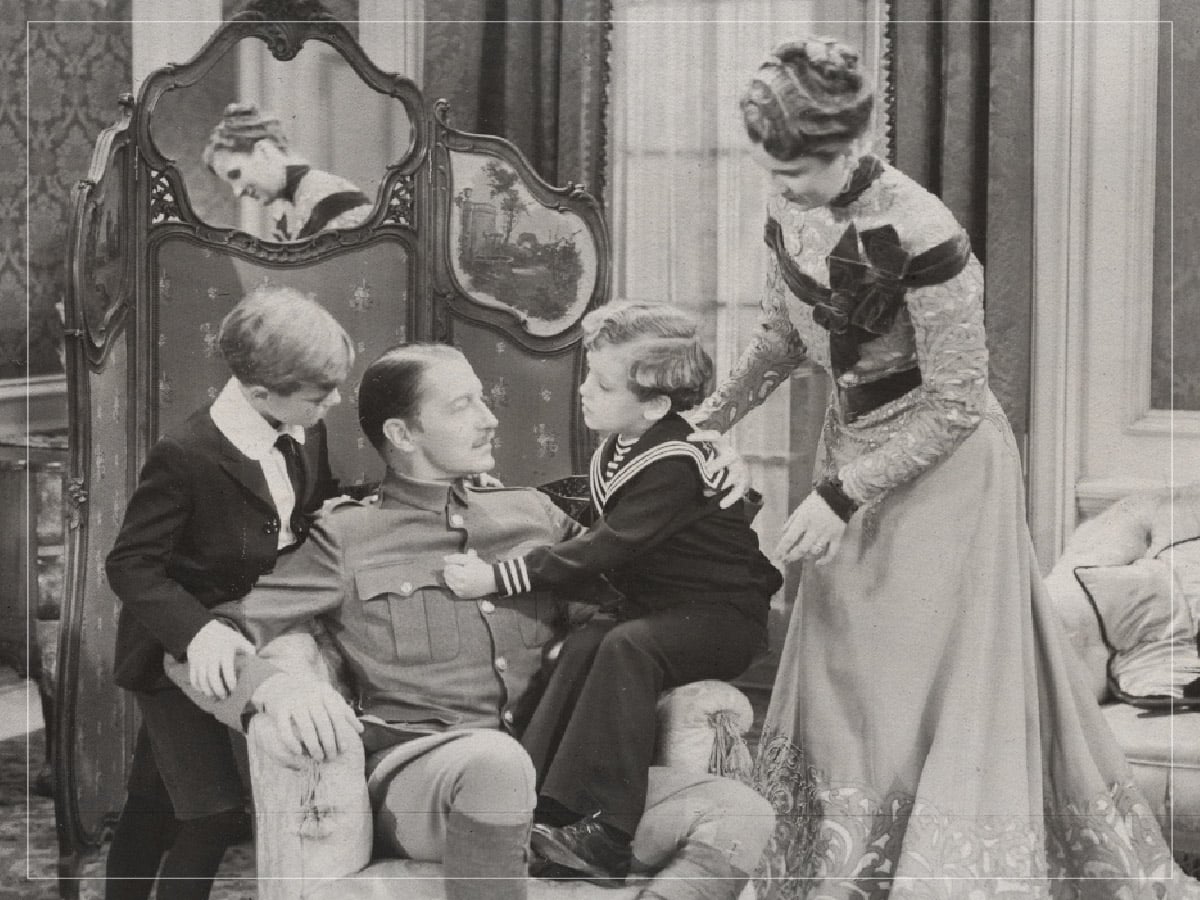
Cavalcade marked the beginning of the Oscars’ obsession with British period dramas, as one’s enjoyment of the film might depend on how much they are enamoured with high society melodrama. While it may be a natural predecessor to Downton Abbey, Cavalcade attempts to explore the dynamic between two families over the course of over three decades, and syncs up with major historical events in increasingly ridiculous ways. One sequence, in which two characters are revealed to be passengers of the Titanic, is inadvertently hilarious.
Cavalcade does feature some montages that were ahead of their time, but it’s indicative of how focusing on more important historical incidents is far more interesting than any of the film’s characters. Although the film has essentially been forgotten when looking back at the history of pre-Code cinema, one of Cavalcade’s biggest fans was Adolf Hitler, who watched it multiple times after being elected as the Chancellor of Germany.
‘Shakespeare in Love’ (1998)
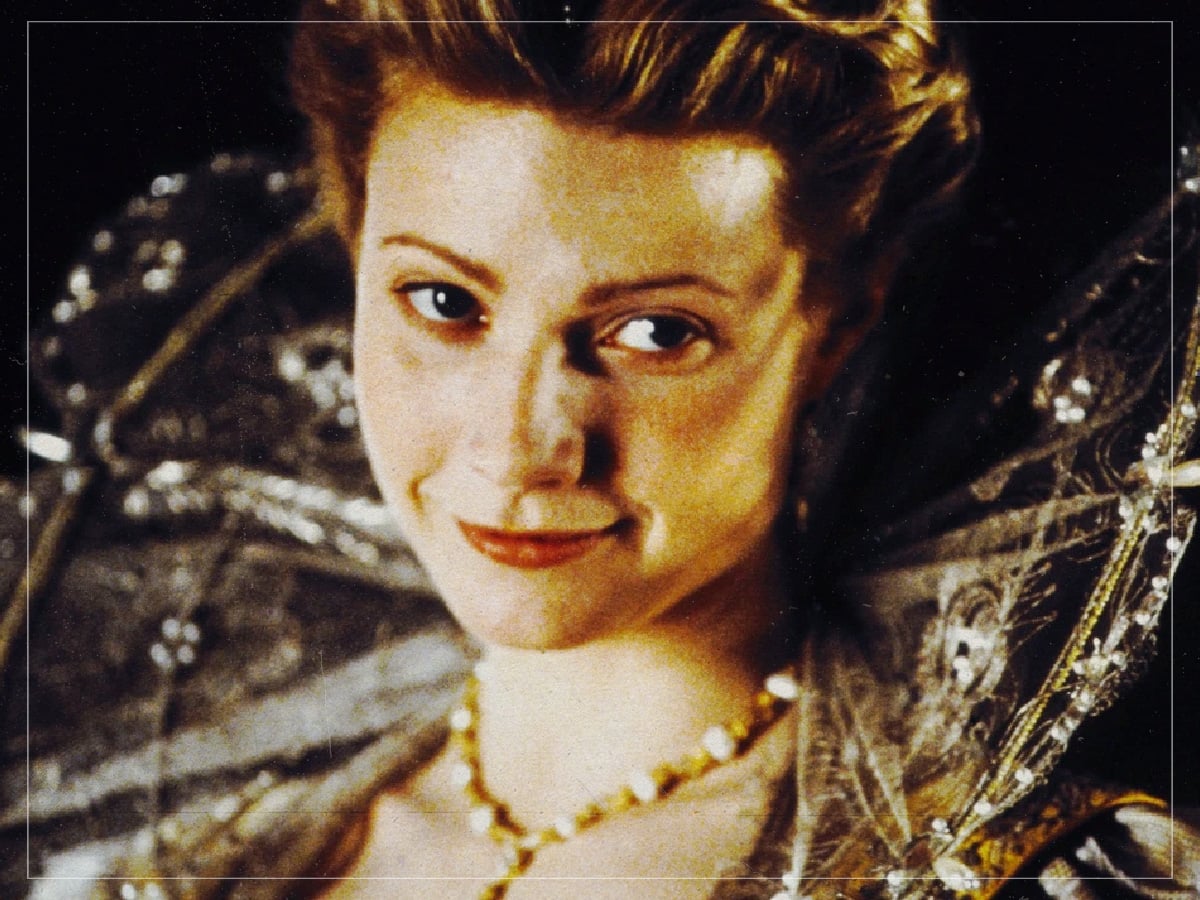
The reputation of Shakespeare in Love is forever tied to Harvey Weinstein, whose relentless campaigning helped the romantic period comedy pull off a surprise victory over the expected winner, Saving Private Ryan. Even though Joseph Fiennes is cast as a fictionalised version of William Shakespeare, the film itself is a shockingly familiar rom-com that only made the most obvious of references to his extensive body of work; it’s the type of film aimed at those who only skimmed through their Shakespeare studies and are only familiar with the basic outline of his writing.
Fiennes has shockingly little chemistry with Gwyneth Paltrow, whose ‘Best Actress’ victory came at the cost of Cate Blanchett’s starmaking turn in Elizabeth. Shakespeare in Love is by no means a disaster, and may have earned the favour of voters considering that it survived a dramatic production process in which Julia Roberts and Daniel Day-Lewis were nearly cast.
‘CODA’ (2021)
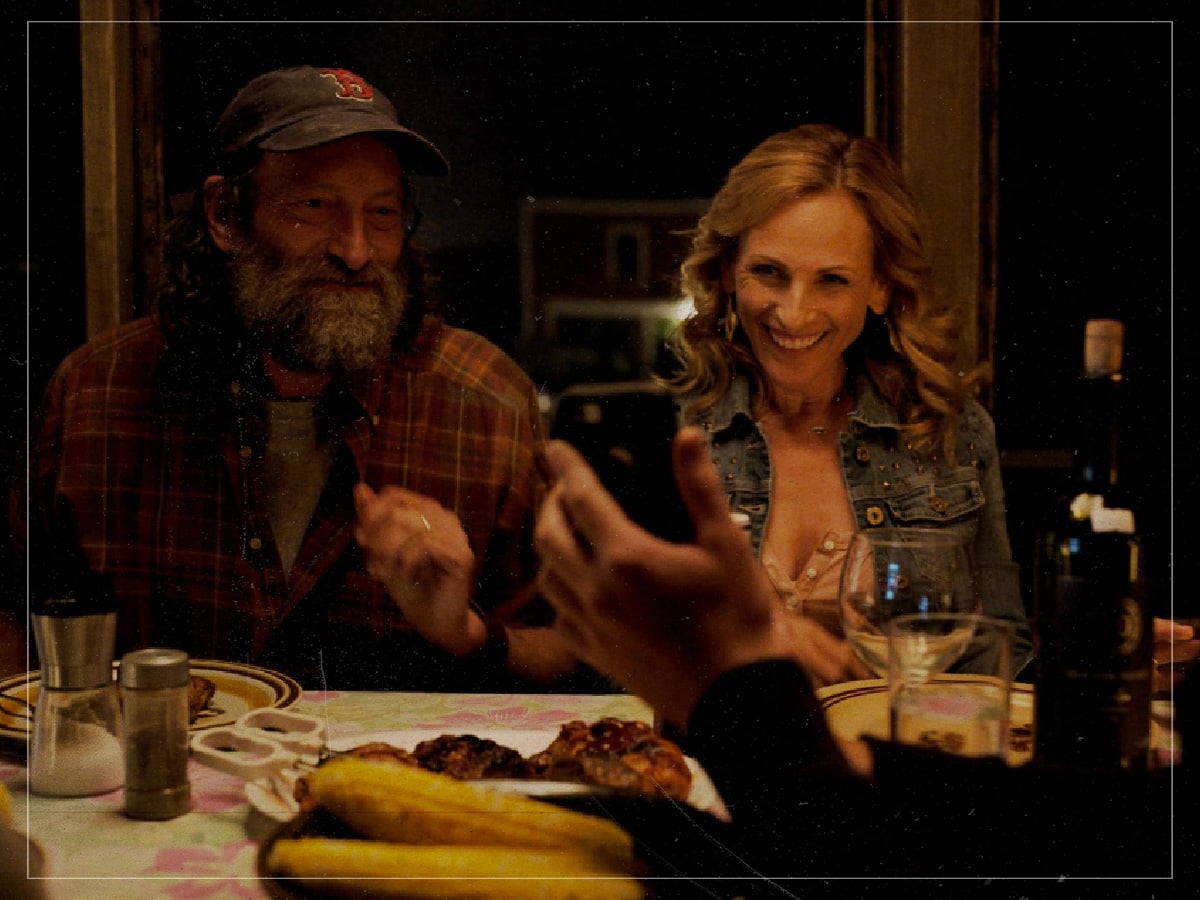
CODA is not only the first film that debuted at the Sundance Film Festival to win ‘Best Picture’, but the only streaming release; although it was originally released in the summer as a standard crowdpleaser, Apple elevated CODA to award-contending status when some of the more artistic titles in contention grew more divisive. CODA is a perfectly adequate, feel-good family film that hits nearly every cliche imaginable and suffers from artificial drama that rarely feels authentic.
Although it did serve as a positive representation for the deaf community, the fact that CODA was told from the perspective of a hearing character did undercut its message. Its victory could be attributed to the unusual state that the industry was in during 2021; after surviving a pandemic that nearly destroyed the cinematic landscape, voters were more inclined to vote for a simple, middle-of-the-road “issue-based” film than something more challenging like The Power of the Dog.
‘Around the World in 80 Days’ (1956)
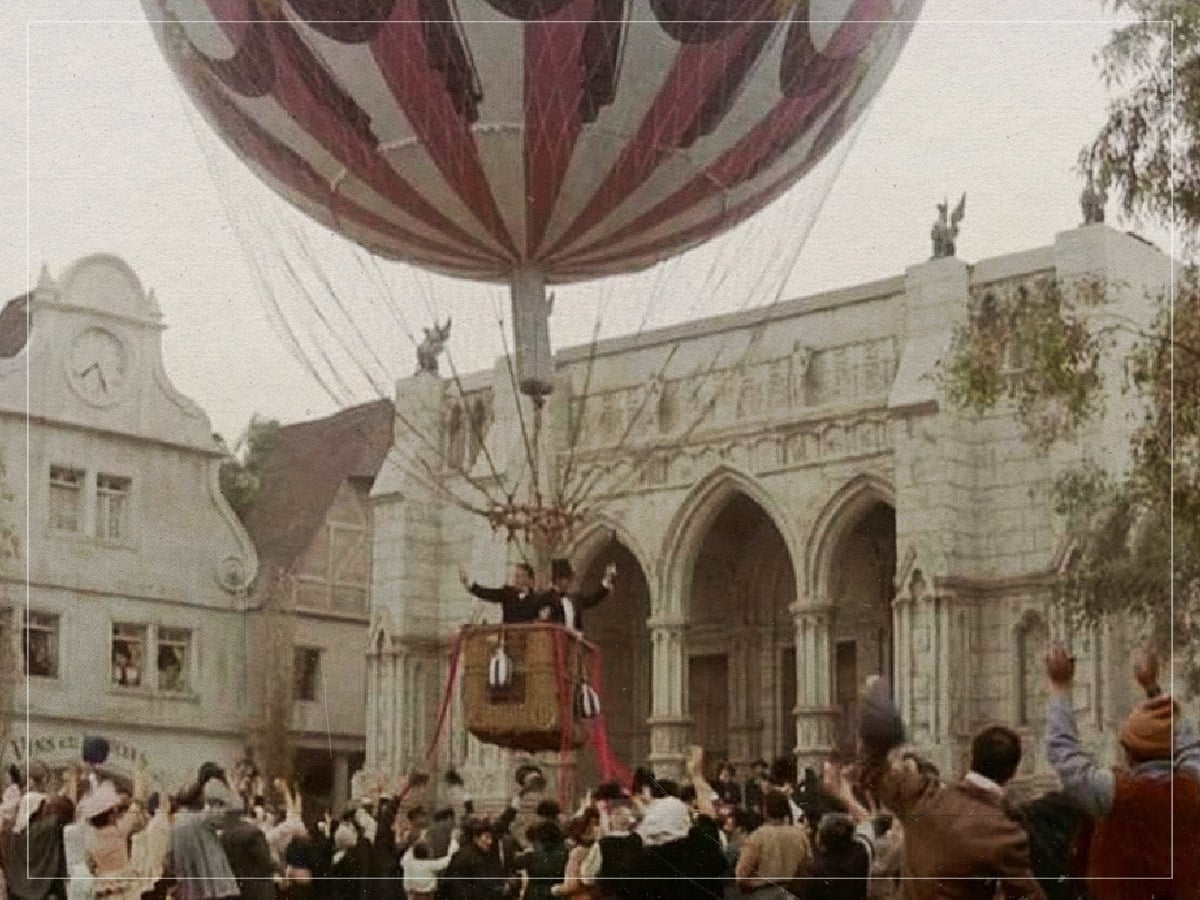
Due to the perceived threat of television in the ‘50s, the Oscars began awarding films that felt like must-see cinematic spectacles that operated with a scope and scale that couldn’t have been achieved on the small screen. The money is certainly on the screen in Around the World in 80 Days, even if it feels more like a travel diary than a three-act film.
Based on the classic Jules Verne novel of the same name, Around the World in 80 Days is sporadically entertaining as a series of vignettes, but its laborious, three-hour running time does make for a tough sit when considering how dated much of the effects are. That being said, the charismatic presence of David Niven is enough to elevate a good deal of Around the World in 80 Days, which thankfully doesn’t ever make the mistake of taking itself too seriously.
‘Out of Africa’ (1985)
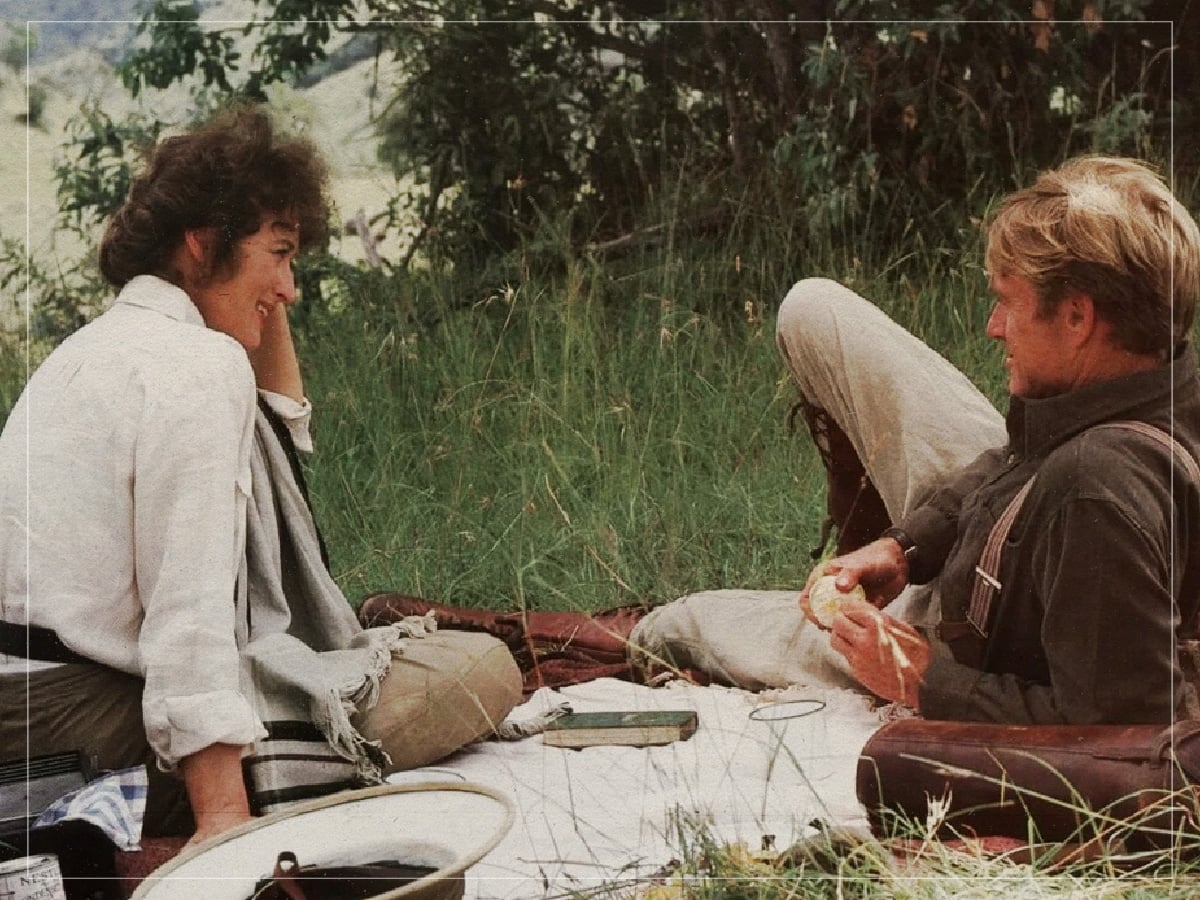
It’s rare that great directors actually end up winning the Oscars for their best work, and that was certainly the case with Sydney Pollack. Although Pollack was highly respected and had made several genre films that were ahead of their time, such as Three Days of the Condor and Jermiash Johnson, Out of Africa is an overlong romantic drama with nothing much beyond its gorgeous visuals.
There weren’t any ill intentions with Out of Africa, given its intention to show the ramifications of colonialism in the eastern nations of the continent, but the more serious message is obtuse when framed alongside the sweeping romance between Robert Redford and Meryl Streep. While Streep and Redford give individually strong performances, their lack of chemistry doesn’t do the pacing any favours. If nothing else, the film’s score by the great John Barry is able to add more emotion to the story when the screenplay comes up short.
‘Green Book’ (2018)
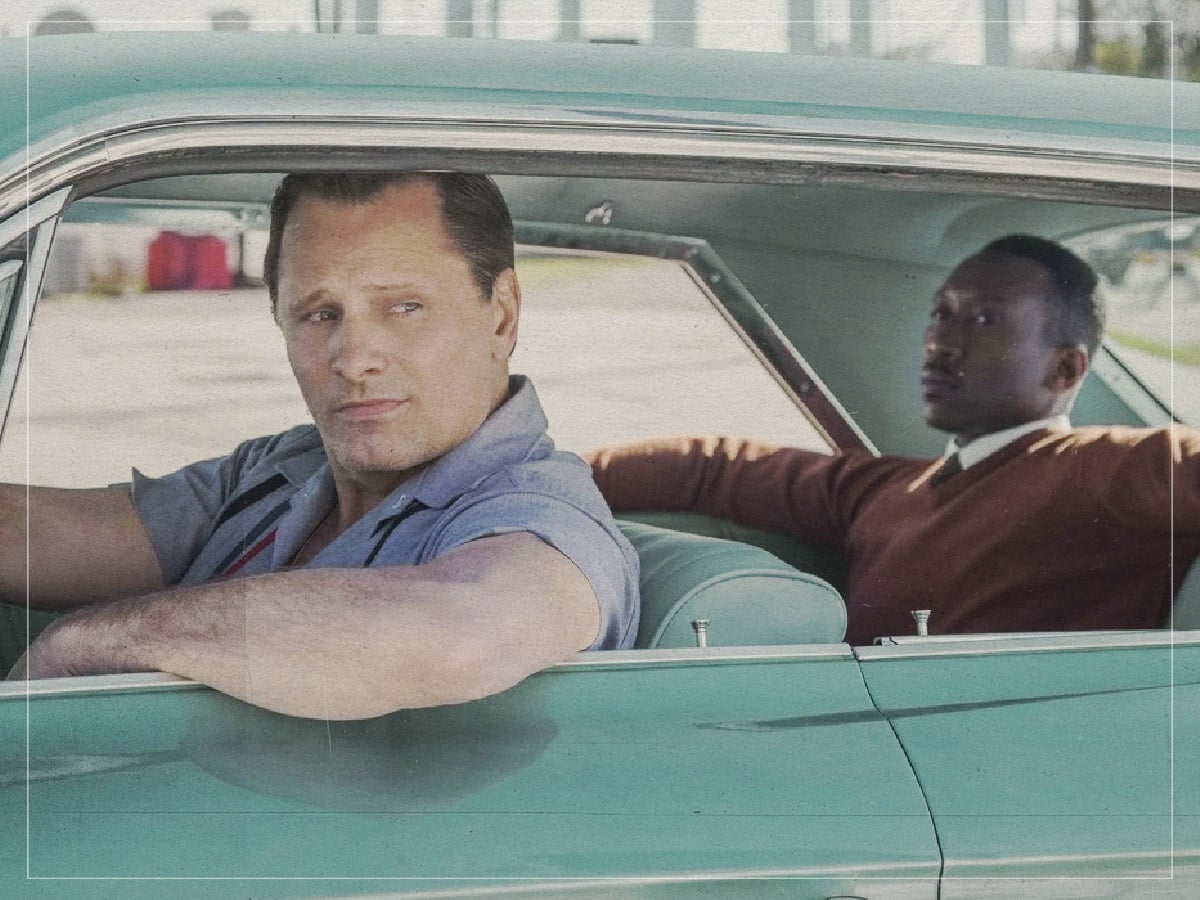
Green Book was pitched, marketed, and received as an old-fashioned buddy film, which is either a significant achievement or a tone-deaf mistake, depending on how seriously Peter Farrelly’s message of “can’t we all get along?” is taken. It may be frequently compared to Driving Miss Daisy, but the difference is that Viggo Mortensen and Mahershala Ali have legitimately great banter in Green Book, and Farrelly has a talent for telling sincere stories that don’t collapse under the weight of their self-importance.
Green Book isn’t brave enough to tackle any serious issues involving infrastructural racism, and presents a flawed perspective on how all prejudices can be fixed if people are simply willing to hear each other out. As is often the case with ‘Best Picture’ winners, Green Book would likely be viewed more fondly had it not won and earned a reputation as an overrated victor.
‘Everything Everywhere All at Once’ (2022)
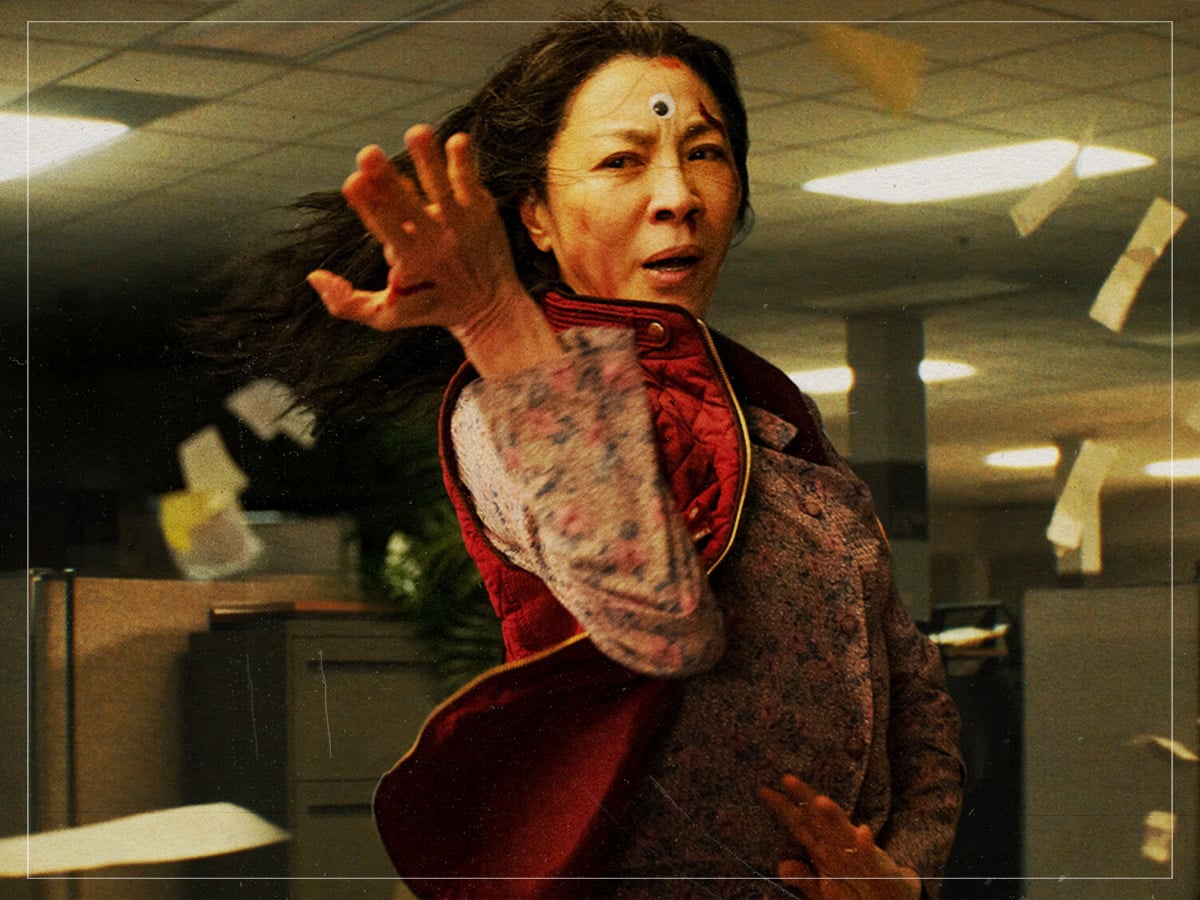
Two things can be true at once: Everything Everywhere All at Once is a breathtaking work of spectacle with some of the decade’s finest action sequences, and an embodiment of everything wrong with contemporary independent cinema. Despite its visual flair and quirky sense-of-humor, Everything Everywhere All at Once has no subtext that isn’t outwardly stated through extended monologues with “therapy-speak” qualities. It’s a film that presents optimism as a radical idea, yet conforms to the most basic narrative beats when it comes to the resolution of its family drama.
As exciting as it was that an offbeat martial arts science fiction adventure became a mainstream hit that inspired casual audiences to flock to arthouse theatres, Everything Everywhere All at Once uses its surface-level absurdism to mask the fact that it’s fairly conventional, and too often panders to modern audiences who are uncomfortable with ambiguity.
‘Grand Hotel’ (1932)
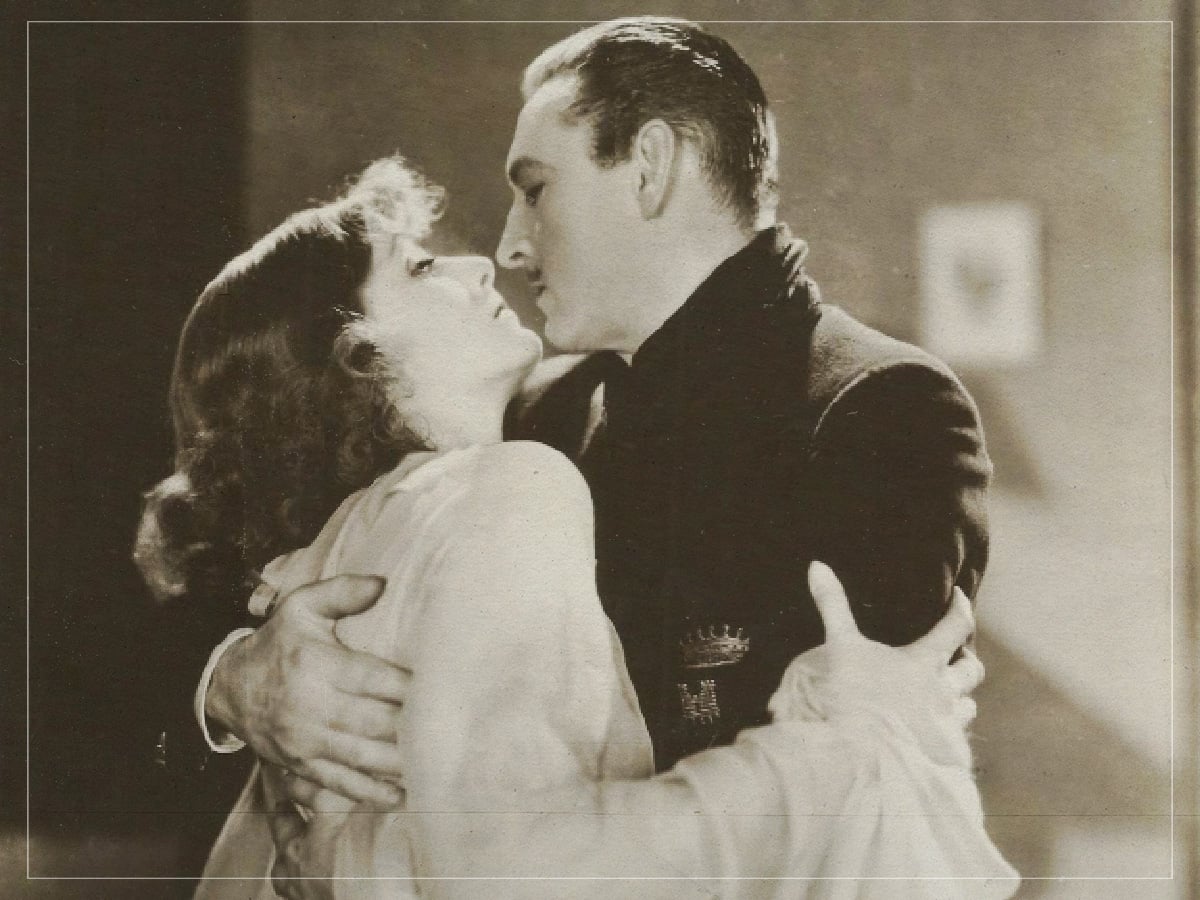
Grand Hotel was an anomaly in that it is the only ‘Best Picture’ winner to receive no other nominations, which may be a result of its narrative construction. In what would become the first of many ensemble dramedies set in a fixed location, Grand Hotel peered into the private and personal lives of various residents at a luxurious establishment in Berlin.
Grand Hotel was based on a play of the same name, and often feels like a filmed version of a stage production, considering the unflashy direction and muted visual choices, but each individual storyline is interesting enough in its own right that Grand Hotel is consistently captivating. In a terrific lineup of stars from the Golden Age of Hollywood, Great Garbo is a standout in what stands out as one of the most entertaining of her many iconic roles.
‘Slumdog Millionaire’ (2008)
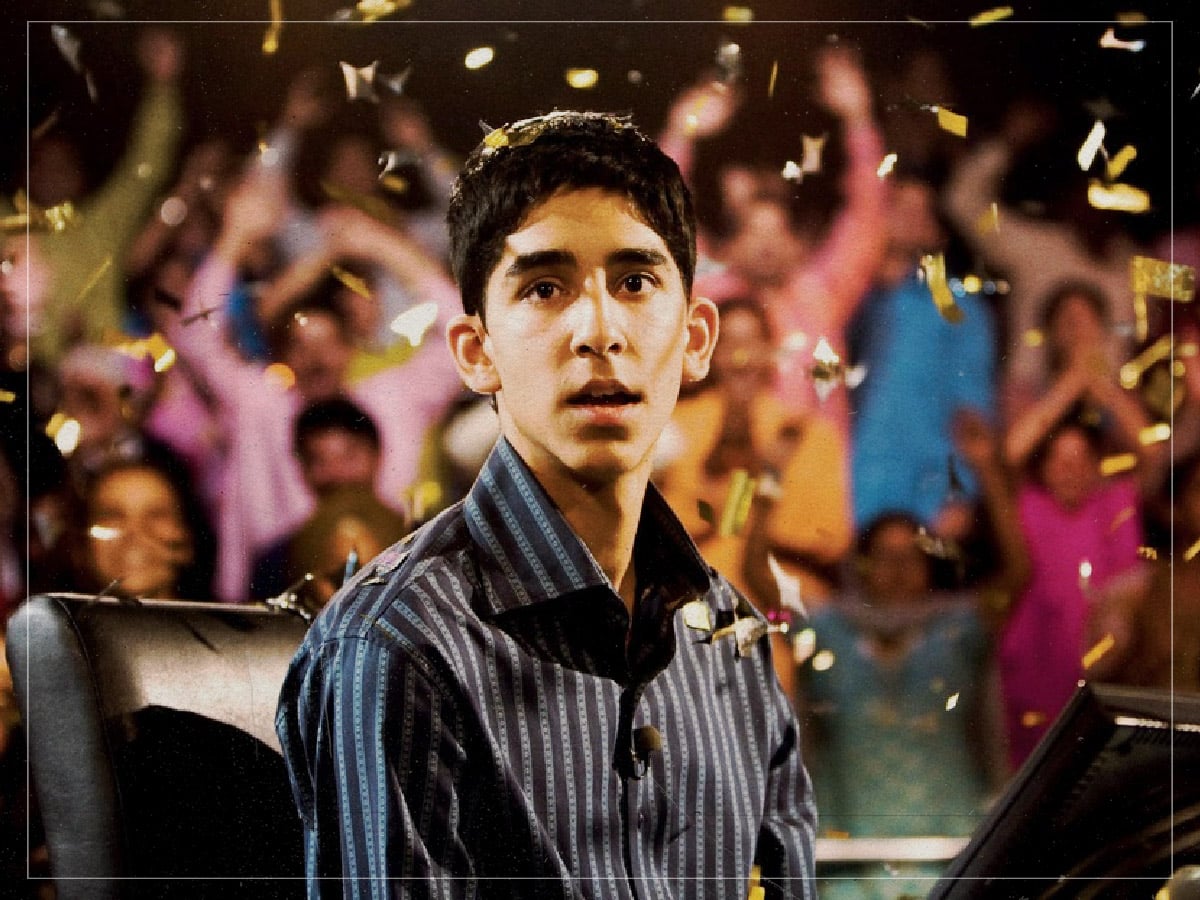
Few would have expected that the same director behind a film as radically anti-commercial as Trainspotting would be capable of telling such a lovable, inspirational story, but Danny Boyle managed to tell a universally relatable story in Slumdog Millionaire about a wide-eyed young person with a larger-than-life dream. The brilliance of Boyle’s direction is his framing device, in which Dev Patel’s Jamal Malik tells his life story leading up to a climactic appearance on Who Wants To Be A Millionaire?
Patel’s charismatic performance, Boyle’s creative incorporation of Indian classical and hip hop music, and the lightning-fast pacing are enough to make Slumdog Millionaire a thrilling theatrical experience, even if its more manipulative elements and idealistic depiction of class ascension stick out severely upon subsequent viewings. What may seem like an inspirational story is pretty reductive when considering that Boyle’s worldview allows for little nuance within its depictions of fate and choice.
‘Oliver!’ (1968)
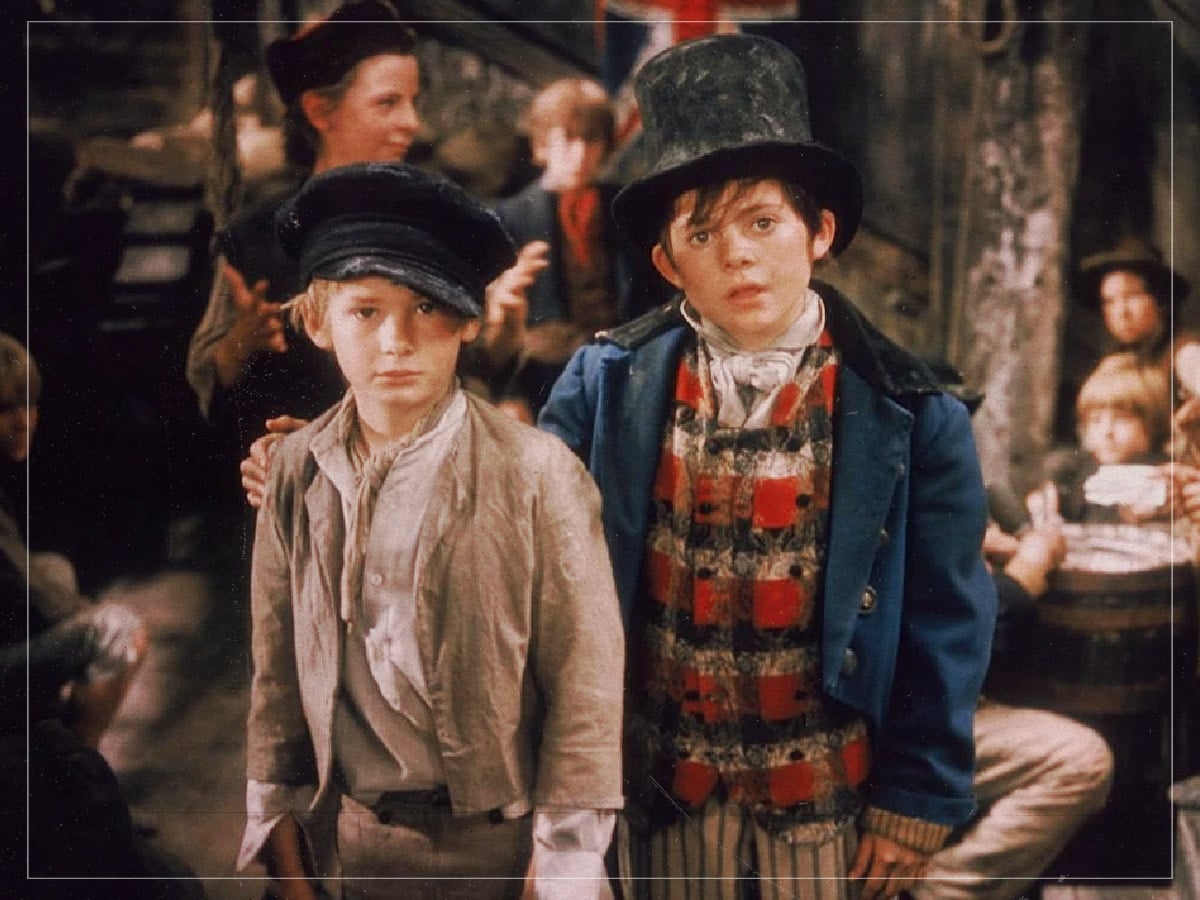
The only film based on a Charles Dickens novel to win ‘Best Picture’ is a wonderful adaptation of the stage musical that doesn’t have much insight into the complexity of the text. Oliver Twist is an enduring piece of literature because it explores how experiences with different subcultures shaped a young man’s coming-of-age, but Oliver! treats the titular character as a passenger within an elaborate series of increasingly lavish musical numbers.
Not all of the musical numbers are great, but the show-stopping performances of ‘Consider Yourself’ and ‘I’d Do Anything’ take advantage of the cinematic form and become completely distinguishable from what could be done on stage. Oliver! is a children’s film, first and foremost, and broadens its themes for the sake of resonating with audiences that are the same age as the titular character. However, director Carol Reed succeeded in cutting out some of the novel’s more controversial elements, including the antisemitism and hyperbolic depiction of the British working class.
‘How Green Was My Valley’ (1941)
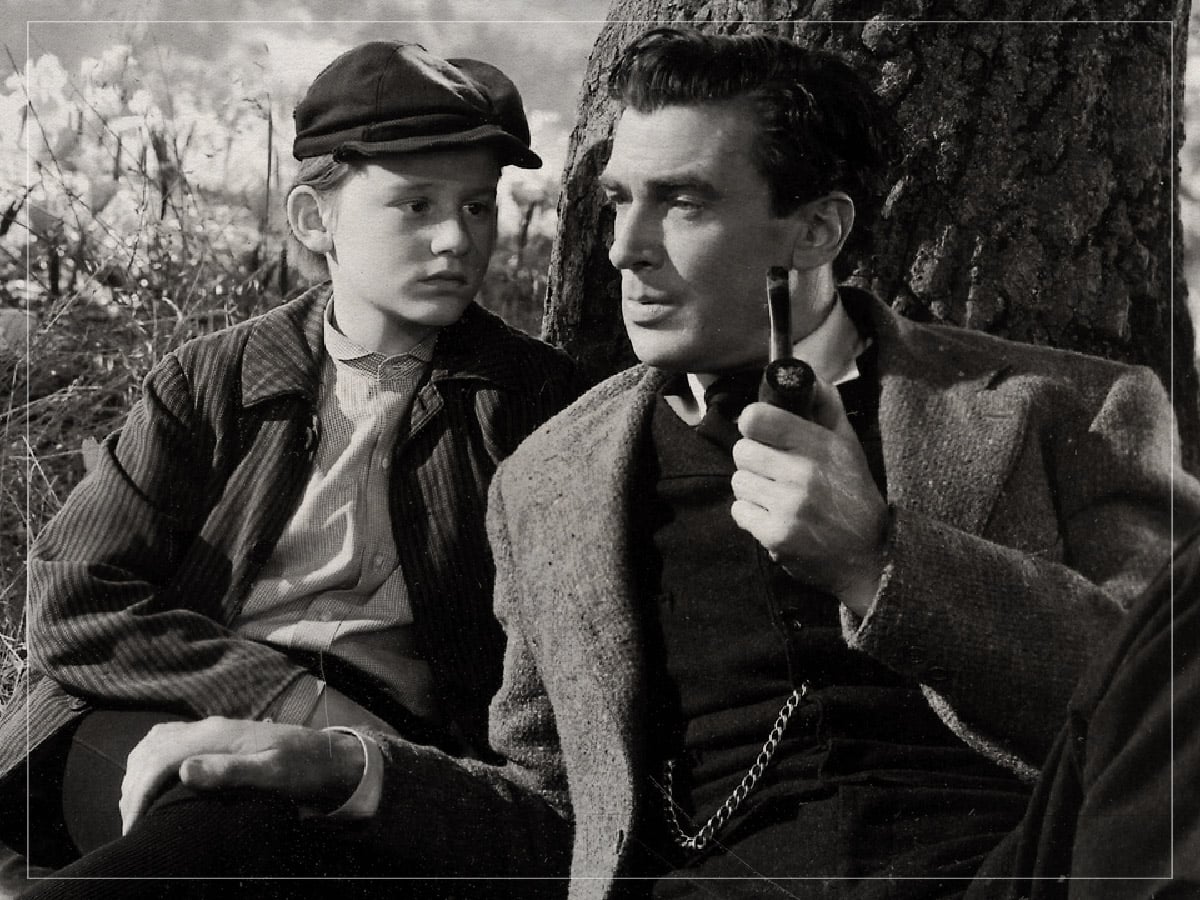
John Ford holds the record for the most ‘Best Director’ wins, but How Green Was My Valley is the only film of his that took home ‘Best Picture’. Ironically, it’s by far the weakest of the four, as the thought-provoking look at Irish political tension in The Informer, gutwrenching tale of the “Dust Bowl” in Grapes of Wrath, and the swoon-worthy romance of The Quiet Man, How Green Was My Valley is a sobering, yet straightforward study of a working class family’s evolution during the Victorian era.
When it comes to winners that are unfairly maligned for what they beat, How Green Was My Valley is far and away the most prominent; there’s a lot to like within Ford’s love letter to the South Wales Valley, but How Green Was My Valley will always be known as the film that won ‘Best Picture’ over Citizen Kane.
‘Gigi’ (1958)
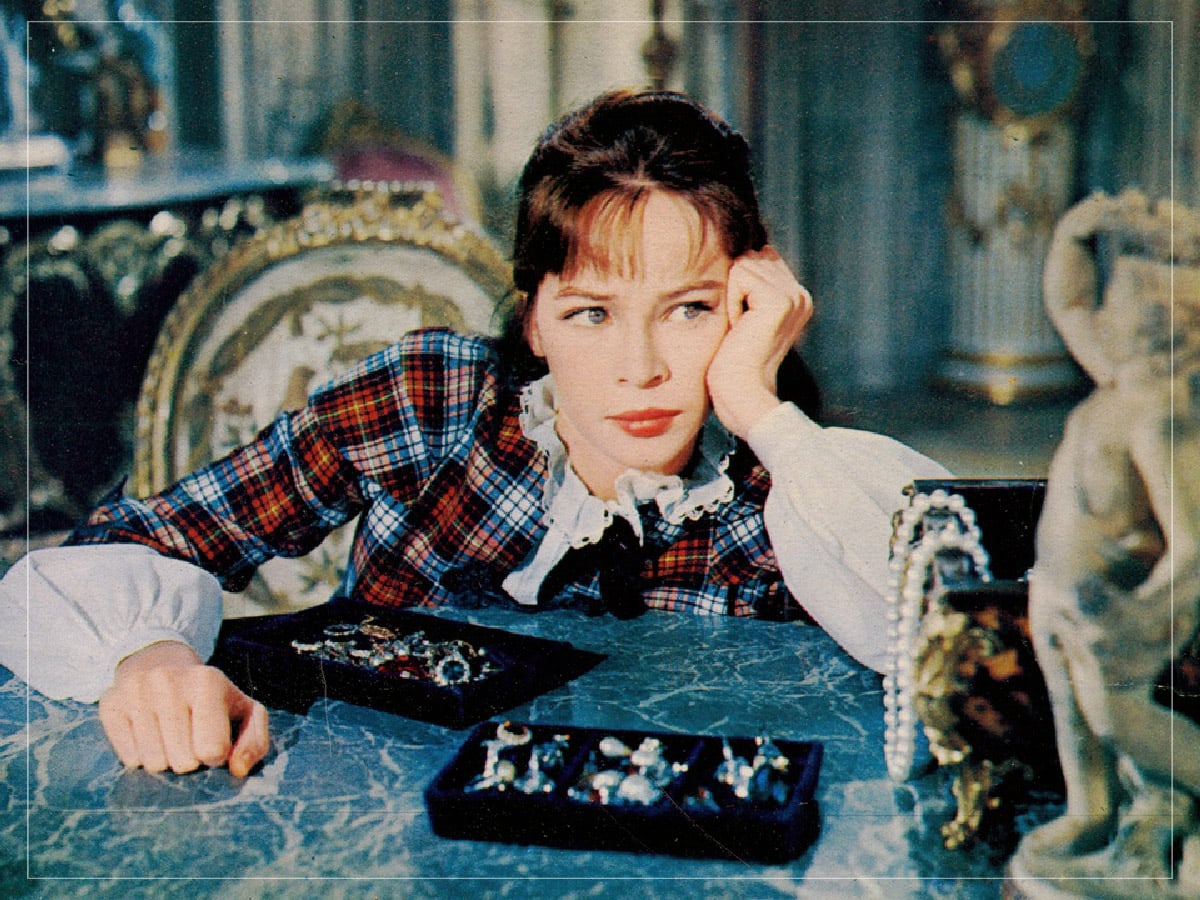
Gigi isn’t the most famous or most challenging of the many musicals directed by Vincent Minnelli, but the fact that it was an original work (not based on a Broadway show) was a significant achievement when considering how elaborate the production was for MGM. The vibrant colours, kinetic cinematography, and eye-popping costumes perfectly fit Minnelli’s interpretation of the 1944 novel, which followed the love story between the wealthy socialite Gaston (Louis Jordan) and his young lover Gigi (Leslie Caron). Even if it was set in the early 20th century, Gigi adopted the style and form of a fairy tale romance.
The “opposites attract” love story is a tale as old as time, but Gigi is refreshingly modern, even if its characterisation of French culture (and accents in particular) is fairly exaggerated. There are some unfortunate, creepy undertones, however, as the opening number, ‘Thank Heaven for Little Girls’, has not aged well.
‘The Great Ziegfeld’ (1936)
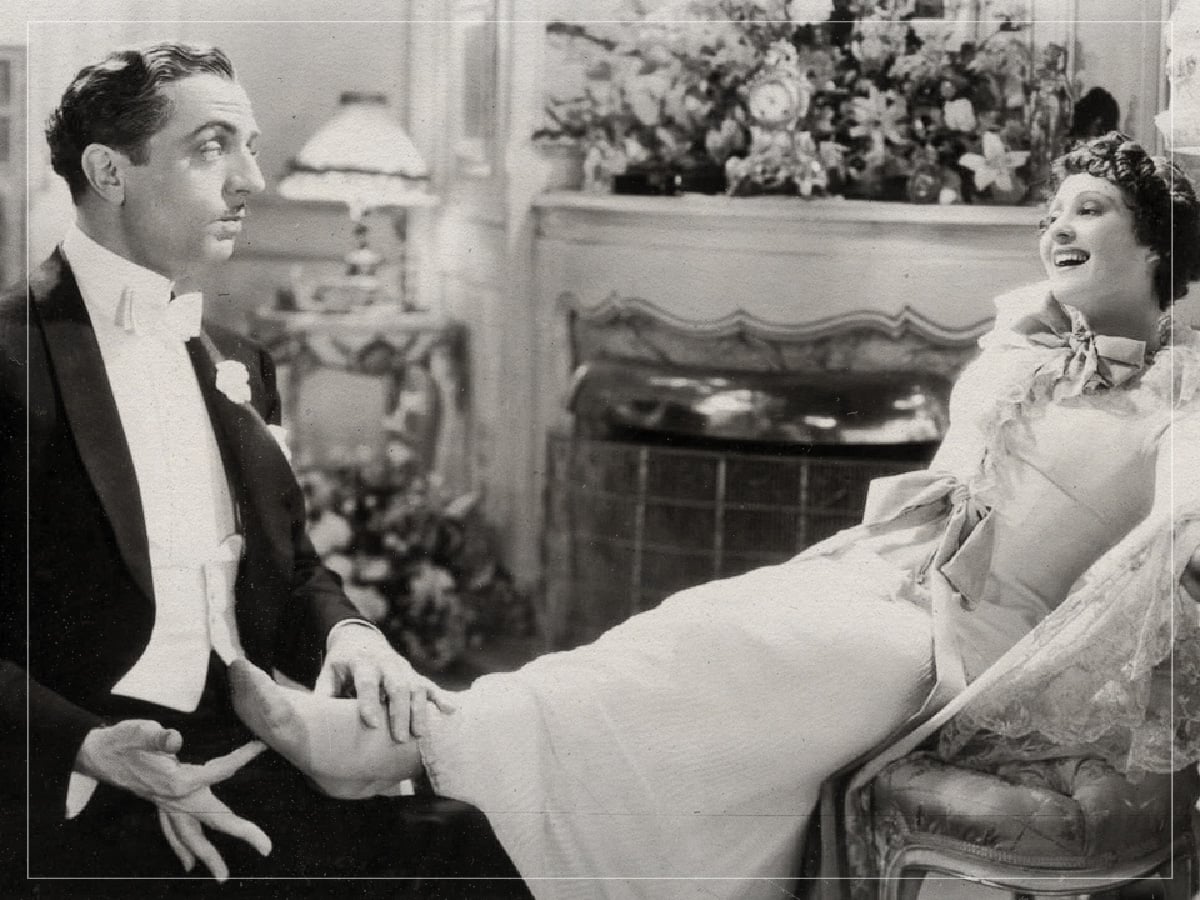
The cliché that Oscar voters would trip over themselves to award a biopic about famous people isn’t a new fad, as The Great Ziegfeld is as straightforward a celebrity life story as imaginable; that it’s about a titan of Broadway is simply the icing on the cake. It’s remarkable how significantly cinematic musicals evolved within less than a decade, as The Great Ziegfeld pulled off glorious, fully-realised recreations of iconic numbers from the career of Florenz Ziegfeld Jr. that put The Jazz Singer and the aforementioned The Broadway Melody to shame.
The Great Ziegfeld could never be mistaken for an accurate historical text, given that it chips away at any rough edges from its subject’s life, implying that his only fault was an unwavering commitment to the arts, but William Powell is excellent in the titular role and has a playful spirit that alleviates the burdens of The Great Ziegfeld’s 177-minute running time.
‘Gandhi’ (1982)
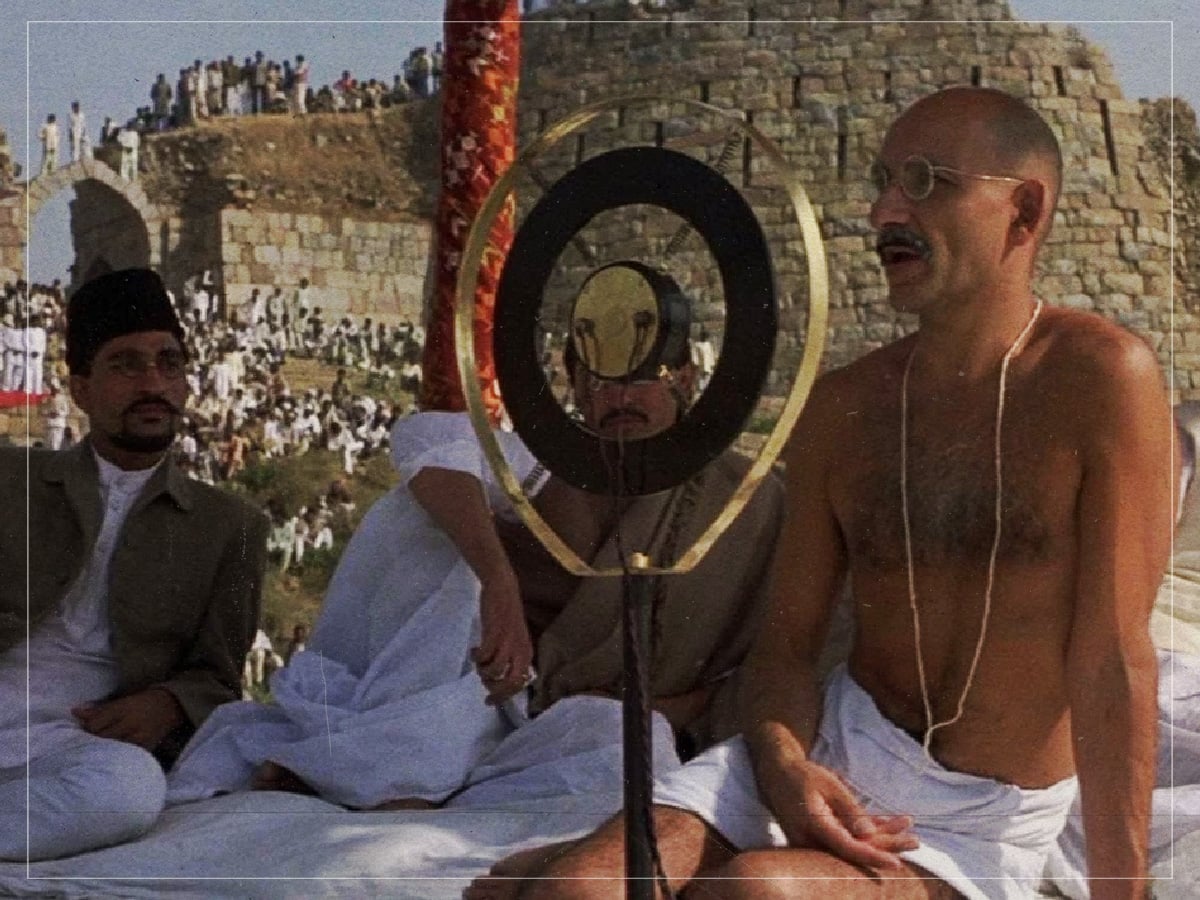
There are few films better suited to being shown in classrooms than Gandhi. Richard Attenborough’s fiercely accurate biopic about the life of India’s most beloved anti-colonialist thinker is an essential text for learning about contemporary world history, even if its sluggish pacing and dense rhetoric can be exhausting. It’s hard to discount the scale of the production, as Gandhi broke records for the most extras ever assembled for a narrative film.
The fact that Gandhi is based on its subject’s entire life means that some sections are slightly rushed and condensed, even if the film is already well over three hours. However, not enough praise can be given to the great Sir Ben Kingsley, who embodied the role in a true tour de force performance. Screwing up a role as important as Gandhi could have destroyed Kinglsey’s career, but his sensitive, passionate performance instantly rocketed him to the top of any list ranking Great Britain’s finest actors.
‘Tom Jones’ (1963)
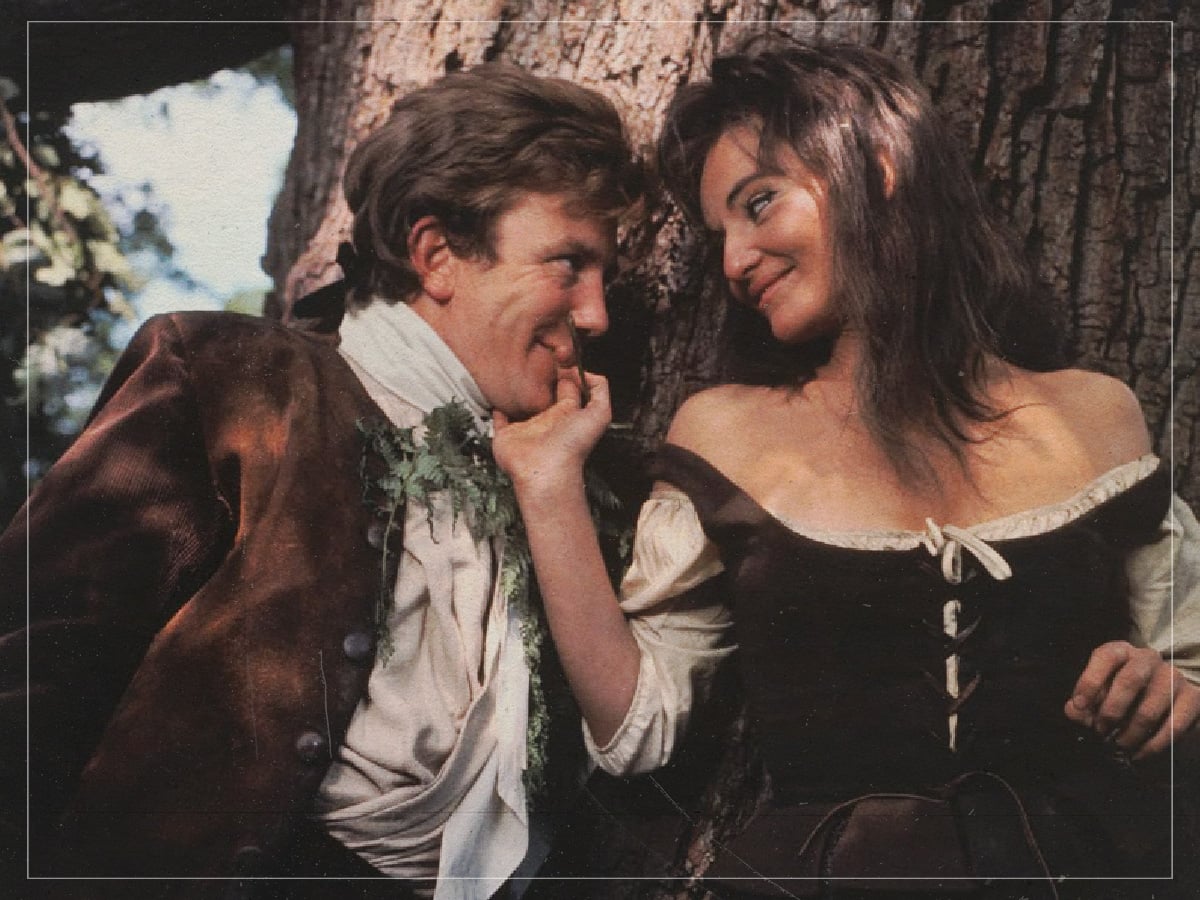
Tom Jones is one of the few straightforward comedies to ever win ‘Best Picture’, given that any commentary about the British aristocracy is relatively muted in favour of sexual hijinks. Although it’s fun to see a period piece that isn’t interested in treating the class system with any degree of reverence, Tom Jones lacks the biting satire of something like The Favourite or Marie Antoinette, which had something to say about the prison of wealth.
The issue that Tom Jones has is that it’s ultimately a farce about a womanising, immature character who never faces real consequences for his privilege or his indulgences – it’s fairly entertaining because of Finney’s skill for physical comedy, which makes it all the more strange that he didn’t earn the ‘Best Actor’ prize when Tom Jones already swept the categories for ‘Best Picture’, ‘Best Director’, and ‘Best Adapted Screenplay’.
‘The Greatest Show on Earth’ (1952)
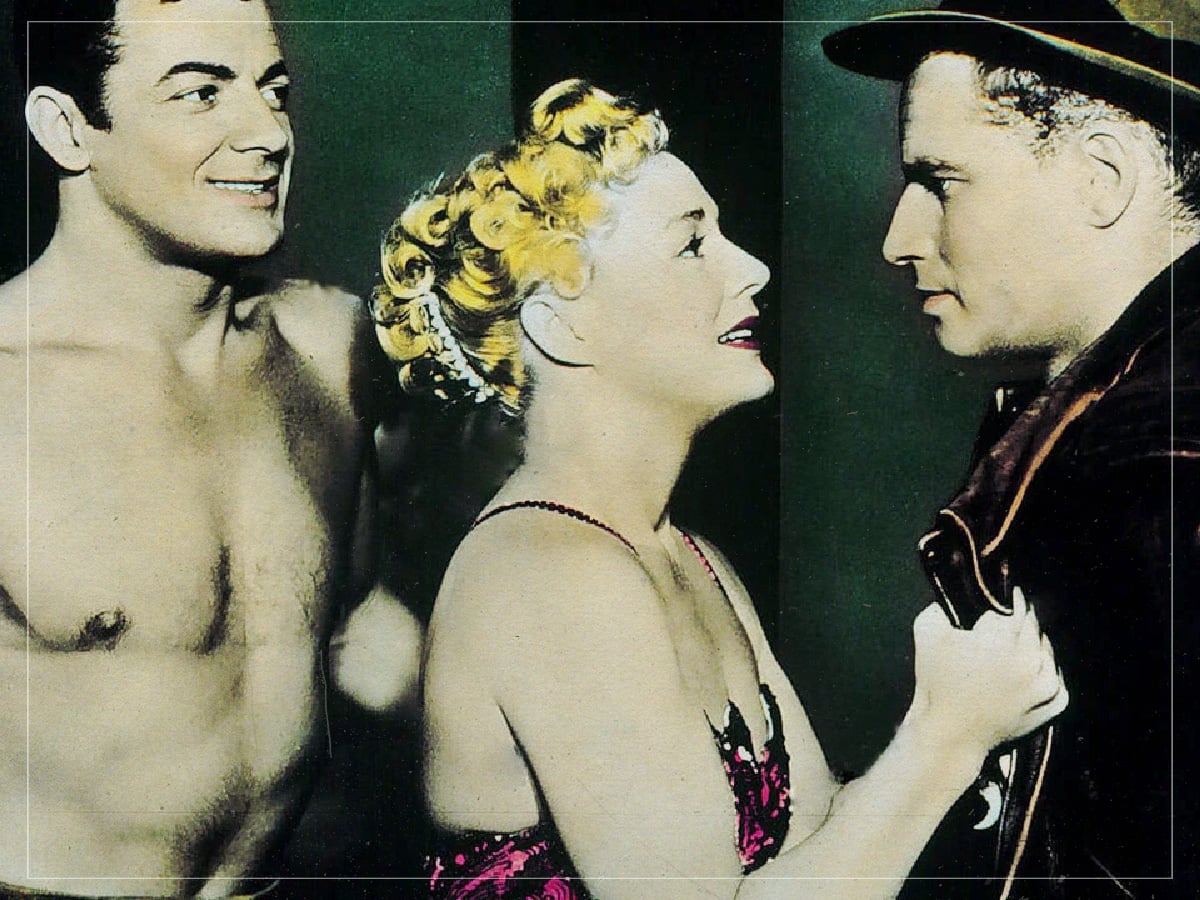
As was the case with Around the World in 80 Days, The Greatest Show on Earth was perceived to be a celebration of the purely cinematic experience, and an act of defiance against the rising popularity of television – the difference is that The Greatest Show on Earth is ostensibly about a community of artists who risk their livelihoods for the sake of performing, which may have resonated with voters who empathised with their plight.
The recreations of the actual circus acts are simply wondrous, but most of the drama involving Charlton Heston’s general manager is tedious and tanked the film’s pacing. The only truly great performance in the film is from Jimmy Stewart as a thoughtful clown who has masked his past. Perhaps the most enduring legacy of The Greatest Show on Earth is the profound effect that it had upon a young Steven Spielberg, who included a sequence homaging the film in his semi-autobiographical drama The Fabelmans.
‘The Shape of Water’ (2017)
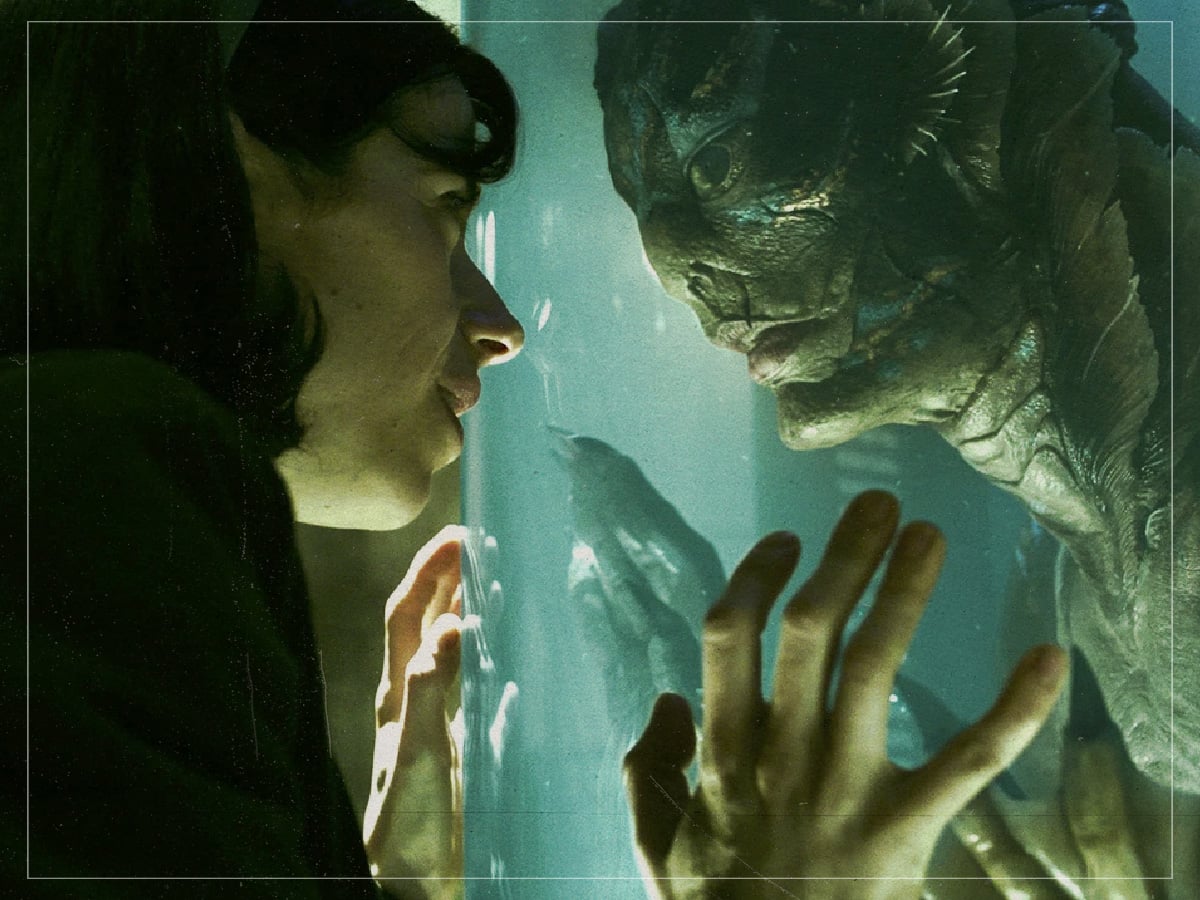
The Shape of Water is Guillermo del Toro’s love letter to cinema itself, given the endless homages to Creature From The Black Lagoon and various period romances from the Golden Age of Hollywood. Del Toro wears his heart on his sleeve, and The Shape of Water is unabashedly sincere in showing how various “outsiders” come to find meaning during a Cold War conspiracy involving an amphibious creature (Doug Jones).
The issue is that The Shape of Water too frequently broadcasts what the audience should be feeling, rather than allowing the drama to rise naturally. Subtlety has never been del Toro’s strong suit, and there are more than a few clumsy instances in which characters confess to feeling like “monsters”. While it’s easy to get swept up in the extravagant visuals, including a charmingly weird dance number, The Shape of Water isn’t quite as polished as the director’s previous efforts.
‘Terms of Endearment’ (1983)

The phrase “melodrama” is often used disparagingly, but Terms of Endearment is an example of the style at its best. James L Brooks has a talent for finding moments that feel blisteringly human, both comically and dramatically, and Terms of Endearment is an elegant study of the lives, loves, and losses experienced by a single family. Terms of Endearment is set over such a significant period of time that it often creates memorable changes within the characters’ lives without taking the time to explore their ramifications.
The final act, while incredibly well-acted on the part of Shirley MacLaine and Debra Winger, is so saccharine that it’s hard not to feel the artificiality. Nonetheless, the entire cast helps to elevate characters that may have been only defined by a single trait within the script, with Jack Nicholson being a standout as a charismatic astronaut.
‘Dances With Wolves’ (1990)
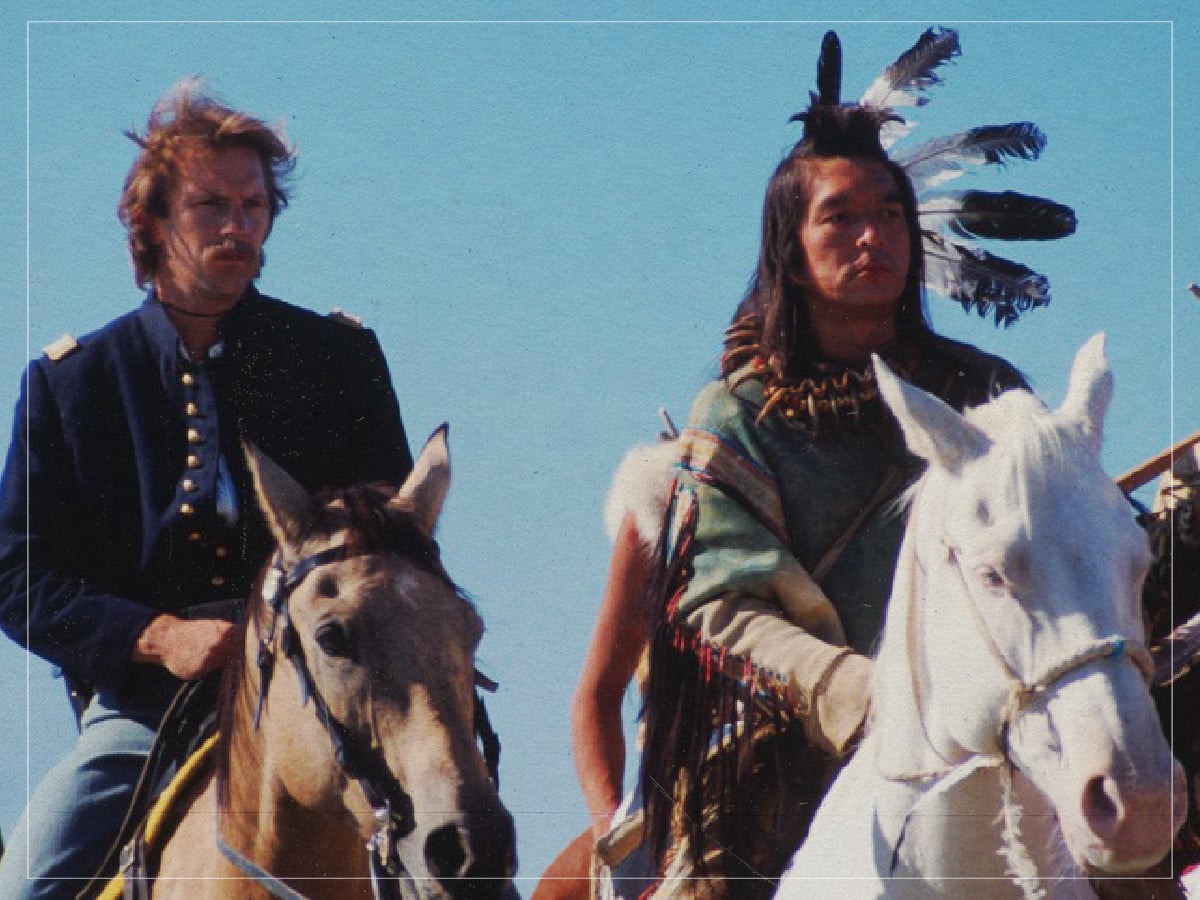
The beginning of Kevin Costner‘s career as a director couldn’t have started off any better, as the notoriously difficult actor survived speculation that his debut would bomb (with some already nicknaming it Kevin’s Gate) to see it sweep the Oscars and become a major box office success. Dances With Wolves is mischaracterised as a “white saviour” film because Costner’s character, Lt John J Dunbar, completely gives up his life as a member of the Union Army to assimilate into the Lakota way of life; it’s not about him saving another culture, but rejecting his own.
Costner is able to unflinchingly look at colonialism and celebrate the beauty of the Lakota tribe’s connection with the natural world. The film’s issues are in regards to pacing, as Costner was so in love with the gorgeous imagery of the American frontier that he padded Dances With Wolves with meditative moments that could have easily been left on the cutting room floor.
‘Chariots of Fire’ (1981)
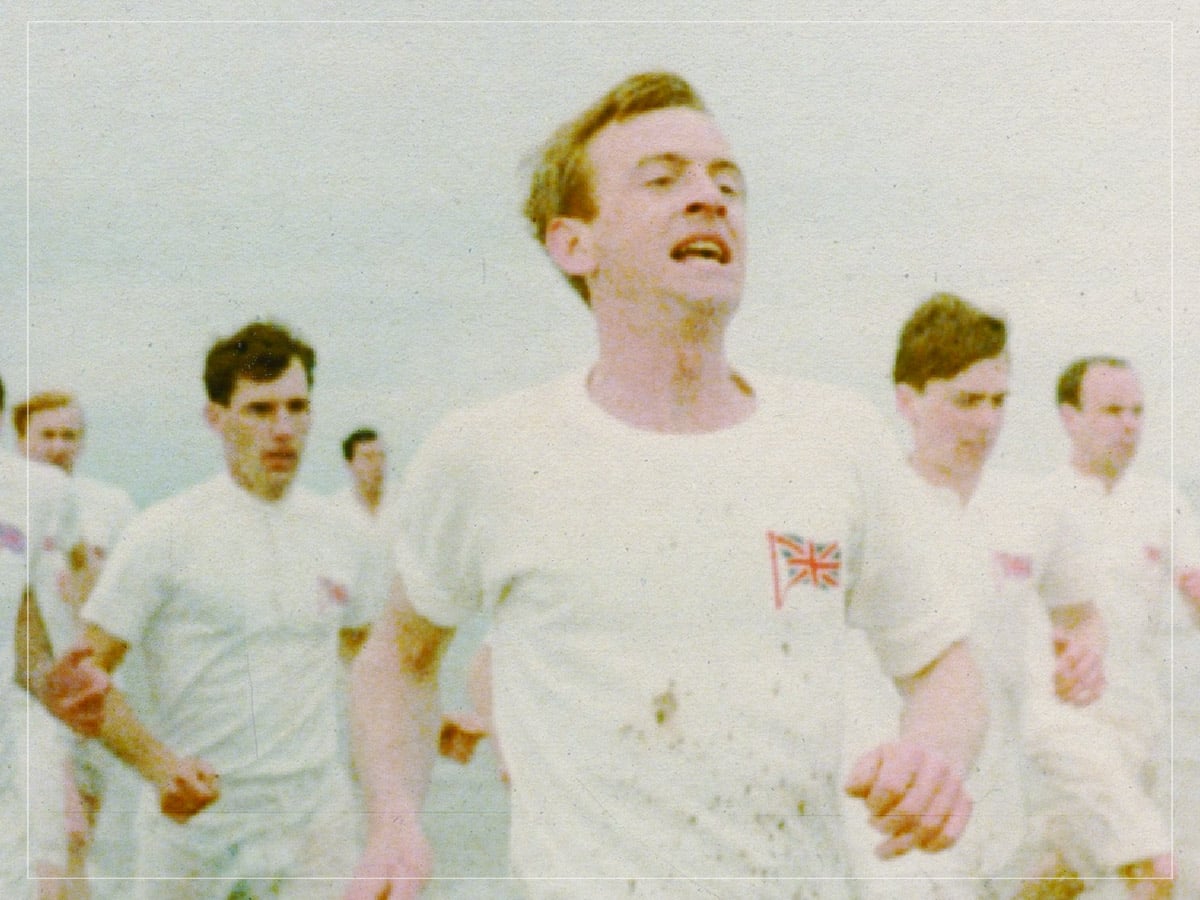
Chariots of Fire didn’t just initiate the birth of the Oscars’ obsession with British cinema, but confirmed that there are few formulas more tried-and-true than that of the inspirational sports film. Real-life Olympic activities had become more controversial, as the film was released only a year after the United States boycotted the Summer Olympics in the Soviet Union, making a straightforward, uplifting story about British athletes of different cultures coming together all the more appealing.
There’s little nuance within Chariots of Fire’s characterisation of nationalism, and the fact that the central characters, Harold Abrahams (Ben Cross) and Eric Lidell (Ian Charleson), are a Jewish student and a Scottish missionary, respectively, doesn’t actually cause much drama. Chariots of Fire is, however, unreasonably captivating during its recreation of the athletic events, especially because of the all-time great score by Vangelis, which has become incorporated into many real Olympic ceremonies.
‘Chicago’ (2002)
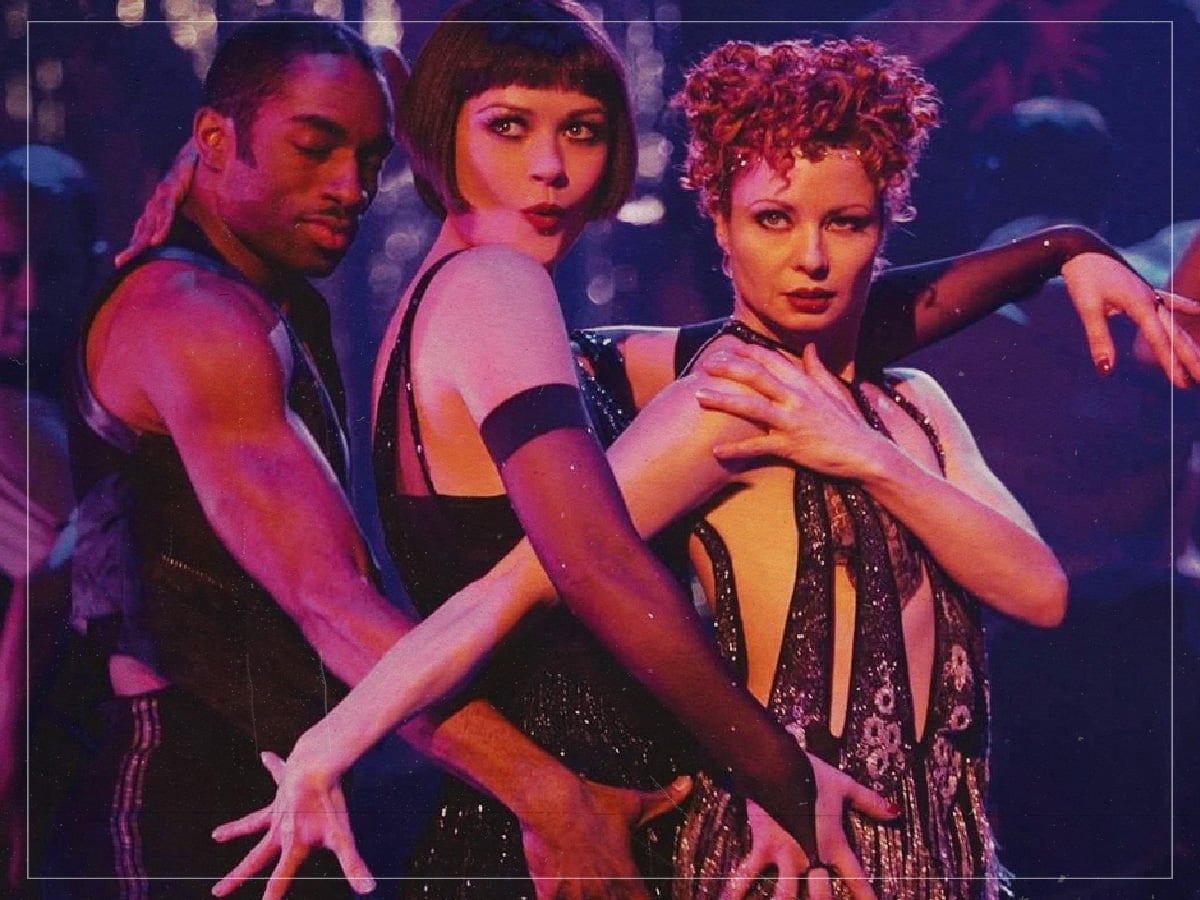
Chicago marked a comeback for the musical genre that proved irresistible because of its performance, with Catherine Zeta-Jones picking up the ‘Best Supporting Actress’ trophy for her gleefully salacious performance as the vaudevillian Velma Adams – the musical sequences in Chicago are sensational, as they draw out the eccentricity within the performers while adding visual jokes that fit within the tone of a 1920s nightclub show.
There’s not much to Chicago beyond the performances, as director Rob Marshall never pushes the film into truly transgressive territory or delves into the darker instincts of the protagonists – Chicago is a seamless adaptation for those who already loved the stage show, which, in a broad sense, makes it appealing to more casual Broadway fans, but confusingly, Richard Gere was the only member of the cast to not pick up an Oscar nomination, despite giving one of his most charismatic, yet slimy, performances ever.
‘You Can’t Take It With You’ (1938)
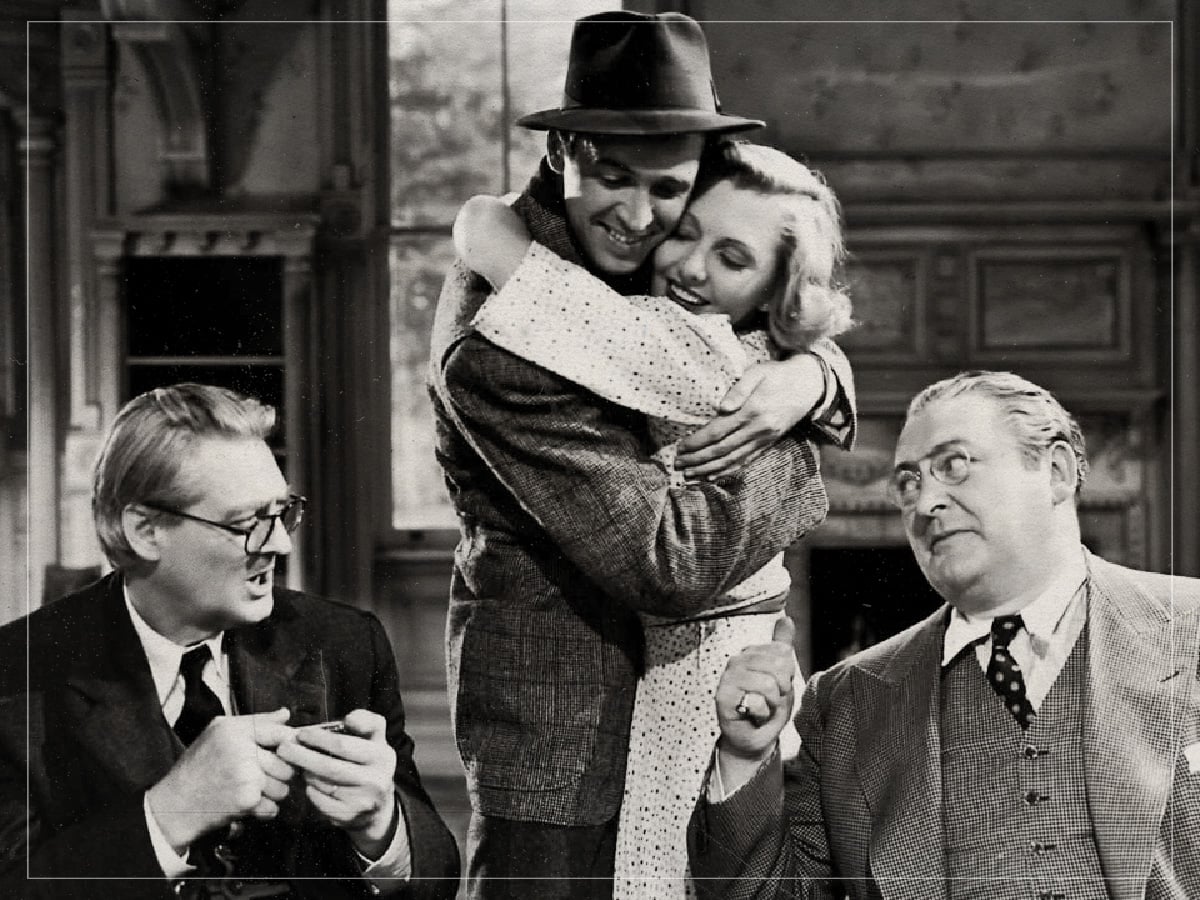
Frank Capra and James Stewart made many masterpieces together, but You Can’t Take It With You isn’t necessarily one of them. Compared to the searing political cynicism of Mr Smith Goes To Washington or the profound humanity within It’s A Wonderful Life, You Can’t Take It With You is a satire of opulence that doesn’t go beyond showing a clash of cultures.
The story follows the romance between a young man (Stewart) born wealthy and his lover (Jean Arthur), who comes from a family of eccentric artists. Even if the differences within their backgrounds are exaggerated for the sake of amping up the comedic tension, Capra is nonetheless effective in wrangling a fun ensemble of character actors and giving them each the chance to shine. There are countless contemporary rom-coms that owe a debt of inspiration to You Can’t Take It With You, including everything from My Big Fat Greek Wedding to Meet the Parents.
‘Marty’ (1955)
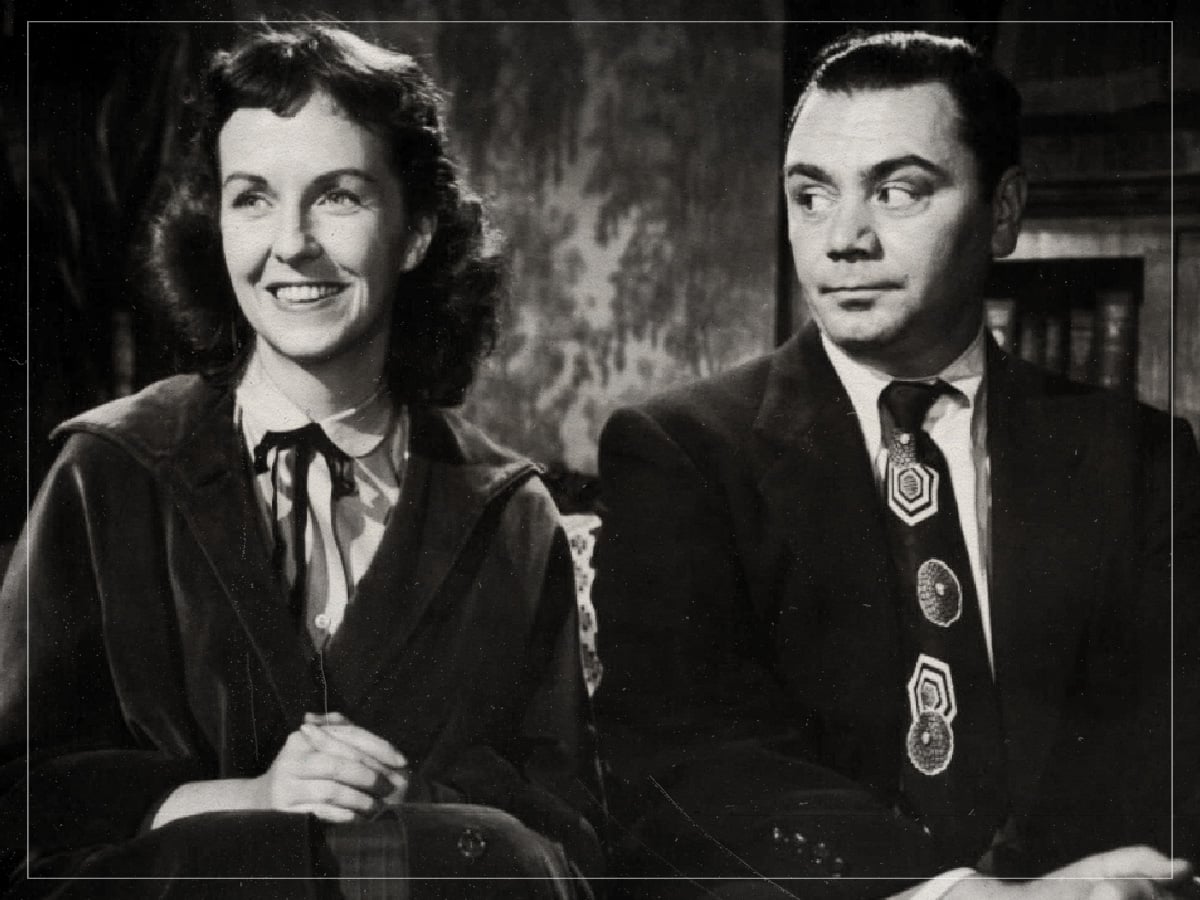
The first ‘Best Picture’ winner to have also won the Palme d’Or at the Cannes Film Festival is surprisingly not an international arthouse title, but a sturdy and straightforward character drama bolstered by a truly remarkable turn from Ernest Borgnine. Marty isn’t any more complicated than a story of a lifelong bachelor trying to escape from his arrested development, but Borgnine brought pathos and sincerity to a role that required a much different type of leading man.
Marty is pure sentiment, but it’s not toothless in its depiction of depression and loneliness, which weren’t topics that Hollywood was interested in exploring in 1955. While not groundbreaking, Marty is a ‘Best Picture’ winner that holds up extremely well because of its universal themes; outside of the obvious adjustments of technology and societal context, Marty feels like a film that could have been made today.
‘The Sting’ (1973)
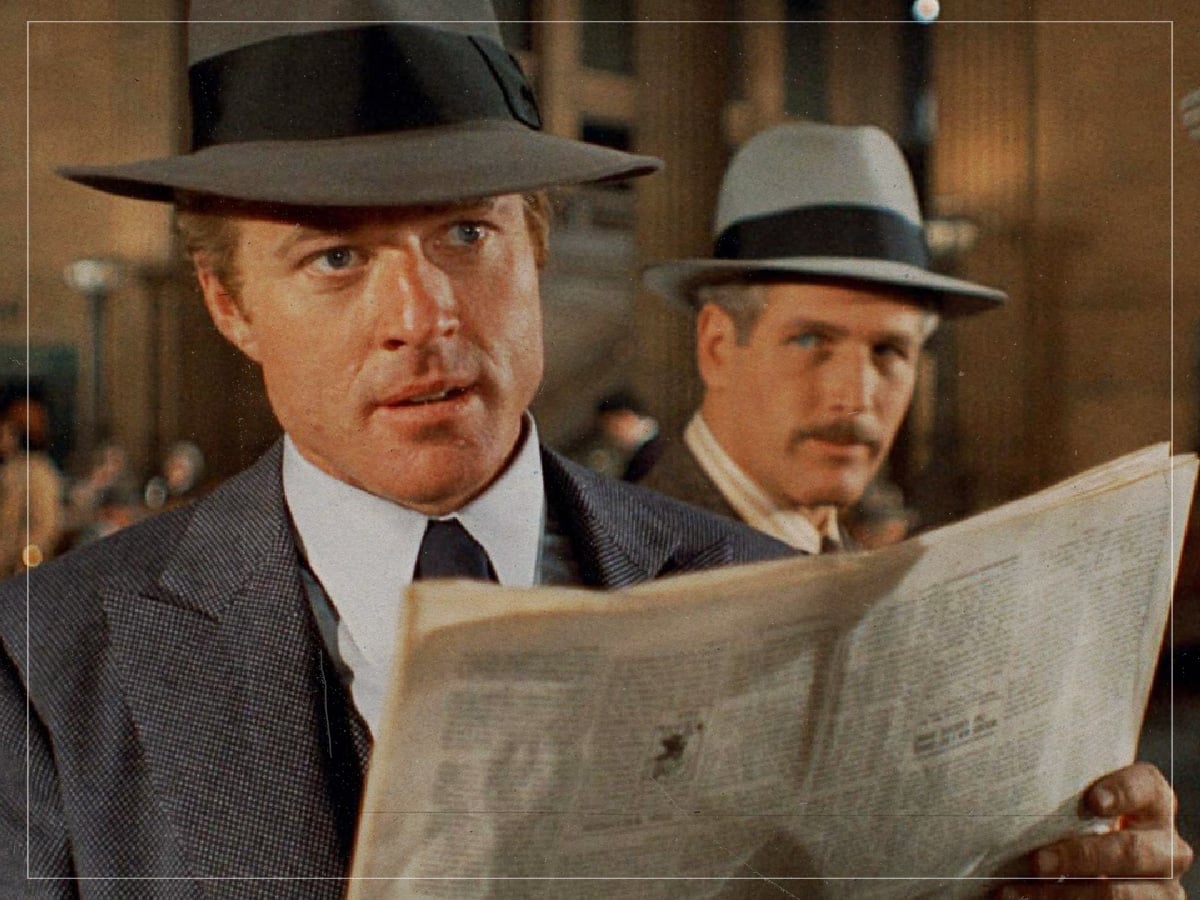
The Sting is one of the most enjoyable ‘Best Picture’ winners, especially since it was one of the last old-fashioned caper films released before the subgenre fell out of fashion. It serves as a spiritual sequel to Butch Cassidy and the Sundance Kid, the previous buddy adventure directed by Michael Ritchie that starred Paul Newman and Robert Redford as an electrifying screen duo.
The Sting isn’t quite as clean and precise as Butch Cassidy and the Sundance Kid, nor does it have the same emotional subtext. However, there’s nothing wrong with pure escapism when it’s this well done, as the lightning-fast pacing means that there’s always another trick or con around the corner. Although he would go on to win for his work as a director and producer, Robert Redford received his first and only ‘Best Actor’ nomination for The Sting.
‘The King’s Speech’ (2010)
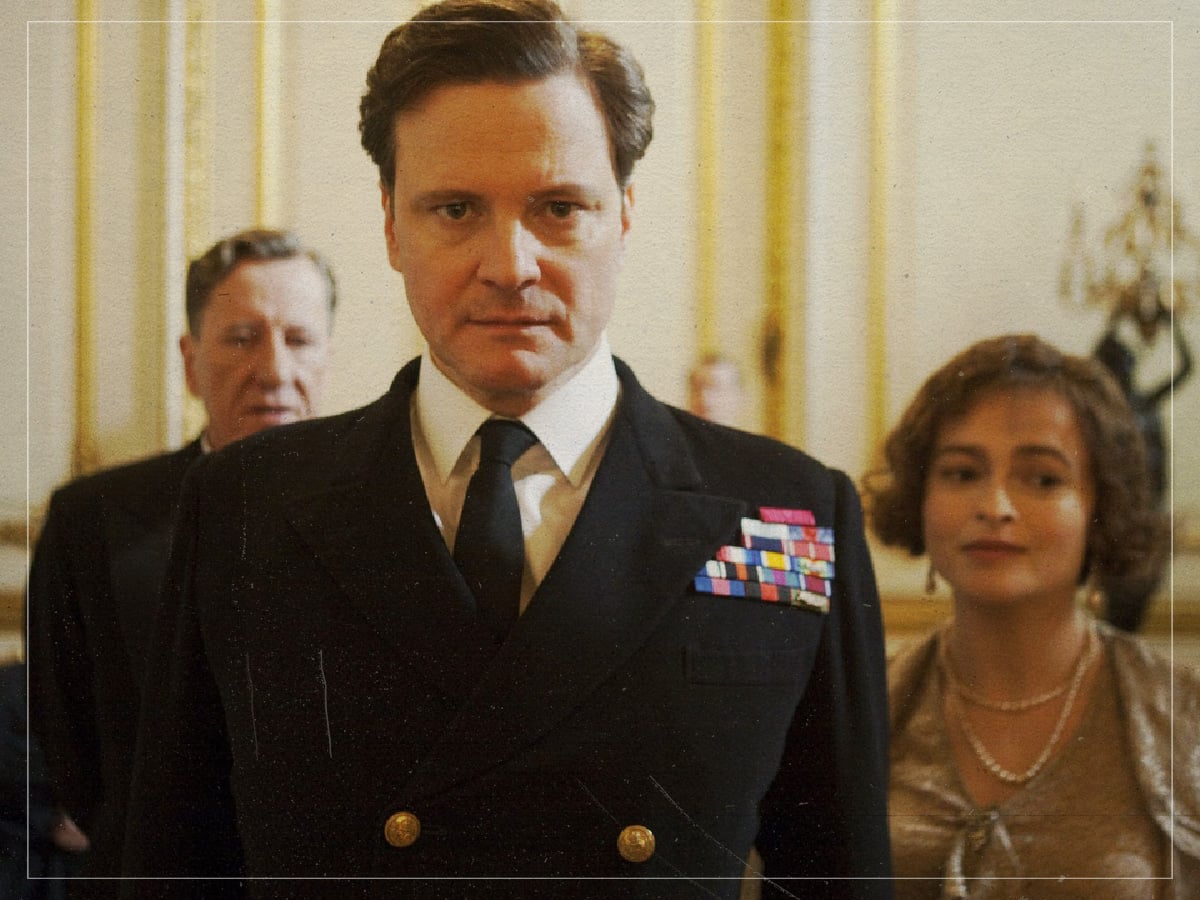
With the exception of the aforementioned How Green Was My Valley, The King’s Speech may be the film most hurt by its ‘Best Picture’ victory. After David Fincher’s masterpiece The Social Network swept the Baftas and Golden Globes, the Oscars handing over the top prizes to an old-fashioned period drama about the British Royal Family felt like an egregious case of Oscar bait.
The truth is that The King’s Speech is a delight that finds humour and humanity in the relationship between King George VI (Colin Firth) and his speech therapist (Geoffrey Rush), showing a generosity of spirit that puts a monarch and a common man at the same level. Even if The King’s Speech doesn’t delve into how the pressures of World War II altered England’s relationship with the monarchy, it’s not toothless in showing the turmoil that the King faced from members of his family, including his Nazi-sympathising brother (Guy Pearce).
‘The Artist’ (2011)
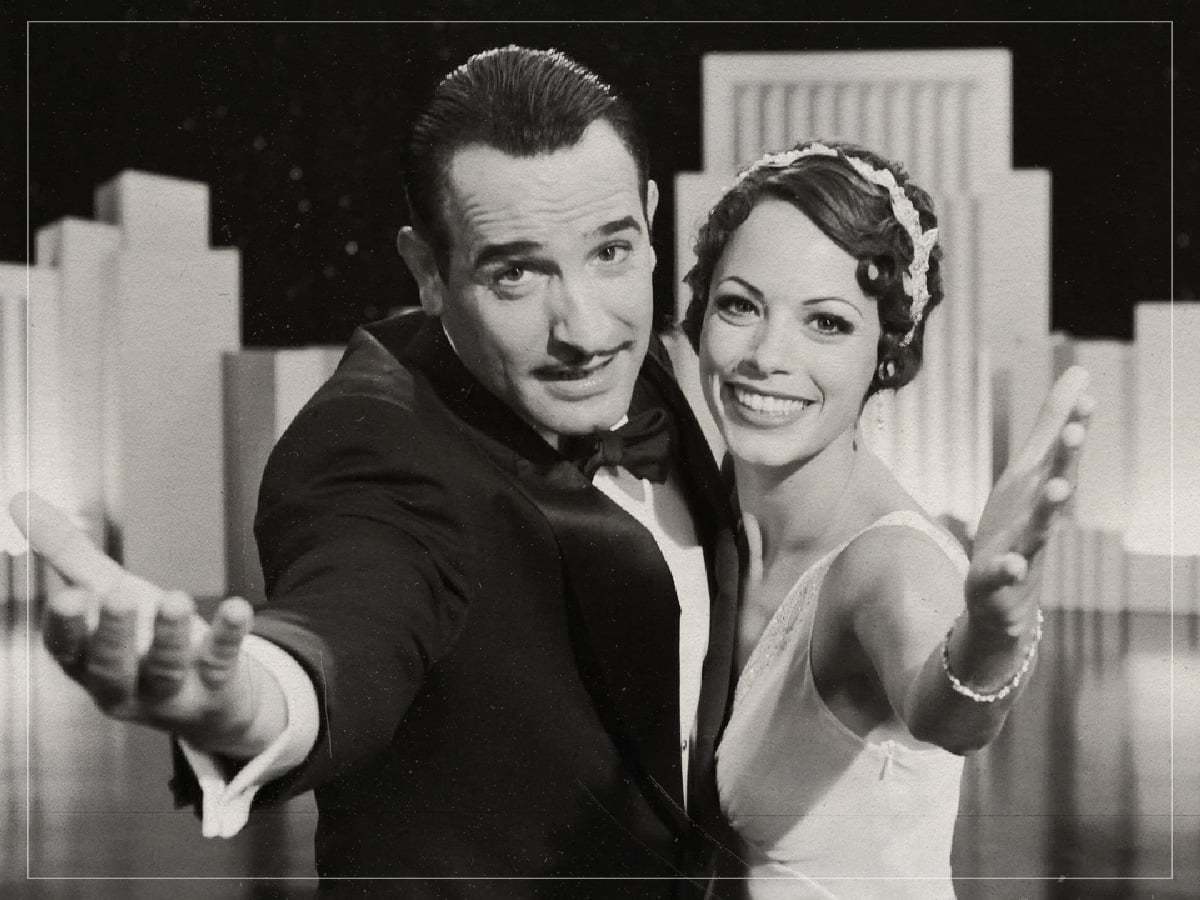
The Artist is the second silent film to win the ‘Best Picture’ award, as the Warner Bros period drama emulated the evolution of the industry in a post-The Jazz Singer world where “talkies” forced the stars of the previous era to either adapt or be forgotten. The complications that came with this significant development in cinematic history are more thoroughly explored in Singin’ in the Rain and the more recent Babylon, both of which failed to receive a ‘Best Picture’ nomination.
The Artist glazes over the genuine torment that artists like that of its main character, George Valentin (Jean Dujardin), faced when forced to change their craft, but the simplistic approach doesn’t prevent the film from nailing the emotion, humour, and whimsy that were essential to the silent era. Director Michel Hazanavicius isn’t pretentious in his nostalgia, as The Artist is a worthwhile bridge experience that hopefully introduced younger cinephiles to the magic of silent films.
‘Moonlight’ (2016)
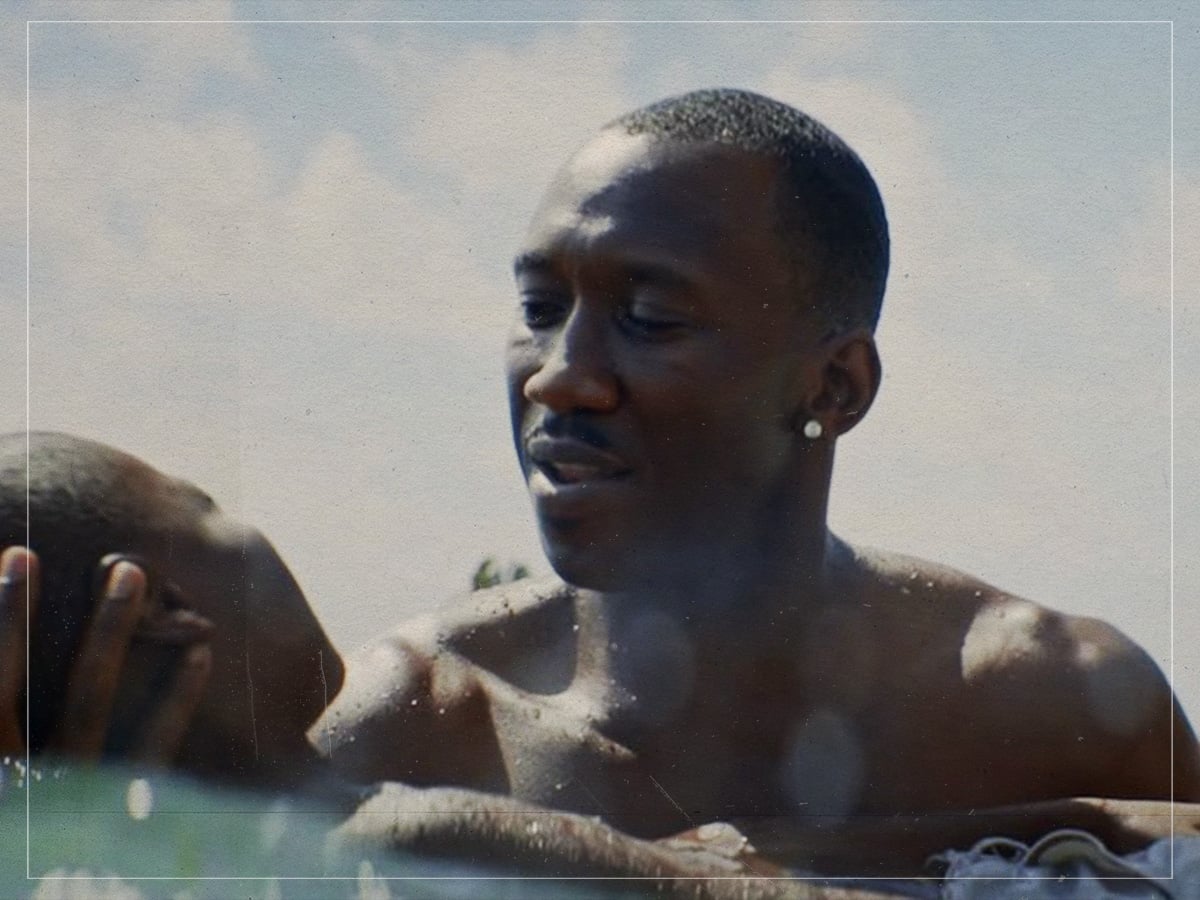
Even ignoring the debacle in which La La Land was mistakenly announced as the year’s winner, Moonlight‘s victory was shocking given its micro-budget and impressionistic approach to Black adolescence. The intimacy that Barry Jenkins achieved in highlighting three unforgettable moments within his protagonist’s upbringing showed how innovative indie filmmaking could be, and certainly paved the way for A24 to become more ambitious as a distributor.
Moonlight is two-thirds of a masterpiece. The ‘Little’ segment is enchanting thanks to Mahershala Ali’s magnetic turn as a paternal figure to a young Chiron (Alex Hibbert), and the ‘Chiron’ act is riveting as an expression of sexual actualisation and teenage bullying. It’s in the film’s concluding chapter, ‘Black’, that Moonlight can only reflect on the profundity of its earlier segments as an older Chiron (Trevante Rhodes) reconnects with Kevin (Andre Holland). It’s a solid coda, but it ends the film on an uneven note that doesn’t confront the systemic issues that Jenkins brought up earlier.
‘Mrs. Miniver’ (1942)
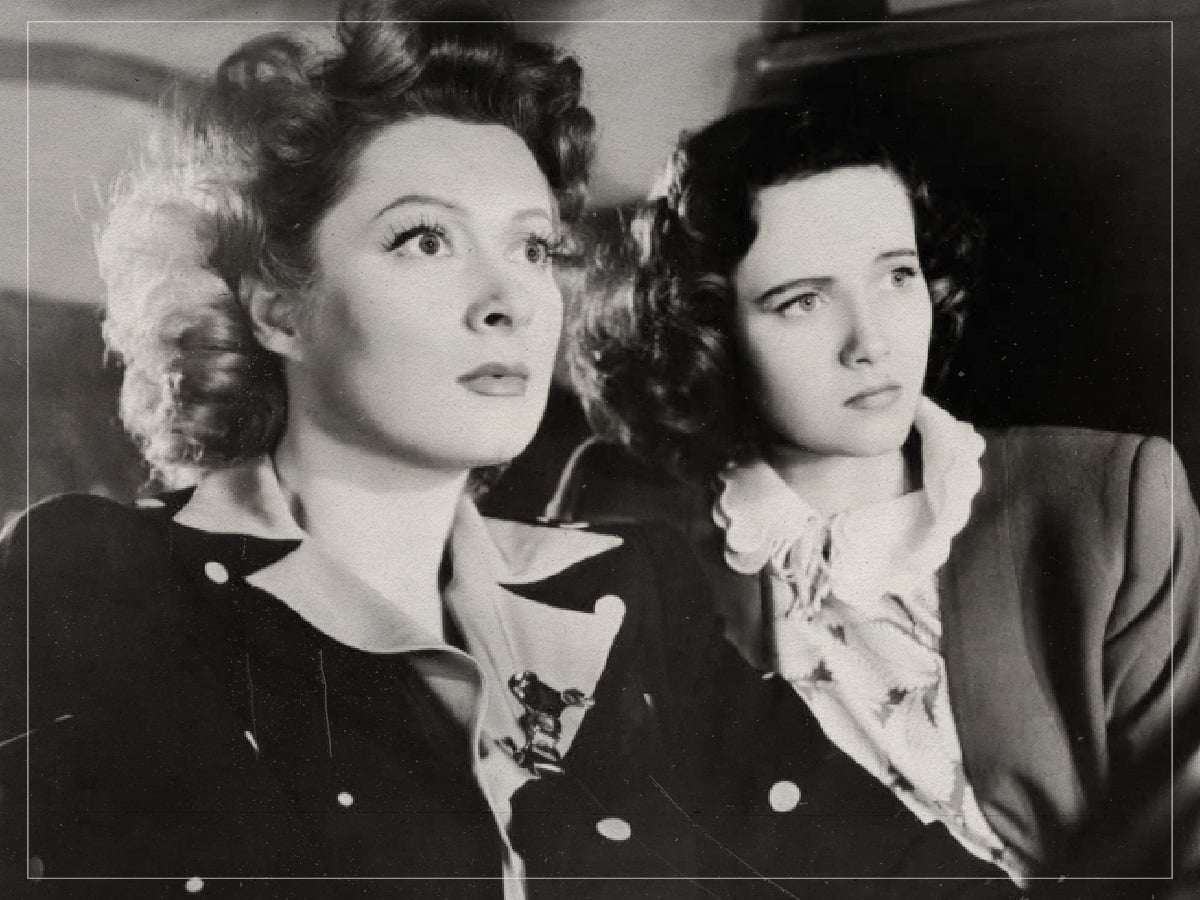
While it’s the weakest of the three films directed by William Wyler to have won ‘Best Picture’, Mrs Miniver has become undervalued as a groundbreaking approach to history-in-the-making. On the surface, the story of Kay Miniver’s (Greer Garson) family life in rural England is a prototypical “talkie” character drama, but Wyler used the context of World War II to explore the all-consuming impact that war has on entire nations, even if their civilians are far away from the battlefields.
Garson’s performance is one of quiet strength, and earned her a deserved ‘Best Actress’ win during an era where the Oscars tended to award more high-strung, showy performances. Mrs Miniver was not only forced to go through reshoots after the United States officially entered the war in 1941, but attracted sharp criticisms from the Nazi propaganda office for its supposed “anti-German” sentiments.
‘The Life of Emile Zola’ (1937)
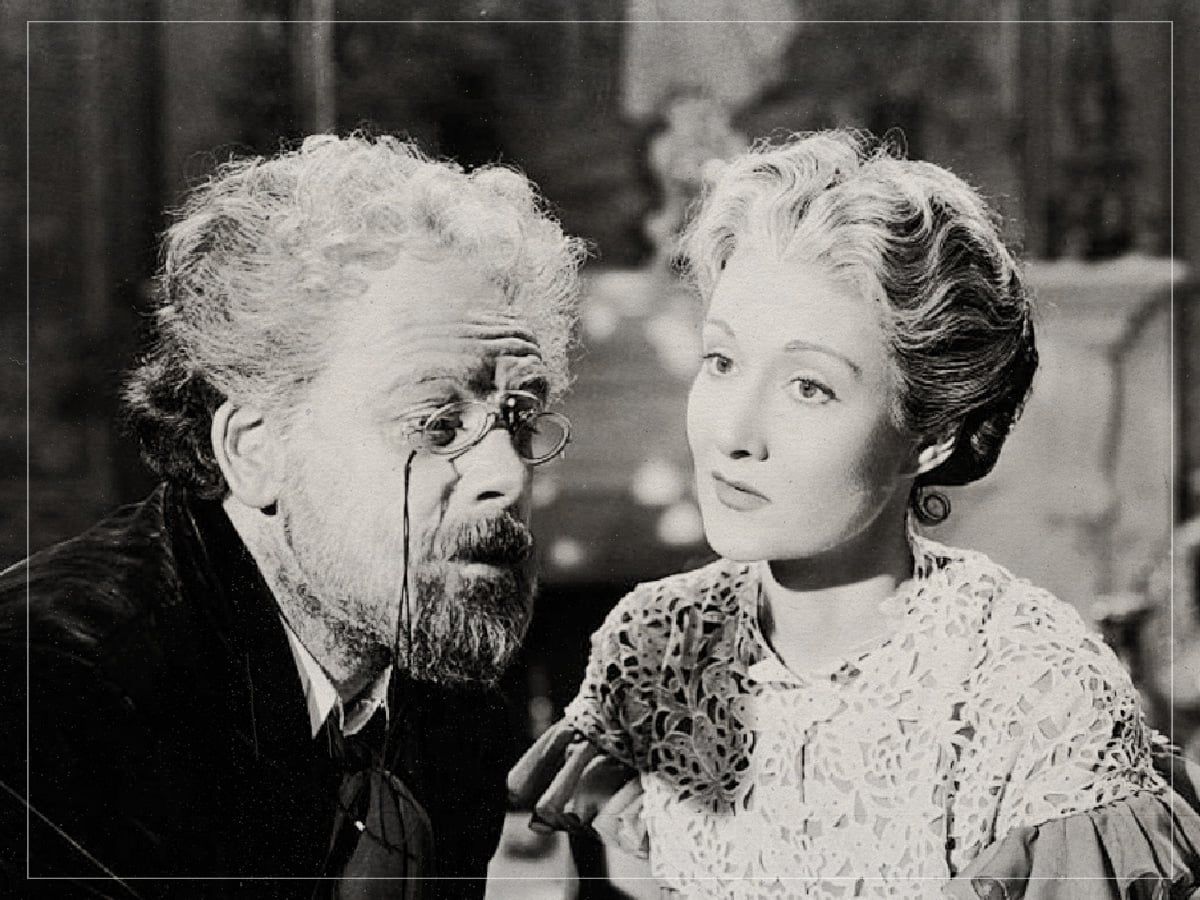
The Life of Emile Zola is a routine, well-acted biopic of the late French author that is more interesting because of the controversies involving the ratings board and real-life events involving the rise of fascism. Paul Muni’s performance as the titular author is intimate and personal, which made it a gripping film for those unfamiliar with Zola’s significance.
Although the implementation of the Hollywood Production Code forced the film to avoid directly referencing the Jewish religion and antisemitic terminology, The Life of Emile Zola was defiant in its support of a persecuted writer who was ostracised for his outspoken advocacy for liberty. Released at a time in which Hollywood had begun to censor itself from criticising the Nazi party, The Life of Emile Zola highlighted an important moment in recent history, just as the past began to repeat itself with the ascension of Hitler to the chancellorship.
‘Titanic’ (1997)
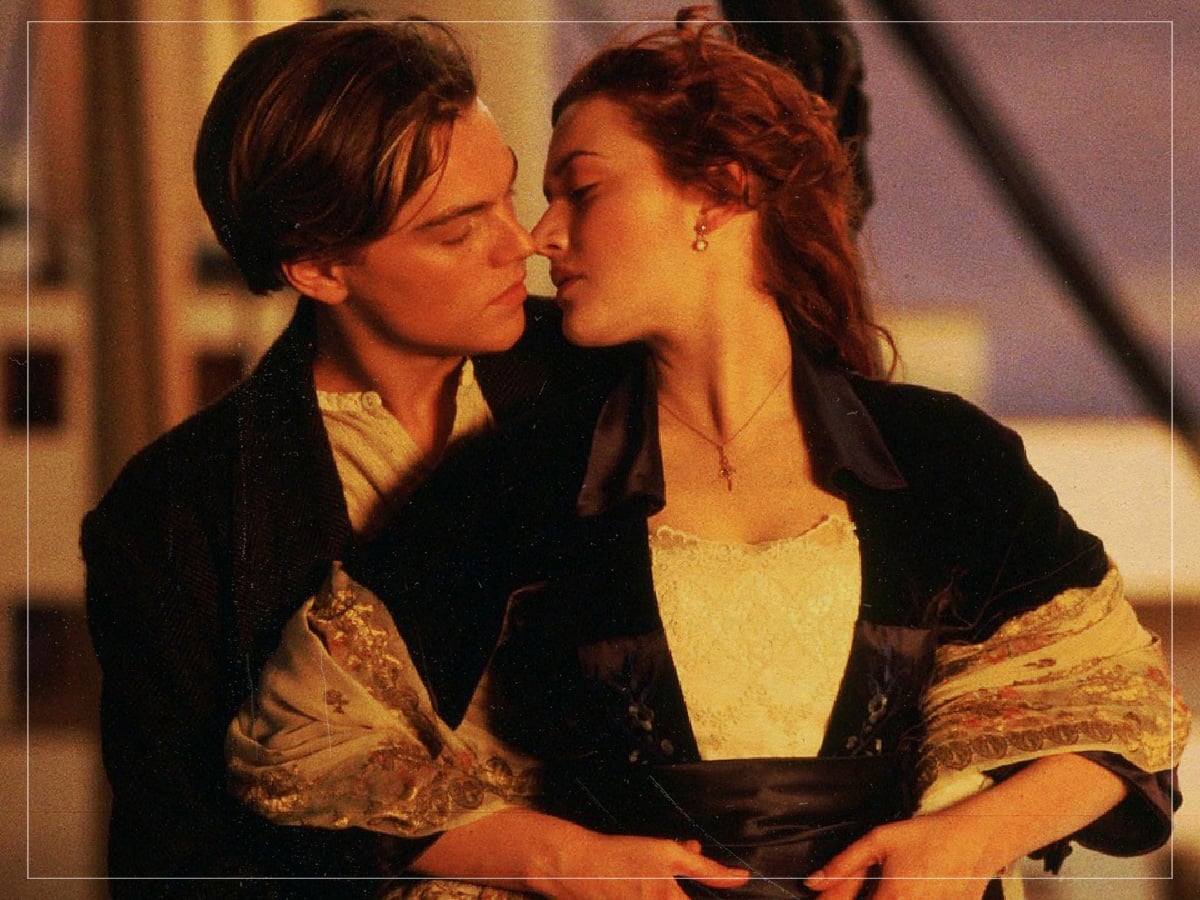
Titanic is populist cinema at its strongest, and was destined to sweep the Oscars as a result of its overwhelming success. After years of speculation about whether James Cameron’s ambitious swing would pay off, Titanic began a box office run so legendary that it took the director himself to beat it over a decade later with Avatar.
Titanic’s virtues and flaws are the same as they have been for almost three decades; while Cameron often announces emotional moments without pretence and writes dialogue that leaves much to be desired, Titanic is a technical marvel that makes for one of the most quickly paced films to cross the three-hour threshold. The parodies and endless speculation on whether Jack could have survived are a testament to the overarching cultural impact that Titanic had, and how the chemistry between Leonardo DiCaprio and Kate Winslet continues to age well.
‘Wings’ (1927)

The first ‘Best Picture’ winner ever is a quintessential story of friendship, adventure, and love that epitomises the type of escapism that cinema strives for. Released less than a decade after the conclusion of World War I, William Wellman’s action-packed spectacle explored the relationship between two friends as they find their respective soul mates throughout the Great War.
Wings isn’t a film anyone should look at as a serious depiction of the brutality of war, but the flight sequences are beautifully elaborate and capture the breathtaking phenomenon of early aviation technology. Although the film’s combat scenes were highly influential, Wings was always seen by the Oscars as a populist choice; it was in the same ceremony that the first and last award for ‘Best Unique and Artistic Picture’ was given to FW Murnau’s ambitious silent epic Sunrise: A Song of Two Humans.
‘Gentleman’s Agreement’ (1947)
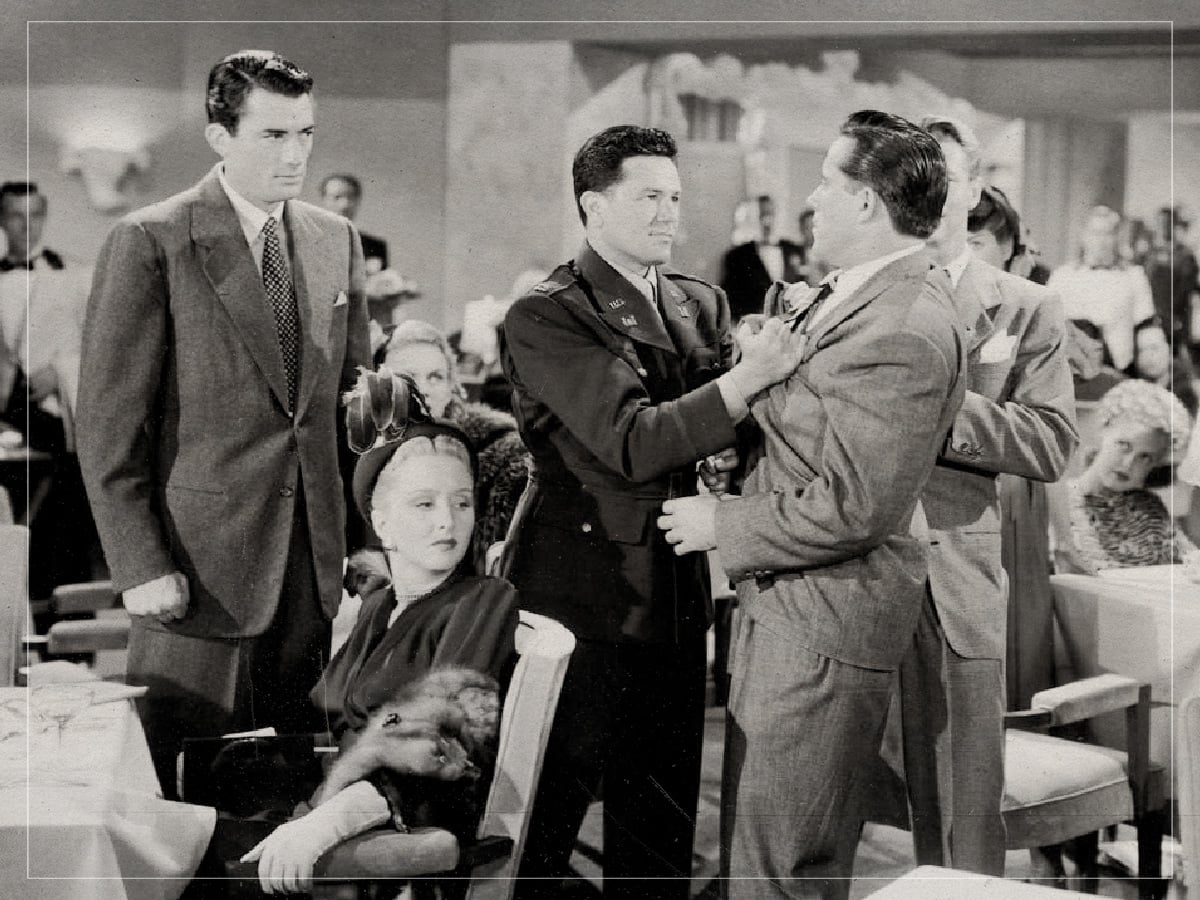
As was the case with The Life of Emile Zola, Gentleman’s Agreement was an earnest attempt by the industry to confront antisemitism that was restricted by the parameters of the ratings board. Gentleman’s Agreement was able to be more pointed with its story of the journalist Philip Schuyler Green, played by Gregory Peck, who pretends to be Jewish for the sake of writing an article about antisemitism in New York City.
Although public awareness of the Holocaust was only just dawning in 1947, Gentleman’s Agreement feels bracingly relevant in how bigotry can be disguised under the pretence of tradition and manners. It was brave to make a film so bleak, as Gentleman’s Agreement didn’t imply that there was a simple solution to societal ills. When it comes to actors who convey stoicism and strong moral values, Peck is absolutely unmatched and gives one of his best performances.
‘Going My Way’ (1944)
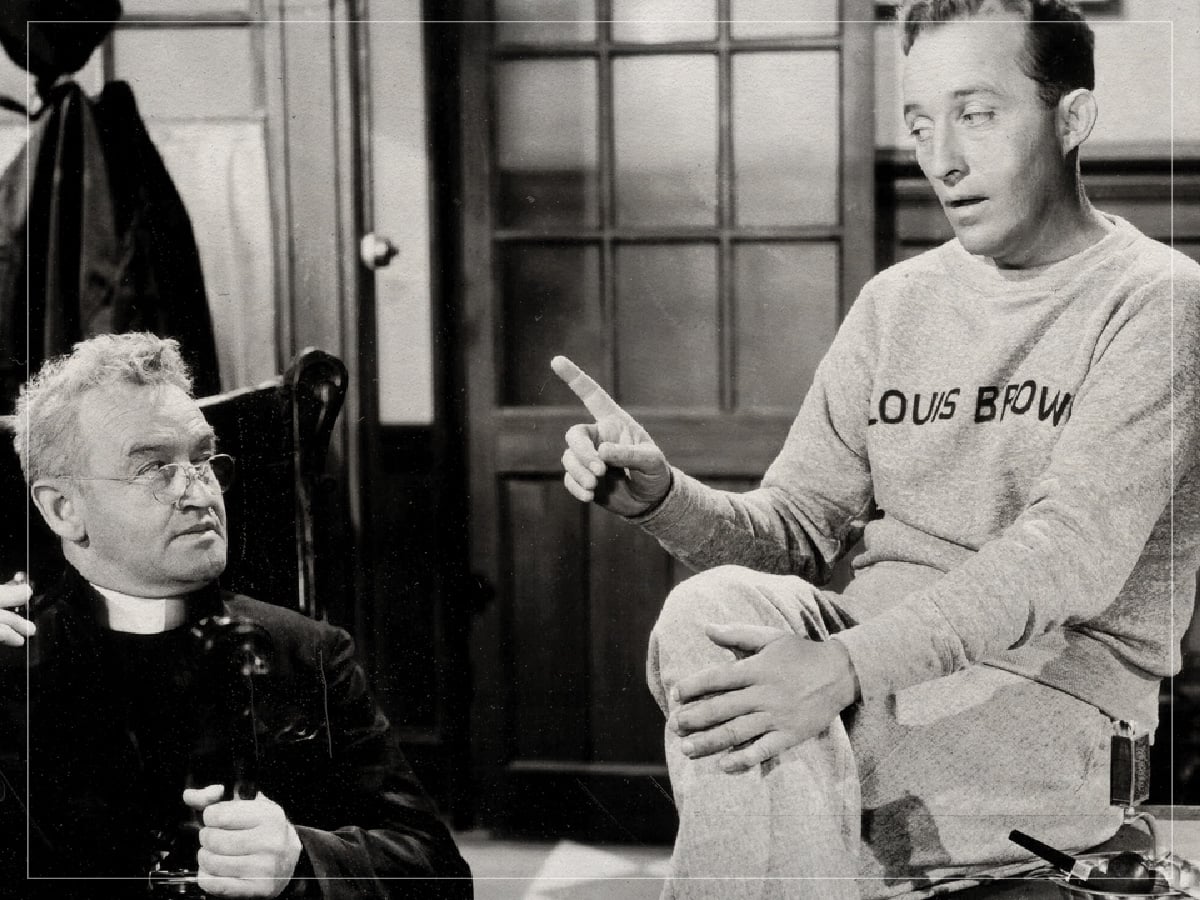
The Oscars opted to award a more light-hearted, escapist film that served as a more traditional crowdpleaser while the nation was recovering from the devastation of World War II. Bing Crosby is perfectly cast as a charismatic, kind-hearted priest who is assigned to a new community and begins to teach the school’s ill-behaving boys to perform in a choir. Outside of a few scant references, Going My Way is fairly secular and is more firmly in the tradition of “inspirational teacher” films than expressly religious ones.
There’s never any doubt how Going My Way will end, but Crosby’s unparalleled voice is so terrific that the film is elevated by any opportunity he is given to sing, particularly with a few standout Christmas songs. Going My Way also inspired a follow-up, The Bells of Saint Mary’s, which became the first sequel ever nominated for ‘Best Picture’.
‘Million Dollar Baby’ (2004)
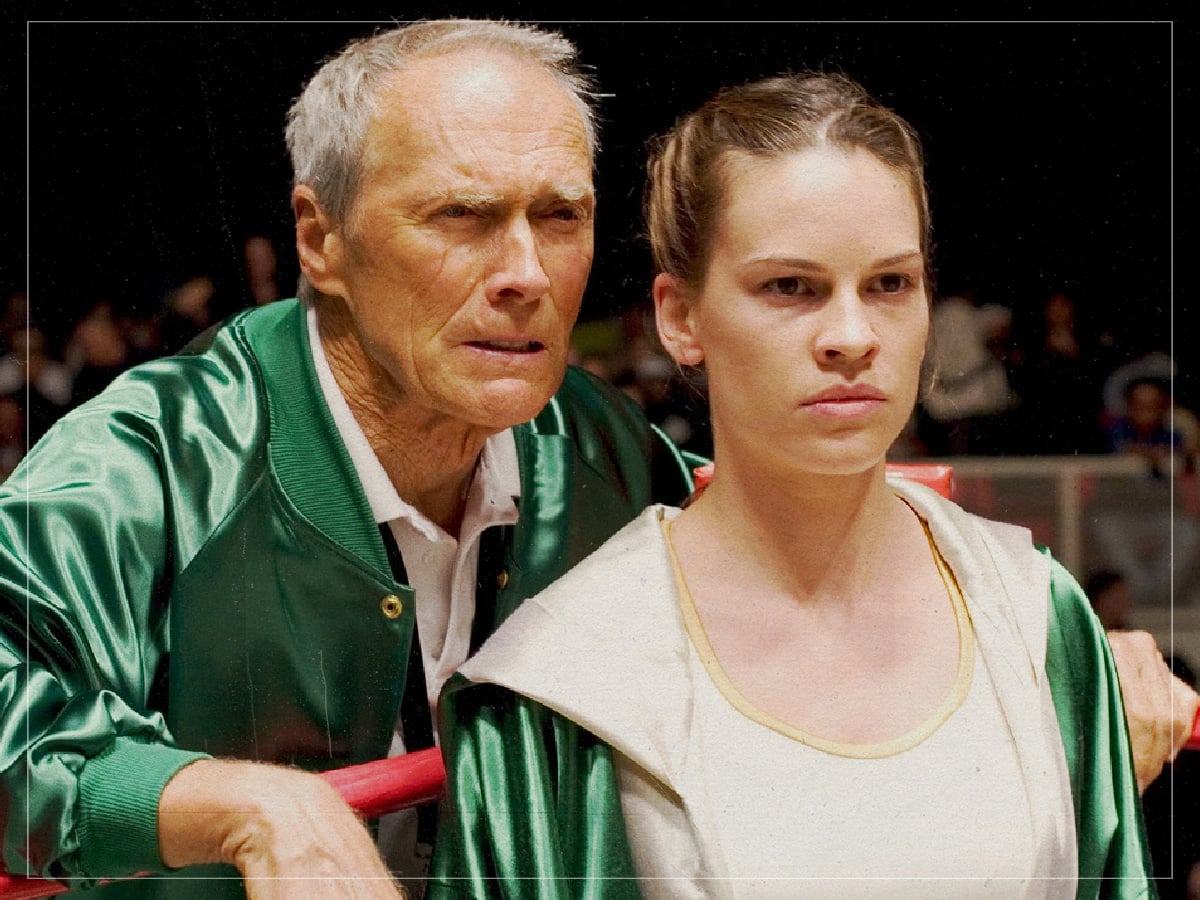
Million Dollar Baby was a film that no one wanted to make except for Clint Eastwood, who took what initially felt like a standard inspirational sports drama and turned it into a bleak, unflinching look at the frailty of life. Eastwood’s stature as a director had been confirmed by his previous Oscar victory, but Million Dollar Baby offered him an opportunity to give one of the vulnerable, sensitive, and singular performances of his career; instead of being a stereotypical “cranky mentor,” Eastwood made the role irreplaceably his own.
Eastwood benefited from a tremendous co-star in Hilary Swank, who earned her second ‘Best Actress’ prize for her role as an aspiring boxer with no shortage of bravery. Eastwood is among the least sentimental filmmakers ever, so for him to make a film that earned it tears is a tremendous evolution and indication of Million Dollar Baby’s power.
‘The Sound of Music’ (1965)
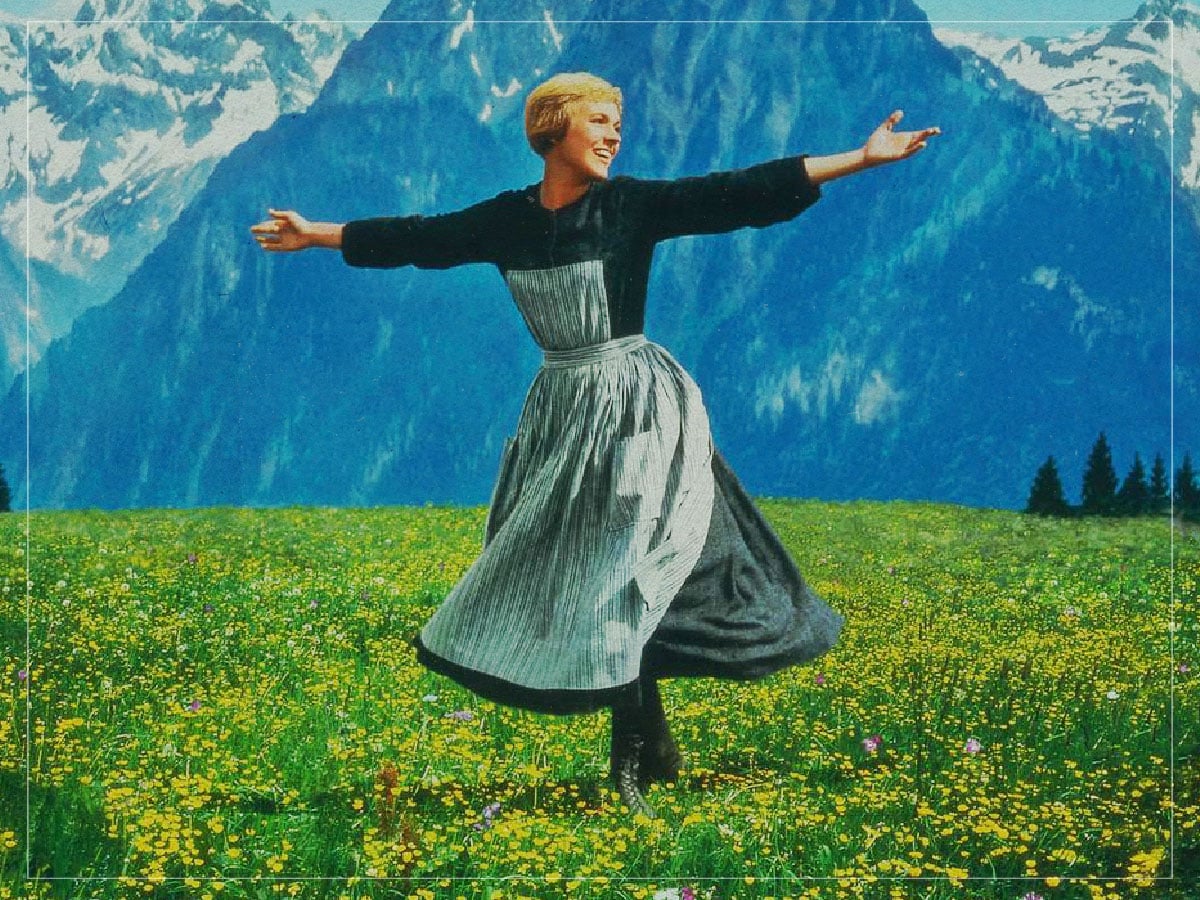
Another case in which a massive, record-breaking financial success became too magnanimous to be denied, The Sound of Music was a step up compared to the overblown musicals of the previous decade. Julie Andrews had just won the ‘Best Actress’ prize for her role in Mary Poppins, but The Sound of Music offered her a more complex role as a failed nun confronting her heart’s desires and theocratic beliefs during the collapse of Austria.
The Sound of Music is absurdly long and features fewer great musical numbers in the second half than it does in the first, but it’s remarkable that Robert Wise was able to assemble an ensemble of talented young actors, none of whom feel amateurish or irritating. While Andrews and Christopher Plummer reportedly didn’t get along during filming, Maria and Captain Von Trapp remain one of the most swoon-worthy couples in film history
‘A Man For All Seasons’ (1966)
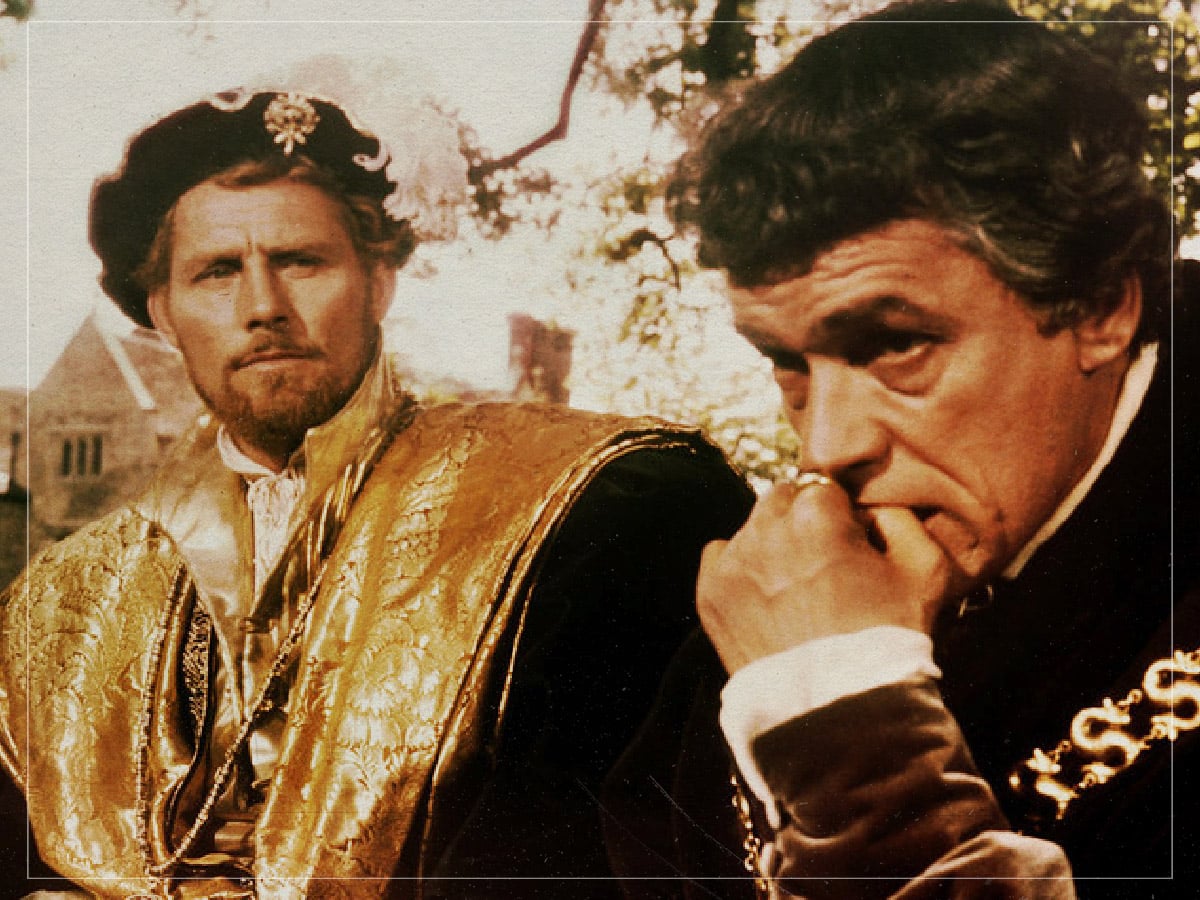
The British films awarded by the Academy tend to be more light-hearted dramedies and class studies, but A Man for All Seasons is a dense, deeply philosophical exploration of the fissure that split the Catholic Church. Featuring an all-star cast that included everyone from a young Robert Shaw to an ageing Orson Welles, A Man for All Seasons follows the Lord Chancellor Sir Thomas More (Paul Scofield), whose refusal to grant a divorce to King Henry VIII leads him to be persecuted and deemed a heretic.
While it’s a stately drama that has the rhythms of the stage production it was based on, A Man for All Seasons is surprisingly enthralling because of the clarity of themes and attention paid to More’s ethical dilemma. Although it’s a much subtler and more intimate film than what ‘Best Picture’ winners looked like in the ‘50s, A Man for All Seasons addressed themes of integrity and actualisation that clearly resonated with members of the industry, including John Wayne.
‘Nomadland’ (2020)

Nomadland is among the strangest ‘Best Picture’ winners ever as a result of the handicapped release calendar of 2020, in which many studio films were pushed back due to the theatrical shutdowns related to the Covid-19 pandemic. There’s perhaps no other scenario in which such a painterly, observational “slice of life” drama that borders on being aimless could sweep through the season without any significant rivals.
Nomadland may have been criticised for not being a more active indictment of corporations and employers like Amazon, but Chloé Zhao’s intention was seemingly to make a non-judgmental story about a singular character who didn’t necessarily represent an entire body of people. McDormand tied another record by winning her third Oscar for ‘Best Actress’ (while also sharing in the ‘Best Picture’ victory as a producer), but Nomadland’s cast was also populated by many non-actors selected by Zhao and her casting team.
‘The Last Emperor’ (1987)
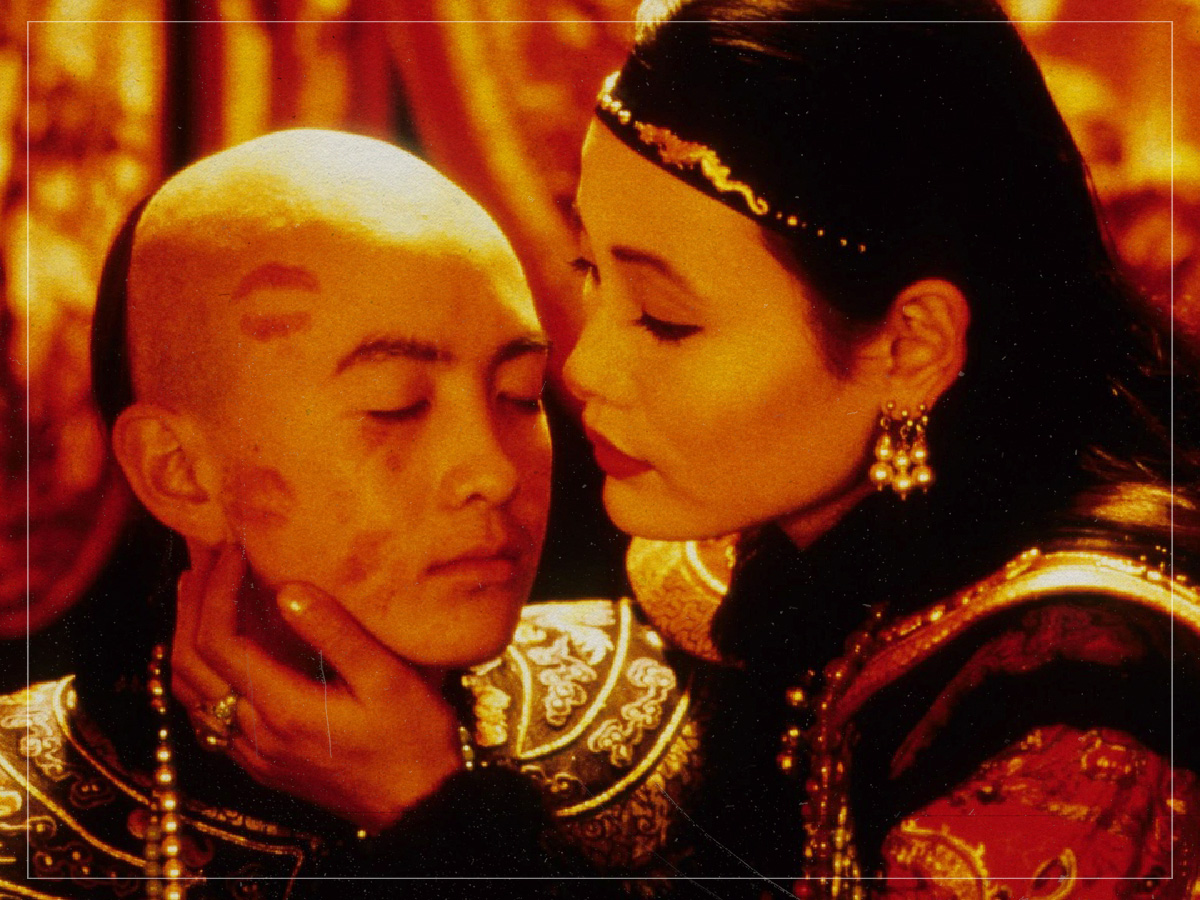
There was a sense among voters that the great director Bernardo Bertolucci deserved to inevitably win in recognition of his overwhelming body of work, but The Last Emperor was a much stranger biopic than it may have seemed at first glance. Told primarily in flashback, The Last Emperor picks up with the imprisoned ex-Emperor of China, Puyi (John Lone), as he reminisces about his childhood during the revolution of the Chinese Communist Party.
The Last Emperor is a tragic coming-of-age story about a boy who was blind to the suffering of his people and surrounded by privilege, yet never given the opportunity to come into his own as a leader. Although exploring such touchy subject material was always going to end up provoking some sort of controversy, the film’s most effective scene documenting the Rape of Nanjing was removed from its release in Japan.
‘Gone With The Wind’ (1939)
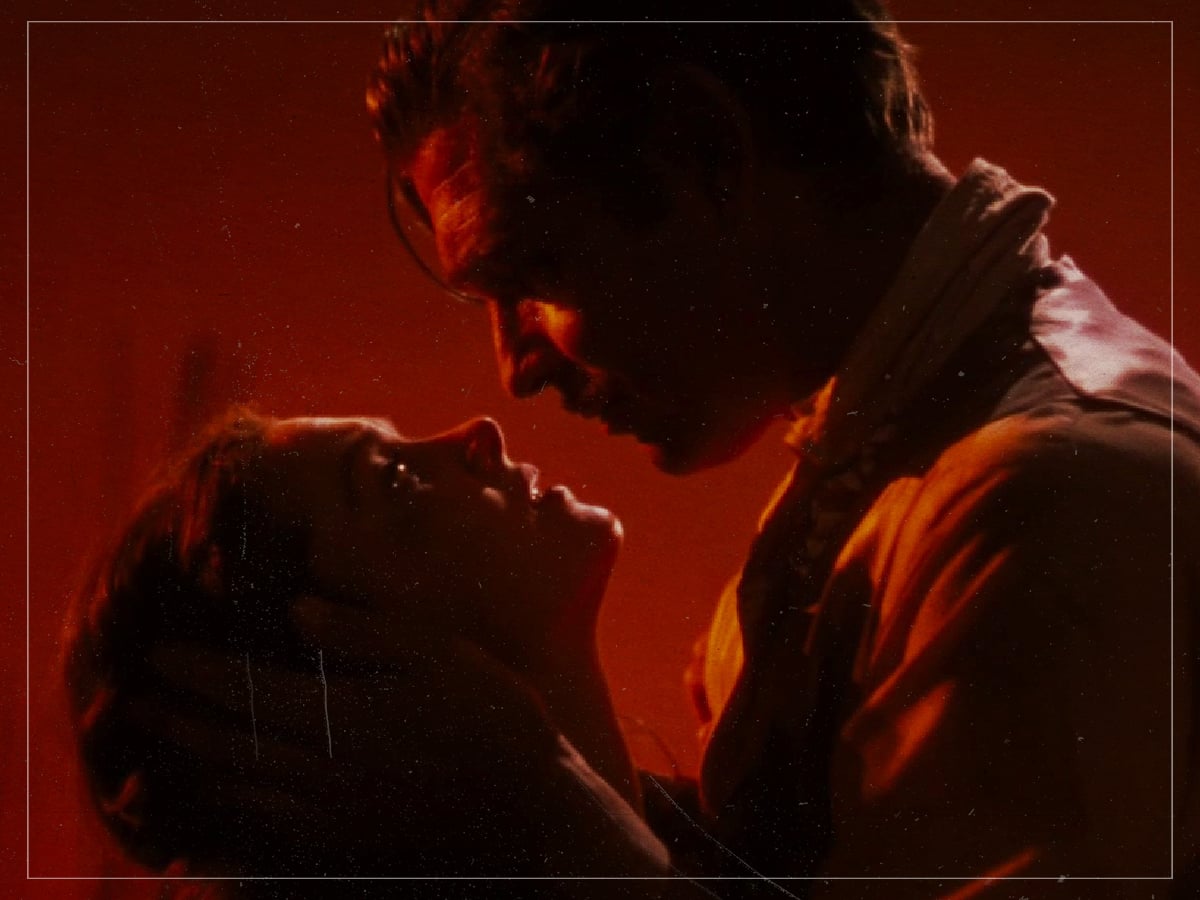
Gone With The Wind is either one of the greatest films ever made or an insidious endorsement of Confederate America, depending on who you ask, so it’s befitting that it should place among the middle of the list. It’s hard to overstate just how significant a financial success Gone With The Wind was, as it would rank as the highest-grossing film of all-time if adjustments were made for inflation.
The phenomenon of Gone With The Wind is tied to its inherent theatricality; concerns about its extended length, melodramatic segments, and underdeveloped side characters melt away when viewed in the best possible format, where Victor Fleming’s expressive powers take over. While Vivien Leigh’s performance was groundbreaking in its depiction of a strong female character, it goes without saying that the racial politics of Gone With The Wind are both severely outdated and completely superficial, with an otherwise grounded story.
‘Forrest Gump’ (1994)
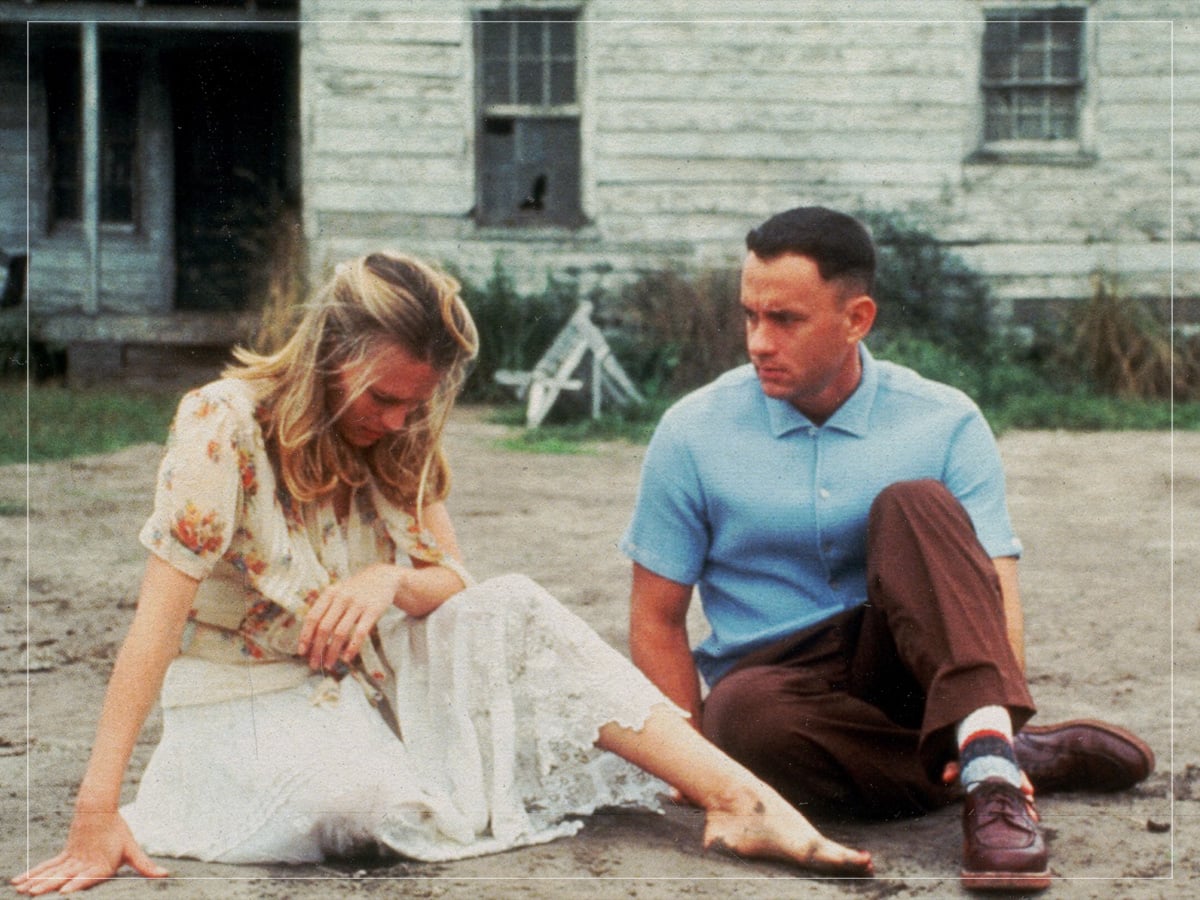
Forrest Gump is another unique phenomenon that has only attracted backlash recently, as it was a monocultural success in 1994 that, much like other winners, both swept the Oscars and dominated the box office.
What the debate comes down to is whether Robert Zemeckis’ intentions were to craft an aggressive satire of American expansionism or to make a completely sincere story of an unlikely hero; these two descriptions aren’t necessarily mutually exclusive. It’s more than ironic that a man of low intelligence is able to influence and distort moments in American history that have been memorialised, but Forrest Gump is deeply sympathetic to its main character. Although Forrest Gump’s win over both The Shawshank Redemption and Pulp Fiction had dampened its Oscar legacy, it’s hard to argue with the victory for Tom Hanks; had any other actor been cast, Forrest Gump would instantly have been deemed to be astoundingly offensive.
‘The Lost Weekend’ (1945)
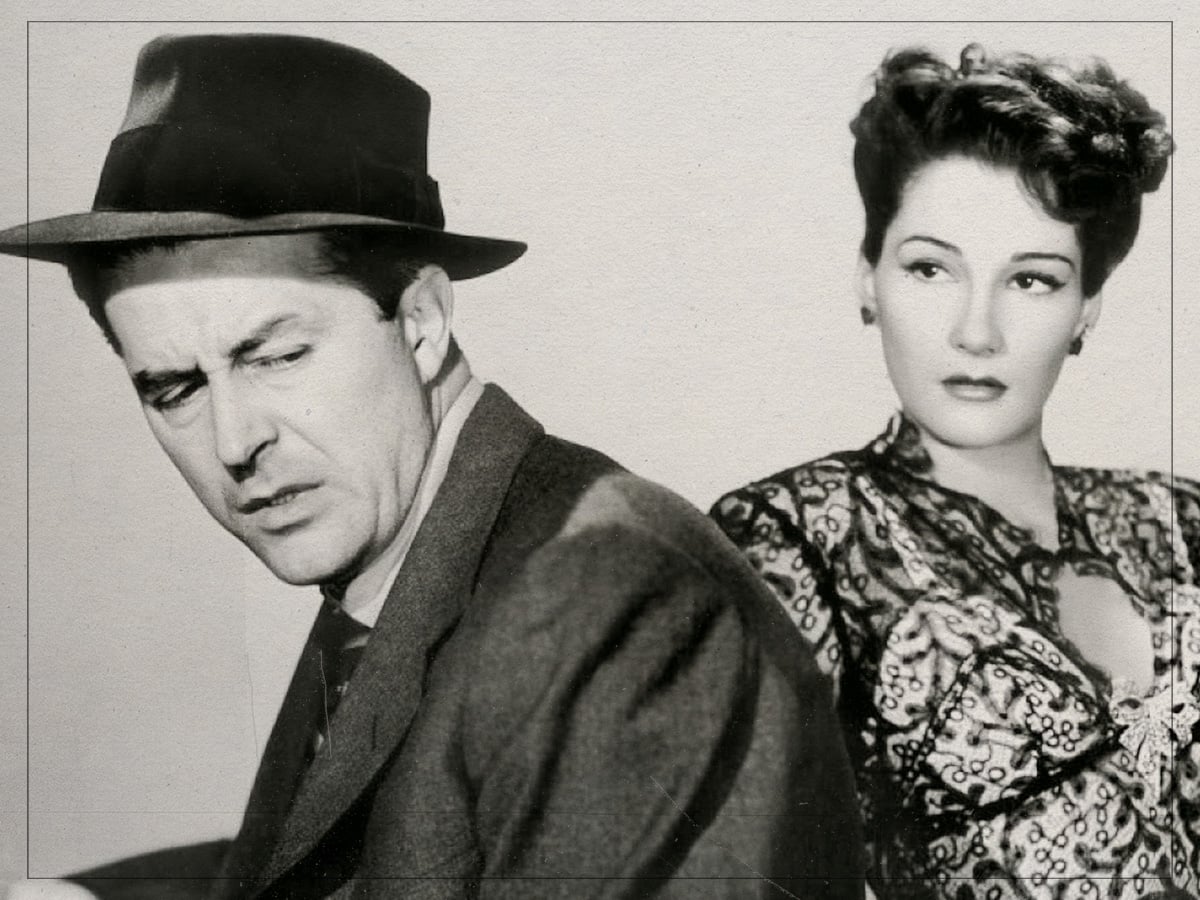
It’s a bit surprising that The Lost Weekend won ‘Best Picture’ when it’s not one of Billy Wilder’s most acclaimed films, but the brilliant writer/director was responsible for so many masterpieces that even a middling effort is still great. While not as sharp and satirical as Wilder’s later work, The Lost Weekend was groundbreaking in its portrayal of alcoholism, an issue that it handles shockingly well, given content restrictions.
Wilder’s genius idea was to frame The Lost Weekend as a noir when the drunkard writer Don Birman (Ray Milland) traces the pieces of his shattered life after he is left to his own devices over a few days, while his girlfriend Helen (Jane Wyman) is away. Millard’s performance brilliantly captures the delusions held by addicts who continue to make for themselves when they deny any opportunities to receive help, leading the film’s somewhat optimistic conclusion to feel unsettled at best.
‘Braveheart’ (1995)
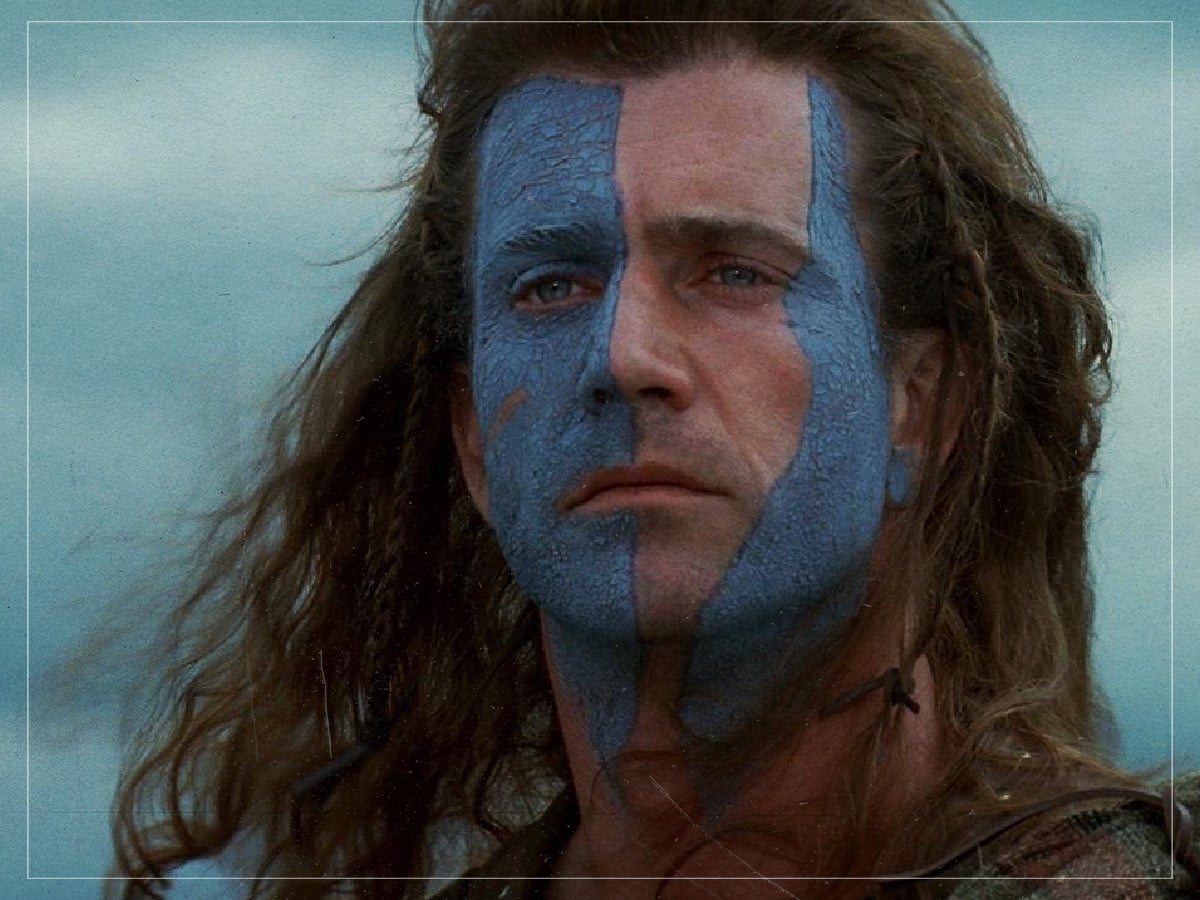
Braveheart was an unusual ‘Best Picture’ winner in that it marked a return to the epic genre after it had been ignored for decades, and crowned another A-list star with the ‘Best Director’ prize after awarding Woody Allen, Robert Redford, and Kevin Costner. There’s not a lick of historical accuracy within Braveheart, but Mel Gibson conjured a powerful encapsulation of a brutalised people who take up arms against their oppressors.
Gibson’s politics have made his victimisation of Christians more complicated, but as a filmmaker, he captures the chaos of war in a visceral way; it’s not a chivalrous battle between respectable oppressors, but a violent rebellion by those defending their homes and way of life from those who would incinerate it. Braveheart is every bit an exploitation thriller as it is a historical drama, and the unlikely unification of those influences makes for a thoroughly entertaining, moving feat of spectacle.
‘Hamlet’ (1948)
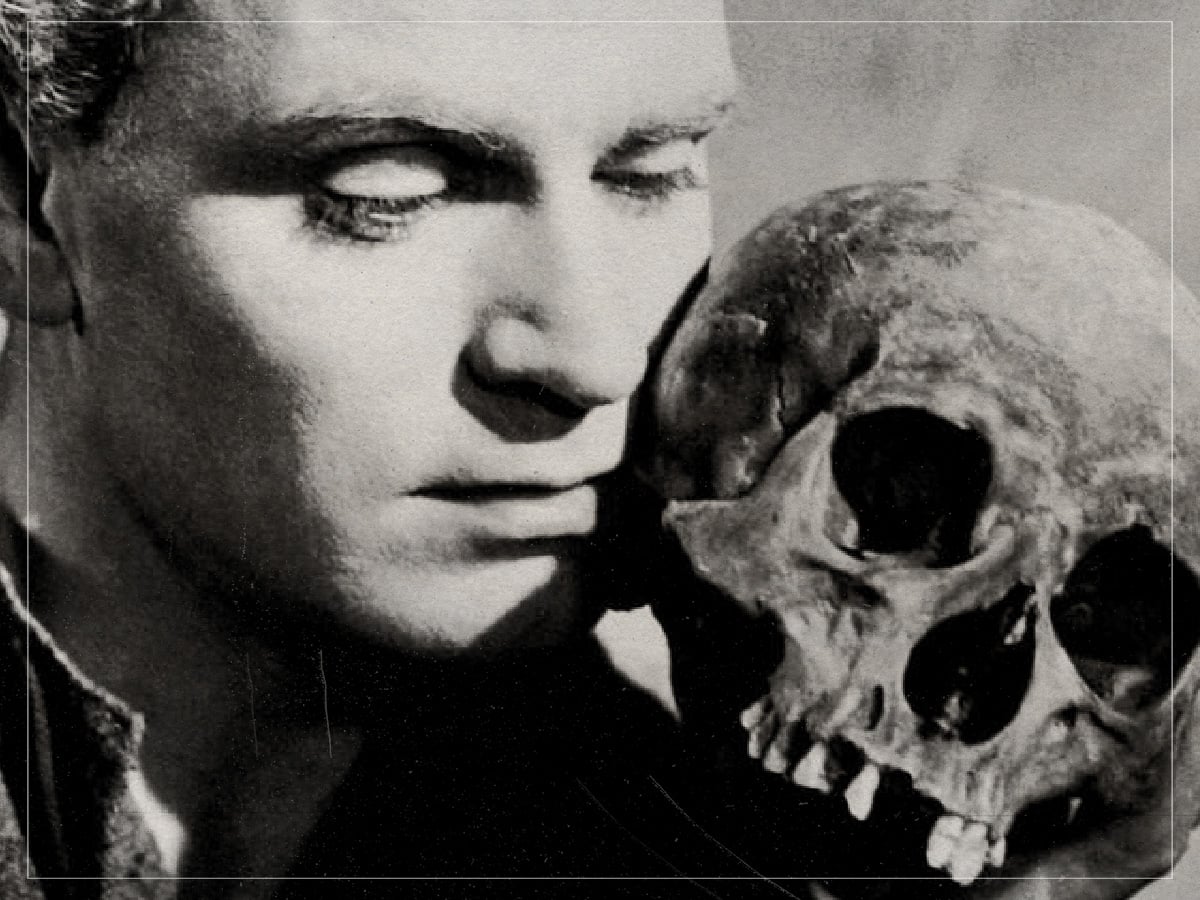
It’s pretty hard to argue against Laurence Olivier doing Shakespeare, especially when given what may be “the Bard’s” most iconic masterpiece. Every high school student has been forced to read Hamlet at some point, but Olivier directed an adaptation that felt alive in its broody, unsettling black-and-white visuals of the seemingly haunted Scottish kingdom. Olivier directed himself to an Oscar win with the definitive portrayal of the tragic hero, which made future performances by Orson Welles, Kenneth Branagh, Ethan Hawke, and Hamnet’s Noah Jupe feel irrelevant.
Although it’s blocked and choreographed in the same style as Olivier’s theatrical productions, Hamlet’s final swordfight between the titular character and his cousin Claudius (Basil Sydney) is brutal and heartbreaking. The removal of certain side characters and political conspiracies isn’t detrimental to the pacing because of how internalised Olivier’s performance is. Considering how many failed Hamlet adaptations have followed, Olivier took a challenging task and maximised the material’s potential.
‘The English Patient’ (1996)

The English Patient has been unfortunately saddled with the reputation of being pretentious Oscar bait, in no small part due to a famous Seinfeld episode in which Elaine (Julia Louis-Dreyfuss) is shamed by her co-workers for not liking the film. While it’s a formalistic period piece that can often move at a glacial pace, Anthony Minghella’s brilliant World War I film is a more tragic and considerate love story than it is given credit for.
The English Patient is unrelentingly bleak, as it shows how the memories of past romances can haunt like ghosts well into the future. The flashback structure, in which the Hungarian veteran Almásy (Ralph Fiennes) explains his life’s story to the French-Canadian nurse Hana (Juliette Binoche) while bedridden, allowed Minghella to both question the idealism of the past while delving into the ramifications of post-traumatic stress disorder. Fiennes and Binoche have shared the screen together several times now, but they’ve never been better than in The English Patient.
‘A Beautiful Mind’ (2001)
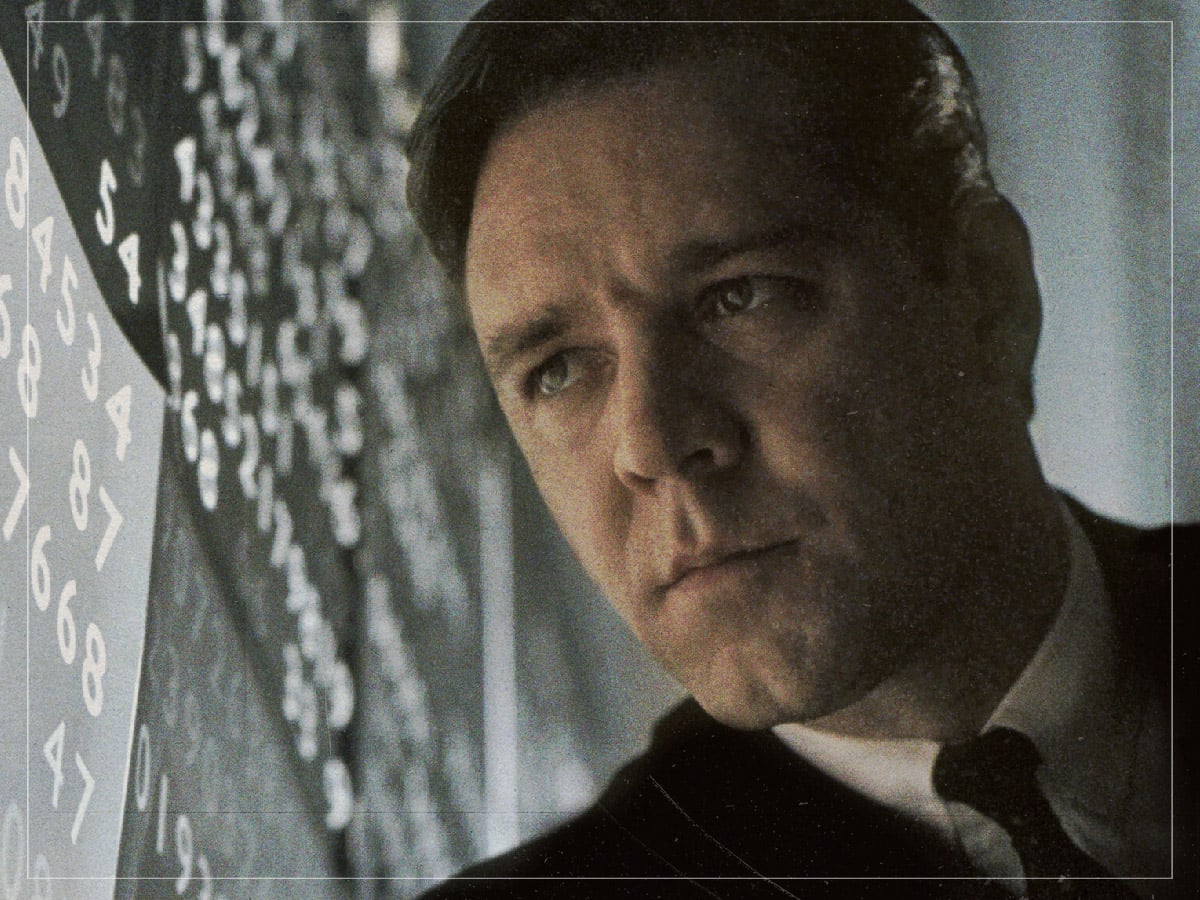
Another ‘Best Picture’ winner that has been unfairly maligned, A Beautiful Mind is a thoughtful consideration of genius that examines the struggles experienced by the brilliant mathematician John Nash (Russell Crowe), who developed schizophrenia during his time at Harvard. The device used by Ron Howard, which was divisive at the time, was to visualise Nash’s reality in order to explore his compromised view of the world; the revelations that Nash has been falsely chasing conspiracies and communicating with non-existent colleagues served as an empathetic way of showing empathy for those who deal with schizophrenia.
Howard has never been a filmmaker of excessive style, but A Beautiful Mind features such a well-defined protagonist that it doesn’t feel distant because of the time period. Crowe may have managed to irritate the industry with his off-screen behaviour at this point in his career, but his transformation into playing Nash is truly remarkable when considering how vastly different it was from his Oscar-winning role a year earlier in Gladiator.
‘Patton’ (1970)
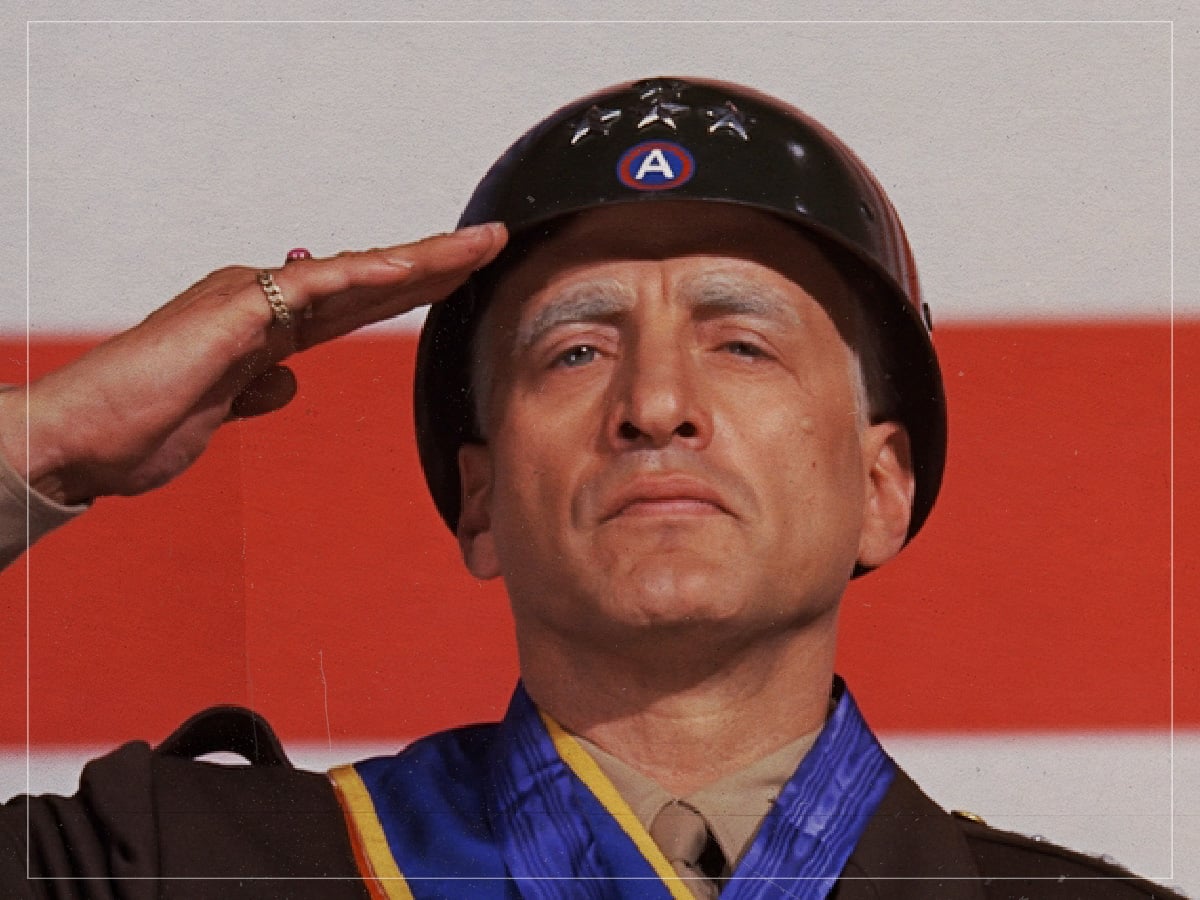
Patton isn’t an all-encompassing biopic about its subject’s entire life, but a narrow study of a man whose career was entirely defined by its proximity to war. Even if it abides by the hallmarks of the “great man” formula, Francis Ford Coppola’s screenplay for Patton isn’t a strict lionisation. The United States Army General was essential within the Allied effort to rid the Nazis from Africa and Europe, but he so often conflated patriotic duty with personal glory that his intentionality became muddied.
Director Franklin J. Schaffner is no stranger to spectacle, but Patton is more focused on grandiose speeches and confrontations than it is on action scenes, as it is within these more intimate moments that the General shows his true colours. Of course, the film rests on the back of George S Scott’s incredible performance, even though the actor famously refused to receive the ‘Best Actor’ award.
‘Kramer vs Kramer’ (1979)
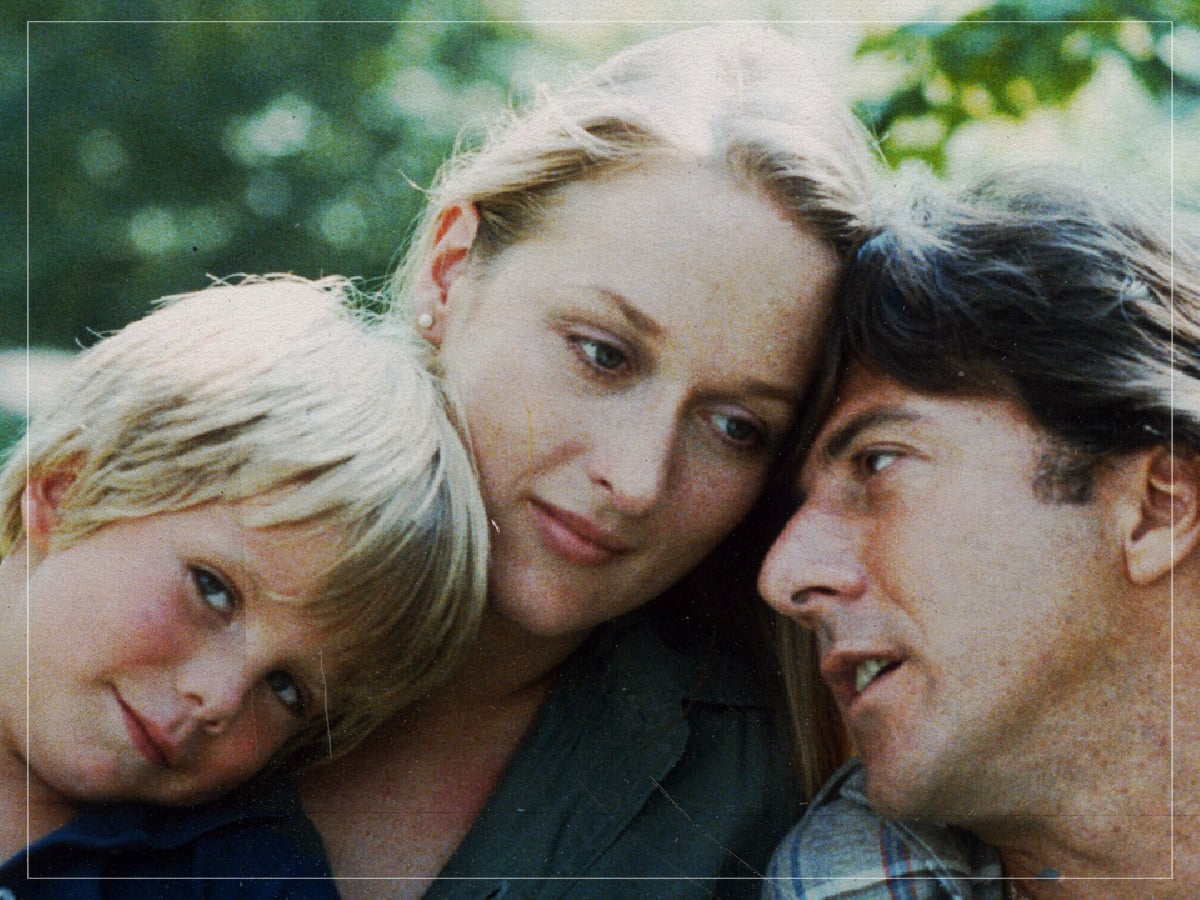
It shows just how radically the American moviegoing public has diverged from the interests of the Oscars to remember that Kramer vs Kramer wasn’t just a dominant Academy Awards player that swept the major categories, but a box office hit that became the highest-grossing film of 1979 domestically. Divorce had never been explored in such a thoughtful way as Kramer vs Kramer explored how traumatising a custody case would be for all parties involved.
The notion of a single father raising his son on his own may have felt more radical in 1979, but it’s to the credit of Dustin Hoffman that he doesn’t sand off the edges of Ted Kramer, a character who is initially ill-equipped to take care of his son Billy (Justin Henry). The film is equally empathetic to Joanna (Meryl Streep), who finds even more pain when she and her husband’s respective attorneys attempt to assasination one another’s character. It’s a bleak film with an ambiguous ending, and one that holds up to scrutiny years later.
‘Argo’ (2012)
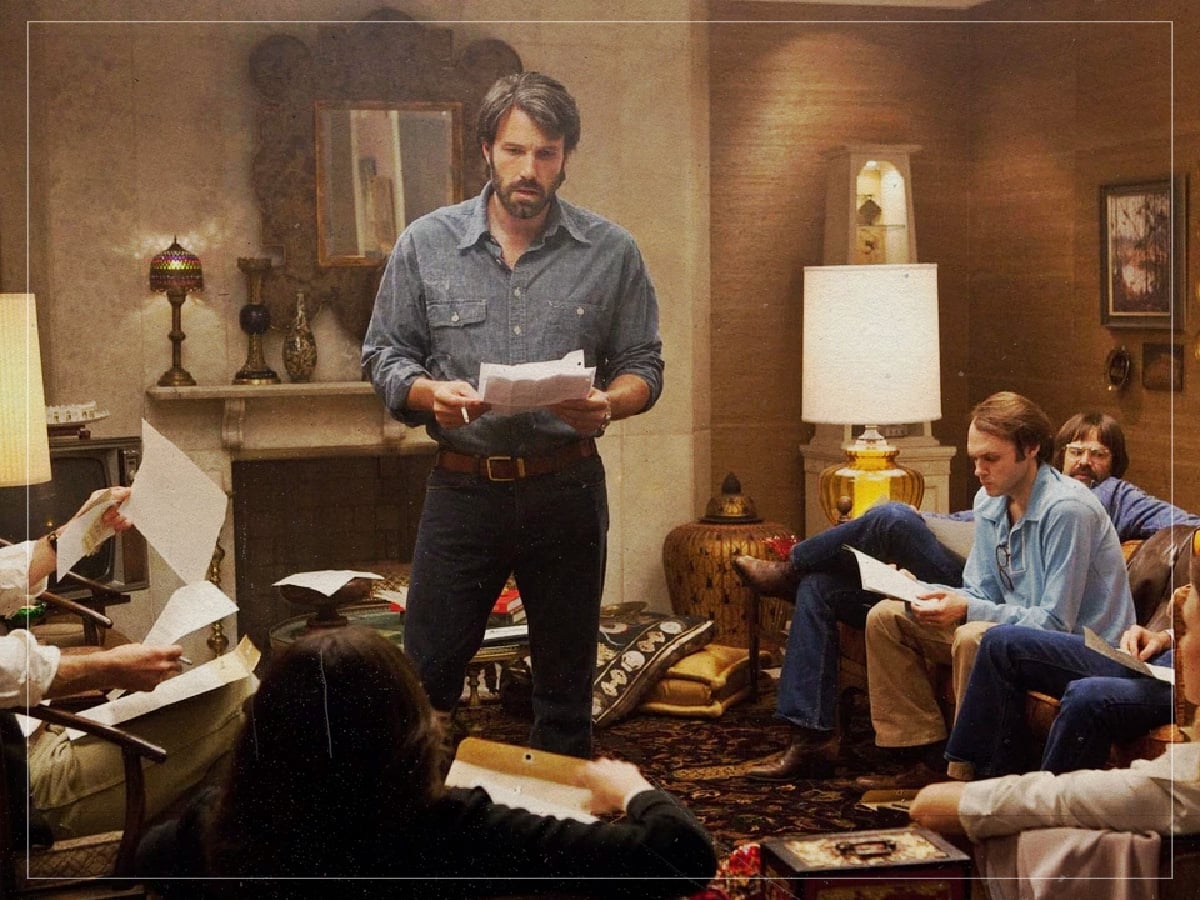
Argo had an unusual award season trajectory that was inextricable from the comeback narrative for Ben Affleck. After years of personal issues and professional disappointments, Affleck finally began proving himself as a talented filmmaker, only to miss out on a ‘Best Director’ nomination for his finest work on Argo. That snub ironically initiated a wave of sympathy that led Argo to success throughout the season. Argo is better-viewed as an old-fashioned adventure film than a straightforward political drama; while the context of the Iranian crisis is important to the premise, Affleck is more interested in showing how the skills of the film industry could be utilised for the sake of doing something actually heroic.
The meta-narrative of Hollywood saving the day was irresistible to Oscar voters, but Affleck is also so skilled at blocking and staging moments of suspense that Argo rarely fails to be riveting. The setting of 1979 is befitting for a film that feels like the type of production that “they just don’t make anymore.”
‘My Fair Lady’ (1964)
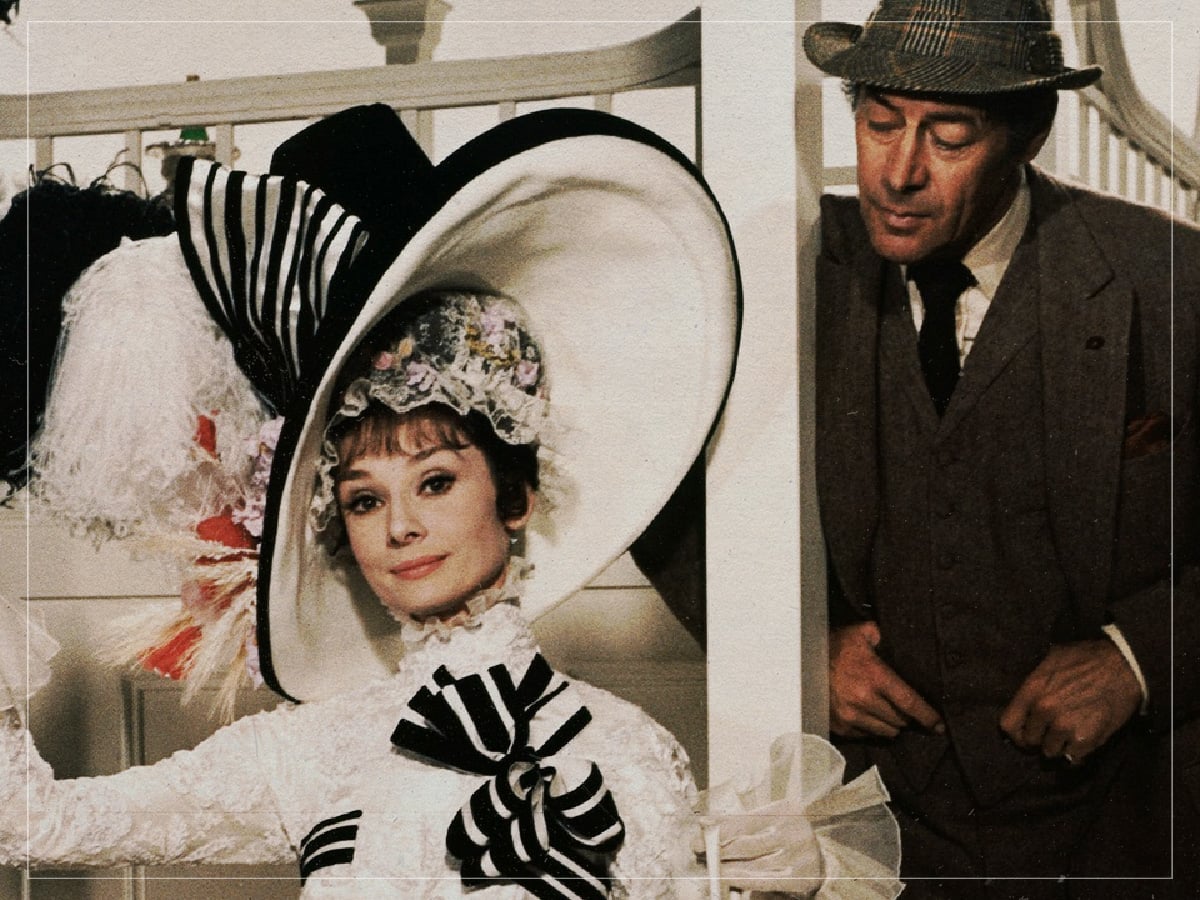
My Fair Lady is one of the rare adaptations of a Broadway show that was just as successful as the stage production. While the award-winning Broadway run featured Julie Andrews in the role of Eliza Doolittle, Warner Bros asked for a bigger star and cast Audrey Hepburn to play the Cockney flower girl who is made into a respectable lady by Professor Henry Higgins (Rex Harrison).
Hepburn’s voice may have been dubbed over during the musical numbers, but her delightful performance was perfect for the role of a humble, earnest woman introduced to the world of opulence by her dutiful benefactor. At times, the most expensive film ever made, My Fair Lady, soaks in the details of Edwardian England, while allowing moments of self-importance to be punctuated by irreverent jokes. It’s one of the most enjoyable ‘Best Picture’ winners, and it’s not hard to see why it became one of the biggest hits of its decade.
‘The Hurt Locker’ (2009)
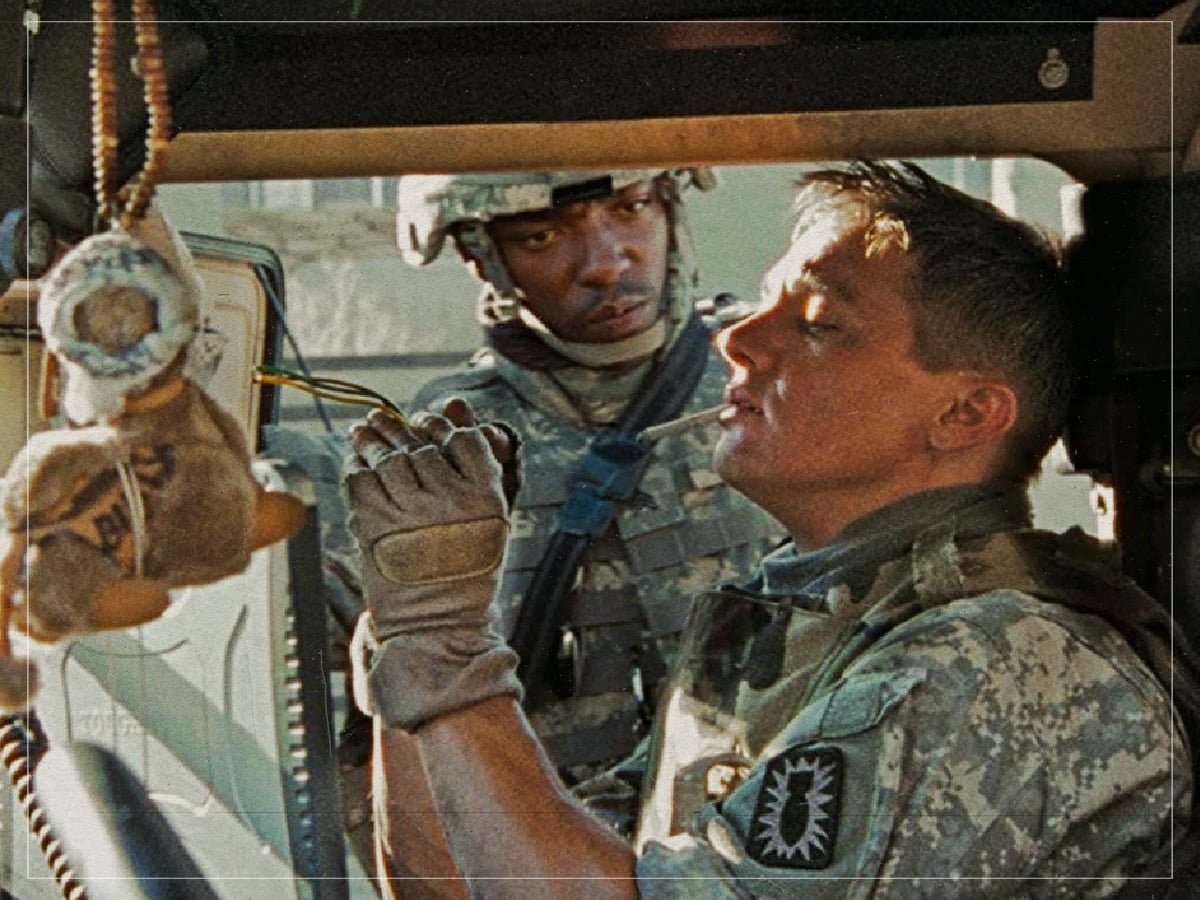
The Hurt Locker was a very different war film than those previously awarded by the Academy, and not just because of its setting within the controversial Iraq War. Kathryn Bigelow developed a thriller about obsession, in which the explosives expert Sergeant First Class William James (Jeremy Renner) has become addicted to putting himself in life-or-death scenarios when asked to diffuse bombs.
Each setpiece is a micro-masterpiece in its own right, but Bigelow examined the culture of both military camaraderie and American interventionism, as it is with self-assured acceptance that James and his allies recognise that their boldest efforts might not move the needle in achieving world peace. While Bigelow became the first woman to ever win the Oscar for ‘Best Director’, The Hurt Locker is ironically far more insightful about the nature of masculinity than many of the war films made by her male peers.
‘In the Heat of the Night’ (1967)
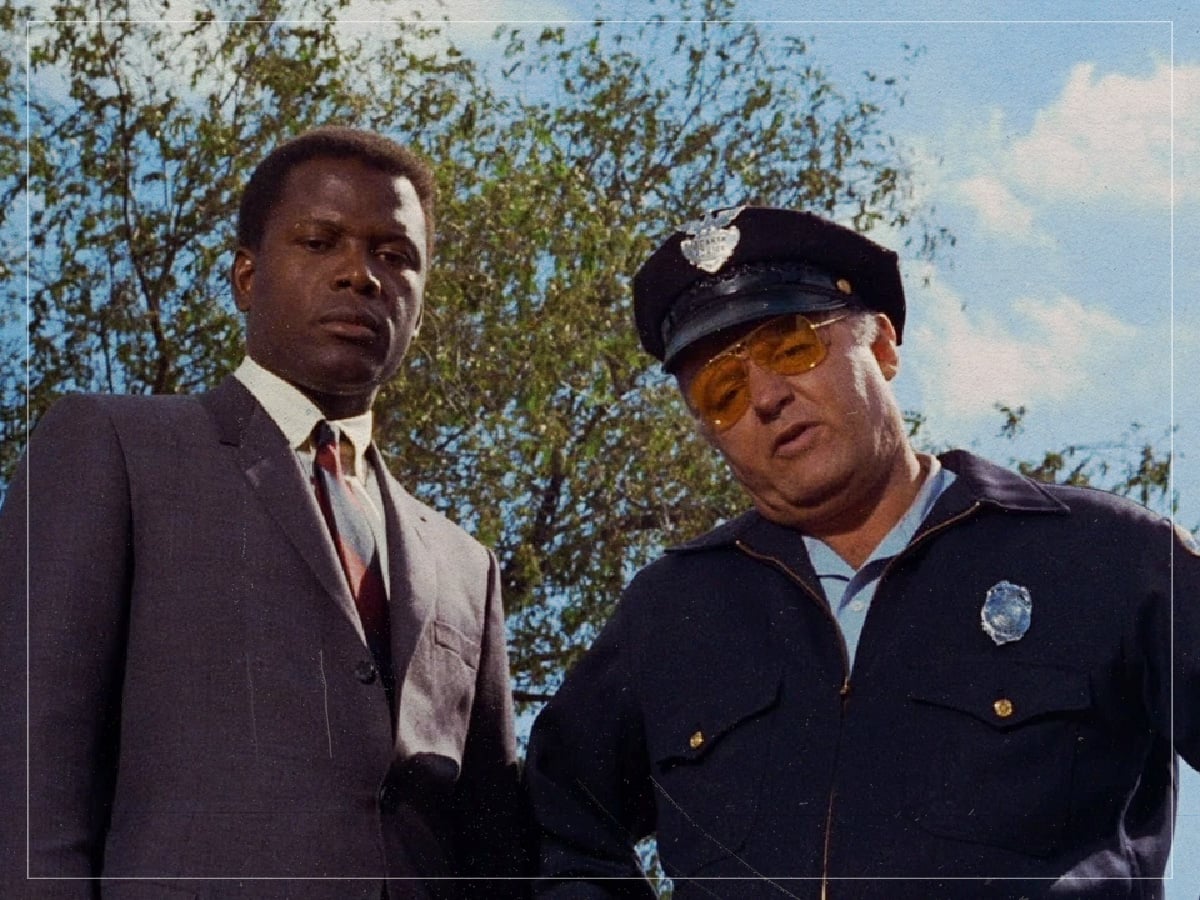
In the Heat of the Night is one of the most important ‘Best Picture’ winners because of how deconstructive it is of a timeless genre. On its surface, In the Heat of the Night is a straightforward, albeit still gripping murder mystery that calls together the Mississippi Police Chief Bill Gillespie (Rod Steiger) and the Philadelphia Detective Virgil Tibbs (Sidney Poitier) to solve the death of a fellow officer.
Every development in the case sparks individualised conflict; Gillespie refuses to see Tibbs as an equal, even if the detective’s insights are essential in ensuring justice. However, the film is also critical of Tibbs, who is devoted to a system of law that has treated him as a second-class citizen. The film’s conclusion is only uplifting in the barest sense, as there’s no true justice when a cop is murdered, nor is there an indication that Gillespie would extend respect to Black Americans who aren’t as superhumanly dedicated as Tibbs. It’s as relevant today as it was in 1967.
‘Birdman or the Unexpected Virtue of Ignorance’ (2014)
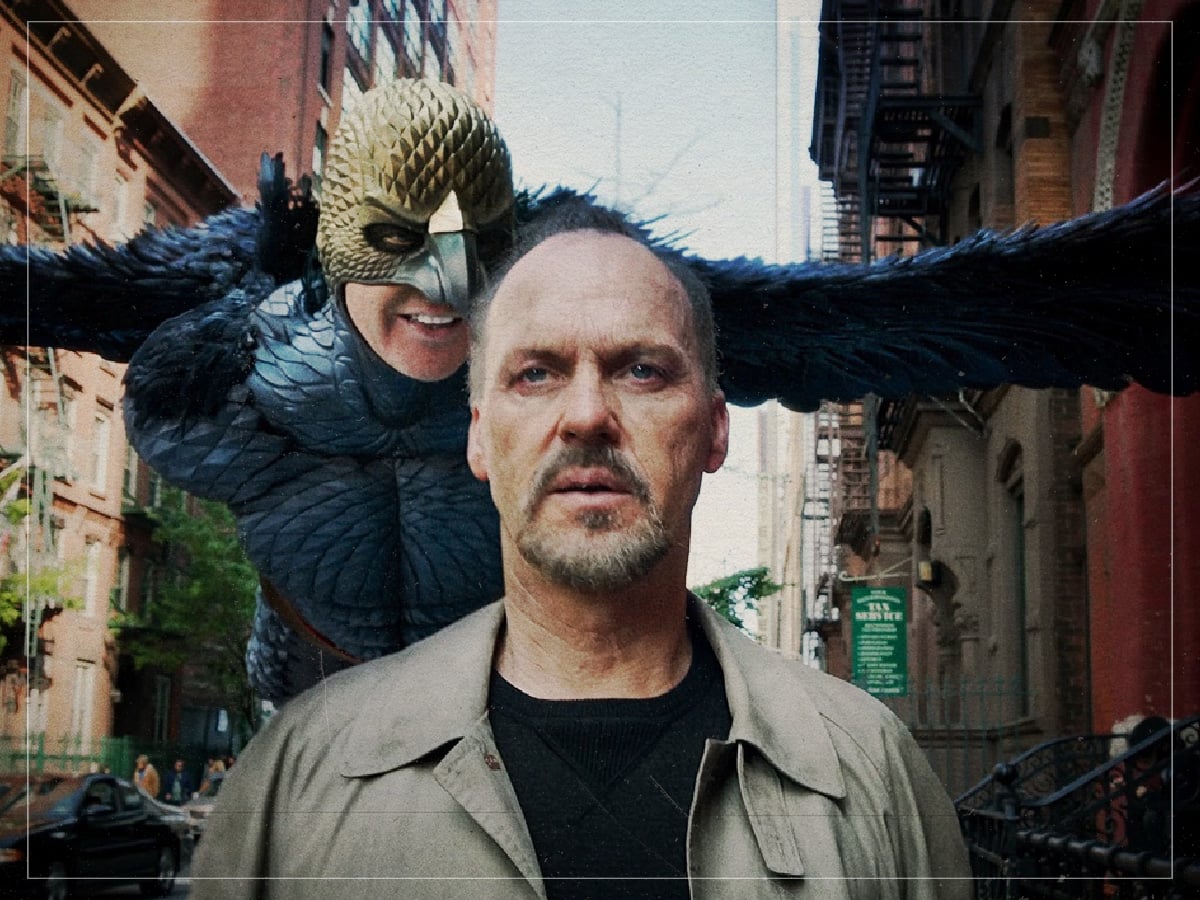
Birdman is more complicated than being a satire of superhero films, an indictment of celebrity, a reality-bending mystery, or a psychological family drama. It’s a study in what success really is; Riggan Thompson (Michael Keaton) has rejected his status as a movie star because it feels intellectually dishonest, but his work in blockbusters has brought more joy to people than what he may hope to do with his ambitious stage performance.
That Broadway show is itself complicated by the fact that Riggan is outmatched by his method-acting co-star Jake (Edward Norton), and his daughter Sam’s (Emma Stone) refusal to forgive him. The meta-textual analysis of Keaton’s own career only deepens the illusion of authenticity that Alejandro Gonzalez Inarritu perfects; while the camera does not appear to cut, the suggestion of complete realism is evaporated once it’s clear that what proceeds is not entirely literal.
‘Spotlight’ (2015)
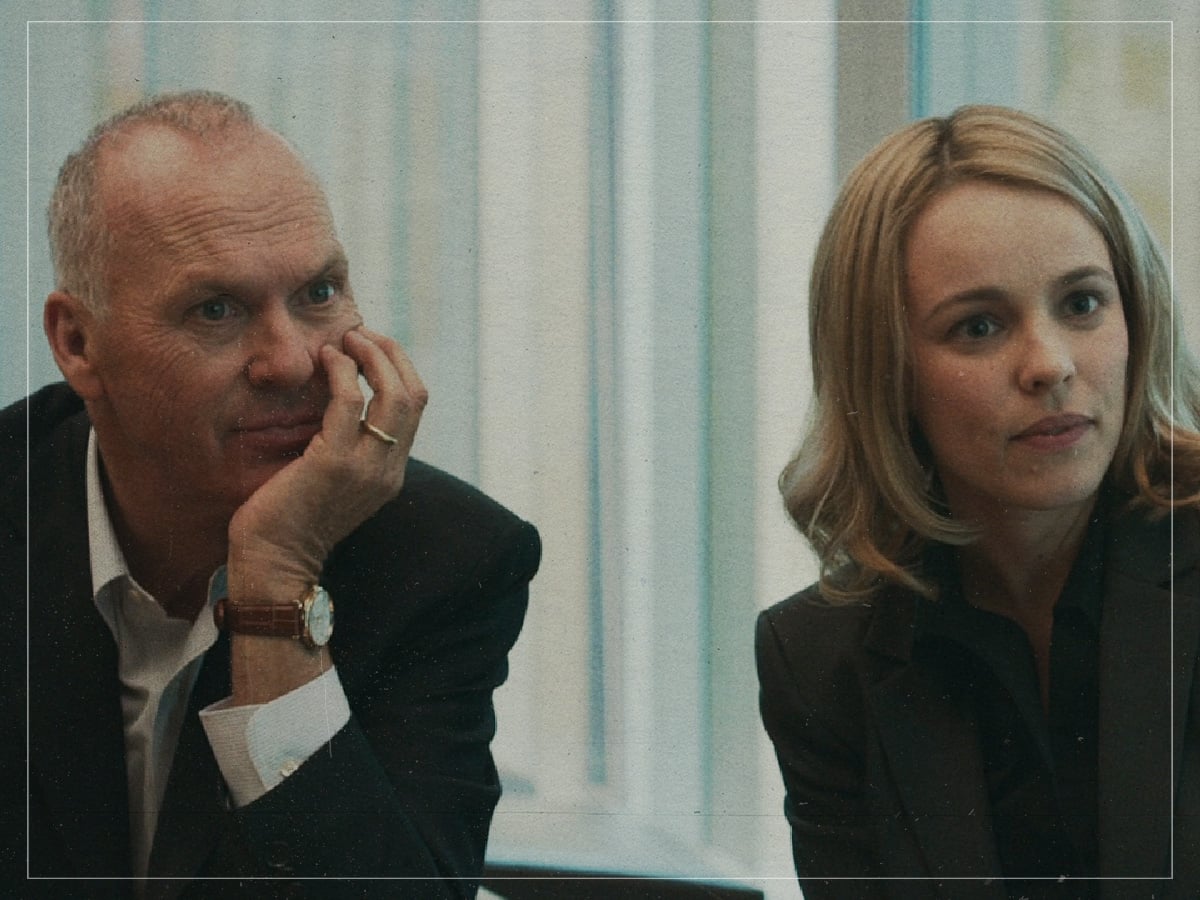
One of the most authentic and important journalism films ever made, Spotlight is a reminder of how acquiring the truth and communicating it are two very different things. Although the shadow of sexual misconduct scandals within the Catholic Church has loomed over the city of Boston for generations, Spotlight identifies the point at which the reporters of the Boston Globe untangled the story, revealing a conspiracy that went all the way to the top.
There are moments of expressed righteous fury, but Spotlight is a procedural that shows how important accuracy and precision are in breaking a case of this magnitude. The thoroughness of the story and its immediate impact on the community are more important than any one reporter, but Spotlight still assembled an incredible ensemble of brilliant actors, with Michael Keaton’s performance as editor-at-large Walter Robinson being the standout.
‘American Beauty’ (1999)

Rarely has there been a mainstream phenomenon that was as significantly misinterpreted as American Beauty, which was somehow received as a sincere romantic tragedy during the unique movie season of 1999. The cynical irony in Sam Mendes’ brilliant debut feature is that the grievances that each of the complex characters has with their disappointing lives are legitimate, but the false pretence of the “American dream” has led them to aspire towards destructive ends.
Carolyn (Annette Benning) is a lonely housewife obsessed with status, Ricky (Wes Bentley) is a self-obsessed philosopher who sees profundity in a plastic bag, Colonel Fits (Chris Cooper) is a closeted veteran who expresses homophobia, Jane (Thora Birch) considers running away because of her awkwardness at school, and Lester (Kevin Spacey) is a long underappreciated family man and employer whose become insidiously obsessed with the sexual conquest of his daughter’s best friend (Mena Suvari). That so many took American Beauty to be sincere says more about culture itself than it does about Mendes’ film.
‘Anora’ (2024)

Anora isn’t the most mainstream of Sean Baker’s films because it is no less authentic than his earlier work, but because of its clever spin on the prototypical sweeping Hollywood romance. That the exotic dancer Ani (Mikey Madison) gives her heart to Vanya Zakharov (Mark Eydelshteyn), born to a family of Russian oligarchs, isn’t just gutwrenching because of his dismissal of her, but that she would always be a tourist within privileges that would be denied to her.
Anora is a crushing odyssey about a young woman chastised for daring to shake up the established order of class dynamics, but it’s also an uproarious black comedy made achingly beautiful and profound thanks to Madison’s deservedly Oscar-winning performance. However, the sneaky scene-stealer of Anora is Karren Karagulian as Toros, a manager for Vanya’s family who is tasked with annulling his impromptu marriage.
‘All the King’s Men’ (1949)
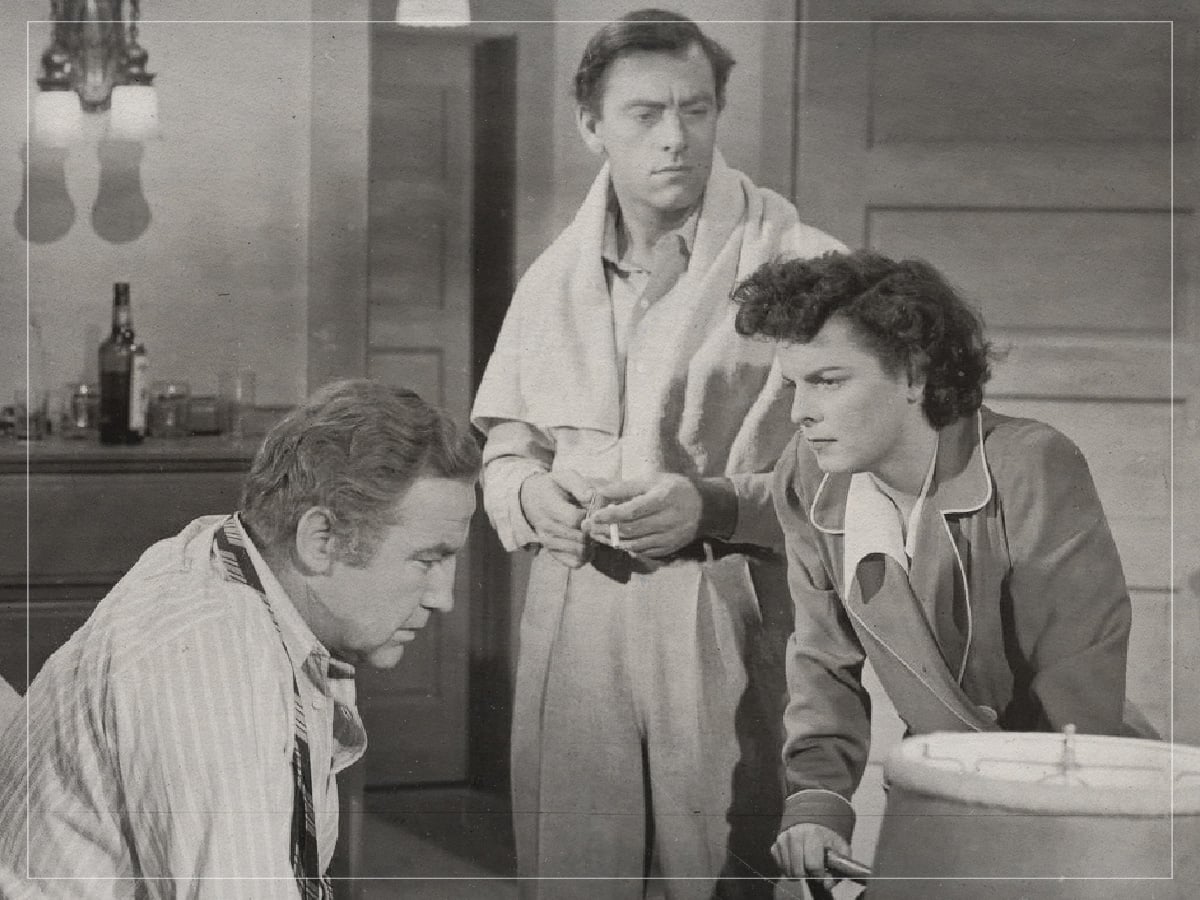
Based on the Pulitzer Prize-winning novel of the same name, All the King’s Men is a timeless warning about the corruption of the democratic process that could seamlessly be perceived as a commentary about the contemporary politics of Donald Trump. Broderick Crawford gave a towering, Oscar-winning performance as Willie Stark, a populist candidate from an unnamed state whose quest to disrupt the established order leads him down a path of corruption and ruthlessness.
All the King’s Men is often compared to Citizen Kane, as they are both told through the perspective of a reporter; John Ireland plays Jack Burden, an idealistic reporter who loses faith in Stark when he begins using his office to cover up personal scandals. However, All the King’s Men is unique in how it shows the quick collapse of morals for those tempted by power, and how easy it is for a voting population to support giving up their freedoms.
‘The Apartment’ (1960)
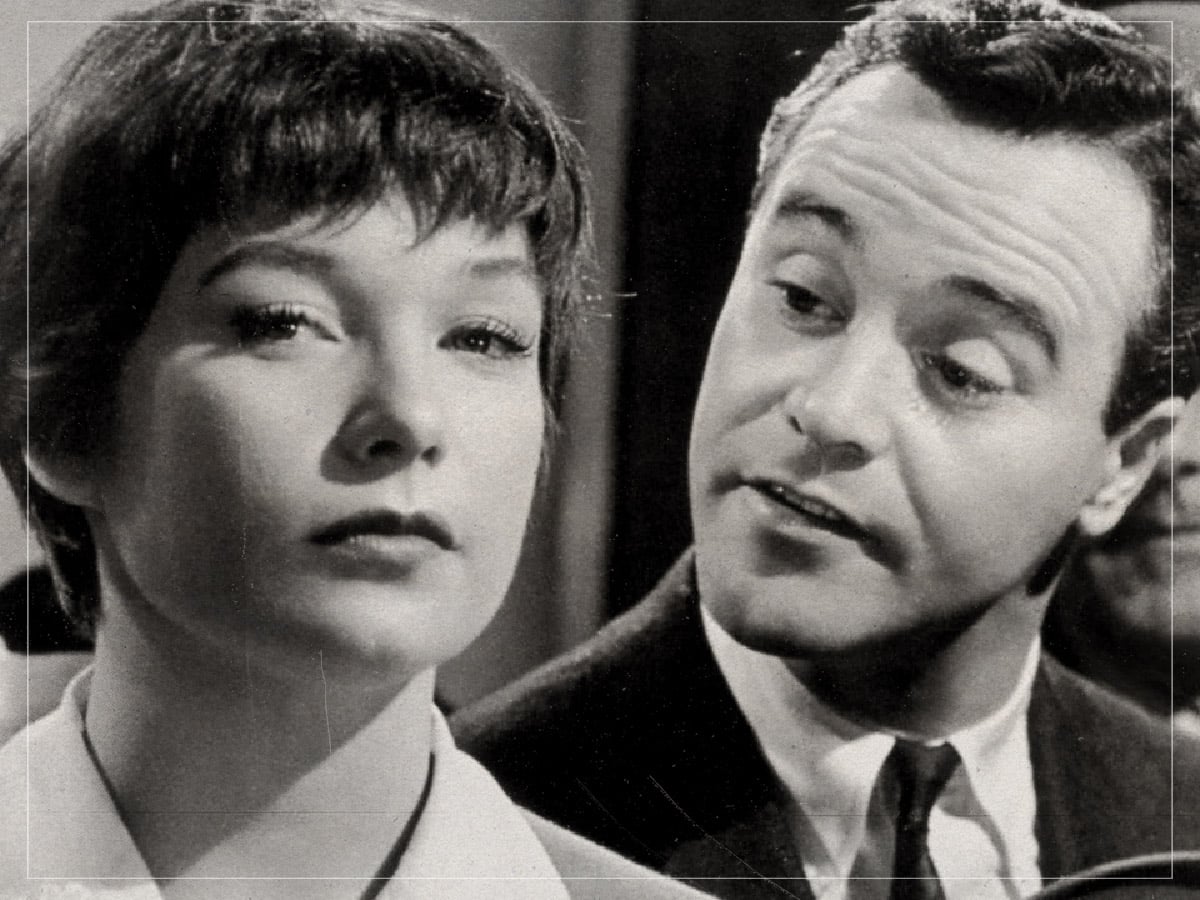
The second of Wilder’s films to win ‘Best Picture’ is a more quintessential summation of his whipsmart satire and talent for writing characters. Although The Apartment set a formula for nearly every successive romantic comedy to follow, Wilder’s idea to make the metaphorical corporate ladder a literal elevator is why he’s still an unparalleled screenwriter.
Jack Lemmon and Shirley MacLaine are a charming onscreen couple who brought sincere pathos to a script from Wilder that often goes in screwball directions, and eviscerates the infidelities of the characters’ pompous superiors. The key to generating empathy, which Wilder understood better than nearly anyone else, was to create characters who were hapless, not hopeless. While Lemmon and MacLaine begin as a sympathetic set of characters with an impossible plight, they end The Apartment as an aspirational duo.
‘Rain Man’ (1988)
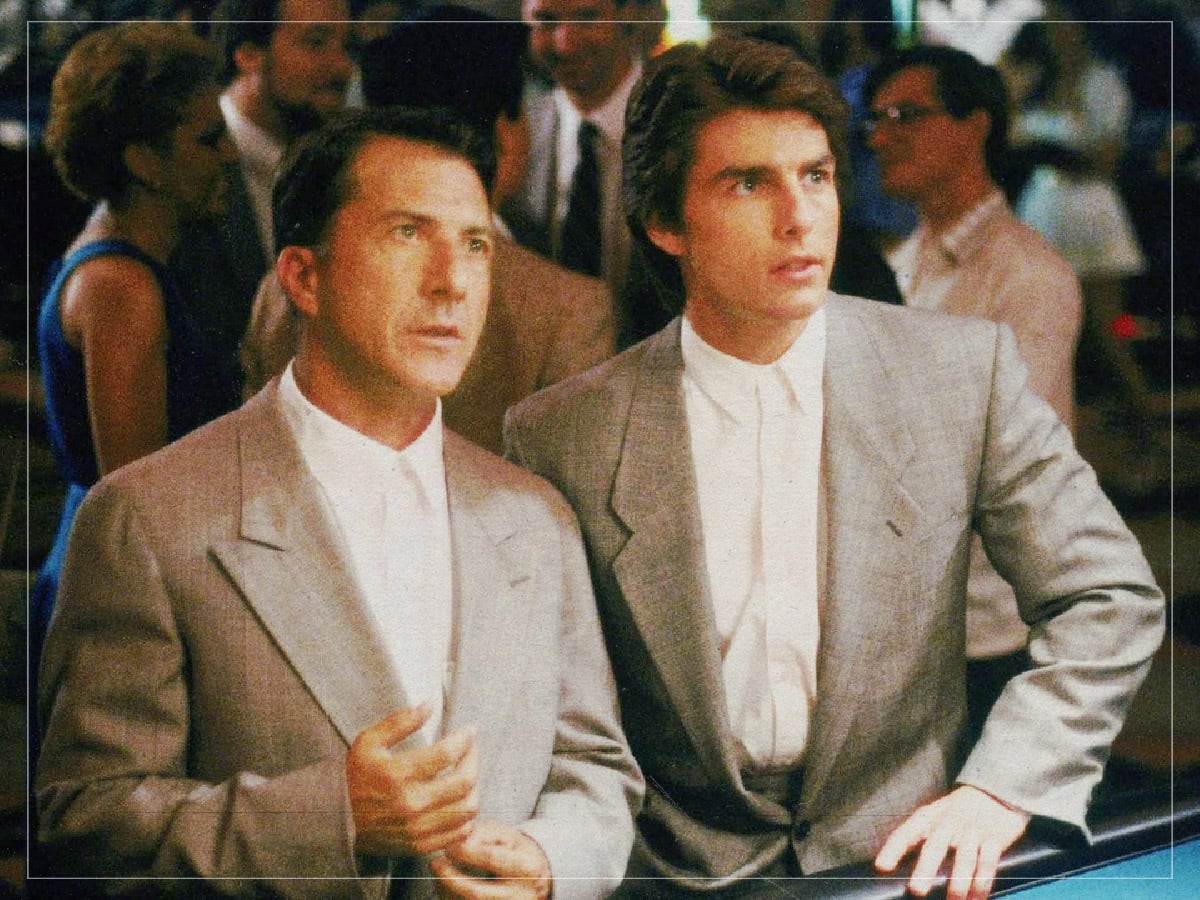
Rain Man is another massive financial hit and immediate crowdpleaser that has now become underrated for how artful it really is. Barry Levinson’s story of two brothers, each unaware of the other’s existence, is a classical two-hander with some of the best work that Tom Cruise and Dustin Hoffman have ever done.
Hoffman’s ability to sensitively play a character with autism in a way that was respectful, individualised, and instantly lovable may have earned him the second ‘Best Actor’ prize, but Cruise might be even better as an arrogant collectables trader whose obsession with material possessions has stemmed from the disappearance of his late father. That the characters’ adventures together amount to little more than an impromptu road trip was the perfect way to find a middle ground between two brothers whose affection for each other grows to be more than an obligation. Making such a commercial, yet deeply emotional film like Rain Man is easy to dismiss as middling, but very hard to perfect.
‘Gladiator’ (2000)
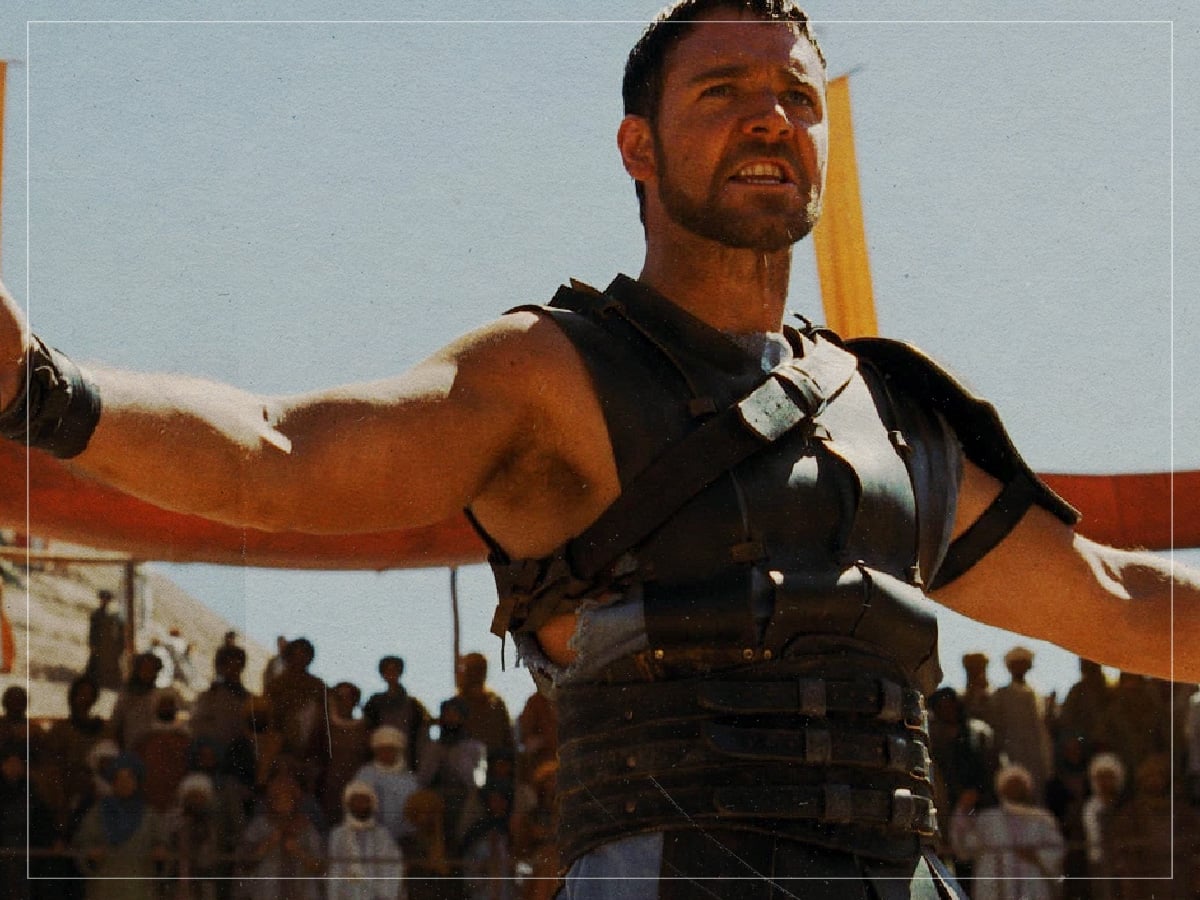
At a time when sword-and-sandals films were decidedly uncool, Ridley Scott made Gladiator on a massive canvas and turned it into an epic of chivalry, revenge, and transcendence. Although it depicted gladiatorial combat in an exhilarating way that has yet to be topped in contemporary action cinema, Gladiator was a magnanimous event with spiritual undertones.
Maximus (Russell Crowe) wasn’t just a spurned military leader who lost his family and his Emperor (Richard Harris), but a nearly-messianic figure whose quest to claim personal vengeance is indistinguishable from his desire to restore Roman justice. Crowe’s star turn is undeniable, as he carried the weight of Maximus’ convictions with the pulsating grief of a once-respected leader who lost everything. Equal credit must be given to Joaquin Phoenix as Commodus, a surprisingly complex villain whose tilt towards authoritarianism is a result of the love denied to him by his presumptuous father.
‘Rocky’ (1976)
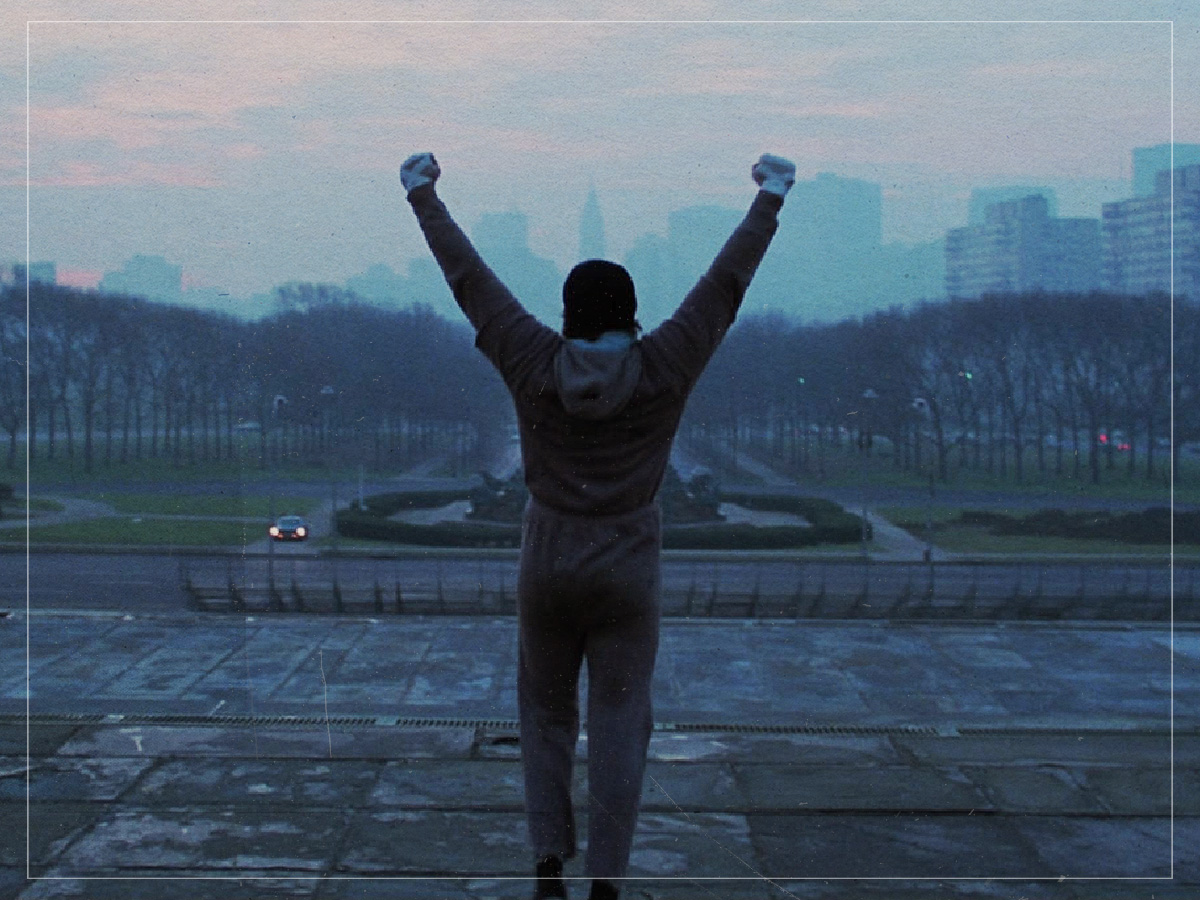
The story in Rocky is inseparable from how it was made; a wannabe actor who couldn’t get cast to save his life, Sylvester Stallone took a shot at himself when he sold the script for his underdog boxing film on the insistence that he play the title role. Every inspirational sports film released in the last half-century is inevitably compared to Rocky, but those parallels aren’t entirely accurate when considering the original film is a talky character drama where the hero loses the fight.
Stallone is by no means a complex actor, but Rocky gave him the role of an underestimated man of the people whose success caused genuine reason for hope. Rocky inspired a franchise with sequels that got bigger, weirder, and more brutal, but the lightning-in-a-bottle that John Avildsen captured with the 1976 original is still the best of the bunch.
‘An American in Paris’ (1951)
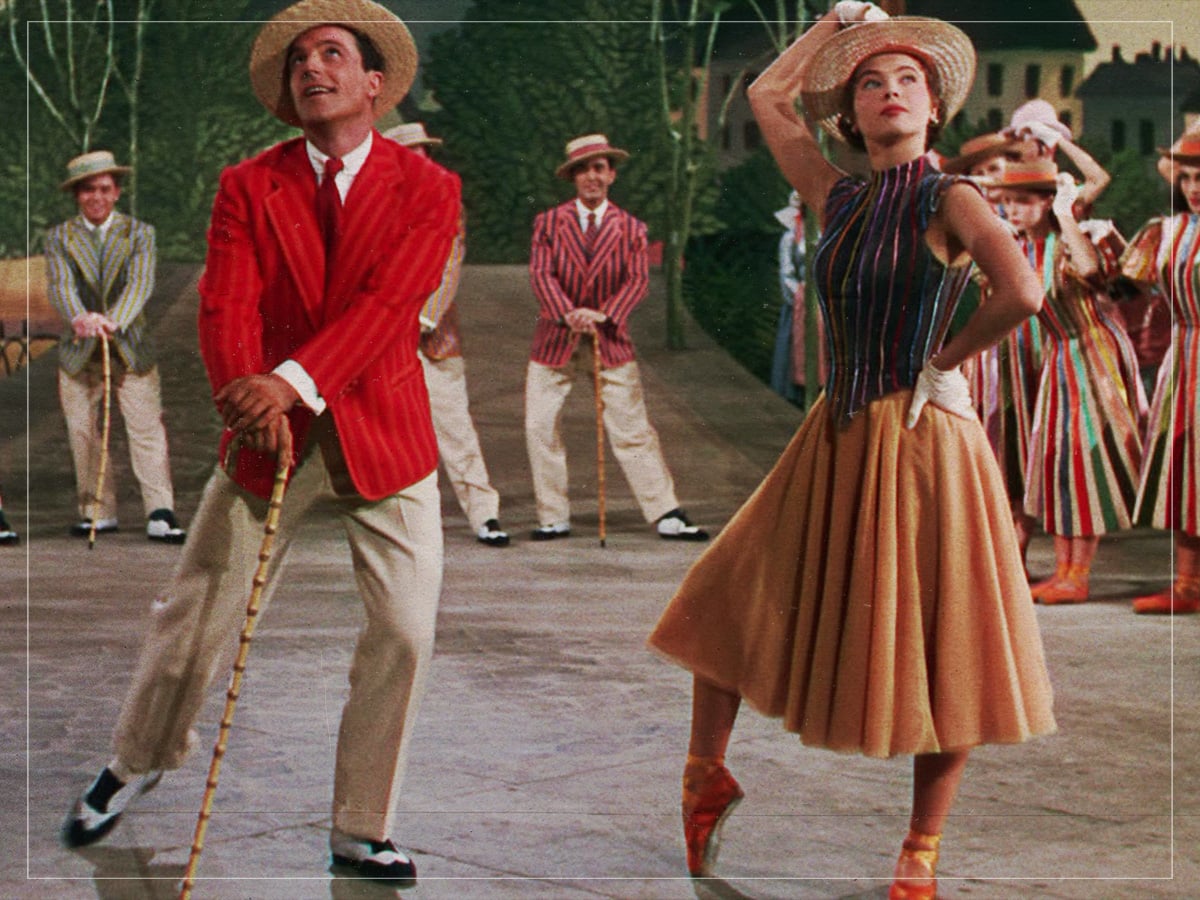
The first of Minnelli’s two ‘Best Picture’ winners, An American in Paris, is surprisingly thin narratively, as it’s the story of two American veterans who find love in post-war France, and is a fairly straightforward comedy of errors that transforms into something more experimental and melancholy by the time that it concludes. Of all the musical parts that Gene Kelly had, his role of Jerry Mulligan is the most perfectly suited to his talents; the former GI has taken a passing interest in art that fails to soothe his loneliness until he’s introduced to Lise Bouvier (Leslie Caron), the woman of his dreams.
The musical sequences are choreographed with unprecedented poignant, as the expressive colours and elaborate sets that Minnelli puts together do not in any way reduce the impact of the intensive dancing. The film’s stunning 18-minute closing ballet isn’t just the peak of both Minnelli and Kelly’s respective careers, but perhaps the greatest musical sequence in history.
‘Mutiny on the Bounty’ (1935)
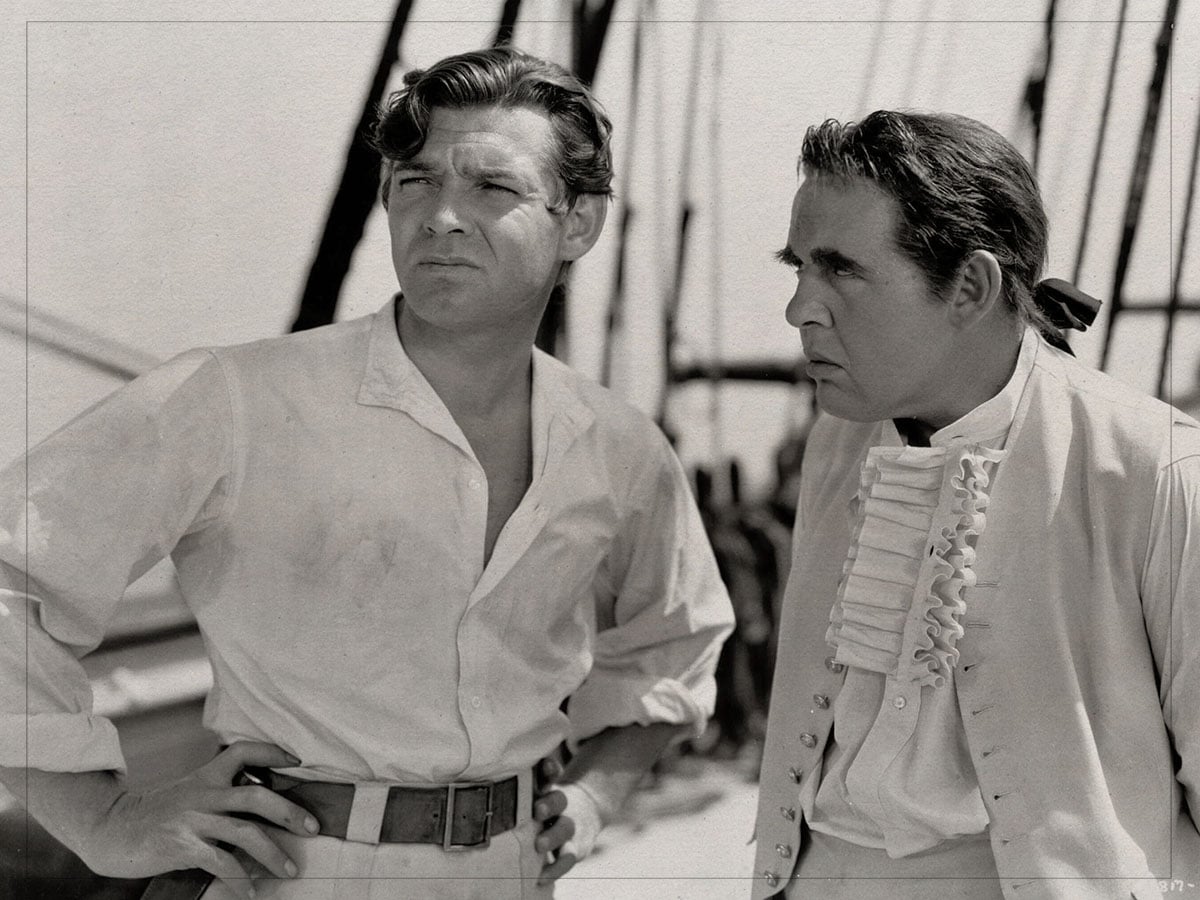
The second of three ‘Best Picture’ winners in a row to star Clark Gable, Mutiny on the Bounty wasn’t even the first film based on the seizure of the HMS Bounty in 1789, which had also inspired a now lost silent epic in 1916 and an obscure Australian version starring Errol Flynn in 1933. It wouldn’t be the last either, as Mutiny on the Bounty was remade in 1960 in a notoriously disastrous production starring Marlon Brando and then again in 1984 with The Bounty, which starred Mel Gibson and Anthony Hopkins.
The 1935 version from Frank Lloyd Wright is still the best of the bunch because it examined the conflict of honour faced by the ship’s crew when their abusive Captain William Bligh (Charles Laughton) forces them to choose between duty and honour. All three of the film’s leads earned ‘Best Actor’ nominations, but Gable and Franchot Tone’s work can’t match the terrifying, overbearing performance by Laughton as one of cinema’s greatest villains.
‘From Here To Eternity’ (1953)
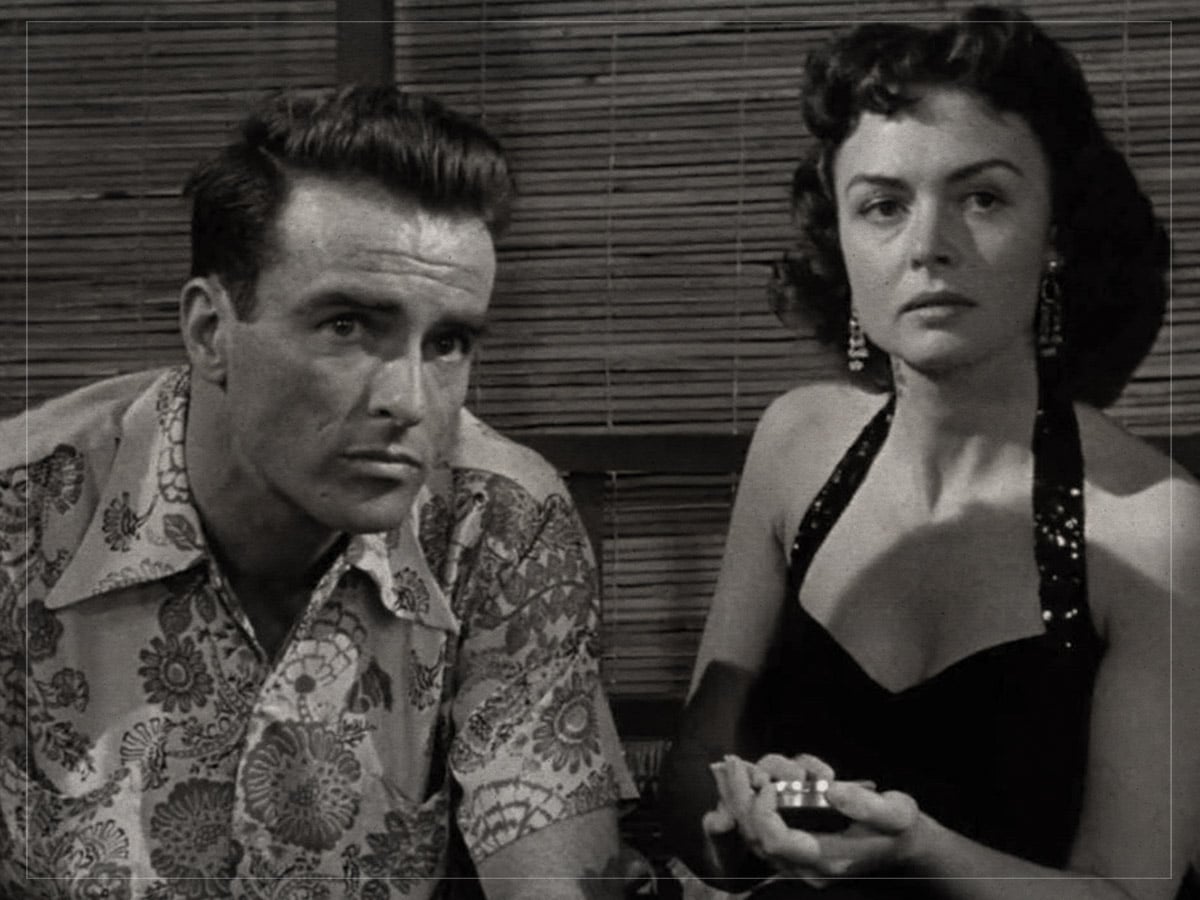
It’s rare that a film released so shortly after a monumental tragedy is able to reflect upon the event with insight and grace. Set in the months leading up to the bombing of Pearl Harbour that led the United States to enter World War II, From Here to Eternity looked at the tales of patriotic reflection, dejected responsibilities, disparate romance, and tormented self-actualisation that were shattered by the imposition of war.
From Here to Eternity was unafraid to be overtly sexual and surprisingly bleak in its depiction of the soldiers’ wounded mental health, even if the terminology did not yet exist to give them a diagnosis. Frank Sinatra won the Oscar for ‘Best Supporting Actor’ for his role as the alcoholic Private Angelo Maggio, but it was the striking shot of Burt Lancaster and Deborah Kerr kissing on the beach that became the film’s most iconic image.
‘Rebecca’ (1940)
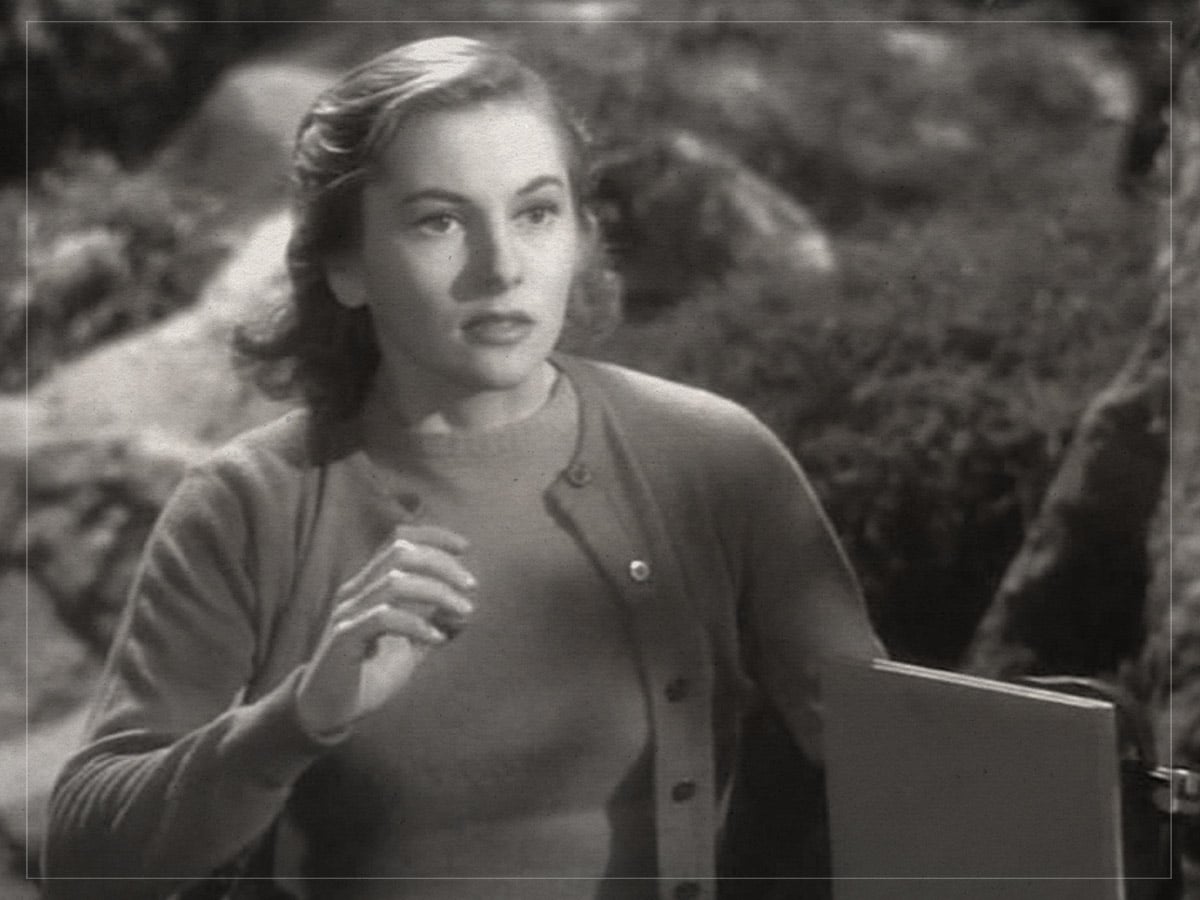
It is to the great shame of the Oscars that Alfred Hitchcock never won the ‘Best Director’ award, but he did direct the ‘Best Picture’-winning adaptation of Daphne du Maurier’s hit novel of the same name. While the differences with the novel are minimal, Hitchcock heightened the Gothic undertones to make a metaphorical ghost story about how Laurence Oliver’s aristocratic widower Maxim de Winter is heightened by the memories of his dearly departed bride, who is brilliantly never seen.
Hitchcock’s genius was to find something sincere within the relationship between de Winter and his unnamed second wife (Joan Fontaine), making the speculation about his guilt more emotionally charged. Although Hitchcock’s early films would frequently peer into the dark side of human nature, Rebecca is oppressively cold in a way that ‘The Master of Suspense’ wouldn’t be again until Vertigo over a decade later.
‘Annie Hall’ (1977)
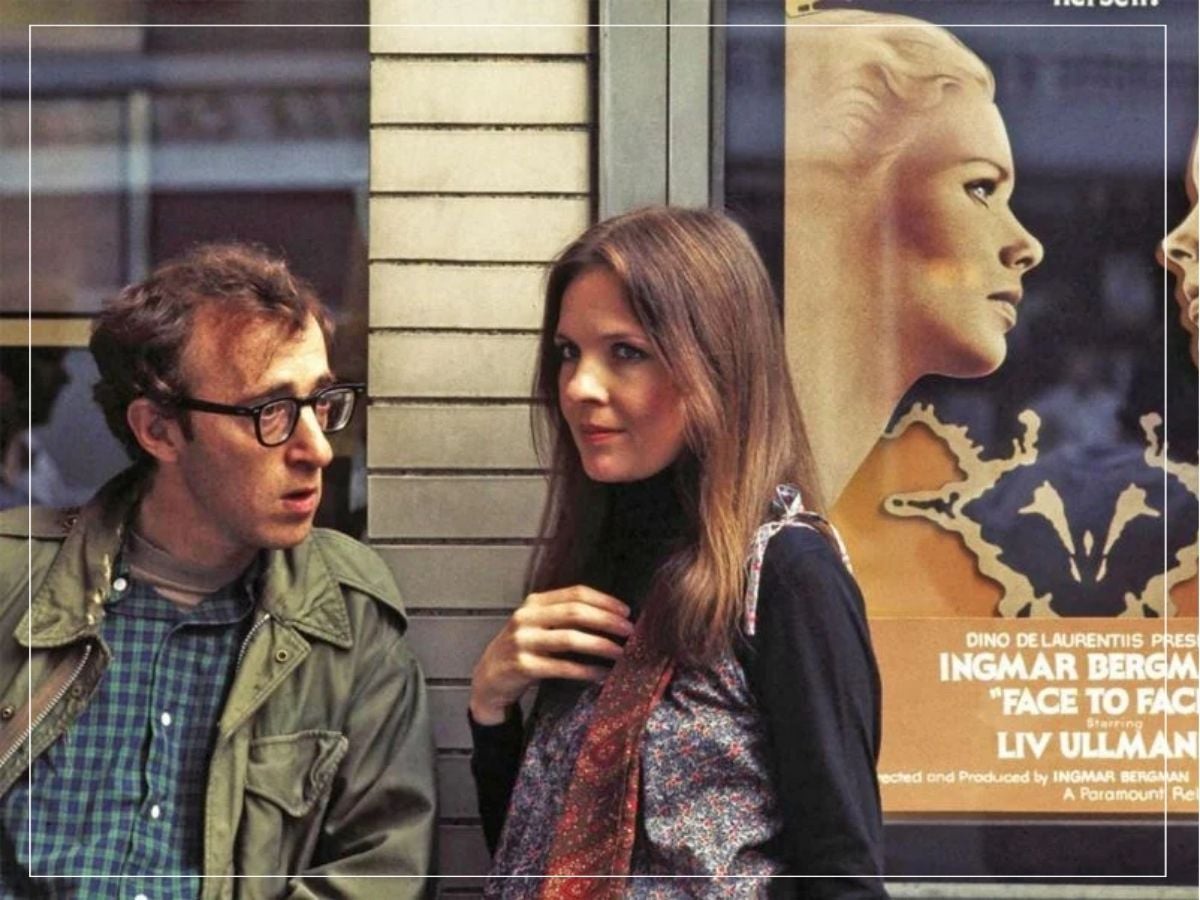
Regardless of the significant controversy that all of Woody Allen’s work is tinged with, Annie Hall is the most influential romantic comedy ever made and the definitive role of the late great Diane Keaton. The film boldly addressed topics that had previously been considered social taboos, as it examined the anxiety of the American Jewish identity, the differences between sexual fulfilment and sincere affection, and the possibility that both genders see the world in completely different ways. That it addressed and criticised therapy offered an even more intimate look at the type of conversations cinema had not previously been privy to.
Annie Hall is self-aware enough to utilise Allen’s obnoxious persona to its advantage, as Alvy’s neurotic hesitations are so glaring that the film is literally impeded so that he can address the audience directly. Whether Alvy and Annie are perfect for each other, or simply mutually destructive, is a question that has grown more complicated with age.
‘All About Eve’ (1950)
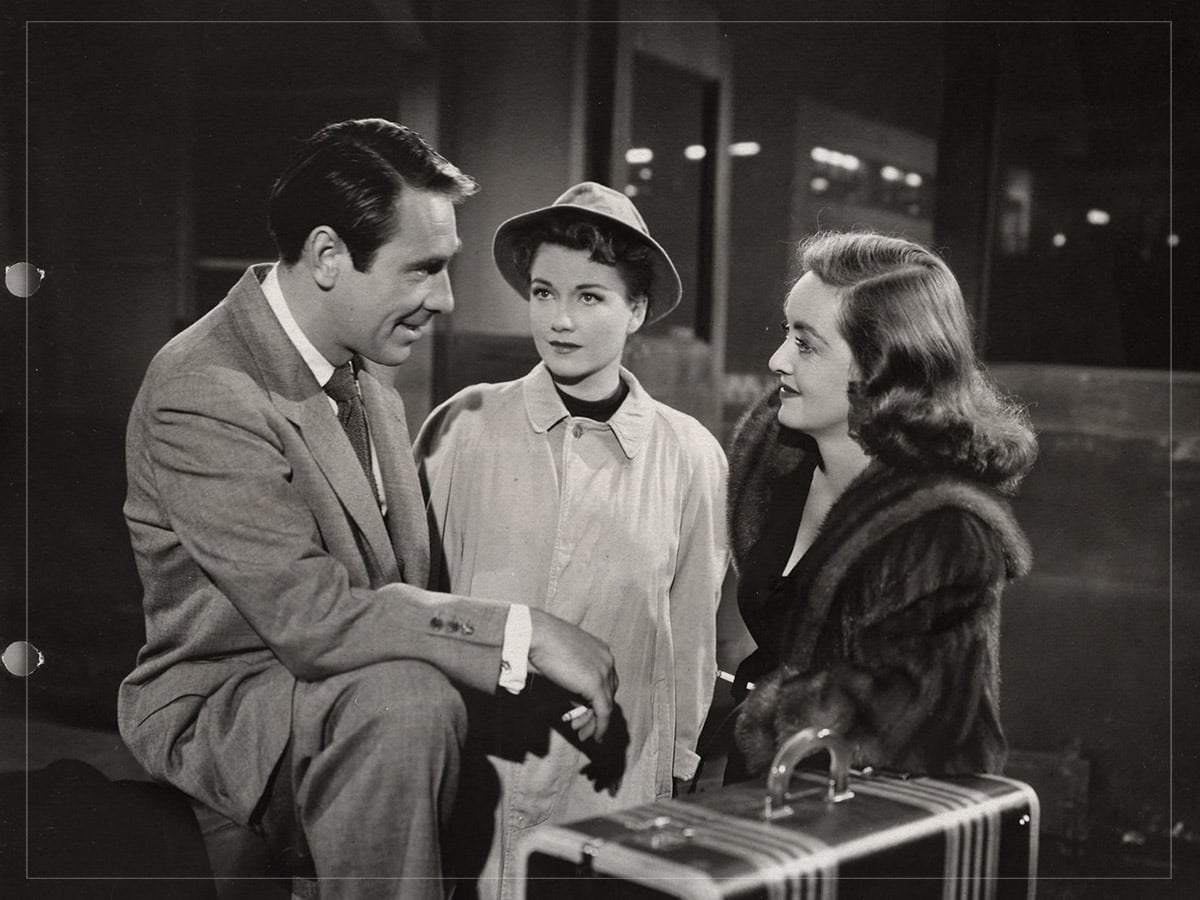
All About Eve is a timeless study on the parasitic effects of fandom and the shameless insensitivity of entertainment media, which would easily cast aside one generation for the sake of the more ample promises of youth. Although it’s the ambition of the aspiring actress Eve Harrington (Anne Baxter) that dooms her idol Margo Channing (Bette Davis) to irrelevancy, All About Eve doesn’t show hatred for either woman, as its only criticism is saved for the cyclical process of celebrity.
There aren’t many ensembles in cinematic history that are as stacked as that of All About Eve, which tied the record for most acting nominations ever, thanks to the monumental performances by Baxter, Davis, George Sanders, Thelma Ritter, and Celeste Holm. As cynical as it is, All About Eve is also a dynamic piece of entertainment that has doubled as a classic for gay audiences attracted to the camp elements that Davis brought to the material.
‘Parasite’ (2019)

There was no greater sign that the Academy Awards had significantly evolved their voting base than the victories for Parasite, the first ‘Best Picture’ winner ever in a non-English language. Bong Joon-ho’s class satire was based on the current sociopolitical tension within South Korea, but appealed to a global audience with its absorbing story of the “haves and have-nots”. That being said, there’s no shortage of ambiguity within Bong’s ambitions, given that the film extends sympathy to many flawed characters.
Parasite is a tight, Hitchcockian thriller that is capable of pulling off truly shocking twists that are unparalleled for those watching it for the first time; however, the logic is so sound that Parasite is equally captivating on subsequent viewings because of the brilliant foreshadowing in Bong’s script. That Parasite has such a demented sense-of-humor only makes it more vivacious, as the film’s ending is one that conjures nothing but anger and hopelessness.
‘12 Years a Slave’ (2013)
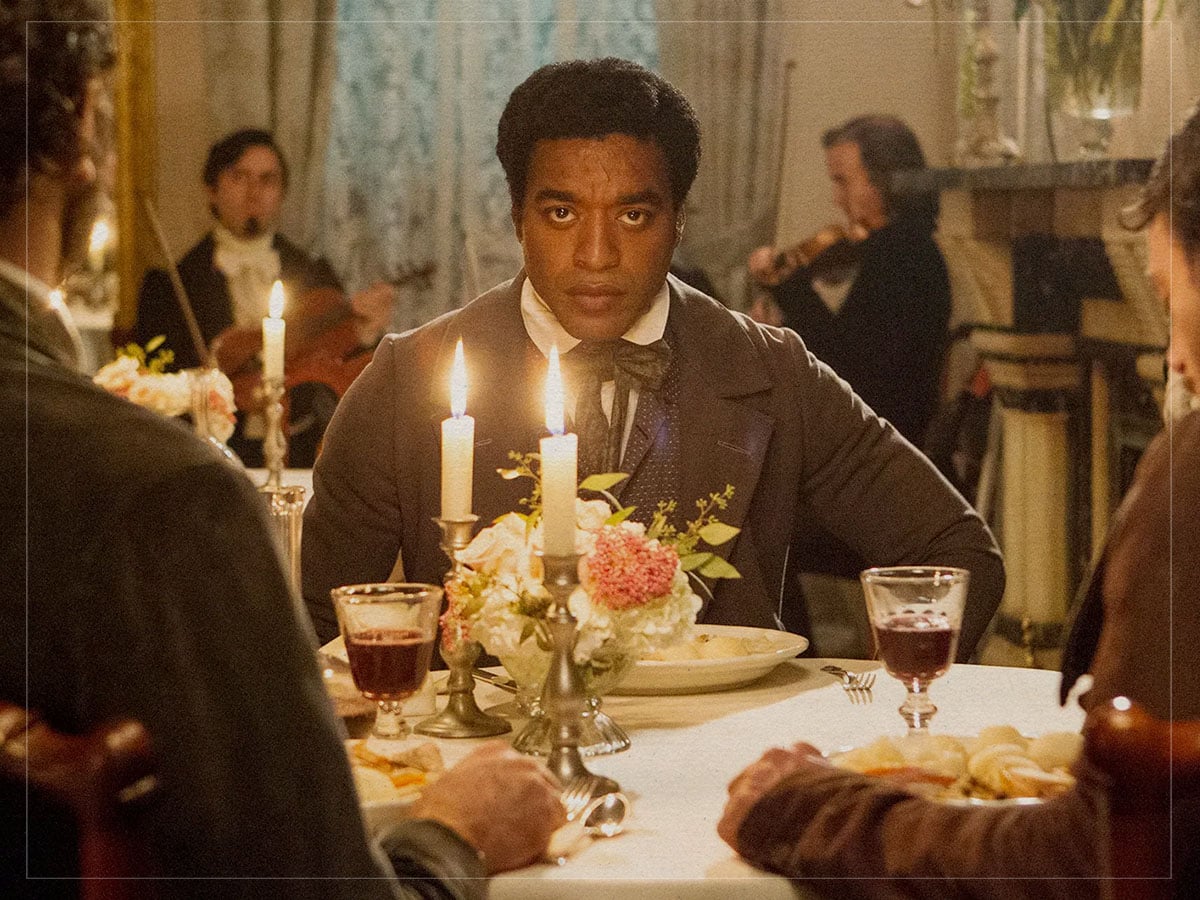
A better film has never been made about American slavery, although it is dispiriting that there have been so few attempts. That 12 Years a Slave is about a free man, Solomon Northup (Chiwetel Ejiofor), who is deceived and sold into slavery, which was instrumental for director Steve McQueen to show the evil system that devalues any assessment of the United States as “the land of freedom”.
12 Years a Slave is a brutal watch and not just for its violence, as the culture in which Black Americans are dehumanised is unflinchingly specific. Although there are members of supposedly civil society who would brush off slavery as an unshakeable tradition, the price of their cruel indifference is Edwin Epps, the sadistic plantation owner played by Michael Fassbender in one of the most terrifying performances in history. The notion of “importance” is overstated in discussing films as they relate to historical fact, but the insights of 12 Years a Slave should be received by any responsible citizen.
‘Ordinary People’ (1980)
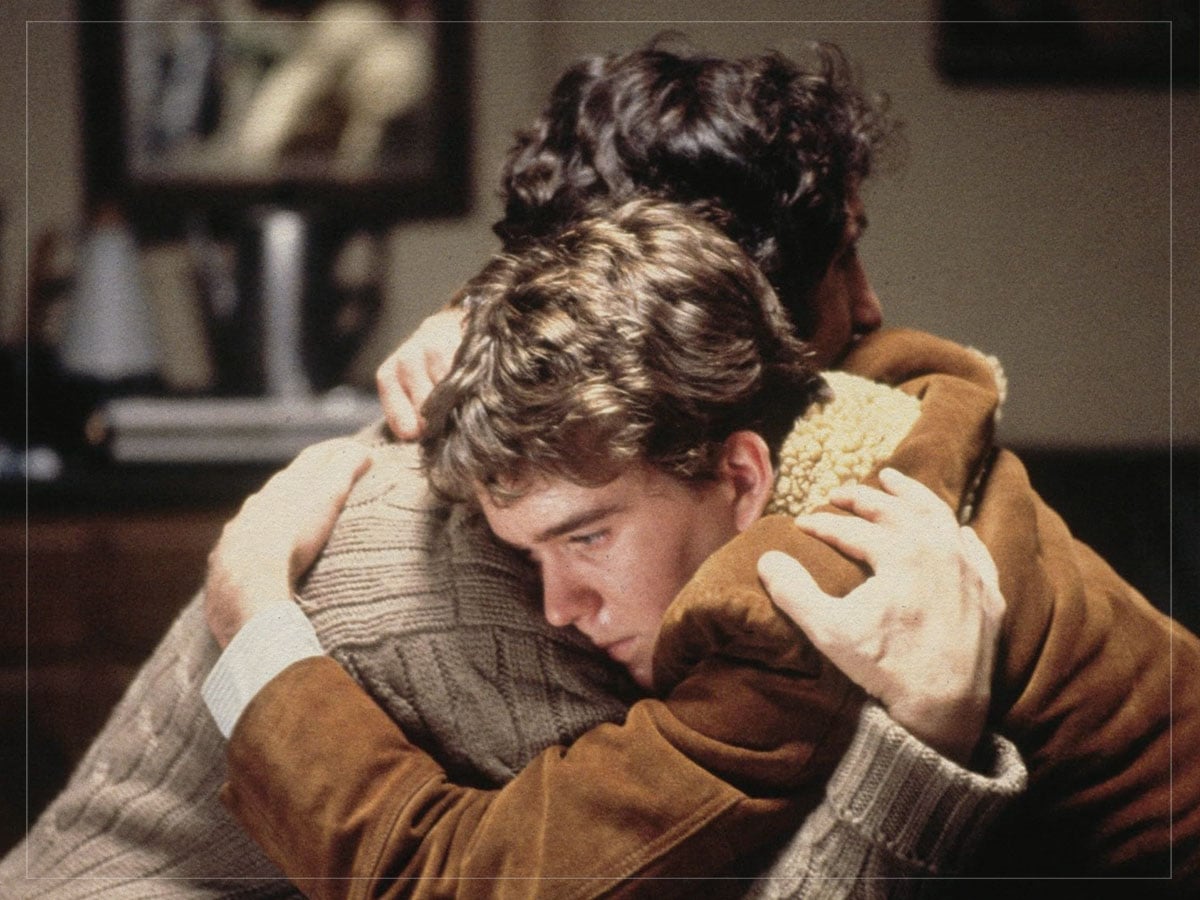
A lazy argument once dominated the Internet that Robert Redford’s Ordinary People was an overrated piece of Oscar bait that stole the ‘Best Picture’ trophy from Martin Scorsese’s Raging Bull. While Raging Bull is indeed a masterpiece, Ordinary People is the superior film, and one of restraint and compassion that is unusual for such devastating material.
The premise of Ordinary People could have been turned into a standard weepie if it were in the hands of a less thoughtful director, but Redford was less focused on the tragedy than on the broken spirit of a shattered family forced to find a new reality in the aftermath. Timothy Hutton became the youngest ‘Best Supporting Actor’ winner ever for his anguished portrayal of a teenager wrecked by guilt for his brother’s death, but Donald Sutherland’s bottled, fragile performance as the family’s patriarch is what made Ordinary People an all-time tearjerker.
‘All Quiet on the Western Front’ (1930)
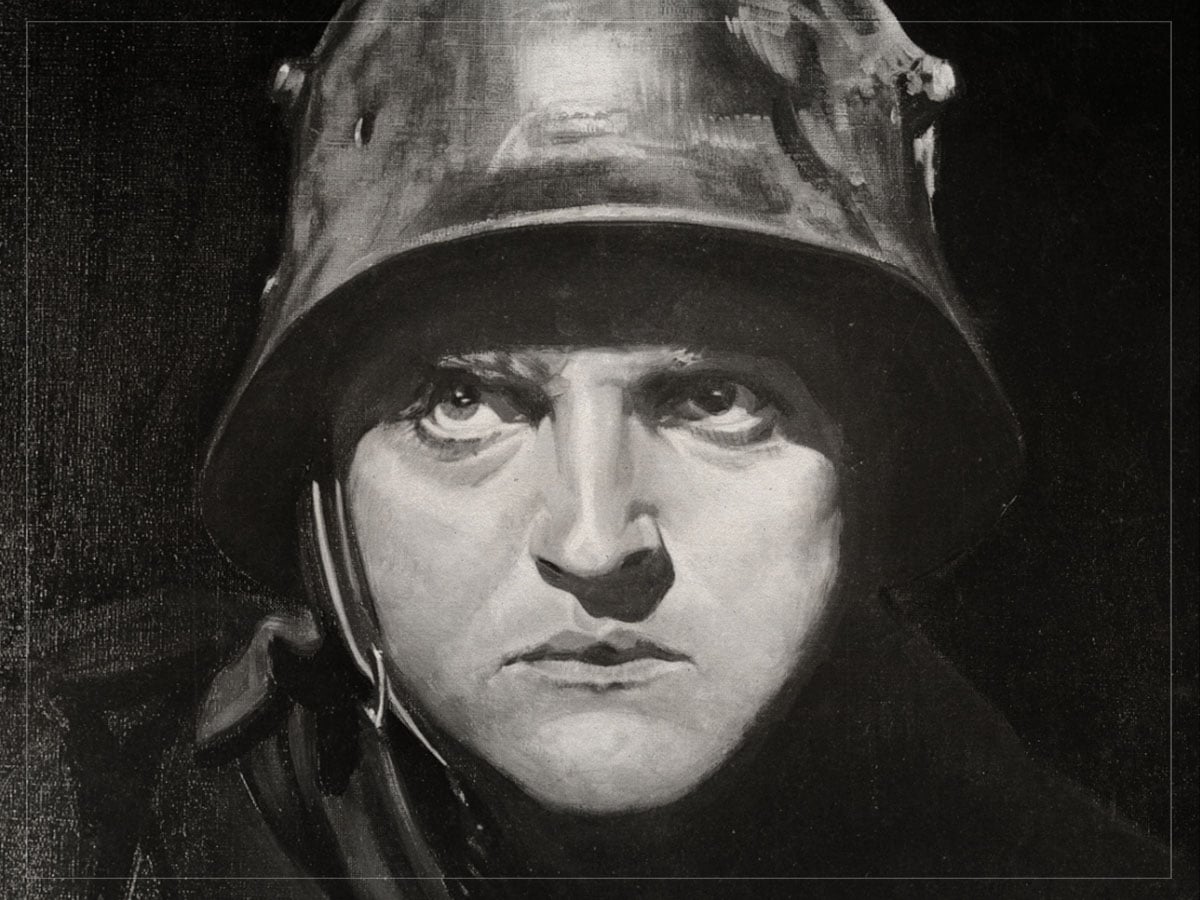
Nearly a century of time has not dulled the power of All Quiet on the Western Front, the first truly great war film ever made. The adaptation of Erich Maria Remarque’s 1929 novel gave a timeless warning to the enthusiastic young army recruits who signed up to serve on the presumption of glory, only to face annihilation on behalf of political power moves that are beyond their control.
The battle sequences were ahead of their time, but more impactful than the visceral brutality of All Quiet on the Western Front was its portrayal of senselessness; the devastation of an entire generation leaves no real victors, and only instils a greater resentment amongst the German people that would anticipate an even more catastrophic conflict. Immediately targeted by Nazi propagandists for its perceived anti-nationalist rhetoric, All Quiet on the Western Front became even more profound in the wake of World War II.
‘Ben-Hur’ (1959)
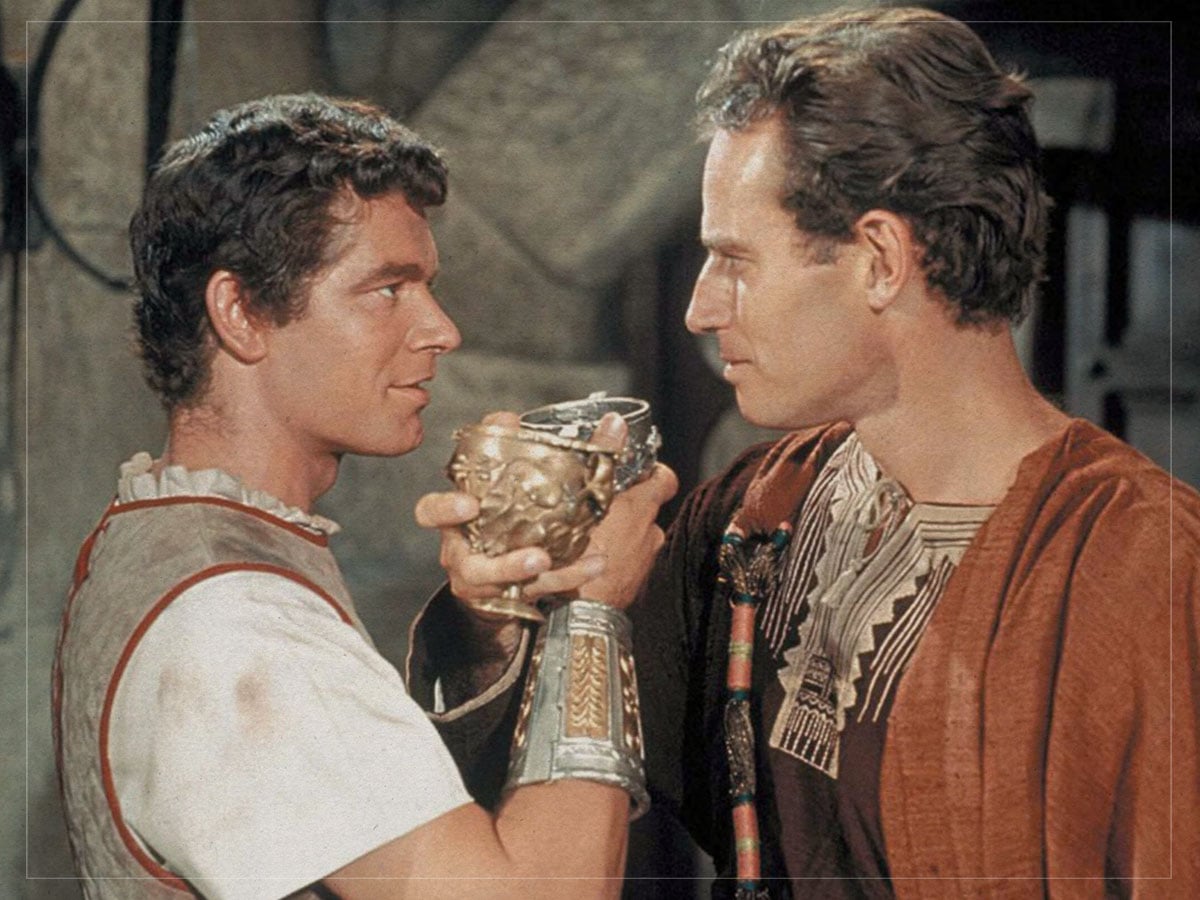
Ben-Hur is the definitive screen epic, made possible only by the economic boom in the Golden Age of Hollywood that gave classic films the option to construct massive sets, stage imaginative sequences, and assemble crowds of extras to make their productions tactile and involved. The most expensive movie in history at the time also became the second-highest-grossing (behind Gone With The Wind) and set the record of most Oscar wins with eleven, which would eventually be tied with Titanic and The Lord of the Rings: The Return of the King.
Ben-Hur is gloriously overstated with its larger-than-life performances by Charlton Heston and Stephen Boyd as childhood friends turned rivals in a feud intertwined with the emergence of the messiah and the rejection of Rome’s imperial power. The chariot chase is an achievement of such ambitious clarity that it’s still jaw-dropping to this day.
‘It Happened One Night’ (1934)
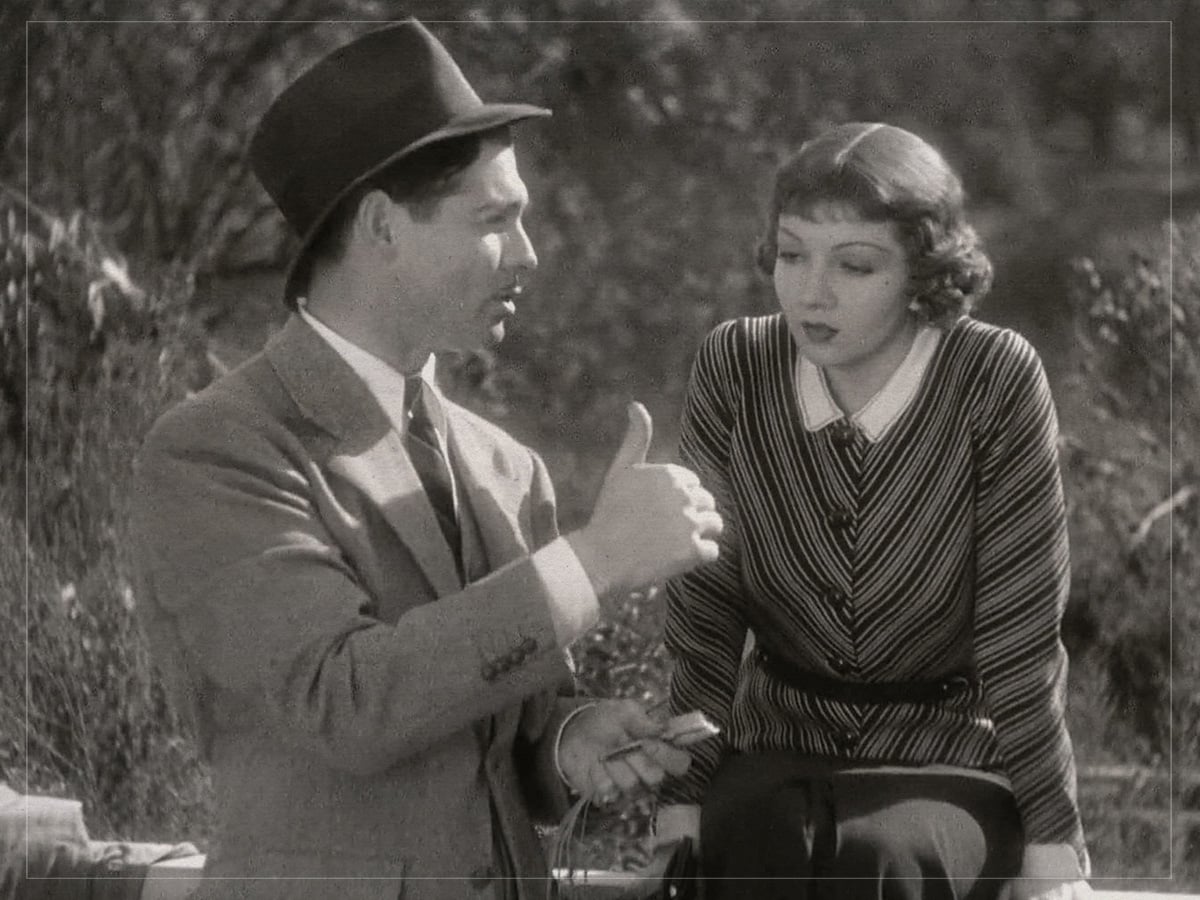
Frank Capra’s effortlessly charming romantic comedy set the standard for what a bickering instance of “opposites attract” looked like, as the chemistry between Clark Gable and Claudette Colbert hasn’t aged a day. The multifaceted depiction of repulsion, attraction, and hesitant devotion is one that is exclusive to the cinematic medium, and It Happened One Night is responsible for creating a new type of love story.
Capra rejected the Shakespearean notion that romantic partners from different social classes had to have tragic fates, as using a reporter and a Wall Street heiress as his partners in It Happened One Night suggested a shared humanity among characters that could only happen on the big screen. Released by Columbia Pictures shortly before the implementation of the Hays Code, It Happened At One Night was also able to get away with more suggestive material than what would be allowed in the next decade.
‘Bridge on the River Kwai’ (1957)
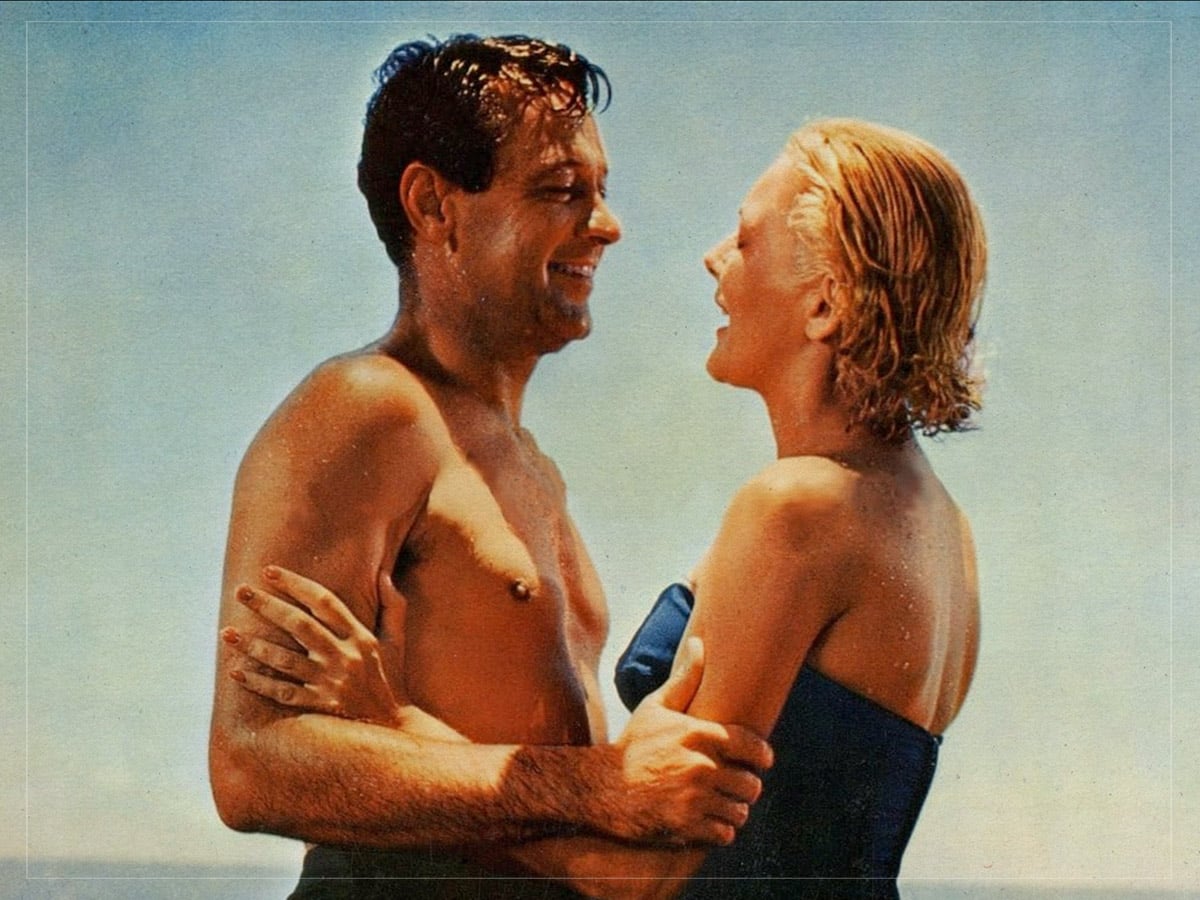
The inherently cinematic qualities of World War II gave Hollywood an easy way to make rousing adventure films, but the Oscars were responsible for minting cinema with a more profound perspective on the casualties of war. Bridge on the River Kwai looked at the deeply uncomfortable position faced by Allied forces trapped in Japanese internment camps, and how a fealty to the chain of command caused one Colonel to become overly loyal to his captors.
David Lean’s ability to create absorbing, massive epics with an eye for human drama was unparalleled, and Bridge on the River Kwai benefited from its proximity to the events depicted, which were heavily inspired by the construction of the Burma Railway in 1942. As for Alec Guinness’ Oscar-winning performance as the misguided Colonel Nicholson, it’s the rare screen character who is upsettingly tragic and profoundly intimidating.
‘The French Connection’ (1971)

William Friedkin was a true cinematic madman whose refusal to abide by Hollywood caution led to some of the most inventive genre exercises ever. The cop thriller was not a new genre when Friedkin made The French Connection in 1971, but the loosening of ratings standards ensured that his film could be as brutal, pulpy, and explicit in its drug content as necessary. As a former documentarian, Friedkin opted to stage a more realistic depiction of the war on drugs, complete with a radically dangerous car chase that remains the greatest in history.
The suspense of any given moment meant that Friedkin refused to put the laborious efforts made by law enforcement in context, as the irony of a labyrinthine pursuit that ends with the drug dealer escaping is not lost. Thanks to Gene Hackman’s brooding, nasty performance as the ultimate anti-hero, Popeye Doyle, The French Connection was just as scathing a political statement as it was riveting as an action film.
‘Oppenheimer’ (2023)
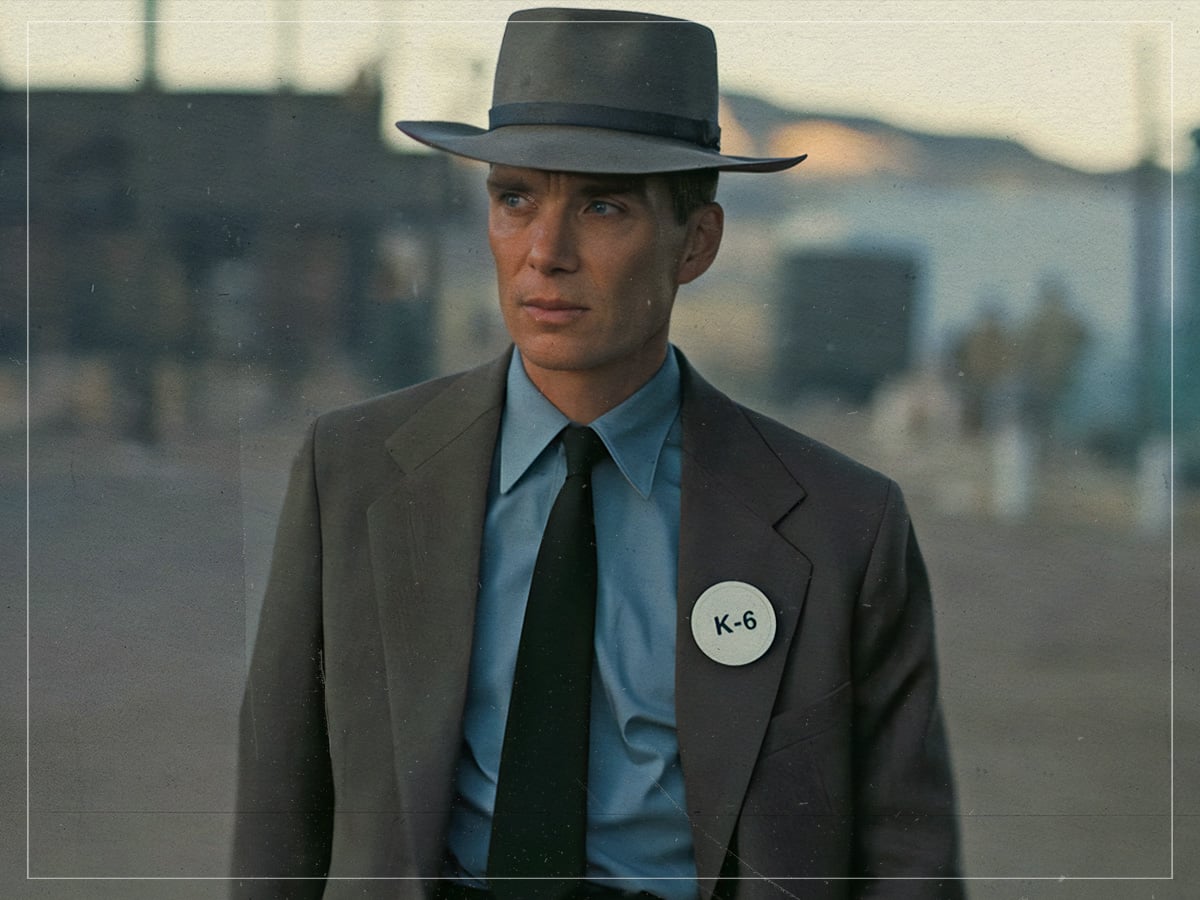
Oppenheimer was the film that Christopher Nolan was born to make because only someone with his curious mind could tell a compelling story about a man deeply regretful about the ways that he changed history. In defiance of the formalism that so often dominated biopics, Oppenheimer crafted a non-linear study in how its titular scientist (Cillian Murphy) was tasked with saving the world, only to give it the keys to its self-destruction.
The complexity of Oppenheimer requires multiple viewings to appreciate the role that the character’s political connections, extramarital affairs, and temptations with ruination have on his embittered perspective on his life’s achievements. That a three-hour-long, partially black-and-white R-Rated biopic managed to gross nearly $1billion is as clear a sign as anything that Nolan is the single most successful director of the 21st century.
‘One Flew Over the Cuckoo’s Nest’ (1975)
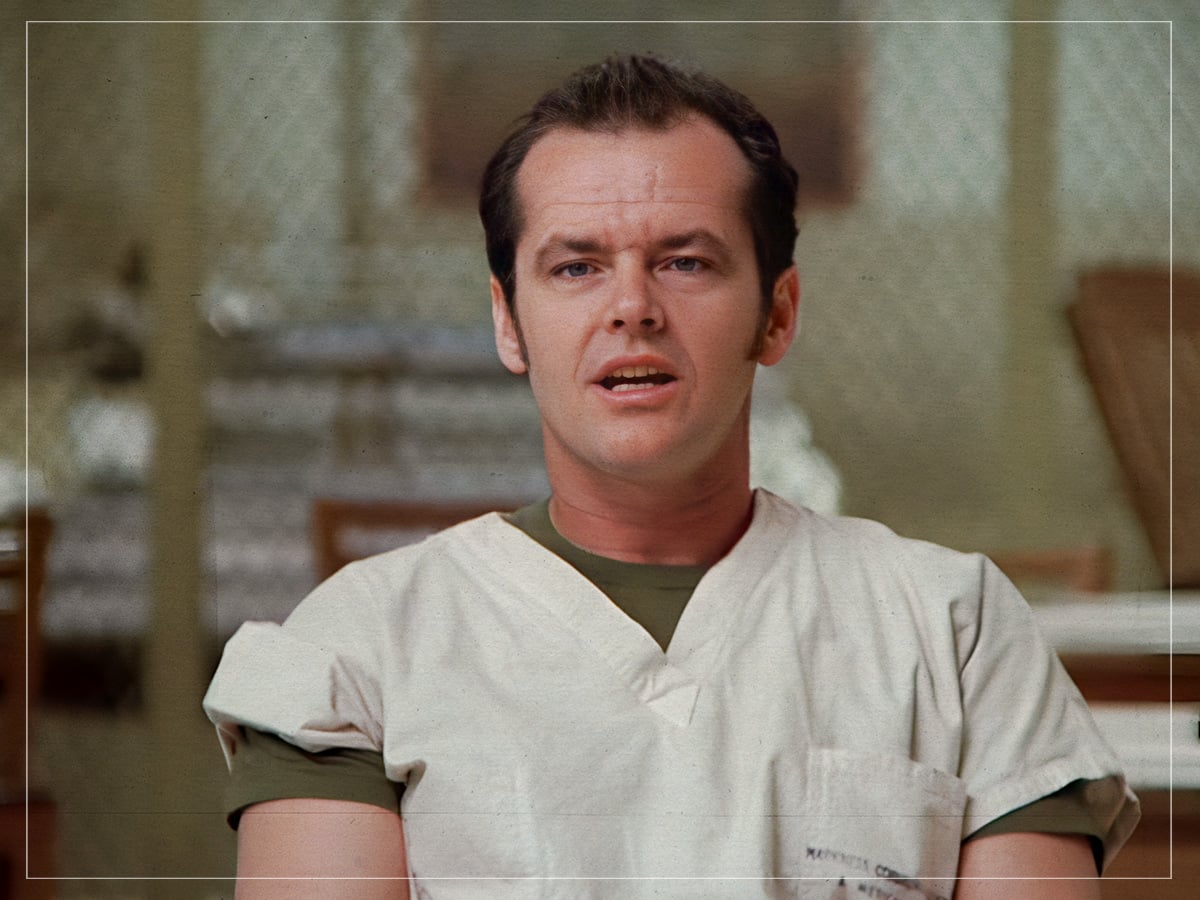
The culmination of the anti-establishment sentiments reflected in the “New Hollywood” movement was One Flew Over the Cuckoo’s Nest, a desperate plea for the respect of those with mental illnesses that unflinchingly criticised the institutions that isolated them. One of three films to ever win the ‘Big Five’ Oscar categories of ‘Best Picture, Director, Actor, Actress, and Screenplay’ (which in this case was adapted), One Flew Over the Cuckoo’s Nest featured a defiant, yet sympathetic protagonist in Jack Nicholson’s RP McMurphy and an imminently hateable villain in Louise Fletcher’s cruel Nurse Ratched.
As progressive as it was, One Flew Over the Cuckoo’s Nest is also prickly with its dark humour and bleak conclusion, which remains as divisive as it was a half-century earlier. As monumental as the work by Nicholson and Fletcher is, One Flew Over the Cuckoo’s Nest also hosted an ensemble of great performances by the likes of Danny DeVito, Brad Dourif, Will Sampson, and Christopher Lloyd.
‘Midnight Cowboy’ (1969)
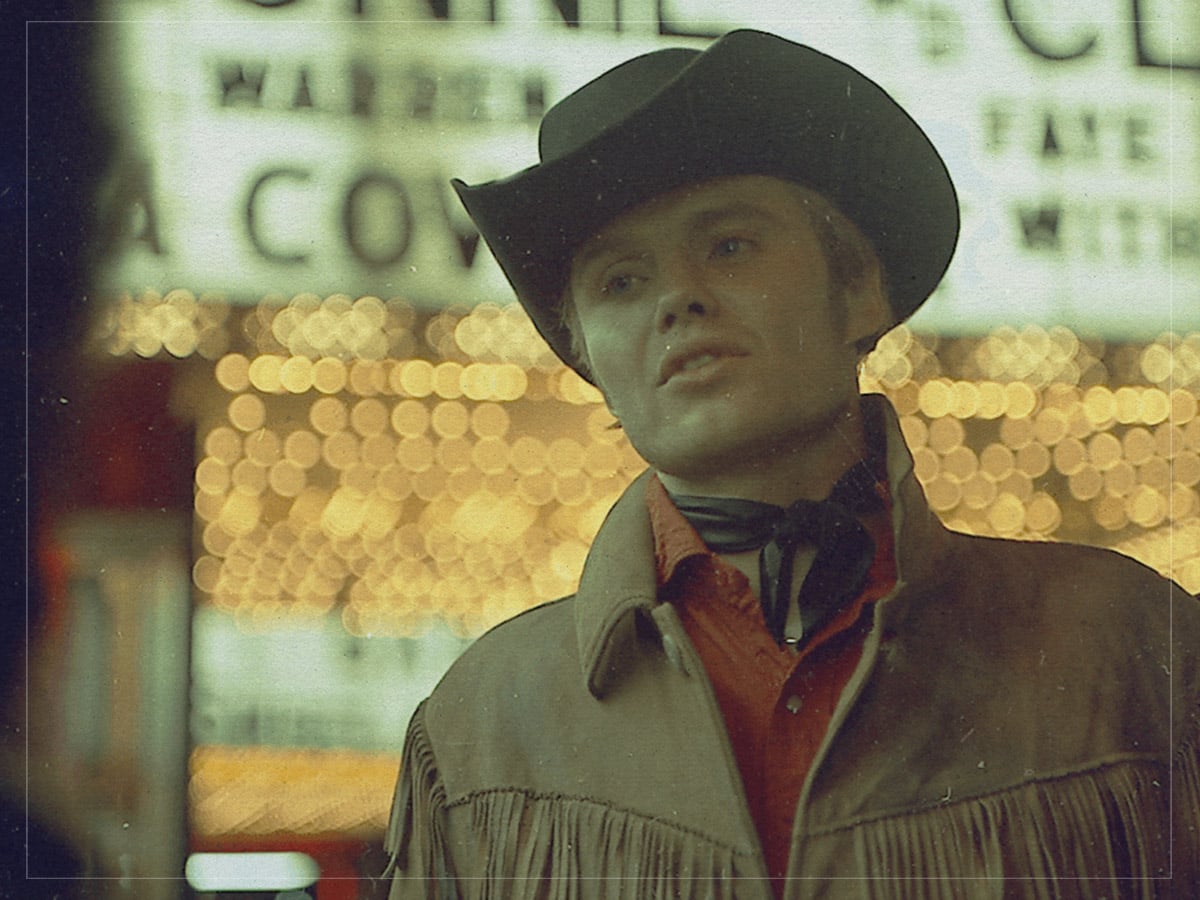
The birth of the New Hollywood movement that initiated a politically outspoken, dangerous era of American studio films is generally associated with the release of Bonnie & Clyde in 1967, but it was confirmed when Midnight Cowboy became the first and only X-Rated film to win ‘Best Picture’. John Schlesinger’s masterpiece is a classic buddy story about two lonely outsiders forced to stick together in a time of hardship, but it was distinguished by the fact that Joe Buck (Jon Voight) and Rico Rizzo (Dustin Hoffman) are a prostitute and a con man, respectively.
New York City feels truly alive in Midnight Cowboy’s probing view of the iconoclastic city’s nightlife, and at no point does Schlesinger judge the characters by their means of survival. Historical importance and content-related controversies aside, Midnight Cowboy is a three-dimensional portrayal of deep friendship forged in the immediacy of a new era.
‘The Deer Hunter’ (1978)
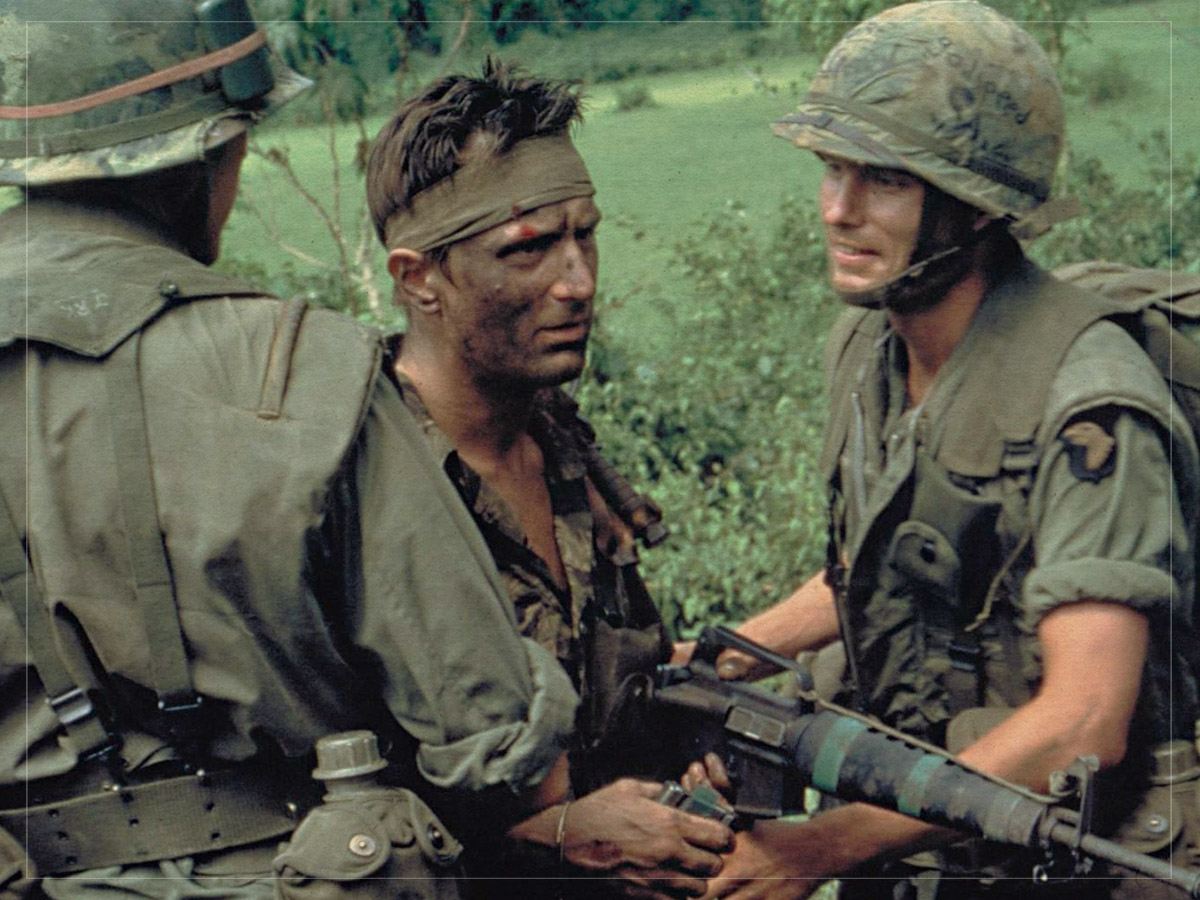
While its historical accuracy has been contested, The Deer Hunter is as monumental a consideration of the lingering consequences of war as the Vietnam conflict required. Anchored by three all-time great performances by Robert De Niro, Christopher Walken, and John Savage as a trio of American soldiers who cope with the lasting trauma of their service, The Deer Hunter is a profound critique of patriotism that’s solidified by the painful rendition of ‘God Bless America’ in the final scene.
The heavily criticised depiction of Russian roulette serves a purpose in understanding the soldiers’ perceptions of the war’s takeaways, and how an instrument of their torture could become a haunting obsession. Director Michael Cimino would quickly get shunned by the industry after Heaven’s Gate became a monumental flop, but the bravura he showed in pinpointing disparity in The Deer Hunter is enough to retain his prominence within American cinematic history.
‘Platoon’ (1986)

The second Vietnam War film to win ‘Best Picture’ peered right into the heart of the conflict, as Oliver Stone’s experience in the service inspired him to make an emboldened statement about what he saw as an unjust offensive. Platoon was an infamously troubled production, as Stone subjected his cast to the real labours of boot camp, but the result was a stark visualisation of senseless aggression, which only provoked intensified violence on behalf of the most volatile of soldiers.
Charlie Sheen, then an up-and-comer, gave his best performance ever as the desensitised recruit Chris Taylor, a stand-in for Stone himself. However, Platoon’s most powerful moments belong to the two Oscar-nominated stars who played his sergeants; Sgt Elias (Willem Dafoe) is the rare man of conscience in the war, whereas Staff Sgt Barnes (Tom Berenger) is a dangerous provocateur willing to initiate atrocities.
‘The Lord of the Rings: The Return of the King’ (2003)
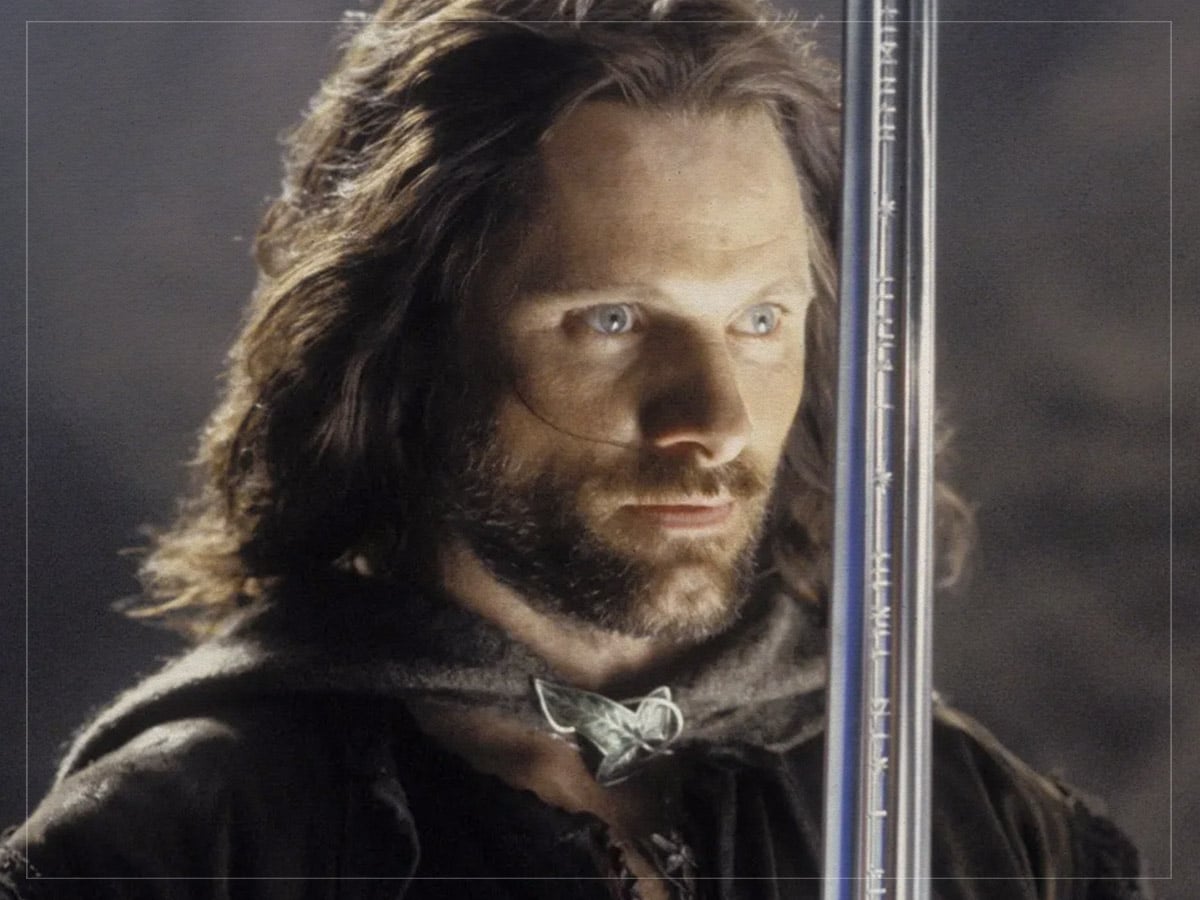
The 11 Oscars given to the final chapter of the Lord of the Rings trilogy could be seen as a means of acknowledging the accomplishments of all three films, but Peter Jackson certainly knew how to end his JRR Tolkien adaptation on a high note.
The Lord of the Rings: The Return of the King represents both the epic and intimate highs of Jackson’s magnum opus; one part of the film is dedicated to Frodo Baggins’ (Elijah Wood) resistance to the corrupting influence of the One Ring and the dubious creature Gollum (Andy Serkis), and the other features the biggest and most exciting battle scenes ever in the kingdom of Gondor and the fiery lands surrounding Mount Doom. Critiques of the film’s multiple endings are superfluous, given how hard Jackson worked to ensure that every character was given the proper farewell that the material necessitated.
‘No Country For Old Men’ (2007)
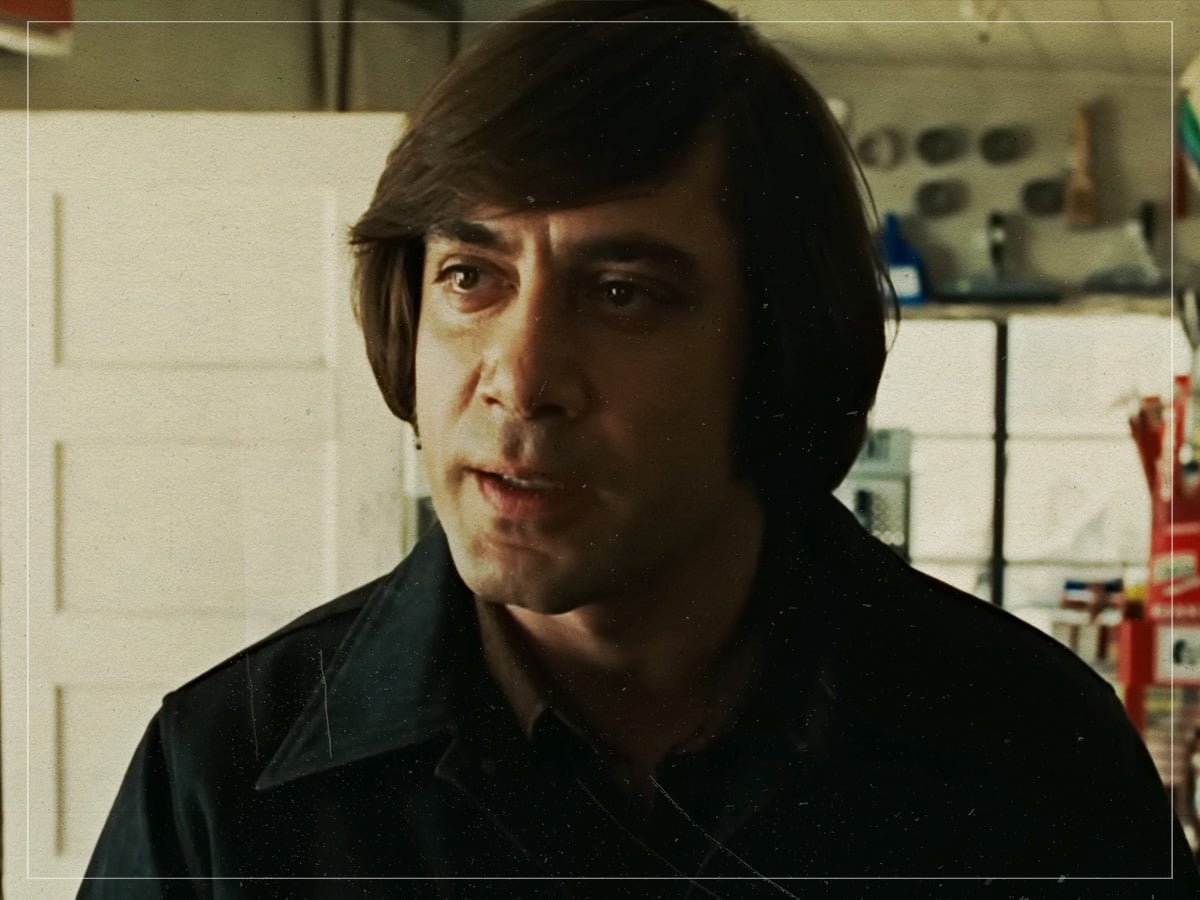
Of the many future classics released in what may have been among the greatest years in cinematic history, No Country For Old Men was an embodiment of the shrewd, exacting perspective of the Coen brothers. While it was not lacking in the quirky characters and unusual philosophy that had defined their previous work, the Coens pushed the envelope with No Country For Old Men to craft a twisted neo-noir about a lost stash of cash that results in blood-soaked mayhem.
Javier Bardem’s Anton Chigurh is as pure a depiction of impenetrable evil as cinema has seen, as the control within the actor’s performance is both unnervingly inhumane and not steeped in caricatures. The complicated plight suffered by Josh Brolin’s dubious, yet sympathetic anti-hero is concluded perfectly, but it’s Tommy Lee Jones’ unforgettable final monologue that best represents the grim takeaways from the Coens’ best film yet.
‘Unforgiven’ (1992)

It’s deeply ironic that the Oscars decided to award Clint Eastwood, who they had previously completely ignored, with what felt like “career achievements” awards for Unforgiven, only to see him spend the next three decades making more bona fide classics. If awarding such a violent, cynical, dark western with the most prestigious accolades felt unexpected for the Academy, it couldn’t have been for a more deserving film.
Unforgiven saw Eastwood critiquing the legacy of the western anti-hero he had helped to create by playing Will Munny, a ruthless killer who is unable to negate his history of violence. That Munny is in any way sympathetic isn’t just a result of Eastwood’s deeply felt performance, but because of how detestable Gene Hackman’s Oscar-winning performance as the cruel Sheriff Little Bill. It’s a bleak, unrelenting story without heroism or conclusion, where the tension is only relieved by a disturbingly cold-blooded final shootout.
‘The Silence of the Lambs’ (1991)
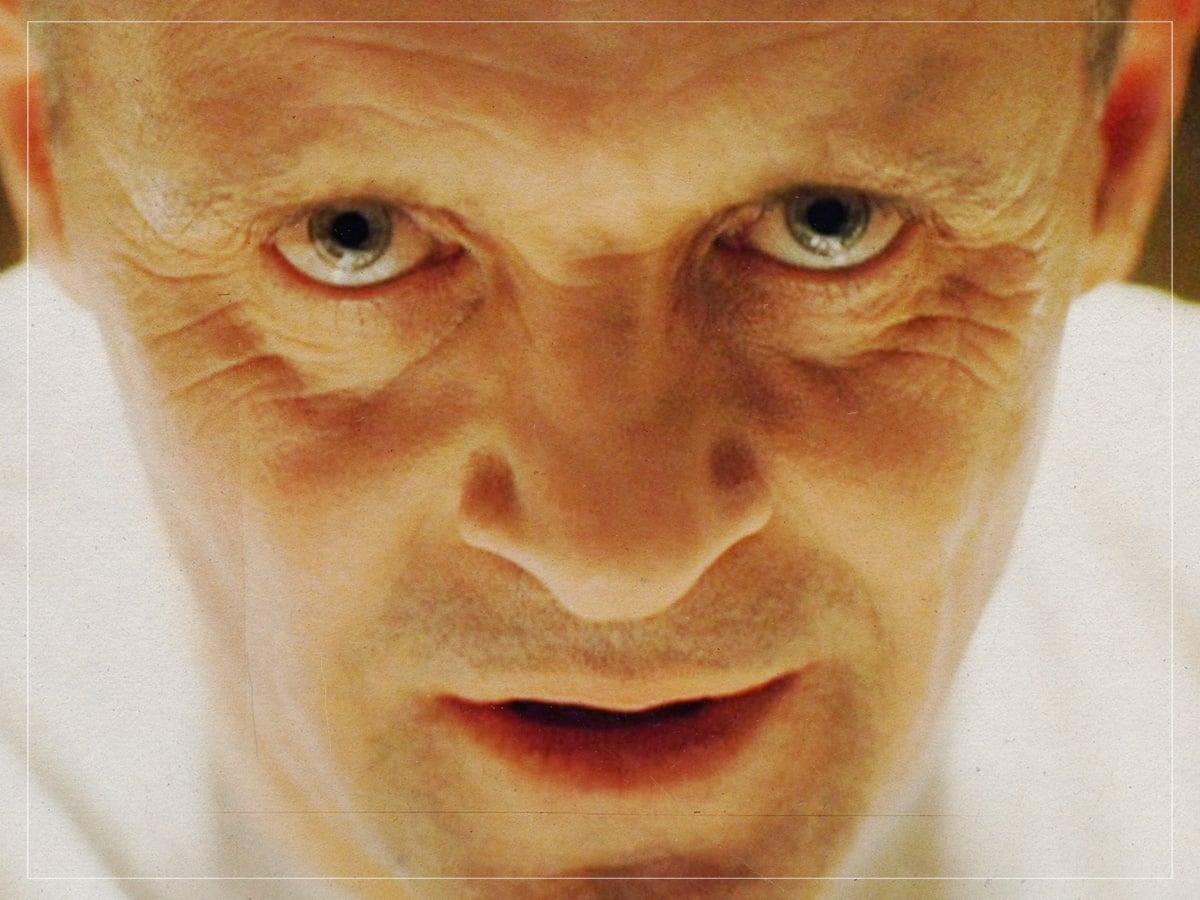
As the only horror film to ever win ‘Best Picture’, The Silence of the Lambs marked the dawn of the nation’s obsession with serial killers. Jonathan Demme certainly inserts some subtle commentary about the vulnerability of America’s institutions (the American flag outside Buffalo Bill’s lair is no coincidence), but at its core, The Silence of the Lambs is a cat-and-mouse thriller between an underestimated female hero and the serial killer who is both an ally and adversary.
There’s not much to be said about Anthony Hopkins’ Oscar-winning turn as Hannibal Lecter beyond the praise that’s been laid at his feet; in less than 15 minutes of screen time, Hopkins created a villain whose gentlemanly poise masked his animalistic ferocity. However, the failures subsequent serial killer thrillers have faced in replicating the phenomenon of The Silence of the Lambs isn’t a lack of imaginative killers, but that they don’t have protagonists as compelling as Jodie Foster’s Clarice Starling.
‘The Departed’ (2006)
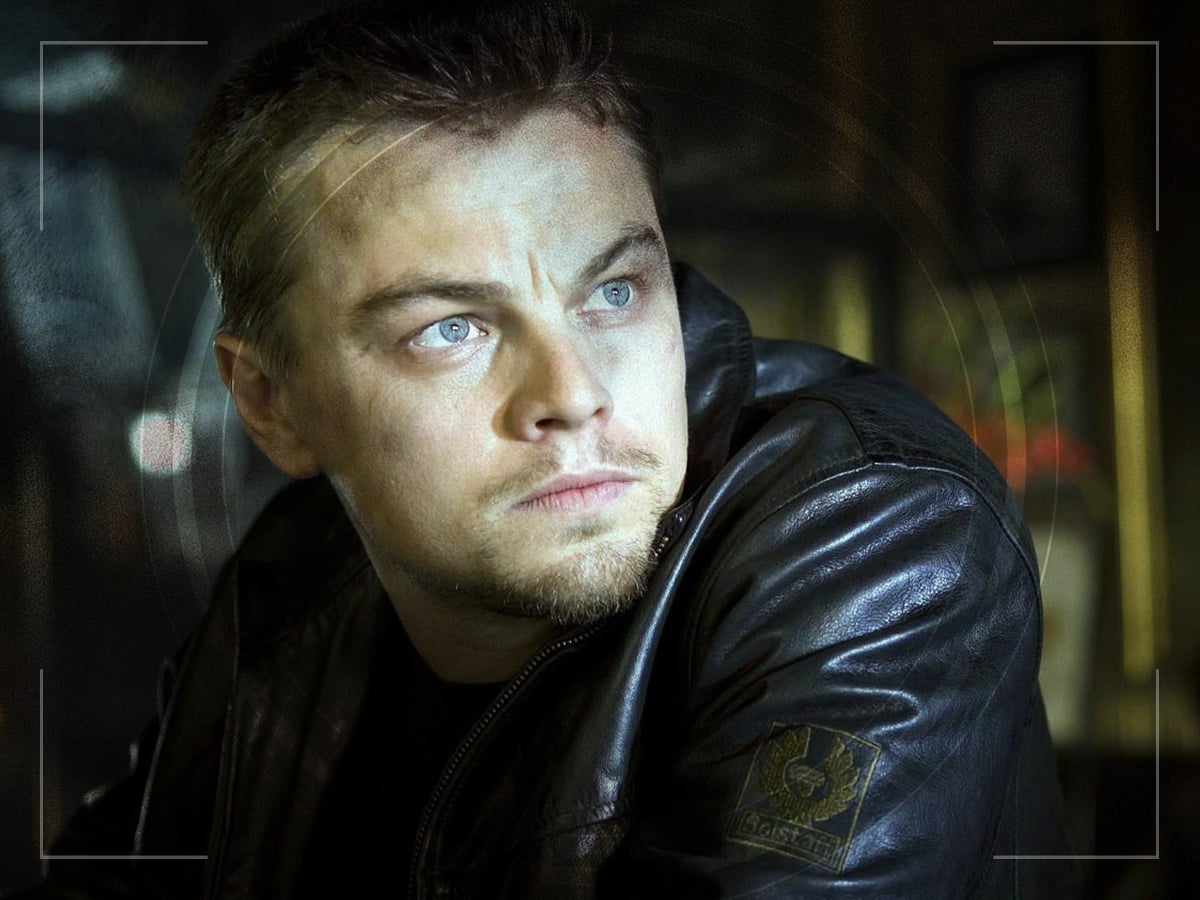
Leave it to Martin Scorsese to revamp an international classic and make a grim, richly entertaining American crime thriller of remarkable staying power; The Departed did for dirty cops what Goodfellas did for gangsters. While at first it seemed as if Scorsese was purely opting for a commercial play, The Departed reveals itself to be one of his richest texts with its grim, darkly ironic consideration of power, obsession, and fate.
Casting an ensemble solely of A-listers gave Scorsese the chance to draw unique and uncharacteristic performances of his stars, with Leonardo DiCaprio as the combative, embittered undercover cop and Matt Damon as the weaselly brat. While Jack Nicholson’s gleefully villainous Frank Costello (loosely inspired by White Bulger) is a prime example of chewing the scenery, it’s surprisingly Mark Wahlberg who gets The Departed’s best lines as the foul-mouthed, perceptive Sergeant Dignam.
‘West Side Story’ (1961)
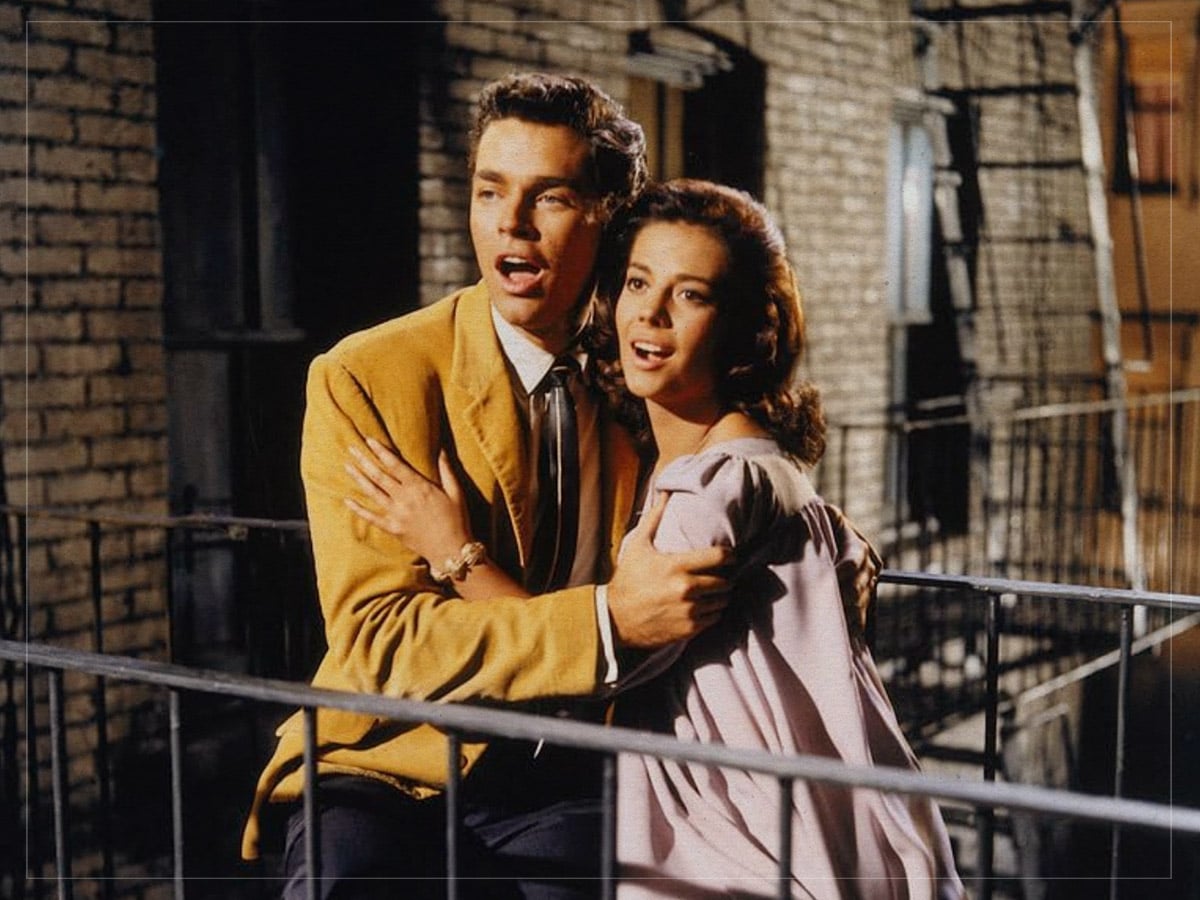
There’s a legitimate argument to be made that Steven Spielberg’s enchanting 2021 update is the superior version of West Side Story, but both adaptations are worthwhile masterpieces. By abandoning the superficial fantasy of classical Hollywood musicals, directors Robert Wise and Jerome Robbins made a gritty, striking depiction of New York’s social tensions that is just as tragic as the Shakespeare classic that inspired it.
The choreography of West Side Story is still jaw-dropping in how it draws out the naturalism in the performances without ever breaking form. This isn’t an awkward stage adaptation that fumbles its interstitial scenes, as each musical sequence is woven in to feel like the perfect expression of the adolescent characters’ primal emotions. ‘Tonight’ is as gorgeous a duet as has ever been captured, but it’s the generational performance from Rita Moreno that became West Side Story’s most acclaimed component.
‘Casablanca’ (1942)
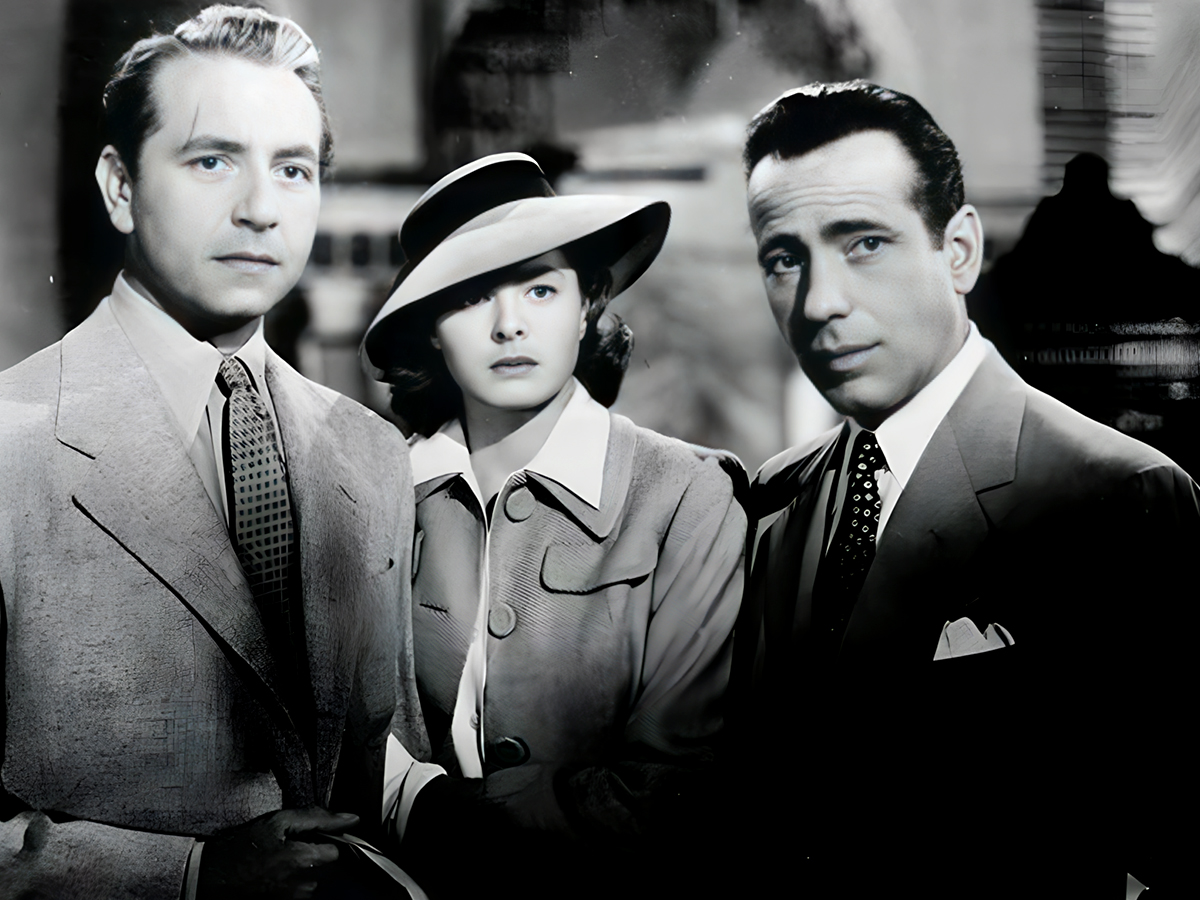
Iconic doesn’t even begin to describe a film with lines like “here’s looking at you, kid” and “I think this is the beginning of a beautiful friendship,” since Casablanca still has a perfect screenplay that any aspiring director can look to as a how-to guide. While its proximity to World War II made Casablanca one of the most boldly political films of the ‘40s, it’s become so embedded within the cinematic lexicon that the love story still feels timeless.
Casablanca reaches explosive moments of emotion without ever overplaying its hand, giving Humphrey Bogart and Ingrid Bergman time to breathe history into the tormented lovers who were doomed to stay separated. Yet, the melancholy undertones of Casablanca don’t diminish it as a true work of entertainment that is funny, exciting, and rousing. The lasting power of ‘As Times Goes By’ and the achingly beautiful final shot are a testament to the ability of true masterpieces to create eternal moments.
‘The Best Years of Our Lives’ (1946)
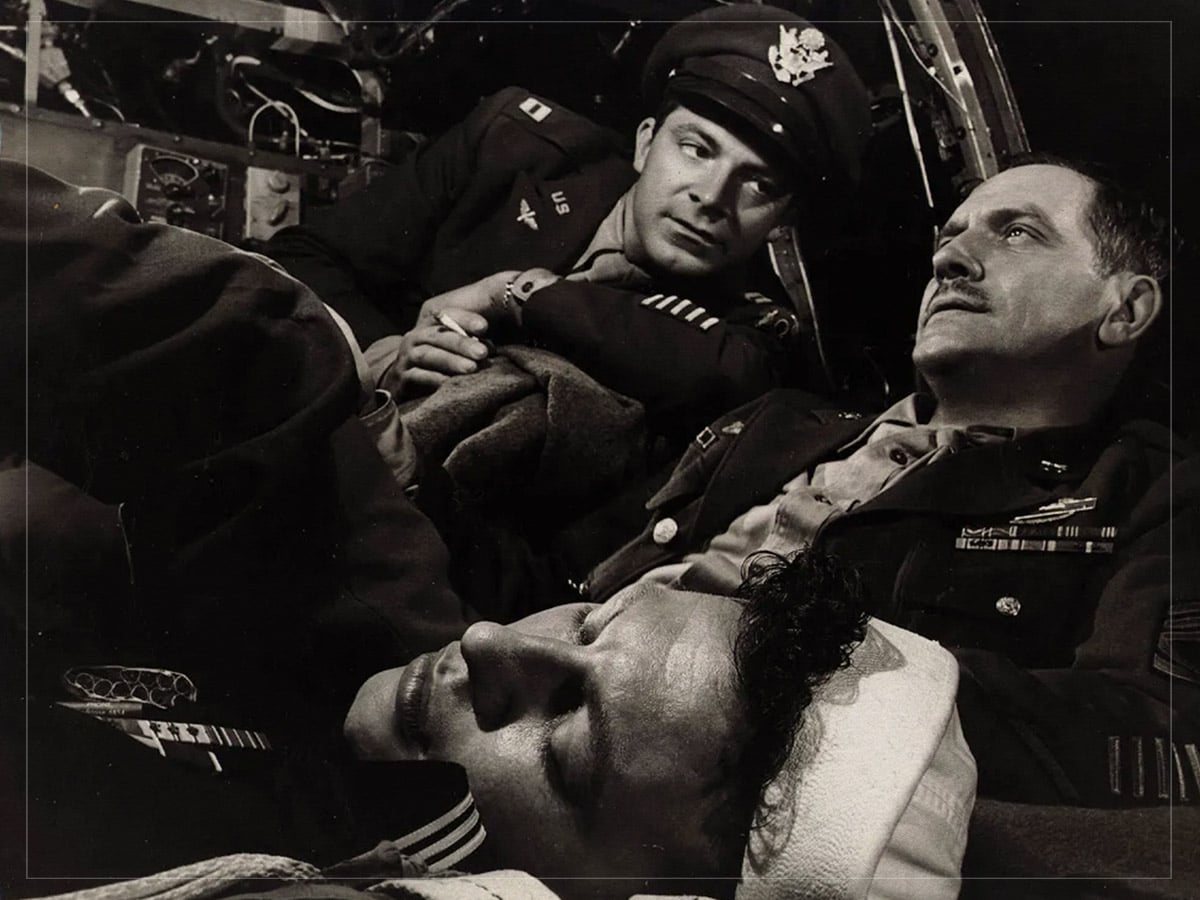
Few ‘Best Picture’ winners have aged as gracefully as The Best Years of Our Lives, as William Wyler’s acute study of three veterans in the aftermath of World War II. That the film was so prescient about consequences only a year after Japan’s surrender is almost surreal, as Wyler anticipated the struggles that ordinary men would face when they became reacclimated to society as civilians. The cycles of doomed reintegration, severe PTSD, and generational strife would follow any significant conflict, but The Best Years of Our Lives identified a particular struggle for men who had been fighting for a nation that they’re no longer able to recognise.
The Best Years of Our Lives was hailed during its initial release, with particular acclaim for the performance by the non-professional actor Harold Russell as a veteran whose experiences mirrored his own. However, The Best Years of Our Lives has also been cited as a favourite by many award-winning filmmakers who owe Wyler a debt of inspiration.
‘On the Waterfront’ (1954)

On the Waterfront can be pinpointed as the film that changed acting forever thanks to Marlon Brando’s genius performance as Terry Malloy, a former prizefighter wrecked with guilt after throwing a fight to appease the mob. The bleak proclamations about America’s lost generation were heightened by the unprecedented realism that stage director Elia Kazan brought to his second collaboration with Brando after A Streetcar Named Desire. While poetic and thematically sound, On the Waterfront shook audiences of 1954 with how realistic it felt.
The power of On the Waterfront has not dwindled with age, as its themes are as resonant as ever; Brando’s vulnerability makes it more fascinating to discern how the ambiguous ending should be interpreted, as few ‘Best Picture’ winners have ended on such a thorny note. Kazan’s unfortunate politics aside, On the Waterfront remains as captivating as ever.
‘The Godfather’ (1972)

There’s a reason that The Godfather is still held up as the standard for cinematic excellence; it’s a complex, probing epic that evolved the gangster film beyond exploitation into modern American mythology, imposing Shakespearean themes of hereditary expectations, loyalty, ambition, and corruption. Francis Ford Coppola built a vibrant family history for the Corleones that was so layered with detail that it is just as rich over a half-century later. Few ensembles have ever been as stacked, as beyond Al Pacino and Marlon Brando’s moving father-son dynamic, there is a rich tapestry of characters brought to life by an incredible ensemble.
The Godfather is a masterpiece in collaboration that can’t be attributed to just one person, given that a stretch of filmmaking like the indelible wedding sequence required an entire crew working at the top of their craft. No amount of parodies, homages, and analysis have diminished The Godfather as a powerful and thought-provoking odyssey about the price of ancestry.
‘The Godfather: Part II’ (1974)
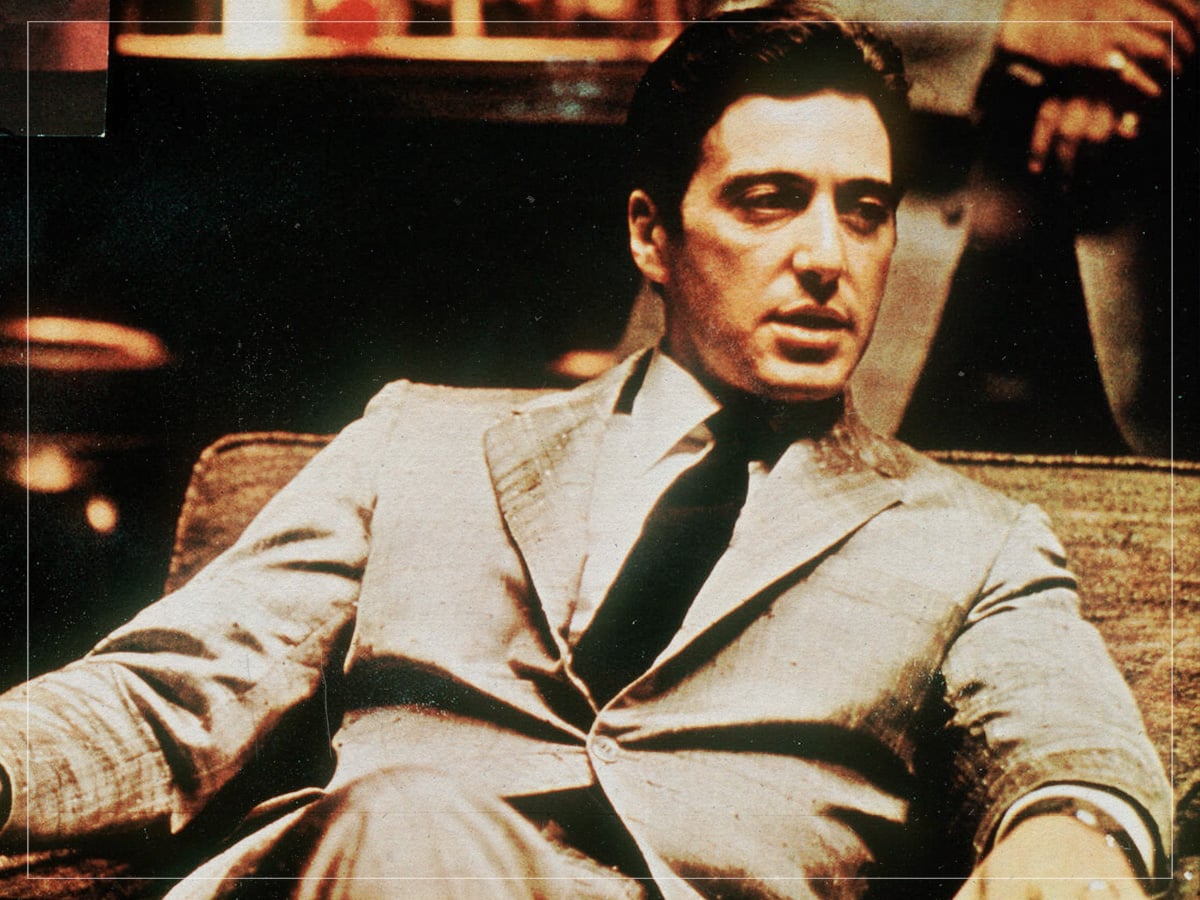
The debate as to whether The Godfather or The Godfather: Part II is the superior film comes down to the tiniest of margins, as the two epics Coppola directed are inseparable from one another, and best viewed in succession. The Godfather: Part II is slightly more ambitious because it redefines the first film’s critique of the American dream by showing how the past is doomed to repeat itself.
Robert De Niro’s Oscar-winning portrayal of the young Vito Corleone is less a replication of Brando than it is a complication, proving that the most impenetrable of titans only acquired their power through anguish and escaped persecution. Yet, the film belongs to Al Pacino, who culminated Michael’s character arc by turning the idealistic golden child into a monster more ruthless than his father. It’s not just the best performance of Pacino’s career, but the pinnacle of what cinematic acting can be.
‘Lawrence of Arabia’ (1962)
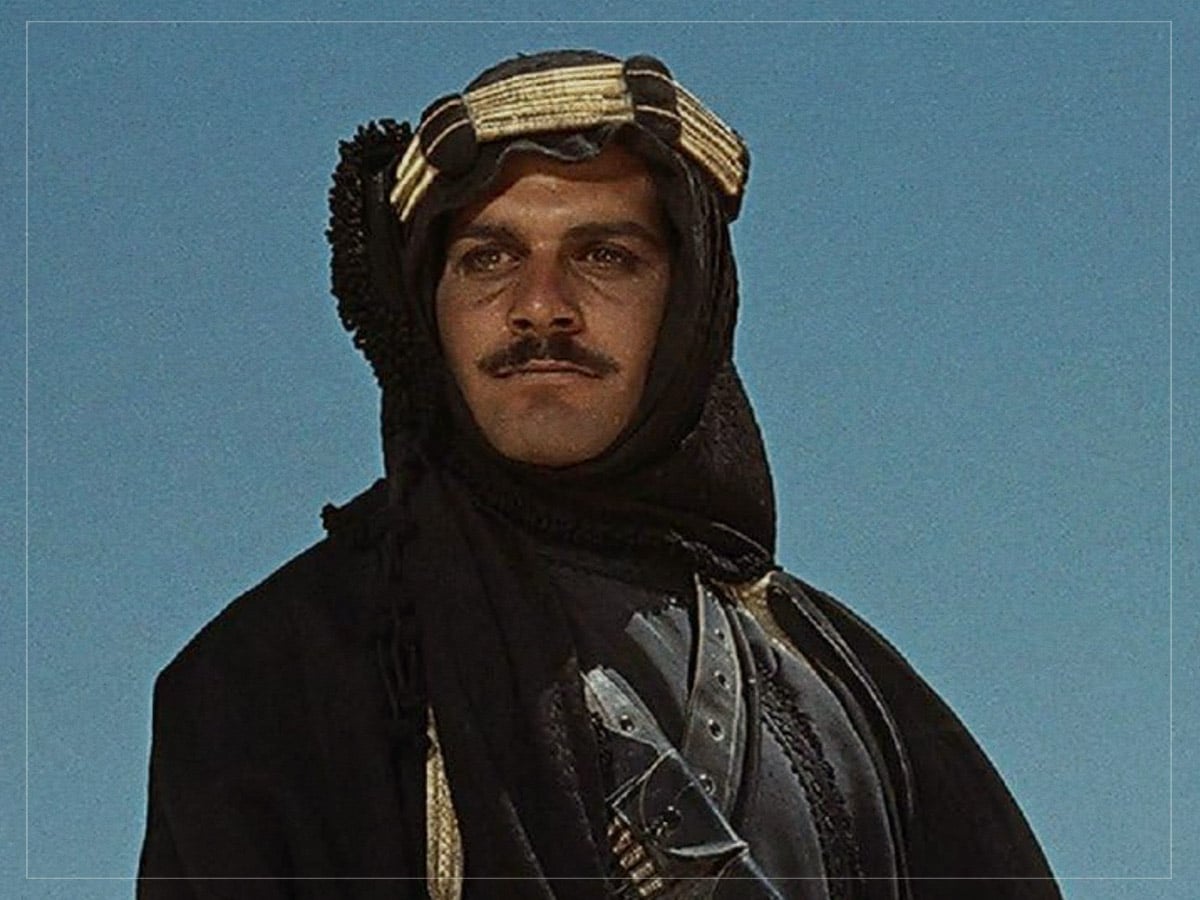
To call Lawrence of Arabia a monumental achievement in ambition might actually do a disservice to the nuance of what makes Lean’s greatest film so singular. Lean blew out the “great man” approach to a biopic by thoroughly analysing the context and consequences intrinsic to the career of TE Lawrence (Peter O’Toole), the British Army liaison who united the Arab tribes to take down the Ottoman Empire in World War I. All of Lawrence’s achievements are considered; he’s simultaneously a war hero devoted to the protection of liberty, a diplomat wrestling with the inevitability of violence, and a man of compromised identity who has grown sympathetic to his new allies.
The story is told on the largest possible canvas with eye-popping cinematography that transformed the Arabian desert into the ultimate setting for adventure. It’s no small feat to make a 222-minute film that is devoid of any excess, and the sheer magnitude of what Lawrence of Arabia pulled off feels like it will never be rivalled, much less replicated.
‘Amadeus’ (1984)
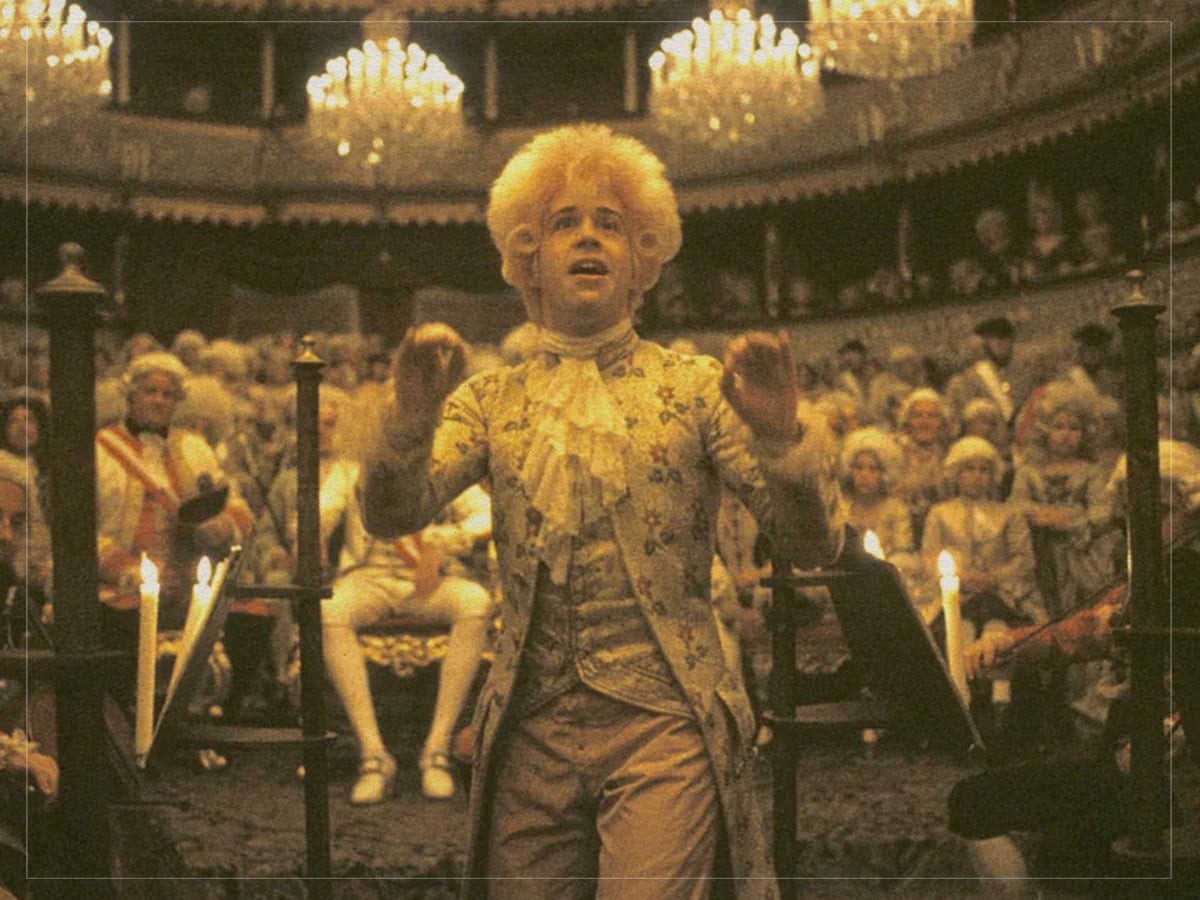
There has rarely been a more creative approach to the biopic than Milos Forman’s Amadeus, a non-linear expose on the one-sided rivalry between Wolfgang Amadeus Mozart (Tom Hulce) and Antonio Salieri (F Murray Abraham), the Italian composer who was long rumoured to be responsible for the former’s death. Forman’s speculation is that their relationship was one of artistic futility; Salieri so admired the ambitious young genius that he grew increasingly infuriated to see that his talents seemed inherent.
It’s the ultimate plight of any artist with a competitive spirit because Salieri knew that none of his efforts could match what Mozart seemingly needed no effort to conceive. Amadeus explored the agony of the class system as it pertains to the impediments it puts on music, as Salieri finds himself both an advocate for Mozart’s work and an enemy to his personhood. The story is relevant to any artistic medium and told with raw pathos by Hulce and Abraham, which was the last instance in which two ‘Best Actor’ nominees came from the same film.
‘Schindler’s List’ (1993)
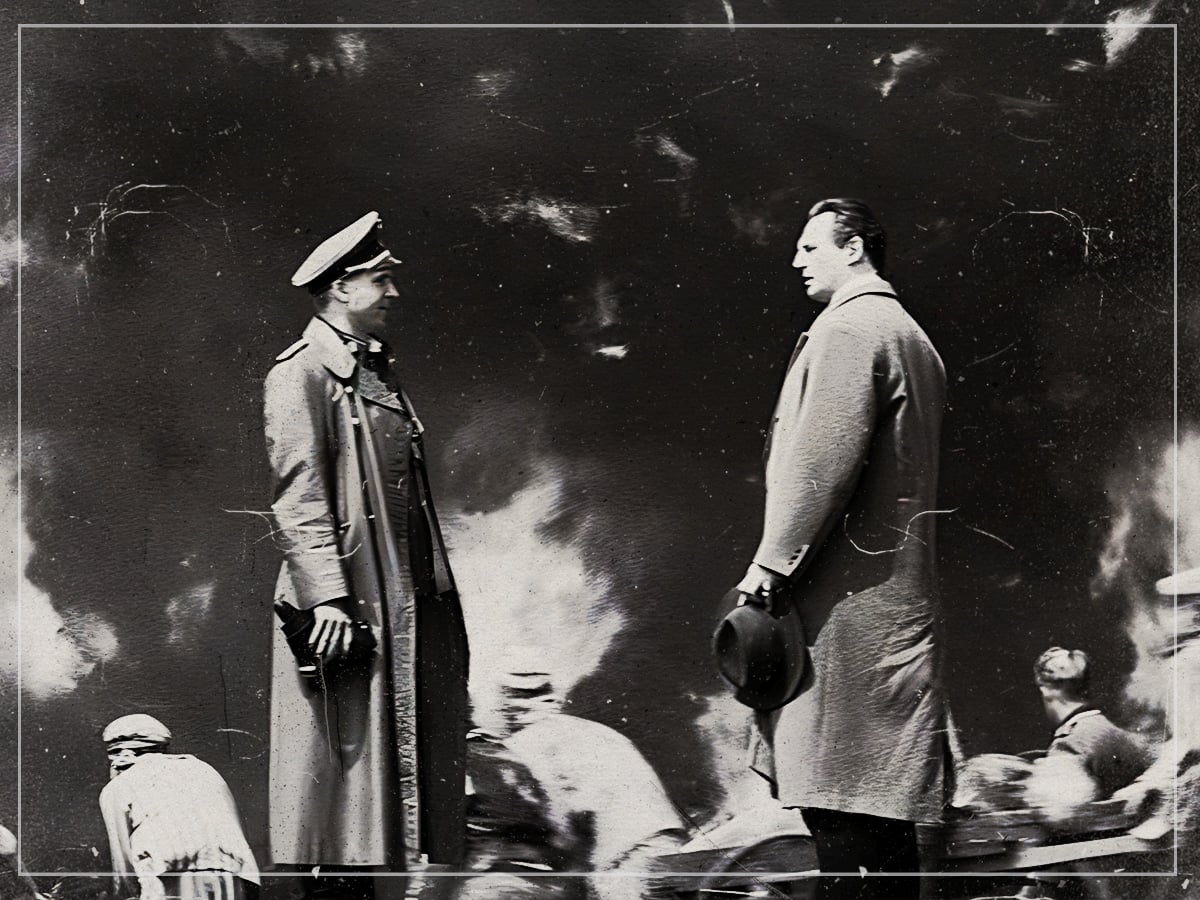
It was after years of snubbing Steven Spielberg for his work on the greatest blockbusters in history that the Academy Awards finally handed over their top prizes to the brilliant wunderkind when he tackled the most difficult material imaginable. Schindler’s List isn’t the definitive film about the Holocaust because a tragedy of that scale couldn’t be condensed to a single story. It did tell a powerful story within the confines of history about one man who stood up against genocide, an act of defiance that saved lives without reversing catastrophe.
Spielberg’s tricks as an entertainer do a service to Schindler’s List in painting a well-rounded portrayal of Oskar Schindler (Liam Neeson), a man whose heroic endeavours must be framed against his years of ambition. That Spielberg was able to depict such horrific violence without being exploitative suggested a significant evolution in his artistic vision, especially since it’s hard to imagine Schindler’s List being handled by any of his peers. Schindler’s List is a film so riveting that it’s not easy to watch, but viewing it at least once is not just a requirement for all cinephiles, but for any self-conscious citizen of the world.
