The real reason Francis Ford Coppola made ‘Jack’: “If people hate the movie, they hate the movie”
Not his best.


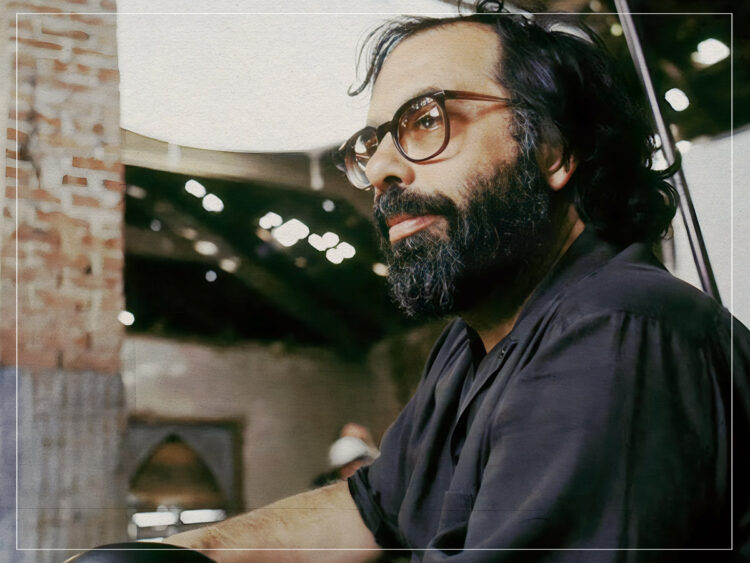
Francis Ford Coppola, born on April 7th, 1939, in Detroit, Michigan, is a pioneering filmmaker whose career has spanned decades. With a remarkable body of work encompassing classics in American cinema, Coppola has cemented his legacy as one of the most influential directors in the history of film.
Coppola’s journey into filmmaking began at a young age when he borrowed a Super 8 camera from his older brother, August, and began creating short films with his friends. He later attended the University of California, Los Angeles (UCLA) Film School, where he honed his craft and made connections that would shape his career.
In the late 1960s, Coppola established himself as a screenwriter and director in Hollywood. His early films, such as ‘Dementia 13’ (1963) and ‘You’re a Big Boy Now’ (1966), demonstrated his talent for storytelling and visual style. However, it was his work on ‘The Rain People’ (1969) and ‘The Godfather’ (1972) that catapulted him to international acclaim.
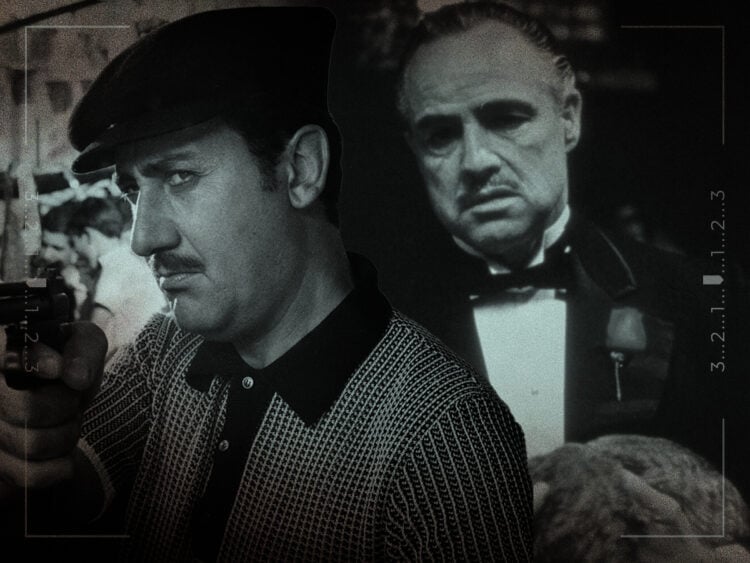
‘The Godfather’, based on Mario Puzo’s novel, remains one of Coppola’s most iconic works. The film, which explores the dynamics of the Italian-American Mafia, garnered critical acclaim and became a cultural phenomenon. It received 11 Academy Award nominations and won three, including ‘Best Picture’. Coppola’s direction and Marlon Brando’s unforgettable portrayal of Vito Corleone elevated the film to legendary status.
Coppola’s career continued to flourish with ‘The Godfather Part II’ (1974), which uniquely blended a prequel and sequel format. The film received widespread acclaim and became the first sequel to win the Academy ‘Award for Best Picture’. During this time, Coppola also ventured into experimental cinema with ‘Apocalypse Now’ (1979), a Vietnam War epic known for its troubled production and exploration of the human psyche amid war.
Coppola’s work in the 1980s and 1990s included films like ‘Rumble Fish’ (1983), ‘The Outsiders’ (1983), ‘The Cotton Club’ (1984), and ‘Bram Stoker’s Dracula’ (1992), showcasing his versatility as a director. He also founded American Zoetrope, an independent film production company, to nurture emerging talent.
Francis Ford Coppola’s contributions to cinema have left an indelible mark on the industry. His films are celebrated for their compelling narratives, complex characters, and innovative techniques. Coppola’s enduring influence on modern filmmaking is a testament to his passion for storytelling and commitment to pushing cinematic art’s boundaries. As a director, producer, and visionary, he continues to inspire generations of filmmakers to strive for artistic excellence and storytelling mastery.

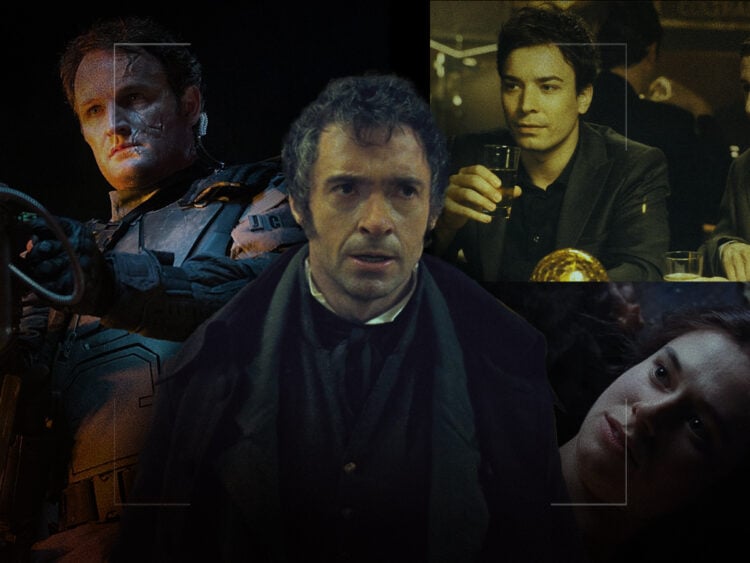
They picked the correct projects, but the got the wrong parts.
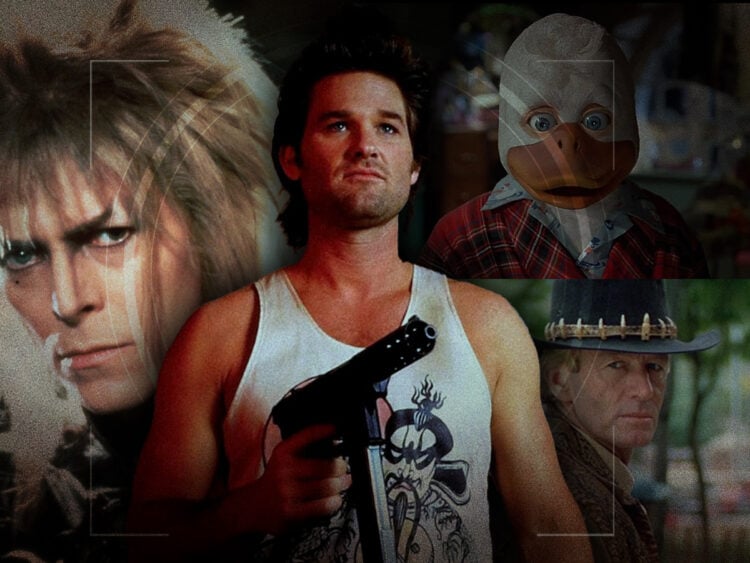

Saw plenty of himself in the role.

One of the most unhinged villains of all time.