


The 10 most ripped-off movie characters in cinema history

Hollywood is known for taking existing trends and stretching them to their limits, and the industry has built itself upon reiterating proven successes.
Even before sequels, reboots, and prequels became the most dominant presence in the cinematic marketplace, the most popular films of a given year were those that blatantly drew from previous hits. This isn’t necessarily a bad thing, especially when an inspirational film is reshaped into something completely unique and creative in its own right. Just look at the films of Akira Kurosawa; Yojimbo inspired the spaghetti western ‘The Man With No Name’ trilogy, Seven Samurai was remade as The Magnificent Seven, and aspects of The Hidden Fortress were reshaped into the Star Wars franchise.
There are, of course, certain archetypes that have existed since the beginning of time, making it unsurprising that they tend to pop up in cinema – the notion of a ‘Chosen One’ has mythological and religious roots, and has thus been used as the basis of characters like Luke Skywalker in Star Wars or Neo in The Matrix.
There’s also a fair amount of cinema that is drawn from Shakespeare, both in literal adaptations and modern interpretations. Still, there are some characters whose perspective and depiction were such a breath of fresh air that they inspired shameless rip-offs, which were trying to recapture the same magic.
The 10 most ripped-off movie characters in cinema history:
Bruce Willis as John McClane – ‘Die Hard’
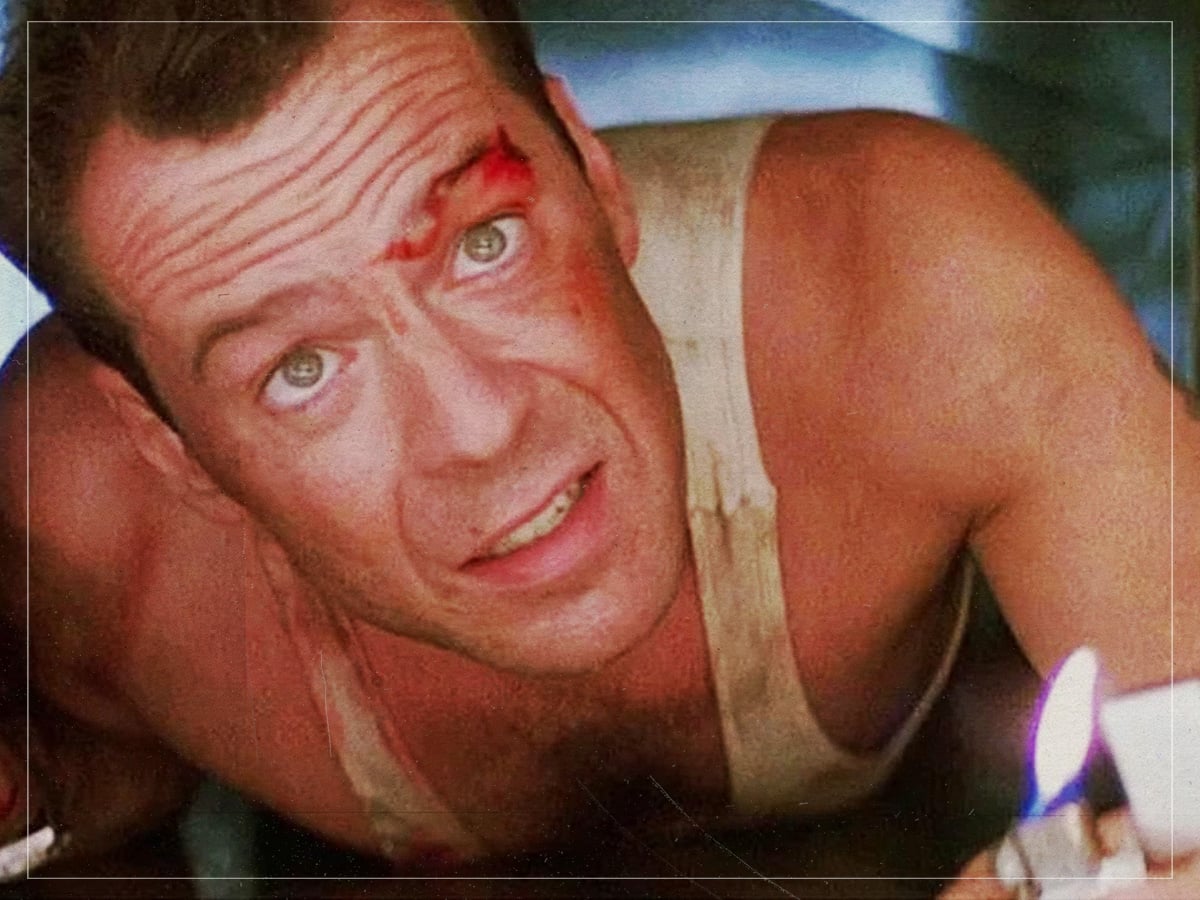
Die Hard isn’t just one of the greatest action films ever made, but one that set a perfect formula for what the genre could look like. The notion of a hero or law enforcement officer caught in over their head in a confined situation lead to an abundance of action films in the subsequent decade, and every film that pitched itself as “Die Hard on a ___” needed to find a character as appealing as Bruce Wilis’ John McClane.
Willis may not have been the first choice, but he created a snarky, relatable character who had to survive against incredible odds with only his wit and will. It’s a performance that nearly every promising action star would try to make their own, such as Keanu Reeves in Speed, Steven Seagal in Under Siege, Harrison Ford in Air Force One, Nicolas Cage in Con Air, and Sylvester Stallone in Cliffhanger, just to name a few.
Nick Castle as Michael Myers – ‘Halloween’
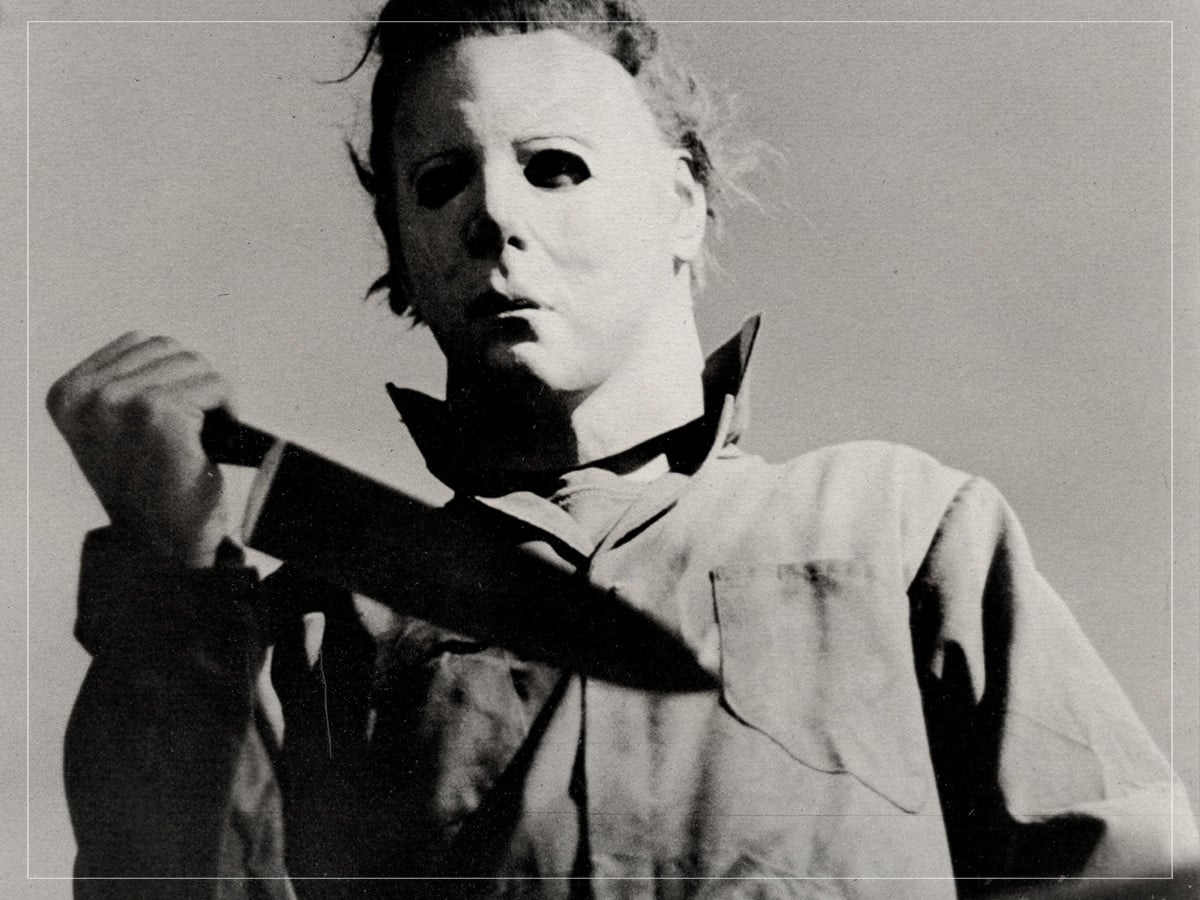
Halloween might not have technically been the first slasher film, as both Black Christmas and The Texas Chain Saw Massacre are credited as being the first entries in the genre; even then, there were giallo films with memorable killers that preceded them. Nonetheless, Halloween crystallised what a force of impenetrable, unstoppable evil looked like in such a visceral way that it turned the slasher horror subgenre into an instant cash cow.
It only took two years for the Friday the 13th series, which created its own Michael Myers in Jason Voorhees, to start rapidly churning out sequels. Other horror franchises like Child’s Play, A Nightmare on Elm Street, Hellraiser, Scream, Puppetmaster, and Happy Death Day all marketed themselves on the appeal of a sinister slasher like Michael, and they each had to introduce a “final girl” worthy of what Jamie Lee Curtis had done as Laurie in the original Halloween.
Robert De Niro as Travis Bickle – ‘Taxi Driver’
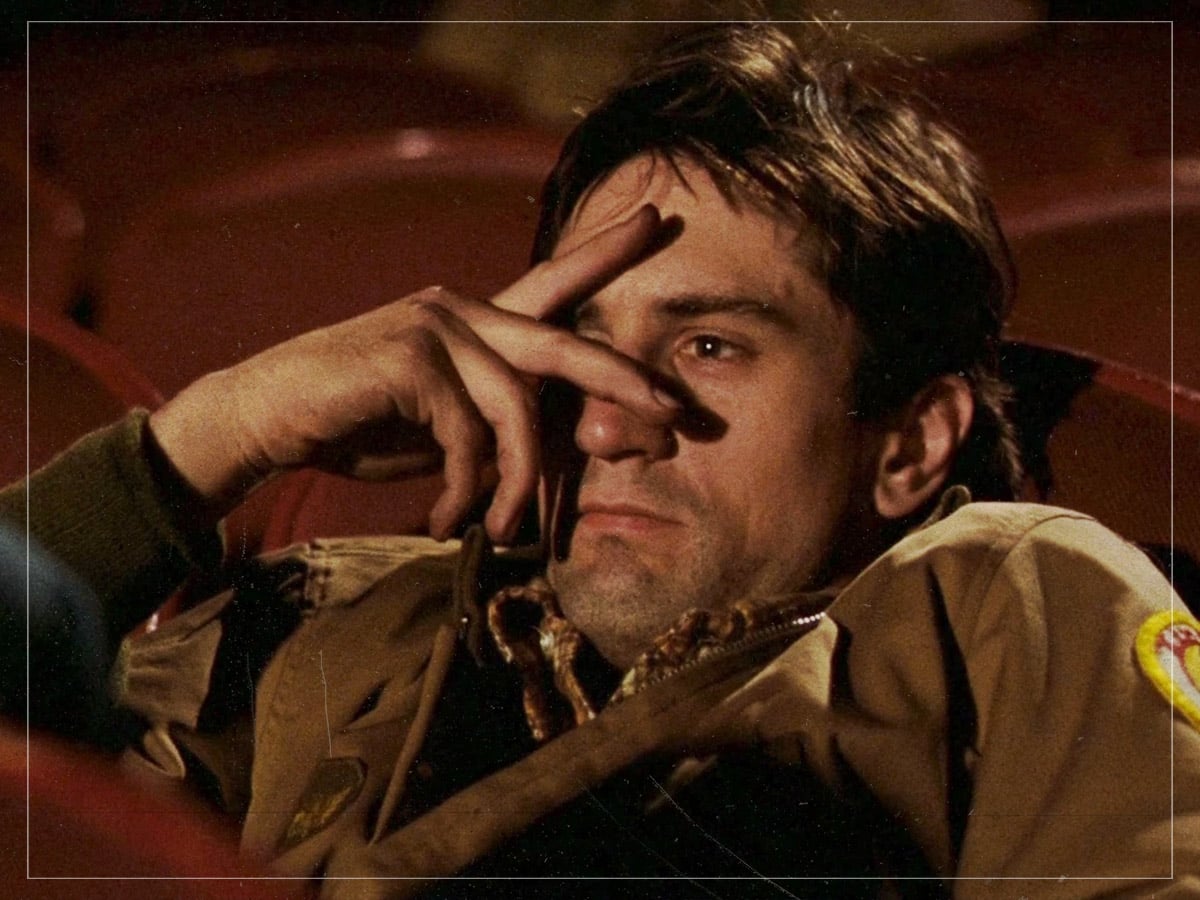
Taxi Driver is perhaps the boldest film of the 1970s because it addressed an underbelly of society that had been trodden over and forgotten, and questioned whether it was possible to be empathetic for a character who did monstrous things. Although cinema had seen complex figures before in characters like Ethan Edwards (John Wayne) in The Searchers, Taxi Driver is what helped to coin the notion of an “anti-hero”.
Further cinematic anti-heroes born out of Bickle’s inspiration included the Narrator (Edward Norton) in Fight Club, Patrick Bateman (Christian Bale) in American Psycho, Will Munny (Clint Eastwood) in Unforgiven, and Arthur Fleck (Joaquin Phoenix) in Joker. It also had a massive influence on prestige television thanks to characters like Walter White (Bryan Cranston) in Breaking Bad, Tony Soprano (James Gandolfini) in The Sopranos, and Vic Mackey (Michael Chiklis) in The Shield.
Sylvester Stallone as Rocky Balboa – ‘Rocky’
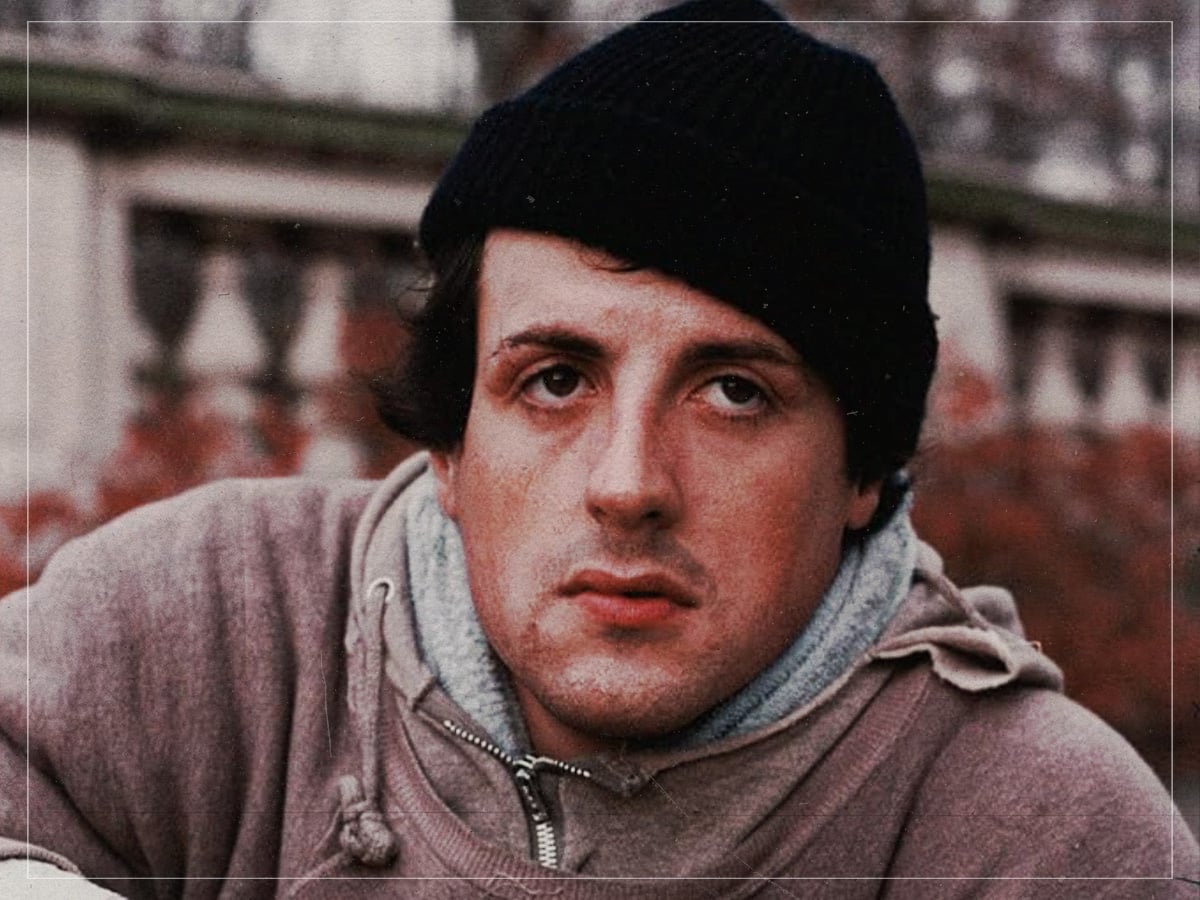
Sylvester Stallone bet on his own success with Rocky, a film he wrote and refused to sell unless he could also star in it. Stallone was an underdog trying to break into the insular world of Hollywood, which made him the perfect person to write a story about the ultimate underdog hero who had to face the odds.
The “inspirational sports movie” genre was created by Rocky, and has been replicated countless times since; additionally, some of the goofier sports films out there were inspired by just how weird some of the sequels got, particularly the absurdity of the Cold War storyline in Rocky IV. Stallone was even able to pass the torch on the Rocky franchise to Michael B Jordan as Adonis Creed in the Creed films, and this year, Amazon is releasing a biopic called I Play Rocky that is about the journey to create the original film.
James Stewart as George Bailey – ‘It’s A Wonderful Life’
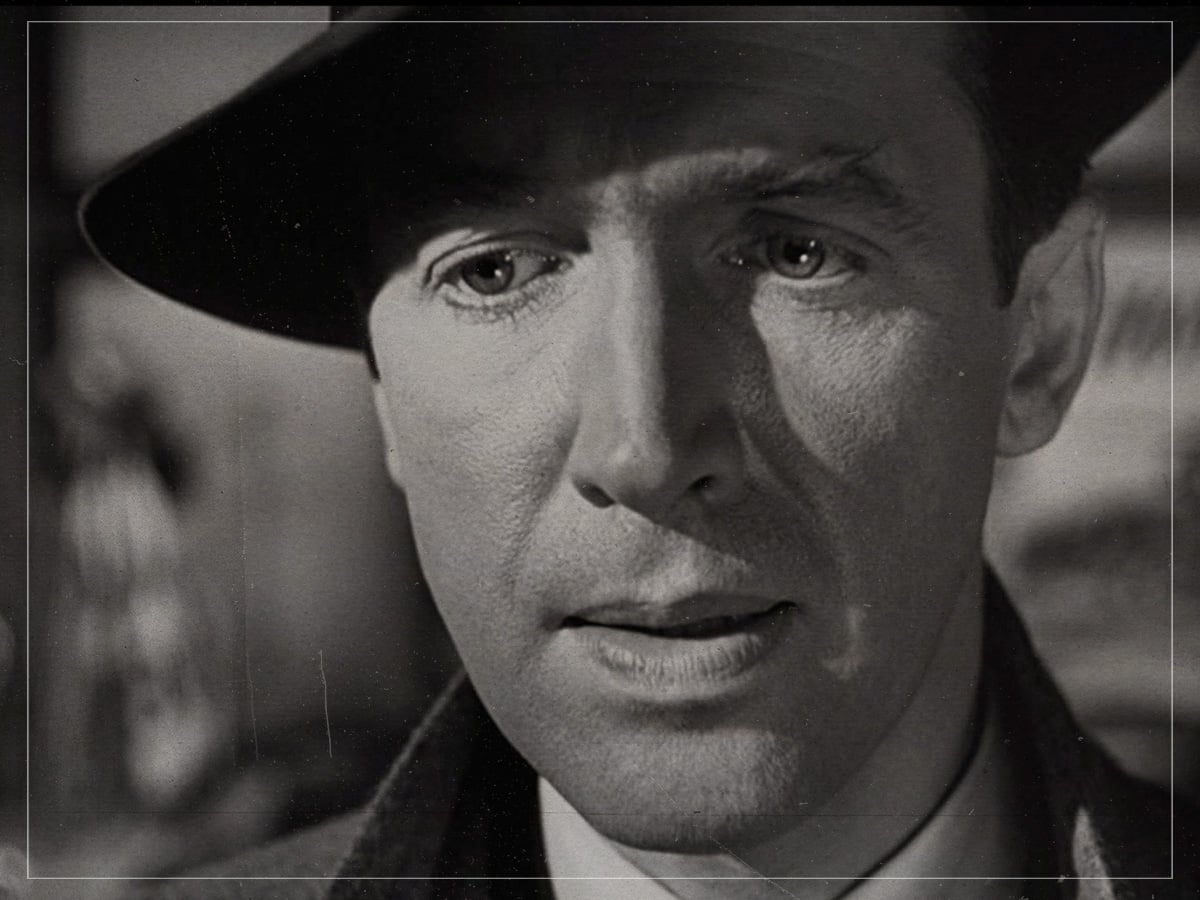
James Stewart is an actor who conveyed an inherent sense of goodness, as he offered an inspirational quality that defined what a sensitive leading man should look like. Although he had previously played a romantic hero in You Can’t Take It With You and an honourable politician in Mr Smith Goes To Washington, it was his performance as George Bailey in It’s A Wonderful Life that crystallised the type of soft-spoken, kind character that audiences would allow themselves to follow to the end of the Earth.
At a time when movie heroes felt larger-than-life, Bailey was a family man of humble ambition, and his wrestling with mental health struggles were ahead of their time. Although It’s A Wonderful Life is often cited as a holiday classic, a character like Bailey has relevance far beyond any one season of the year.
Anthony Perkins as Norman Bates – ‘Psycho’

Psycho isn’t necessarily the best film that Alfred Hitchcock ever made, as it’s nowhere near as technically and thematically advanced as Rear Window, Vertigo, or Rebecca. However, the film contributed some of the most memorable setpieces in cinematic history, and developed one of the first great “twists”. Norman Bates wasn’t a standard villain because he had to mask his ruthless instincts within the guise of a soft-hearted man entirely devoted to his mother.
Even though it has been mocked, the ending scene of Psycho, in which Norman’s condition is blatantly spelt out, offered an inspiration to future filmmakers, who understood that they could justify their villains’ motivations by vague medical terms. Different psychopaths have popped up ever since in horror and thriller films, such as John Doe (Kevin Spacey) in Se7en, Buffalo Bill (Ted Levine) in The Silence of the Lambs, and Kevin Dunn (James McAvoy) in Split.
Diane Keaton as Annie Hall – ‘Annie Hall’
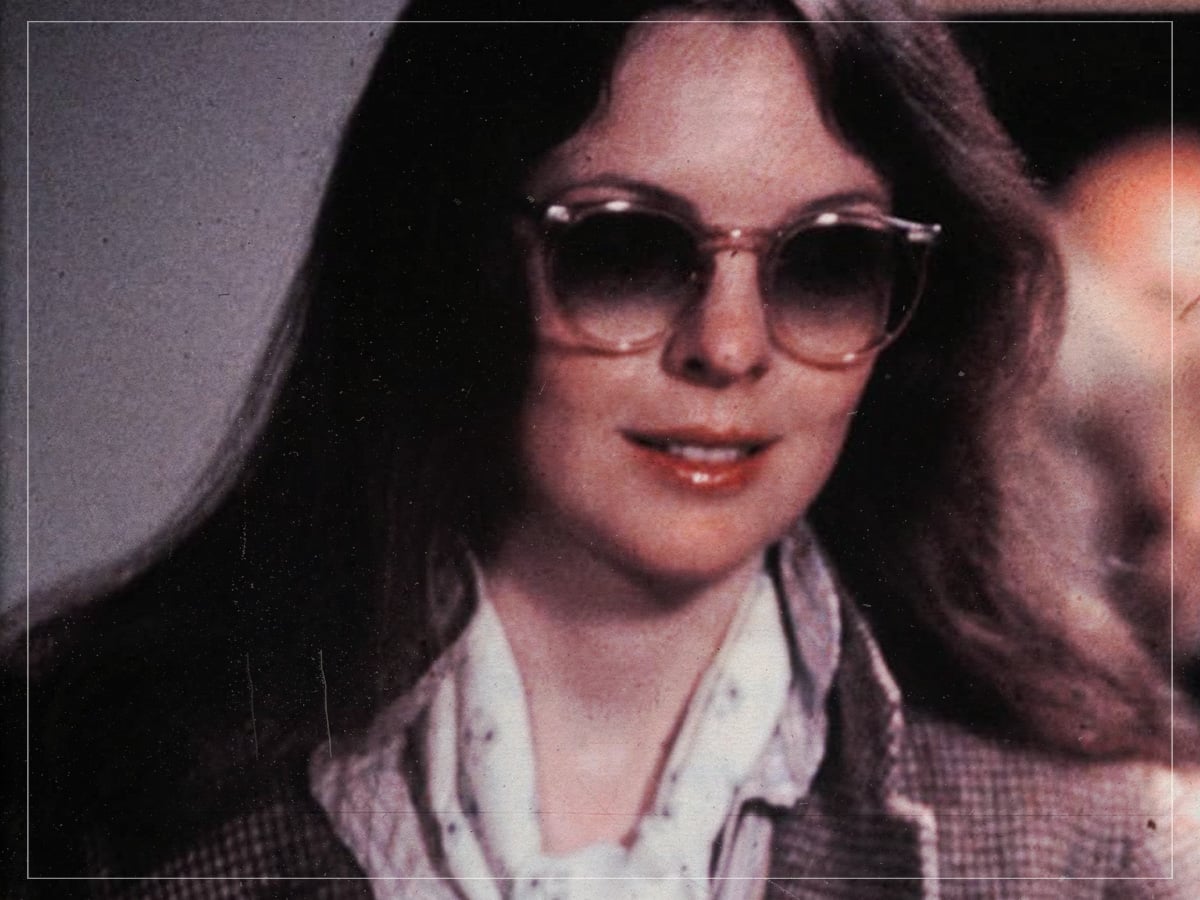
Woody Allen didn’t necessarily create the romantic comedy, as the genre had its roots in the screwball films of the 1930s and ‘40s. However, classical two-handers like Bringing Up Baby and His Girl Friday had the intention of being mercilessly entertaining, whereas Annie Hall attempted to show an honest portrayal of the challenges of being in a mature relationship where everything was push-and-pull.
It was the portrayal of the titular character from Diane Keaton that shaped how a complex female character could be portrayed in a rom-com that earned serious respect, as Annie Hall won the Academy Award for ‘Best Picture’, ‘Best Director’, ‘Best Original Screenplay’, and ‘Best Actor’. Although When Harry Met Sally… is often cited as being the basis for all modern rom-coms, it was working off a model that had already been perfected by Keaton, Allen, and Annie Hall.
Al Pacino as Michael Corleone – ‘The Godfather’
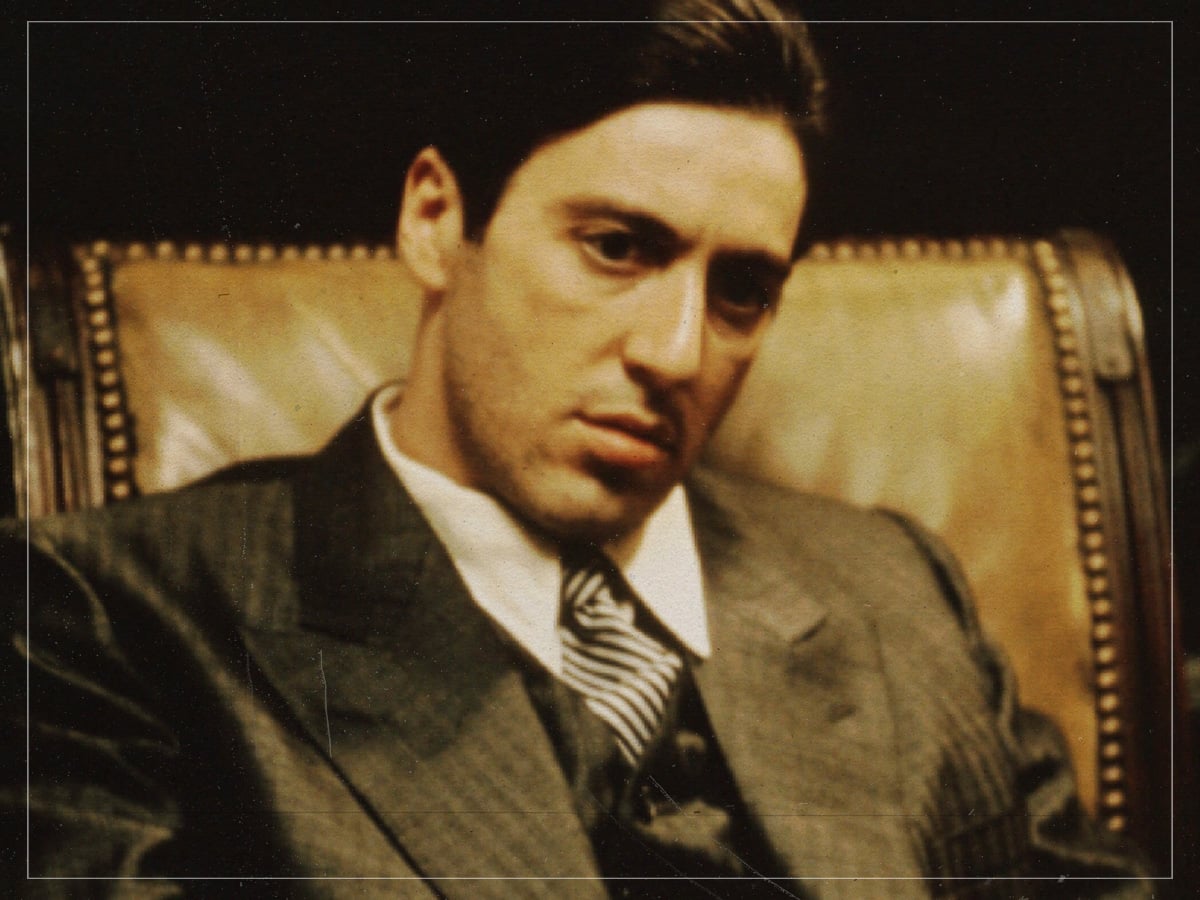
The Godfather was instantly renowned as an immediate classic because it showed that mafia stories didn’t have to be pulpy thrillers, as they could show the complexity of the American dream as it related to family, ambition, and power. Although Marlon Brando’s performance as Don Vito Corleone was worthy of all the accolades it received, it was Al Pacino’s portrayal of Michael over the course of the trilogy that had the most interesting development.
Michael starts as an idealistic young man who is only roped into the family business out of loyalty, but becomes the monster that his father was by the end. The Godfather wasn’t just an influence on future mob epics like Goodfellas, Once Upon a Time in America, and Carlito’s Way, but an inspiration for other tales about sons following in the footsteps of their fathers, such as HBO’s Succession.
Kirk Douglas as Spartacus- ‘Spartacus’
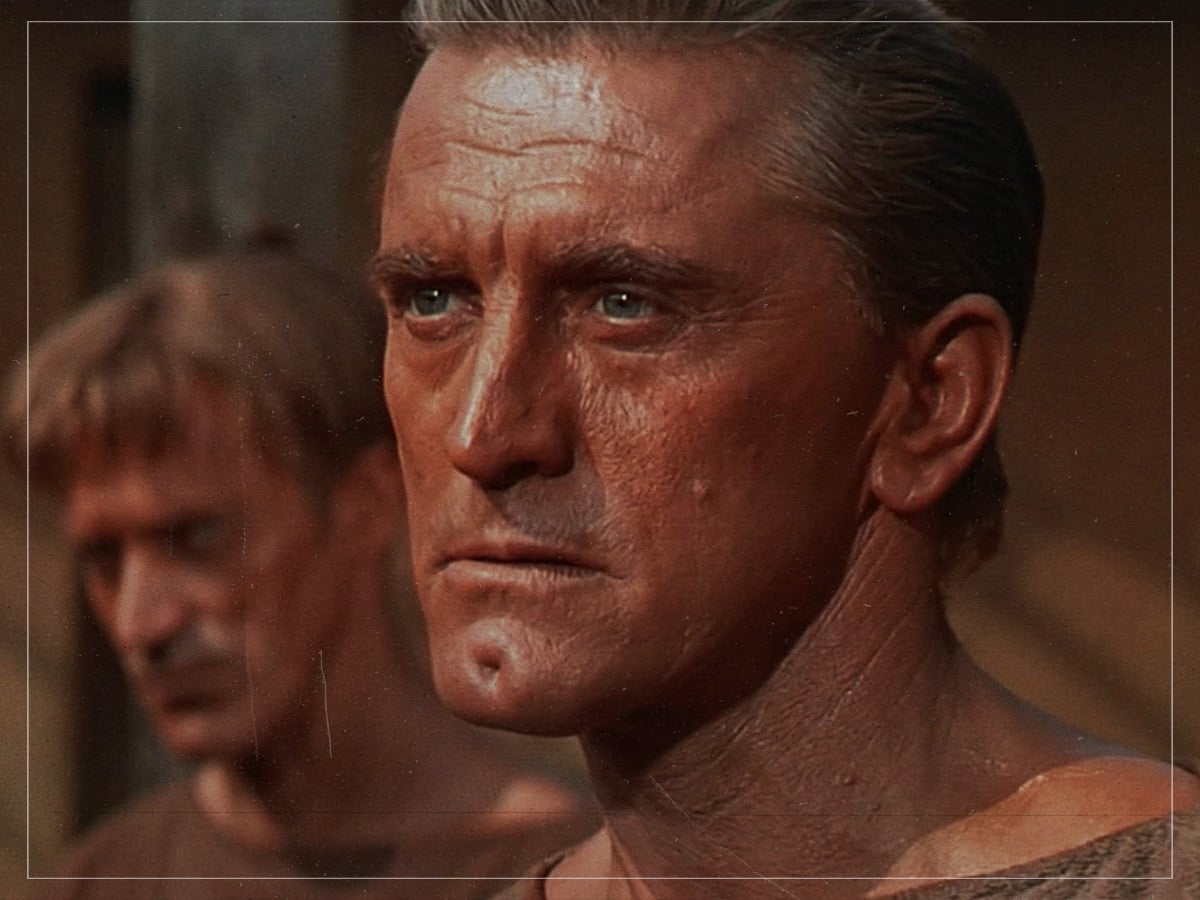
Stanley Kubrick created and refined many characters who would be ripped off constantly, such as HAL-9000 (Douglas Rain) in 2001: A Space Odyssey, Alex (Malcom McDowell) in A Clockwork Orange, Jack Torrance (Jack Nicholson) in The Shining, and the titular mad scientist (Peter Sellers) in Dr Strangelove. Spartacus was modelled after the religious and mythological epics that came before, but the titular character played by Kirk Douglas stood for more than just revenge.
He was a true man of the people who was fighting to restore justice and civility to the empire he had once sworn himself to, and was modelled after screenwriter Douglas Trumbo’s own struggles after being on the Hollywood Blacklist. The idea of a noble revolutionary hero would lead to Maximus Decimus Meridius (Russell Crowe) in Gladiator and William Wallace (Mel Gibson) in Braveheart, among many others.
Robin Williams as The Genie – ‘Aladdin’
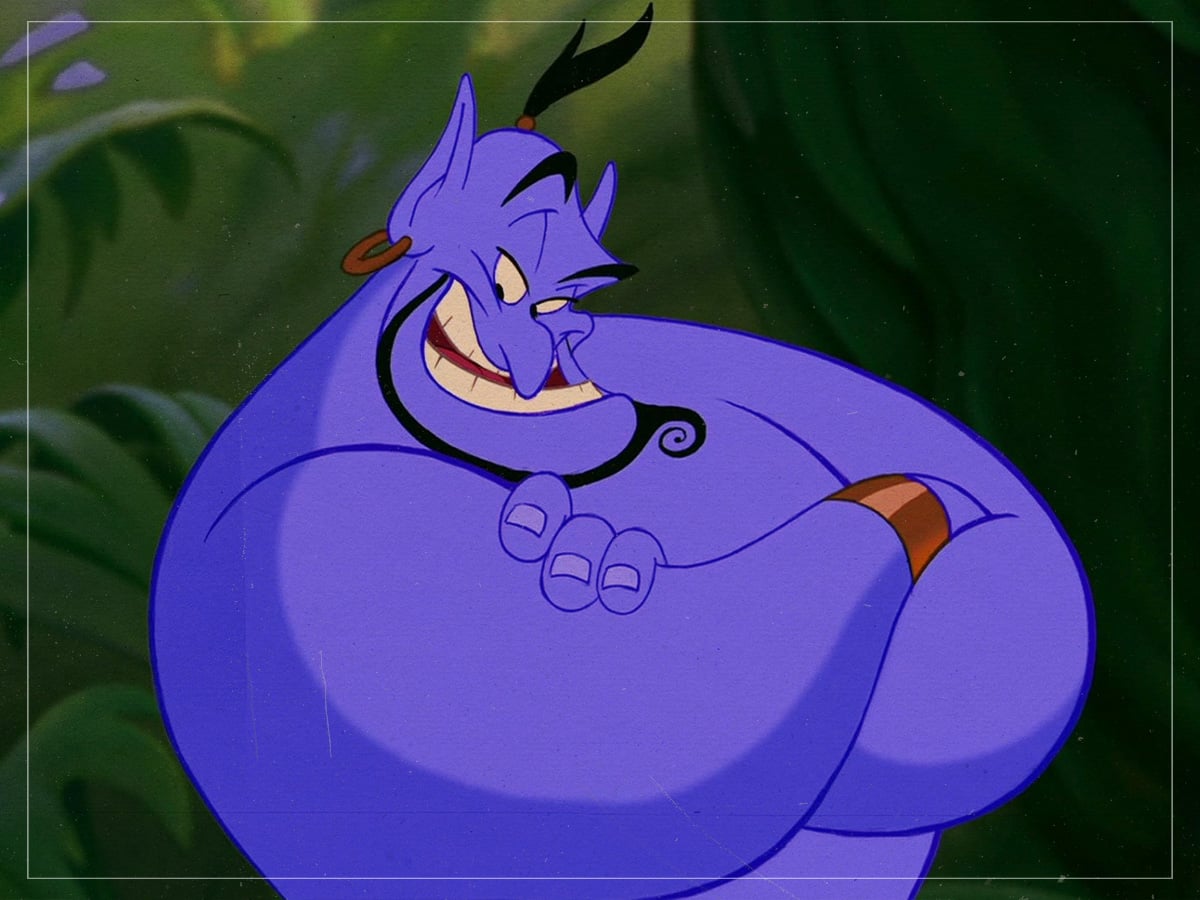
The Disney Renaissance took off thanks to animated films that looked and felt more stylistically ambitious than previous entries in the medium, and that streak continued when they began convincing A-list stars to provide their voices. The notion of getting Robin Williams to play the Genie in Aladdin paid off like no one could imagine when the comedian began improvising and writing his own material, essentially making the character his own.
This set a precedent for respected actors to seek out scene-stealing comedic characters in animated films, which would make them both beloved by families and rake in significant merchandising rights. Donkey (Eddie Murphy) in Shrek, Mike (Billy Crystal) in Monsters, Inc, Forky (Tony Hale) in Toy Story 4, Dory (Ellen DeGeneres) in Finding Nemo, and Hades (James Woods) in Hercules are just a few examples of characters crafted in the Genie’s style.
