


Ranking every movie by Akira Kurosawa

Akira Kurosawa is a filmmaker whose influence was so strong that it revolutionised cinema beyond his own culture, and while he developed a very specific style of mythic storytelling that would become synonymous with the rise of Japanese cinema in the post-World War II era, his work became extremely popular among young American directors in the New Hollywood era, too.
In addition to the many times in which his films have literally been remade in the English language (such as The Magnificent Seven, the western based on Seven Samurai), Kurosawa has been hailed for changing the way directors were perceived.
He often involved himself in all aspects of the filmmaking process, as he took over duties of writing, producing, editing, and occasionally shooting his films, and although his collaborators grew substantially as his career began to flourish, Kurosawa had some stars that he would work with on a regular basis, the most famous of whom was Toshiro Mifune, often cited as perhaps the greatest Japanese actor of all time. The pair made 16 films together, which surpasses other director-actor collaborations like John Ford and John Wayne, Martin Scorsese and Robert De Niro, and Werner Herzog and Klaus Kinski.
There are some of Kurosawa’s classics that have stood the test of time because of how often they are cited, but his filmography is filled with hidden gems that are worthy of more attention. Considering the sheer number of films that he completed in his lifetime, it’s very impressive that he directed very few misses.
Every Akira Kurosawa movie ranked in order of greatness:
‘The Most Beautiful’ (1944)
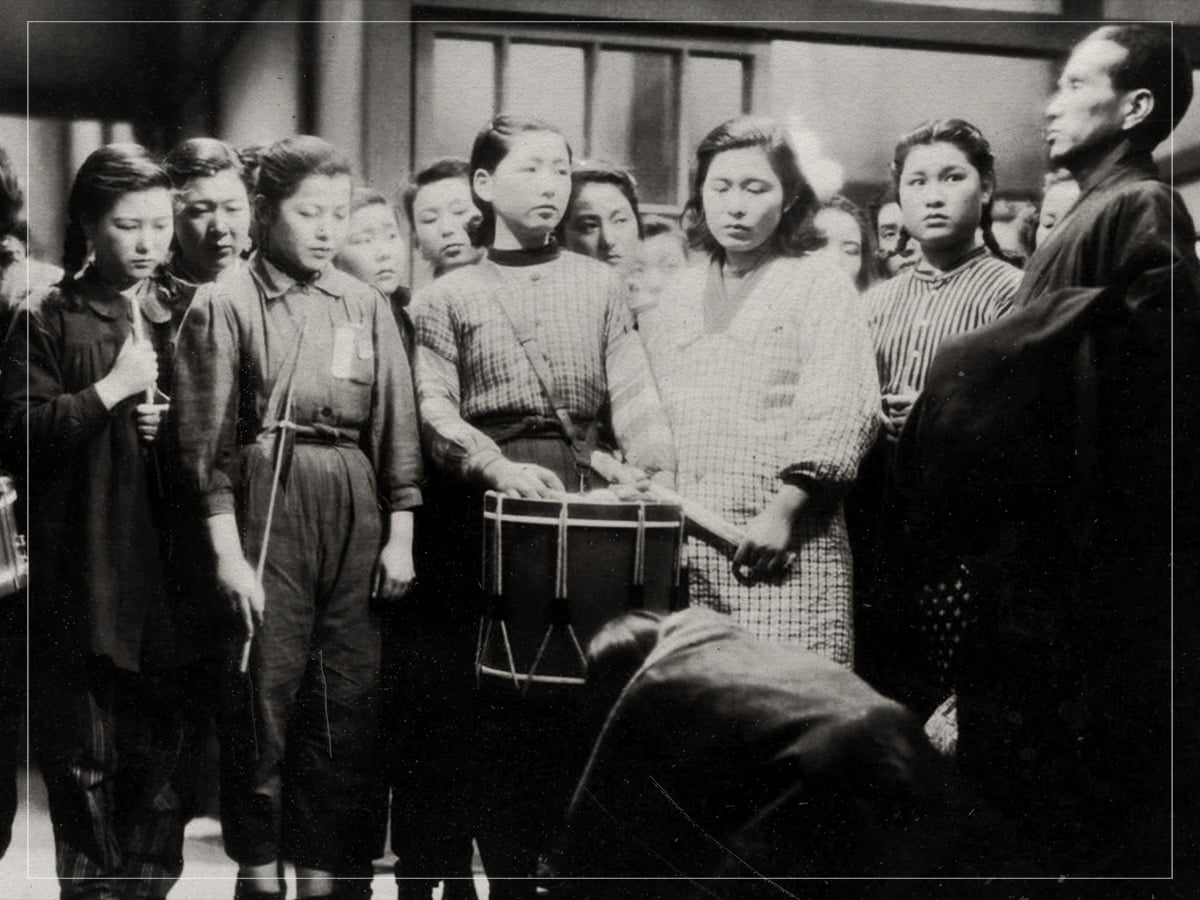
The Most Beautiful is a propaganda film that Kurosawa made in the midst of World War II, which explored the experiences of female volunteers working at a factory. Although there were many American directors who willingly made propaganda films during the same era (such as William Wyler and John Ford), Kurosawa did not have the power at this point in his career to turn down the opportunity to make a morale-booster for Japan.
The Most Beautiful sticks out like a sore thumb in his filmography because it represents the opposite of his ideals, but it also lacks any individualistic focus on its characters. Even if the attempt was to appease a concerned public in the midst of the conflict, the film has some pretty ugly hate speech throughout, as the workers begin their day by pledging death to American and British civilians.
‘Sanshiro Sugata Part II’ (1945)
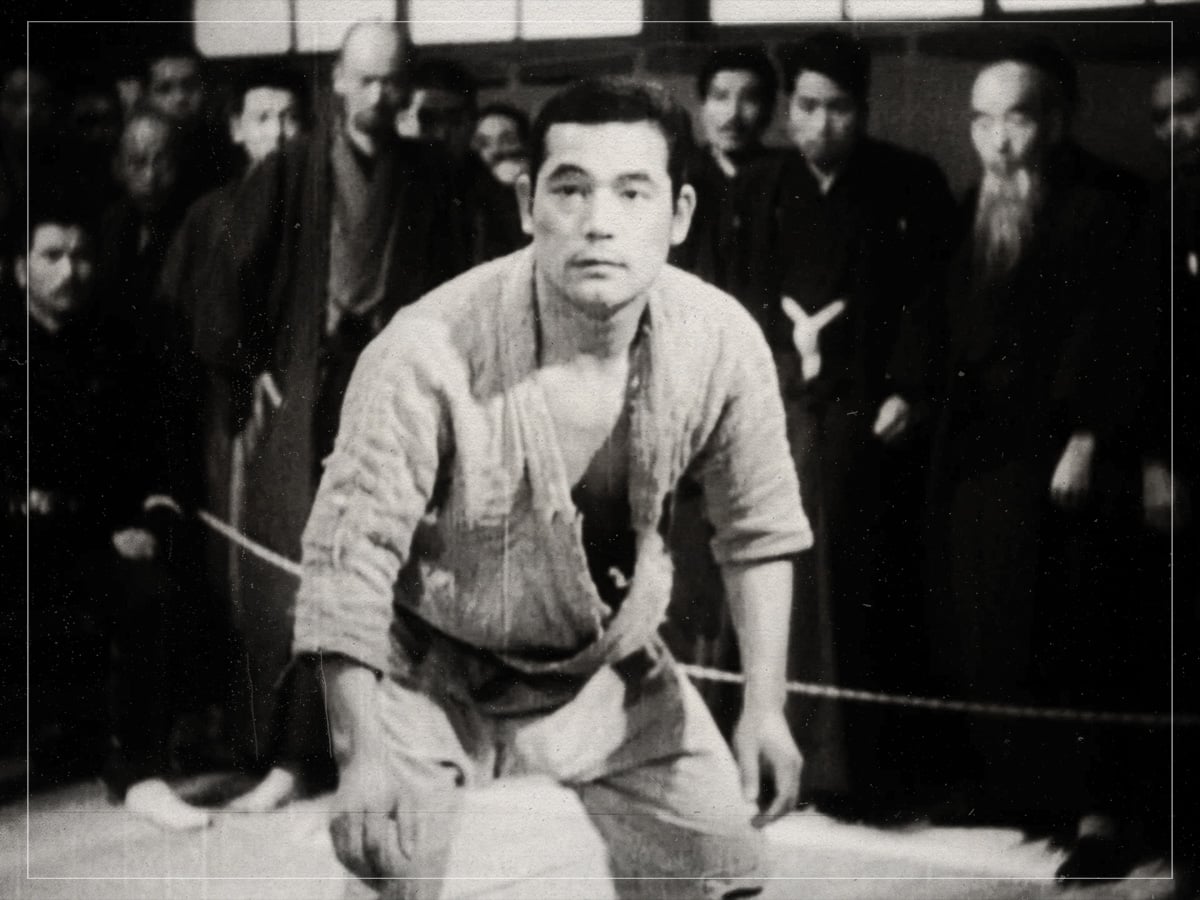
The first sequel of Kurosawa’s career is also his second propaganda film, as Sanshiro Sugata Part II was greenlit by Toho to showcase and celebrate Japanese values at the tail end of World War II. The protagonist from the first film is faced with a challenge in which two different forms of martial arts do combat with one another (not dissimilar from the famous Hulk Hogan fight in Rocky III), and ends up scoring a victory by choosing to retain his Japanese honour and defeat an American competitor.
As was the case with The Most Beautiful, this one doesn’t have the same passion behind it as his other work, with his patient, meditative qualities absent in a film with a blatantly propagandist message. The most memorable aspect is that it’s the first known film sequel to have a numeral in the title.
‘The Idiot’ (1951)
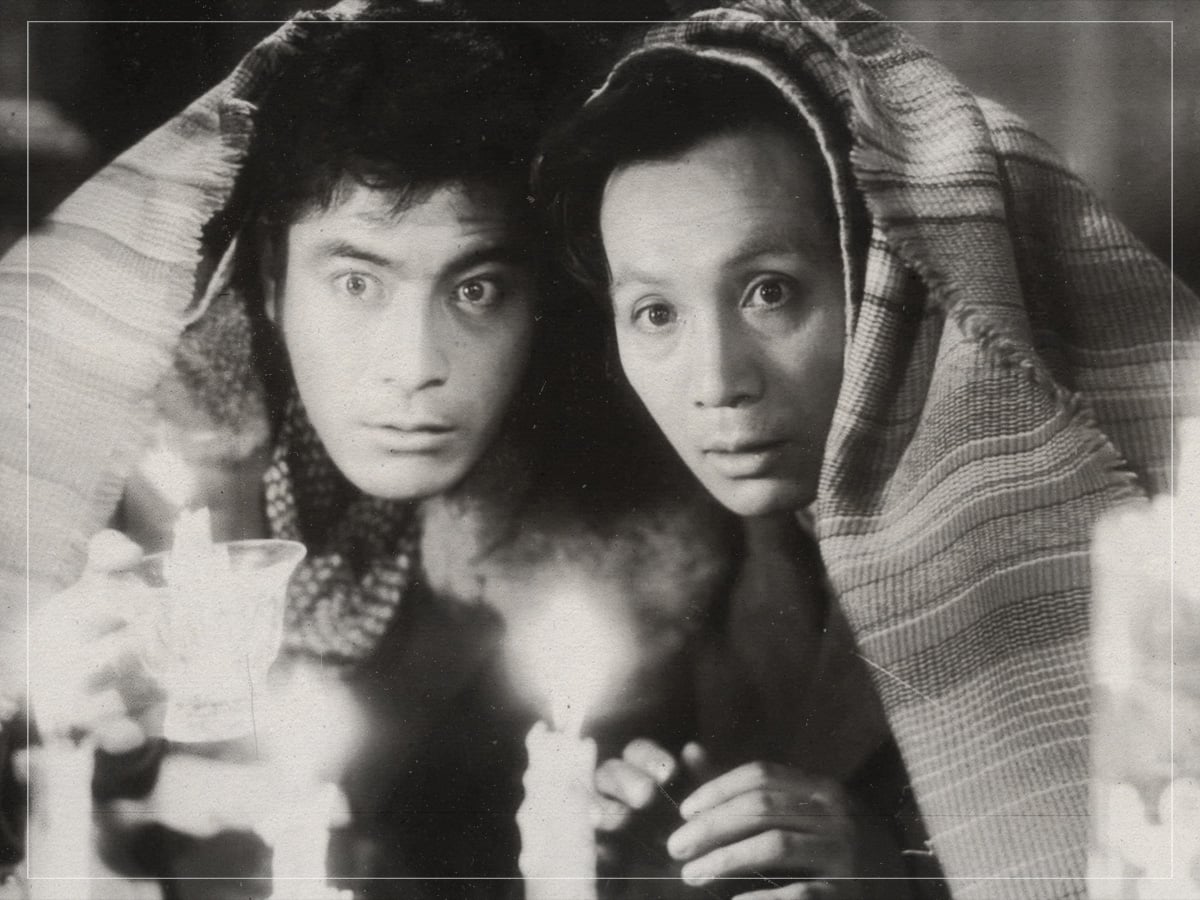
The Idiot was based on the novel by Fyodor Dostoevsky, but doesn’t rank among the best adaptations of his work because the original cut is now lost. Kurosawa’s initial cut of the romantic drama ran 265 minutes, but a negative test screening resulted in the Shochiku company reducing the running time to 166 minutes. Although Kurosawa later attempted to obtain the missing materials, the print has not been found within the company’s archives.
As it stands, The Idiot is basically incomprehensible, as even the interstitial title cards have a hard time making anything tangible within the complex web of characters and relationships. It’s also one of the rare Kurosawa films where the performances are lacking, as Masayuki Mori is an empty void of charisma who doesn’t make for a compelling protagonist, even though Setsuko Hara is quite striking in the role of Taeko Nasu.
‘The Men Who Tread on the Tiger’s Tail’ (1945)
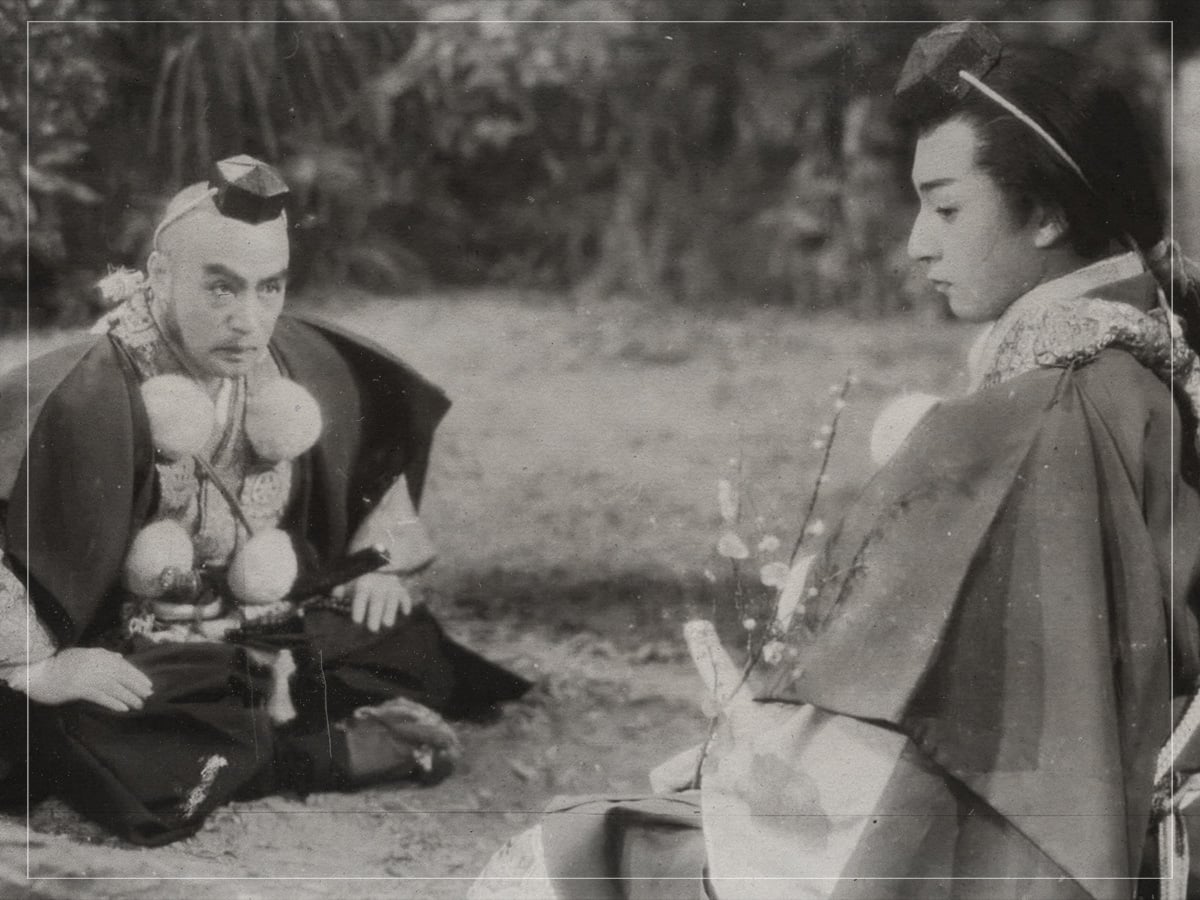
It’s hard to compare The Men Who Tread on the Tiger’s Tail to the rest of Kurosawa’s body of work, given that it is less than an hour long and was subjected to censorship upon its debut during the occupation of Japan, likely due to the positive portrayal of the feudal system. The adventure focuses on a group of samurai who disguise themselves as monks to infiltrate an enemy’s territory, and showcases the spirited, high-octane athleticism that Kurosawa would adopt within his later feudal efforts.
While the characters in The Men Who Tread on the Tiger’s Tail aren’t as distinguishable as those in Seven Samurai or Yojimbo, Kurosawa does reflect the smaller-scale nature of the story through humour, which is a quality within his work that he is often not given enough credit for. If anything, it may have inspired viewers to seek out the original kabuki play for which it was based.
‘The Lower Depths’ (1957)
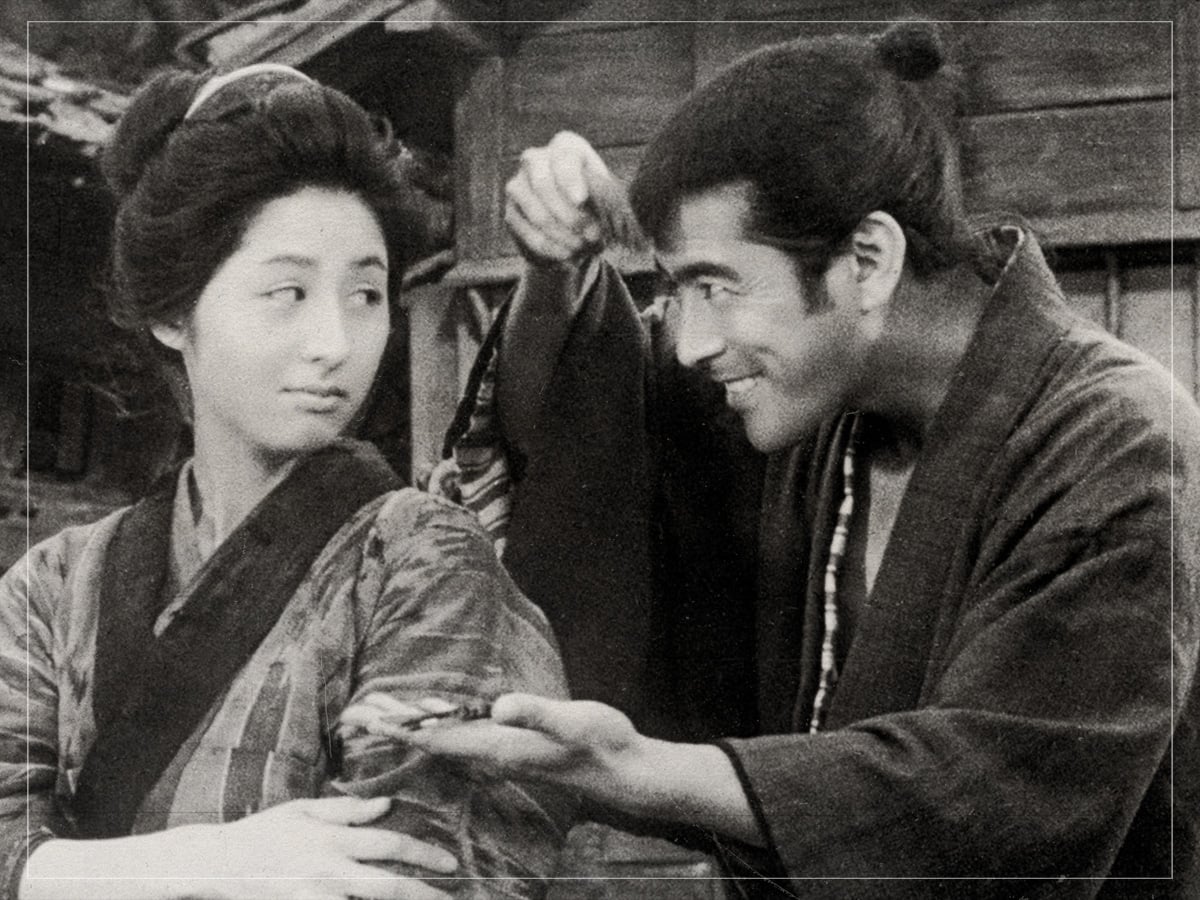
The Lower Depths is based on a Russian play by Maxim Gorky, which also inspired a more traditional 1936 adaptation from Jean Renoir that retained its 19th-century setting. While Kurosawa added nuances to the material to fit it within Edo-era Japan, he showed considerable creativity in retaining the focus on a single location while also feeling cinematic; it’s easy for stage adaptations to feel too isolated, but The Lower Depths feels as if it exists as part of a historical tapestry.
Although the film is well-acted, it’s unrelentingly bleak in a manner that is straight-up nihilistic, complete with one of the cruellest endings of any of Kurosawa’s films. That isn’t necessarily a bad thing, but it does feel slightly out of depth for a director who tends to find humanity within all of his stories, regardless of how dark they can be.
‘Sanshiro Sugata’ (1943)
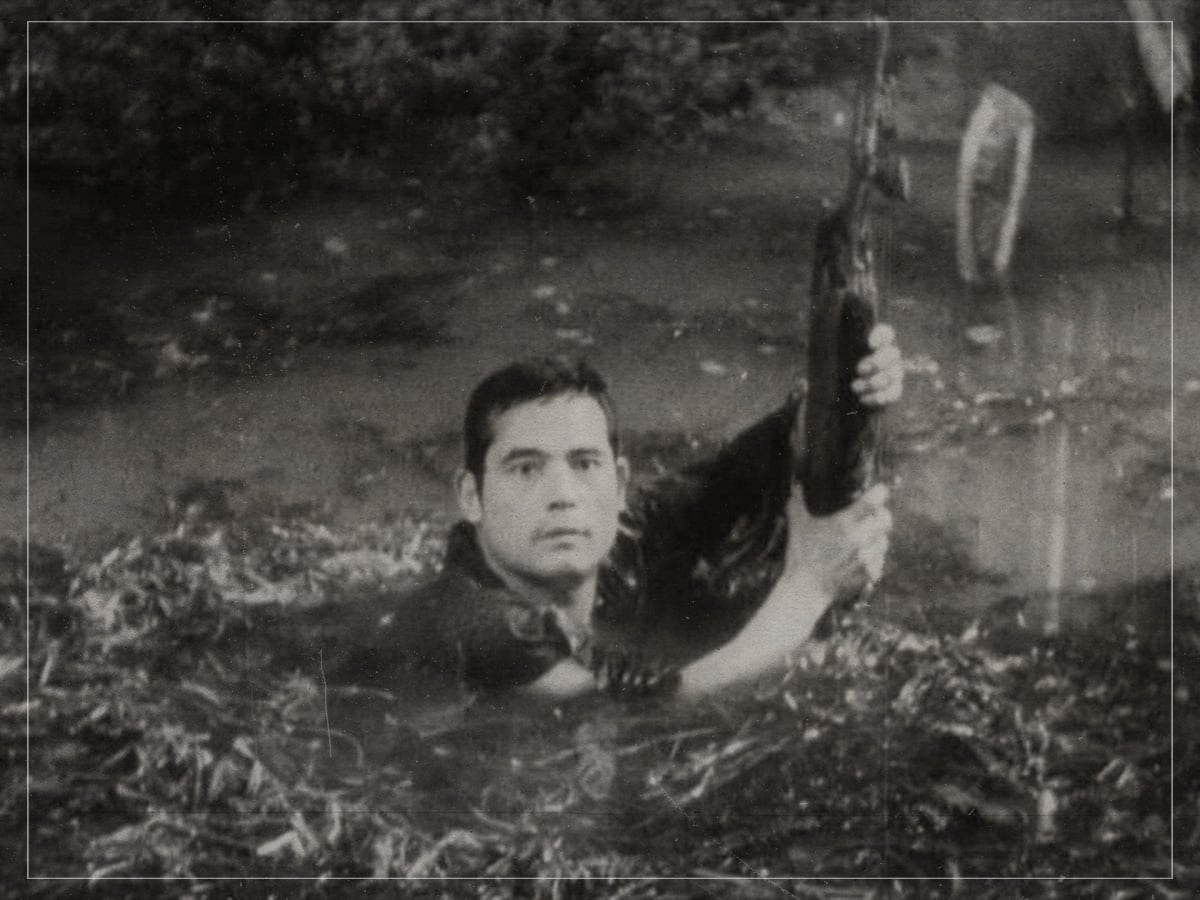
Sanshiro Sugata is a fairly impressive directorial debut from Kurosawa, especially considering that he was so excited about adapting the novel that he conceived of the script in one sitting. The drama follows a young man as he undergoes training in martial arts, which leads him to fall in love, mature into a more self-actualised person, and face off with his rival. The director impressively nailed the basic outline of a sports drama, which would be iterated upon countless times in the next 80 years.
It’s a film that is challenging to rank because 17 minutes are missing from all modern cuts of the film, as they were lost shortly after the end of World War II; for better or worse, it’s fairly clear what scenes are missing because of the gaps in the story, even if there are title cards that are inserted to explain some of what was left out.
‘Madadayo’ (1993)
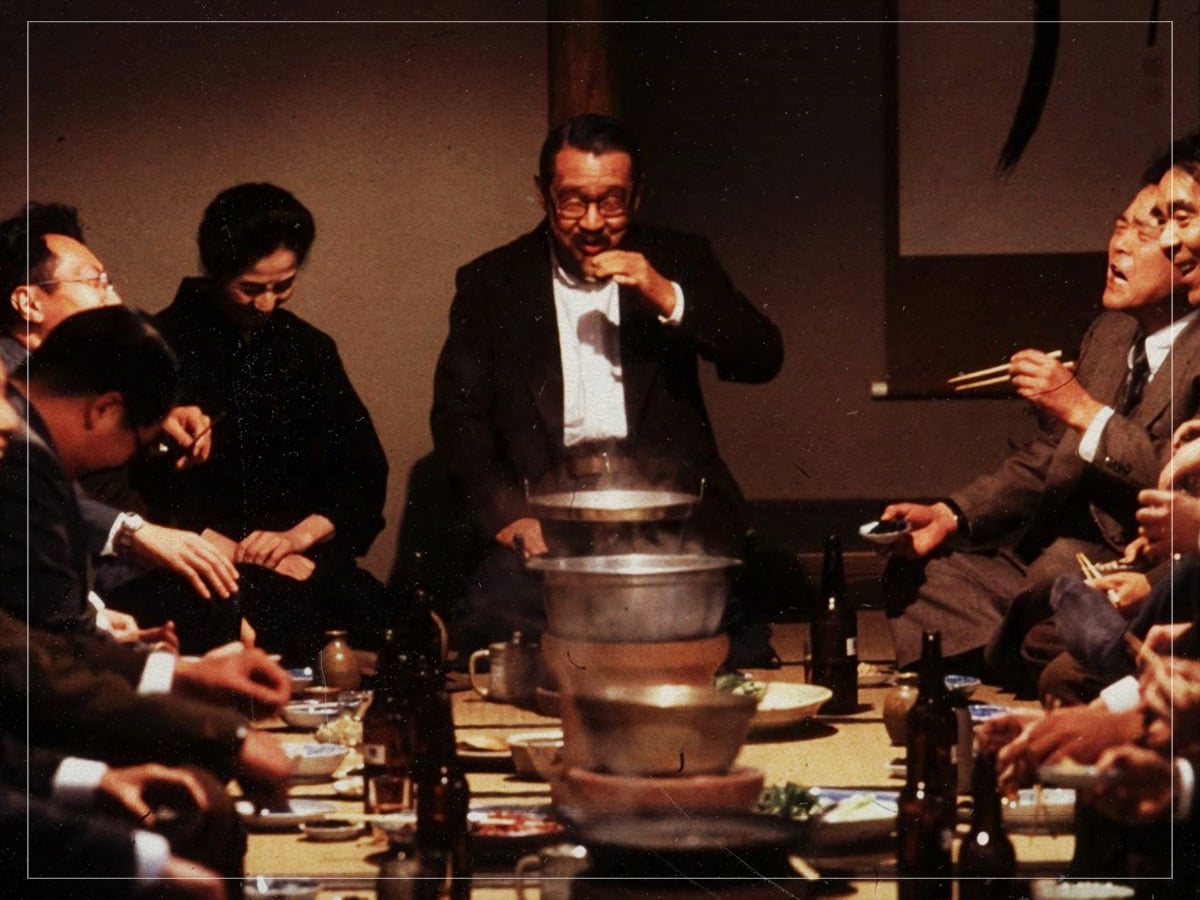
The last film of Kurosawa’s career was also his first true comedy, even if there had been components of humour in some of his previous work. Although it was loosely based on the life of the Japanese academic Hyakken Uchida (portrayed by Tatsuo Matsumura), Madadayo is also a deeper exploration of an artist reaching the end of their life that feels like a personal statement.
The educational drama examines how Uchida resists death, forging a closer relationship with both his student and family as he considers his own legacy. Although it’s far less visually inventive than what Kurosawa had been doing with his other films in the ‘90s, Madadayo is one of the rare instances of a great director ending their career on their own terms by making a personal statement; the title can literally be translated to ‘not yet’.
‘Scandal’ (1950)
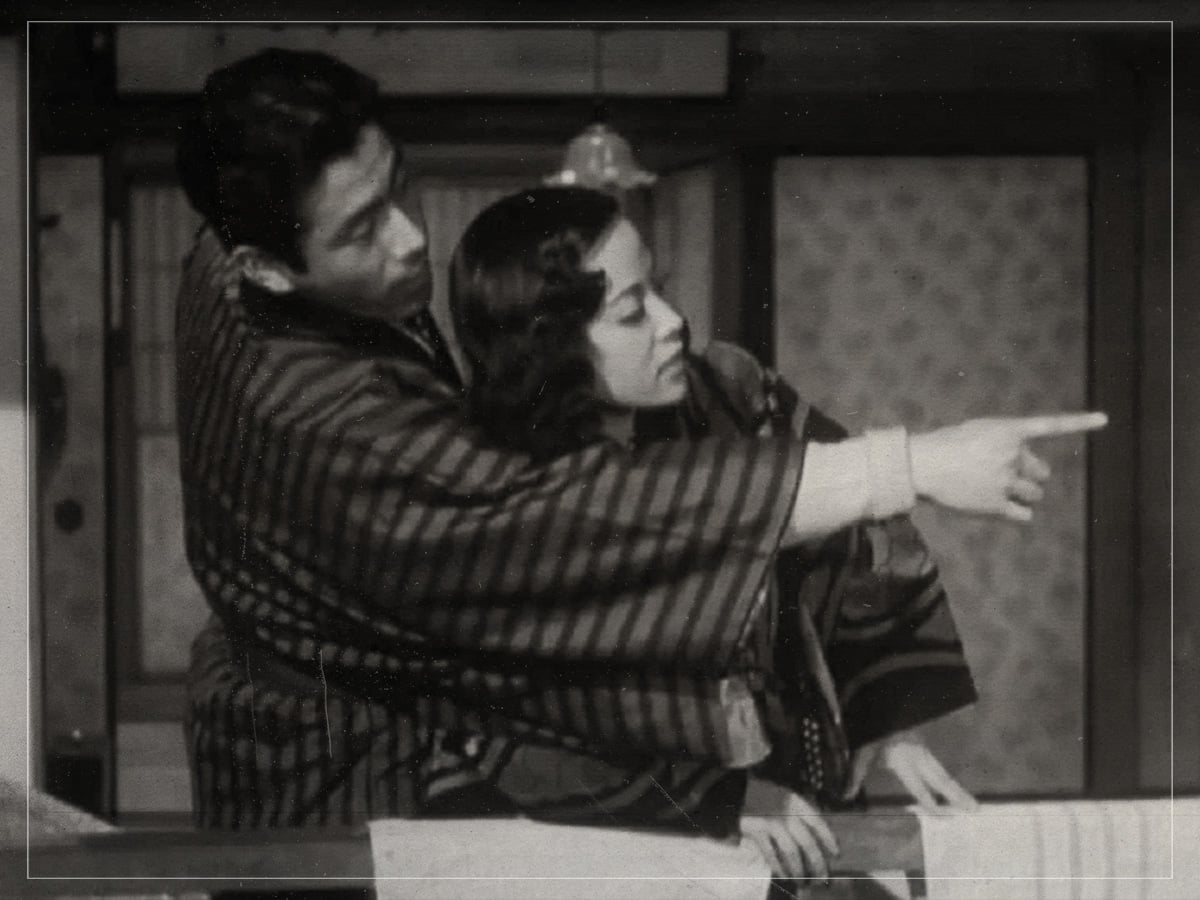
Kurosawa had his occasional spats with Western media, but he was also deeply resistant towards yellow journalism in Japan and the way that it covered controversy. Scandal was a provocative drama about the aftermath of a malicious news story that insinuates a romantic affair between a painter and singer, and while the first half of the film explores how the characters are affected by the media backlash, it transforms into a courtroom drama in its back half when the journalists go on trial.
Although the exploration of the Japanese court isn’t as nuanced as some of Kurosawa’s other social dramas, Scandal is a fascinating product of its time because of the warnings it had about the ease with which fabrications can be accepted as truth. Curiously, the film was made before Kurosawa had any real influence on Western culture, but it has aged into relevance in those territories.
‘One Wonderful Sunday’ (1947)
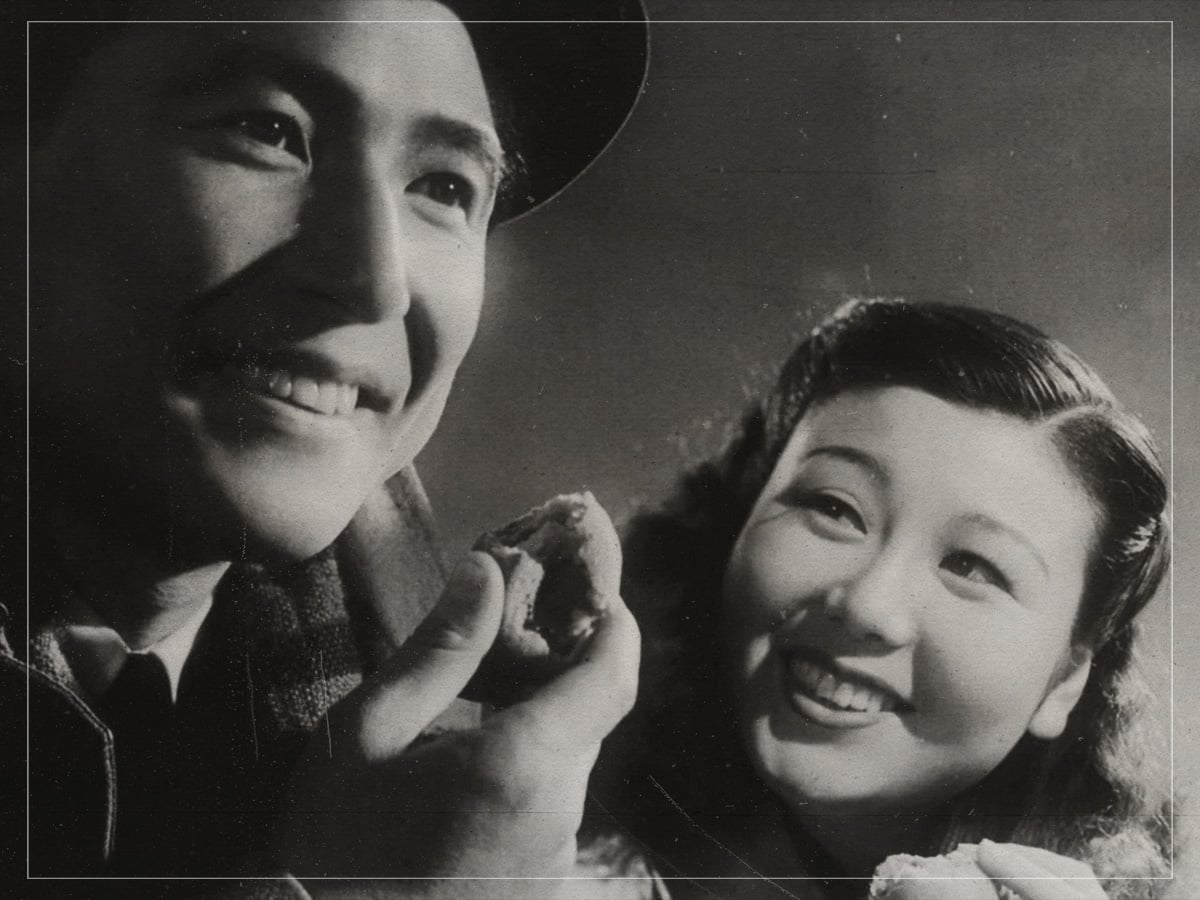
One of Kurosawa’s most underrated films, One Wonderful Sunday is the director’s more sincere, thoughtful love story and continued his shift towards neo-realism that began in the immediate aftermath of World War II. While he has expressed mixed sentiments on the depth of Japanese cinema, One Wonderful Sunday is a heartfelt, moving exploration of a couple’s desire to make the most of their day off together, despite facing the consequences of poverty.
The first half is a more traditionalist, observational drama that reflects on the various aspects of Japanese culture that were affected by the postwar era. Although it may feel a bit visually stagnant when compared to his other work, Kurosawa ends the film with an ambitious, jaw-dropping fourth-wall break that initiated a period of formal experimentation that would become the highlight of his career.
‘No Regrets for Our Youth’ (1946)
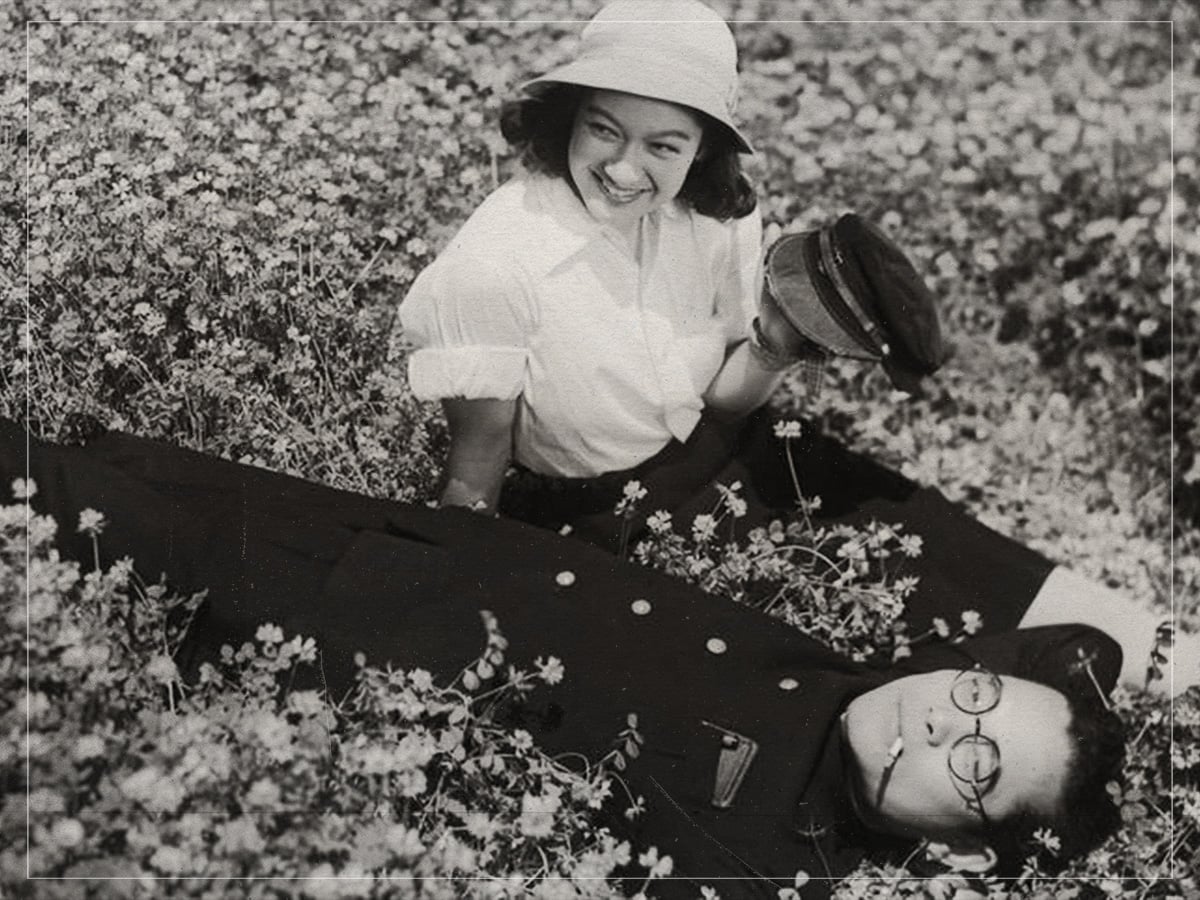
Kurosawa’s name became highly cited among contemporary filmmakers because of his ability to address topical issues with no uncertain terms, which would often cause controversy. No Regrets For Our Youth was released only a year following the conclusion of World War II, and looked back at the previous decade through the perspective of students at the Kyoto Imperial University as they resisted the nation’s growing militarisation.
While his pre-war films had been influenced by political sentiments at the time, and often held a pro-nationalistic stance, No Regrets For Our Youth was a sincere declaration on his part that divorced the Japanese artistic community from the aggressions of its military. It also featured an amazing early performance from Setsuko Hara, the great Japanese actor who would attract more attention, thanks to her collaborations with the filmmaker Yasujirō Ozu in the following decade.
‘I Live in Fear’ (1955)
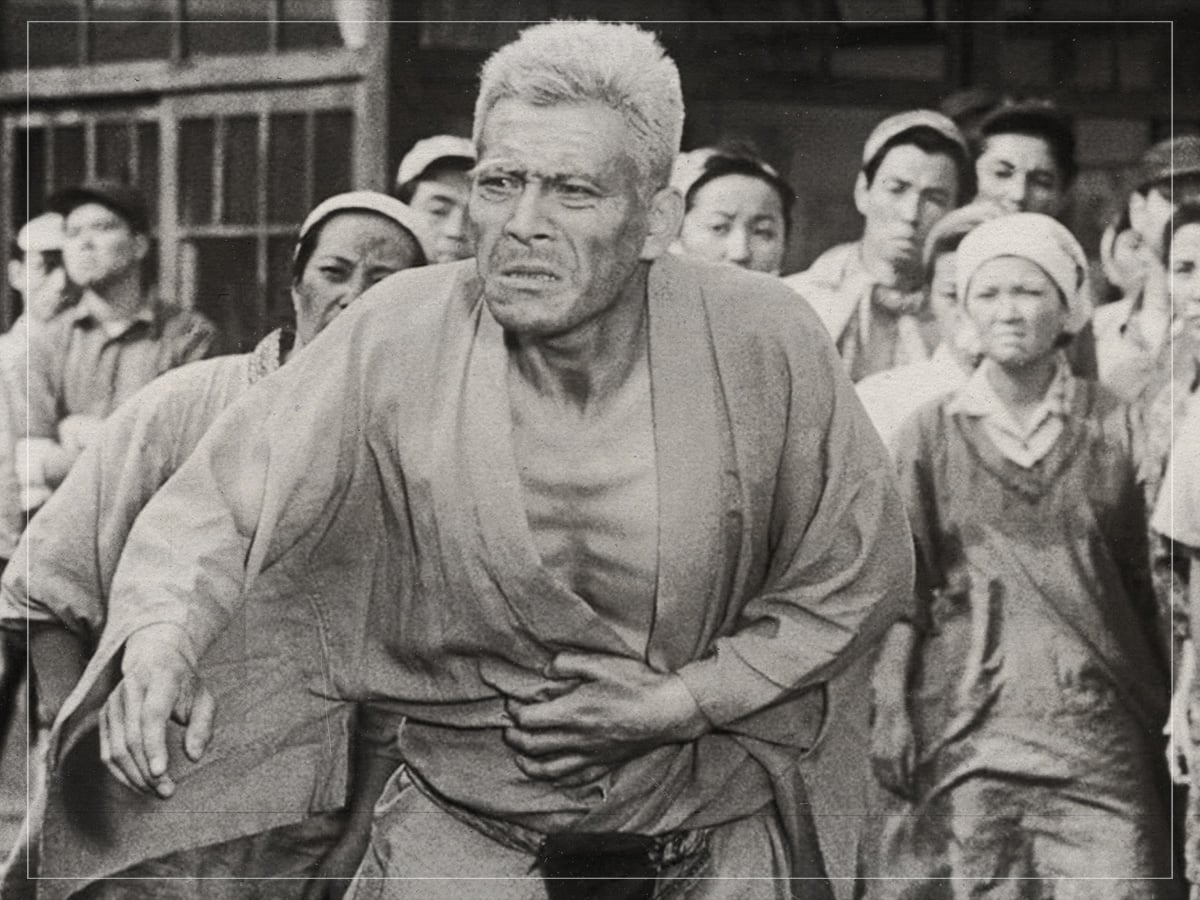
I Live in Fear was one of the most timely of Kurosawa’s 1950s films because it explored the increasing anxiety of older Japanese citizens about the possibility of nuclear war. A generational split had begun to develop between older people who were acute and aware at the time of the stacks and youths, who were not of an age to truly understand what the repercussions were.
I Live in Fear features one of the most dramatic transformations from Mifune, who plays an ageing doctor attempting to bring his family to Brazil out of fear of nuclear bombardment, and despite being 35 at the time of shooting, he played a 70-year-old character. While the film doesn’t have the compelling ensemble of Kurosawa’s greater works in this period, it was refreshing in its modern setting and has one of the most stunning final shots of his career.
‘Dodes’ka-de’ (1970)
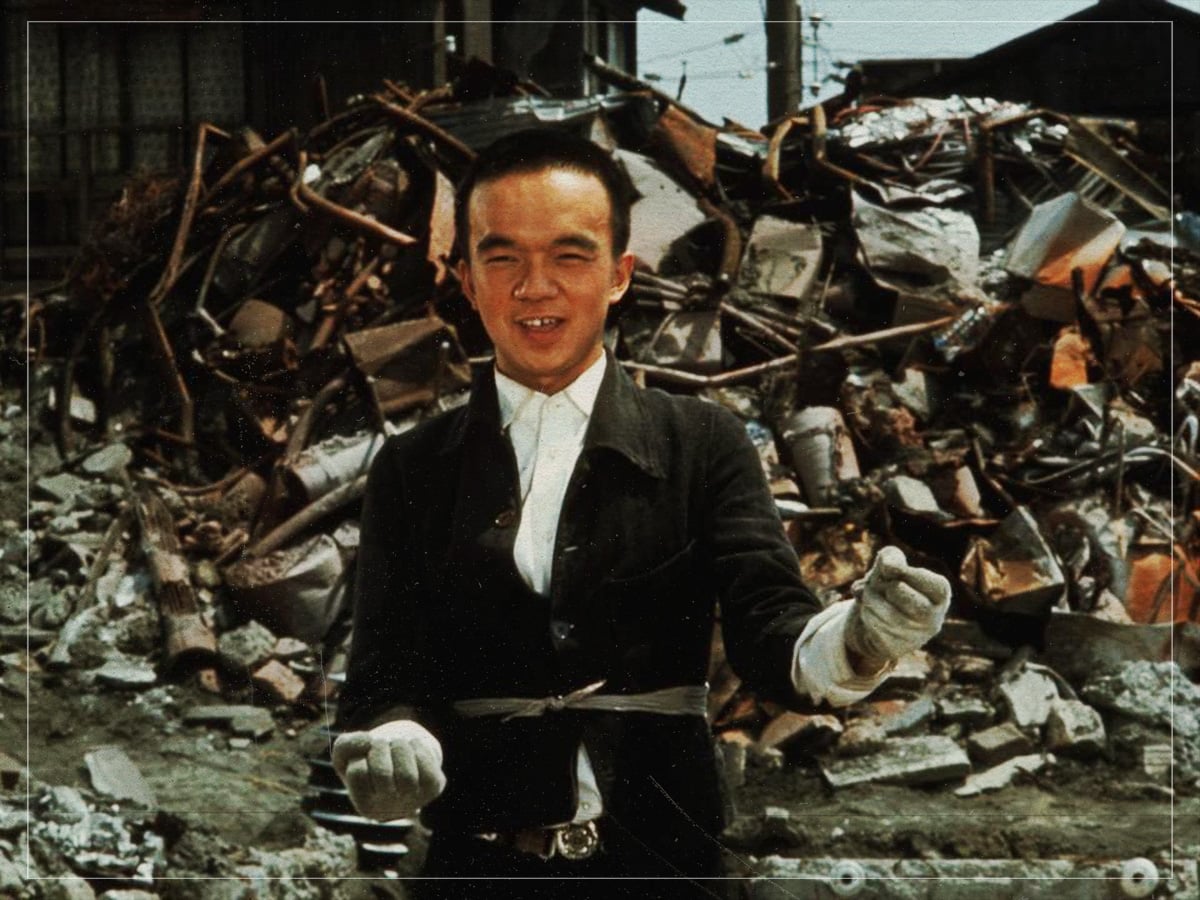
Dodes’ka-den marked a disastrous start for Kurosawa’s run in the 1970s because of how much he poured into the production, where, in order to make his first colour film, he mortgaged his house and leveraged his own money, which made it all the more devastating when the film bombed. It was out of disappointment and depression that Kurosawa attempted suicide a year later.
Dodes’ka-den is unlike anything else he made, as it was a mosaic of different stories set in the slums of Tokyo, and it examined the various indignities and dreams of those living in poverty. Although any ensemble film is bound to have some segments that are more entertaining than others, the film is very sensitive to its impoverished characters. Kurosawa’s humanism has been a major reason why he is so admired, and Dodes’ka-den might be the most ‘issue-based’ film that he ever made.
‘The Quiet Duel’ (1949)
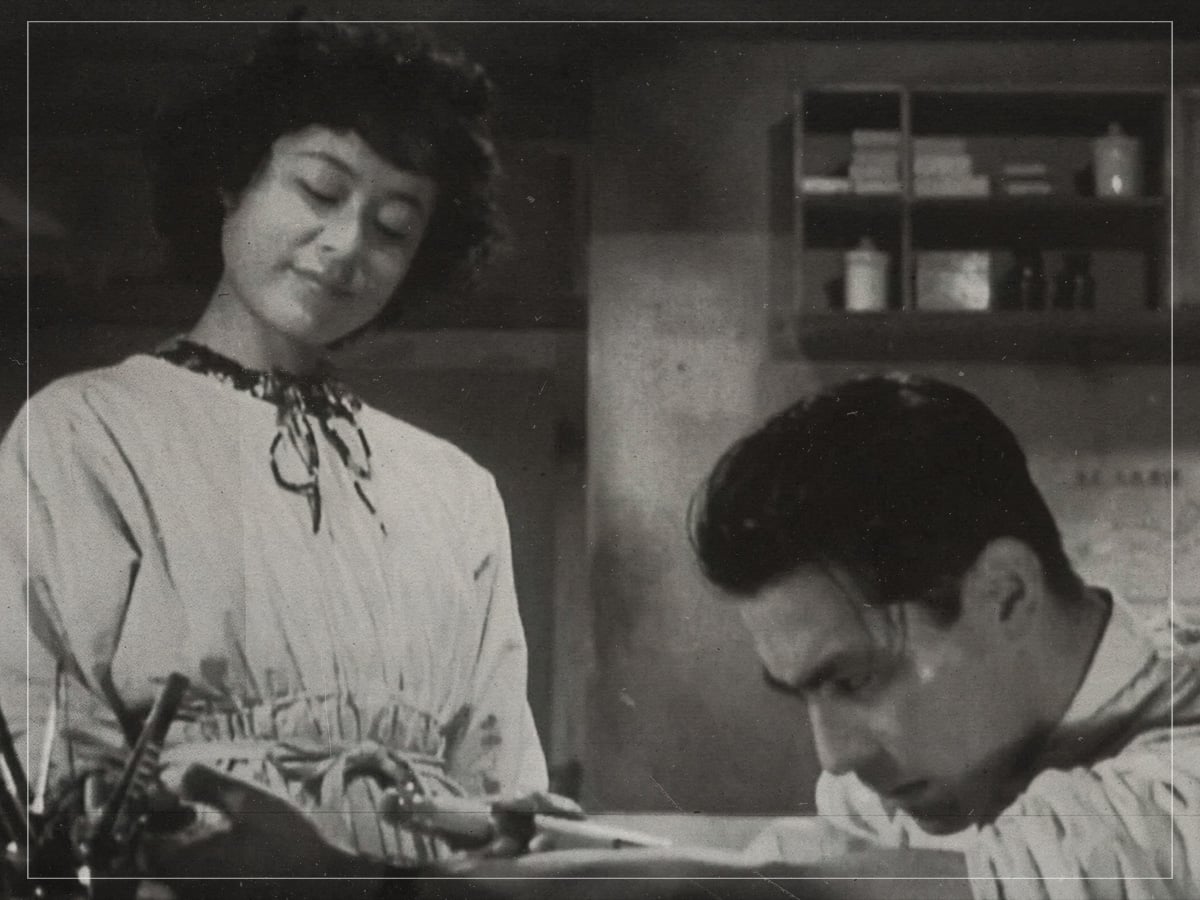
Released at the end of Kurosawa’s first decade of filmmaking, The Quiet Duel was the director’s second film in a row to deal with the pressures placed on medical professionals in the post-war era. Mifune stars as a doctor who contracts syphilis while operating on a patient, and struggles with the pressure to keep his diagnosis a secret as his marriage and profession fall apart.
Such issues were considered taboo in classic films, and Kurosawa is unsparing in this dark, often hopeless tale. His films were often critical of both public outrage and governmental constraints, and The Quiet Duel is among the most pressing stories about a man ostracised by systems. It was a case in which the budgetary restrictions actually resulted in a more intimate piece of filmmaking, as extensive efforts were taken to ensure that the surgical process was handled in a realistic manner.
‘Drunken Angel’ (1948)
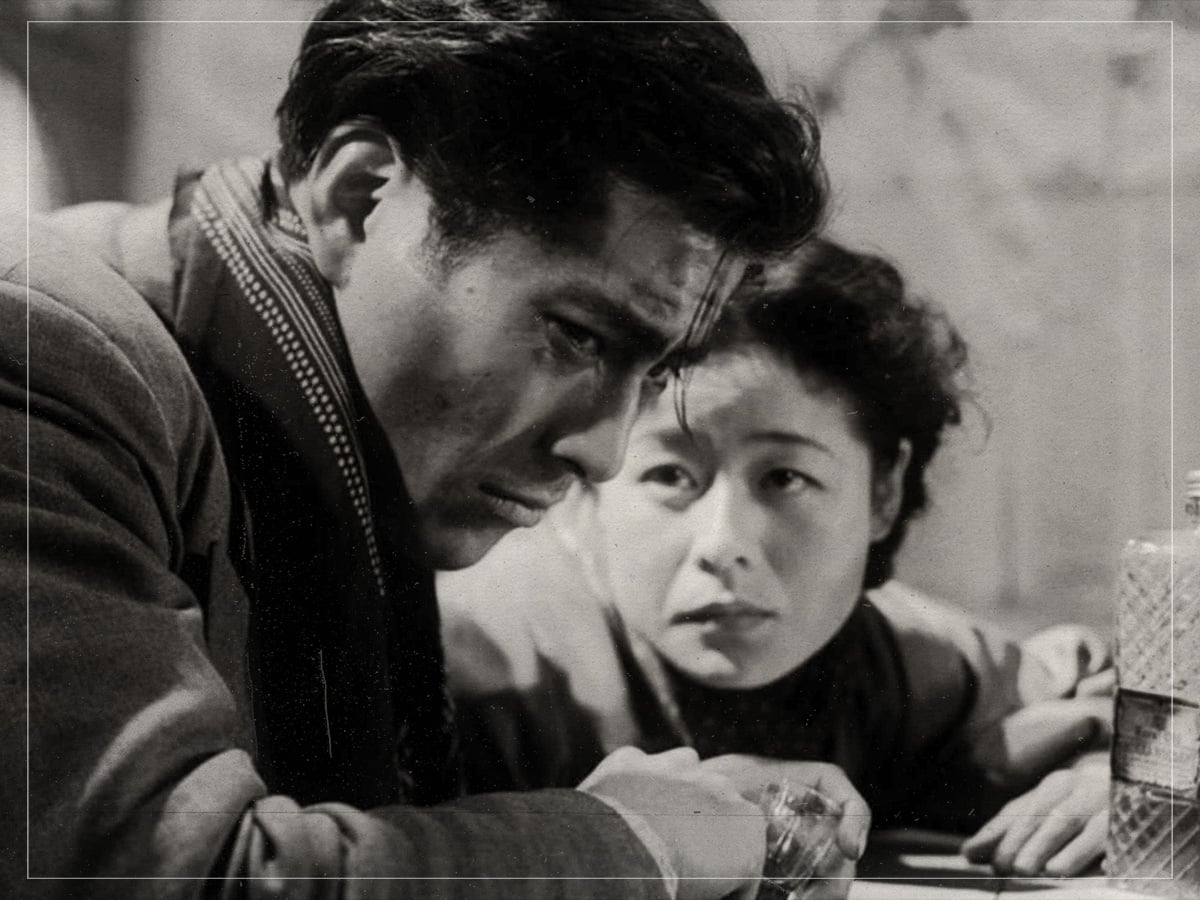
Drunken Angel was not only Kurosawa’s first great film, but the first of his many collaborations with Mifune, who gives a singular performance as a member of the Japanese mafia who forms a bond with a doctor (played by Kurosawa regular Takashi Shimura).
The film’s humanist style would become highly influential on the rest of Kurosawa’s work, specifically in how he characterised his protagonists as being distinctly realised beyond their class; despite the fact that the two leads come from completely different backgrounds, they find a shared sense of humanity through their frail sense of mortality. Drunken Angel signified that Kurosawa was willing to take on more taboo subjects, as the film blatantly deals with sexual frustration, alcoholism, and issues of economic anxiety during a time in which these topics weren’t frequently addressed in Japan’s society, let alone its culture.
‘Rhapsody in August’ (1991)
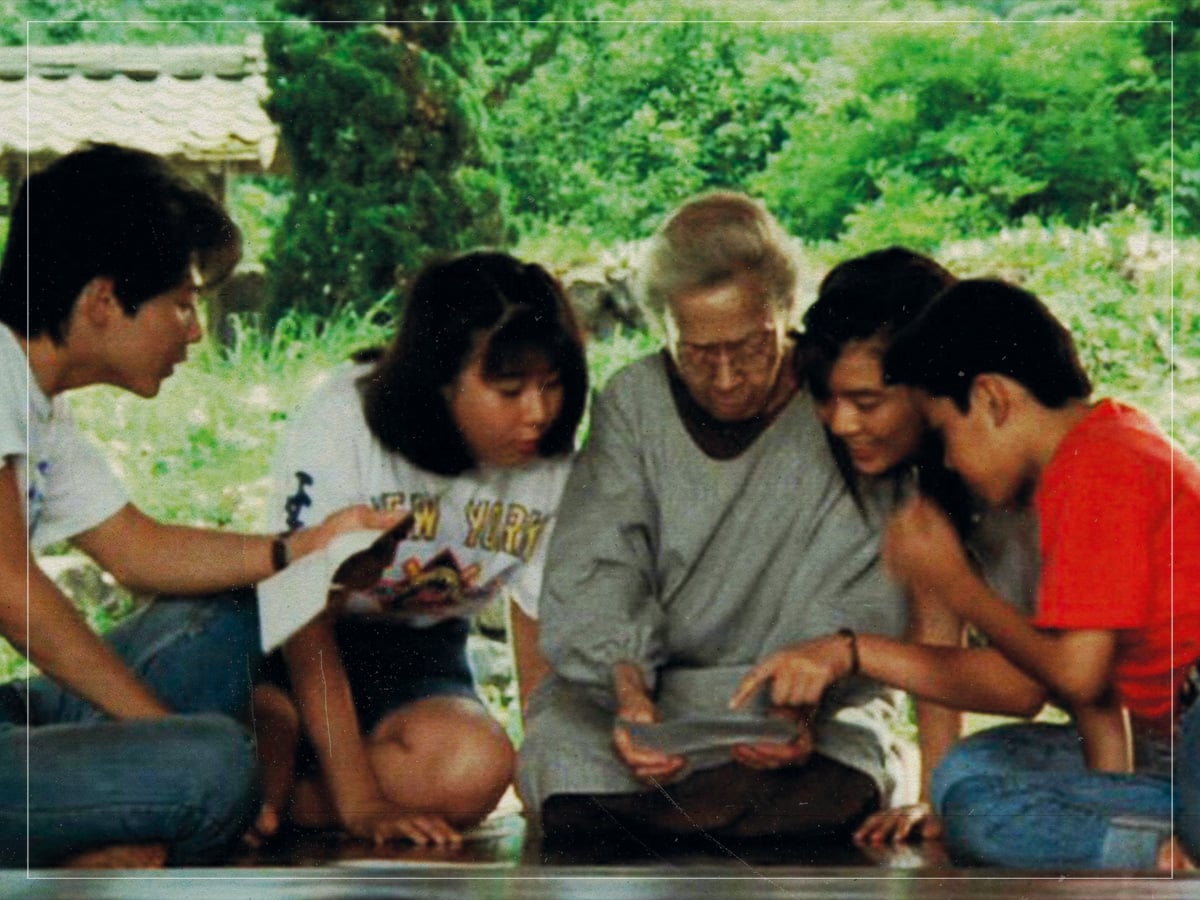
Richard Gere became the first and only American actor to ever have a prominent role in a Kurosawa film when he co-starred in Rhapsody in August, a sentimental, PG-rated drama that explored the lasting effects of the atomic bomb on three generations of a family. Gere doesn’t appear until the last third of the film as a half-American, half-Japanese man who reunites with his elderly aunt (Sachiko Murase), who is trying to explain the impact that Nagasaki had to her grandchildren.
While the film courted controversy due to its alleged anti-American sentiments, it is surprisingly thoughtful on the senseless nature of war, and features a very moving performance from Murase. It was the first film of Kurosawa’s that both considered the perspective of children and could be feasibly enjoyed by a younger audience, making it a valuable addition to his ‘90s renaissance.
‘The Bad Sleep Well’ (1960)
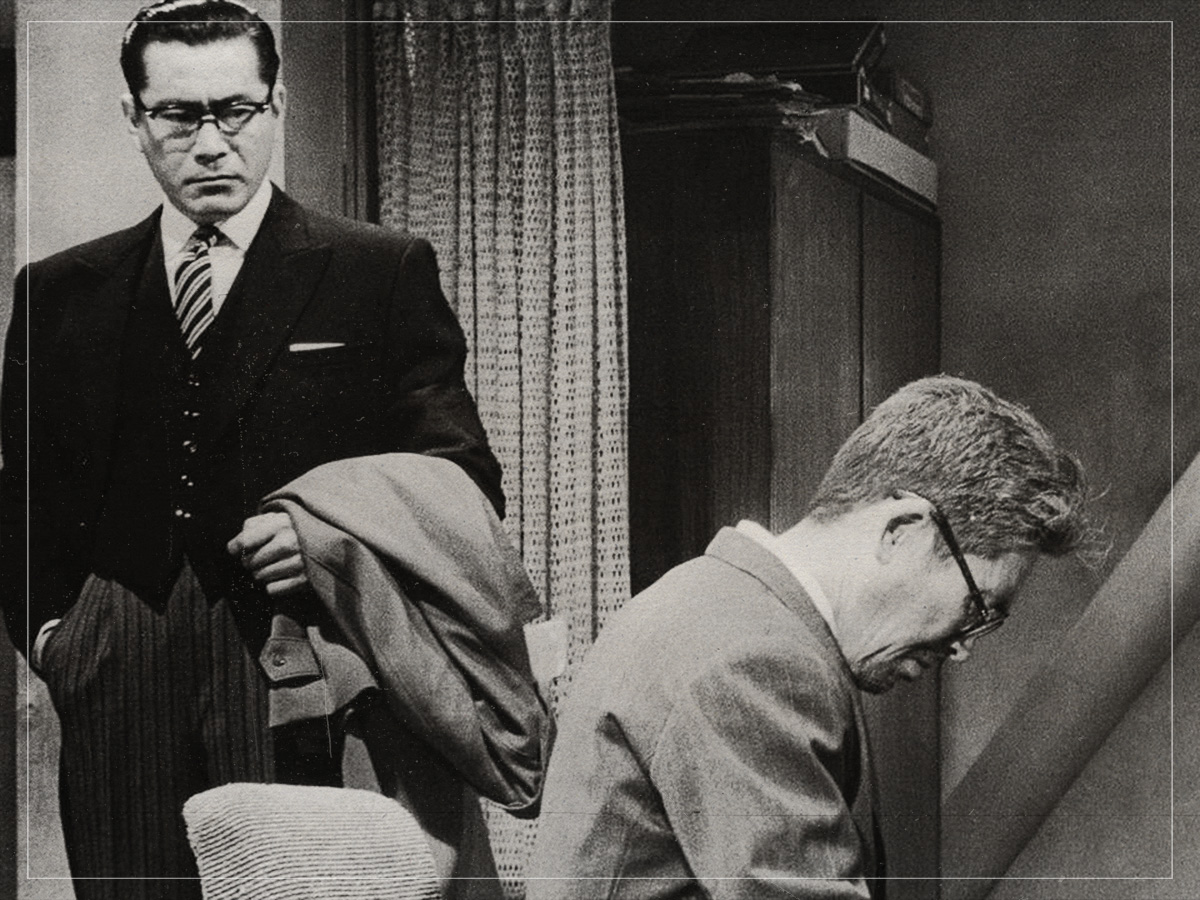
The first of Kurosawa’s films in the 1960s was a loose adaptation of Hamlet (more interesting than most Hollywood versions) that told a complicated story of revenge, corporate sabotage, and generational guilt within a powerful business empire controlled by a powerful, yet dysfunctional family. As the first film made under Kurosawa’s new production company, The Bad Sleep Well had a more realistic depiction of the country in the postwar years, in which powerful moguls took advantage of the power vacuum and formed monopolies.
The film is quite bleak, but there’s also a degree of self-awareness that came from Kurosawa’s knowledge of the neo-noir genre and willingness to subvert it. As a commentary on sensationalist media and the duress of corporate consolidation, The Bad Sleep Well has become even more relevant today than it was during the auteur’s own lifetime.
‘Sanjuro’ (1962)
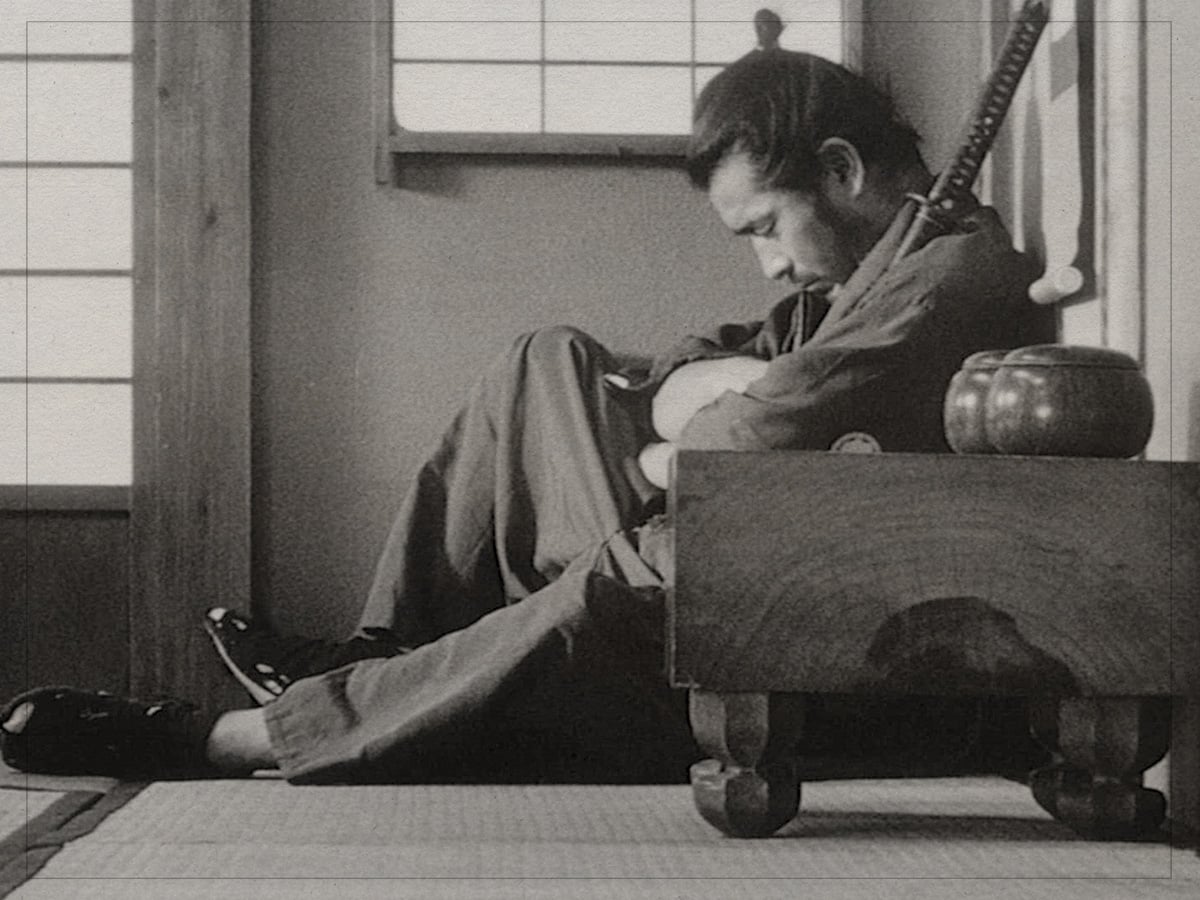
Sanjuro was originally intended to be a standalone adaptation of the Shūgorō Yamamoto novel Hibi Heian before the popularity of Kurosawa’s ronin film Yojimbo caused him to make a semi-sequel, in which Mifune reprised his role as Sanjuro Tsubaki. While not quite as ambitious as its predecessor, Sanjuro includes some incredible close-quarter fight scenes that exemplify the actor’s strength as a physical performer.
Although it’s a bit disappointing that Kurosawa never returned to make a third entry in the trilogy, Sanjuro delves into complex themes regarding the preservation of dignity and the exclusive chivalry of the samurai, which makes it feel like a conclusive chapter. The music in the film is particularly prominent, as the incredible score by Masaru Sato (a regular collaborator of Kurosawa’s) helps to create an exciting anthem for Sanjuro, making him feel like an even more enigmatic character.
‘The Hidden Fortress’ (1958)
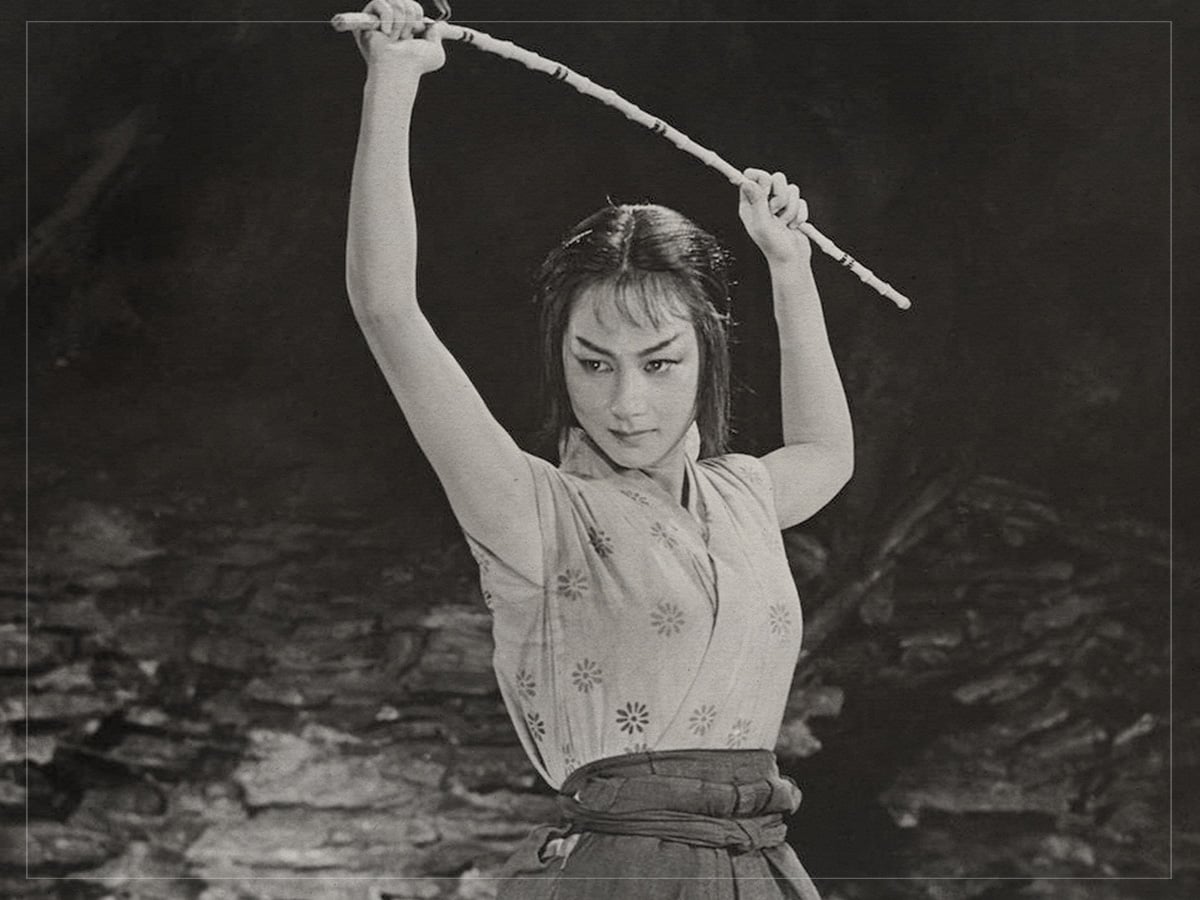
The Hidden Fortress was received as a moderate success for Kurosawa initially, even if it didn’t earn the unanimous praise of Seven Samurai or Rashomon, but its legacy has been greatly enhanced because of Star Wars. George Lucas had been adamant about the influence of Kurosawa on the galaxy far, far away, but he singled out The Hidden Fortress because of its novel idea about an epic adventure being told from the perspective of two comical, bickering characters.
The peasants (Minoru Chiaki and Kamatari Fujiwara) in the film were recreated in Star Wars as the droids R2-D2 and C-3PO, with the noble samurai played by Mifune being directly paralleled with Sir Alec Guinness’ Obi-Wan Kenobi. It’s easy to see why Lucas was so enamoured by The Hidden Fortress; it’s a visually striking epic that is by far one of Kurosawa’s most purely entertaining films.
‘Stray Dog’ (1949)
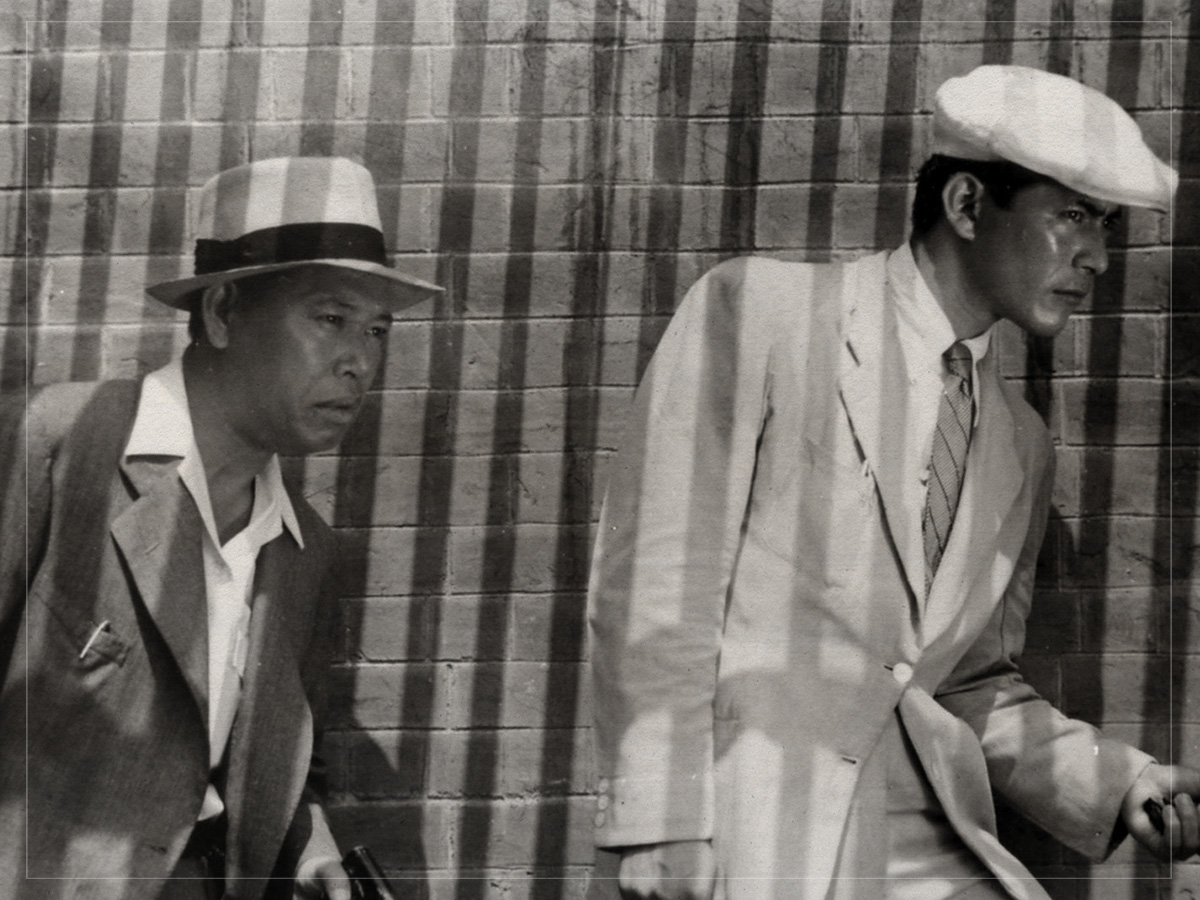
Stray Dog wasn’t just one of the first film noir to set the tone for the genre, but it was also responsible for the basis of the contemporary ‘buddy cop’ premise. Mifune and Shimura, the two actors Kurosawa worked with the most, starred as police officers who pair up when a gun goes missing, prompting them to venture into the black market.
Stray Dog is a great companion piece to the hardboiled American detective films of the ‘40s, but the whimsical elements of the mystery eventually make way for a decisive piece of sociopolitical commentary. In addition to exploring society’s tendency to proliferate violence, it explored the ethics of law enforcement through the personal responsibilities of those who uphold it. Even though Stray Dog begins as more conventional entertainment, its ending contains one of the rawest emotional gutpunches of the filmmaker’s entire body of work.
‘Throne of Blood’ (1957)
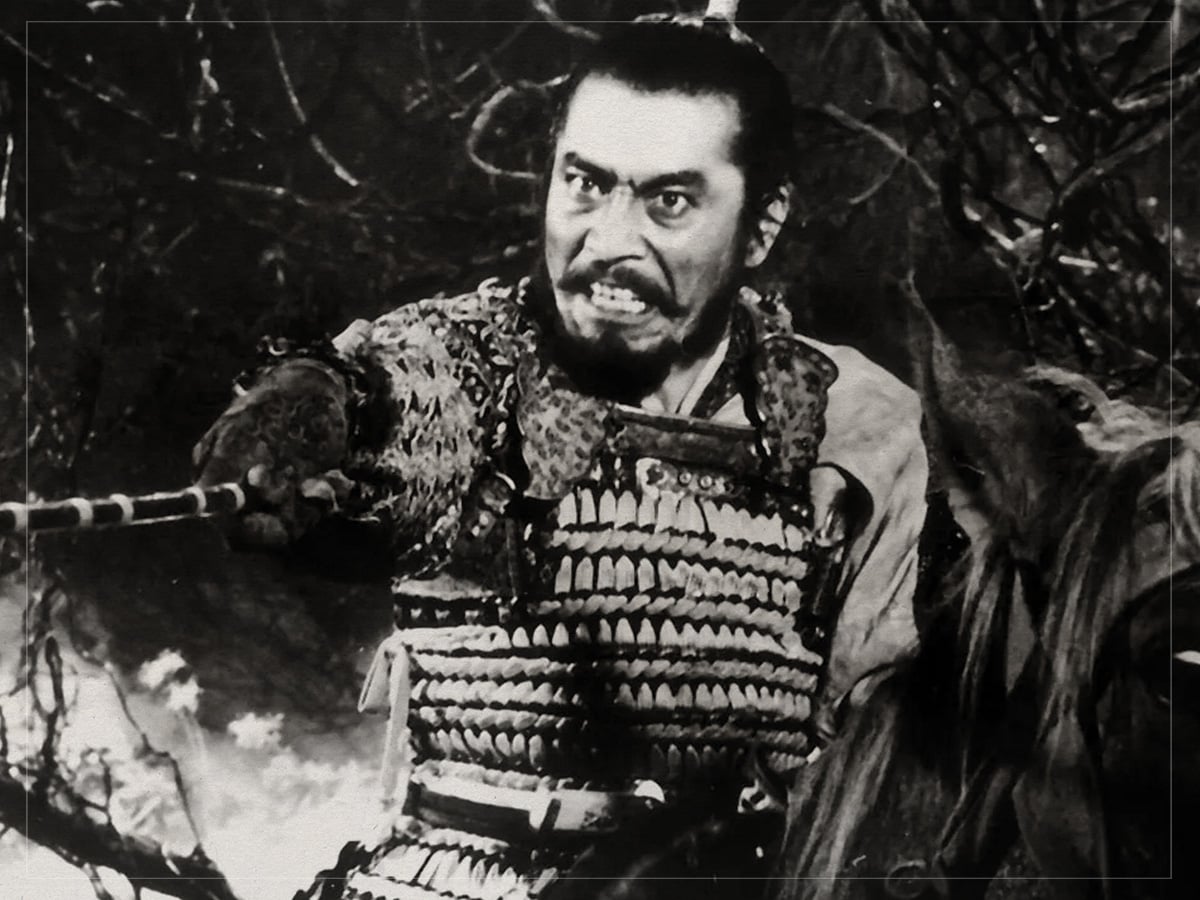
The Tragedy of Macbeth has perhaps the most complex and tragic of all of Shakespeare’s anti-heroes, so it shouldn’t come as a surprise that the titular character has earned the interest of many great directors. Throne of Blood is a fairly traditional adaptation of the play set in feudal Japan, with Mifune portraying the ruthless warlord who stands in for Macbeth himself. The film showed once again that Kurosawa was the master of medieval dramas, even if it was far darker than some of the more light-hearted adventure films he’d made within the same era.
Although the supernatural components of Shakespeare aren’t always something that filmmakers attempt to include, Throne of Blood has a dreamlike quality that effectively realises the waking nightmare Mifune’s character experienced after killing his way to a position of authority. The depiction of the spirits marks one of the few instances in which the filmmaker leaned into true horror.
‘Dreams’ (1990)
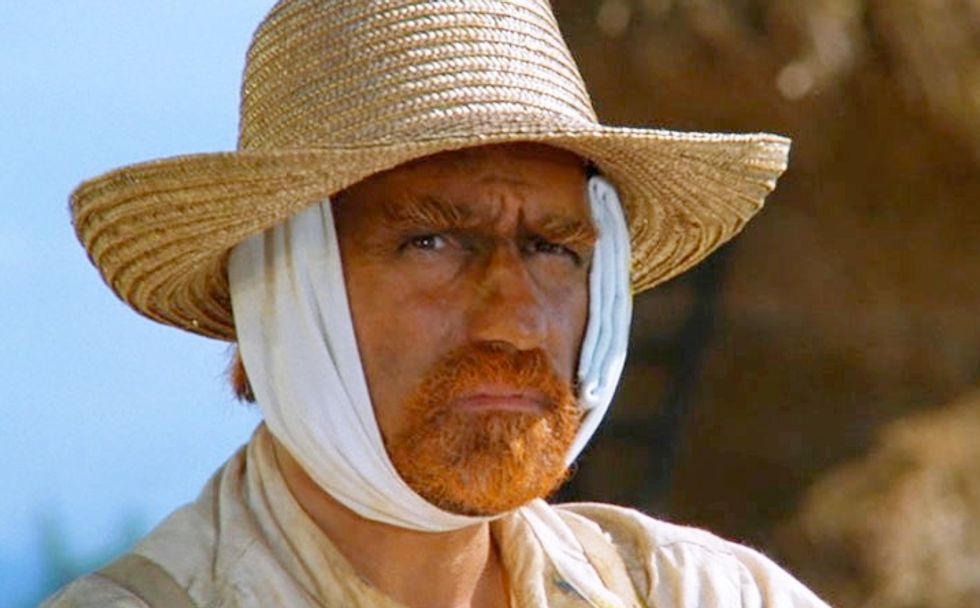
Dreams is one of the most unique Kurosawa films for no reason other than its structure; the film compiles eight of the director’s dreams into anthology segments, offering a strange, beautiful, and occasionally foreboding look into his mind. It was a project that many of Kurosawa’s admirers were keen to be a part of, as George Lucas helped the director get a deal with Warner Bros, and Martin Scorsese even had a rare acting role in the film when he appeared in one segment as the famous painter Vincent Van Gogh.
As is the case with any anthology film, there are some segments in Dreams that are stronger than others, but Kurosawa’s passion for environmental causes truly comes alive during an ecological dream in which he examines the lasting negative repercussions of nuclear armament and the devastation of the natural world.
‘Rashomon’ (1950)
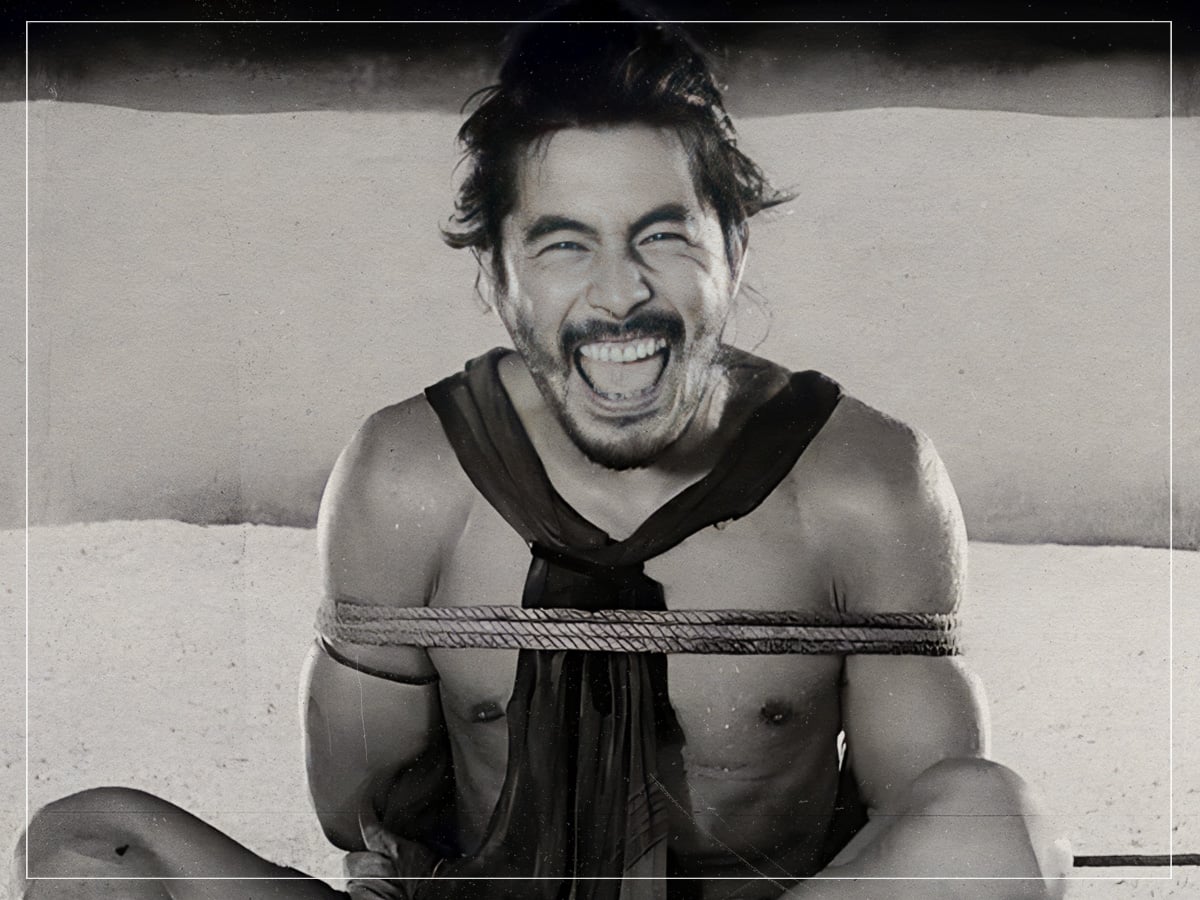
Rashomon is a film so iconic that it has entered into cinematic language, as ‘the Rashomon effect‘ has been used to describe how a single event can be perceived in different ways by different witnesses, leading to a subjective reading of the truth. In the film, a chance encounter between a thief and a warrior results in a violent showdown that is subjected to investigation, leading different bystanders to speak their versions of the truth.
Their testimonies are all biased in one way or another, even if some are more conscious of the deception; people are influenced by their own vanity and self-interests, and tend to be less perceptive of events that do not directly impact them. Even if Rashomon wasn’t such a skeleton key for the way that mystery films would develop over the course of the next few decades, it’s a wildly entertaining thriller in its own right.
‘Red Beard’ (1965)
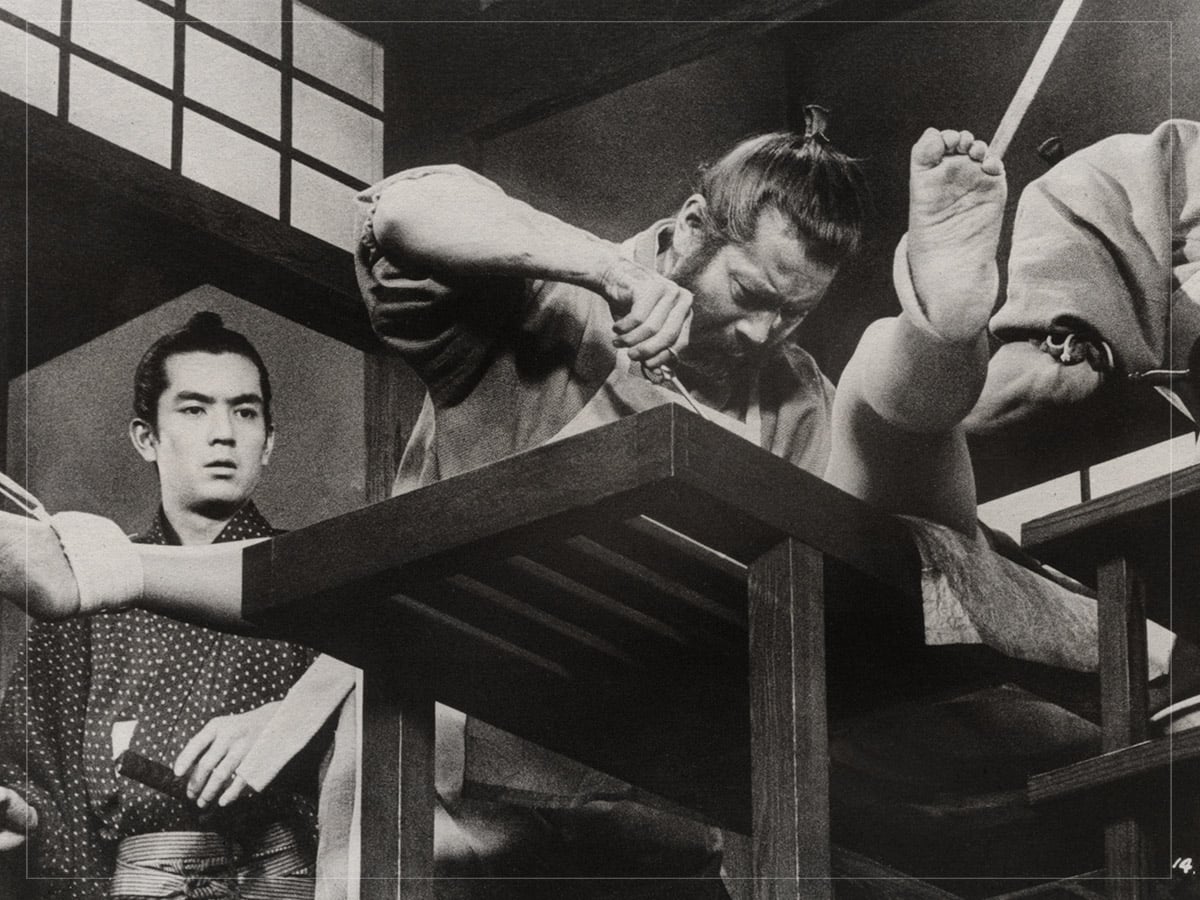
When HBO Max launched in 2020, it helped shine a spotlight on several Kurosawa films that had been previously considered to be more obscure. Among them was Red Beard, a medical drama spanning over three hours, which served as the final collaboration between Kurosawa and Mifune, who stars as a respected doctor who takes in a young medical student to be his assistant and apprentice, and the film examines the profound effect their work has on the community.
Although progressive conversations about mental health were rare in nearly all fields of cinema at this time, a film as empathetic about patient care was an even more significant anomaly in Japan, which tended to be more conservative. Although it is made up of two distinct halves, the first of which is stronger than the second, Mifune’s performance might be the greatest of his entire career.
‘Yojimbo’ (1961)
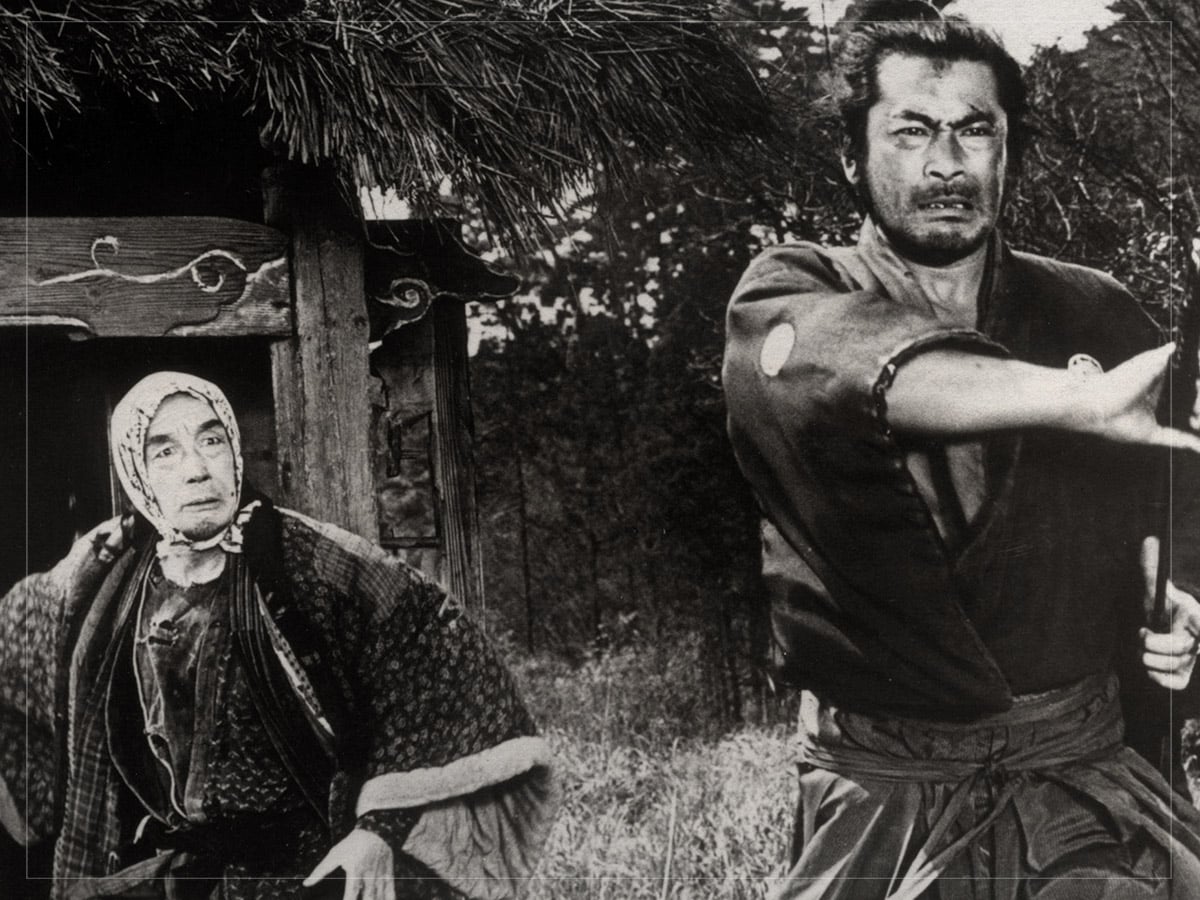
Yojimbo is the ultimate samurai adventure film, as it is based on the archetype of a lone, noble warrior who travels between provinces. Mifune’s performance is one of pure movie star charisma, but Kurosawa was attuned to the chivalrous essence of the character; he examined the way that a samurai could use his strength of force to quash dangers before they emerged, and protected innocents by setting up rival criminal gangs to fight against each other.
Yojimbo was a true crossover success that had a significant effect on many directors, most notably Sergio Leone, who essentially remade it as A Fistful of Dollars, the first chapter in his The Man With No Name trilogy, in which Clint Eastwood’s mysterious gunslinger took over the role of Mifune’s samurai warrior. The similarities were so strong that the Japanese production company Toho even attempted to sue Leone.
‘Dersu Uzala’ (1975)
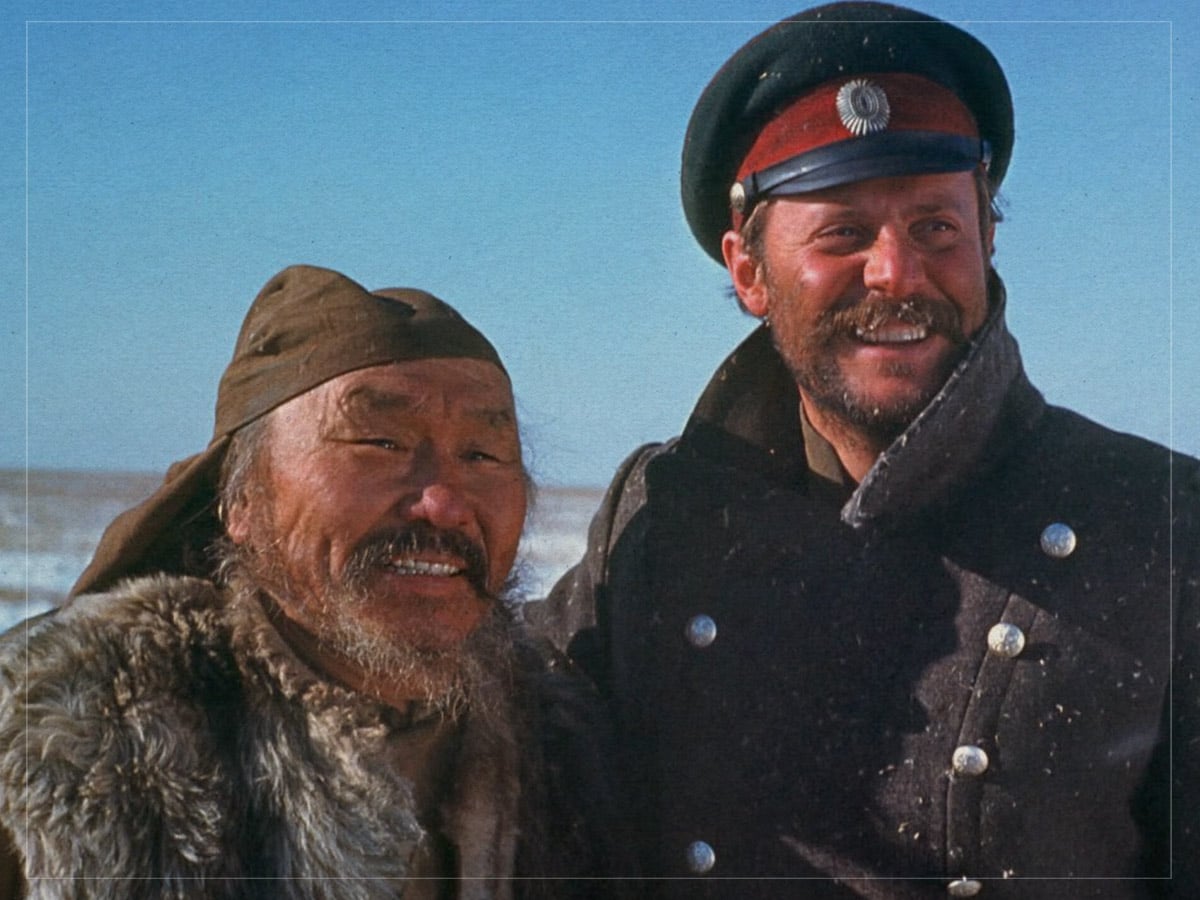
Kurosawa may not have seemed like the natural choice to make an epic for the Soviet Union, but Dersu Uzala was such a perfect match that he earned the country one of its three Academy Awards for ‘Best Foreign Language Film’. The film is about the titular Nanai hunter, portrayed by Maxim Munzuk, who forms a relationship with the Russian explorer Captain Vladimir Arsenyev, played by Yury Solomin, during a series of missions to chart the topographical maps of the region.
It’s a beautiful story of friendship between two men of completely different backgrounds; Arseneyev is a man of society drawn to the enigma of nature, and Dersu is a nomad who is most at home in the wild. While it’s among the most methodical and visually gorgeous of Kurosawa’s films, Dersu Uzala was very controversial in America, even among those who had previously supported the director.
‘Kagemusha: The Shadow Warrior’ (1980)
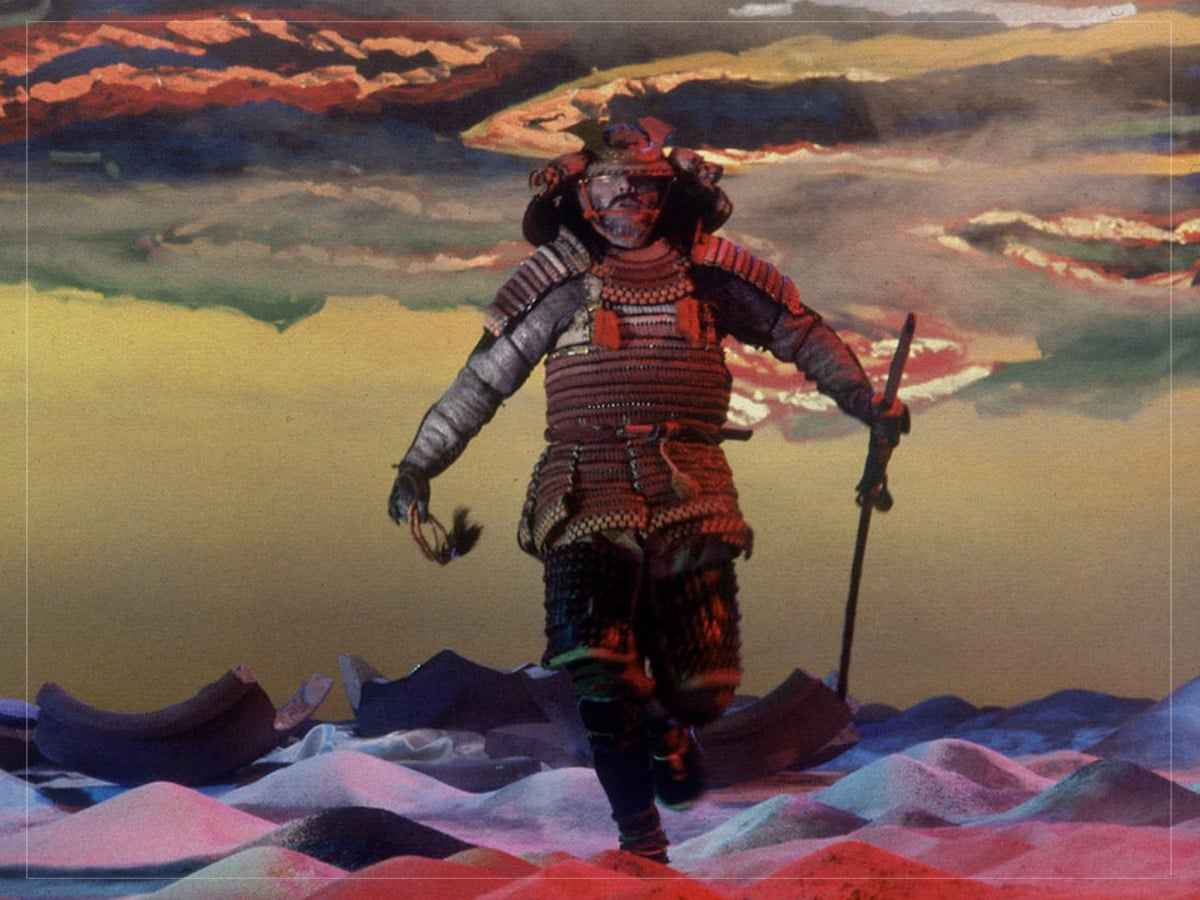
Kagemusha became the first of Kurosawa’s films to win the Palme d’Or prize at the Cannes Film Festival (an honour it shared with All That Jazz), and received support from both George Lucas and Francis Ford Coppola as executive producers. While it was another feudal epic, it peered into the palace intrigue of Japan’s military and political dynamics with the story of a thief who is hired to serve as a double for the powerful warlord Takeda Shingen.
It’s a premise that seems fit for satire (of which Kurosawa does take note of), but Kagemusha is a fascinating examination of the burden of leadership, and how devotees crave the spirit of a legend more than the fallacy of a man. The story’s implications are explored for all their emotional and psychological culminations, and lead to one of the grandest setpieces that Kurosawa ever put to the screen.
‘Ran’ (1985)
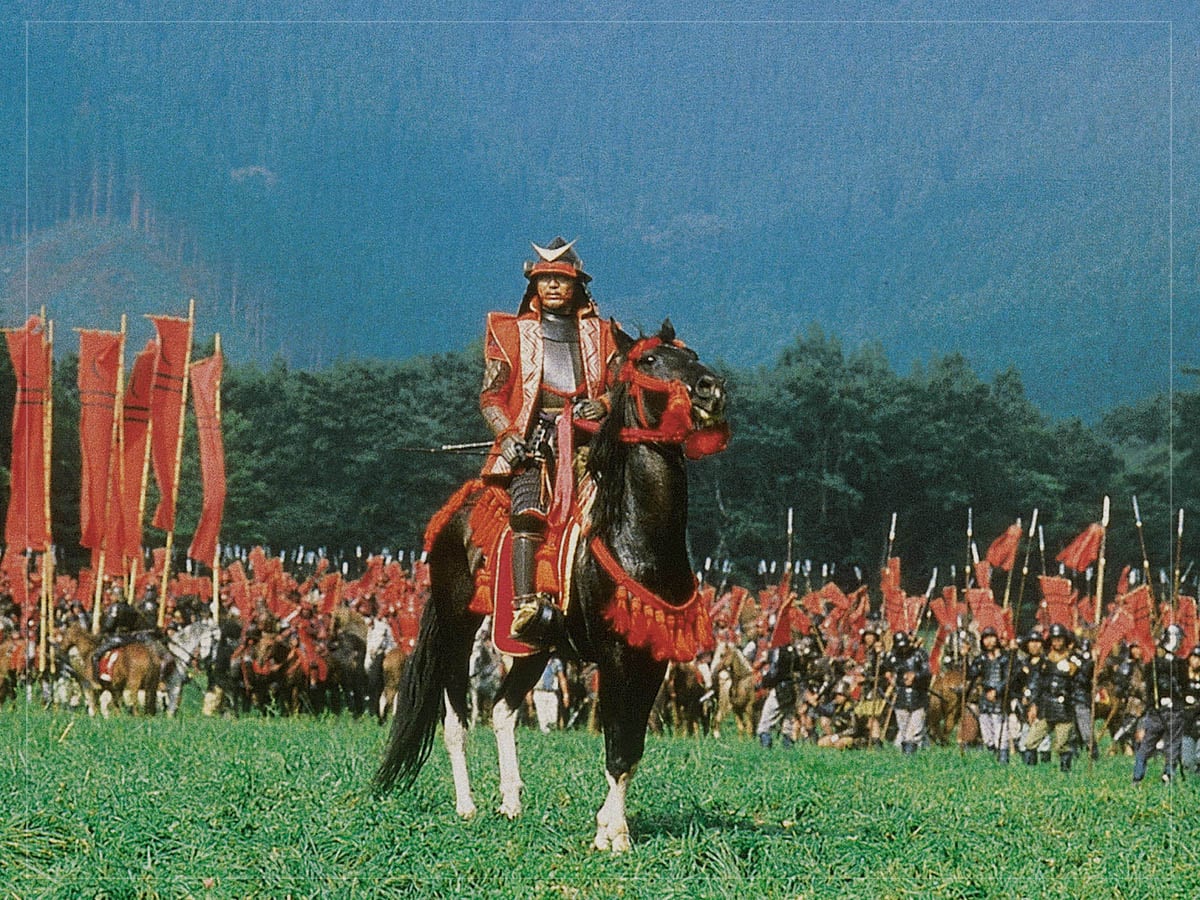
Kurosawa is such a genius writer that the only way for his material to improve was to draw from a literary mind who was even greater, which is why he was so frequently attracted to the work of William Shakespeare. Ran is a loose adaptation of Shakespeare’s epic historical tragedy King Lear, in which the great Tatsuya Nakadai stars as the warlord Hidetora Ichimonji, who attempts to pass off his empire to his three sons.
The story of King Lear has been derived upon many times (most recently in HBO’s Succession), but Ran has both the amazing scope of a feudal epic and the intimacy of a broken family drama. Although the Oscars were not always generous to Kurosawa, this film earned him his first and only nomination for ‘Best Director’, and also picked up the Academy Award for ‘Best Costume Design’.
‘High and Low’ (1963)
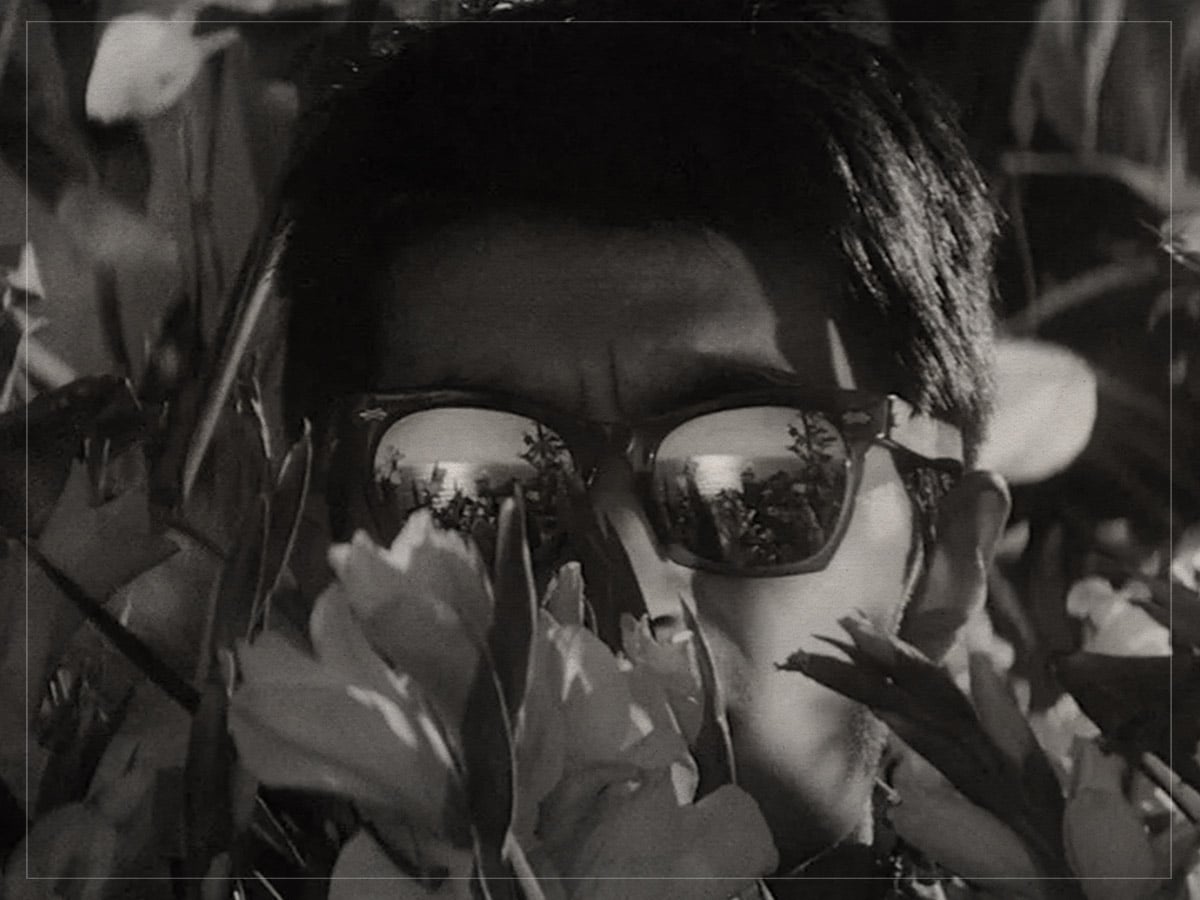
High and Low was another instance of Kurosawa making a more complicated entry into a genre that he had also helped to create, and although his work was highly influential upon the development of the modern police procedural, it also examined the ethical choices of a powerful businessman (played by Mifune) who weighs his decisions after kidnappers claim to have captured his son, and ask for a ransom.
High and Low has a title that refers to not only the comparable ethics of the characters on both sides of the law, but the economic, social, and societal classes that they occupy. Spike Lee would later reimagine the film with his remake Highest 2 Lowest, which starred Denzel Washington as a record label magnate who goes through a similar crisis when a dejected former client attempts to take his son captive.
‘Ikiru’ (1952)

Ikiru is the deepest of Kurosawa’s films, as it’s the rare classic that becomes more powerful with age. What’s remarkable isn’t just that Kurosawa captured a glimpse about what the anxiety of death would inspire within an individual, but that he addressed the way elders were treated by society in a manner that would feel just as relevant over seven decades later. As great as Mifune’s work consistently is, Shimura gives the single greatest performance in any Kurosawa film as Kanji Watanabe, an aging businessman who decides to give back to his community after a lifetime of regret.
It’s a tender, but incisive reflection on both legacy and mortality, and ends with a sequence of such poignancy that is nearly impossible to not be left in tears. Although it did inspire a strong remake with 2022’s Living, Ikiru is a masterpiece that will never be topped.
‘Seven Samurai’ (1954)
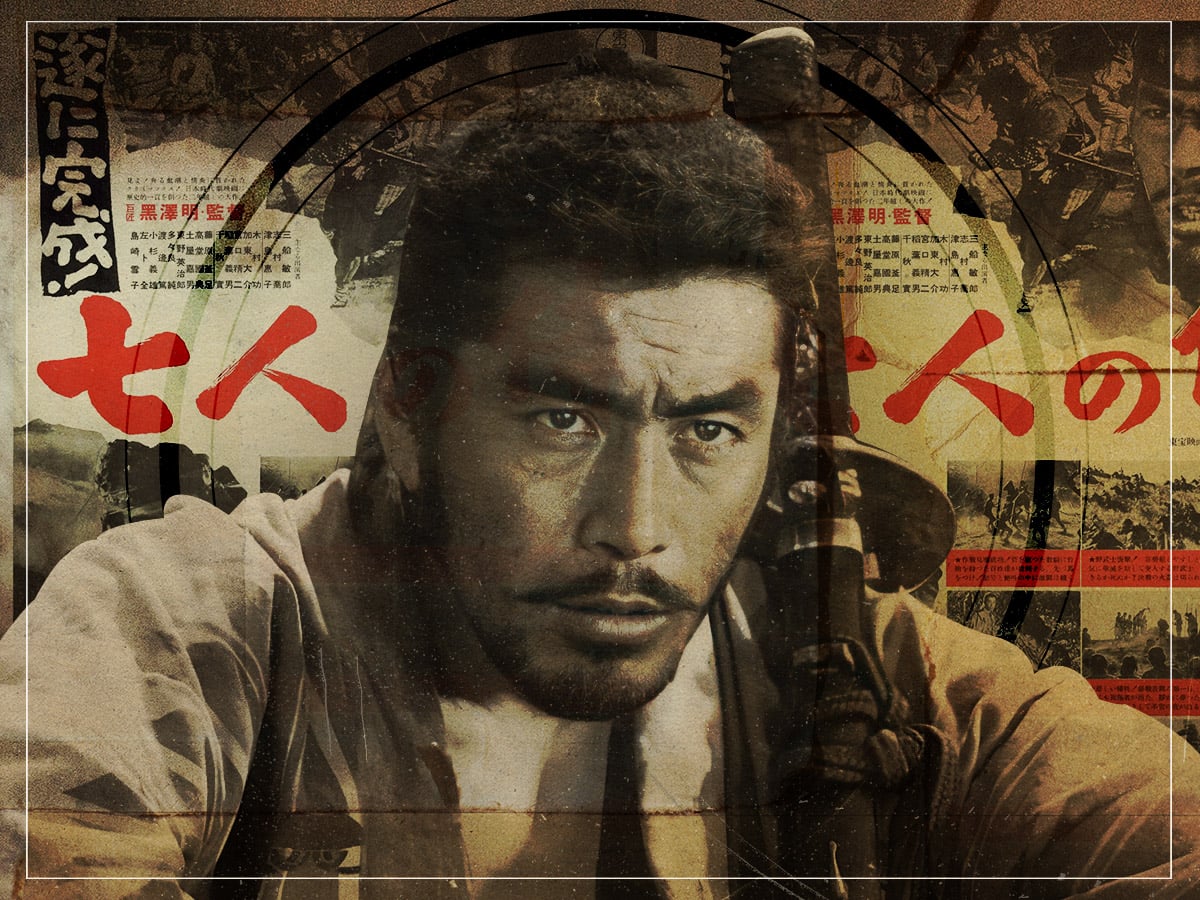
Seven Samurai is the rare case in which a director’s most famous film also happens to be their best, as Seven Samurai is among the most frequently cited, homaged, and admired films of all time. The simple premise of seven very different warriors banding together to protect a village of innocents can be analysed for its mythological, social, and economic context, but it’s also an exhilarating setup for one of the most entertaining action films ever made.
Kurosawa was able to say more with a wide shot than any other director, and the fluid, methodical fight scenes of Seven Samurai remain just as impressive years later. Above all else, he constructed an ensemble in which all seven of the leads, as well as the villagers, had a distinct and memorable character arc, leading to a film in which the over three-hour running time simply flies by.
