


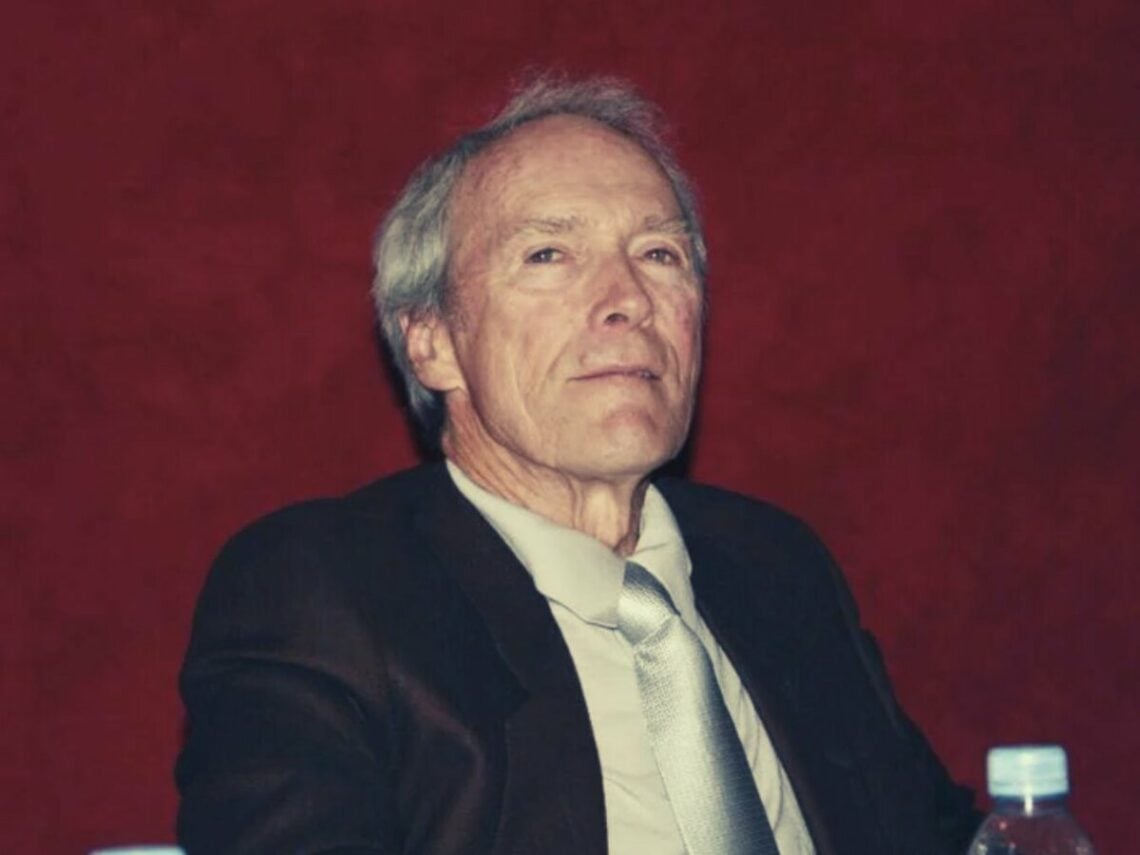
How an Akira Kurosawa film launched Clint Eastwood’s career

Towards the end of 1963, a CBS Western show called Rawhide was losing popularity. After a successful run of four years, passion for the project was dwindling, and one of its stars was looking to place his eggs in a new basket before his image was tarnished for good: Clint Eastwood.
When a fellow Rawhide co-star passed on a project, the opportunity to star in the film was passed on to him. It was the lead for an obscure Western shot by an unknown Italian director in a remote part of Spain, and Eastwood jumped at it. Speaking on his thoughts at the time, Eastwood said, “I figured if it flopped, no one was going to see it over here, and at least I’d get a paid trip to Italy and Spain.” The film turned out to be A Fistful of Dollars, directed by Sergio Leone, which would go on to be the first in a trilogy of definitive spaghetti westerns that hold cult status to this day.
‘The Man With No Name’, the iconic character that Eastwood portrayed, was the quintessential anti-hero: stoic, silent and violent. He arrived in small, desolate towns equipped with a six-shooter and a signature blend of moral ambiguity. As Eastwood himself put it, “The less he said, the stronger he became, and the more he grew in the imagination of the audience.” The Dollars Trilogy subsequently put Eastwood on a path to fame that Sunday television never could, and before the decade was over he had become a bonafide movie star.
It was thanks to a foreign director, however, that Eastwood reached this level of success, and not an Italian one either. Akira Kurosawa, one of the great Japanese cinematic talents, was the springboard that would eventually grant the actor stardom. His 1961 Samurai film Yojimbo proved to be the unofficial source of inspiration for A Fistful of Dollars, widely regarded as an unofficial remake.
“I remember seeing Kurosawa’s Yojimbo,” explains Eastwood, “and I thought, God, this would make a great Western if someone only had the nerve to do it.” Some may call it nerve, and others may call it outright audacity, such as the Japanese production company Toho who filed a successful lawsuit against the Italian filmmakers. Regardless of the ethics of the decision, Eastwood was right in one sense: Yojimbo‘s basic plot and structure translated wonderfully to the lawless American West, and as a result of that successful translation, the 92 year-old Eastwood is still making films today.

Never Miss A Tale
The Far Out Clint Eastwood Newsletter
All the latest stories about Clint Eastwood from the independent voice of culture.
Straight to your inbox.