The four movies Dustin Hoffman couldn’t live without: “There’s this brilliance”
Some stellar choices.


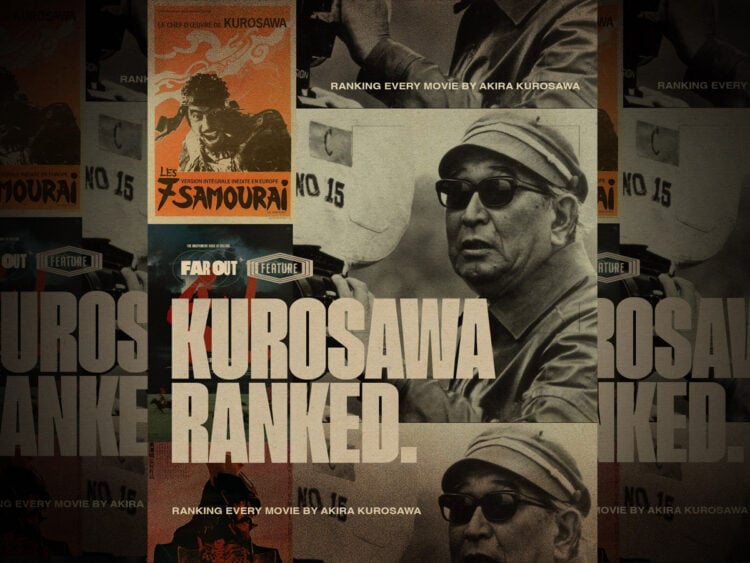
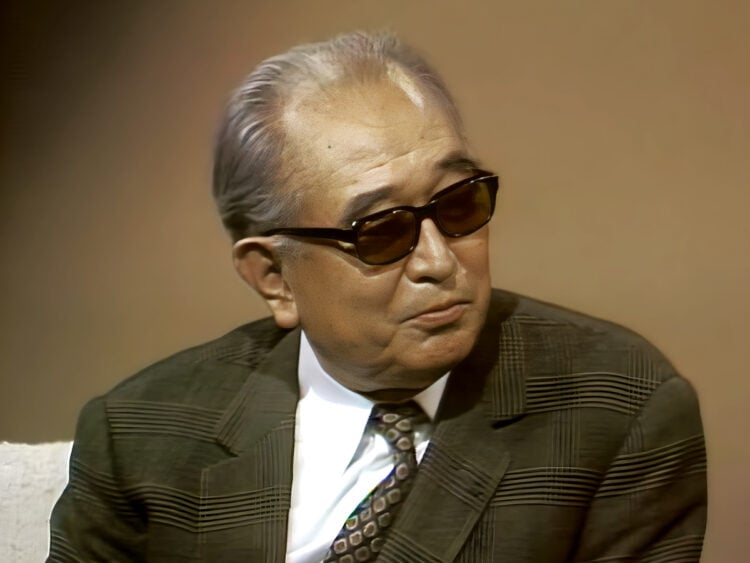
Akira Kurosawa, the legendary filmmaker hailed as one of the greatest cinematic artists of all time, graced the world with his captivating storytelling and unparalleled visual mastery. Born on March 23rd, 1910, in Tokyo, Japan, Kurosawa’s artistic journey began during a tumultuous period in his country’s history.
Kurosawa’s passion for film was ignited in the 1930s when he started working as an assistant director at the renowned PCL (Photo Chemical Laboratory) Studios. His talent and dedication soon propelled him into directing his own films. However, it was in the aftermath of World War II that Kurosawa truly blossomed as a filmmaker, capturing the spirit of a recovering nation and leaving an indelible mark on the international film scene.
His works are characterised by profound humanism, meticulous attention to detail, and dynamic storytelling. Kurosawa’s films were often influenced by a blend of Western literature and Japanese aesthetics, resulting in a unique and powerful cinematic language. With masterpieces like ‘Rashomon’ (1950), ‘Seven Samurai’ (1954), and ‘Yojimbo’ (1961), he established himself as a visionary who could effortlessly merge traditional Japanese values with universal themes of honour, justice, and the complexities of human nature.
Kurosawa’s collaborations with the iconic actor Toshiro Mifune became legendary, as their partnership yielded unforgettable performances that pushed the boundaries of cinematic art. Together, they crafted iconic characters that would inspire generations of filmmakers and actors around the world.
Despite facing occasional setbacks and financial challenges, Kurosawa’s commitment to his craft never wavered. His relentless pursuit of perfection often led to meticulous planning and meticulous attention to every aspect of his films, from composition to editing, resulting in awe-inspiring visuals and emotionally charged narratives.
Internationally acclaimed, Kurosawa’s works earned numerous awards and accolades, including the prestigious ‘Palme d’Or’ at the Cannes Film Festival and the Academy Award for ‘Best Foreign Language Film’. His influence extended far beyond Japan’s borders, inspiring renowned directors like George Lucas, Martin Scorsese, and Steven Spielberg.
Kurosawa’s later years were marked by personal struggles, but his artistic spirit remained unbroken. He continued to create thought-provoking films like ‘Kagemusha’ (1980) and ‘Ran’ (1985), showcasing his unwavering commitment to the craft until his passing on September 6th, 1998, at the age of 88.
Today, Akira Kurosawa’s legacy stands as a testament to the power of storytelling, visual innovation, and the profound impact of a visionary artist. His films continue to captivate audiences, leaving an indelible mark on the history of cinema and reminding us of the enduring power of the human spirit.

Some stellar choices.
A true Hollywood genius who inspired every great director.
His heart was in the right place.
Critics really missed the mark when describing the legendary filmmaker.
Why not steal from the best?

One of very few to win an EGOT