


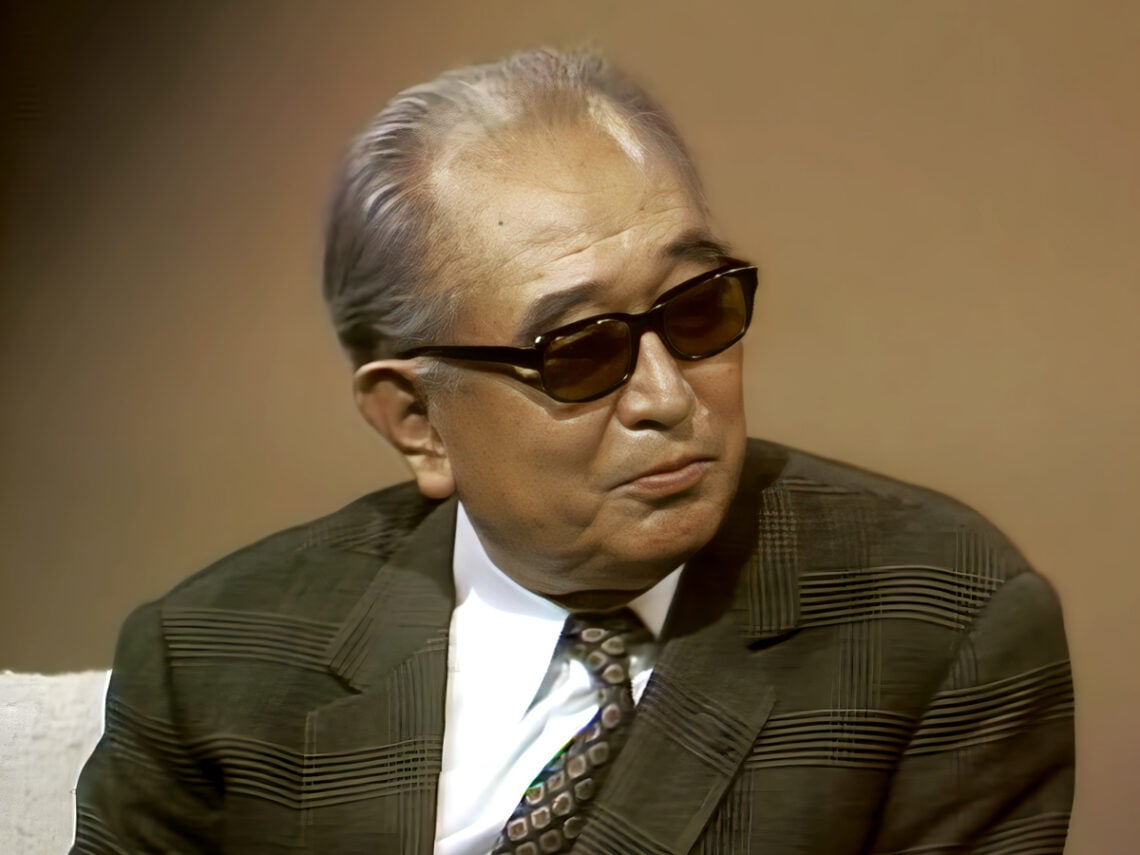
“A monumental figure”: Cinema’s most essential director, according to Akira Kurosawa

The thing is, if you’re talking about movies and someone asks you who your favourite director is and you say Akira Kurosawa, then nine times out of ten they are going to stare blankly and say something like, “Who?” and will probably inwardly sigh and decide you must be some kind of film snob trying to impress them.
There’s no getting away from this, and no panicked protestations or ‘wait, come back!’ that will change it; the simple fact is that you can’t convey to most folk that your films of choice come from a Japanese auteur who was most active in the 1950s without them thinking that you’re incredibly pretentious, and yet, if you can somehow, possibly get them to listen before they walk off to find out where the mini sausage rolls are, you could open their eyes to a world of cinematic beauty, excitement, influence and talent.
Because, rather like the French greats, including Robert Bresson, or the Italians like Michelangelo Antonioni, Kurosawa made films that informed and inspired every great director that followed them, directing movies that stand the test of time and that are still being remade today: see Spike Lee and Denzel Washington’s movie Highest 2 Lowest for an example of that.
Probably his most famous film is 1954’s Seven Samurai, the epic, three-and-a-half-hour-long tale of ramshackle peasant armies put together to war against ruthless bandits, with Kurosawa employing revolutionary filmmaking techniques including multicamera set-ups, the use of telephotos lenses and jump cuts that would end up influencing almost every action director ever since and lauded directors including Quentin Tarantino, Steven Spielberg, George Lucas and Martin Scorsese.
But Kurosawa, like almost every other great, had his own influences that helped him realise his visions, including an American who, across several decades, made movies that utilised the magic of the big screen, the sprawling backdrops of the United States and the charisma of the leading actors of the time to inspire youngsters around the world to want to get into filmmaking.
In his book, Long Take, published just after his death in the late 1990s, Kurosawa wrote: “There are many essential directors in this world, but the one who really influenced me was John Ford. Do you remember that scene where John Wayne lights his cigarette off an oil lamp in The Man Who Shot Liberty Valance? I thought to myself, ‘Can you really do that?’ and I had to give it a try.”
1962’s The Man Who Shot Liberty Valance starred not just one icon in John Wayne, but the legendary James Stewart too, as well as Lee Marvin in a supporting role.
Although it performed well at the box office and received some excellent reviews at the time of its release, it is only with the passing of time that people have begun to speak about the film as possibly the ‘great American western’ with performances from Wayne and Stewart and the masterful directing of Ford, who by then had six decades of experience behind the camera.
Kurosawa was able to spend time with his hero from across the globe, recalling: “John Ford died while I was making [1975 drama] Dersu Uzala, but my staff kept the news from me until we were finished shooting… When we would meet, he would give me a huge bear hug, saying ‘Akeera’ and slapping me on the back, which really hurt! He really was a monumental figure.”
