


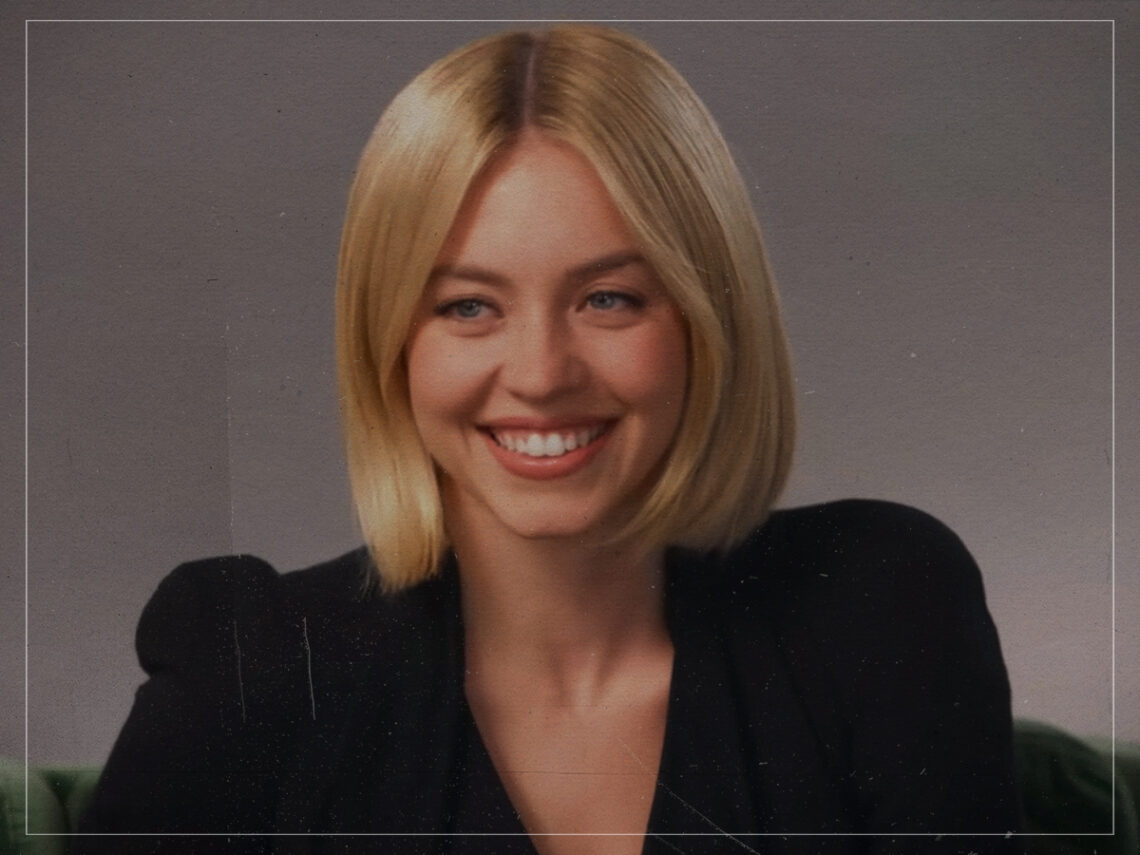
The greatest ‘final girl’ in horror movie history, according to Sydney Sweeney

The rise of Sydney Sweeney over the past couple of years has truly been something to behold, even if some people can’t stand the sight of her.
While the quality of her output might be questionable (as anyone who saw The Housemaid can attest to), her success is undeniable, and she always seems to know exactly the right move to make at exactly the right time in a business sense; her personal decisions are eyebrow-raising at best, though, like dating Scooter Braun.
One genre that’s been part of her journey from the very start is horror, with her film debut coming in the form of a low-budget spookfest called ZMD: Zombies of Mass Destruction. Things would get better over the years, though, as recently, she starred in and produced the nun-themed allegory Immaculate, which scored good reviews and a healthy box office return, but her love of scary movies doesn’t just extend to being in them.
Sweeney is a self-professed horror fan, which prompted Games Radar to probe her on one of the genre’s core tropes of the ‘final girl’ and who her favourite was, to which she replied with an absolute classic.
“I’ve always been a fan of the OG final girl Jamie Lee Curtis,” she said. “I truly think that John Carpenter and Jamie [on Halloween] kind of cemented the term ‘final girl’, like, it existed beforehand, but then they just really nailed it in and everyone was like, ‘We’ve got to do that’.”
As she explained, Halloween was not the first movie to utilise the ‘final girl’, a lone female survivor who has to face up to the monster/villain at the film’s climax, however, when it comes to the all-greats, it’s hard to look past Laurie Strode.
When Michael Myers escapes from a mental hospital, he begins stalking the young babysitter throughout the town of Haddonfield, her final battle with the mask-wearing serial killer taking place in the home of the children she is looking after, where she stabs the brute multiple times, including in the eye, before Donald Pleasance’s Dr Samuel Loomis finally subdues him with a revolver. Typical, a man letting a woman do all the hard work before taking the credit right at the end.
Curtis would return to play Strode many times over the next several decades, maybe too many times, as her character would evolve as the series grew longer and more ridiculous, where in Halloween II, it is revealed that she is actually Michael’s sister, which is why he was trying to murder her in the first place.
She’s actually died twice, once off-screen in Halloween 4: The Return of Michael Myers, and once onscreen in Halloween: Resurrection, but these continuity branches were pruned when David Gordon Green rebooted the franchise in 2018. In total, Strode has appeared in nine of the 13 Halloween movies, making her one of the most represented characters not just in horror, but in all of movie history.
The ‘final girl’ archetype has changed so much since the 1970s, but none of those changes would have been possible without Jamie Lee Curtis and Laurie Strode laying the groundwork, and while it’s not a particularly exotic pick, it’s a mighty good one.
