


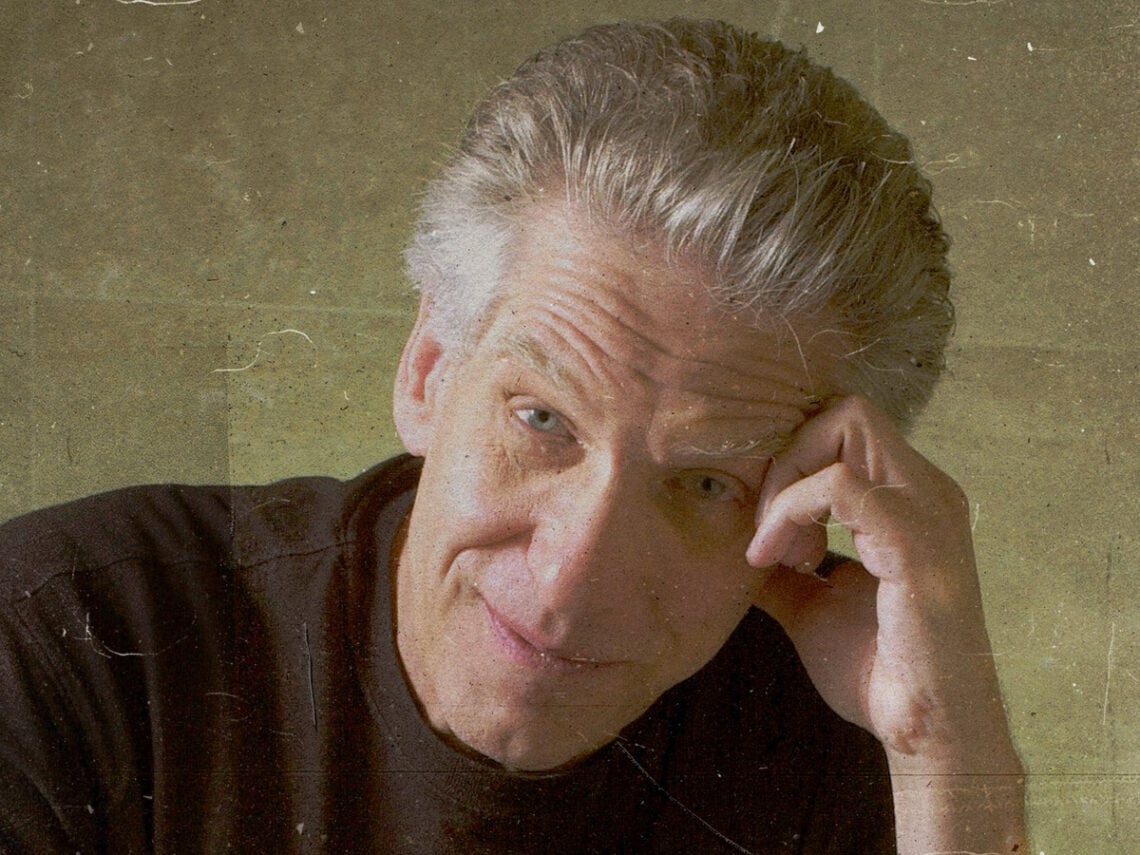
How David Cronenberg’s most controversial movie became a classic: “People were really angry about this film”

David Cronenberg practically invented the modern body horror genre, bringing audiences face-to-face with their own mortality through focus on the corporeal and the ease with which bodies change, experience pain, or can be manipulated.
Controversy has always come thick and fast with the Canadian filmmaker; just look at the response to 1977’s Rabid, where many critics found the bizarre tale of a woman who develops a phallic appendage under her arm, which causes her to experience intense bloodlust, pretty grotesque, seemingly missing the point of the director’s boundary-pushing erotic body horror.
But the intersection between the abject and eroticism has long come to define Cronenberg’s work, and this came to a head in 1996 when he made Crash, which follows a group of people with symphorophilia, or, in other words, they’re sexually aroused by staging car accidents. Of course, James Spader was involved, while Rosanna Arquette, Holly Hunter, Elias Koteas, and Deborah Kara Unger also starred in the transgressive film, which had newspapers up in arms.
People couldn’t believe what they were seeing, even if they hadn’t actually watched the film, with the Daily Mail publishing a front page headline which read, ‘BAN THIS CAR CRASH SEX FILM’. The desperate demands for the movie to be banned in the UK were taken seriously, but ultimately, the BBFC passed the movie uncut. Still, several local councils banned the film from being screened, fearing that it would corrupt audiences with its polarising view of sex as an inherently dangerous and exhilarating pursuit.
The movie was divisive from the very beginning, with Arquette revealing during her trip to the Criterion Closet, “We went to Cannes, and it got completely booed at the festival, intensely. And [Francis Ford] Coppola was on the jury, he was the head of the jury, and they just were so angry. People were really, really angry about this film.”
Yet, there was one filmmaker who could see the movie’s brilliance. “But then [Bernardo] Bertolucci was there and praised it and loved it, and it was this incredible moment,” she explained.
Of course, the Italian filmmaker has found himself in hot water enough times, specifically due to Last Tango in Paris, so it makes sense that he, rather than Coppola, would be impressed by the film.
Cronenberg ended up winning the Special Jury Prize at the festival, but he admitted to Yahoo that Coppola was “totally against” it and the film. “During the final closing night ceremony, he wouldn’t hand me the award. He had someone else hand it to me. He wouldn’t do it himself,” Cronenberg said.
The outrage lasted for a while upon the release of Crash, but with every passing year, the film has started to gain more appreciation, its audaciousness and exploration of that relentless quest for fulfilment coming to resonate with people more and more. Cronenberg was maybe just too ahead of his time, presenting this sleek yet unsettling vision of a world where people will do anything to satisfy their desires, even if their lives are at stake.
