


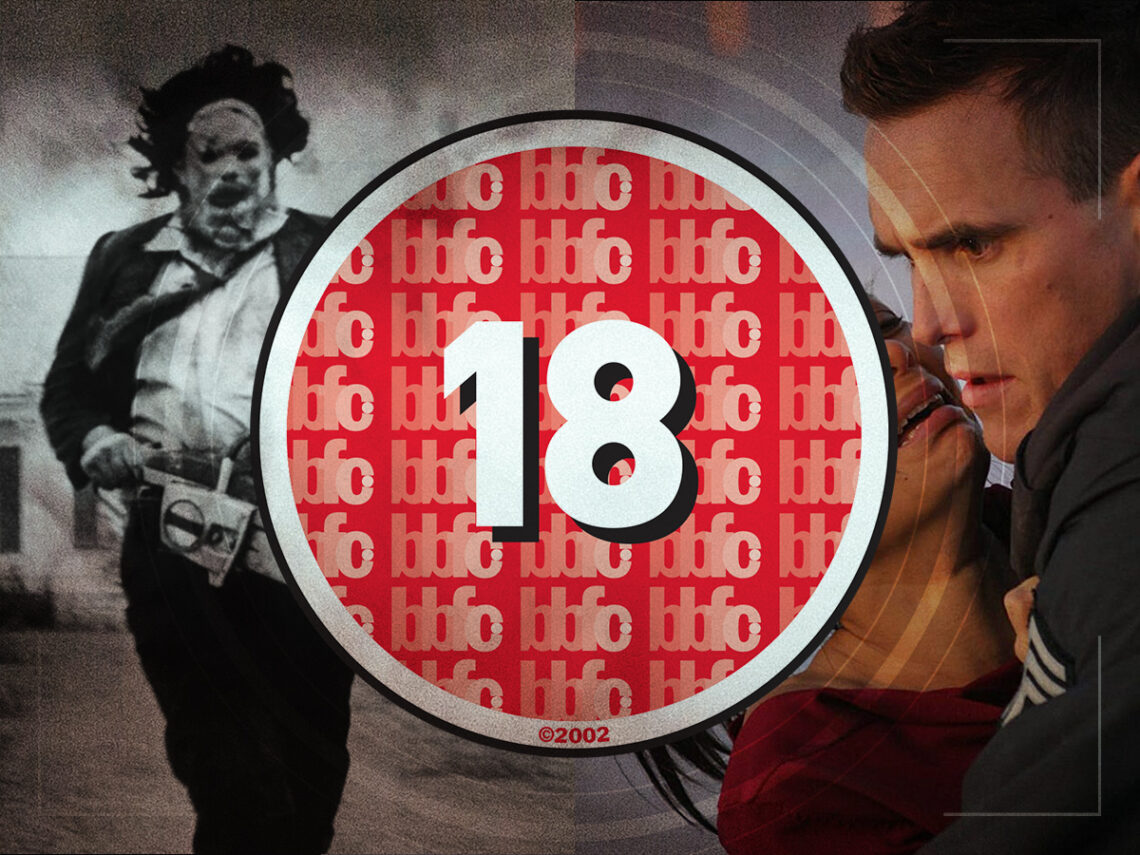
‘Crash’, ‘The Texas Chain Saw Massacre’, and the laughable loopholes in British censorship

The 2021 film Censor allowed audiences to take a glimpse into the landscape of film censorship during the height of the video nasty era, with main character Enid working for the British Board of Film Classification (BBFC).
Here, we were granted entry into a world that most of us probably don’t think about too much, where censors are forced to watch movies and decide on their age ratings, if cuts need to be made, or if a movie should be banned altogether. Enid is obsessed with cutting as much violence as possible, and this mindset really reflected the moral panic that swept the nation back in the 1980s, all because of a loophole in the BBFC system.
You see, when the BBFC was founded, there was no legal authority contained within it. Instead, it was set up in 1912 by members of the film industry to regulate censorship, and it has continued to dominate the market ever since, becoming the defining voice of what is acceptable to be shown on the big screen, and what is at risk of corrupting or traumatising the general public.
Yet, the BBFC didn’t have anything to do with home video when it first emerged as a popular format in the 1980s, and many gory, explicit, and provocative movies slipped through the cracks as a result, making their way into the VHS players of many impressionable young movie-lovers. After this video nasties panic swept the ‘80s, which saw various titles accused of violating the Obscene Publications Act 1959, the Video Recordings Act 1984 was established to ensure that home video releases were given an age classification by the BBFC.
Despite this, it has continued to operate with various loopholes in place, allowing certain films to escape their classification sieve, which is quite laughable, really. You might be wondering what good the BBFC has in existing if there are so many loopholes in its system, but really, you should just be grateful that a generalised classification system is in place in the UK; otherwise, you’d probably come across a bunch of traumatised ten-year-olds who stumbled into a screening of The Brown Bunny thinking it was about a rabbit.
What’s interesting is that a local government can easily bypass a BBFC rating. An area’s county council can choose to screen whatever they like, really, even if the BBFC has tried to ban a certain film or given it a different age rating. In the case of David Cronenberg’s controversial erotic movie Crash, a tale of bizarre thrill-seekers who get off on car crashes and subsequent scarring, Westminster County Council found themselves clashing with the BBFC when they deemed it unscreenable, subsequently banning it.
The BBFC released the film uncut, giving it an 18 rating, even though many people were outraged by its depiction of such obscene sexual perversions and disability. The Daily Mail had even published a front-page headline reading ‘BAN THIS CAR CRASH SEX FILM’, fuelling controversy that really did lead to various local bans.



Evidently, you can’t stop local authorities from banning a movie, even if the BBFC and the national government suggest otherwise, so if you lived in the borough of Westminster back when Crash was released in 1996, you’d have to travel somewhere else in London to see it on the big screen. It worked the other way, too, though, with some local councils giving the green light to films which were otherwise banned at the time. This was the case for The Texas Chain Saw Massacre, which Camden Council allowed to be screened in 1998 despite the BBFC rejecting it.
This loophole is pretty interesting because clearly, there are always going to be differences of opinion when it comes to what is acceptable within cinema and what isn’t. No one is ever going to come to an agreement, and there’ll always be controversy when it comes to classification, but that’s a good thing, when you think about it, because what good is art if it doesn’t provoke?
