


The 1997 movie Nicolas Cage called a “personal milestone” for ‘Nouveau Shamanic’ acting

A little way into watching Nicolas Cage in Prime Video’s very stylish superhero series Spider-Noir, something occurred to me: this is exactly the role Cage is made to play. Is it because he looks good in a Spidey suit? Not really, no, it’s because his oft-imitated voice has always been that of a 1940s detective in a black-and-white movie set in New York.
And now he gets to use it in a high-profile role without anyone going ‘why’s he doing that with his voice’, because it makes perfect sense. He was born to be a New York noir investigator. He may as well add ‘see’ after every single line of dialogue.
It probably helps that Cage is a very good actor as well, and so a combination of the two means that his performance as Ben Reilly, private investigator and former ‘no need for a taxi, I’ll just swing over some buildings’ arachnid-based superhero, should see him in the running for gongs when the awards like the Emmys roll around.
For a long time, though, Cage was something of an acquired taste. In fact, a lot of movie fans were not enamoured of him at all, due to his… flamboyant style on the big screen. He had struggled with a series of flops in the early 1980s until a couple of films in 1987 changed his fortunes, firstly the Coen brothers’ Raising Arizona and then Cher’s romantic comedy Moonstruck.
Those films elevated the Californian’s profile and eventually allowed him to fulfil his lifelong dream of being a movie star, although that ascent probably wasn’t hindered by having Francis Ford Coppola as an uncle. Nevertheless, Cage was seemingly on his way, a Golden Globe nomination for Moonstruck under his belt, but things almost came completely unstuck immediately.
Cage made a black comedy called Vampire’s Kiss and put in a performance that some described as ‘scorched earth’, and others would describe as unhinged and terrible. It seemed to be Cage manifesting his own style of acting that he had named ‘Nouveau Shamanic’, which was a bit like method acting, in that the actor completely inhabits the character, only more… mental.
The next five or six years were a blur of bad film choices, with the possible exception of David Lynch’s Wild at Heart, which some people like, but really is just Cage given permission to pretend to be Elvis for just shy of two hours. His shocking run really came to an end with Leaving Las Vegas in 1996, the story of an alcoholic screenwriter who falls in love with a prostitute, which earned him the one-two of ‘Best Actor’ at the Oscars and a Golden Globe award in the same category.

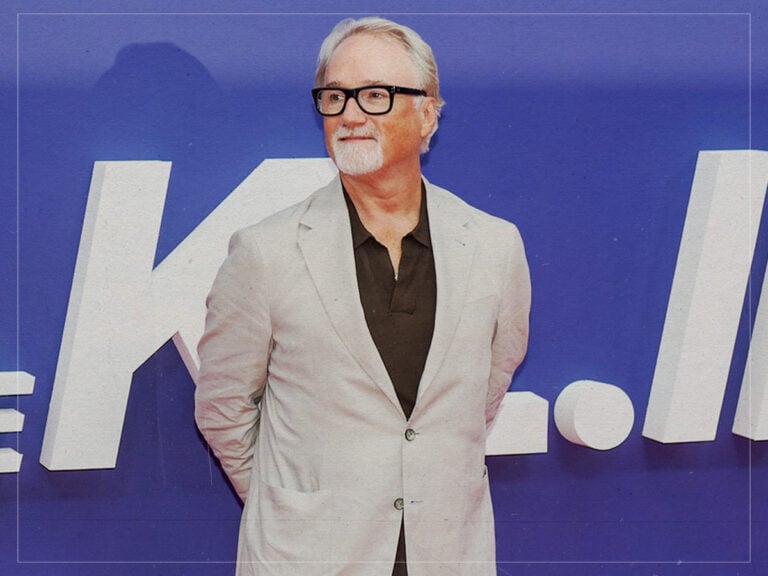
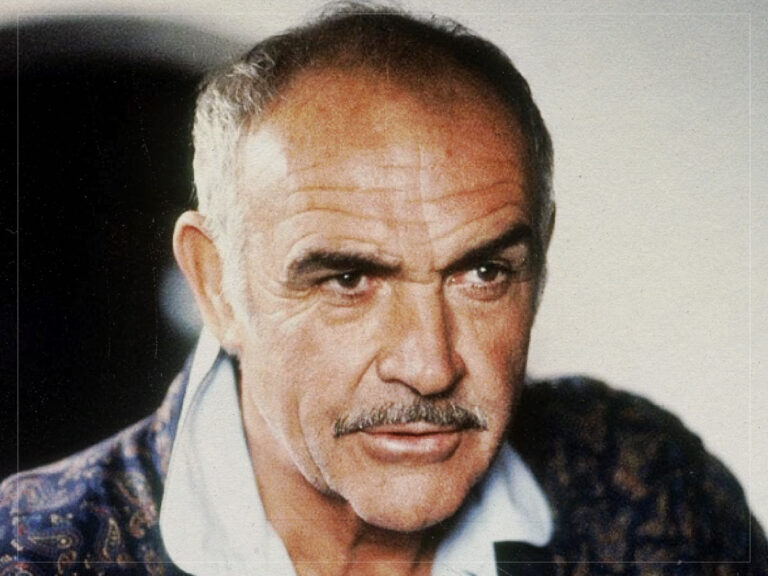
For Cage himself, however, it was his film with John Travolta the following year, and his loony tunes character of Castor Troy that proved the most important. He explained, “Face/Off for me is a personal milestone because I felt like I was able to realise some of my independent filmmaking dreams in a major studio film.:
Adding, “I was taking a lot of the laboratory of Vampire’s Kiss and points of expression that I was working on with films like Nosferatu or The Cabinet of Dr Caligari: early German expressionistic film acting, and with Face/Off, I got to do it in a huge genre picture.”
Now, the more cynical among you might well think that the success of John Woo’s admittedly ace action thriller is allowing Cage to look back at being totally crazy in stuff like Vampire’s Kiss, and somehow legitimise it in retrospect by invoking classic cinema. And you’d be entirely correct, that’s exactly what he’s doing.
Regardless, he’s done some brilliant things since National Treasure – Mandy, Pig and Longlegs, to name but a few, and Spider-Noir is certainly well worth your time.
