


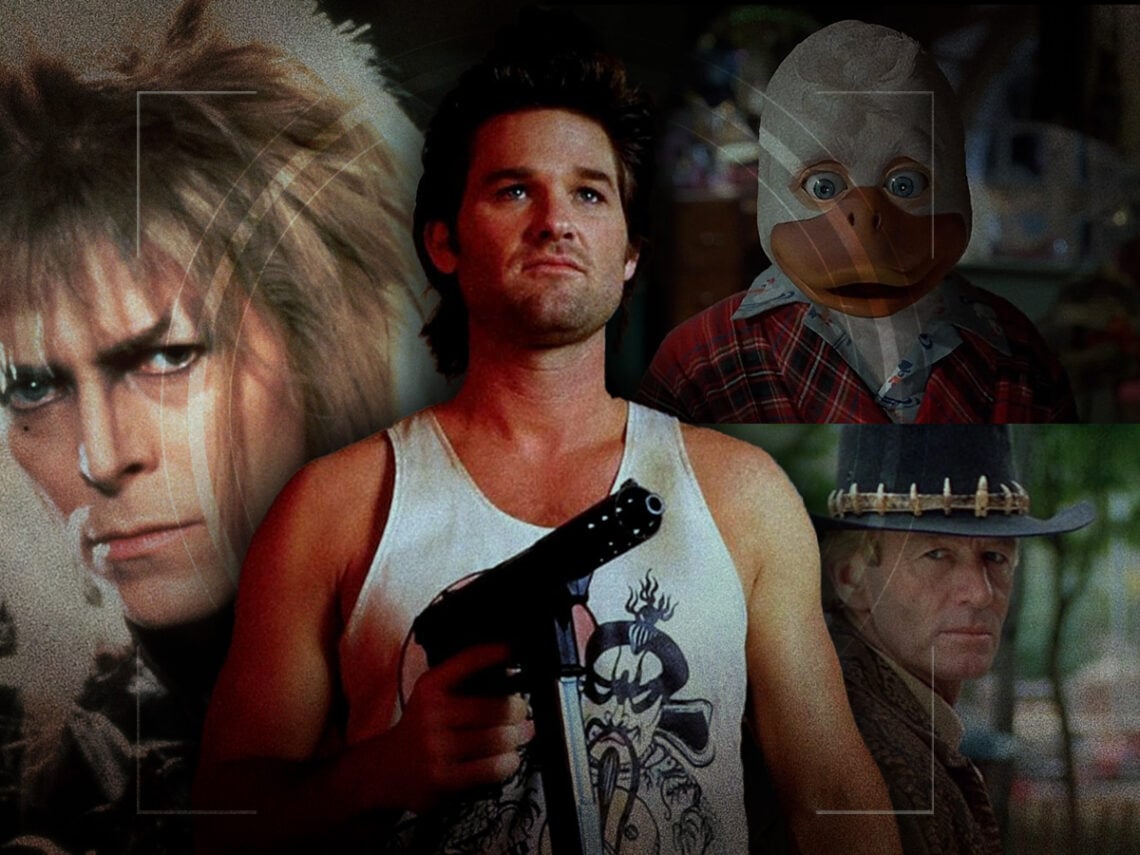
The 10 weirdest movies of 1986

What was considered ‘mainstream’ cinema in 1986 was much different from what it is today.
1986 is one of the greatest movie years of all time, and isn’t always credited as such because it saw a lot of success for commercial releases. Years like 2007, 1999, and 1939 are held up as monumental because of the high amount of prestige films released, but 1986 saw critical and commercial sensibilities crossing over.
The ‘Best Picture’ winner Platoon was also a major box office success, and the year’s highest-grossing film was Top Gun, which was respected by critics for its technical brilliance. This was the year that Aliens became one of the greatest movie sequels of all time, even if there were other respectable franchise films released, such as The Karate Kid: Part II, Psycho III, The Color of Money, Friday the 13th Part VI: Jason Lives, and The Texas Chainsaw Massacre 2.
While there are as many great films being made today as there were in the ‘80s, the difference is that contemporary audiences are much less willing to take a risk on something that they are unfamiliar with. Today’s viewers tend to go to films to confirm their beliefs, be it their feelings about a property, political affiliations, or sense of humour. In 1986, a high-profile director, star, or studio could make something based purely on their involvement, and usually could attract audiences to step outside of their comfort zones. With that being the case, 1986 should not only be remembered as one of the greatest years for cinema, but one of the weirdest.
10 weird films from 1986
‘Blue Velvet’ (David Lynch, 1986)
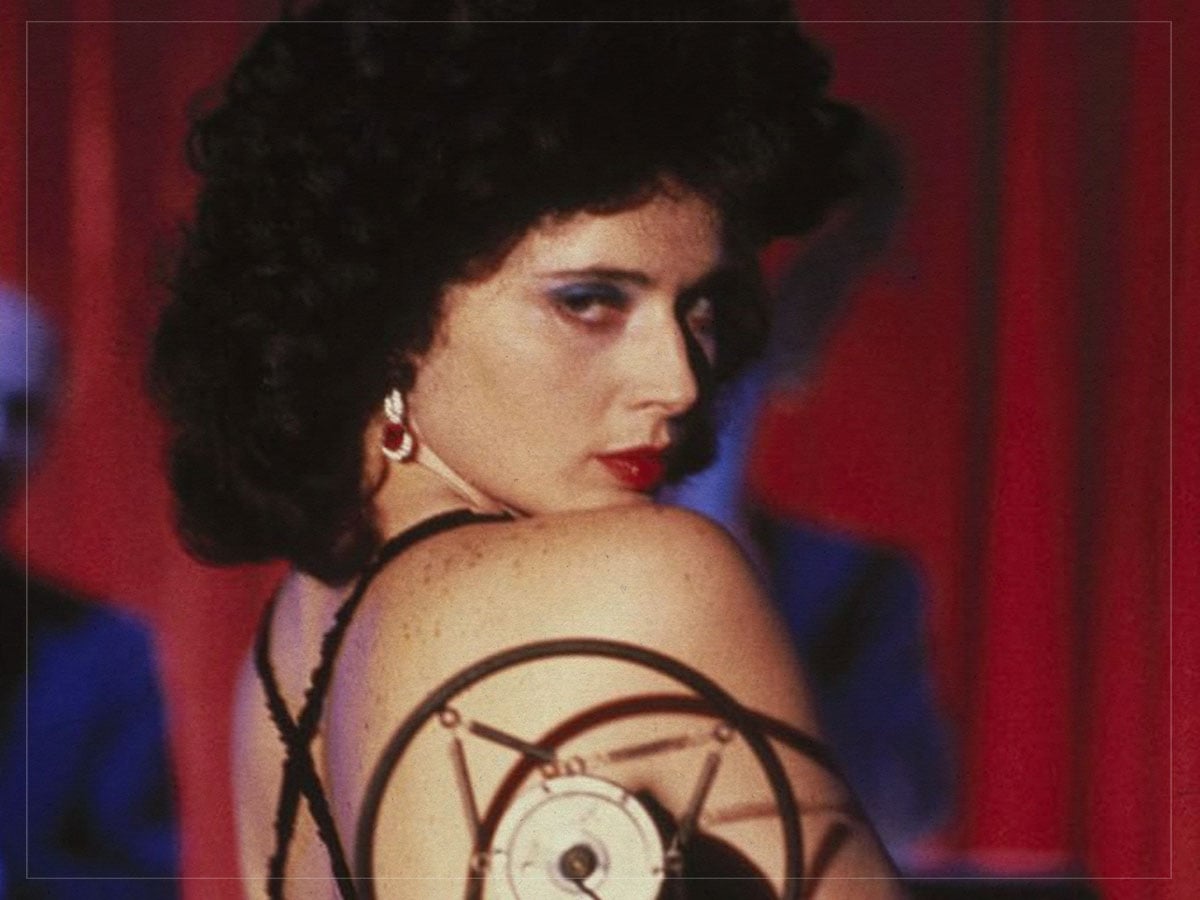
David Lynch has been so accepted as being a genius and innovative storyteller that it is easy to forget how divisive he was towards the beginning of his career: Eraserhead had been an underground hit only seen by hardcore cinephiles, The Elephant Man had skewed more commercial thanks to the involvement of Mel Brooks, and Dune was completely rejected.
With his fourth film, Lynch made no apologies for his style and created an absurdist retelling of The Wizard of Oz that dug into the creeping terror lying beneath the idealised ‘American Dream’, and helped to literalise what nightmares look like. Despite the over-the-top performance by Dennis Hopper, the graphic violence, and the unusual needle drops, Blue Velvet managed to actually connect with an audience who finally felt they could get on Lynch’s wavelength, allowing him to continue his experimental career.
‘Star Trek IV: The Voyage Home’ (Leonard Nimoy, 1986)
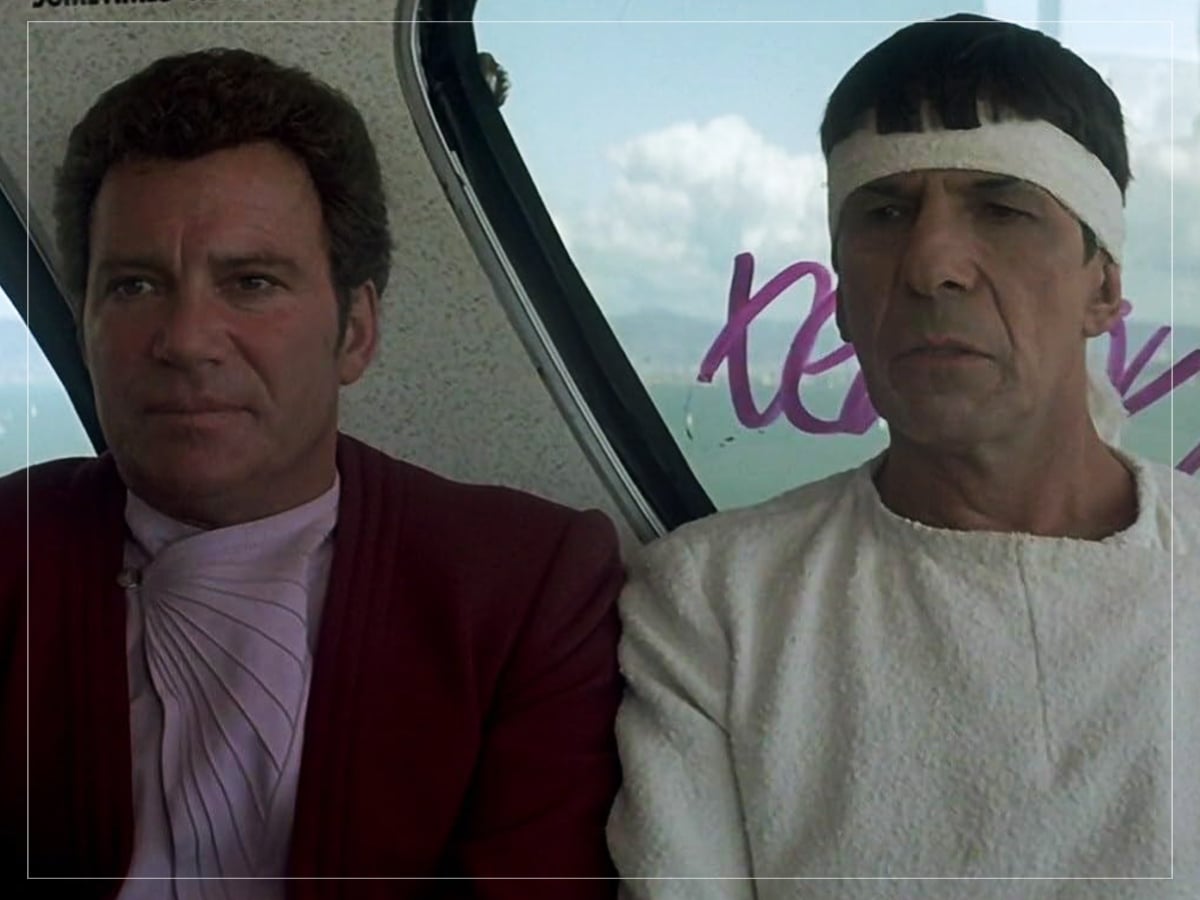
Star Trek was a franchise that risked going stale, but Leonard Nimoy had a successful enough experience directing Star Trek III: The Search for Spock that he was allowed to take the series in a much different direction with the next instalment, Star Trek IV: The Voyage Home, which took the crew of the Enterprise to Earth in 1986, a setting that somehow felt more unusual than any of the intergalactic missions they had been on.
The idea of the Enterprise crew looking for a whale in San Francisco might have sounded like a Saturday Night Live sketch on paper, but it ended up being a smart, charming, and surprisingly political story about environmentalism and compassion. While it works as a standalone ‘80s comedy for anyone who hasn’t caught up with the Star Trek franchise, it’s also one of the best-written films about Captain Kirk, and gives William Shatner one of his greatest lines with “I work in space, I’m from Iowa”.
‘Crocodile Dundee’ (Peter Faiman, 1986)
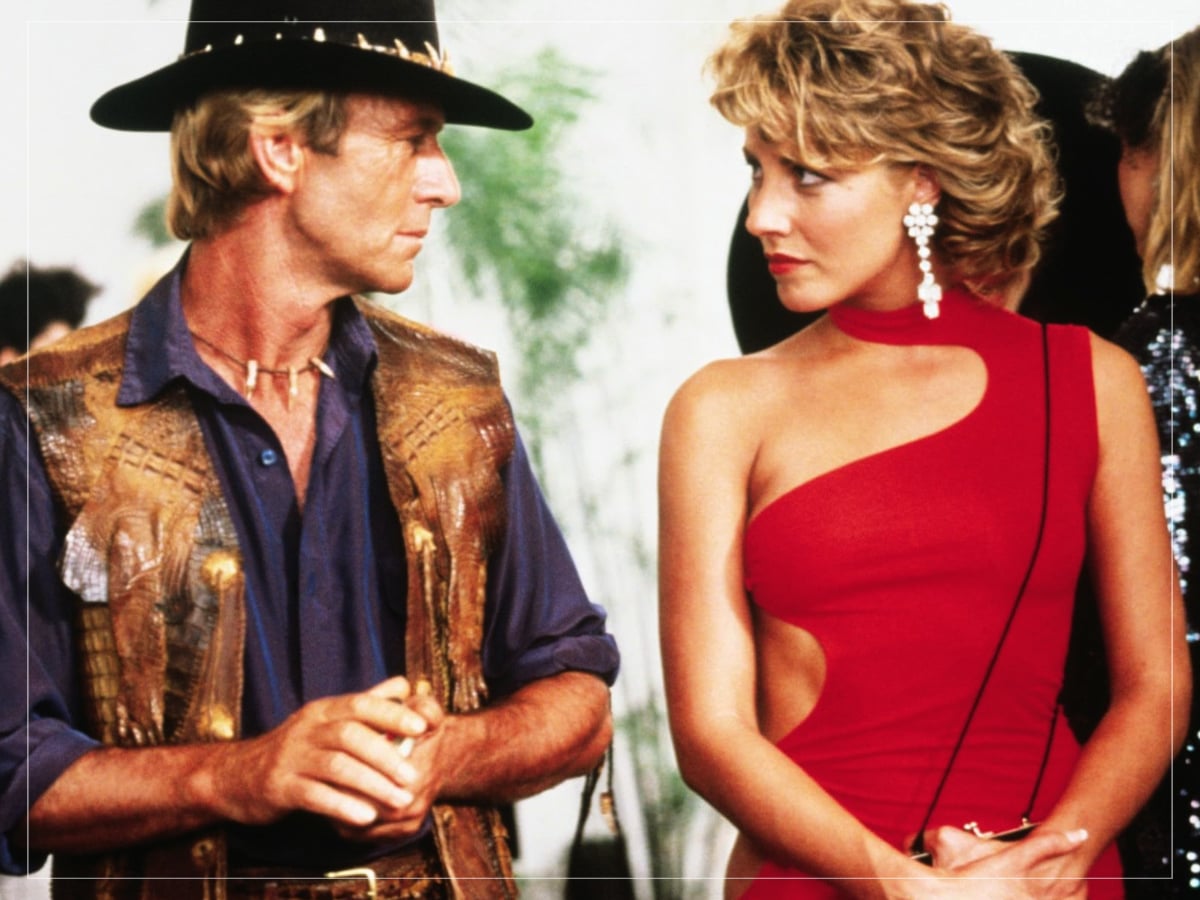
Australia had gone through a new wave of experimental filmmaking following the 1970s, which began to attract interest from international film critics, but they finally had a massive crossover hit in 1986 with Crocodile Dundee. Describing the plot of Crocodile Dundee is challenging because there really isn’t one; the titular character, played by Paul Hogan, is simply the coolest man in Australia, and his journey to New York involves all sorts of wacky hijinks.
The film was both a stereotype of Australian culture and the greatest tourist commercial of all time, as it created an American infatuation with Hogan that led to two sequels and even earned him an Academy Award nomination for ‘Best Original Screenplay’. Although it’s not highly remembered by contemporary audiences, Crocodile Dundee might be responsible for the influx of popular Australian movie stars that rose to prominence in the next two decades.
‘Back to School’ (Alan Metter, 1986)
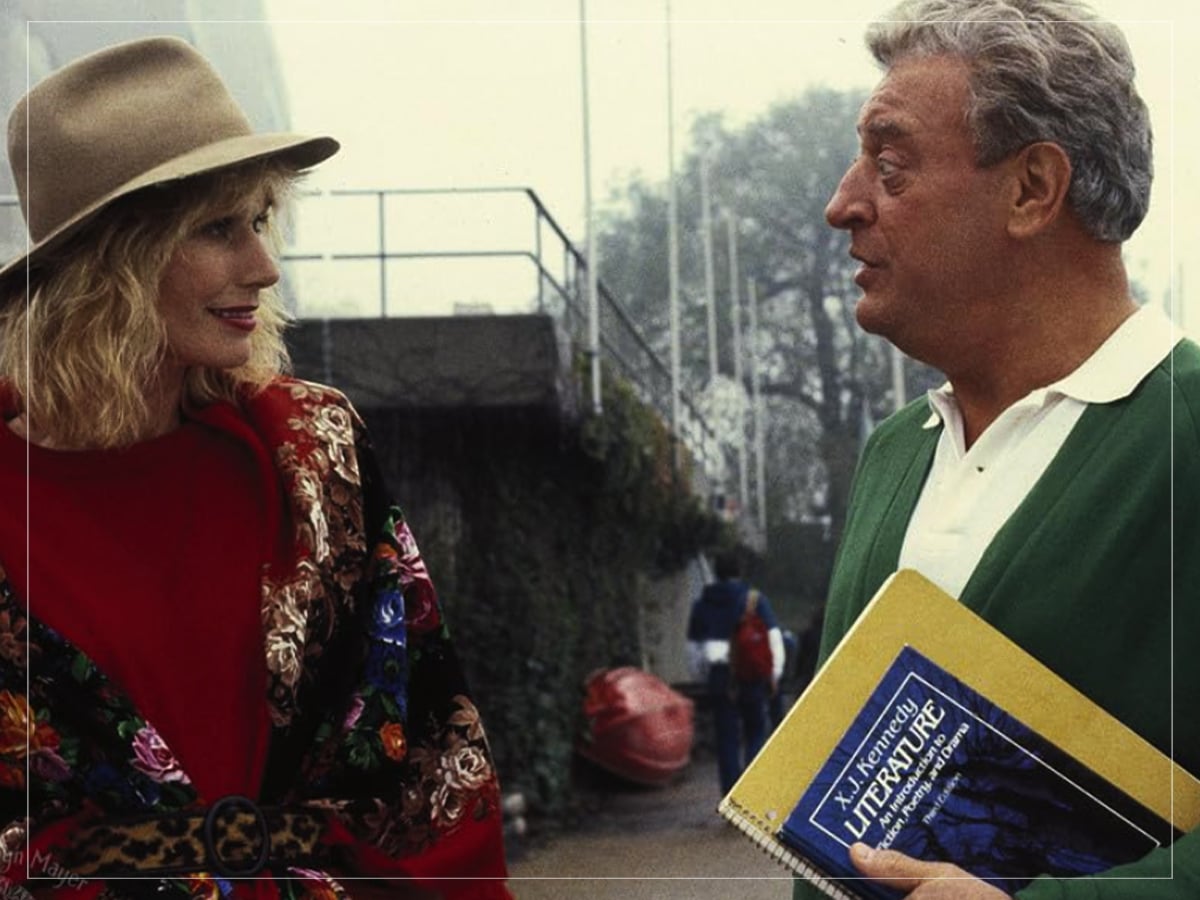
While Caddyshack was a major star vehicle for the younger Saturday Night Live cast members who had prominent roles, it also managed to turn the older comedian Rodney Dangerfield into an A-list celebrity towards the end of his career. Dangerfield somehow started getting scripts that had to flip their premises in order to justify his age, and with Back to School, he plays a father who decides to go back to his freshman year so that he can bond with his son.
It’s a bizarre way of remixing the ‘college campus comedy’ formula that had been popular since Animal House, and featured a talented crop of young actors, including Robert Downey Jr in one of his first major roles before landing on Saturday Night Live. There’s never been a star like Dangerfield, and it’s impossible to imagine Back to School working with anyone else.
‘Gung Ho’ (Ron Howard, 1986)
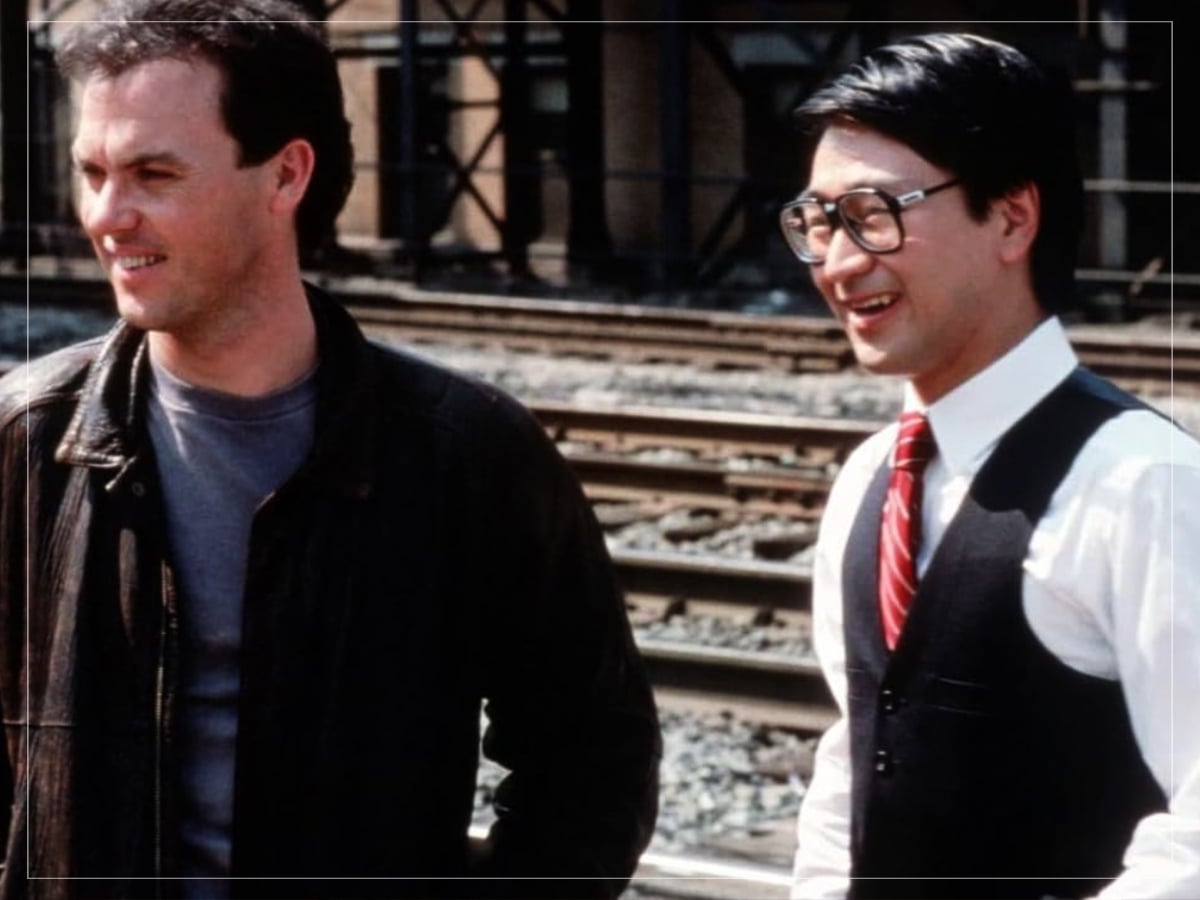
Ron Howard is a fascinating filmmaker who has managed to dip his toes into adventure, family, drama, epic, and documentary films, but was best known in the ‘80s for being a comedic genius. Gung Ho is the type of cross-cultural comedy that would never happen today, and it starred Michael Keaton as the manager of an American car company who has to work alongside the employees of a Japanese conglomerate about to buy them out.
The film was intended to look at the cultural and social differences between American and Japanese workplaces, and a lot of its jokes wouldn’t fly today. However, Howard doesn’t seem to have ill intentions with Gung Ho, and does attempt to say something profound about the importance of a work-life balance. It has not necessarily aged well, but it’s a fascinating cultural artefact that is worthy of respect.
‘Labyrinth’ (Jim Henson, 1986)
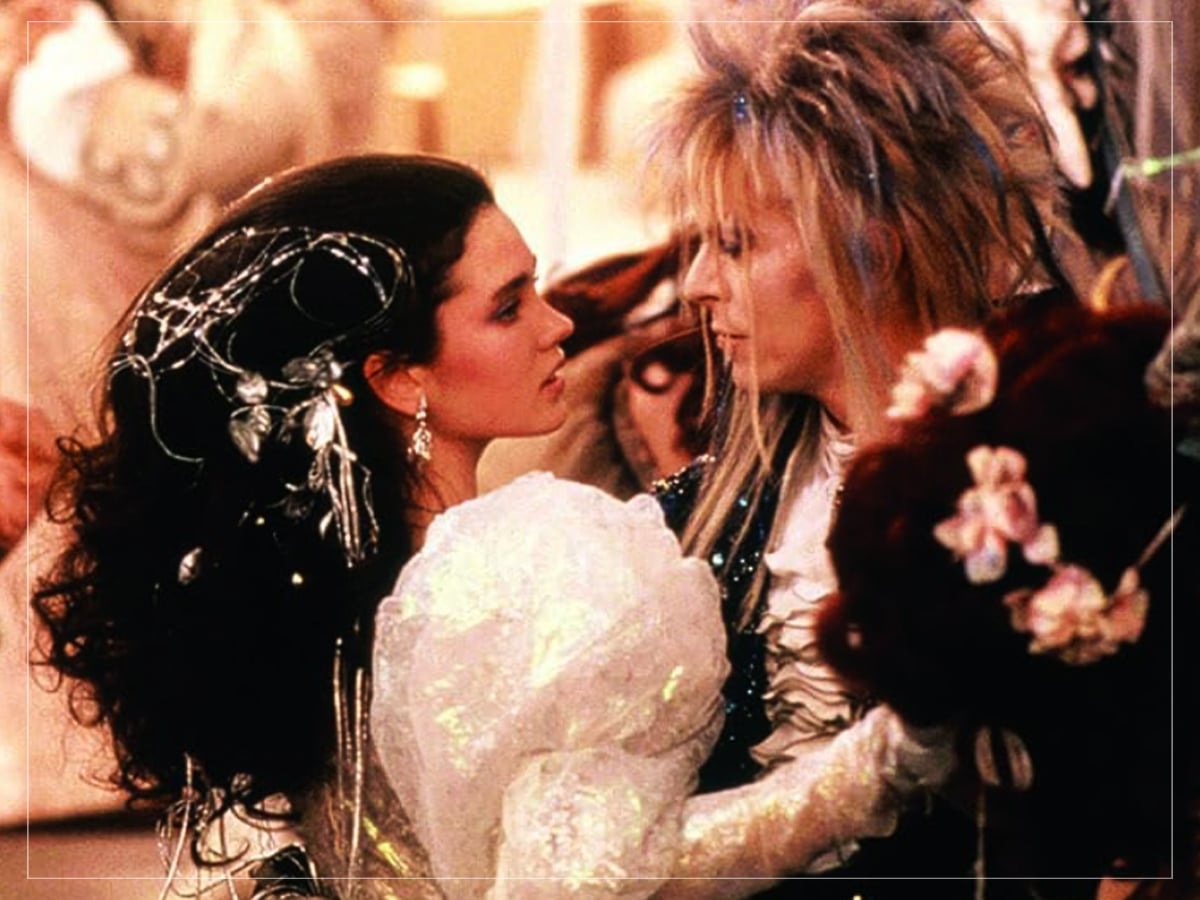
David Bowie was very selective about what films he agreed to act in, as he often chose arthouse projects over anything mainstream, which made it interesting that he agreed to appear in a family fantasy adventure from the creator of The Muppet Show. It turned out that Labyrinth was much darker than audiences at the time had expected it to be, as the film used the story of the teenage girl Sara, played by Jennifer Connelly. going through a mythic maze to find her infant half-brother as a metaphor for growing up and sexual awakening.
The terrific makeup effects from Henson’s company, outstanding original songs from Bowie, and creative worldbuilding helped to craft a dark fantasy film destined to split the difference between adults and kids. While it was a flop at the time, Labyrinth has become a cult classic that is just as beloved as anything else that Henson made.
‘Peggy Sue Got Married’ (Francis Ford Coppola, 1986)
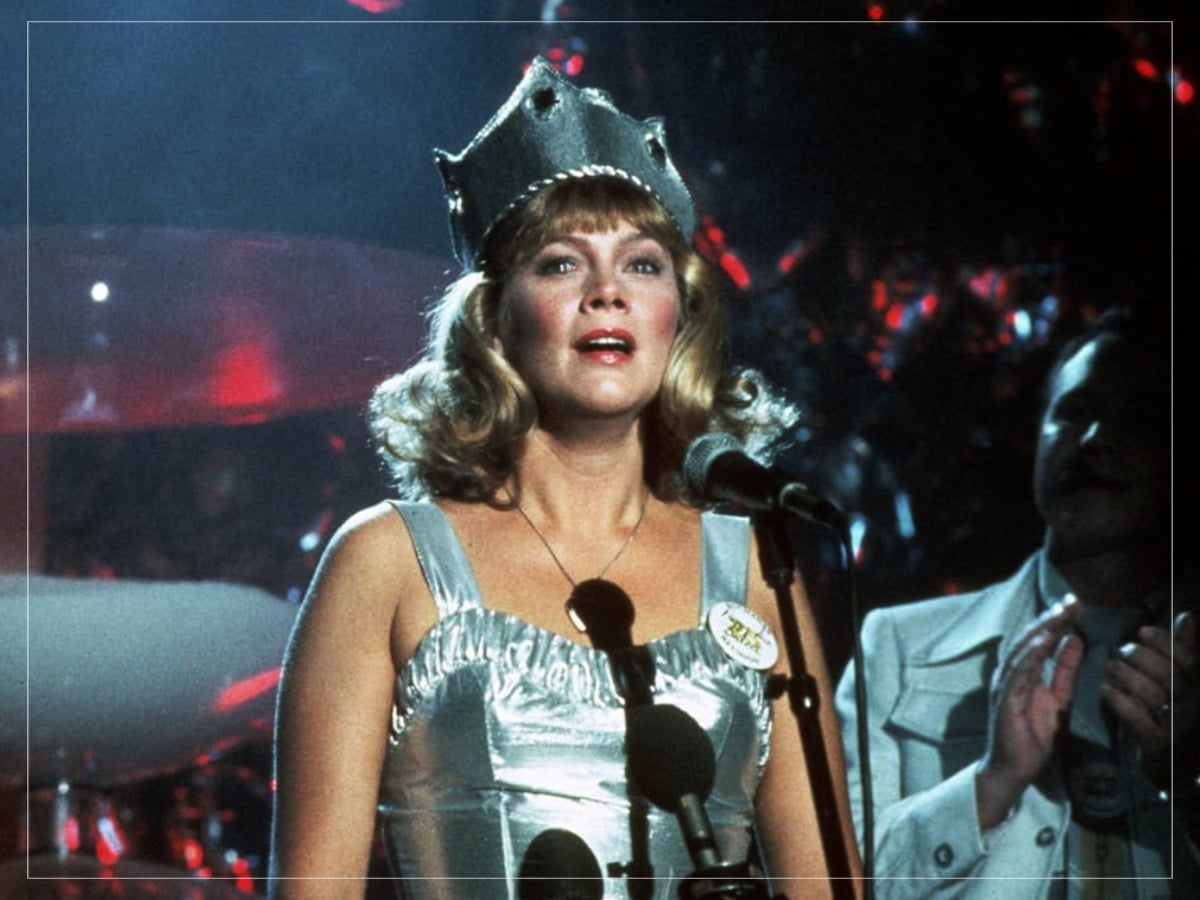
Francis Ford Coppola was strapped for cash in 1986 after a series of massive box office flops, which forced him to make something lighter and more commercial that had the chance of connecting with audiences. Asking the director of The Godfather and Apocalypse Now to make a high school comedy might have felt like a downgrade, but Peggy Sue Got Married is a surprisingly profound, emotional fantasy adventure about a struggling mother, played by Kathleen Turner, who is transported back to her last year of high school, where she must decide if she still wants to fall in love with her future washed-up husband, played by Nicolas Cage.
That both Turner and Cage, who were in their early 20s at the time, were able to convincingly play both versions of the characters was a feat of brilliant acting that is superior to any modern attempts at ‘de-ageing’ someone with CGI.
‘Three Amigos’ (John Landis, 1986)
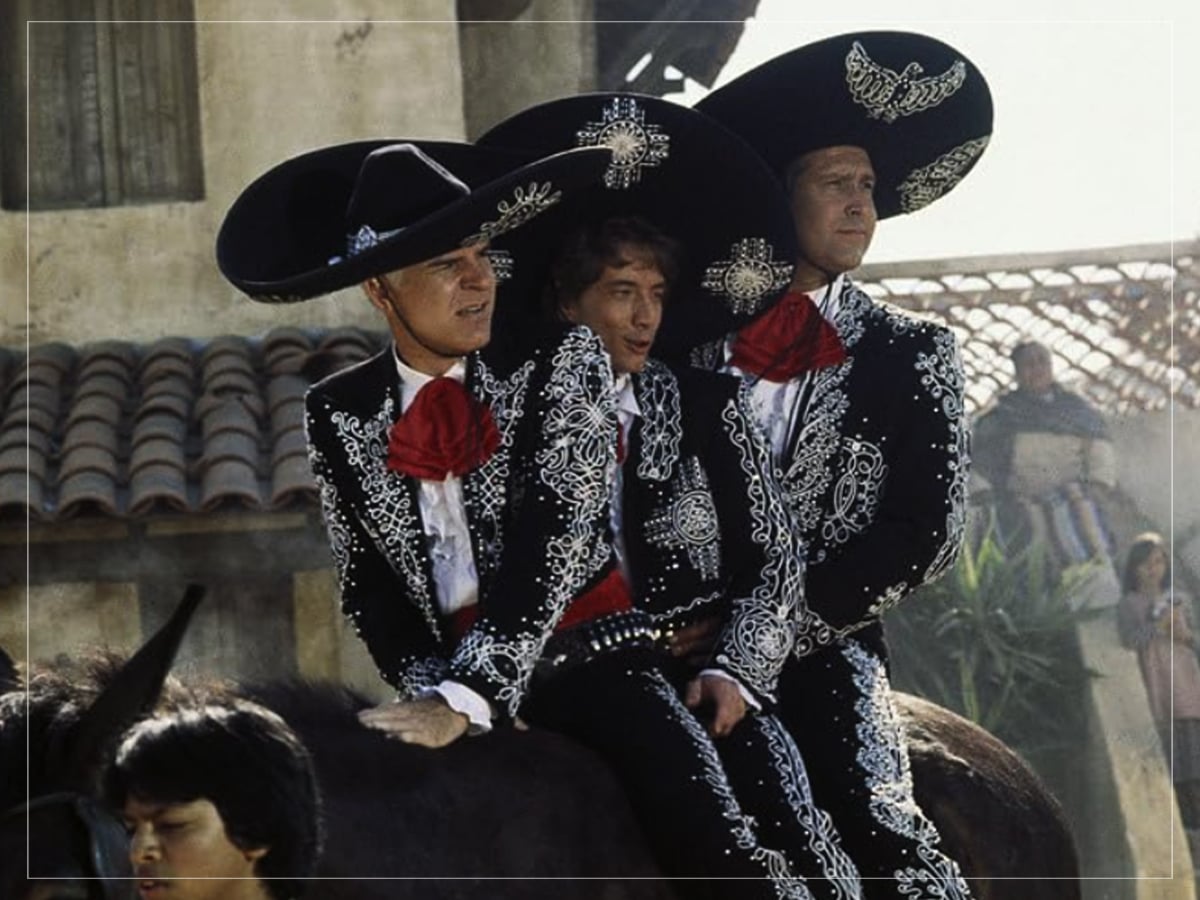
John Landis was in need of a comeback after the disastrous accident on the set of The Twilight Zone: The Movie had landed him in the middle of a court case, and Three Amigos seemed like a simple star vehicle that could coast off the talents of its three A-list stars. The story of three American actors who land in the middle of Mexico, only to be swept up in a real western adventure, feels like that of a ‘30s screwball comedy, and Three Amigos is surprisingly cunning in how it satirises the ignorance of Hollywood stars.
Rarely has the energy of three actors been so fascinating; Steve Martin was at his most charismatic, Martin Short was able to bring his signature brand of weirdness, and Chevy Chase had to play against type when cast as a nice guy, which he managed to pull off, despite having an on-set feud with Landis.
‘Big Trouble in Little China’ (John Carpenter, 1986)
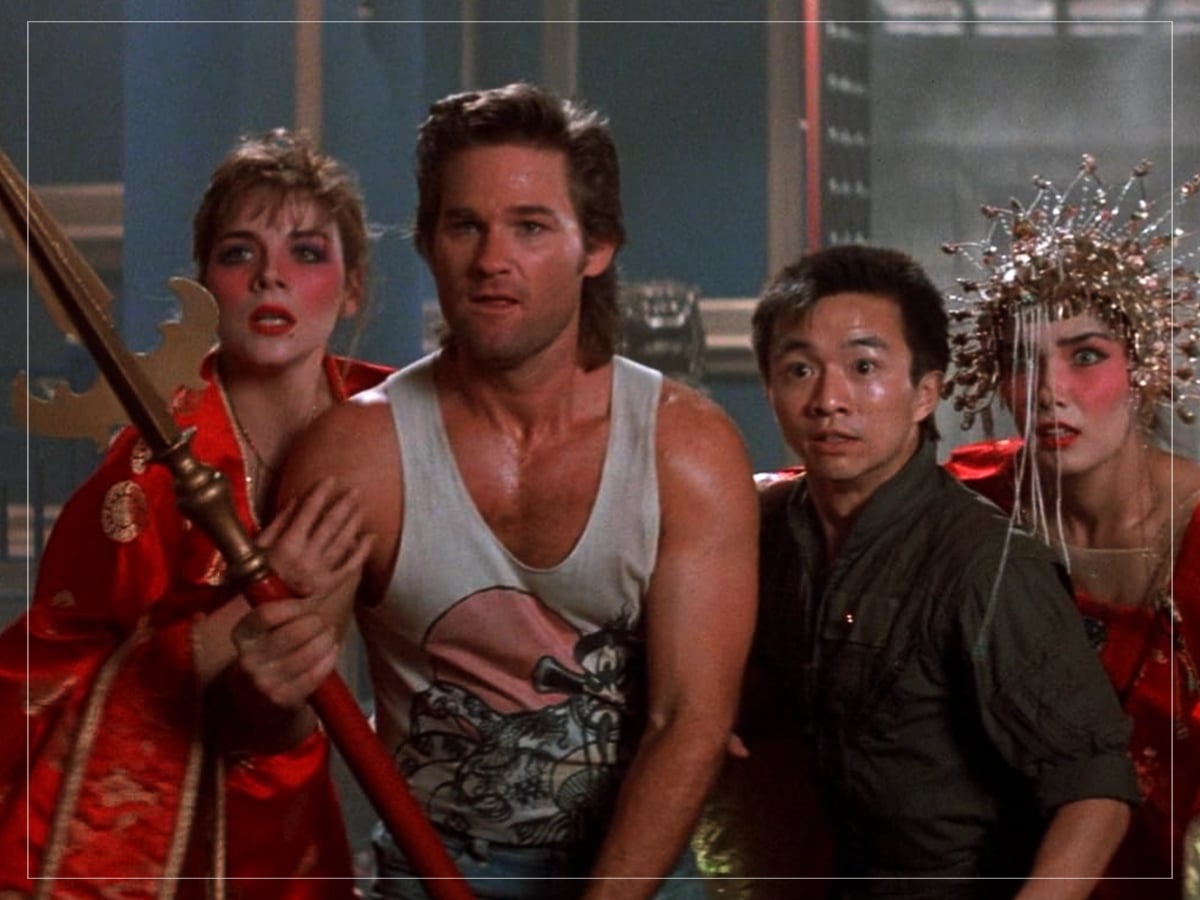
John Carpenter had a run of films between 1974 and 1988 that is unmatched in cinematic history, as all 11 directorial efforts are considered modern classics, and they all belong to different genres. Pinpointing a genre for Big Trouble In Little China is challenging for it’s a satire of martial arts epics, a commentary on American ignorance, a high-stakes fantasy adventure, and a star vehicle for Kurt Russell, who had already established himself as Carpenter’s greatest collaborator. Russell was able to split the difference between being a comic lead and an action star, something that wouldn’t be seen again until Chris Pratt in Guardians of the Galaxy.
Big Trouble In Little China belongs to the rare club of movies (alongside The Big Lebowski and Kiss Kiss Bang Bang) that audiences didn’t ‘get’ when it was first released, but has aged into one of the most beloved, quotable, and rewatchable films of its era.
‘Howard the Duck’ (Willard Huyck, 1986)
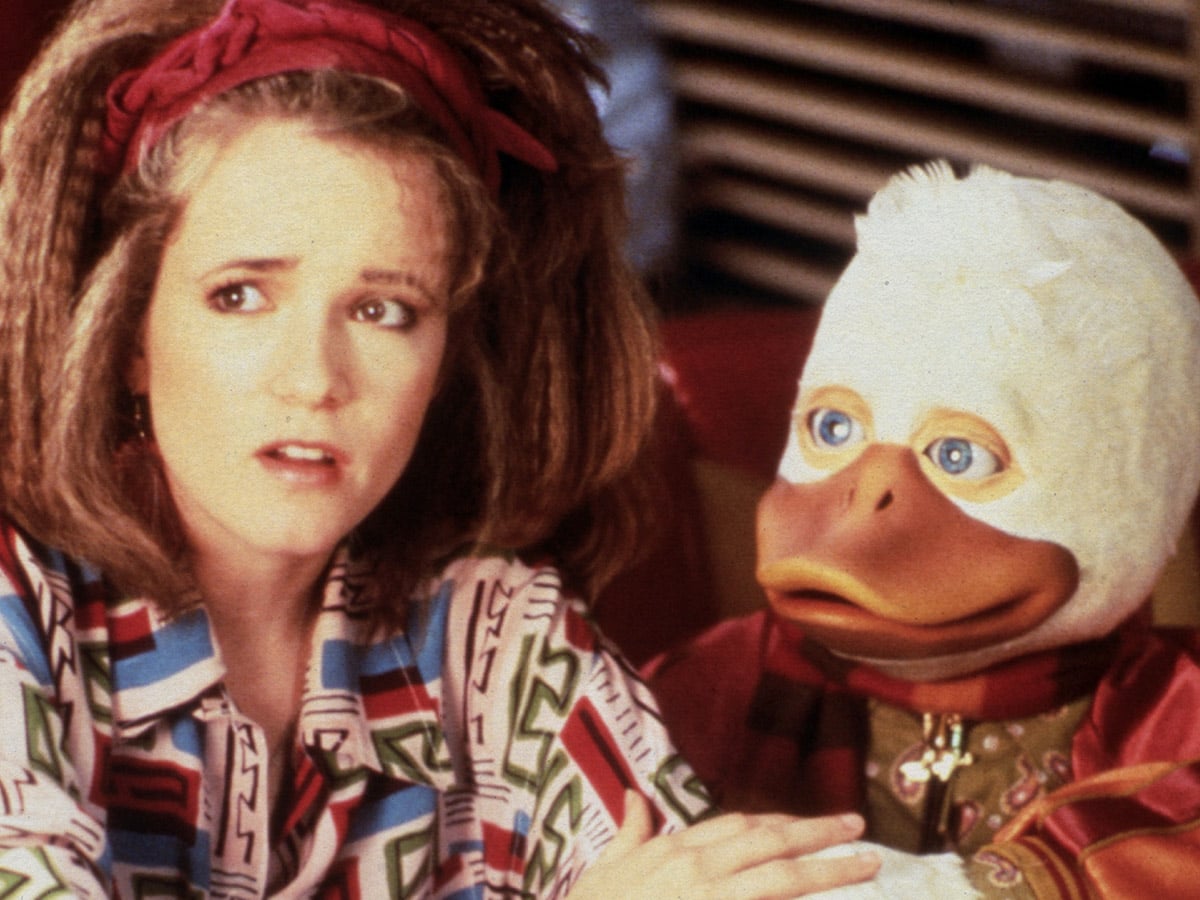
Marvel could have made a Spider-Man, Wolverine, The Incredible Hulk, or Captain America film as their first cinematic release, but George Lucas decided to produce an adaptation of Howard the Duck that was directed by his friend Willard Huyck. Although it has become ‘cool’ to hate on Marvel films today, nothing the studio has released recently comes anywhere near as close to being as disastrous as Howard the Duck.
The film begins as a slightly raunchy, mean-spirited ‘fish out of water’ comedy before it turns into a classic adventure, complete with Tim Robbins as a wacky scientist and Lea Thompson in a role essentially involved in bestiality. Howard the Duck worked as a comic because it stood out amongst other Marvel heroes, but the film was so disastrous that it took the label over a decade to revive its brand with 1998’s Blade.
