


10 songs from 1986 movies you never want to hear again

Nothing harms a film’s reputation more than bad music.
There are many aspects of a film that can be forgiven based on the era in which it was made. Bad special effects are hard to get mad at for a project made decades prior, as they can’t be expected to compete with modern blockbusters.
The acting that might feel over-the-top in older films can be explained based on the differences between shooting on film and on digital, especially given how common it was for stage actors to make the transition to the silver screen. References that might feel dated are actually important to how a film is remembered, as they serve as a time capsule that preserves the way that the industry worked at a specific moment in history.
The one thing that is absolutely unforgivable is bad music, as it is the one aspect of a film that can actually get worse over time. If a song from a film didn’t work when it first came out, it’s bound to get even more obnoxious once it is repeated and rehashed without ending.
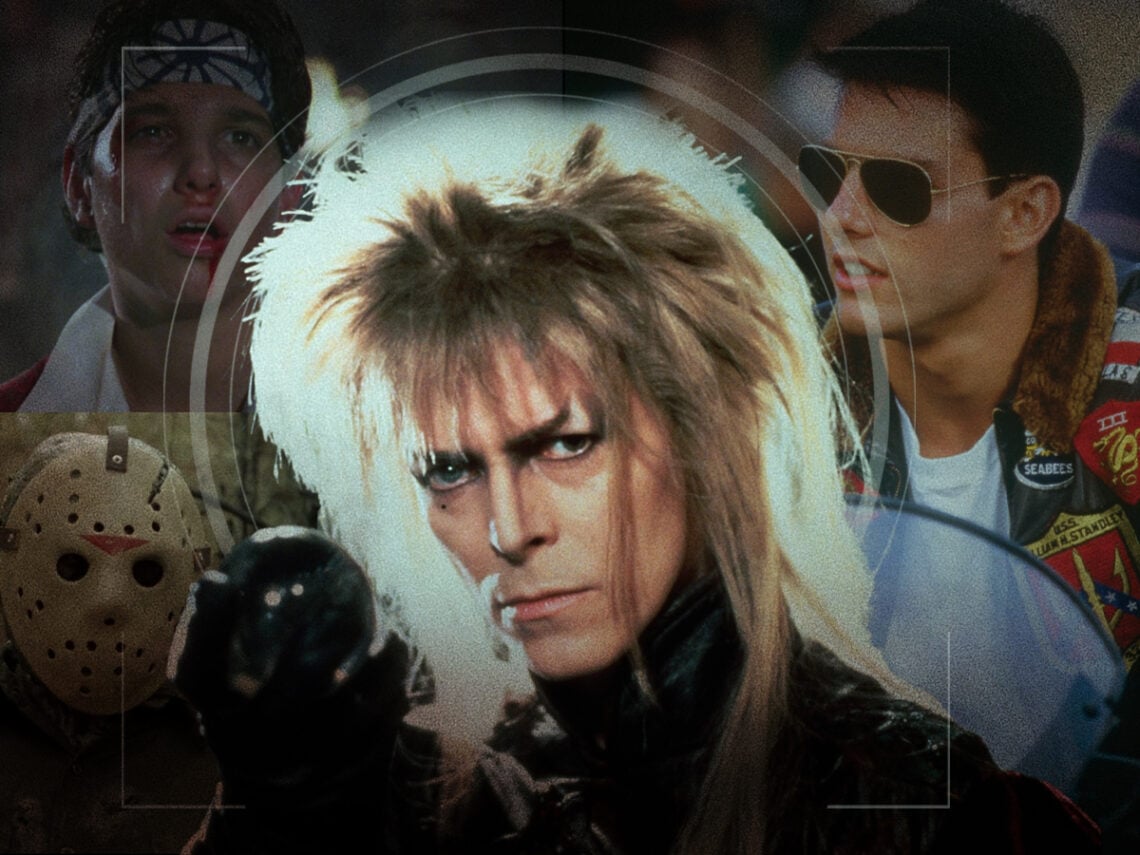
There are plenty of ‘80s films that haven’t aged well, and 1986 in particular was a year filled with misfires. That’s not to say that the year was without great songs in films; Top Gun and Labyrinth were best-selling soundtracks, and Little Shop of Horrors is one of the greatest cult musicals of all time.
That being said, ‘80s nostalgia hasn’t been able to save some unfortunate songs from being earworms in all the wrong ways.
10 songs from 1986 movies that shouldn’t ever be replayed:
‘Howard the Duck Theme’ from ‘Howard the Duck’ (William Huyck, 1986)
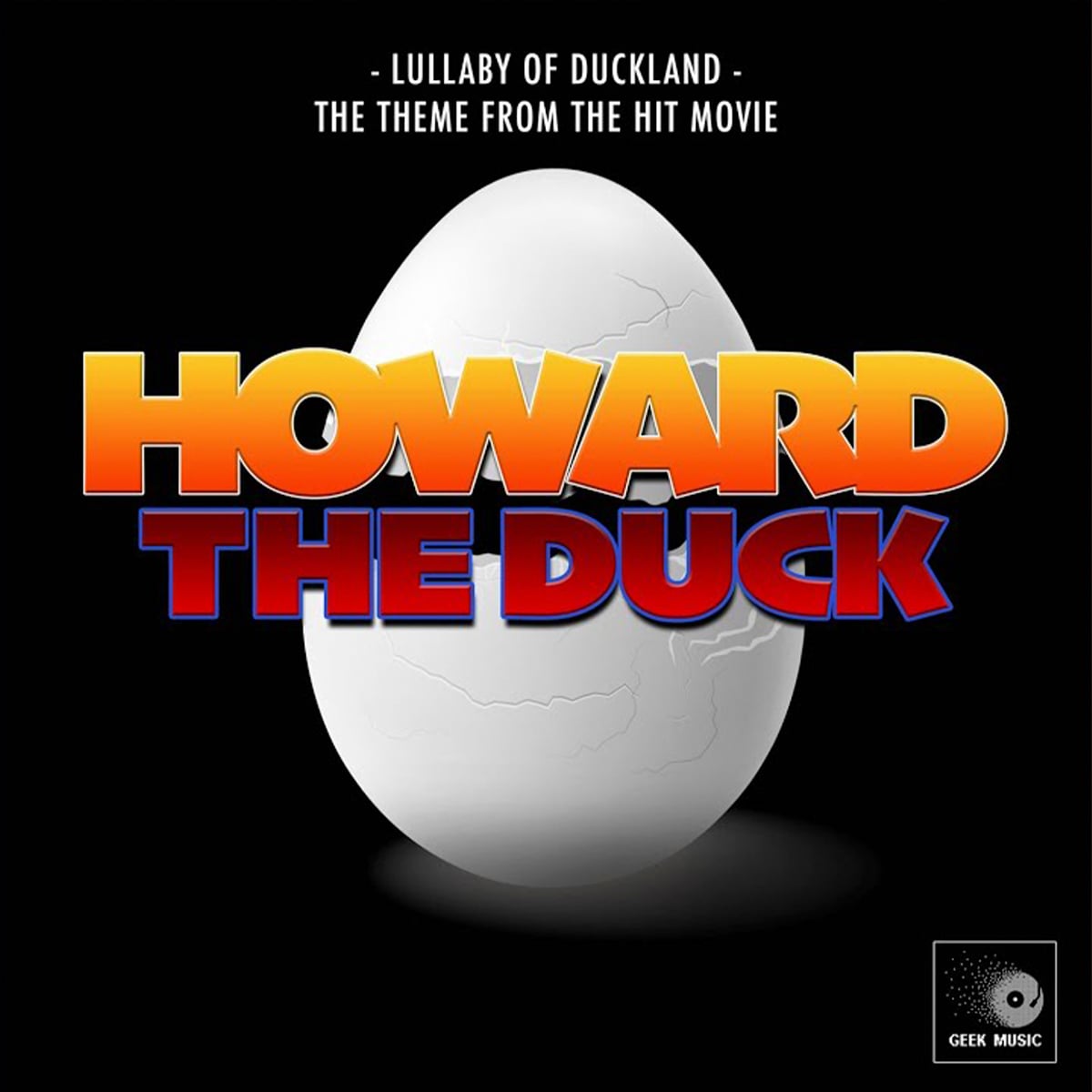
The first cinematic film based on a Marvel comic wasn’t Spider-Man, X-Men, Blade, or even The Punisher starring Dolph Lundgren, but Howard the Duck, which was produced by Lucasfilm. Although at the time the comic series was quite popular as a subversive, satirical slant on both the Marvel universe and the hardboiled detective genre, Howard the Duck featured garish visuals, including a sequence set on ‘Duckworld’ that included an original theme song.
Beyond the obnoxious nature of the song, it set an odd tone that suggested that the film would be more whimsical and family-friendly, when in actuality, it ended up having more than a few inappropriate sexual moments. Suffice to say, it didn’t end up becoming an iconic Marvel theme song in the same way that the ‘60s Spider-Man cartoon series theme did, and would be outdone by the memorable opening sequence of X-Men: The Animated Series in the next decade.
‘Glory of Love’ from ‘The Karate Kid: Part II’ (John Avildsen, 1986)
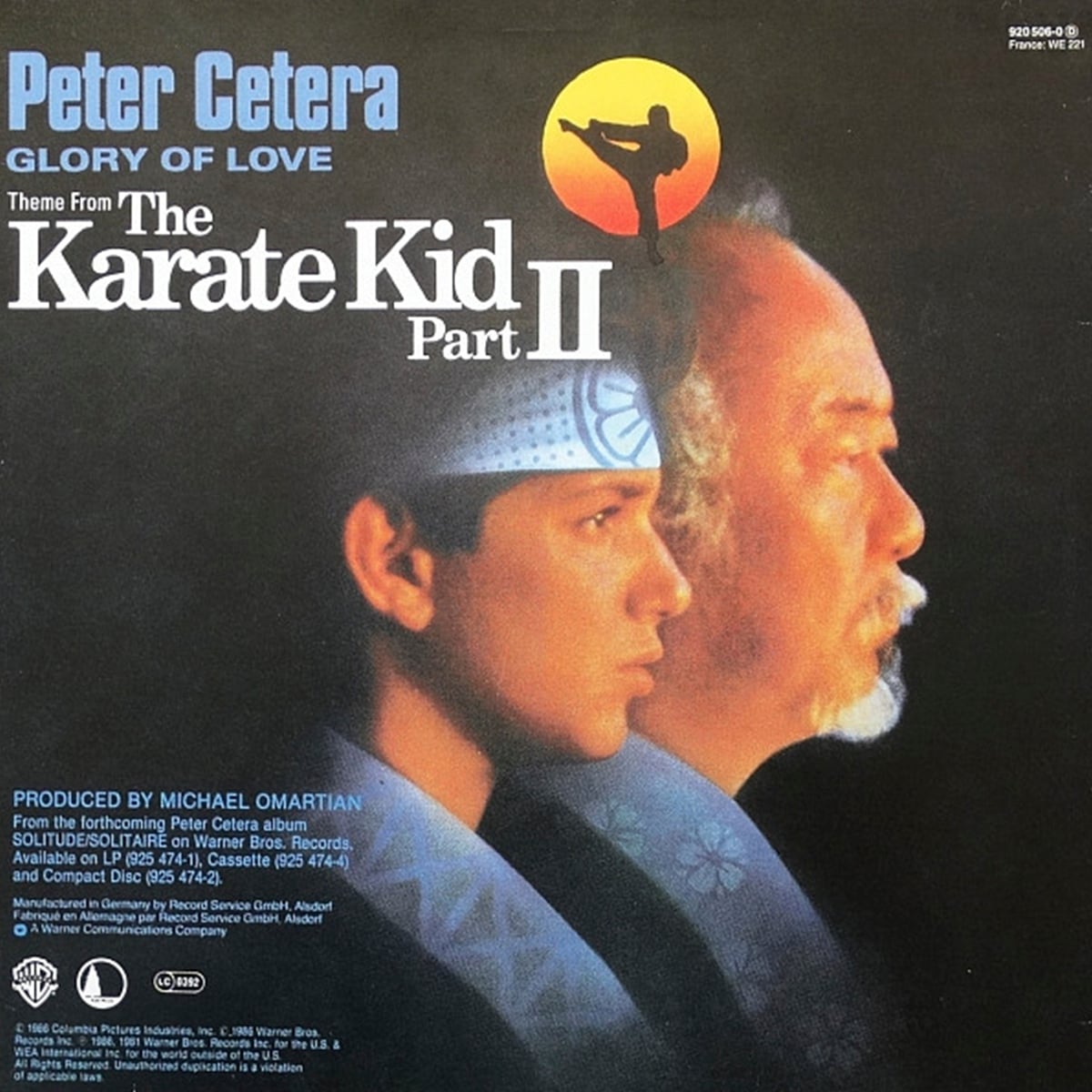
Sports films often have premises that don’t exactly sustain themselves for a franchise, meaning that there are very few sequels in the genre that work. The Karate Kid: Part II might be one of the better examples, and while those who disliked the first film weren’t going to have their minds changed, the sequel does feature good performances from Ralph Macchio and Pat Morita.
The issues are all in the story, which is nearly a beat-for-beat recreation of the first film (albeit being set in Japan), including the theme song ‘Glory of Love’, which is an underwhelming ballad when compared to the powerful ‘You’re The Best (Around)’ from the original The Karate Kid. It not only fails to deliver the same aura but also feels melodramatic and romantic, which is odd when considering that the relationship between Daniel and Tamlyn Tomita’s Kumiko is by far the weakest aspect of the film.
‘Sweet Freedom’ from ‘Running Scared’ (Peter Hyams, 1986)
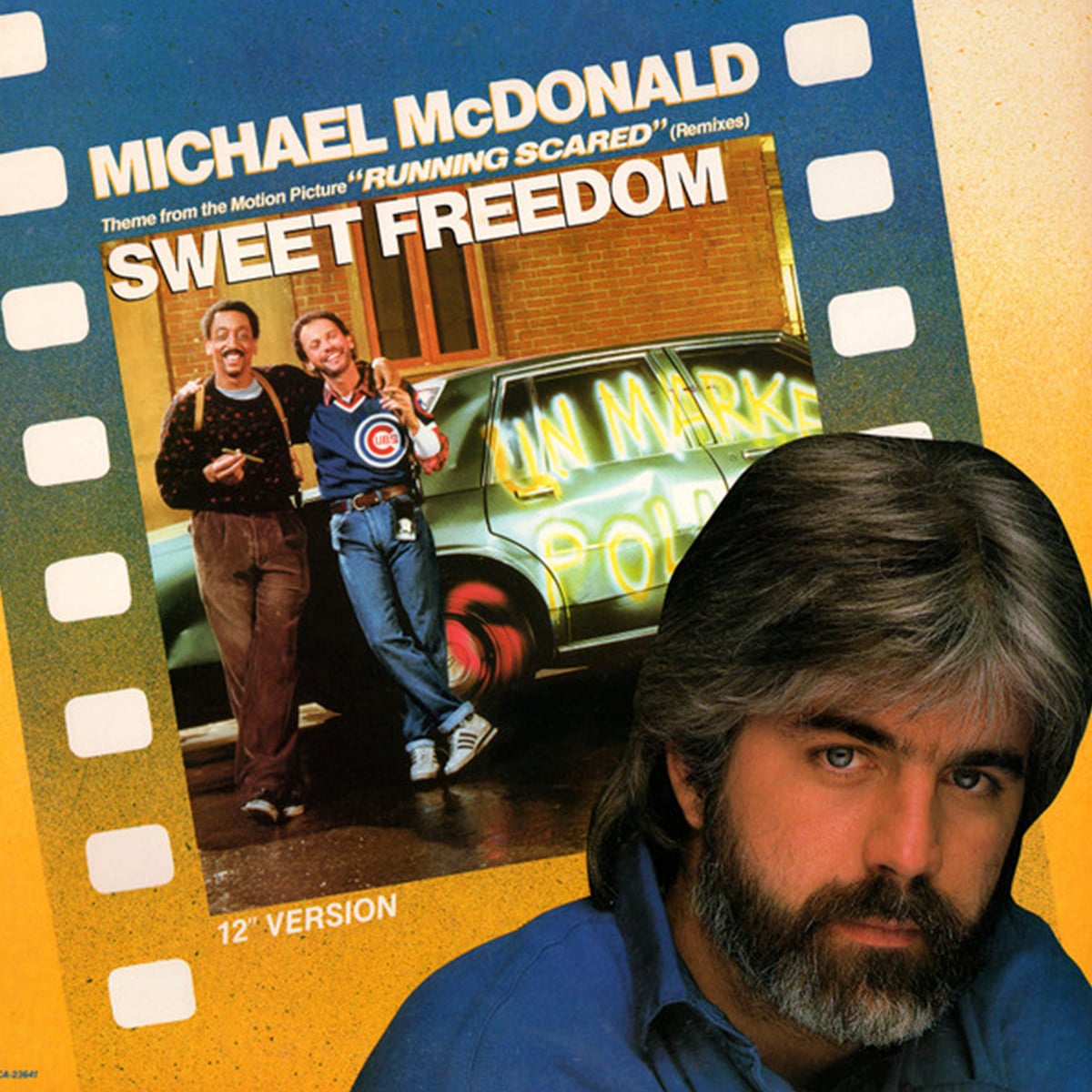
Billy Crystal and Gregory Hines might not have seemed like a natural fit for a buddy cop film, but Peter Hyams’ Running Scared became a decent hit that developed a cult following. Although the genre would be solidified by Lethal Weapon the following year, Running Scared offered a fun adventure that aired closer to the side of comedy than it did to action.
While most of the film adheres to that mix, there are moments in which it becomes a little too serious, specifically when Michael McDonald’s brassy ‘Sweet Freedom’ is used to emphasise the characters’ friendship, which was already apparent from the terrific chemistry between the actors. By the end of the summer of 1986, everyone was sick of the track, and while it might not be the single reason that Running Scared 2 never happened, it certainly could not have helped.
‘Who’s Johnny’ from ‘Short Circuit’ (John Badham, 1986)
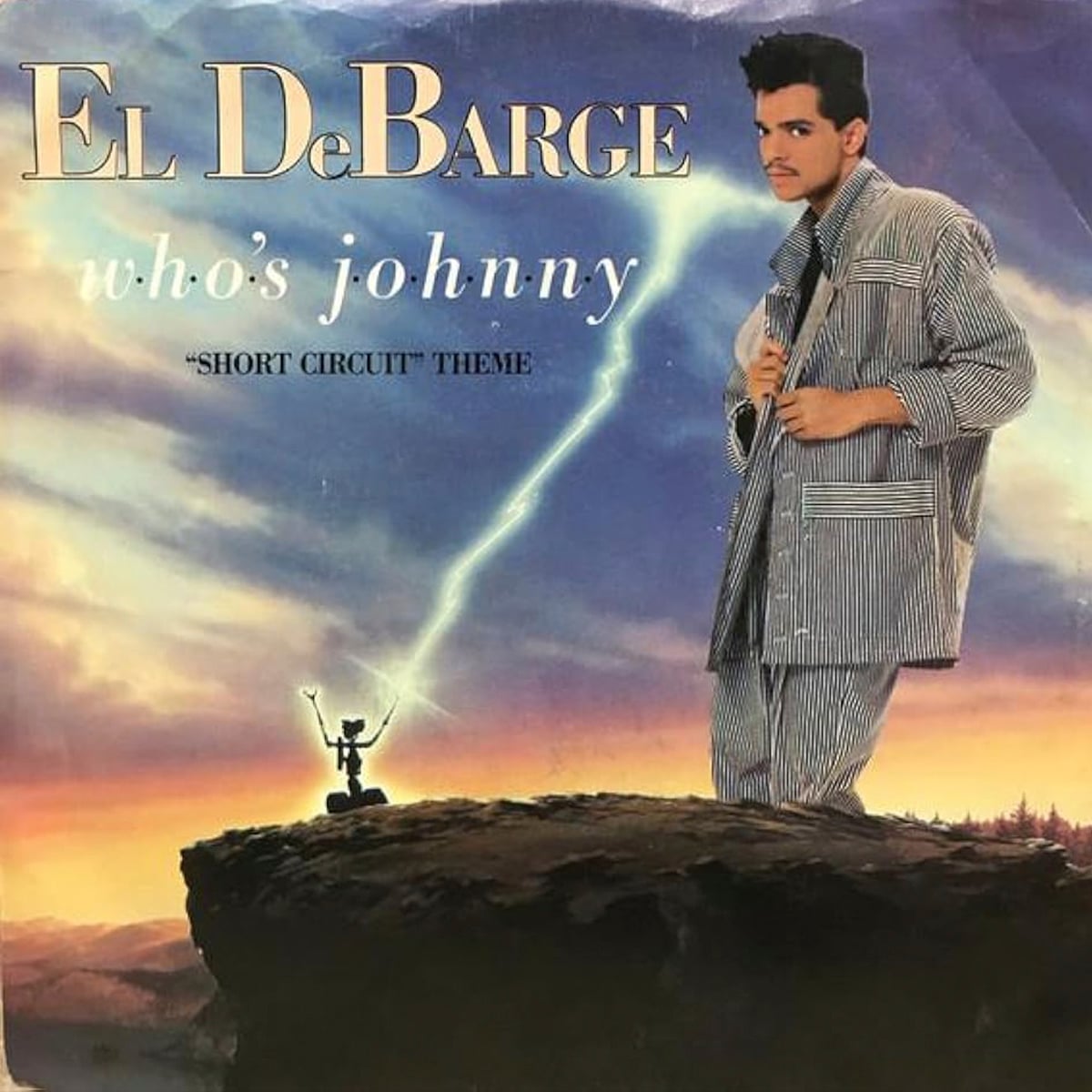
The ‘80s were generally a rough decade for dance pop, and being featured in a goofy kids’ film like Short Circuit couldn’t have helped the genre’s reputation. Short Circuit intended to do for robots what ET the Extra-Terrestrial had done for aliens or The Black Stallion did for horses, but the titular character was just too obnoxious to attain the same cultural legacy. ‘Who’s Johnny’ made for a particularly irritating theme song for Short Circuit because it epitomised the era of technological exceptionalism that would quickly age poorly.
The film itself has an issue of a relatively immobile protagonist who can’t do all that much because of the budgetary constraints, and thus ends up being pretty repetitive. It does no favours that the song is also played over and over again, and is even incorporated into the score.
‘Scream of Love’ from ‘Psycho III’ (Anthony Perkins, 1986)
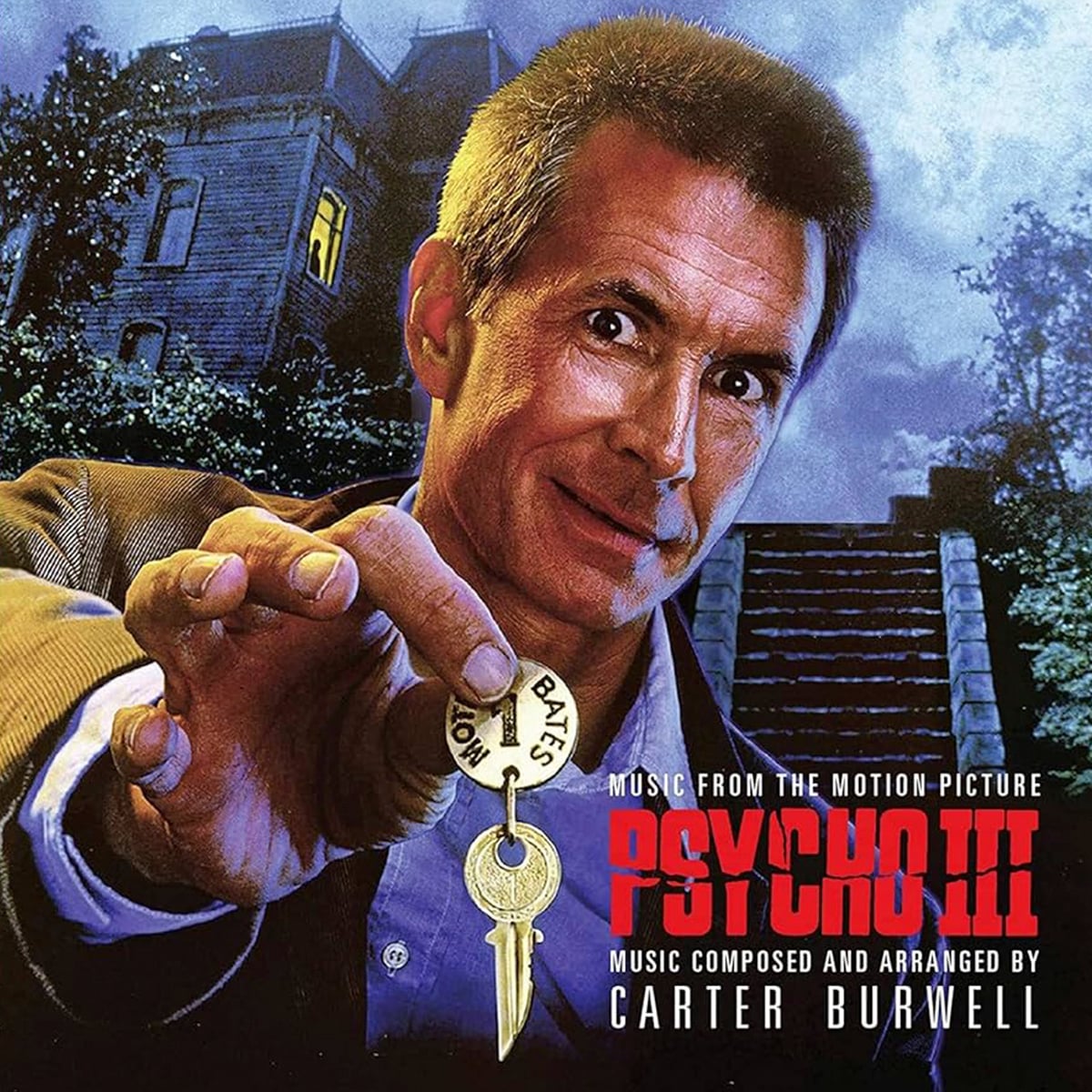
The original Psycho created what might be the greatest and most influential horror film scene of all time, but it also kicked off an unusual franchise that didn’t release its first sequel until 23 years after the first instalment. Psycho III was the directorial debut of the franchise’s star, Anthony Perkins, and took a much more cheeky approach to the concept that had more fun with the premise.
Perkins did a good job as a director, balancing the tone, but Universal was desperate to make the film more marketable and forced the inclusion of the instrumental pop song ‘Scream of Love’ so that it could play on MTV. Despite being written by the great Carter Burwell, the song wasn’t permitted to include extended tracks from the original Psycho score by Bernard Hermann as he had intended. As a result, it made for compromised work.
‘Bionic Machine’ from ‘Heartbreak Ridge’ (Clint Eastwood, 1986)
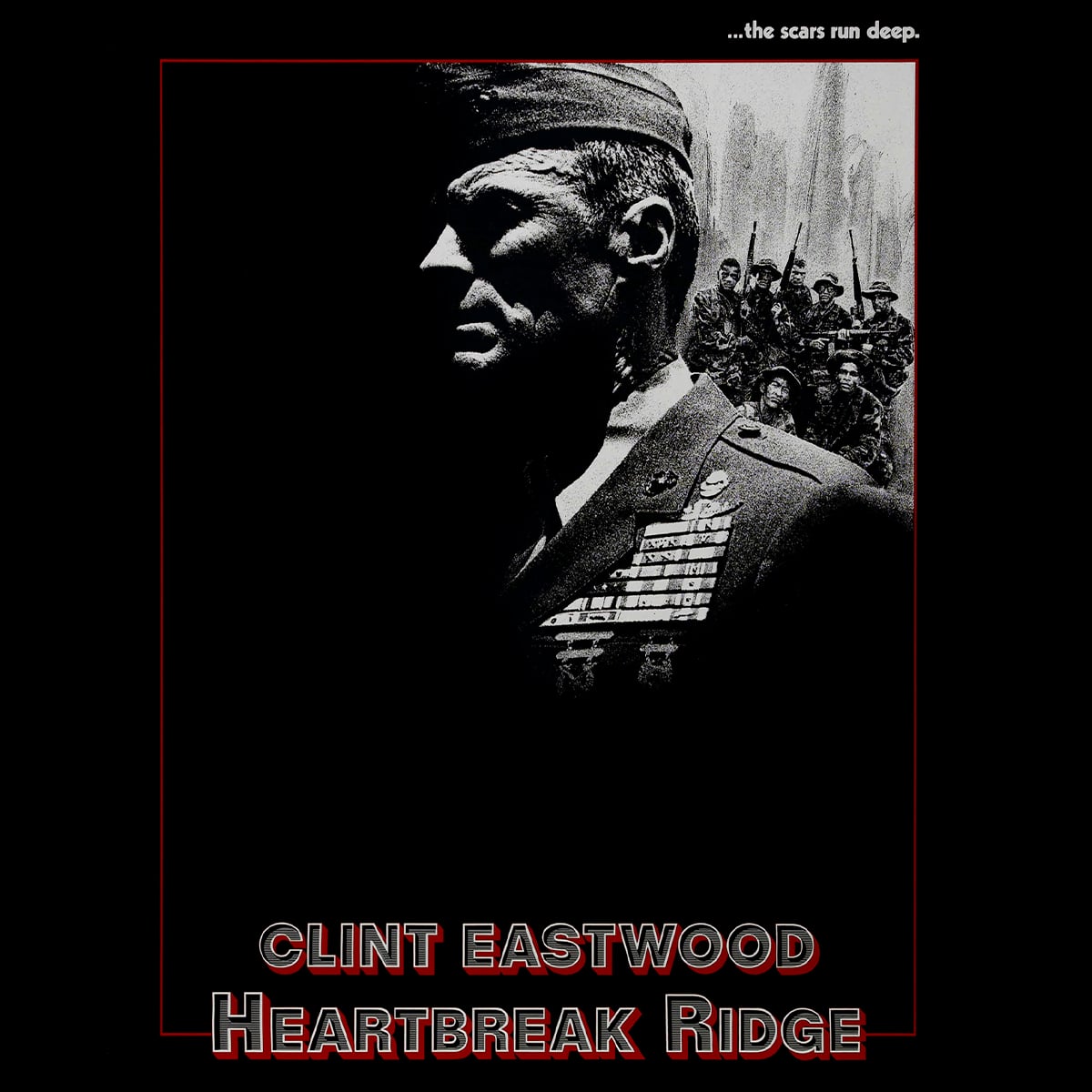
Clint Eastwood is one of the greatest filmmakers to hold a camera, but music has never been his strong suit. He has attempted to write and sing original music for many of the films he directed, but he allowed his Heartbreak Ridge co-star Marion Van Peebles to develop original songs for the soundtrack, including ‘Bionic Machine’.
The disastrous song might be the perfect representation of everything wrong with the film itself; it’s trying far too hard to be hip and edgy, when in actuality it’s in a film that is fairly classical and formulaic. Peebles’ performance in the film is awful, and his character is obnoxious, and the inclusion of songs that he wrote on the soundtrack just underscores what a tonal mess Heartbreak Ridge was. Unsurprisingly, Eastwood would develop most of the music for his later films on his own and without accompaniment.
Techno cover of ‘Once In a Lifetime’ from ‘Down and Out in Beverly Hills’ (Paul Mazursky, 1986)
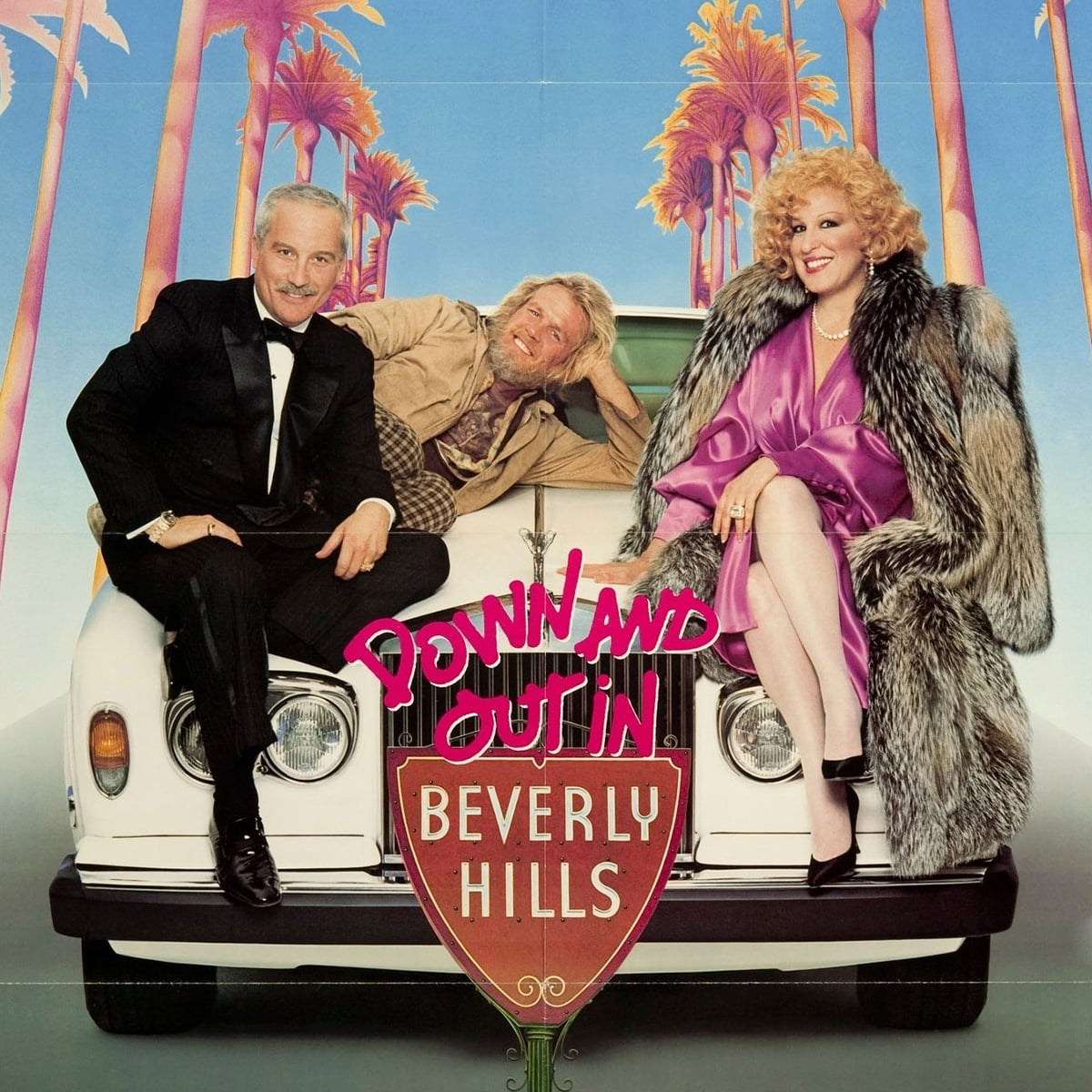
David Byrne had seemingly taken over Hollywood in 1986, as it was two years after Jonathan Demme’s Stop Making Sense became an instant classic, and one of the first concert films to be considered a true cinematic achievement. Byrne also directed his first and only film, True Stories, in 1986, but his music was so popular that a remixed version of ‘Once In A Lifetime’ made it onto the soundtrack of Paul Mazursky’s Down and Out in Beverly Hills.
Stop Making Sense loomed so large that it felt cheap for any other film to use ‘Once in a Lifetime’, and the techno remixing used to distinguish it only corrupted Byrne’s original work. It’s also too energetic and exciting a song to kick off Down and Out in Beverly Hills, which is a great film that works because of how surprisingly dark it is.
‘He’s Back (The Man Behind the Mask)’ from ‘Friday the 13th Part VI: Jason Lives’ (Tom McLoughlin, 1986)
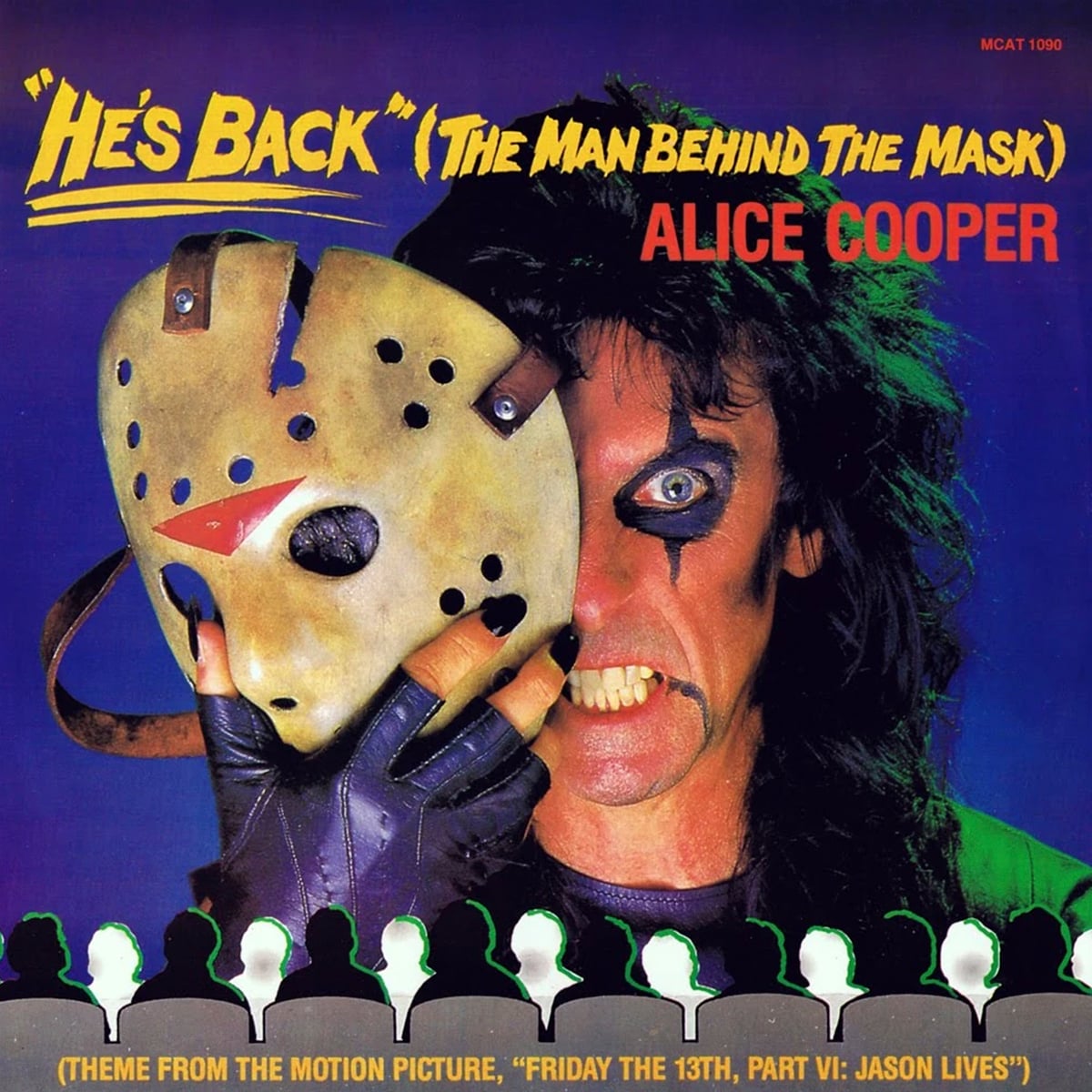
The Friday the 13th franchise peaked in popularity in 1986, with Friday the 13th Part VI: Jason Lives, which pulled the saga into meta territory by resurrecting Jason Voorhees from the dead and including all sorts of tongue-in-cheek jokes. One of the most memorable jokes from the film is when Jason appears in an opening scene that parodied the James Bond franchise, and even included Alice Cooper’s song ‘He’s Back (The Man Behind The Mask)’.
Cooper had released the song on his studio album Constrictor, which featured a Friday the 13th-themed cover, and it was adopted as the film’s official theme. The musician did some great work in the ‘80s, but it’s songs like this that led others to accuse him of selling out and also marked the point when the Friday the 13th films gave up on any sort of logic, simply embracing whatever trends were popular at the time.
‘Destination Unknown’ from ‘Top Gun’ (Tony Scott, 1986)
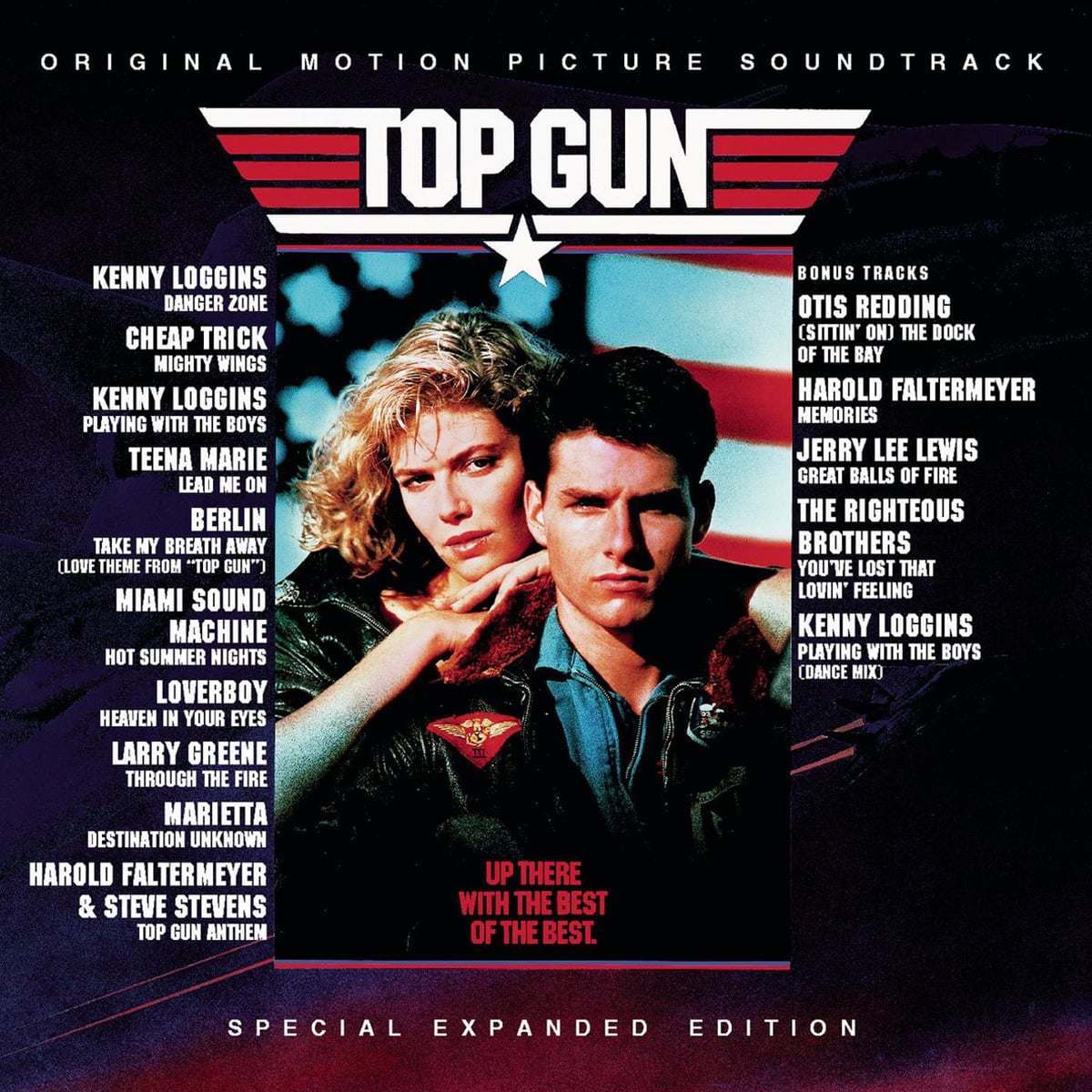
Top Gun has one of the most famous soundtracks of any film, and many of its songs are still recognised as classics. While ‘Take My Breath Away’ won the Academy Award for ‘Best Original Song’, it was the use of Kenny Loggins’ ‘Danger Zone’ that would become most closely associated with the film’s exciting aerial combat scenes.
The standouts from the Top Gun soundtrack are so good that it can be easy to forget the flops, such as Marietta’s ‘Destination Unknown’, which is by far one that comes at the dullest section of the film, where the action slows down. Although Top Gun: Maverick homaged and recreated many of the songs from the original film’s soundtrack, ‘Destination Unknown’ was absent from the sequel entirely, a decision that was not that surprising.
‘Within You’ from ‘Labyrinth’ (Jim Henson, 1986)
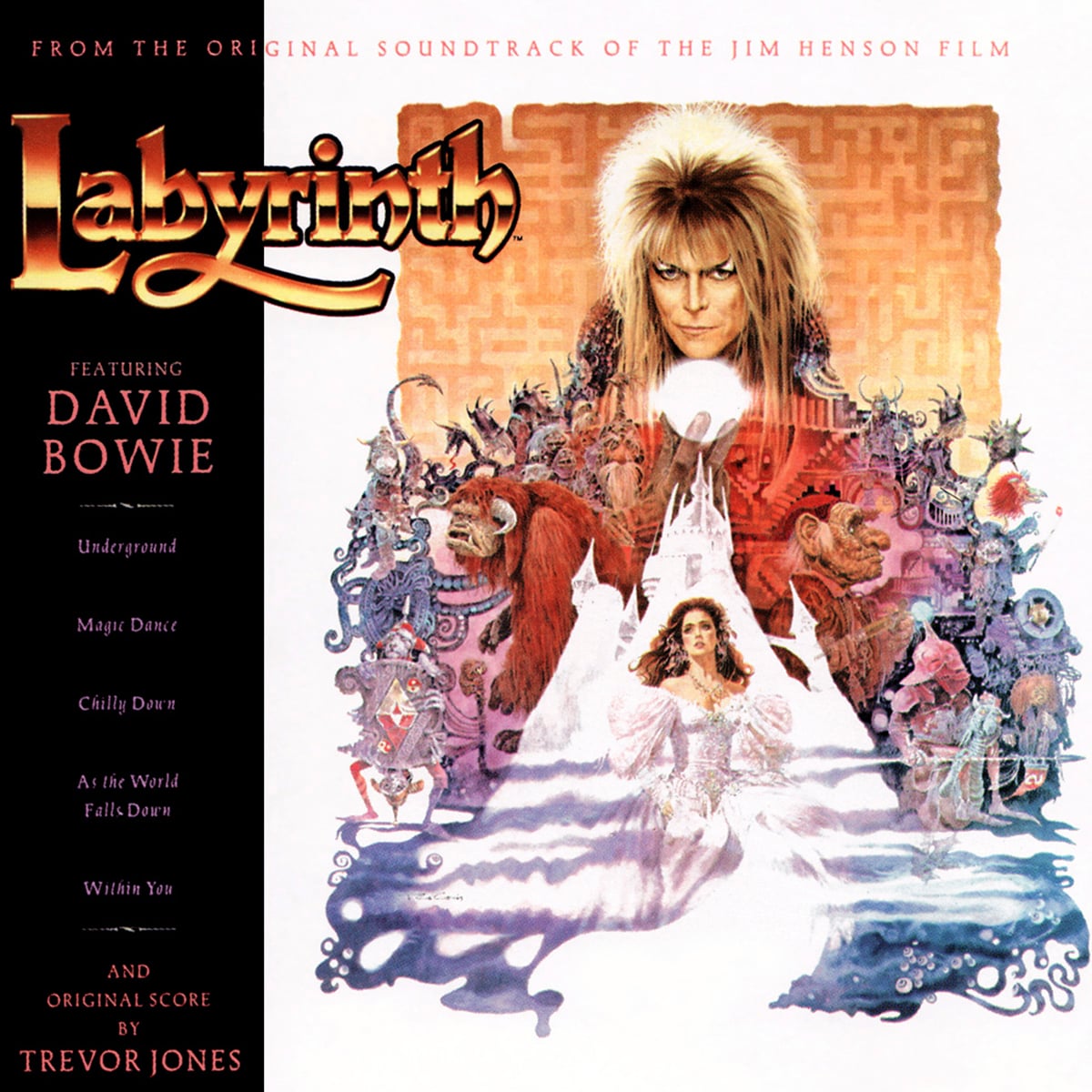
David Bowie had delivered a great performance a decade prior in the science fiction drama The Man Who Fell To Earth, but Jim Henson recruited him to both star and compose the soundtrack for Labyrinth, a fantasy epic in which he portrayed the villainous Goblin King Jareth. Bowie wrote a number of great songs for the film, such as ‘Magic Dance’ and ‘Underground’, but ‘Within You’ has aged the worst because of how creepy it is.
The song is a romantic, yearning ballad that creates uncomfortable sexual tension between Jareth and 16-year-old Sarah Williams, played by Jennifer Connelly, who fantasises about him in a royal ball dream. To make it even creepier, there are a few brief hints in the novelisation that indicate Jareth directly resembles the boyfriend of Sarah’s stepmother, which makes its connection to her sexual awakening even weirder.

Never Miss A Tale
The Far Out Clint Eastwood Newsletter
All the latest stories about Clint Eastwood from the independent voice of culture.
Straight to your inbox.