


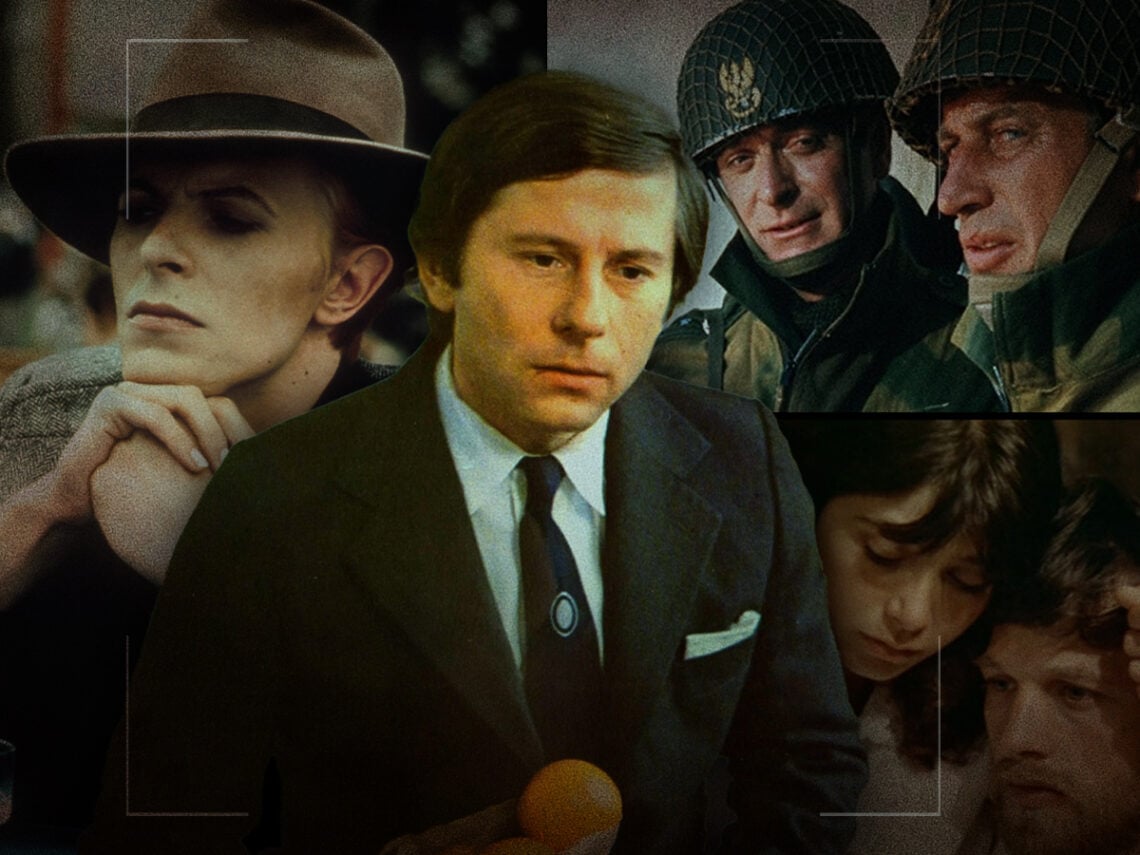
The 10 weirdest movies of 1976

What passed for a mainstream film in 1976 was much different from today’s output.
There isn’t a firm definition for when the New Hollywood era started, as it was a movement that emerged after a continuous decline of the Golden Age of the industry. 1967’s Bonnie & Clyde is seen as the anti-authoritarian, controversial film that helped jettison the industry into a generation in which younger filmmakers were taken seriously, and there wasn’t as much fear when it came to transgressive content.
While some would blame the success of Jaws and Star Wars as contributing to the rise of blockbuster culture and the obsession with opening weekend grosses, it became clear that ambitious directors making flops is what caused studios to lose the enthusiasm that they had once had. Between the collapse of Michael Cimino’s Heaven’s Gate and Francis Ford Coppola’s One From The Heart the year after, New Hollywood became a faint memory as the industry chased franchises like Star Wars, Indiana Jones, Superman, and Alien.
In this movement, 1976 is an interesting inflexion point because commercial success became indistinguishable from acclaim. Rocky was the winner for the Academy Award for ‘Best Picture’, indicating that the Oscars were more inclined to reward a feel-good boxing film than the more politically inclined Taxi Driver, All the President’s Men, or Network, but even the films that were considered commonplace in 1976 would stick out in today’s marketplace. Although there has never been an era in which all films were perfect, ’76 had a wider variety of options that were more than a bit unusual.
The 10 wackiest movies of 1976:
‘The House With Laughing Windows’ (Pupi Avati, 1976)
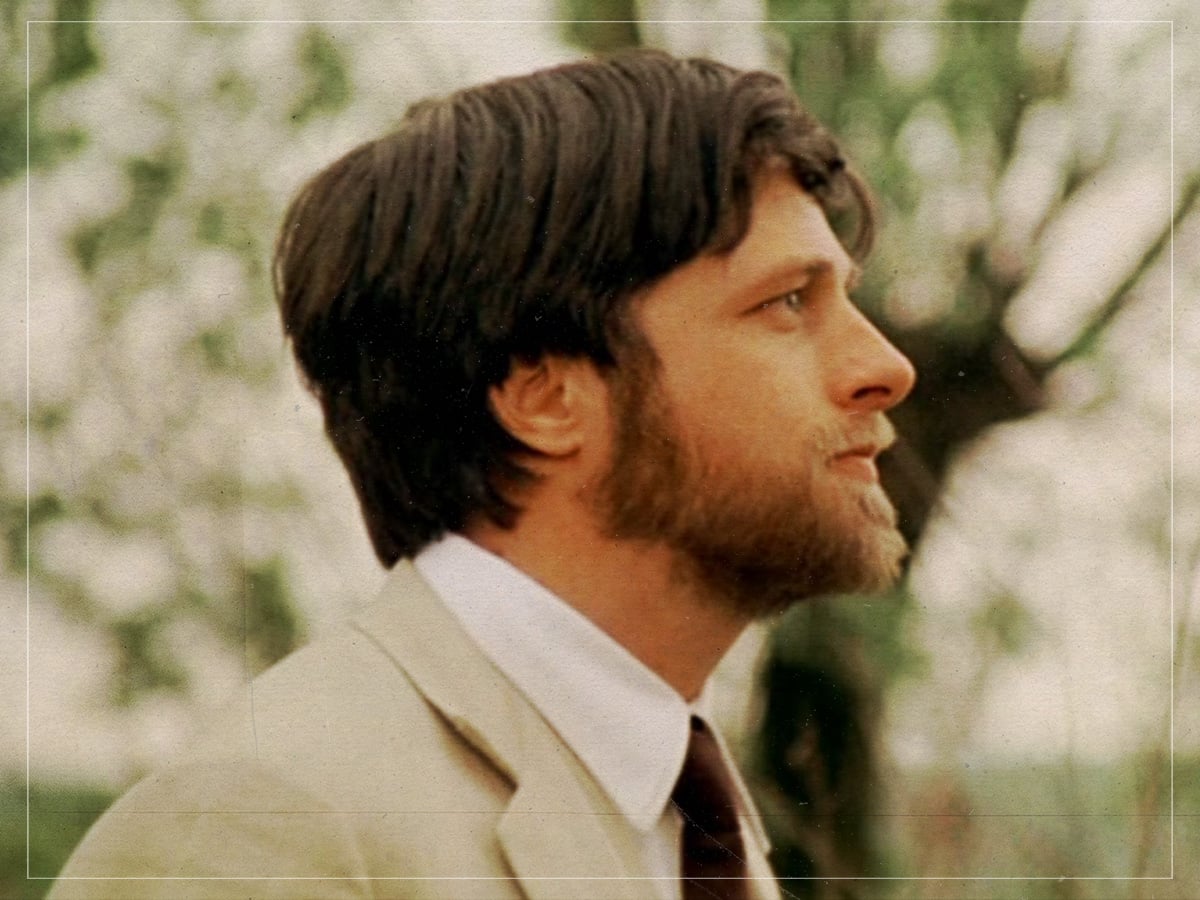
Italian horror films, or giallos, became very popular all over the world in the 1970s. Although it was Dario Argento’s Suspiria that helped serve as a gateway for many horror buffs, The House With Laughing Windows was a fascinating example of just how unusual the subgenre is. It’s sort of a mystery film, but the protagonist doesn’t do much investigation work, and each plot twist seems more absurd than the one that preceded it.
There tends to be some form of social satire that comes into play within most giallos, but The House With Laughing Windows has some rather loaded commentary about the Catholic Church, which it makes the most out of thanks to the prominence of a fresco in major setpieces. It was a film that felt ahead of its time, as the slasher craze would begin in earnest two years later with Halloween.
‘King Kong’ (John Guillermin, 1976)
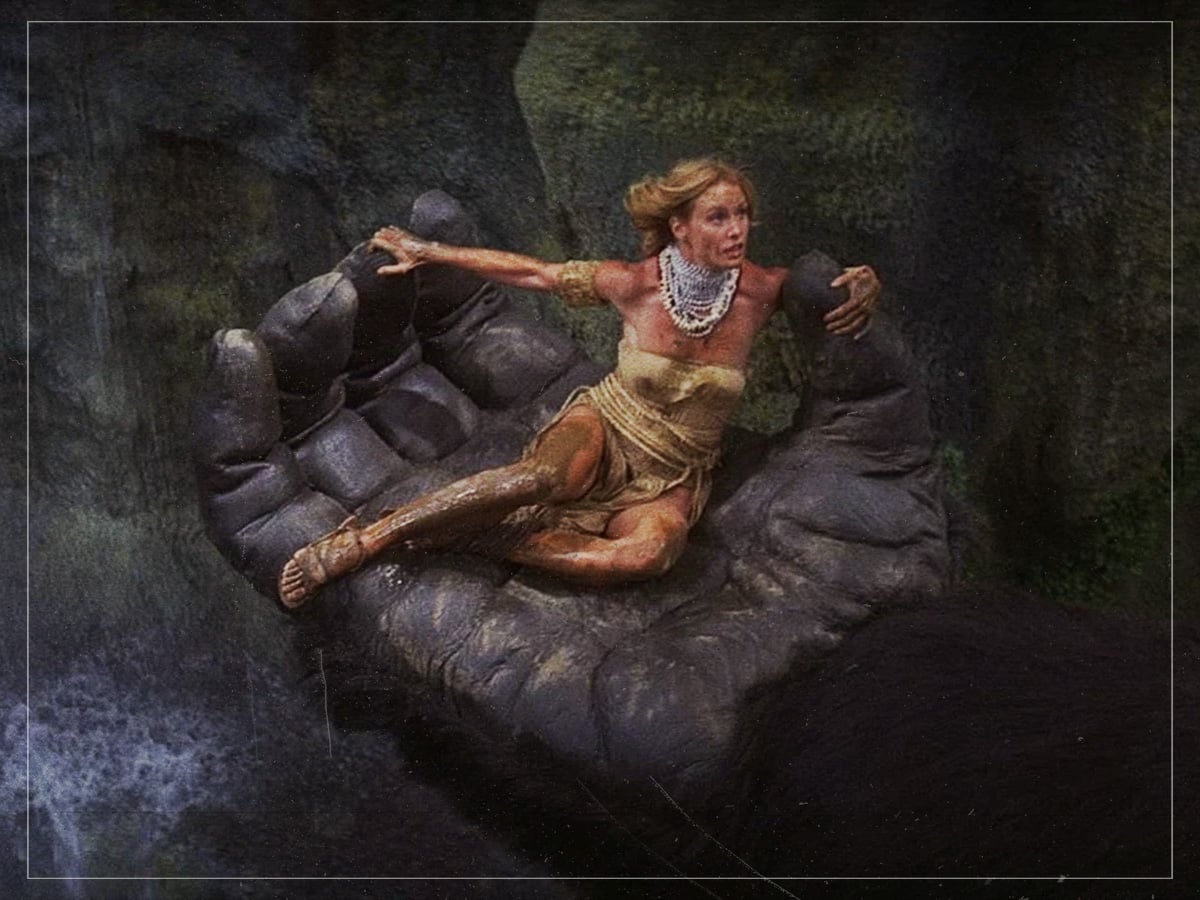
King Kong is one of the most indelible cinematic creations of all time, so it’s actually somewhat surprising that it took until 1976 for a straightforward remake of the classic 1933 black-and-white original, with the most notable update being that the search for Skull Island is motivated by a desire to find oil sources, a storyline that unusually seemed to mirror the energy crisis that would occur within the administration of United States Senator Jimmy Carter.
Although the 1933 film was luminous and epic, inspiring many young cinephiles to develop a lifelong appreciation for going to the movies, the remake is rather dark and surprisingly graphic in its violence, wherein legendary makeup artist Rick Baker performed the in-suit acting for Kong, which made the character’s brutal death at the hands of the Marines even more upsetting.
‘Silent Movie’ (Mel Brooks, 1976)
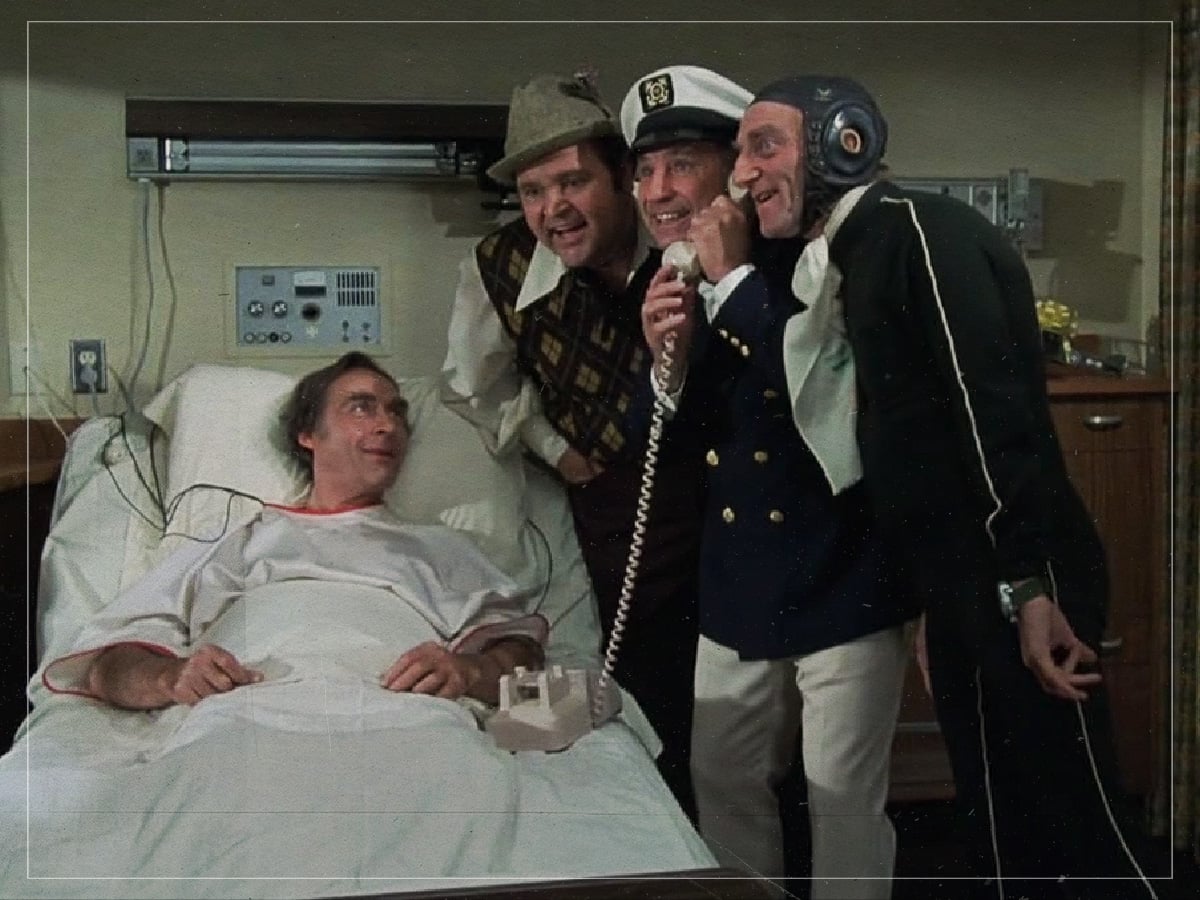
Mel Brooks made a career out of spoofing film genres that were popular at the time to offer audiences a ready frame of reference. For instance, Blazing Saddles was an amusing send-up of classic westerns, and Young Frankenstein felt relevant because the Frankenstein films were still broadly in circulation, so it was a pretty bold swing for him to make Silent Movie, a homage to the pre-talkie era, referring to older films that many audiences wouldn’t have seen.
Given that this was before the days of home media, young people didn’t have the same opportunity to check out films made before their lifetime, but even then, the Silent Movie was such a success, it stands testament to Brooks’ genius, and his ability to convince his famous friends to show up. It was one of the first films to master the art of the celebrity cameo, and features hilarious appearances by Burt Reynolds, Paul Newman, and Liza Minnelli.
‘The Missouri Breaks’ (Arthur Penn, 1976)
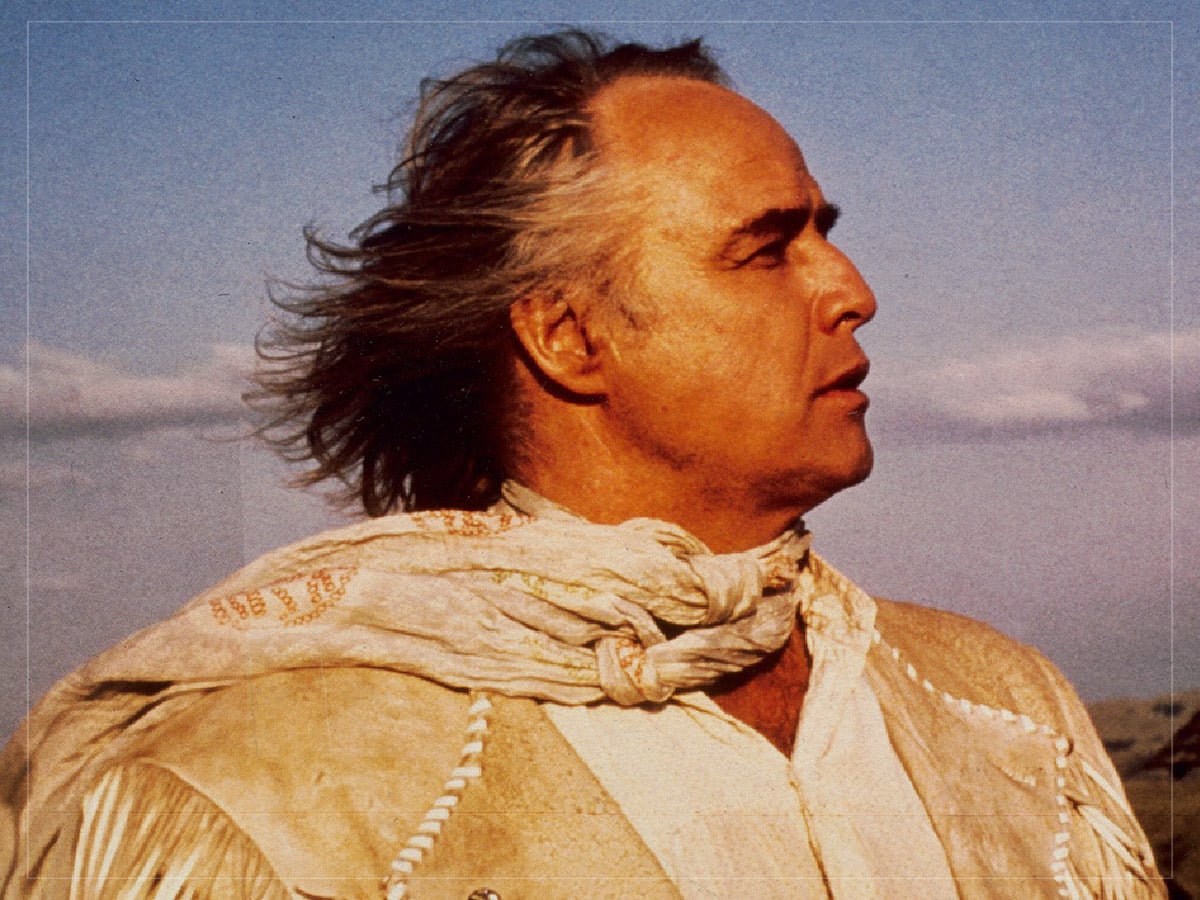
Marlon Brando had essentially given up taking acting seriously after his comeback with The Godfather and his most emotional role ever in Last Tango in Paris, and he admitted to being stoned throughout the production of The Missouri Breaks. He had such a significant reputation that every young actor admired him intensely, and even Jack Nicholson, only one year after winning an Oscar for One Flew Over the Cuckoo’s Nest, admitted to being somewhat intimidated.
The western didn’t fully reinvent itself into the ‘80s, but The Missouri Breaks was distinctly a New Hollywood perspective on its archetypes. While set during the frontier era, the film alluded to the rise of capitalism and the clash of counterculturalism and traditionalism, alongside serving as an odd spiritual sequel for director Arthur Penn, who had integrated western themes into his landmark masterpiece Bonnie & Clyde.
‘The Tenant’ (Roman Polanski, 1976)
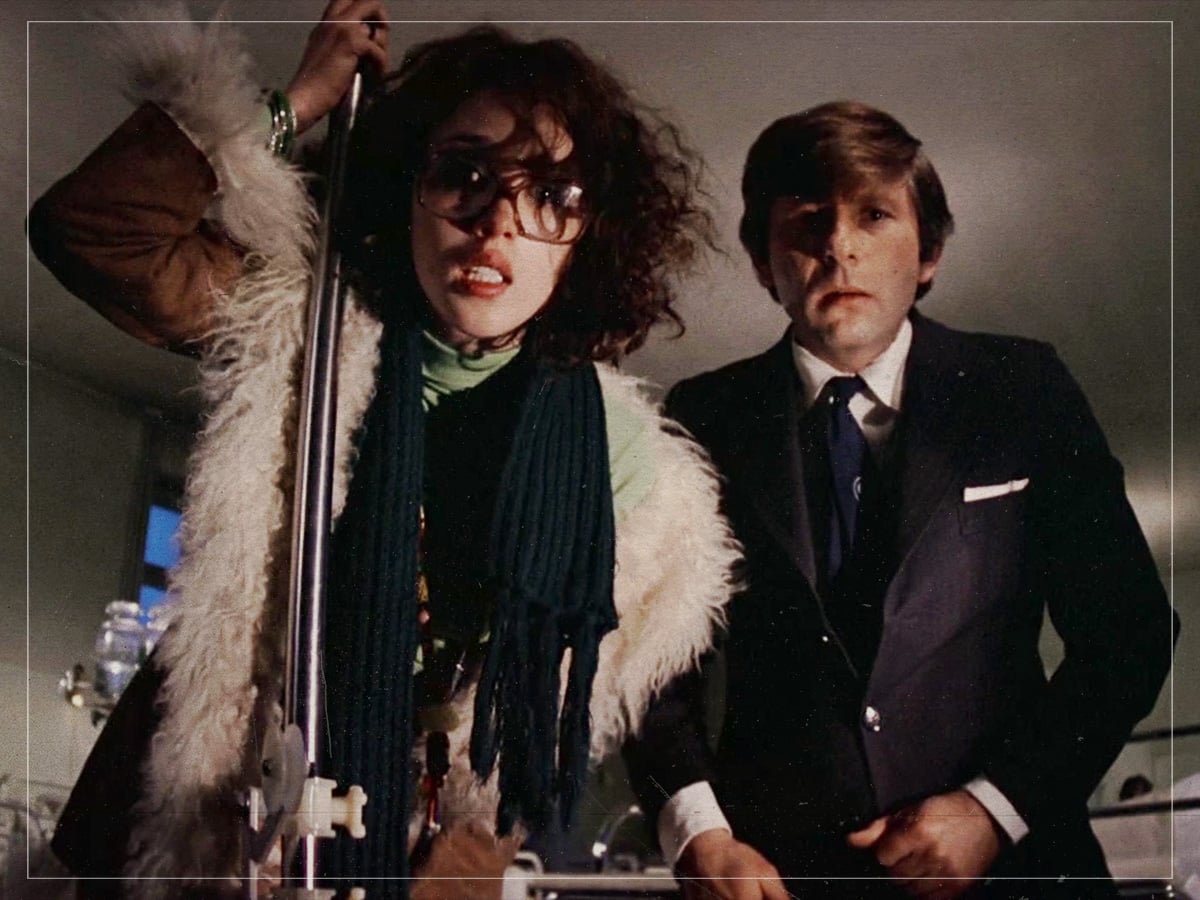
It’s impossible to separate the art from the artist when it comes to Roman Polanski, because his personal life is so integrated within his films, and while this often meant that he would occasionally take minor acting roles, like in Chinatown, he cast himself as the lead in The Tenant, a film about an unassuming man who finds that his apartment is deeply haunted.
The film served as a spiritual conclusion to the unofficial ‘apartment trilogy’ that Polanski had made with Repulsion and Rosemary’s Baby, and is perhaps his most personal film because it deals with sexual deviance, the consequences of repressed emotions, and Jewish anxiety informed by his experiences as a survivor of the Holocaust, but it wasn’t nearly as well-received. Roger Ebert and Gene Siskel, who had loved Polanski’s previous work, called the film “an embarrassment”.
‘Robin and Marian’ (Richard Lester, 1976)
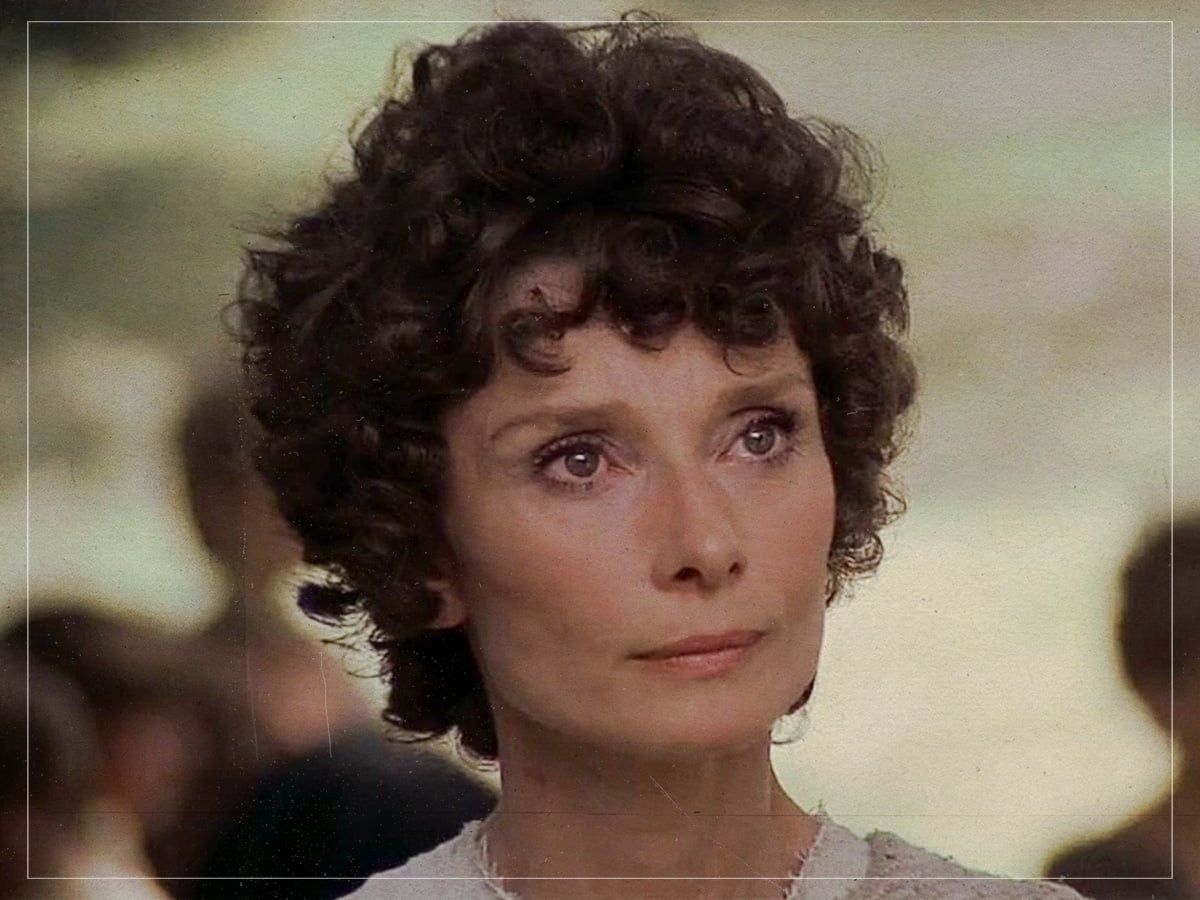
Sean Connery had officially given up being James Bond in 1976, with the subsequent two Roger Moore 007 films surpassing him in popularity. Thus, to suit his ageing demeanour, director Richard Lester cast Connery as an older Robin Hood in a moving love story where he tries to express his love to Marian, played by Audrey Hepburn, while running afoul of the Sheriff of Nottingham, played by Robert Shaw.
Lester had shown his aptitude for adapting classic works of literature with The Three Musketeers, but Robin and Marian is an emotional weepie that offered a more mature take on the material, and while there have been multiple new Robin Hood films since, Robin and Marian is the only one that rivals 1938’s The Adventures of Robin Hood.
‘The Man Who Fell To Earth’ (Nicolas Roeg, 1976)
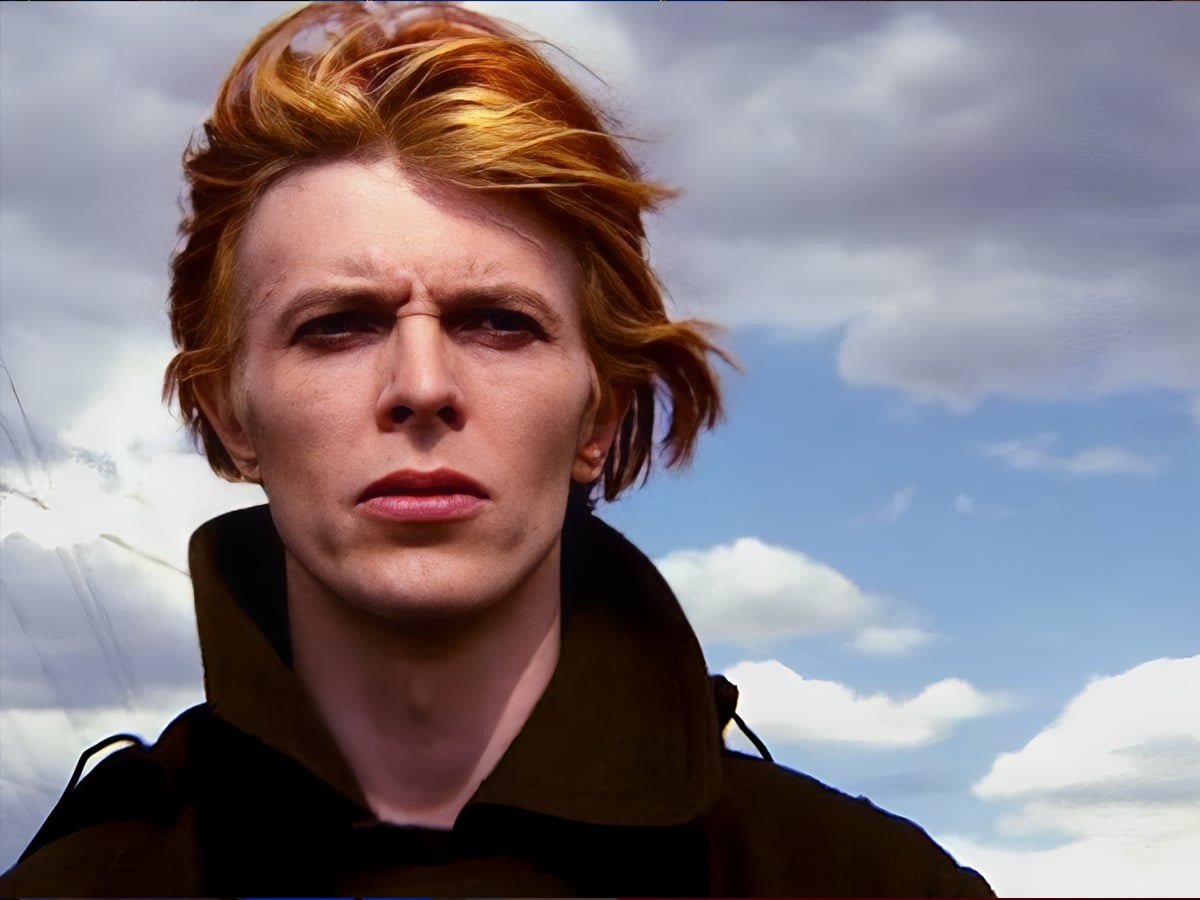
David Bowie was in his most experimental phase in the ‘70s, and he wasn’t interested in doing movies if he was just going to play himself in the same way that The Beatles had with A Hard Day’s Night and Help! Bowie instead chose to team up with the singular avant-garde filmmaker Nicolas Roeg, who was hot off the success of his horror masterpiece Don’t Look Now, on The Man Who Fell To Earth, in which he plays a mysterious alien creature who comes to discover human culture.
The Man Who Fell To Earth is representative of just how weird science fiction was before Star Wars incentivised studios to make more space operas. Neither an adventure film nor a thriller, the film was a strange, introspective story with a star who always felt like he was from a different planet.
‘The Bad News Bears’ (Michael Ritchie, 1976)
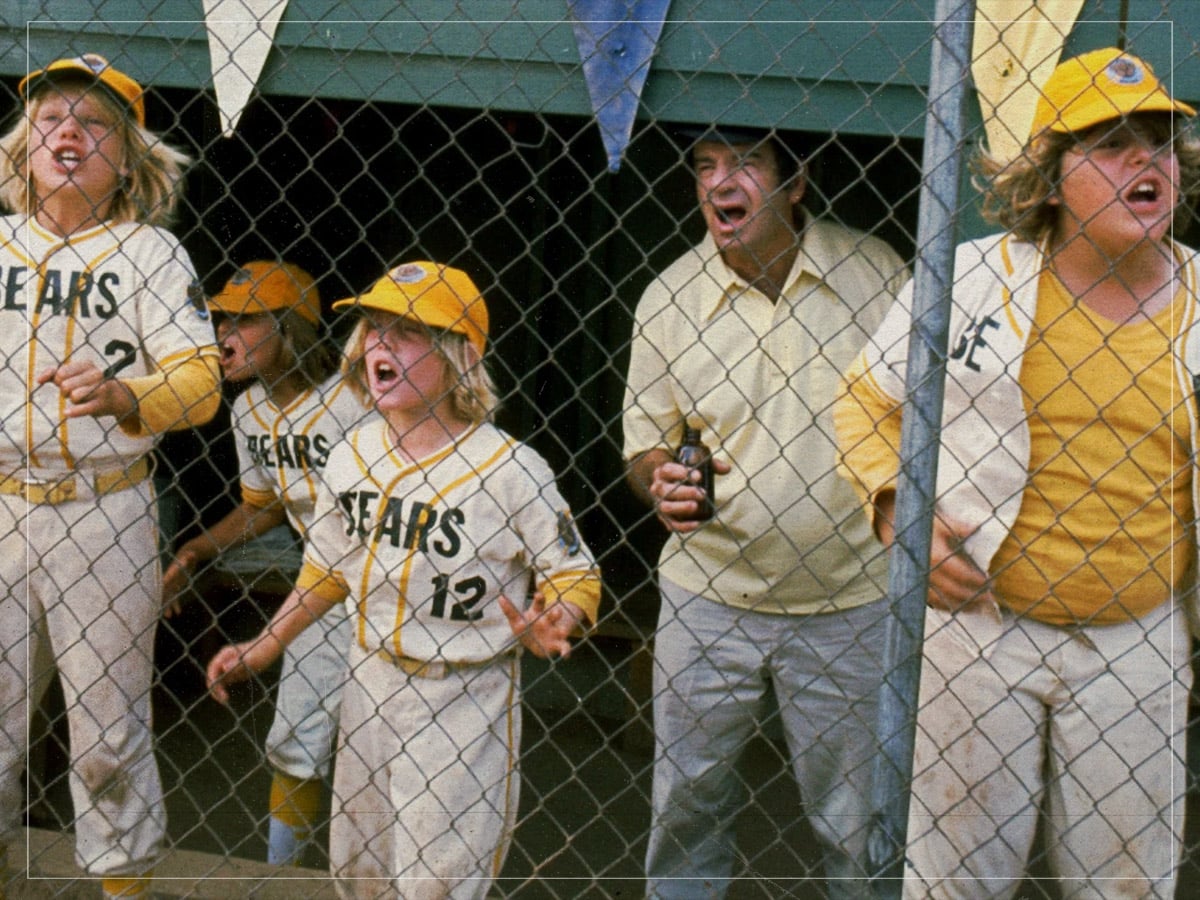
There was no shortage of great sports films in the ‘70s, as Rocky, The Longest Yard, Slap Shot, Breaking Away, and Rollerball are all absolute classics. However, Disney began to develop a subgenre of lighthearted, kid-friendly sports comedies, but The Bad News Bears couldn’t have been a stranger way to kick it off, with Walter Matthau starring as a self-loathing, alcoholic Little League coach who is tasked with leading the worst team ever.
The Bad News Bears is ostensibly a family film, but one that features no shortage of abrasive humour and dark moments. What’s even more surprising is that the film was a massive hit, spawning several sequels and an ill-advised 2005 remake from Richard Linklater that saw Billy Bob Thornton trying (and only somewhat succeeding) to capture the downbeat spirit that had made Matthau such a perfect fit for the role.
‘Logan’s Run’ (Michael Anderson, 1976)
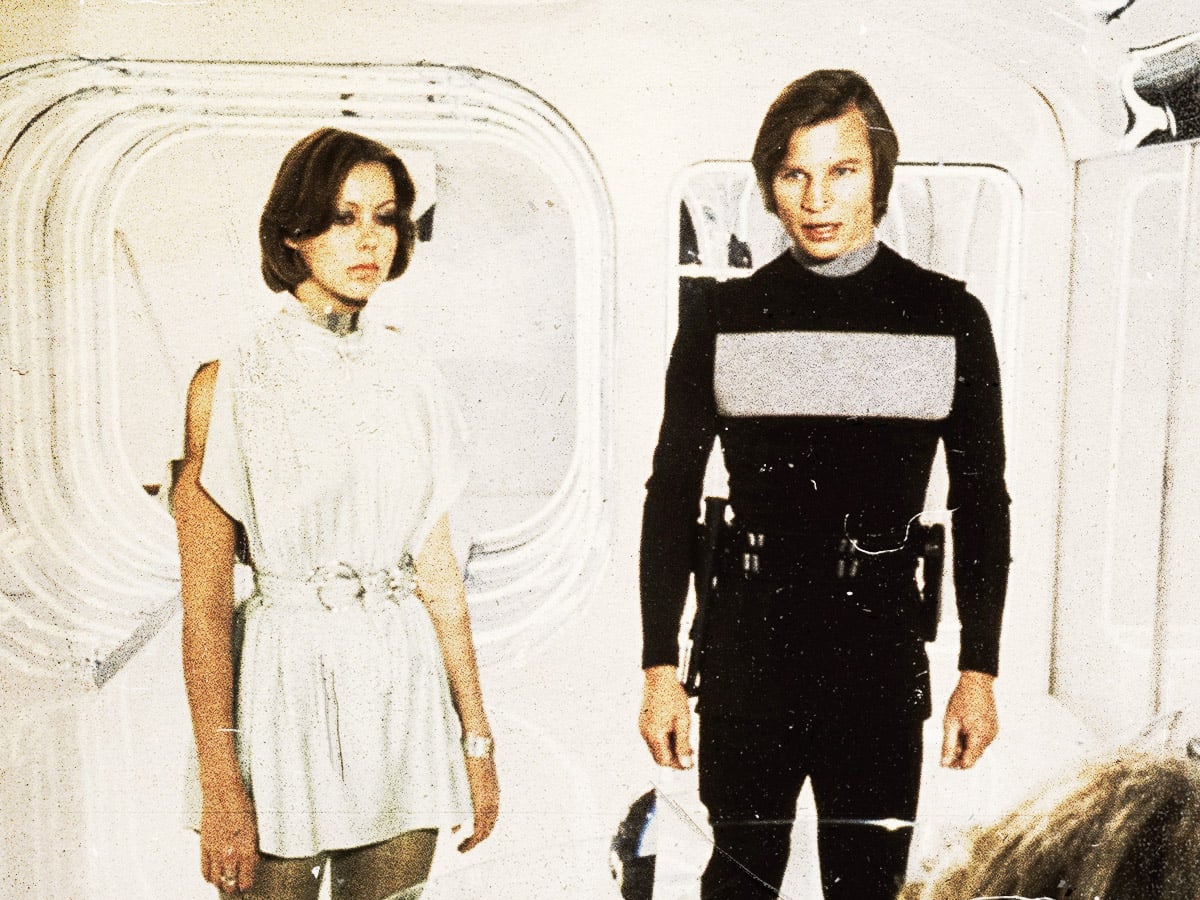
Science fiction has often been used as a means of paralleling topical political and social issues, but Logan’s Run is one of the most clever subversions in the genre’s history. At a time in which the counterculture movement had empowered young people and made them feel like they were central to the moment, Logan’s Run featured a fashionable future in which everyone was young and hip.
This seemed like a paradise until the dystopian subtext was revealed, which involved everyone older than 30 being killed in order to maintain an equilibrium within the population, making it literally impossible to escape youth. This disturbing concept is made even stranger by the fact that Logan’s Run is still a pretty propulsive, action-packed adventure that indicated that audiences were prepared for fun sci-fi films before Star Wars, and while a remake has been rumoured for years, it’s hard to imagine anything topping the original.
‘The Eagle Has Landed’ (John Sturges, 1976)
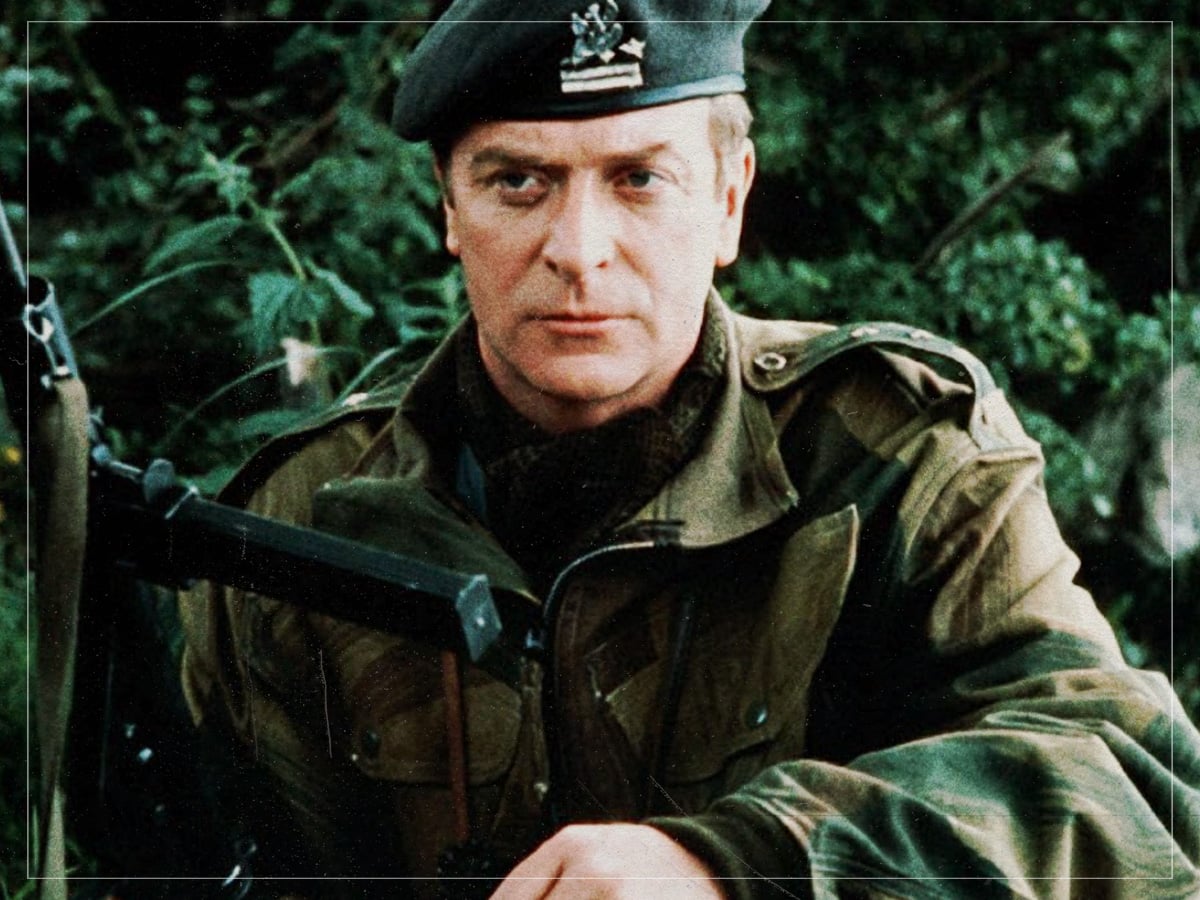
World War II had been quickly turned into a historical event used to spawn action and adventure films, but not enough time had passed for The Eagle Has Landed to swoop in without feeling severely miscalculated, for the film starred Michael Caine and Robert Duvall as German officers on a secret mission towards the end of the war to kidnap Winston Churchill, to possibly provide leverage for the Axis Powers to claim victory.
John Sturges is a reliable Hollywood director who doesn’t fail to make an entertaining adventure, if only it could be ignored that the heroes are Nazis. Caine rejected the role of an Irish commando, which eventually went to Donald Sutherland, because he did not want to support the IRA, but he apparently had no issues with playing a German soldier. The film was a big enough hit that Columbia Pictures repackaged it the next year with another World War II adventure, March or Die.

Never Miss A Tale
The Far Out Michael Caine Newsletter
All the latest stories about Michael Caine from the independent voice of culture.
Straight to your inbox.