


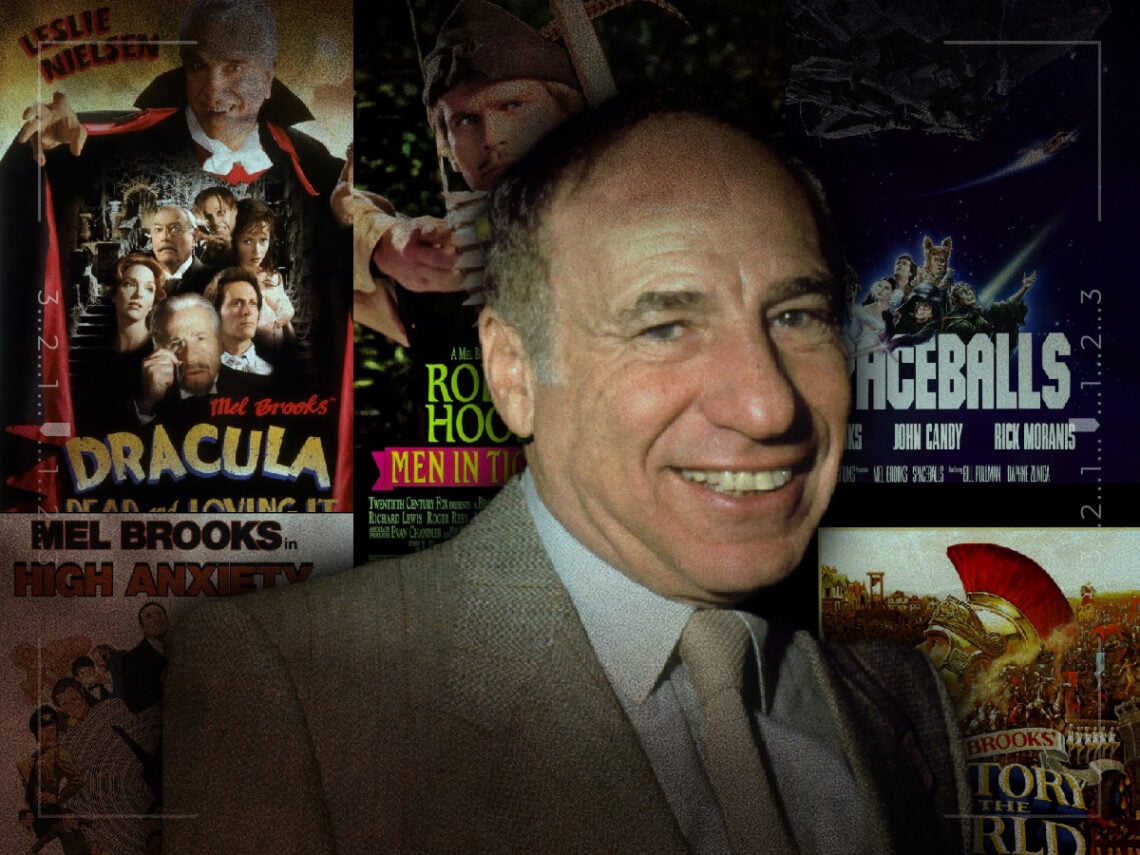
Every Mel Brooks movie ranked from worst to best

At nearly 100, Mel Brooks is still the funniest man in the world, where even if his career had ended ten, 20, or even 50 years ago, he still would have been remembered as one of the most influential, daring, and consequential artists to ever work in comedy.
And the fact that he shows no signs of slowing down nearly a century after his birth proves that persistence is the key to success, and that even the most brilliant people can still stand to learn new things, no matter the age.
He is a comedian, a writer, an actor, a playwright, a musician, and a living reminder for people not to take themselves too seriously, but he is best known for his skills as a director and for introducing a style of parody films that were ahead of their time, as his belief was that the best satire comes from love. Not only did he pour pure affection and craftsmanship into his parody films, but he also revitalised entire genres and made them more palatable for younger generations.
Directing may only represent a portion of his career, but the 11 films he personally helmed serve as a great collection of his varied interests. At worst, Brooks’ films are somewhat funny, and at best, they are among the most beloved comedies ever made.
Ranking every Mel Brooks film from worst to best:
‘Dracula: Dead and Loving It’ (1995)
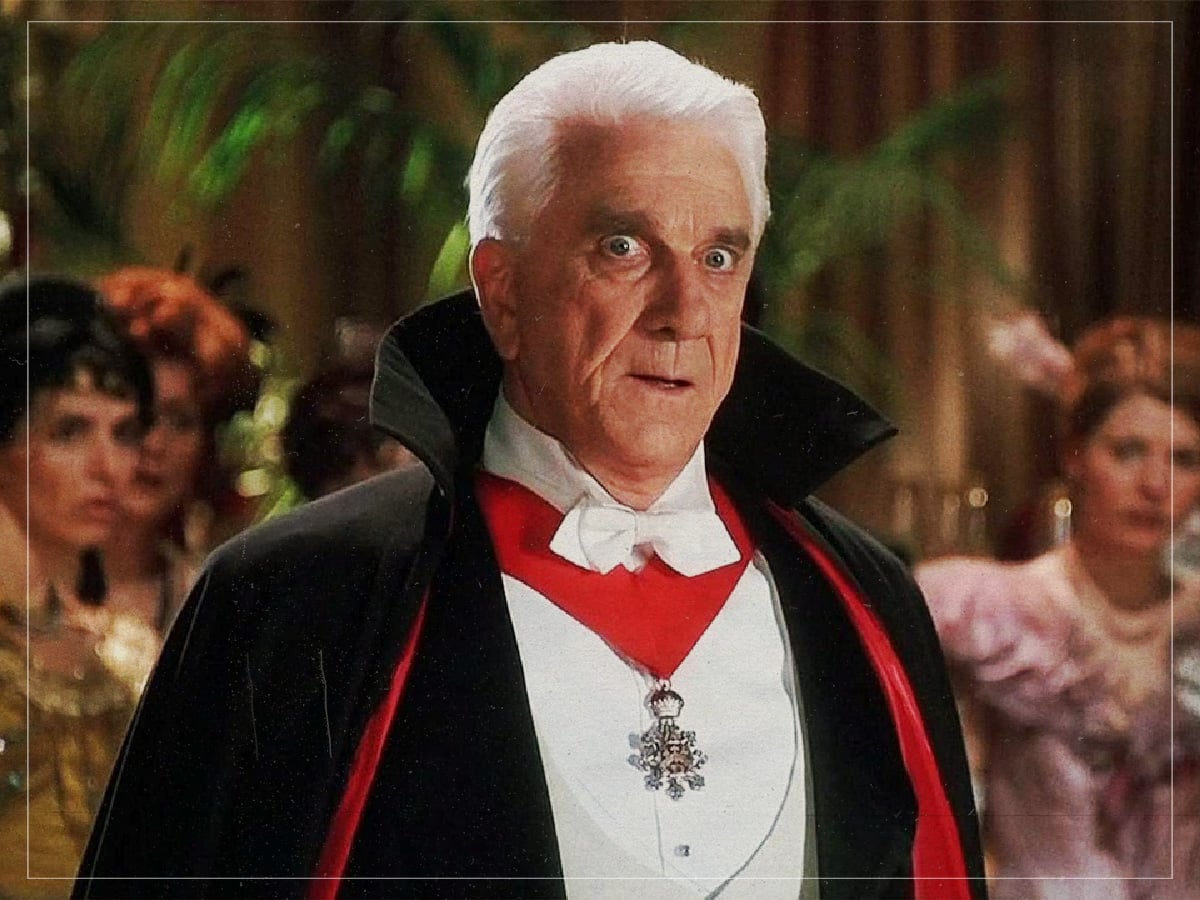
There have been Dracula adaptations for over a century now, but Brooks unfortunately didn’t have much to say about his 1995 parody, which came only a few years after Francis Ford Coppola pulled off a box office smash hit with Bram Stoker’s Dracula. Although part of the film’s failure is that Brooks didn’t show the same passion for the fanged monster as he did for Frankenstein, Robin Hood, or Star Wars, the most damning indictment of the film is that it just isn’t very funny.
Leslie Nielsen does his best to give a funny performance as the classic vampire, but he feels better-suited for a Saturday Night Live sketch than a feature-length parody. The supporting cast is nothing less than disastrously ill-equipped for Brooks’ style, with Peter MacNicol in particular turning in one of the most obnoxious performances of all-time as Renfield.
‘Life Stinks’ (1991)
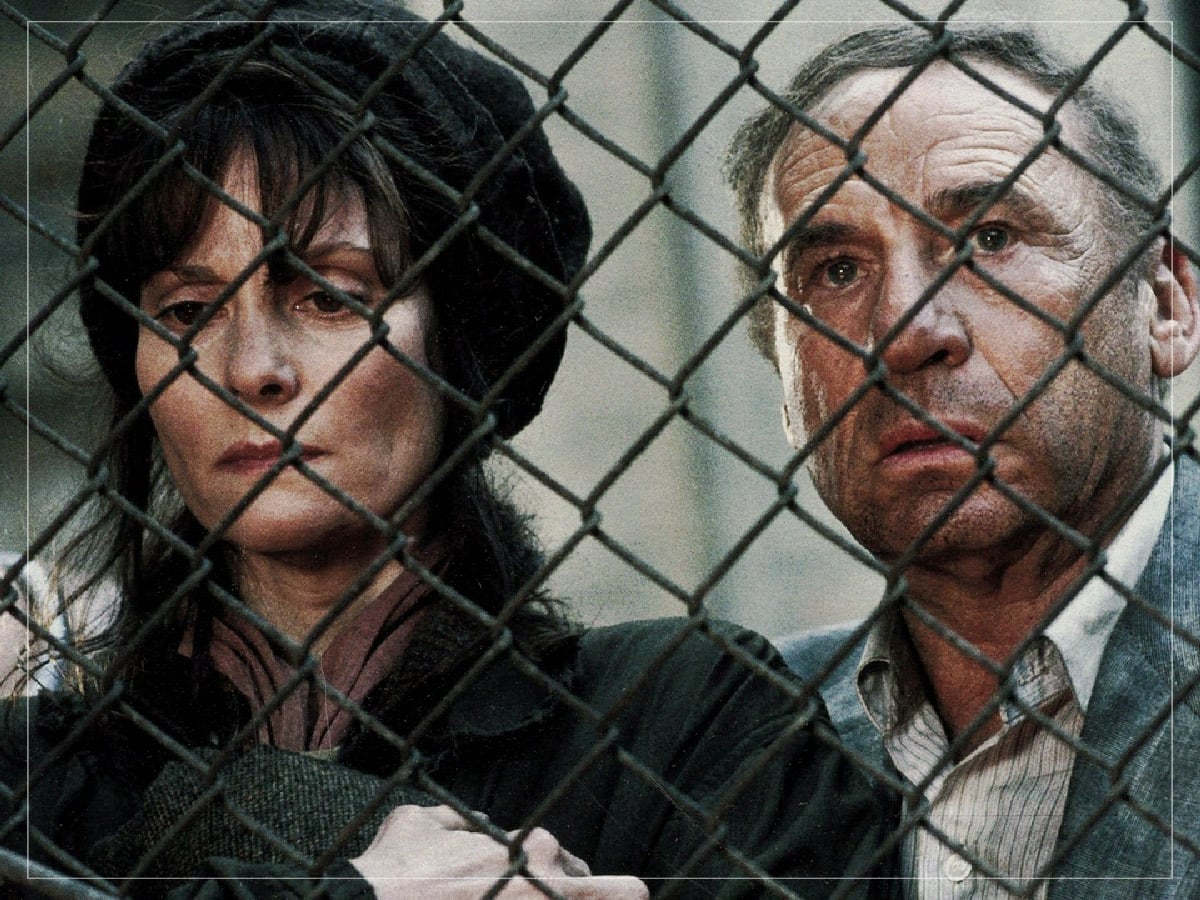
Parody tends to be Brooks’ strength, but Life Stinks is one of the only films that could be broadly considered to be a drama, even if there are a number of funny moments. It stars the director as a wealthy businessman who makes a bet with a rival, played by Jeffrey Tambor, that he could live among the unhoused, but then he ends up empathising with those whom he had dismissed, which really doesn’t scream rip-roaring laughter.
Regardless, Brooks defended the film after its commercial disappointment, and it’s hard to doubt his sincerity, as he was willing to discuss issues such as homelessness, poverty, and malnutrition, making for a rather inspiring call to action. However, the main character’s journey is regressive, as Brooks may have been too much of an optimist to realistically depict how the wealthy elite and the displaced live. The best aspect of the film is the scene-stealing performance from Tambor, who chews the scenery as a thoroughly nasty character.
‘The Twelve Chairs’ (1970)
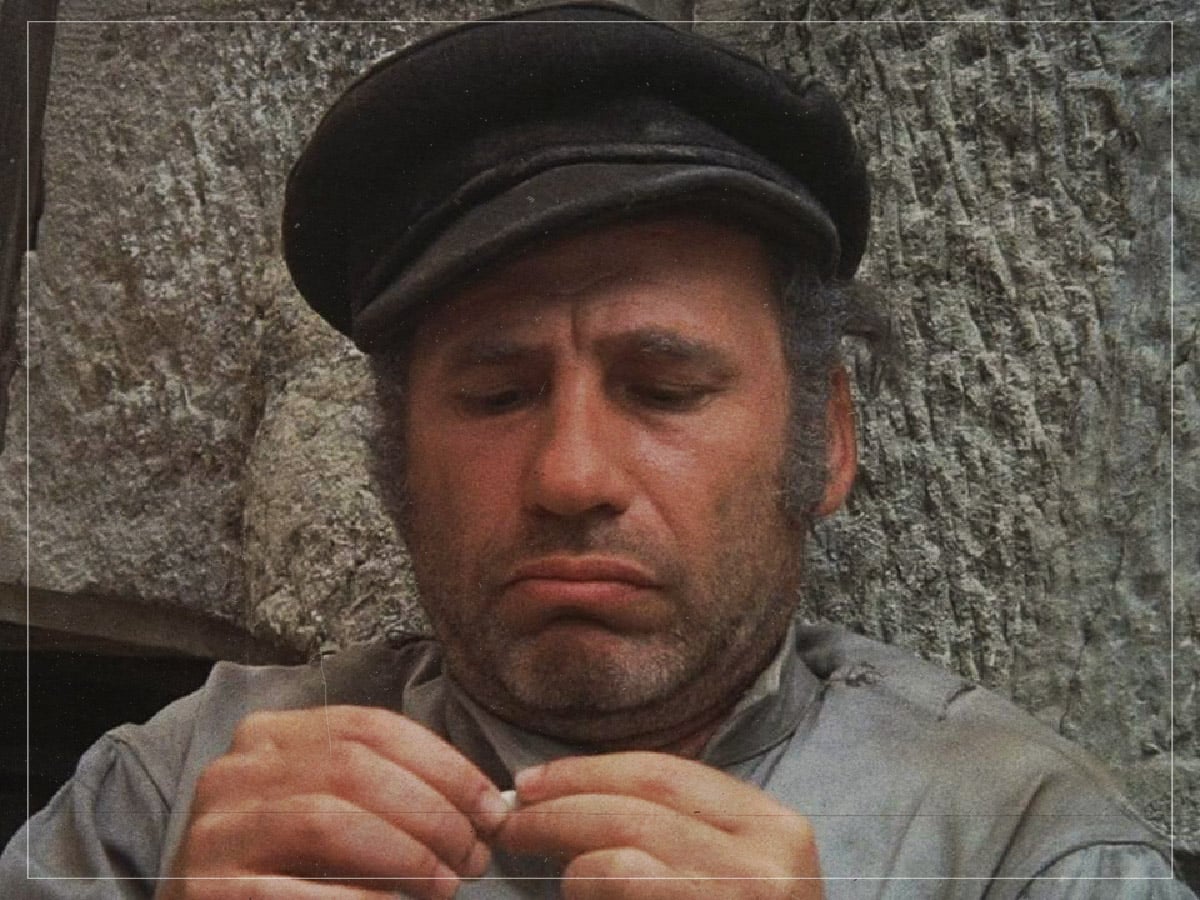
One of Brooks’ more unusual projects, The Twelve Chairs is an adaptation of a classic novel of Russian literature that has been brought to the big screen on more than a dozen occasions. The story of thieves in search of lost jewels does have some amusing running gags, given that there’s always humour to be had in silly Russian accents, but it’s a more serious endeavour than anything else Brooks had directed up until that point in his career.
He has spoken about his eclectic influences, and The Twelve Chairs has an interesting perspective on class, religion, and family that signifies Brooks did his research, but it being made at a time when he was refining his skills as a visual storyteller, lacks the sharpness of pace that would come to benefit in his more direct parody projects.
‘Robin Hood: Men in Tights’ (1991)
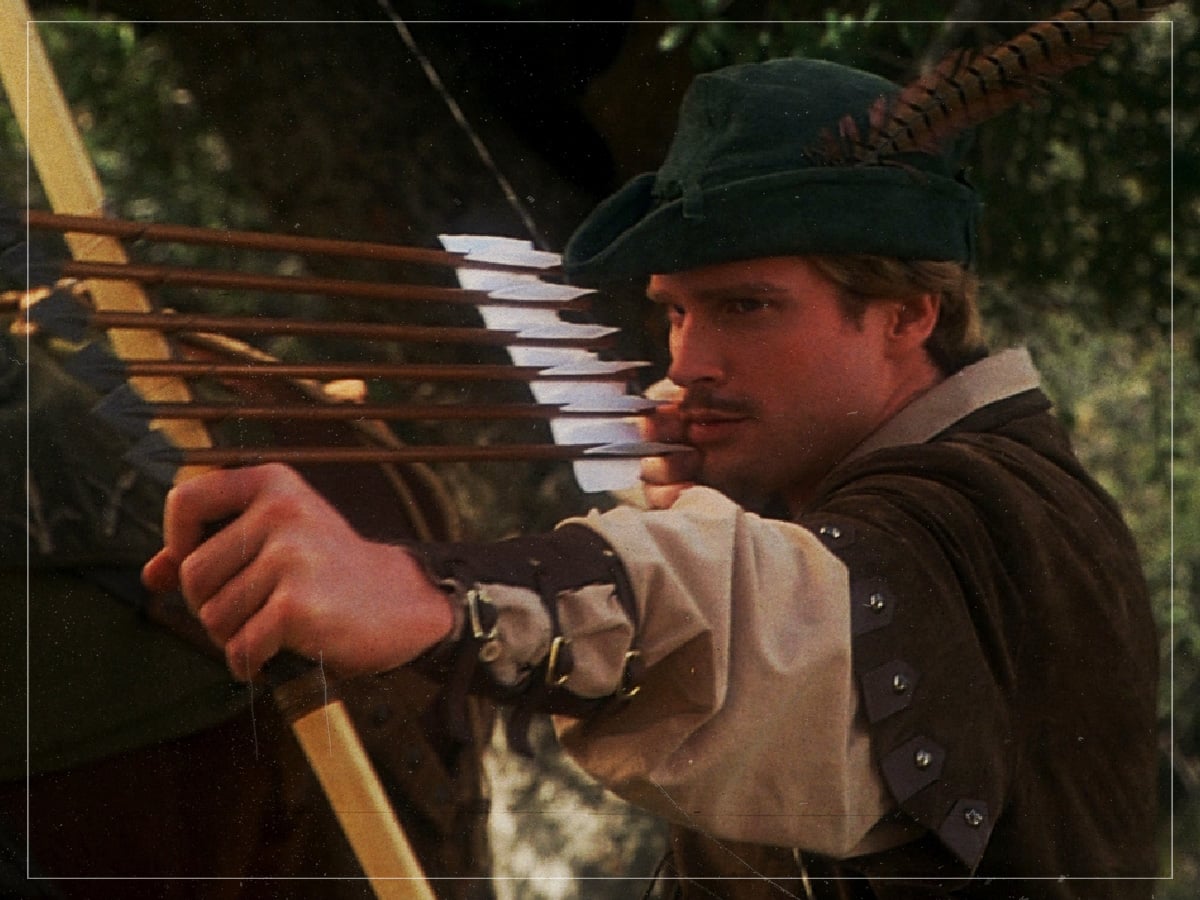
Robin Hood is a character that belongs to the public domain, meaning that any filmmaker or studio can create an adaptation. Although there have been many films about the character, most notably Errol Flynn in 1938’s The Adventures of Robin Hood, Brooks’ comic parody Robin Hood: Men in Tights was ruthlessly satirical of 1991’s Robin Hood: Prince of Thieves, and he takes delight in pointing out that his Robin Hood, Cary Elwes, can speak with an English accent, which is something that Kevin Costner was unable to do.
The musical sequences are quite delightful, and Elwes is so charismatic as the heroic outlaw that he could be taken seriously in a more straightforward adaptation of the material. While the jokes are much broader than some of Brooks’ more clever films, Robin Hood: Men in Tights does have a phenomenal ensemble cast, including an early role for Dave Chappelle.
‘High Anxiety’ (1977)
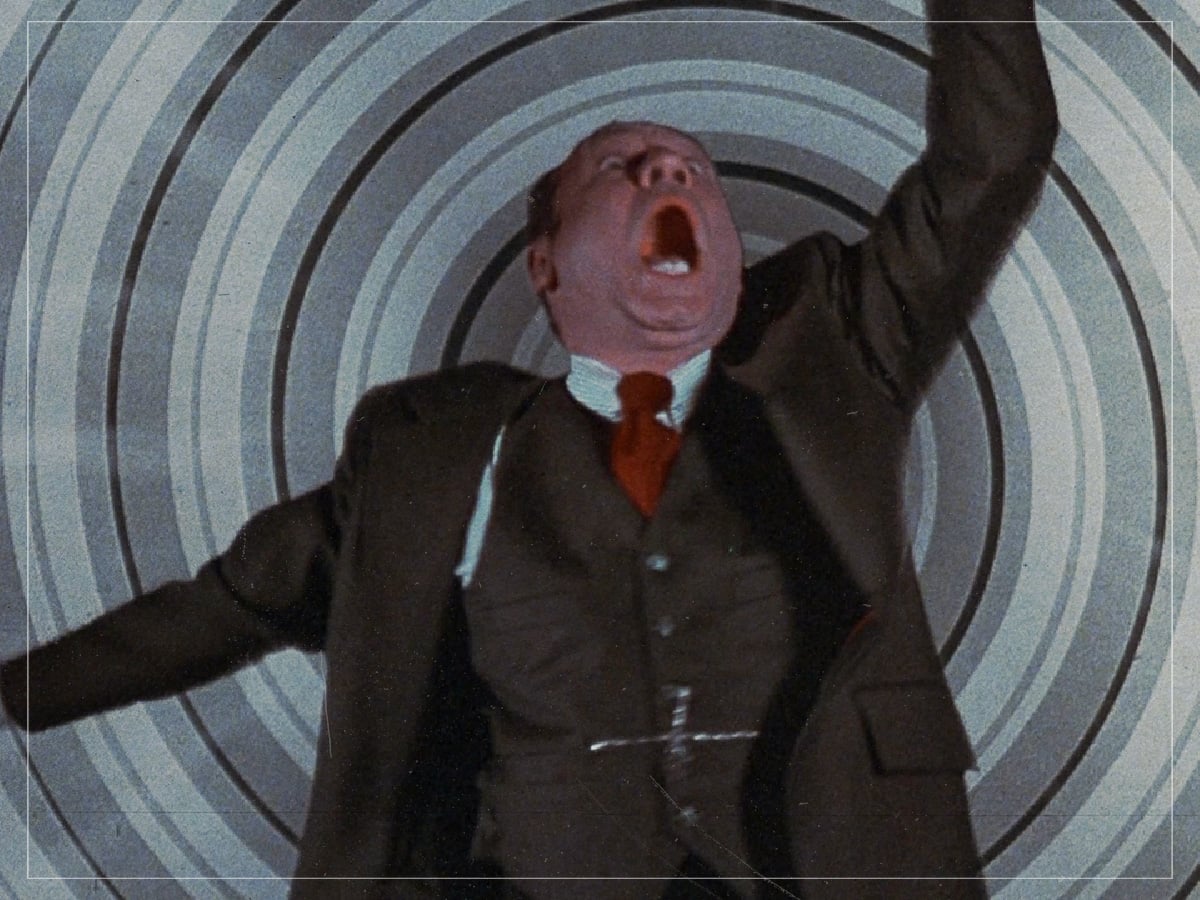
Like many filmmakers, Brooks was obsessed with the work of Alfred Hitchcock, and particularly how he was able to create suspense out of seemingly normal situations. Hitchcock directed many classics, as well as had many unmade projects that never got off the ground, but Brooks managed to condense a number of them for a zany thriller in which he plays a psychoanalyst, lampooning the darker psychological themes of Hitchcock films like Vertigo and Psycho, as well as the visceral terror of Psycho and Rear Window, while throwing in homages to James Bond, Michelangelo Antonioni, and Orson Welles.
The result is an intermittently funny film that doesn’t quite have the same niche focus as some of his previous, sharper projects, also leaving something to be desired with a mediocre performance from Books in the lead, as he tends to work better as a supporting actor.
‘A History of the World – Part 1’ (1981)
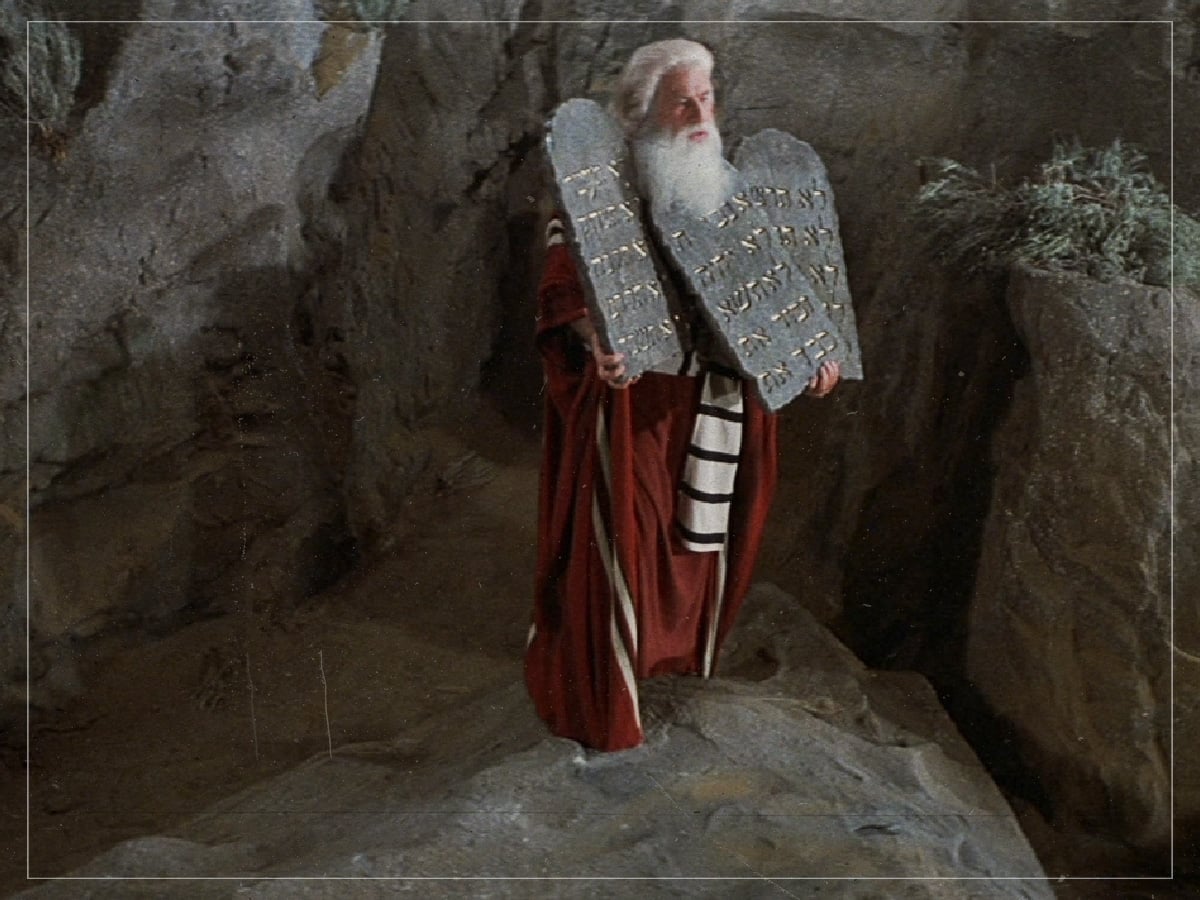
In what may have been his most ambitious film, A History of the World- Part 1 served as a series of sketches that made fun of various historical eras, including Ancient Rome, the Spanish Inquisition, the Stone Age, and the Old Testament. It memorably opens with a parody of 2001: A Space Odyssey involving the ‘dawn of man’, which was so funny that it made all other lampoons of Stanley Kubrick’s masterpiece completely irrelevant.
As is the case with any sketch film, there are some segments that work better than others, and the French Revolution segment drags on particularly long, even if it does feature Brooks’ hilarious delivery of the now iconic line “It’s good to be the King”. The best section is easily the one focused on the Spanish Inquisition, in which he is able to satirise fascism with a wonderful song and dance number.
‘Spaceballs’ (1987)
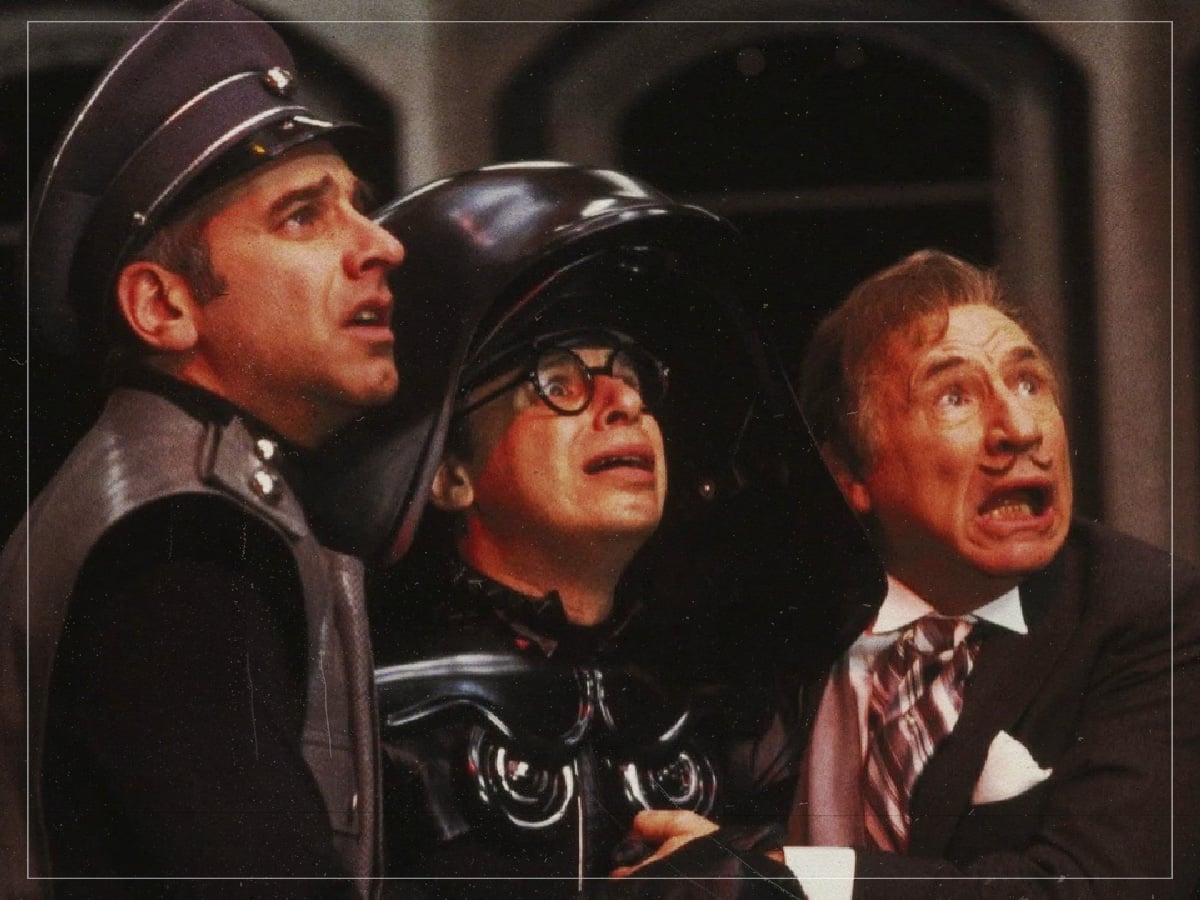
Science fiction was peaking in the 1980s, and not just because of Star Wars, but other franchises like The Terminator, Star Trek, Mad Max, and Robocop had made the genre feel cool again, which is why Brooks was perfectly suited to lampoon how self-serious it had become. Spaceballs took the broad outline of the original Star Wars trilogy and came up with over-the-top versions of the main characters, with Rick Moranis’ Dark Helmet, a parody of Darth Vader, getting most of the best lines.
Spaceballs has only shown its age because of the sheer amount of Star Wars parodies that have come out, now that the franchise is stronger than ever. Ironically, the best joke in the film is at the expense of the original Alien and features a cameo appearance from John Hurt reprising his iconic role in Ridley Scott’s 1979 classic.
‘Silent Movie’ (1976)
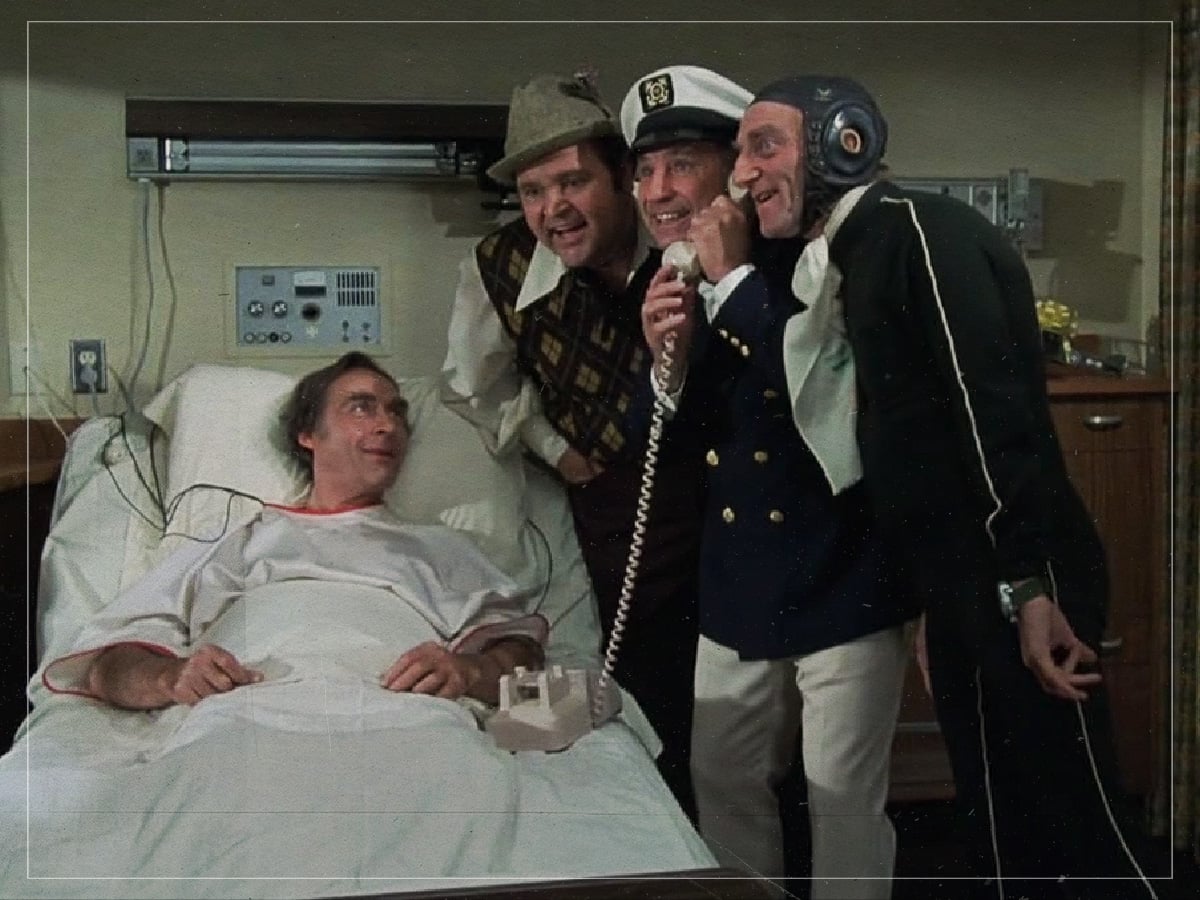
The silent film fell out of fashion because of the emergence of new technology, but that doesn’t mean that it’s not still a viable format. With Silent Movie, Brooks created one of his most meta films to date by starring as a filmmaker (coincidentally named Mel) trying to make a comeback by making a silent film. It’s not just the film-within-the-film that conforms to the classic format, but it’s also the fact that Silent Movie is itself done in the style of a Charlie Chaplin or Buster Keaton production.
Brooks is such an expressive visual storyteller that he is perfectly suited for the physical gags required of a silent film, but he also delivers a succinct, satirical look at the challenges faced by filmmakers to attain their vision without the interference of a studio. It is also one of the most star-studded affairs of any of his productions, and features cameos from Burt Reynolds, Paul Newman, and Liza Minnelli, amongst others.
‘The Producers’ (1967)
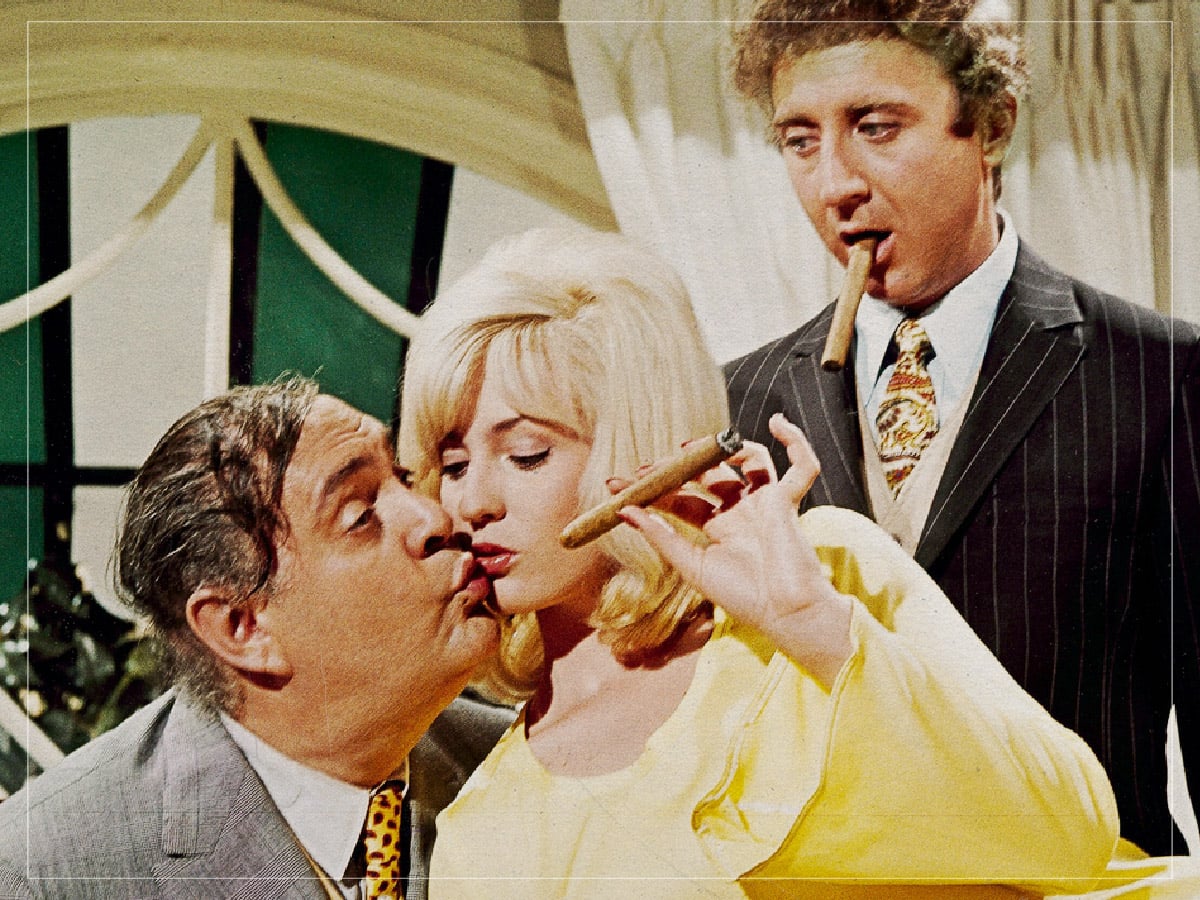
Brooks has long been interested in Broadway, yet has shown cynicism in how any artistic field can be corrupted by those who seek to profit from it. The Producers was an ingenious satire about two lazy producers who create a scheme to run the worst show ever, but accidentally end up making a production so disastrous that it becomes popular.
The chemistry between Gene Wilder and Zero Mostel is perfect, and Brooks’ musical skills are shown with some genuinely brilliant musical numbers that are bad in a very specific way. It was also notable that Brooks, a Jewish comedian whose family had survived the Holocaust, was able to thoroughly lampoon Nazi sympathisers with one of the first comedies that was able to laugh at Adolf Hitler, and against all odds, ended up winning the Academy Award for ‘Best Original Screenplay’.
‘Young Frankenstein’ (1974)
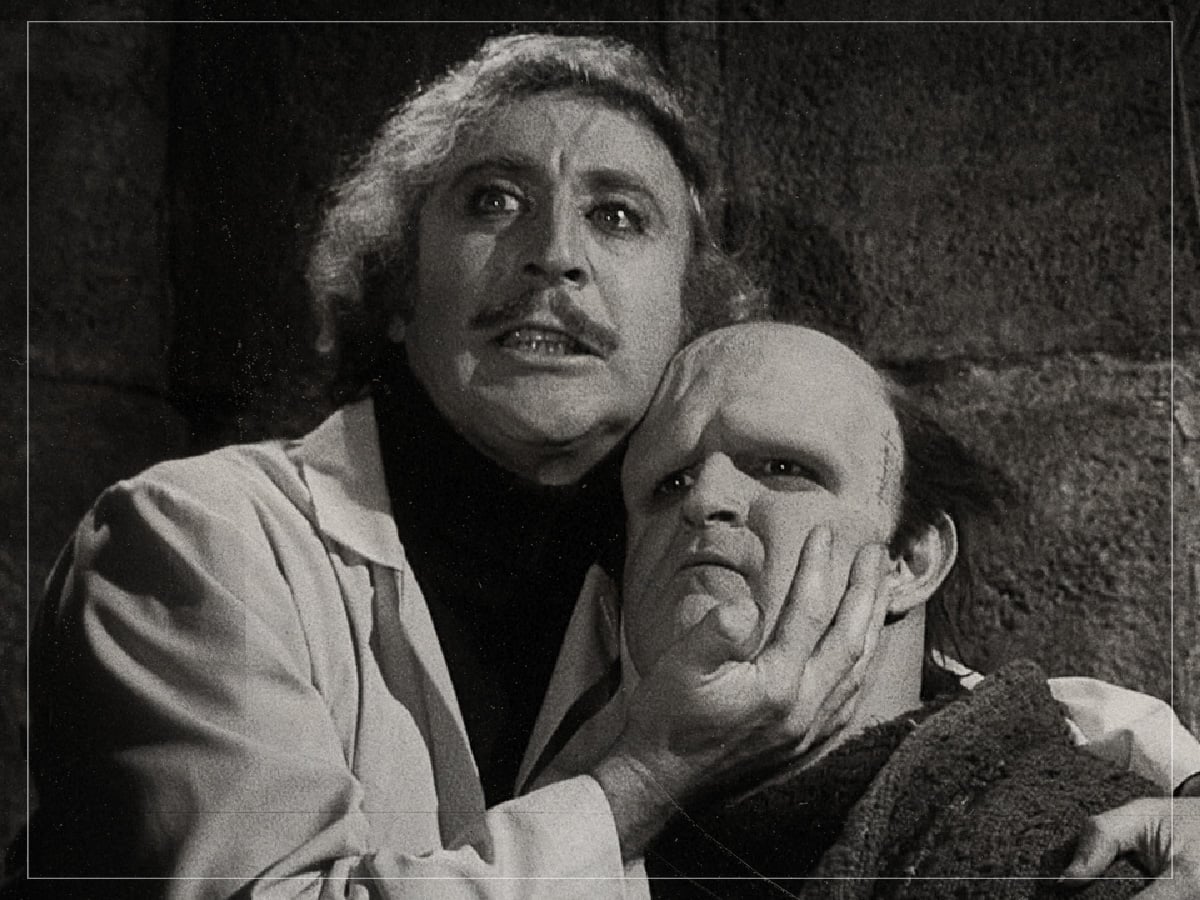
Frankenstein is another character who has now been depicted countless times in film, but Brooks has spoken about his affinity for James Whale and his work on the original 1931 Frankenstein, where in Young Frankenstein recreates the details of Whale’s films in a way that could have only been achieved by a true fan and took advantage of every possible joke that could emerge from the archetypes that had been adopted into popular culture.
It’s also one of the most quotable films ever made, and serves as a testament to the tremendous dynamic that Brooks had with Wilder, who served as a co-writer; although he was initially vehemently opposed to the idea of the ‘Puttin’ on the Ritz’ musical number, he was convinced to include it in the final cut of the film after seeing how passionate Wilder was about the idea.
‘Blazing Saddles’ (1974)
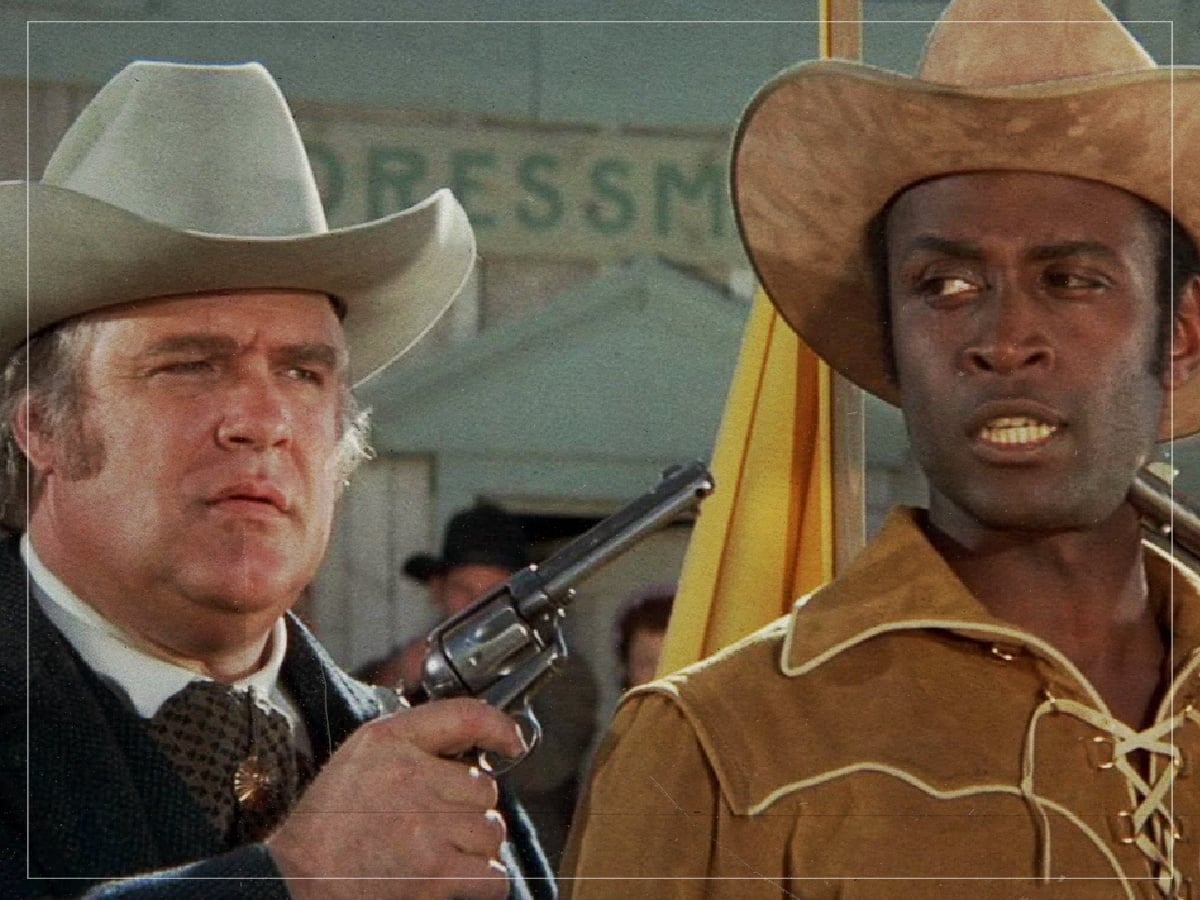
Blazing Saddles wasn’t just a western that brilliantly dismantled the clichés within the genre, but it is also Brooks’ most thoughtful and cunningly satirical film. Although it was seemingly evident to him that westerns had perpetrated negative stereotypes about the Old West, he was able to prove his point by showing how the Black sheriff Bart, played by Cleavon Little, and the alcoholic Jewish gunslinger the ‘Waco Kid’, played by Gene Wilder, faced racism even while saving the American frontier from a political conspiracy.
Blazing Saddles is a multifaceted comedy, where it is a searing indictment of racism, but it also features a fourth-wall-breaking finale and the best fart joke in cinematic history. Even if it’s often cited as the type of film that “couldn’t be made today”, it’s only because there is no one who could have directed it better than Mel Brooks did.
