


The songs Mel Brooks couldn’t live without: “The most eclectic group”

When Mel Brooks appeared on Desert Island Discs in 1978, listeners might have expected stories about punchlines and punch-ups in writers’ rooms. Instead, the comedy legend revealed something far less known about his beginnings: before the comedy, he was actually a drummer.
In fact, he was taught how to play by none other than Buddy Rich, with whom he grew up in Williamsburg, Brooklyn. At 16 years old, Brooks filled in for a comic at the hotel in which he worked, merely by chance, becoming his proper introduction to comedy.
“I love music, I’ve always loved music, and I would be seriously bereft and at a great loss if music were taken away from my life,” he told host Roy Plomley. “I love, from the bottom of my left ventricle, all sorts [of music],” he declared, before noting, “I think you’ll find that the things that I’ve chosen are probably the most eclectic group of recordings that you will ever have on the show.”
When focusing on the songs he couldn’t live without, Brooks’ first pick is a track by Artie Shaw, whom he named as “a sensational clarinet player”, and his most well-known song, ‘Begin the Beguine’, as a personal favourite and “the most perfect example of a swing record”.
He followed it up with Beethoven’s ‘Symphony No 5′ while reflecting on growing up with three older brothers, fighting for control of the family radio, acknowledging that somehow, in his youth, he was exposed to classical music that changed his life. “I was absolutely thrilled by Bach and by Beethoven, especially,” he said.
“When I heard the ‘Fifth Symphony’ I said, ‘Oh my God, so many men working together to do such a great, good thing. I mean, how could that be?” he questioned, “Usually when a lot of men get together, it’s called ‘war’ and here, all these guys got together, and they made all this wonderful music.” Alongside his profession of love for the “thrilling” Beethoven, Brooks included Johann Sebastian Bach’s ‘Third Brandenburg Concerto’ as another favourite.
Seemingly forever drawn to the classical genre, another of Brooks’ picks was a classic by Frédéric Chopin, ‘Prelude, Op 28, No 4’, particularly the rendition by his favourite classical pianist, Artur Rubinstein. “It’s the saddest and most beautiful song ever written,” Brooks asserted, “I could not live without this sound in my life”.
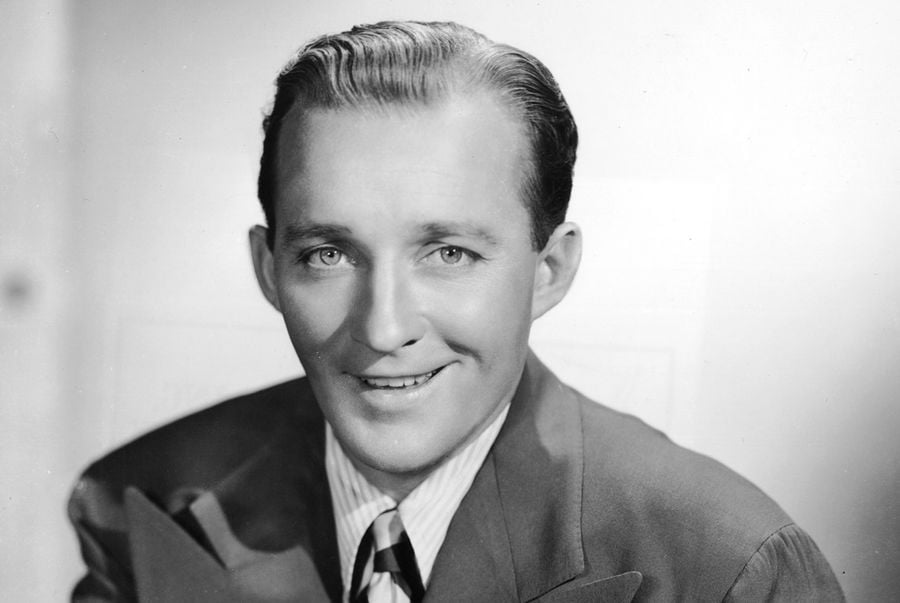
Moving beyond the classical, Brooks shows his appreciation for the 20th century’s great crooners. First, he deems Bing Crosby “perhaps the greatest American singer that ever lived”, before clarifying, “Now, I say that knowing that young people don’t realise how good Bing Crosby was”. Brooks explained that, as a teenager, he found Crosby to be “passé” before being introduced to his 1932 classic ‘Can’t We Talk It Over?’, a song that “absolutely made me swoon”, he recalled, “And I fell in love with Crosby and have been ever since”.
‘Ol’ Blue Eyes’ himself, Frank Sinatra, earned Brooks’ praises, as well. “Ah, perhaps the best living singer and one of [the] great crooners,” he reflected, “a legend, in his own life”, he chose the title song from Sinatra’s concept album (one of the first of its kind), ‘In the Wee Small Hours of the Morning’ from 1955, naming it as an example of Sinatra “at the peak of his career”.
‘In Love In Vain’ followed, a song from 1946 sung by the prolific duo Dick Haymes and Helen Forrest that Brooks deemed, “Perhaps my favourite record in the whole world”. Forrest sang with three of the most popular big bands of the swing era, the aforementioned Artie Shaw, Benny Goodman and Harry James, earning her the title of ‘the voice of the name bands’.
Alongside Dick Haymes, with whom she co-starred on his musical variety show The Dick Haymes Show, the pair recorded 18 duets together, ten of which reached the top ten. Brooks first heard ‘In Love In Vain’ as a young singer and drummer, and was immediately taken with their harmonies, deciding that they were his “two favourite people of that period”.
Brooks’ final choice for his Desert Island Discs is a song of his own: the controversial ‘Springtime for Hitler’, written for his 1967 satirical black comedy film The Producers, his directorial debut. “Now, this is unseemly, and I’m very ashamed to say this,” Brooks noted, “but I am very emotionalised by this record, a compendium, a collage, so to speak, of all the Mel Brooks’ Greatest Hits“. While repeatedly apologising, he clarified the song’s inclusion on his list, stating, “The first song I ever wrote is on that record and a special favourite of mine, and I would really like to hear it on a desert island”.
The 8 songs Mel Brooks can’t live without:
- ‘Begin the Beguine’ – Artie Shaw
- ‘Symphony No 5’ – Beethoven
- ‘Third Brandenburg Concerto’ – Sebastian Bach
- ‘Prelude, Op 28, No 4′ – Frédéric Chopin performed by Artur Rubinstein
- ‘Can’t We Talk It Over?’ – Bing Crosby
- ‘In the Wee Small Hours of the Morning’ – Frank Sinatra
- ‘In Love In Vain’ – Dick Haymes and Helen Forrest
- ‘Springtime for Hitler’ – Mel Brooks
