


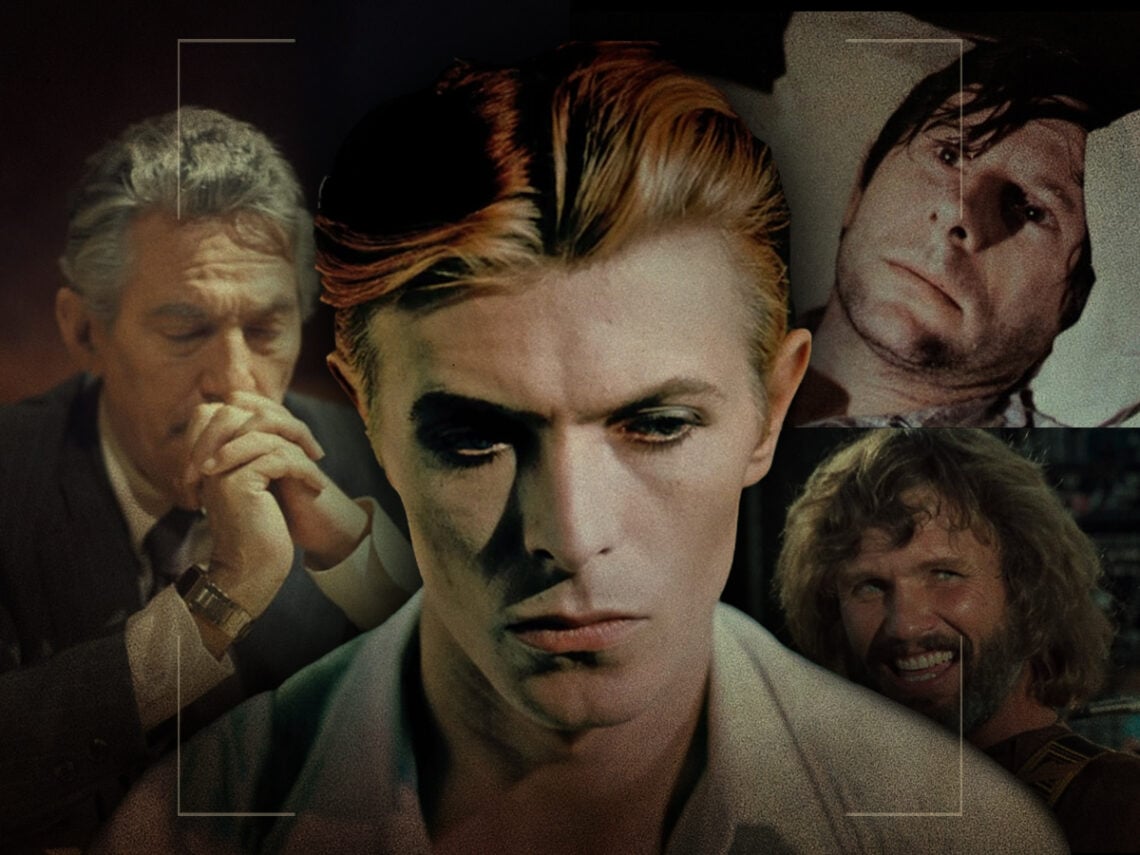
10 iconic movie characters from 1976 who couldn’t exist today

Nostalgia is often based on moments or images that have withstood the test of time, but when it comes to cinema, there’s nothing that is more satisfying than seeing the return of a great character.
Many of the most iconic characters from 1976 have had longstanding legacies, such as Rocky Balboa from Rocky, who has appeared in multiple sequels, Carrie, which is about to be remade as a television series from Mike Flanagan, and Travis Bickle from Taxi Driver, who has been an inspiration for nearly every anti-hero story of the last 50 years.
There are also characters from franchise films that have never gone away since appearing in 1976. The year saw the release of a somewhat disappointing King Kong film, but that didn’t stop Peter Jackson from taking another stab at the material in 2005, with Legendary crafting a new, larger version of the iconic ape for its ‘Monsterverse’, and one of the more novel releases that year was Richard Lester’s Robin and Marian, a film that took a more grounded, romantic approach to characters like Sean Connery’s Robin Hood, Audrey Hepburn’s Maid Marian, and Robert Shaw’s Sheriff of Nottingham, among others.
Moreover, this summer, Hugh Jackman is set to do his own version of the outlaw archer when he stars in A24’s The Death of Robin Hood, the newest film from Pig and A Quiet Place: Day One director Michael Sarnoski.
Regardless, it’s been 50 years, and the films of 1976 feel removed from today’s reality, so not every character from the year has been revisited in the same way, and in some cases, it is plain to see why.
10 iconic movie characters from 1976 impossible today:
Colonel Kurt Steiner – ‘The Eagle Has Landed’ (John Sturges, 1976)
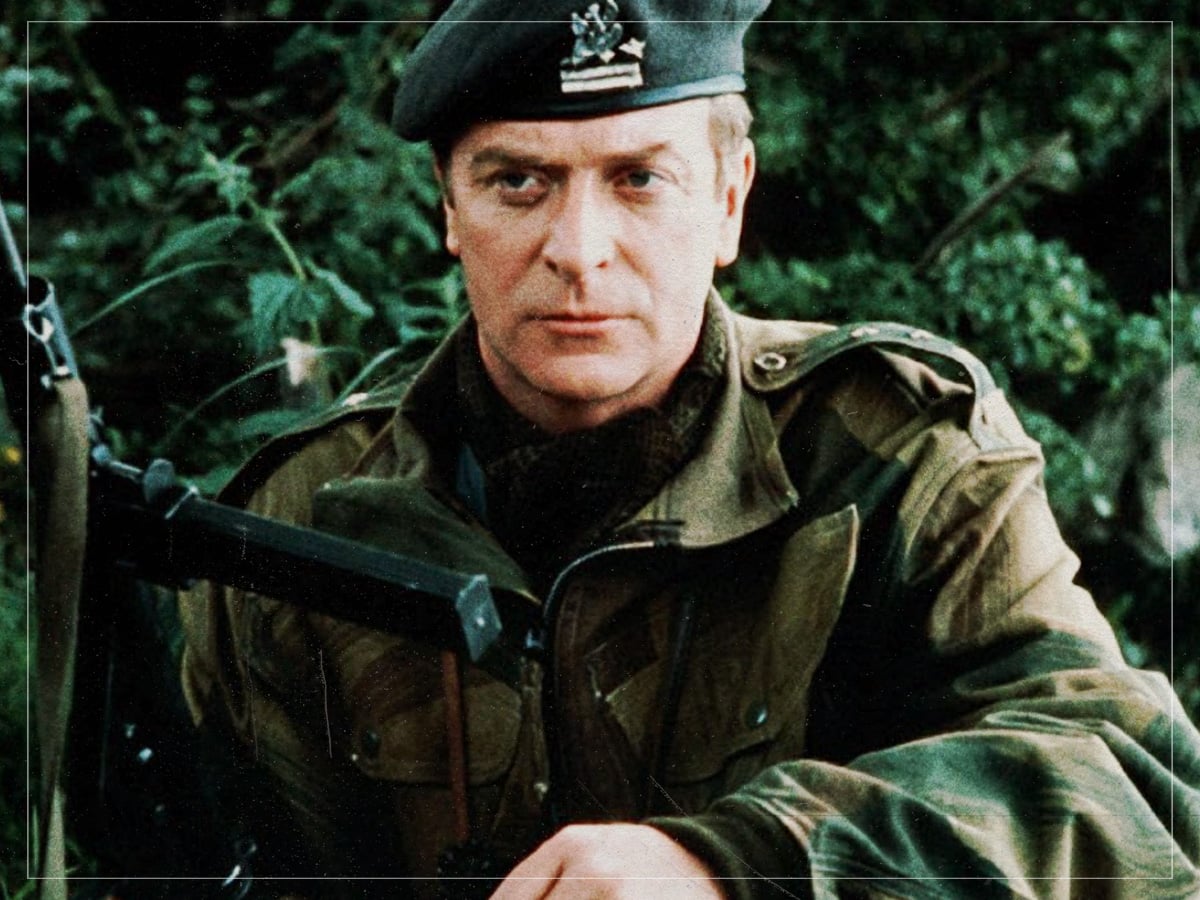
The Eagle Has Landed is a truly bizarre World War II adventure film that focuses on a group of Nazi soldiers who plot to kidnap Winston Churchill and turn the tide of the war, and while the mere fact that a film portrayed the Germans in a positive light only 30 years after the ending of World War II seems unfathomable, it also had Michael Caine cast in the lead role of Colonel Kurt Steiner.
Caine doesn’t have any good memories of making the film, mostly because he didn’t get along with director John Sturges, but there wasn’t much fuss at the time about a pro-fascist adventure flick framed as a blockbuster. Even though there’s been a hard pivot around the world towards right-wing agendas, it seems unlikely that anything like The Eagle Has Landed would be made today, especially not with an actor of Caine’s fame in the leading role.
Kate Moore – ‘The Enforcer’ (James Fargo, 1976)
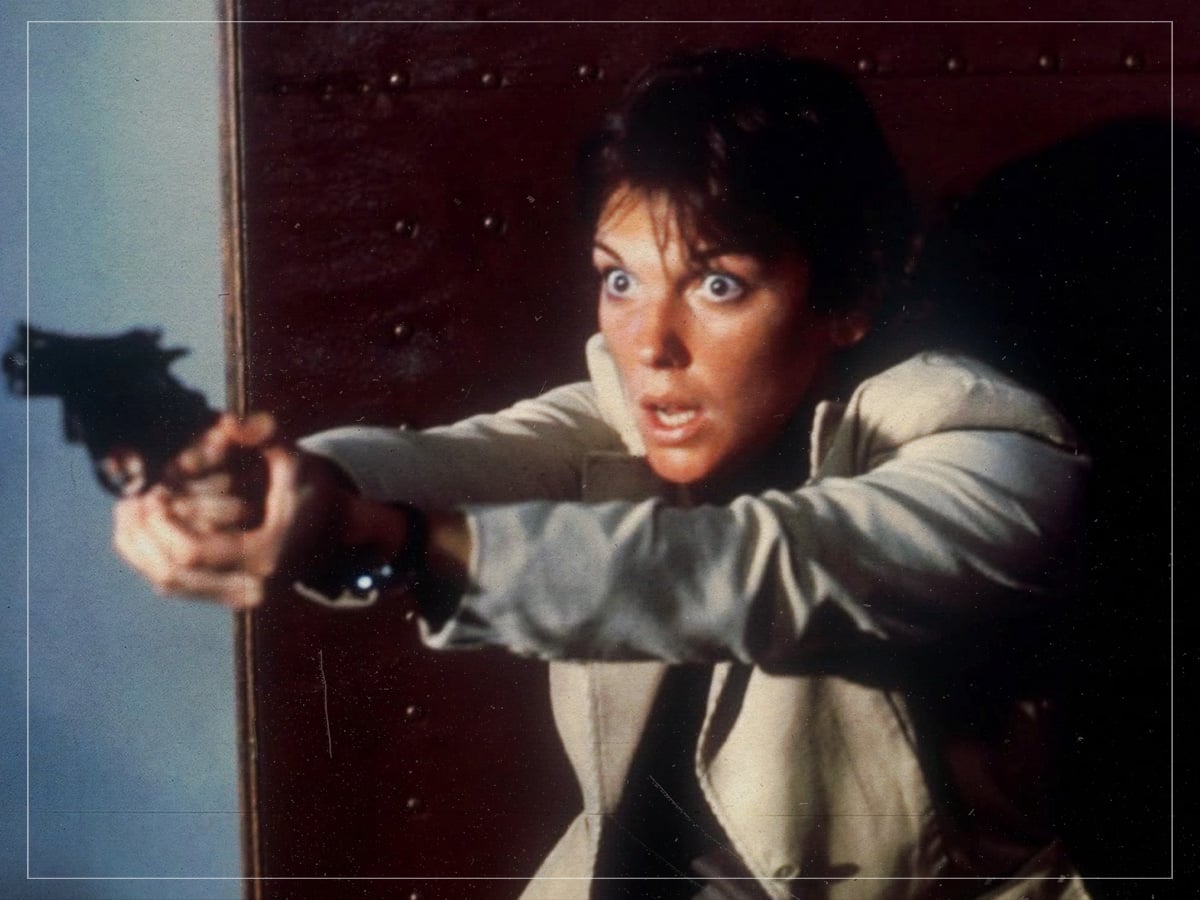
Dirty Harry was one of the most influential crime films of the ‘70s, and became a popular franchise that saw Clint Eastwood developing new, iconic one-liners with every subsequent instalment. While the second film, Magnum Force, was arguably just as good as its predecessor, the third in the series, The Enforcer, started to get a little silly. It sees Harry Callahan forced to work alongside the novice female agent Kate Moore, played by Tyne Daly, who is given a promotion to do field work because of the mayor’s affirmative action programme.
She’s consistently portrayed as being unqualified and outmatched, and ends up dying in brutal fashion. A film with as positive a portrayal of law enforcement as Dirty Harry would already be subjected to backlash in today’s climate, but there is no way that a female character as incompetent as Moore would be featured in its sequel.
JB Books – ‘The Shootist’ (Don Siegel, 1976)

John Wayne seemed like he was on the verge of retirement several times, but he made his last film in 1976 with The Shootist, a revisionist western in which he plays an ageing outlaw who becomes a mentor to a young boy, played by Ron Howard. It’s a great film because it plays upon Wayne’s reputation as an icon of westerns, as it feels like a spiritual sequel to the many classics that he made with John Ford and Howard Hawks.
There isn’t an actor today who has been so invested in westerns that they could take on this sort of role and have it mean as much, and The Shootist needed someone like Wayne for the lead role. The only living actors who could do something even remotely close have already made their seemingly final westerns, and Clint Eastwood closed off his contributions to the genre with Unforgiven, and Kevin Costner flamed out with Horizon: An American Saga.
Thomas Jerome Newton – ‘The Man Who Fell To Earth’ (Nicolas Roeg, 1976)
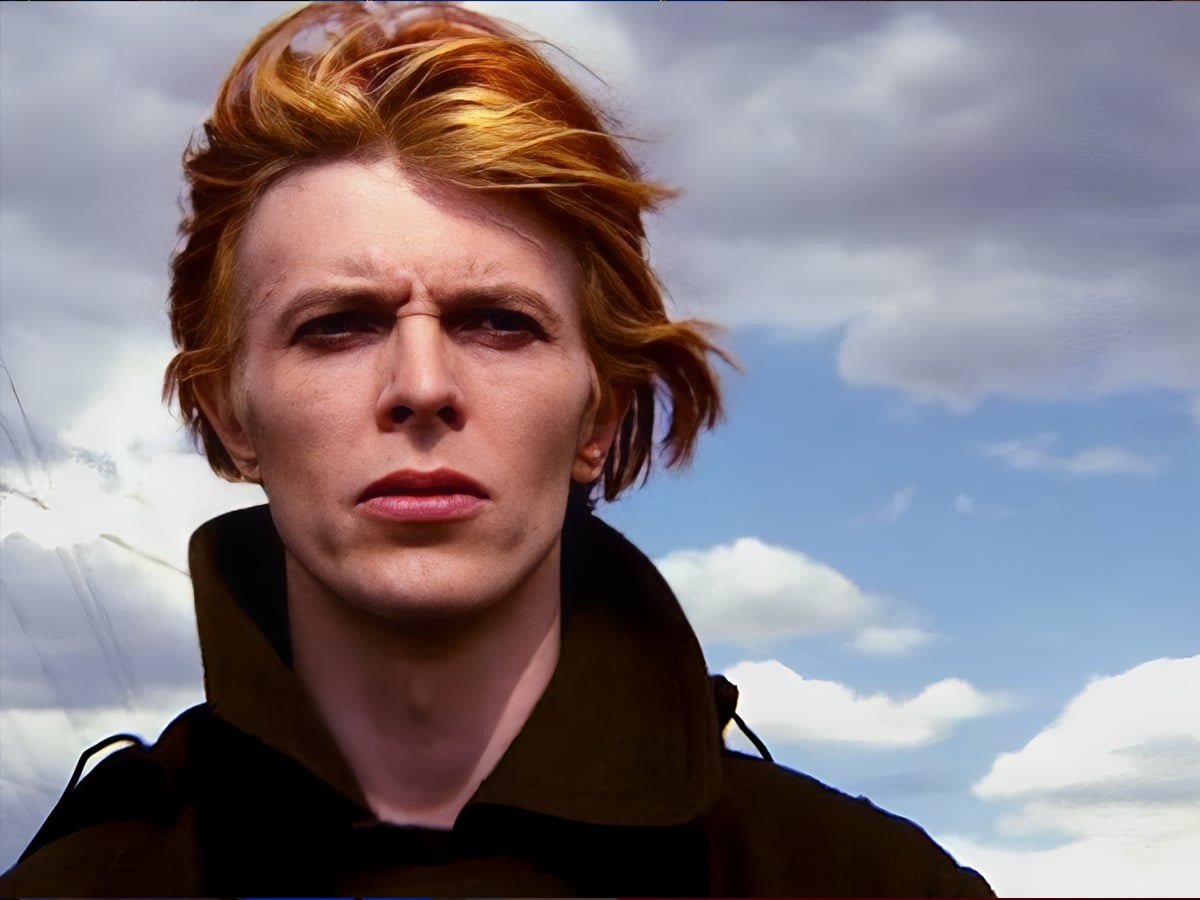
The Man Who Fell To Earth is an inventive work of science fiction that benefited from the unique visual style of director Nicolas Roeg, but it succeeded as a work of avant-garde experimentation because David Bowie was believable as a mysterious being who genuinely seemed like they could have come from another universe.
The musician was at the peak of his popularity in 1976, as he had also released the year’s best albums, and he was like no other person to have ever lived, so recapturing his essence is an impossibility. Any attempt to replicate the grasp he had over culture is doomed to fail, as Showtime found when they tried to make a sequel series to The Man Who Fell to Earth with Bill Nighy playing Thomas Jerome Newton, but it was quickly cancelled after only one season had made it to air.
Robert E Lee Clayton – ‘The Missouri Breaks’ (Arthur Penn, 1976)
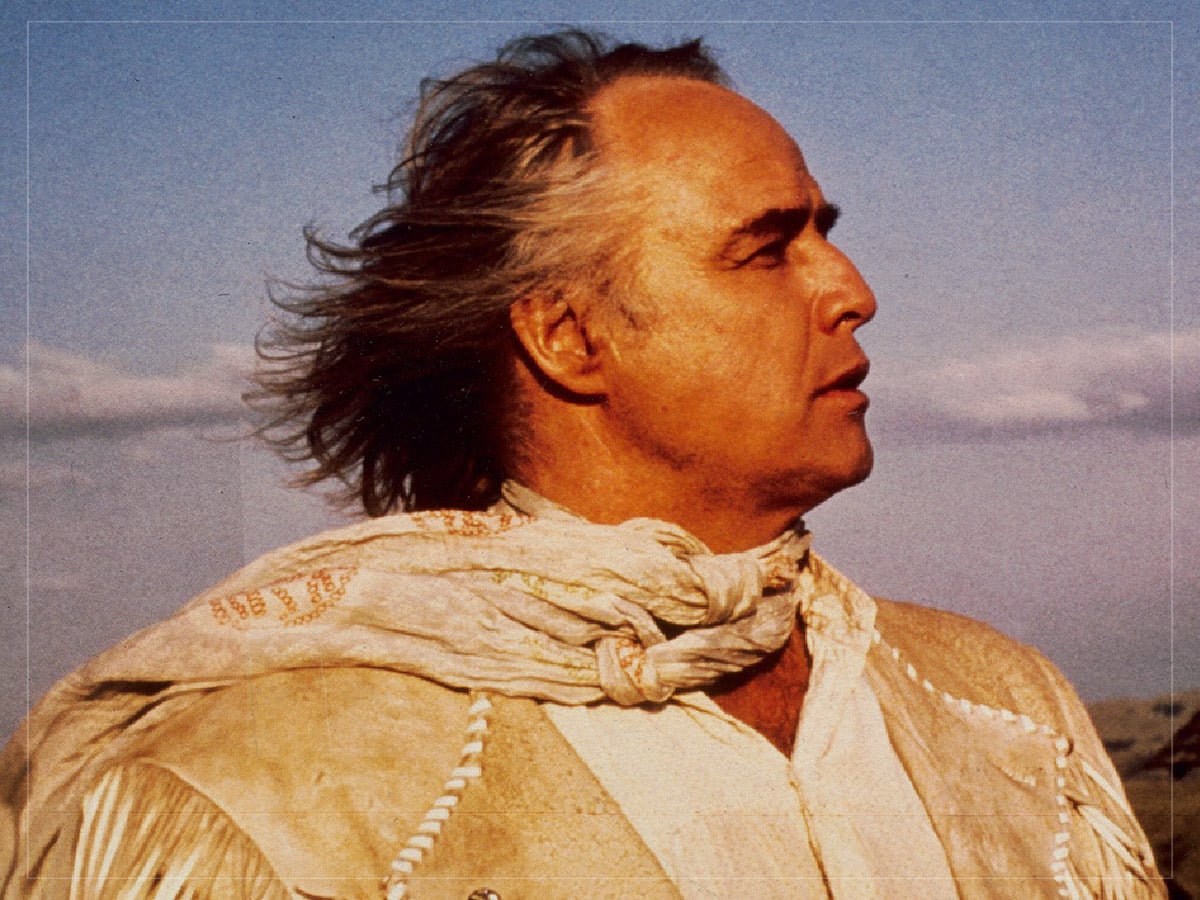
Marlon Brando was such a genius actor who redefined what the craft could be that he was consistently offered opportunities, despite the fact that he had essentially stopped caring about taking his work seriously after The Godfather and The Last Tango in Paris. The Missouri Breaks is a film that had to work around the strange requests and requirements that Brando made, and Jack Nicholson was surprised that it even got finished.
It’s not uncommon for former A-list actors to receive extensive accommodations because of how valuable their name is, but this is mostly the case with direct-to-VOD movies starring the likes of Nicolas Cage, John Travolta, John Cusack, and Bruce Willis; comparatively, The Missouri Breaks was a major release and a high priority for the studio. The only living actor who is so beloved that they could bend a film to their will in the same way is Daniel Day-Lewis, and it’s unlikely that he would ever be as unprofessional as Brando was.
John Norman Howard – ‘A Star is Born’ (Frank Pierson, 1976)
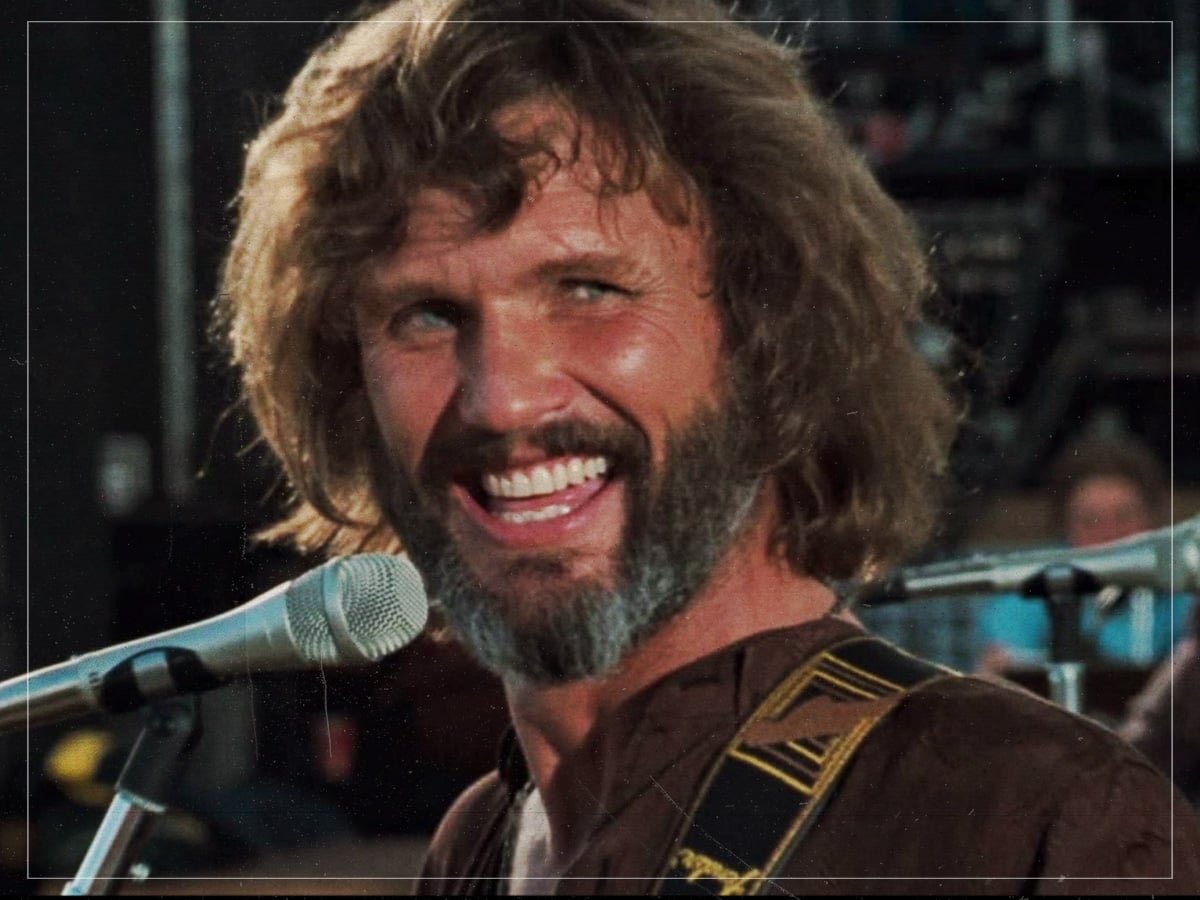
The third of four A Star is Born films was made in 1976, with Kris Kristofferson in the role of the troubled musician John Norman Howard. Although all four versions of the film follow the same basic structure, the 1976 version is the most extreme in portraying the male lead’s struggles with alcoholism and self-destruction.
Bradley Cooper drew a lot from the ‘76 A Star is Born when he directed the 2018 version, but even then, he worked to make the character of Jackson Maine into a tragic figure, and not just a reckless addict. The ‘76 A Star is Born is also unimaginable in today’s climate because of the complete lack of chemistry between Kristofferson and Barbra Streisand, especially when compared to Cooper and Lady Gaga. Regardless, the 2018 version was such a phenomenon that it doesn’t seem likely that there will be another remake anytime soon.
Dr Christian Szell – ‘Marathon Man’ (John Schlesinger, 1976)
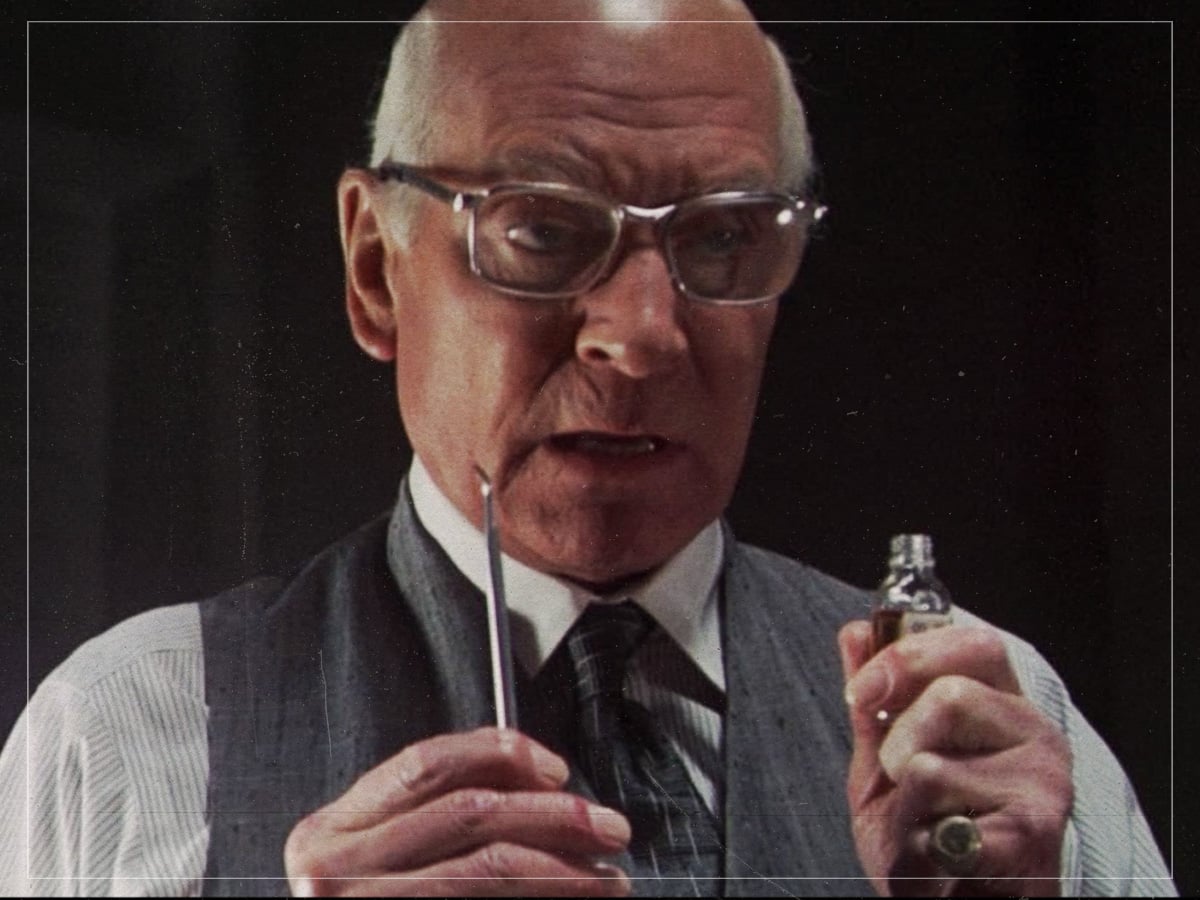
Laurence Olivier was fighting through health problems to make money for his family when he gave one of his most unusual performances in Marathon Man as Dr Christian Szell, a ruthless former Nazi who searches for missing jewels. Olivier famously owned Dustin Hoffman on set by giving a terrifying performance that earned him an Oscar nomination, even though Marathon Man was mostly a commercial film.
Actors today are much more hesitant about accepting roles that portray them in such a negative light, and there’s a lot of hesitation about being associated with a Nazi part. While Christoph Waltz managed to do it in Inglourious Basterds, that was a prestige film, and he was an unknown; there aren’t a lot of actors who are of Olivier’s acclaim who would take that sort of risk in what is ostensibly a popcorn film.
Howard Beale – ‘Network’ (Sidney Lumet, 1976)

Sidney Lumet was a brilliant director who was ahead of his time in many ways, and Network is perhaps his eeriest film because of how it seemingly predicted the future. The plot of the film hinges on the news anchor Howard Beale, played by Peter Finch in his final performance, who suffers a meltdown on a live broadcast, which producers realise drew more attention to their programming.
The obvious reason why a character like Beale wouldn’t appear today is that he is no longer a novelty. A crazed, conspiracy-laden host masquerading as a journalist was transgressive in 1976, but today the internet is filled with extreme fake news sources and media figures who spout ridiculous and unbridled rants. It’s not that Beale wouldn’t be a good fit for the world of 2026, but that the news environment has evolved to become far too much like him.
Trelkovsky – ‘The Tenant’ (Roman Polanski, 1976)
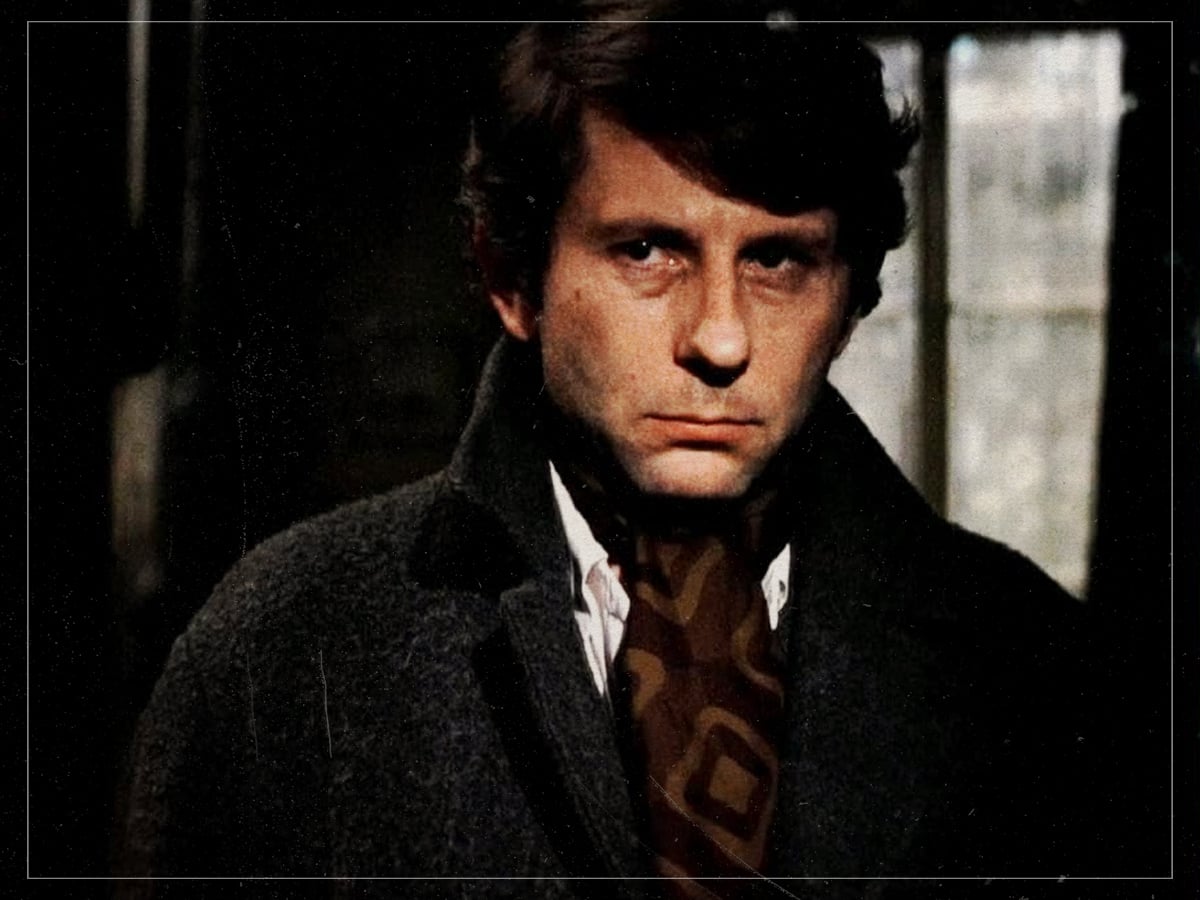
Roman Polanski has been debated constantly, as there isn’t a consensus on whether it’s truly possible to separate the art from the artist; while he is unquestionably a cinematic genius, he’s also a monster. There has still been a place for Polanski-directed films like Chinatown and The Pianist to be celebrated because praise can be heaped on the other people involved in their making, but The Tenant is one of the rare instances in which the director also cast himself in the lead role.
There’s no way of getting around the controversy of Polanski in a film where the main character is based so much on his own experiences. Sadly, The Tenant also might face issues today because of how deeply interwoven his Jewish heritage is within his performance, as anti-Semitism has become an even bigger issue in global cinema.
Stefano – ‘The House with Laughing Windows’ (Pupi Avati, 1976)
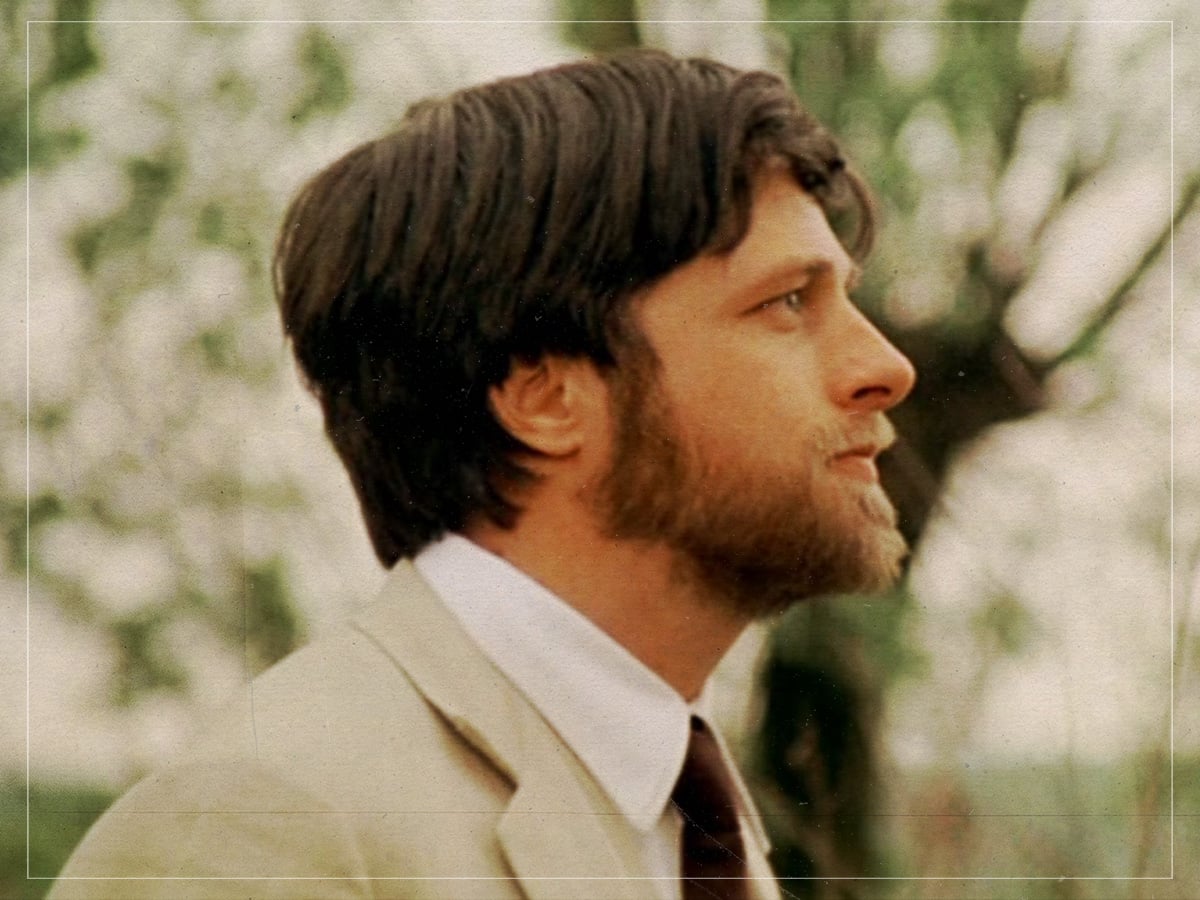
Italian cinema has brought many imports to global audiences, and the ‘70s saw a peak in the popularity of giallo horror films. The House with Laughing Windows isn’t necessarily one of the definitive films of the movement, but it does have the quirky mix of sharp visuals, graphic violence, unusual plot twists, and aggressive sexual content that has hallmarked the genre. Giallo films simply aren’t made today, especially when many of its most prominent directors have faced declines in the quality of their work.
Should any modern giallos be made, they’d be done from a more subversive perspective in which the female protagonists are centred, making it unlikely that a character like Stefano, played by Lino Capolicchio, from The House with Laughing Windows would ever be included. Not only is Stefano a cheeky womaniser, but he is a completely oblivious character who misses a lot of clear signs as to who the killer is.

Never Miss A Tale
The Far Out Michael Caine Newsletter
All the latest stories about Michael Caine from the independent voice of culture.
Straight to your inbox.