


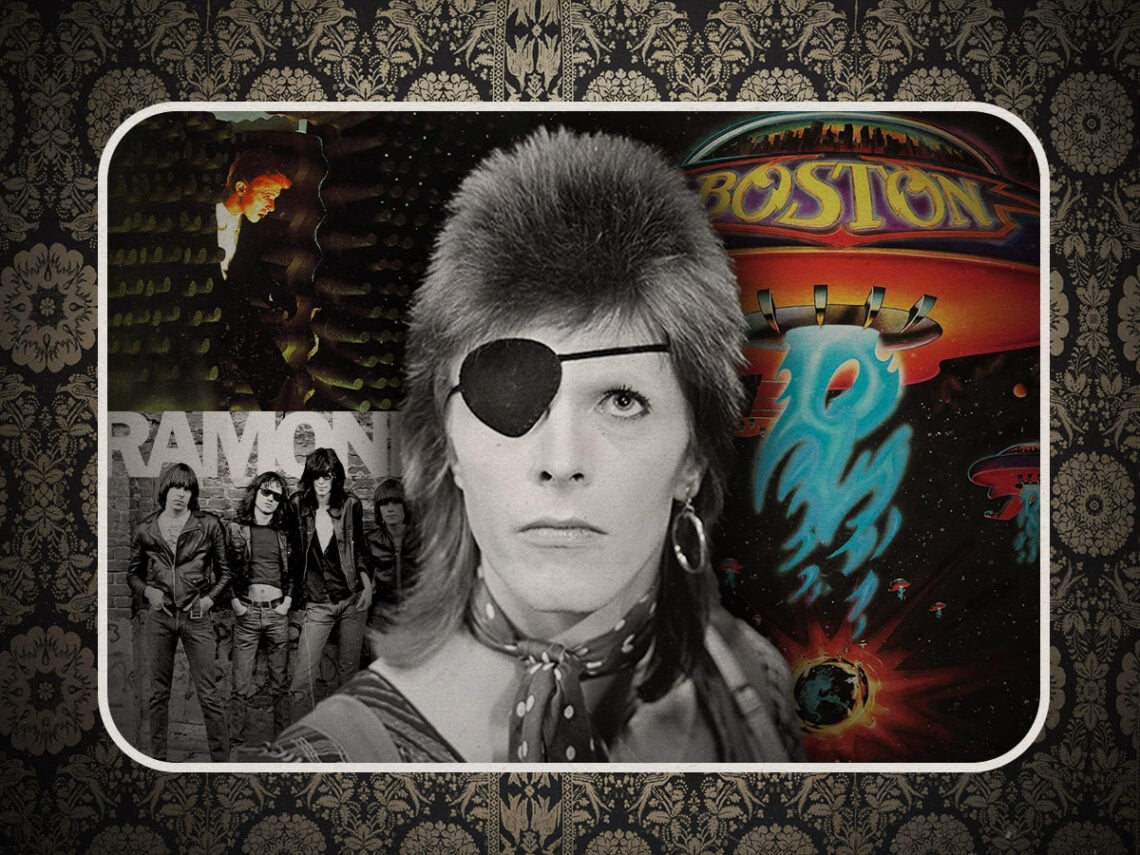
Five albums from 1976 that have aged like fine wine

When it comes to deciding what the best year for music was, you need to look at a few different elements. You can’t just lazily point at bands like the Ramones, Boston and Eagles and say that their presence is reason enough. What actually did they do that made the year so innovative?
Albums can’t just sound good in the moment; they need to help steer music in a positive direction and have exciting elements that you can hear clearly, not just in 1976 but in 2026 as well. That’s what you get in music throughout the ‘70s, as this was when artists were at their absolute most innovative.
Genres were being invented, and if they weren’t, the foundations that they would be built upon were being well and truly set out. It was an exciting time to be a music fan, and even in the modern age, when you listen back to a lot of these records, it’s as if a portal back in time has been opened, one that allows you to glimpse at the past while keeping your feet firmly planted in the future. It’s a truly magical experience.
The way that these albums have aged can only be likened to a stunning fine wine, so here we go, pay the corkage, and get ready to glug glug glug. I’m getting notes of banging tunes.
Albums from 1976 that have aged like fine wine:
Boston – ‘Boston’
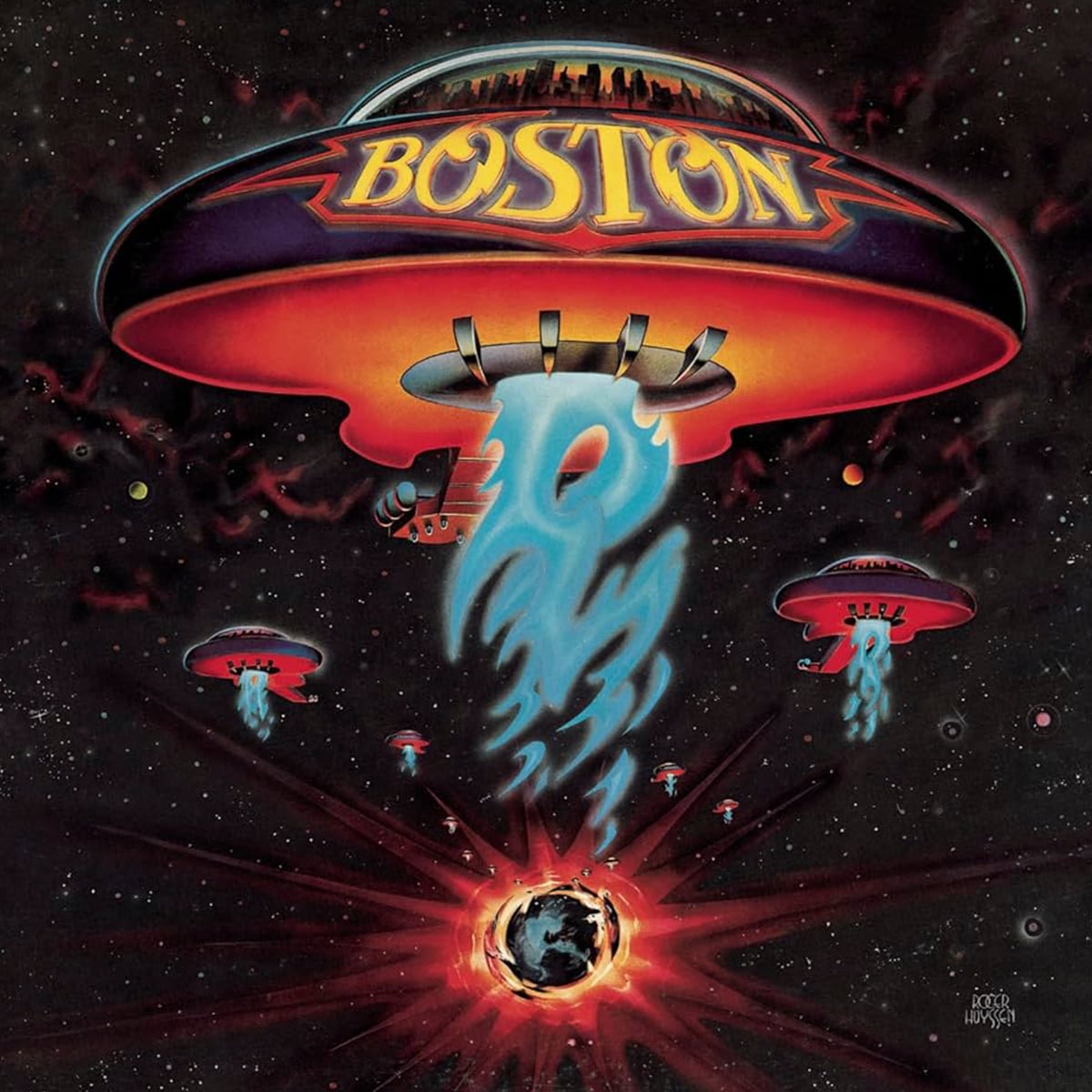
It’s not that the self-titled Boston album is the most musically in-depth piece of music ever made, but its creation foreshadowed things to come. Tom Scholz, the brains behind the band, was a technological genius, and rather than make music like everyone else in the ‘70s, he decided to lock himself in the basement of his home, create different electronic components, and essentially recreate the live sound of a band but completely in isolation.
His style of music led to what we now know as stadium rock, despite the fact that it was made in the furthest place from a stadium imaginable. “I would literally imagine I was in front of thousands of people,” explained Scholz, “Playing this rock ‘n’ roll music, and it worked”. The album has aged well because his forward-thinking made the idea of recording music in complete isolation possible, and this is a common method used by musicians in the modern age who might not be able to afford studio time.
Ramones – ‘Ramones’
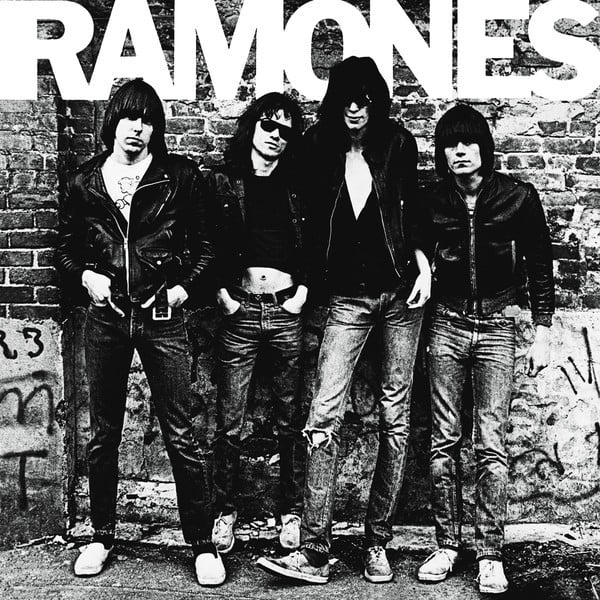
Even when punk officially had a label, it was hard to truly define what it was. It was an incredibly gatekept genre, as those who said they liked it were told that they didn’t get it, and those who did get it didn’t seem intent on letting others in, which meant the whole sound just became a mess of influences. If it was this hard to define when the term had been coined, imagine how difficult it was to tap into punk as a genre prior to this?
Well, for the Ramones, it wasn’t hard at all. The band were the first iteration of the punk genre, creating this chaotic sound that seemed to both channel frustration and also lean into chaotic music, while still making something that was accessible for listeners. Given how widely adopted the genre is in the modern age, it’s hard to deny that the punk legends’ debut record has aged perfectly.
Stevie Wonder – ‘Songs in the Key of Life’
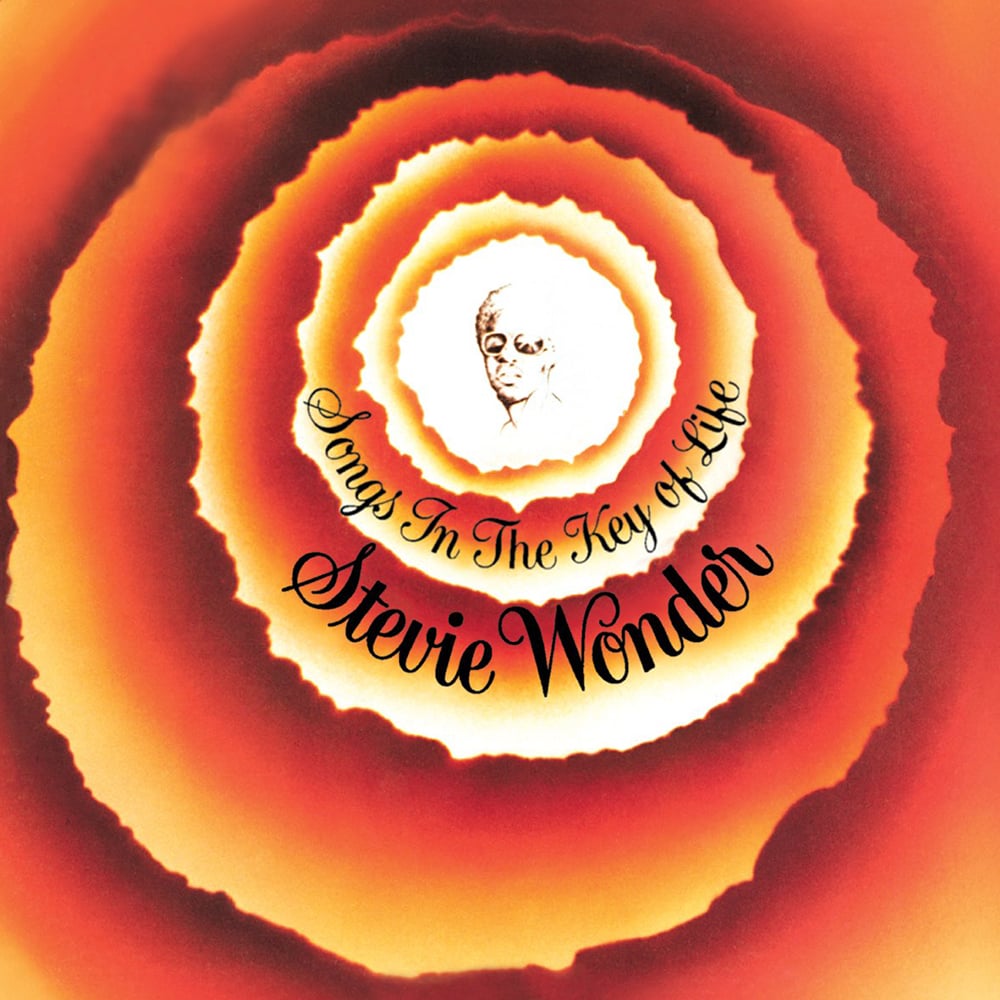
There are very few artists who have a range like Stevie Wonder. Most musicians have a specific genre within which they work, a certain sound, style, and an attitude, but not Stevie. This is a man who could write and play every style of song, and inject every tune he so much as hummed with a raw passion and emotion that was difficult not to fall in love with.
When you listen to Songs in the Key of Life, you’re exposed to these different facets of Wonder. The tracks on this album are exciting, cheesy, innovative, rugged, in fact, almost any descriptor can be applied in some way, shape or form, and yet, the whole thing sounds cohesive. The songs on this album are still celebrated as classics, and it’s pretty inescapable how well the whole thing has aged.
David Bowie – ‘Station to Station’
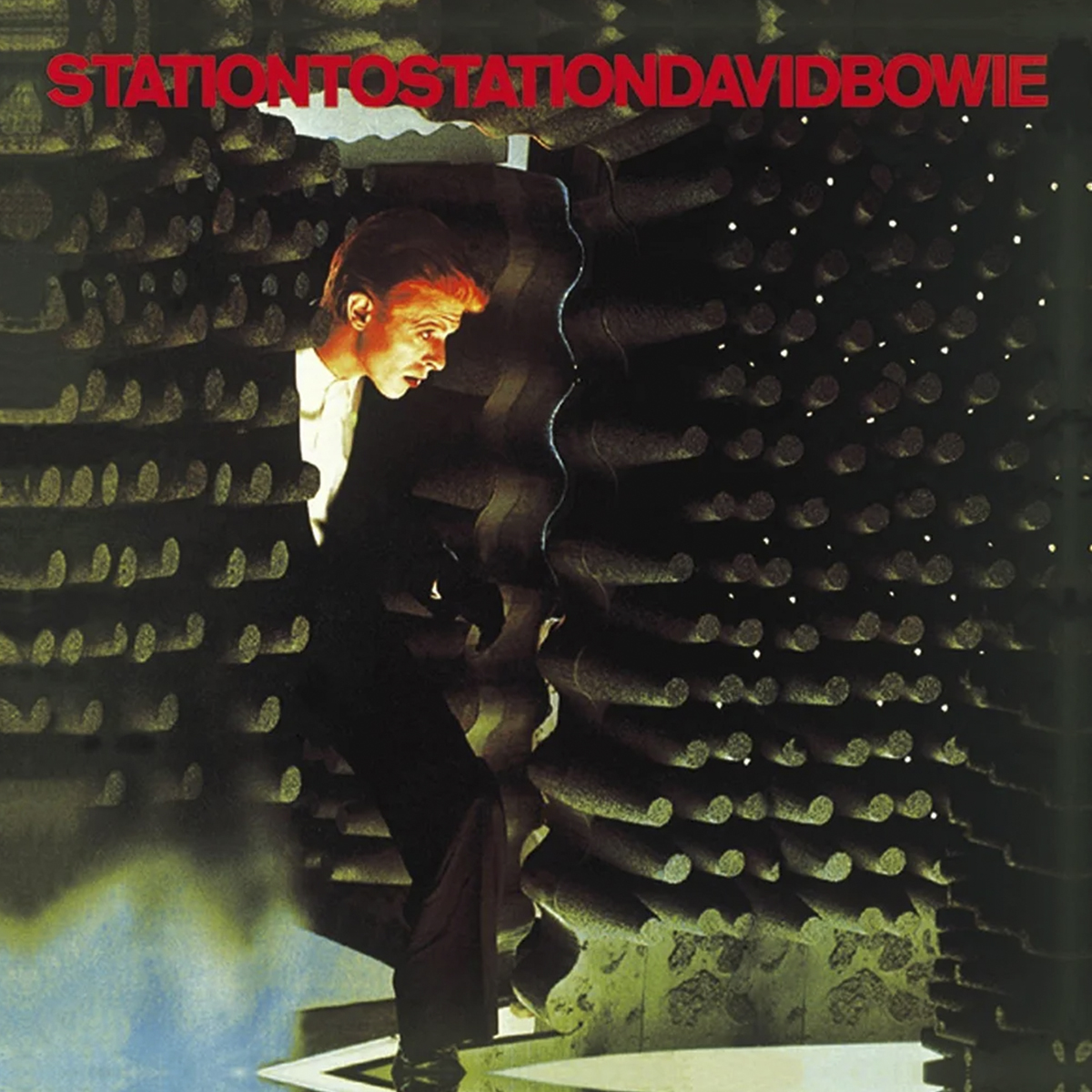
When David Bowie was making Station to Station, he wasn’t in a very good place, as he battled addiction and took steeper steps into his own collapsing mind. “I would say a lot of the time I spent in America in the ’70s is really hard to remember in a way that I’ve not seen happen to too many other artists,” he previously said in an interview with Q, “I was flying out there, really in a bad way. So I listen to Station To Station as a piece of work by an entirely different person.”
Despite the record being made during an incredibly tough time, it still holds up as an exceptional piece of work. Sprawling over just six tracks, this album saw Bowie embody the role of The Thin White Duke and make something that was incredibly sharp and cut right down to the core.
Joni Mitchell – ‘Hejira’
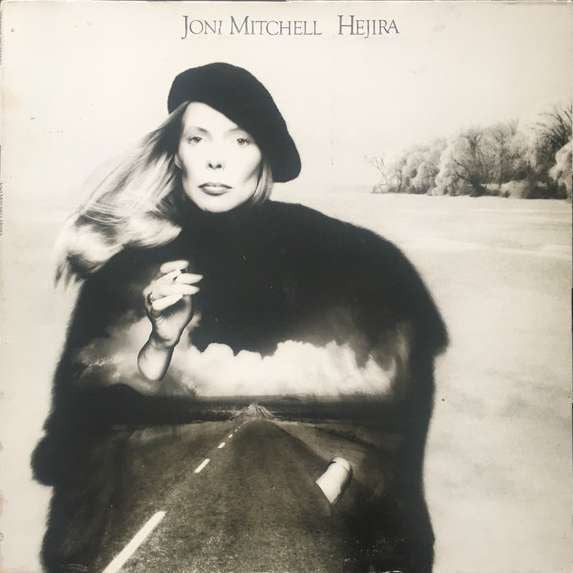
Joni Mitchell has the kind of musical mind that other artists could only dream of, where her skills for lyrics, melody, and rhythm have led to the creation of some of the most memorable and beautiful-sounding folk tunes ever written. However, in 1976, she made the controversial move to steer away from this kind of sound on the record Hejira.
After a period of travelling, Mitchell decided to move away from her usual style and instead started making music which drew from more of a jazz influence than a folk one. She worked with Jaco Pastorious on the album, who played the fretless bass, and the two of them clicked immediately. While this may not be Mitchell’s most popular album, nor is it the greatest reflection of her artistic style, it’s aged incredibly well and is a must listen for anyone who hasn’t heard it.
