


Every movie directed by Clint Eastwood, ranked from worst to best

Clint Eastwood is one of the most legendary movie stars of all-time, but he might be even better as a director.
At 95, he is a living legend who has experienced innumerable changes within the development of Hollywood. There’s no shortage of famous actors who take a turn into directing, but Eastwood took an eye to stepping behind the camera less than a decade after becoming a global superstar, thanks to his work with Sergio Leone on the trilogy of Man With No Name spaghetti westerns.
While he first showed an affinity for the same type of westerns he once starred in, he developed one of the most impressive filmographies of any director; between epics, romances, historical dramas, action thrillers, and even a few musicals, Eastwood has done a little bit of everything.
Although he has acted in many of them, some of his greatest cinematic moments were in films that he didn’t even appear in. The methodical, patient approach that he takes to directing has made his work age very well, as he’s not the type of filmmaker who can be distracted by short-lived trends.
However, Eastwood is also known for his productivity, which may explain why he’s managed to direct 40 films over the course of his career. Most of them are pretty watchable; while there are obviously a few masterpieces that stand head-and-shoulders above the competition, he has surprisingly few misses.
Ranking every movie directed by Clint Eastwood:
‘The 15:17 to Paris’ (2018)
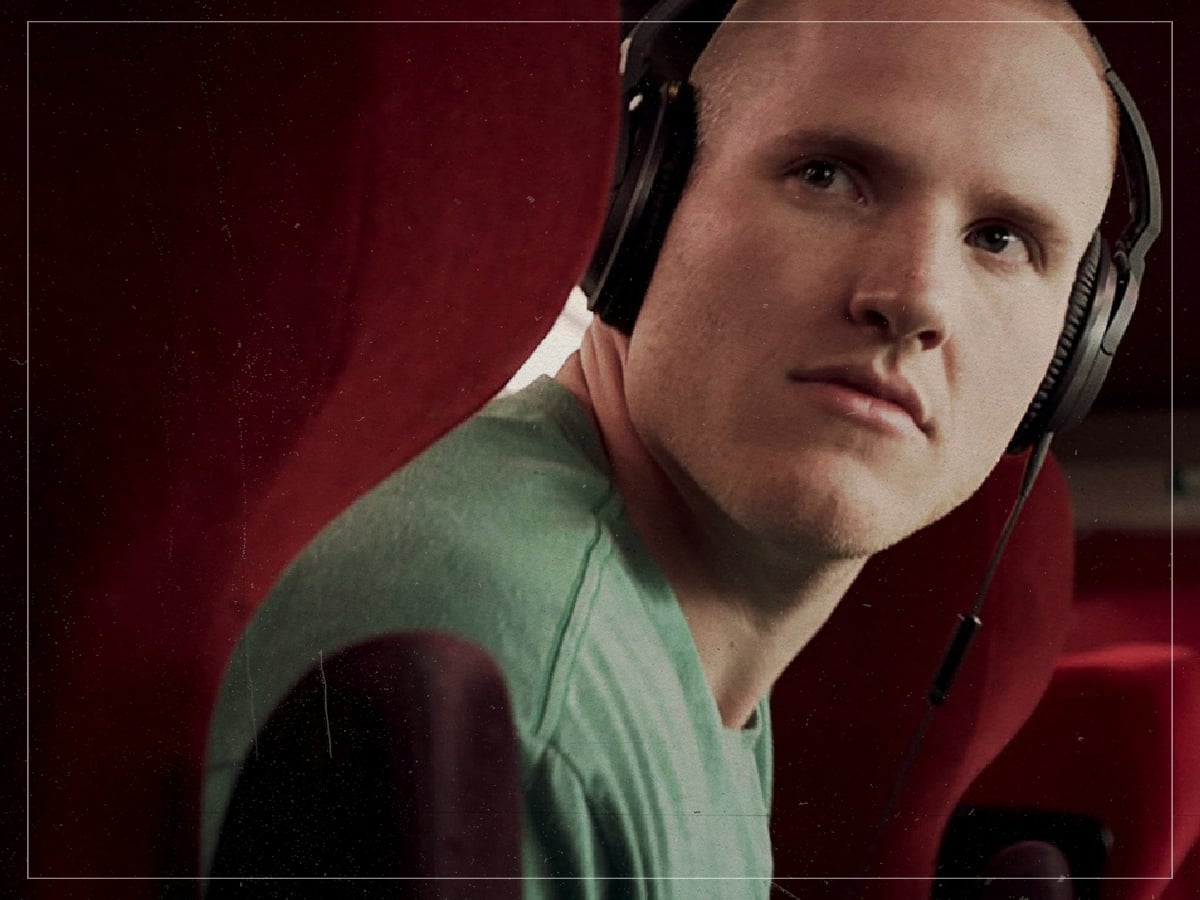
One of the most bizarre studio films of the 21st century, The 15:17 to Paris is based on a true story in which three best friends were aboard a train from Amsterdam to Paris, and stopped a deadly attack by a Syrian terrorist, saving lives in the process. Eastwood decided to cast the three real heroes, Spencer Stone, Anthony Sadler, and Alek Skarlatos as themselves, and crafted a film centred on their lives leading up to the climactic moment.
Casting the real men, who don’t have any professional acting experience, was at least an interesting way for the director to subvert the sensationalism of heroism, but the film is too loaded with additional commentary on everything from military onboarding to faults in the entertainment system. Eastwood may have a history of ‘giving acting lessons’ to his stars, but The 15:17 to Paris would have benefited if professionals had been hired in the first place.
‘The Rookie’ (1990)
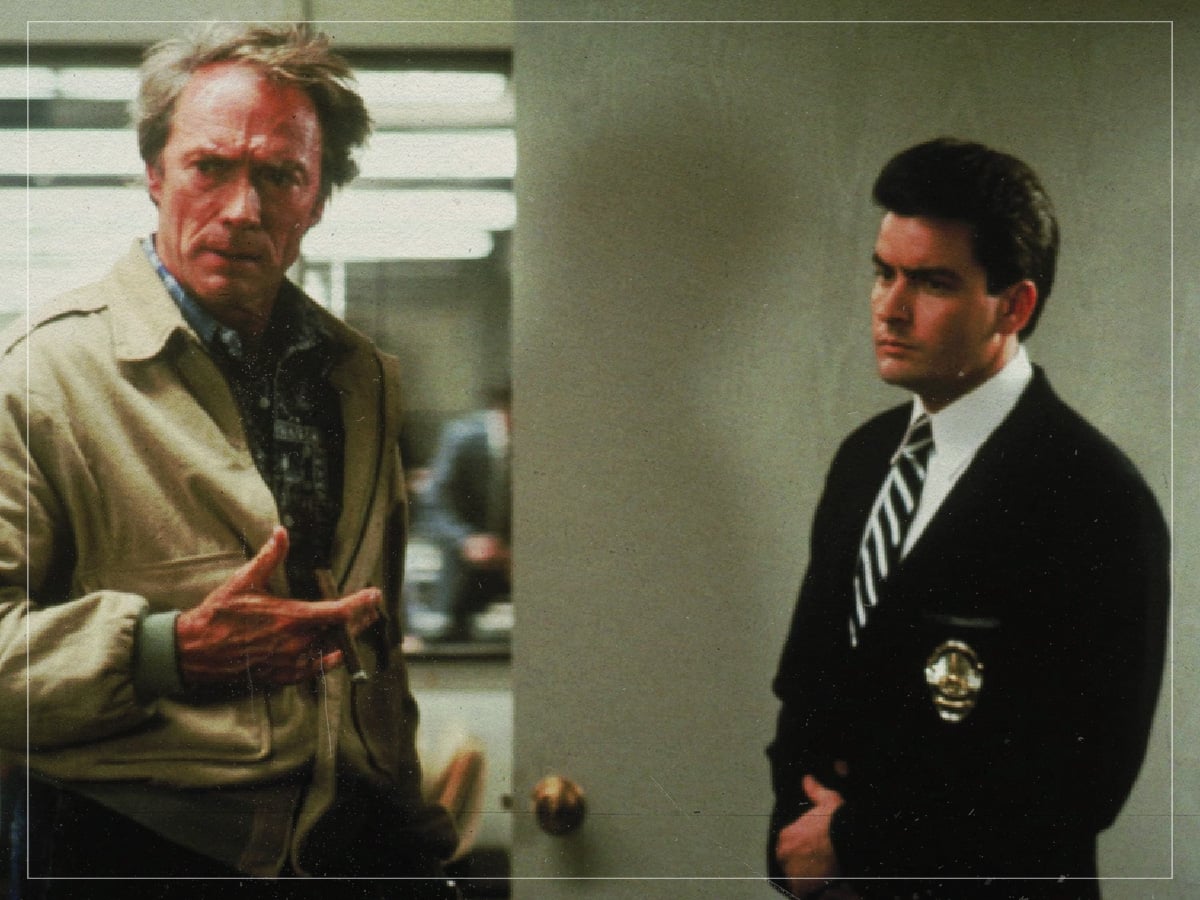
Given the popularity of Lethal Weapon and Running Scared, it was only a matter of time before Eastwood made his own buddy cop film. It’s easy to forget that, prior to all of his scandals, Charlie Sheen had the makings of a promising actor, given how great his performances were in the early Oliver Stone films. The fundamental issue with The Rookie is a damning one for its goals, as Eastwood and Sheen don’t have any chemistry, and the film can’t decide whether it wants to be a darker cop thriller or a snarkier, goofier adventure in the vein of Tango & Cash.
Despite beginning by showing the survivor’s guilt that both of the main characters feel, the film devolves into ridiculous shenanigans involving underground dogfighting rings and Sheen driving a motorcycle into a building. It doesn’t help that Eastwood’s character spends nearly half the film captured by the villains, limiting his ability to do anything interesting.
‘True Crime’ (1999)
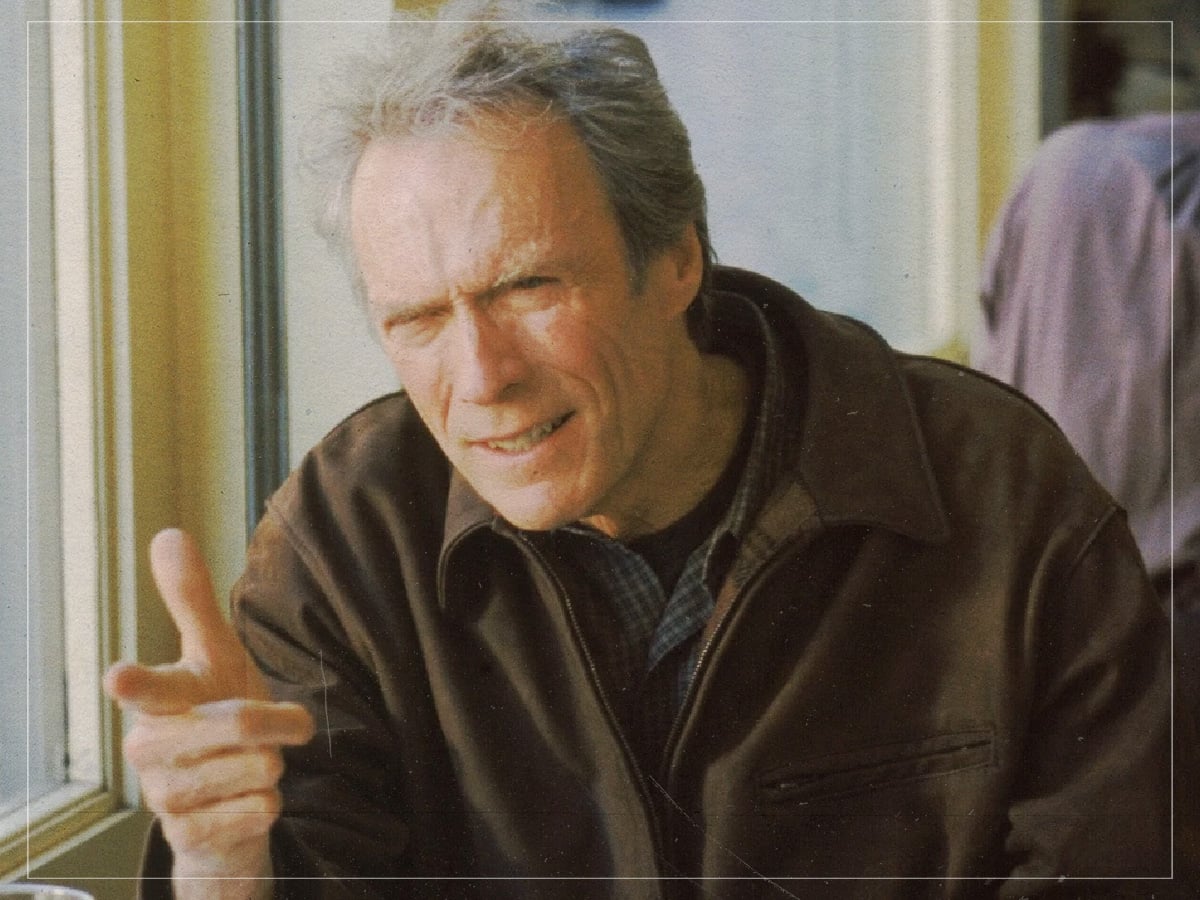
True Crime is the rare case in which Eastwood completely miscasts himself, standing unbelievably as a womanising, quick-witted beat reporter and absent father of an elementary school-aged child, which makes the ridiculous storyline in True Crime even tougher to accept. Although any ‘race against time’ stories will always have some inherent dramatic power, the notion that Eastwood’s character could crack a murder case in order to free an innocent man on death row in less than 24 hours requires a significant suspension of disbelief.
The film has some oddly comedic beats that are distracting, especially given that it isn’t equipped to deal with its racial subtext. The only member of the cast who seems to understand what the tone of True Crime should have been is James Woods, who appears to be having a blast chewing the scenery as Eastwood’s eccentric, profane newspaper editor.
‘Firefox’ (1982)
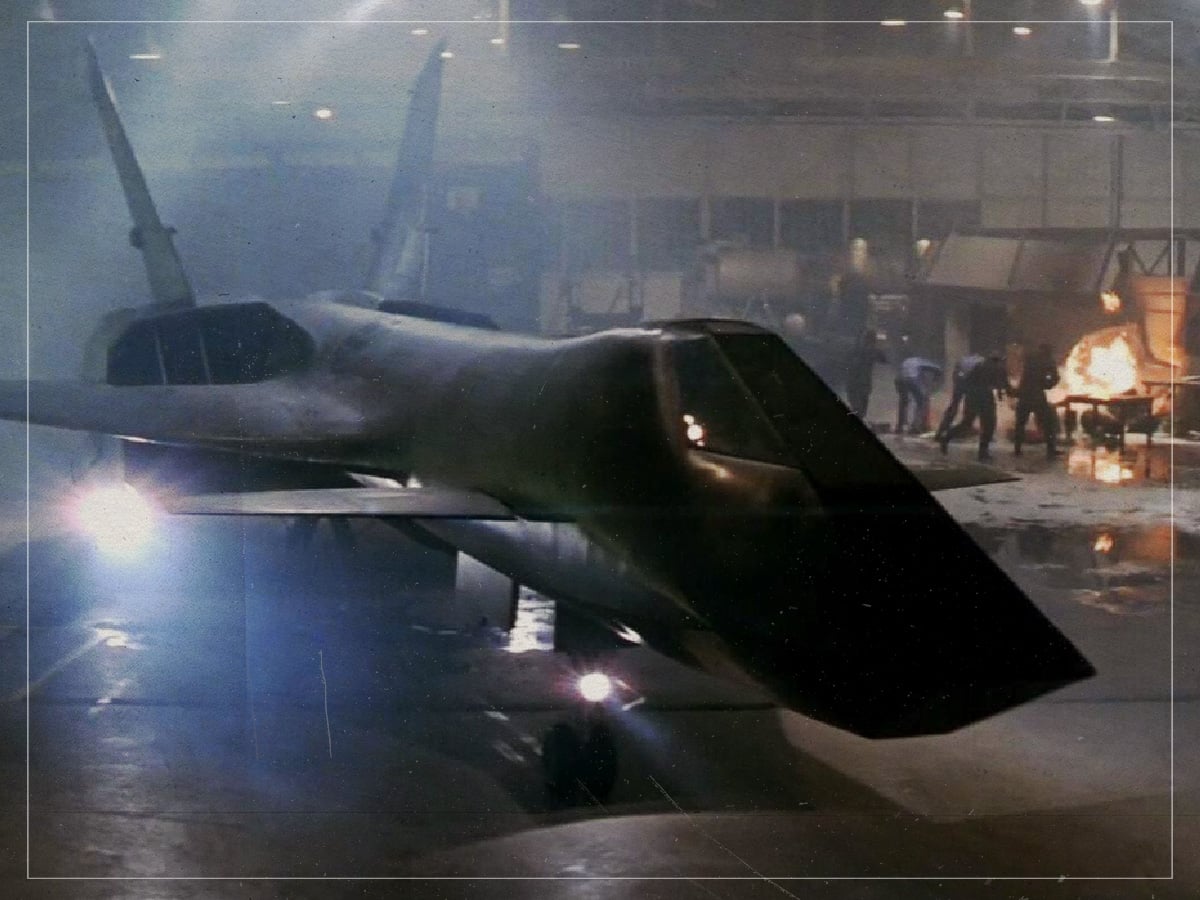
Given how reactive a filmmaker Eastwood tends to be, it’s strange that he hadn’t made a Cold War film before Firefox and didn’t do another one after. There’s fun to be had with this story of an American pilot stealing a powerful weapon from the Soviet Union, but the plot mechanics of the film are completely ridiculous; the idea that someone of Eastwood’s demeanour could go undercover in Russia is less believable than the science fiction technology.
It’s suggested early on that his character is suffering from post traumatic stress disorder, but it’s not an idea that carries through the rest of the film in a meaningful way. The aerial combat itself is well-shot, despite some dodgy special effects work, but it can’t help but feel like a warm-up for what Tony Scott would perfect just four years later with the original Top Gun.
‘Jersey Boys’ (2014)
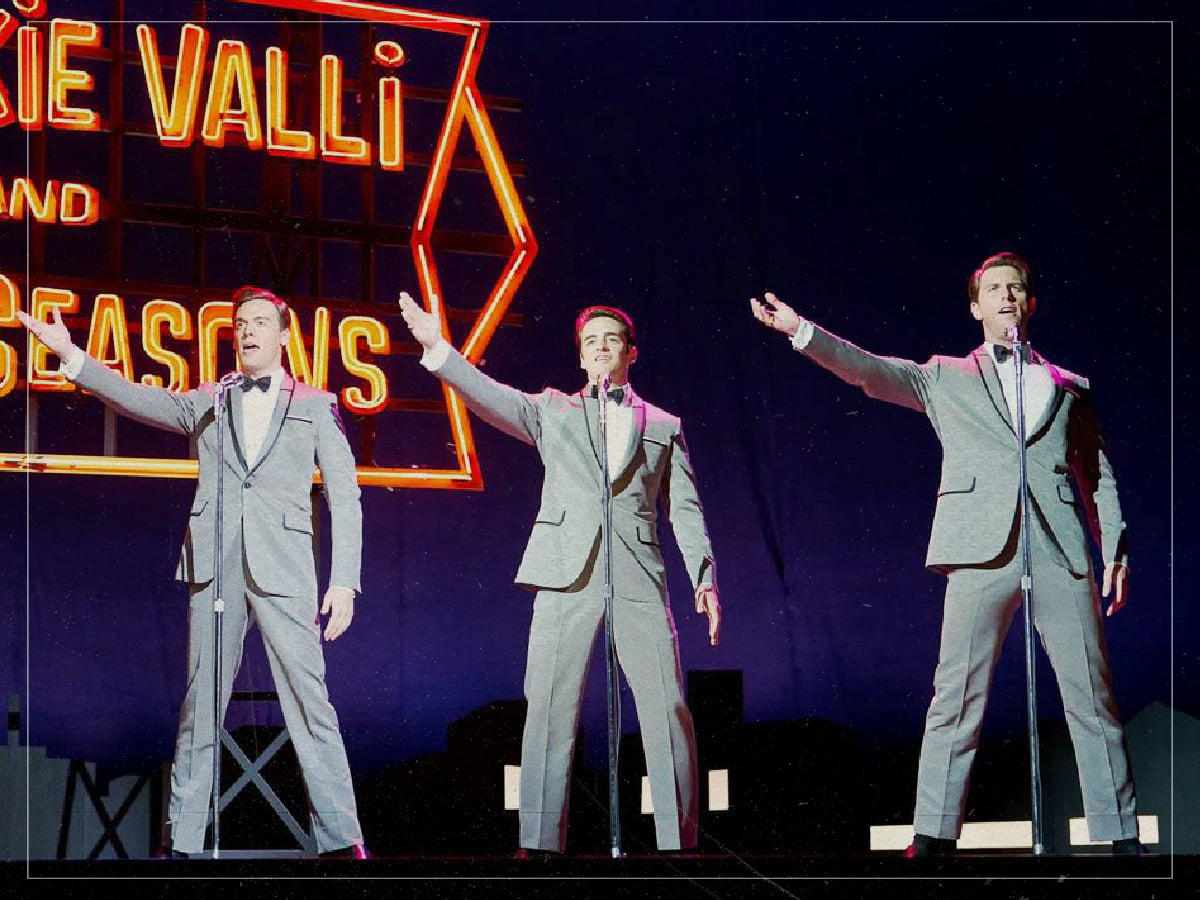
A Broadway adaptation seemed like a strange choice for Eastwood, given that it’s not a style of music or performance that he had previously shown any interest in. Jersey Boys was a phenomenon onstage, but Eastwood’s mistake was to cast the show’s stars in the same role for the film adaptation; acting for a live audience and acting for the camera are two different skills, and the Jersey Boys stars feel overcooked and exaggerated when shot from Eastwood’s patient view.
It’s not an unwatchable film by any means, but it doesn’t seem to be one of the films that Eastwood is proudest of, either. With the exception of a few showstopping numbers, including ‘Can’t Take My Eyes Off of You’ and ‘Big Girls Don’t Cry’, the film is really only worth watching for Eastwood completionists and die-hard fans of the Broadway show.
‘Heartbreak Ridge’ (1986)
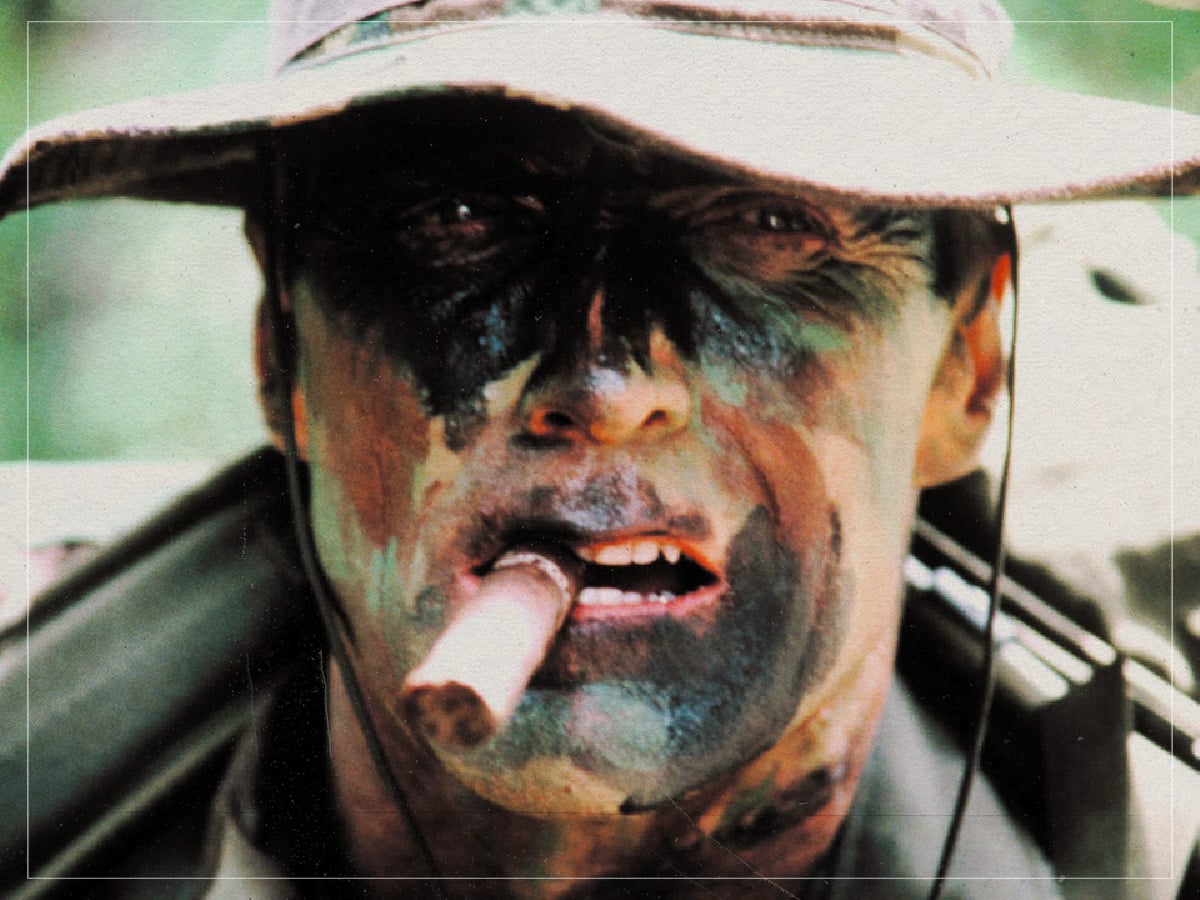
Eastwood never directly tackled the Vietnam War, but he did play a veteran in Heartbreak Ridge, where he starred as a gruff Gunnery Sergeant tasked with training a group of rowdy trainees for a potential conflict. Although there’s some fun to be had in seeing him belligerently insult and demean the Marines that don’t show him any respect, the film doesn’t feature the type of robust supporting cast that he’s usually capable of getting; the soldiers under his command are all pretty interchangeable, and Mario Van Peebles in particular gives one of the most obnoxious performances in cinematic history.
Heartbreak Ridge also has one of his weakest romantic subplots, as he has no chemistry with Marsha Mason, wherein it either needed to be a lot more fun or much more captivating on a dramatic level, as it simply feels like a bit of a tweener.
‘Cry Macho’ (2021)
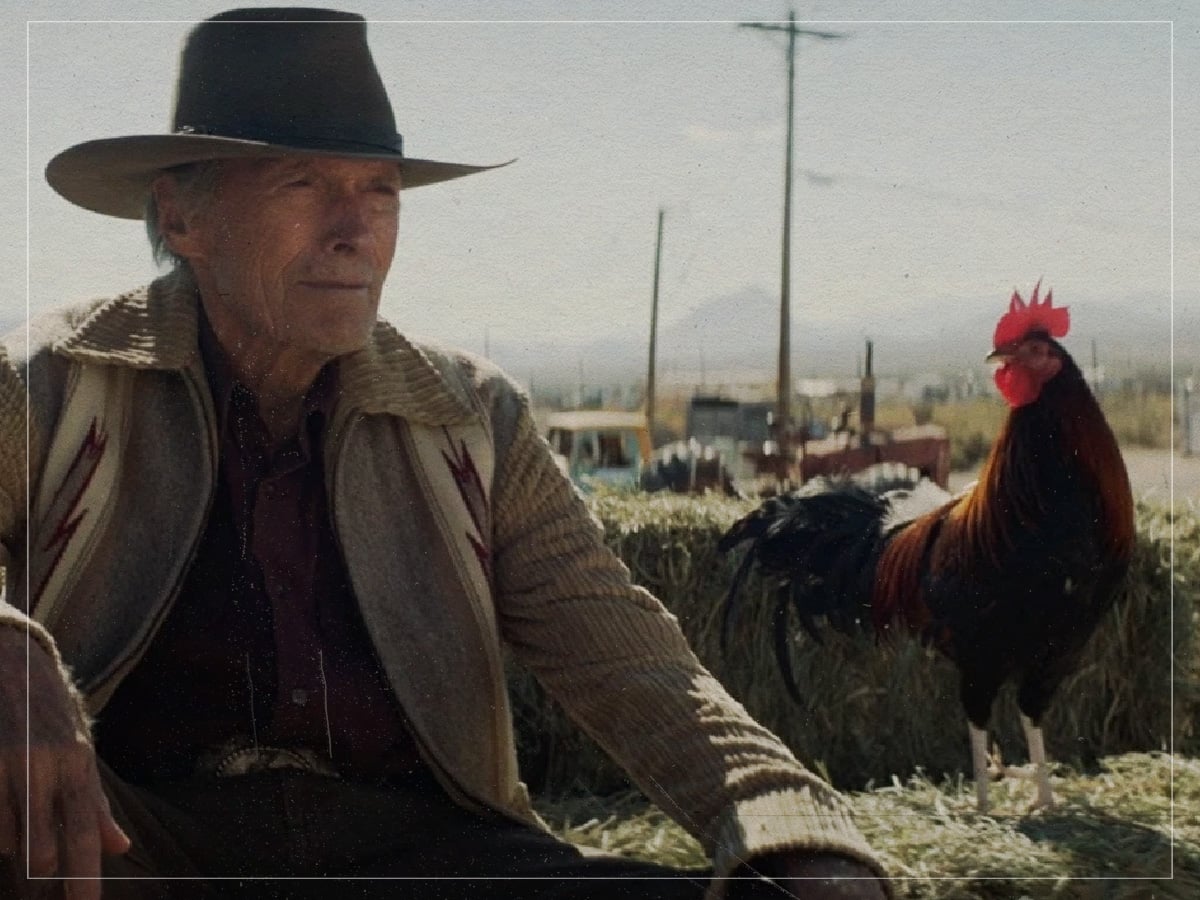
HBO Max made the controversial decision to make all of its 2021 titles available to stream on the same day that they debuted in theatres, which was quickly reversed the next year. Among these films was Cry Macho, a longstanding passion project that Eastwood had considered making for over four decades, which starred him as an ageing cowboy who helps to transport a young boy to Mexico.
While it is unfortunate that the last film that Eastwood starred in didn’t get more of a theatrical push, Cry Macho is another work of self-reflection that doesn’t get any deeper than what he already did with The Mule and Gran Torino. It’s perhaps his most unabashedly melodramatic film since The Bridges of Madison County, but even the modernist perspective on what masculinity truly means isn’t enough to elevate it beyond its clichéd premise.
‘The Eiger Sanction’ (1975)
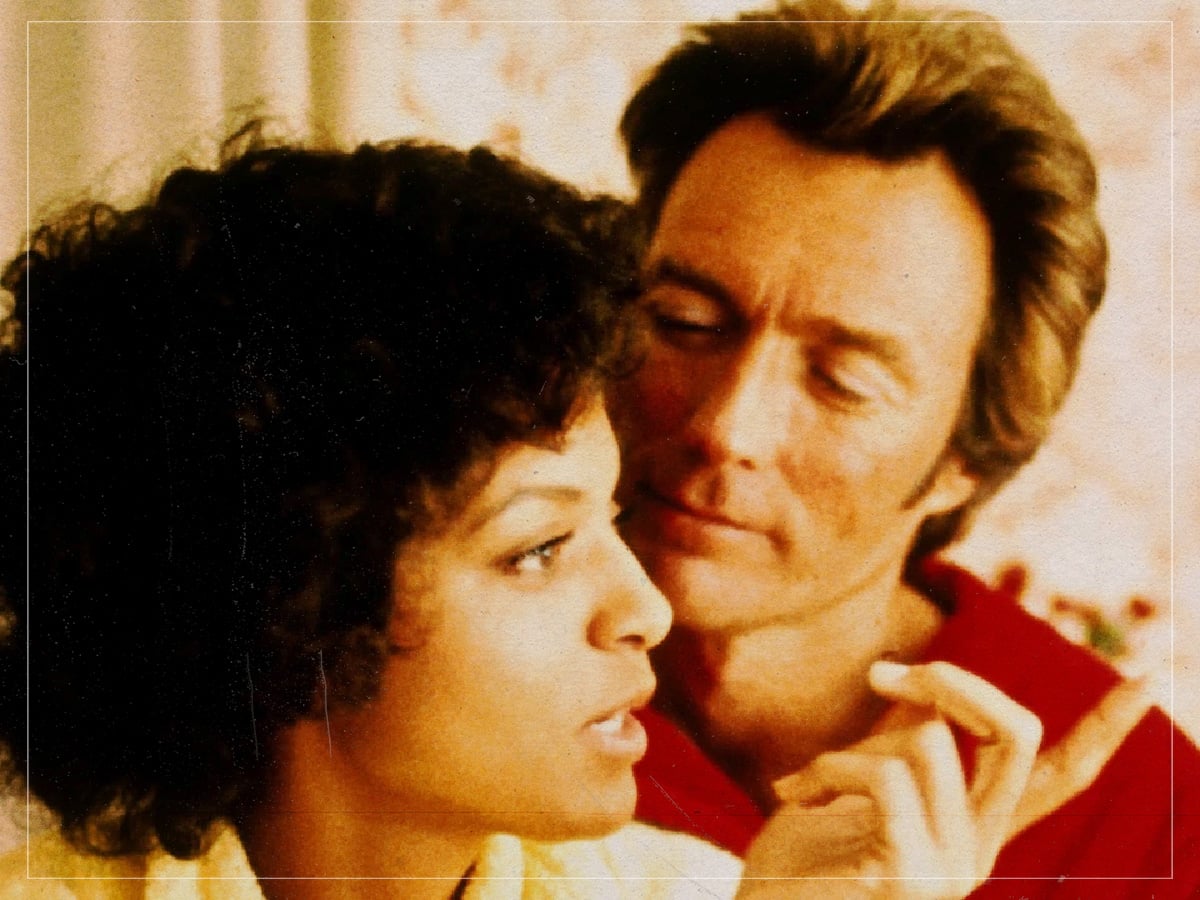
Eastwood tends to direct more thrillers than traditional action movies, but The Eiger Sanction was essentially his version of a James Bond or Indiana Jones role. He plays an art professor who also does secret missions for the government, and gets involved in a plot that involves travelling to Switzerland to scale the mountains. The mountain-climbing sequences are death-defying and impressive, and the set was so dangerous that a stuntman was tragically killed in the process.
As amazing as it is as a technical achievement, The Eiger Sanction actually loses momentum when it gets to the mountains because there isn’t much more room to go in the story. However, it does feature Eastwood at his most charming as a smooth, womanising jack-of-all-trades, and gave the great George Kennedy a chance to chew the scenery with a very hammy supporting performance.
‘Flags of Our Fathers’ (2006)
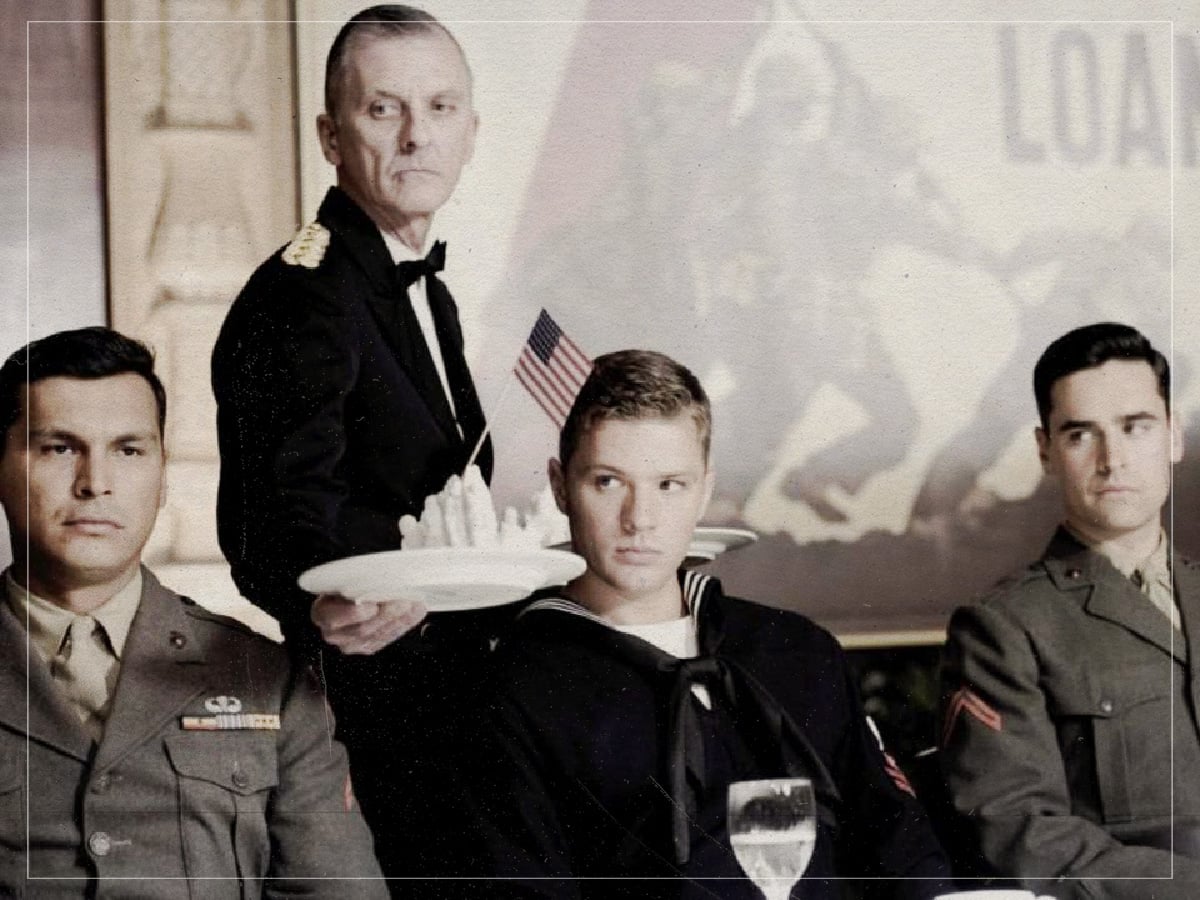
Flags of Our Fathers is the first part of Eastwood’s ambitious World War II duology that explores one of the conflict’s most critical battles from both sides. The more ambitious and critically acclaimed of the two was Letters from Iwo Jima, which examined the perspective of the Japanese soldiers, whereas Flags of Our Fathers centred on members of the American military. The former isn’t just more interesting as a challenging point-of-view, but a better film that has a deeper understanding of the costs of war.
The latter has some tremendous action scenes and a brilliant score (composed by Eastwood himself), but the characters don’t quite register on an emotional level. Ryan Phillippe and Paul Walker give two of the worst performances in any Eastwood film, but the film does have a strong supporting role for John Slattery as a member of the United States Treasury.
‘Richard Jewell’ (2019)
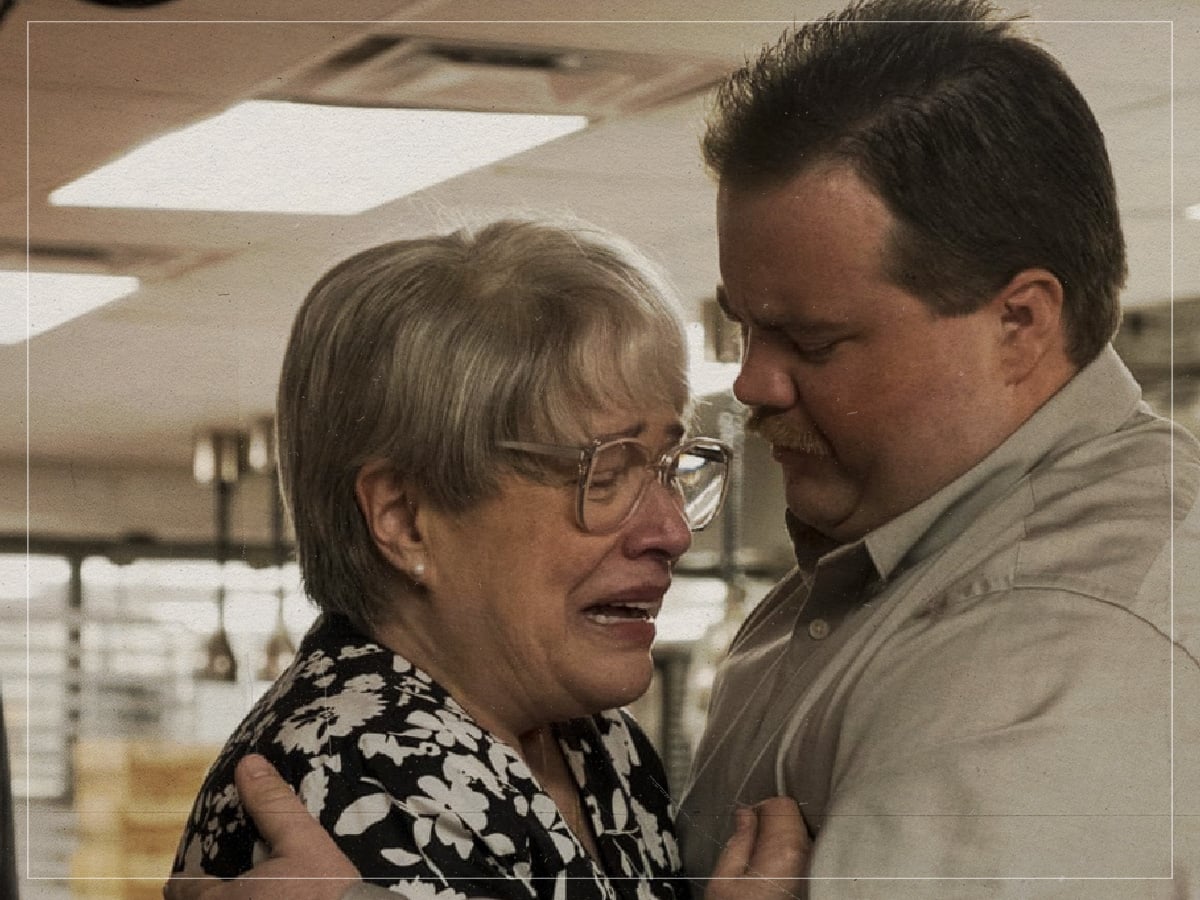
Richard Jewell, strangely, became one of Eastwood’s most controversial films after it received blowback for its portrayal of Kathy Scruggs, played by Olivia Wilde, a reporter who made false presumptions about the titular security guard, portrayed by Paul Walter Hauser, who saved lives during a bomb scare at the Olympics.
While it’s a slightly exaggerated performance, it doesn’t diminish the power of a film that shows how dangerous it can be for accusations to be made without evidence; even if the law is only determined by facts, the court of public opinion can colour someone’s entire future. Richard Jewell may try to tug at the heartstrings a little too much, but Hauser gives a revelatory performance that provides dignity and respect to a real hero. Sam Rockwell is also terrific as the lawyer who defended the case, and Kathy Bates earned an Oscar nomination for playing Jewell’s mother.
‘J Edgar’ (2011)
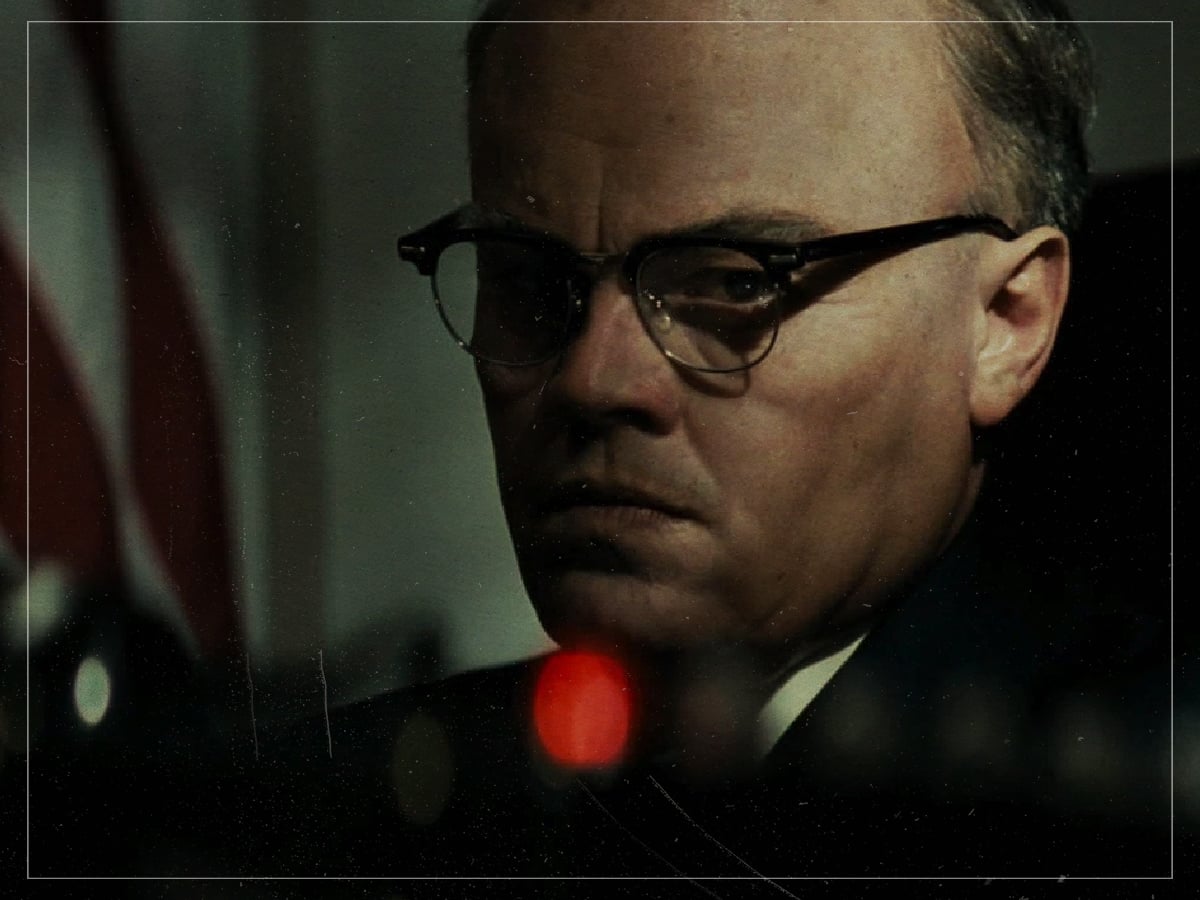
Leonardo DiCaprio has made it a priority to work with nearly every great living filmmaker, so it was only a matter of time before he worked with Eastwood. While the film earned backlash for its (admittedly silly) old age makeup effects, J Edgar is far from a traditional ‘great man’ biopic. It offered an objective look at how Hoover created a web of lies that framed him as a hero, and often cut out those close to him for the sake of acquiring more power.
Eastwood cleverly chose to show aspects of the story from Hoover’s perspective, only to double back and show how it broke from reality. While there are some historical recreations that feel slightly phoney, DiCaprio gives a transformative, surprisingly vulnerable performance as a real-life figure who Eastwood seemed to both be disgusted with and fascinated by.
‘Space Cowboys’ (2000)
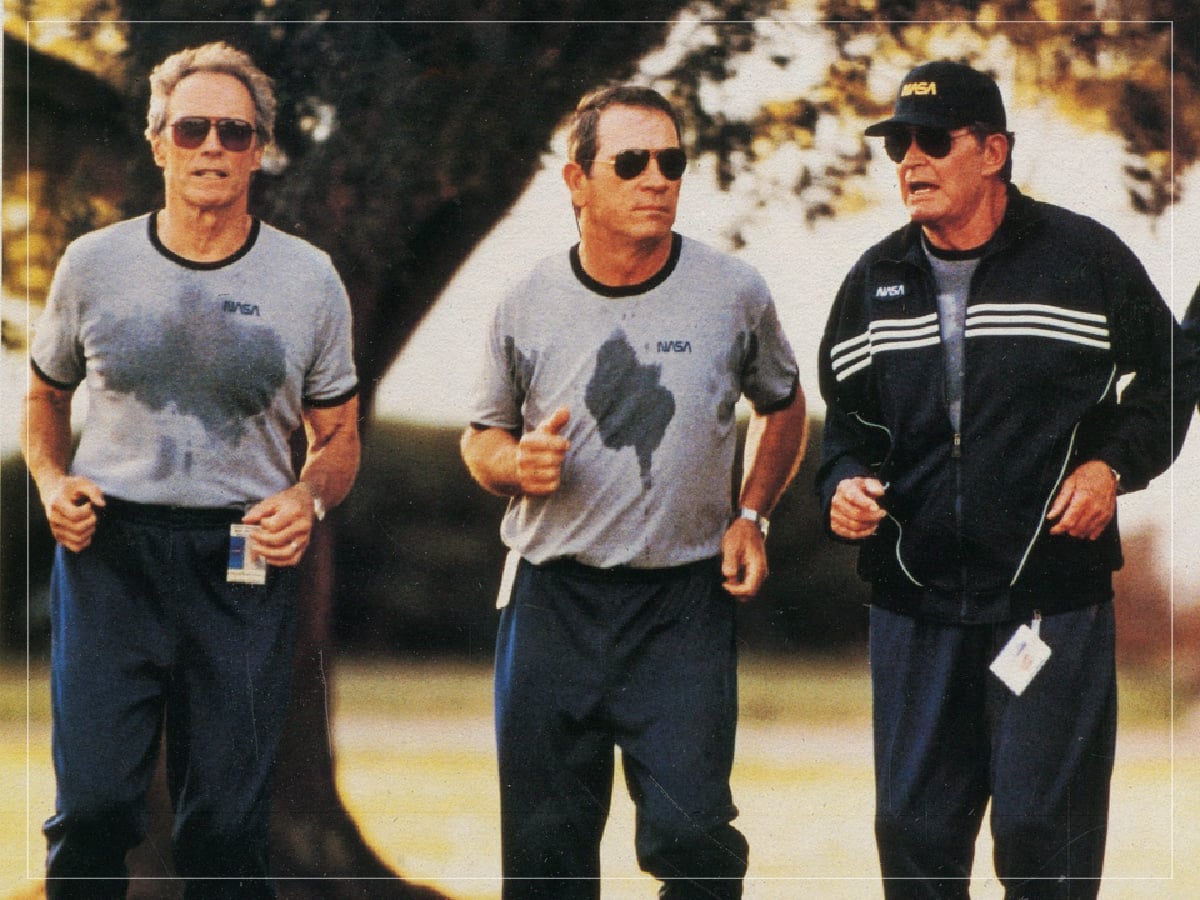
Science fiction has never been Eastwood’s area of interest, but he hopped on the space opera train for Space Cowboys, which he also co-starred in alongside Tommy Lee Jones, Donald Sutherland, and James Garner. Released only two years after Michael Bay’s Armageddon, it told a somewhat similar story about four ageing test pilots who are dispatched to space in order to repair a Soviet satellite, making for a fairly grounded film that tries to explain its more absurd moments using military science.
Eastwood equips himself rather well for the special effects and outer space spectacle, making Space Cowboys just sincere and charming enough to forgive its cliché-ridden script. Admirably, the director gives most of the film’s most emotional moments to Jones, who adds gravitas to the material that wouldn’t have been there otherwise.
‘The Gauntlet’ (1977)
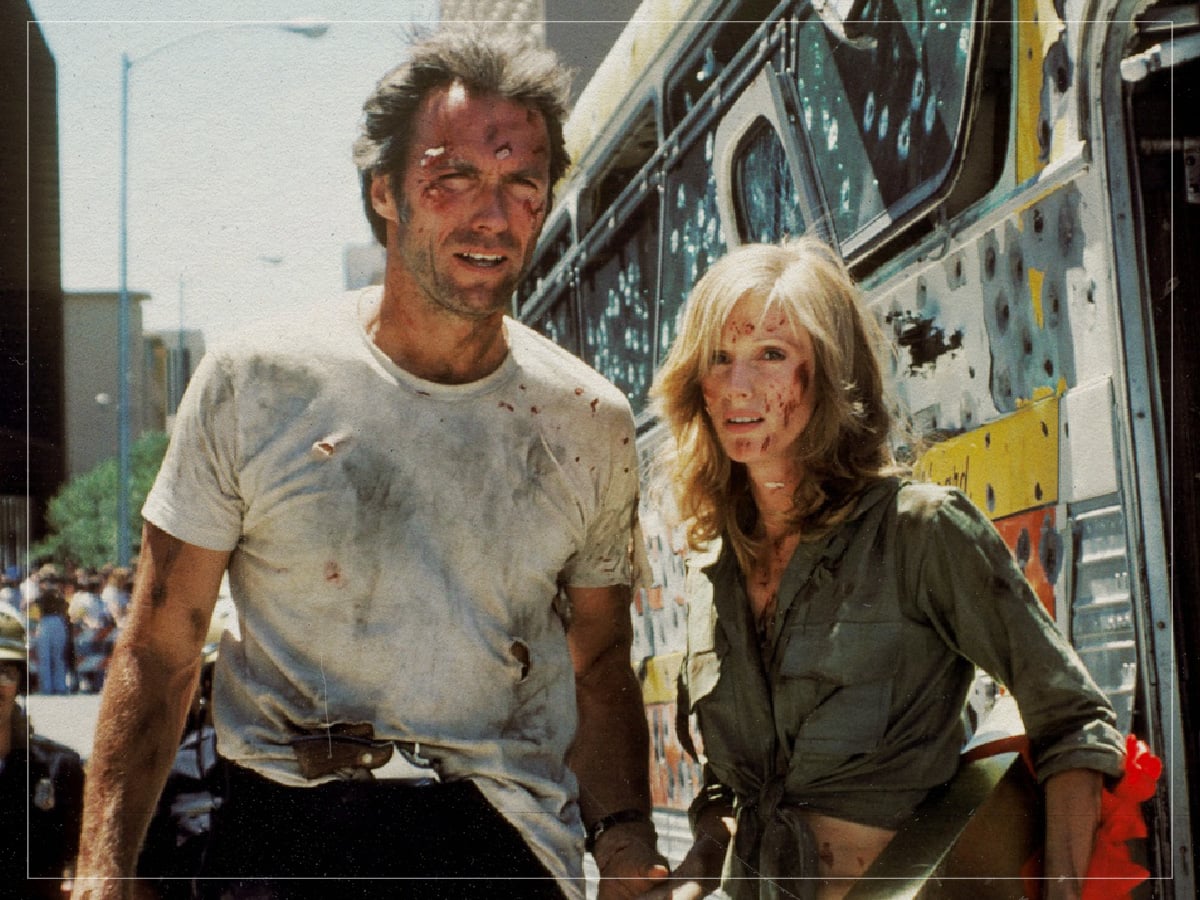
Despite the fact that Eastwood began directing in the New Hollywood era, The Gauntlet feels like a Golden Age two-hander in most senses, with the exception being its explicitly violence and sexual content. Eastwood stars as an alcoholic police officer from Phoenix who is tasked with transporting a prostitute, played by Sondra Locke, who is testifying as a witness against the mafia; although it has the same grimy, gritty atmosphere as the Dirty Harry films, The Gauntlet embraces bigger setpieces, including a few standout car chases.
There’s nothing particularly deep about it, but it’s remarkably well-shot and features a tremendous jazzy score from Jerry Fielding. Locke is saddled with a character who fulfils nearly every negative stereotype imaginable for a female lead in a crime thriller, but she does have enough spunk to stand up to Eastwood, wherein their romantic chemistry is surprisingly believable, even when the rest of the film isn’t.
‘Blood Work’ (2002)
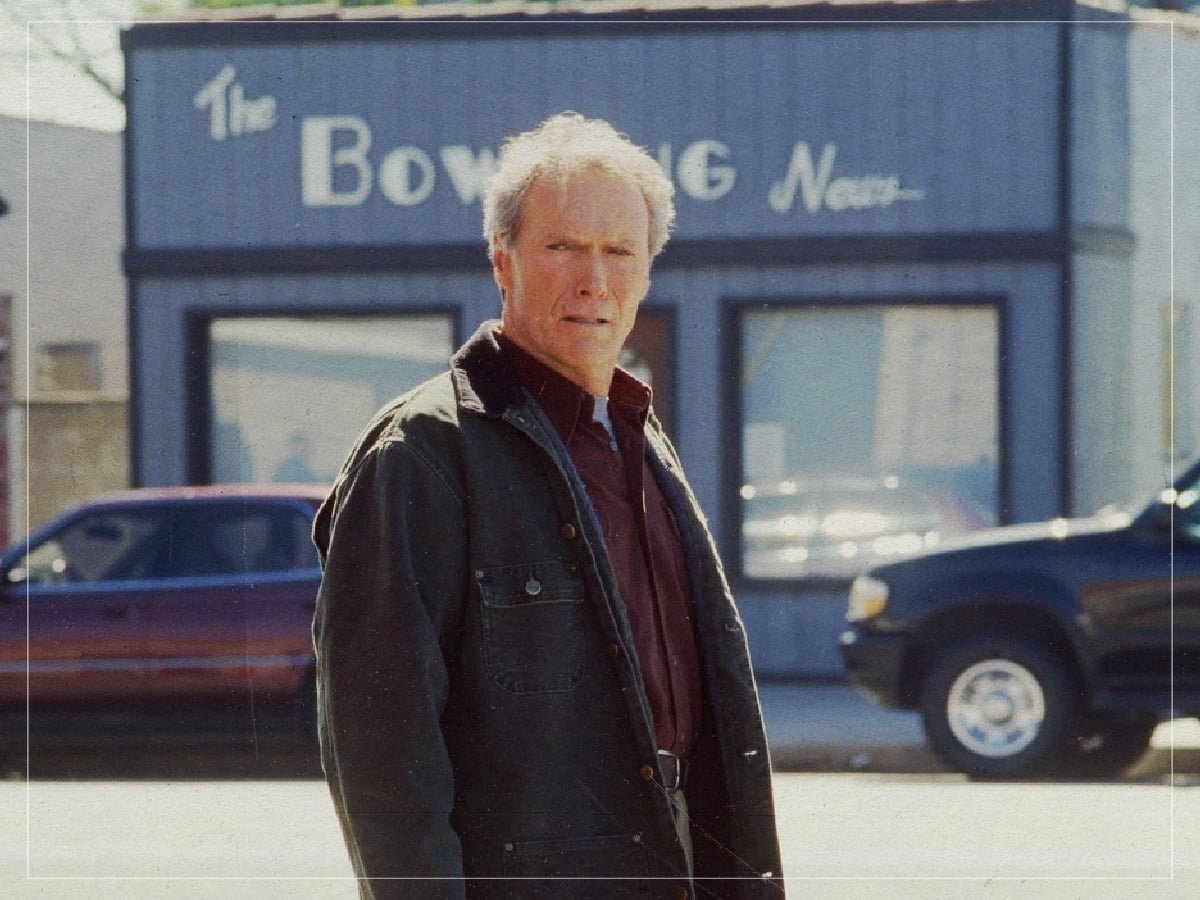
Many of Eastwood’s best films can be distilled to a simple logline, and Blood Work has a pretty great one, where he plays a former FBI Agent who returns to the field to track down the serial killer who murdered his heart donor. It’s an unusual way of developing survivor’s guilt, but Blood Work thankfully acknowledges Eastwood’s advancing age and suitably casts him as an older agent who returns to crack the case that had always baffled him.
Given how many serial killer films of this era simply turned into slashers, it is refreshing that the film is treated as a straightforward procedural. There are some sillier plot revelations that push Blood Work into pulpier territory, but the film benefits from a great supporting performance by Jeff Daniels as Eastwood’s alcoholic neighbour, and their chemistry is so good that the film’s narrative flaws can be forgiven.
‘Play Misty For Me’ (1971)
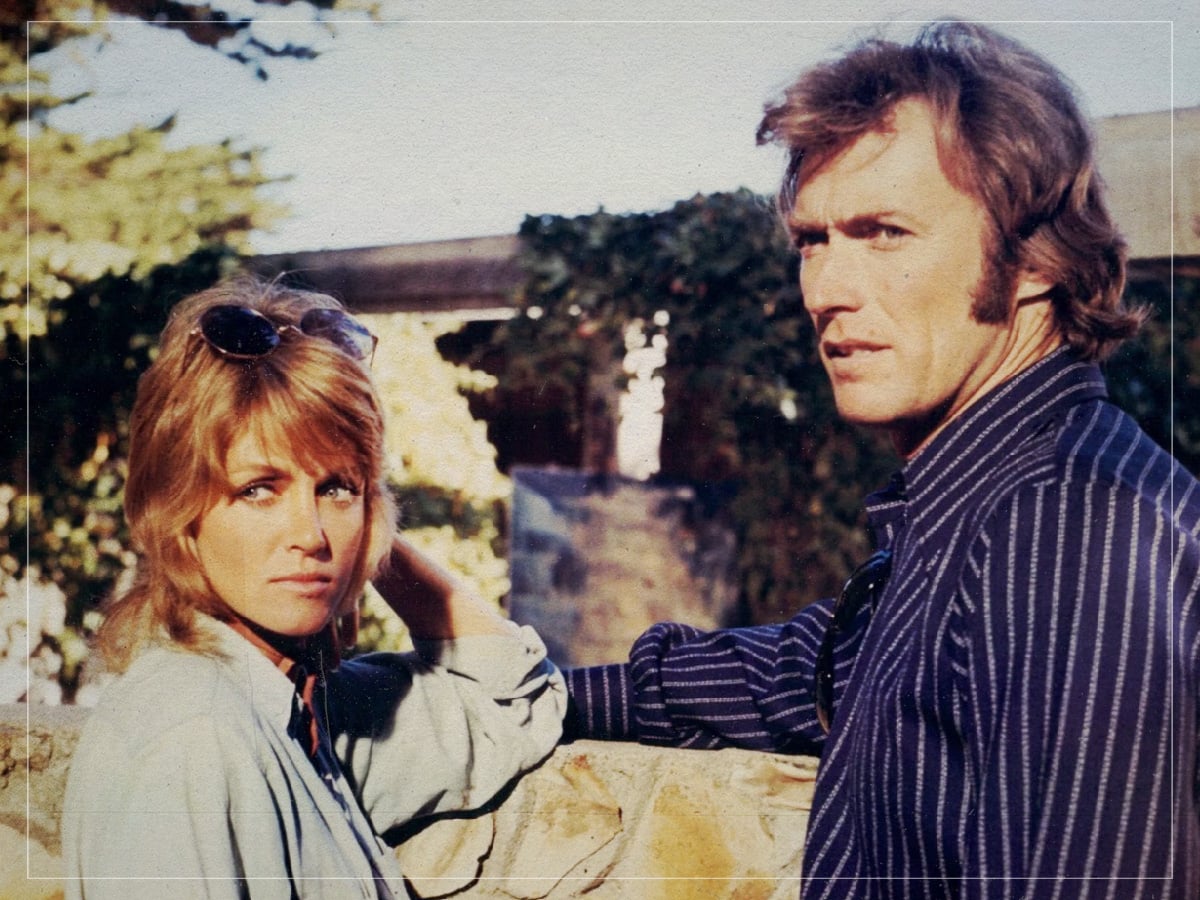
It’s not often that famous directors make a masterpiece with their first feature, and Play Misty For Me certainly isn’t that. However, it is an interesting thriller that was in many ways ahead of its time in exploring the culture of toxicity that revolves around fandom. Eastwood stars as a radio jockey who becomes a focal point for an obsessive woman played by Jessica Walter in her first major role.
Given that he tends to be fairly opinionated regarding female representation in cinema, Play Misty For Me was a fascinating psychological thriller that tried to position its antagonist as being more complex than the ‘crazed woman’ stereotype. While not as slick or confident as his later work, the film is the type of self-serious, well-paced genre thriller that Eastwood would become most closely associated with. It’s also a strange time capsule for Walter, who would later be best known for her comedic work.
‘Sudden Impact’ (1983)
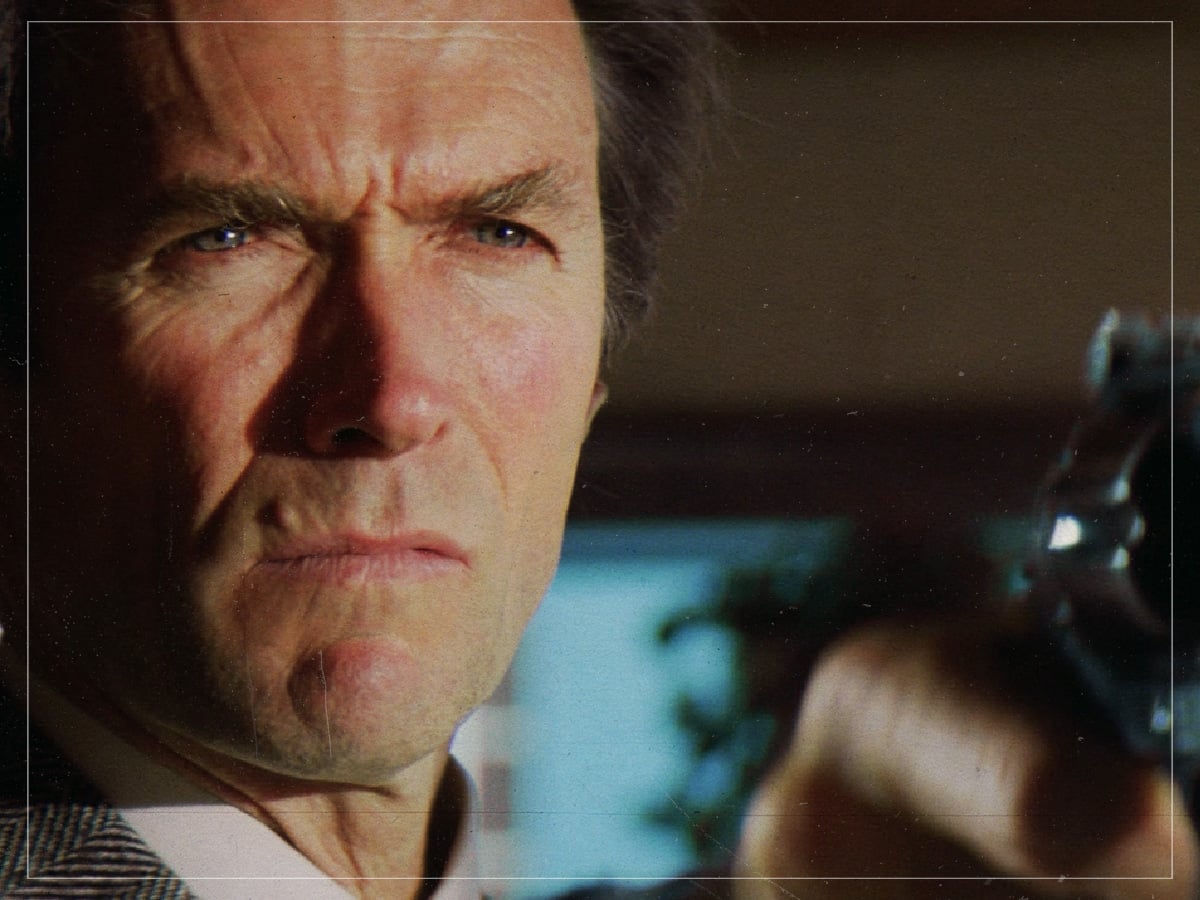
Dirty Harry was the film that minted Eastwood as a star outside of the western genre, and it kick-started a franchise that he continued to return to. It wasn’t until the fourth instalment, Sudden Impact, that he stepped behind the camera for a film in which Inspector Harry Callahan is tasked with stopping a female serial killer, played by Sandra Locke, who is murdering abusive men.
The gender politics of Sudden Impact haven’t aged well, as the film doesn’t really confront its villain’s trauma due to being a victim of sexual assault. However, Eastwood is smart to characterise Harry as an outsider whose unconventional methods are more effective than the routines of the police. It’s better than its direct predecessor, The Enforcer, but the greatest legacy of the film is the inclusion of the phrase “go ahead, make my day”, which would become one of Eastwood’s most memorable catchphrases.
‘Absolute Power’ (1997)
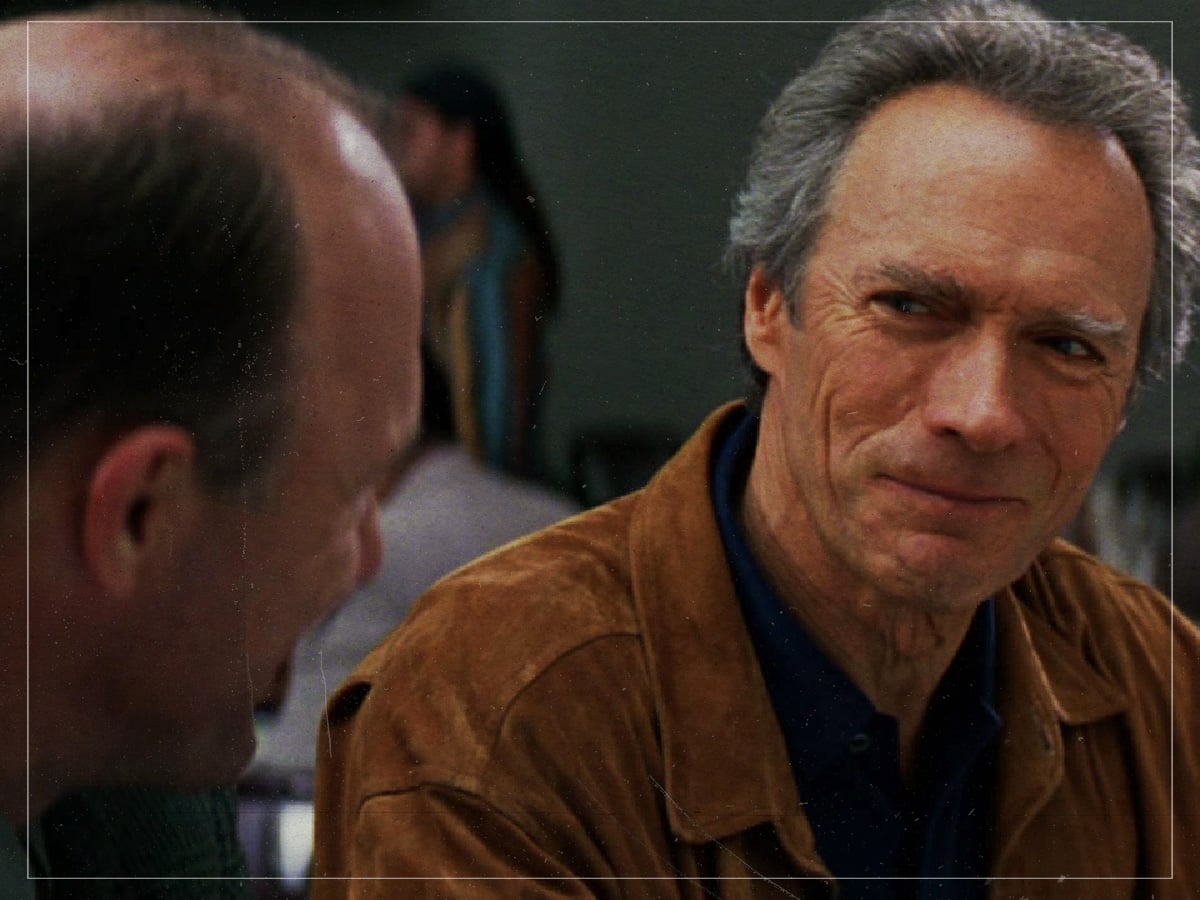
Eastwood’s politics have always been a subject of fascination, given that he is often associated with conservatism, despite often showing libertarian views, but it was abundantly clear that he was no fan of President Bill Clinton and his womanising in his charged political thriller, Absolute Power, where he plays a cat burglar who finds that the president of the United States, played by Gene Hackman, has murdered a woman he was having an affair with.
The backstory given to Eastwood’s character and his family isn’t very interesting, but Hackman was one of his favourite actors, and serves as a detestable villain without feeling too over-the-top. The notion of a president using his office to cover up personal scandals has obviously aged very well, and the cat-and-mouse game between Eastwood and Hackman elevates Absolute Power above some of the director’s more conventional thrillers.
‘The Mule’ (2018)
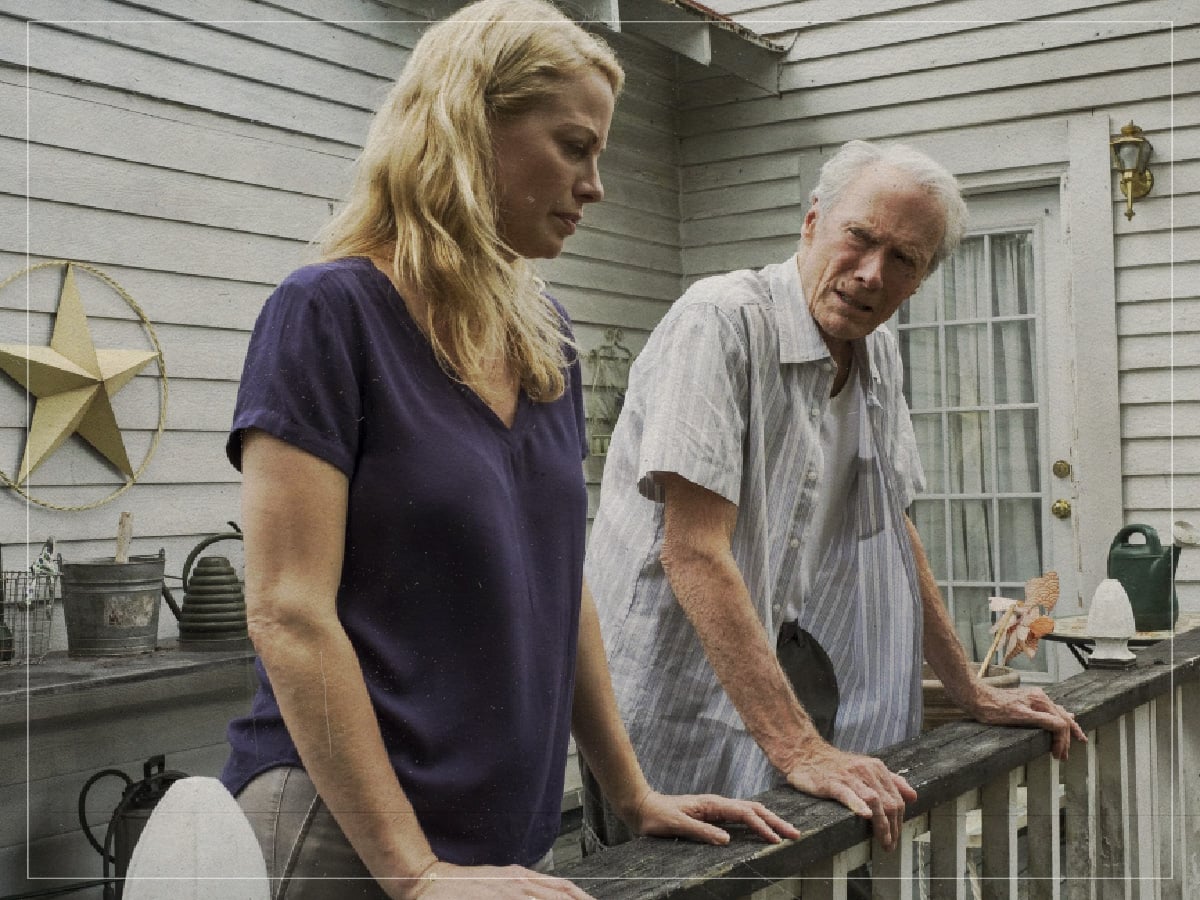
Although Eastwood has worked at a consistent pace for nearly his entire career, the crime drama The Mule was his first starring role since Trouble with the Curve, and the first time he had directed himself since Gran Torino. It’s a reflective film in which he plays an ageing horticulturist who becomes a drug mule for the cartel, which endangers the already fragile relationship he has with his family. The Mule does look at some of the comedic implications of its premise, which was based on a true story, but ultimately becomes a deeper study of regret and redemption.
Eastwood has played his fair share of flawed men, but this film is a rare case in which he portrays a character who isn’t conventionally ‘cool’, but has still let down his family. It also featured a nice extended role for Bradley Cooper, who had made his directorial debut the same year with A Star is Born (which Eastwood had initially been in talks to direct).
‘Hereafter’ (2010)
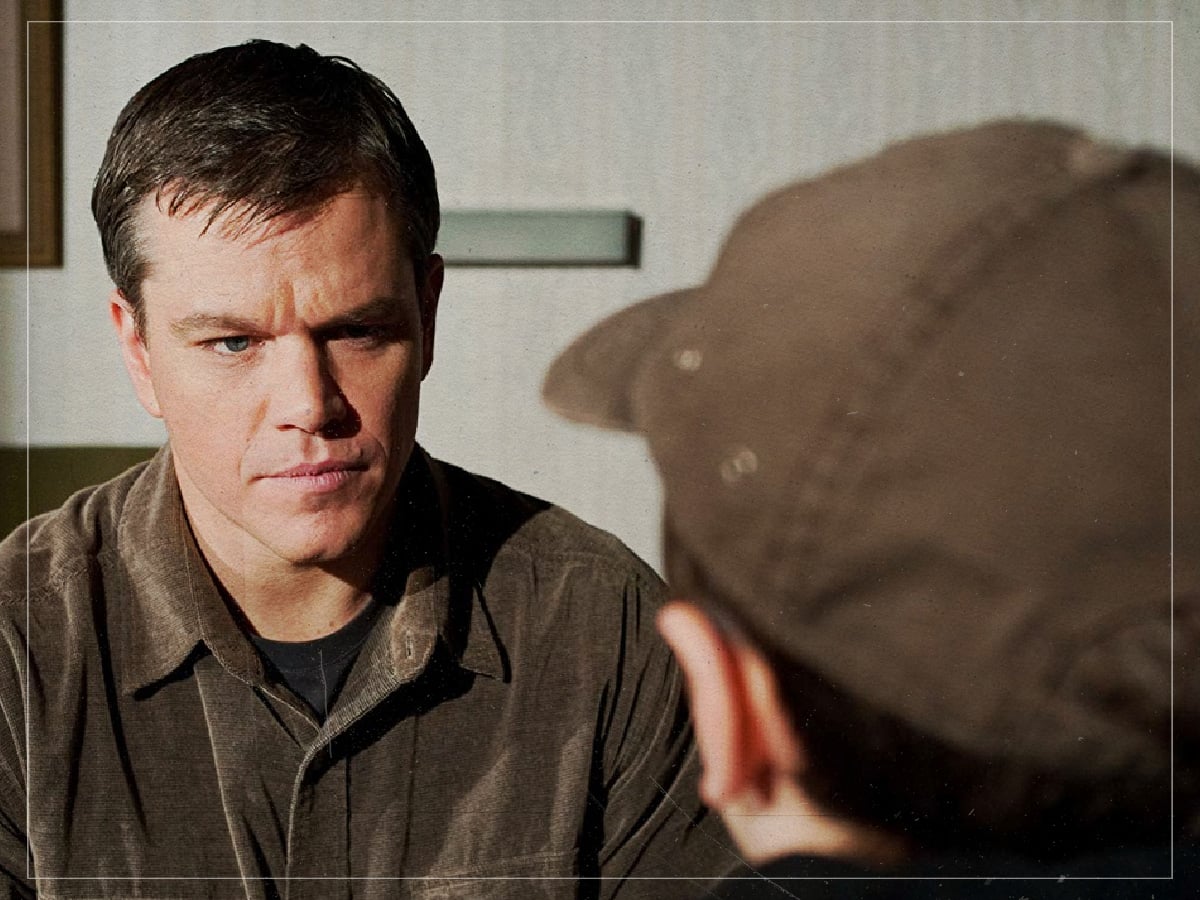
Hereafter is the closest Eastwood has come to doing an arthouse film, as the supernatural drama is one of the most probing, challenging experiments he has ever made. Set in the aftermath of the 2004 Indian Ocean tsunami, it stars Matt Damon as a man who can communicate with the dead, yet chooses to shield his gift out of fear of the intense psychological effects it has. Hereafter is very slow, often to a fault, but it’s an unshowy portrayal of grief that examines the weeks, months, and years of healing that people go through in the aftermath of a loss.
Death and its ramifications come up a lot in Eastwood’s films, but this film smartly uses its ensemble to explore the ways in which different cultures and generations choose to honour loved ones who have passed on. Although it’s unsurprising that such an unusual film struggled to connect with audiences, Hereafter deserves another look.
‘Invictus’ (2009)
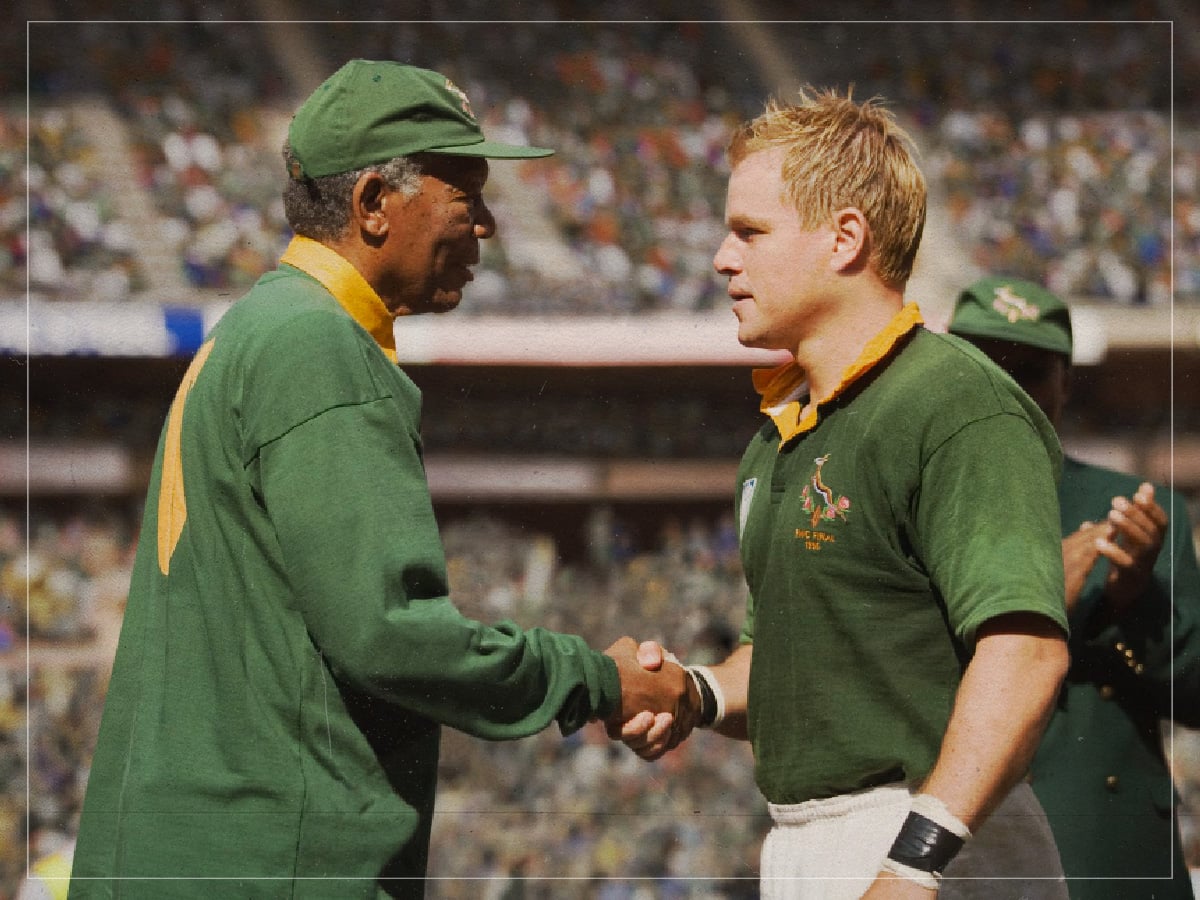
Invictus is one of the best biopics that the director has made because it served as an embodiment of multiple subjects that he has shown interest in. Based on the real victory by the South African rugby team and their World Cup victory, which occurred after the nation was freed from apartheid, Invictus stars Morgan Freeman as President Nelson Mandela and Matt Damon as the rugby team’s captain, Francois Pienaar.
Freeman has often praised Eastwood, and there was no one better to convey a historical figure as important as Mandela; by doing more than just a standard impersonation, Freeman cut to the core of why the South African president became a towering figure in the global quest for peace. Although it is a bit too long, Eastwood pays attention to multiple South African institutions to ensure that the film feels like a well-rounded portrayal.
‘Changeling’ (2008)
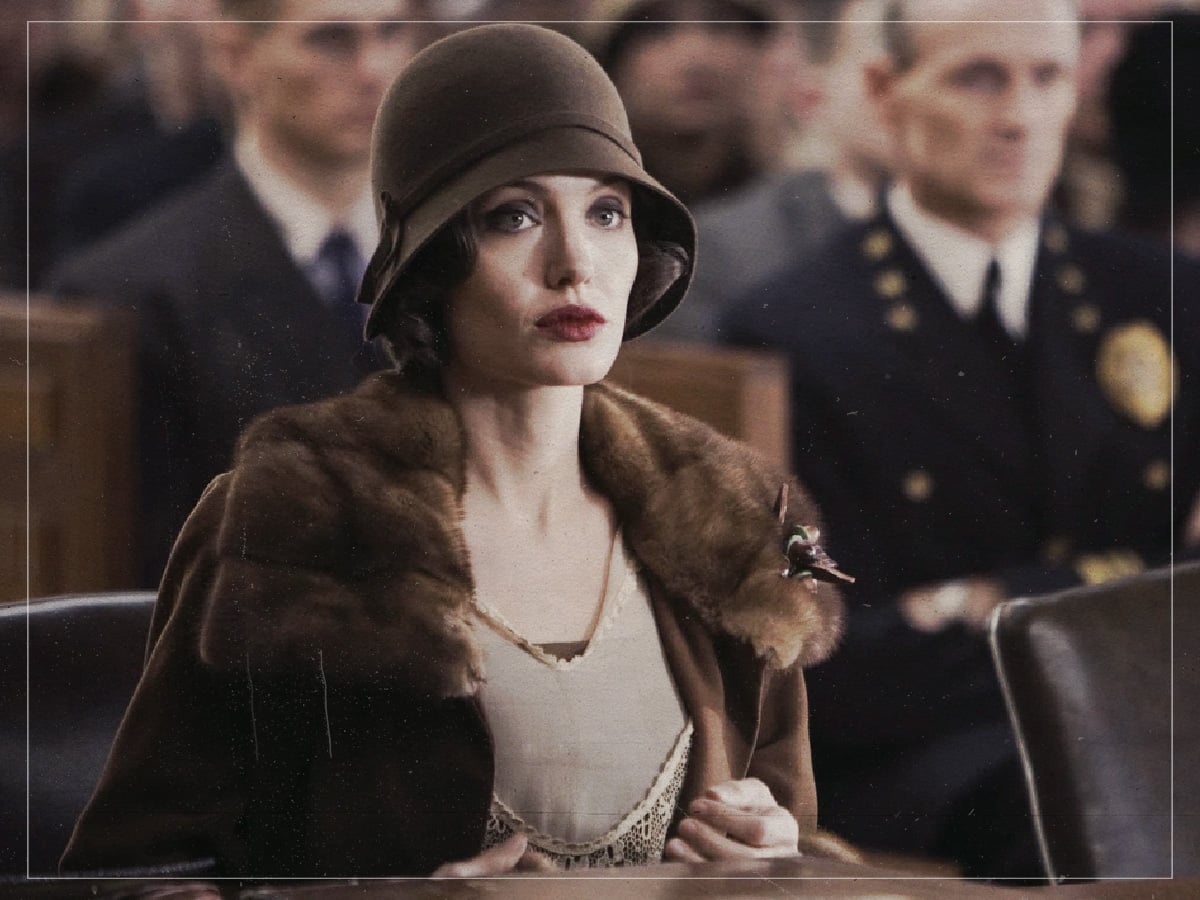
Angelina Jolie has had a fascinating career as a movie star, as it was after winning an Oscar for her breakout role in Girl, Interrupted that she racked up one of the worst filmographies of any contemporary actor; while many of her films were hits, they were nearly all critical duds, and Eastwood gave her an opportunity to redeem herself when he cast her in Changeling as Christine Collins, a woman whose son was kidnapped in 1928.
The film is a harrowing drama that examines paranoia and surveillance brilliantly, showing how the truth can be adjusted if powerful institutions seek to keep their secrets wrapped up; it’s a damning portrayal of both the LAPD and the Los Angeles County Psychiatric facilities, wherein the true story is heartbreakingly rendered with no false sentimentality, but it’s Jolie who gives the film its power for her most transformative, and likely best performance to date.
‘American Sniper’ (2014)
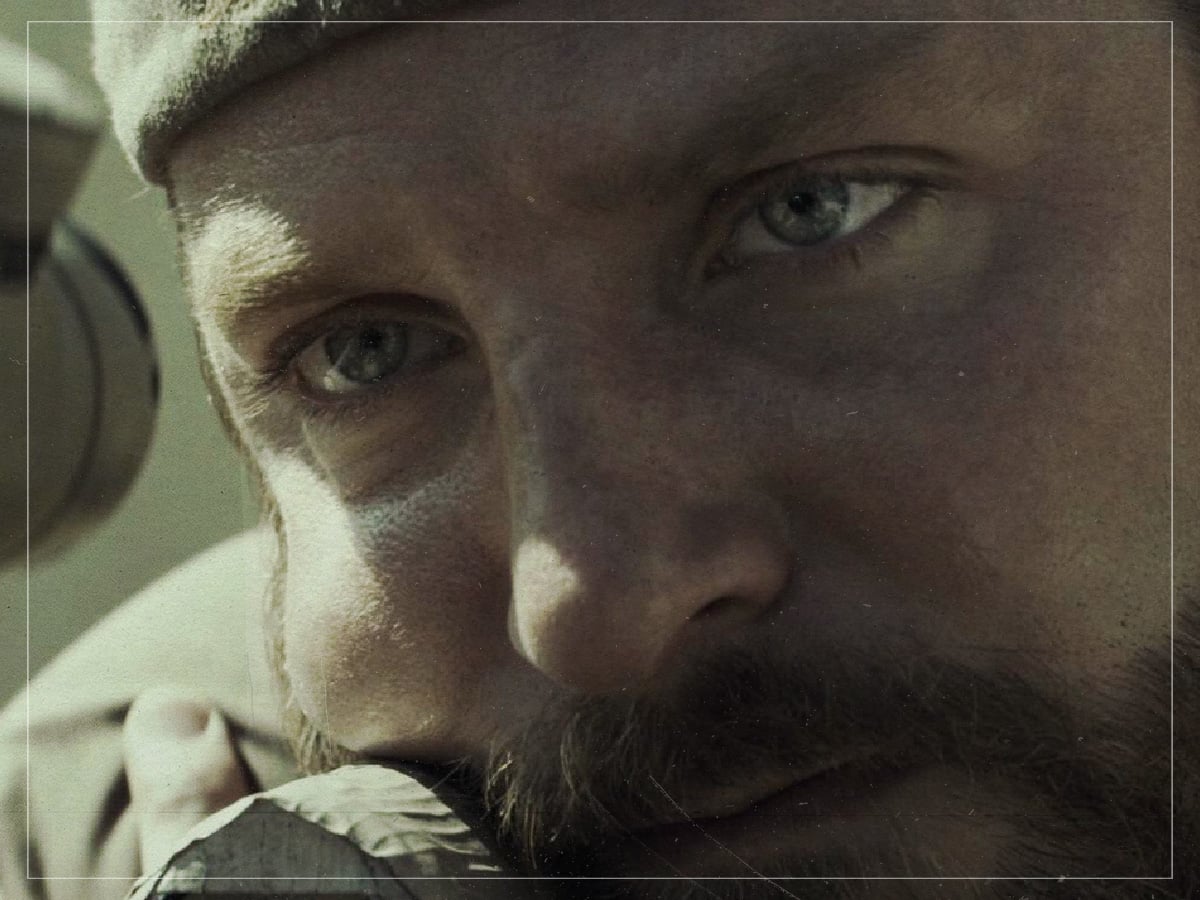
American Sniper became a phenomenon that transcended Eastwood when the film unexpectedly overperformed at the American box office and became one of the biggest R-rated blockbusters of all time. Although the star power of Bradley Cooper was a draw, Eastwood has also crafted an intense war thriller that looks at the banality of violence in intimate ways. That he avoids moments of overstated heroism or finger-wagging politics is the most brilliant aspect of the film, as it slowly chips away at Chris Kyle’s humanity by showing how he became desensitised to death.
Eastwood has seemingly always had the perspective of someone who admires military servicemen but detests war itself, and American Sniper chooses to examine the motivations behind the Middle East conflict without ever endorsing them. It’s a far more prickly film than it’s given credit for, and has earned its place as the biggest hit that Eastwood ever directed.
‘Midnight in the Garden of Good and Evil’ (1997)
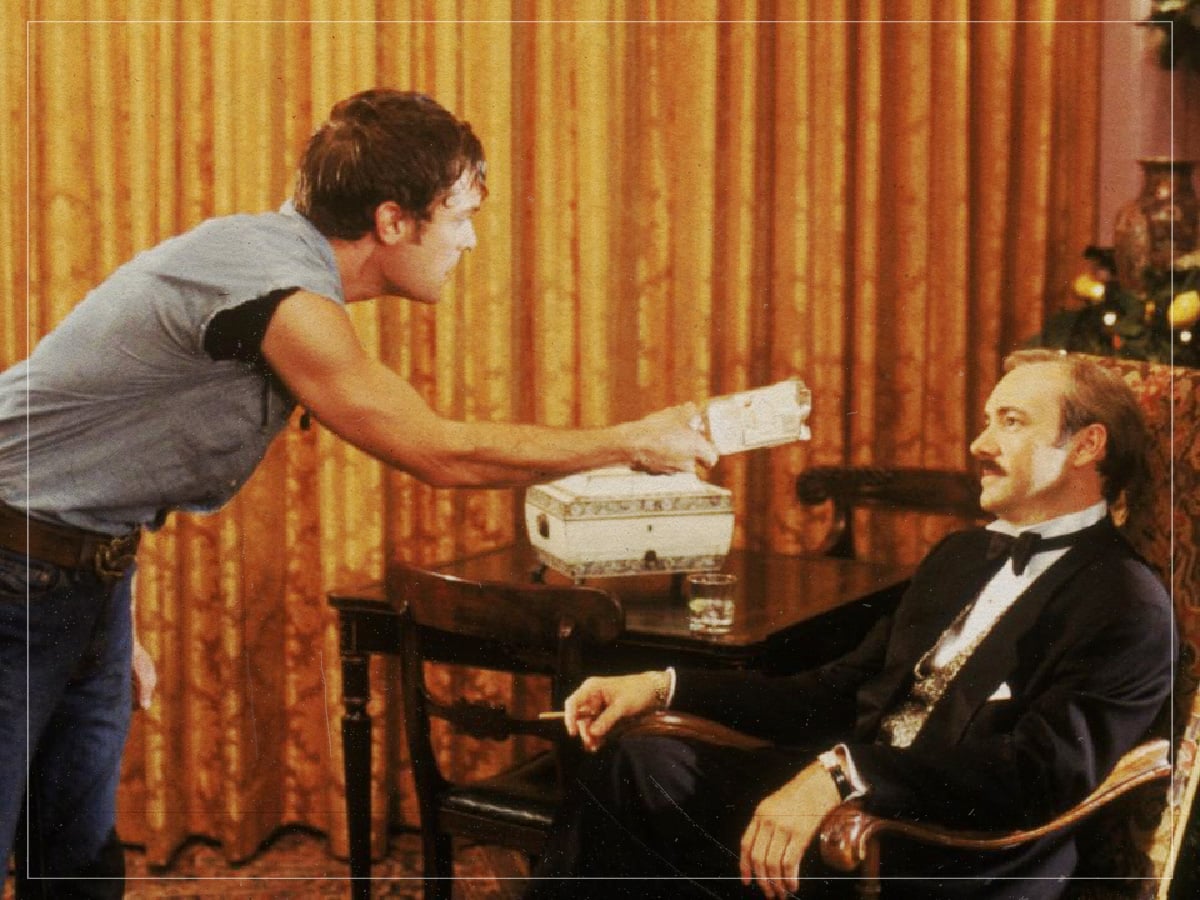
Midnight in the Garden of Good and Evil was a bestseller that was inevitably going to be adapted, but it was a surprise that Eastwood chose to direct but not star in the film. John Cusack took on the lead role of the magazine writer John Kelso, who takes an extended visit to Savannah, Georgia, where he ends up covering the public trial of the beloved community socialite and art collector, Jim Williams, played by Kevin Spacey.
The film isn’t a mystery, given that it’s obvious from the beginning that Williams is guilty of killing a young man, played by Jude Law, with whom he was having an affair. It’s an observational, at times quite funny look at the inexplicable Southern culture that would seem foreign, even to those living just a few states away. Eastwood’s ability to move at a gentle pace gives the film room to breathe and soak up every bit of culture that it can.
‘Sully’ (2016)
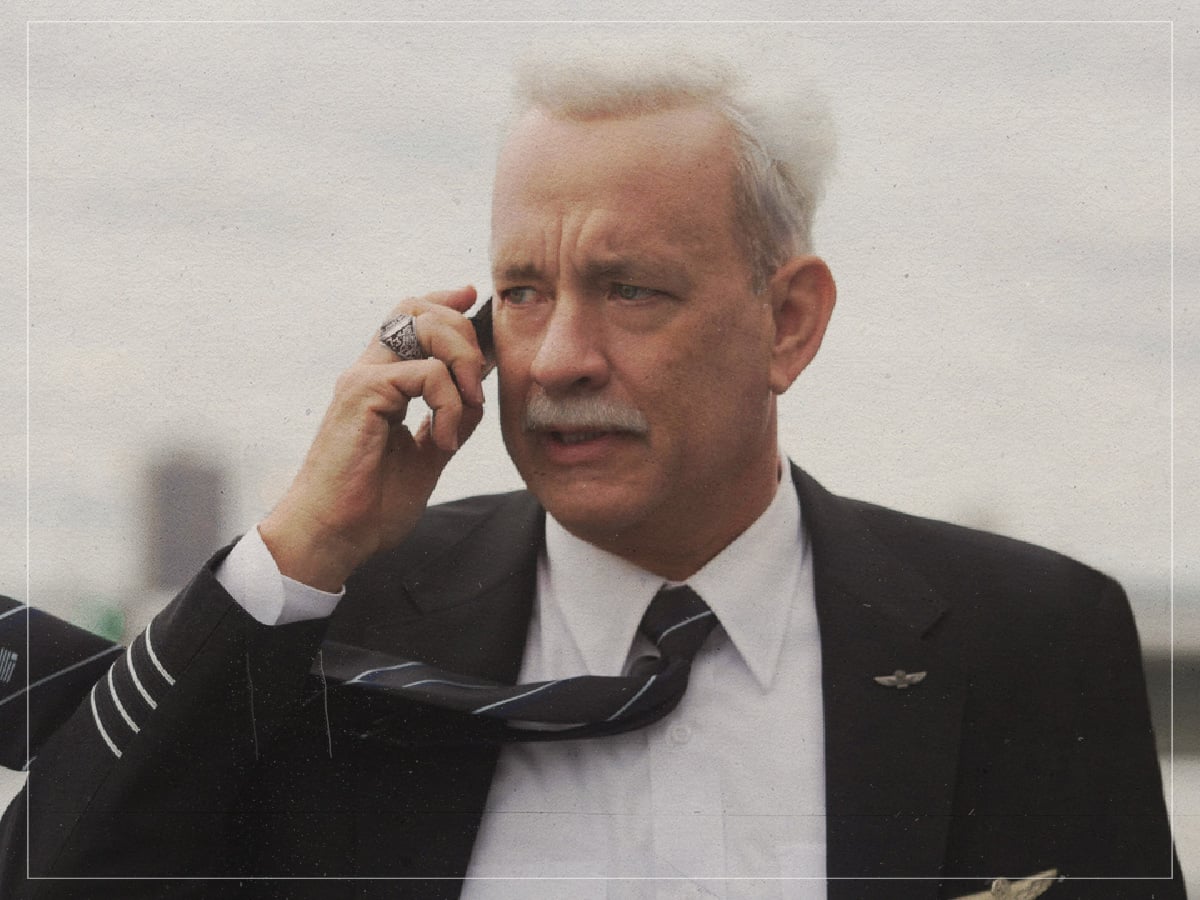
Given that Tom Hanks has seemingly made it a mission to play every notable American hero, he was the perfect person to play Captain Sully Sullenberger, the US Airways Pilot who successfully landed his flight in the Hudson River, saving the lives of his entire crew. Given that the crash itself was a short blip in Sullenberger’s life, Sully is constructed non-linearly, showing the immediate decisions made in the cockpit, the direct aftermath and media frenzy, and the trial in which the National Transportation Safety Board made a formal investigation.
The well-rounded approach to a miraculous news event becomes one of Eastwood’s most brilliant character studies; Sullenberger was an exceptional pilot, but the ‘Miracle on the Hudson’ was a result of a trained professional who executed his responsibilities. It wouldn’t be an Eastwood film if there weren’t some anti-establishment sentiments, and the villainisation of the NTSB’s review process is particularly satisfying.
‘Gran Torino’ (2008)
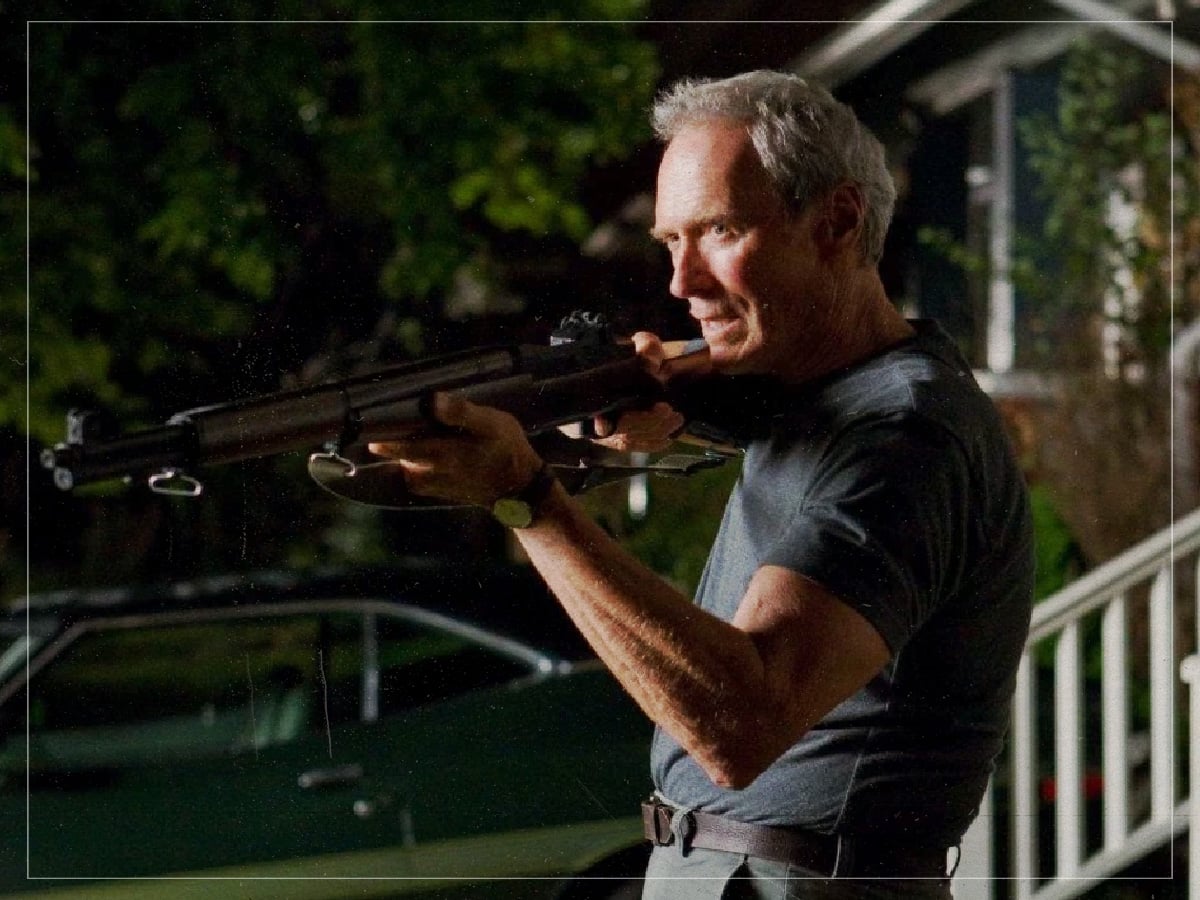
Gran Torino may have spawned countless parodies with the line “get off my lawn,” but the film itself is a surprisingly tender character study of a grizzled Korean War veteran who connects with an Asian-American teenager that he befriends. While its depiction of race relations has been controversial, Gran Torino is profound as a statement about the pains suffered by opposing generations: older people have had their livelihoods stolen from underneath them, and the youths have been given no promises about their future.
Eastwood was able to unpack deeper characteristics of a protagonist who is initially quite nasty and unlikable, and also contributed the film’s original score and song. That a film that is ostensibly rather heartfelt was willing to end on such a shocking note is something only a filmmaker of Eastwood’s stature could have pulled off without feeling exploitative.
‘Breezy’ (1973)
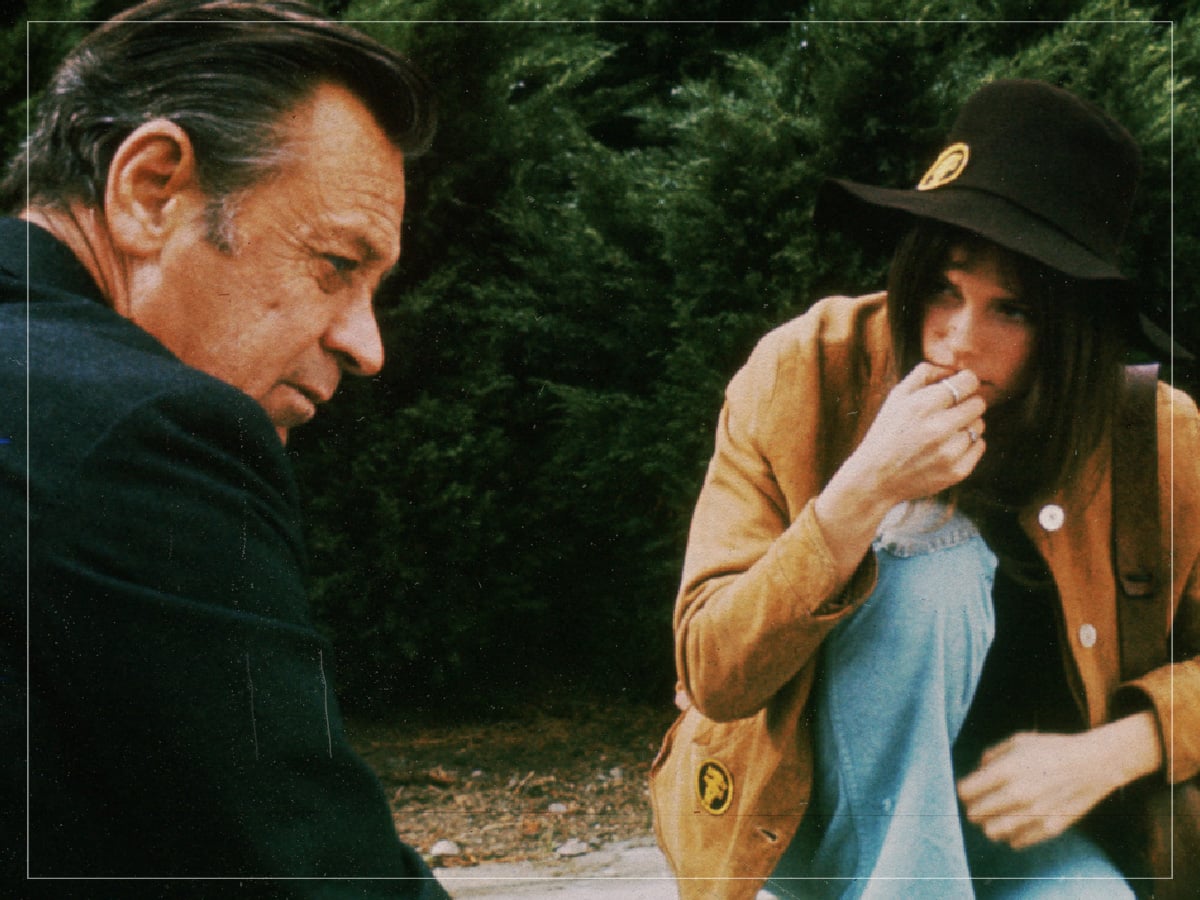
One of the few films that Eastwood made with Universal, given that he has had a longstanding partnership with Warner Bros., Breezy is not at all what would have been expected from the hyper-masculine star. The film is a spacious romantic drama about an older man, played by William Holden, who has a chance encounter with a young hippie, played by Kay Lenz, leading to a romance that surprises them both.
The age-gap is something Breezy addresses head-on, as Eastwood does show sympathy for how two people who share a connection can be ostracised from their respective social circles, based on the person that they fall in love with. Although at times the barriers stacked against the central couple are too convenient, the film has a great late-career role for Holden and a true breakout turn for Lenz, who should have gotten more work based on her wonderful performance.
‘Bronco Billy’ (1980)
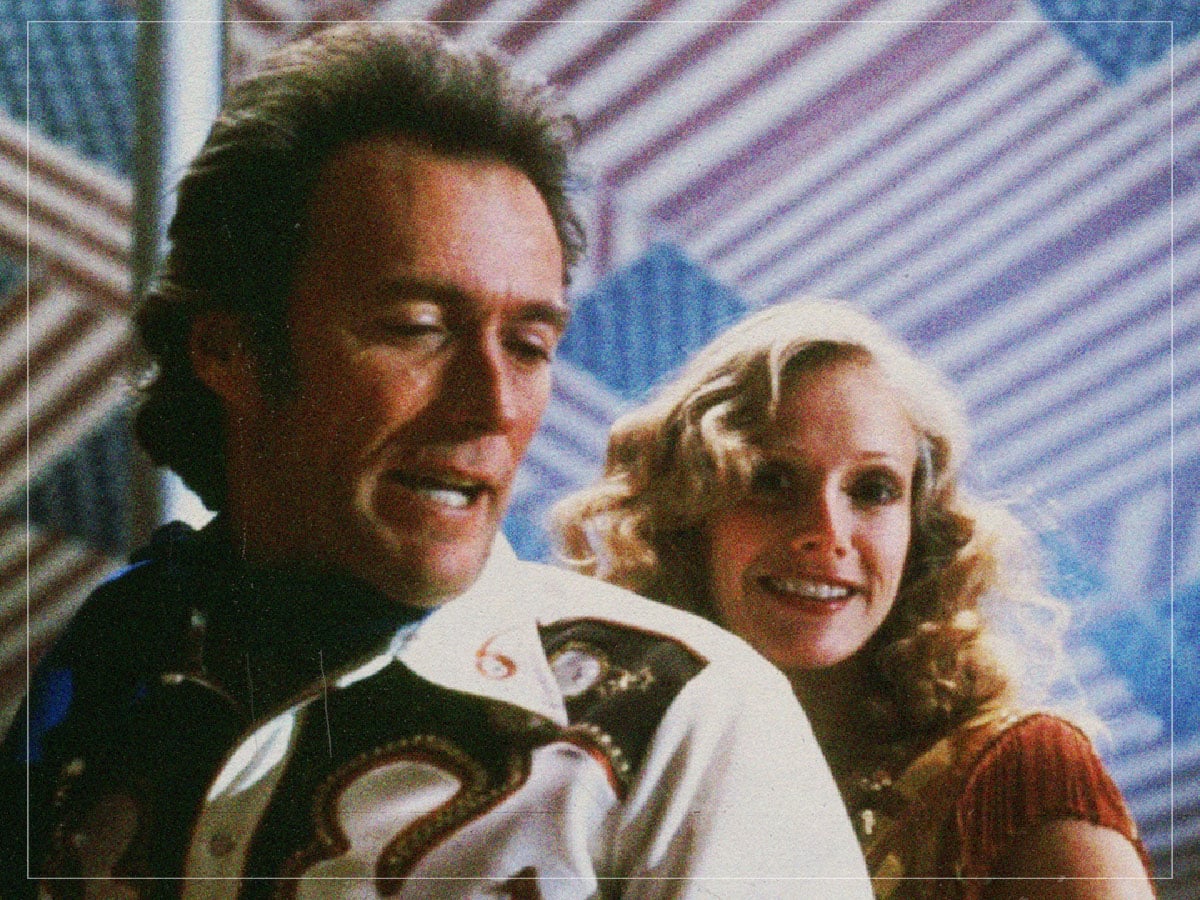
Eastwood has never spoken highly of the Hollywood entertainment complex, but he is a performer who has been working in show business for over 70 years, and it’s not hard to see why he would be a bit sentimental. Bronco Billy is inspired by travelling circus performers who toured with Wild West shows, where Eastwood plays the titular cowboy actor, who struggles to sustain his business as his show faces financial hardships. While not a massive success for Warner Bros, Bronco Billy is one of Eastwood’s most heartfelt films because it celebrates the community that forms in the performing arts.
It’s not hard to see why Eastwood would relate to a protagonist like Billy, especially since the character deals with the pressure of not being able to live up to the persona he has created for himself. Sandra Locke, who is given a much better role than she had in The Gauntlet, is very charming as a new member of Billy’s crew.
‘Juror #2’ (2024)
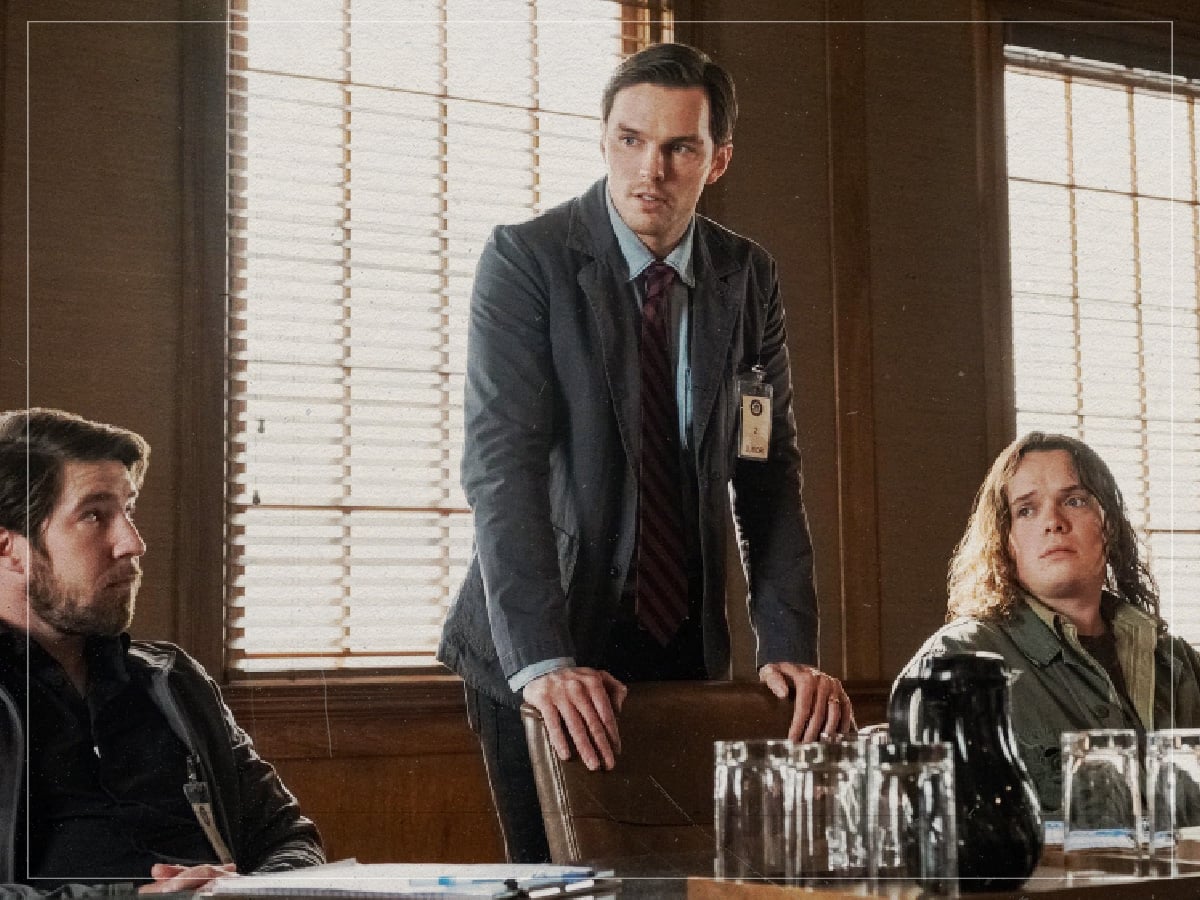
It’s an embarrassment and insult that Juror #2, likely the last film Eastwood will ever make, was released with no fanfare or marketing by Warner Bros, shortly after David Zazlav’s regime started making serious changes to their rollouts. It’s not uncommon for a studio to bury a film, but Juror #2 is a fascinating ethical drama that features Nicholas Hoult in the performance of his career.
Eastwood selected Hoult to play a member of a jury who realises he might be guilty in the case being tried, and the conflict between personal ethics and legal responsibilities explodes as the character weighs the possible outcomes for everyone involved, including the potential scapegoat. It’s not only a great deconstruction of the justice system, but a fascinating dialogue about personal duty; being a new father, Hoult’s character considers whether he can be a good parent, but a flawed man, making for an old-fashioned film that succeeds in sparking debates.
‘Million Dollar Baby’ (2004)
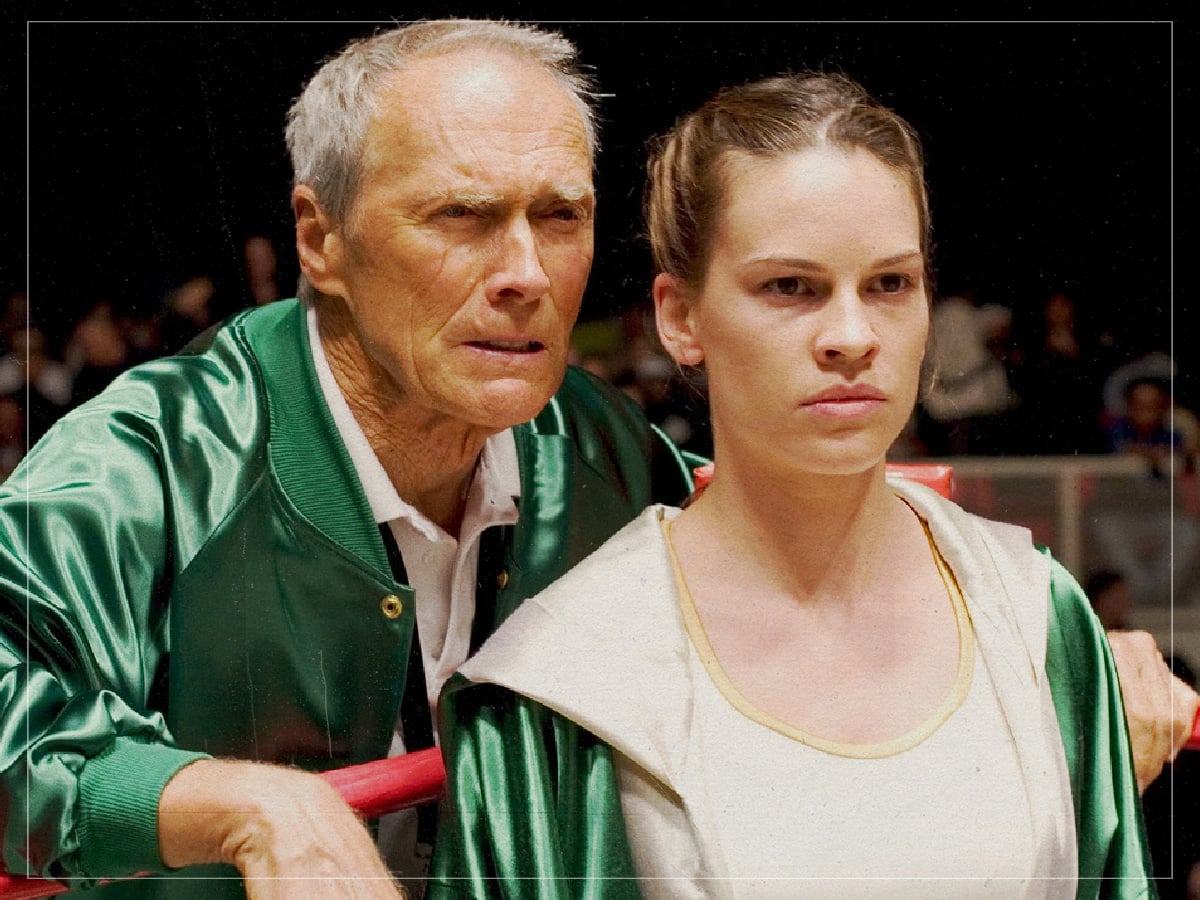
The second of Eastwood’s films to sweep the Academy Awards with wins for ‘Best Picture’ and ‘Best Director’, Million Dollar Baby is among the darkest sports dramas ever made. The notion of Eastwood’s grizzled veteran trainer, training an enthusiastic amateur boxer, played by Hilary Swank, might seem conventional on paper, but Eastwood poured unwavering truthfulness into an emotionally overwhelming tale of grief, remorse, and futility.
He is remarkably restrained in one of his toughest, most solemn roles ever, which makes his opening up even quite moving. Swank not only nails the physicality of the demanding role but delivers a performance so vivacious that the inevitable tragedy stings even more. It’s not an easy film to watch and does draw out its finale, but Million Dollar Baby was a reminder of just how effective a storyteller Eastwood could be when focused on a single relationship.
‘Honkytonk Man’ (1982)
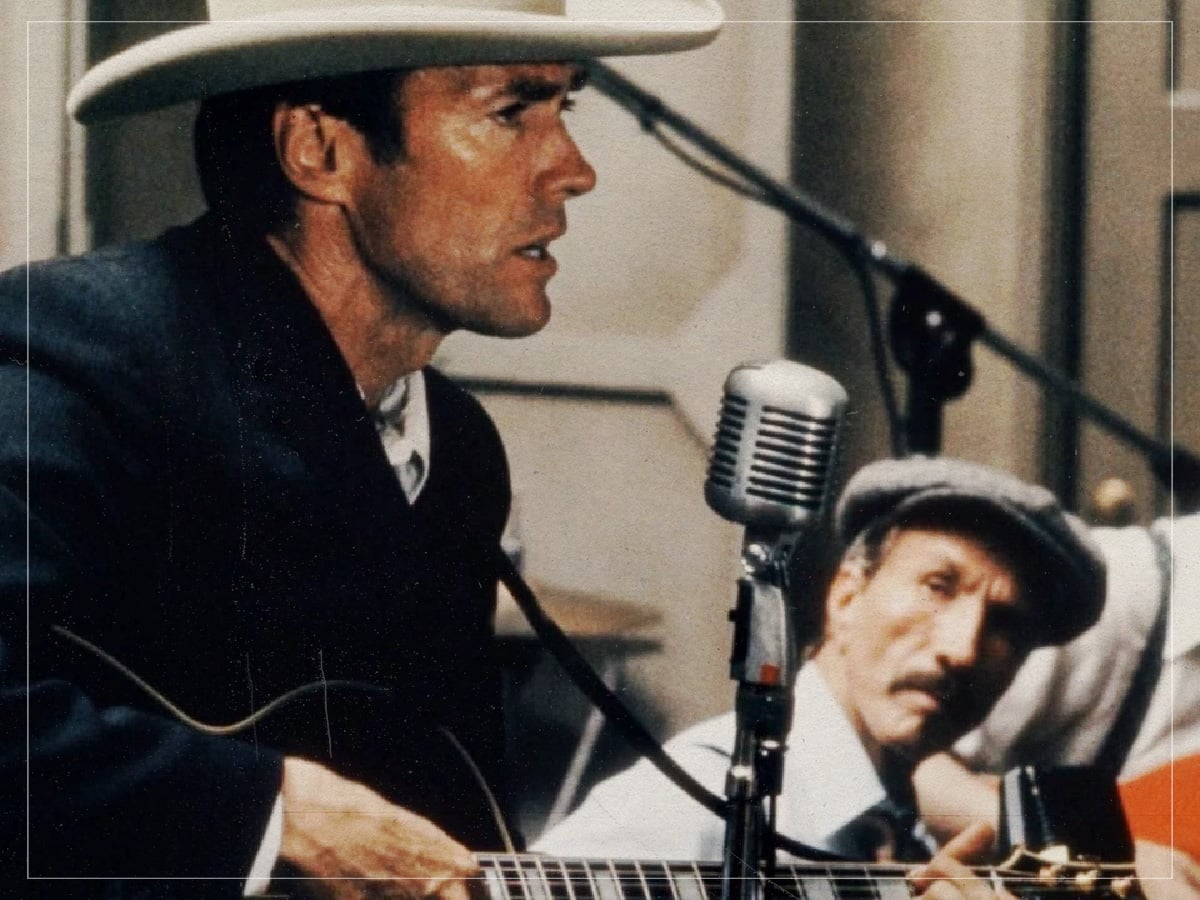
Music is an undiscussed aspect of Eastwood’s career, but an important one, as in addition to writing the score and original songs for many of his films, he had also recorded an album in the ‘50s before his acting career took off, and would play in between filming of Rawhide. Honkytonk Man may be a classical tale of a musician’s self-destructive tendencies, but Eastwood has the perception to recognise why these traits are so often found in those with performative talent.
Eastwood stars as an alcoholic Western singer who is given one last shot to go on tour, and he made the daring decision to cast his own son, Kyle, as the film’s co-lead. It’s the type of casting choice that would have raised accusations of nepotism had it felt inauthentic, but the two Eastwoods are such a naturalistic pair that Honkytonk Man feels like one of the director’s most personal works.
‘White Hunter, Black Heart’ (1990)
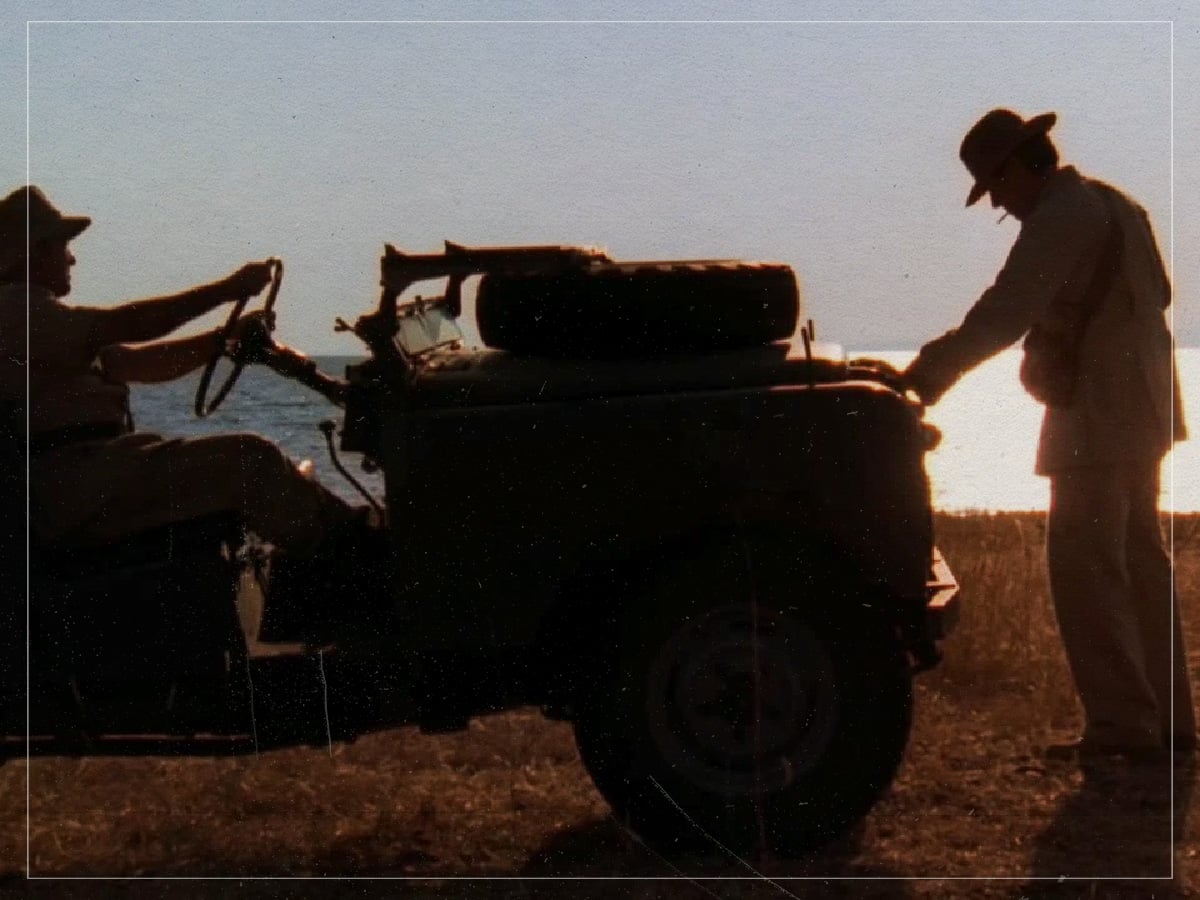
There are few directors in the history of Hollywood who were as larger-than-life as John Huston, which may explain why Eastwood decided to study him with a revelatory drama loosely inspired by the making of The African Queen. The latter stars as an eccentric filmmaker modelled after Huston who faces his insecurities while travelling to Africa so he can shoot his ambitious adventure film.
Although Eastwood does an impressive physical and vocal transformation, perfectly mirroring Huston, White Hunter, Black Heart doesn’t feel like a parody, where the director seems both baffled by Huston’s fixations and enamoured with his passion, as he is keen to point out the shadier side of the industry in which they both belong. Even ignoring the meta-commentary involved in comparing the directorial styles of Eastwood and Huston, White Hunter, Black Heart is an intimate study of the filmmaking process by someone who understands it better than anyone else.
‘Pale Rider’ (1985)
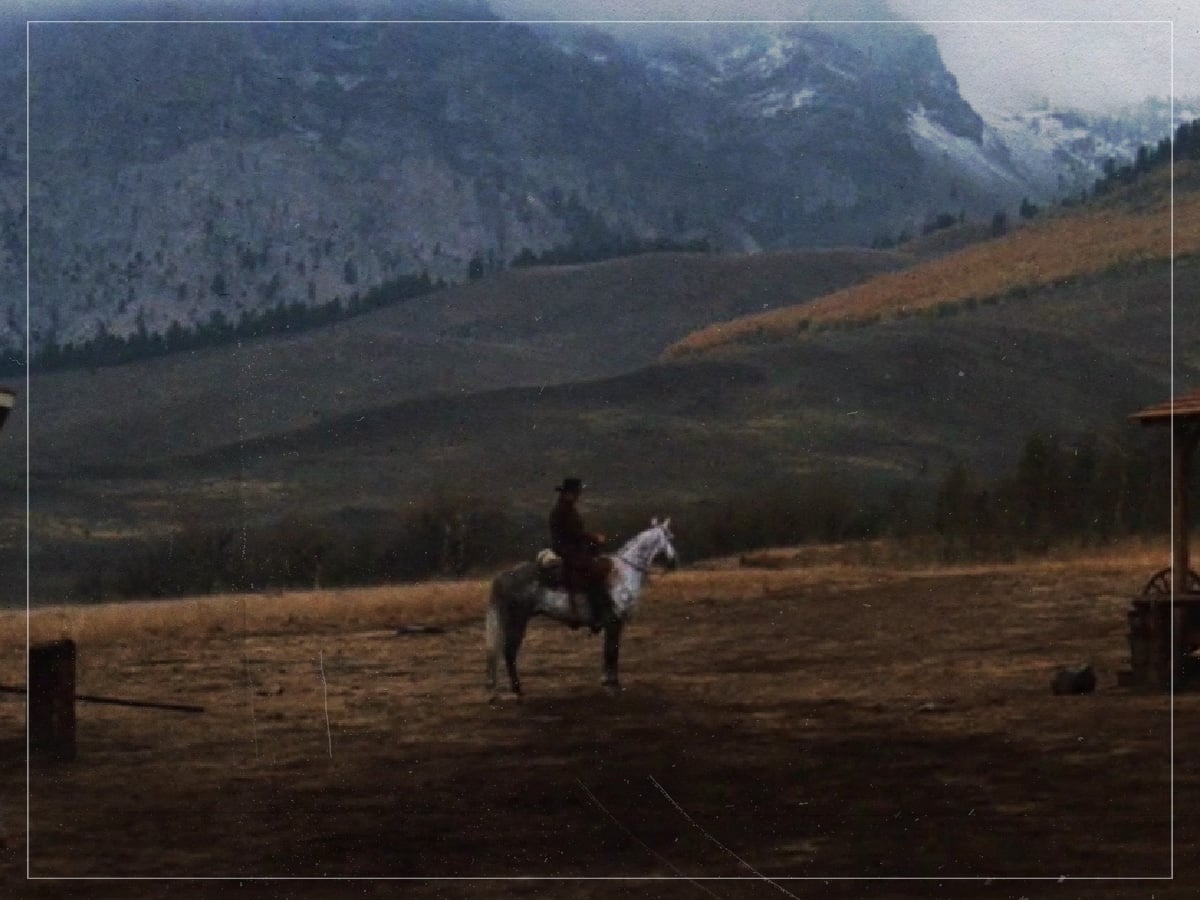
Pale Rider is easily the darkest of Eastwood’s westerns, and one that becomes more fascinating when looking into the allusions to religion, where his character is a drifter known only as ‘The Preacher’ who becomes the protector of a mining town threatened by merciless criminals.
Although he is often not given enough credit for how versatile of an actor he can be, Pale Rider was a rare film in which his dark stoicism had to balance objective reality with metaphorical implications; although ‘The Preacher’ is an obvious stand-in for one of the Four Horseman of the Apocalypse, Pale Rider has the brutality of an Old Testament passage with its relentlessly dark portrayal of the finality of death. The film goes beyond being a simple anti-hero story, becoming about a villain who just so happens to be on the right side of a conflict.
‘The Bridges of Madison County’ (1995)
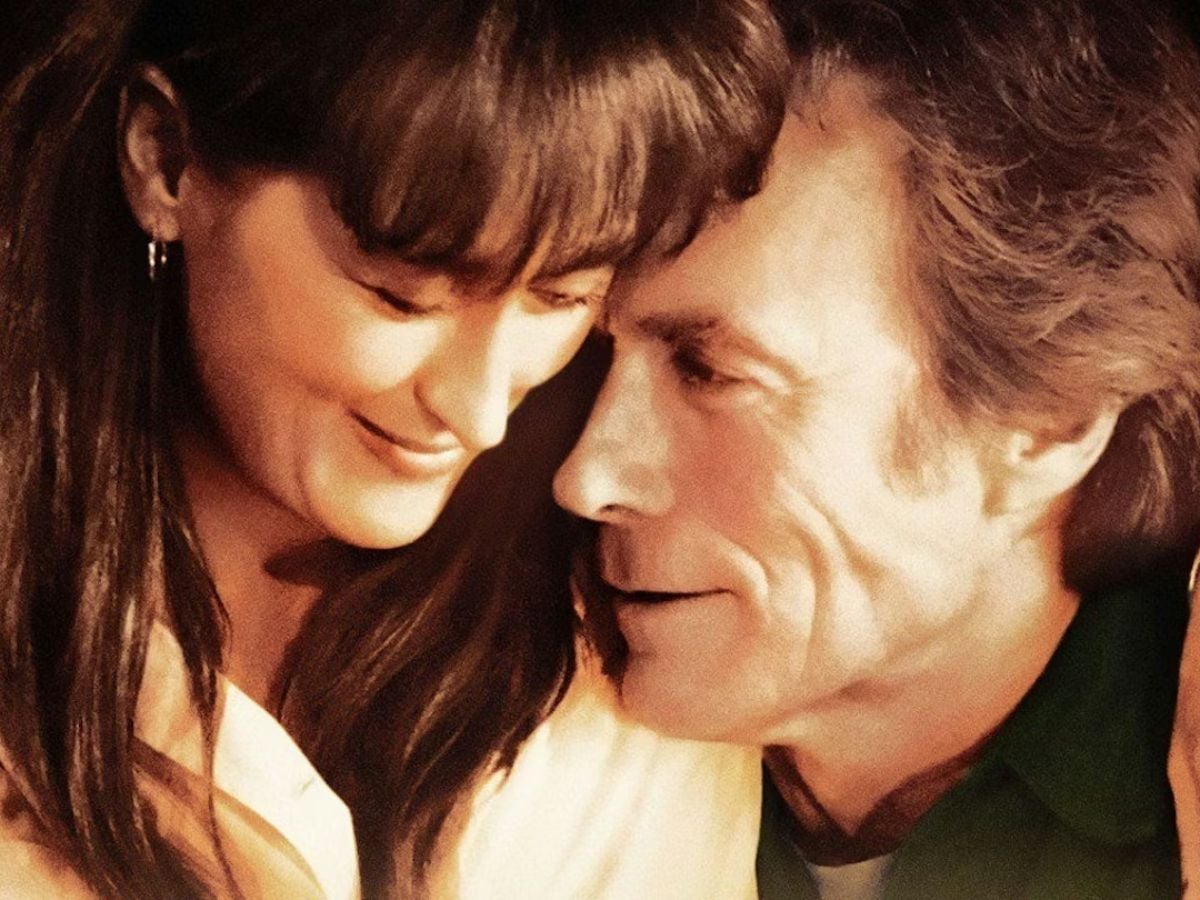
In most other directors’ hands it would have been a standard weepie, The Bridges of Madison County is a breathtaking romantic drama that Eastwood’s thoughtful, serene style is perfectly fit for. Rather than telling a sweeping tale of lost love, the adaptation of Robert James Waller’s popular novel of the same name examines an intimate weekend in the lives of an Iowa mother (Meryl Streep) and a photographer (Eastwood) that soon becomes unforgettable.
It shouldn’t come as a shock that Streep gives a brilliant, transformative performance, but The Bridges of Madison County shows restraint in establishing a chemistry with Eastwood through unspoken feelings and subtle physical movement. It’s through simple, tender moments of shared affection that the film builds sympathy for both characters, each of whom has suffered from feelings of unfulfillment, leading to a conclusion of devastating power.
‘The Outlaw Josey Wales’ (1976)
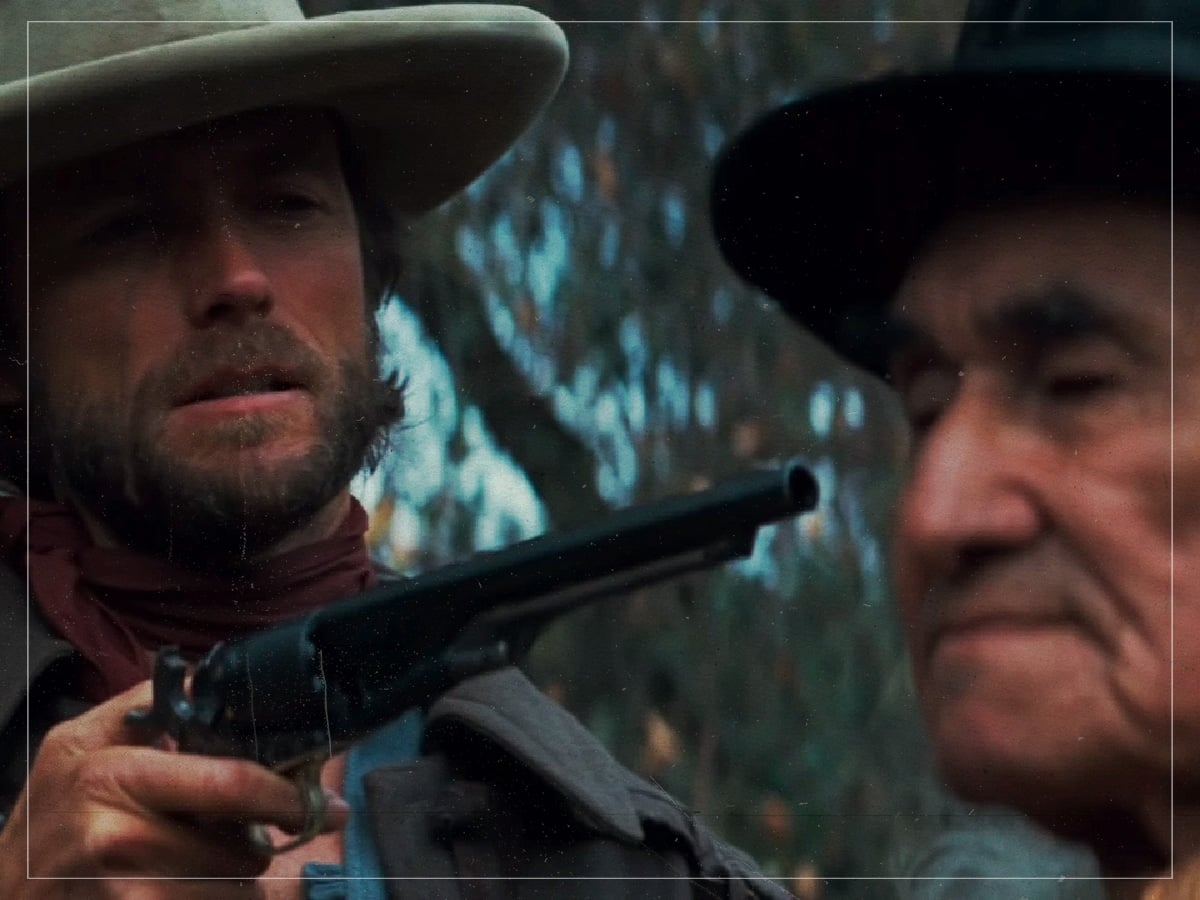
The western has been Eastwood’s speciality since the inception of his career, but he’s also shown no affection for the classics of the genre. The real American frontier era was not a place of adventure and excitement, and he deconstructs Hollywood’s mythmaking of the brutal historical period with an exhilarating Civil War epic. The Outlaw Josey Wales examines the cyclical nature of revenge, where war only breeds greater resentment from those without personal capital, and makes vengeance into their only means of fulfilment.
Each act of aggression leads to a series of consequences that devastates all participants, and The Outlaw Josey Wales shows how one man’s life transforms as he becomes a soldier, outlaw, and legend while on the run. By blending the scale of classical westerns with the pulpy thrills of ‘70s exploitation films, Eastwood indicated that the genre had fully reached its revisionist era.
‘Letters from Iwo Jima’ (2006)
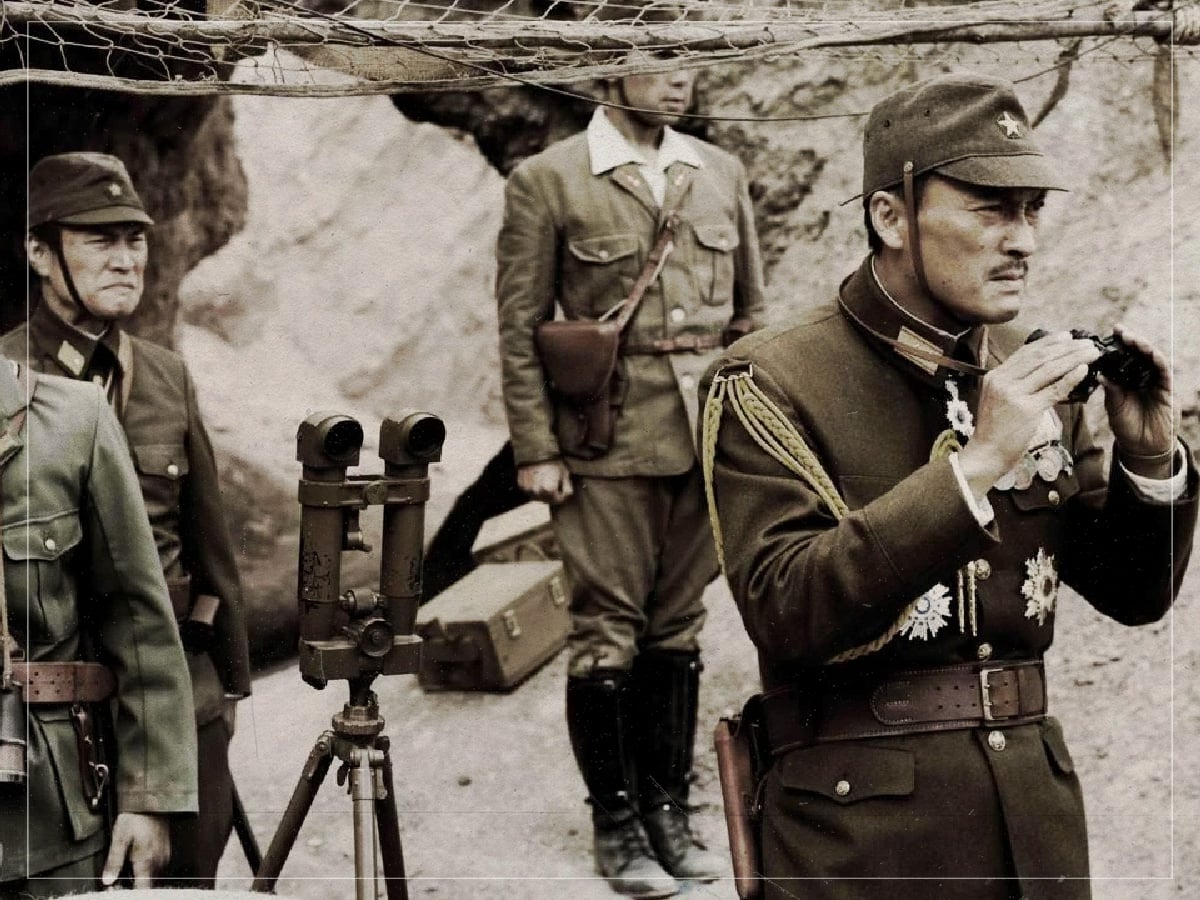
The second half of Eastwood’s double-feature about the last major conflict of World War II showed the perspective of the soldiers of Japan as they faced the invasion of the Allied forces. While it’s not surprising that American audiences were mixed on a film that sympathised with the Japanese people (but not its government), Letters from Iwo Jima was popular in Japan because of the time Eastwood had taken to authentically depict its culture and customs.
The film defied stereotypes of the Japanese military and frankly looked at the dilemma faced by its soldiers, who were caught between their civic duty and the realities of a war that had been devastating to their homeland. Although the film utilises flashbacks to show the backstories of some of the critical characters, the climactic battle sequence is among the most gripping, visceral sequences that he has ever crafted.
‘Bird’ (1988)
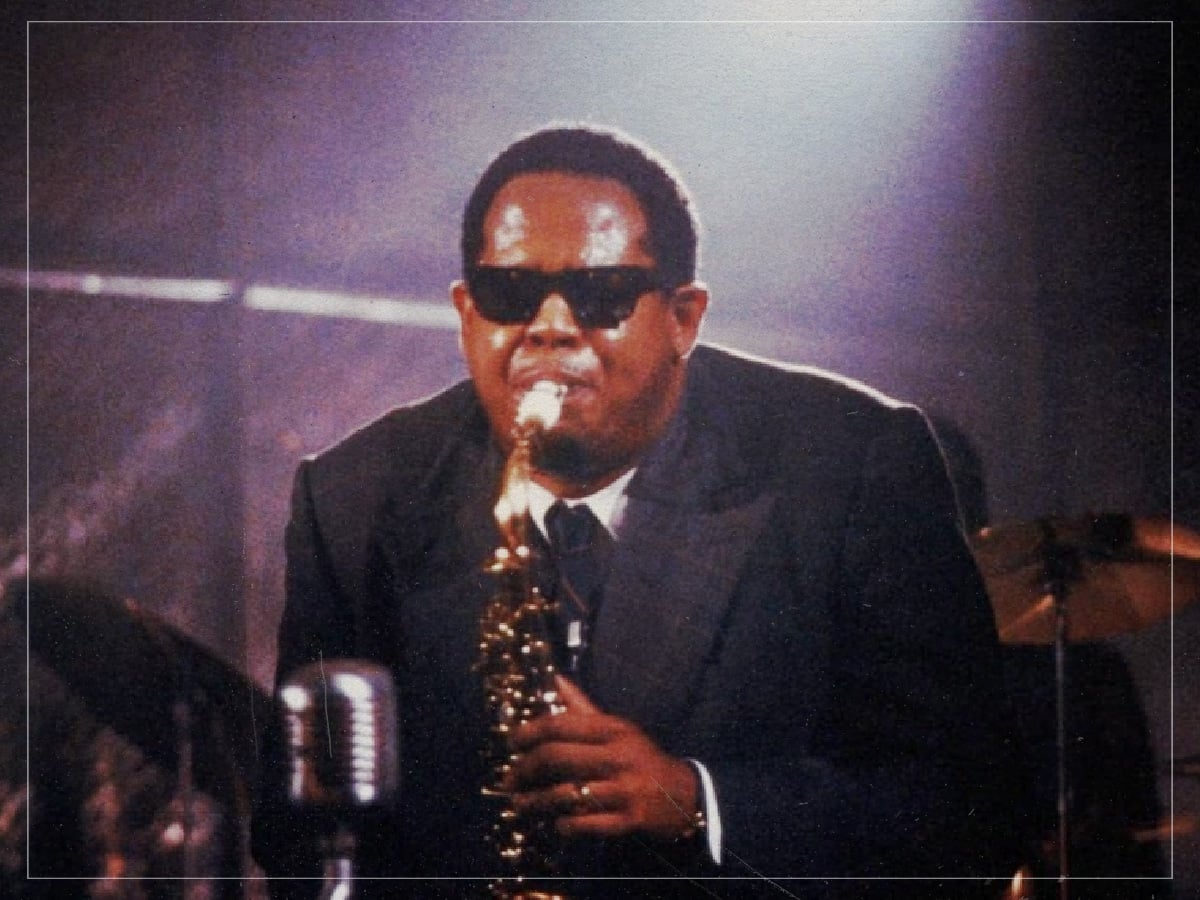
Hollywood has become obsessed with biopics of famous musicians, which generally feel like a quick summation of their greatest hits aimed at pleasing established fans. Eastwood took the opposite approach with his impressionistic, lyrical exploration of the jazz legend Charlie ‘Bird’ Parker, who died at the age of 34 after sustained drug use and mental health issues. Forest Whitaker transforms into Parker, delivering impressive jazz performances and capturing the late artist’s erratic behaviour.
Although Eastwood takes the time to set the mood for what the jazz scene looked like in the ‘40s and ‘50s, it never feels like Bird is being judgmental of a cultural movement. That it’s so light on its feet and unpredictable was perhaps the best way to capture the spontaneity that is inherent to jazz music, and Parker may have passed at far too young an age, but Bird succeeds in immortalising his legacy.
‘High Plains Drifter’ (1973)
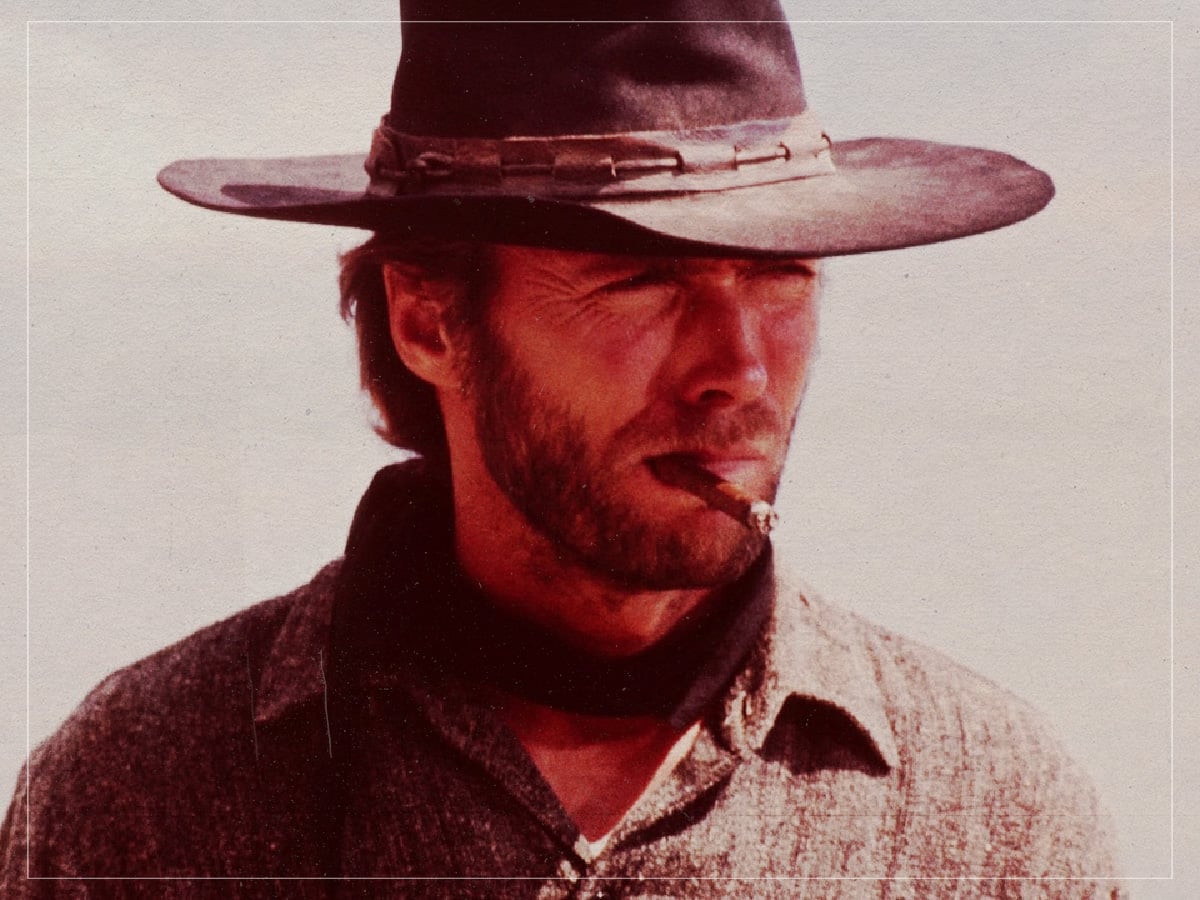
Eastwood isn’t commonly associated with the New Hollywood movement, but High Plains Drifter shares the same qualities with many of the most famous counterculture films of the ‘70s; it was initially seen as such a defiant takedown of American heroism that John Wayne desired its existence.
Narratively, High Plains Drifter mirrors the plot of Leone’s Dollars films because it follows a rogue gunslinger who becomes a guardian for innocent civilians caught in the crossfire between bandits. Yet, Leone implied a sense of heroism that Eastwood ignores entirely because High Plains Drifter depicts a cunning, ruthless anti-hero who turns the villains’ greed and ignorance against them. It’s a perfectly staged revenge thriller that builds to a masterful final shootout, and firmly establishes that he had a singular voice as a filmmaker that was distinct from the prior films that he had starred in.
‘A Perfect World’ (1993)
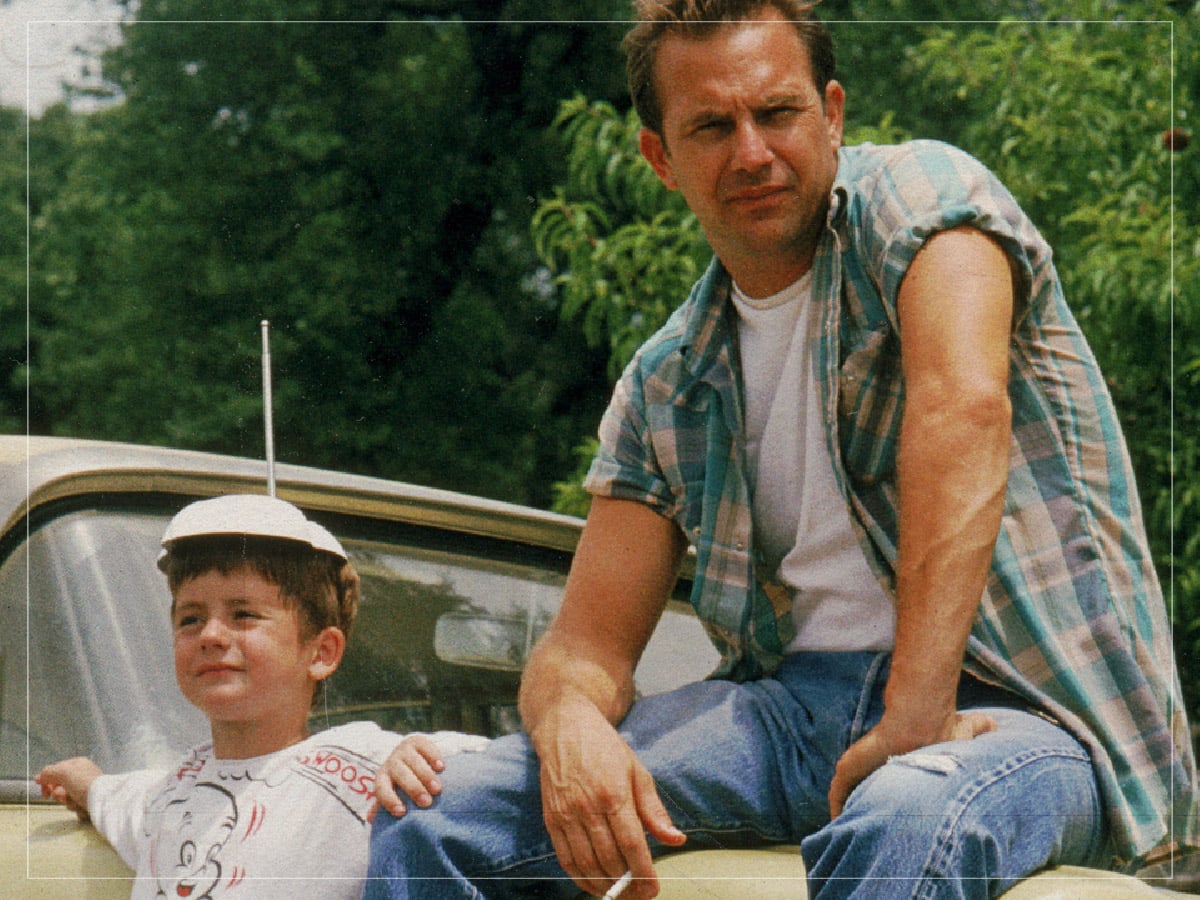
It was after they had both swept the Oscars that Eastwood and Kevin Costner finally worked for the first time, and managed to make a masterpiece amidst on-set tensions. An investigation of masculinity that also flips western tropes on their head, with the film starring Costner as an escaped criminal who kidnaps a young boy, played by TJ Lowther, only to end up becoming his paternal figure.
A Perfect World questions what manhood is if it is not in the service of others, as not only does Costner’s character become a better person by offering guidance to a child who never knew his father, but Eastwood co-stars as a Texas Ranger pursuing them, who begins to suffer a crisis of confidence. Each character is well-defined and given an ambiguous morality, which makes its insights about criminality, isolation, and loneliness even more profound.
‘Mystic River’ (2003)
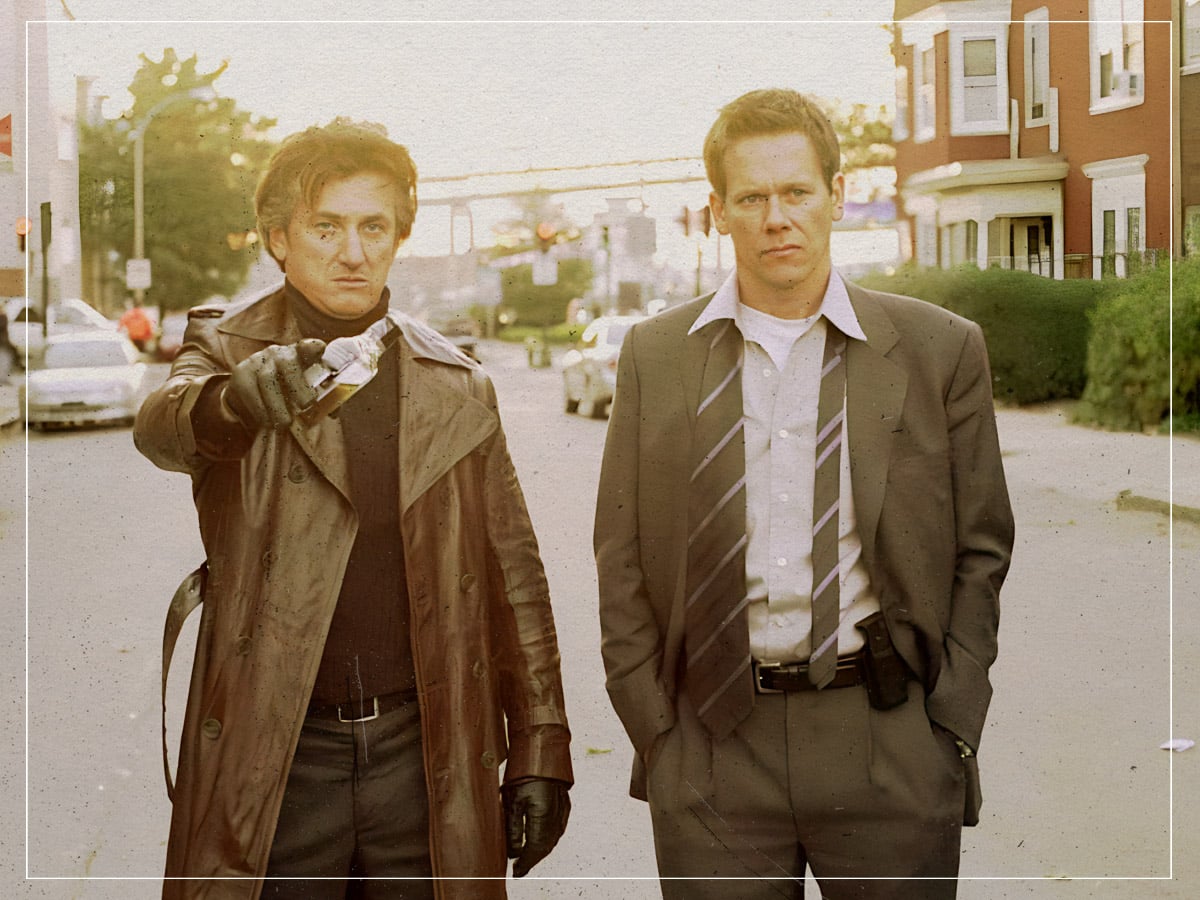
In what is among the darkest and most cynical crime thrillers of the 21st century, Mystic River examines how an instance of trauma leaves behind lifelong pain for a community, turning friends on one another and locking families into a blood feud. Eastwood so delicately identifies the vulnerabilities of his characters that the world of Mystic River becomes tangible, resulting in an emotionally destructive series of inevitable consequences.
Sean Penn won the first of his three Academy Awards for his incendiary, charged performance of a grieving father who takes it upon himself to enact justice, wherein the uncontrollable rage he demonstrates is terrifying, but Penn avoids scrubbing any sympathies for the character by hinting at the unresolved trauma that has lingered within his subconscious. An equally brilliant performance from Tim Robbins, who also took home an Oscar, offers the perfect counterbalance to the unstable friendship.
‘Unforgiven’ (1992)
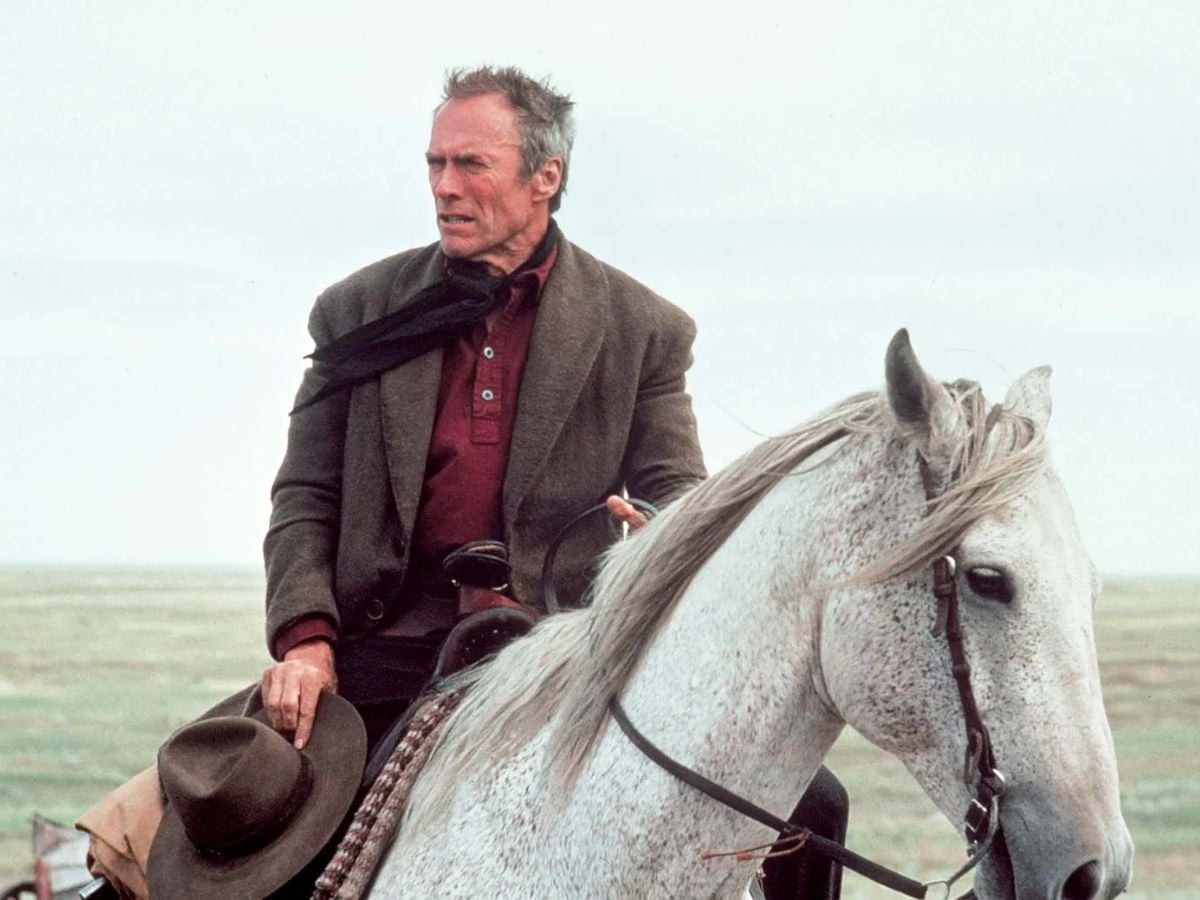
Unforgiven isn’t just the defining masterpiece of Eastwood’s career, but among the finest American films ever made. It goes beyond being a deconstruction of westerns because it offers the coda that the genre had never wrestled with before: what happens to the most feared gunslinger when he has reached his capacity for destruction? The answer he provides is that violence this cyclical is inevitable and inescapable, a reality made brutally clear within the stunning final shootout.
It was a masterstroke on Eastwood’s part to use Gene Hackman to portray the sickeningly evil Little Bill, only to reveal that his own character, Will Munny, was a true psychopath who had no possibility of redemption. It was a fitting spiritual sequel to Eastwood’s legacy in westerns, and ironically led to a decrease in the genre’s viability moving forward, where any filmmaker who tried to return to the Wild West had to acknowledge that they could never top Unforgiven.

Never Miss A Tale
The Far Out Clint Eastwood Newsletter
All the latest stories about Clint Eastwood from the independent voice of culture.
Straight to your inbox.